Tag: paleontology
-
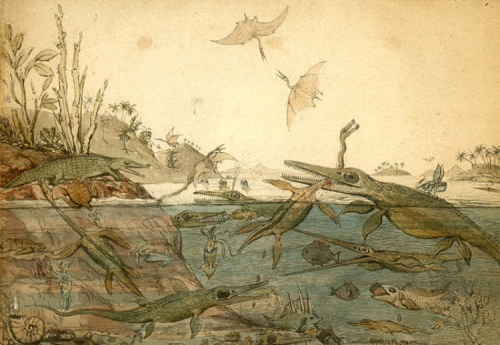
Letters From Gondwana: The Great Female Scientists of the Victorian Era
The blog Letters From Gondwana has a great post about the great female scientists of the Victorian Era. Of course, there’s Mary Anning and the Philpot sisters. Also included are Barbara Hastings, Etheldred Bennet, Mary Buckland née Morland, Charlotte Murchinson, Elizabeth Cobbold, Mary Buckland née Morland, Charlotte Murchinson, Mary Sommerville, Jane Marcet, Delvalle Lowry, and…
-
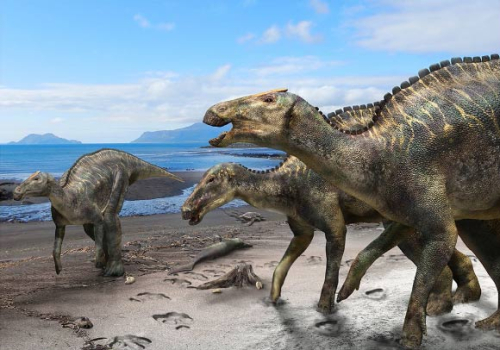
SciNews: New Duck-Billed Dinosaur Unveiled: Kamuysaurus japonicus
Science News has an article about a newly described dinosaur from Japan. It’s a duck-billed dinosaur that lived 72 million years ago during the Cretaceous period. Named Kamuysaurus japonicus, it belongs to a family Hadrosauridae. All the details can be found in a paper in the journal Scientific Reports. The specimen was analyzed by paleontologists from…
-
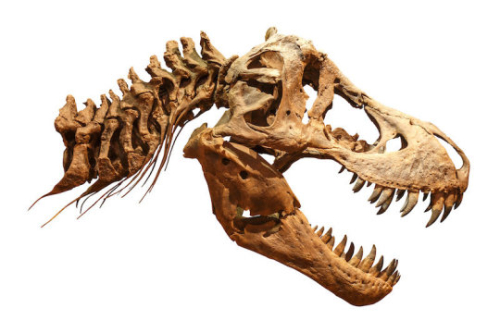
ScienceDaily: T. Rex had an air conditioner in its head, study suggests
Science Daily has a post about Tyrannosaurs rex and how it might have handled the heat of the Cretaceous. As an animal gets bigger, it gets harder and harder to dump heat. That’s because the volume of its body grows faster than surface area as the body gets bigger. Researchers at the University of Missouri,…
-
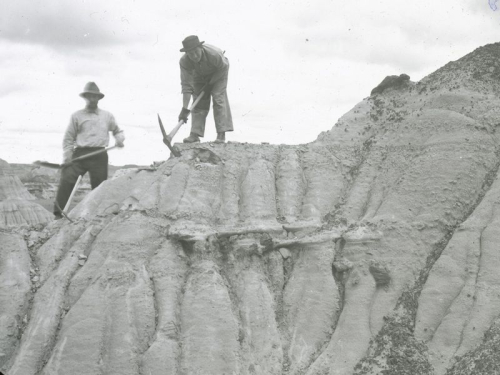
Smithsonian: How to Discover Dinosaurs
Over on Smithsonian.com, Hans-Dieter Sues has an article about finding dinosaurs. The article answers many of the what, where, and how kind. People always ask, “How do you know where to dig?” Well, first we have to find a dinosaur skeleton before we can dig it up. To collect dinosaurs requires careful planning. Unless they…
-

PBS Eons: The Raptor That Made Us Rethink Dinosaurs
PBS Eons has a new episode about Deinonychus and that endless question… Were dinosaurs warm or cold blooded? In 1964, a paleontologist named John Ostrom unearthed some fascinating fossils from the mudstone of Montana. Its discovery set the stage for what’s known today as the Dinosaur Renaissance, a total re-thinking of what we thought…
-
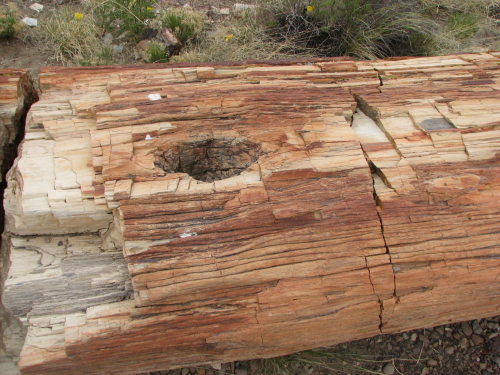
Roy Plotnick: Epigraphs of taphonomy (or prolegomenon to a future book)
Roy Plotnick has another interesting blog post over on Medium. In this post, he discusses some future plans for a possible book. Make sure you follow him on Medium. He doesn’t post very often, but all his articles are worth reading! When I first thought of writing a popular science book, one option I considered…
-
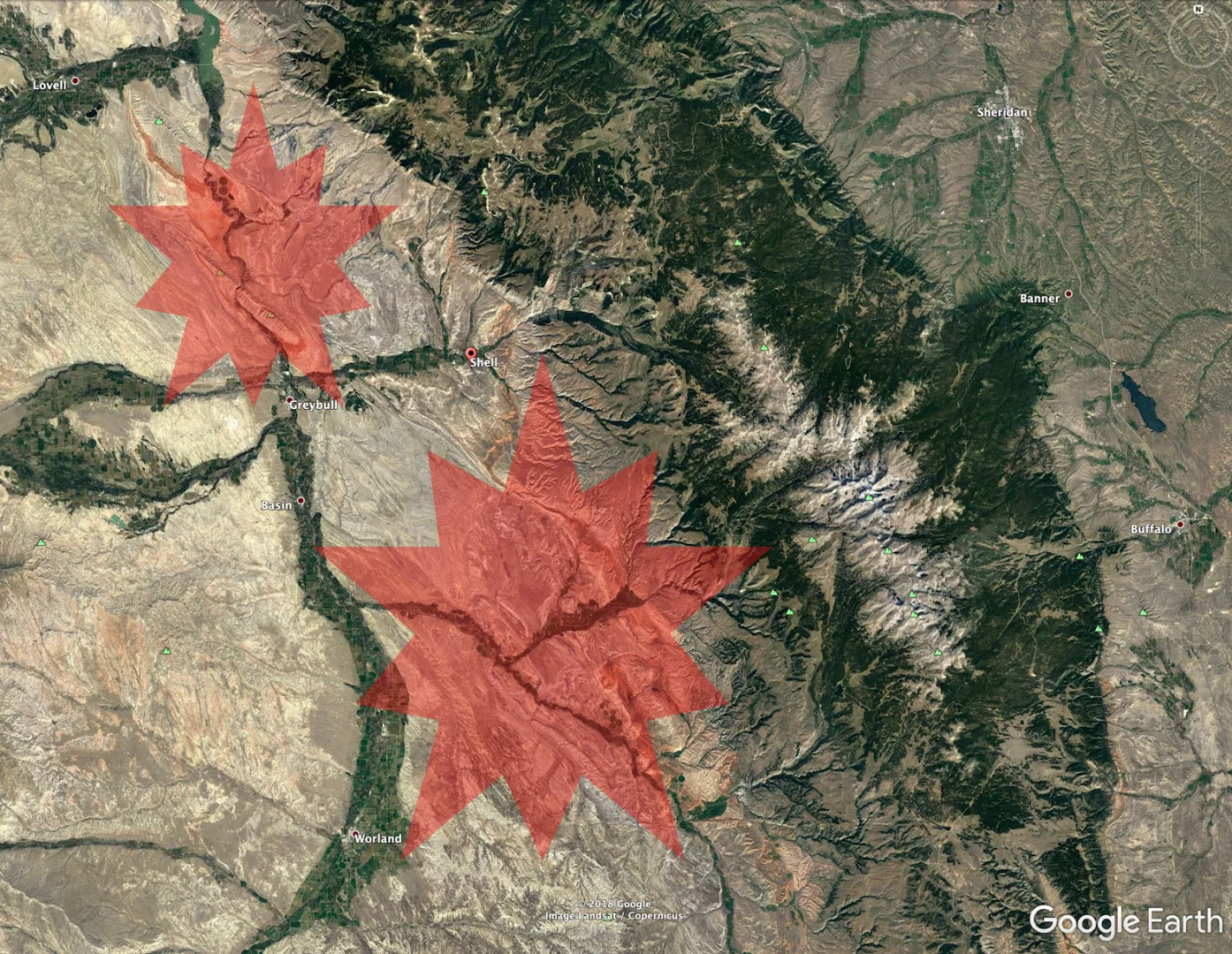
Jurassic dig uncovering hundreds of dinosaurs in Wyoming
Buckrail has a post about a massive dinosaur dig in north-central Wyoming. Called “Mission Jurassic”, the effort has become a collaboration between paleontologists across the US and the UK. The site itself is huge and may hold hundreds of dinosaurs, including four mighty sauropods that have already been identified. Geologists have long known about…
-
PBS Eons: The Missing Link That Wasn’t
A new episode of PBS Eons is out. It is about the Piltdown Man and how our understanding of Evolution has changed since. The myth of the Missing Link–the idea that there must be a specimen that partly resembles an ape but also partly resembles a modern human–is persistent. But the reality is that…
-
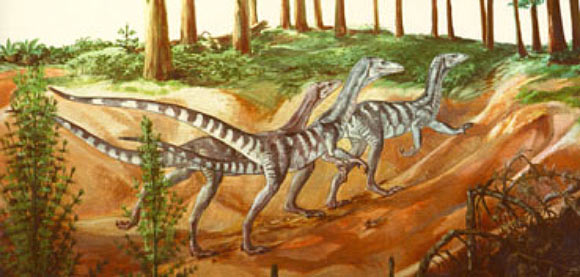
SciNews: Elevated Levels of Oxygen Gave Rise to North American Dinosaurs, Scientists Say
SciNews has a post about the rise of the dinosaurs during the Triassic. It seems that oxygen rose over 25% in 3 million years. That change might have led to the expansion of dinosaurs around 215 million years ago. The paper was presented at the 2019 Goldschmidt Conference in Barcelona, Spain. A team of researchers…
-

NHM: The oldest stegosaur ever has been discovered in Morocco
The Natural History Museum in London has a post about a newly described Stegosaur. This animal lived about 168 million years ago, during the middle Jurassic, in what is now the Middle Atlas mountains of Morocco. It’s the first stegosaur found in North Africa and is called Adratiklit boulahfa. The paper describing it appeared in…
-
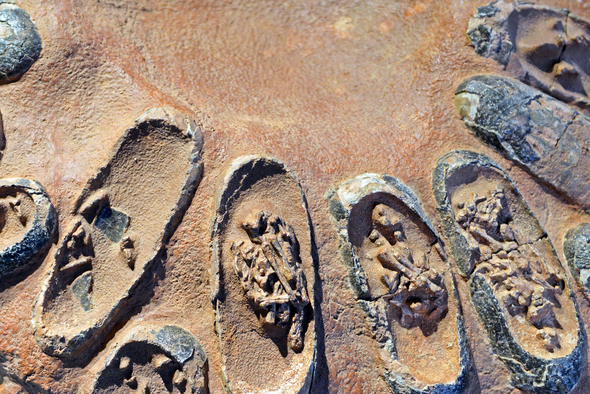
Scientific American: Ancient Mongolian Nests Show Dinosaurs Protected Their Eggs
Scientific American has an article about fossil dinosaur eggs. A new find, which consisted of about 15 nests and more than 50 eggs, was found in what is now the Gobi Desert. It dates to the late Cretaceous, about 80 million years ago and shows evidence of gregarious behavior. All the details appeared in a…
-
PBS Eons: Was This Dinosaur a Cannibal?
PBS Eons has a new episode. This one is about the Ceolophysis finds at the Ghost Ranch an the implications for dinosaur behavior. Paleontologists have spent the better part of two decades debating whether Coelophysis ate its own kind. It turns out, the evidence that scientists have had to study in order to answer…
-
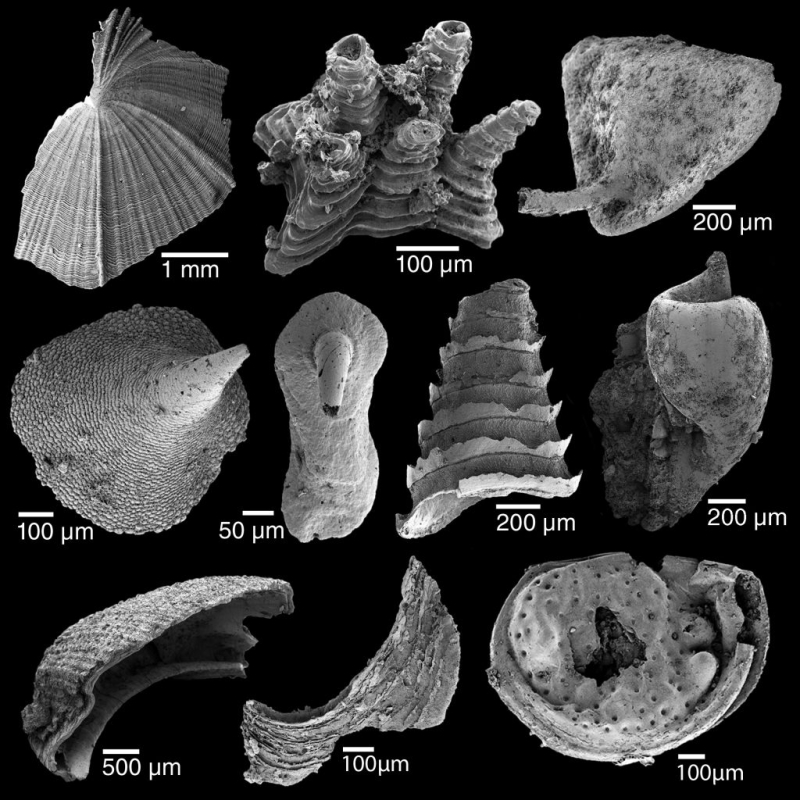
Palaecast Episode 102: Small Shelly Fossils
There’s a new episode of the Palaeocast podcast. This one is about the strange “Small Shelly Fossils” that are found at the base of the Cambrian. Between the weird and wonderful rangeomorphs of the Ediacaran Period and the world-famous palaeocommunities of the Burgess Shale, the ‘Early Cambrian’ is host to a ‘waste basket’ of fossils…
-

SciNews: Devonian Fossil Forest Unearthed in China
SciNews has a post about a Devonian aged fossil forest discovered in China. The fossilized forest dates to 360 million years ago and was found near Xinhang in China’s Anhui province. It is the oldest known fossil forest in Asia. A paper describing the fossils appeared in the journal Current Biology. The Xinhang forest covered…
-

Roy Plotnick: Beyond the hammer and whisk broom: the technology of paleontology
Roy Plotnick has a new blog post over on Medium. In this post, he discusses modern paleontology. Here’s a hint… it’s not your grandfather’s paleontology. The tools and the analysis have changed much over time and technology is more and more important in understanding the history of life. Paleontology, like most other fields of science,…
-
PBS Eons: When Giant Deer Roamed Eurasia
PBS Eons has a new episode. This one is about the Irish Elk of more correctly, Megaloceros. Megaloceros was one of the largest members of the deer family ever to walk the Earth. The archaeological record is full of evidence that our ancestors lived alongside and interacted with these giant mammals for millennia. But…
-
ESCONI General Meeting for October 11th, 2019 Upper Devonian Mass Extinction by Dr. James E. “Jed” Day, Professor of Geology at Illinois State University
The program at our October 11, 2019 meeting will be presented by Dr. James E. "Jed" Day, Professor of Geology at Illinois State University. The title of his talk is "Upper Devonian (Keellwasser) Mass Extinction Records from the Subtropics of North America". He will speak about the local (W. Illinois and Iowa) vertebrate microfossil and brachiopod…
-

ESCONI Flashback Friday #14: George Langford
As part of the run up to ESCONI’s 70th Anniversary, here is Flashback Friday post #14. If you have pictures or stories to contribute, please send them over to esconi.info@gmail.com. Thanks! Jim Konecny wrote this piece for the June 1994 edition of the ESCONI Earth Science News. This year marked the 55th anniversary of George’s…
-

PBS Announces a New, National WTTW Series, ‘Prehistoric Road Trip’
WTTW has a post which announces a new 3-part natural history series entitled “Prehistoric Road Trip”. The show is hosted by Emily Graslie, Chief Curiosity Correspondent at the Field Museum in Chicago. Emily is the host and creator of the popular YouTube series “The Brain Scoop“. The show will premier on PBS stations nationwide in…
-
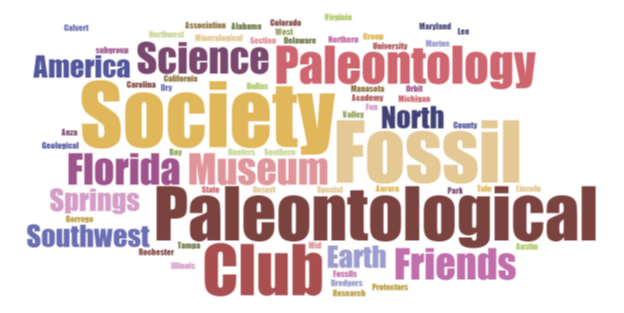
myFOSSIL Project Newsletter for Summer 2019
There’s the myFOSSIL Project Newsletter for Spring 2019. You can download it from here. Volume 6, Issue 2, Summer 2019| FOSSIL Project Newsletter Summer 2019
-
Carlton PhD Student: Filling in the Fossil Record
Carlton University in Ottawa, CA has a press release about the PhD student that has been involved in recently describing two new Mazon Creek vertebrates. Earlier this year, Diabloroter bolti (paper) and Infernovenator steenae (paper) were published. The research has been conducted by Arjan Mann, Jason D Pardo, and Hillary C Maddin of the Department…
-
PBS Eons: How Earth’s First, Unkillable Animals Saved the World
PBS Eons has another new episode. This time they discuss sponges and how they saved the world to allow more complex life to evolve. They have survived every catastrophe and every mass extinction event that nature has thrown at them. And by being the little, filter-feeding, water-cleaning creatures that they are, sponges may have…
-

SciNews: Paleontologists Identify Oldest Known Ancestor of Mackerel Sharks
SciNews has an article about the ancestor of Mackerel sharks. The article is from earlier this month, but posting it seems appropriate with Shark Week occurring this week. An ancestor of the Great White Shark (Carcharodon carcharias) has been found. Palearocarcharias stromeri was a small benthic shark, which lived about 165 million years ago, during…
-
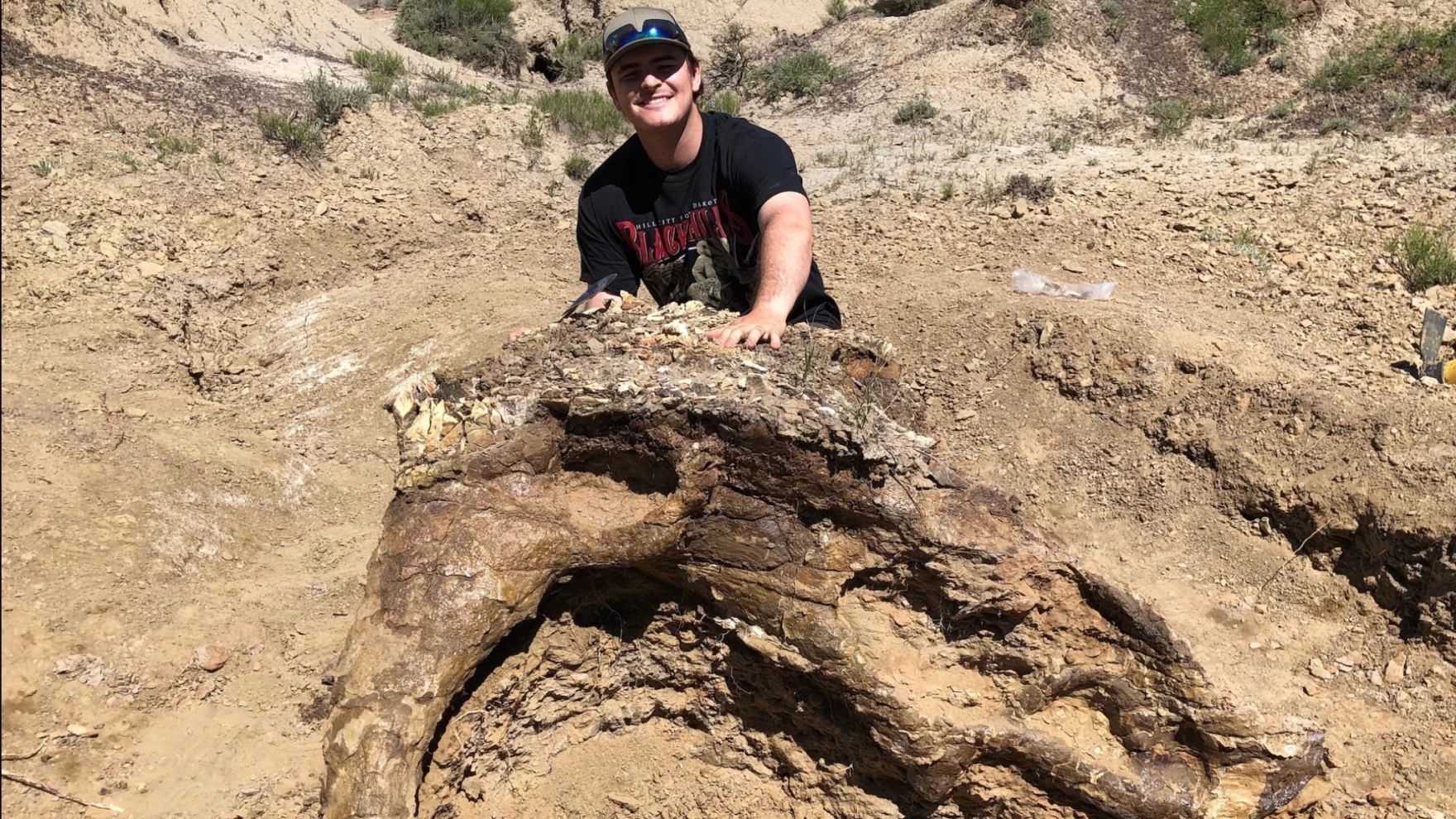
NPR: College Student Discovers 65-Million-Year-Old Triceratops Skull
https://youtu.be/9rqOcg9aqIc NPR has a story about hunting dinosaurs in the Badlands of North Dakota. The post describes the adventures of college student Harrison Duran. He grew up visiting the La Brea Tar Pits in Los Angeles and dreamed of finding dinosaurs. This year, he participated in a paleontology dig with Michael Kjelland, a biology professor…
-

ESCONI Field Trip to Starved Rock Clay Pit, Saturday August 17th, 2019
There will be a field trip to the Starved Rock Clay Pit on Saturday, August 17, 2019. This a combined trip with the Lincoln Orbit Earth Science Society (LOESS) of Springfield. There is room for 20 ESCONI members. The clay pit is located just south of Starved Rock State Park. I know the date conflicts…
-
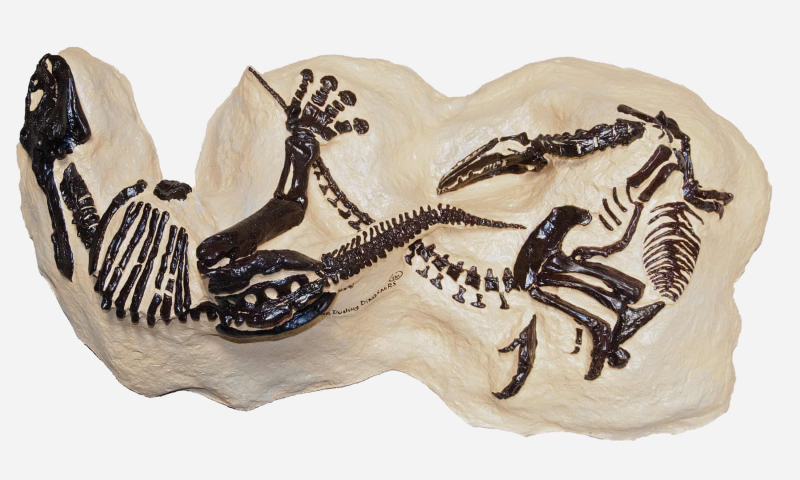
The Guardian: Perhaps the best dinosaur fossil ever discovered. So why has hardly anyone seen it?
The Guardian has an article about the so called “Dueling Dinosaurs”. The “Dueling Dinosaurs” are a large fossil plate that consists of both a 28 foot long ceratoptian (probably Triceratops horridus) and a 22 foot long theropod (possibly Tyrannosaurus rex or the controversial Nanotyrannus lancensis). Both skeletons are fairly complete, with exceptional preservation, fully articulated,…
-

SciNews: New Bird-Like Dinosaur Unearthed in Wyoming
SciNews has an article about the discovery of a new bird-like dinosaur in Wyoming. The animal, Hesperornithoides miessleri, lived about 150 million years ago, during the Jurassic period. It has been nicknamed Lori and was about the size of a chicken. Its contemporaries were giant dinosaurs like Stegaoaurus, Diplodocus, and Allosaurus. The description appeared in…
-
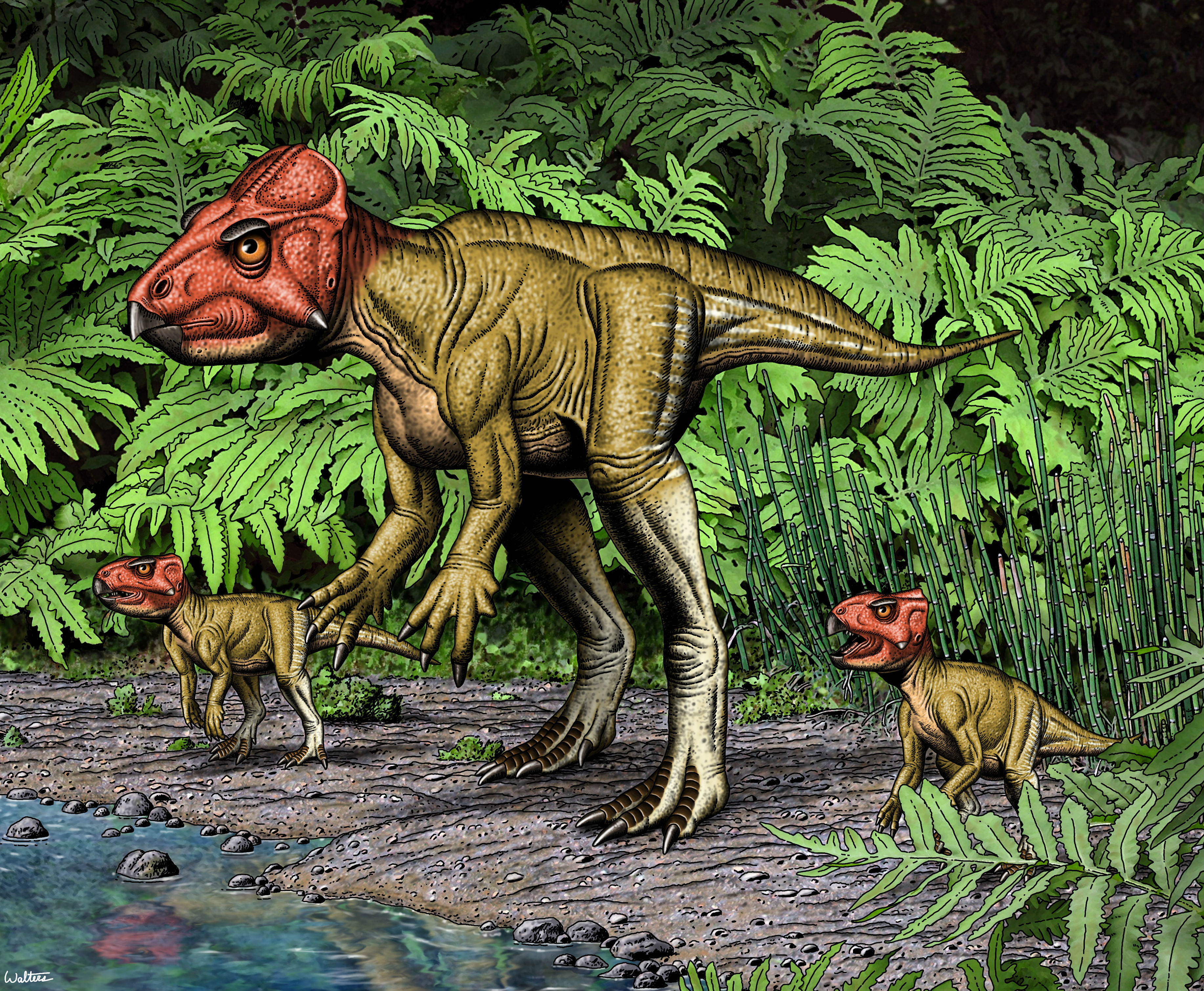
SciNews: Small horned dinosaur from China, a Triceratops relative, walked on two feet
SciNews has an article about a relative of the iconic dinosaur Triceratops. Auroraceratops rugosus lived about 115 million years ago in China’s Gansu Providence. It was discovered in 2005. And, in the intervening years, about 80 individuals have been found. Some recent analysis has led to the theory that Auroraceratops walked on two feet instead…
-
PBS Eons: How Volcanoes Froze the Earth (Twice)
PBS Eons has a new episode. This one is about Snowball Earth, which is the theory that the whole earth was covered by ice. This happened at least twice in the last 700 million years. Over 600 million years ago, sheets of ice coated our planet on both land and sea. How did this…
-

AMNH: Large Sea Snakes, Giant Catfish Once Swam in the Sahara
The American Museum of Natural History has an article about how the Sahara Dessert looked before it became a dessert. The area was underwater 50-100 million years ago. Fossil evidence shows that there were giant species of catfish, sea snakes, and fishes called the area home. The details are in a paper published in the…
