Tag: paleontology
-
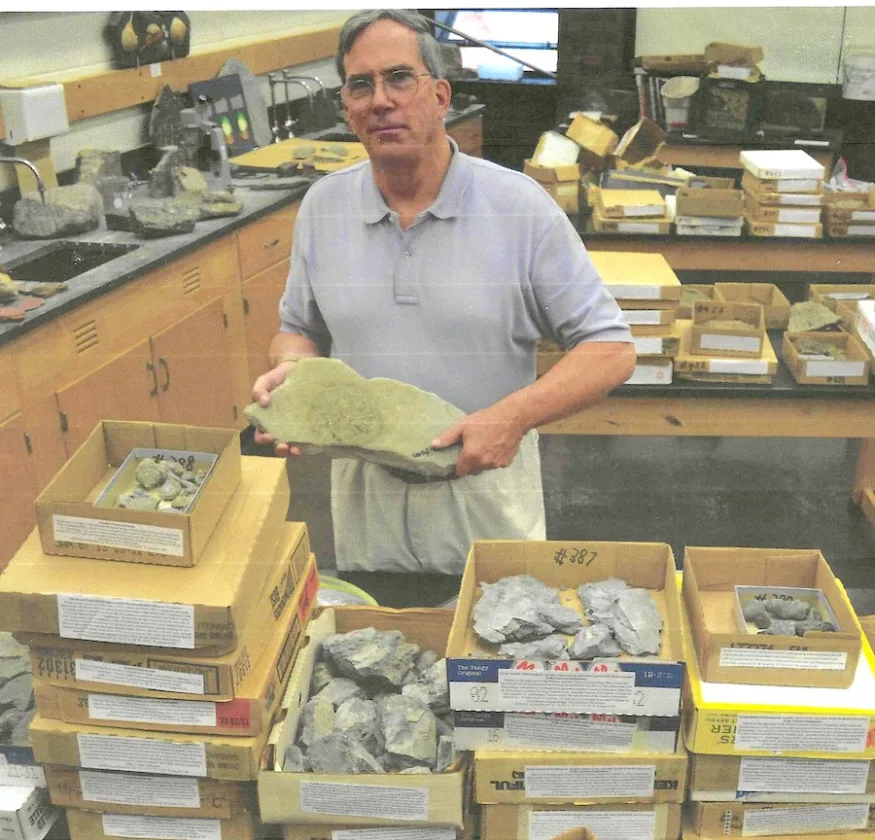
Gordon C. Baird (1946 – 2026) RIP
We are sad to bring you the news of the sudden passing of Gordon C. Baird (emeritus SUNY Fredonia) on November 3, 2026. Baird authored many important papers in his long career, but for Mazon Creek paleontology, he might be best remembered for his foundational work towards understanding sideritic nodule preservation. That work included a…
-
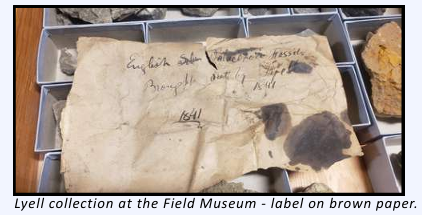
ESCONI November 2026 General Meeting, Friday, November 13th, 2026 at 8:00 PM via Zoom – “Lyell in Chicago: A Historic Collection Illustrates a Missing Chapter in 19th Century Geology”
The ESCONI November 2026 General Meeting will be held on Friday, November 13th, 2026 via Zoom. Roy Plotnick will present “Lyell in Chicago: A Historic Collection Illustrates a Missing Chapter in 19th Century Geology.” From June 17–24, 1841, Charles Lyell followed the footsteps of Roderick Murchison by collecting in “Silurian” localities in Wales and the Welsh…
-

New long‑clawed British dinosaur is the first of its kind in Europe
Phys.org has a story about a new dinosaur discovery in the United Kingdom. The new animal, Invictibellatrix amberina, lived about 120 million years ago, during the Cretaceous Period in what is now the Isle of Wight in the United Kingdom. I. amberina belongs to a group of dinosaurs known as the Megaraptora. The description was…
-
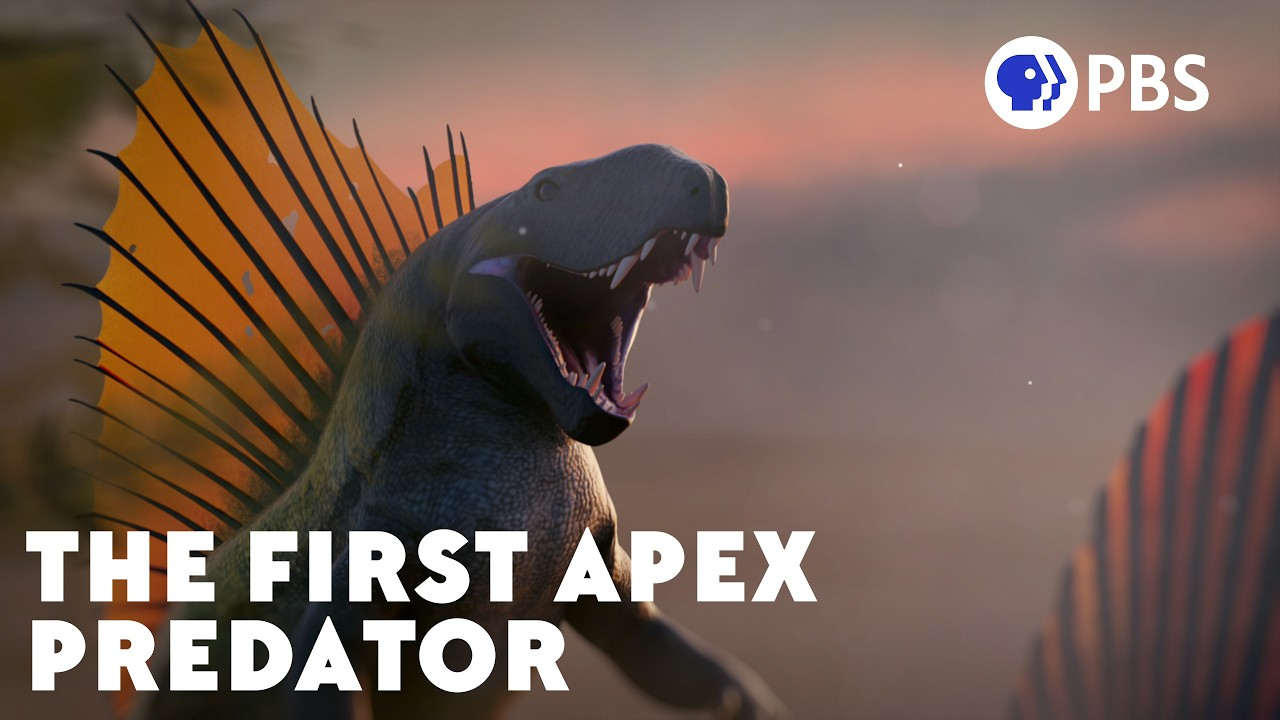
PBS Eons: The First Apex Predator on Land
PBS Eons has a new video. This is episode 2 of the 6 part series “Eons: Life and Death on Pangea”. This is episode 2 of our 6-part series, Eons: Life and Death on Pangea. You can watch the whole series right now on https://www.pbs.org/eons or if you prefer to watch on YouTube check back…
-
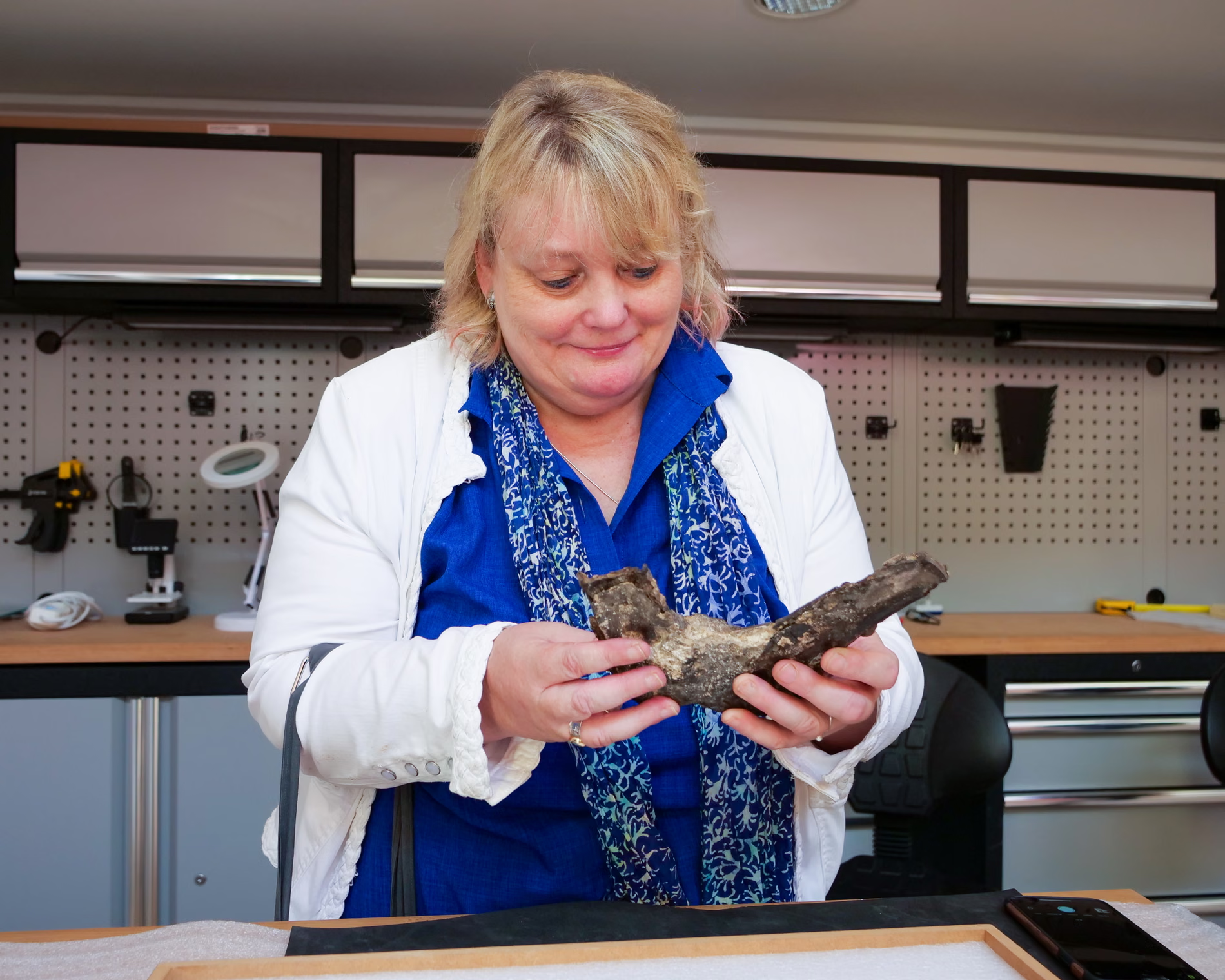
Fossilised red blood cells found in 115m-year-old dinosaur’s bone, say scientists
The Guardian has a story about the discovery of fossilized red-blood cells in a dinosaur bone. The fossilized cells were found the hind leg bones of a small, meat-eating dinosaur called Aratasaurus. Aratasaurus lived about in 115 million years ago in what is now northeastern Brazil. The research was published in a paper in the…
-

ESCONI Events for November 2026
Field trips require membership, but visitors are welcome at all meetings! Friday, November 13th General Meeting – 8:00 PM via Zoom. ESCONI member, Roy Plotnick, will be presenting “Lyell in Chicago: A Historic Collection Illustrates a Missing chapter in 19th Century Geology.” Saturday, November 14th Junior Study Group Meeting – 2:00 PM at the Lizzadro…
-
Mazon Creek 347: Mazon Creek in the Science Hub at the Field Museum
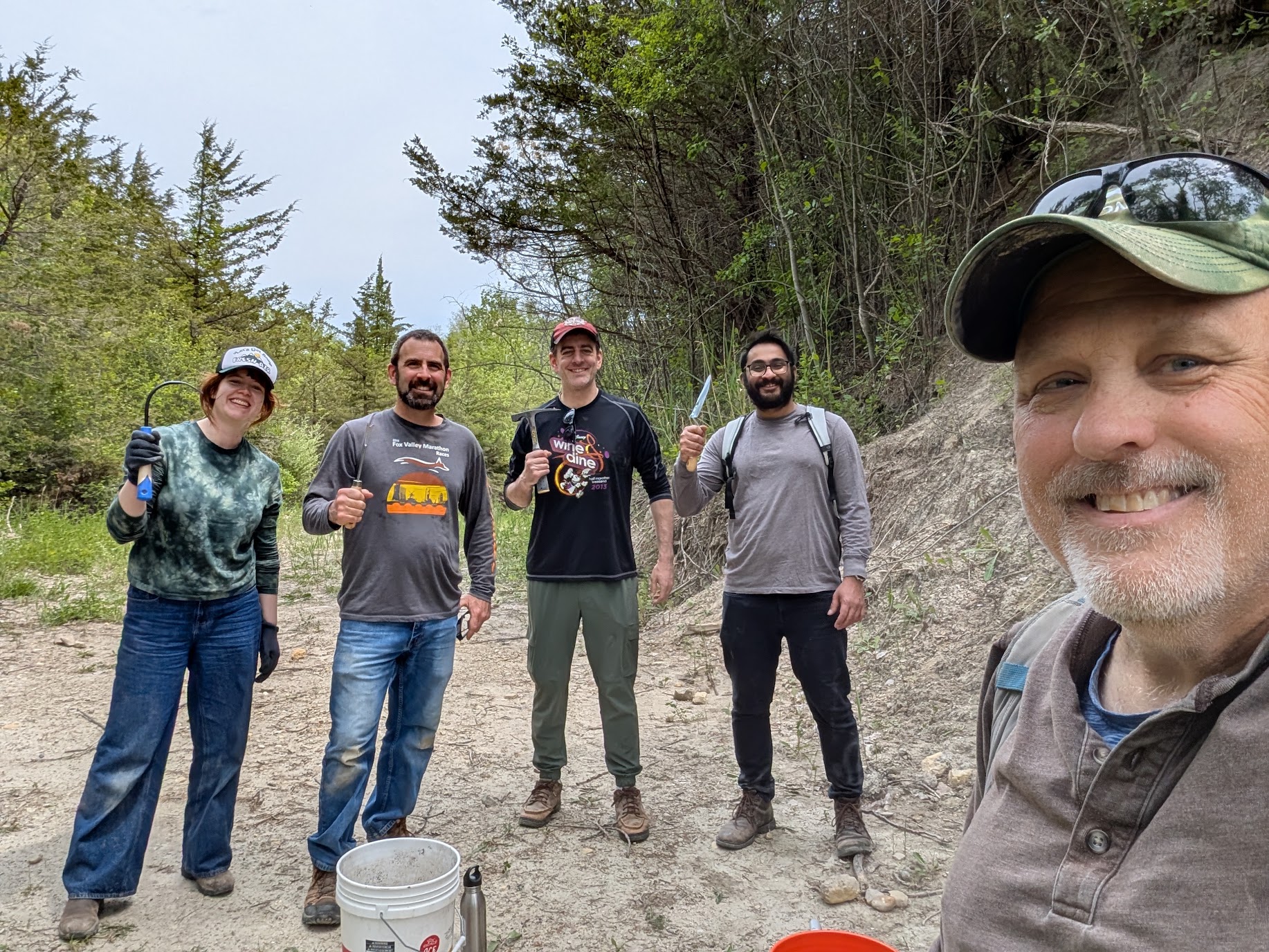
This is Mazon Monday post #347. What’s your favorite Mazon Creek fossil? Tell us at esconi.info@gmail.com. For the last few months and continuing for a while longer, Mazon Creek is center stage in the Field Museum’s Grainger Science Hub. The Science Hub is a great place to learn about the museum’s ongoing research and collections.…
-
PBS Eons: Pumpkins Shouldn’t Exist… Happy Halloween!
PBS Eons has a new post and this one is sort of about Halloween. Pumpkins only survived thanks to an unlikely partnership they forged with another type of mammal. One that still found them to be toxic and disgusting at first, but could see the potential in the relationship. Us.
-
Fossil Friday #341: Mazon Creek Coprolite
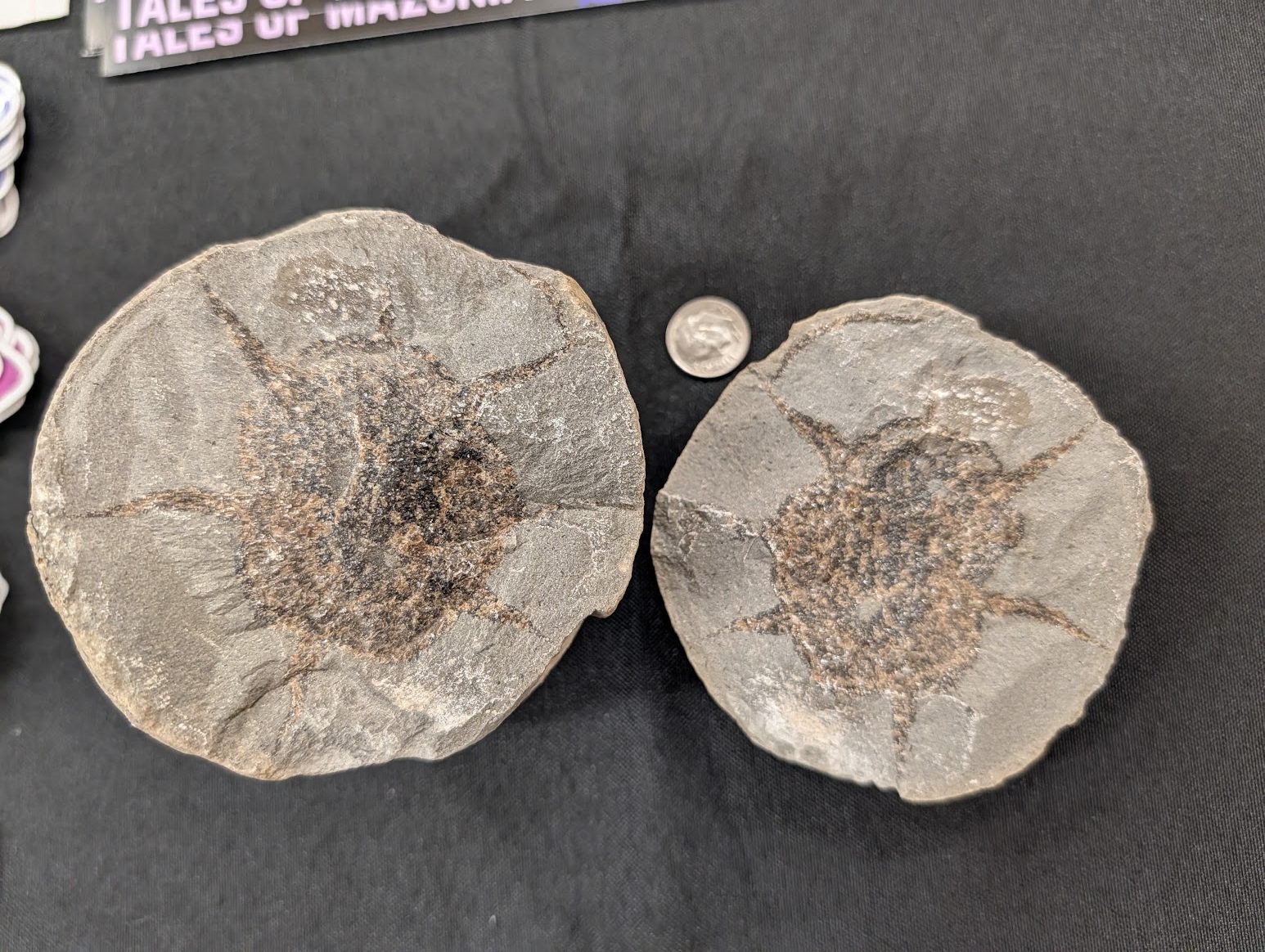
Kane McLuckie and his father, Robert, brought one of Kane’s recent fossil finds to our Mazon Creek Fossil Day event. It’s a large Mazon Creek coprolite found near their house. Coprolites are fairly common. If you find one, get out a magnifying glass and have a closer look. You can all kinds of things in…
-
Throwback Thursday #341: Rockford Brick and Tile Company
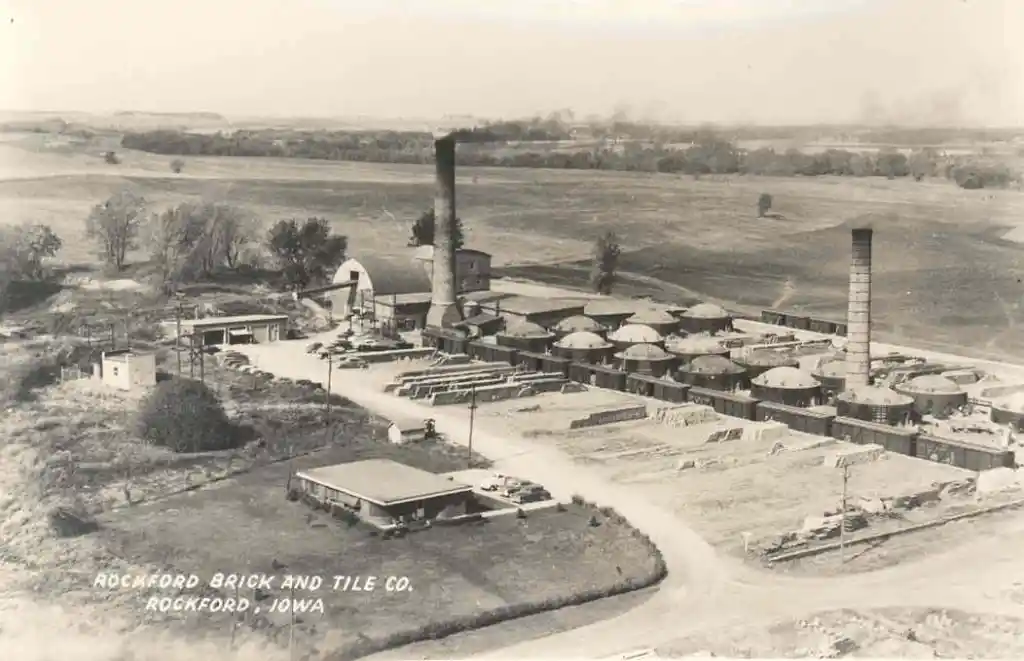
I was looking through some old newsletters looking for interesting bits of ESCONI history and ran across the announcement for the opening of the Fossil & Prairie Park Preserve in Rockford, IA. It opened officially 36 years ago in October 1990.
-
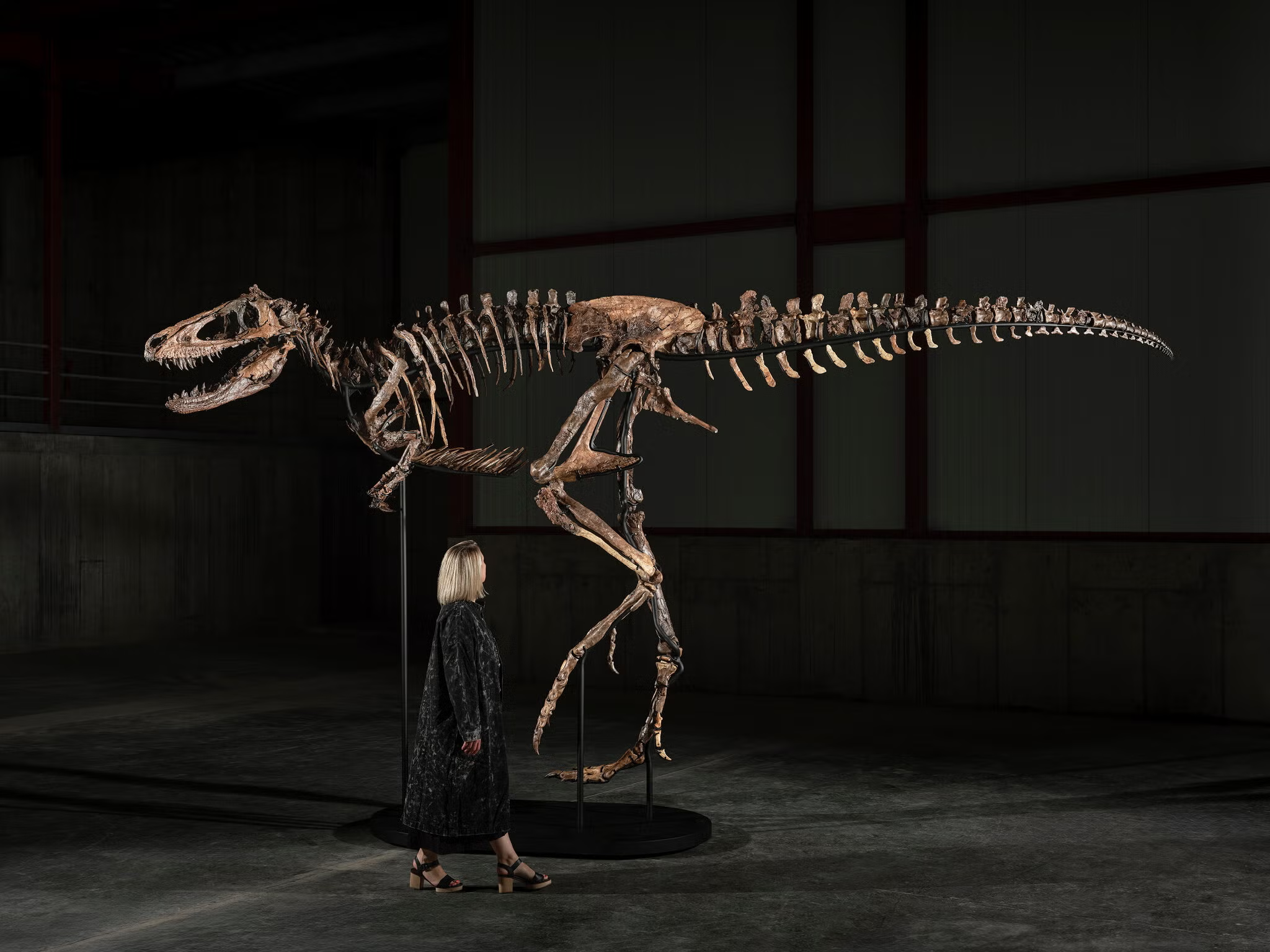
‘Jodi,’ a Nanotyrannus Skeleton, Gets $47.3 Million at Auction
The New York Times is reporting that “Jodi” the Nanotyrannus lancensis sold for 47.3 million at Sotheby’s on October 27th, 2026. Both the buyer and seller are unknown at this time… Ok, who bought and when are you inviting us over to see it?!? A skeleton belonging to a smaller relative of Tyrannosaurus rex was…
-
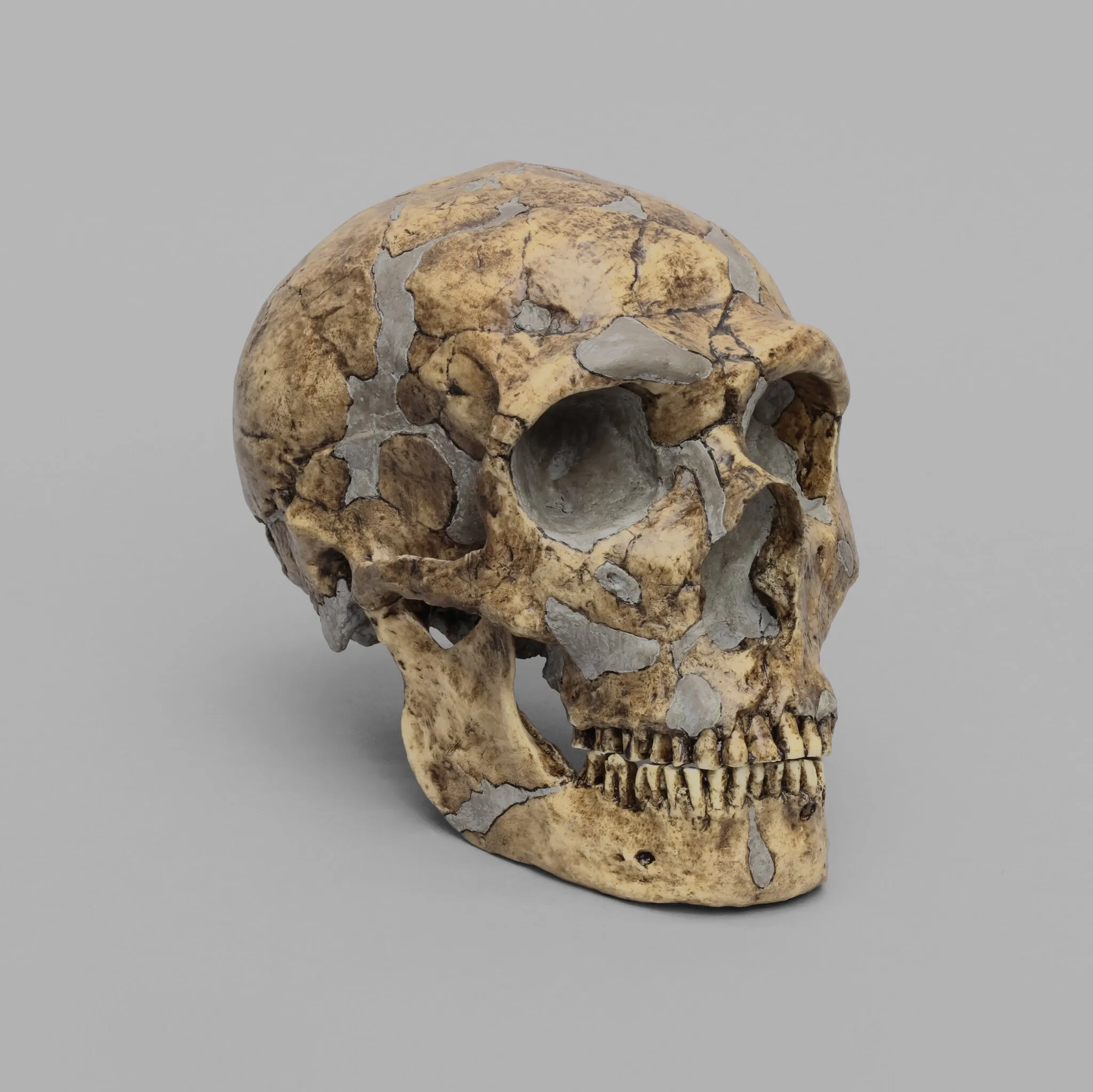
What Happened to the Neanderthals?
The New York Times has an interesting article about the Neanderthals. Are they us? Amid the daunting saga that is human evolution, the Neanderthals, so recent and closely studied, are in many ways the accessible celebrities of the story. Their fate seems to offer a toehold on the big questions about how we came to…
-

Mazon Creek 346: SciShow “The Bizarre Case of the Tully Monster”
The SciShow is a Youtube channel with interesting videos. Just a few days ago, they posted an episode about our friend the “Tully Monster.” With the exception of their pronunciation of Mazon Creek (see Mazon Monday #147), they did a very good job telling the long and ongoing story of the Tully Monster…
-
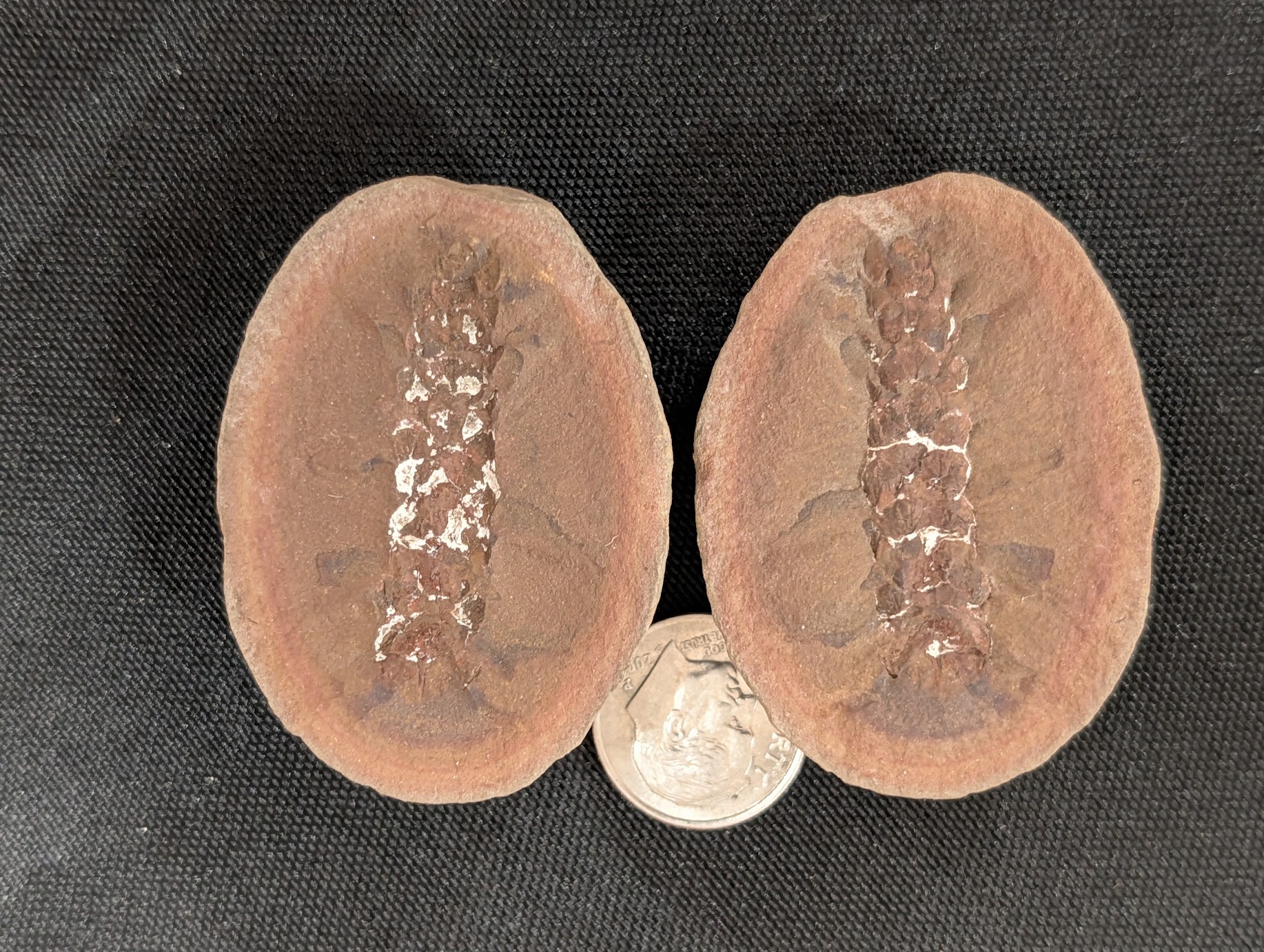
Fossil Friday #340: Hexaphyllostrobus negauneeana from Pit 3
Marty Houdek brought some very nice fossils for his display at the Mazon Creek Fossil Day event. One of his best was a very rare Hexaphyllostrobus negauneeana from the area of Pit 3 in Braidwood. H. negauneeana was described in July of 2025 by some of our friends at the Field Museum (see Mazon Monday…
-
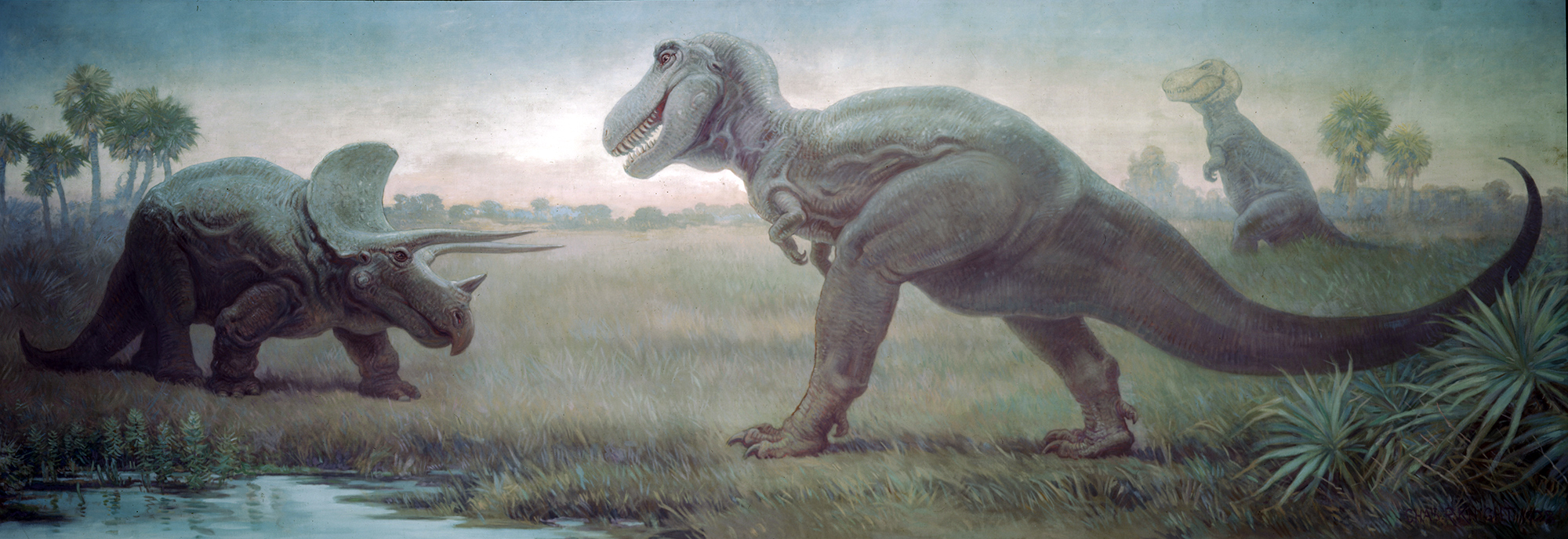
Throwback Thursday #340: Happy 152nd Birthday, Charles Knight!
Charles Knight was born on October 21st, 1874. That would make him 152 today. Unfortunately, he passed away on April 15th, 1953 at the age of 78. Knight was an American wildlife and paleoartist during the early 1900s. He is probably best known for his many detailed paintings of dinosaurs and prehistoric life created for…
-
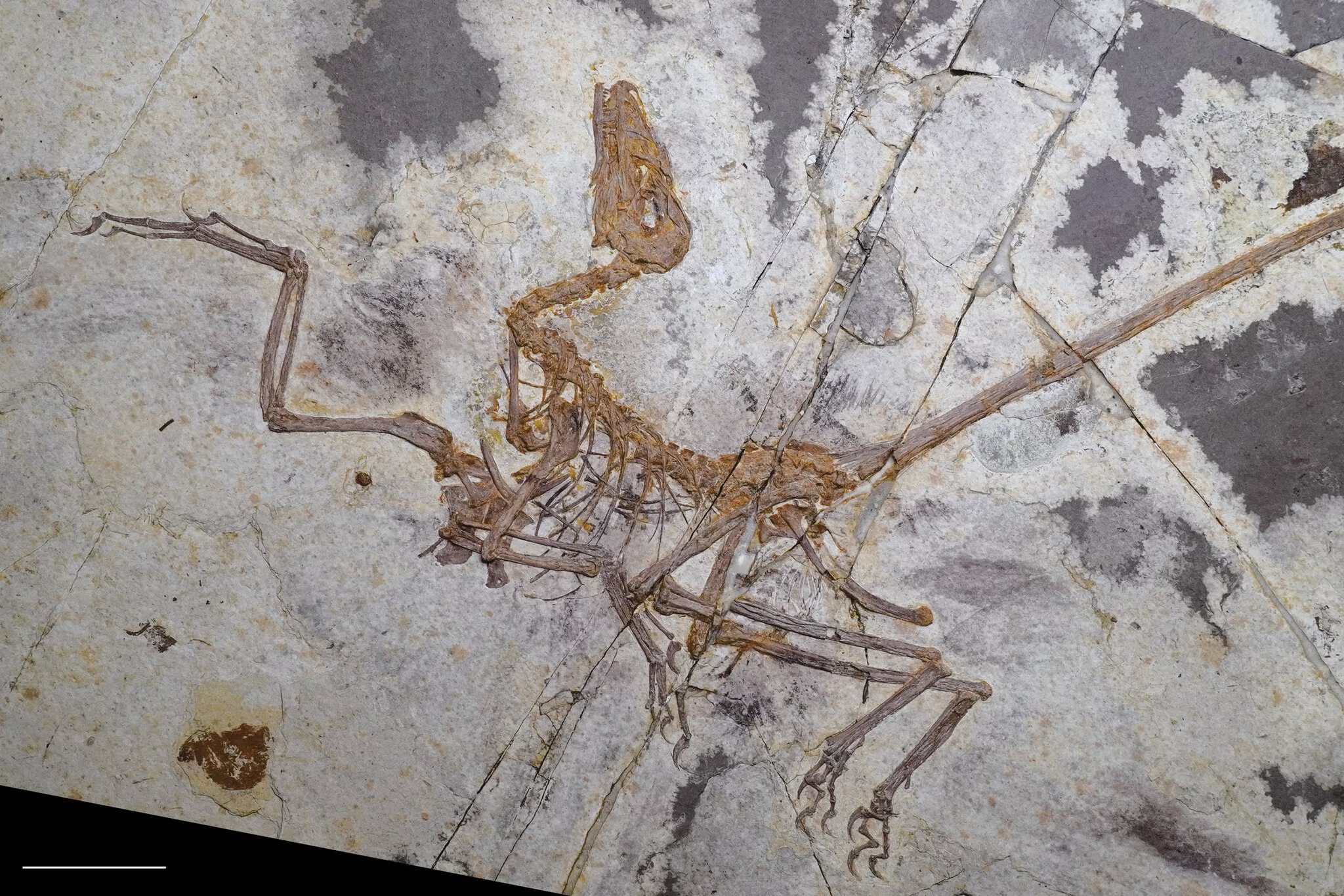
What Can Four-Winged Dinosaurs Teach Us About Birds?
The New York Times’ Trilobites column has an interesting story about four-winged birds. A new paper in the journal Nature Communications describes a new Microraptorinae, Norellraptor barsboldi, named for the late paleontologist Mark Norell. This new animal lived about 121 million years ago in what is now northeastern China. More than 120 million years ago,…
-
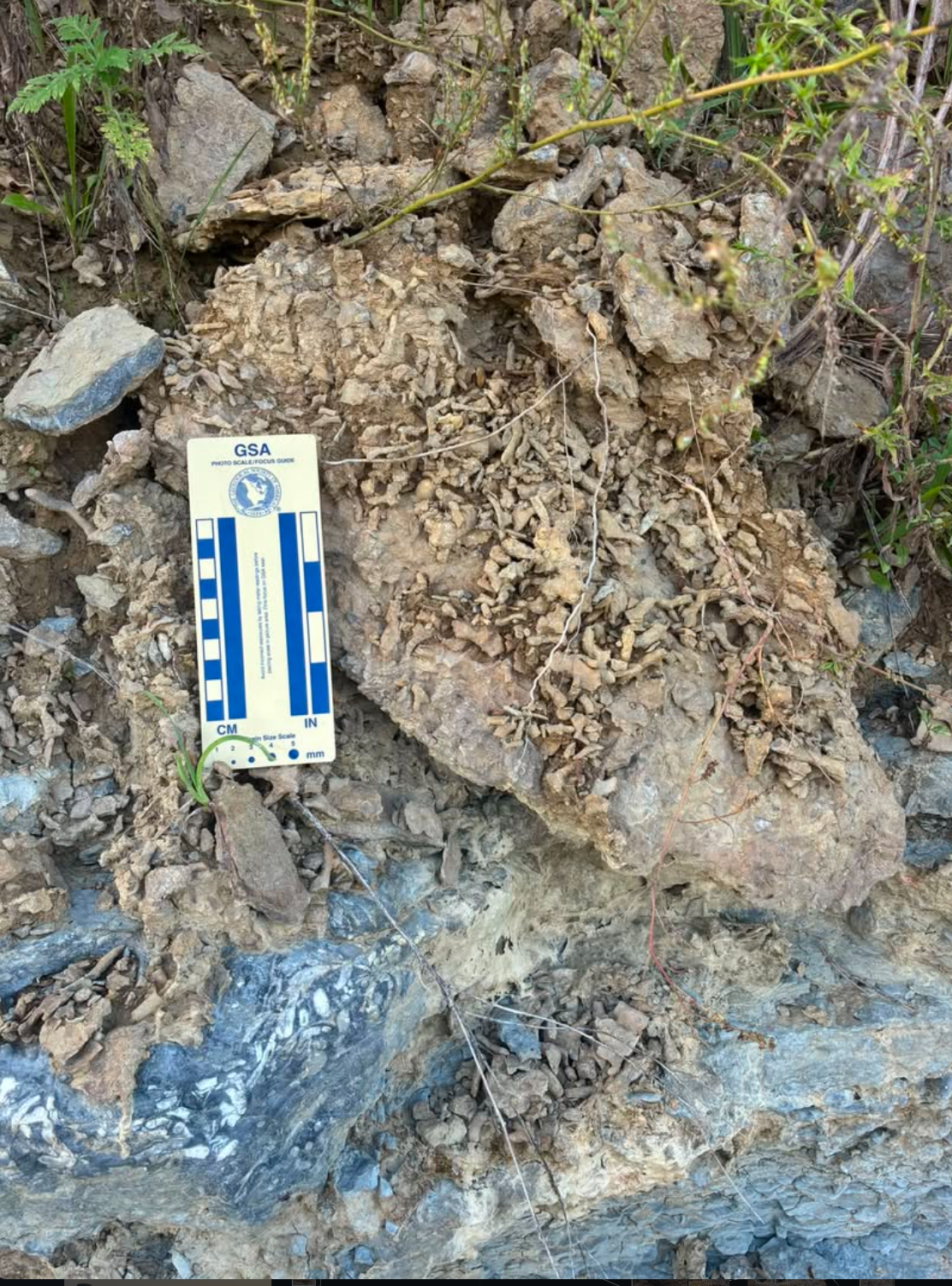
Video for ESCONI October 2026 Paleontology Study Group Meeting – “Depositional and Lithostratigraphic Characterization of the Lower Maysvillian Calloway Creek Formation”
The ESCONI October 2026 Paleontology Study Group Meeting was held on Saturday October 17th, 2026 at 7:30 PM via Zoom. Enrique Clark presented on “Depositional and Lithostratigraphic Characterization of the Lower Maysvillian Calloway Creek Formation.” The upper Ordovician (lower Maysvillian) Calloway Creek formation of central Kentucky consists majorly of fossiliferous limestones with interbedded minor shales.…
-
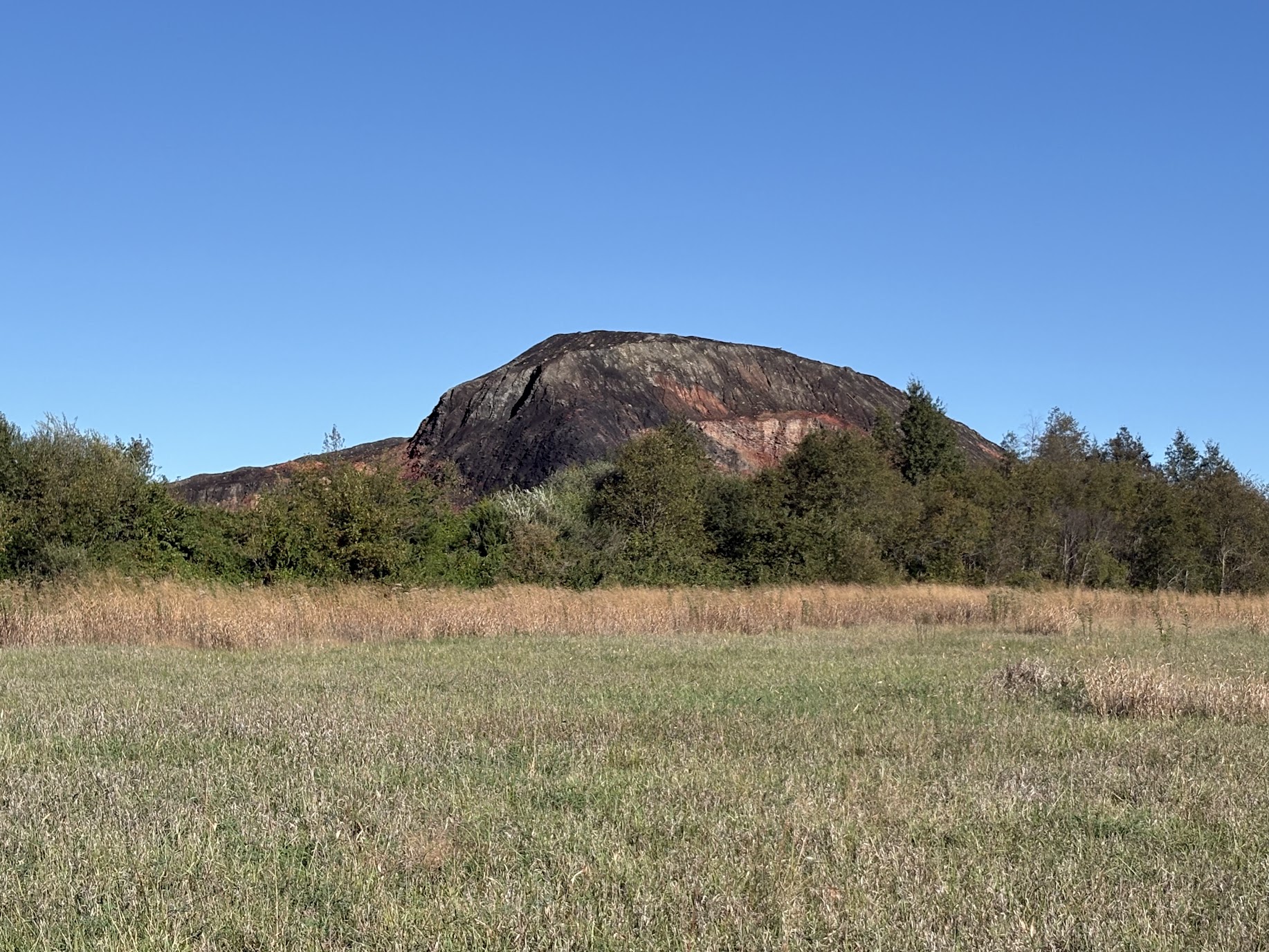
Mazon Monday #345: Danville Field Trip Report
ESCONI held a field trip to a Danville area spoil pile on October 17th, 2026. Although the day started sunny but crisp with temperatures in the 30’s (!), it was a very clear day with plenty of sun and temperatures in the 50’s. Collecting on the old spoil pile was very productive. Plant fossils were…
-

Incredibly Rare “Jodi” The Nanotyrannus At The Center Of Heated T. Rex Debate Goes Up For Auction At Sotheby’s
IFLScience has a story about another dinosaur up for sale at Sotheby’s. This one is named “Jodi” and is a Nanotyrannus. It was discovered by rancher Jodi Pierson in 2019. It was found just a few miles from the famous “Dueling Dinosaurs.” With 191 bone elements, including an almost complete skull with 35 teeth, Jodi…
-
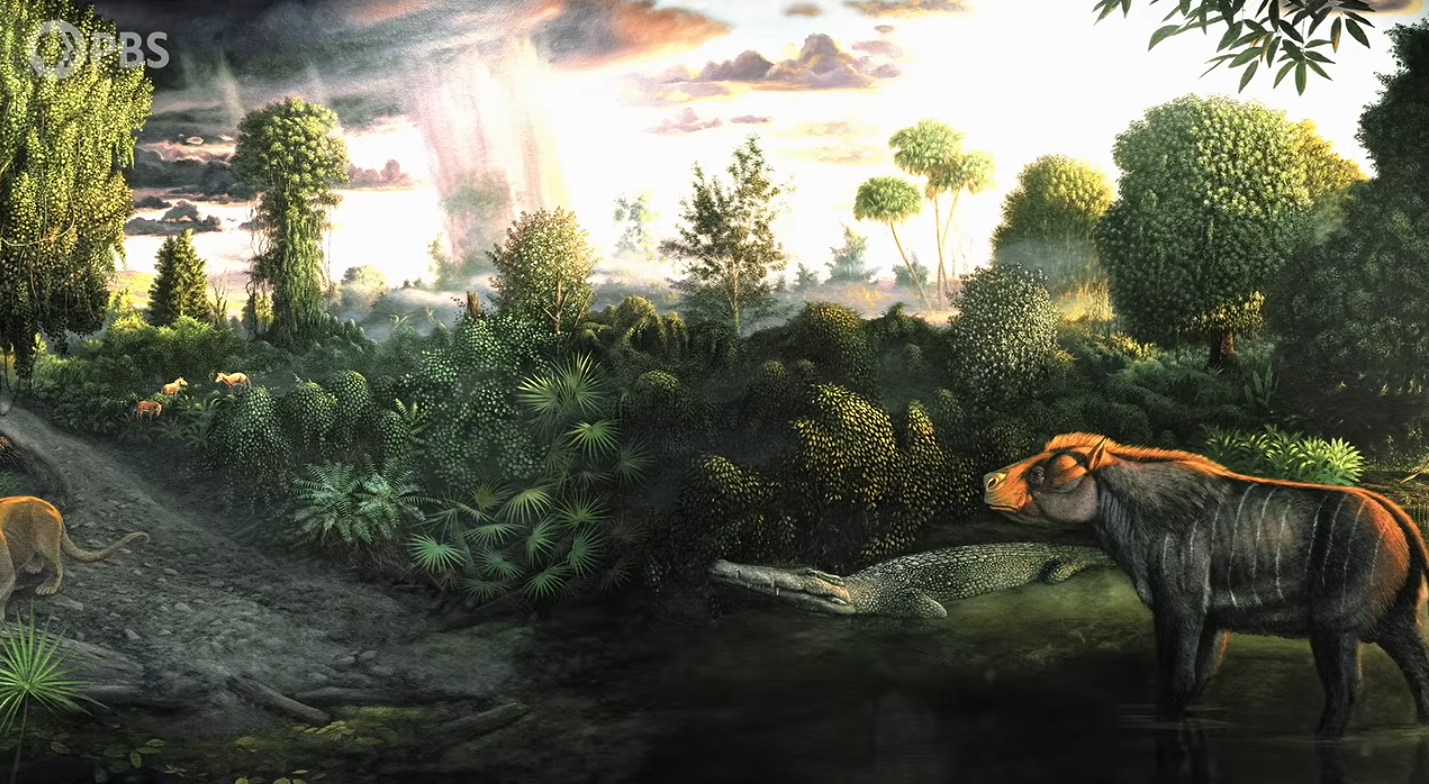
PBS Eons: The Biggest Extinction You’ve Never Heard Of
PBS Eons has a new video. This one is about the mass extinction caused by the migration of India during the Paleogene. In the early 20th century, it was discovered there was a point in the fossil record where most European mammals just…vanished, only to be replaced with others native to Asia. While you’ve probably…
-
ESCONI October 2026 Paleontology Study Group Meeting, Saturday, October 17th, 2026 at 7:30 PM via Zoom – “Depositional and Lithostratigraphic Characterization of the Lower Maysvillian Calloway Creek Formation”
The ESCONI October 2026 Paleontology Study Group Meeting will be held on Saturday October 17th, 2026 at 7:30 PM via Zoom. Enrique Clark will be presenting “Depositional and Lithostratigraphic Characterization of the Lower Maysvillian Calloway Creek Formation.” The upper Ordovician (lower Maysvillian) Calloway Creek formation of central Kentucky consists majorly of fossiliferous limestones with interbedded…
-
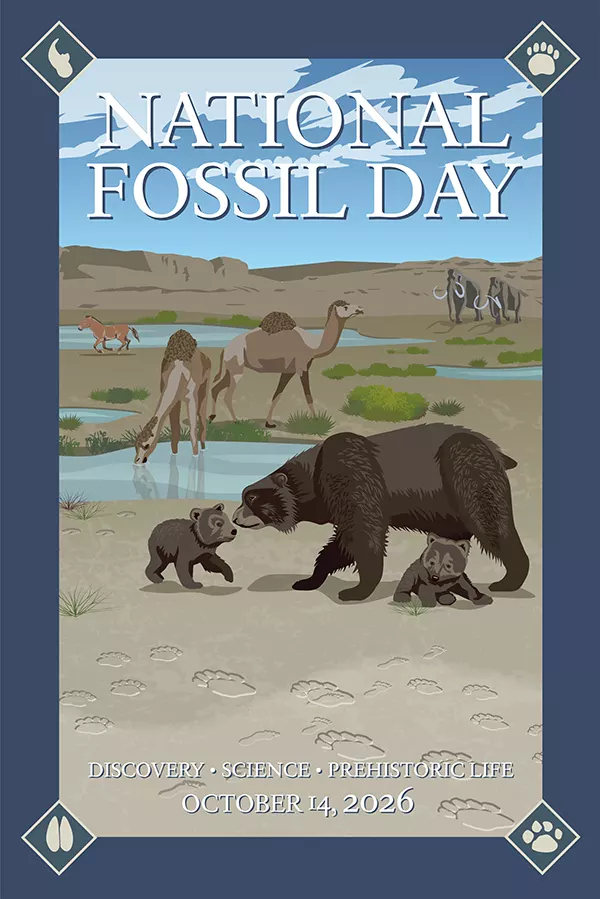
Happy National Fossil Day!
Today is National Fossil Day! Have a look at the National Park Service website for more information. The Field Museum will be doing their annual event… and it’s a free day! During 2026 we will celebrate the 17th National Fossil Day! Join paleontologists, educators, and students in fossil-related events and activities across the country in parks,…
-

Video for the ESCONI October 2026 General Meeting – Lazaro Vinola from the Field Museum Presenting Live from the Dominican Republic
For the October General Meeting, we are doing something new. Lazaro Vinola from The Field Museum presented live from the field in the Dominican Republic. For this meeting, Lazaro’s team will be processing sediment for microfossils. During the first half of the trip, they will stay at a small motel in the town of Oviedo,…
-
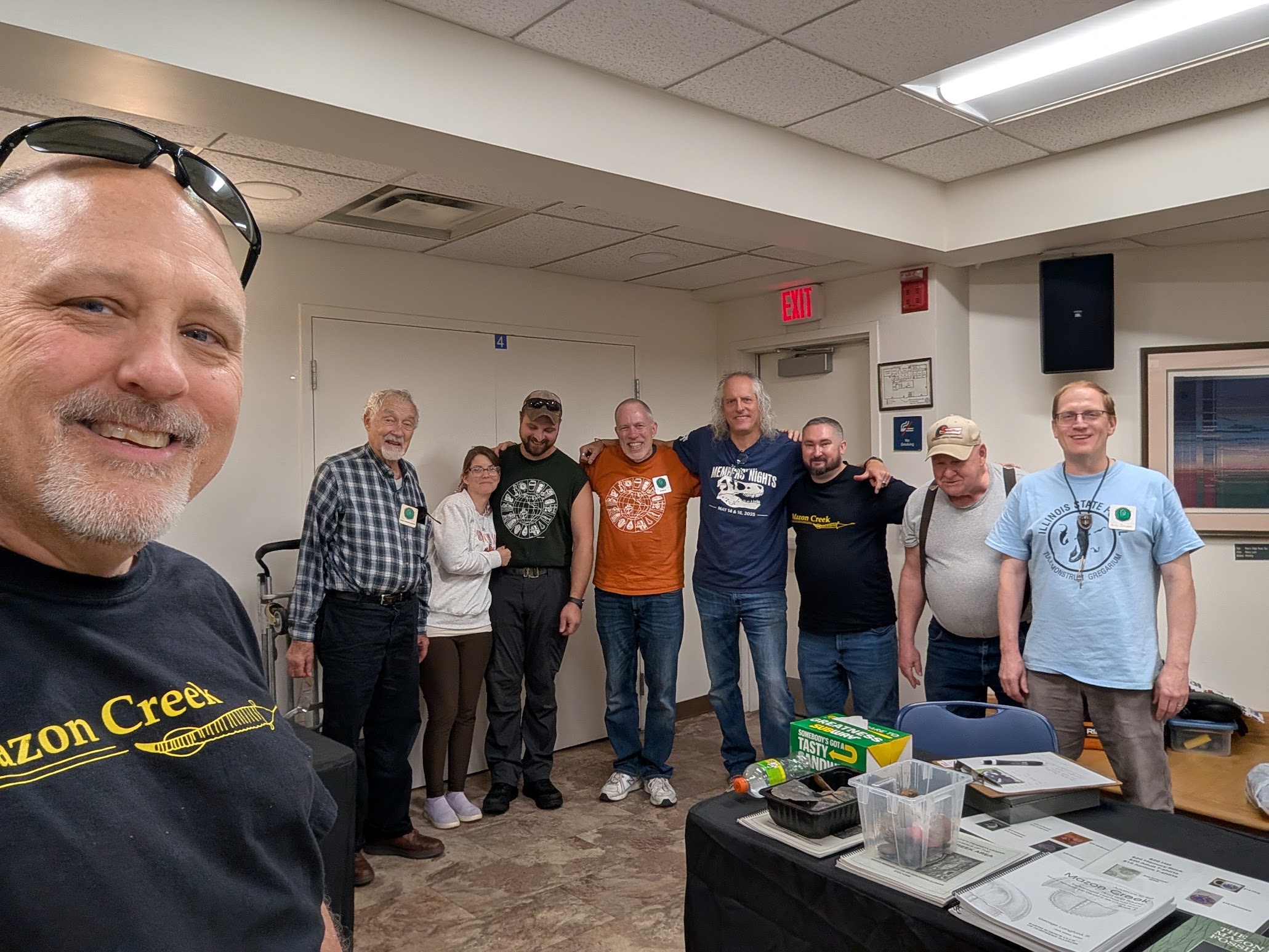
Mazon Monday #344: Recap for Mazon Creek Fossil Day 2026
Mazon Creek Fossil Day 2026 at the Coal City Public Library was a huge success! We had a great turnout and some wonderful fossil displays. Many attendees brought fossils of their own, either to have them identified or simply to share their finds with fellow fossil enthusiasts.
-

This surprising mammal fossil is giving scientists something to chew on
NPR has a story about a new Jurassic mammal from China. The animal, Megacauda sungei , was described recently in the journal Nature. The fossil remains are incredibly detailed and show an animal capable of chewing and swallowing its food and suckling, traits shared by all mammals. The fossil was about the size of a chihuahua,…
-
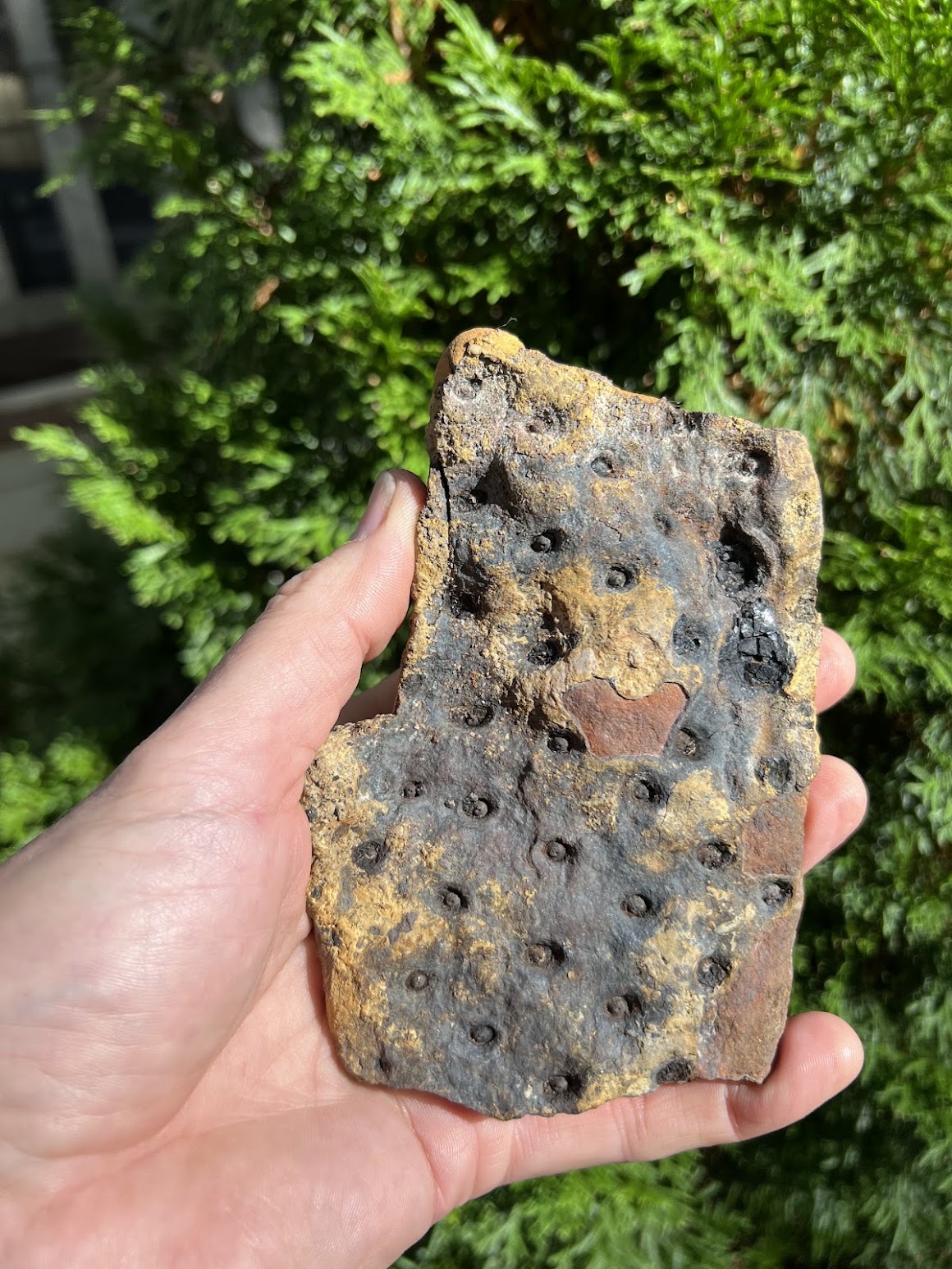
Fossil Friday #338: A Braceville Surprise!
Jeff Allen recently sent us photos of a fossil he found at Braceville. The specimen is Stigmaria, the underground rooting structure associated with arborescent lycophytes such as Sigillaria and Lepidodendron.
-
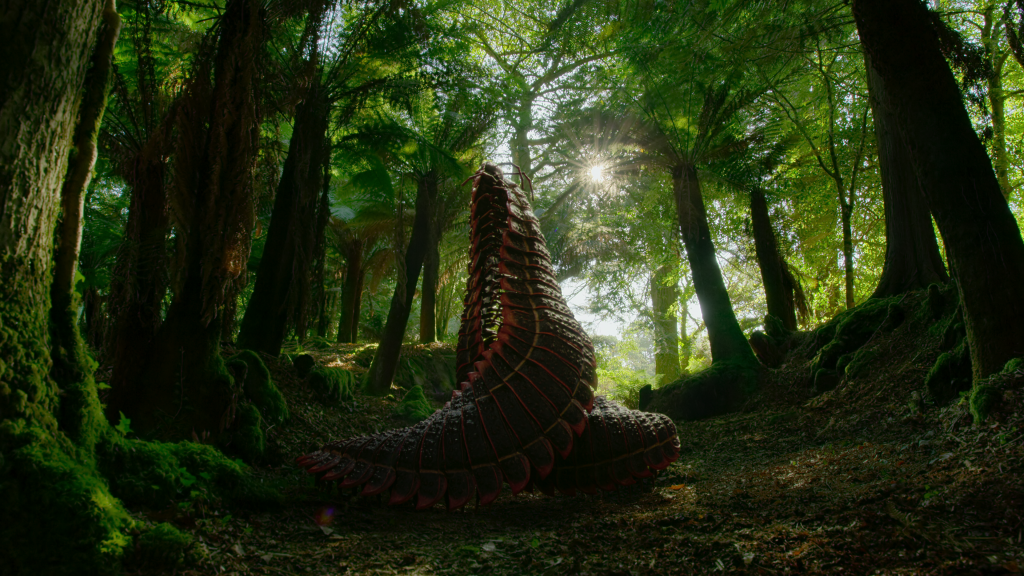
Palaeocast Episodes 175/176: Insect Gigantism
We haven’t posted about Palaeocast in a little while. Recently, David Marshall posted two episodes about “Insect Gigantism.” These podcasts feature an interview with insect physiologist Prof. Jon Harrison from Arizona State University. Harrison discusses new theories on why insects were so large during the Carboniferous… it may not have been the higher concentration of…
-
ESCONI October 2026 General Meeting, Friday, October 9th, 2026 at 8:00 PM via Zoom – Lazaro Vinola from the Field Museum Presenting Live from the Dominican Republic
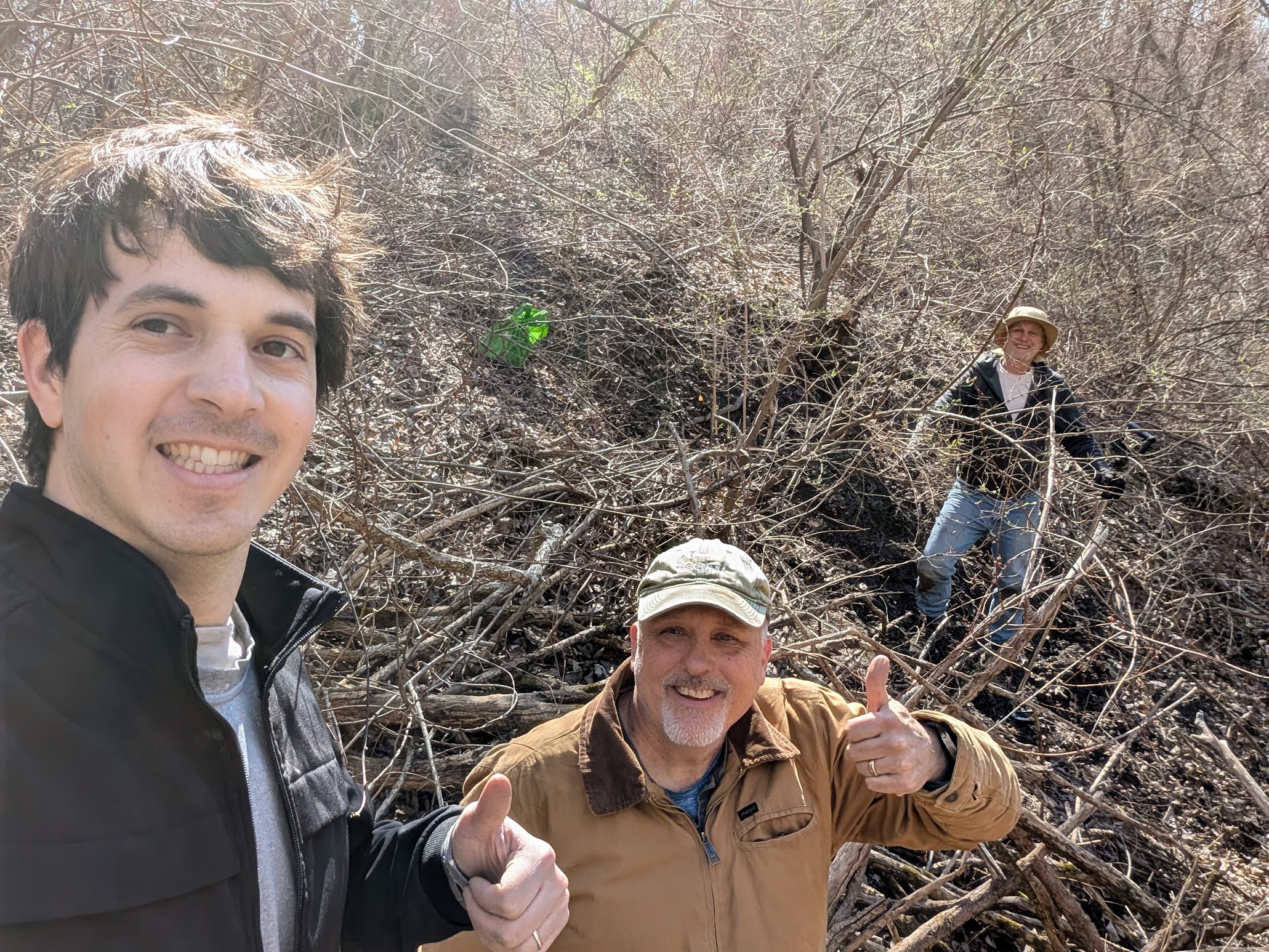
For the October General Meeting, we are doing something new. Lazaro Vinola from The Field Museum will be presenting live from the field in the Dominican Republic. Earlier this year, you may recall Lazaro found a Tully Monster on his first visit to Pit 11. We used the fossil for Fossil Friday #319. For this…
-

Mazon Monday #343: 1990 Mazon Creek Open House
The Mazon Creek Open House was first held in early 1984. It was an extension of the Mazon Creek Project at Northeastern Illinois University. Both the Mazon Creek Project (see Mazon Monday #5) were sponsored by Northeastern Illinois University.
-
Found On Newcastle Ranch, ‘Rex Jr.’ Could Be Most Important T. Rex Ever Discovered
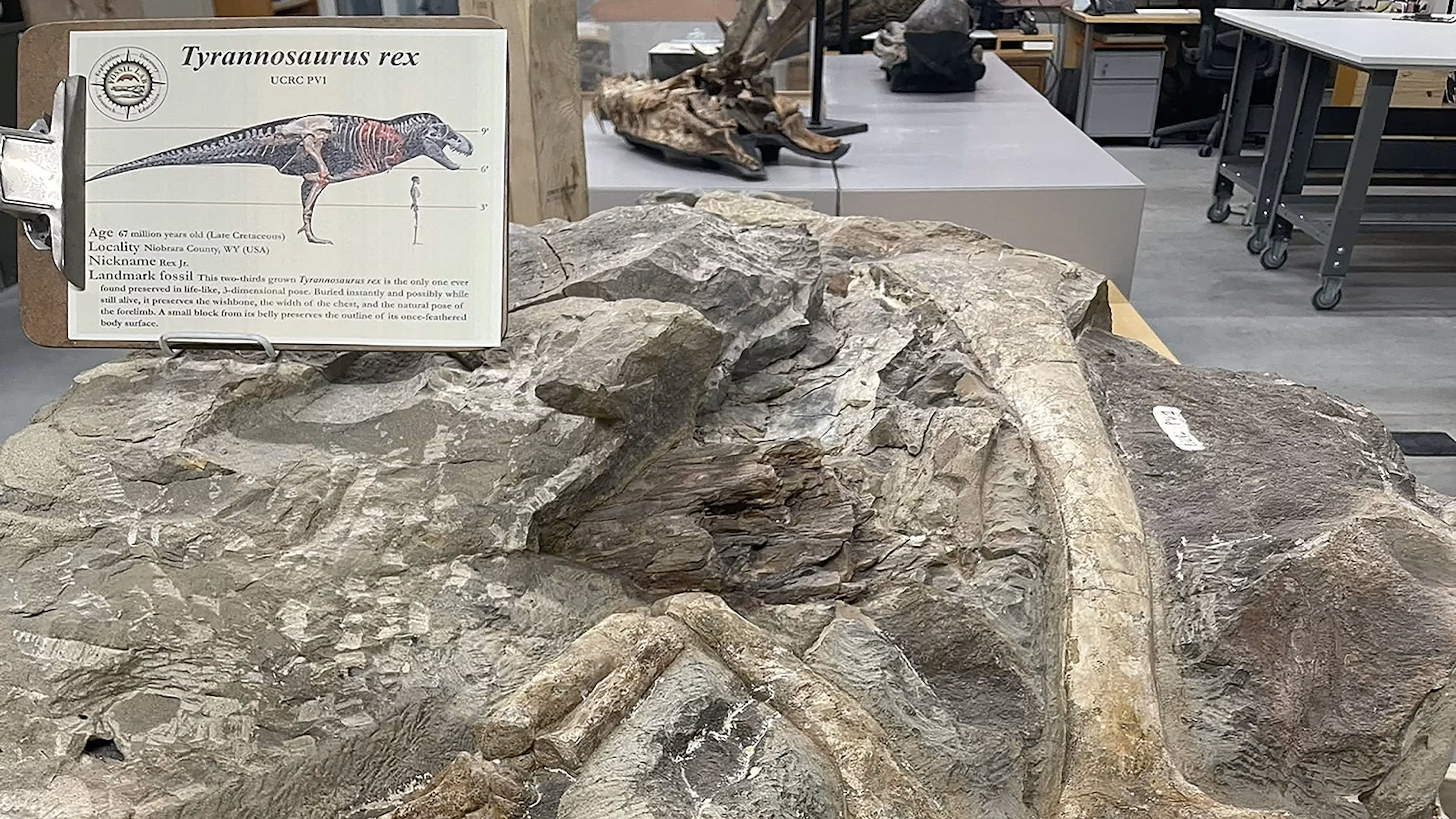
Cowboy State Daily has a story about “Rex Junior.” First discovered in the 1950’s on a ranch near Newcastle, Wyoming, a partial skeleton of a sub-adult T. rex may be the most important T. rex that has or will ever be found. That is the opinion of paleontologist Paul Sereno. Sereno said “this specimen from…
