Tag: paleontology
-
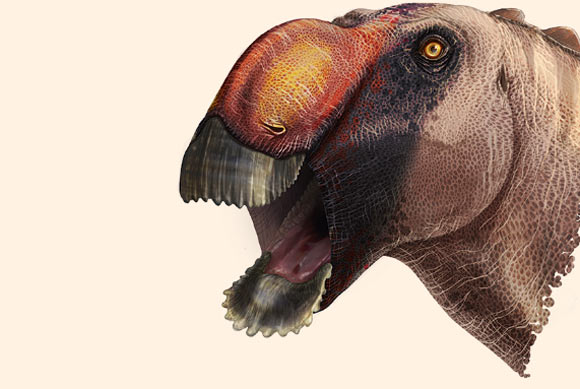
SciNews: ‘Shovel-Billed’ Dinosaur Roamed Texas 80 Million Years Ago
SciNews has an article about the discovery of a primitive hadrosaur. The specimen was found and collected in the 1980s and 1990s in Texas and is called Aquilarhinus palimentus. It belongs to Hadrosauridae (duck-billed dinosaurs) a group of plant-eating dinosaurs from the Cretaceous period. The original paper appeared in the Journal of Systematic Paleontology. “Hadrosaurids…
-

PBS Eons: The Hellacious Lives of the “Hell Pigs”
Check out the episode of PBS Eons about “Hell Pigs”. Archaeotherium and Daeodon were species that lived in North America from about 40 million to 17 million years ago. The group may be most closely related to modern whales and hippos. As always, a very interesting and informative video! Despite the name, we don’t…
-

Palaeocast Episode 101: Organic Preservation of Dinosaur Bone
There’s a new episode of the Palaeocast podcast. It’s a discussion with Dr. Evan Saitta of the Field Museum of Natural History in Chicago, who recently published a paper that investigates the controversial discoveries. Fossilisation of organic material was long thought to result in the complete loss of original content. However in the last 20…
-
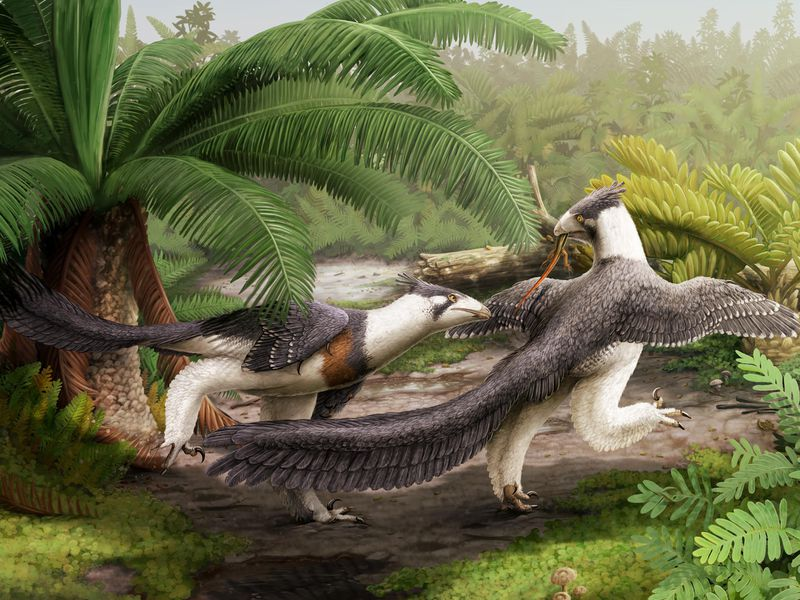
Smithsonian: Discovery of Raptor-Like Dinosaur Adds a New Wrinkle to the Origin of Birds
Smithsonian has a story about the discovery of a small dinosaur that sheds light on the origin of birds. While excavating a Supersaurus nicknamed “Jimbo”, Wyoming Dinosaur Center paleontologist spotted some small bones amongst the enormous bones. Named Hesperornithoides miessleri, the animal lived about 150 million years ago during the late Jurassic. The specimen is referred…
-
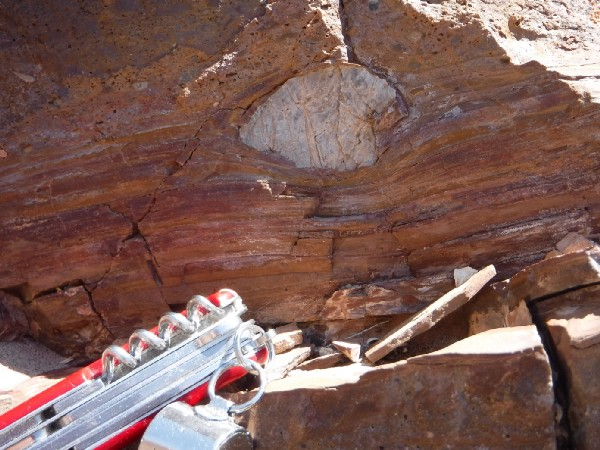
Roy Plotnick: I’m not lying
Roy Plotnick has yet another insightful blog post over on Medium. Take his advice, get out and experience nature first hand! I began teaching physical geology in Fall 1982. Like all other instructors of this type of course, I would discuss a wide variety of landforms and show textbook provided slides (you know, pieces of…
-
PBS Eons: When Ichthyosaurs Led a Revolution in the Seas
PBS Eons has a video about the rise of the Ichthyosaurs after the “Great Dying” at the end of the Permian. PBS Eons is a great, educational series from PBS on Youtube, with a new episode each week. The marine reptiles Ichthyosaurs arose after The Great Dying, which wiped out at least 90 percent…
-
myFOSSIL Project Newsletter for Spring 2019
There’s the myFOSSIL Project Newsletter for Spring 2019. You can download it from here. Peter Makovicky of the Field Museum has an article about Past ESCONI President Karen Nordquist’s discovery of Galagadon nordquistae. Highlights:
-

ESCONI Flashback Friday #9: Illinois State Fossil – The Tully Monster
As part of the run up to ESCONI’s 70th Anniversary, here is Flashback Friday post #9. If you have pictures or stories to contribute, please send them over to esconi.info@gmail.com. Thanks! The following article appeared in the 50th Anniversary issue of the newsletter. Unfortunately, Francis Tully (yes! an ESCONI member!) didn’t live to see it,…
-
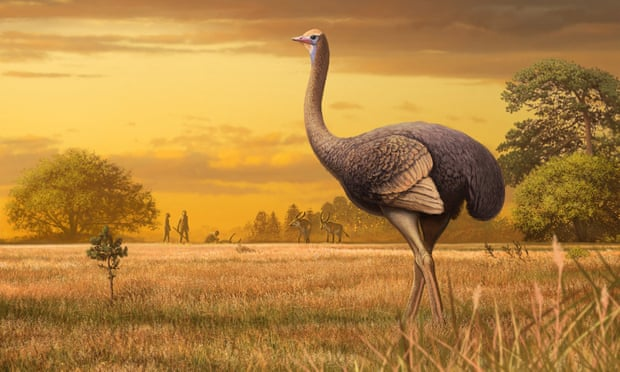
Half-tonne birds may have roamed Europe at same time as humans
The Guardian has a post about large flightless bird that might have roamed Europe at the same time. Researchers discovered the fossilized thigh bone of a giant bird in a cave on the Crimean peninsula. It belonged to an animal called Pachystruthio dmanisensis, which lived between 1.5 and 1.6 million years ago. This bone and…
-
PBS Eons: When the Synapsids Struck Back
PBS Eons has a great video about the ancestors and evolution of the mammals and the Permian Mass Extincton. Synapsids were the world’s first-ever terrestrial megafauna but the vast majority of these giants were doomed to extinction. However some lived on, keeping a low profile among the dinosaurs. And now our world is the…
-

Mammals and their relatives thrived, diversified during so-called ‘Age of Dinosaurs’
Phys.org has an article about Mammals during the “Age of Dinosaurs”. In a paper in Trends & Evolution, a review paper summarizes the latest fossil evidence of the state of Mammals and their relatives during the Jurassic and Cretaceous periods. It seems that Mammals were flourishing and experienced a couple ecological radiations during this time.…
-
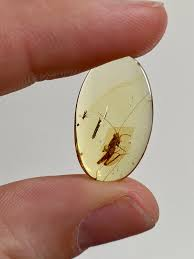
ScienceMag: Fossils in Burmese amber offer an exquisite view of dinosaur times—and an ethical minefield
Science Magazine has an interesting piece about the troubled nature of Burmese amber. Dating to about 99 million years ago, Burmese amber has revealed almost unbelievable fossils, from bird wings, to whole lizards, a host of insects, even a feathered dinosaur tail! Over 1000 new species have been described in recent years. Additionally, the…
-

ESCONI Flashback Friday #7: Matthew Galloway’s Exciting Discovery June 2000
As part of the run up to ESCONI’s 70th Anniversary, here is Flashback Friday post #7. If you have pictures or stories to contribute, please send them over to esconi.info@gmail.com. Thanks! Here’s a report from Matthew Galloway’s discovery of an amphibian bone in the Lone Star Quarry on June 4th, 2000. What a find! Matthew…
-

Giz Asks: Which Extinct Animal Would Have Made the Best Pet?
Gizmodo has an interesting article in which they ask various researchers their favorite pet among extinct animal. You probably don’t want something that may eat you… what about a trilobite! All you need is a saltwater tank. With de-extinction hovering on the edge of being a thing, it is worth asking at least one question. That question…
-
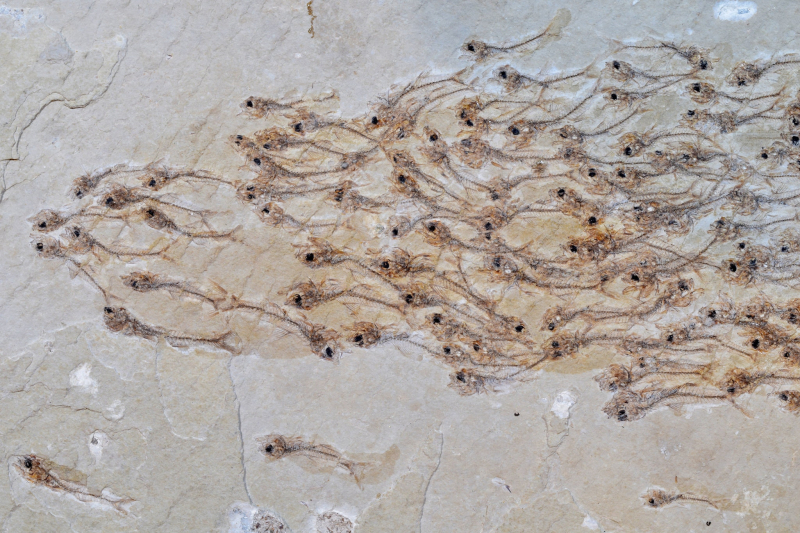
NYT: A School of Fish, Captured in a Fossil
The New York Times has a post about a fossil plate that includes a whole shoal of fish. The plate, which dates to about 50 million years ago, measures 22 inches by 15 inches. It contains a group of fish that belong to the extinct species called Erismatopterus levatus. All the details are in a…
-
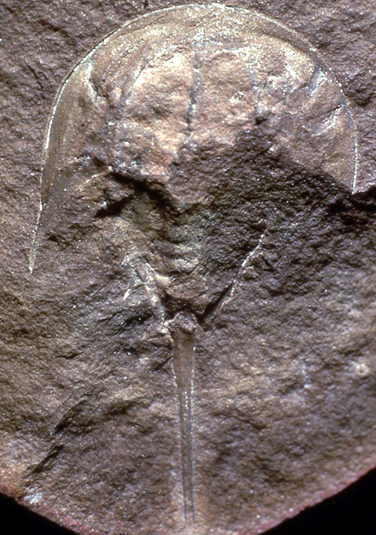
Roy Plotnick: I am not Indiana Jones or why I am writing a book (it’s not for the money)
Roy Plotnick has an insightful blog post over on Medium. He discusses perceptions of paleontologists and Paleontology in general – who they are, what they do, and why it’s important. Check it out! If you’ve read any of his previous posts, you’ll know it’s a great read! The confusion with archaeologists is of somewhat understandable;…
-
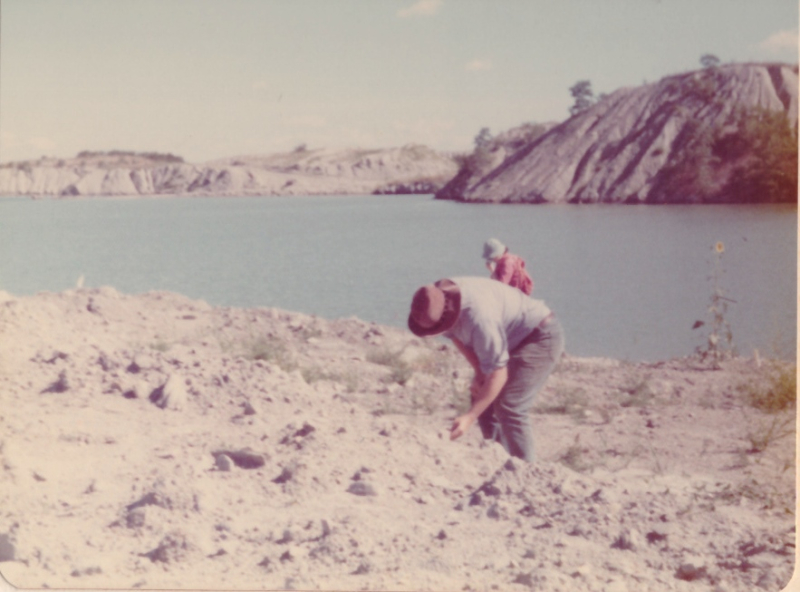
ESCONI Flashback Friday #6: Field Trip to Pit 11 September 1976
As part of the run up to ESCONI’s 70th Anniversary. Here is Flashback Friday post #6. If you have pictures or stories to contribute, please send them over to esconi.info@gmail.com. Thanks! Kathy Dedina had some great pictures from past ESCONI events. Here are a series of pictures from a Pit 11 field trip in September…
-
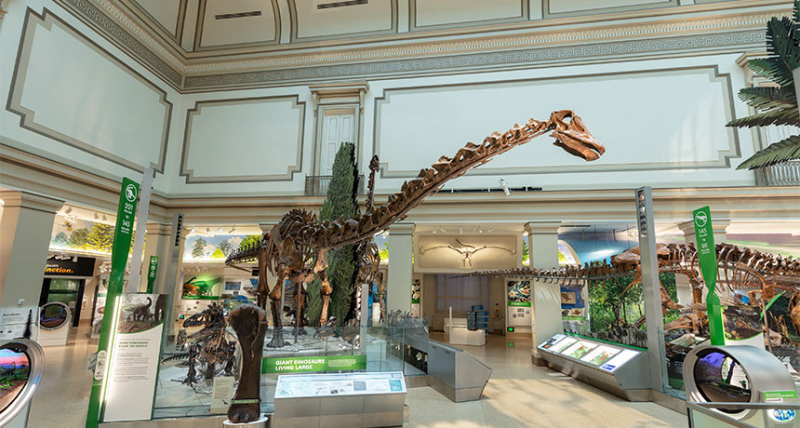
ScienceNews: The Smithsonian’s ‘Deep Time’ exhibit gives dinosaurs new life, Reopens today, June 8th, 2019!
ScienceNews has an article about the reopening of the dinosaur hall at the Smithsonian National Museum of Natural History in Washington, D.C. Today, June 8th, 2019 is the long awaited day. It’s called the “David H. Koch Hall of Fossils – Deep Time“. The renovations have taken 5 years to complete. The exhibit starts with…
-

ESCONI Flashback Friday #5: Dinner With Dr. Frederick Schram in August, 2011
As part of the run up to ESCONI’s 70th Anniversary. Here is Flashback Friday post #4. If you have pictures or stories to contribute, please send them over to esconi.info@gmail.com. Thanks! Mary Fairchild did an excellent report about her dinner with Dr. Frederick Schram in August, 2011. There is much to enjoy in the report,…
-

Infernovenator steenae, a new serpentine recumbirostran from the ‘Mazon Creek’ Lagertätte further clarifies lysorophian origins
The Zoological Journal has another new paper describing a Mazon Creek vertebrate. This one is called Infernovenator steenae. The paper is authored by Arjan Mann, Jason D Pardo, and Hillary C Maddin of the Department of Earth Sciences, Carleton University in Ottawa, Ontario, CA. Earlier this year, Mann and Maddin published a description of a…
-

National Geographic: Gem-like fossils reveal stunning new dinosaur species
The National Geographic has a story about the discovery a new dinosaur in Australia. The animal, called Fostoria dhimbangunmal, lived about 150 million years ago. It’s an early member of a group that will eventually evolve into duck-billed hadrosaurs. The bones are opalized and was discovered near a town called Lightning Ridge, famous for brightly…
-
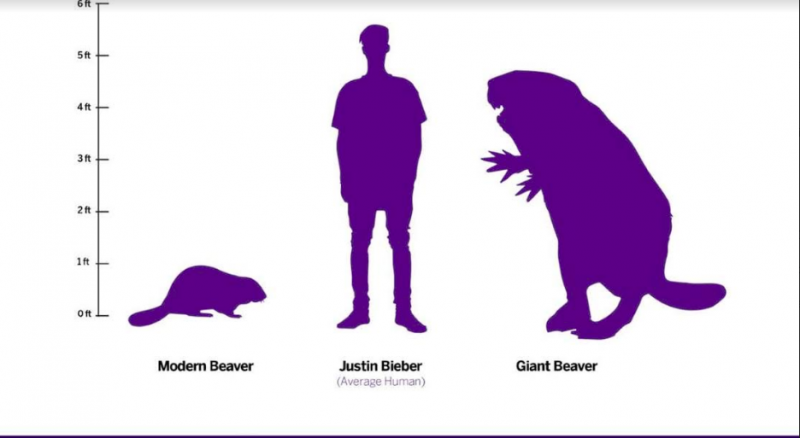
Why Did These Human-Sized Beavers Go Extinct During the Last Ice Age?
The Smithsonian.com has a post about the extinction of 7 foot tall beavers. Up until just over 10,000 years ago, large beavers weighting upwards of 220 pounds roamed a large part of North America, from Alaska and Canada to Florida. A new study, by a group of Canadian researchers, was published in the journal Scientific…
-
PBS Eons: The History of Climate Cycles (and the Woolly Rhino) Explained
PBS Eons has a great video about climate cycles and what caused ebb and flow of the ice ages. Milankovitch cycles are front and center, with good explanation of how we are affecting the climate today. Throughout the Pleistocene Epoch, the range of the woolly rhino grew and shrank in sync with global climate.…
-

Flashback Friday #4: Braceville Trip 05/16/2009
As part of the run up to ESCONI’s 70th Anniversary. Here is Flashback Friday post #4. If you have pictures or stories to contribute, please send them over to esconi.info@gmail.com. Thanks! Sometimes referred to as “Worm Hill”, the Braceville spoil pile dates to at least the 1880s. ESCONI hasn’t been going here since then, but…
-
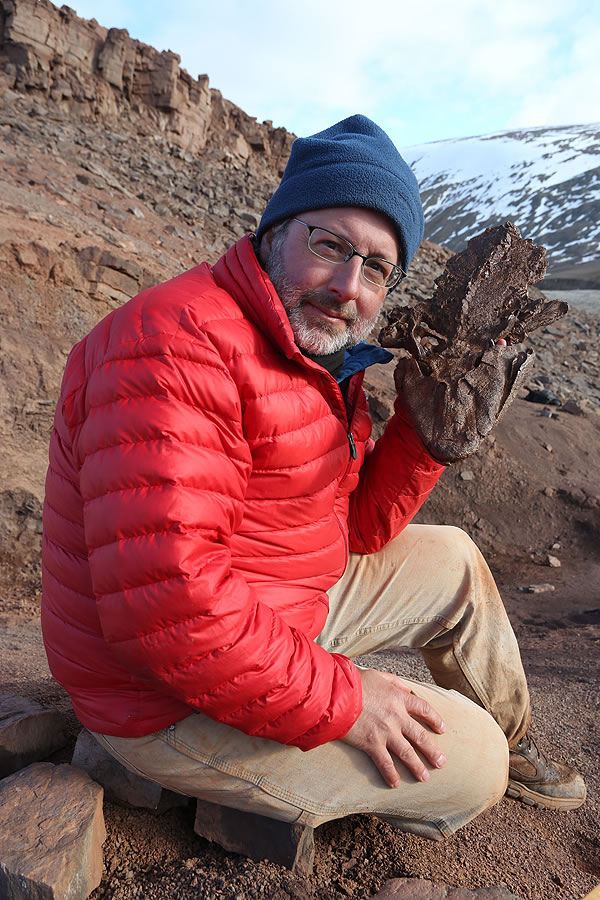
Palaeocast Episode 100: Tiktaalik
There’s a new episode of Palaeocast. It’s an interview of Neil Shubin. He talks quite extensively about the discovery of Tiktaalik, where to look for fossils, why development matters, and his deep involvement in science communications. One of palaeontology‘s great themes of questioning is the rise of novelty: how new structures and functions arise in…
-
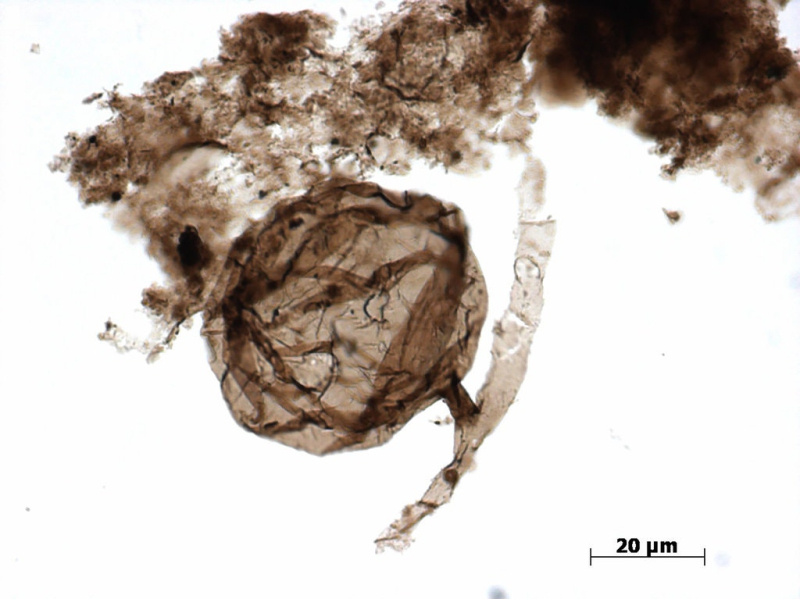
CBC Quirks & Quarks: Fungus fossils show the complexity of life a billion years ago
CBC Quirks & Quarks has a segment on the discovery of some fungus fossils. The fossils were found in shale in the Grassy Bay Formation in the Northwest Territories and dates to the Precambrian era about a billion years ago. All the details are a paper published in the journal Nature. Elizabeth Turner, a professor…
-

Diabloroter bolti, a short-bodied recumbirostran ‘microsaur’ from the Francis Creek Shale, Mazon Creek, Illinois
The Zoological Journal has a new paper describing a Mazon Creek “Microsaur” Diabloroter bolti. The paper is authored by Arjan Mann and Hillary C Maddin of the Department of Earth Sciences, Carleton University in Ottawa, Ontario, CA. The sculpture in the picture was created by David Duck, who has been an ESCONI member. Congrats! The…
-
Reminder: ESCONI Paleontology Study Group Meeting on May 18th – “The Bundenbach Fauna”
The May Paleontology Study Group Meeting will feature a presentation on the “The Bundenbach Fauna” by ESCONI member Tom Williams. There will some interesting fossils to see. The lower Devonian Lagerstatte of the Hunsruck Slate is known for some amazing specimens. See you there!
-

Scientists in Chile have found a 15,000-year-old footprint, the earliest sign of humans’ presence in the Americas
CNN has a story about the oldest footprint in the Americas. It’s 15,000 years old and was found in Chile. All the details appeared in a paper in the journal PLOS-ONE. A team of scientists in Chile say they’ve found a human footprint that dates back more than 15,000 years — the oldest one ever…
-
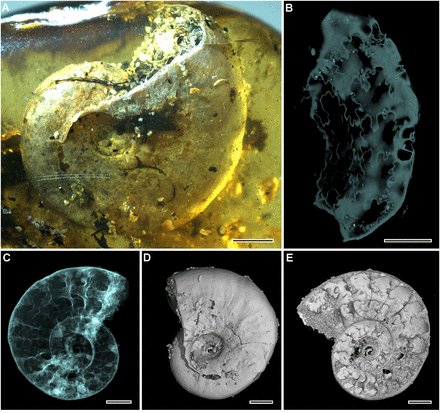
NatGeo: This ancient sea creature fossilized in tree resin. How’d that happen?
National Geographic has an article about an ammonite in amber. The amber is from Myanmar and is 99 million years old. The study was published Monday in the journal PNAS by a group led by Chinese paleontologist Tingting Tu. As you might guess, it’s the first known record of an ammonite found in amber. In…
