Tag: evolution
-

PBS Eons: That Time The Ocean Lost (Almost) All Its Oxygen
PBS Eons has a new episode on Youtube. This one is about an extinction event during the Cretaceous Period and what it did to the oceans. This is the story of how our planet rescued itself from extreme conditions in the Cretaceous Period, at the cost of essentially suffocating the oceans for half-a-million years.
-

Three-eyed distant relative of insects and crustaceans reveals details of early animal evolution
Phys.org has a story about the evolution of insects and crustaceans. Kylinxia zhangi is an early arthropod related to insects and crustaceans. It lived about 520 million years ago during the Cambrian Period. It was part of the famous Chengjiang fossil locality, which is located in the Yunnan Province in southern China. A team…
-
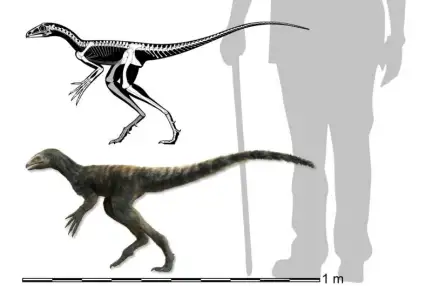
Researchers find fossilized nonflying precursor to pterosaur in Brazil
Phys.org has a story about a fossil find which sheds light on pterosaur evolution. A team of paleontologists have found an ancestor of pterosaurs in a fossil deposit in Brazil. The site is near Rio Grande do Sul, Brazil and dates to about 230 million years ago in the Triassic Period. The team named a…
-
PBS Eons: We Helped Make Mosquitoes A Problem
PBS Eons has a new video on Youtube. This one is about the pesky mosquitoes. Around 6,000 years ago, in the Sahel region of Africa, a lone female mosquito buzzed through the lush, green savannah. She couldn’t know it, but the planet itself was about to change in ways that would see her descendants evolve…
-
PBS Eons: Why The Giraffe Got Its Neck
PBS Eons has a new video on Youtube. This one is about the evolution of long necks in giraffes. How and why the giraffe's neck emerged in the first place has been a mystery that generations of biologists have argued over – one that has made us reconsider our understanding of how evolution actually works…
-

The Discovery and Controversy of Spinosaurus
The Field Museum has an interesting video on Youtube. The video is a presentation by Dr. Jingmai O’Connor, who is the Associate Curator of Fossil Reptiles, on Spinosaurus. With its crocodile-like jaws set in a skull that is 20% longer than T. rex and its large dorsal sail, Spinosaurus aegyptiacus is one of the most iconic…
-
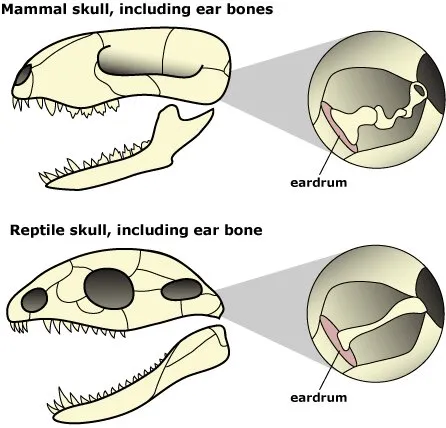
A jaw-dropping conundrum: Why do mammals have a stiff lower jaw?
Phys.org has an interesting article about the structure of mammal jaws. Vertebrate skeletons and thus mammal skeletons are very conservative. We all have pretty much the same bones, however they are generally reshaped, reoriented, and possibly repurposed. The general vertebrate lower jaw consists of multiple bones, for mammals some of the smaller bones around the…
-

1.7 billion Tyrannosaurus rexes walked the Earth before going extinct, new study estimates
An artist’s interpretation of what Tyrannosaurus rex may have looked like. (Image credit: Shutterstock) LiveScience has a story about how many Tyrannosaurus rex individuals ever lived. Back in April 2021, a paper in the journal Science estimated that 2.5 billion T. rex had existied from 68 to 65 million years ago. Now a new paper…
-
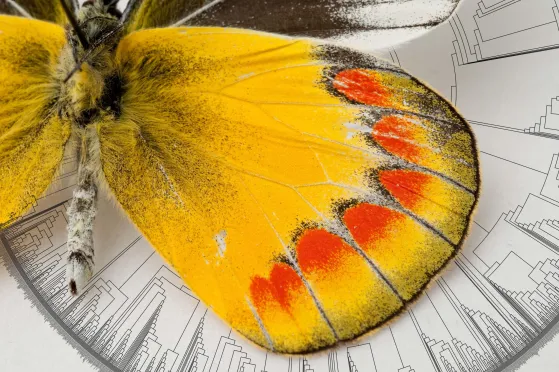
The Origin of Butterflies: A 100 Million-Year-Old Mystery Unraveled
SciTechDaily has an article about the evolution of butterflies. A paper in the journal Nature Ecology and Evolution details new evidence about the origin of butterflies about 100 million years ago. Until recently, the order lepidoptera was thought to have arisen as a result of predation by bats after the extinction of the non-avian dinosaurs.…
-

Throwback Thursday #162: Field & Street Archaeopteryx
This is Throwback Thursday #162. In these, we look back into the past at ESCONI specifically and Earth Science in general. If you have any contributions, (science, pictures, stories, etc …), please send them to esconi.info@gmail.com. Thanks! Back in Throwback Thursday #137, we looked at the traveling Archaeopteryx exhibit back in 1997. Althiough it was…
-
PBS Eons: The Invisible Barrier Keeping Two Worlds Apart
PBS Eons has a new episode on Youtube. This one is about the Wallace Line, named for its discoverer… Alfred Russel Wallace. In between two of the islands of Indonesia, there’s an ancient line that is both real and…not real.
-
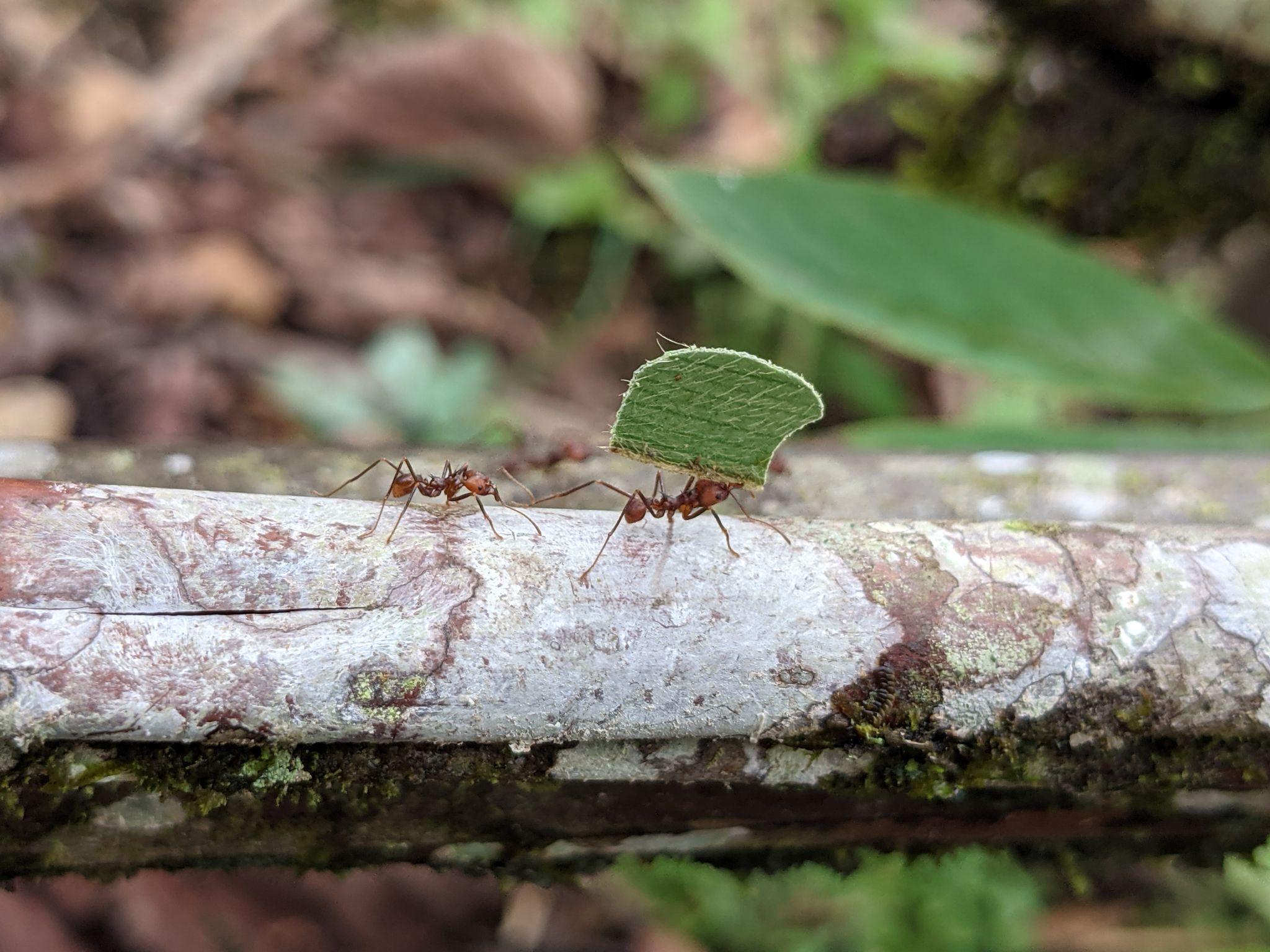
Ants took over the world by following flowering plants out of prehistoric forests
The Field Museum has a press release about research performed at the museum. The research looked at the evolutionary relationship of ants and flowering plants. Ants took advantage of the diversification of flowering plants, which led to the thousands of species of modern ants which exist today. A paper detailing the research can be found…
-
PBS Eons: It’s Becoming Very Clear That Birds Are Not Normal
PBS Eons has a new video over on Youtube. Birds are wierd. A new discovery raises an important question: from an evolutionary perspective, who really has the stranger wings?
-
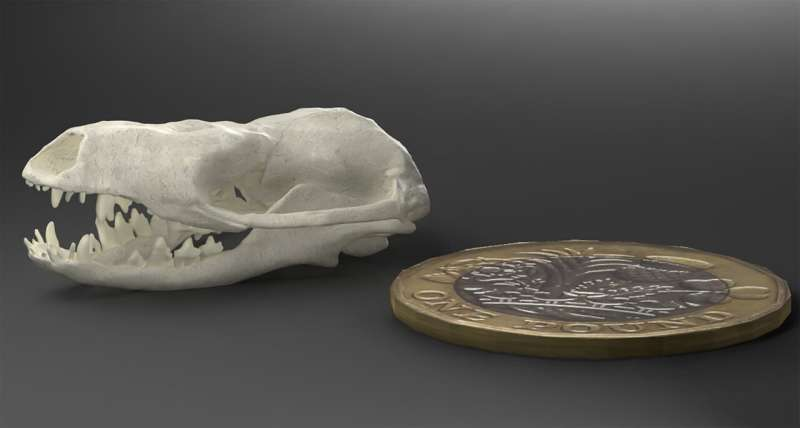
Starting small and simple was key to success for evolution of mammals, reveals new study
Phys.org has a story about the evolution of mammals. A new paper in the journal Communications Biology, found that being small led to more efficient feeding, The international team of paleontologists used computer analysis and stress analysis to understand the process of skull simplification in early mammals. In mamy vertebrate groups, like fish and reptiles,…
-
PBS Eons: How (Some) Plants Survived The K-Pg Extinction
PBS Eons has a new video over on Youtube. This one is about Angiosperm plants and how many of them survived the K-Pg mass extinction. Perhaps for plants in times of great stress and ecological upheaval, the more DNA the better. Thanks to Franz Anthony (https://franzanth.com) for the incredible reconstruction of plants in the aftermath…
-
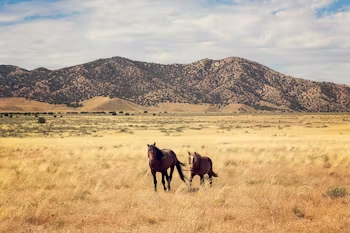
New DNA Analysis Reveals an Untold Story of Horses in America
Inverse has an article about the history of horses in America. It’s not commonly known, but horses evolved in North America about 4 million years ago. They went extinct around 10,000 years ago with many other species of North American mega fauna. The causes of the extinction are still being studied. Horses were reintroduced by…
-
PBS Eons: The Real Story Of The Dodo Bird’s (Current) Extinction
PBS Eons has a new episode. This one tells the whole story of the dodo bird. How did it evolve and how did it disappear? What’s the real story of the dodo? How did such a unique bird even evolve in the first place? And are we really responsible for its extinction?
-
ESCONI April 2023 General Meeting – Saturday, April 8th, 2023 at 1:00 PM via Zoom – “Beasts Before Us; the Untold Story of Mammal Origins and Evolutions”
Mark your calendars ahead of time as you do not want to miss the April General Meeting presentation. The meeting (via Zoom) will be on Saturday, April 8th at 1 PM. Joining us from the National Museum of Scotland will be Dr. Elsa Panciroli presenting “Beasts Before Us; the Untold Story of Mammal Origins and…
-

Hollow bones that let dinosaurs become giants evolved at least three times independently, shows study
Phys.org has an interesting story about dinosaur evolution. Dinosaurs had hollow bones, which made it possible for them to grow as large as they did. A new study published in the journal Scientific Reports looked at three Brazilian specimens from the late Triassic and found they had hollow places in their vertebra similar to later…
-
PBS Eons: Does Our “Junk” DNA Make Us Human?
PBS Eons has a new episode on Youtube. This one is about us and what is it that makes us, us. In the search for the genes that make us human, some of the most important answers were hiding not in the genes themselves, but in what was once considered genomic junk.
-
PBS Eons: How a Mass Extinction Changed Our Brains
PBS Eons has a new episode. This one is about the evolution of the mammal brain. During one of the most pivotal moments in our evolutionary story our brains actually shrank relative to our bodies.
-
PBS Eons: What If Neandertals Buried Their Dead?
PBS Eons has a new episode. This one is about the Neanderthals and how they lived… and died. They cared for their sick and disabled, so I feel its not ridiculous to think that they very much buried their dead. They had compassion, surely they wanted to say goodbye to their loved ones and probably…
-
PBS Eons: When Our Culture Changed Our DNA
PBS Eons has a new episode on Youtube. This one is about the complex mix of culture, biology, and evolution. Thanks to our ability to develop and share complex learned behaviors across generations – a thing we sometimes call culture – we have become the ultimate niche builders.
-
PBS Eons: These Creatures Were Darwin’s Greatest Enemy
PBS Eons has a new episode on Youtube. This one covers one of Darwins "favorite" animals. They may not look like much, but beneath that shell lies an evolutionary mystery – one that stumped the biggest names in natural history for over a hundred years.
-
PBS Eons: The Extinct Human Species Found In Remote Cave Chambers
There's a new episode of PBS Eons over on Youtube. This one is about human evolution… the discovery of Homo naledi in a cave in Africa back in 2013. Deep in the Rising Star Cave system lies a mystery of paleoanthropology: a chamber filled with the bones of Homo naledi.
-
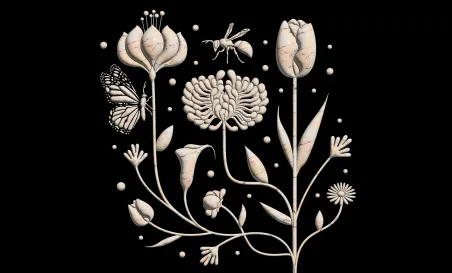
The Fossil Flowers That Rewrote the History of Life
The New Yorker has an interesting piece about some special flower fossils. When and where did the flowering plant evolve? It’s a question that been pursued by paleobotanists for a long time. Even Charles Darwin called it the “abominable mystery” due to how flowers seems to spring fully formed in the fossil record. The centerpiece…
-
PBS Eons: How Did Lucy Live and Die?
There's a new episode of PBS Eons on Youtube, The live and death of Lucy, who is the Australopithecus discovered in Ethiopia in 1974, says much about human evolution. She lived about 3.2 million years ago. Did our most famous fossil ancestor, Lucy, die by falling out of a tall tree? The answer is…
-
PBS Eons: We Met Neandertals Way Earlier Than We Thought
PBS Eons has a new episode. This one is about the missing Neandertal Y chromosome. My cousin did a DNA test the other month and was embarrassed about having a much higher amount of Neandertal DNA than the average European, but I told them about all the cool things I learned about them on this…
-
PBS Eons: How Plate Tectonics Gave Us Seahorses
PBS Eons has a new episode on Youtube. This one is about the evolution of the seahorse. How did seahorses — one of the ocean’s worst swimmers — spread around the globe? And where did they come from in the first place? Thanks to Franz Anthony (http://franzanth.com) for the incredible syngnathid reconstructions used in this…
-
PBS Eons: Are We All Actually Archaea?
PBS Eons has a new episode over on Youtube. This one is about the Tree of Life and our (Eukarya) placement in it. The unexpected discovery of an entirely new domain of life was pretty huge and surprising – even if archaea do just look like bacteria. But, in recent years, it’s been their connection…
