Tag: evolution
-

Giant Dinosaurs Were Riddled With a Devastating Disease, Fossils Show
Science Alert has a piece about dinosaurs… sauropods might not have been all that healthy. The animals that lived in what is now Brazil, might have suffered from bone infections caused by bacterium, fungus, virus, or parasite.
-

PBS NOVA – Great Mammoth Mystery
PBS NOVA just published the “Great Mammoth Mystery” on Youtube. Sir David Attenborough investigates a unique site in southern England where amateur fossil hunters uncovered giant mammoth bones and evidence of Neanderthals. A team of paleontologists and archaeologists soon discover that the site preserves rare evidence of the extinct beasts and early human inhabitants of…
-

150-Million-Year-Old Stegosaurus Skull Rewrites Dinosaur Evolution
SciTechDaily has an article about a stegasaur skull discovered in Spain. Stegasaur skulls are rarely found due to the extreme fragility of their bone. This new speciec, Dacentrurus armatus, was found near Villar del Arzobispo Formation and is nearly complete. The rock formation dates to the late Jurassic about 150 million years ago. The research…
-

ScienceNews: The first cicada concert was 47 million years ago
ScienceNews has a story about the first cicada concert. Fossil cicadas from Messel Pit in Germany suggests the first singing cicadas date to the Eocene some 47 million years ago. The fossil of Eoplatypleura messelensis, was collected around 1986 and identified as a cicada in 1988. Unfortunately, the researchers didn’t realize it was the oldest singing…
-
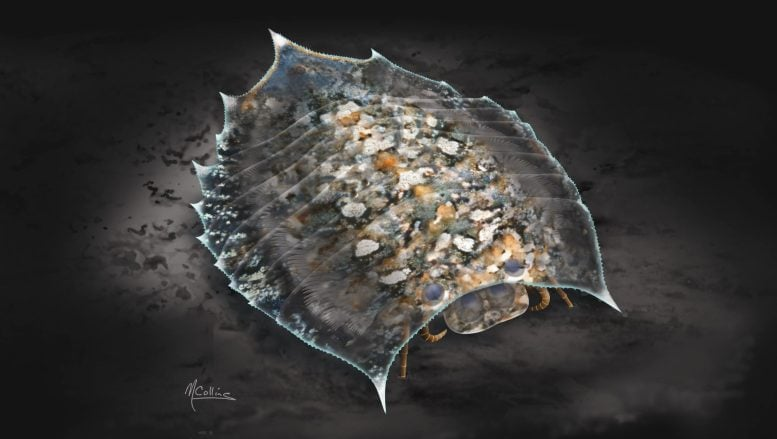
Harvard Scientists Solve 100-Year Mystery of Bizarre 508-Million-Year-Old Arthropod
SciTechDaily has an article about the strange arthropod Helmetia expansa. H. expansa was discovered by Charles Doolittle Walcott in 1918 in the Burgess Shale. It was initially identifed as a crustacean, however, it was never described. A new paper, in the Journal of Systematic Palaeontology, describes Helmetia expansa as a concilitergans, a group closely related…
-
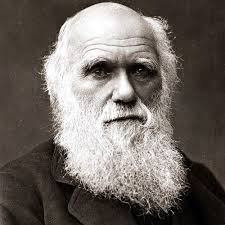
PBS Eons: Darwin’s Unexpected Final Obsession
https://youtu.be/hEkbSV8aYrs PBS Eons has a new episode. This one is about Charles Darwin and his quest to understand… worms. After having solved the small matter of evolution by natural selection – becoming one of the most famous scientists in the world in the process – Charles Darwin turned his focus to a different personal obsession……
-
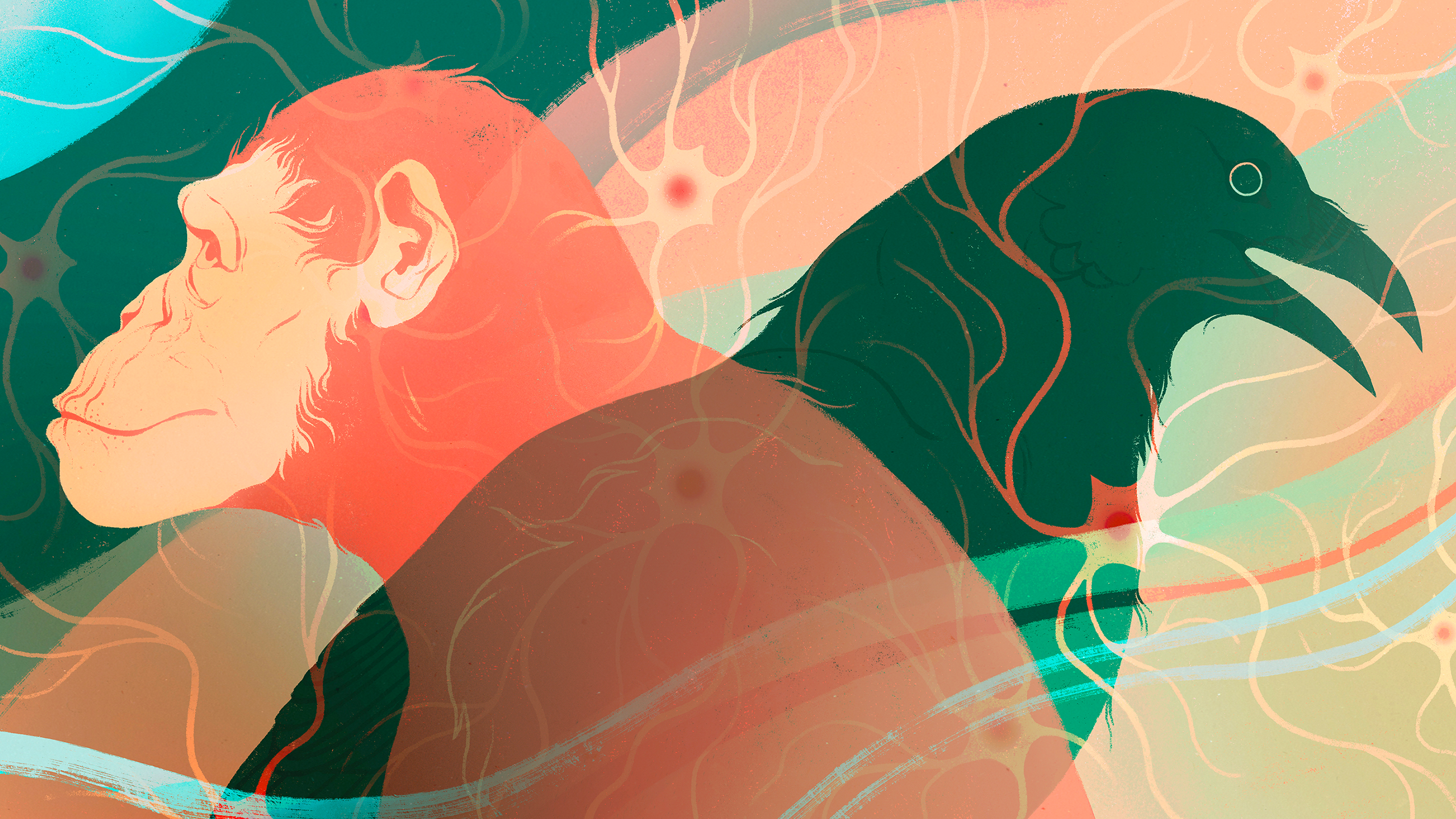
Intelligence Evolved at Least Twice in Vertebrate Animals
Quanta Magazine has an interesting piece about the evolution of intelligence. A variety of nonhuman species display intelligent behavior and advanced cognitive abilities. When did it evolve? Were the basic neural pathways inherited from a common ancestor or did it evolve separately in a case of convergent evolution? A series of studies published in the…
-

Refuge from the worst mass extinction in Earth’s history discovered fossilized in China
Live Science has an interesting piece about refugia during the “Great Dying”. The End Permian mass extinction was Earth’s worst with an an estimated 80% of life going extinct. A new paper “Refugium amidst ruins: Unearthing the lost flora that escaped the end-Permian mass extinction” in the journal Science Advances, describes a refuge from the…
-

PBS Eons: The Arms Race That Made Insects Take Flight
PBS Eons has a new episode. This one is about the co-evolution of spiders and insects. Spiders and their ancestors have been driving an arms race that began before either stepped foot onto land and resulted in the first powered flight on Earth.
-
PBS Eons: How Mountains Make Evolution Weird
PBS Eons has a new episode. This one is about how barriers between populations can effect evolution. Mountains have a unique effect on diversity, messing with our understanding of animals through time, and pretty much just making evolution weird. And they would eventually reveal something even stranger about a group of mammals even closer to…
-
PBS Eons: When Neandertals Became Apex Predators
PBS Eons has a new episode. This one is about the Neandertals and how they lived. Climbing to the summit of the Eurasian food chain was one of the Neandertals’ most impressive evolutionary feats, but in the end, it may have actually been what doomed them.
-
PBS Eons: Could You Survive The Great Dying?
PBS Eons has another interesting episode. This one is about the Permian Mass Extinction, which is often referred to as the "Great Dying" as more than 90% of all species went extinct during this event. The cause is thought to be massive flood basalt volcanic eruptions in what is now Siberia about 250 million years…
-

Paleontologists Discover a New Pterosaur, Filling a Key Gap on the Evolutionary Timeline for These Flying Reptiles
Smithsonian Magazine has highlighted the recent discovery of Skiphosoura bavarica, a Jurassic pterosaur from Germany. This research was led by David Hone a paleontologist at Queen Mary University of London. Long-time ESCONI members Bruce and Rene’ Lauer were co-authors on the study. The paper was published in the journal Current Biology. The paper introduces a…
-
PBS Eons: How Animals Got Butts
There's a new episode of PBS Eons. Birds do it. Bees do it. Everyone and anything that eats does it… While the evolution of the butthole was a major breakthrough in animal development, its story might actually end with redefining what it means to have a butthole at all.
-

A new and large monofenestratan reveals the evolutionary transition to the pterodactyloid pterosaurs
Bruce and Rene Lauer have done it again… groundbreaking paleontological research. This time it’s a new pterosaur, Skiphosoura bavarica, from the Jurassic of Germany. The lead author is David Hone with Adam Fitch, Stefan Selzer, and the Lauers. The paper is Open Access and was published in the journal Current Biology.
-
PBS Eons: What Happened To The Other Mesozoic Mammals?
There's a new episode of PBS Eons. This one is about the rise of modern mammals through the Cretaceous Period. In 2003, a fossil belonging to a mammaliaform was discovered in an ancient lakebed in what's now China. It was an almost complete skeleton the size of a platypus, a find that complicated the history…
-

Fossil Reveals Oldest Known Tadpole That Grew to the Size of a Hot Dog
The New York Times Trilobite column has a story about what may be the largest tadpole species ever discovered. Notobatrachus, an ancient relative of modern frogs, lived around 161 million years ago in present-day Santa Cruz Province, Argentina. In 2020, a team of paleontologists from Argentina and China uncovered hundreds of adult fossils of Notobatrachus,…
-
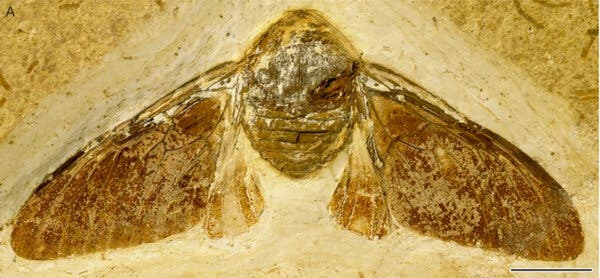
The Early Bird Got the Cicada, Then an Evolutionary Air War Started
The New York Times has a story about the evolution of flight in cicadas. New research published in the journal Science Advances found that cicadas likely evolved sleeker and more powerful wings due to the existential threat posed by birds. The researchers, including Chunpeng Xu a scientist at the Nanjing Institute of Geology and Palaeontology…
-
PBS Eons: Could You Survive The Ordovician Period?
PBS Eons has another episode. This one is about the Ordovician period… could you survive the Earth's first mass extinction? The End-Ordovician Extinction was the first of the so-called ‘Big Five’ mass extinctions in the history of life on Earth – more than 80% of species in the oceans died out. But could you survive…
-
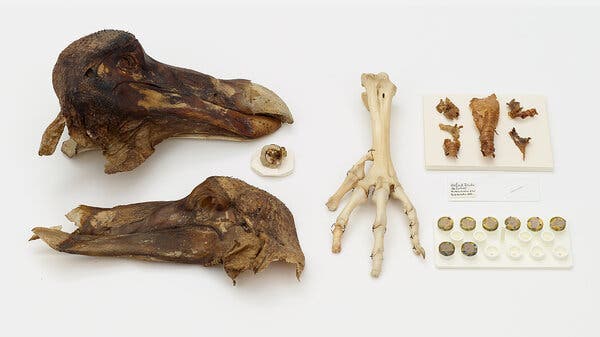
Who’s the Dodo Now? A Famously Extinct Bird, Reconsidered.
The New York Times has an interesting article about the Dodo. The Dodo, Raphus cucullatus, was a flightless bird that lived on the island of Mauritius. It was about the size of a male turkey. The Dodo has long been seen as and inept animal that slid into extinction because it was too stupid to…
-
PBS Eons: The Dinosaurs That Evolution Forgot
PBS has a new episode. This one is about the dinosaurs of the east coast of North America. North America was divided into two land masses by the Western Interior Seaway at the end of the Cretaceous about 100 to 66 million years ago. The east coast landmass is called Appalachia. Where are all the…
-
PBS Eons: Could You Survive the Cambrian Explosion?
There's a new episode of PBS Eons. This one discusses whether you could survive in the Cambrian Period, some 500 million years ago. What would you eat? Could you breathe? In the ocean, the Cambrian Period was one of startling evolutionary innovations, but on land, it was barren, with no vegetation of any kind. In…
-
PBS Eons: How the Himalayas Changed the World
There's a new episode of PBS Eons. This one explains how the Himalayan orogeny has affected the whole Earth over the last 50 million years. The rise of the Himalayas affected more than just the immediate area. Turns out, we may have them to thank for everything from the rise of giant flightless birds in…
-
PBS Eons: Could You Survive The Devonian Period? (with Hank Green!)
PBS Eons has a new episode. This one dsicusses whether humas could survive in the Devonian Period. By the end of the Devonian Period, the land had exploded with plant life and ancient invertebrates. There was also Tiktaalik – one of the first known vertebrates able and willing to move from the water to land.…
-
PBS Eons: How the Elephant got its Trunk
There’s a new episode PBS Eons. This one is about the evolution of a flexible trunk in elephants. Long-jawed proboscideans were doing pretty well for themselves. That is, until they were all rapidly replaced with proboscideans with long, flexible trunks instead: mammoths, mastodons, and our modern elephants. What suddenly made long jaws such a liability?…
-

“I’ve Never Seen Anything Like It Before” – Unusual 550-Million-Year-Old Fossil Solves Paleontological Paradox
SciTechDaily has an interesting story about some of the earliest sponges. New research in the journal Nature suggests the earliest sponges did not have a mineral skeleton. Virginia Tech geobiologist Shuhai Xiao and his collaborators described an Ediacaran (550 million years old) sponge that had not evolved the ability to generate the hard needle-like structures,…
-
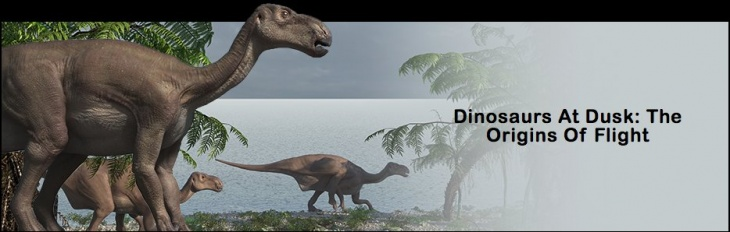
Dinosaurs at Dusk: The Origins of Flight
Triton College has a few more showings of their “Dinosaurs at Dusk: The Origins of Flight” movie. Dinosaurs at Dusk is a whirlwind adventure back in time to explore the Earth when it was teeming with Pterosaurs and other feathered dinosaurs, the ancestors of modern-day birds. Join Lucy and her father as they fly through the…
-
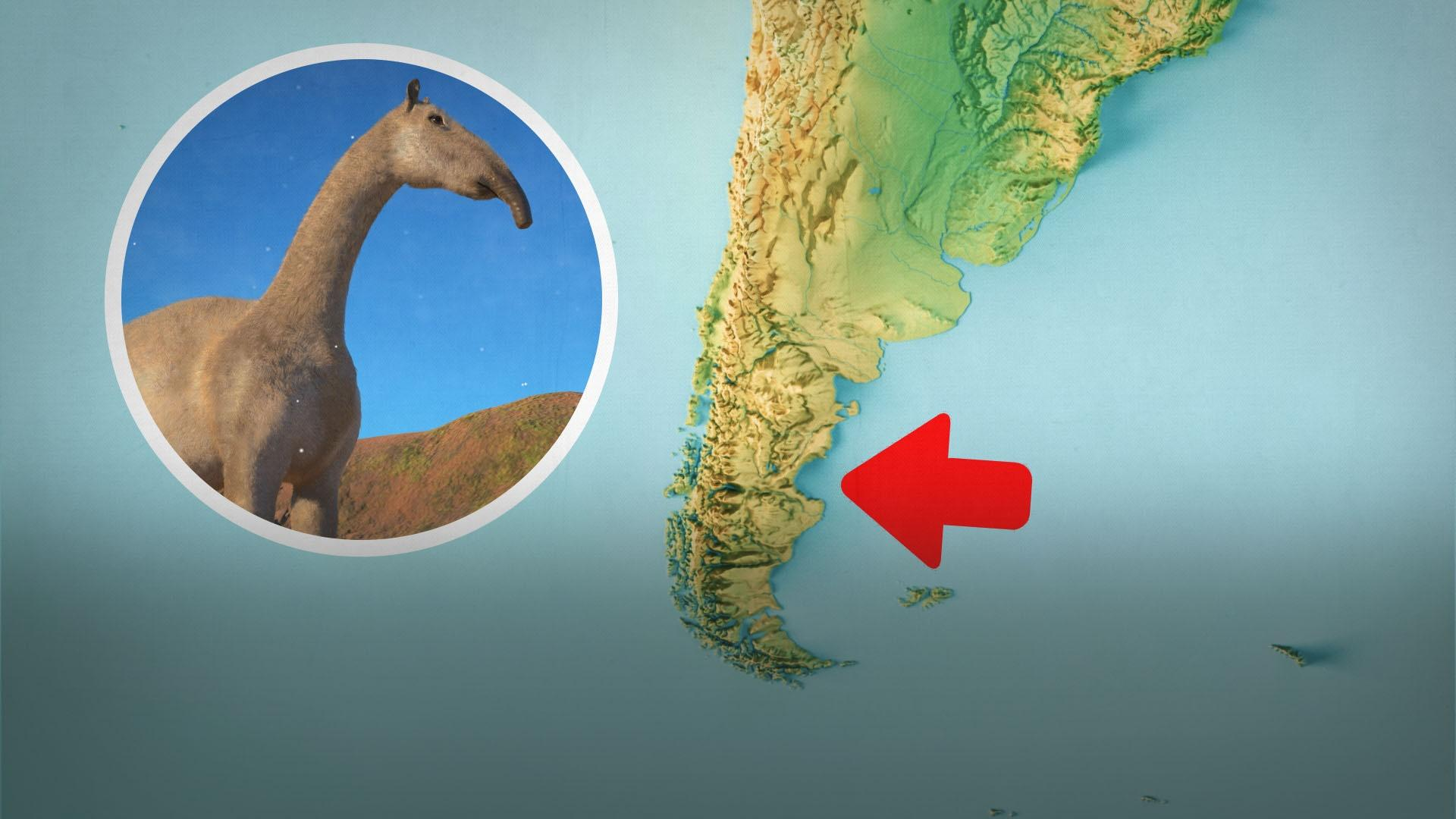
PBS Eons: The Mystery of South America’s False Horses
PBS Eons has a new episode on Youtube. This one is about the “false” horses of South America. How did the “false horse,” Thoatherium, and its relatives survive when their hoofed legs seemed to be adapted for an ecosystem that wouldn’t exist for another 12 million years?
-
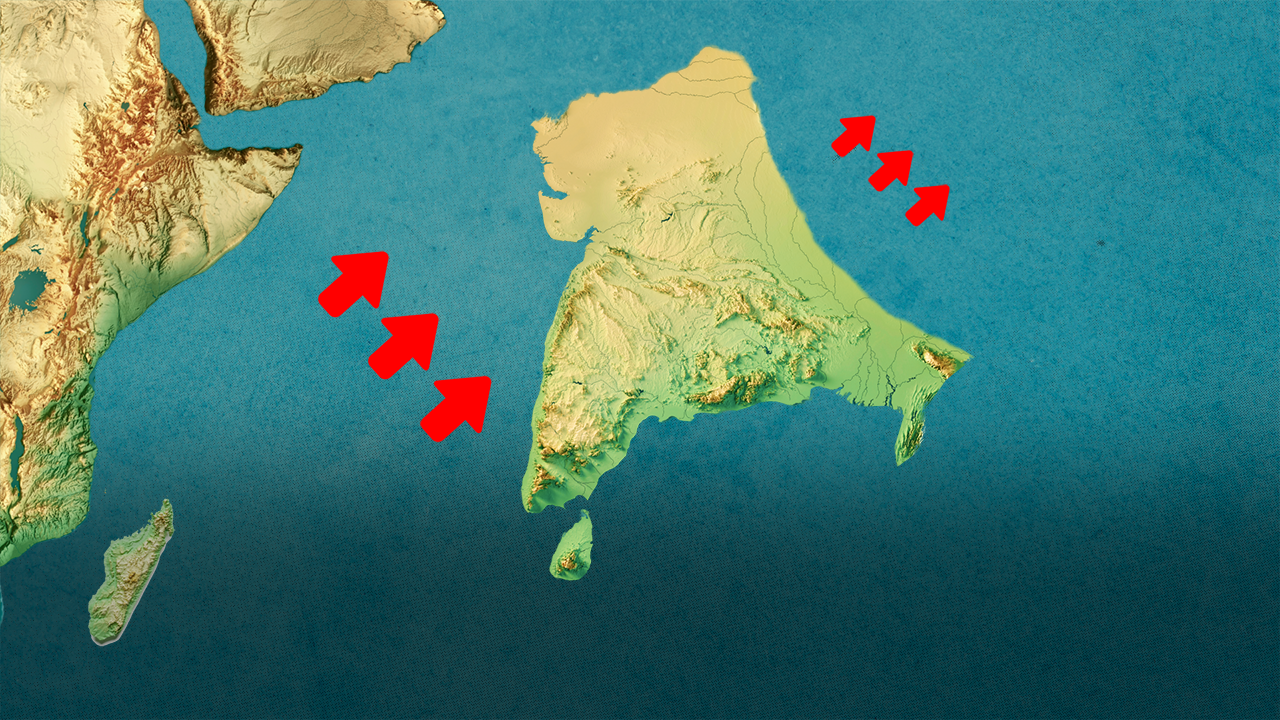
PBS Eons: When India Was An Island
PBS Eons has a new episode. This one is about the island isolation and how it affects evolution. We see that in the paleontological record of India. We need to talk about the biggest break-up of all-time: the break-up of the supercontinent Pangea, and how, ultimately, when India smashed back into Asia, it traded one…
-
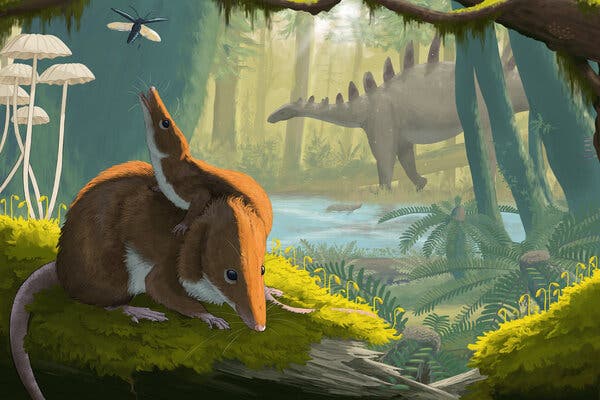
Fossil Hints That Jurassic Mammals Lived Slow and Died Old
A life reconstruction of Krusatodon. Not only are the specimens remarkably complete, but one belongs to a juvenile — making it the oldest known juvenile mammal fossil.Credit…Maija Karala The Trilobites column at the New York Times has a post about some unexpected discovery in some Jurassic mammals. Small mammals usually live fast and die young. …

