Tag: evolution
-
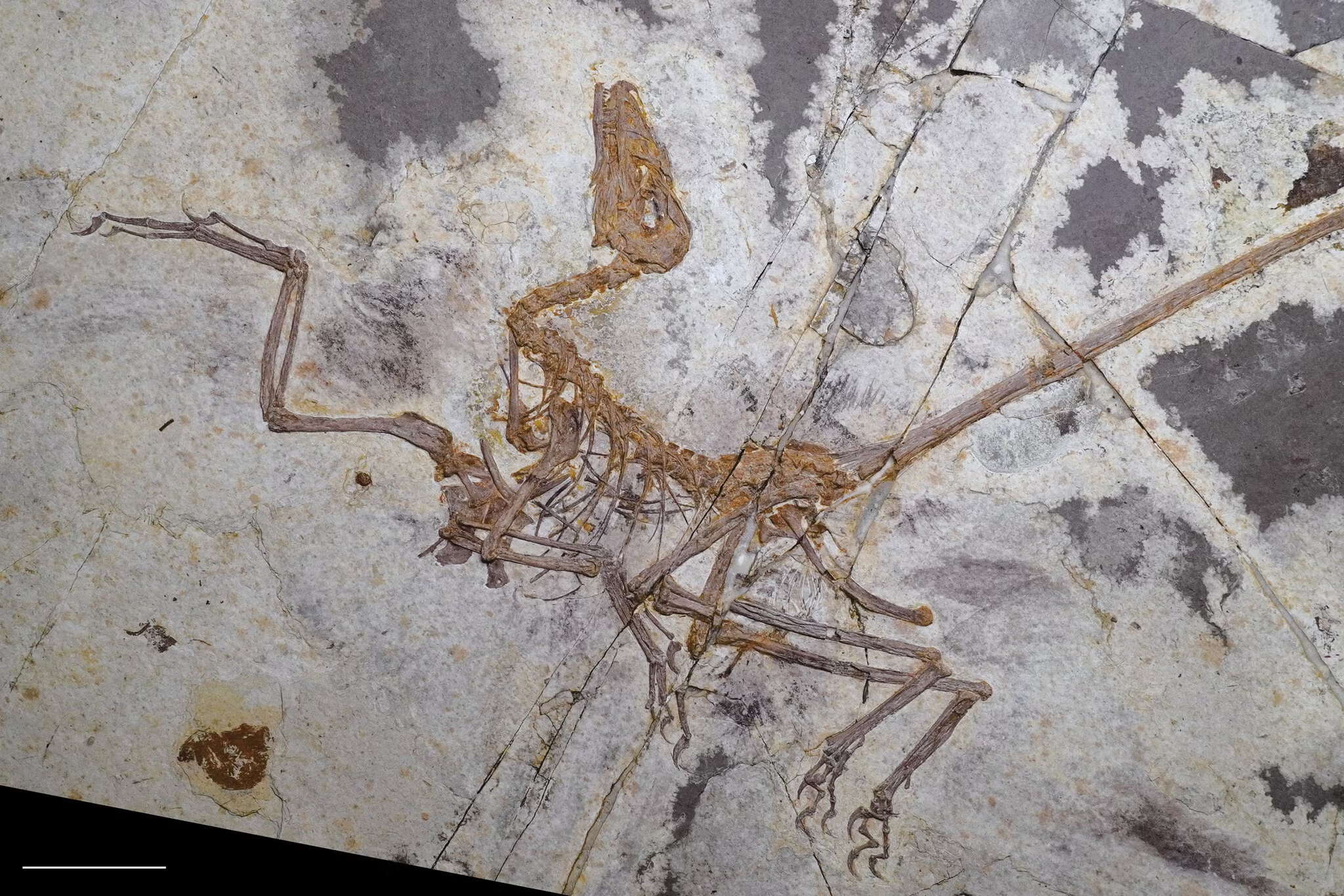
What Can Four-Winged Dinosaurs Teach Us About Birds?
The New York Times’ Trilobites column has an interesting story about four-winged birds. A new paper in the journal Nature Communications describes a new Microraptorinae, Norellraptor barsboldi, named for the late paleontologist Mark Norell. This new animal lived about 121 million years ago in what is now northeastern China. More than 120 million years ago,…
-
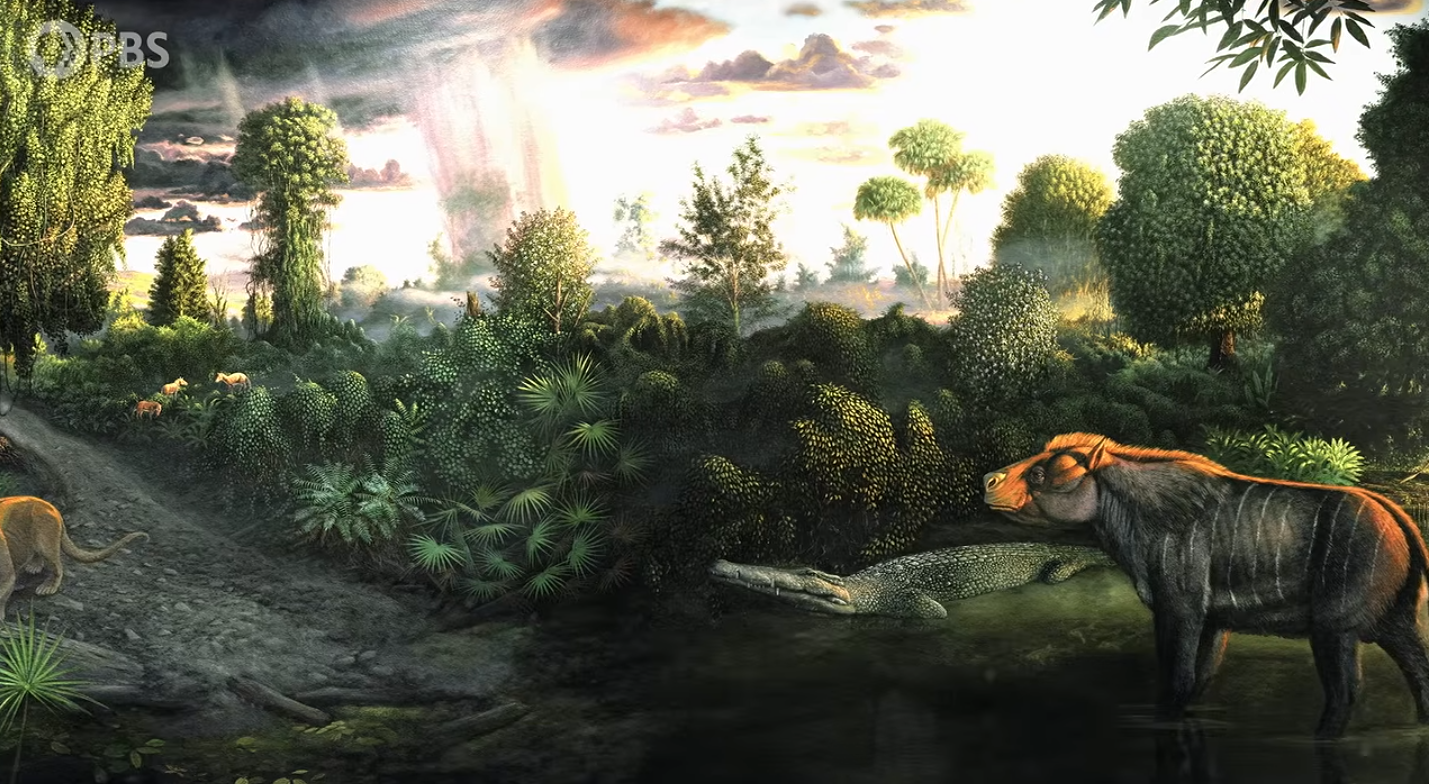
PBS Eons: The Biggest Extinction You’ve Never Heard Of
PBS Eons has a new video. This one is about the mass extinction caused by the migration of India during the Paleogene. In the early 20th century, it was discovered there was a point in the fossil record where most European mammals just…vanished, only to be replaced with others native to Asia. While you’ve probably…
-
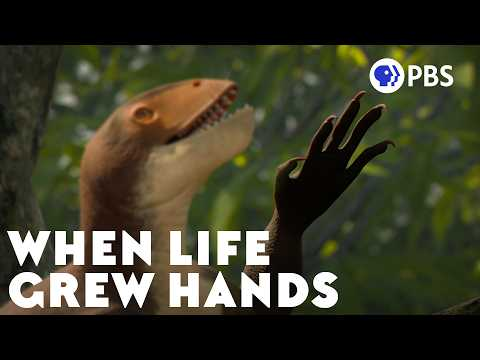
PBS Eons: What Drove Life Into The Trees?
There’s a new episode of PBS Eons. This one is about the evolution of arboreal living. Watch Eons: Life and Death on Pangea on the free PBS App: https://to.pbs.org/EonsApp or on the web here: https://pbs.org/eons ← use this link if you are outside of the U.S. How and when did tetrapods move into the trees?…
-
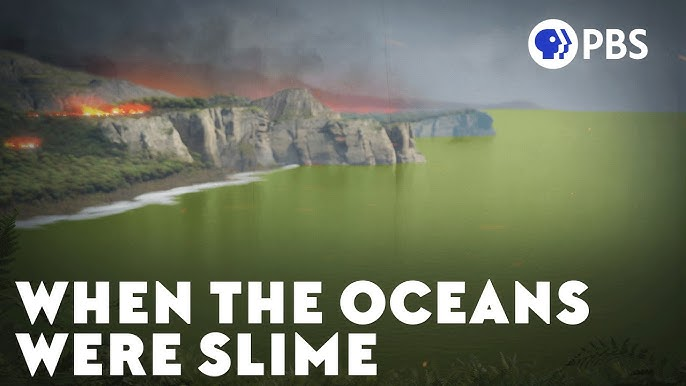
PBS Eons: When Earth Was a Toxic Wasteland
PBS Eons has a new episode. This one is about the Permian Mass Extinction, the Earth’s worst mass extinction. Watch Eons: Life and Death on Pangea on the free PBS App: https://to.pbs.org/EonsApp or on the web here: https://pbs.org/eons ← use this link if you are outside of the U.S. For 3 million years, microbes ruled…
-
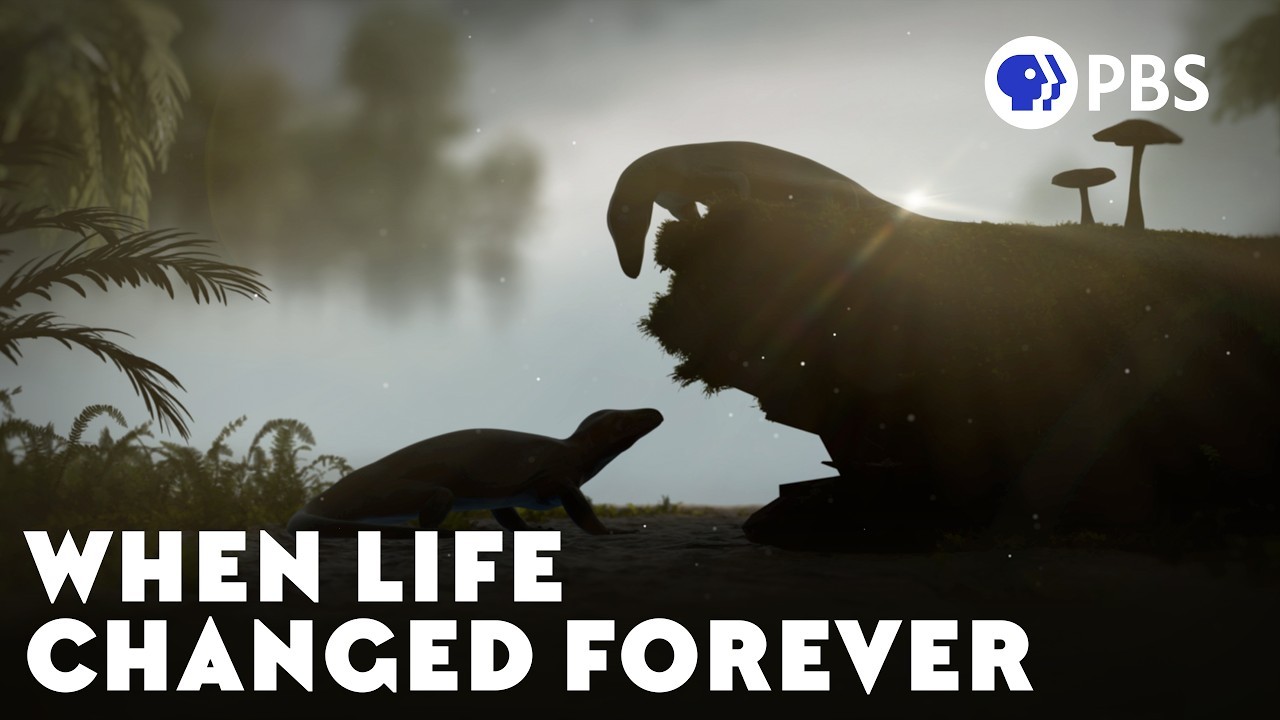
PBS Eons: How Pangea Upended Life on Earth
PBS Eons has released their TV series about Pangea! Check out Episode 2 on pbs.org. In the Late Carboniferous Period, predatory amphibians and giant arthropods ruled the swamps. But ancient seed plants and amniotes were evolving adaptations to drier climates. These will help them thrive on Pangea in the Permian Period to come. This is…
-
PBS Eons: How the Tibetan Plateau Created the Ultimate Cat
PBS Eons has a new video. This one is about the evolution and migration of Homotherium, a large saber-tooted cat that lived on the Tibetan Plateau. How did Homotherium evolve to be so successful, and so different from basically all other cats, living and extinct? Well the answer may lie in a huge geological event:…
-
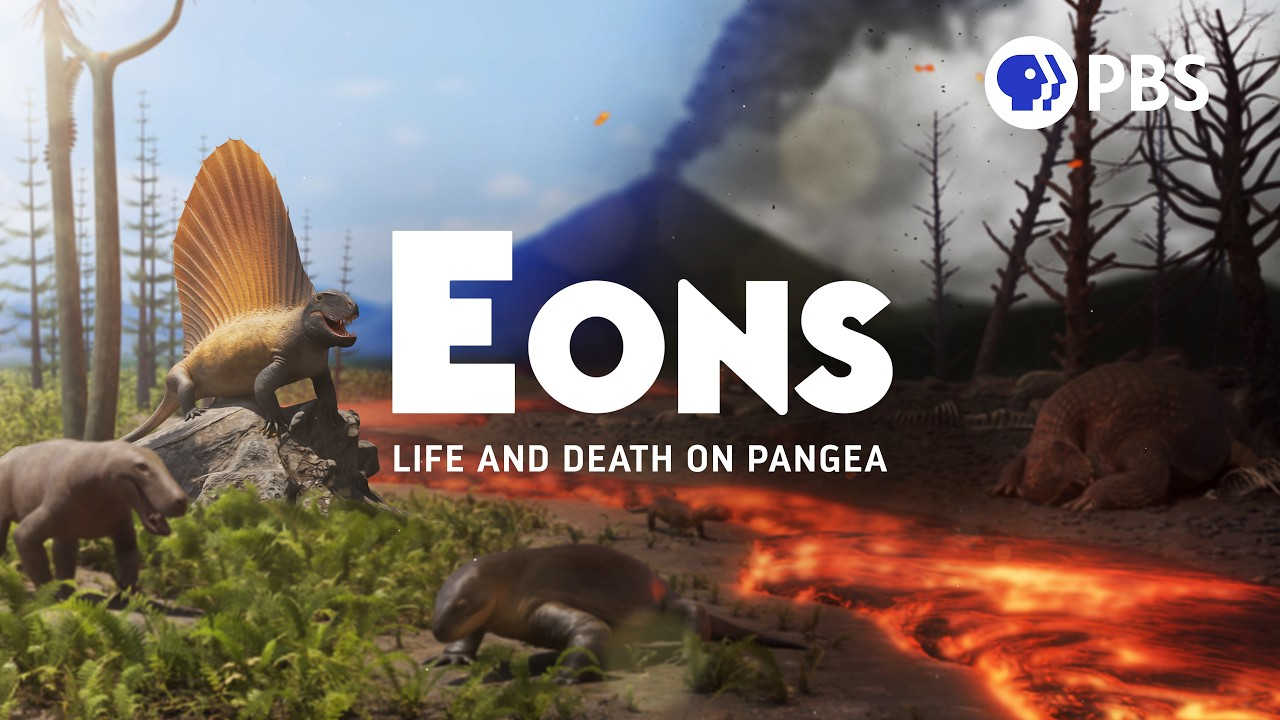
PBS Eons: We Made a TV Show!
PBS Eons has some exciting news… they made a TV show. It’s a two episode show called “Live and Death on Pangea”. It becomes available on July 29th, 2026 at the PBS app, website, and other places (Youtube?). Hey Eons fans, after 8 seasons of exploring deep time we have some very important news to…
-
PBS Eons: The potato’s origin was a mystery…until now
PBS Eons has a new Youtube Short. This one is about the evolutionary origin of the potato.
-
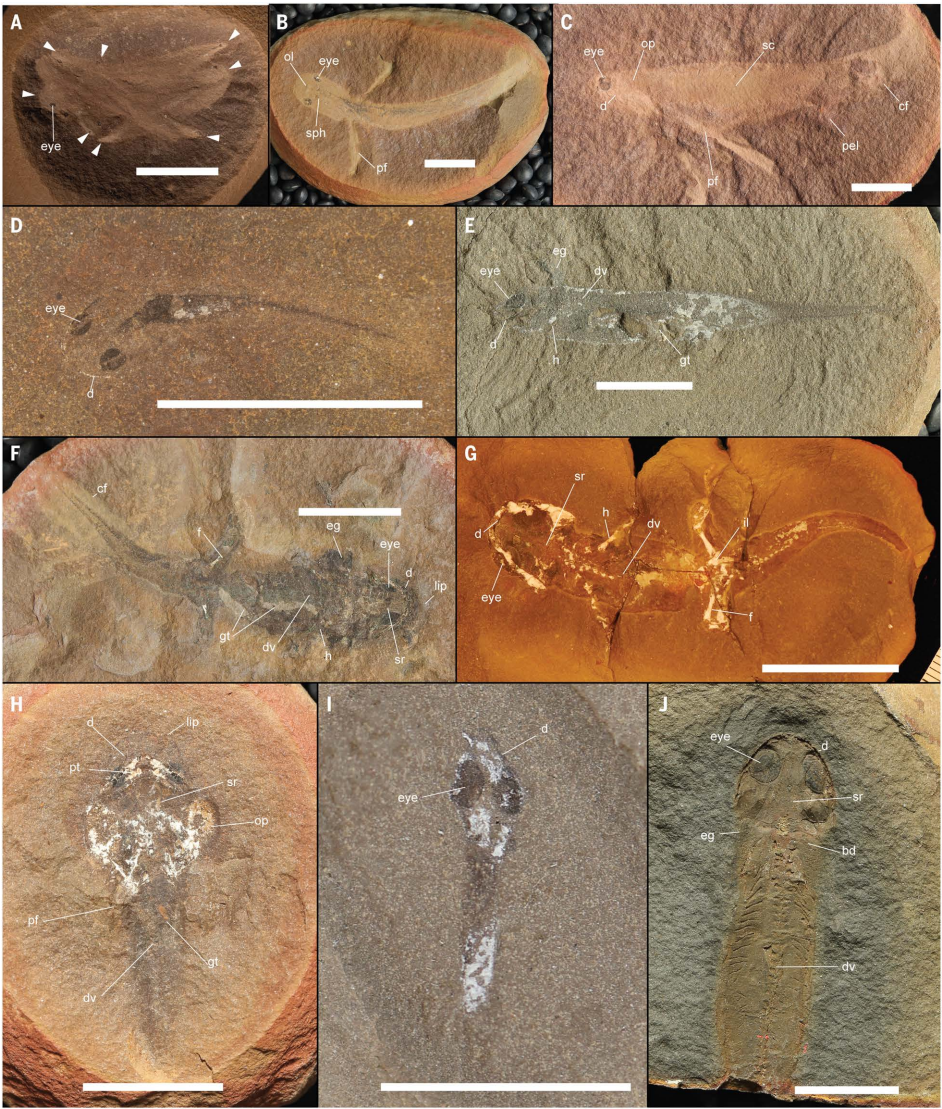
Mazon Monday #327: Direct development of stem tetrapods across the fin-to-limb transition
A significant paper on tetrapod development was published last week, and Mazon Creek fossils played a central role. “Direct Development of Stem Tetrapods Across the Fin-to-Limb Transition” by Jason Pardo and Arjan Mann of the Field Museum appeared in the journal Science. Lauer Foundation for Paleontology, Science, and Education also contributed to the study. The…
-
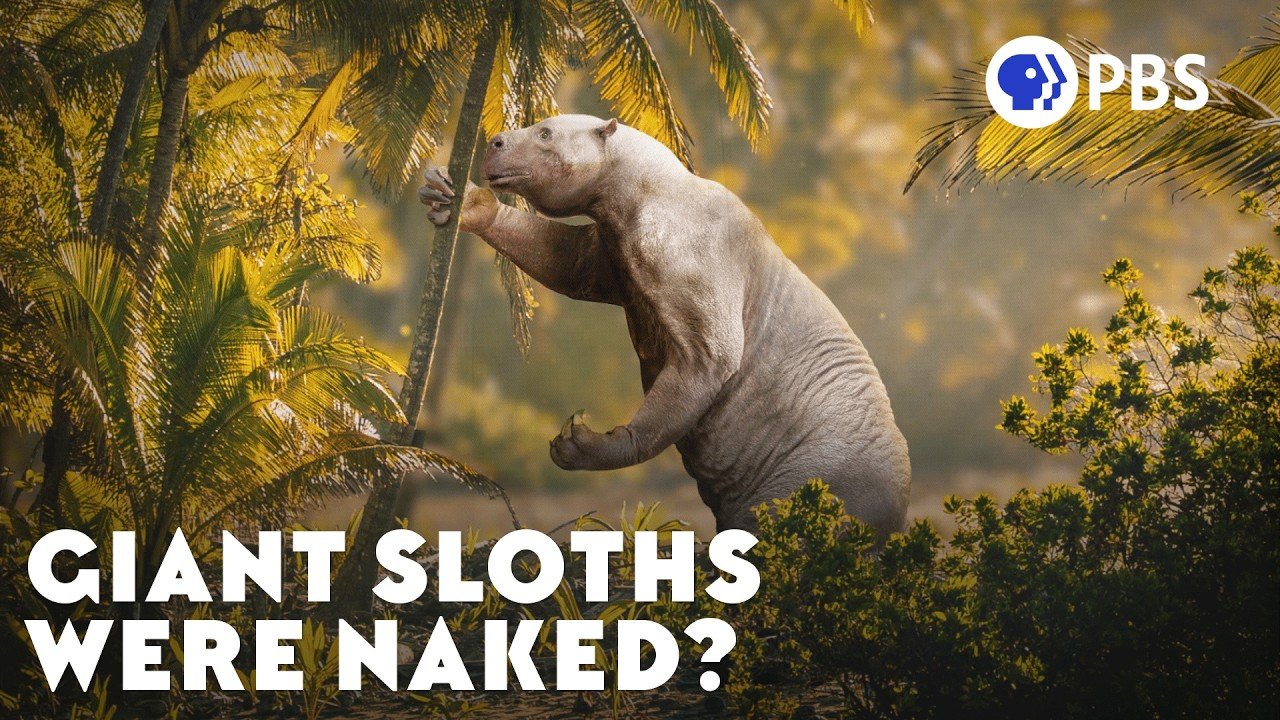
PBS Eons: Why Humanity Has Amnesia About Giant Sloths
PBS Eons has a new episode. This one is about human interactions with the giant megafauna of the Pleistocene.
-

Throwback Thursday #322: An Othniel Charles Marsh “Origin of Species”
While speaking with a Field Museum visitor at the recent “Dinopalooza 2026”, I learned about an extraordinary book discovery made at a Salvation Army store in Delaware a few years ago. The visitor shared in a 2025 post he made on the Reddit community r/rarebooks. The book is a signed copy of On the Origin…
-

PBS Eons: The Second-to-Last Mammoths Ever
PBS Eons has a new episode. This one is about some of the last Mammoths on Earth.
-
PBS Eons: The Mystery of the Missing Deep-Sea Fish
PBS Eons has a new episode. This one is about the evolution of fish.
-
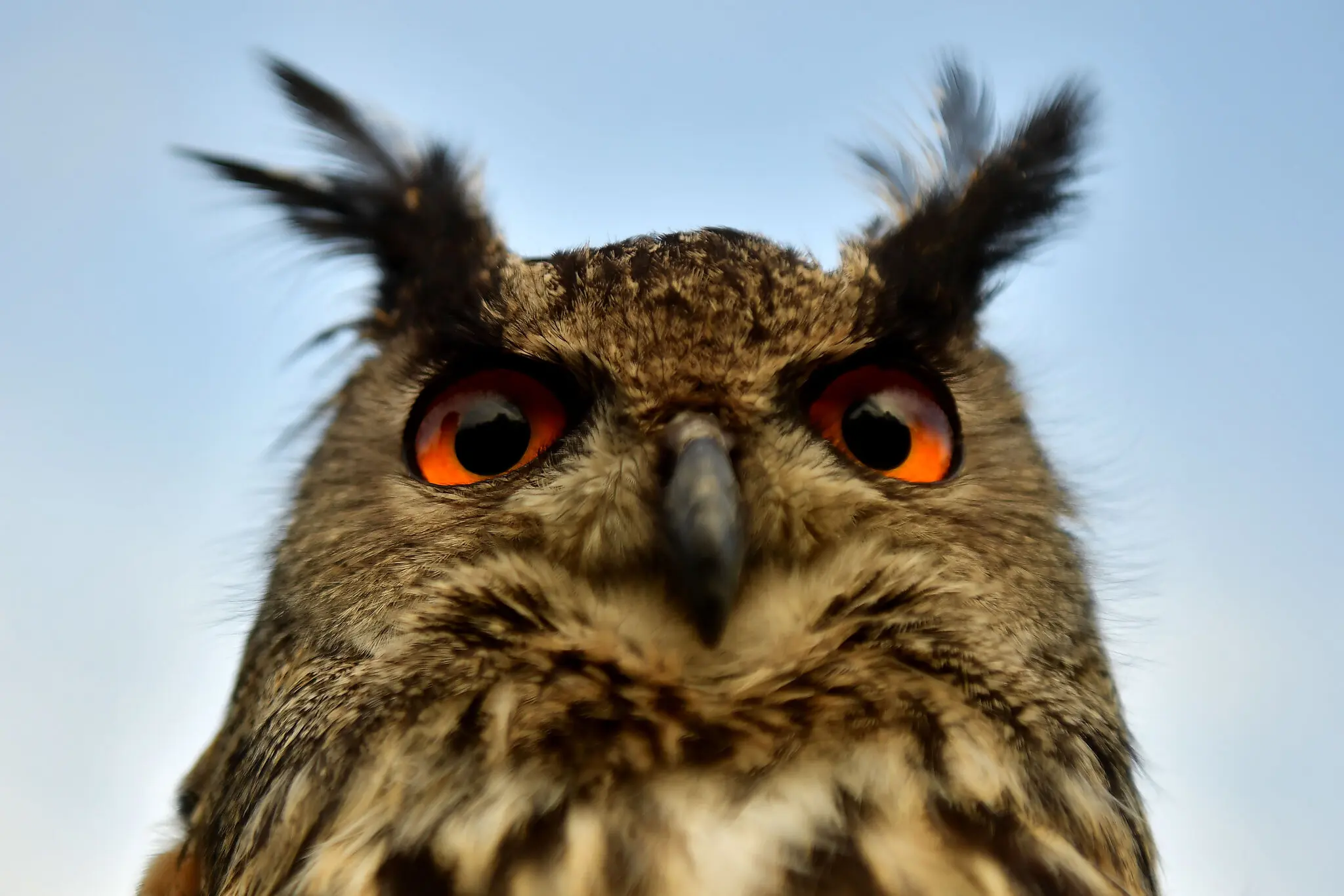
The Rise of Eyes Began With Just One
Carl Zimmer has an interesting article over at the New York Times. He discusses the evolution of eye… but how many eyes? Some of our early ancestors, about 560 million years ago, might have had only one. During the Cambrian Period, 518 million years ago, some early vertebrates from China may have had two pairs…
-

PBS Eons: How Dinosaurs May Have Cursed Us With Aging
PBS Eons has a new episode. This one is about how aging in mammals might be due to evolved traits while we lived alongside dinosaurs.
-
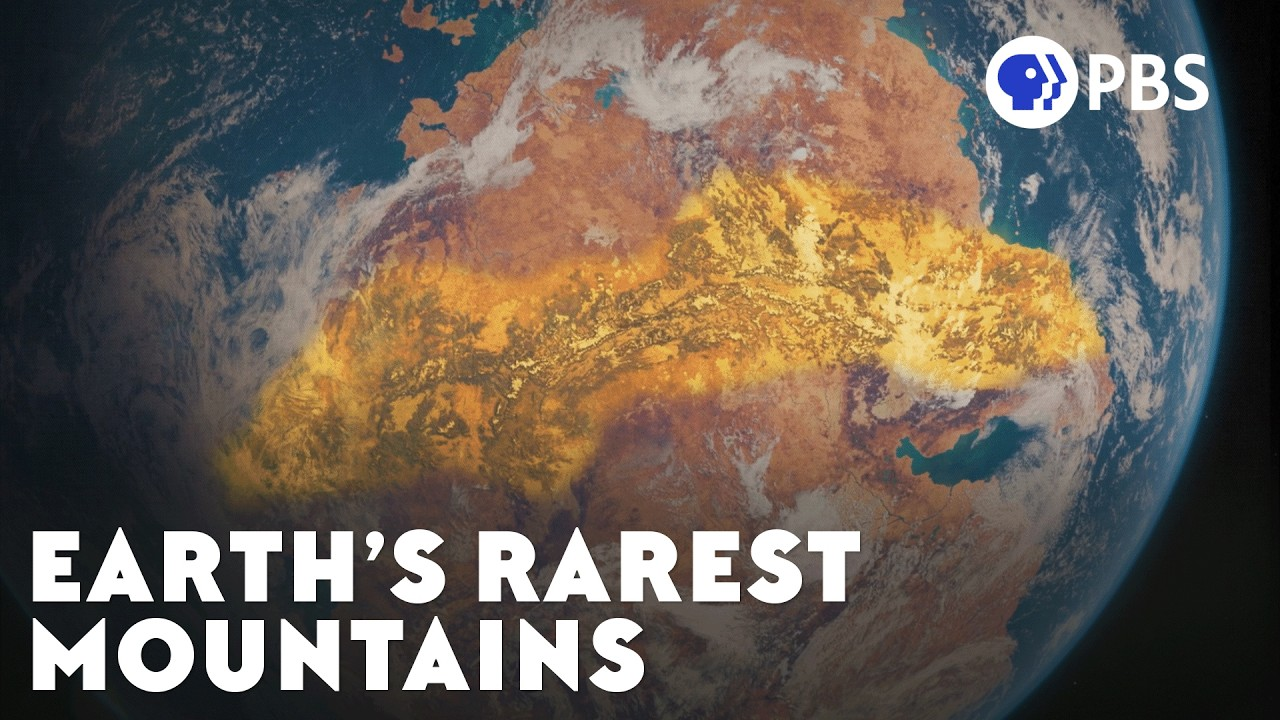
PBS Eons: When the Earth Had Supermountains
PBS Eons has a new episode. This one is about some truly giant mountains and the evolutionary changes they drove.
-
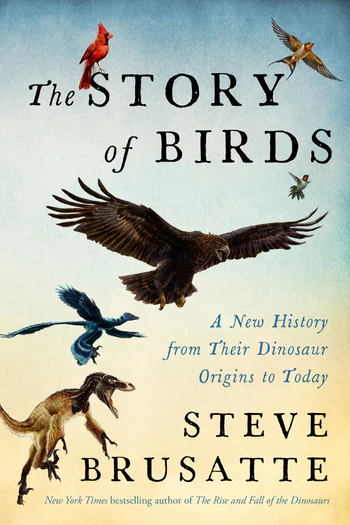
Science Quickly: The dinosaurs at your window: How birds survived the asteroid that killed all other dinosaurs
Scientific American’s “Science Quickly” had an interview with Steve Brusatte on a recent episode. Steve’s new book “The Story of Birds” is available to day April 28th, 2026.
-

PBS Eons: Why Evolution Made Your Teeth Hurt
There’s a new episode of PBS Eons. This one is about the evolution of teeth.
-

PBS Eons: 130 Million Years Ago, the World Caught Fire
PBS Eons has a new video. This one is about the evolution of flowering plants. It seems that for flowering plants to take over the world, first they may have had to help burn the old one away…and then put those fires out.
-
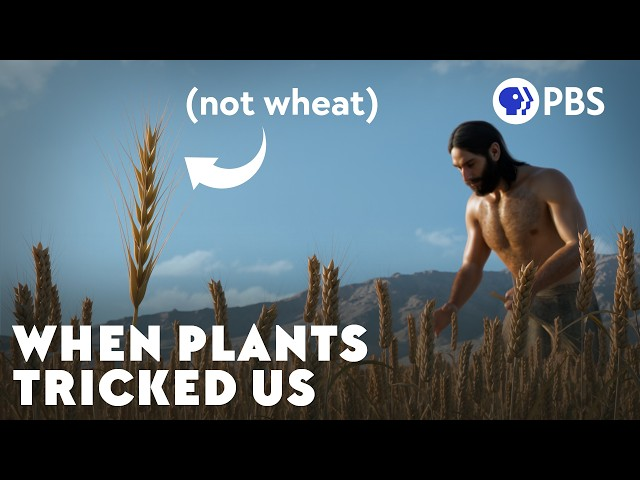
PBS Eons: When Ancient Weeds Fooled Us
PBS Eons has a new episode. This one is about evolution of weeds. Ancient weeds began mimicking early crops again and again over the course of the agricultural revolution, as ancient farmers made similar mistakes in different places at different times.And it turns out, some of our closest plant friends today actually started out as…
-

PNAS: Can paleontologists pinpoint the dawn of the dinosaurs?
PNAS has an interesting news feature about the origin of the dinosaurs. When and where did they first appear? Evidence points to an amimal known as Lewisuchus admixtus that lived in what is now Argentina about 236 million years ago. There’s a small, but fierce, jawbone in Argentina’s national natural science museum in Buenos Aires.…
-
PBS Eons: How Brawn Led to Brains
PBS Eons has a new video. This one is about the evolution of brains. While we often think of brains as some kind of triumph over brawn, it turns out that those two things might not be mutually exclusive, and in fact, they’ve been linked for far longer than we might imagine. PBS Member Stations…
-

PBS Eons: When a Tiny Land Bridge Triggered an Ice Age
There’s a new episode of PBS Eons. This one is about the origin of Panama and how it changed the world. On land, the Isthmus of Panama kicked off possibly the greatest natural experiment in the history of life on Earth. In the water, this narrow strip of land did something completely different: it divided.…
-
PBS Eons: What Was Greenland Like When it Was Green
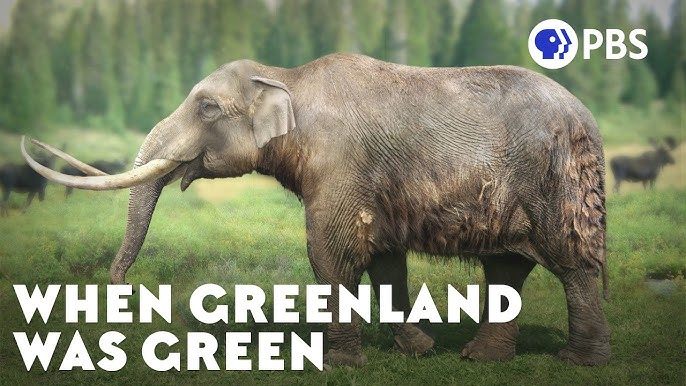
PBS Eons has a new episode. This one is about 2 million year old DNA from Greenland. It made the front page of the New York Times. Ancient DNA over 2 million years old, retrieved from the frozen dirt of Greenland. It reached back further in time than many scientists used to think was even…
-

This Fossil Is Rewriting the Story of How Plants Spread across the Planet
Scientific American Magazine has an interesting story about the spread of terrestrial plants during the Early Devonian Period. A paper in the journal Science Advances looked at the origin of lichens. Did they appear before or after the rise of vascular plants? Lichens, which are a composite organism resulting from a symbiotic relationship between a…
-
PBS Eons: How Chewing May Have Beat Extinction
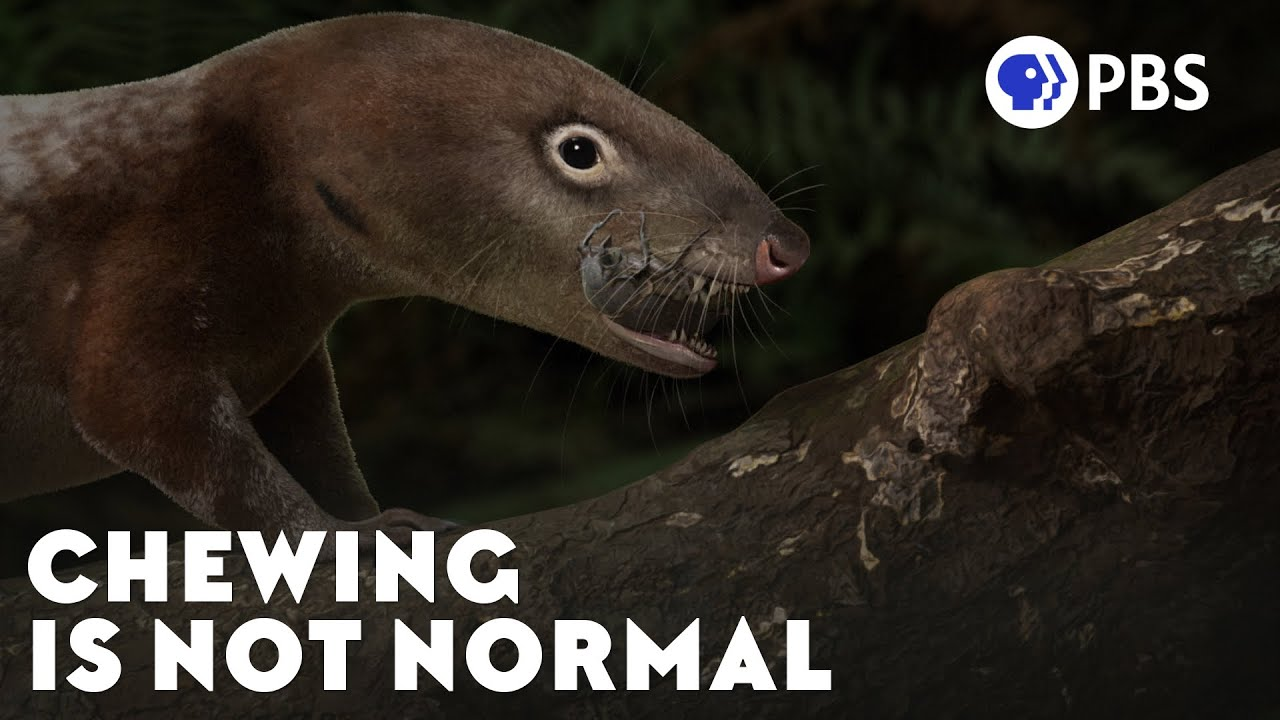
There’s a new episode of PBS Eons. This one is about teeth and chewing and how they may have helped mammals survive after the K-Pg extinction. Help understand what you enjoy and what you would want to see us make more of: https://to.pbs.org/2025SurveyEons 66 million years ago, after an asteroid slammed into the Earth and…
-

Discovery of First Fossil Hand Linked to P. Boisei Suggests the Bygone Human Relative Could Have Used Tools
Smithsonian Magazine has a story about tool use in our ancient cousins. A recent discovery of the first hand and foot bones on Paranthropus boisei has shed light on whether the species was able to use tools. The research was published in the journal Nature. “The authors make a compelling case that this individual would…
-

PBS Eons: When We Left The Water (By Accident)
PBS Eons has a new episode. This one is about when tetrapods moved from the water onto land… It’s beginning to look like our success on land, and that of all tetrapods, from frogs to dogs to dinosaurs, was just a lucky side-effect of fish trying to stay fish.
-

PBS Eons: We’re The Only Ones With Chins – And We Don’t Know Why
PBS Eons has a new episode. This one is about chins and how/why it fits into human evolution. Check out the first episode of Human: https://to.pbs.org/HumanNOVA You share a trait with every single human who’s ever lived – but no other animal on Earth has it. It’s not your big brain, or your opposable thumbs……
-
How Did Hands Evolve? The Answer Is Behind You.
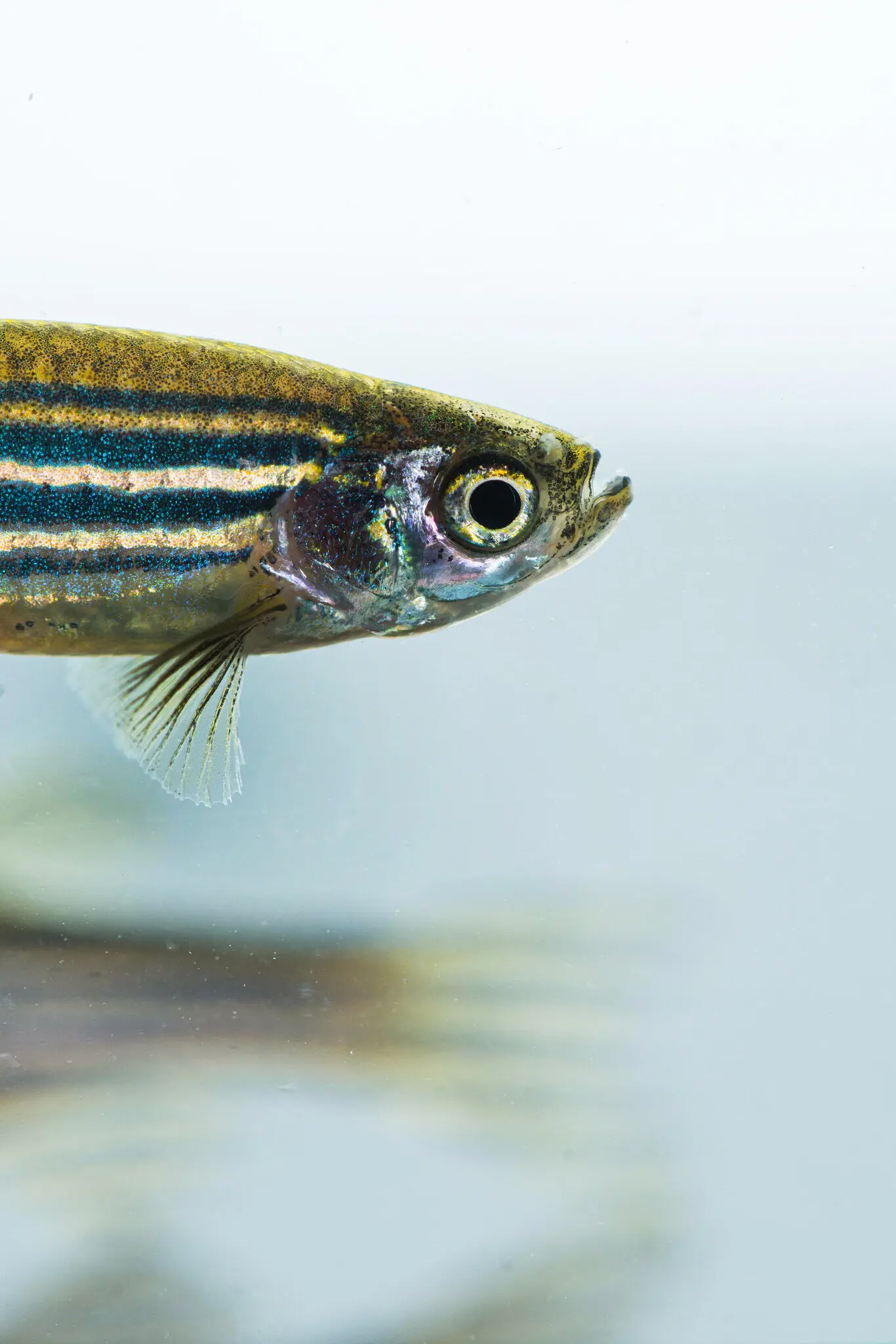
Carl Zimmer has an interesting post about the evolution of hands. It appears it all started about 360 million years ago… Now the precise DNA-editing technology known as CRISPR is letting scientists reconstruct this ancient evolutionary change in molecular detail. It turns out that hands and feet were not the products of new genes doing new things.…
