Tag: evolution
-

Mammals and their relatives thrived, diversified during so-called ‘Age of Dinosaurs’
Phys.org has an article about Mammals during the “Age of Dinosaurs”. In a paper in Trends & Evolution, a review paper summarizes the latest fossil evidence of the state of Mammals and their relatives during the Jurassic and Cretaceous periods. It seems that Mammals were flourishing and experienced a couple ecological radiations during this time.…
-
Roy Plotnick: I am not Indiana Jones or why I am writing a book (it’s not for the money)
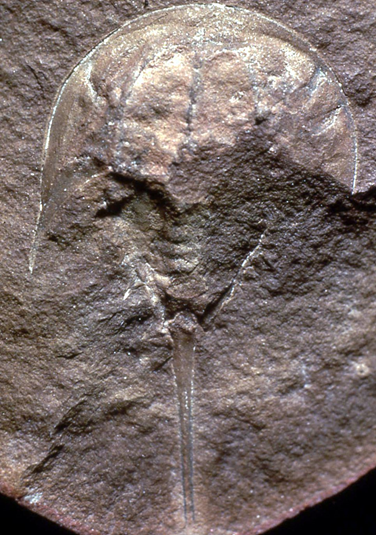
Roy Plotnick has an insightful blog post over on Medium. He discusses perceptions of paleontologists and Paleontology in general – who they are, what they do, and why it’s important. Check it out! If you’ve read any of his previous posts, you’ll know it’s a great read! The confusion with archaeologists is of somewhat understandable;…
-

National Geographic: Gem-like fossils reveal stunning new dinosaur species
The National Geographic has a story about the discovery a new dinosaur in Australia. The animal, called Fostoria dhimbangunmal, lived about 150 million years ago. It’s an early member of a group that will eventually evolve into duck-billed hadrosaurs. The bones are opalized and was discovered near a town called Lightning Ridge, famous for brightly…
-
Palaeocast Episode 100: Tiktaalik
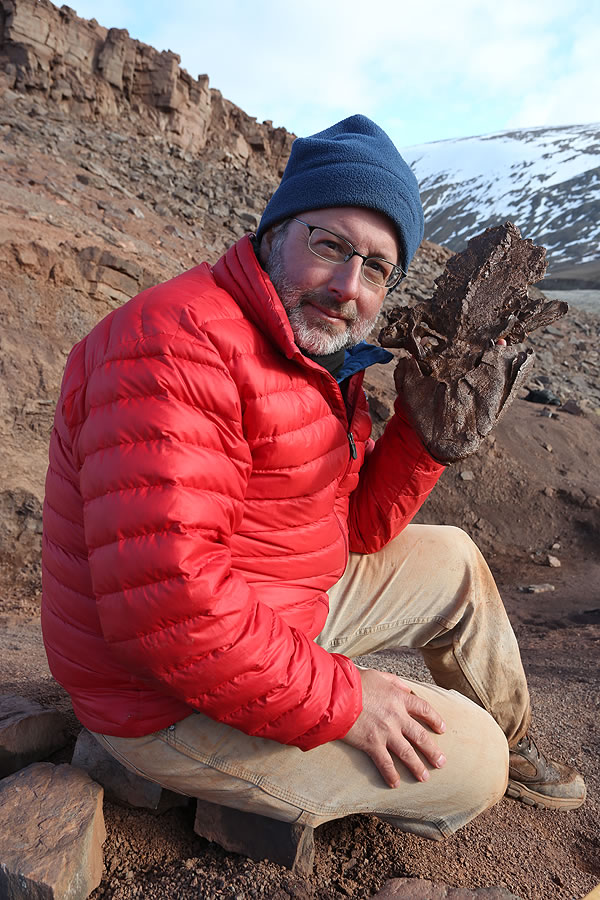
There’s a new episode of Palaeocast. It’s an interview of Neil Shubin. He talks quite extensively about the discovery of Tiktaalik, where to look for fossils, why development matters, and his deep involvement in science communications. One of palaeontology‘s great themes of questioning is the rise of novelty: how new structures and functions arise in…
-
CBC Quirks & Quarks: Fungus fossils show the complexity of life a billion years ago
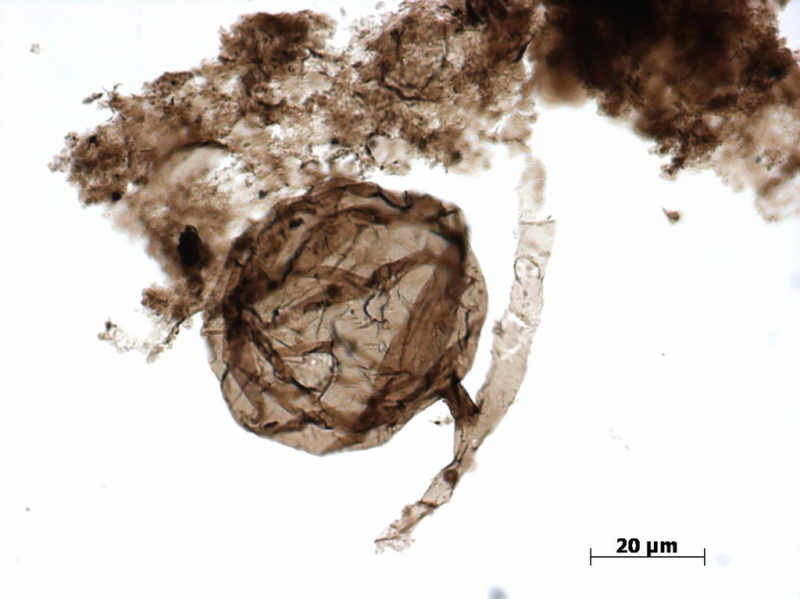
CBC Quirks & Quarks has a segment on the discovery of some fungus fossils. The fossils were found in shale in the Grassy Bay Formation in the Northwest Territories and dates to the Precambrian era about a billion years ago. All the details are a paper published in the journal Nature. Elizabeth Turner, a professor…
-

ESCONI May General Meeting on May 10th, 2019 – “Like the Back of My Hand: The Evolution of Dorso-ventral Asymmetry During the Fin-to-Limb Transition”
The speaker at our May 10th meeting will be Dr. Thomas Stewart. Dr. Stewart is a Postdoctoral Fellow in the lab of Dr. Neil Shubin at the University of Chicago. He will be speaking about his project with Dr. Shubin on the evolution of pectoral fins in tetrapodomorph fishes. His talk is entitled “Like the…
-
Field Museum: These New Fossil Discoveries Show Why Evolution is the Coolest
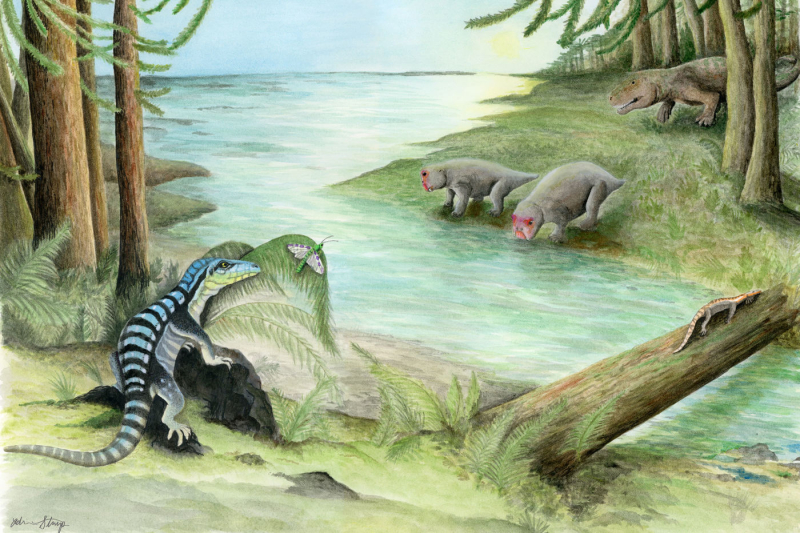
The Field Museum blog has a post about three recent fossil discoveries
-
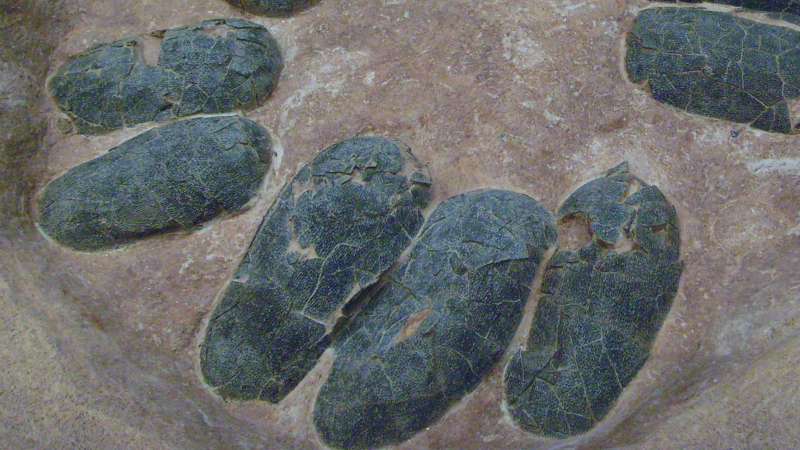
Why Do Birds Have Colorful Eggs? Because They’re Dinosaurs
Gizmodo has an article about bird eggs. Why are they colorful? Well, dinosaurs had colorful eggs and birds are dinosaurs, therefore, birds also have colorful eggs. A recent study in Nature proposes that colorful dinosaur eggs had a single evolutionary origin. Birds are the only living amniotes with coloured eggs, which have long been considered…
-
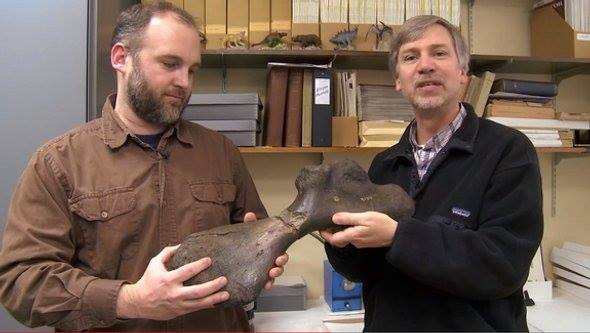
Reminder: The General Meeting for April 20th, 2018 is at 7:30
Note: New time – 7:30 and different bldg and room – HSC, Room 1234ESCONI General Meeting, 7:30 PM College of Dupage – Health and Science Center (HSC) Building, Room 1234 (Map) – Topic: “Great Steps in the History of Life: The Origin of Limbed Vertebrates” by Dr. Ted Daeschler from the Academy of Natural Sciences…
-
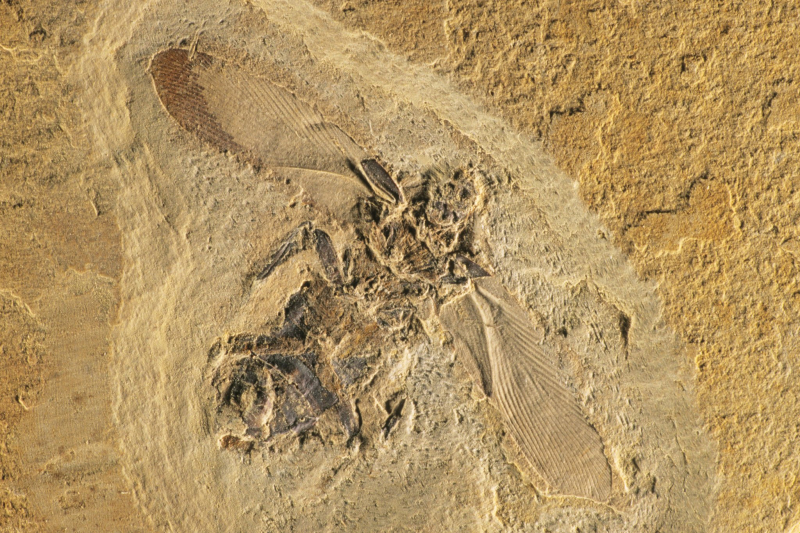
NYT: Insects Flew Before Anything Else Did. So How Did They Get Their Wings?
The New York Times has an interesting story about the first flyers… insects. The article discusses recent research to discover how insects evolved the ability to fly. Strange to think that all those Mazon Creek flying insects were pretty new to the world of flying! Beetle wings are often hidden. Nestled behind armored shields on…
-
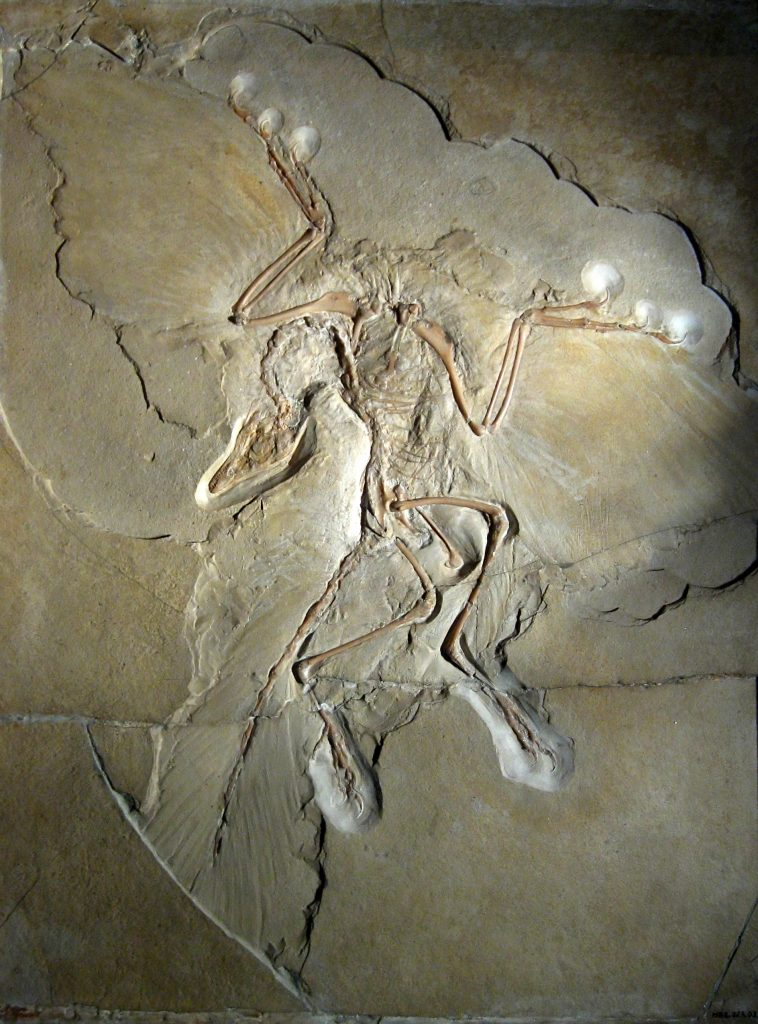
Palaeocast Episode 87: Archaeopteryx
Palaeocast episode 87 is about Archaeopteryx. Archaeopteryx lived about 150 million years ago, during the Jurassic Period, in what is now southern Germany. Including the first feather, discovered in 1860 or 1861, there are now twelve specimens. All have been found in the limestone deposits near Solnhofen, Germany. The iconic “Berlin” specimen shown above was…
-
Reminder: March General Meeting is on Friday, March 9th, 2018 – Dr. Dan Gebo “Human Evolution – An Update”
The speaker will be Dr. Dan Gebo from the Department of Anthropology at NIU. The title of his talk is "Human Evolution – An Update". Come on out, we missed you in February!
-
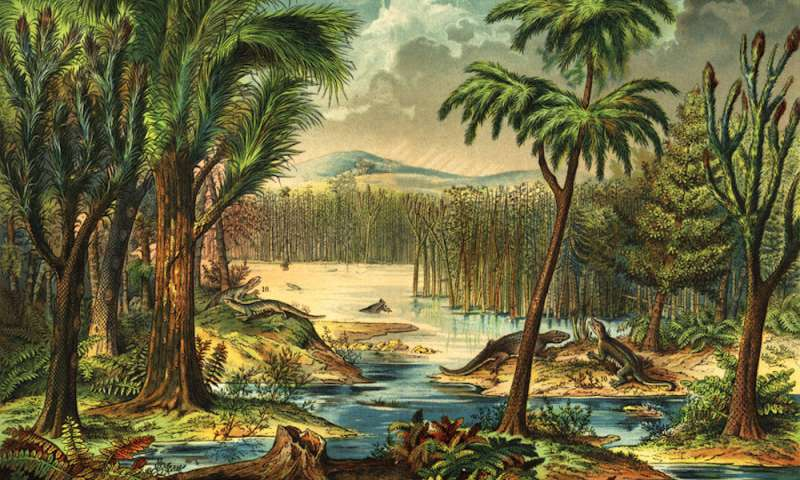
Rainforest collapse 307 million years ago impacted the evolution of early land vertebrates
Phys.org has a story about a mass extinction in plants that occurred during the Pennsylvannian Period. Researchers from the University of Birmingham published a paper in the Proceedings of the Royal Society B. The mass extinction seems to have been caused by the onset of a drier climate 307 million years ago. This led to…
-
The February General Meeting has been rescheduled for March 9th, 2018
The February General Meeting has been rescheduled for March 9th, 2018. The speaker will be Dr. Dan Gebo from the Department of Anthropology at NIU. The title of his talk is “Human Evolution – An Update”. Come on out, we missed you in February!
-

What’s the Point of T-Rex’s Tiny Arms?
The Daily Beast has an article about T-Rex’s tiny arms. What were they used for, grabbing, slashing, mating? Steven Stanley, a geologist at the University of Hawaii at Manoa, presented a paper at the Geological Society of America’s annual meeting. The conventional wisdom, as far as T. rex arms go, is that they atrophied over…
-
Reminder: General Meeting November 10th, 2017: What do we know about life on early Earth?
The title of Dr. D’Arcy Meyer-Dombard’s program at our November 2017 meeting is “What do we know about life on early Earth?” The speaker at our February 9, 2018 meeting will be Dr. Dan Gebo from the Department of Anthropology at NIU. His research focuses on understanding locomotor adaptation and evolution in living and…
-

NY Times: Ancient Fossil Offers a New European Ancestor to Giraffes
The NY Times has a story about giraffes, more specifically… the ancestors of giraffes. Decannatherium rex lived during the late Miocene in Spain. The fossil specimen fills in a lot of gaps in what we knew about giraffes. The lead author of the study was Dr. Maria Rios, a researcher with the Museo Nacional de…
-

Humans Today Have Even More Neanderthal DNA Than We Realised
George Dvorsky Oct 6, 2017, 6:00pm Before this new study, only four Neanderthal specimens have had their genomes sequenced. Of these, only one — an Altai Neanderthal found in Siberia — was of sufficient quality, where scientists were able to accurately flag variations in the genome. The new analysis, enabled by a remarkably well-preserved genome…
-

PBS NOVA: “Life’s Rocky Start”
The next episode of PBS’s Nova is “Life’s Rocky Start”. It starts airing on January 13, 2016 at 9 PM on PBS. There’s a preview on the web and like their other shows, full episodes should be available online. Sounds like a good one, enjoy! Program Description: Four and a half billion years ago, the…
-
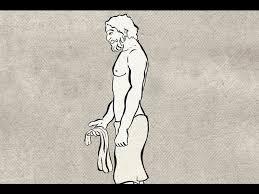
Evolution: 550 million years in 1 minute
Here’s an animated video of human evolution. Nevermind that this didn’t necessarily need to be centered around Homo sapiens. It could have just as easily ended in a squirrel, a cat, or better yet a dog. There is a book version that unfolds to be 30 meters long. Enjoy!
-
Reminder: General Meeting in June Will Be Held the Friday, on June 5th, 2015
Due to a scheduling conflict, June's general meeting will be held on the first Friday of the month, June 5th, 2015. The speaker will be Adam Smith of the Field Museum. His topic is a good one, "The Evolution of Birds". See you there!
-
General Meeting in June Will Be Held on June 5th, 2015
Due to a scheduling conflict, June’s general meeting will be held on the first Friday of the month, June 5th, 2015. The speaker will be Adam Smith of the Field Museum. His topic is a good one, “The Evolution of Birds”. See you there!
-
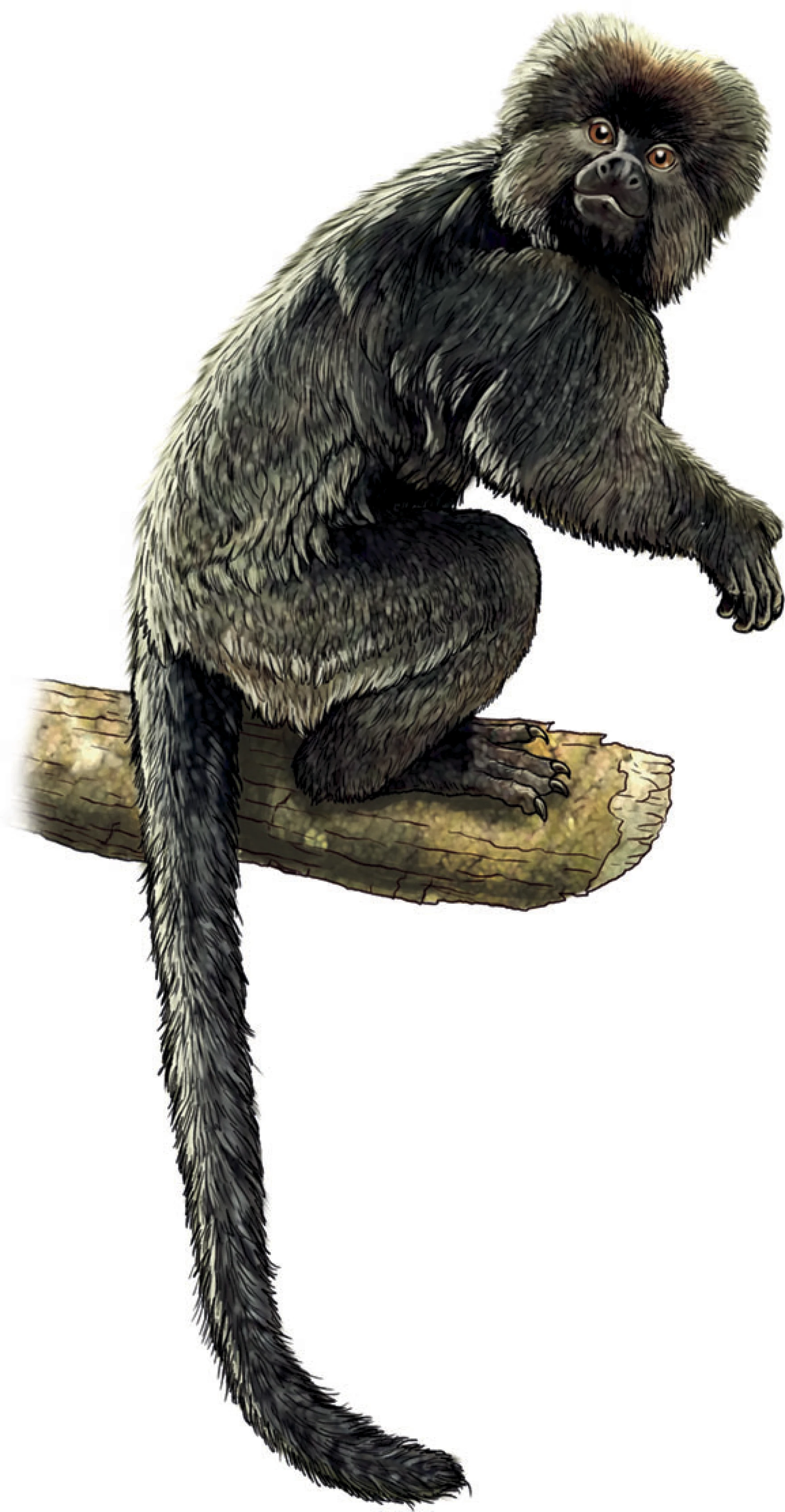
Ancient teeth may help solve a monkey mystery
According to a recent story published in the journal Nature, monkeys have lived in South America for 36 million years. The team of researchers, from the Natural History Museum of Los Angeles County, discovered four molars in Eastern Peru. These molars have been dated to 36 million years ago, which is 10 million years older…
-
Molecular Evolution of Oxygen
Via Science Daily: … researchers report they have identified an enzyme that was the first — or among the first — to generate molecular oxygen on Earth… The new findings, reported in the journal Structure, build on more than a dozen previous studies that aim to track the molecular evolution of life by looking for evidence…
-
570 Million Year Old Hint At Animal Life Origns
Via Wired: … Using a technique called x-ray tomographic microscopy, researchers captured an unprecedented level of detail in the Doushanto fossils, imaging internal and external features down to a ten-thousandth of an inch. They could even see individual nuclei within the cells, some of which were caught in the act of dividing. Interestingly, these nuclei…
-
Ancient Seas May Have Poisoned Life
Via Science News: Soon after complex animals made their first great strides onto the stage of life, the oceans brewed up a toxic chemical mix that put the brakes on evolutionary innovation, suggests a paper in the Jan. 6 Nature. The culprits? Too little oxygen and too much sulfur dissolved in coastal waters, reports a…
-
Dr. Robert Martin Lecture Tonight – Friday, May 13
If you are interested in learning more about Dr. Martin, the Field Museum offers information… In the tree of life, human evolution is a very unusual case in many ways. If the focus of study is too narrow, it is difficult to avoid special pleading. My long-term research strategy has hence been rooted in the…
-

Obituary for Harry Whittington
Via Telegraph: Professor Harry Whittington, who died on June 20 aged 94, was the former Woodwardian Professor of Geology at Cambridge and the world’s leading authority on fossil trilobites; in later life he led painstaking research which revealed a “Cambrian explosion” and raised disturbing questions about the processes of evolution….
-
Scientist Zeresenay Alemseged: Someone to Know
Via EthioBlog: Ethiopian scientist Zeresenay (Zeray) Alemseged, who discovered the 3.3 million year old girl fossil called Selam in Ethiopia, is featured on PBS’s “Becoming Human” documentary which is being shown this week. Zeresenay is currently curator and chair of anthropology at the California Academy of Sciences and a world renowned paleontologist….
-
Multicellularity Explained
Creaturecast continues to produce informative and interesting videos on developmental biology, which helps to explain the evolution of species and the fossils (and the mysterious nitrogen) they have left behind.
