
-

PBS Eons: How Plate Tectonics Gave Us Seahorses
Read more: PBS Eons: How Plate Tectonics Gave Us SeahorsesPBS Eons has a new episode on Youtube. This one is about the evolution of the seahorse. How did seahorses — one of the ocean’s worst swimmers — spread around the globe? And where did they come from in the first place? Thanks to Franz Anthony (http://franzanth.com) for the incredible syngnathid reconstructions used in this episode!
-
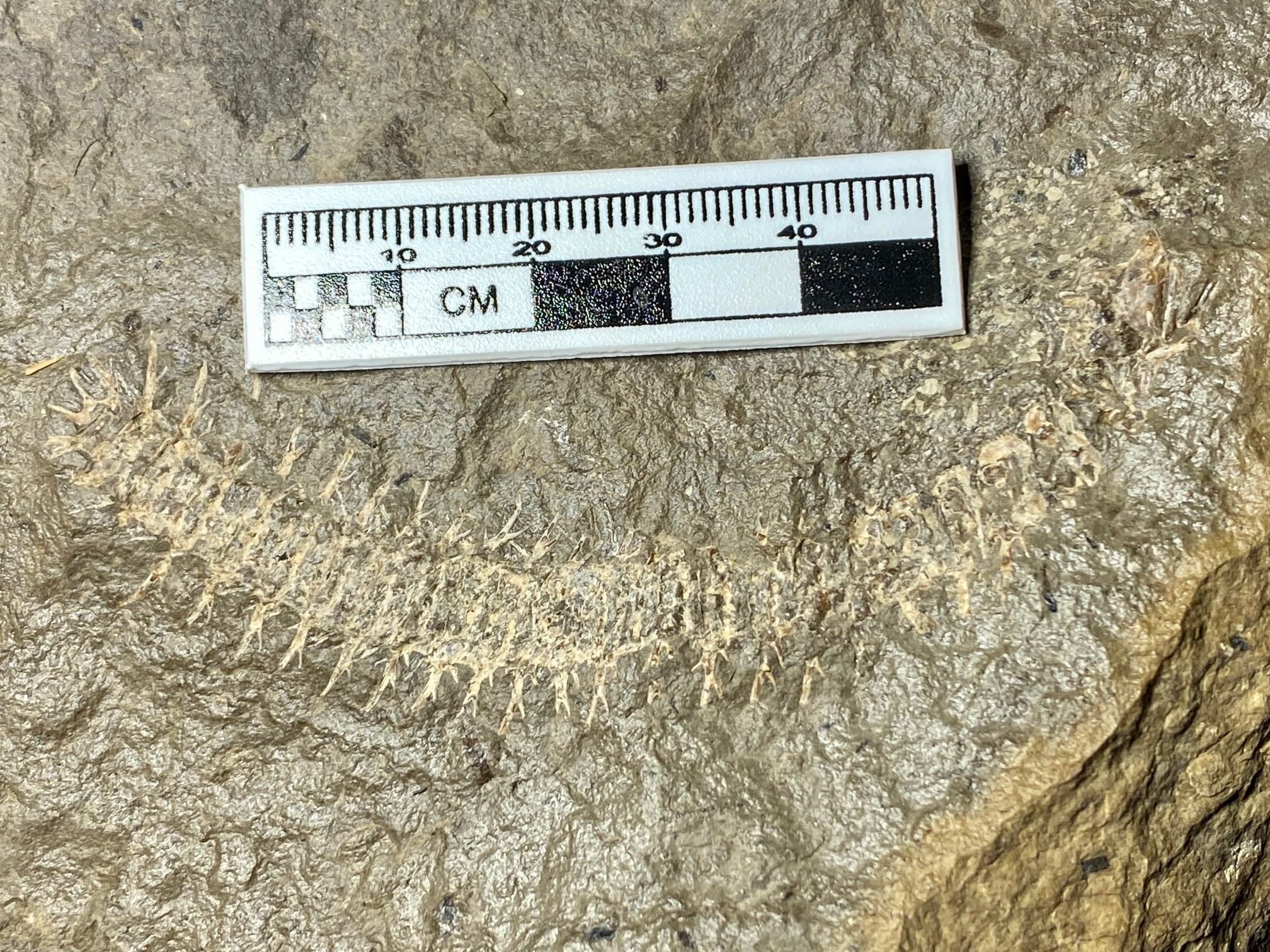
Fossil Friday #134: Myriacantherpestes from Kansas
Read more: Fossil Friday #134: Myriacantherpestes from KansasThis is “Fossil Friday” post #134. Expect this to be a somewhat regular feature of the website. We will post any fossil pictures you send in to esconi.info@gmail.com. Please include a short description or story. Check the #FossilFriday Twitter hash tag for contributions from around the world! Today, we have a absolutely breathtaking Myriacantherpestes sp. from the Pennsylvanian of Kansas. It hails from the famous Hamilton Quarry near Hamilton, Kansas. That quarry is considered a Late Carboniferous lagerstatte. It’s produced unusually well preserved fossils of plants, vertebrates, and invertebrates, including large winged insects, water scorpions, and, of course, millipedes. This…
-
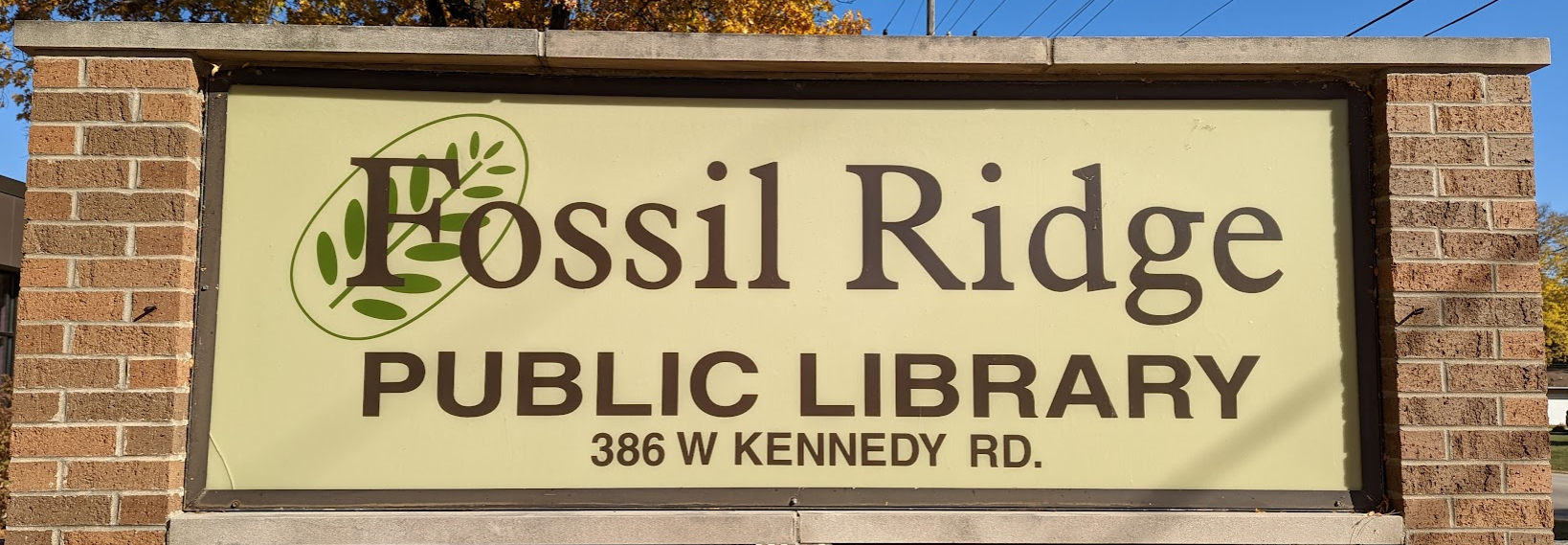
Throwback Thursday #136: Hilmer Case in Fossil Ridge Public Library
Read more: Throwback Thursday #136: Hilmer Case in Fossil Ridge Public LibraryThis is Throwback Thursday #136. In these, we look back into the past at ESCONI specifically and Earth Science in general. If you have any contributions, (science, pictures, stories, etc …), please send them to esconi.info@gmail.com. Thanks! Back in 1990, ESCONI donated a display case to the Fossil Ridge Public Library in Braidwood, IL. The case was built by Max Hilmer in 1958 for the Midwest Convention in Springfield, IL June 18th-21st, 1959. Max served on the ESCONI Board in the 1950’s. Here he is with the case in Springfield in 1958. The Midwest Convention was a big deal back…
-

ESCONI November 2022 General Meeting – November 11th, 2022 at 8:00 PM via Zoom – “A Sea Without Fish, Ordovician Fossils of the Cincinnati Region”
Read more: ESCONI November 2022 General Meeting – November 11th, 2022 at 8:00 PM via Zoom – “A Sea Without Fish, Ordovician Fossils of the Cincinnati Region”On November 11th our speaker will be Dr. David Meyer from the University of Cincinnati. The title of his talk is “A Sea Without Fish, Ordovician fossils of the Cincinnati region“. His book has the same name as his presentation. Checkout his page at the University of Cincinnati. Book Description: The region around Cincinnati, Ohio, is known throughout the world for the abundant and beautiful fossils found in limestones and shales that were deposited as sediments on the sea floor during the Ordovician Period, about 450 million years ago-some 250 million years before the dinosaurs lived. In Ordovician time, the…
-

A Fossil Museum Uses the Past to Reimagine Climate’s Future
Read more: A Fossil Museum Uses the Past to Reimagine Climate’s FutureThe New York Times has a story about the La Brea Tar Pits and Museum. Climate change is at the center of many of the extinctions in Earth’s past. The La Brea Tar Pit Museum in Las Angeles is researching what happened to megaspecies like mastodons, mammoths dire wolves, saber-toothed cats, giant ground sloths, and other animals about 13,000 years ago. In that effort, the museum will be remodeled to better educate the public. “Why did two-thirds of large mammals die at the end of the Ice Age?” asks Emily Lindsey, a paleoecologist and associate curator and excavation site director…
-

Mazon Monday #137: Geological Society of Marietta College Field Trip 1978
Read more: Mazon Monday #137: Geological Society of Marietta College Field Trip 1978This is Mazon Monday post #137. What’s your favorite Mazon Creek fossil? Tell us at email:esconi.info@gmail.com. Thanks! The Mazon Creek area is a well known fossil collecting locality. It’s considered a lagerstatte, with soft-bodied fossil preservation of exquisite quality. It can be very challenging to collect, as public areas are rare and the ones that exist are covered by thick plant growth. ESCONI tries to make it easier for collectors with our two field trips to the Braceville spoil pile each year. A few club members generously provide fossil material at those events. Pit 11 is a State Park near Braceville. Fossil…
-
New Plant-Eating Dinosaur Species Uncovered in Nevada
Read more: New Plant-Eating Dinosaur Species Uncovered in NevadaSciNews has a piece about the discovery of a new dinosaur. Nevadadromeus schmitti lived between 100 and 94 million years ago during the Cretaceous Period in what is now Nevada. It seems to be related to Thescelosaurinae, but also has features of Orodrominae. It is an Ornithiscian dinosaur, a group that includes hadrosaurs, cerotapsian, and other plant eating dinosaurs. The animal was described in the Journal of the Arizona-Nevada Academy of Science. “Due to the very fragmentary nature of the specimen, phylogenetic analysis yields statistically insignificant results,” said Dr. Joshua Bonde, director of the Nevada Science Center, and his colleagues.…
-
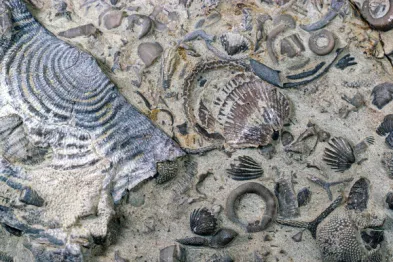
NYT: The Sad Fate of the Ancient, Well-Shelled Mariners
Read more: NYT: The Sad Fate of the Ancient, Well-Shelled MarinersThe New York Times has an article about oceanic turnover from brachiopods to mollusks which occurred throughout the Paleozoic. During the Cambrian and the Ordovician, brachiopods ruled the sea floor. By the Devonian, much of the diversity of brachiopods had disappeared. In the current oceans, brachiopods are rarely found. They have been replaced by bi-valved mollusks. A paper in the journal Trends in Ecology proposes that the collapse of the brachiopod empire was not a fight between brachiopods and their molliuskian cousins, but just another battle in the struggle that has always defined life: the quest for phosphorus. “Phosphorus was…
-
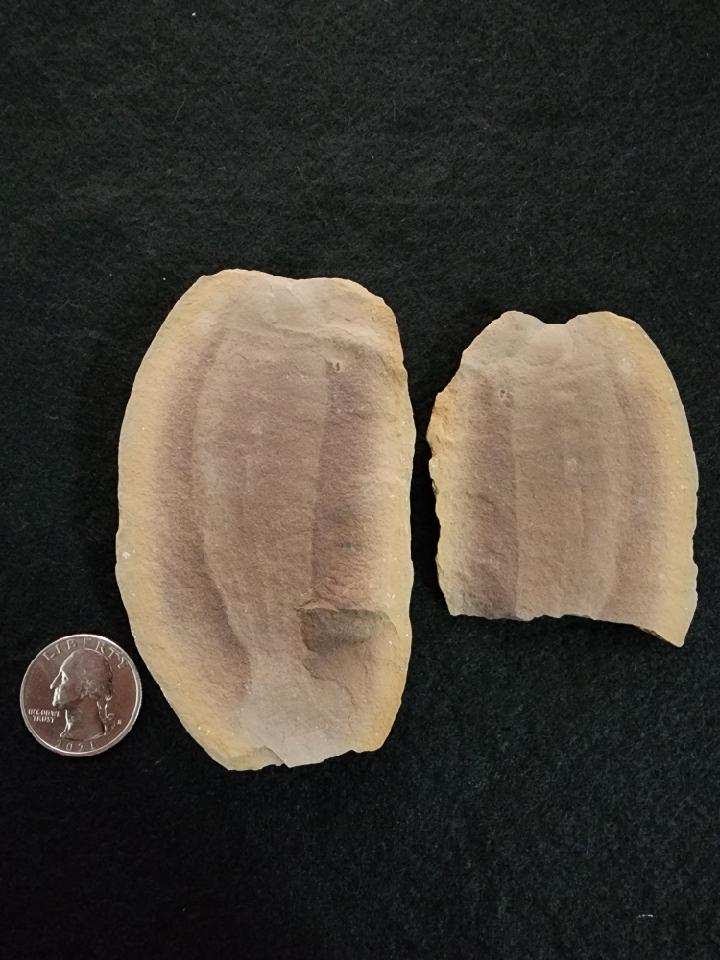
Fossil Friday #133: Tully Monster from the River!
Read more: Fossil Friday #133: Tully Monster from the River!This is “Fossil Friday” post #133. Expect this to be a somewhat regular feature of the website. We will post any fossil pictures you send in to esconi.info@gmail.com. Please include a short description or story. Check the #FossilFriday Twitter hash tag for contributions from around the world! Tully Monsters are always popular fossils. They come in all shapes and sizes. Known only from Illinois, the State Fossil of Illinois has been reported from three localities – Pit 11 (where most have been found), Chowder Flats (an old fossil collecting site west of Morris, IL off Route 6), and the Sunspot…
-
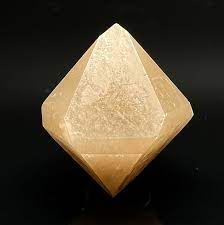
Throwback Thursday #135: Looking Back at ESCONI November 2022
Read more: Throwback Thursday #135: Looking Back at ESCONI November 2022This is Throwback Thursday #135. In these, we look back into the past at ESCONI specifically and Earth Science in general. If you have any contributions, (science, pictures, stories, etc …), please send them to esconi.info@gmail.com. Thanks! 25 Years Ago – November 1997 50 Years Ago – November 1972 70 Years Ago – November 1952
-
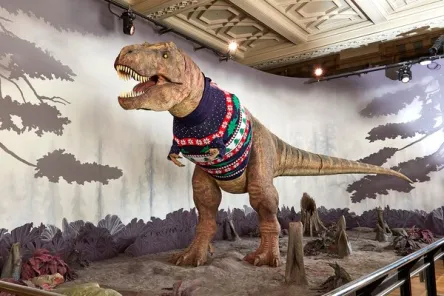
ESCONI Holiday Dinner Friday, December 2, 2022 at 5:30 PM at Warren’s Ale House
Read more: ESCONI Holiday Dinner Friday, December 2, 2022 at 5:30 PM at Warren’s Ale HouseTrustees of the Natural History Museum, London Come socialize with fellow ESCONI members at the Holiday Dinner held this year at Warren’s Ale House, 51 Town Square, in Wheaton. The dinner starts at 5:30 PM, and we’ll be ordering off the menu. Everyone is responsible for their own bill. The general meeting starts at 8 PM in our usual room at COD and will be hybrid (in–person and Zoom). During November and December the price of all ESCONI books is reduced. Take advantage of this to get a good deal on a book to give as a gift, or one…
-

ESCONI Events November 2022
Read more: ESCONI Events November 2022Field trips require membership, but visitors are welcome at all meetings! Fri, Nov 11th ESCONI General Meeting 8:00 PM Zoom – Topic: “A Sea Without Fish, Ordovician Fossils of the Cincinnati Region” by Dr. David Meyer from the University of Cincinnati Zoom link Sat, Nov 12th ESCONI Junior Meeting – 7:00 PM at College of DuPage – Topic: “Archaeology – Catal Huyuk” Specifics of this meeting are available from Scott Galloway, 630-670-2591, gallowayscottf@gmail.com. The meeting will be in person at the College of DuPage Tech Ed (TEC) Building, Room 1038A (Map). Sat, Nov 19th ESCONI Paleontology Meeting 7:30 PM Hybrid…
-

BBC: The 120-year search for the purpose of T. rex’s arms
Read more: BBC: The 120-year search for the purpose of T. rex’s armsThe BBC has a story about that looks into how Tyrannosaurus rex used it’s small arms. T. rex and it’s close relatives had notoriously small arms for their size. Since its discovery in 1902 by Barnum Brown, paleontologists have wondered how they used their puny arms. The end of the season was approaching rapidly – the last shot at success in what had been a very expensive expedition. It was August 1902 and Barnum Brown had taken a team of palaeontologists deep into the strange, undulating landscape of banded hills in the Badlands of Montana. Amid soaring temperatures and caking…
-
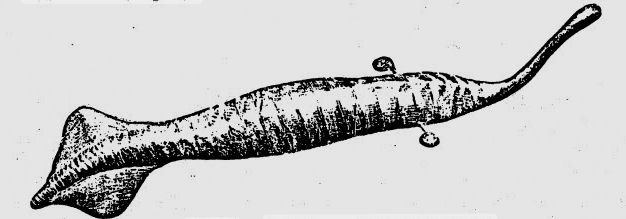
Mazon Monday #136: Is the Tully Monster Really Extinct
Read more: Mazon Monday #136: Is the Tully Monster Really ExtinctThis is Mazon Monday post #136. What’s your favorite Mazon Creek fossil? Tell us at email:esconi.info@gmail.com. Thanks! Jim Konency wrote this article for the ESCONI newsletter back in May 1997. Jim was president of ESCONI back in the early 1960’s. Here’s a photo of him at a meeting back in the 1960’s. Jim and his wife Sylvia were very active in ESCONI. They eventually retired to Arizona, where he gave students tours of his amazing fossil collection. The article is interesting. It guesses at an origin and an evolutionary lineage similar to Victoria McCoy’s in her excellent presentation at the Mazon…
-
PBS Eons: Are We All Actually Archaea?
Read more: PBS Eons: Are We All Actually Archaea?PBS Eons has a new episode over on Youtube. This one is about the Tree of Life and our (Eukarya) placement in it. The unexpected discovery of an entirely new domain of life was pretty huge and surprising – even if archaea do just look like bacteria. But, in recent years, it’s been their connection to us that's turned out to be particularly full of surprises – ones that may mean we have a connection to a group known as Asgard.
-
Fossil Friday #132: Megistocrinus
Read more: Fossil Friday #132: MegistocrinusThis is “Fossil Friday” post #132. Expect this to be a somewhat regular feature of the website. We will post any fossil pictures you send in to esconi.info@gmail.com. Please include a short description or story. Check the #FossilFriday Twitter hash tag for contributions from around the world! We have a change pace for this week’s Fossil Friday. How about a Megistocrinus crinoid from Alpena, Michigan. The Alpena Limestone dates to the Middle Devonian. Crinoids are echinoderms and are related to starfish, sea urchins, and brittle stars. This is a fossilized calyx, which is the top part of the crinoid. This…
-
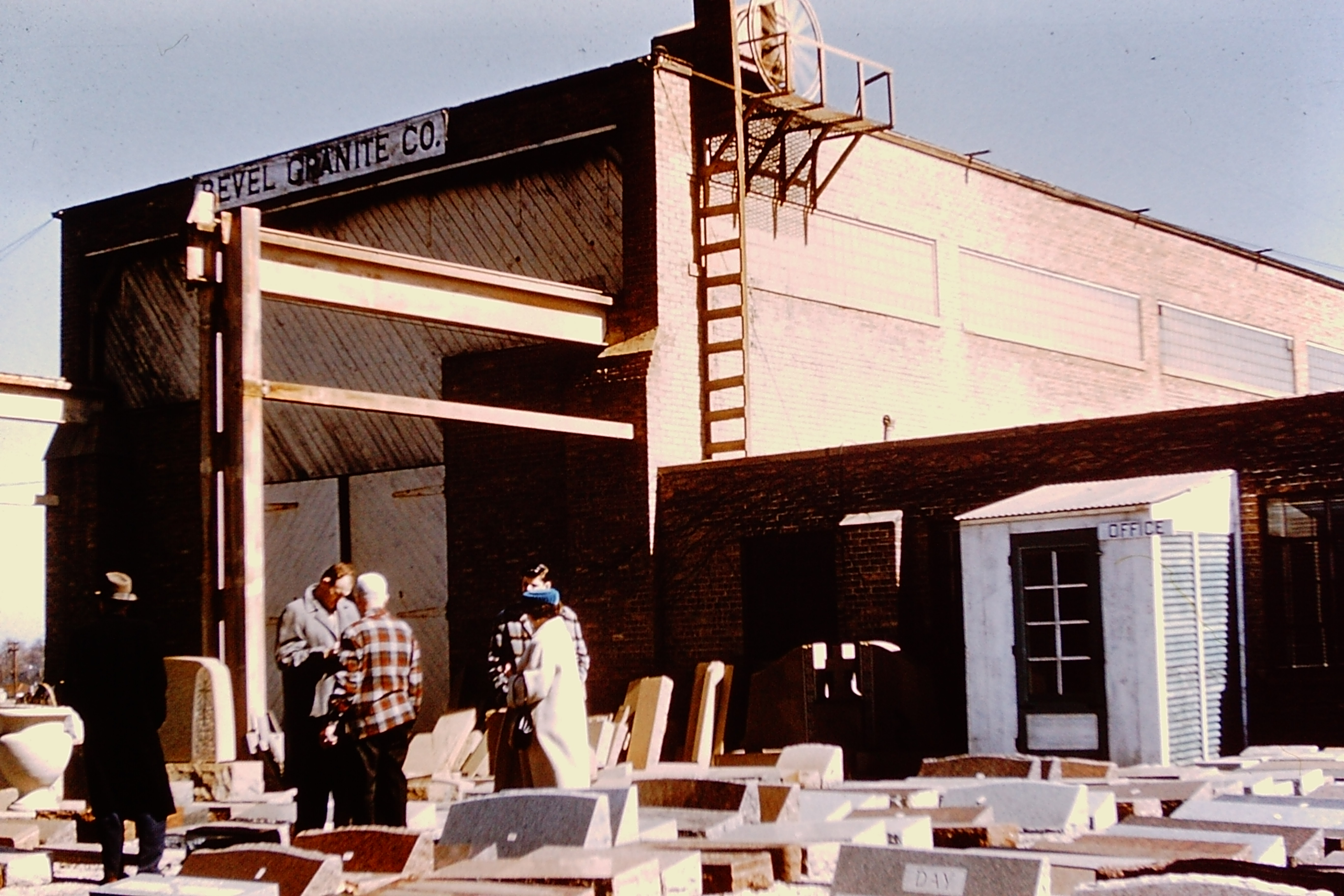
Throwback Thursday #134: Field Trip Bevel Granite 1957
Read more: Throwback Thursday #134: Field Trip Bevel Granite 1957This is Throwback Thursday #134. In these, we look back into the past at ESCONI specifically and Earth Science in general. If you have any contributions, (science, pictures, stories, etc …), please send them to esconi.info@gmail.com. Thanks! Back in 1957, ESCONI held a field trip to the Bevel Granite Company on Kedzie Ave. in Merrionette Park, IL. Guess what, they are still there! The field trip was announced in the March 1957 edition of the ESCONI newsletter. FIELD TRIP—————– 10:00 A.M. Saturday, March 16th BEVEL GRANITE CO., 11849 So. Kedzie To study the art of monument making Please register on or…
-
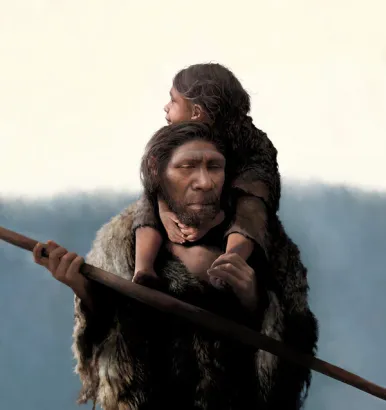
NYT: First Known Family of Neanderthals Found in Russian Cave
Read more: NYT: First Known Family of Neanderthals Found in Russian CaveCarl Zimmer’s Matter column over at the New York Times has an interesting article about Neanderthals. Analysis of ancient DNA of Neanderthal bones from a cave in Siberia has led researchers to believe they have found a family unit consisting of a father, daughter, and multiple cousins. The bones were discovered in 2007 with a large trove of stone tools and butchered bison bones. The research was published in the journal Nature by a team that included Svante Pääbo, who recently won the Noble Prize for his work on ancient DNA. The study was carried out by a team of…
-
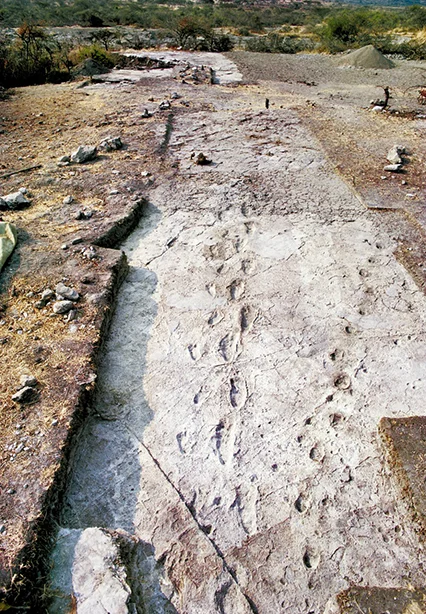
Fossils Upend Conventional Wisdom about Evolution of Human Bipedalism
Read more: Fossils Upend Conventional Wisdom about Evolution of Human BipedalismScientific American has a story about the evolution of human bipedalism. Paleontologists have long wondered when humans stood up and walked on two legs. There are skeletal adaptions in the fossils of the oldest hominins, which date to as much as seven million years ago. In the iconic representation of human evolution, a procession of ancestors starting with a chimplike creature ambling on all fours gives way to a series of ever more erect forebears, culminating in a fully upright Homo sapiens striding triumphantly on two legs. First popularized in the 1960s, the March of Progress, as this image and its variants…
-

Mazon Monday #135: McLuckie Collection Donated to the Smithsonian in 1990
Read more: Mazon Monday #135: McLuckie Collection Donated to the Smithsonian in 1990This is Mazon Monday post #135. What’s your favorite Mazon Creek fossil? Tell us at email:esconi.info@gmail.com. Thanks! —————————————————– The collection of John and Lucy McLuckie, who we’ve covered a few times in Throwback Thursday #55, Throwback Thursday #104, and Flashback Friday #29, was donated to the Smithsonian’s National Museum of Natural History in Washington, D.C in 1990. It was a very valuable collection of over 2,500 Mazon Creek fossils. It was collected for many years by both John and his wife Lucy. John started collecting during the 1930’s when he worked in the strip mines around Coal City, Braidwood, and Wilmington,…

ESCONI Gem, Mineral, and Fossil Show
Most Recent Post
- Mazon Monday #316: Sublepidophloios protuberans
 Today, we have Sublepidophloios protuberans, which is a species of lycopsid branch. It’s very common, actually the most common form of lycopsid bark in the Mazon Creek fossil flora.
- About ESCONI
- Around the Web
- Calendar of Events
- Code of Ethics and Conduct
- ESCONI Books for Sale
- ESCONI Gem, Mineral, and Fossil Show
- ESCONI in the News
- ESCONI Videos
- Field Trips
- Flashback Friday
- Fossil Friday
- Mazon Creek
- Mazon Monday
- Member Spotlight
- Membership Information
- Reference Material
- Throwback Thursday
- Trilobite Tuesday
Field trips require membership, but visitors are welcome at all meetings!
| Friday, April 10th | General Meeting – 8:00 PM via Zoom. Jessica Hull will present “Life in the Devonian Period, The Age of Fishes.” |
| Saturday, April 11th | Junior Study Group Meeting – 2:00 PM, in person at the College of DuPage Technical Education Center (TEC) Building – Room 1038A (Map). Katherine Howard will present on Sand and Sediment Collecting. Specifics of this meeting are available from Scott Galloway, 630-670-2591, gallowayscottf@gmail.com. |
| Saturday, April 18th | Paleontology Study Group – 7:30 PM via Zoom and in person at the College of DuPage, TEC, Room 1038B (Map). Keith Robitschek will present “Digging the Marl of the Lance Formation.” |
| Friday, April 24th | MAPS Expo XLVII – Springfield, IL. |
| Saturday, April 25th | MAPS Expo XLVII – Springfield, IL. |
| Sunday, April 26th | MAPS Expo XLVII – Springfield, IL. |
| No meeting this month | Mineralogy Study Group |