Category: Around the Web
-

Incredibly Rare “Jodi” The Nanotyrannus At The Center Of Heated T. Rex Debate Goes Up For Auction At Sotheby’s
IFLScience has a story about another dinosaur up for sale at Sotheby’s. This one is named “Jodi” and is a Nanotyrannus. It was discovered by rancher Jodi Pierson in 2019. It was found just a few miles from the famous “Dueling Dinosaurs.” With 191 bone elements, including an almost complete skull with 35 teeth, Jodi…
-
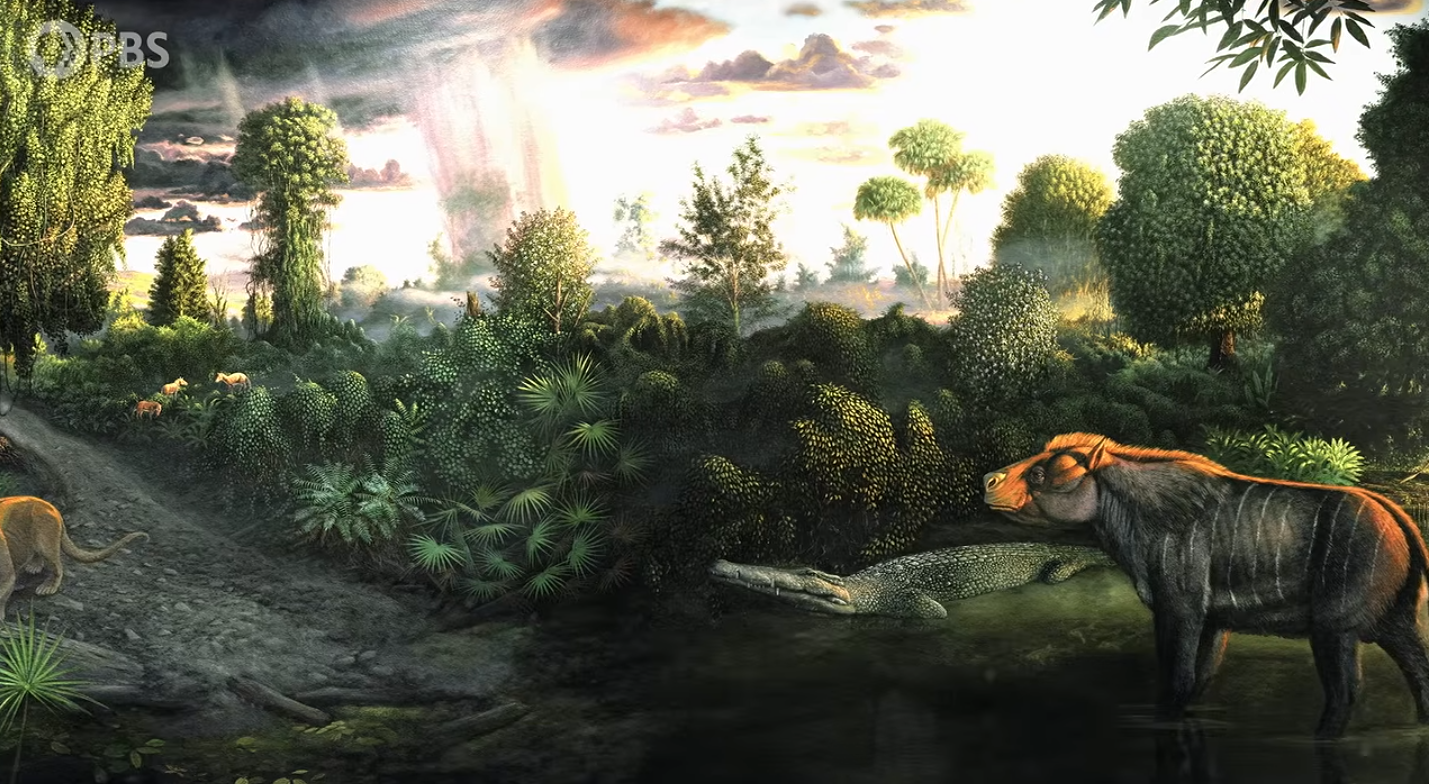
PBS Eons: The Biggest Extinction You’ve Never Heard Of
PBS Eons has a new video. This one is about the mass extinction caused by the migration of India during the Paleogene. In the early 20th century, it was discovered there was a point in the fossil record where most European mammals just…vanished, only to be replaced with others native to Asia. While you’ve probably…
-
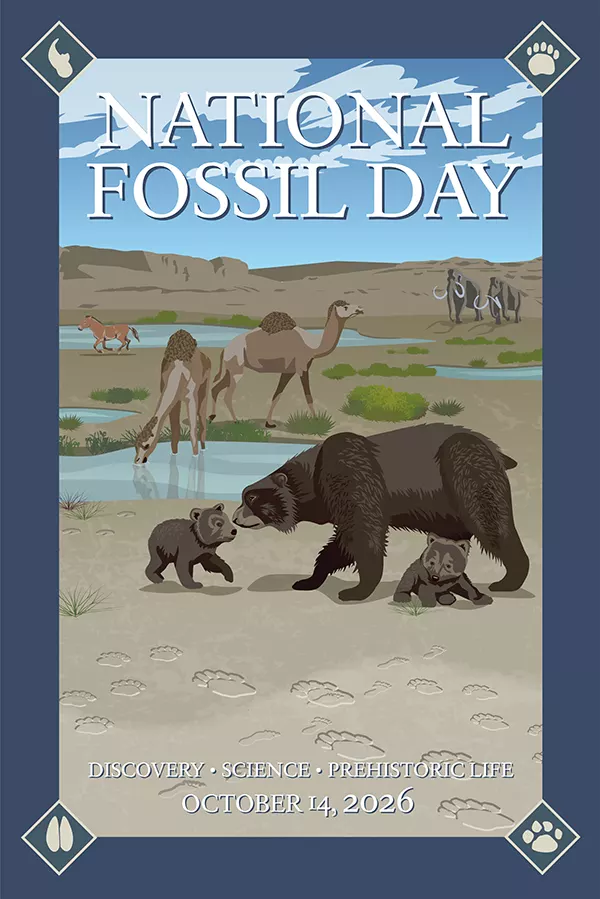
Happy National Fossil Day!
Today is National Fossil Day! Have a look at the National Park Service website for more information. The Field Museum will be doing their annual event… and it’s a free day! During 2026 we will celebrate the 17th National Fossil Day! Join paleontologists, educators, and students in fossil-related events and activities across the country in parks,…
-

This surprising mammal fossil is giving scientists something to chew on
NPR has a story about a new Jurassic mammal from China. The animal, Megacauda sungei , was described recently in the journal Nature. The fossil remains are incredibly detailed and show an animal capable of chewing and swallowing its food and suckling, traits shared by all mammals. The fossil was about the size of a chihuahua,…
-

Northwest Illinois Rock Club’s 2026 Annual Rock Show – November 14th and 15th, 2026
The Northwest Illinois Rock Club’s Annual Rock Show will be November 14th and 15th, 2026 in Freeport, IL. Find out more on their website at nwilrockclubfrpt.blogspot.com.
-
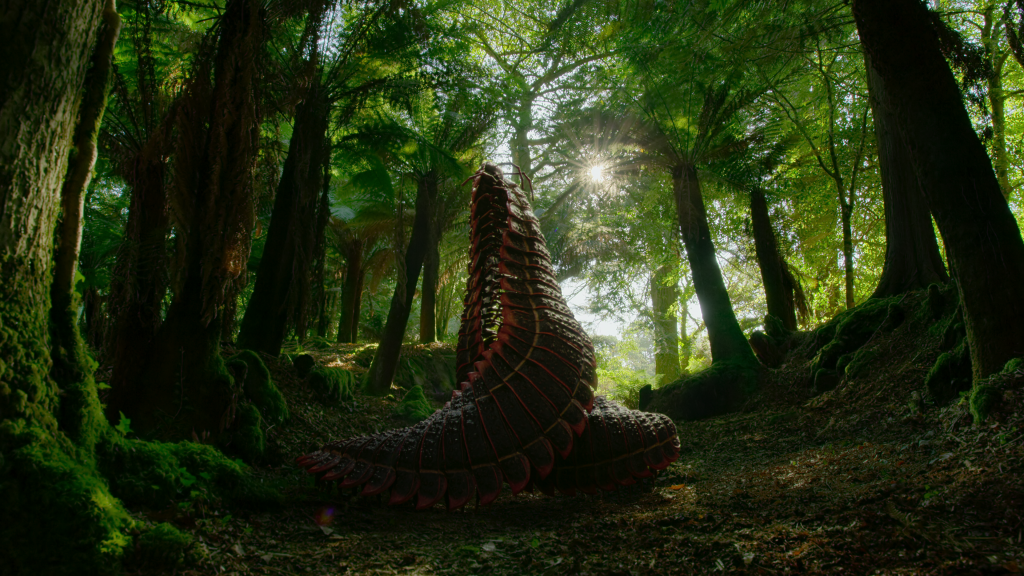
Palaeocast Episodes 175/176: Insect Gigantism
We haven’t posted about Palaeocast in a little while. Recently, David Marshall posted two episodes about “Insect Gigantism.” These podcasts feature an interview with insect physiologist Prof. Jon Harrison from Arizona State University. Harrison discusses new theories on why insects were so large during the Carboniferous… it may not have been the higher concentration of…
-
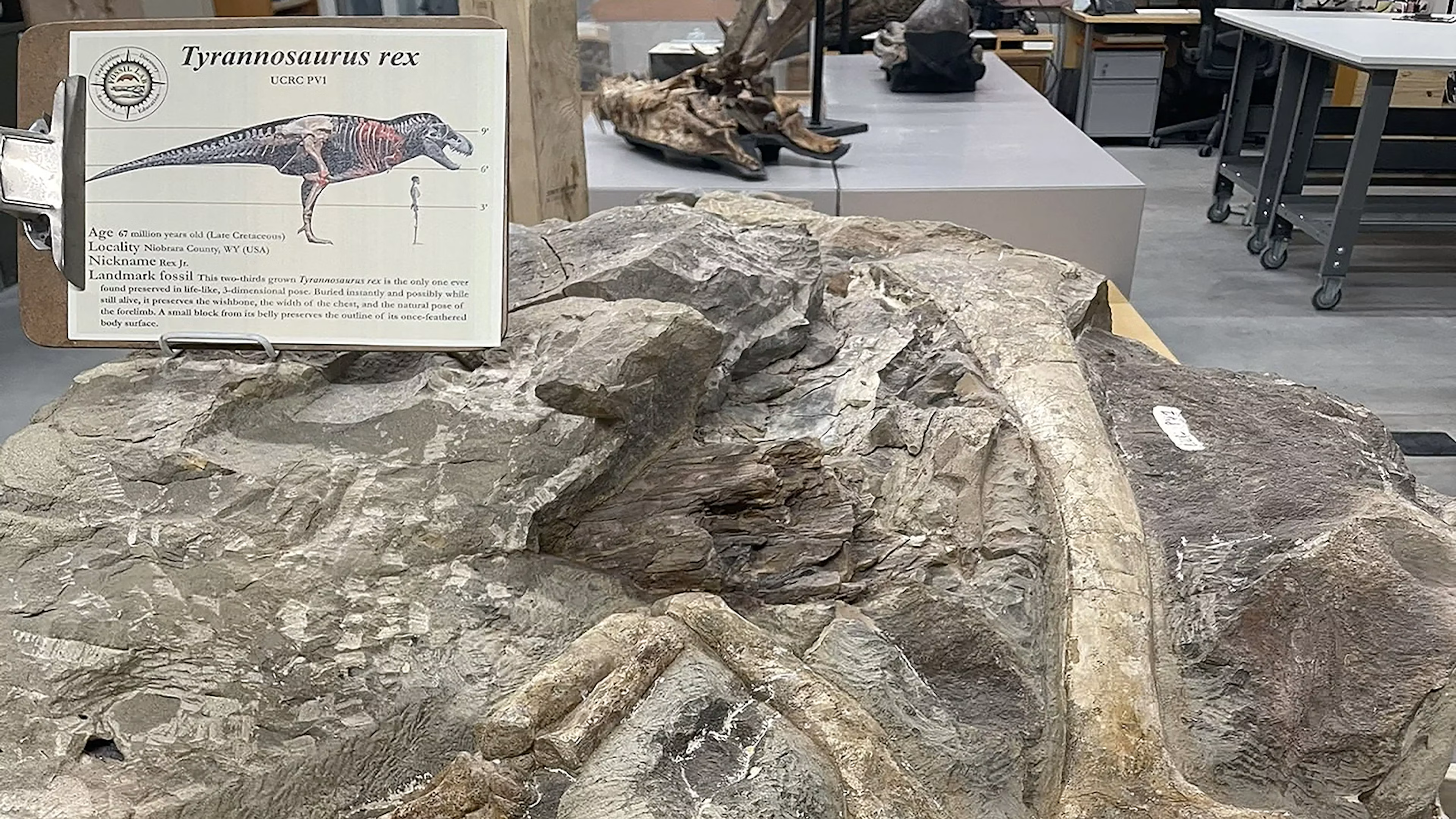
Found On Newcastle Ranch, ‘Rex Jr.’ Could Be Most Important T. Rex Ever Discovered
Cowboy State Daily has a story about “Rex Junior.” First discovered in the 1950’s on a ranch near Newcastle, Wyoming, a partial skeleton of a sub-adult T. rex may be the most important T. rex that has or will ever be found. That is the opinion of paleontologist Paul Sereno. Sereno said “this specimen from…
-

Sternberg Museum in Hays to close by year’s end
More horrible museum news… this time the Sternberg Museum in Hays, Kansas. See the story at KWCH News 12. The fundraising campaign started by the Fort Hays State University Foundation can be found here. HAYS, Kan. (KWCH) – The Sternberg Museum in Hays will be closing before the end of the year. The President of…
-

T. Rex, King of the Dinosaurs, Had a Body Temperature of 97 Degrees
The New York Times has a story about recent T. rex research. There’s been a long running debate about whether dinosaurs were warm or cold blooded – endothermic or exothermic. New research, published recently in the journal Science Advances, adds a little evidence to the warm blooded side. Scientists at the University of California, Los…
-
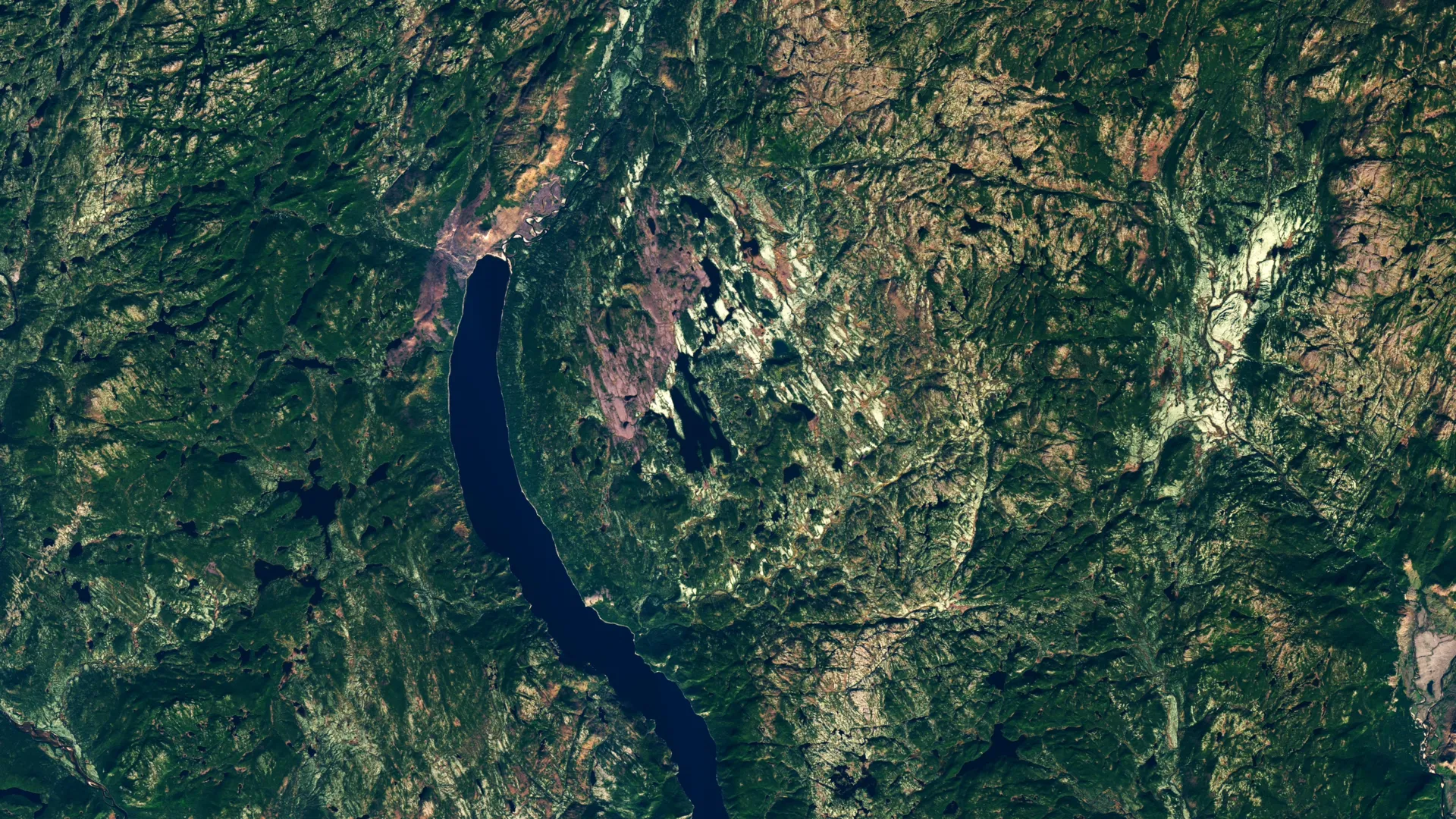
A strange circle on satellite maps turned out to be a 390-million-year-old impact crater
Science Daily has a story about a recently discovered impact crater. The crater was hidden in the Quebec wilderness near Lake Marsal in eastern Quebec. The impact that formed the crater dates to about 390 million years ago during the Devonian Period. It was found by an amateur astronomer, who noticed the structure while planning…
-
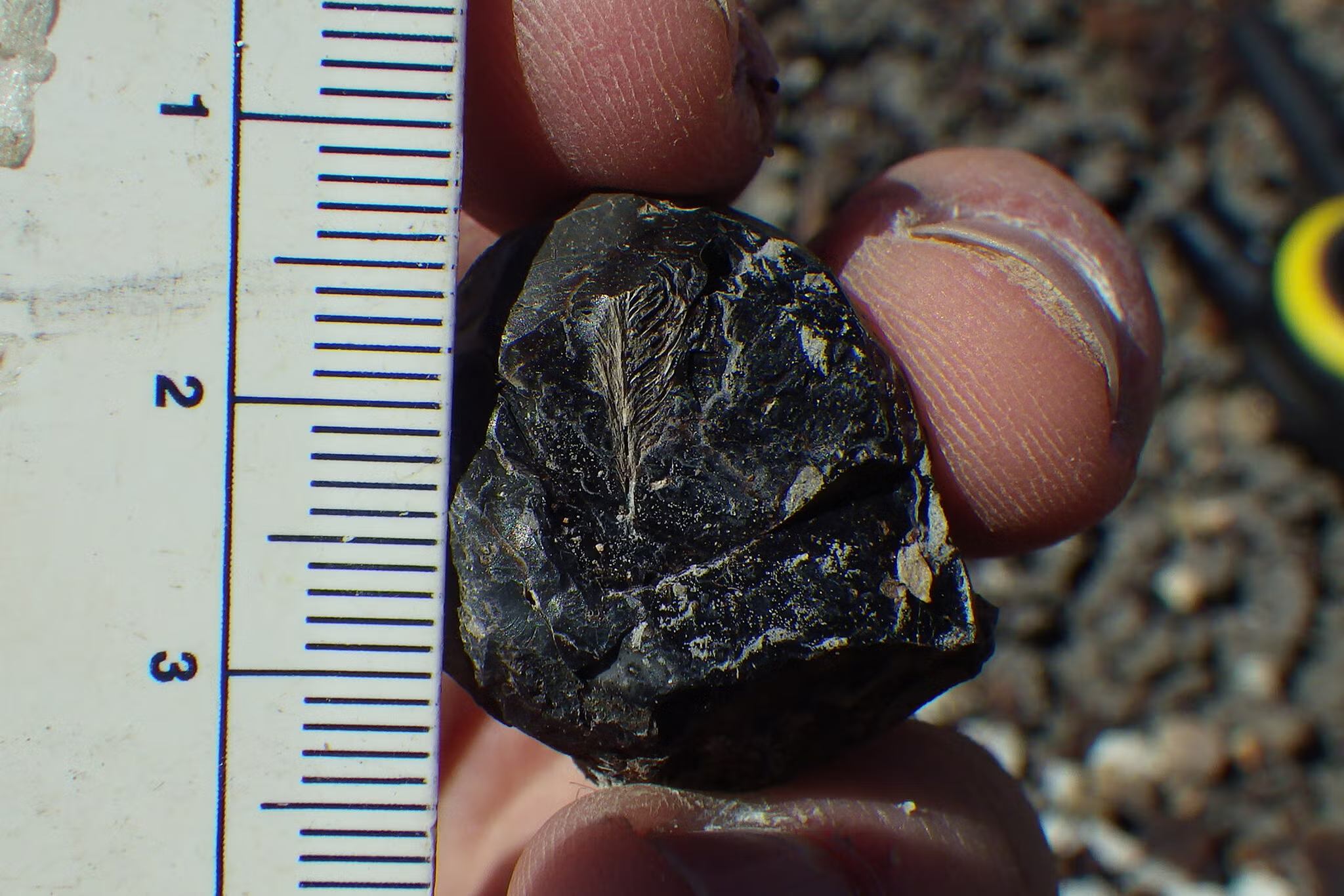
A Feather Found in Dinosaur Poop Might Explain How Birds Beat Extinction
The New York Times has a story about an amazing, chance discovery. In 2016, a researcher in the Hell Creek Formation in Montana picked up a small rock that turned out to be a small piece of fossilized dinosaur dung. Fossilized dung is called a coprolite and this one had a “big” surprise. It had…
-
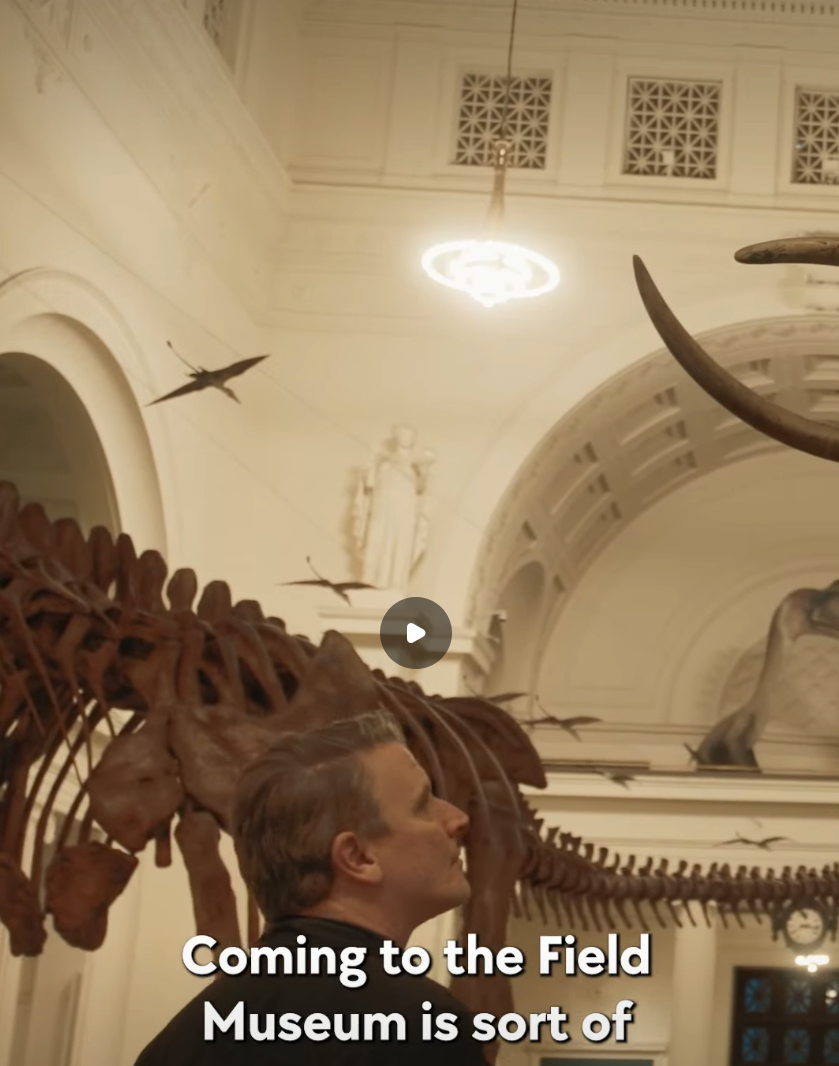
PBS Eons at the Field Museum!
View this post on Instagram A post shared by Eons (@eonsshow) PBS Eons posted this video a few days ago on Instagram. In making Life and Death on Pangea, not only did we get to tell the story of one of the most dramatic times in Earth’s history, but we got visit places that were…
-
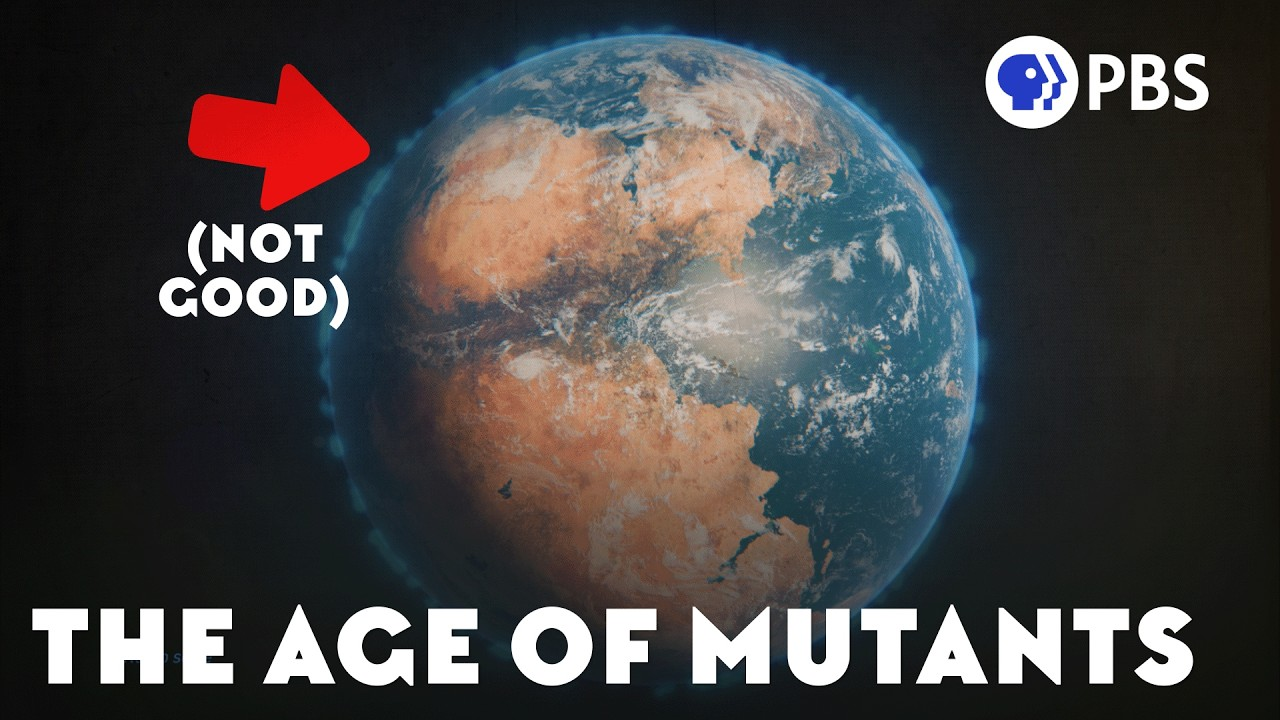
PBS Eons: Did the Ozone Collapse 252 Million Years Ago?
PBS Eons has a new video. This is another one about the Great Dying about 252 million years ago. What was it about the Great Dying that caused a global age of mutant plants? And could figuring it out help us avoid triggering the next one? Watch Eons: Life and Death on Pangea on the…
-

10,000-year-old fossilized mastodon tooth found in Bay Area creek
ABC Eyewitness News has a story about an “exceptionally preserved fossilized tooth.” The tooth of an American mastodon was found in a creek in California’s Bay Area. It was found by a scientist doing a survey for an environmental restoration project. The fossil may be more than 10,000 years old. A fossilized Pacific mastodon tooth…
-

PBS Eons: Why Were Sails So Popular 300 Million Years Ago
PBS Eons has a new video. This one is about a time when many animals had sails. This is a tale about sails, and the enigma of why, for a brief but critical phase in the history of life, sporting a big biological billboard was all the rage.
-

The World’s First Bugs Had Way More Legs
The New York Times has an interesting article about research that has uncovered an early insect. The animal, Chosha praecursor, lived about 324 million years ago during the Carboniferous Period in what is now Texas. It looked very similar to modern day silverfish, with a huge difference… it had 24 legs! C. praecursor was described…
-
What Did Jurassic Forests Sound Like? Like This.
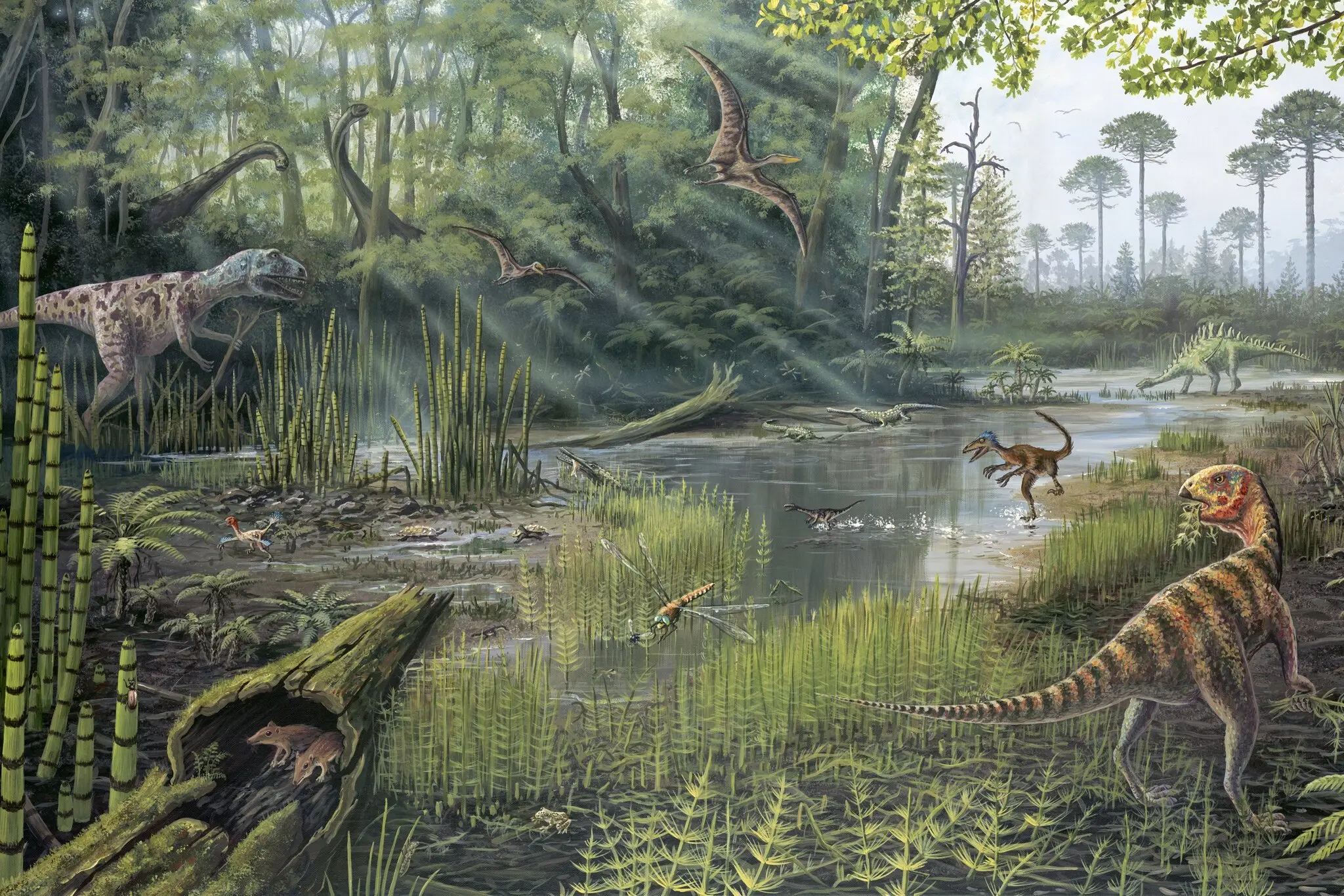
The New York Times has an interesting story about the sounds of Jurassic forests. Insect chirps, trills, and clicks make up a large part of the Earth’s modern soundscape. Recently, a group of researchers looked at fossilized insect wings from the Jurassic to determine the sounds they’d make 150 million years ago. The research paper…
-
A Nearly 200-Year-Old Museum Known for Its T. Rex Faces Extinction
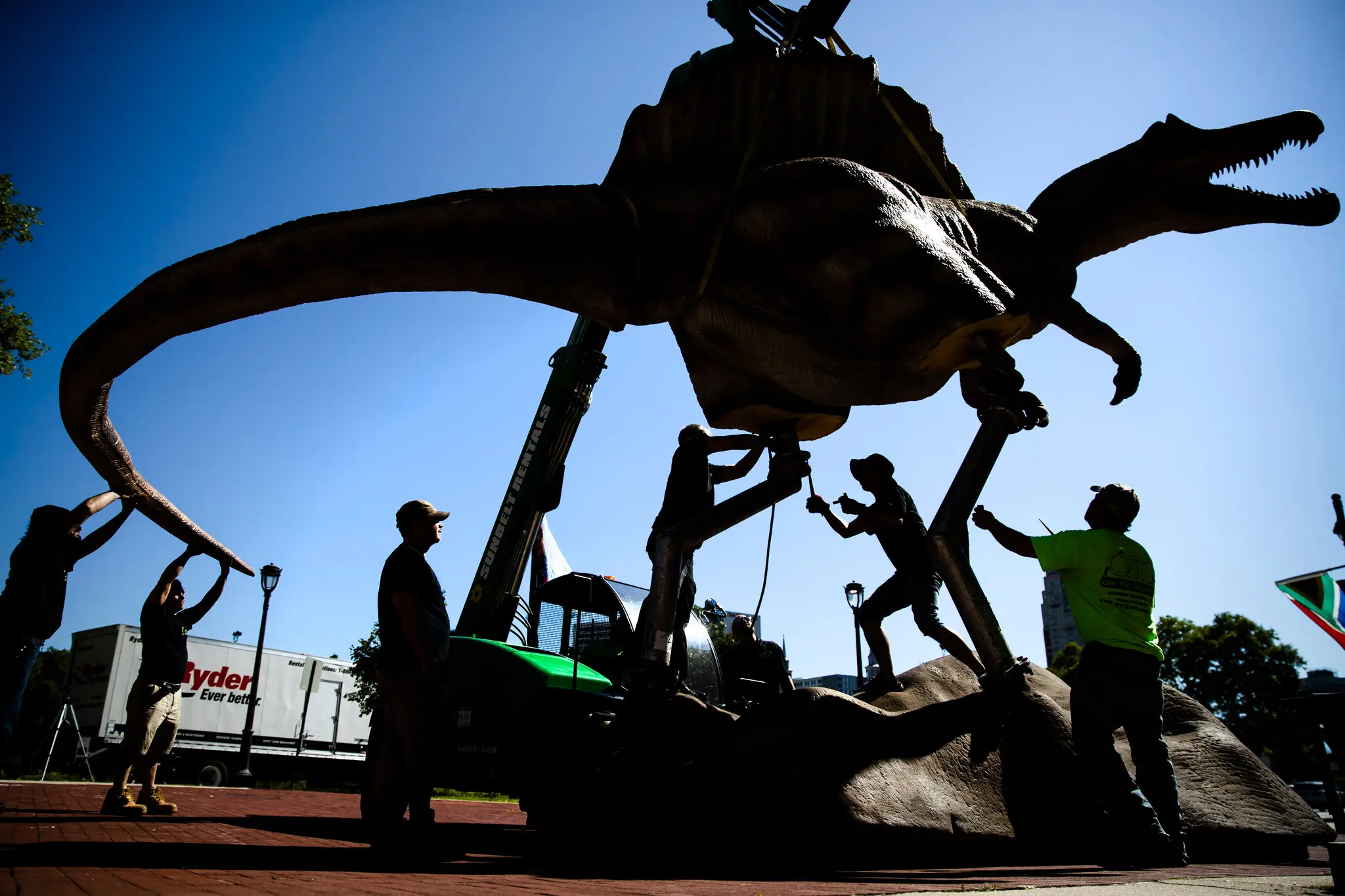
The New York Times has a piece about the plight of the Academy of Natural Sciences in Philadelphia. The institution first opened its door in 1828… nearly 200 years ago. It is the oldest natural history museum in the US. Due to financial difficulties since the Covid-19 pandemic, it is being forced to close at the…
-
PBS Eons: What Drove Life Into The Trees?
There’s a new episode of PBS Eons. This one is about the evolution of arboreal living. Watch Eons: Life and Death on Pangea on the free PBS App: https://to.pbs.org/EonsApp or on the web here: https://pbs.org/eons ← use this link if you are outside of the U.S. How and when did tetrapods move into the trees?…
-
Denver Museum of Nature & Science – Only a few days left … Ends September 7th, 2026
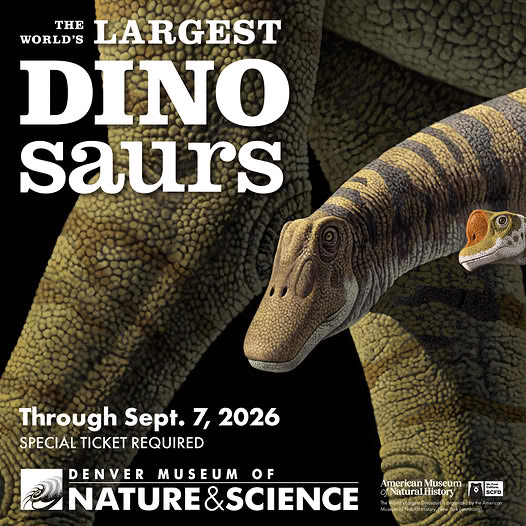
Only a few days left!!!! Step inside the world of sauropods in “The World’s Largest Dinosaurs.” Stand beneath a towering, life-sized 60-foot Mamenchisaurus and discover the amazing biology behind the largest animals to ever live.
-

Would VELOCIRAPTOR make a good pet? | Cromo Paleo Show
The Cromo Paleo Show has an entertaining video on Youtube. Somehow, I don’t think a pet dinosaur will turn out well… Would Velociraptor make a good pet? 🦖 In this episode of the “Would It Make a Good Pet?” series, we dive deep into the REAL science behind owning one of the most famous dinosaurs…
-
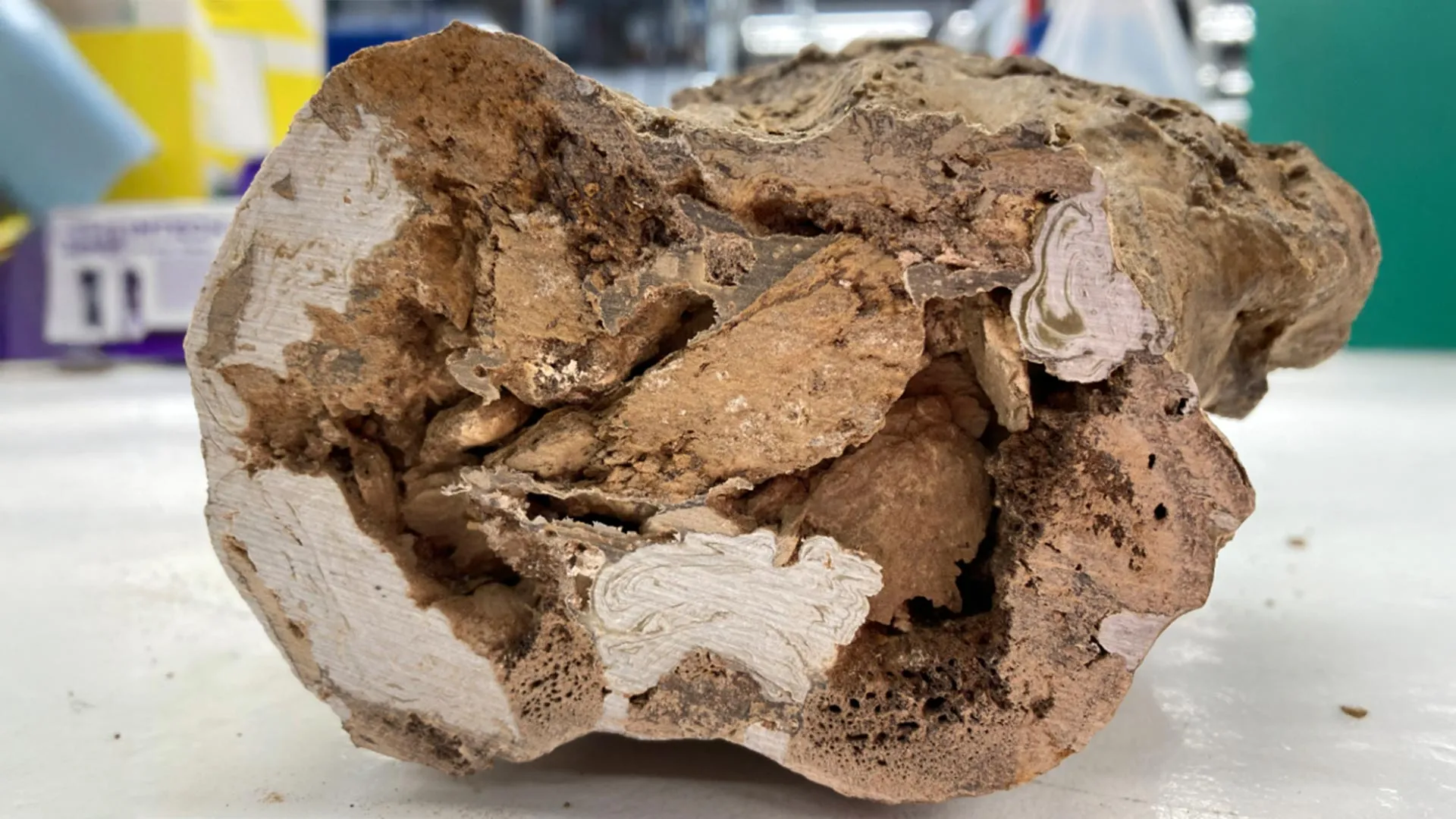
Paleontology rocked by organic molecules found in 66-million-year-old dinosaur bones
Science Daily has a story about another discovery of organic molecules in dinosaur bones. Since the early 2000’s, paleontologists have been finding organic material in dinosaur bones. The discoveries have been met with skepticism by paleontologists. Now a study in the journal Analytical Chemistry adds new evidence. Professor Steve Taylor, chair of the Mass Spectrometry…
-
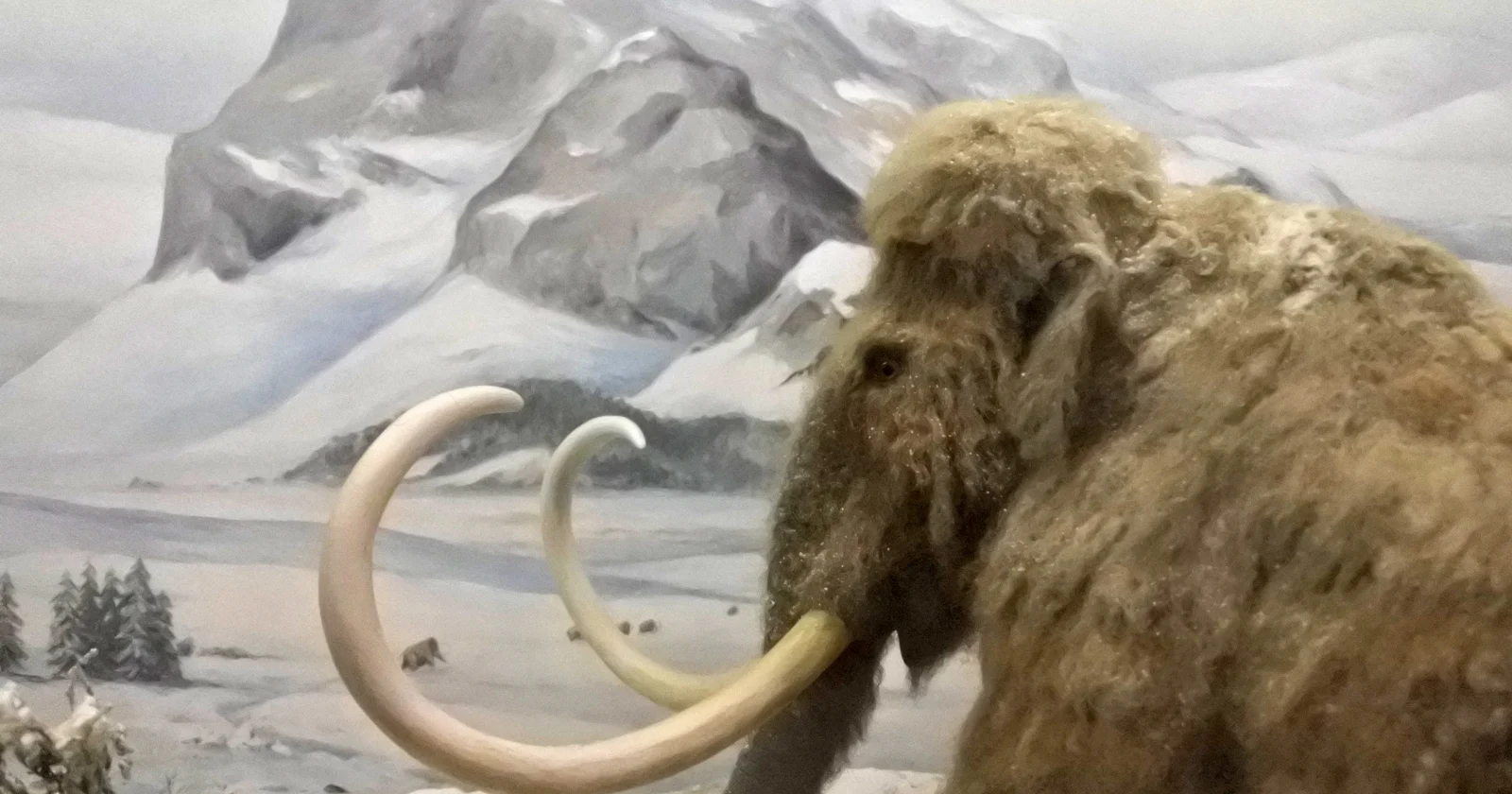
RNA is supposed to fall apart within hours…
RNA is supposed to fall apart within hours, yet researchers have now read it from a mammoth frozen in Siberian permafrost 39,000 years ago — and the transcripts caught his muscle tissue in the middle of a stress response
-
PBS Eons: When Earth Was a Toxic Wasteland
PBS Eons has a new episode. This one is about the Permian Mass Extinction, the Earth’s worst mass extinction. Watch Eons: Life and Death on Pangea on the free PBS App: https://to.pbs.org/EonsApp or on the web here: https://pbs.org/eons ← use this link if you are outside of the U.S. For 3 million years, microbes ruled…
-

Lost ‘mega-escarpment’ across ancient USA may explain Grand Canyon’s missing billion years
Phys.org has an interesting story about the Grand Canyon. The geologic record of the Grand Canyon spans about 2 billion years, but more than half of it is missing! This gap is known as the Great Unconformity. Now, a new study, published in the journal Geology, may have found evidence of what happened those missing…
-
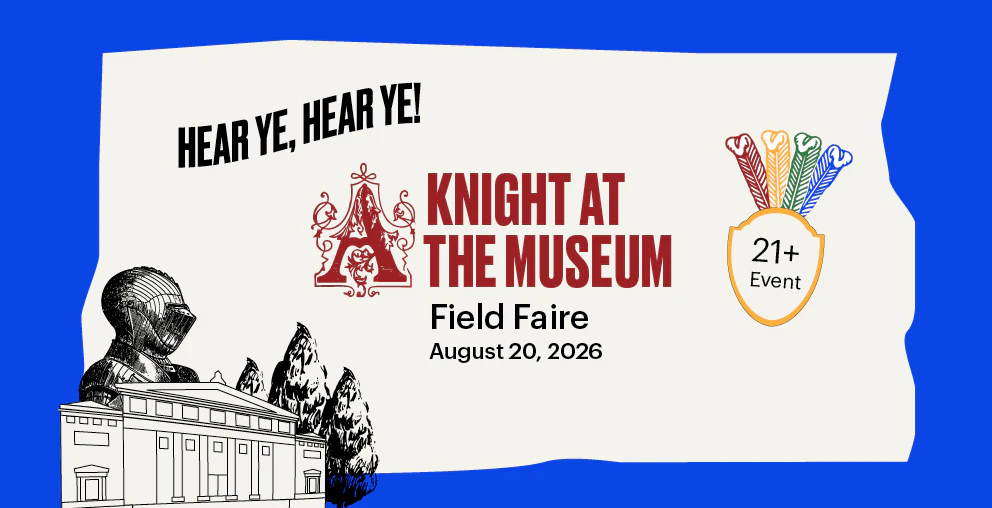
Field Faire: A Knight at the Museum
The Field Museum is holding another special Museum After Hours event. This one is Thursday, August 20th, 2026. Hear ye, seekers of wonder, scholars of the arts, and revelers of science and sorcery— For one enchanted evening, the hallowed halls of the Field Museum will transform into a realm of myth, merriment, and discovery for…
-

Field Museum in the News! Paul Mayer on the Morgan Shoal
Paul Mayer, Fossil Invertebrate Collection Manager at the Field Museum in Chicago, IL was on “Chicago Live” recently. He was answering questions about the Silurian Rocks exposed in Lake Michigan at Morgan Shoal along the southern shoreline.
-
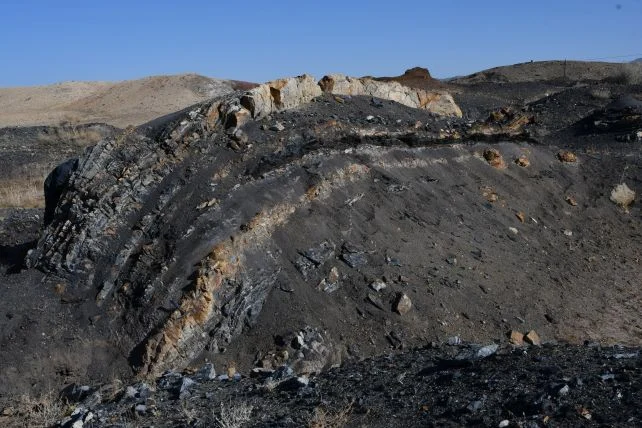
Behold, The World’s Oldest Amber – a Record of a World 385 Million Years Ago
Science Alert has a story about the discovery of the oldest known amber. The amber dates to the Middle Devonian Period, some 385 mullion years ago and about 65 million years older than the previous record holder. Amber is fossilized tree resin, so land plants needed to evolve before amber was possible. This particular amber…
-

Rock River Valley Gem and Mineral Society Rock Swap – Saturday, September 12th, 2026
Rock River Valley Gem and Mineral Society Rock Swap – Saturday September 12, 2026
-

Storms that built a graveyard: ancient monsoons created a spectacular dinosaur fossil site
The Conversation has an interesting post about an important fossil site in northeastern Italy. The Villaggio del Pescatore site dates to 80 million years ago, which was near the end of the Cretaceous Period. Fossil animals found in the locality were swept in to the area by monsoon rains and tropical cyclones. Dinosaurs, crocodiles, and…
