Category: Mazon Creek
-
Mazon Monday #344: Recap for Mazon Creek Fossil Day 2026
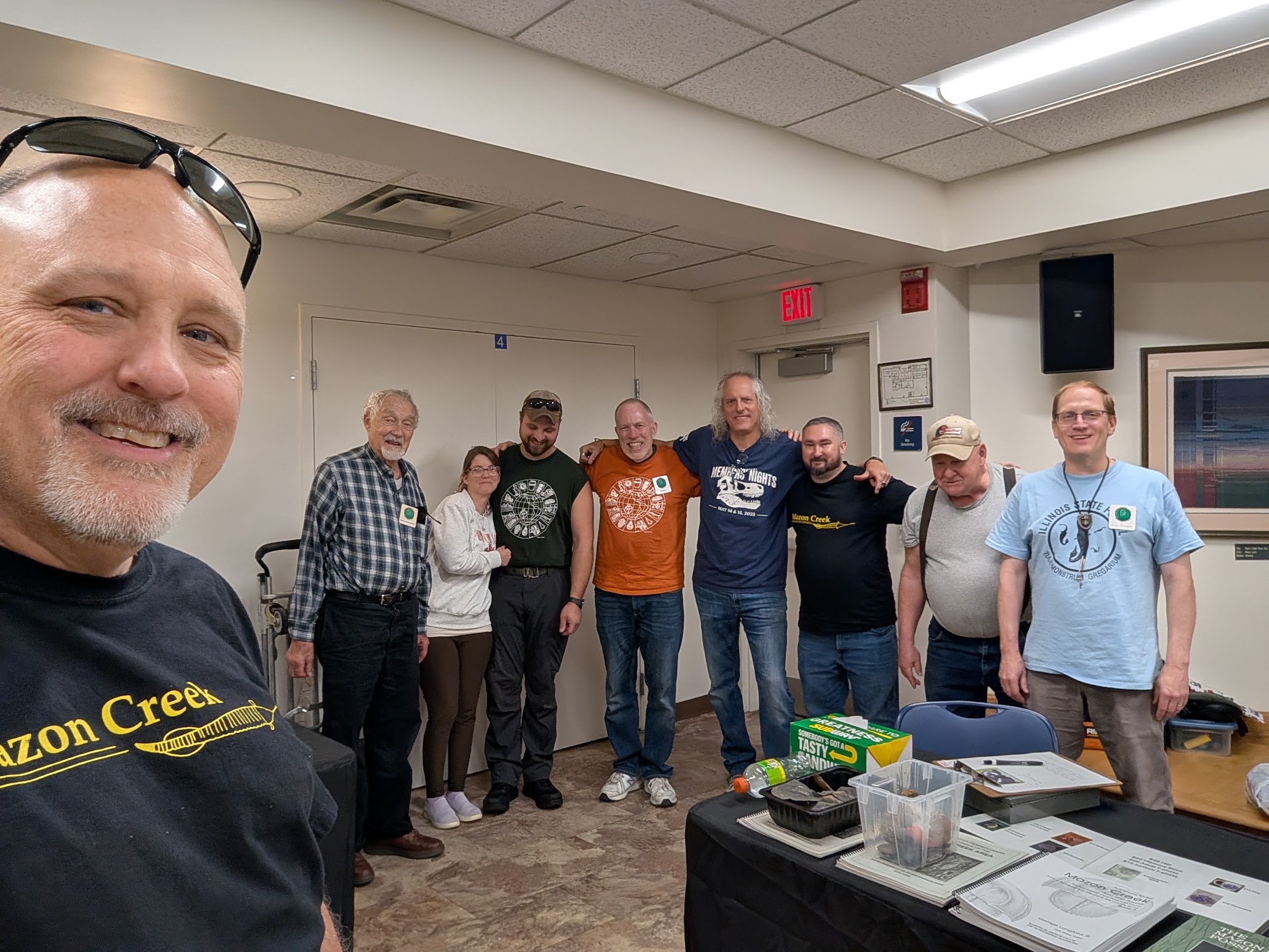
Mazon Creek Fossil Day 2026 at the Coal City Public Library was a huge success! We had a great turnout and some wonderful fossil displays. Many attendees brought fossils of their own, either to have them identified or simply to share their finds with fellow fossil enthusiasts.
-
Fossil Friday #338: Braceville Surprise!
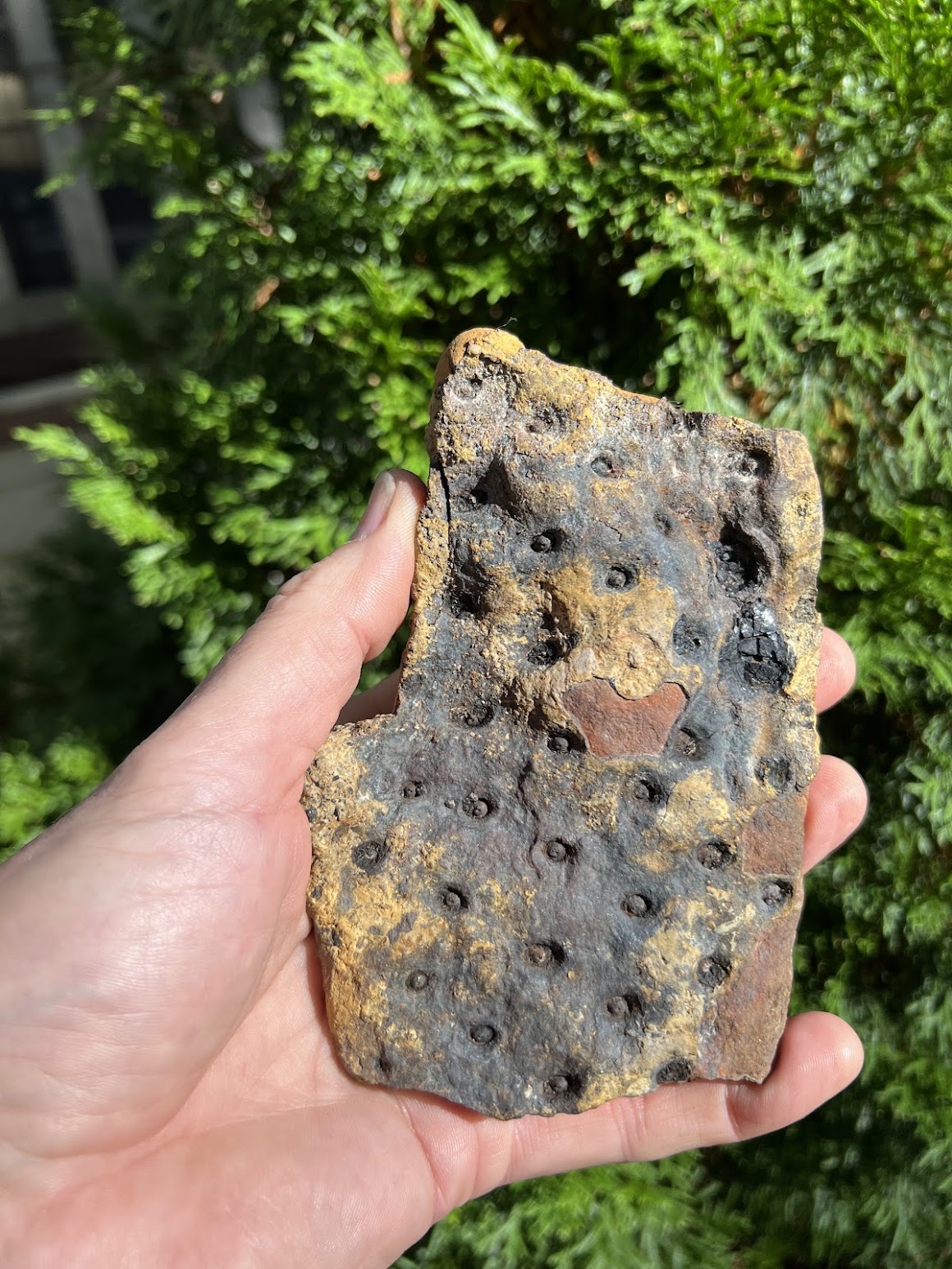
Jeff Allen recently sent us photos of a fossil he found at Braceville. The specimen is Stigmaria, the underground rooting structure associated with arborescent lycophytes such as Sigillaria and Lepidodendron.
-
Mazon Monday #343: 1990 Mazon Creek Open House
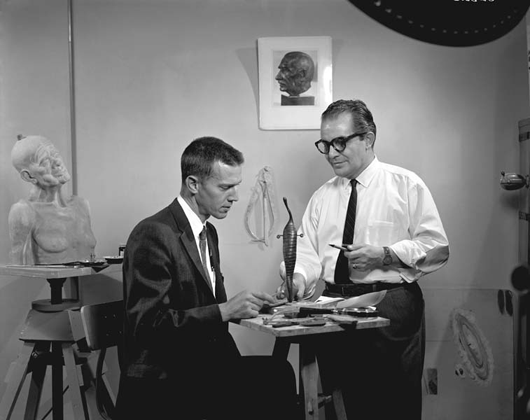
The Mazon Creek Open House was first held in early 1984. It was an extension of the Mazon Creek Project at Northeastern Illinois University. Both the Mazon Creek Project (see Mazon Monday #5) were sponsored by Northeastern Illinois University.
-
Fossil Friday #337: A Different View of Lepidostrobus
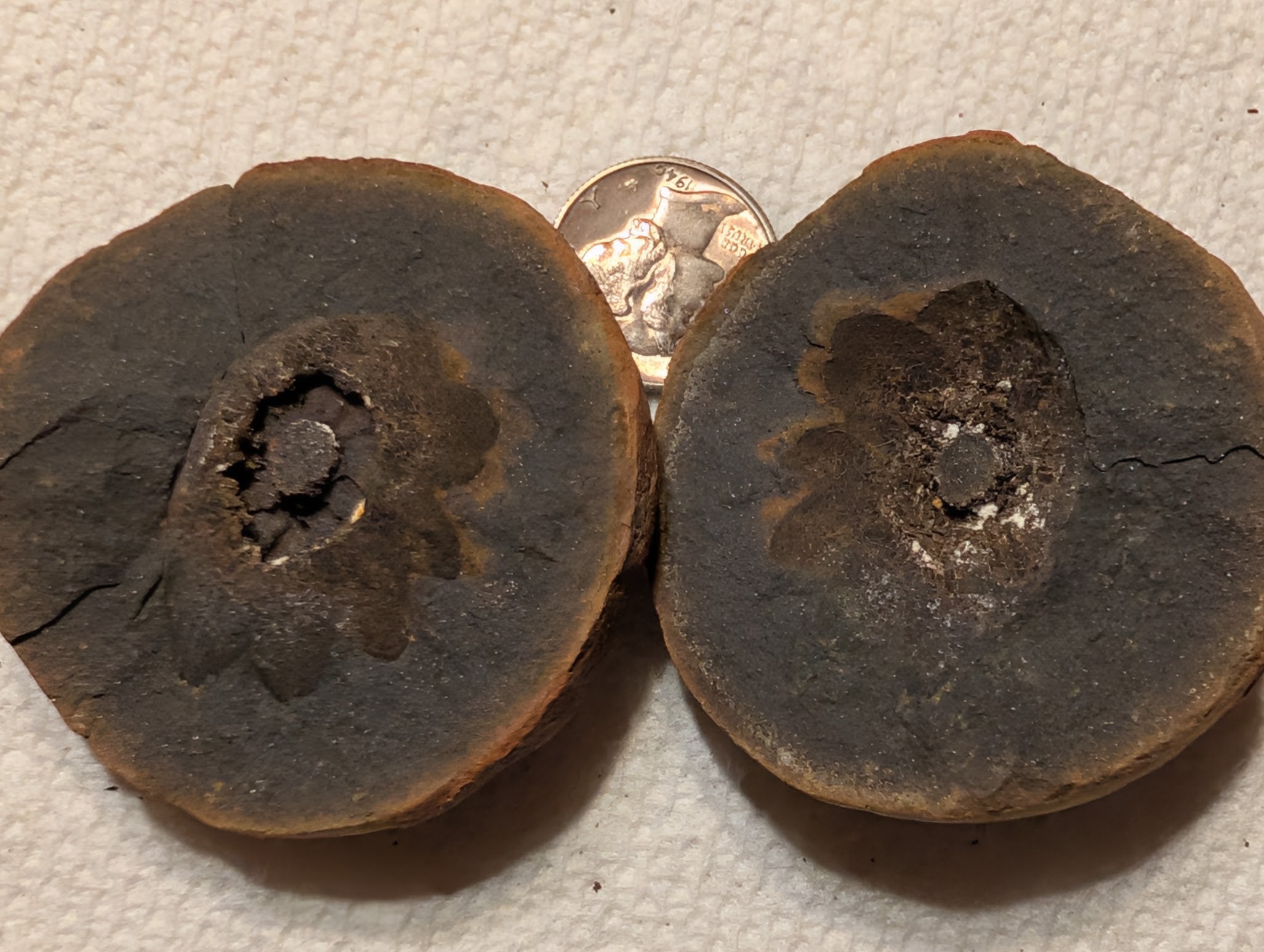
Lepidostrobus is a cone from lepidodendron tree. It was named in 1828 by Adolphe-Theodore Brongniart (1801 – 1876), who was a French paleontologist, considered by many to be the father of paleobotany. He also named Lepidostrobophyllum which are the individual cone bracts of which Lepidostrobus is the whole reproductive organ. See Mazon Monday #202.
-
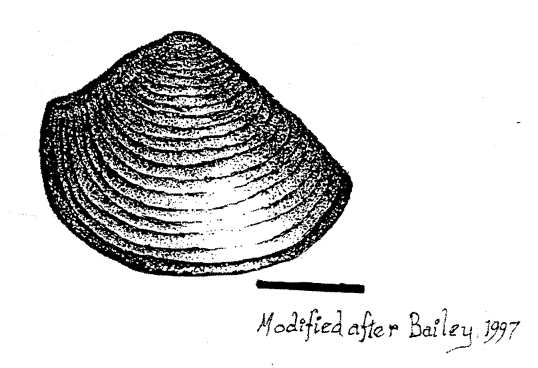
Throwback Thursday #337: Looking Back At ESCONI for October 2026
ESCONI highlights from 25, 50, and 70 years ago
-

Reminder: Mazon Creek Fossil Day 2026 – Saturday, October 10th, 2026 – Coal City Library
The 2026 Mazon Creek Fossil Day will be held on Saturday, October 10th, 2026 at the Coal City Library from 10 AM to 3 PM. See you there! Previous events
-
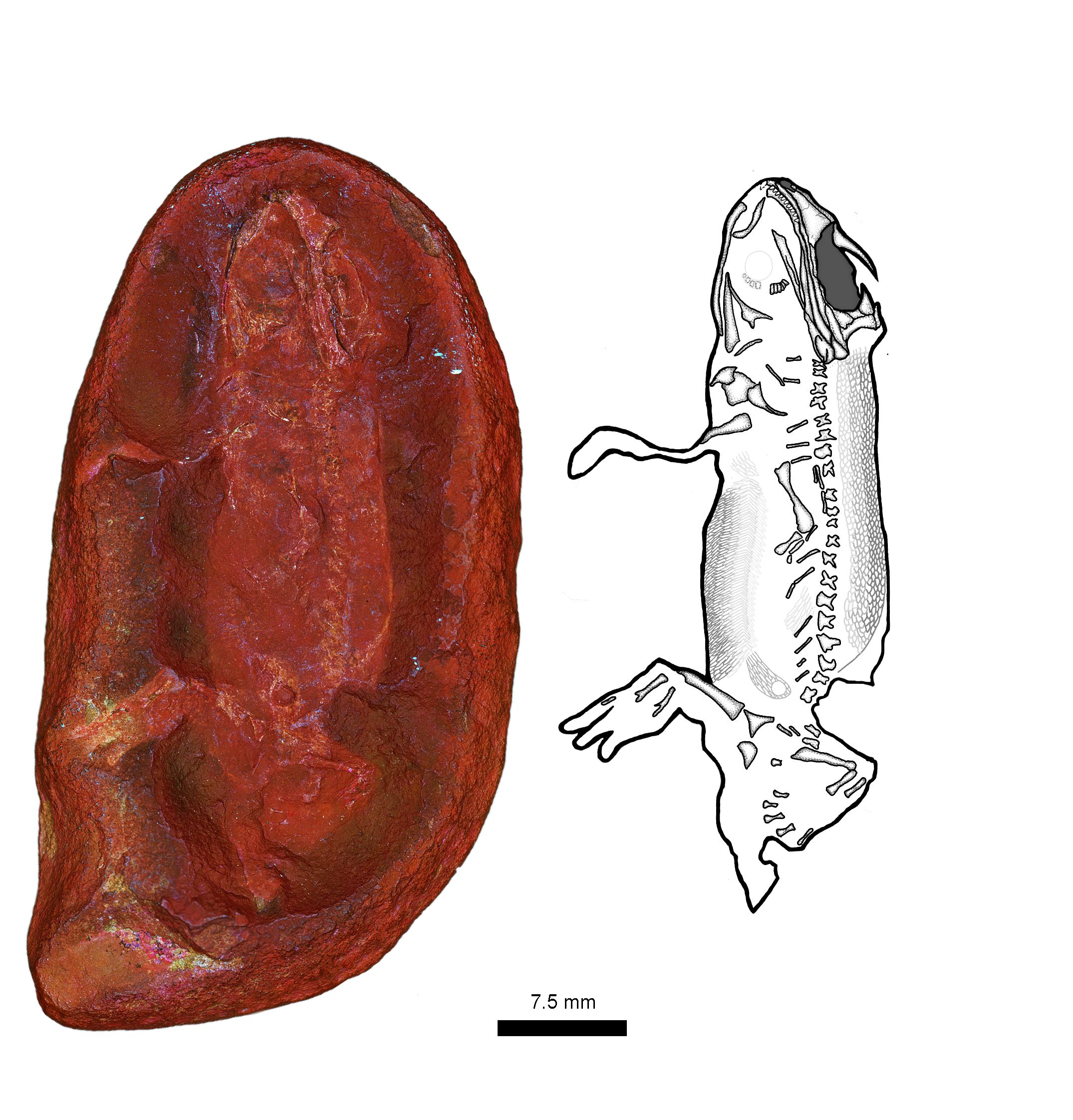
Mazon Monday #342: Jeanerpeton mazonensis – A new Mazon Creek tetrapod!
The Mazon Creek fossil biota has a new member… a tetrapod, which are quite rare. Jeanerpeton mazonensis, which means “Jean’s crawler from Mazon Creek”, was named by two student-scientists from the Field Museum. The name honors their mothers, who are both named Jean.
-
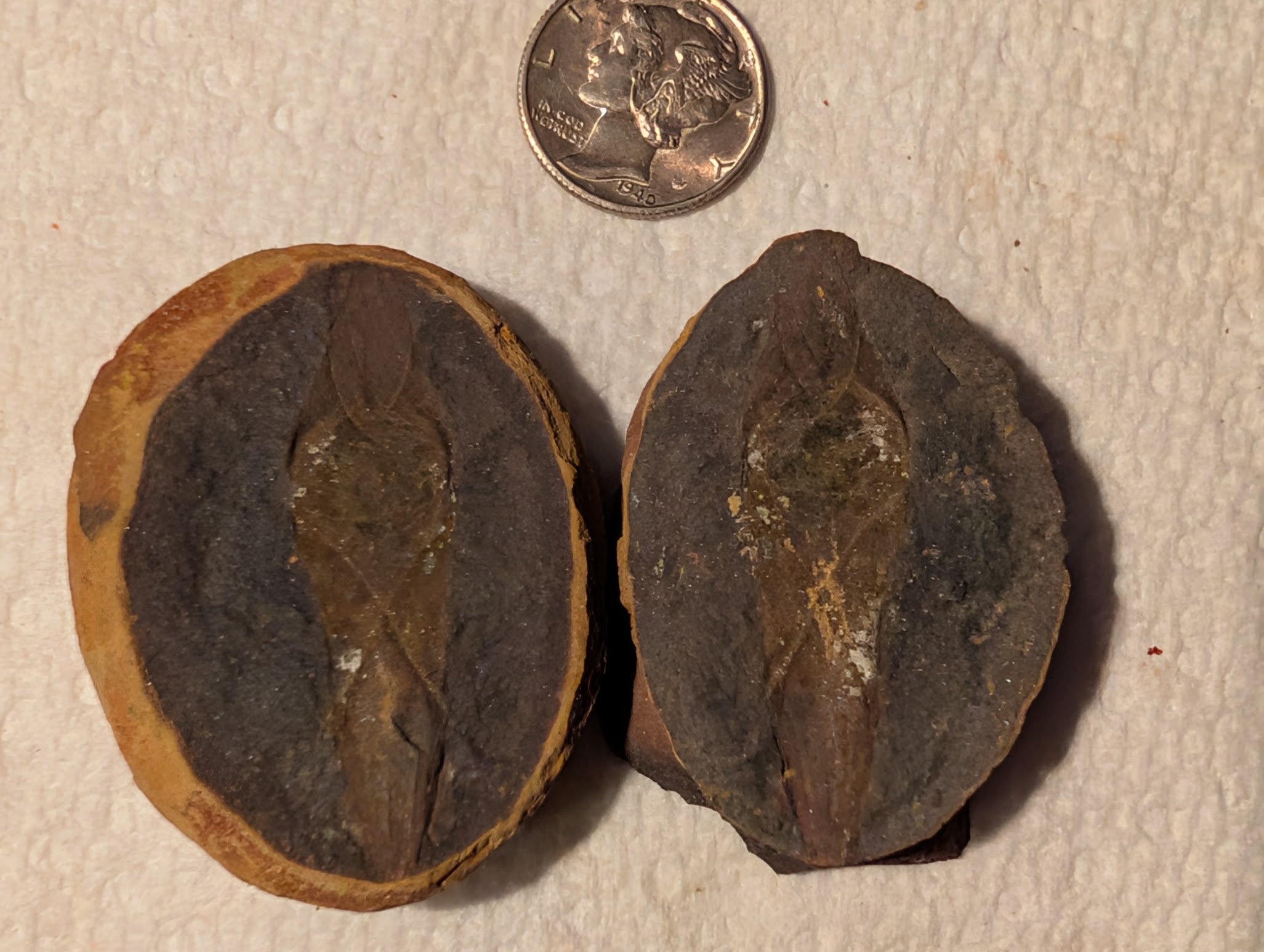
Fossil Friday #336: Shark Egg Case from Chowder Flats
Here’s a beautiful Palaeoxyris prendeli from Chowder Flats. It’s a shark egg case thought to have been produced by hybodont sharks. P. prendeli was named by Leo Lesquereux in 1870. At that time, it was believed to be a plant part, maybe a seed pod. The name palaeoxyris comes from the the flowering plant genus…
-

Mazon Monday #341: Titanoscorpio douglassi
Titanoscorpio douglassi is known from just three specimens, but the holotype is a breathtaking three-inch claw on display at the Prehistoric Life Museum in the basement of Dave’s Down to Earth Rock Shop (see Throwback Thursday #94) in Evanston, Illinois. And yes, it really is breathtaking!
-

Fossil Friday #335: A Couple of Beautiful Rhacophyllum
Long-time member Marty Houdek recently sent me a couple photos of Rhacophyllum from Mazon Creek. The first one is a sweet Rhacophyllum clarkii (see Mazon Creek #170), from one of the Braidwood pits (2, 3, or maybe 4?). It’s beautiful. It opened this past summer via freeze/thaw… after being collected 30 years ago!
-
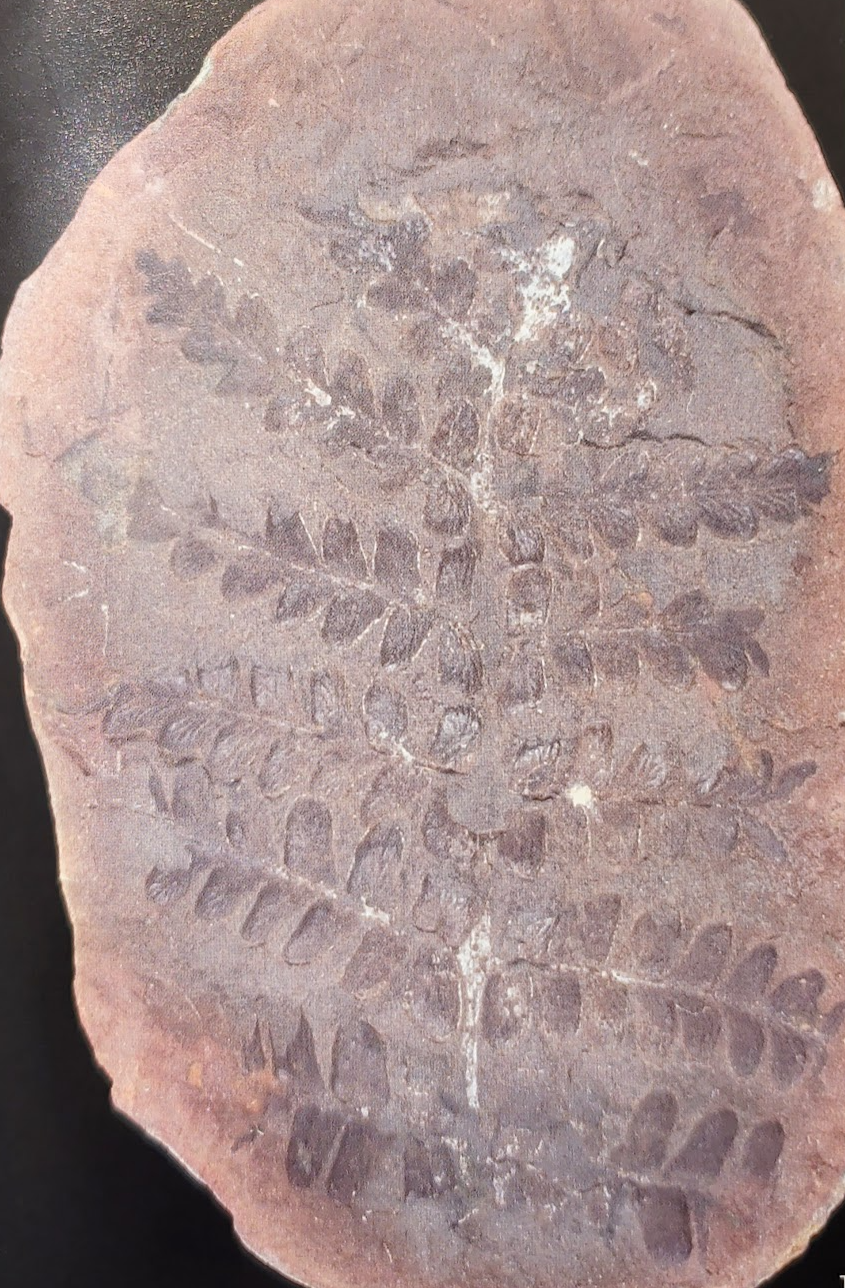
Mazon Monday #340: Neuropteris thompsoniana
This is Mazon Monday post #340. What’s your favorite Mazon Creek fossil? Tell us at esconi.info@gmail.com. Neuropteris thompsoniana was described by William Culp Darrah (1909-1989), in 1969. Darrah was an American professor of biology at Gettysburg College, in Pennsylvania. He was a specialist in paleobotany. In addition to paleontology, Darrah had a deep interest in 19th century…
-
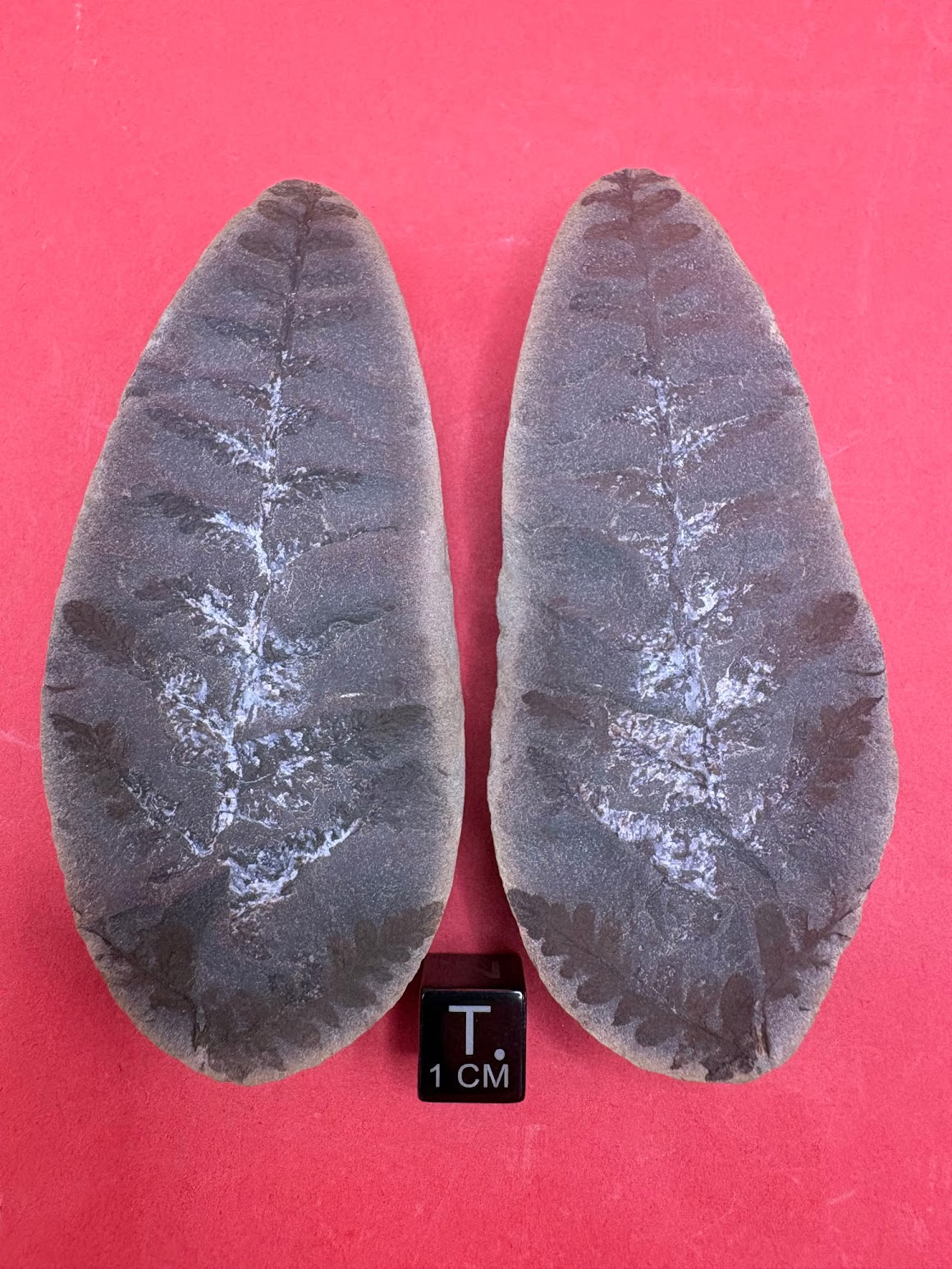
Fossil Friday #334: Mariopteris from Pit 4
I was talking to Ralph Jewell and Jeremy Zimmerman at the Braceville field trip a few weeks ago and they showed me a very nice fern fossil. Make that a seed fern… it seems to be a variety of Mariopteris, maybe Mariopteris decipens (see Mazon Monday #108) or the much rarer Mariopteris wilmingtonenese (see Mazon…
-
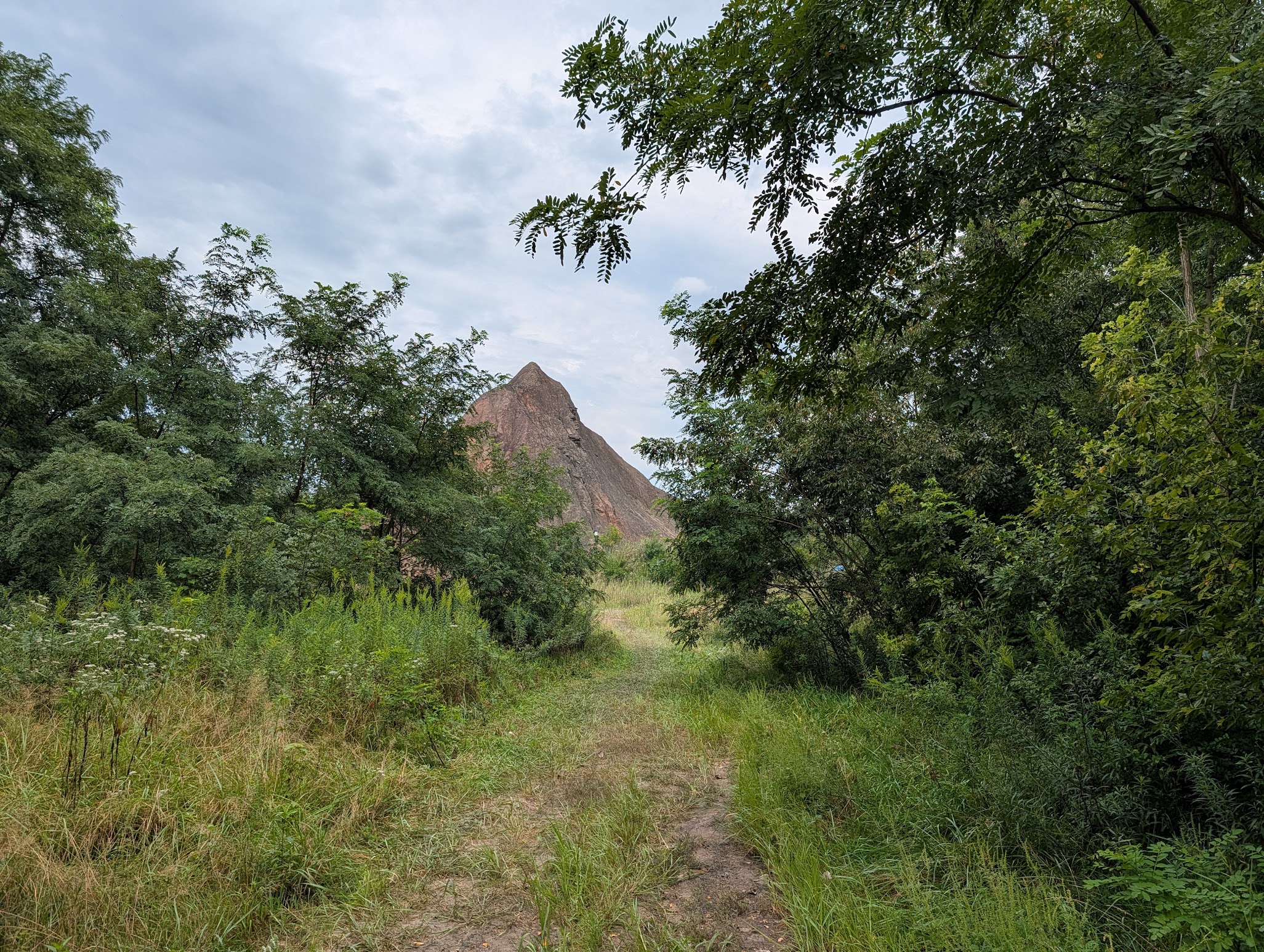
Mazon Monday #339: Braceville Fall 2026 Field Trip Report
At the end of August, ESCONI held our annual Fall field trip to the Braceville Spoil Pile, known as “Worm Hill.” It was a huge success. The weather cooperated for the most part. Saturday, August 29th was a beautiful day, with no rain and highs in the mid-70’s. Unfortunately, Saturday, August 30th started out with…
-
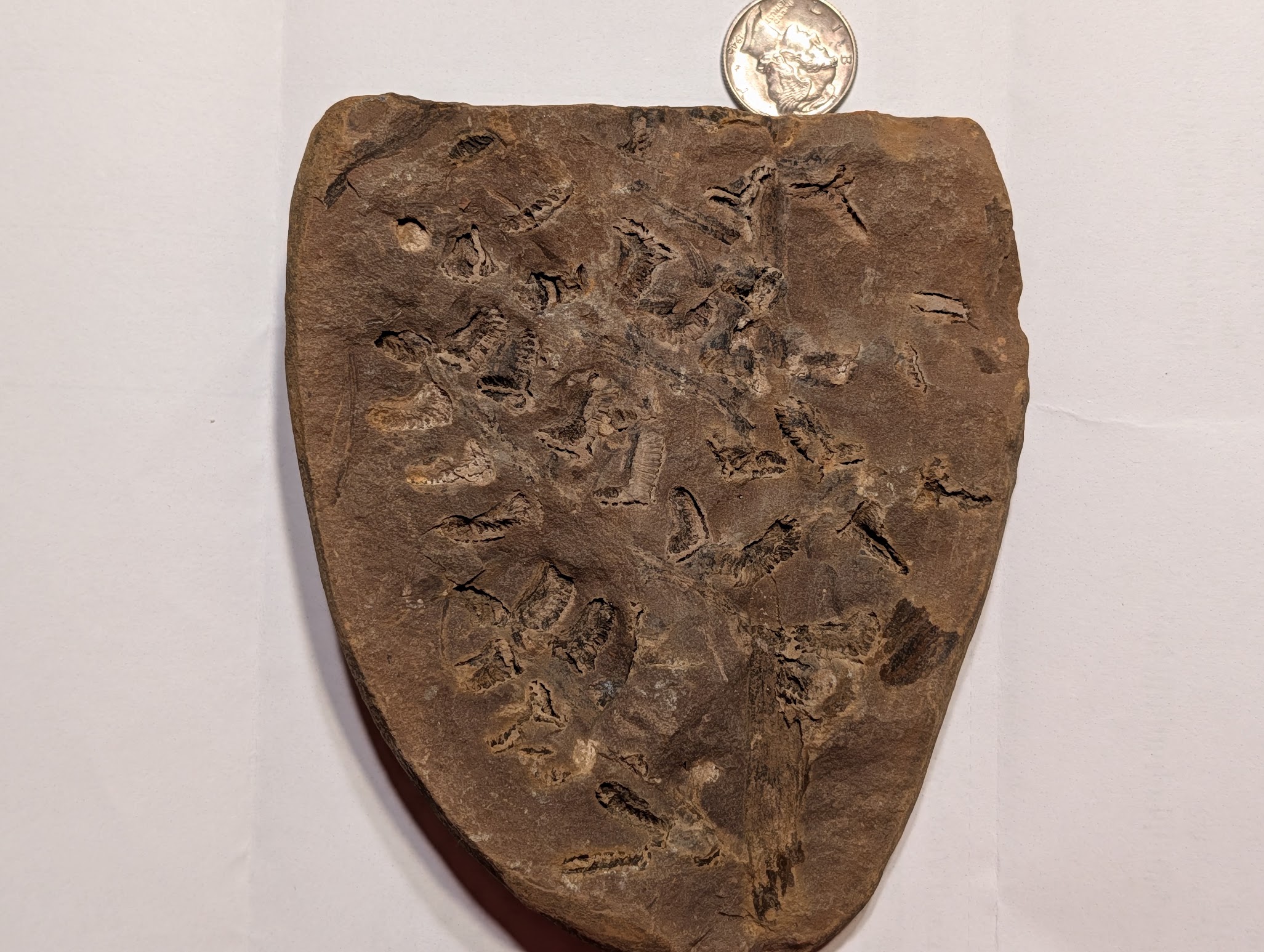
Fossil Friday #333: Crossotheca sagittata plate
Today, we have a largish plate of Crossotheca sagittata. Crossotheca sagittata is the fertile form of Pecopteris fontainei (see Mazon Monday #129). Remember, paleobotany specifies separate species for different plant parts, which is why we have two names for the same plant. This concept is known as form genera.
-
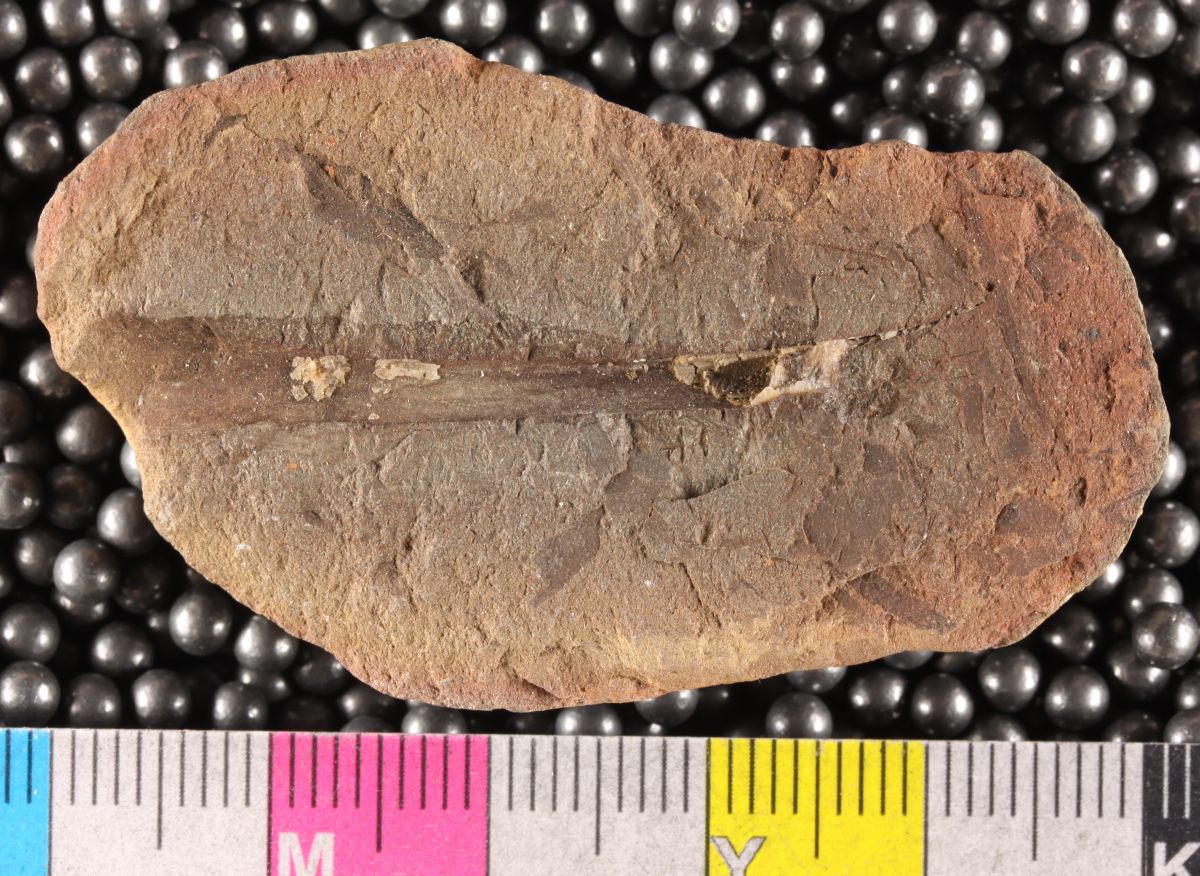
Mazon Monday #338: Howellitubus whitfieldorum… The Mazon Creek Worm That Wasn’t
The history of Mazon Creek paleontology is filled with fossils that have been reinterpreted as new species when new information became available. Animals have been moved from one group to another, species have been renamed, and some fossils once thought to represent animals have turned out to be something else entirely. There are even some,…
-
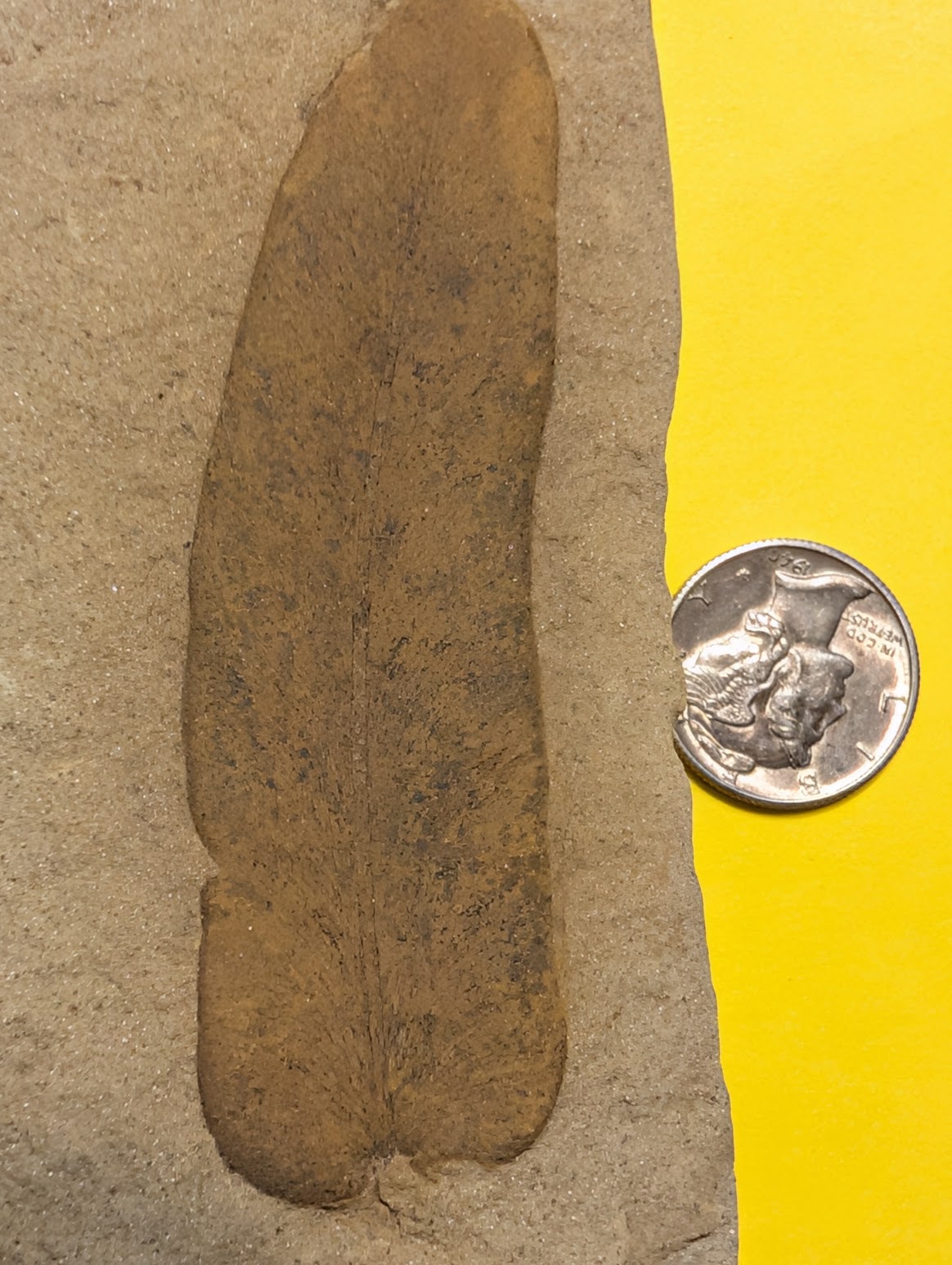
Fossil Friday #332: Macroneuropteris scheuchzeri from Kansas
Today, we have a Macroneuropteris scheuchzeri (see Mazon Monday #39) from the Tonganoxie Sandstone (Stranger Formation of the Douglas Group in the Virginian Stage) near Ottawa, Kansas. That formation has been dated to a range of 306 to 299 million years ago, which is younger than Mazon Creek. Many plant fossils were collected from the…
-
Mazon Creek Fossil Day 2026 – Saturday, October 10th, 2026 – Coal City Library
The 2026 Mazon Creek Fossil Day will be held on Saturday, October 10th, 2026 at the Coal City Library from 10 AM to 3 PM. See you there! Previous events
-

Mazon Monday #337: Carbohymen testai
I had a chance to catch up with Jack Wittry at the Field Museum this weekend. He mentioned that he had tracked down the insect whose name we first encountered at Tom Testa Day at the Carbon Hill School Museum back in June. At the time, Jack wasn’t sure whether Carbohymen testai was actually a…
-
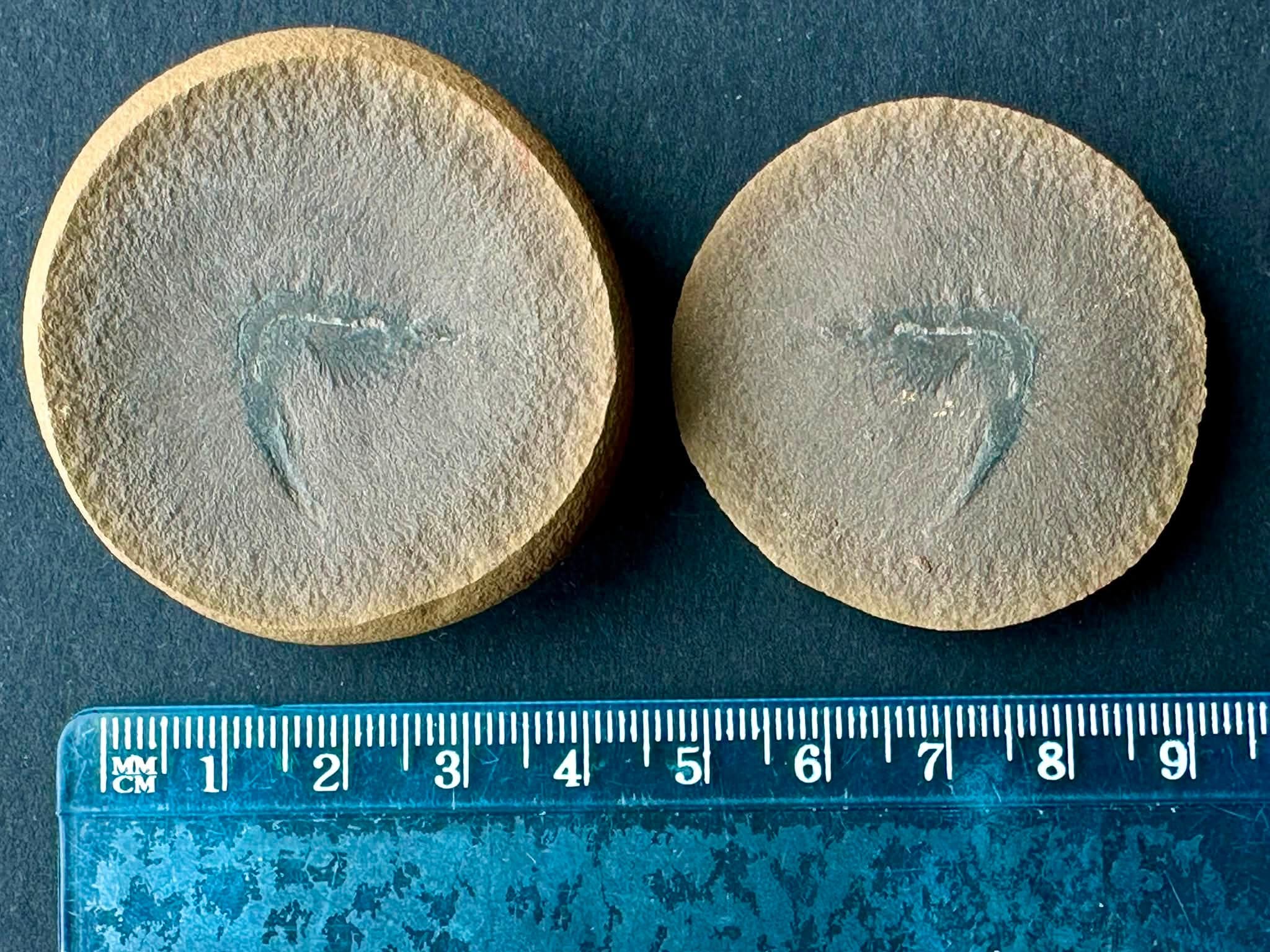
Fossil Friday #331: Peachocaris strongi
Jerry Zhu posted this stunning example of Peachocaris strongi to the “Illinois, Mazon Creek, and Carboniferous Fossils of the World” group on Facebook a few weeks ago. The concretion was collect from Pit 11. From the looks of it, it must have opened via freeze/thaw.
-
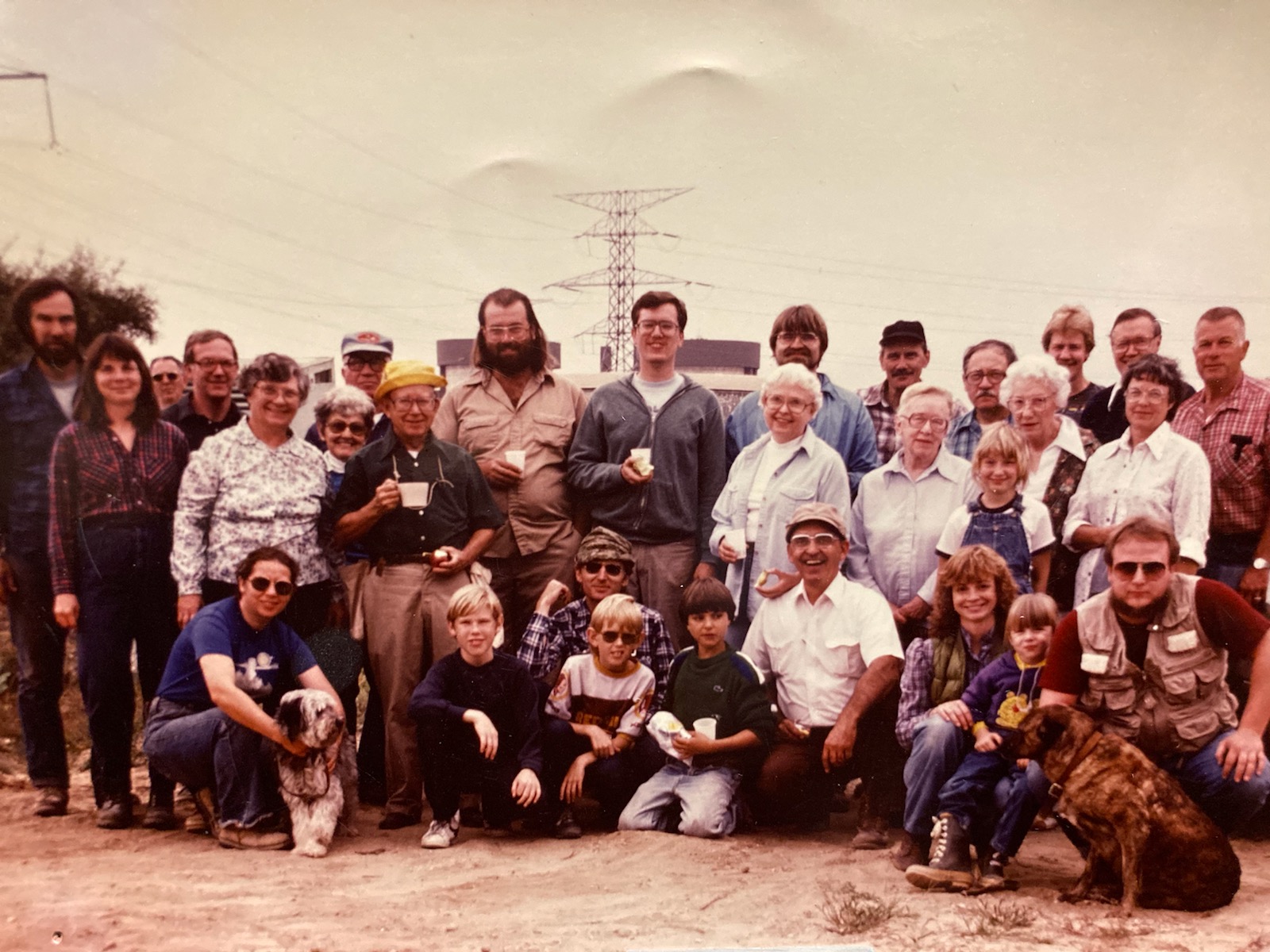
Mazon Monday #336: 1980’s Pit 11 Collecting
Keeping with the history theme, here’s a photo from a field trip to Pit 11 most likely from the 1980’s. You can see Braidwood Station in the background. Construction on August 1st, 1975 and completed in 1988.
-
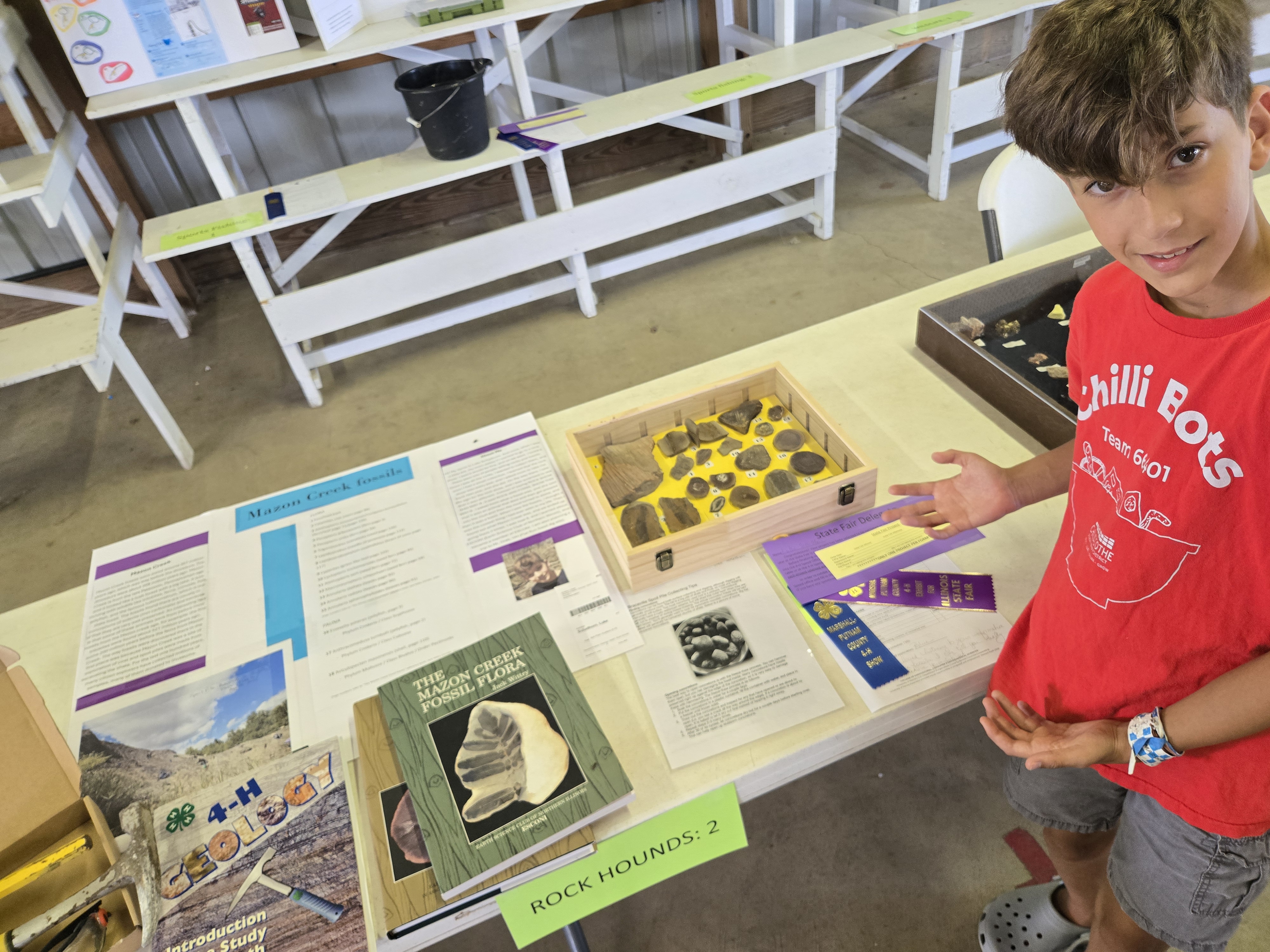
Fossil Friday #330: Mazon Creek in the Illinois State Fair 4H
ESCONI Junior Luke Schallhorn had his Mazon Creek Fossils 4H geology project selected as a delegate from Marshall-Putnam County to the Illinois State Fair! It was on display on Sunday, August 16th, 2026. Maybe, you saw it?!?
-

Mazon Monday #335: Richardson Collecting at Pit 11 in 1974
A few years ago, Charlie Shabica donated a collection of historical documents to ESCONI, and these photographs were among the materials. They document a Mazon Creek field trip in July 1974 led by Eugene Richardson Jr., Curator of Fossil Invertebrates at the Field Museum.
-

Fossil Friday #329: Pit 11 Roachoid!
This beautiful roachoid comes from ESCONI President Chris Berg. He collected it from the Pit 11. It opened up recently via the freeze/thaw method. Thanks for sharing, Chris!
-

Mazon Monday #334: Mariopteris lobatifolia
Mariopteris lobatifolia is one of the rare species of Mariopteris. Its pinnules have a very distinctive wing-like shape. See Mazon Monday #181 for the most common variety of Mariopteris, Mariopteris nervosa.
-
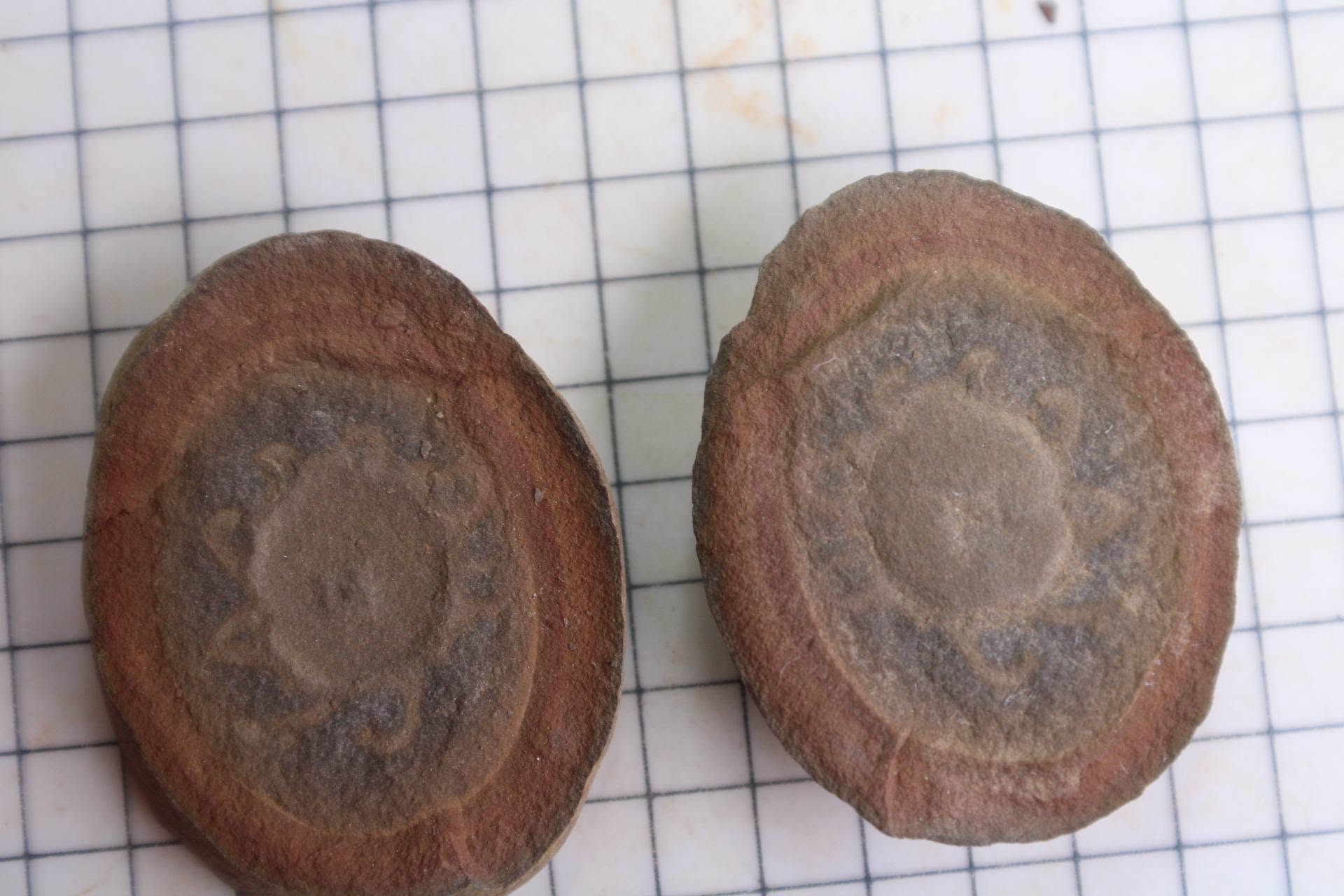
Fossil Friday #328: A Pit 11 Octomedusa piekorum
Well, we know how Alan Keith is spending his summer vacation… freeze/thawing his Mazon Creek concretions. Although, probably not out in the hot Texas sun. Alan had this nicely detailed Octomedusa piekorum (see Mazon Monday #54) open up recently.
-
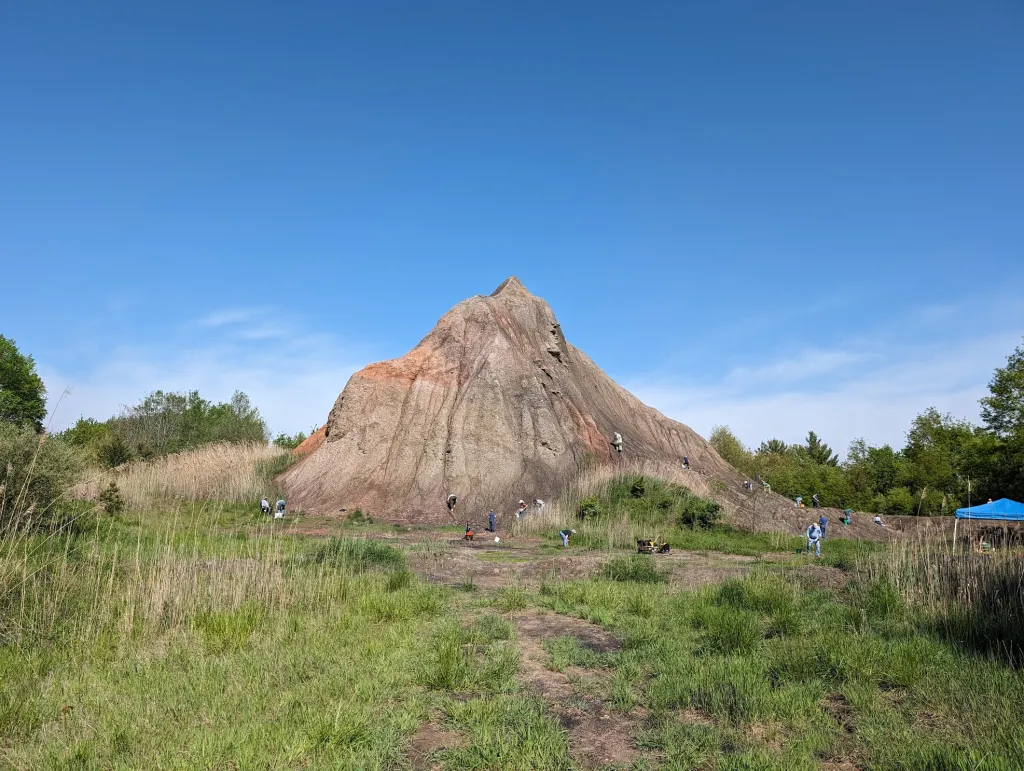
ESCONI Field Trip to Braceville, IL for Mazon Creek Fossils – Saturday, August 29th and Sunday, August 30th, 2026
Braceville Field Trip Rules for August 2026 The ESCONI field trips to Braceville for Mazon Creek fossils are set for August 29th and 30th, 2026 from 9 AM to 3 PM. You can attend one or the other, but not both days. There is an attendance limit of 60 people each day. You must register…
-
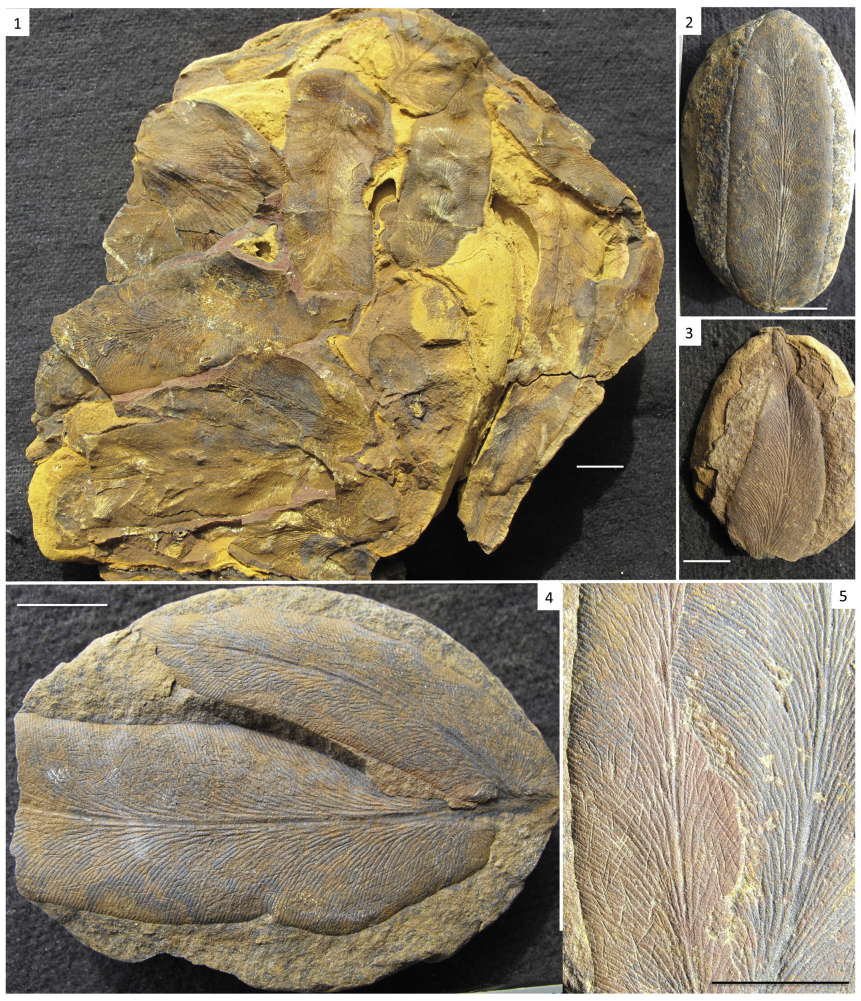
Mazon Monday #333: Interesting Pennsylvanian Fossil Sites – Okmulgee, Oklahoma
Way back in Mazon Monday #10, we referenced the paper “Mazon Creek-Type Fossil Assemblages in the U.S. Midcontinent Pennsylvanian” written by G. C. Baird, S. D. Sroka, C. W. Shabica, T. L. Beard, A. C. Scott and F. M. Broadhurst in October 1985. The paper lists and discusses the various Pennsylvanian fossil sites known to…
-
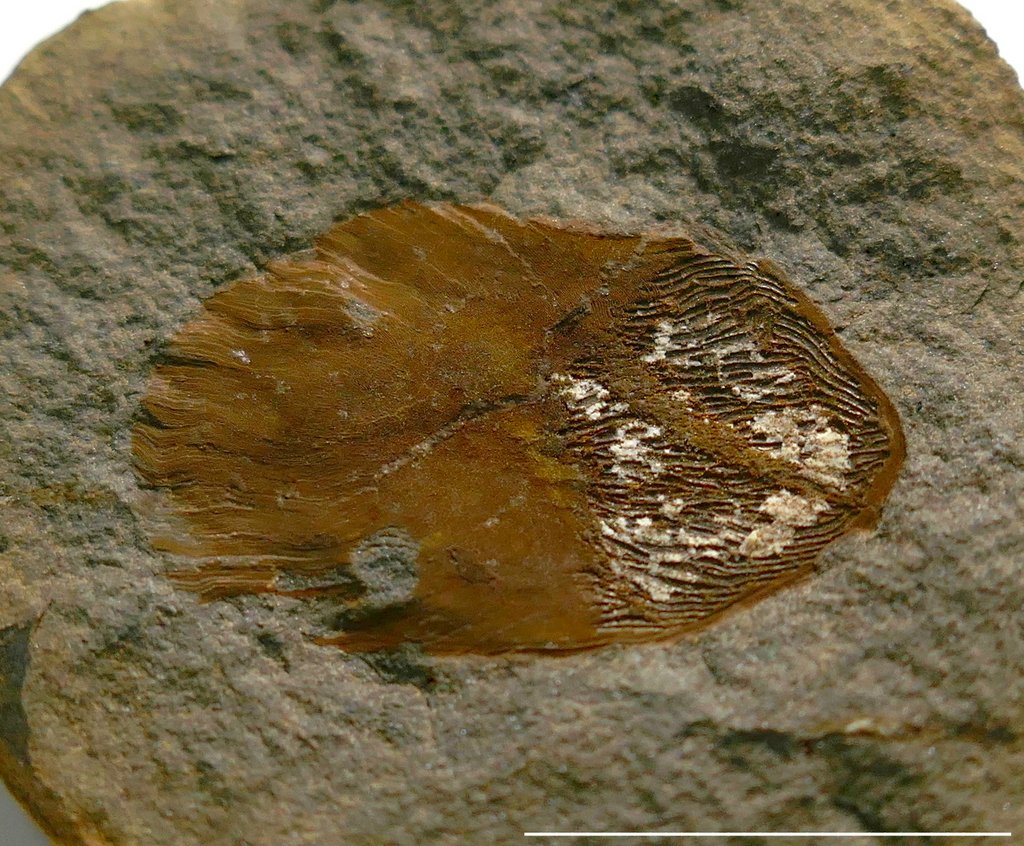
Fossil Friday #327: Danville Fish Scale
Andrew Young sent us these photos of an absolutely breathtaking fish scale from our most recent Danville field trip in early May 2026. He found it near the top of the slopes. It opened via freeze/thaw. The scale measures just 1.5 cm. The species is unsure, but it’s likely a lobe-finned fish. The Danville spoil…
-
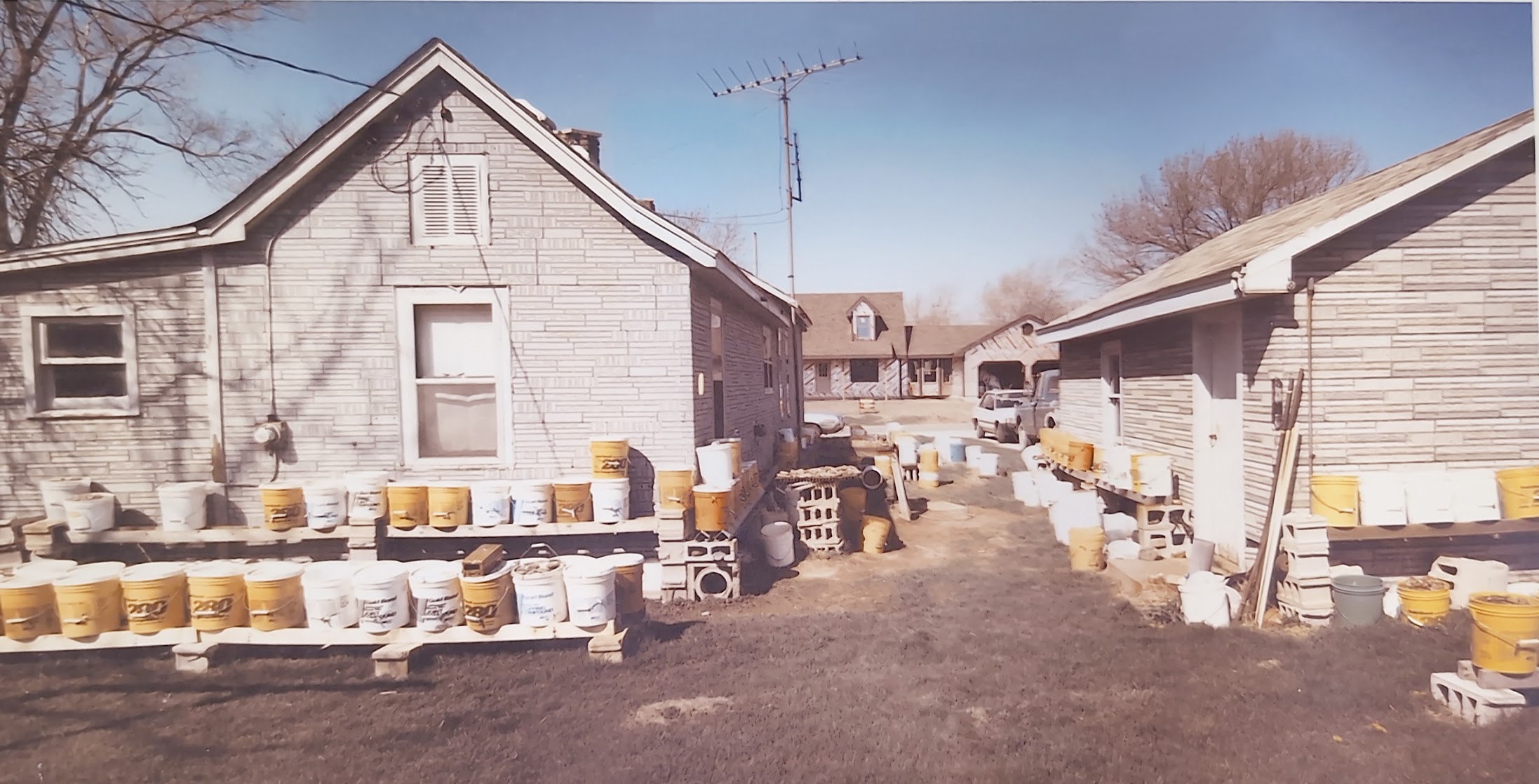
Mazon Monday #332: Tom Testa Winter Freeze/Thaw
Sorry, this is a bit of a repeat… But, Tom Testa has been on our minds lately and we’ve all been enduring a stretch of hot weather, so here’s a post that will cool you off!
-

Fossil Friday #326: Rhacophyllum cornutum from the Mazon River
This is a very beautiful Rhacophyllum cornutum (see Mazon Monday #266) from the Mazon River. Lil Magnussen showed me this stunner at the spring 2026 Danville field trip. Lil is a long-time ESCONI member… She joined in the 1960’s.
