Tag: MazonMonday
-
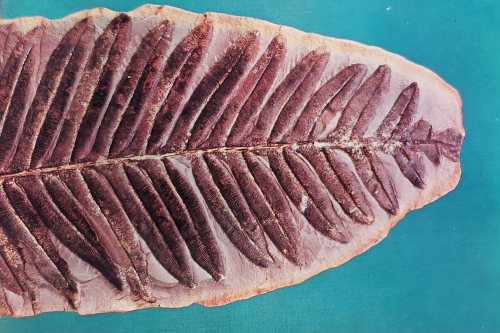
Mazon Monday #213: Postcards from Mazon Creek
This is Mazon Monday post #213. What’s your favorite Mazon Creek fossil? Tell us at email:esconi.info@gmail.com. Deltiology is the study and collection of postcards. The name comes from Greek, δελτίον, deltion, diminutive of δέλτος, deltos, “writing tablet, letter”; and -λογία, -logia. Deltiology is a very popular type of collecting. People all around the world collect and trade both vintage and…
-
Mazon Monday #212: Aphlebia crispa
This is Mazon Monday post #212. What’s your favorite Mazon Creek fossil? Tell us at email:esconi.info@gmail.com. We have a very rare plant for this week’s post. Aphlebia crispa is a leafy plant that was lettuce-like in appearance. It had wide distribution as it’s found in fossil deposits throughout England, Europe, and North America. Aphlebia is…
-
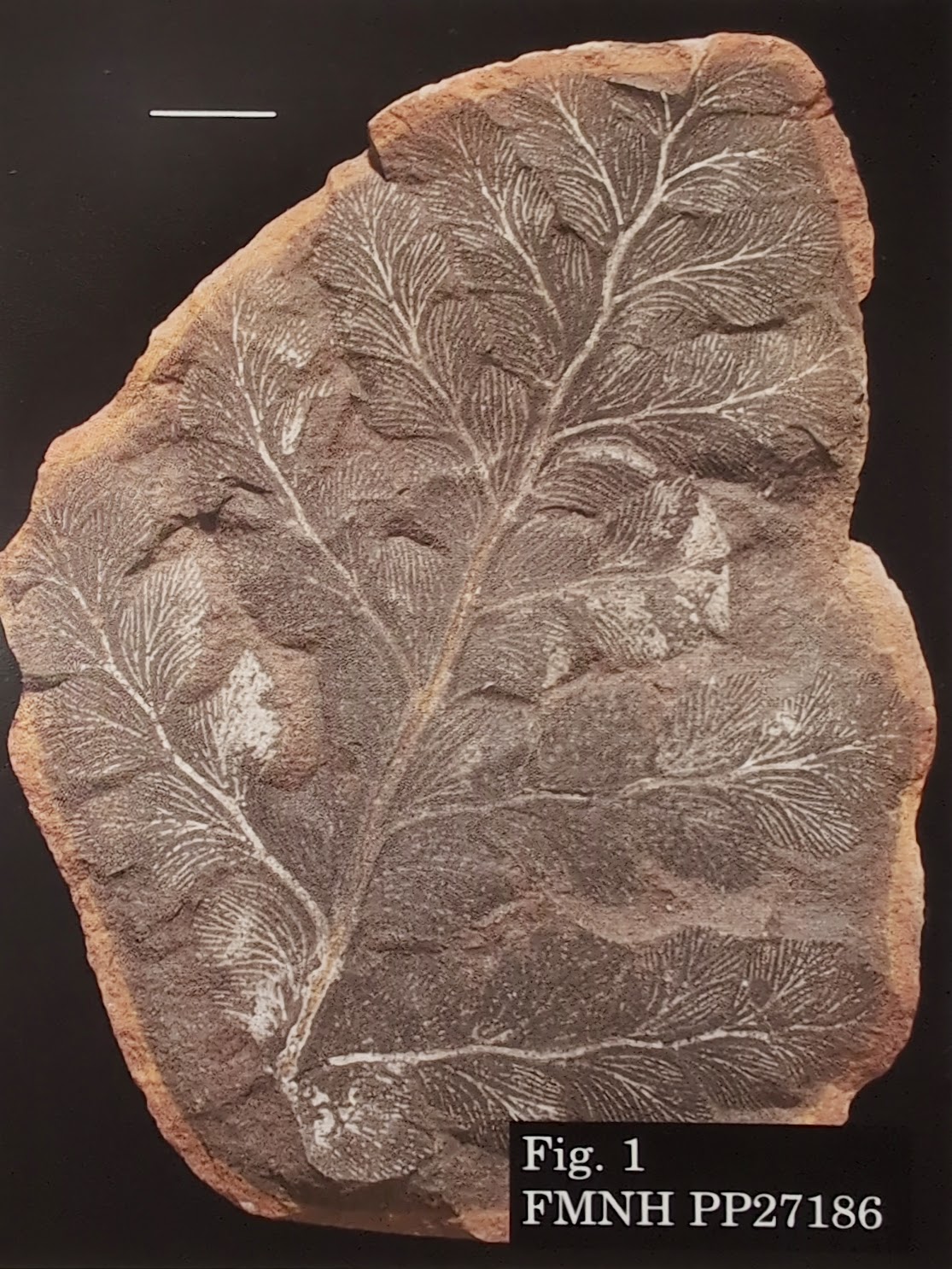
Mazon Monday #211: Mariopteris wilmingtonense
This is Mazon Monday post #211. What’s your favorite Mazon Creek fossil? Tell us at email:esconi.info@gmail.com. Mariopteris wilmingtonense is a rare and beautiful variety of Mariopteris found only in Mazon Creek. It was described by George Langford Sr. in 1958 in his first Mazon Creek book “The Wilmington Coal Flora From a Pennsylvanian Deposit in…
-
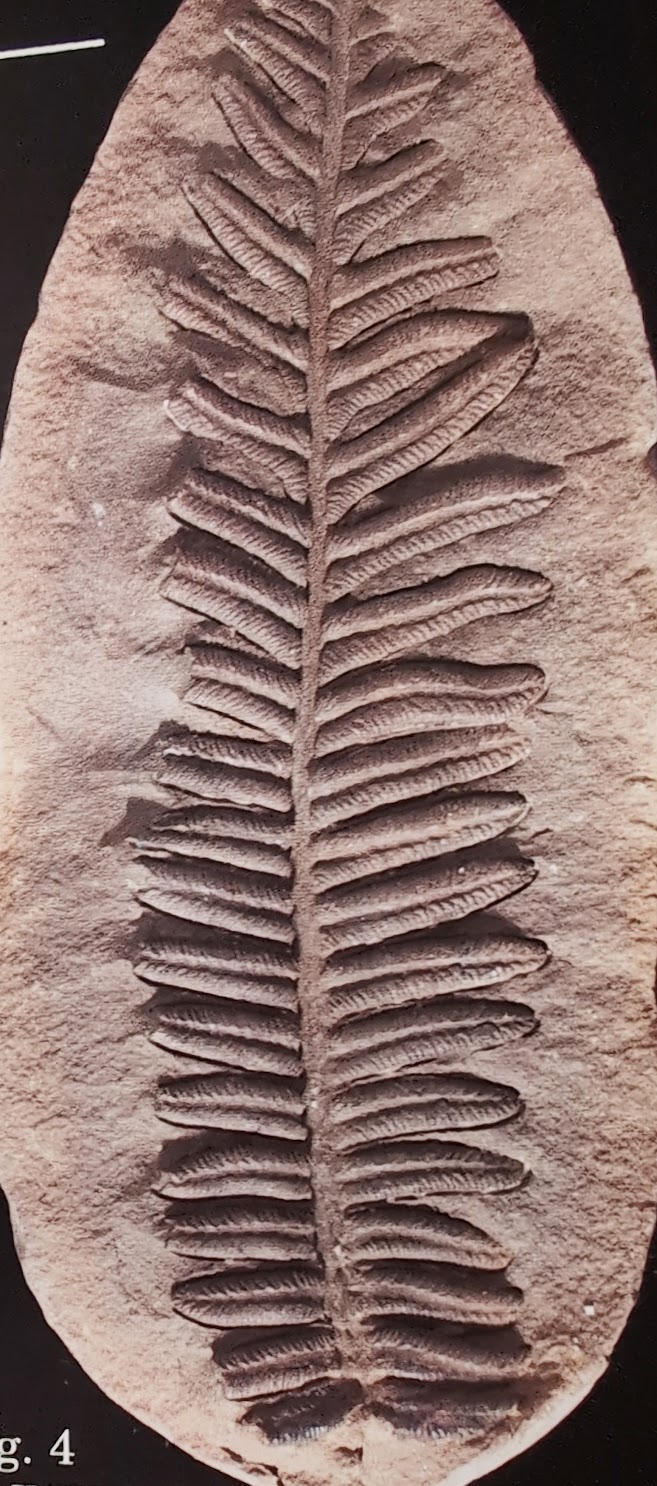
Mazon Monday #210: Alethopteris gibsonii
This is Mazon Monday post #210. What’s your favorite Mazon Creek fossil? Tell us at email:esconi.info@gmail.com. Alethopteris gibbsonii is an extinct seed-fern from the Pennsylvanian Period. It is not as common as its sister taxa Alethopteris serlii and Alethopteris sullivantii. It was named by Leo Lesquereux (1806-1889) in 1870. Lesquereux was a Swiss-born bryologist and a…
-

Mazon Monday #209: Walter’s Spider
Today, we have another post about the “Richardson’s Guide to the Fossil Fauna of Mazon Creek”. This one addresses the amazing spider on the book’s jacket. That beautiful specimen was generously donated to the Mazon Creek Project by Rita and Walter Lietz. The fossil was referred to as “Walter’s Spider” for many years by their…
-
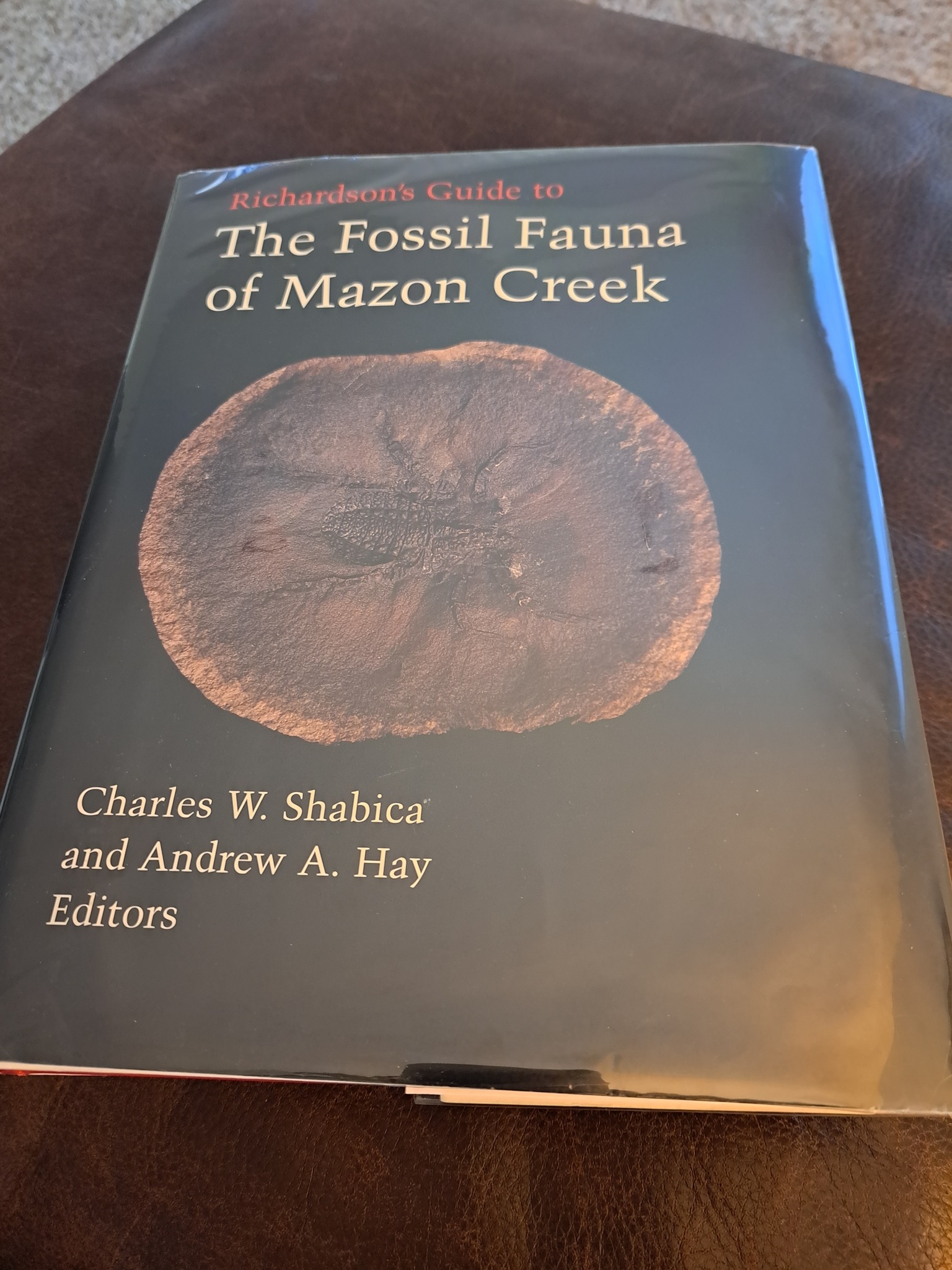
Mazon Monday #208: A Very Special Book
This is Mazon Monday post #208. What’s your favorite Mazon Creek fossil? Tell us at email:esconi.info@gmail.com. —————————————————– We ran across another great post over on Facebook by Steve Pavelsky in the “Illinois Mazon Creek, and Carboniferous Fossils of the World” group. If you’re on Facebook and a fan of Mazon Creek, this is one of…
-
Mazon Monday #207: Spiropteris sp.
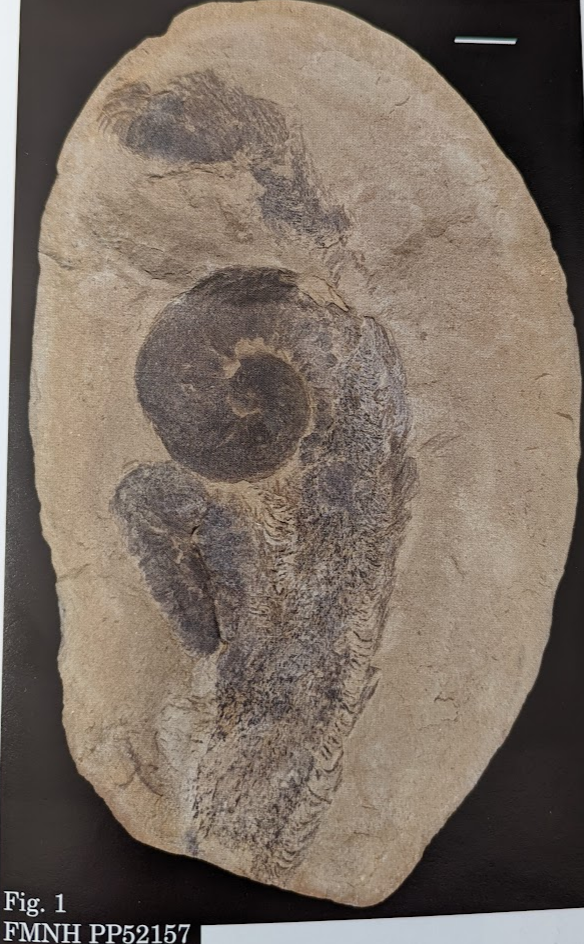
This is Mazon Monday post #207. What’s your favorite Mazon Creek fossil? Tell us at email:esconi.info@gmail.com. Spiropteris sp. are immature fern fronds. They are also called fiddleheads. The name Spiropteris was established in 1869 by Wilhelm Philippe Schimper (1808-1880), who was an Alsatian botanist. From 1862 until 1879, he was a professor of geology and…
-

Mazon Monday #206: Pseudomariopteris cordato-ovata
This is Mazon Monday post #206. What’s your favorite Mazon Creek fossil? Tell us at email:esconi.info@gmail.com. We are looking at another rare Mazon Creek plant fossil, Pseudomariopteris cordato-ovata, which is thought to have grown vine-like. It belongs to the callistophytalean pteridosperms, a group of small, scrambling to climbing forms (Krings and Kerp, 2000). Complete pinnae…
-

Mazon Monday #205: Cyathocarpus hemitelioides
This is Mazon Monday post #205. What’s your favorite Mazon Creek fossil? Tell us at email:esconi.info@gmail.com. Cyathocarpus hemitelioides is one of the rarer ferns from the Mazon Creek biota. C. hemitelioides was named in 1834 by Adolphe-Theodore Brongniart (1801 – 1876), who was a French paleontologist, considered by many to be the father of paleobotany.…
-
Mazon Monday #204: Caulopteris sp.
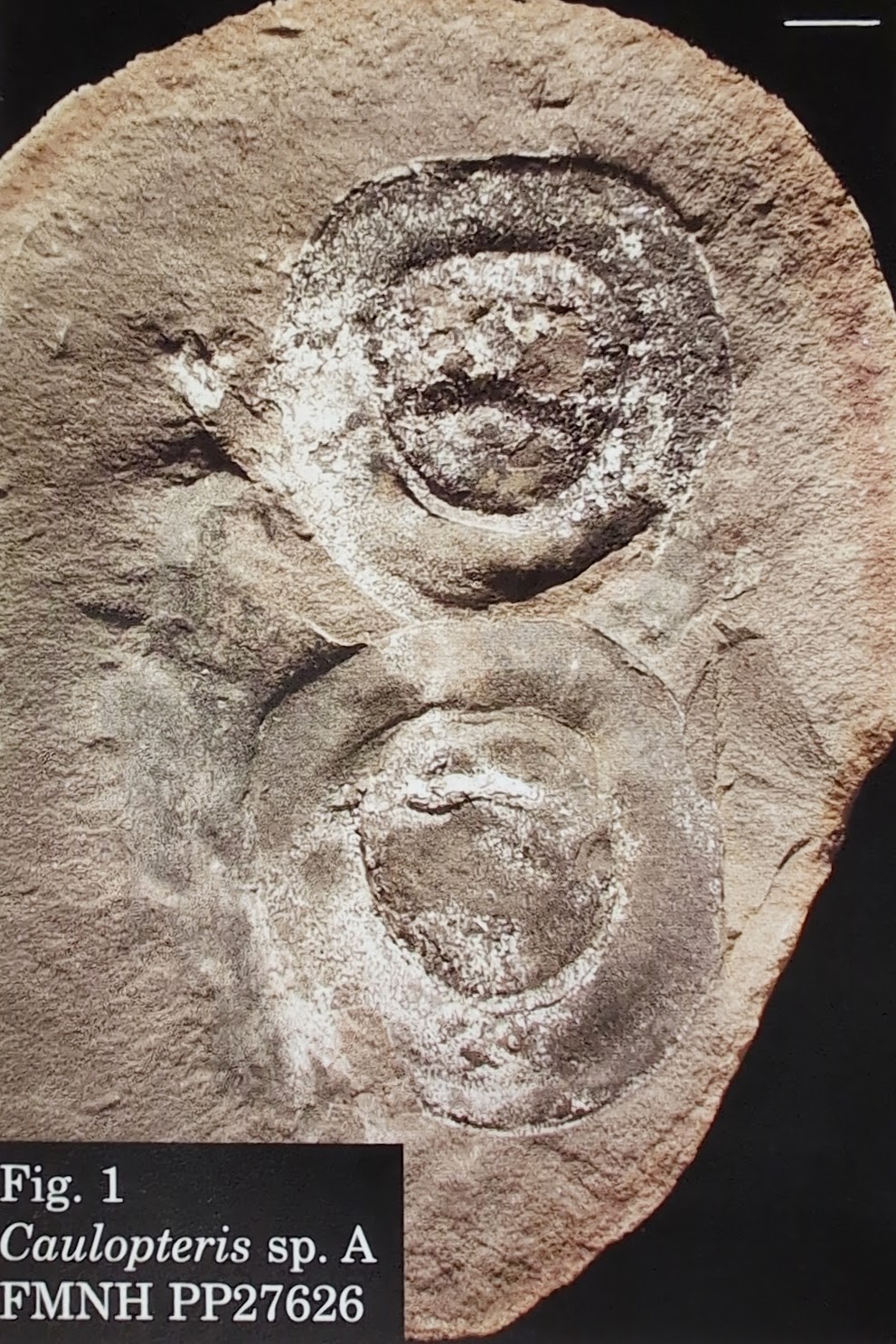
This is Mazon Monday post #204. What’s your favorite Mazon Creek fossil? Tell us at email:esconi.info@gmail.com. Caulopteris sp. are the branch scars of the tree fern Psaronius. Psaronius is an extinct genus of marattialean tree fern. The genus Psaronius is used to describe both the tree trunk and the whole plant. Psaronius tree fern fossils…
-
Mazon Monday #203: Creature Corner – Fossil Jackpot
This is Mazon Monday post #203. What’s your favorite Mazon Creek fossil? Tell us at email:esconi.info@gmail.com. Andy Hay was a long time ESCONI member. He joined in 1976 and was a member to the very end. For many years, he wrote the Creature Corner column for the ESCONI newsletter. Many of those articles were compiled into…
-
Mazon Monday #202: Lepidostrobus
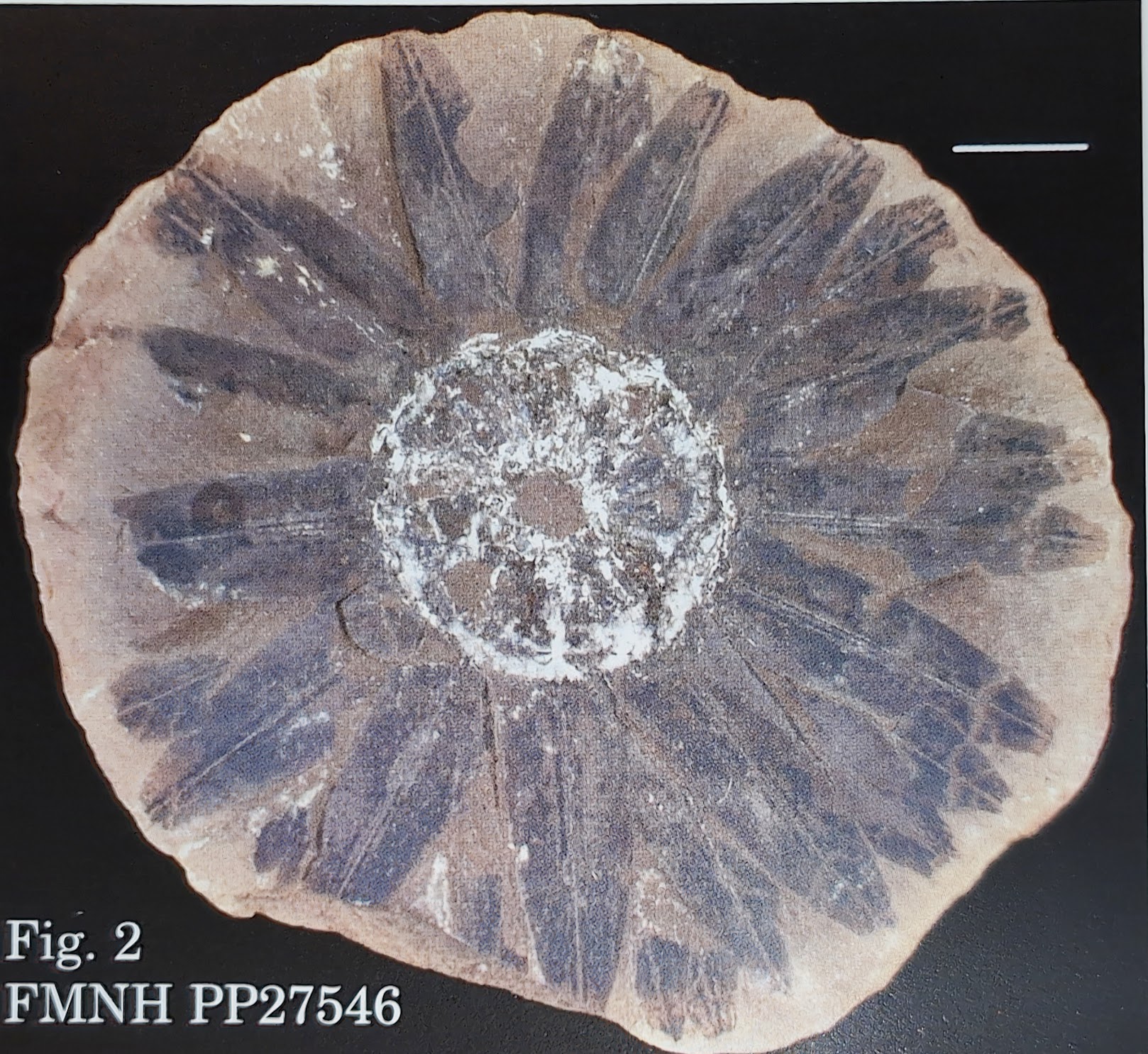
This is Mazon Monday post #202. What’s your favorite Mazon Creek fossil? Tell us at email:esconi.info@gmail.com. Lepidostrobus is a cone from lepidodendron tree. It was named in 1828 by Adolphe-Theodore Brongniart (1801 – 1876), who was a French paleontologist, considered by many to be the father of paleobotany. He also named Lepidostrobophyllum which are the…
-
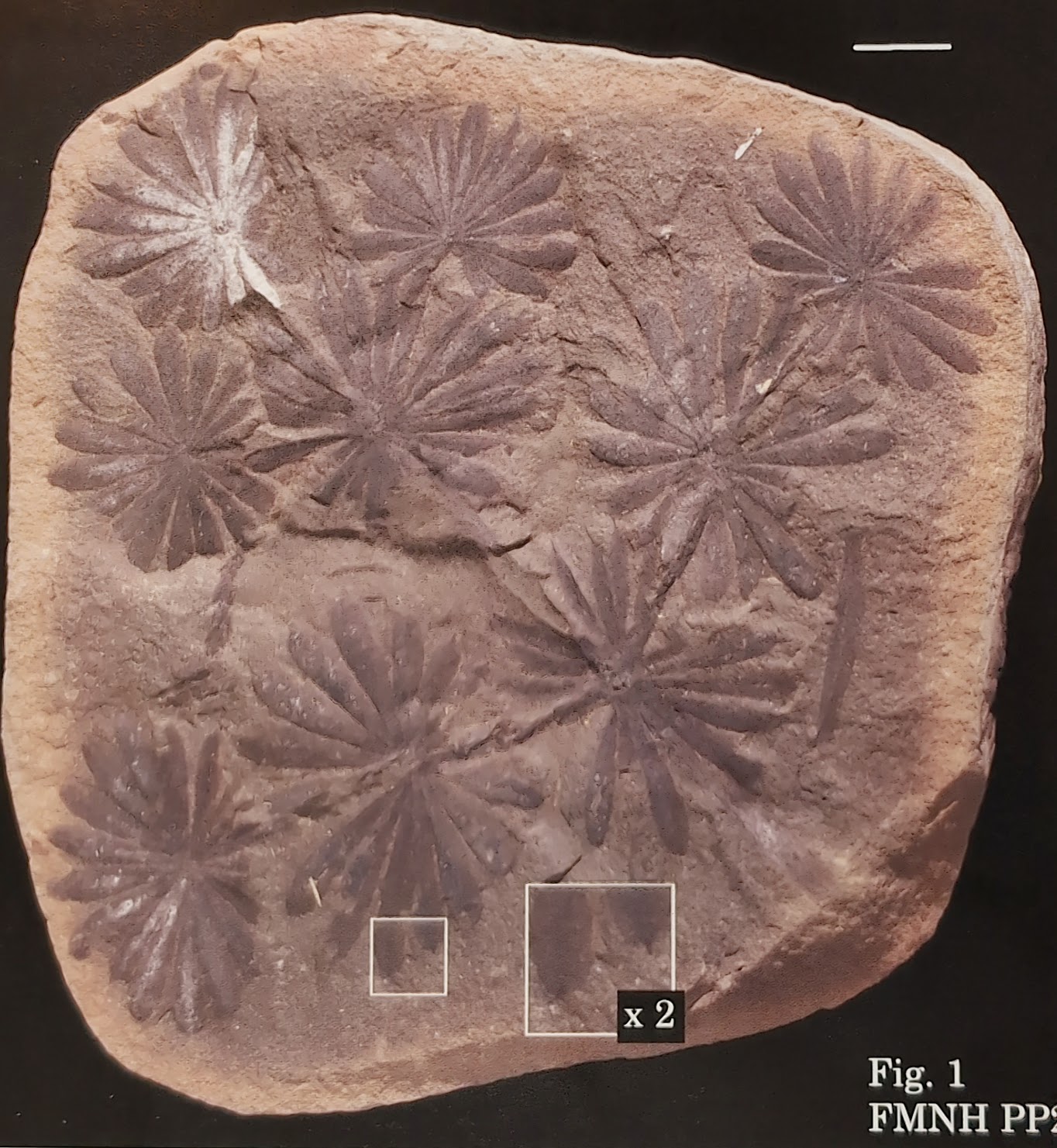
Mazon Monday #201: Annularia latifolia
This is Mazon Monday post #201. What’s your favorite Mazon Creek fossil? Tell us at email:esconi.info@gmail.com. Annularia latifolia is one of the rarer forms of Annularia. It was named in 1862 by John William Dawson (1820-1899), a Canadian geologist. He was a professor of Geology at McGill University in Montreal. He described fossil plants from…
-
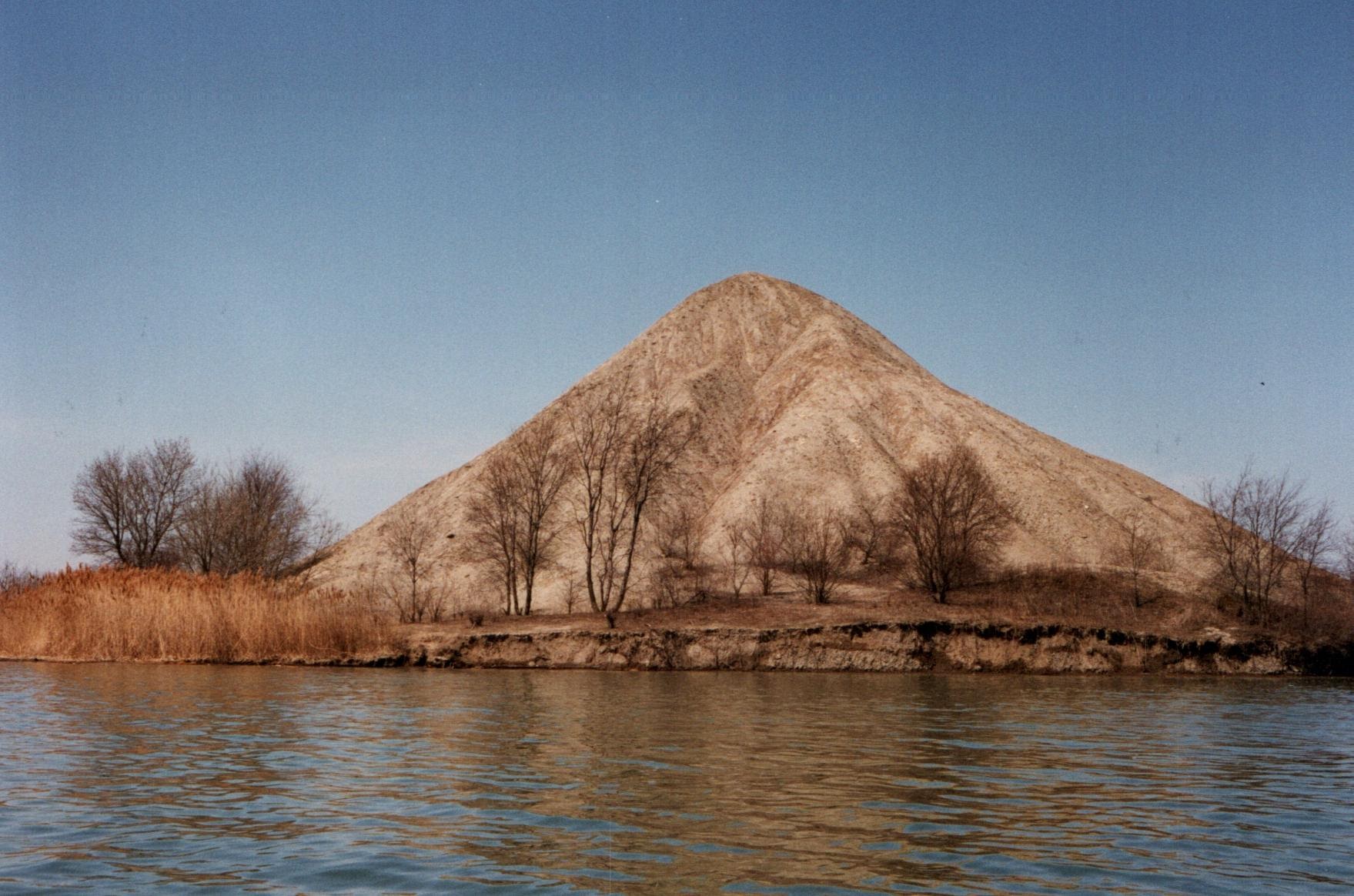
Mazon Monday #200: Field Trip to Pit 11 on April 2nd, 1995
This is Mazon Monday post #200. What’s your favorite Mazon Creek fossil? Tell us at email:esconi.info@gmail.com. Just to whet your appetite for collecting Pit 11 in March, here’s a little look back at a field trip to Pit 11 on April 2nd, 1995. Here is the announcement. There was a trip to Goose Lake Prairie…
-

Mazon Monday #199: The Enigmatic Tully Monster (or the Lesser Orm of Mazon Creek)
This is Mazon Monday post #199. What’s your favorite Mazon Creek fossil? Tell us at email:esconi.info@gmail.com. Today, we a have strange, enigmatic tale of the Tully Monster. It’s a tale of wonder…. of wonder why it was written and can this be real? In 1969, the book “The Great Orm of Loch Ness: A Practical…
-
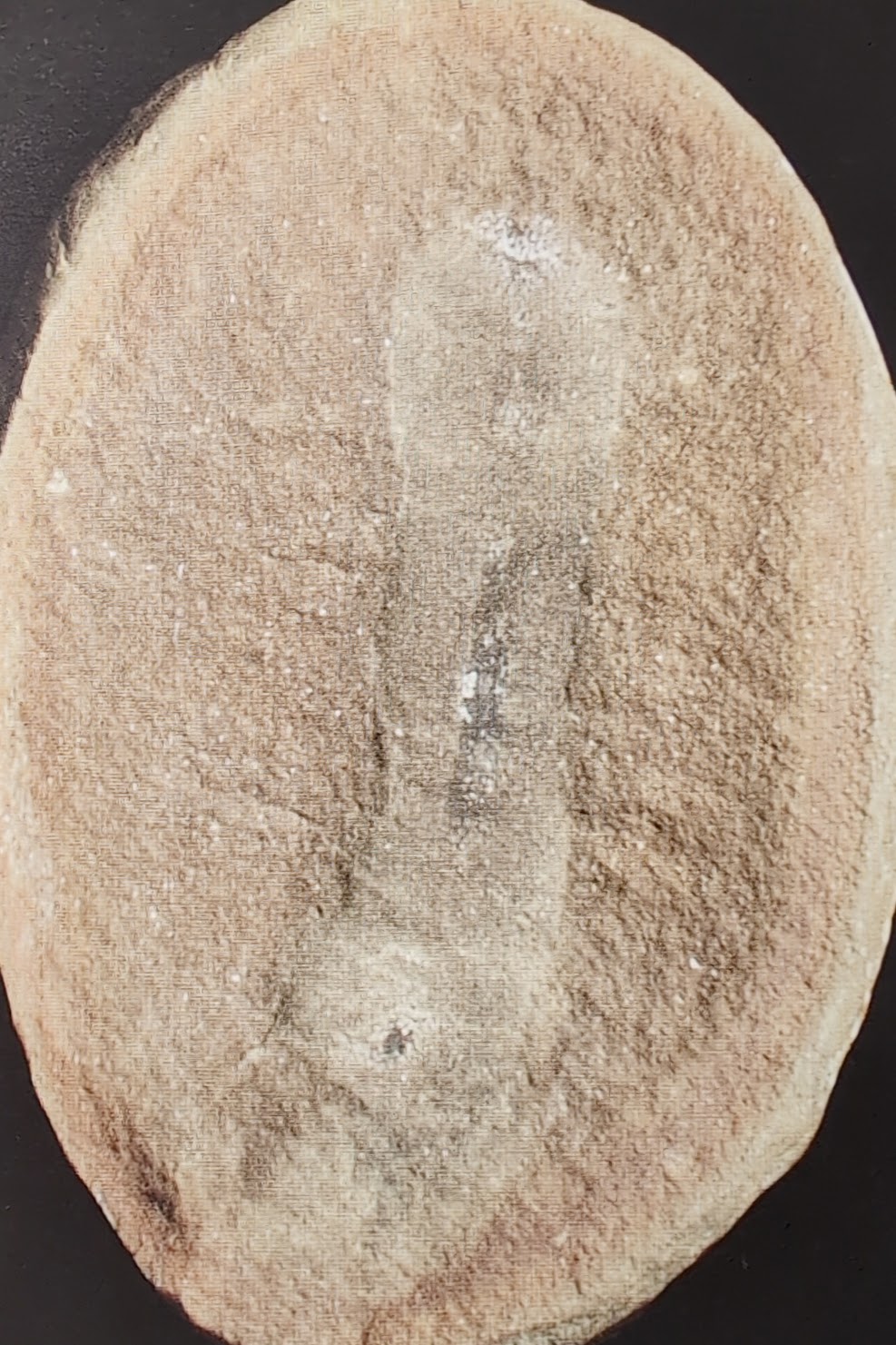
Mazon Monday #198: Priapulites konecniorum
This is Mazon Monday post #198. What’s your favorite Mazon Creek fossil? Tell us at email:esconi.info@gmail.com. Priapulites konecniorum is an extinct species of priapulid worm. Priapulida is a phylum of unsegmented marine worms. The name relates to the Greek god of fertility. Due to their shape and their extensible proboscis, they are sometimes referred to…
-
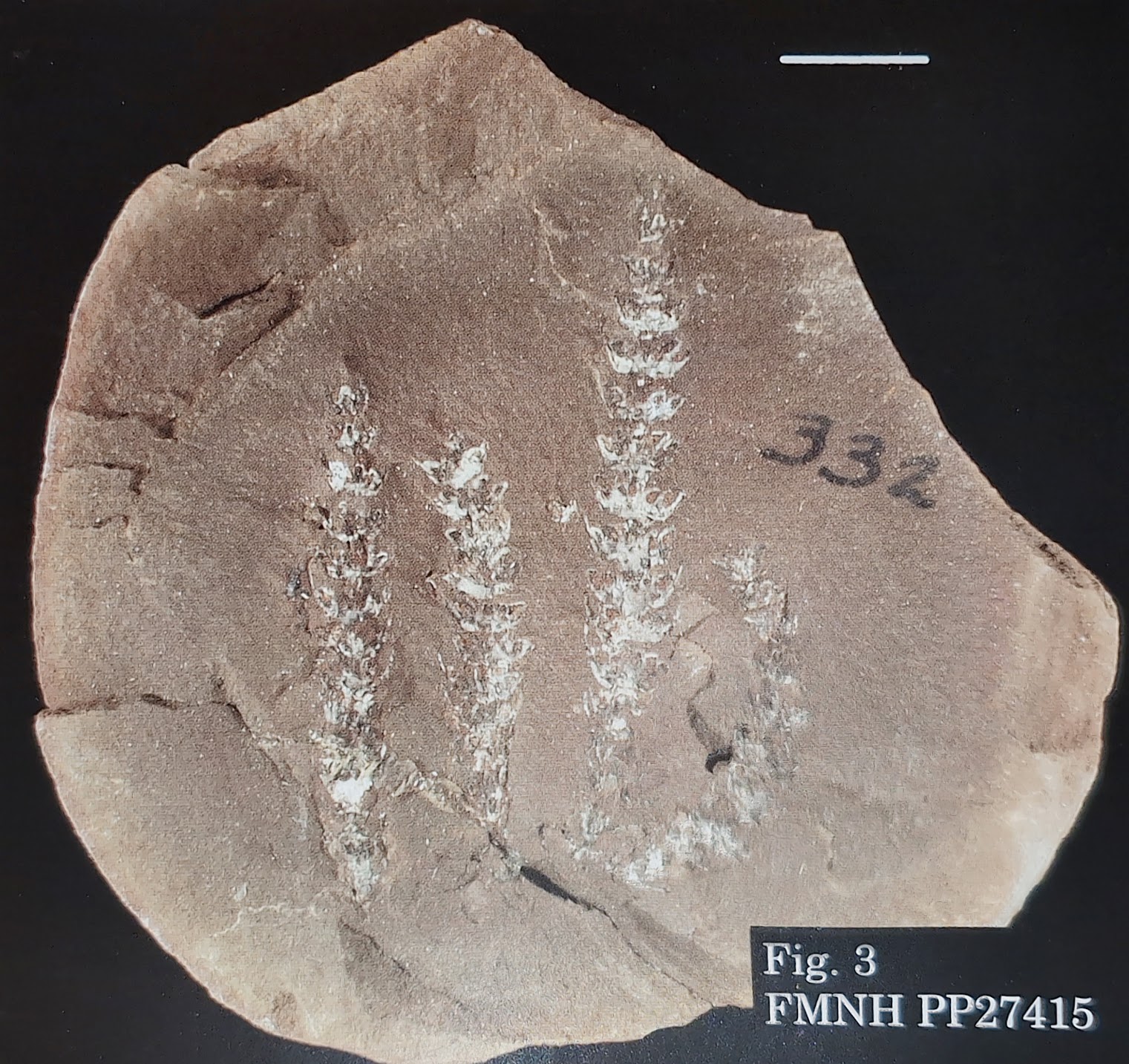
Mazon Monday #197: Palaeostachya
This is Mazon Monday post #197. What’s your favorite Mazon Creek fossil? Tell us at email:esconi.info@gmail.com. Palaeostachya sp. is a cone from a Calamites plant. It is very similar to Calamostachys (Mazon Monday #99), which are also cones from Calamites. Identification between the two can be difficult as the attachment point of the sporangiophores is…
-

Mazon Monday #196: 1939 Season’s Greetings from the Langfords!
This is Mazon Monday post #196. What’s your favorite Mazon Creek fossil? Tell us at email:esconi.info@gmail.com. George Langford, Sr. (1876-1964) was a prolific collector of Mazon Creek fossils. He collected and then sold or donated multiple collections of Mazon Creek fossils. The fossils he collected in various museums around the country including Illinois State Museum…
-
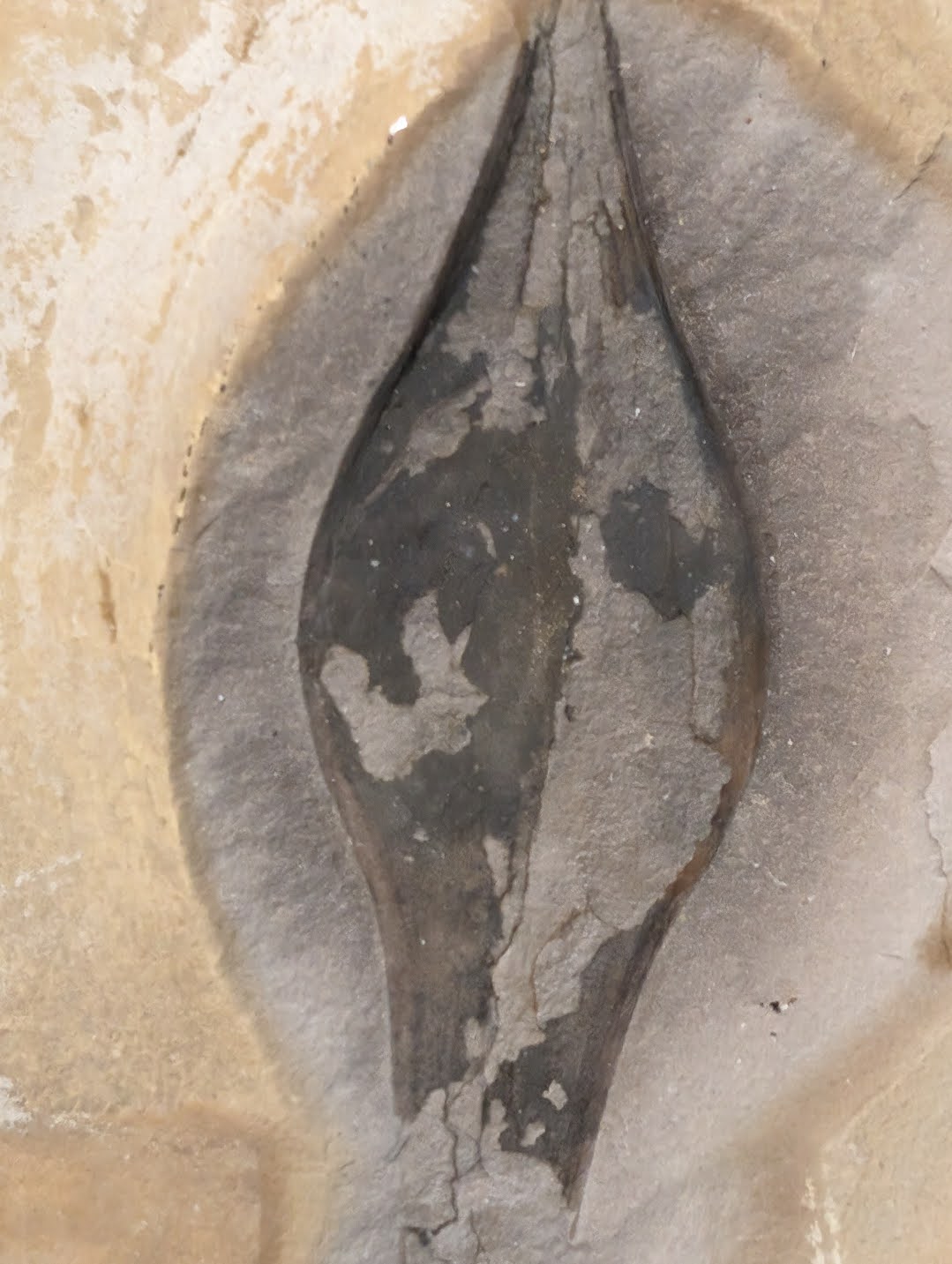
Mazon Monday #195: Vetacapsula cooperi
This is Mazon Monday post #195. What’s your favorite Mazon Creek fossil? Tell us at email:esconi.info@gmail.com. Vetacapsula cooperi is a very rare shark egg case from the Pennsylvanian Period. It was originally described by Robert Crookall (1890-1981) in 1928. In the late 1920’s, Crookall took a deep look at Carboniferous shark egg cases, then classified…
-

Mazon Monday #194: Mazon Creek Census
This is Mazon Monday post #194. What’s your favorite Mazon Creek fossil? Tell us at email:esconi.info@gmail.com. The September 1978 edition of the Field Museum Bulletin had a article by Gordon Baird about his project to survey Mazon Creek fossil localities across Will, Grundy, Livingstone, and Kankakee Counties in Illinois. Almost 300,000 concretions were collected from…
-

Mazon Monday #193: A reappraisal of Nemavermes mackeei from the Mazon Creek fossil site expands Carboniferous cyclostome diversity
The Mazon Creek fossil family has a new member… Squirmarius testai. It was described in the paper “A reappraisal of Nemavermes mackeei from the Mazon Creek fossil site expands Carboniferous cyclostome diversity“. The paper’s lead author is Victoria McCoy, who you’ll remember from her work on Tullymonstrum gregarium. S. testai was named for Tom Testa,…
-
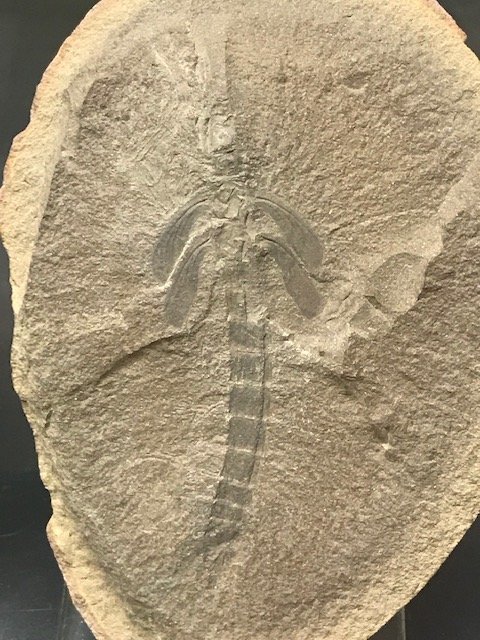
Mazon Monday #192: Mischoptera douglassi
This is Mazon Monday post #192. What’s your favorite Mazon Creek fossil? Tell us at email:esconi.info@gmail.com. Mischoptera douglassi is a winged fossil insect from the Pennsylvanian Period. It belongs to Superorder Palaeodictyopteroidea and Order Megascoptera. The first specimen was found by Lincoln Douglass in Pit 6 of the Northern Illinois Coal Company. Lincoln, was the…
-

Mazon Monday #191: Ilyodes inopinata
This is Mazon Monday post #191. What’s your favorite Mazon Creek fossil? Tell us at email:esconi.info@gmail.com. Velvet worms, also known as Onychophora, are a phylum of terrestrial invertebates. They are soft-bodied, with many short thick legs, and a velvety body. Modern day examples live in tropical environments. They are very rare in the fossil record…
-
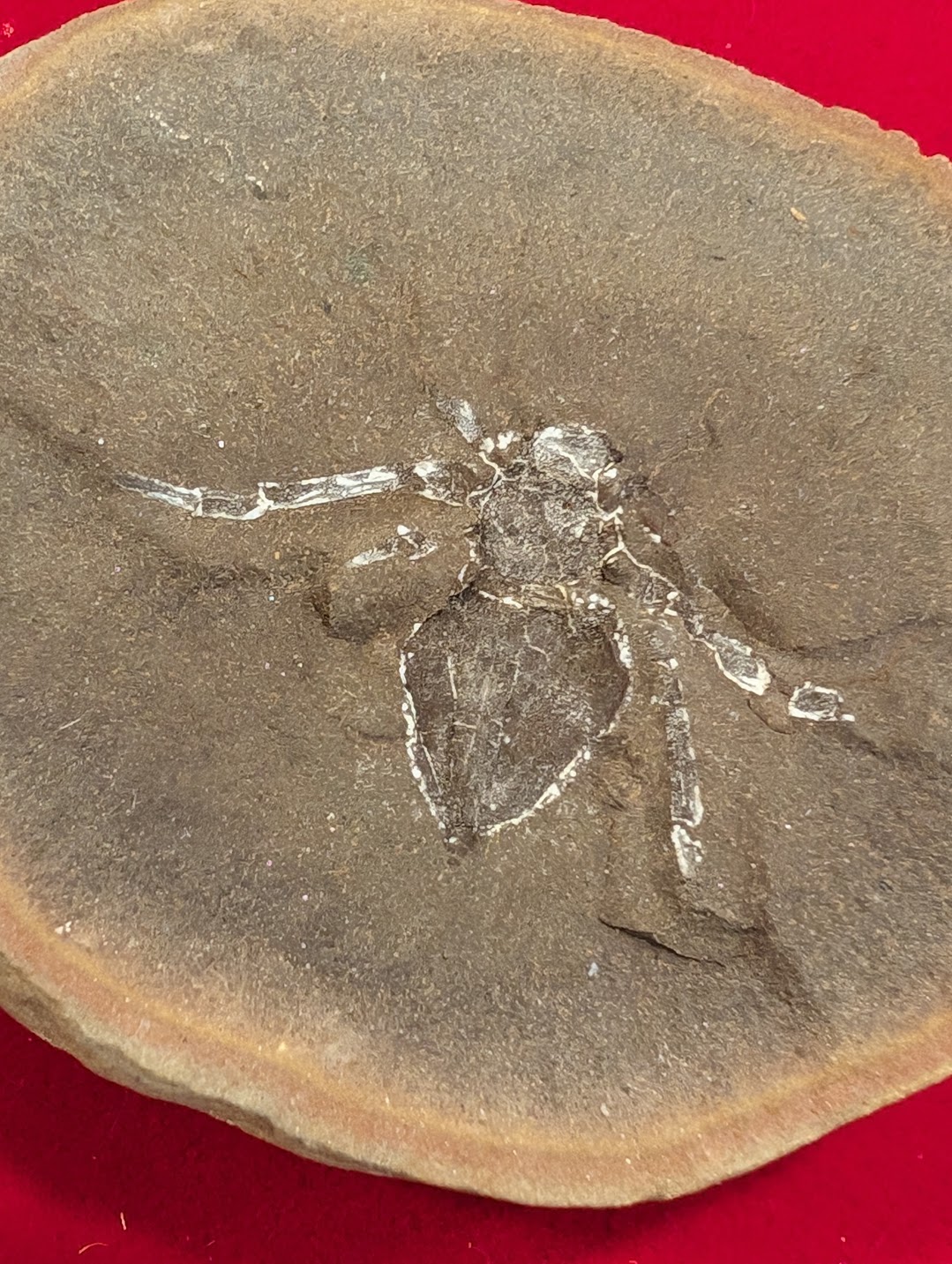
Mazon Monday #190: Amarixys sulcata
This is Mazon Monday post #190. What’s your favorite Mazon Creek fossil? Tell us at email:esconi.info@gmail.com. Amarixys sulcata is a Mazon Creek spider. When it was first found in the late 1880’s, it was mistaken for a beetle. A.L. (Axel Leonard) Melander (1878-1962) described it as Kustarachne sulcata in 1903 in the paper “Some additions…
-
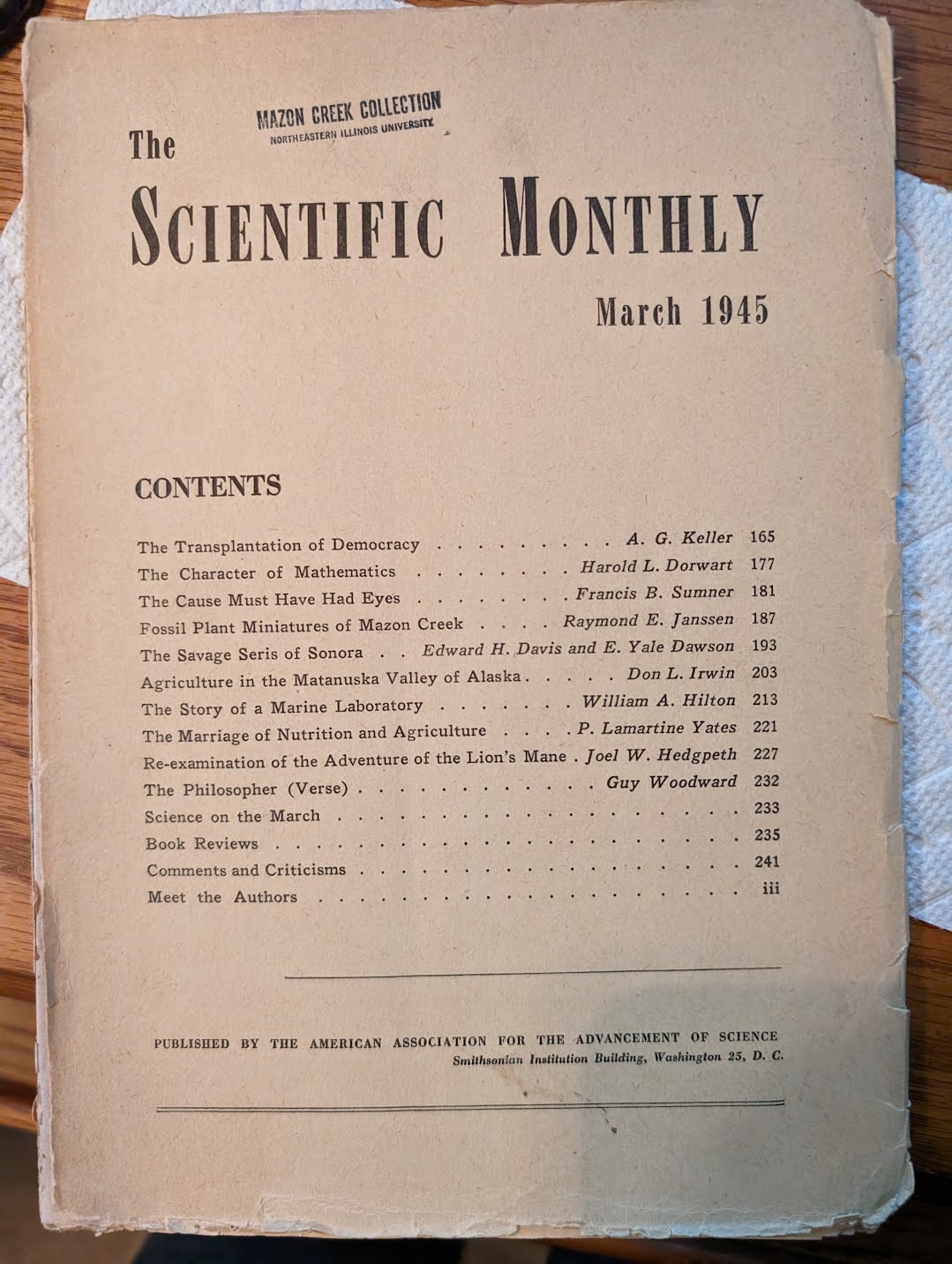
Mazon Monday #189: Fossil Plant Miniatures of Mazon Creek
This is Mazon Monday post #189. What’s your favorite Mazon Creek fossil? Tell us at email:esconi.info@gmail.com. You might remember Raymond Janssen from his “Leaves and Stems from Fossil Forests” book (Mazon Monday #51), which was published in 1939. It was part of a series of books distributed by the Illinois State Museum. Until George Langford…
-
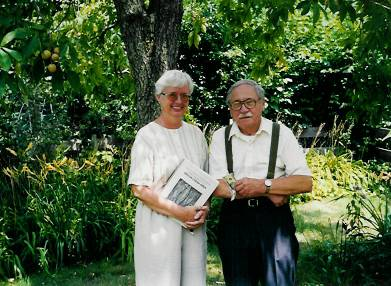
Mazon Monday #188: He looks for Tullys in gullies – Andy Hay
This is Mazon Monday post #188. What’s your favorite Mazon Creek fossil? Tell us at email:esconi.info@gmail.com. Tullimonstrum gregarium was first discovered by Francis Tully in the mid-1950s in the legendary Pit 11 fossil locality. It was described by Ralph Johnson and Eugene Richardson Jr. in the article “Pennsylvanian Invertebrates of the Mazon Creek Area, Illinois:…
-
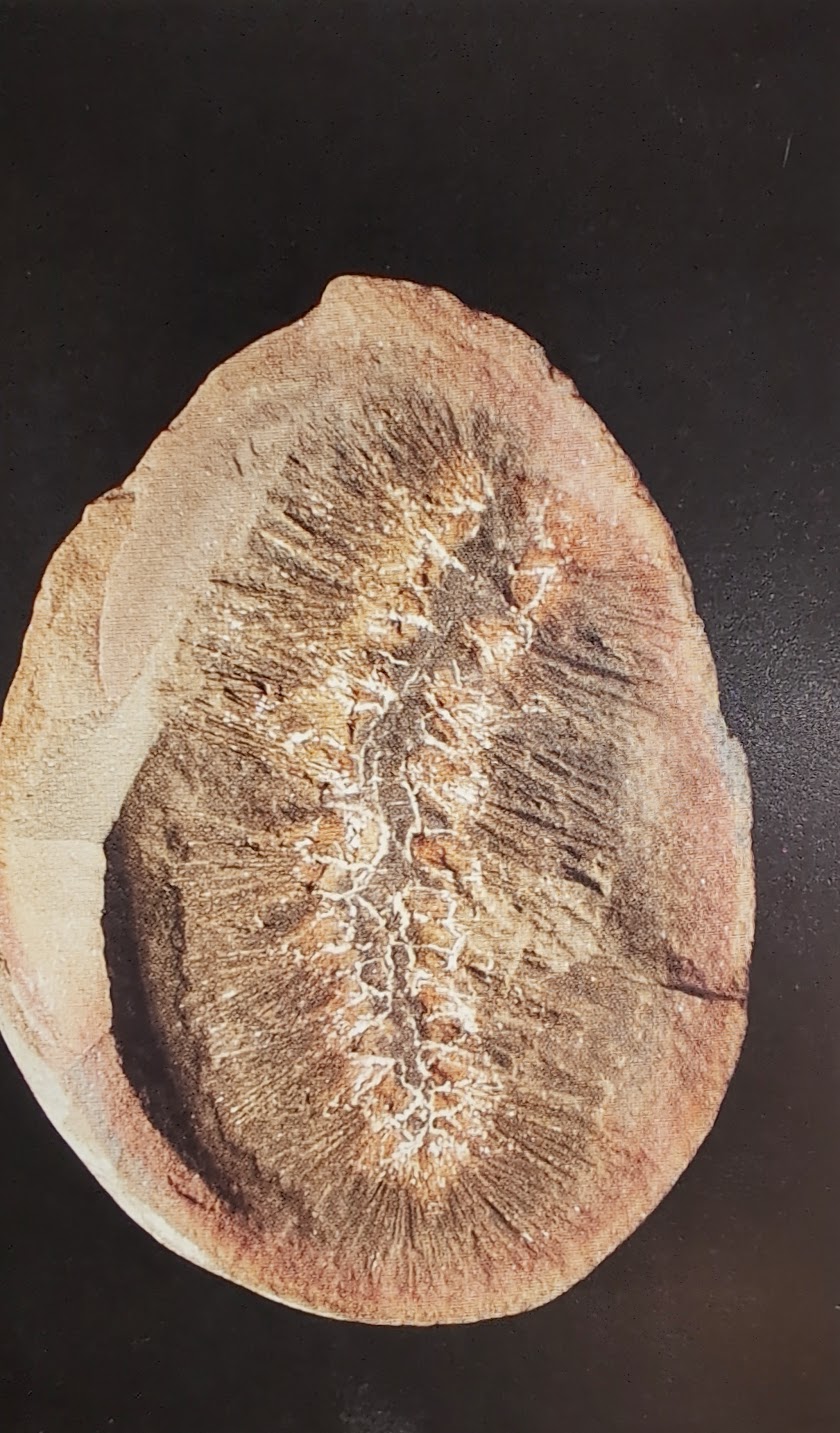
Mazon Monday #187: Palaeocampa anthrax
This is Mazon Monday post #187. What’s your favorite Mazon Creek fossil? Tell us at email:esconi.info@gmail.com. Palaeocampa anthrax was an polychaete worm, believed to be similar to a group of modern day annulid worms referred to as fireworms. It was described by Fielding Bradford Meek (1817-1876) and Amos Henry Worthen (1813-1888) in “Notice of some…
-

Mazon Monday #186: Mazon Creek Fossil Day
This is Mazon Monday post #186. What’s your favorite Mazon Creek fossil? Tell us at email:esconi.info@gmail.com. ESCONI and the Carbon Hill School Museum sponsored “Mazon Creek Fossil Day” on October 14th, 2023. The event was a celebration of Mazon Creek amateur fossil collectors and their contributions to Paleontology. There were fossil displays, two presentations, and…
-

Mazon Monday #185: The Naming of the Tully Monster
This is Mazon Monday post #185. What’s your favorite Mazon Creek fossil? Tell us at email:esconi.info@gmail.com. The Tully Monster was named the state fossil in 1989. Unfortunately, this was about two years after Francis Tully, its namesake, had passed away. The following article appeared in the April 1989 edition of the ESCONI newsletter. It was…
-
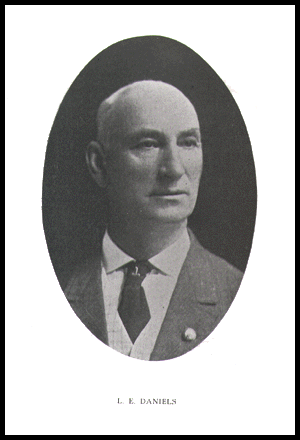
Mazon Monday #184: Historic Collectors – L.E. Daniels
This is Mazon Monday post #184. What’s your favorite Mazon Creek fossil? Tell us at email:esconi.info@gmail.com. Lorenzo Eugene Daniels was a Farmer, Sheriff of Grundy County, IL, Assistant State Geologist, Indiana, and an Amateur Conchologist. He was born in Mazon, Illinois on March 4th 1852. In the scientific literature of the time, he is referred…
