Tag: MazonMonday
-

Mazon Monday #24: Euphoberia sp.
This is Mazon Monday post #24. What’s your favorite Mazon Creek fossil? Tell us at email:esconi.info@gmail.com. Today’s species is Euphoberia sp., a millipede from the Mazon Creek biota. From Wikipedia, the free encyclopedia. Euphoberia is an extinct genus of millipede from the Pennsylvanian epoch of the Late Carboniferous, measuring up to 30 centimetres (12 in) in length.[1] Fossils have been found in Europe[2] and North America.[3] There…
-

Mazon Monday #23: Interesting Pennsylvanian Fossil Sites: Crock Hey, Lancashire, UK
This is Mazon Monday post #23. What’s your favorite Mazon Creek fossil? Tell us at email:esconi.info@gmail.com. In Mazon Monday #10, we discussed localities where siderite preservation of Pennsylvanian fossils has been found. There were a few localities listed. Here is more information about the site called Crock Hey (also Crockhey). This site was located near Lancashire in…
-
Mazon Monday #22: Pit 11
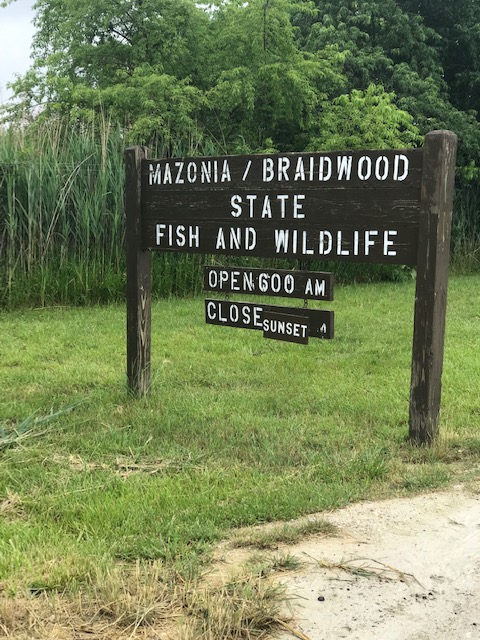
This is Mazon Monday post #21. What’s your favorite Mazon Creek fossil? Tell us at email:esconi.info@gmail.com. Summer is passing into September and the temperature should should be cooling. Unfortunately, the overgrowth isn’t going to diminish until next spring. However, Pit 11 doesn’t close to fossil hunting until September 30th. So, It’s time to repeat this article…
-
Mazon Monday #21: Euproops danae
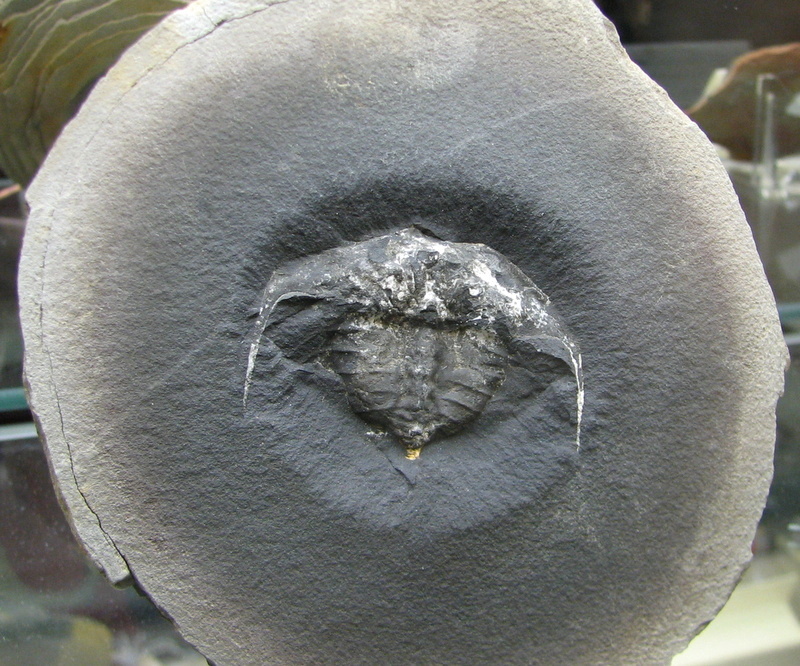
This is Mazon Monday post #21. What’s your favorite Mazon Creek fossil? Tell us at email:esconi.info@gmail.com. Euproops was a horseshoe crab. There are two species of horseshoe crab found in the Mazon Creek biota, Euproops danae (common) and Paleolimulus sp. (extremely rare). Both are known from other Carboniferous fossil localities around the world. As you…
-
Mazon Monday #20: Fossil Preservation
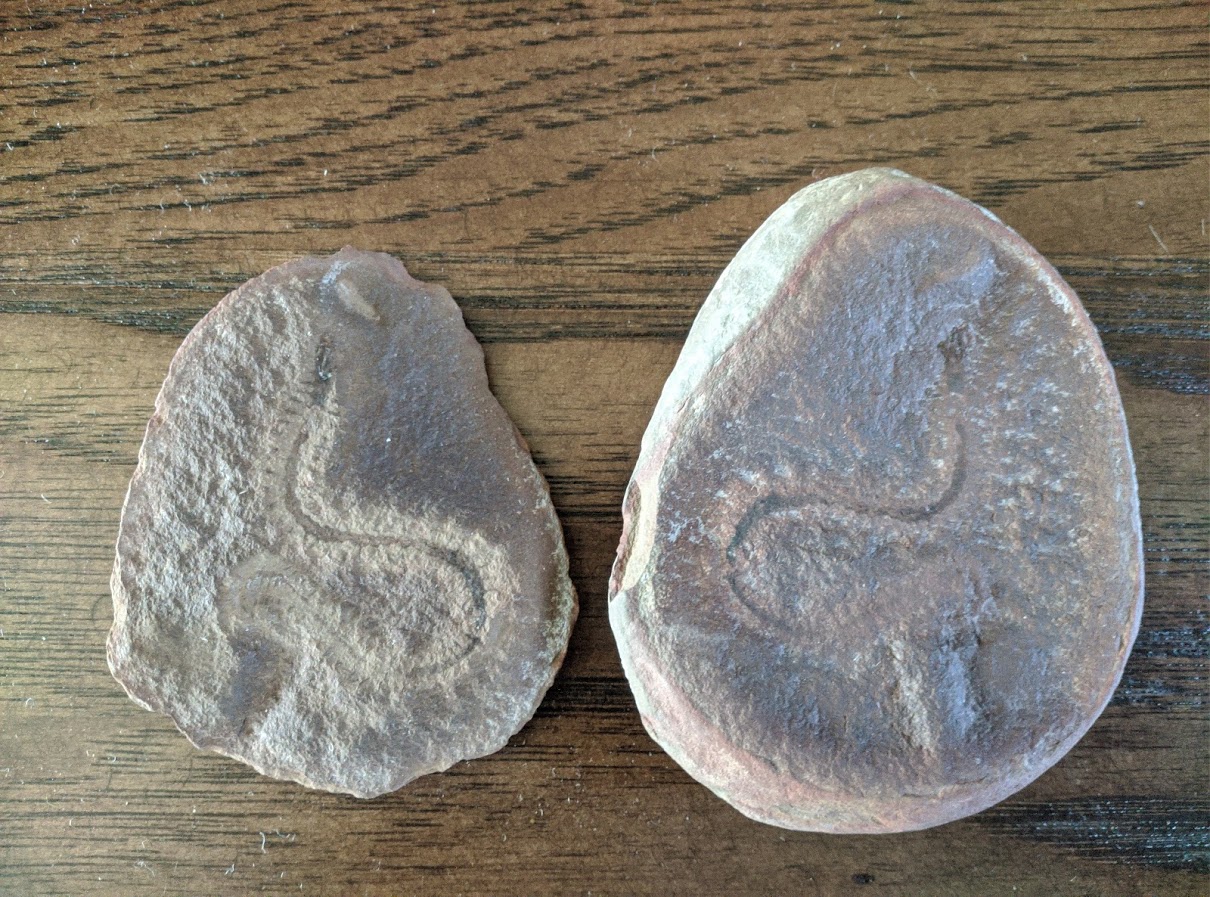
This is Mazon Monday post #20. What’s your favorite Mazon Creek fossil? Tell us at email:esconi.info@gmail.com. Back in 2017, Palaeocast posted a lecture called “Is a ‘one size fits all’ taphonomic model appropriate for the Mazon Creek” by Dr. Thomas Clements, of the University of Birmingham in the UK. You may remember Dr. Clements… he…
-
Mazon Monday #19: Bandringa rayi
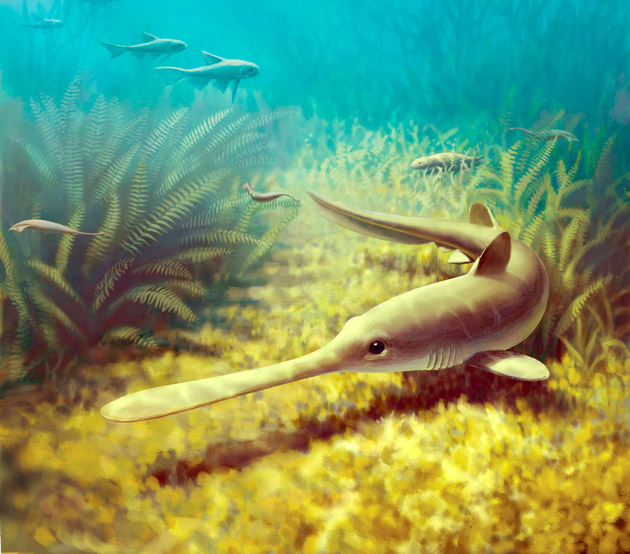
This is Mazon Monday post #19. What’s your favorite Mazon Creek fossil? Tell us at email:esconi.info@gmail.com. Would you believe that Illinois has a shark nursery? OK, it is about 307 million years old and the evidence resides in Mazon Creek fossil concretions. The first species, Bandringa rayi, was described in a paper published by Rainer…
-
Mazon Monday #18: Langford Book Inscriptions
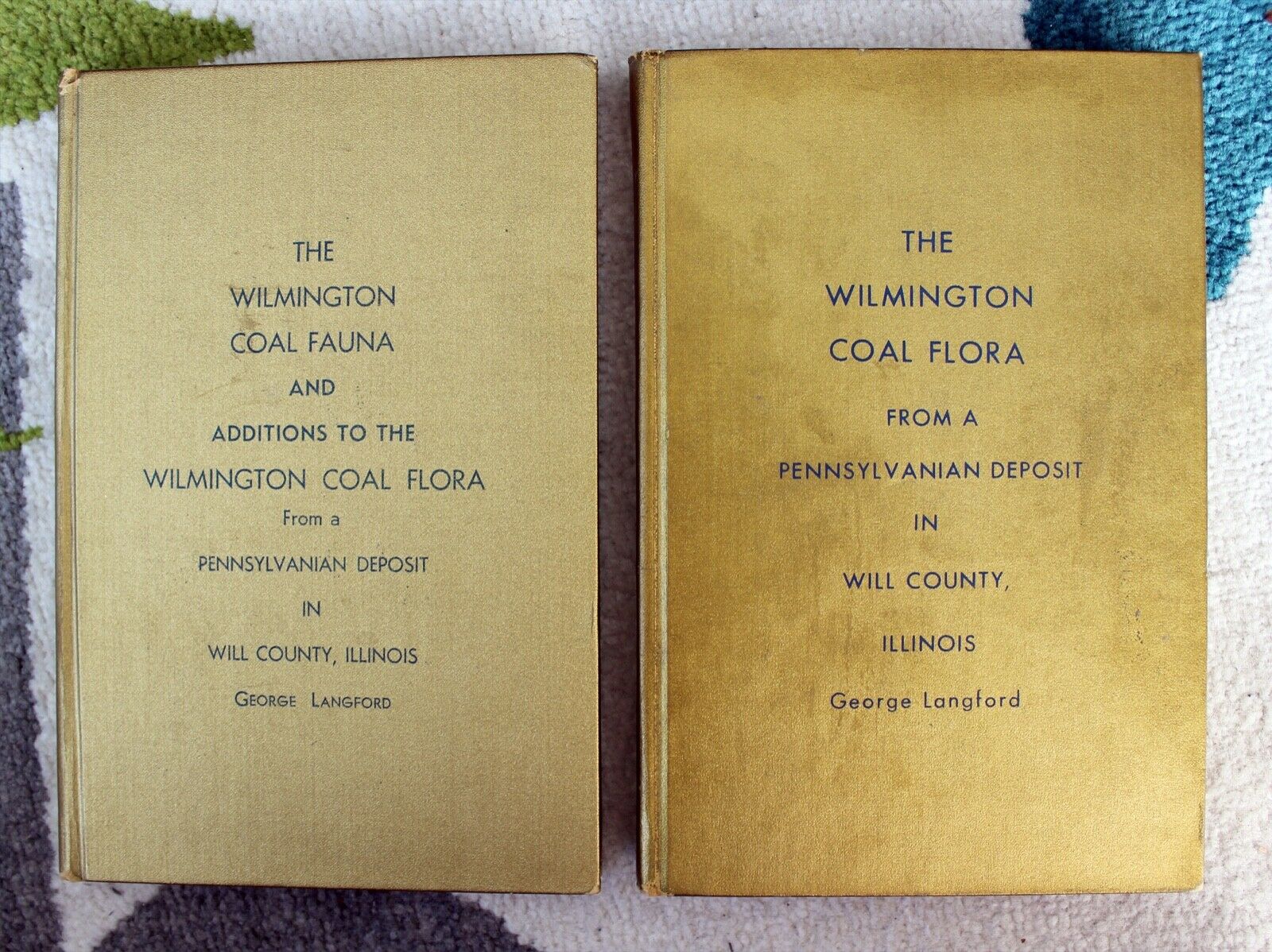
This is Mazon Monday post #18. Book inscriptions were much more common in the past. As owner of a book, which was a valuable possession. you might add your name to the inner cover. A recent Langford purchase by ESCONI member Roy Plotnick, reminded us of the historical significance of these inscriptions. Many of the…
-

Mazon Monday #17: One Fish, Two Fish, Three Fish, Many Fish…
This is Mazon Monday post #17. There are a few types of fish known in the Mazon Creek biota. And while, the classification has changed since the creature corner article on fish, which appeared in March 1989. It’s still interesting and instructive. Here is the text and a few drawings. The following two concretions are…
-

Mazon Monday #16: Adelophthalmus mazonensis
This is Mazon Monday post #16. Maybe it’s their size (early Devonian species could be almost three meters long!) or their similarity to scorpions (they’re called sea-scorpions) or their rarity (they are fairly scarce in the fossil record), it’s hard to say why, but Eurypterids were fascinating animals. There is currently only one known Mazon…
-
Mazon Monday #15: Mazon Creek at the Field Museum
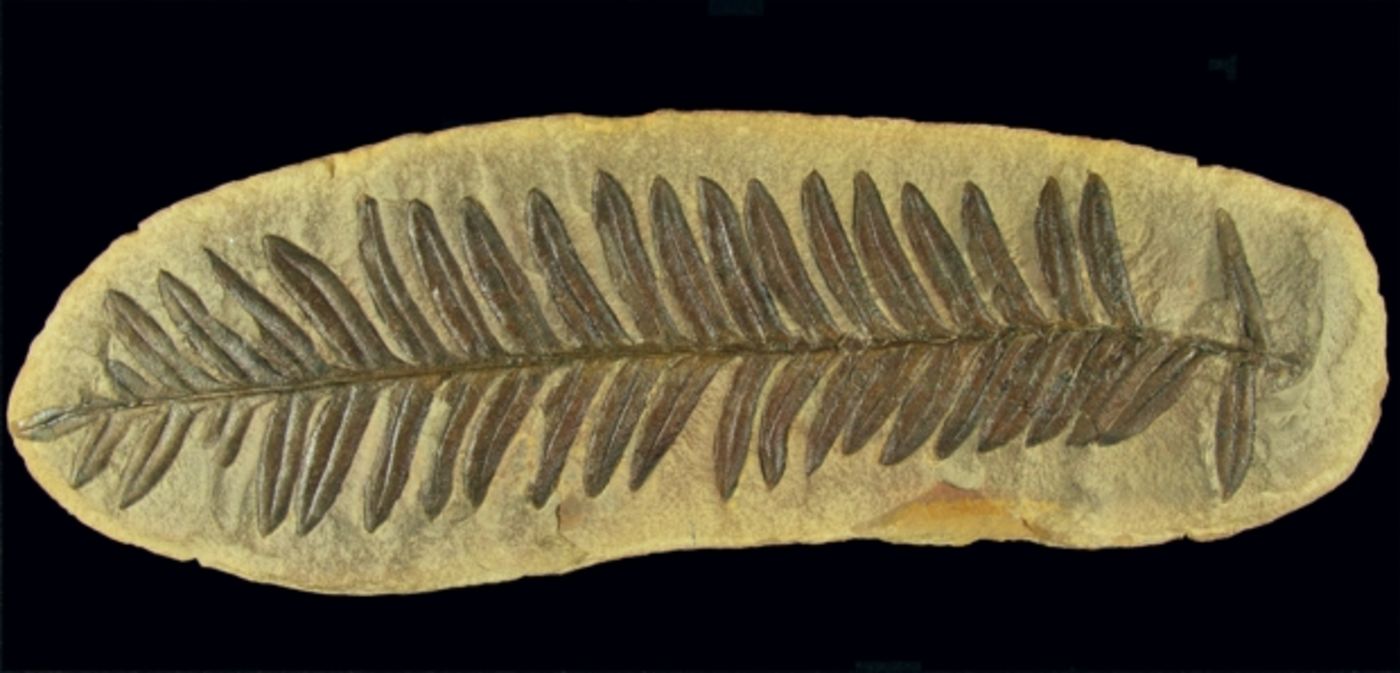
This is Mazon Monday post #15. The Field Museum has one of the most extensive collections of Mazon Creek specimens, both flora and fauna. The Field Museum has long been a big part of the study of this locality, with such historical giants as George Langford and Eugene Richardson working there. Currently, Jack Wittry works…
-
Mazon Monday #14: Essexella asherae
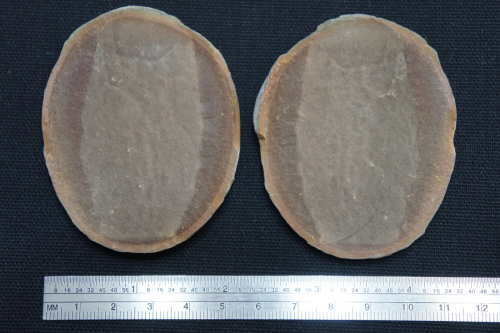
This is Mazon Monday post #14. Essexella asharae is the most common animal fossil you will find in the Mazon Creek biota. In the Essex biota, it has been estimated to be over 40% of finds. Specimens come in many forms with varied preservation. While there was a recent paper about whether it is a…
-

Mazon Monday #13: Belotelson magister
This is Mazon Monday post #13. Belotelson magister is the most common crustacean/shrimp fossil in the Mazon Creek biota. They can be found fairly readily and can range from a partial, to a molt, and sometimes even a full body. Most of the shrimps found in Pit 11 are Belotelsons. It was described way back…
-
Mazon Monday #12: Tully: Monster vs Method
This is Mazon Monday post #12. This video by the Field Museum details some of the modern research methods used to study the Tully Monster fossils, and actually many of the other fossils in the FM collection. This research led to the conclusions that you have heard a few years ago… the Tully Monster is…
-
Mazon Monday #11: Mazon Creek Collections Database
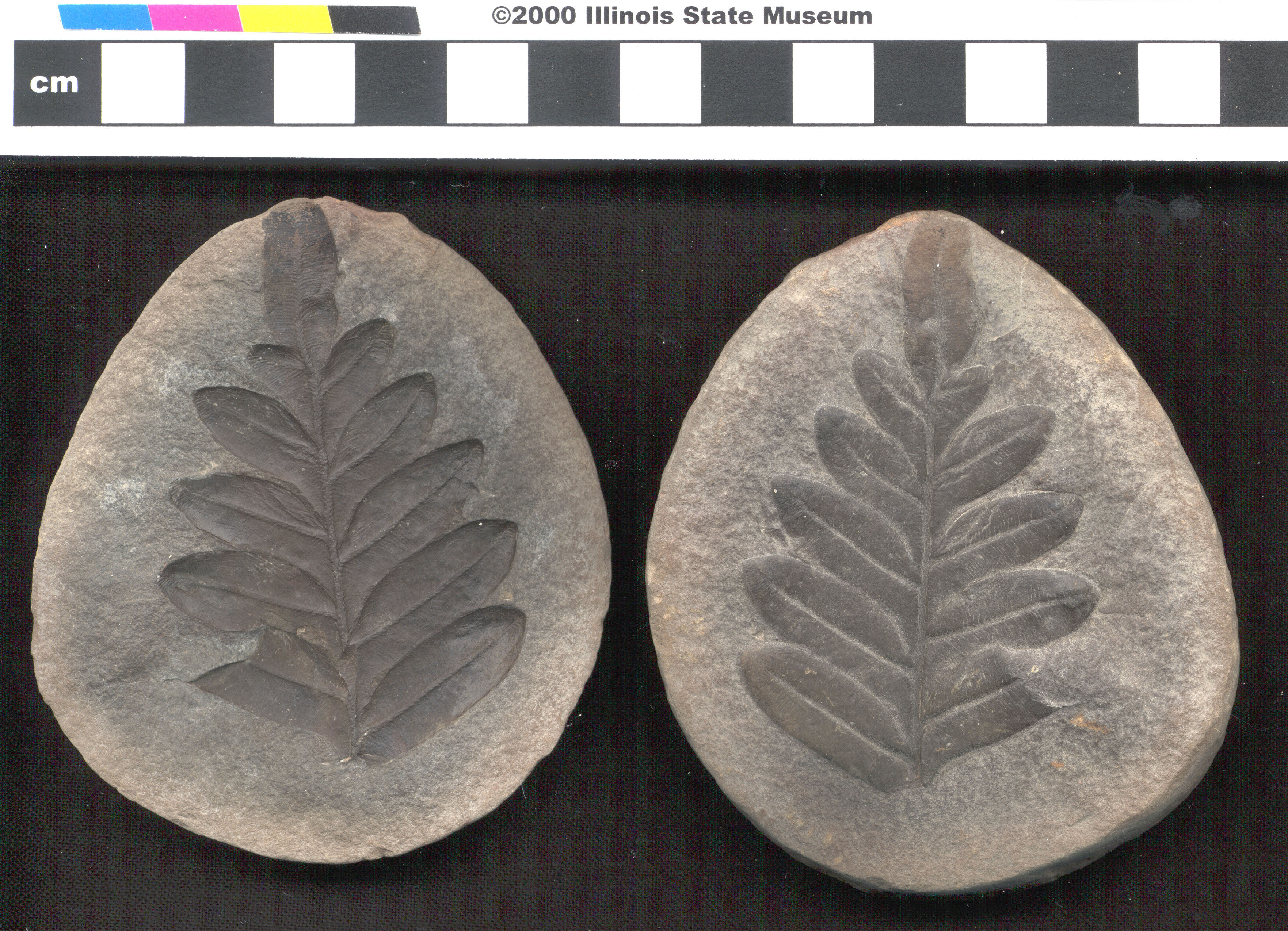
This is Mazon Monday post #11. The Illinois State Museum in Springfield, IL has a significant collection of Mazon Creek fossils. Most of the collection stems from a collection donated by George Langford in the 1930s. The Mazon Creek Collections Database is a digitzed resource accessible on the museum’s website. In it, you will find…
-

Mazon Monday #10: Pennsylvanian Siderite Concretionary Fossil Sites
This is Mazon Monday post #10. Fossiliferous Pennsylvanian siderite concretions are known from multiple locations around the world. The most well documented sites are: Some of these localities were described in a paper by Baird, Sroka, and Shabica in 1985, titled “Mazon Creek-Type Fossil Assemblages in the U.S. Midcontinent Pennsylvanian”. A post on the Fossil…
-

Mazon Monday #9: Acanthodes beecheri
This is Mazon Monday post #9. Acanthodes beecheri is the subject of this Species Spotlight. Some of the material in this post was provided by David Duck. Dave has a deep appreciation and interest in the Mazon Creek fauna and flora. He has even constructed 3-D models of quite a few of the Mazon animals,…
-

Mazon Monday #8: Testajapyx thomasi
This is Mazon Monday post #8. Testajapyx thomasi is the subject of this Species Spotlight, You may recognize the name of this species. It is named for ESCONI member, Tom Testa. Tom is a prolific, some might even say legendary, Mazon Creek collector. A great part of his collection resides in the Field Museum and…
-
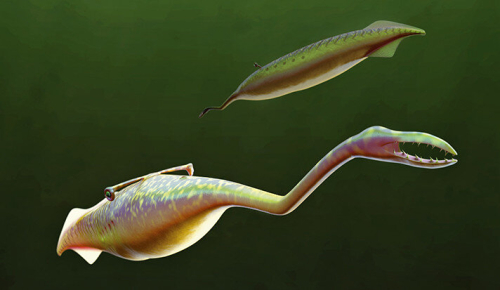
Mazon Monday #7: Ancient ‘Tully monster’ was a vertebrate, not a spineless blob, study claims
This is Mazon Monday post #7. This is about one of the favorite Mazon animals, the Tully monster. Phys.org has an article about some new research about the Tully Monster. The Tully Monster was first discovered by Francis Tully in 1955. He was fossil hunting in Pit 11 of the old Peabody Coal Company’s strip…
-
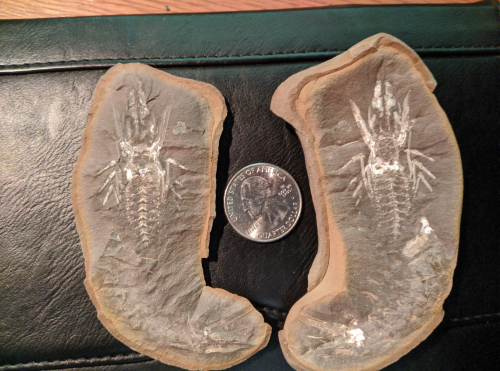
Mazon Monday #4: Belotelson Shrimp
This is Mazon Monday post #4. These pictures are of a specimen of Belotelson magister collected by ESCONI member Rich Holm in late summer 2019 in Mazonia South Pit 11. It is a crustacean that lived about 307 mya. It was first described by Packard in 1886 from Mazon Creek material. Description: The Mazon Creek…
-
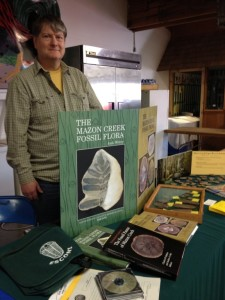
Mazon Monday #3: Mazon Creek Fossils
This is Mazon Monday post #3. The following article by Mary Fairchild first appeared here. It’s a great historical summary of collecting Mazon Creek Fossils. Additionally, the slideshows of fossils hold some amazing specimens. There’s mention of everyone from George Langford Sr. to Eugene Richardson to Jack Wittry and many other notable researchers in between. …
-
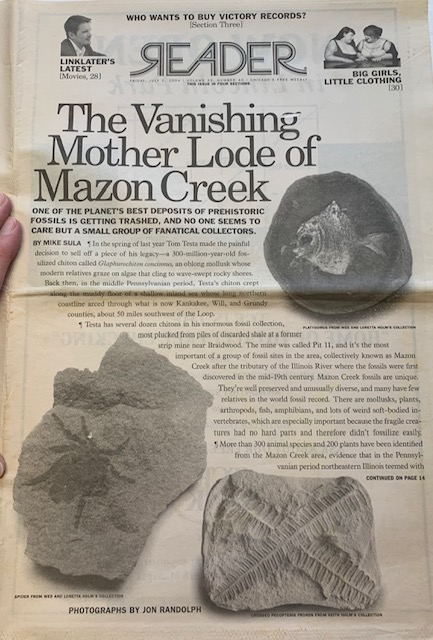
Mazon Monday #2: The Vanishing Mother Lode of Mazon Creek
The Friday, July 2nd, 2004 edition of The Reader featured an article titled “The Vanishing Mother Lode of Mazon Creek”. The full text of the article is available online. Unfortunately, it doesn’t include the pictures. This article was written by Mike Sula, no relation to long time ESCONI member Rob Sula. The article does a…
-
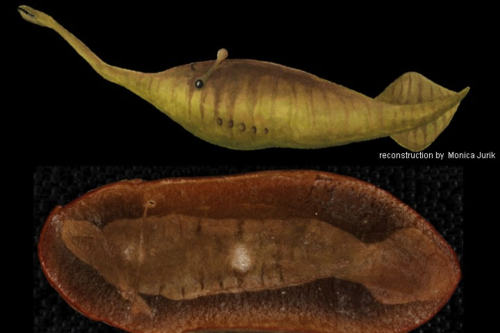
Mazon Monday #1: The Tully Monster
The Tully Monster, or Tullimonstrum gregarium, has long been one of the most popular Mazon Creek fossil specimens. The reasons are unclear… maybe it’s the strange shape of the animal, or that it’s the State Fossil of Illinois, or the questions and controversy as to what type of animal it is. It is fairly rare,…
