Tag: MazonMonday
-
Mazon Monday #345: Danville Field Trip Report
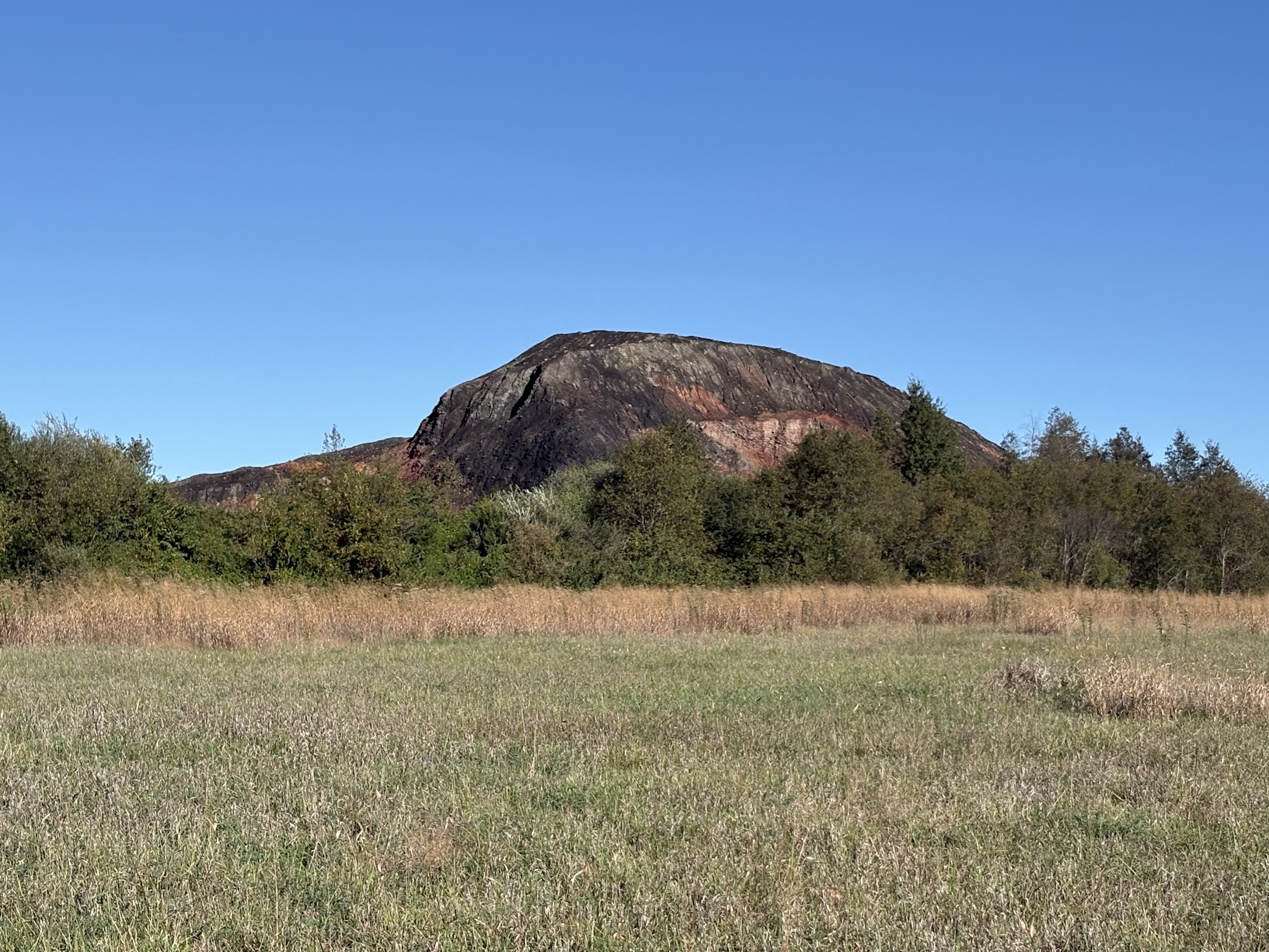
ESCONI held a field trip to a Danville area spoil pile on October 17th, 2026. Although the day started sunny but crisp with temperatures in the 30’s (!), it was a very clear day with plenty of sun and temperatures in the 50’s. Collecting on the old spoil pile was very productive. Plant fossils were…
-
Mazon Monday #344: Recap for Mazon Creek Fossil Day 2026
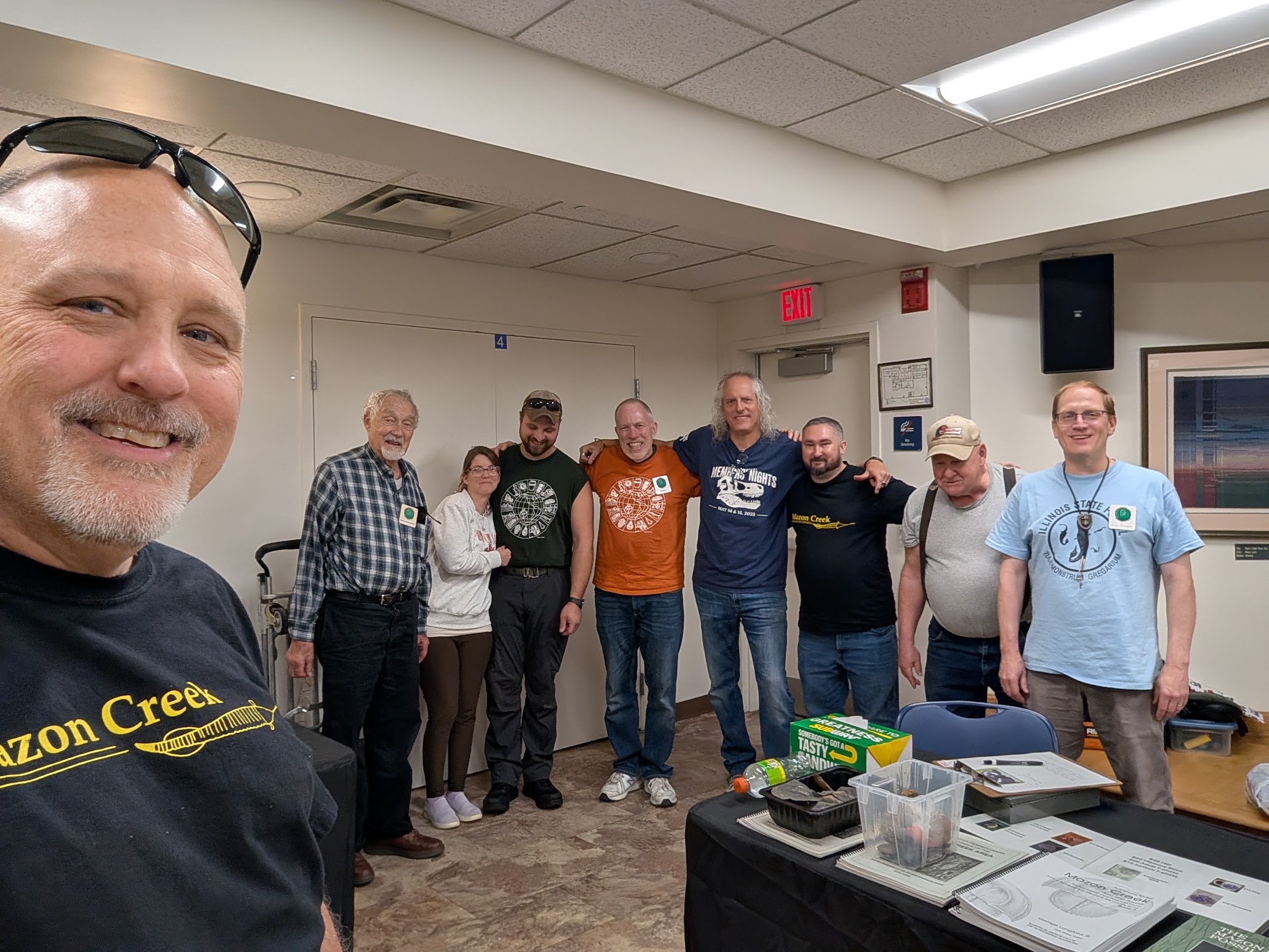
Mazon Creek Fossil Day 2026 at the Coal City Public Library was a huge success! We had a great turnout and some wonderful fossil displays. Many attendees brought fossils of their own, either to have them identified or simply to share their finds with fellow fossil enthusiasts.
-

Mazon Monday #343: 1990 Mazon Creek Open House
The Mazon Creek Open House was first held in early 1984. It was an extension of the Mazon Creek Project at Northeastern Illinois University. Both the Mazon Creek Project (see Mazon Monday #5) were sponsored by Northeastern Illinois University.
-
Mazon Monday #342: Jeanerpeton mazonensis – A new Mazon Creek tetrapod!
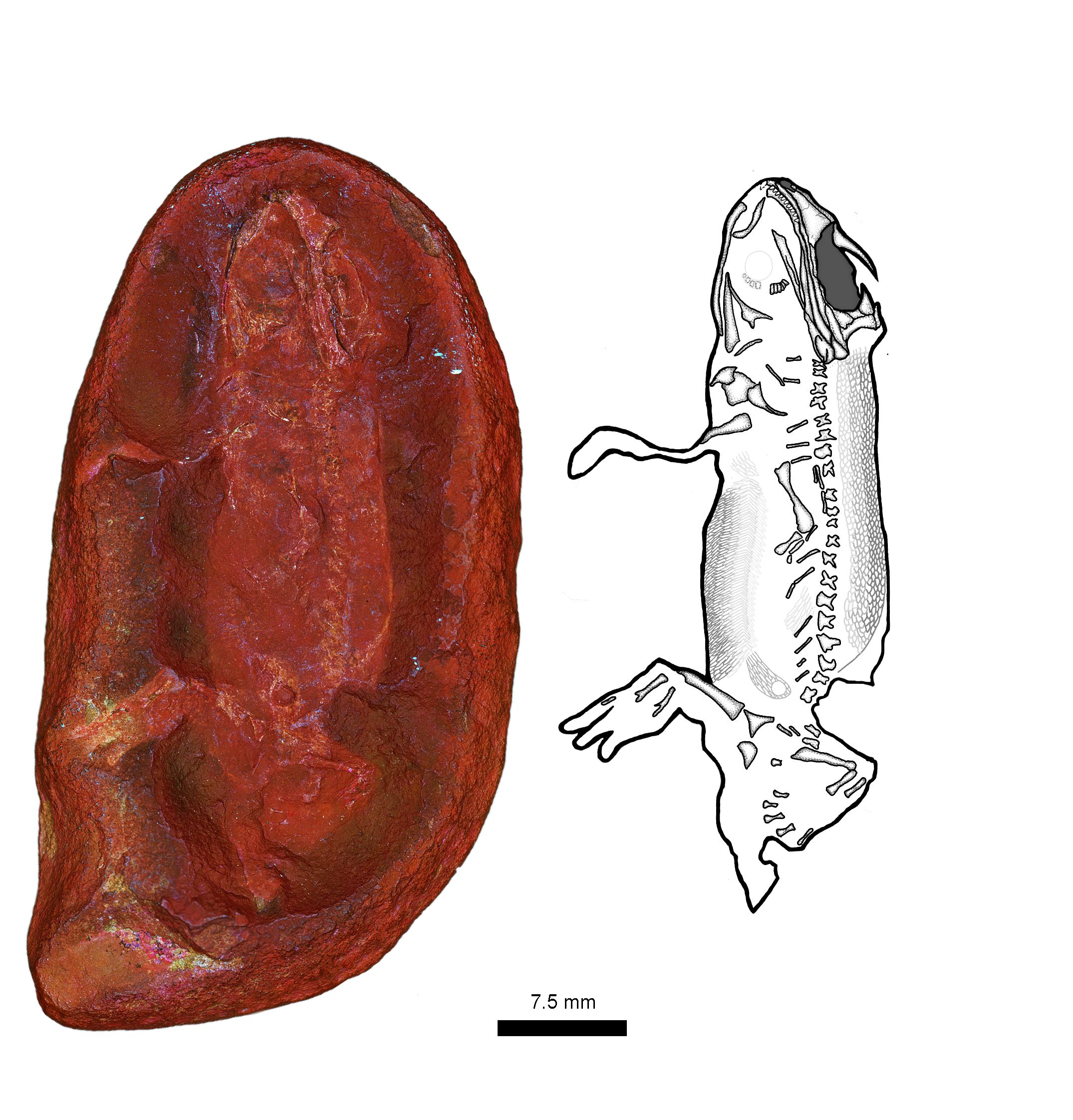
The Mazon Creek fossil biota has a new member… a tetrapod, which are quite rare. Jeanerpeton mazonensis, which means “Jean’s crawler from Mazon Creek”, was named by two student-scientists from the Field Museum. The name honors their mothers, who are both named Jean.
-

Mazon Monday #341: Titanoscorpio douglassi
Titanoscorpio douglassi is known from just three specimens, but the holotype is a breathtaking three-inch claw on display at the Prehistoric Life Museum in the basement of Dave’s Down to Earth Rock Shop (see Throwback Thursday #94) in Evanston, Illinois. And yes, it really is breathtaking!
-
Mazon Monday #339: Braceville Fall 2026 Field Trip Report
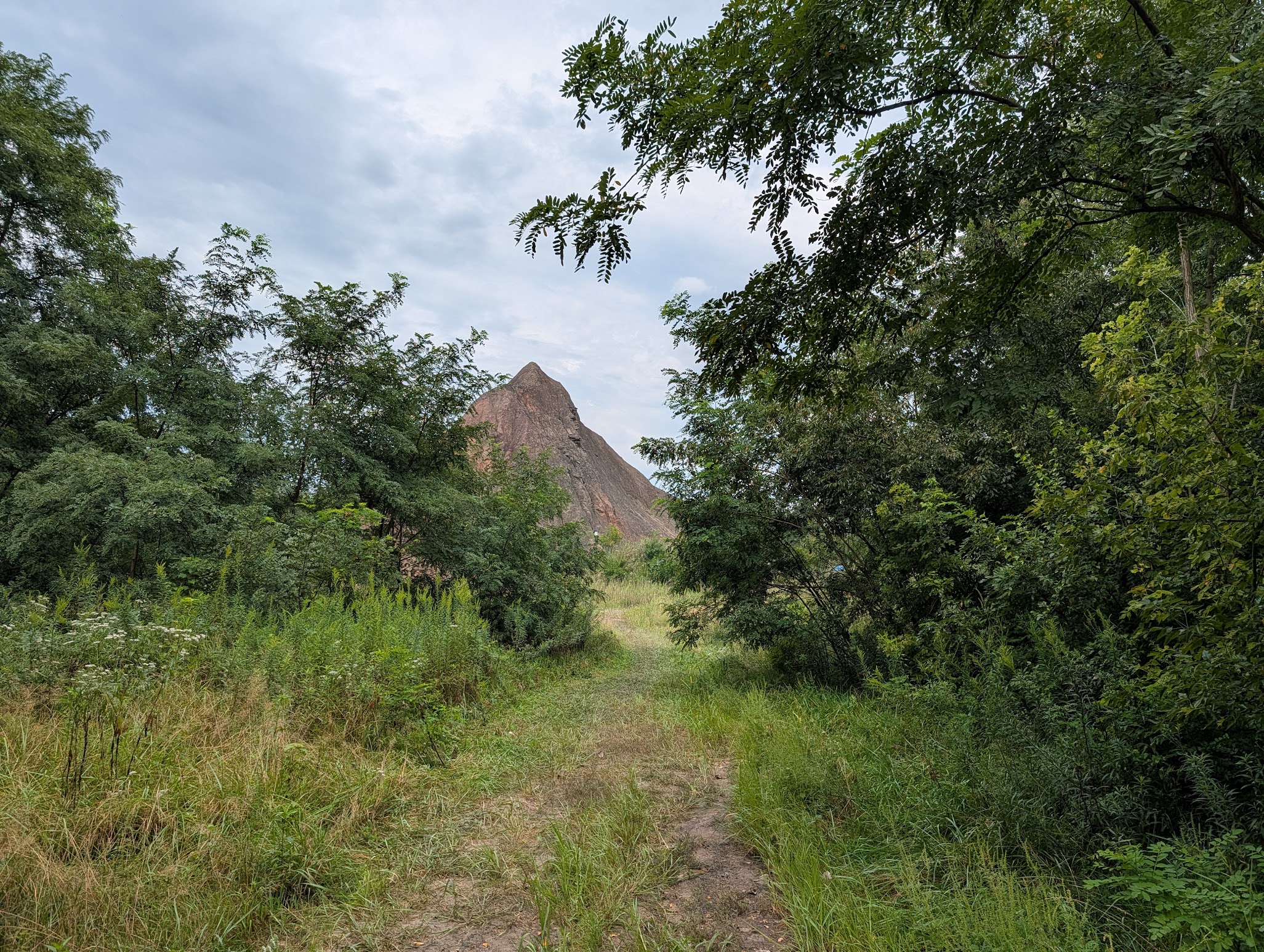
At the end of August, ESCONI held our annual Fall field trip to the Braceville Spoil Pile, known as “Worm Hill.” It was a huge success. The weather cooperated for the most part. Saturday, August 29th was a beautiful day, with no rain and highs in the mid-70’s. Unfortunately, Saturday, August 30th started out with…
-
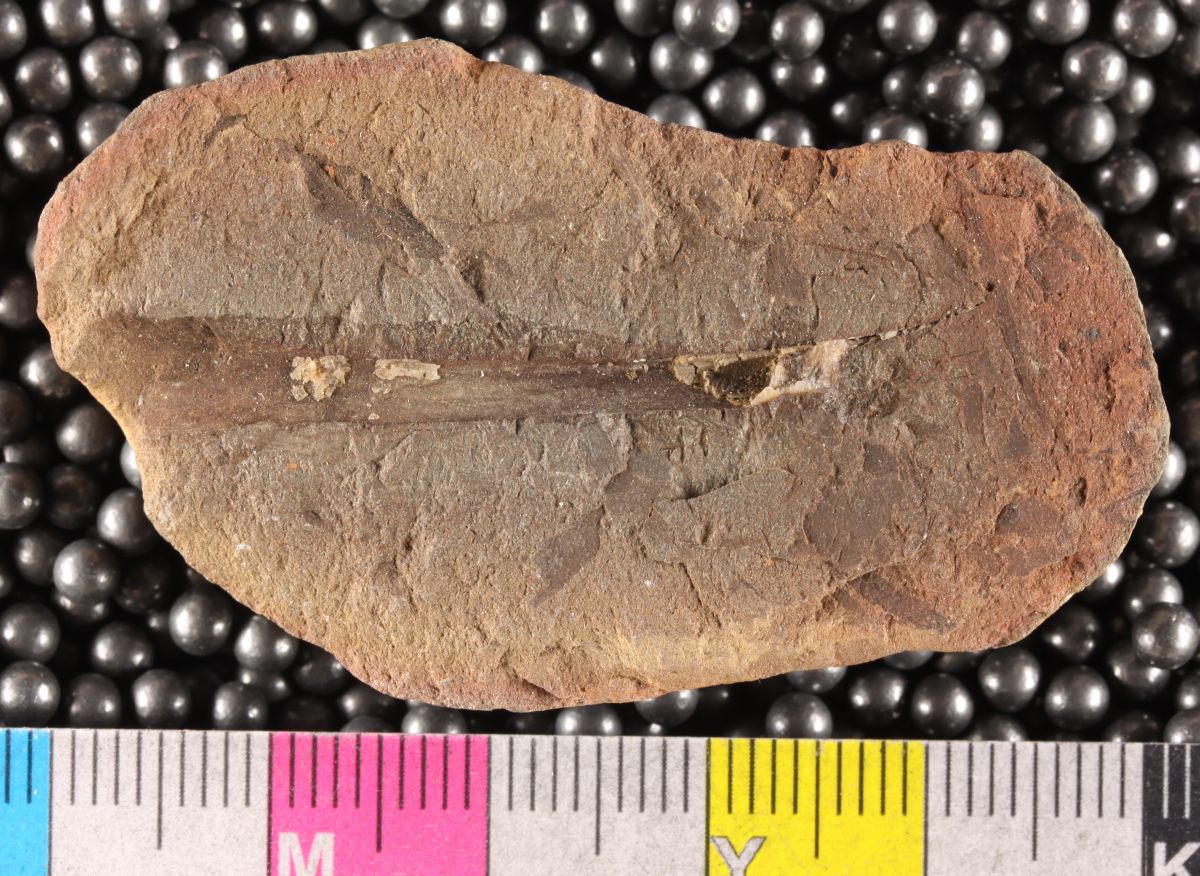
Mazon Monday #338: Howellitubus whitfieldorum… The Mazon Creek Worm That Wasn’t
The history of Mazon Creek paleontology is filled with fossils that have been reinterpreted as new species when new information became available. Animals have been moved from one group to another, species have been renamed, and some fossils once thought to represent animals have turned out to be something else entirely. There are even some,…
-

Mazon Monday #337: Carbohymen testai
I had a chance to catch up with Jack Wittry at the Field Museum this weekend. He mentioned that he had tracked down the insect whose name we first encountered at Tom Testa Day at the Carbon Hill School Museum back in June. At the time, Jack wasn’t sure whether Carbohymen testai was actually a…
-
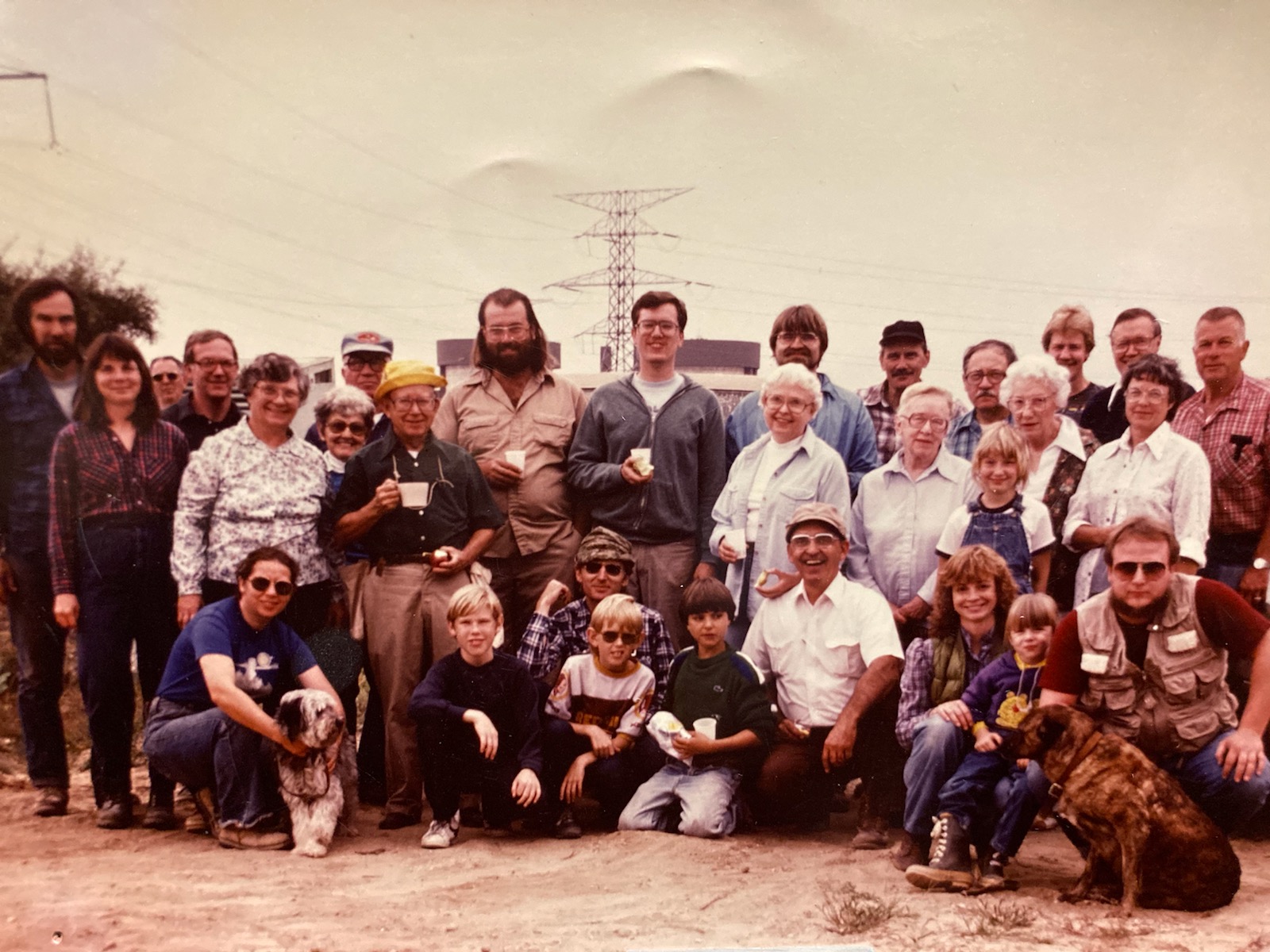
Mazon Monday #336: 1980’s Pit 11 Collecting
Keeping with the history theme, here’s a photo from a field trip to Pit 11 most likely from the 1980’s. You can see Braidwood Station in the background. Construction on August 1st, 1975 and completed in 1988.
-

Mazon Monday #335: Richardson Collecting at Pit 11 in 1974
A few years ago, Charlie Shabica donated a collection of historical documents to ESCONI, and these photographs were among the materials. They document a Mazon Creek field trip in July 1974 led by Eugene Richardson Jr., Curator of Fossil Invertebrates at the Field Museum.
-

Mazon Monday #334: Mariopteris lobatifolia
Mariopteris lobatifolia is one of the rare species of Mariopteris. Its pinnules have a very distinctive wing-like shape. See Mazon Monday #181 for the most common variety of Mariopteris, Mariopteris nervosa.
-
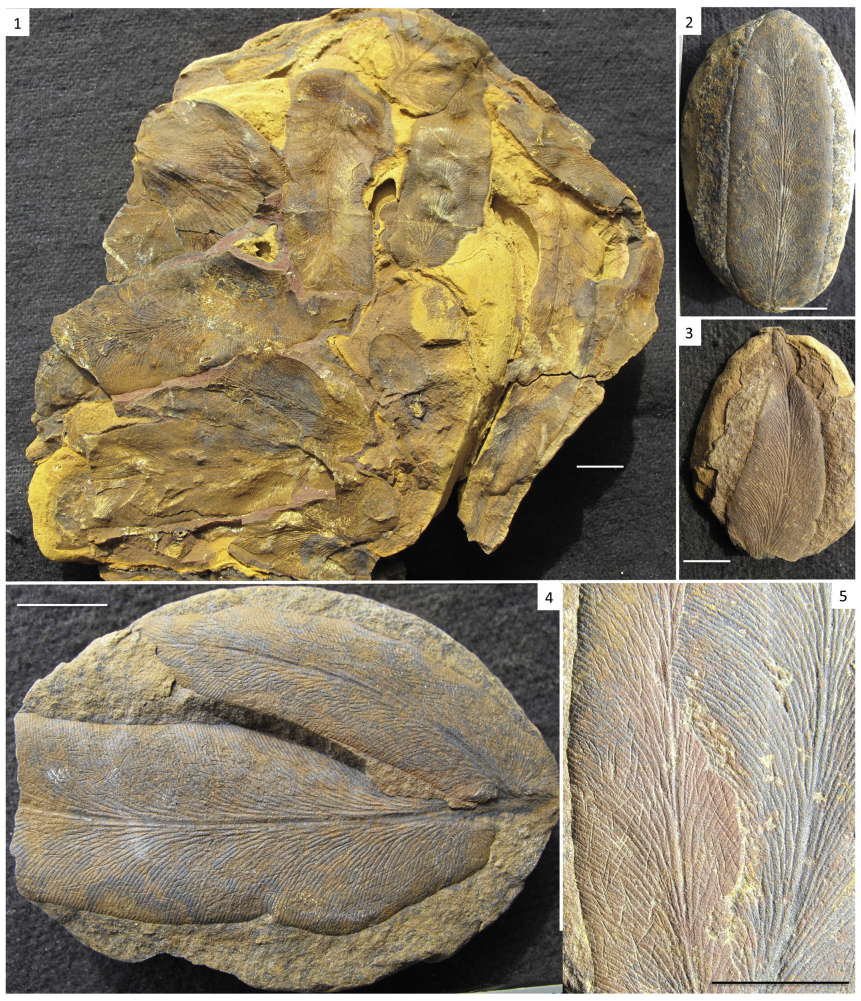
Mazon Monday #333: Interesting Pennsylvanian Fossil Sites – Okmulgee, Oklahoma
Way back in Mazon Monday #10, we referenced the paper “Mazon Creek-Type Fossil Assemblages in the U.S. Midcontinent Pennsylvanian” written by G. C. Baird, S. D. Sroka, C. W. Shabica, T. L. Beard, A. C. Scott and F. M. Broadhurst in October 1985. The paper lists and discusses the various Pennsylvanian fossil sites known to…
-
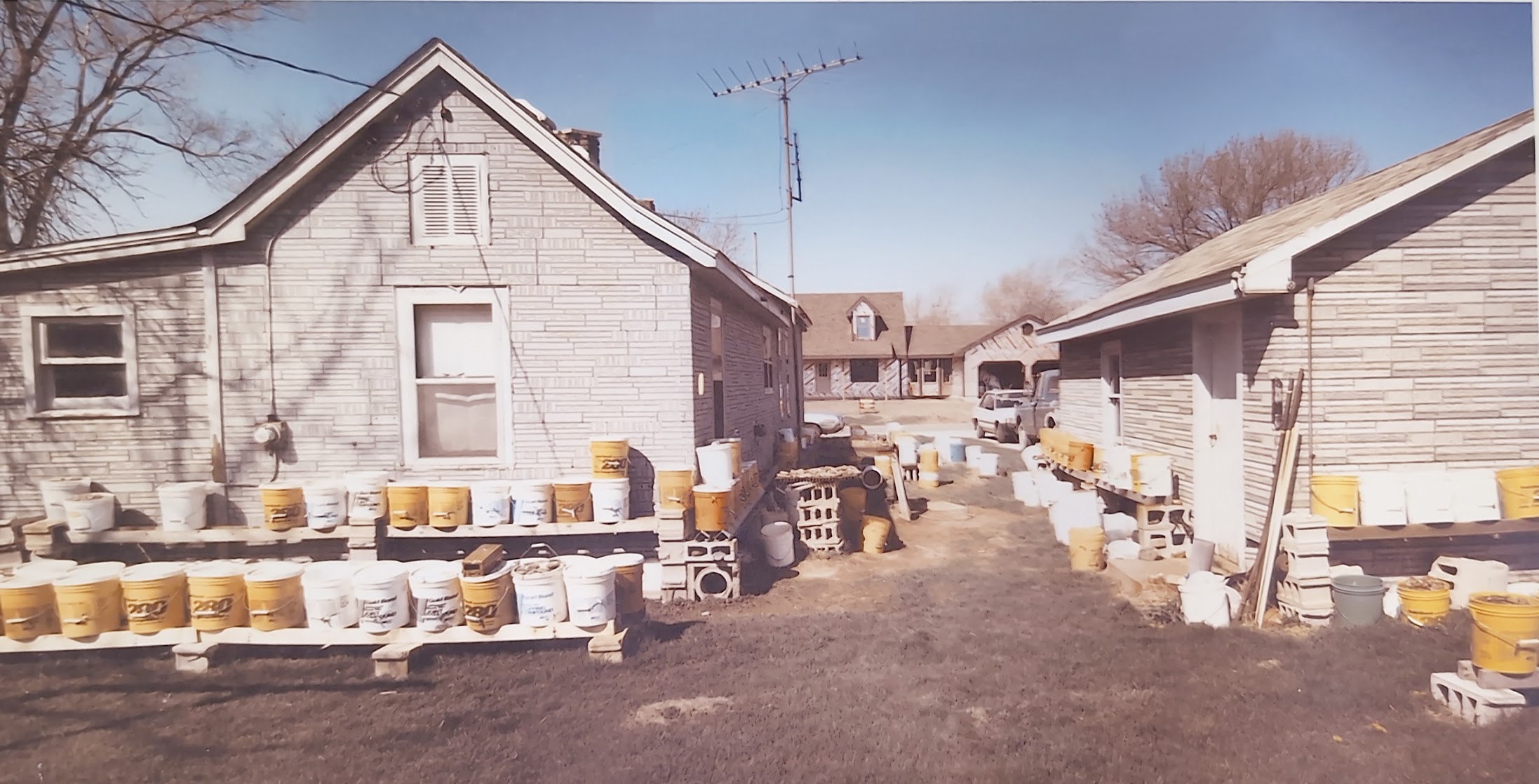
Mazon Monday #332: Tom Testa Winter Freeze/Thaw
Sorry, this is a bit of a repeat… But, Tom Testa has been on our minds lately and we’ve all been enduring a stretch of hot weather, so here’s a post that will cool you off!
-

Mazon Monday #331: Recap of Tom Testa Day at the Carbon Hill School Museum
Back in Mazon Tuesday #328, we did a post about Tom Testa and his amazing Mazon Creek fossil collection. There was a great turnout at the Carbon Hill School Museum special event “The Legacy of Tom Testa” on June 25th, 2026.
-
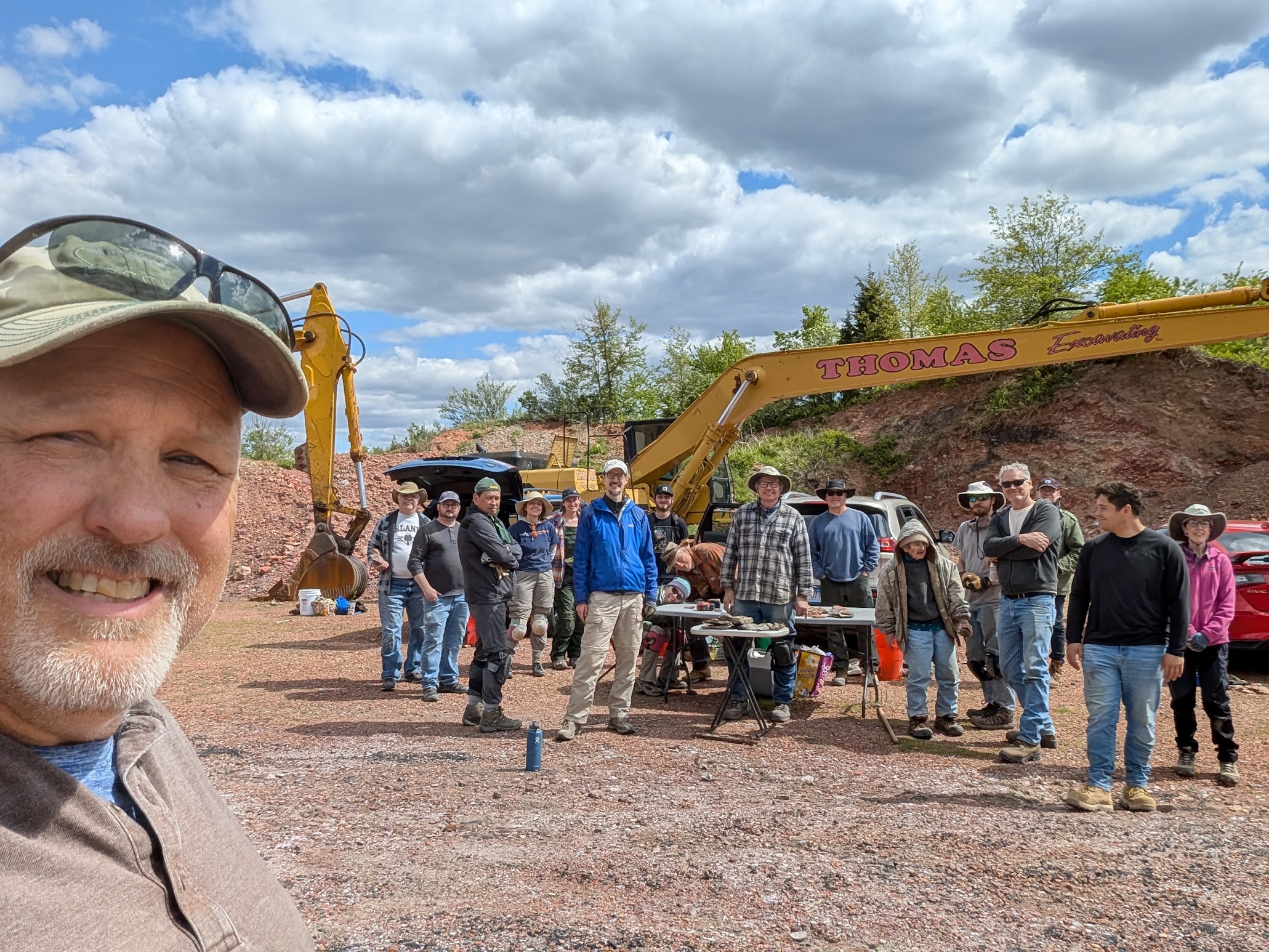
Mazon Monday #329: Danville Spoil Pile May 2026
Saturday, May 2nd, 2026 was a fairly nice day. It was partly cloudy with some wind. It was a little cooler than previous trips.
-

Mazon Tuesday #328: The Legacy of Tom Testa
Michele Micetich, curator of the Carbon Hill School Museum, will host a special event on Saturday, June 27, 2026, celebrating the life and legacy of Tom Testa. A lifelong fossil collector with a passion for Mazon Creek fossils, Tom assembled one of the finest private collections of its kind. In 2015, he gave his collection…
-
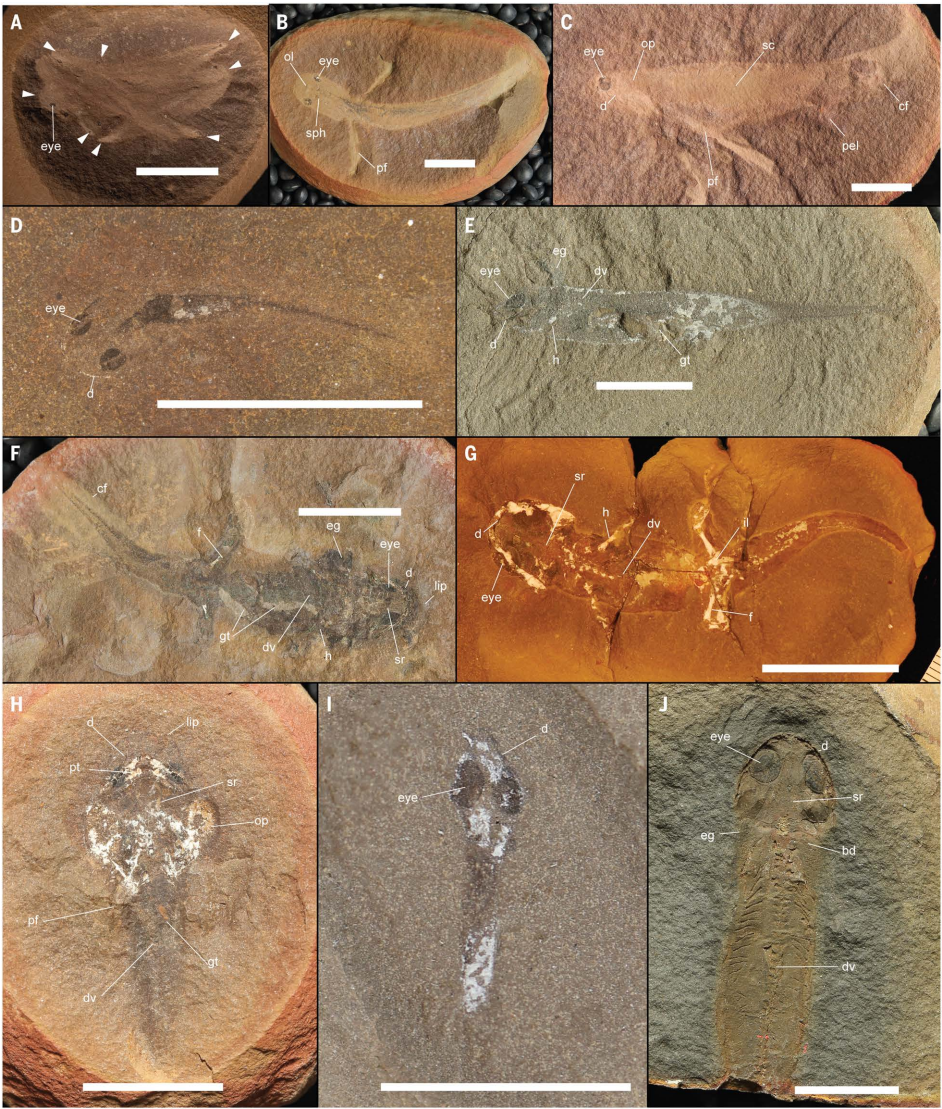
Mazon Monday #327: Direct development of stem tetrapods across the fin-to-limb transition
A significant paper on tetrapod development was published last week, and Mazon Creek fossils played a central role. “Direct Development of Stem Tetrapods Across the Fin-to-Limb Transition” by Jason Pardo and Arjan Mann of the Field Museum appeared in the journal Science. Lauer Foundation for Paleontology, Science, and Education also contributed to the study. The…
-
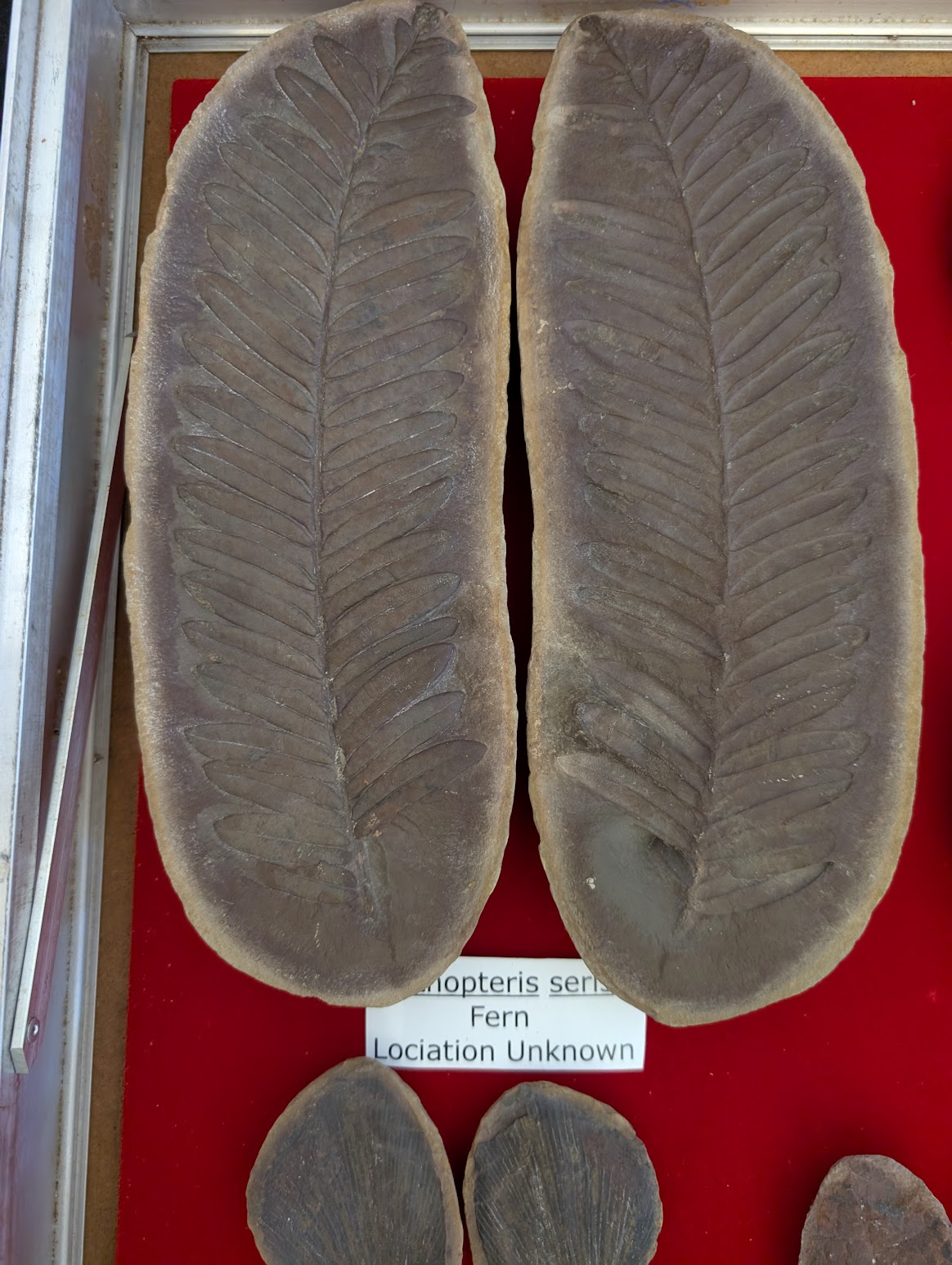
Mazon Monday #326: More Mazon Creek at the 2026 CGMA Show
This is Mazon Monday post #326. What’s your favorite Mazon Creek fossil? Tell us at email:esconi.info@gmail.com. Long-time ESCONI member Rich Rock had an amazing display of Mazon Creek fossils at the CGMA show. There’s a little a bit of everything here, from clams to ferns to spiders to an absolutely breathtaking Alethopteris serlii. Enjoy!
-

Mazon Monday #325: Braceville Spring 2026 Field Trip Report
We held our spring Braceville field trip a few weeks ago. The weather was nearly perfect… partly cloudy with temperatures in the high 70’s and low 80’s each day.
-
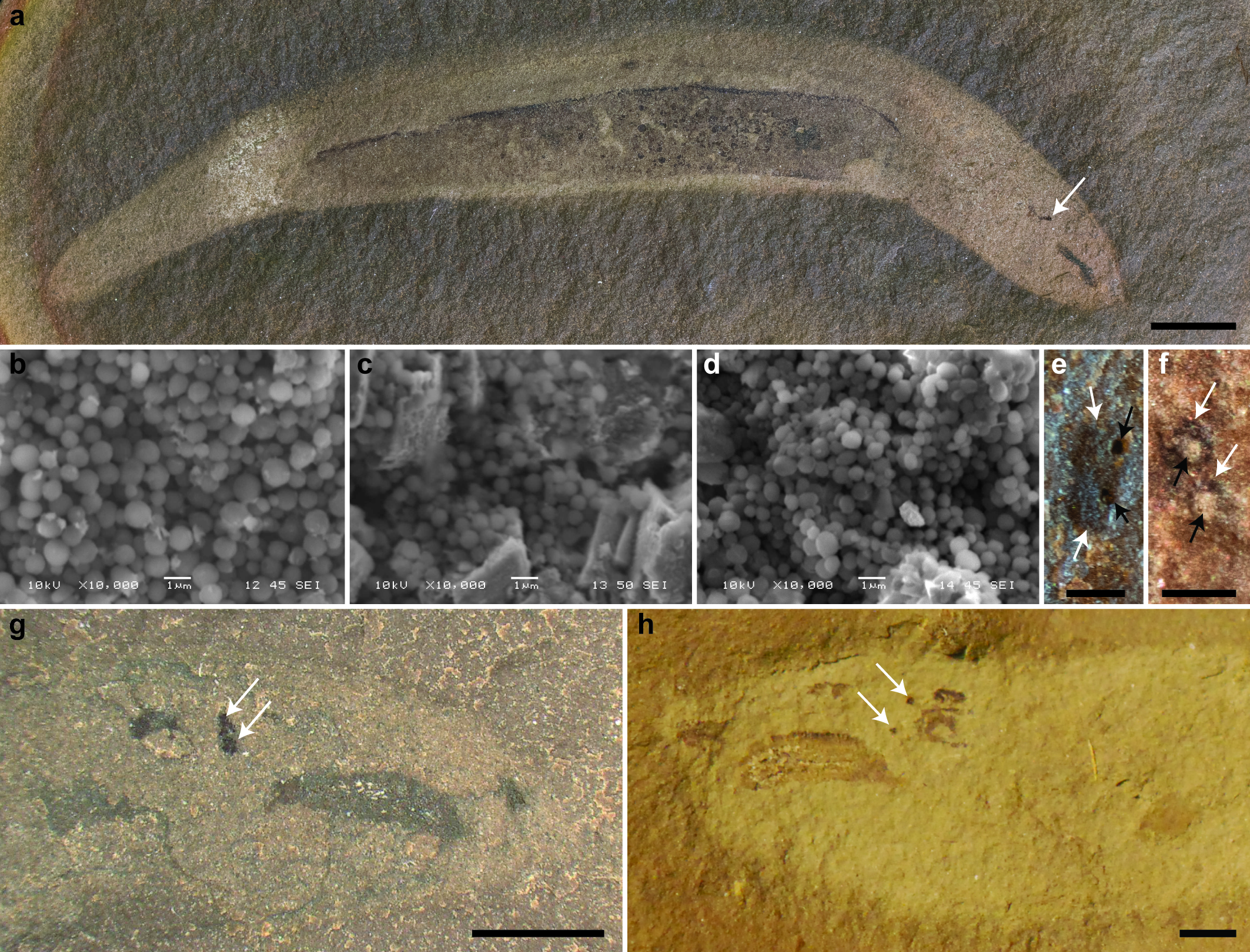
Mazon Monday #324: Stepwise loss of complexity in hagfish eyes prior to deep sea colonization
Mazon Creek hagfish made headlines again last week. New research led by Victoria McCoy, Assistant Professor in the Department of Geosciences at the University of Wisconsin–Milwaukee, was published in the journal Biology Letters. In the paper, “Stepwise Loss of Complexity in Hagfish Eyes Prior to Deep-Sea Colonization,” McCoy collaborated with several familiar names… Arjan Mann…
-
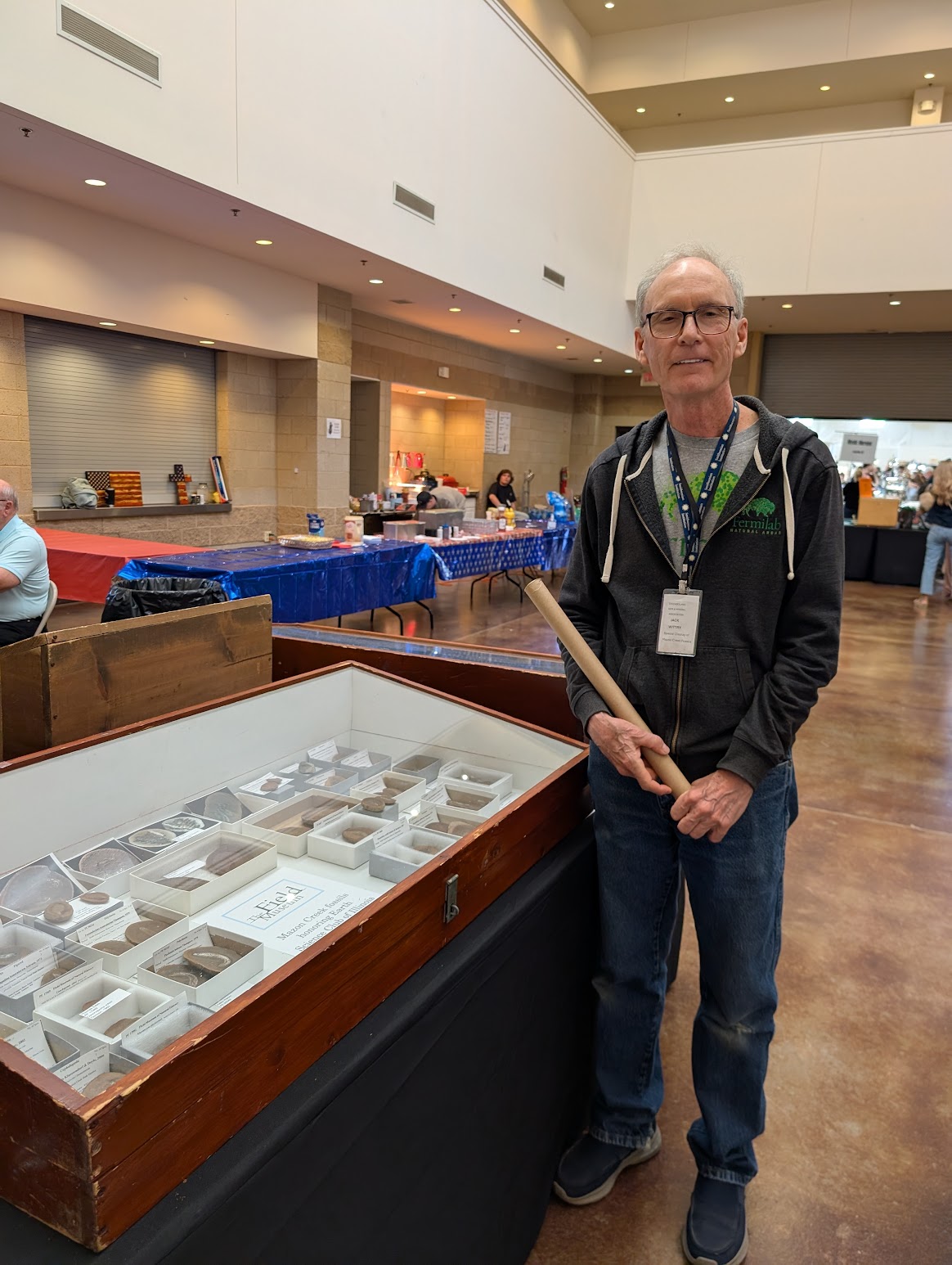
Mazon Monday #323: Mazon Creek at the 2026 CGMA Show
Jack Wittry had a breathtaking display at the 2026 CGMA Show at the Kane County Fairgrounds this past weekend. It featured Mazon Creek fossils named for ESCONI members.
-
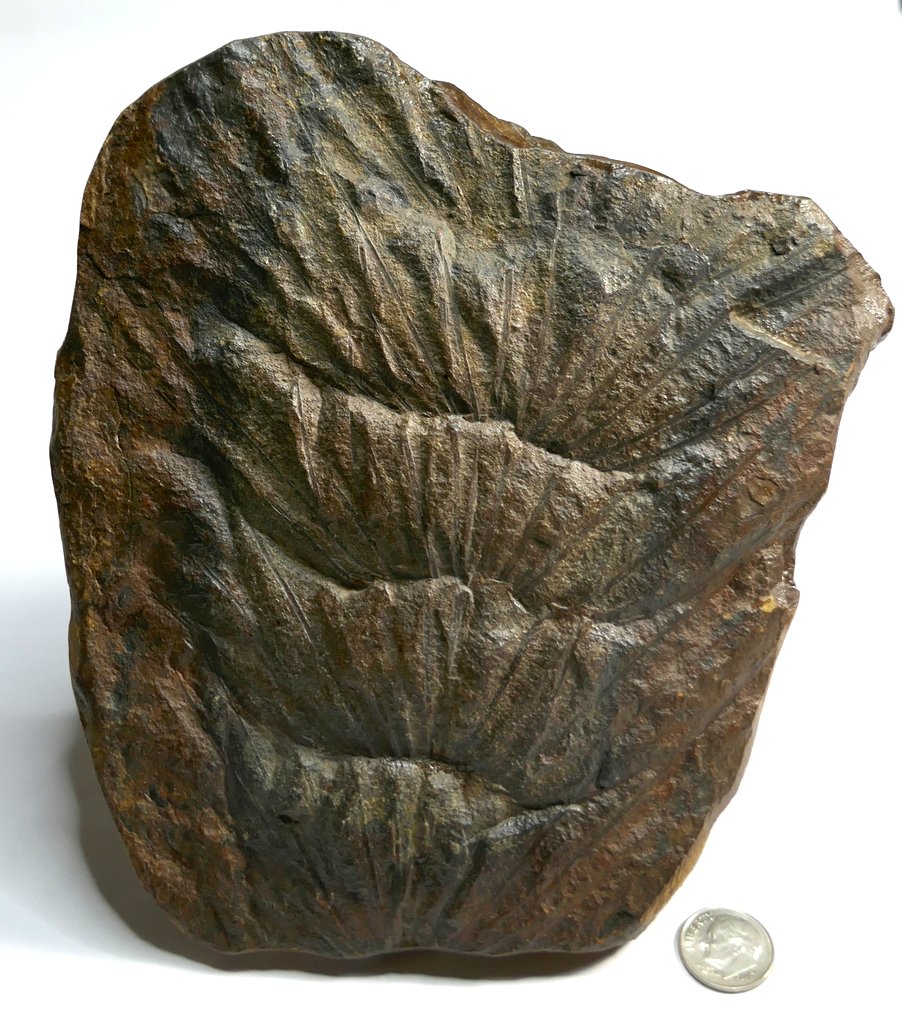
Mazon Monday #322: Asterophyllites longifolius
Asterophyllites longifolius like its sister taxon Asterophyllites equisetiformis (see Mazon Monday #103), formed part of the foliage of the giant horsetail-like plant Calamites. Both species are known from Mazon Creek, but while A. equisetiformis is common, A. longifolius is a very rare. One distinguishing characteristic of A. longifolius is that the leaves are longer than…
-

Mazon Monday #321: So, where’s the shrimp?!?
Andy Jansen wrote this article for the December 2007 edition of the ESCONI newsletter. Andy has been an ESCONI board member for many years. He’s currently our Treasurer and Librarian. If you attended our show in March, he was in his usually position at the book display and sale tables.
-
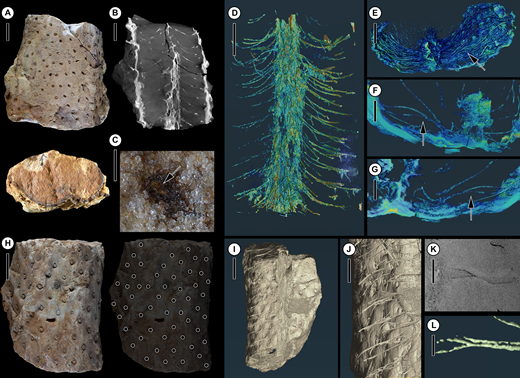
Mazon Monday #320: A shoot at the root? Unique development and evolution of the stigmarian apical meristem
Our friends at the Field Museum have been busy… this time it’s paleobotany. The paper “A shoot at the root? Unique development and evolution of the stigmarian apical meristem” was published in the journal Proceedings of the Royal Society B a few days ago. The authors should be familiar… Michael P. D’Antonio, C. Kevin Boyce,…
-
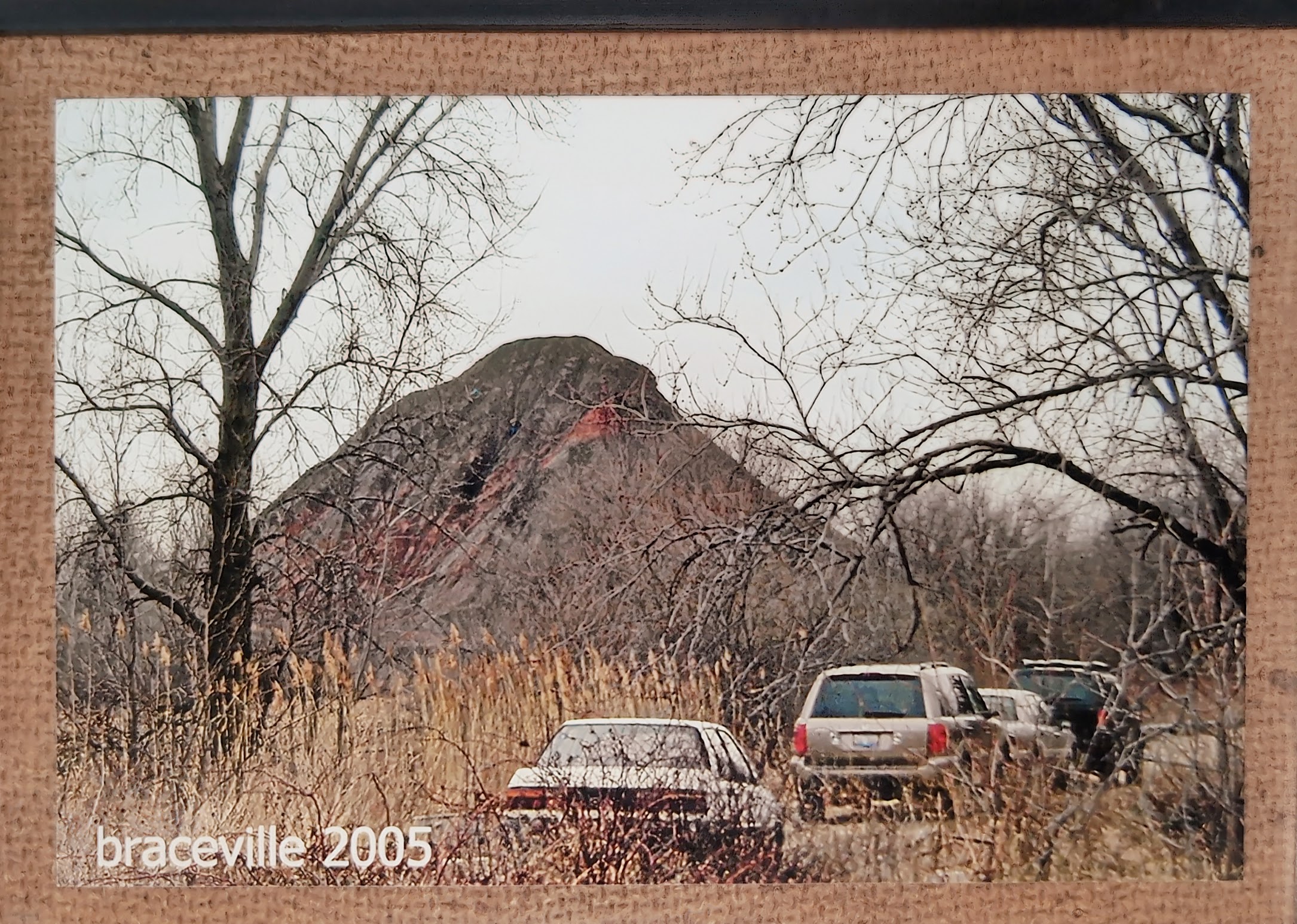
Mazon Monday #319: ESCONI Braceville Trip Spring 2005
Our spring trip to Braceville Spoil Pile is coming up in May. The sign-up will kick off very soon. We have been going there for many years. For the spring trip in 2005, Barbara Brotman, a reporter for the Chicago Tribune was there to talk to a few ESCONI members and talk about ESCONI.
-
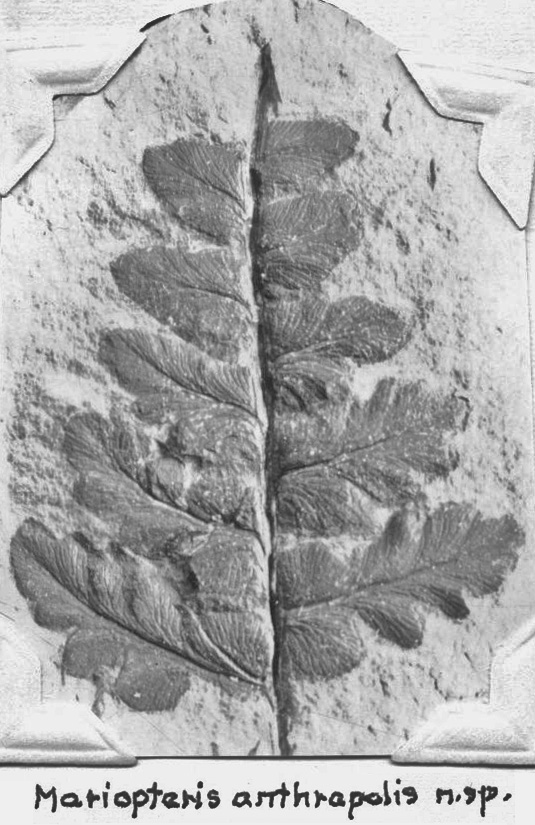
Mazon Monday #318: Eusphenopteris neuropteroides
Eusphenopteris neuropteroides is an extinct seed fern species that is relatively uncommon, though it is primarily known from the terrestrial deposits of Mazon Creek. It was originally described as Pseudopecopteris anceps by Leo Lesquereux, but its classification has shifted over time as its relationships to other taxa became better understood. Over the years, it has…
-

Mazon Monday #317: Pohlsepia Revisited — Not an Octopus After All
A new paper “Synchrotron data reveal nautiloid characters inPohlsepia mazonensis, refuting a Palaeozoic origin for octobrachians” in the journal Proceedings of the Royal Society B Biological Sciences refutes the classification of Pohlsepia mazonensis as an octopus and reclassifies it as a soft-bodied nautiloid with the new name Paleocadmus pohli.
-
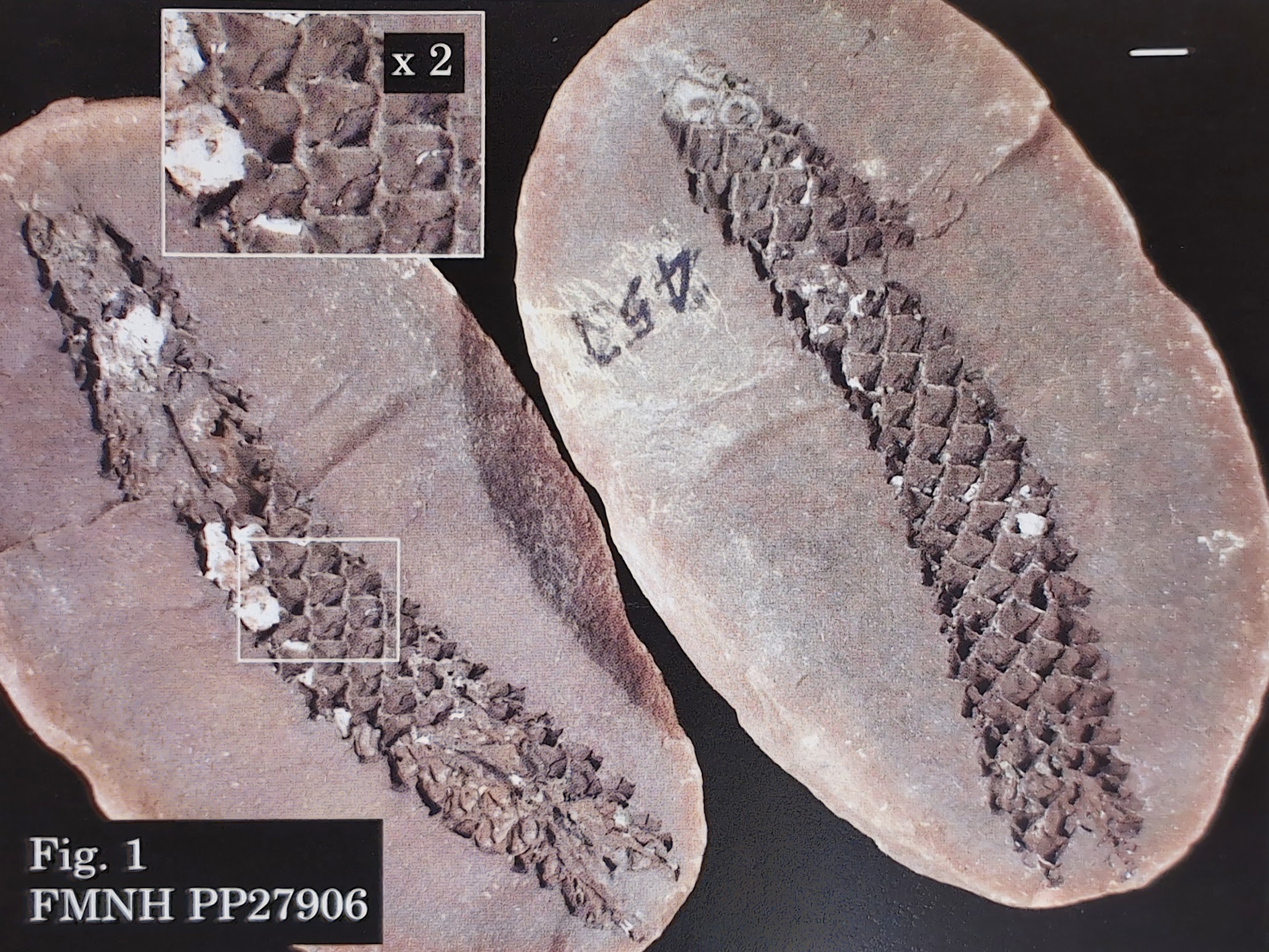
Mazon Monday #316: Sublepidophloios protuberans
Today, we have Sublepidophloios protuberans, which is a species of lycopsid branch. It’s very common, actually the most common form of lycopsid bark in the Mazon Creek fossil flora.
-
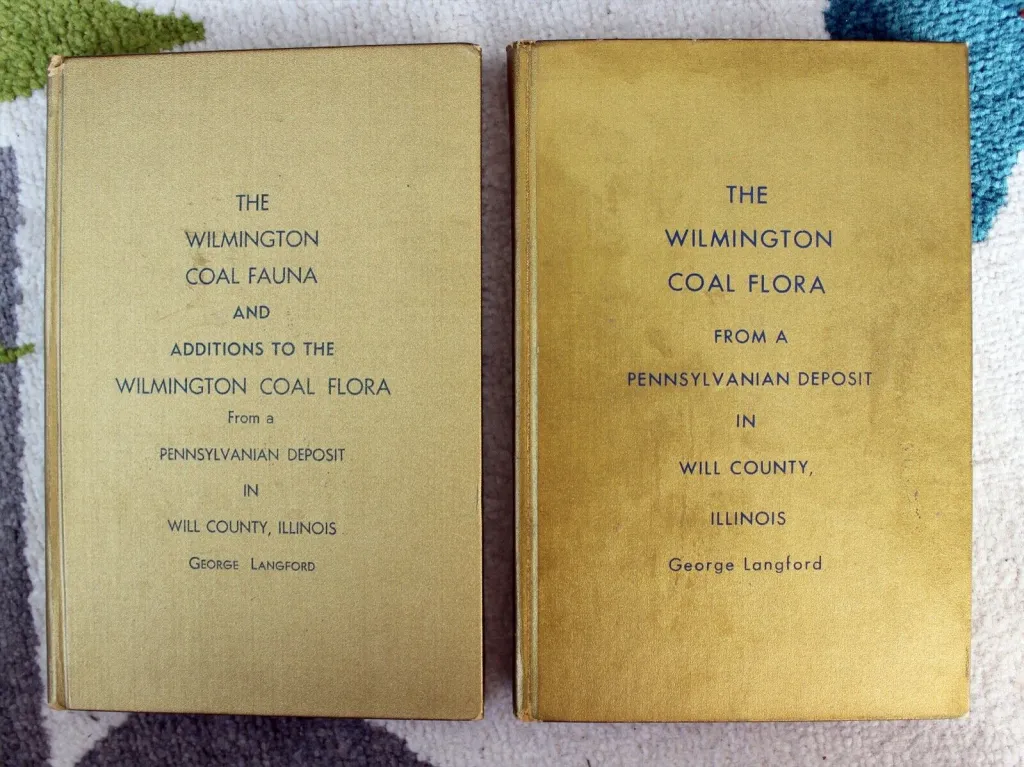
Mazon Monday #315: Another Langford Book Inscription
From time to time, we run across interesting old book inscriptions. Back in Mazon Monday #18, we highlighted a few… Well, here’s another interesting inscription.
-
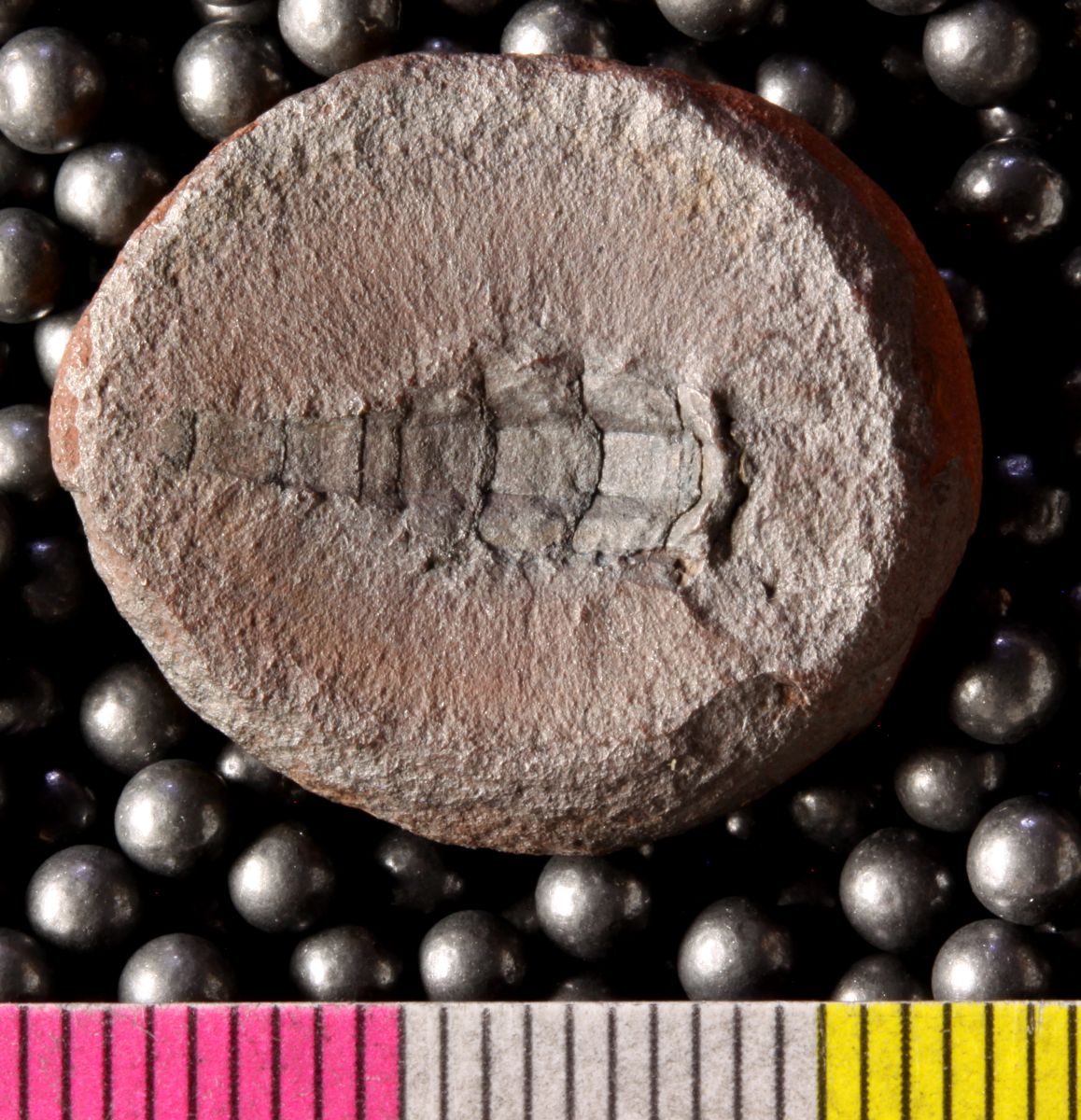
Mazon Monday #314: Smithixerxes juliarum
Smithixerxes juliarum is among the rarest animals found in the Mazon Creek fossil deposit. It belongs to an extinct group of arthropods known as the euthycarcinoids, which ranged from the Cambrian to the Triassic periods. Some researchers believe euthycarcinoids may have been amphibious, capable of venturing between water and land.
