Tag: MazonMonday
-
Mazon Monday #280: Palaeocampa anthrax Redux
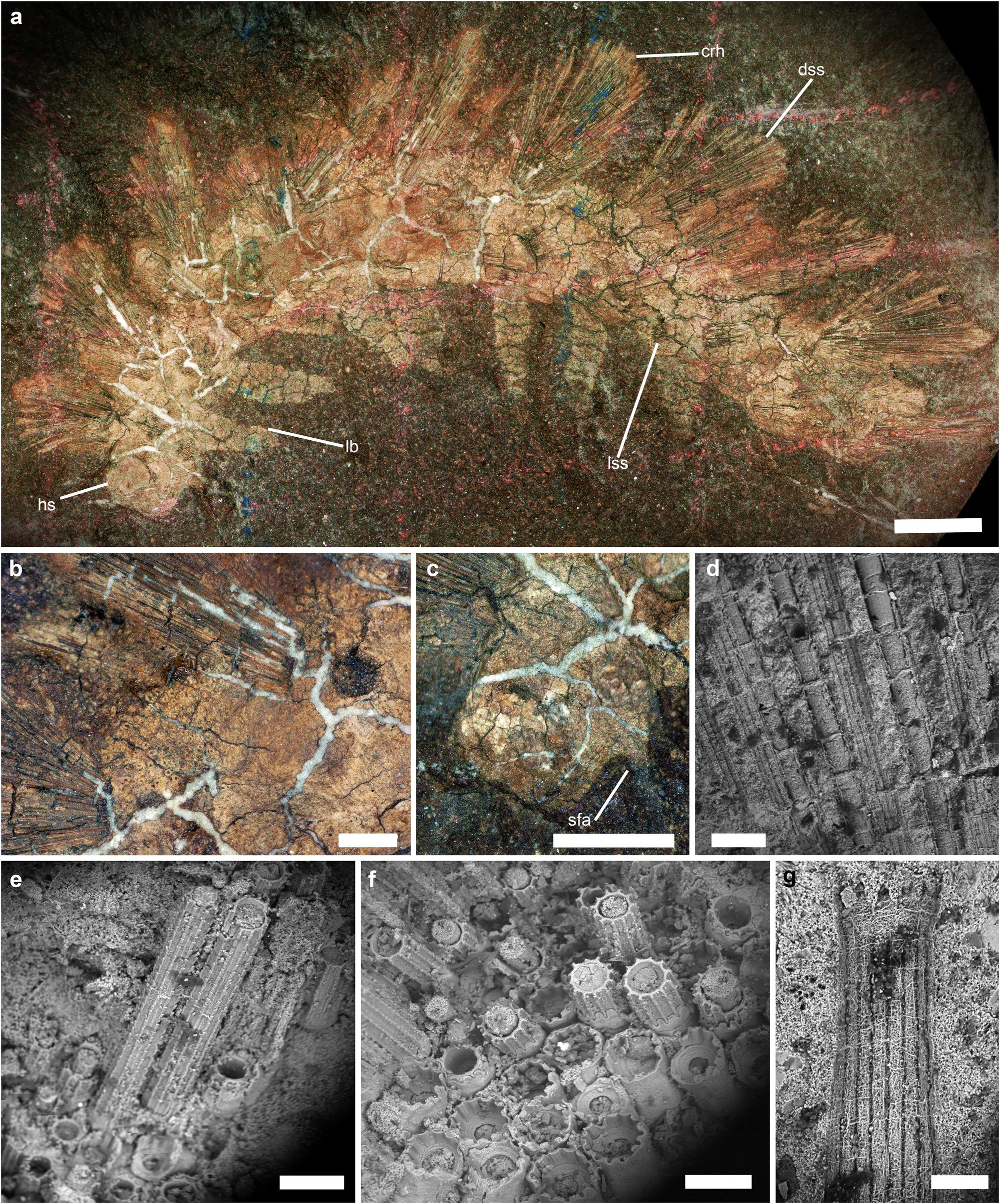
This is Mazon Monday post #280. What’s your favorite Mazon Creek fossil? Tell us at email:esconi.info@gmail.com. The classification of Palaeocampa anthrax has long been controversial. The animal was first described as a catepillar in 1865 by Fielding Bradford Meek (1817-1876) and Amos Henry Worthen (1813-1888) in “Notice of some new types of organic remains from the…
-

Mazon Monday #279: Prehistoric paradise hiding just outside Chicago
This is Mazon Monday post #279. What’s your favorite Mazon Creek fossil? Tell us at email:esconi.info@gmail.com. When Arjan Mann and his lab at the Field Museum held a field trip to the Braceville spoil pile back in May 2025, he invited a ESCONI. Here is the story on Reuters. Near a riverbank in central Illinois,…
-
Mazon Monday #278: Anthracomedusa turnbulli
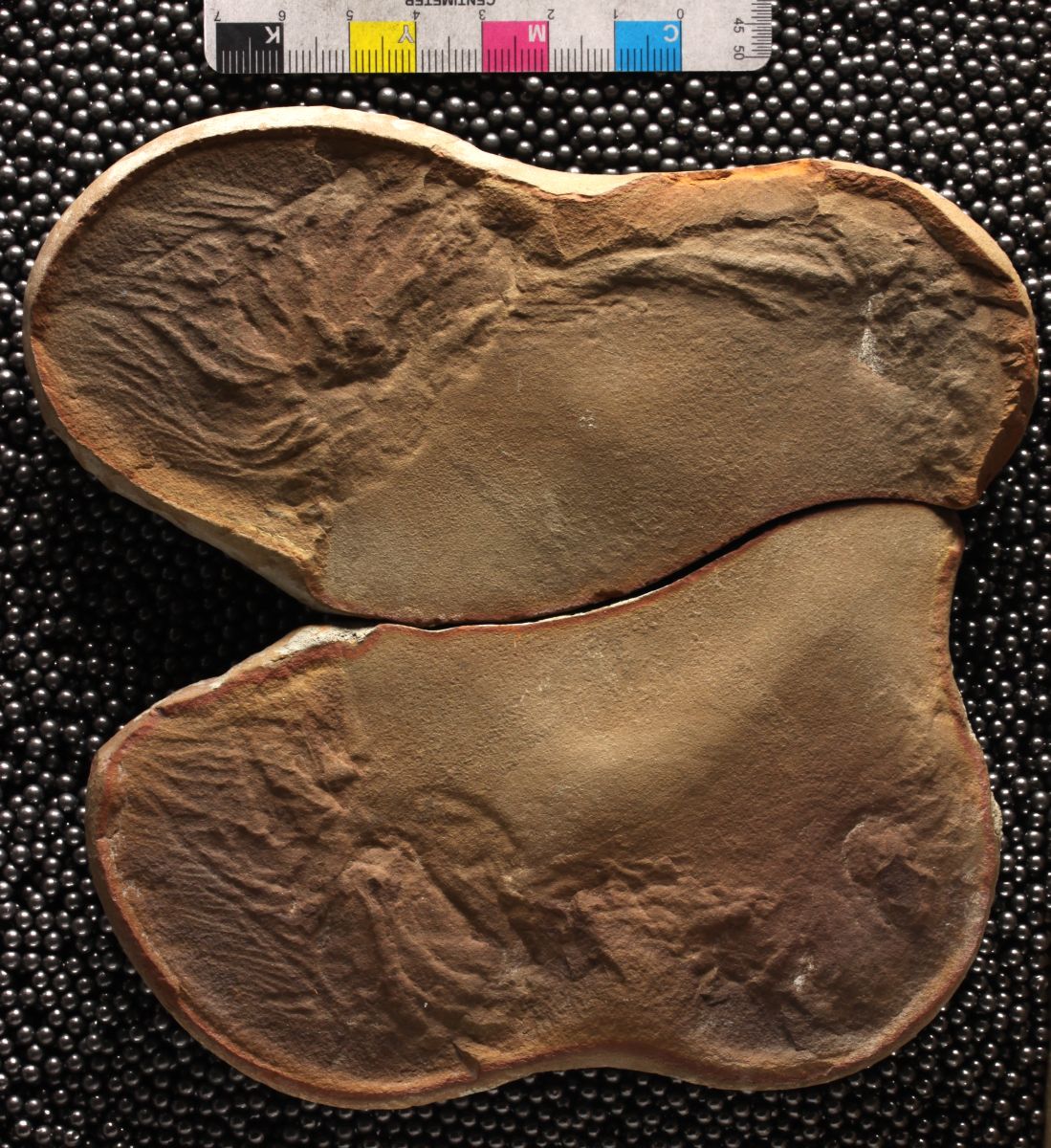
This is Mazon Monday post #278. What’s your favorite Mazon Creek fossil? Tell us at email:esconi.info@gmail.com. Lacking hard parts, jellyfish are rare in the fossil record. Mazon Creek has a few species of them. One of the most common animal fossils found in Mazon Creek is Essexella asherae, which only recently was reclassified as a…
-

Mazon Monday #277: Sphenophyllales from the Mazon Creek flora (Upper Moscovian: Illinois, USA)
This is Mazon Monday post #277. What’s your favorite Mazon Creek fossil? Tell us at email:esconi.info@gmail.com. Here’s a new paper “Sphenophyllales from the Mazon Creek flora (Upper Moscovian: Illinois, USA)” by some of our friends at the Field Museum, Yale, and the Smithsonian. It was published in the Biological Journal of the Linnean Society in…
-

Mazon Monday #276: Video for Cal So’s “Taxonomic diversity and development of Late Carboniferous amphibamiforms from the Mazon Creek Lagerstätte”
This is Mazon Monday post #276. What’s your favorite Mazon Creek fossil? Tell us at email:esconi.info@gmail.com. Cal So, Postdoctoral Scientist in the Research & Collections Department of The Field Museum, Chicago, gave us an informative presentation in June 2025. The title of his presentation was “Taxonomic diversity and development of Late Carboniferous amphibamiforms from the…
-
Mazon Monday #275: Rhacophyllum molle
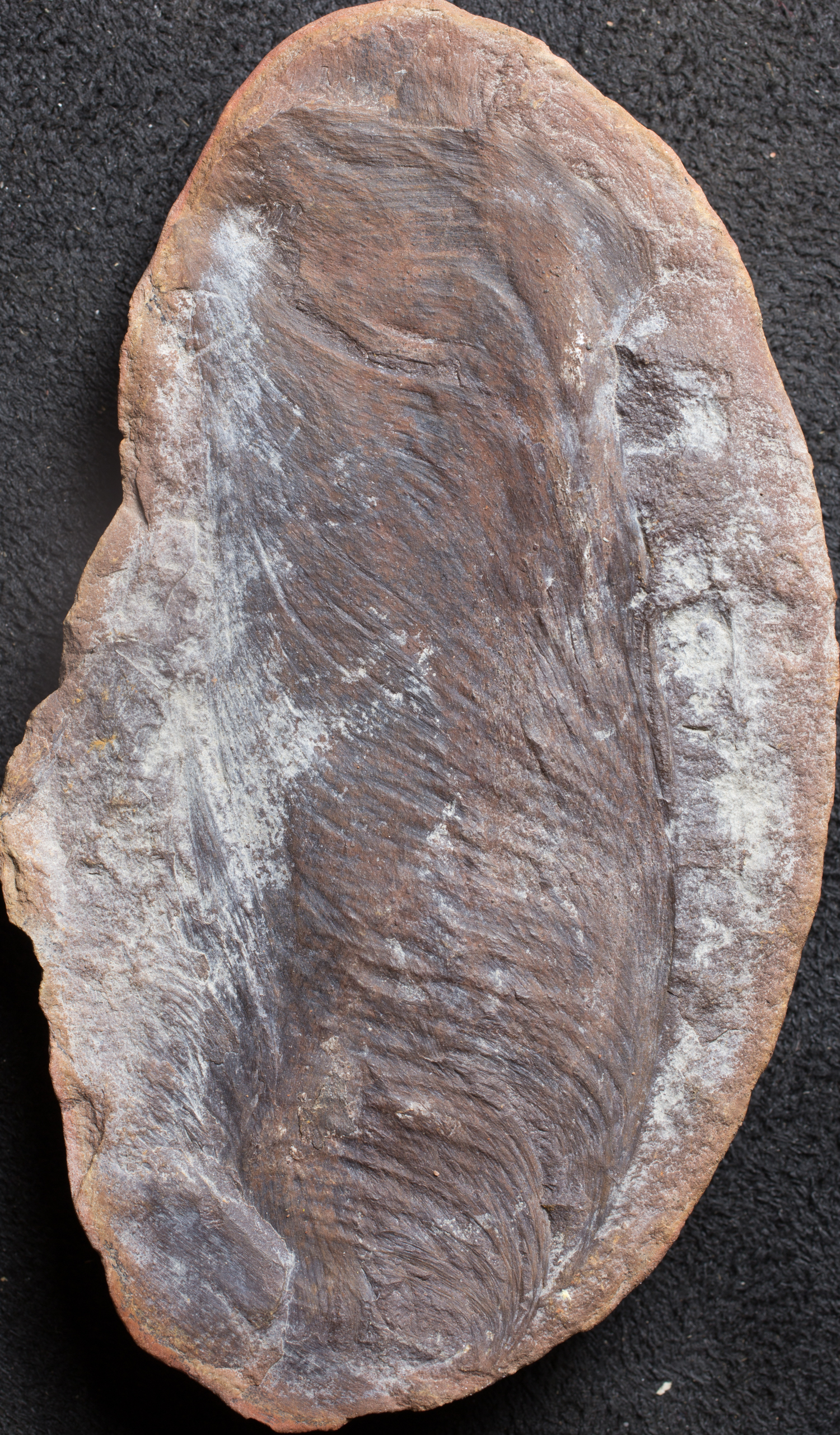
This is Mazon Monday post #275. What’s your favorite Mazon Creek fossil? Tell us at email:esconi.info@gmail.com. After Lesquereux (1870) Rhacophyllum molle is a wispy plant, underfined plant species described by Leo Lesquereux in 1870 as Hymenophyllites mollis. Later, he reclassified it as Rhacophyllum molle. He thought it was a type of aquatic plant. He reported…
-

Mazon Monday #274: George Langford Sr. Passes Away on June 16th, 1964
This is Mazon Monday post #274. What’s your favorite Mazon Creek fossil? Tell us at email:esconi.info@gmail.com. Recently, I ran across the letter from George Langford Jr. upon the death of his father – George Langford Sr. The letter is the subject of this post and follows below. George Langford Sr. is giant in the history…
-

Mazon Monday #273: Neuropteris fimbriata
This is Mazon Monday post #273. What’s your favorite Mazon Creek fossil? Tell us at email:esconi.info@gmail.com. Neuropteris fimbriata is a seed fern. It has by found associated with Neuropters ovata and is considered a growth form of it. N. fimbriata was described in 1866 by one the founders of American paleobotany Leo Lesquereux (1806-1889). Lesquereux…
-

Mazon Monday #272: Annularia radiata
This is Mazon Monday post #272. What’s your favorite Mazon Creek fossil? Tell us at email:esconi.info@gmail.com. Annularia radiata is a very commonly found species of Annularia. Annularia was the foliage for Calamites sp., which is related to modern day horsetails. It is very similar to the larger Annularia inflata (Mazon Monday #60). It was named…
-
Mazon Tuesday #271: Chicago Tribune: The world’s best-preserved fossils are right outside Chicago
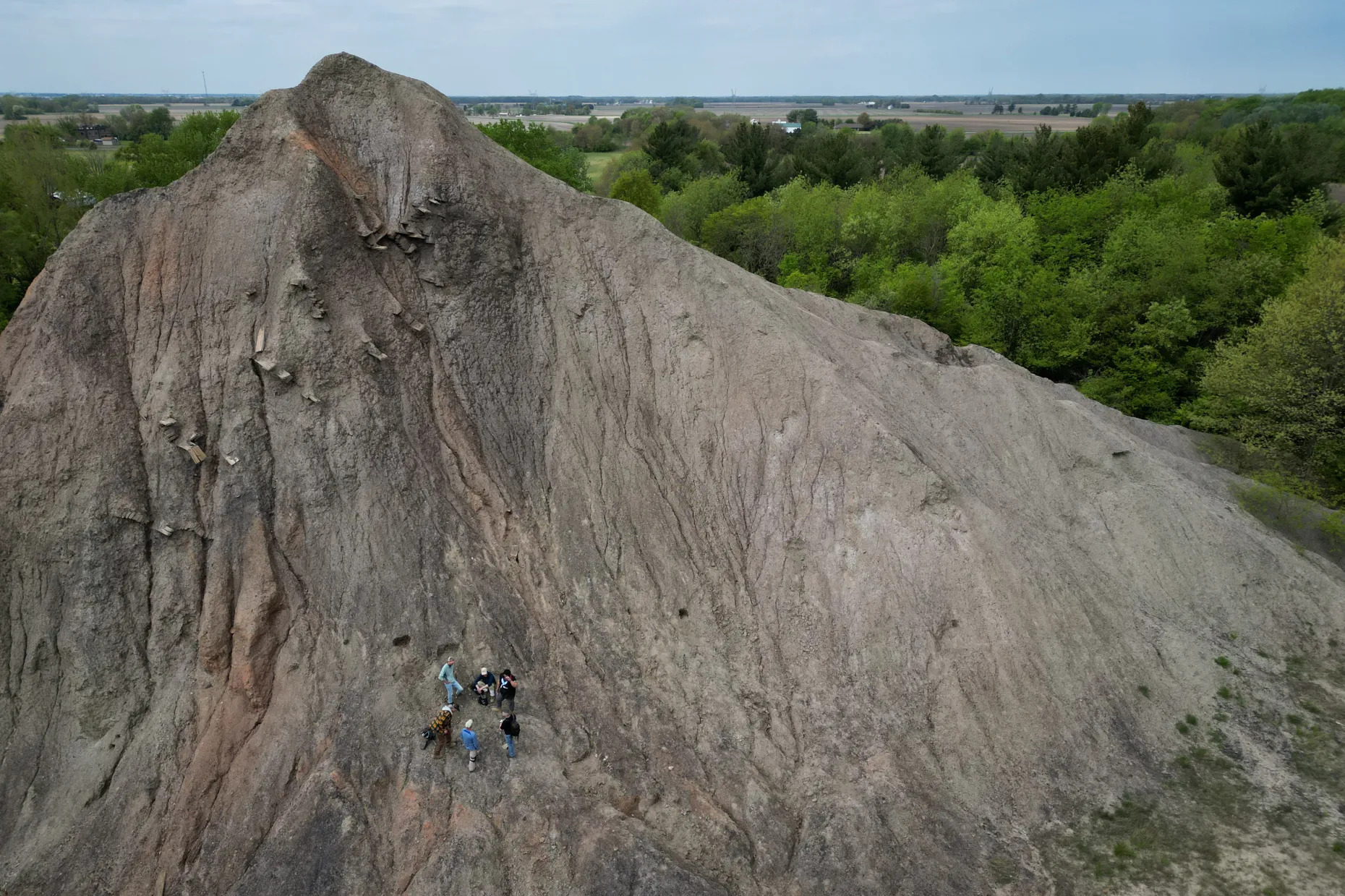
This is Mazon Monday post #271. What’s your favorite Mazon Creek fossil? Tell us at email:esconi.info@gmail.com. We have a bonus Mazon Monday this week—though since this second post falls on a Tuesday, we’ll call it Mazon Tuesday. On Monday, May 26th, the Chicago Tribune published an article highlighting Mazon Creek, the Field Museum, and ESCONI—a…
-
Mazon Monday #270: Braceville Field Trip Report for Spring 2025
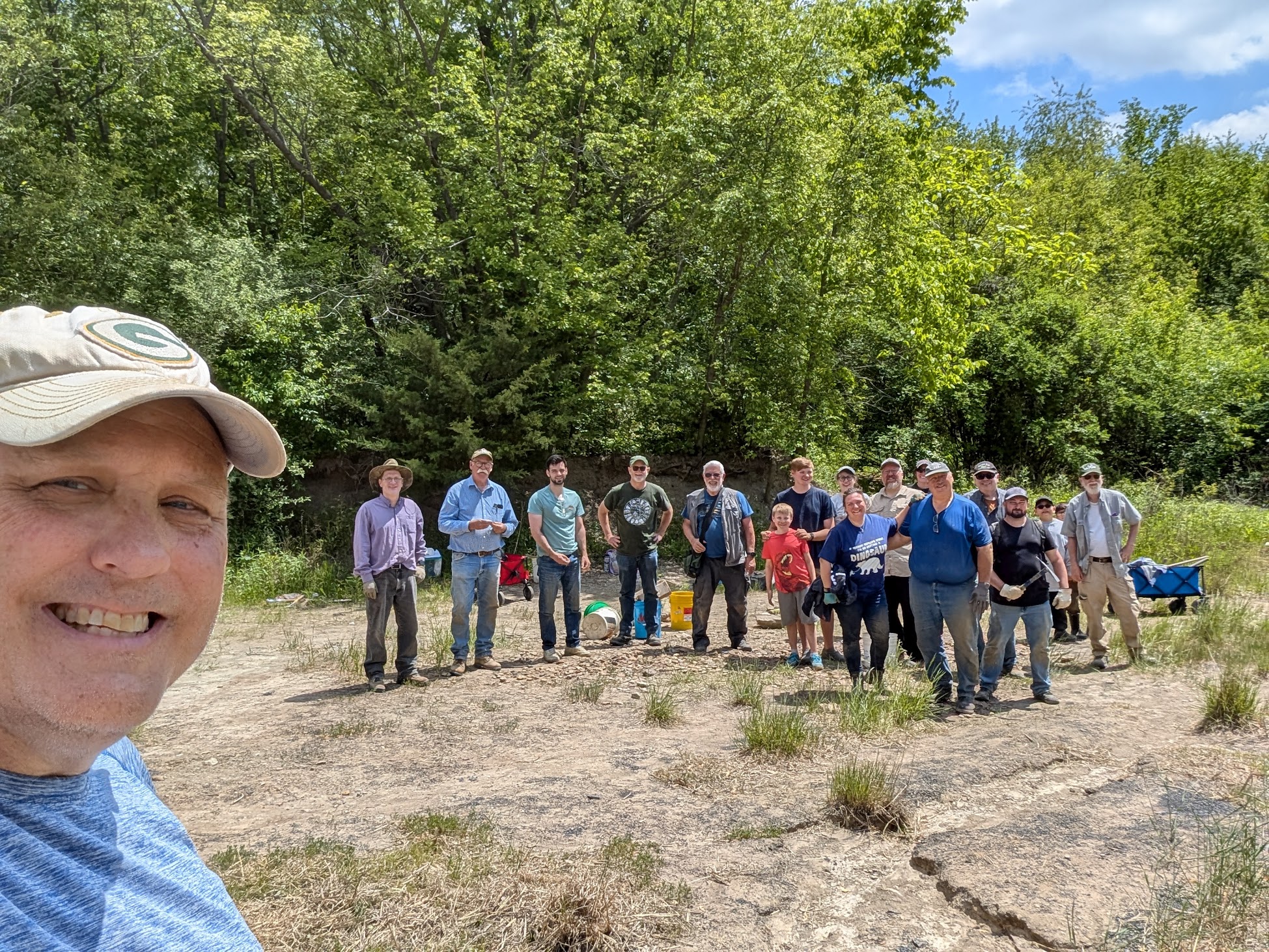
This is Mazon Monday post #270. What’s your favorite Mazon Creek fossil? Tell us at email:esconi.info@gmail.com. We had absolutely beautiful weather for both Saturday and Sunday, although it did get a little windy on Saturday. Attendance was excellent with very few no shows. Members who couldn’t make it, cancelled early to enable those on the…
-
Mazon Monday #269: Belotelson magister
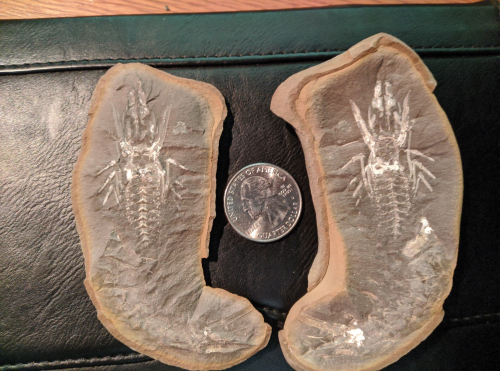
This is Mazon Monday post #269. What’s your favorite Mazon Creek fossil? Tell us at email:esconi.info@gmail.com. Belotelson magister is the most common crustacean/shrimp fossil in the Mazon Creek biota. Fossil preservation of Belotelson magister varies with the most common presentation being a molt. It was described as Acanthotelson magister by Alpheus Spring Packard (1839-1905) in…
-

Mazon Monday #268: Pecopteris lanceolata
This is Mazon Monday post #268. What’s your favorite Mazon Creek fossil? Tell us at email:esconi.info@gmail.com. Pecopteris lanceolata is a very rare variety of true fern found only in the Mazon Creek fossil deposit. It was first described as Alethopteris lanceolata by Leo Lesquereux in 1870. Later in 1879, Lesquereux reclassified this fern as Pecopteris lanceolata.…
-

Mazon Monday #267: Danville Spoil Pile Field Trip Report for April 2025
This is Mazon Monday post #267. What’s your favorite Mazon Creek fossil? Tell us at email:esconi.info@gmail.com. The spring trip to the Danville Spoil Pile was held on Satuday, April 26th. The day started out overcast and chilly with temperatures in the mid-40s and fairly brisk winds. By the end of the trip, the sun was…
-
Mazon Monday #266: Rhacophyllum cornutum
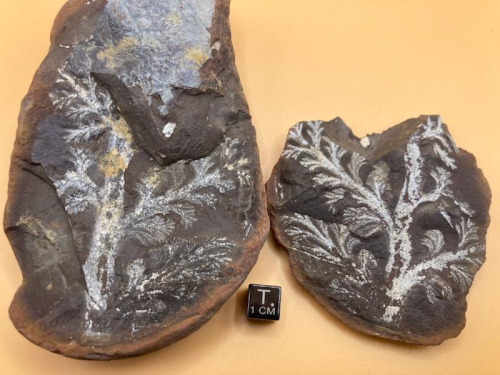
This is Mazon Monday post #266. What’s your favorite Mazon Creek fossil? Tell us at email:esconi.info@gmail.com. Rhacophyllum cornutum was described by Leo Lesquereux in 1879. Lesquereux was a Swiss-born bryologist and a pioneer of American paleobotany. Lesquereux is credited with naming the Mazon Creek fossil deposit in his 1870 report “Report on the Fossil Plants…
-
Mazon Monday #265: Historic Collectors – John and Lucy McLuckie
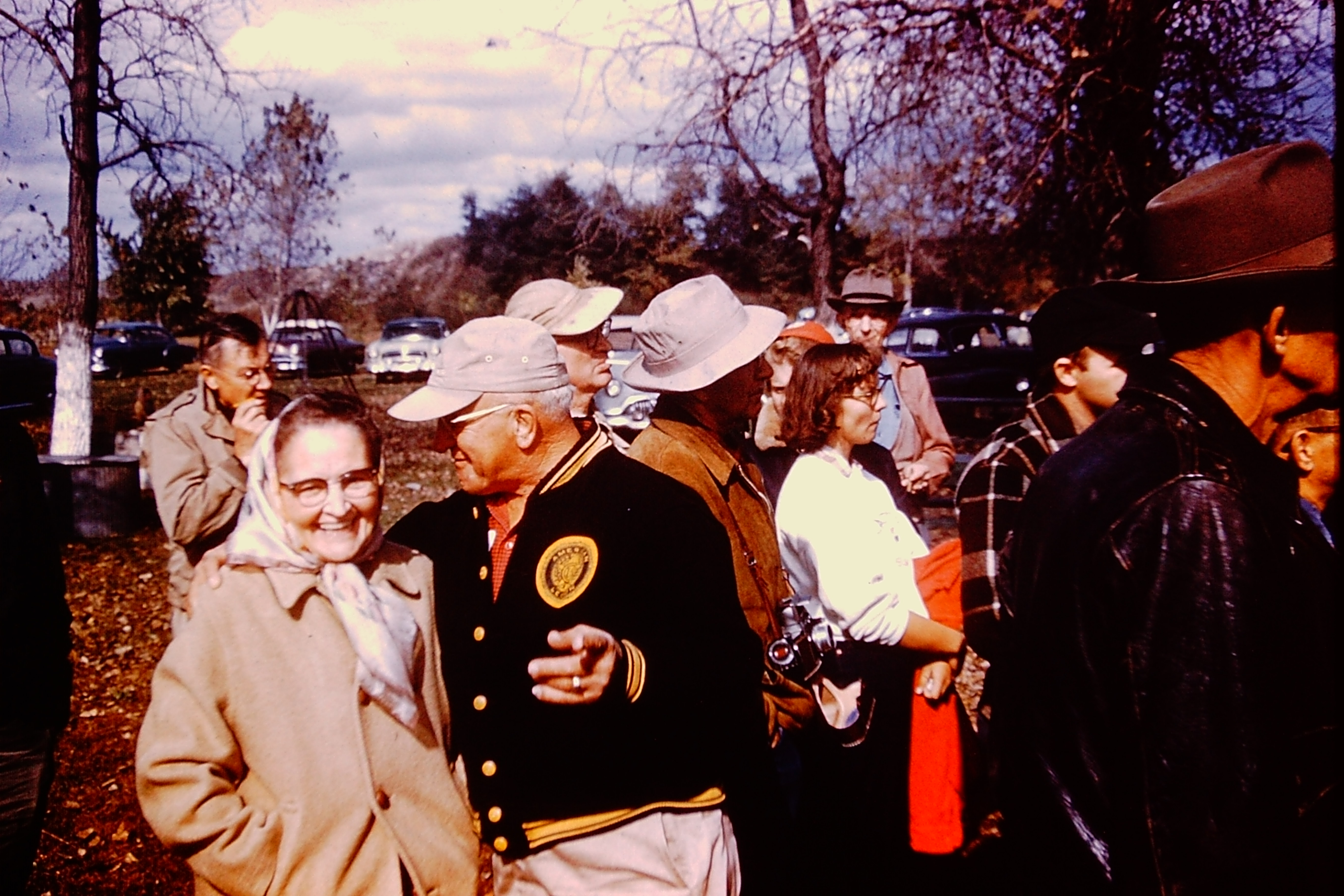
This is Mazon Monday post #265. What’s your favorite Mazon Creek fossil? Tell us at email:esconi.info@gmail.com. John McLuckie, a prominent figure in the history of Mazon Creek fossil collecting and an early member of ESCONI, was well known—along with his wife Lucy—for their extraordinary fossil collection. The two are pictured together on the left in…
-
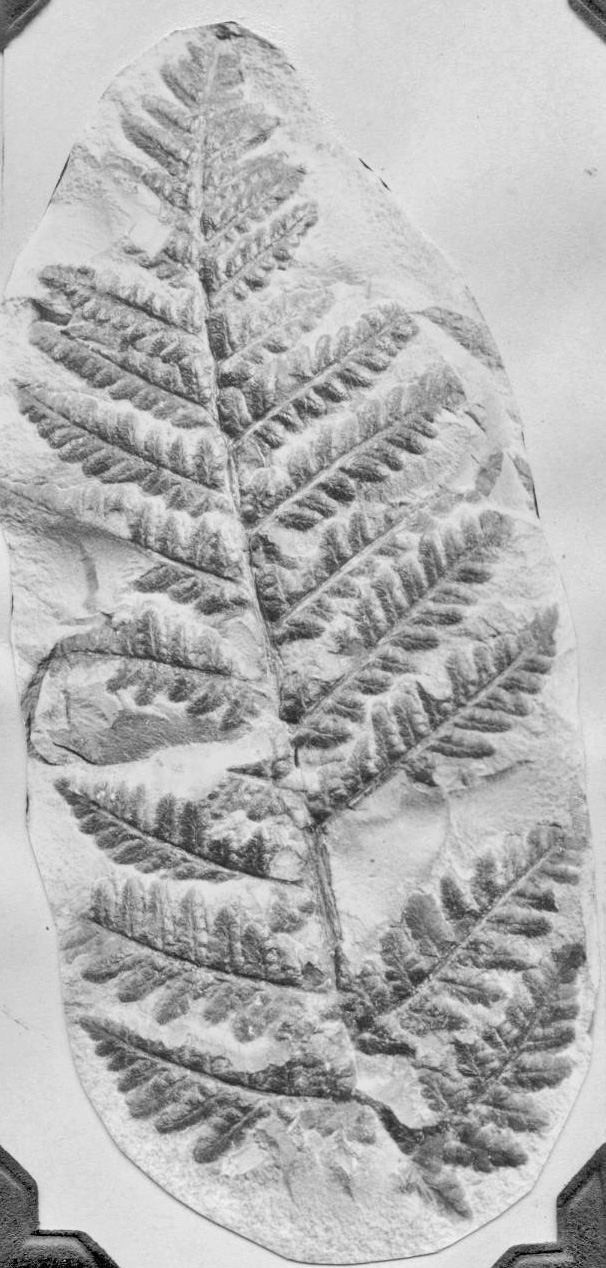
Mazon Monday #264: Crossotheca boulayi
This is Mazon Monday post #264. What’s your favorite Mazon Creek fossil? Tell us at email:esconi.info@gmail.com. Crossotheca boulayi is one of the rarer seed ferns in the Mazon Creek fossil biota. It was first described as Alethopteris hymenophylloides by Leo Lesquereux in 1870. The name was changed to Crossotheca boulayi by Charles Rene Zeiller (1847-1915). …
-

Mazon Monday #263: Dinner With Dr. Frederick Schram in August, 2011
This is Mazon Monday post #263. What’s your favorite Mazon Creek fossil? Tell us at email:esconi.info@gmail.com. Mary Fairchild did an excellent report about her dinner with Dr. Frederick Schram in August, 2011. There is much to enjoy in the report, including facts about early Mazon Creek research, the people that did research, and the collectors…
-
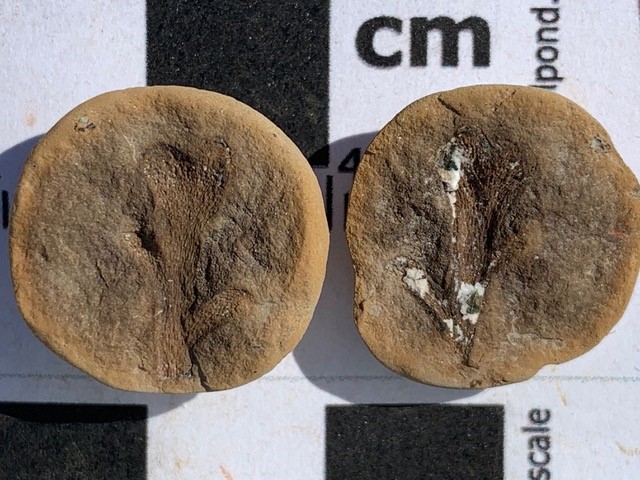
Mazon Monday #262: Kankakeea grundyi
This is Mazon Monday post #262. What’s your favorite Mazon Creek fossil? Tell us at email:esconi.info@gmail.com. Kankakeea grundyi was a bud used for vegetative reproduction, that, once shed, would grow a new fern. It has been associated with Crenulopteris acadica, as they have been found in association. It is rare and a usually found in…
-
Mazon Monday #261: Bear Gulch Cyclids
This is Mazon Monday post #261. What’s your favorite Mazon Creek fossil? Tell us at email:esconi.info@gmail.com. Who doesn’t like a nice cyclid fossil? Well, the Lauers (and friends) are here with a full plate of them… The fossil plate comes from the legendary Bear Gulch locality in Montana, US. The Bear Gulch Beds of the…
-
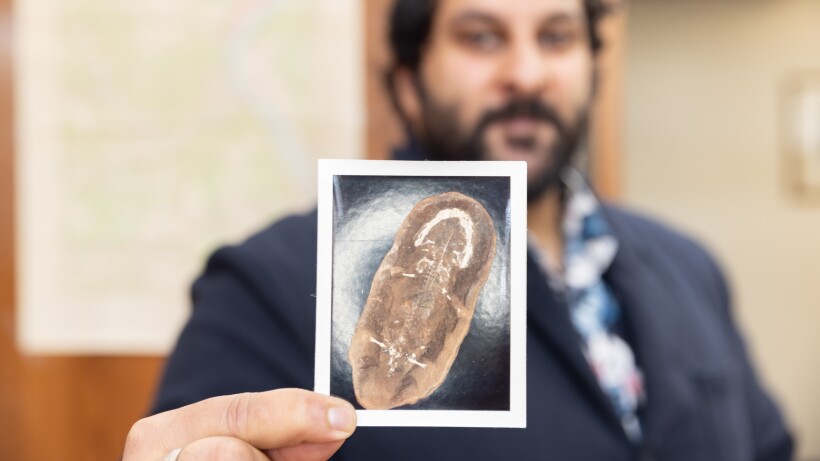
Mazon Monday #260: Mazon Creek and the Field Museum in the News!
This is Mazon Monday post #260. What’s your favorite Mazon Creek fossil? Tell us at email:esconi.info@gmail.com. Sorry for the delay today. Typepad was having technical difficulties. WBEZ had a recent story about Mazon Creek fossils. Some of our favorite scientists at the Field Museum were mentioned in the article. Inside the fossil hunt: Digging for…
-
Mazon Monday #259: Pecopteris bucklandii
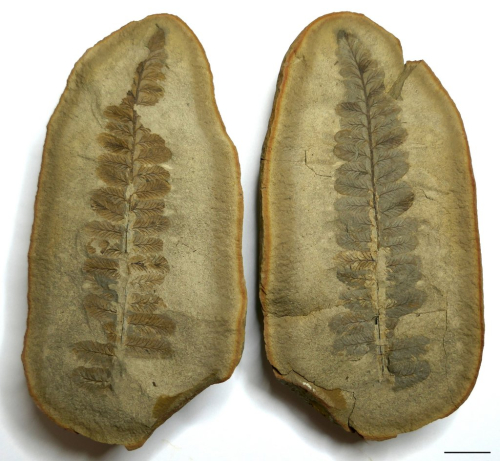
This is Mazon Monday post #259. What’s your favorite Mazon Creek fossil? Tell us at email:esconi.info@gmail.com. Pecopteris bucklandii is one of the rarer ferns from Mazon Creek. Like all the true ferns from Mazon Creek, P. bucklandii is an extinct species of the class Filcopsida. It’s fronds have been associated with the Caboniferous tree fern…
-
Fossil Friday #255: Pecopteris bucklandii
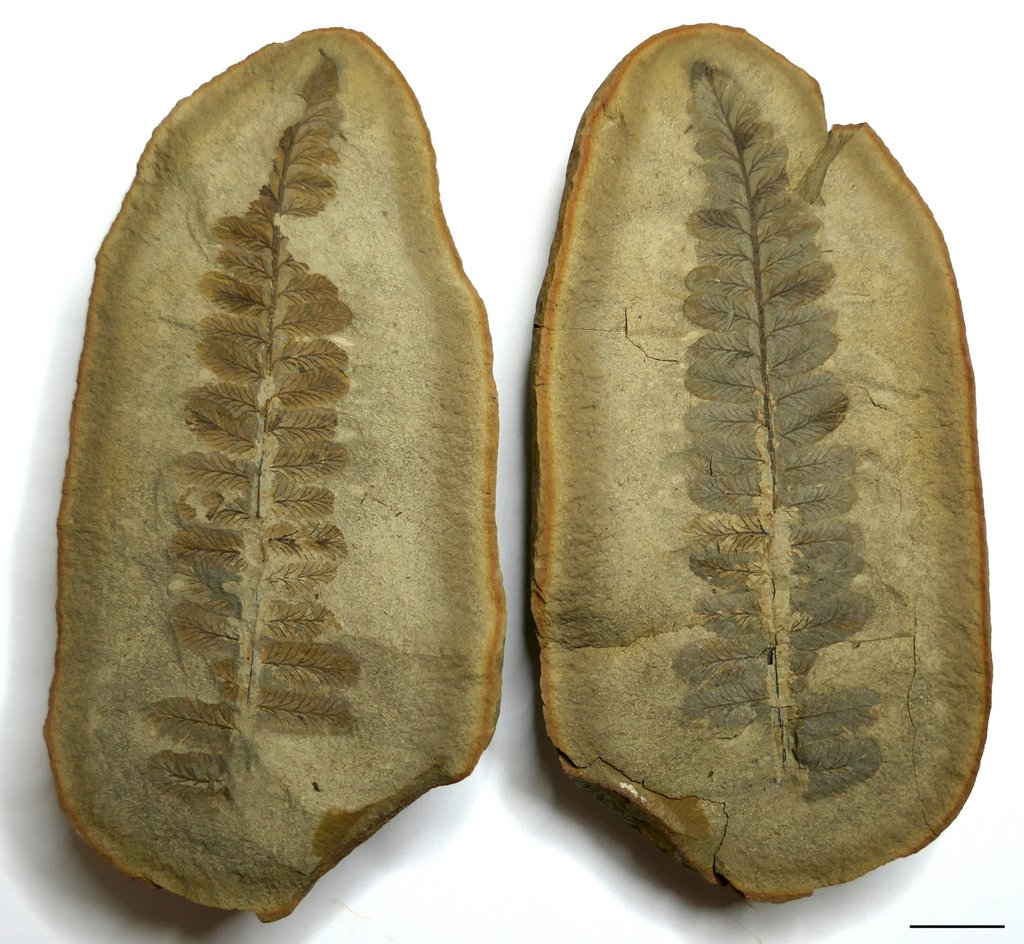
This is the “Fossil Friday” post #255. This is a regular feature of the website. We will post any fossil pictures you send in to esconi.info@gmail.com. Please include a short description or story. Check the hash tag #FossilFriday on Twitter/X and Bluesky for contributions from around the world! —————————————————– We have a very rare Mazon…
-
Mazon Monday #258: Myriotheca scaberrima
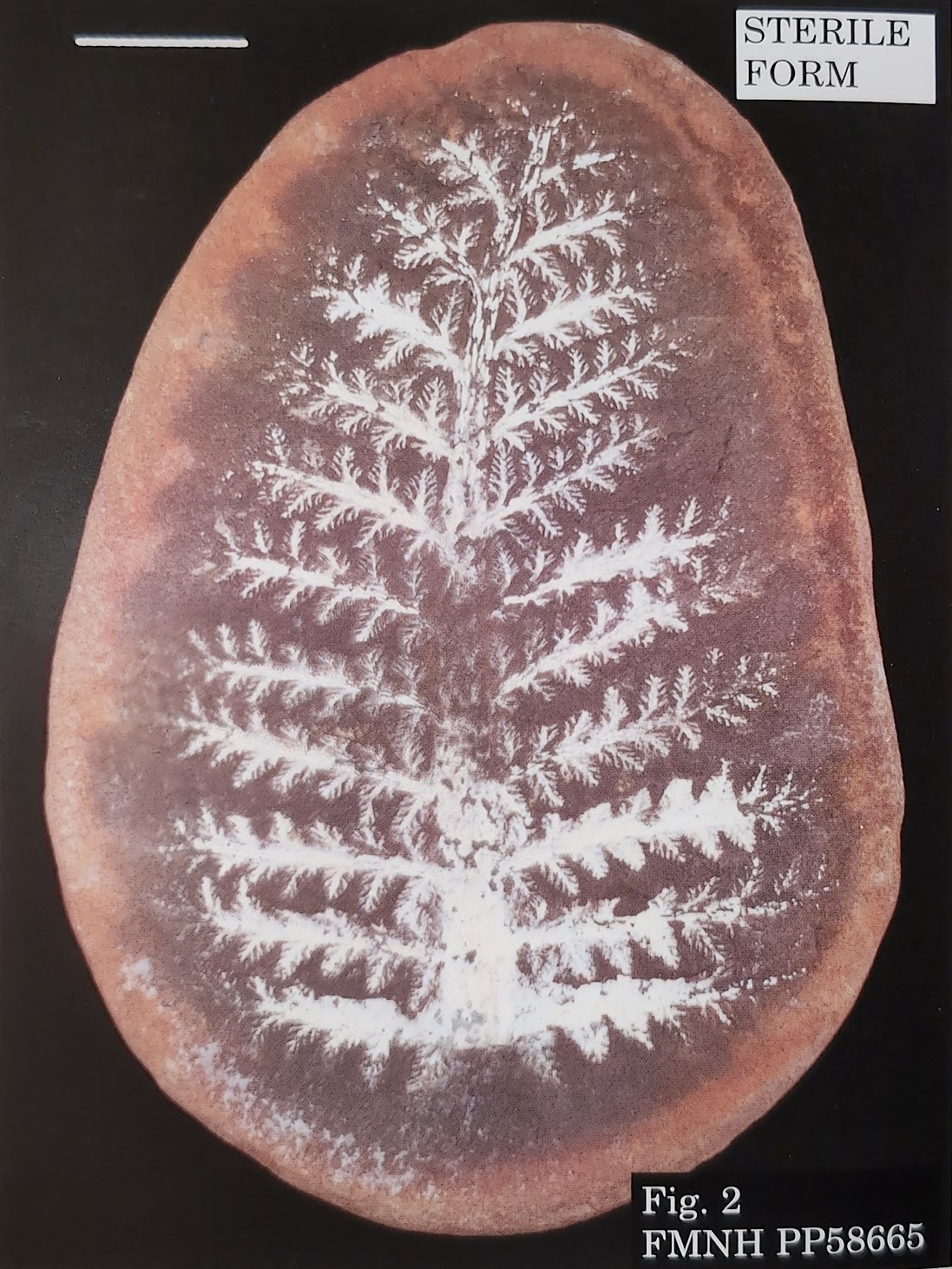
Myriotheca scaberrima is a very rare fern, which was originally only known from fertile foliage. It was named by Leo Lesquereux as Sphenopteris scaberrima in 1870. In 1901, it was reclassified as Myriotheca scaberrima by Elias Howard Sellards (1875 – 1961). Sellards was a paleontologist, geologist, and anthropologist. The Texas State Historical Association has a…
-
Mazon Monday #257: Mazon Creek Fossil Species Named for ESCONI
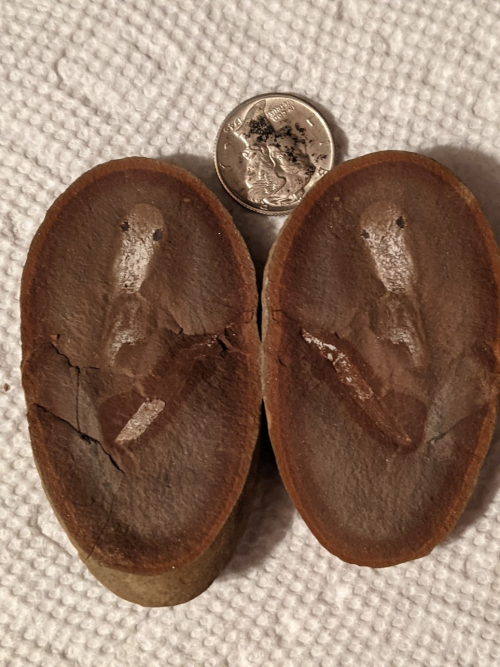
ESCONI has played a significant role in the study of the Mazon Creek fossil biota. Its members have authored at least nine books on the subject, beginning with George Langford, Sr. in the late 1950s and early 1960s, followed by the ESCONI Keys and Creature Corner books of the 1980s and 1990s, and most recently,…
-
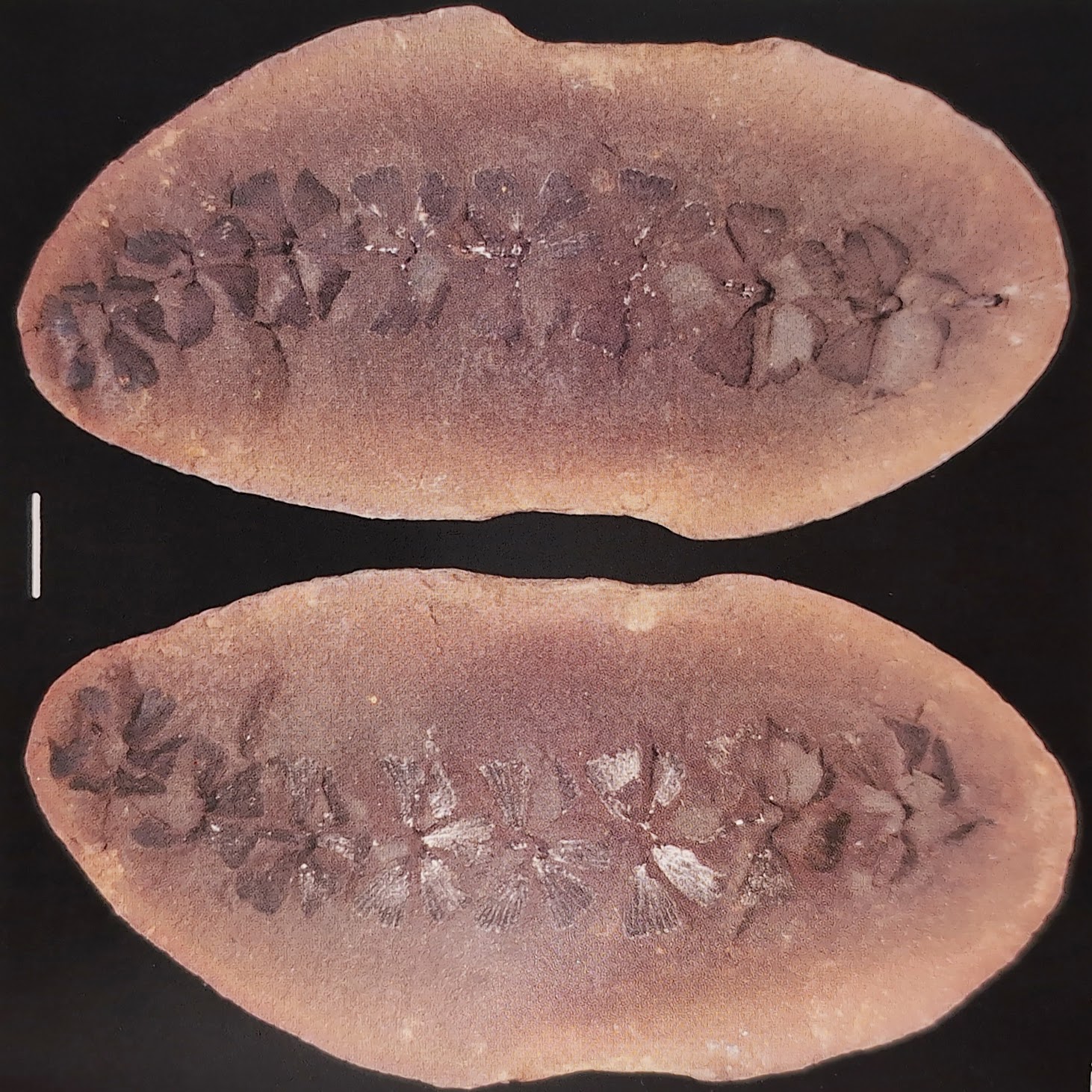
Mazon Monday #256: Sphenophyllum emarginatum
This is Mazon Monday post #256. What’s your favorite Mazon Creek fossil? Tell us at email:esconi.info@gmail.com. Sphenophyllum emarginatum is a species in the order Sphenophyllales, which is an extinct order of plants that existed from the late Pennsylvanian to the Early Permian. They are a sister taxa to the present day Equisetales (horsetails). The parent…
-
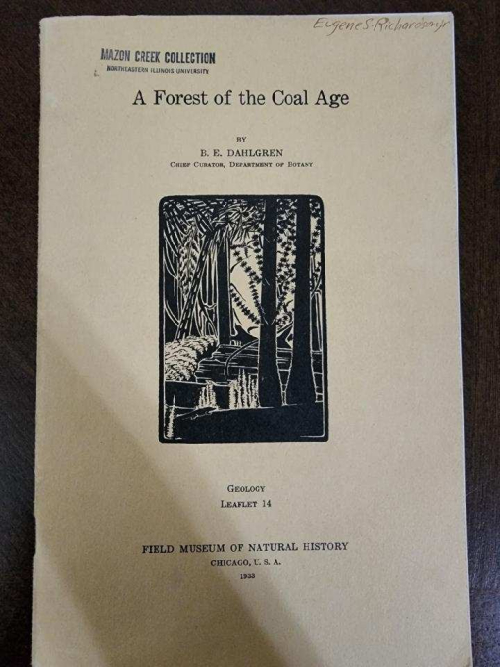
Mazon Monday #255: A Forest of the Coal Age
This is Mazon Monday post #255. What’s your favorite Mazon Creek fossil? Tell us at email:esconi.info@gmail.com. Over the years, the Field Museum published many pamphlets, leaflets, journals, bulletins, etc. There’s a page on the museum website dedicated to sharing that wealth of knowledge. The popular/leaflet series was a series of booklets on popular topics for…
-

Mazon Monday #254: Pit 11 Concretions
In less than a month, fossil collecting season will begin at the IDNR Mazonia-Braidwood State Fish and Wildlife Area. Many of you are likely eager to get out there before the vegetation returns and obscures the concretions scattered on the ground. Spring is the prime season for fossil hunting at Pit 11, the original name…
-
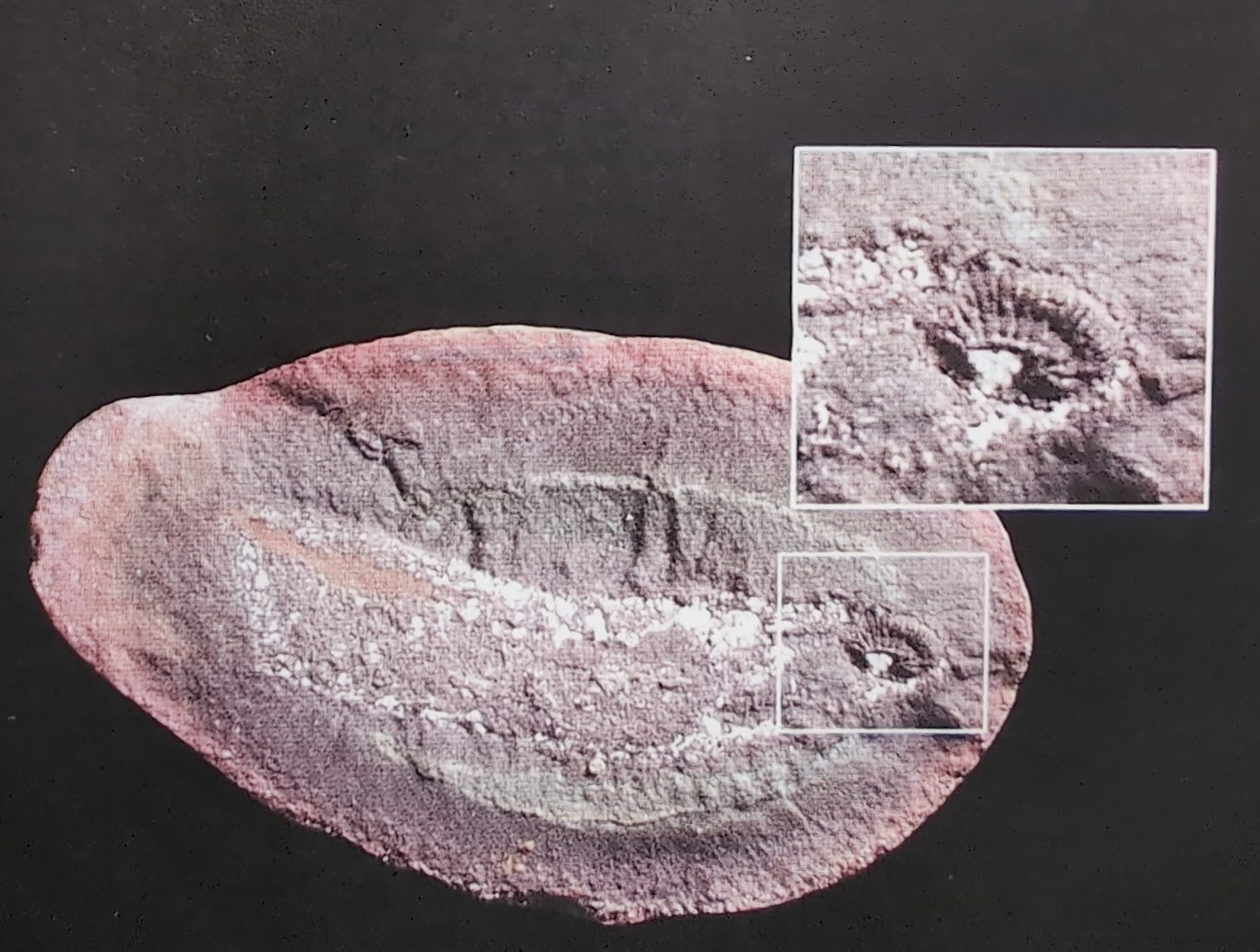
Mazon Monday #253: Pipiscius zangerli
Pipiscius zangerli is an extinct species of lamprey that lived 307-309 million years ago, during the Middle Pennsylvanian Epoch of the Carboniferous Period. It has a distinctive crown-like mouth comprising a ring of radially arranged teeth. It is known from the Mazon Creek fossil beds located in present-day Illinois. It was described by David Bardack…
-
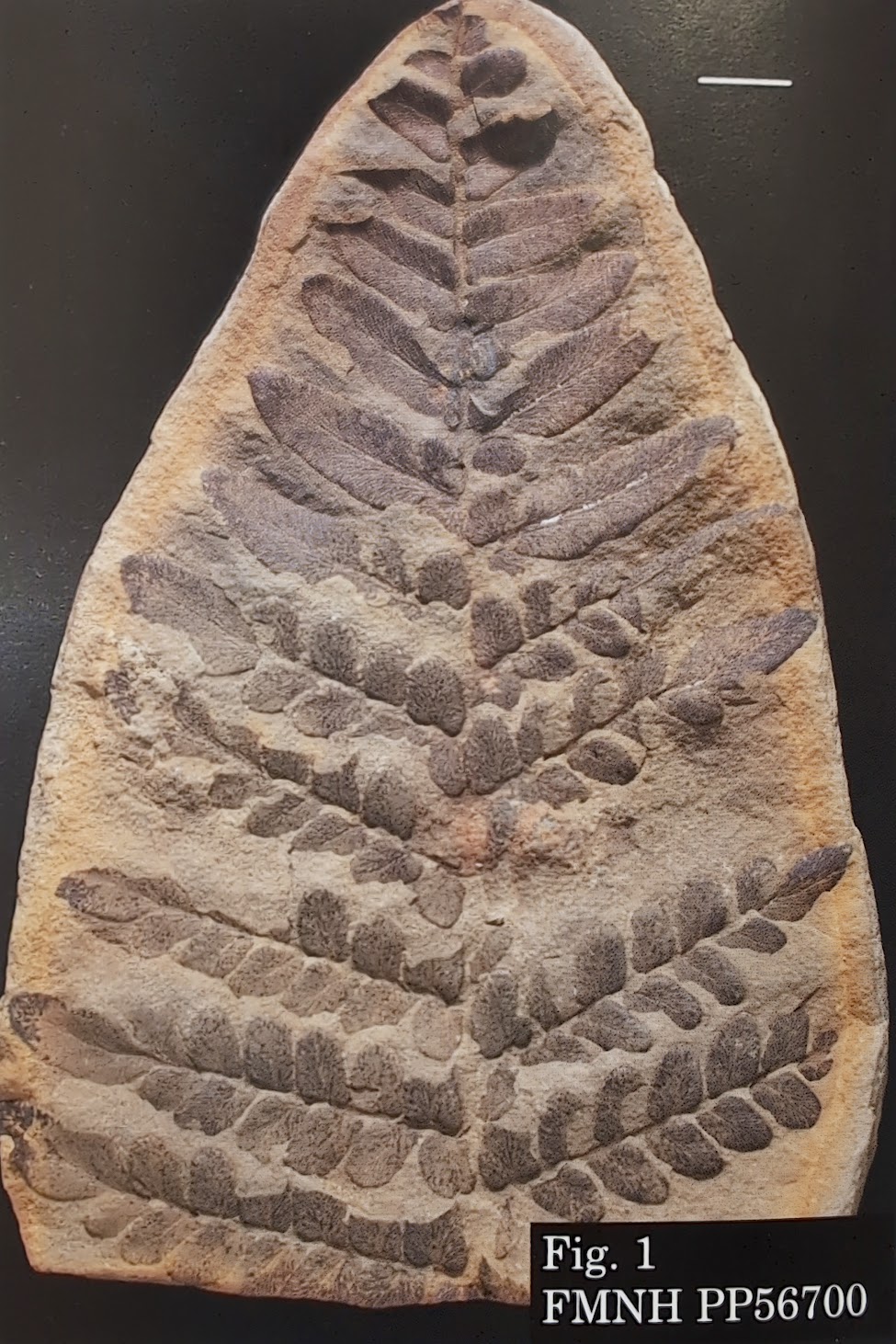
Mazon Monday #252: Reticulopteris muensterii var. dawsonii
This is Mazon Monday post #252. What’s your favorite Mazon Creek fossil? Tell us at email:esconi.info@gmail.com. Reticulopteris munsterii var. dawsonii was a seed fern found in the Mazon Creek fossil deposit. It is fairly uncommon. Except for the venation, the pinnules resemble Macroneuropteris scheuchzeri. In M. scheuchzeri the veins run in parallel, while Reticulopteris munsterii…
