Tag: MazonMonday
-
Mazon Thursday #242: Linopteris neuropteroides
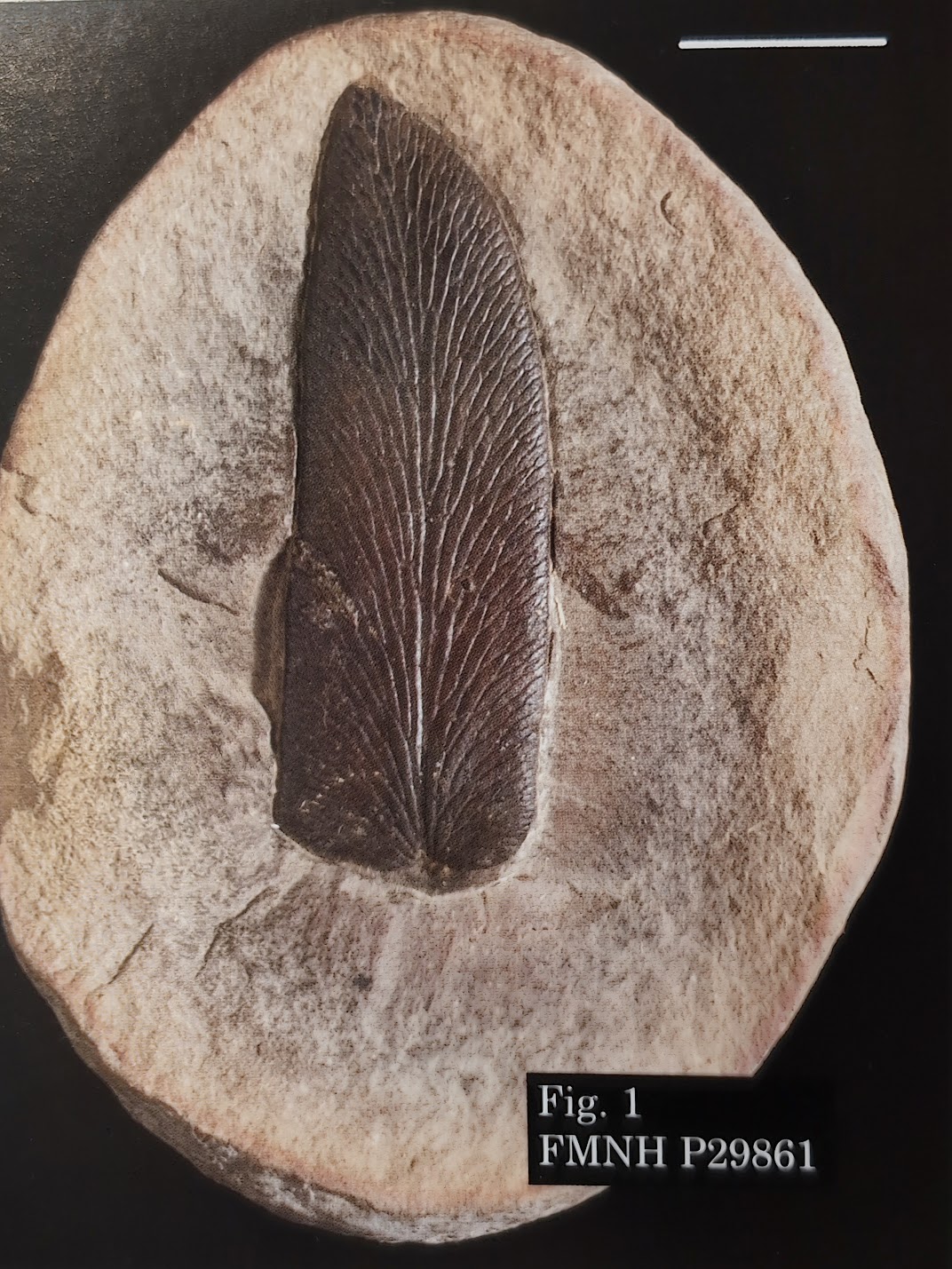
This is Mazon Monday post #242. What’s your favorite Mazon Creek fossil? Tell us at email:esconi.info@gmail.com. This is Mazon Thursday. We moved this week’s Mazon Monday to Thursday to do a Veteran’s Day post on Monday. Linopteris neuropteroides is a very rare seed fern known from Mazon Creek and other Pennsylvanian localities. It was originally…
-
Mazon Monday #241: Eucryptocaris asherorum
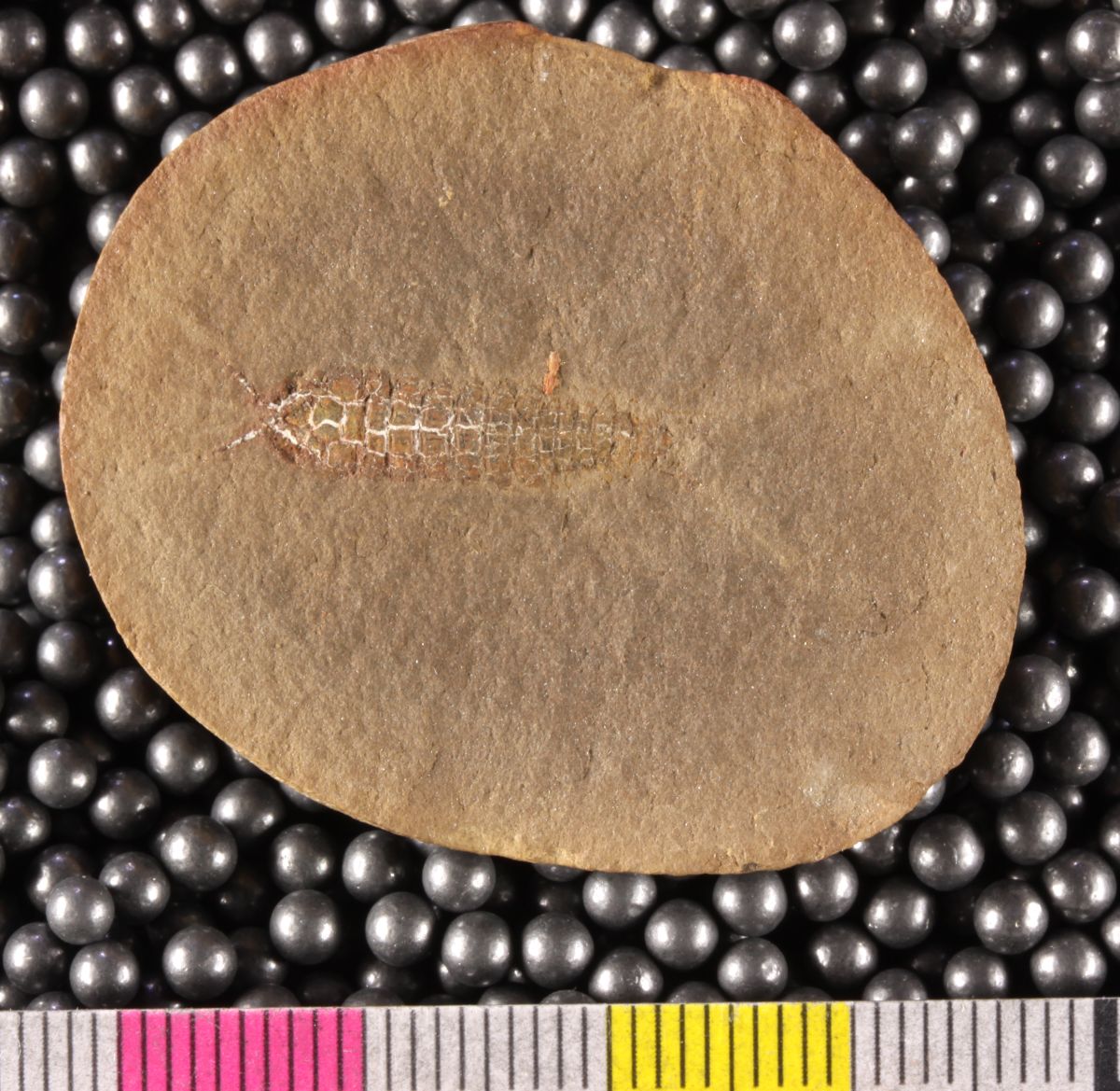
This is Mazon Monday post #241. What’s your favorite Mazon Creek fossil? Tell us at email:esconi.info@gmail.com. Eucryptocaris asherorum is a species of extinct shrimp-like animals from Mazon Creek. They are members on the suborder Tanaidacea, a minor group within the class Malacostraca. Extant members of Tanaidacea are mostly marine, but a few species live in…
-
Mazon Monday #240: Sphenopteris spinosa
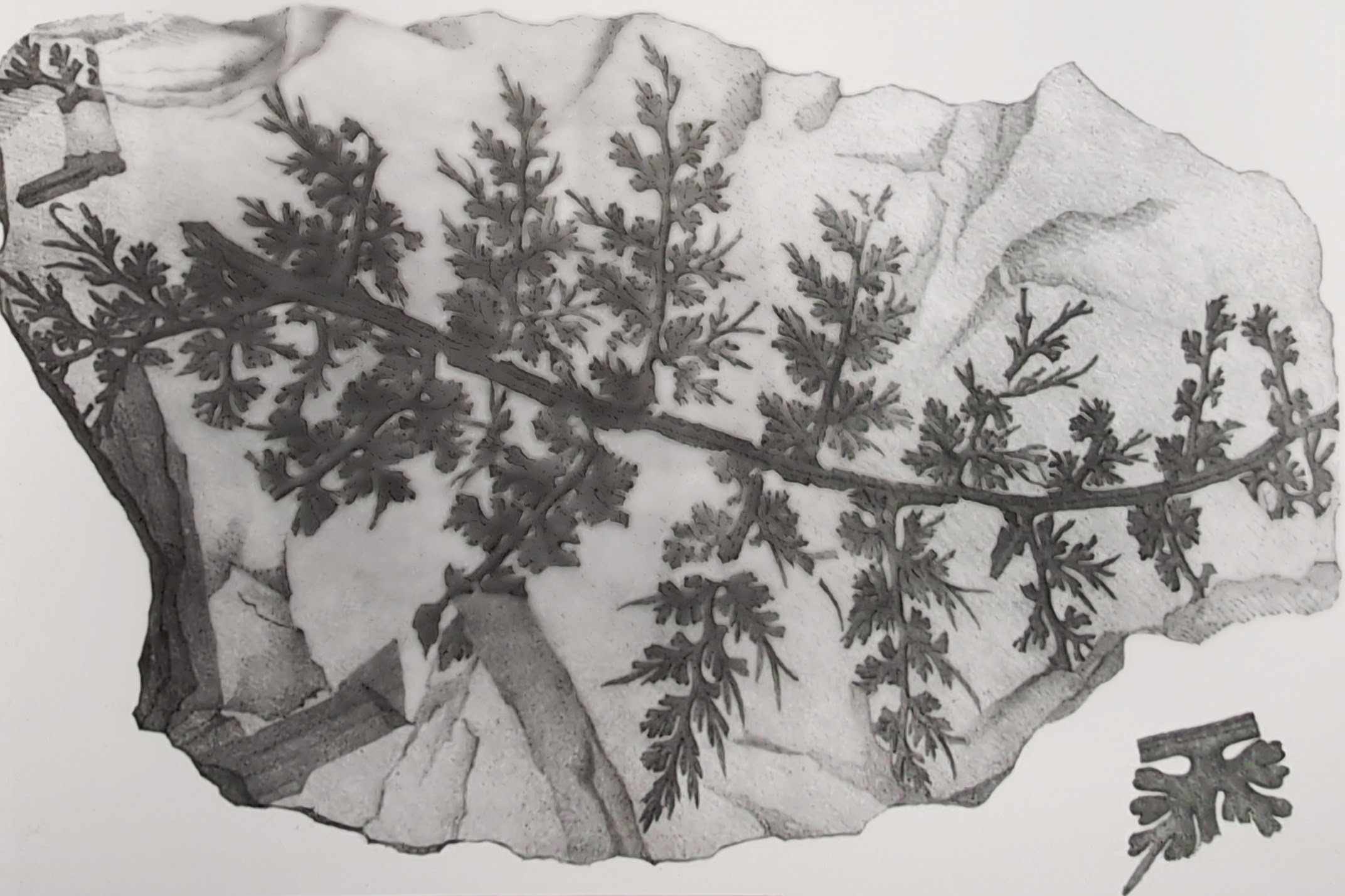
This is Mazon Monday post #240. What’s your favorite Mazon Creek fossil? Tell us at email:esconi.info@gmail.com. Sphenopteris is a genus of seed ferns. Seed ferns, Pteridospermatphyta, as a group have a geologic range which spanned from the late Devonian to the late Cretaceous, although a few species seem to have survivied into the Eocene. Sphenopteris…
-
Mazon Monday #239: Mazon Creek Fossil Day Report
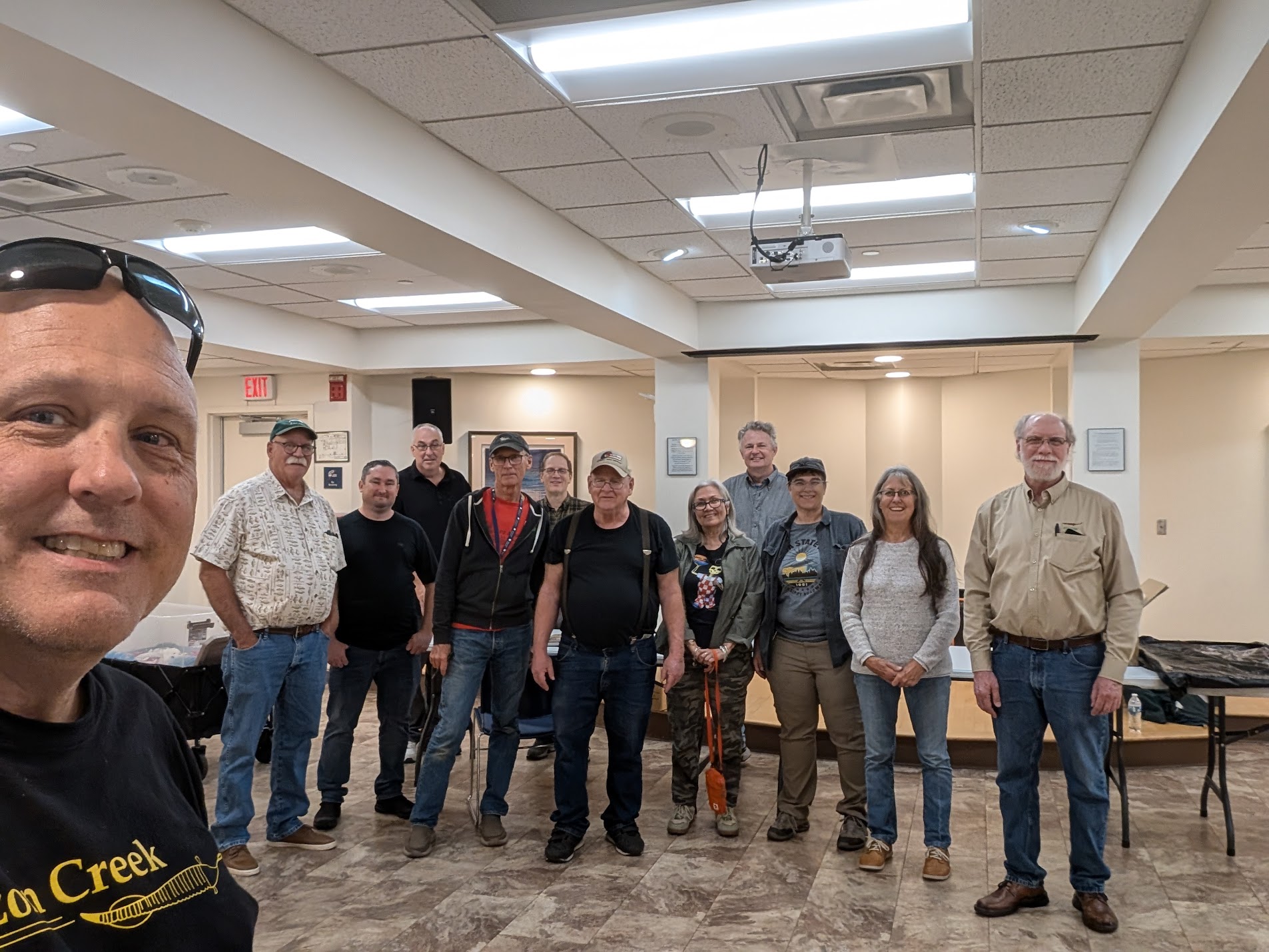
This is Mazon Monday post #239. What’s your favorite Mazon Creek fossil? Tell us at email:esconi.info@gmail.com. The 2024 ESCONI Mazon Creek Fossil Day was held on October 12th at the Coal City Library. It proved to be a huge success, attracting more than 100 visitors throughout the day. Many attendees brought fossils for identification, including…
-

Mazon Monday #238: Alethopteris lesquereuxii
This is Mazon Monday post #238. What’s your favorite Mazon Creek fossil? Tell us at email:esconi.info@gmail.com. Alethopteris lesquereuxii was originally named Callipteridium mansfieldi by Leo Lesquereux in 1879. C. mansfieldi was named for the Hon. Ira Franklin Mansfield, who was a politician and an extensive owner of coal mining interest in the middle to late…
-
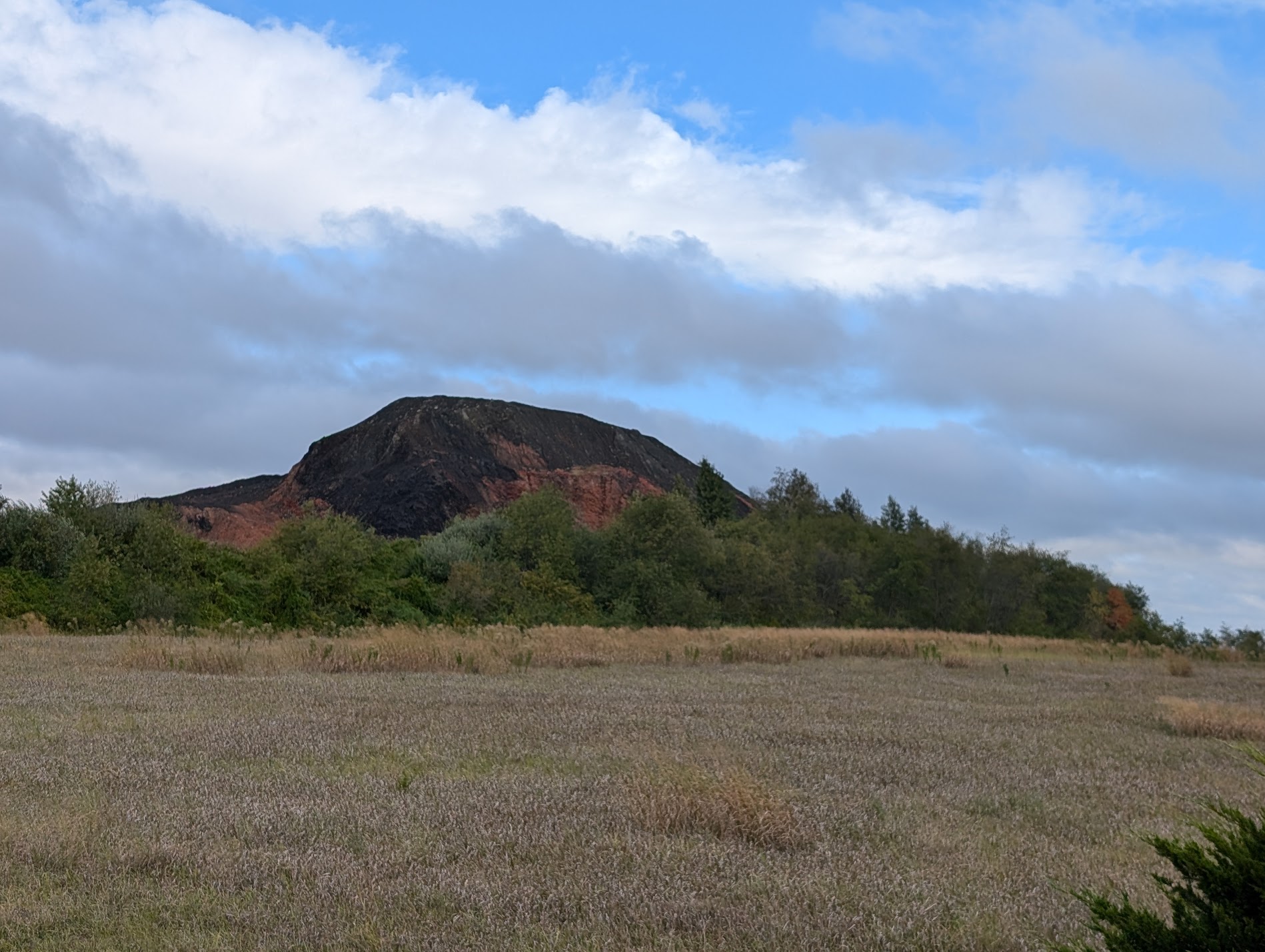
Mazon Monday #237: Danville Field Trip Report for Fall 2024
This is Mazon Monday post #237. What’s your favorite Mazon Creek fossil? Tell us at email:esconi.info@gmail.com. Fortunately, the threat of bad weather never materialized and we enjoyed a very nice day collecting fossils from a spoil pile just outside Danville, IL on September 28th, 2024. This was our second trip to the spoil pile in…
-
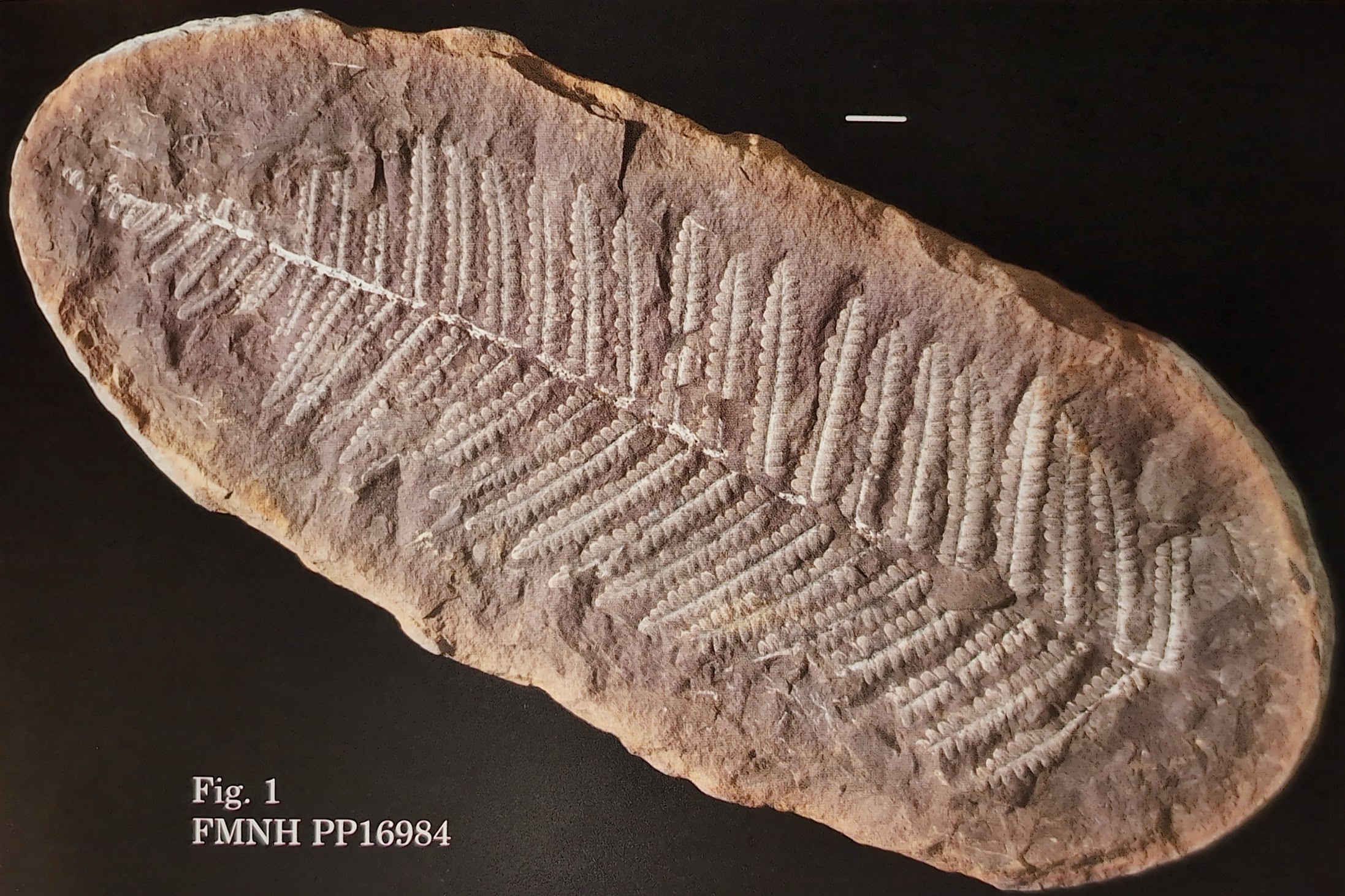
Mazon Monday #236: Cyathocarpus arborea
This is Mazon Monday post #236. What’s your favorite Mazon Creek fossil? Tell us at email:esconi.info@gmail.com. Cyathocarpus arborea is one of the rarer species of fern in the Mazon Creek deposit. It was originally named as Filicites arborescens by Ernst Freiedrich, Freiherr von Schlotheim in 1820. Schlotheim was a German paleontologist and pollitician who lived…
-

Mazon Monday #235: Desden Lakes Field Trip June 1976
This is Mazon Monday post #235. What’s your favorite Mazon Creek fossil? Tell us at email:esconi.info@gmail.com. Dresden Lakes was productive Mazon Creek fossil locality just east of Morris, IL. It was known for large concretions with detailed fossils in dark colors, grays and blacks. Unfortunately, the dark colors can be hard to photograph. Large concretions…
-

Mazon Monday #234: Braceville Field Trip Report for Fall 2024
This is Mazon Monday post #234. What’s your favorite Mazon Creek fossil? Tell us at email:esconi.info@gmail.com. ESCONI hosted the Fall 2024 edition of the Braceville Field Trip over the weekend of September 7th and 8th. The primary focus of the event was searching for Mazon Creek fossils and concretions. The site, commonly referred to as…
-
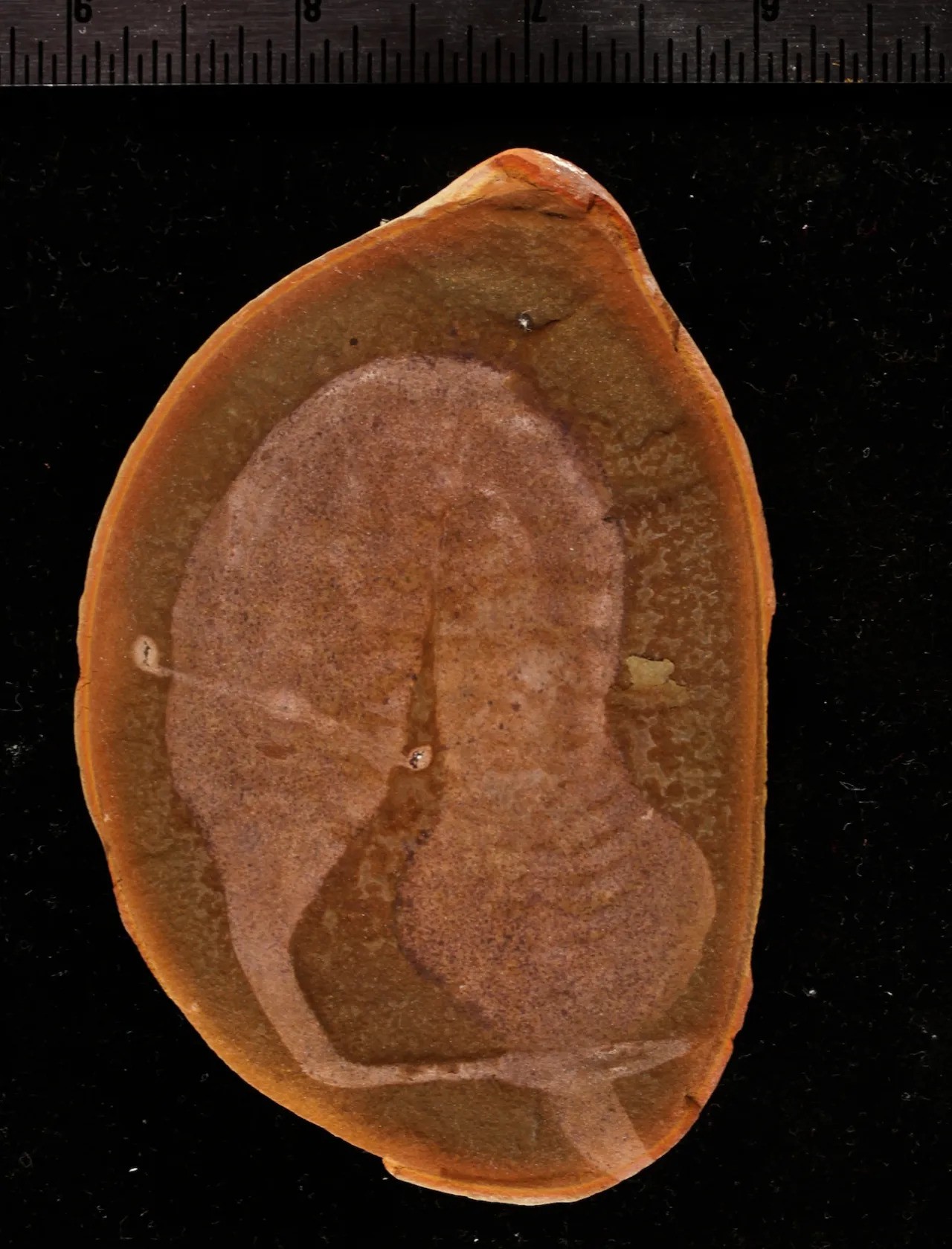
Mazon Monday #233: How the Tully monster became Illinois’ official state fossil
As you probably know, the Tully Monster is the State Fossil of Illinois. It a real fan favorite. Everyone loves the Tully Monster… did you know there are stuffed Tullys you can buy online?!? Last week, the Chicago Tribune did a vintage article called “How the Tully monster became Illinois’ official state fossil“.
-

Mazon Monday #232: Braidwood Field Trip – September 1959
This is Mazon Monday post #232. What’s your favorite Mazon Creek fossil? Tell us at email:esconi.info@gmail.com. On September 27th, 1959, ESCONI sponsored the Annual Autumn Braidwood Field Trip. These trips were held each year many times with the different Chicago clubs rotating as hosts. John and Lucy McLuckie were on hand every year. Sometimes, the…
-
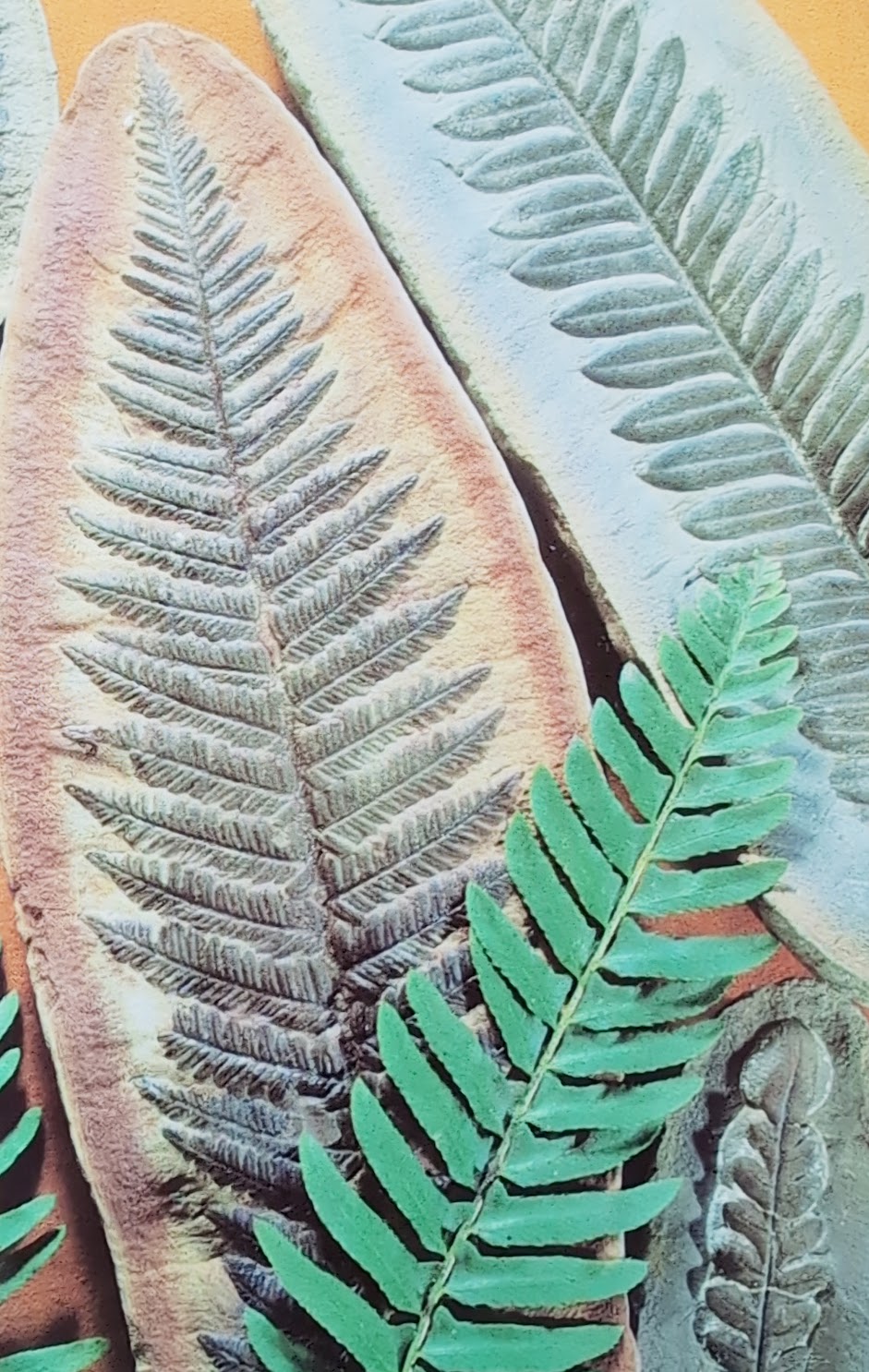
Mazon Monday #231: Pecopteris strongii
This is Mazon Monday post #231. What’s your favorite Mazon Creek fossil? Tell us at email:esconi.info@gmail.com. Pecopteris strongii is a rare fossil fern known only from the Mazon Creek Fossil Flora. It was named for early Mazon Creek collector Samuel Strong by Leo Lesquereux in 1870. Strong was a prolific collector, who later sold most…
-

Mazon Monday #230: Konecnys in Earth Science Magazine
This is Mazon Monday post #230. What’s your favorite Mazon Creek fossil? Tell us at email:esconi.info@gmail.com. Over the years, we’ve shared numerous articles about Jim and Sylvia Konecny, highlighting their significant contributions to ESCONI. Jim served as ESCONI’s president in 1966 and 1967, but both he and Sylvia were involved in much more. They played…
-
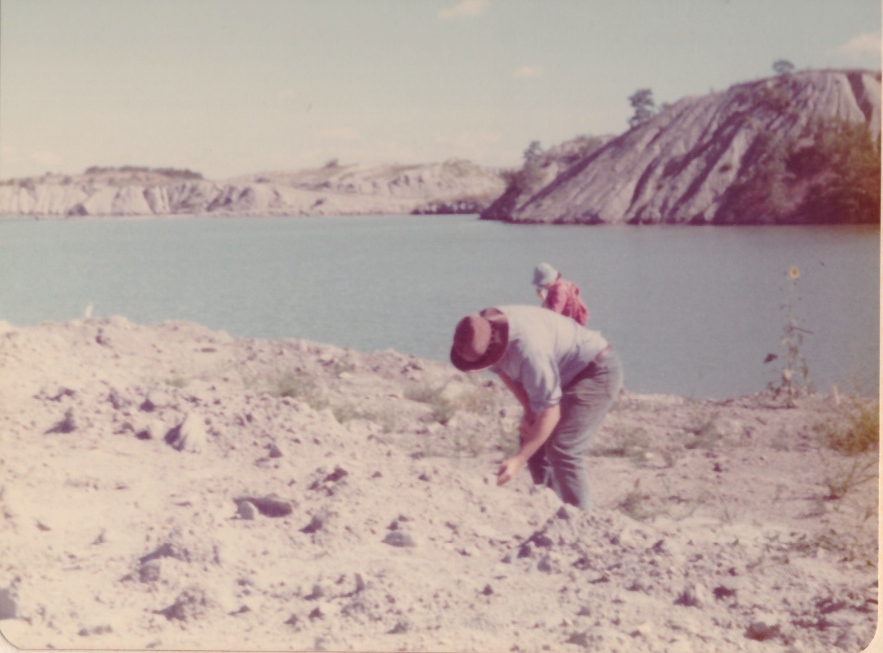
Mazon Monday #229: Pit 11 Field Trip in September 1976
This is Mazon Monday post #229. What’s your favorite Mazon Creek fossil? Tell us at email:esconi.info@gmail.com. —————————————————– The hills of Pit 11 have changed quite a bit over the years. Pit 11 was and active mine until 1974, so these photos are from just two years afterwards. Notice the lack of vegetation! If you’ve been…
-

Mazon Monday #228: Eubleptus danielsi
Eubleptus danielsi belongs to the Palaeodictyoptera an extinct order of medium-sized to very large, primitive Palaeozoic paleopterous insects. Palaeodictyoptera give many clues to the evolution of wings in insects. E. danielsi was described by Anton Handlirsch in 1906. Handlirsch (1865 – 1935) was an Austrian entomologist, who worked extensively on many insect orders. He did…
-

Mazon Monday #227: Ode to a Blob
This is Mazon Monday post #227. What’s your favorite Mazon Creek fossil? Tell us at email:esconi.info@gmail.com. The poem below is about Essexella asherae, the iconic Mazon Creek cnidarian (see Mazon Monday #14). E. Asherae was named for Helen Asher (see Fossil Friday #158) by Merrill W. Foster in 1979 in “Soft-bodied coelenterates in the Pennsylvanian…
-

Mazon Monday #226: Historic Collectors – Jerry Herdina
This is Mazon Monday post #226. What’s your favorite Mazon Creek fossil? Tell us at email:esconi.info@gmail.com. In January 1975 edition of the Field Museum Bulletin, there was a small blurb about the donation of a “Huge Coal Age Fossil Collection” to the Field Museum. It was vastly understated. Jerry Herdina (1905-1974) was a retired construction…
-
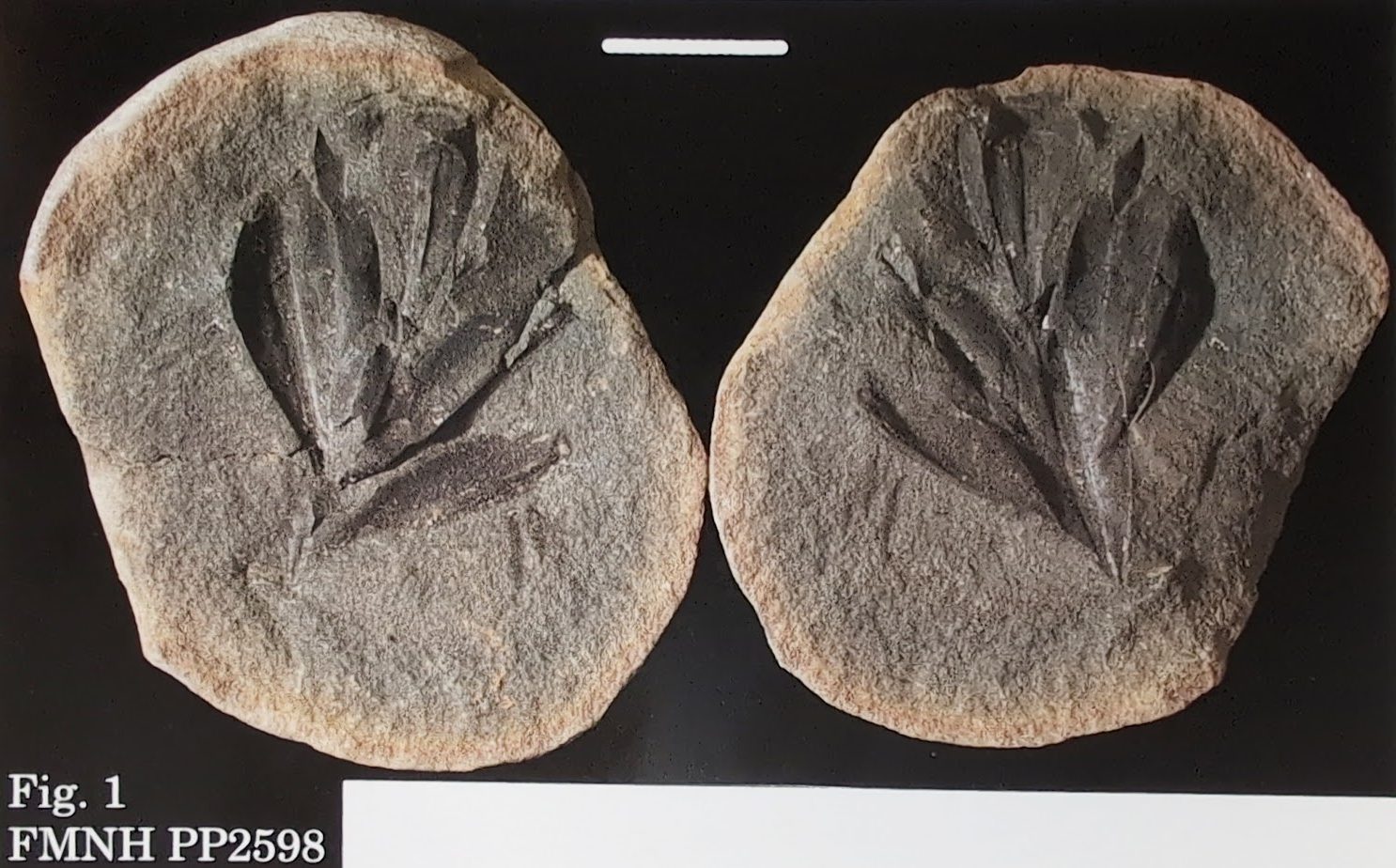
Mazon Monday #225: Lepidostrobus foliaceus
This is Mazon Monday post #225. What’s your favorite Mazon Creek fossil? Tell us at email:esconi.info@gmail.com. Lepidostrobus foliaceus is one of the rarer forms of Lepidostrobus, which is the cone structure from a lepidodendron tree. L. foliaceus was named by Leo Lesquereux in 1870. Lesquereux (1806-1889) was a Swiss-born bryologist and a pioneer of American…
-
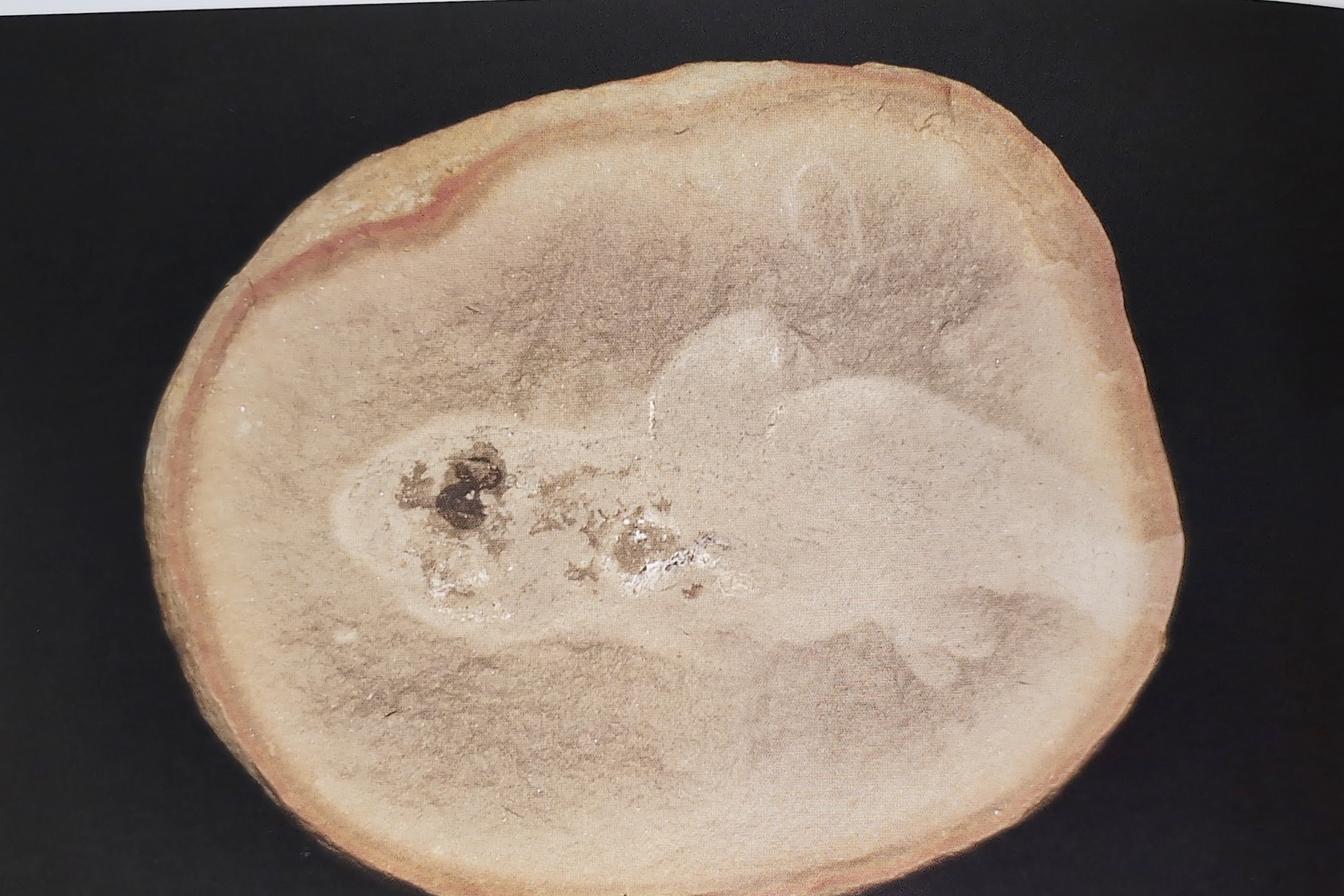
Mazon Monday #224: Holmacanthus keithi
This is Mazon Monday post #224. What’s your favorite Mazon Creek fossil? Tell us at email:esconi.info@gmail.com. In keeping with Shark Week on the Discovery Channel, we have a Mazon Creek shark… Holmacanthus keithi for this week’s Mazon Monday. Holmacanthus keithi was named for Keith Holm, who found the holotype in Pit 11 in the early…
-
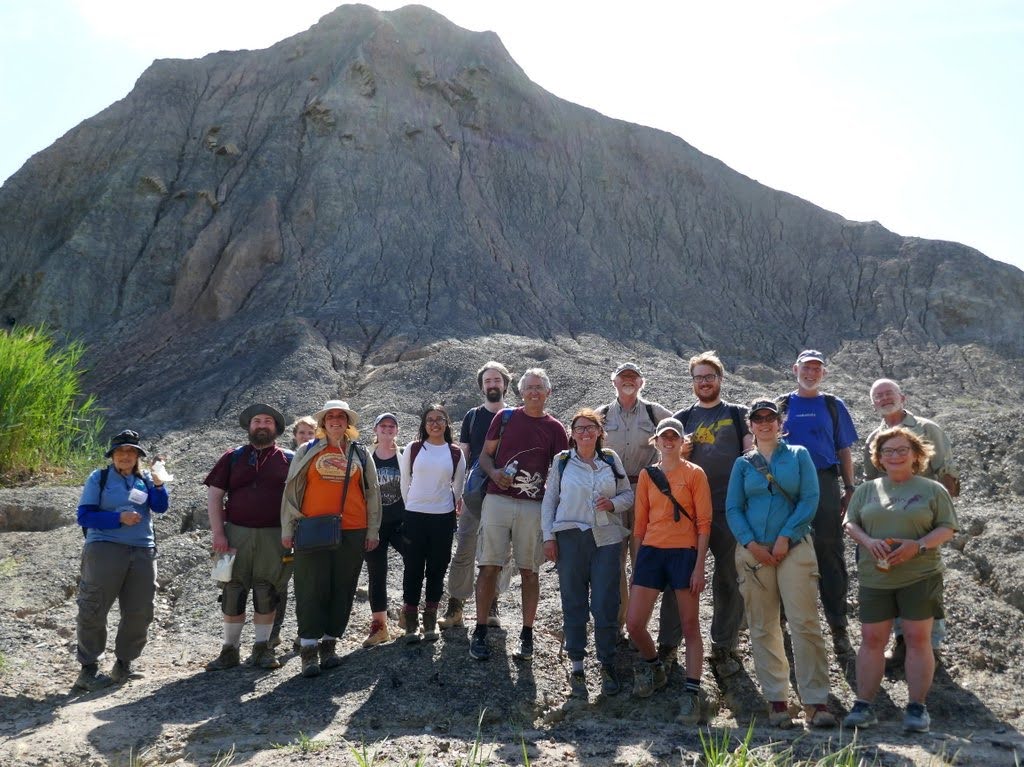
Mazon Monday #223: NAPC at Braceville!
This is Mazon Monday post #223. What’s your favorite Mazon Creek fossil? Tell us at email:esconi.info@gmail.com. The first NAPC conference was held in 1969 at the Field Museum in Chicago, IL (see Mazon Monday #221). ESCONI participated by displaying many nice Mazon Creek fossils. NAPC 2024 was held in Ann Arbor, Michigan the week of…
-

Mazon Monday #222: Violetta Whitfield’s Insects
This is Mazon Monday post #222. What’s your favorite Mazon Creek fossil? Tell us at email:esconi.info@gmail.com. Robert and Violetta Wihitfield collected fossils with George Langford (Mazon Monday #220) in the 1940s and 1950s. Langford curated the Mazon Creek fossils he donated to the Field Museum, working there from 1948 until 1961. Both Robert and Violetta…
-
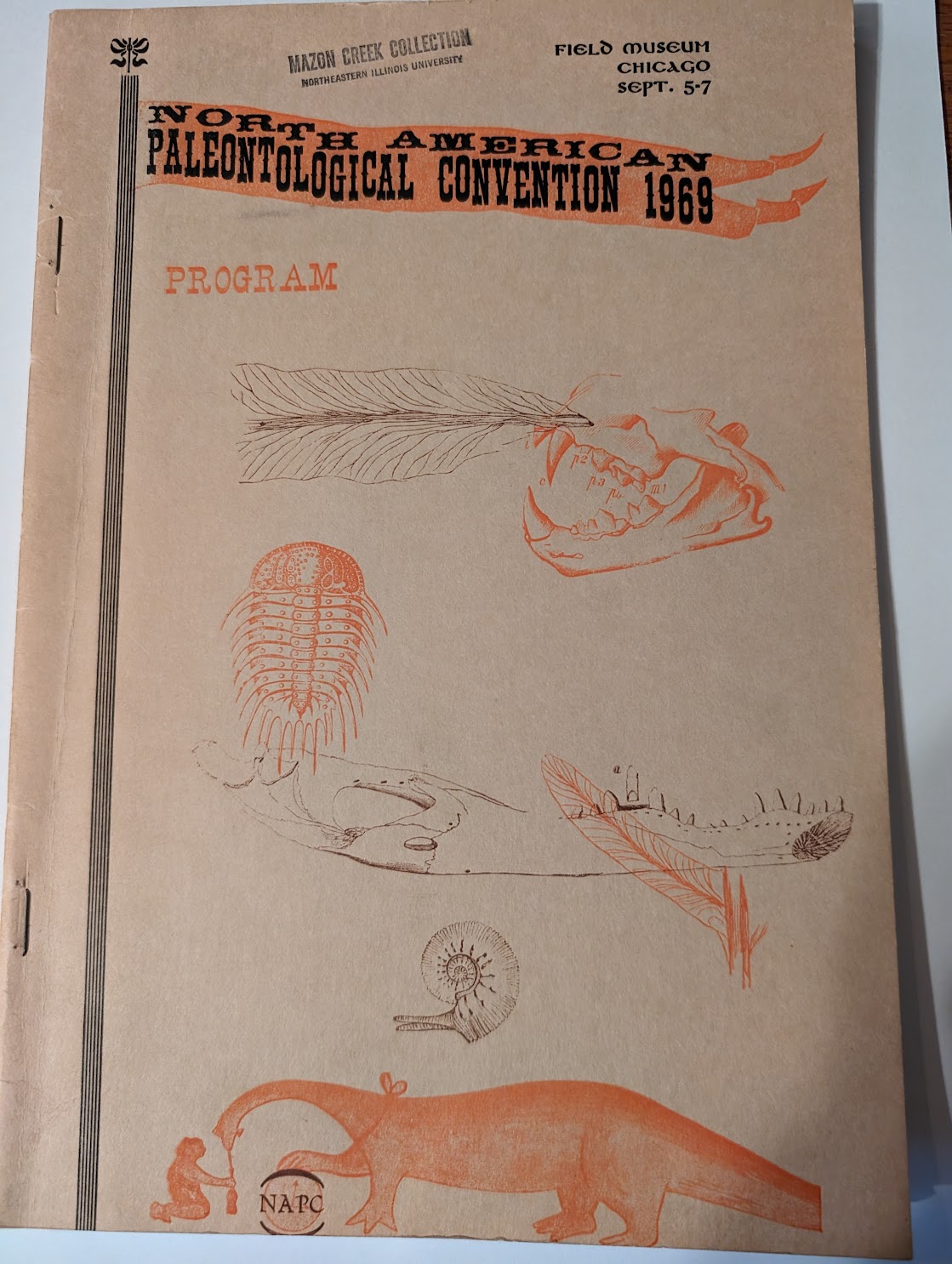
Mazon Monday #221: Mazon Creek and ESCONI at NAPC 1969
This is Mazon Monday post #221. What’s your favorite Mazon Creek fossil? Tell us at email:esconi.info@gmail.com. The very first North American Paleontological Convention (NAPC) was held 55 years ago on September 5th, 6th, and 7th, 1969. The conference was hosted by the Field Museum of Natural History in Chicago, IL. ESCONI and Mazon Creek played…
-

Mazon Monday #220: George Langford
This is Mazon Monday post #220. What’s your favorite Mazon Creek fossil? Tell us at email:esconi.info@gmail.com. Jim Konecny wrote this piece for the June 1994 edition of the ESCONI Earth Science News. This year marks the 60th anniversary of George’s death. He was a interesting man. His contributions were many… to Mazon Creek, science, ESCONI,…
-
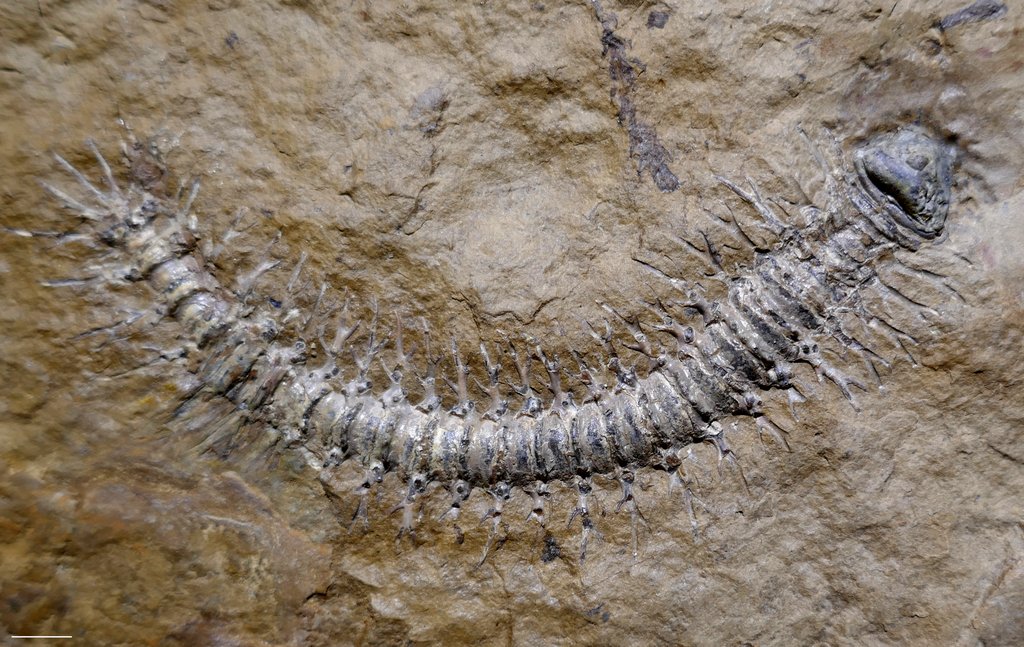
Mazon Monday #219: Acantherpestes and Myriacantherpestes
This is Mazon Monday post #219. What’s your favorite Mazon Creek fossil? Tell us at email:esconi.info@gmail.com. Last Friday (Fossil Friday #215), we highlighted a stunning millipede from the Pennsylvanian of Kansas. That’s wasn’t the first millipede from Kansas that made it to Fossil Friday, as Fossil Friday #134 was about the same genus of millipede, Myriacantherpestes. …
-

Mazon Monday #218: Braceville Field Trip Report for Spring 2024
This is Mazon Monday post #218. What’s your favorite Mazon Creek fossil? Tell us at email:esconi.info@gmail.com. A few weeks ago, ESCONI held the Spring 2024 edition of the Braceville Field Trip to collect Mazon Creek concretions. The weather was nice, no rain this time. Saturday, May 4th was hot, with highs in the mid to…
-
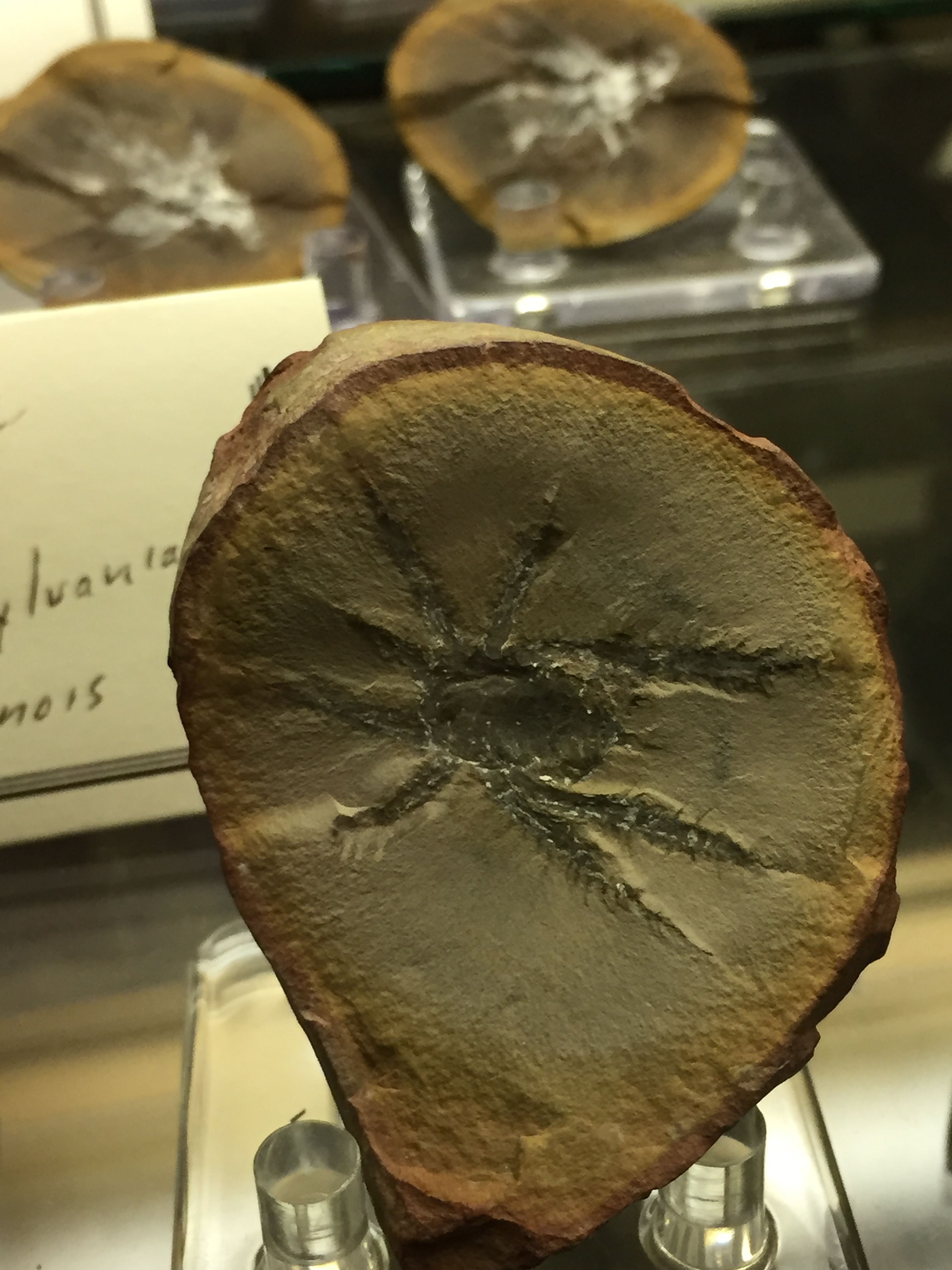
Mazon Monday #217: Douglassarachne acanthopoda
This is Mazon Monday post #217. What’s your favorite Mazon Creek fossil? Tell us at email:esconi.info@gmail.com. The world has a brand new Mazon Creek spider. Douglassarachne acanthopoda was originally found in the Pit 15 locality by Bob Masek in the 1980s. Bob (Earth Magazine article) has been a premier fossil preparator for many years, working…
-
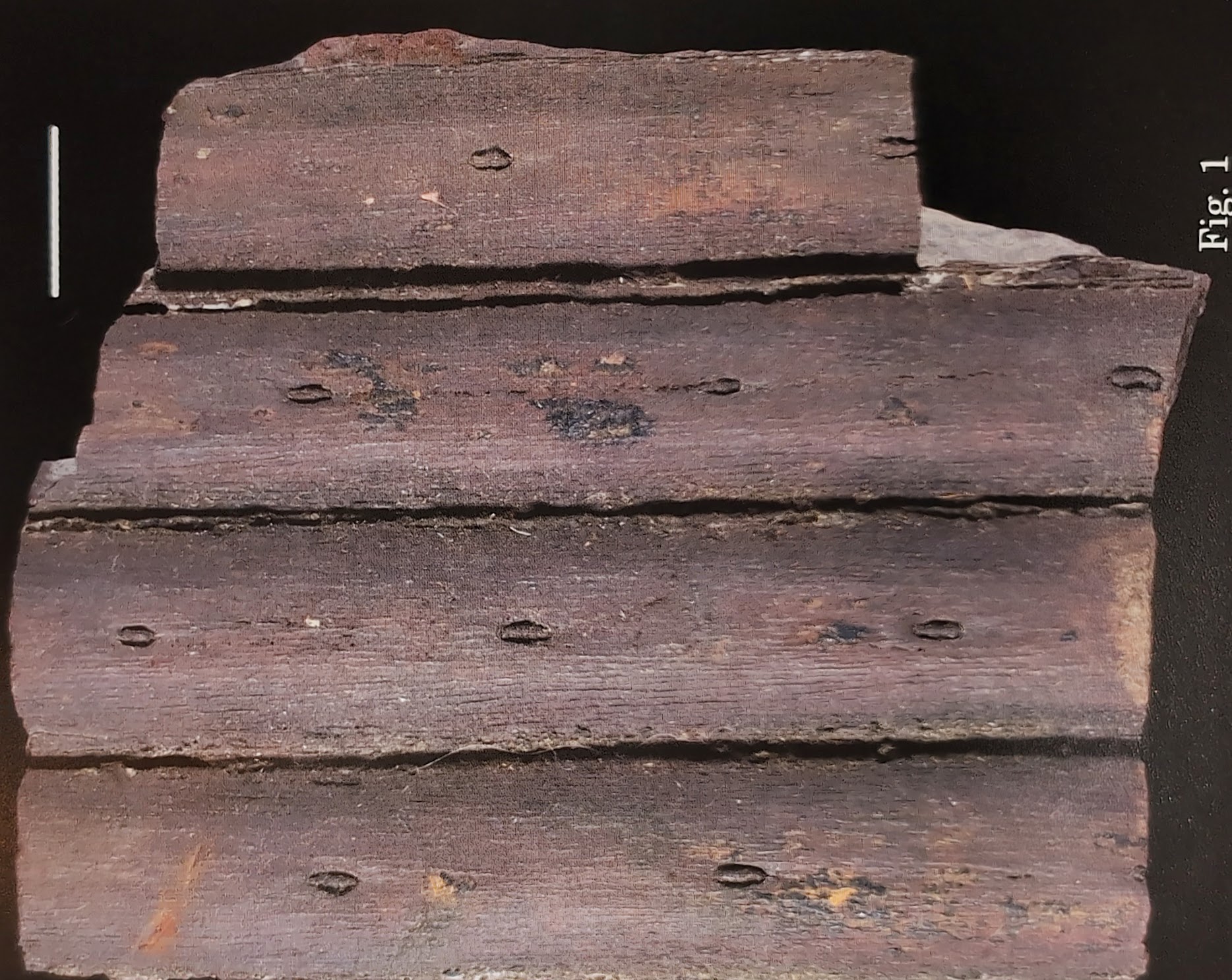
Mazon Monday #216: Syringodendron Bark
This is Mazon Monday post #216. What’s your favorite Mazon Creek fossil? Tell us at email:esconi.info@gmail.com. Syringodendron sp. is the inner bark of a undetermined Sigillaria. It’s considered rare in Mazon Creek. Syringodendron is thought to be Sigillaria trunk before fossilization. The impressions that run vertically are called Parichnos scars. When there are double impressions…
-
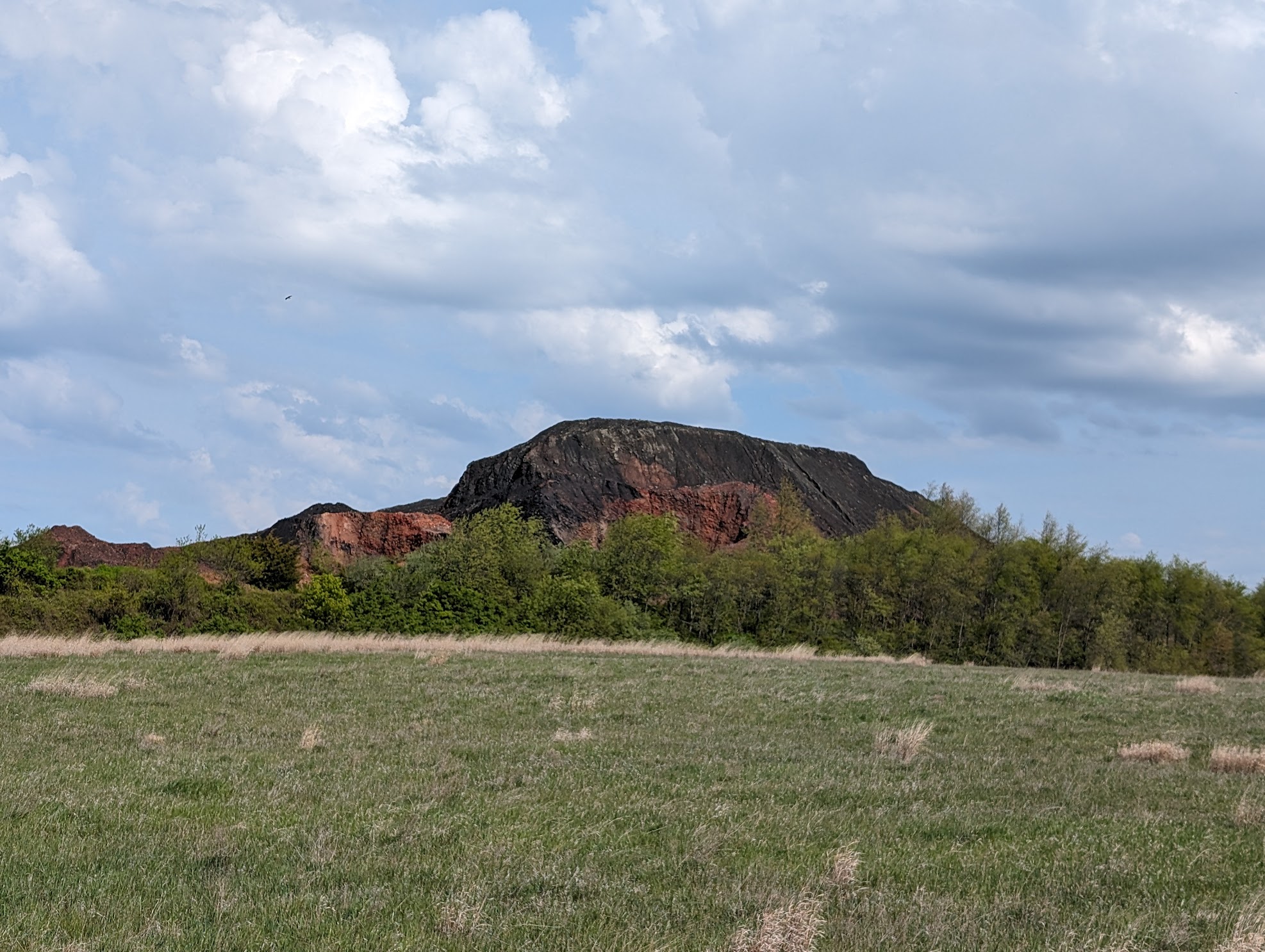
Mazon Monday #215 – Field Trip Report for the Danville Spoil Pile
This is Mazon Monday post #215. What’s your favorite Mazon Creek fossil? Tell us at email:esconi.info@gmail.com. Despite the morning storm and intermittent rain on the way down, about 20 ESCONI members braved the weather and showed up for a very successful day of collecting Pennsylvanian fossils. Trips to this locality have been very popular, most…
-
Mazon Monday #214: Rhabdoderma exiguum
This is Mazon Monday post #214. What’s your favorite Mazon Creek fossil? Tell us at email:esconi.info@gmail.com. Rhabdoderma exiguum is a species of Mazon Creek coelacanth. Coelacanths are lobe-finned fish, thought extinct since the Cretaceous. The first living coelacanth was discovered in 1938 off the coast of South Africa. There are now two known living species.…
-
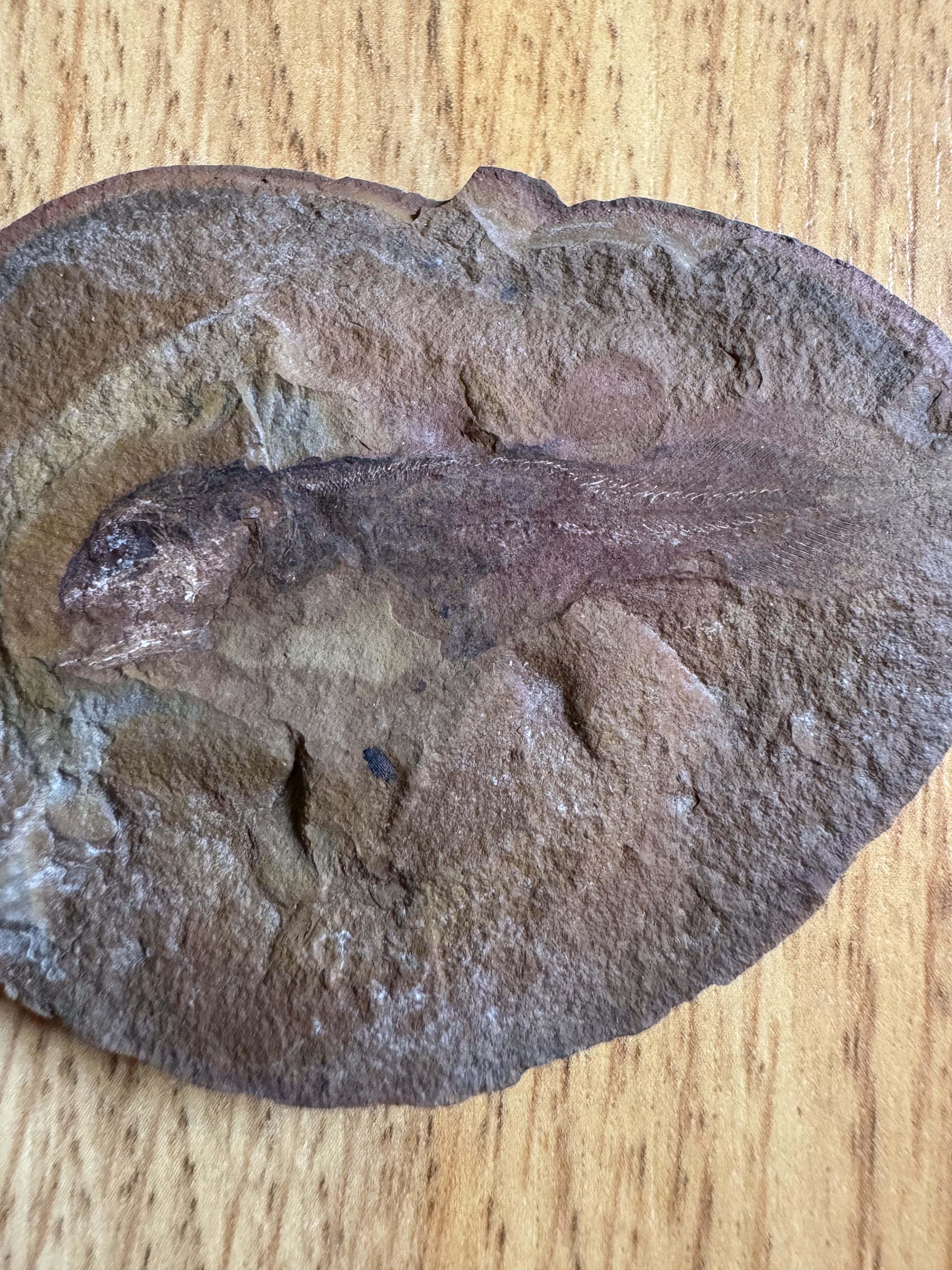
Fossil Friday #210: Rhabdoderma exiguum
This is the “Fossil Friday” post #210. Expect this to be a somewhat regular feature of the website. We will post any fossil pictures you send in to esconi.info@gmail.com. Please include a short description or story. Check the #FossilFriday Twitter hash tag for contributions from around the world! —————————————————– For this week, we have a…
