Tag: fossil
-
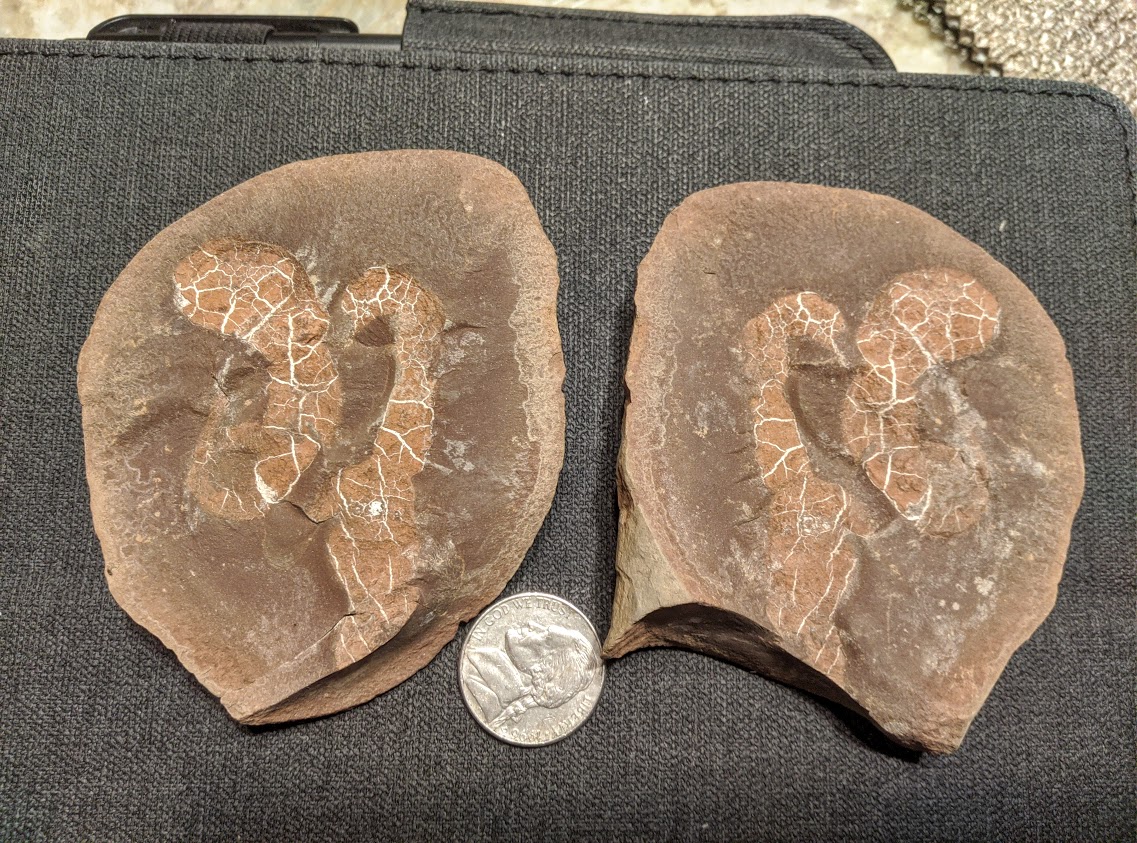
Mazon Monday #29: Achistrum sp. (Holothurians)
This is Mazon Monday post #29. What’s your favorite Mazon Creek fossil? Tell us at email:esconi.info@gmail.com. This week’s “Mazon Monday” is a species (or class) spotlight on the Holothurians otherwise known as Sea Cucumbers. They belong to the phylum Echinodemata, which includes starfish, sea urchins, sand dollars, and seal lilies. Current feeling is there were…
-

Fossil Friday #26: Elrathia kingii from the Cambrian of Utah
This is the “Fossil Friday” post #26. Expect this to be a somewhat regular feature of the website. We will post any fossil pictures you send in to esconi.info@gmail.com. Please include a short description or story. Check the #FossilFriday Twitter hash tag for contributions from around the world! Here is an Elrathia kingii trilobite. It…
-
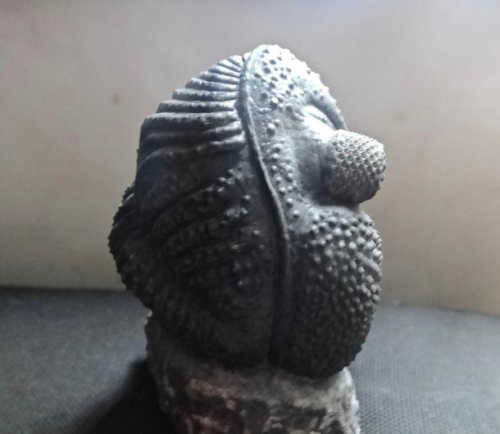
Trilobite Tuesday #26: Trilobite Enrollment
As we’ve said previously, the AMNH has an awesome Trilobite website. Today, we want to highlight the one about Trilobite Enrollment. It is generally accepted that trilobites enrolled to protect themselves from predators and other potentially other events in the surrounding environment. This page has a good discussion about the history and the usefulness of…
-

Mazon Monday #28: Cyclus americanus
This is Mazon Monday post #28. What’s your favorite Mazon Creek fossil? Tell us at email:esconi.info@gmail.com. Today, we have a species spotlight on Cyclus americanus. It’s one of my favorite Mazon Creek animals. Cycloids form an order of fossil arthropods that lived from the Carboniferous to the Cretaceous periods. Here is the text from the…
-
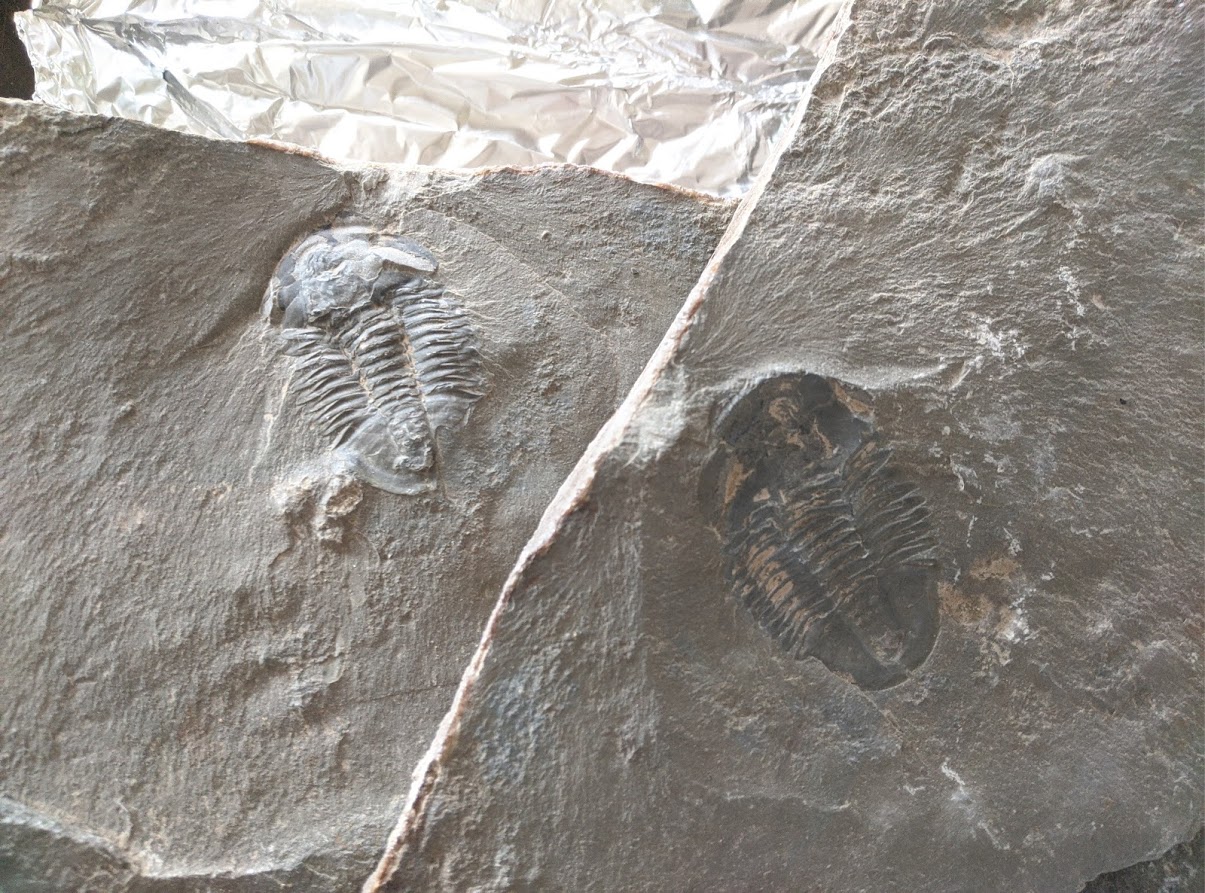
Fossil Friday #25: Asaphicus wheeleri from the Cambrian of Utah
This is the “Fossil Friday” post #25. Expect this to be a somewhat regular feature of the website. We will post any fossil pictures you send in to esconi.info@gmail.com. Please include a short description or story. Check the #FossilFriday Twitter hash tag for contributions from around the world! —————————————————– Here is an Asaphiscus wheeleri trilobite…
-
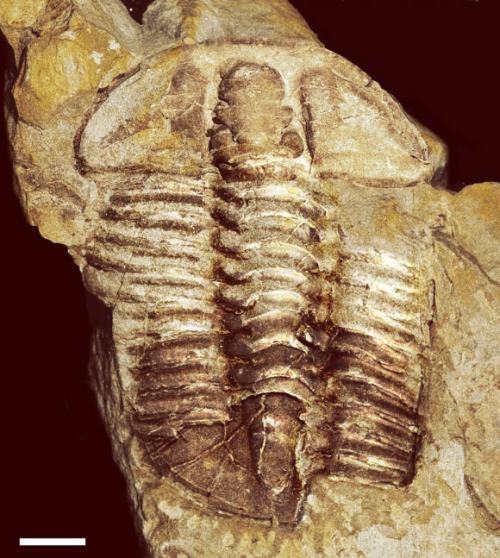
Trilobite Tuesday #25: Fossils of New Trilobite Species Found in Tasmania
SciNews has a piece about a new species of trilobites from Tasmania. A new species of the genus Gravicalymene has been named. It’s called Gravicalymene bakeri after the actor Thomas Stewart Baker, the fourth actor to play the title character in the television series “Doctor Who”. This animal lived about 450 million years ago during…
-

Mazon Monday #27: Care and Feeding of Your Mazon Creek Concretions
This is Mazon Monday post #27. What’s your favorite Mazon Creek fossil? Tell us at email:esconi.info@gmail.com. Now that you have collected some concretions at Braceville (and maybe other places) this year, here are some notes on how to process them to maximize your chances for something good. Care and Handling of Mazon Creek Concretions Storage …
-
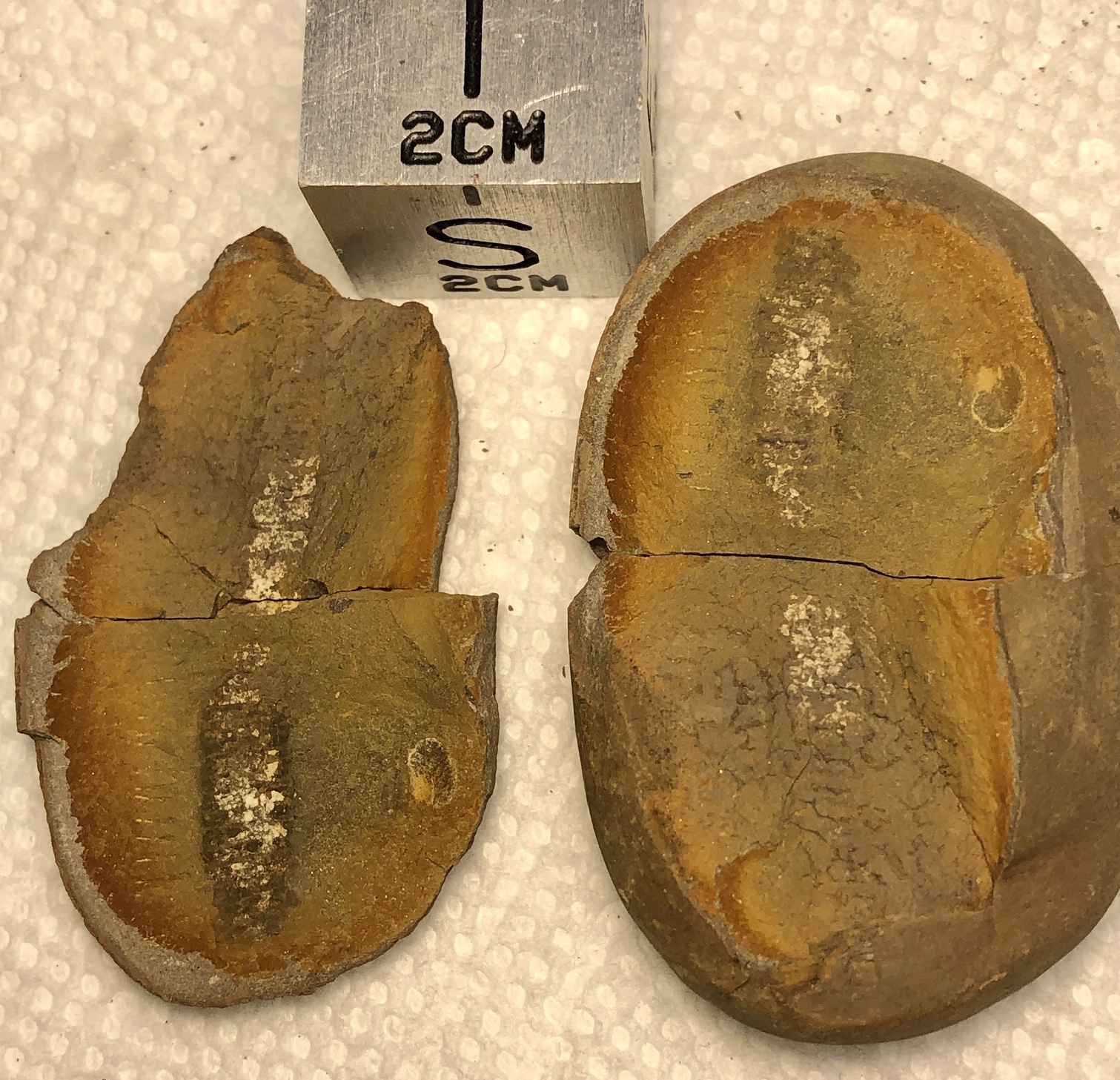
Fossil Friday #24: Euphoberia from the Mazon River
This is the “Fossil Friday” post #24. Expect this to be a somewhat regular feature of the website. We will post any fossil pictures you send in to esconi.info@gmail.com. Please include a short description or story. Check the #FossilFriday Twitter hash tag for contributions from around the world! Today, we have an excellent specimen of…
-

Fossil Friday #23: Animals from Braceville
This is the “Fossil Friday” post #23. Expect this to be a somewhat regular feature of the website. We will post any fossil pictures you send in to esconi.info@gmail.com. Please include a short description or story. Check the #FossilFriday Twitter hash tag for contributions from around the world! There is a field trip to Braceville…
-
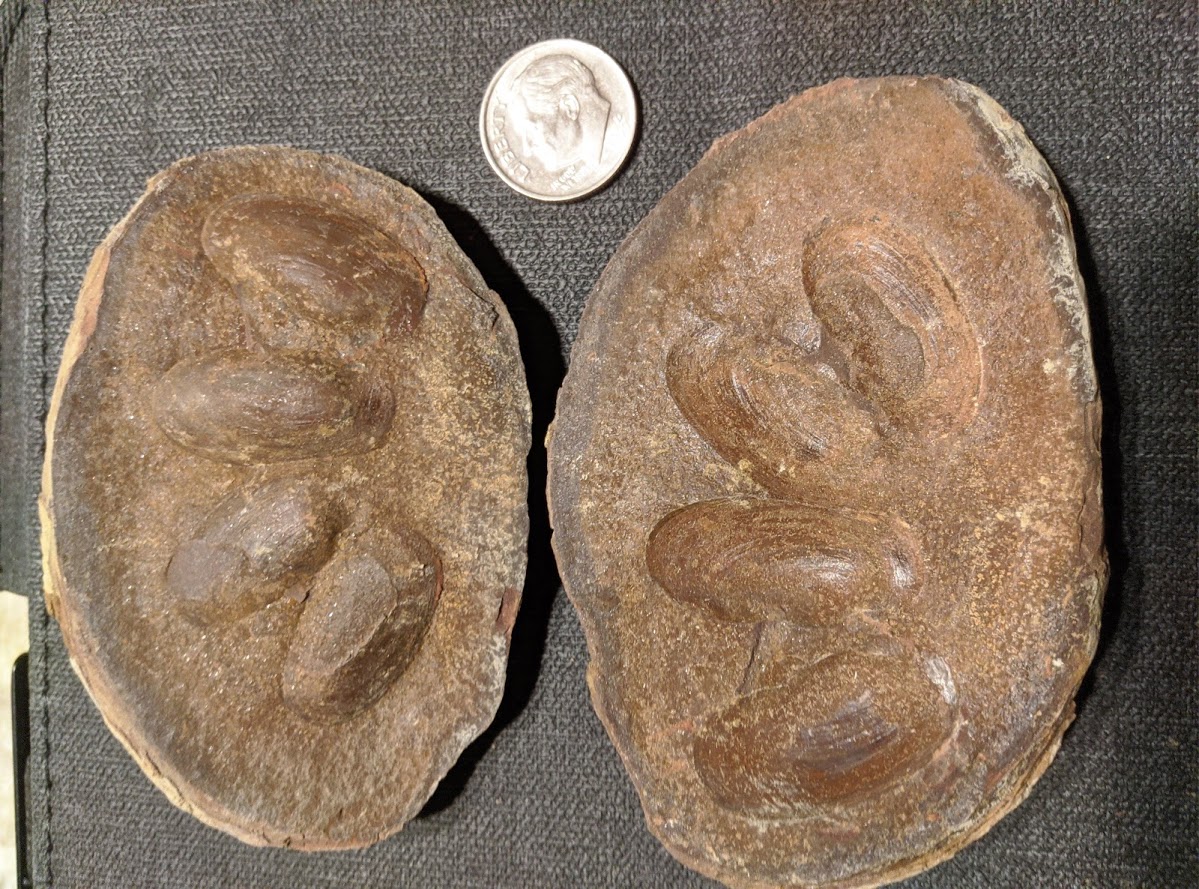
Mazon Monday #25: Mazonomya mazonensis
This is Mazon Monday post #25. What’s your favorite Mazon Creek fossil? Tell us at email:esconi.info@gmail.com. The species spotlight falls on Mazonomya mazonensis, known mistakenly as Edmondia for a long time. It was also called affectionately clam-clam. Here is the text from the Mazon Creek Fossil Fauna by Jack Wittry. Mazonomya mazonensis Bailey, 2011 Found…
-
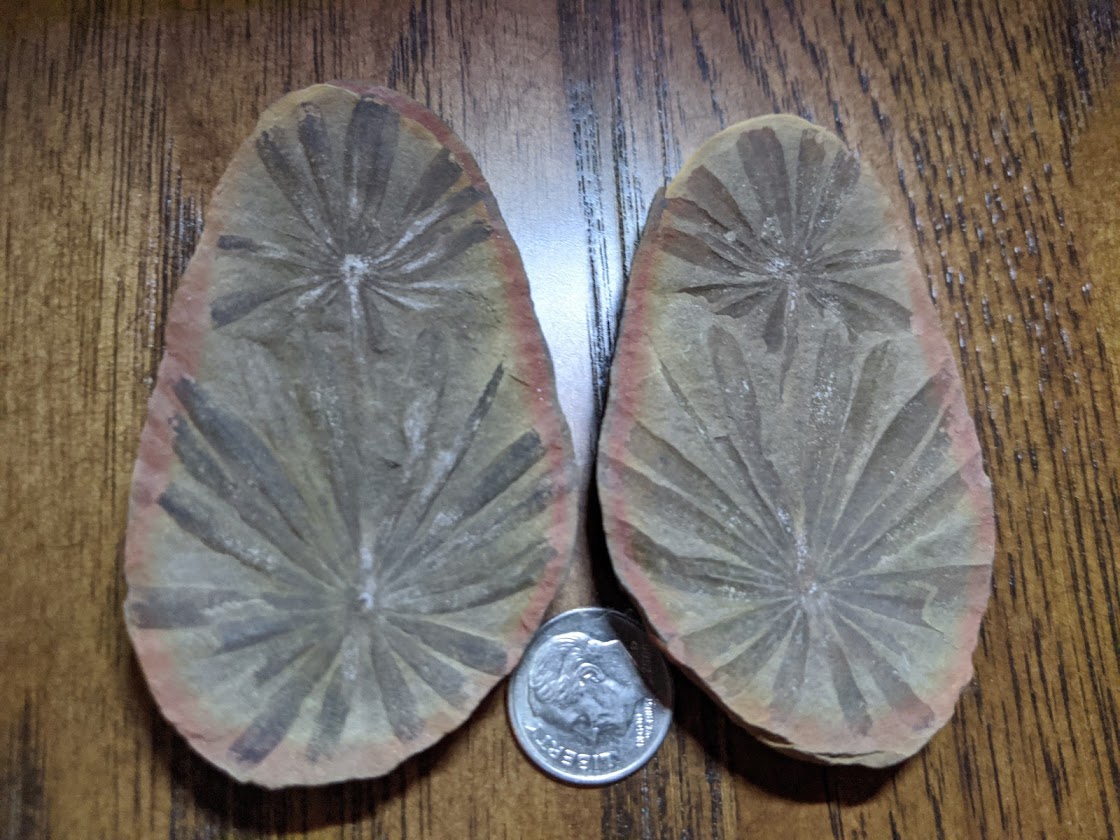
Fossil Friday #22: Plants from Braceville
This is the “Fossil Friday” post #22. Expect this to be a somewhat regular feature of the website. We will post any fossil pictures you send in to esconi.info@gmail.com. Please include a short description or story. Check the #FossilFriday Twitter hash tag for contributions from around the world! There is a field trip to Braceville…
-
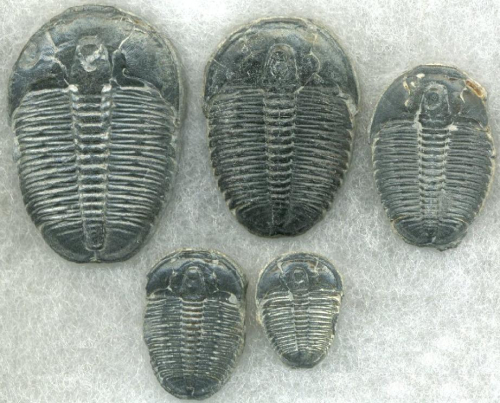
Trilobite Tuesday #22: Trilobites of the Wheeler Shale, Utah
Trilobites.info has a page about the trilobites of the Wheeler Shale in Utah. The Wheeler Shale dates to the Middle Cambrian, about 505 million years ago. The formation is known for a diverse group of soft bodied animals, many of which are the same taxa found in the Burgess Shale (508 million years ago). It…
-

Mazon Monday #24: Euphoberia sp.
This is Mazon Monday post #24. What’s your favorite Mazon Creek fossil? Tell us at email:esconi.info@gmail.com. Today’s species is Euphoberia sp., a millipede from the Mazon Creek biota. From Wikipedia, the free encyclopedia. Euphoberia is an extinct genus of millipede from the Pennsylvanian epoch of the Late Carboniferous, measuring up to 30 centimetres (12 in) in length.[1] Fossils have been found in Europe[2] and North America.[3] There…
-
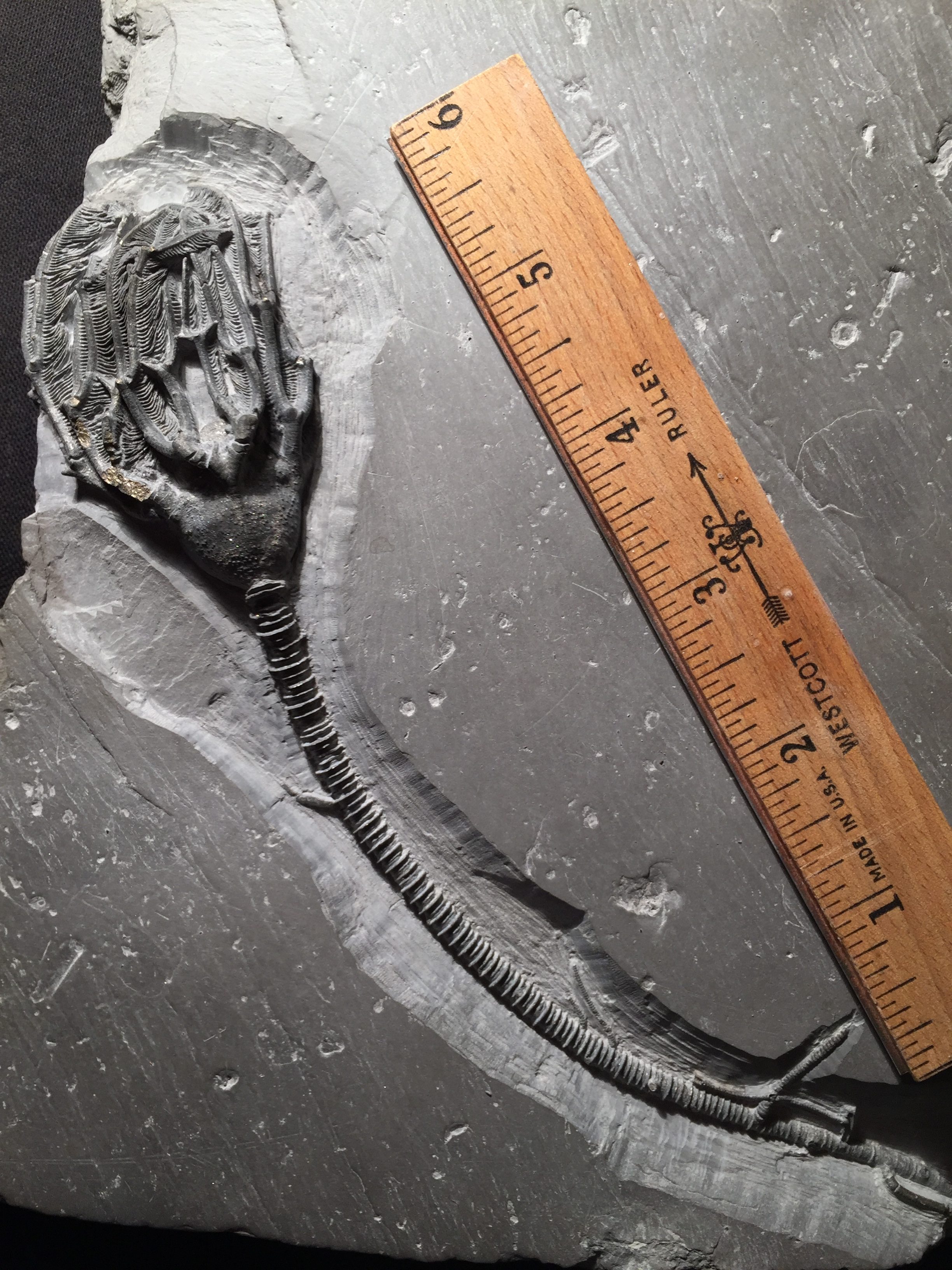
Fossil Friday #21: Crinoid from Arkona, Ontario, Canada
This is the “Fossil Friday” post #21. Expect this to be a somewhat regular feature of the website. We will post any fossil pictures you send in to esconi.info@gmail.com. Please include a short description or story. Check the #FossilFriday Twitter hash tag for contributions from around the world! This week’s fossil is an excellent crinoid…
-

Trilobite Tuesday #21: Pathology: Bites, Injuries & Healing
The AMNH’s Trilobite Website has a page on trilobite injuries. Over the many years that trilobites existed and considering the many, many fossil specimens that have been (and will be) found, there had to be some with signs of predation. And, of those, there had to be some that got away from the predator. There…
-

Mazon Monday #23: Interesting Pennsylvanian Fossil Sites: Crock Hey, Lancashire, UK
This is Mazon Monday post #23. What’s your favorite Mazon Creek fossil? Tell us at email:esconi.info@gmail.com. In Mazon Monday #10, we discussed localities where siderite preservation of Pennsylvanian fossils has been found. There were a few localities listed. Here is more information about the site called Crock Hey (also Crockhey). This site was located near Lancashire in…
-

Fossil Friday #20: Blastoids!
This is the “Fossil Friday” post #20. Expect this to be a somewhat regular feature of the website. We will post any fossil pictures you send in to esconi.info@gmail.com. Please include a short description or story. Check the #FossilFriday Twitter hash tag for contributions from around the world! Today, we have a real treat… blastoids. …
-
Trilobite Tuesday #20: The Trilobite Papers
The Trilobite Paper website has pdfs of the “Trilobite Papers 20” newsletters from August 2018 to February 2020. The newsletter is Fred Sundberg’s “reboot” of Rolf Ludvingsen’s international journal for and by trilobite paleontologists. The issues are published about every six months and are filled with everything trilobite. Rolf Ludvingsen was a paleontologist and author,…
-
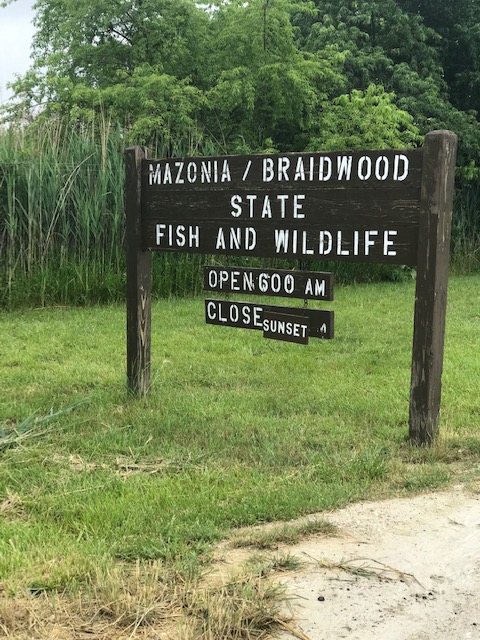
Mazon Monday #22: Pit 11
This is Mazon Monday post #21. What’s your favorite Mazon Creek fossil? Tell us at email:esconi.info@gmail.com. Summer is passing into September and the temperature should should be cooling. Unfortunately, the overgrowth isn’t going to diminish until next spring. However, Pit 11 doesn’t close to fossil hunting until September 30th. So, It’s time to repeat this article…
-
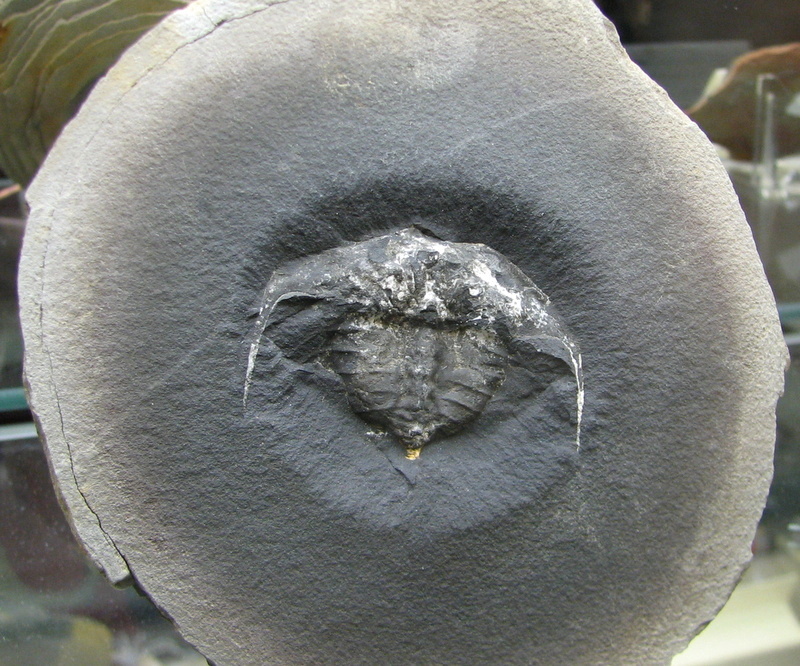
Mazon Monday #21: Euproops danae
This is Mazon Monday post #21. What’s your favorite Mazon Creek fossil? Tell us at email:esconi.info@gmail.com. Euproops was a horseshoe crab. There are two species of horseshoe crab found in the Mazon Creek biota, Euproops danae (common) and Paleolimulus sp. (extremely rare). Both are known from other Carboniferous fossil localities around the world. As you…
-
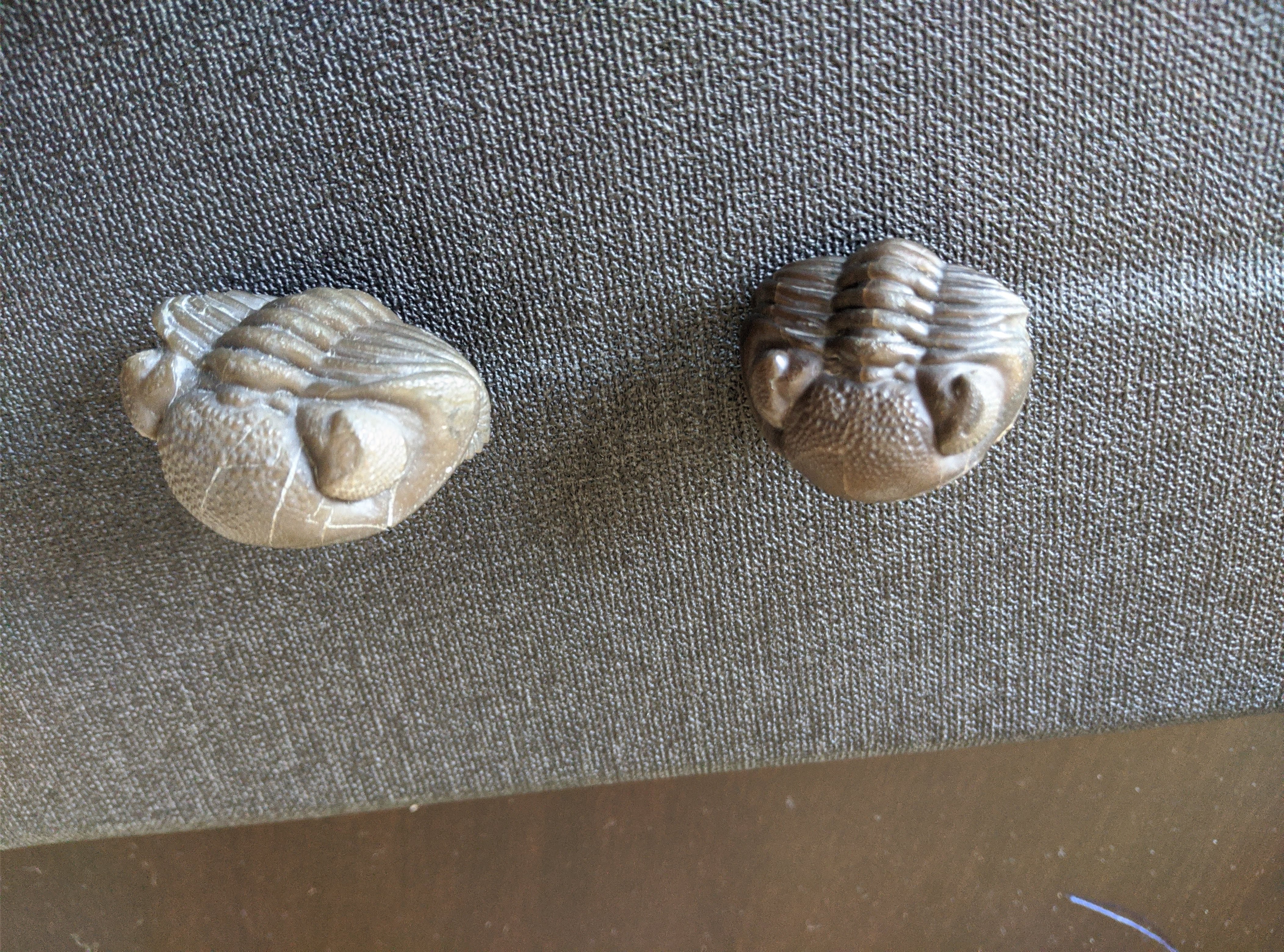
Fossil Friday #19: Phacops from Paulding, OH
This is the “Fossil Friday” post #19. Expect this to be a somewhat regular feature of the website. We will post any fossil pictures you send in to esconi.info@gmail.com. Please include a short description or story. Check the #FossilFriday Twitter hash tag for contributions from around the world! There is a fossil park in Paulding,…
-

Trilobite Tuesday #18: Early trilobites had stomachs
Phys.org has a story about some interesting details of trilobite digestion. A paper, published in 2017 in the journal PLOS ONE, revealed that trilobites had a stomach structure about 20 million years earlier than what had been known. The exceptionally preserved specimens of Palaeolenus lantenoisi used in the study lived about 514 million years ago during the Cambrian. They are…
-
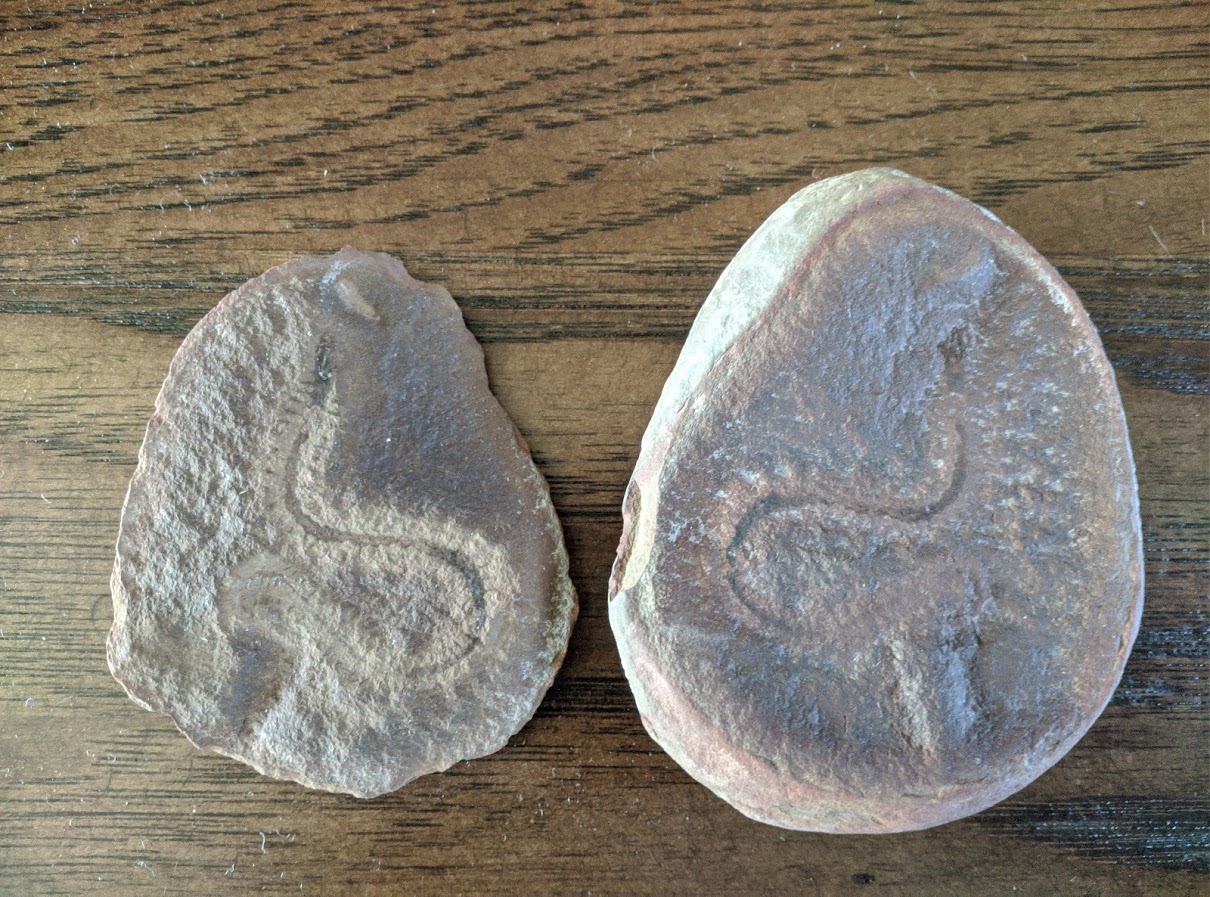
Mazon Monday #20: Fossil Preservation
This is Mazon Monday post #20. What’s your favorite Mazon Creek fossil? Tell us at email:esconi.info@gmail.com. Back in 2017, Palaeocast posted a lecture called “Is a ‘one size fits all’ taphonomic model appropriate for the Mazon Creek” by Dr. Thomas Clements, of the University of Birmingham in the UK. You may remember Dr. Clements… he…
-
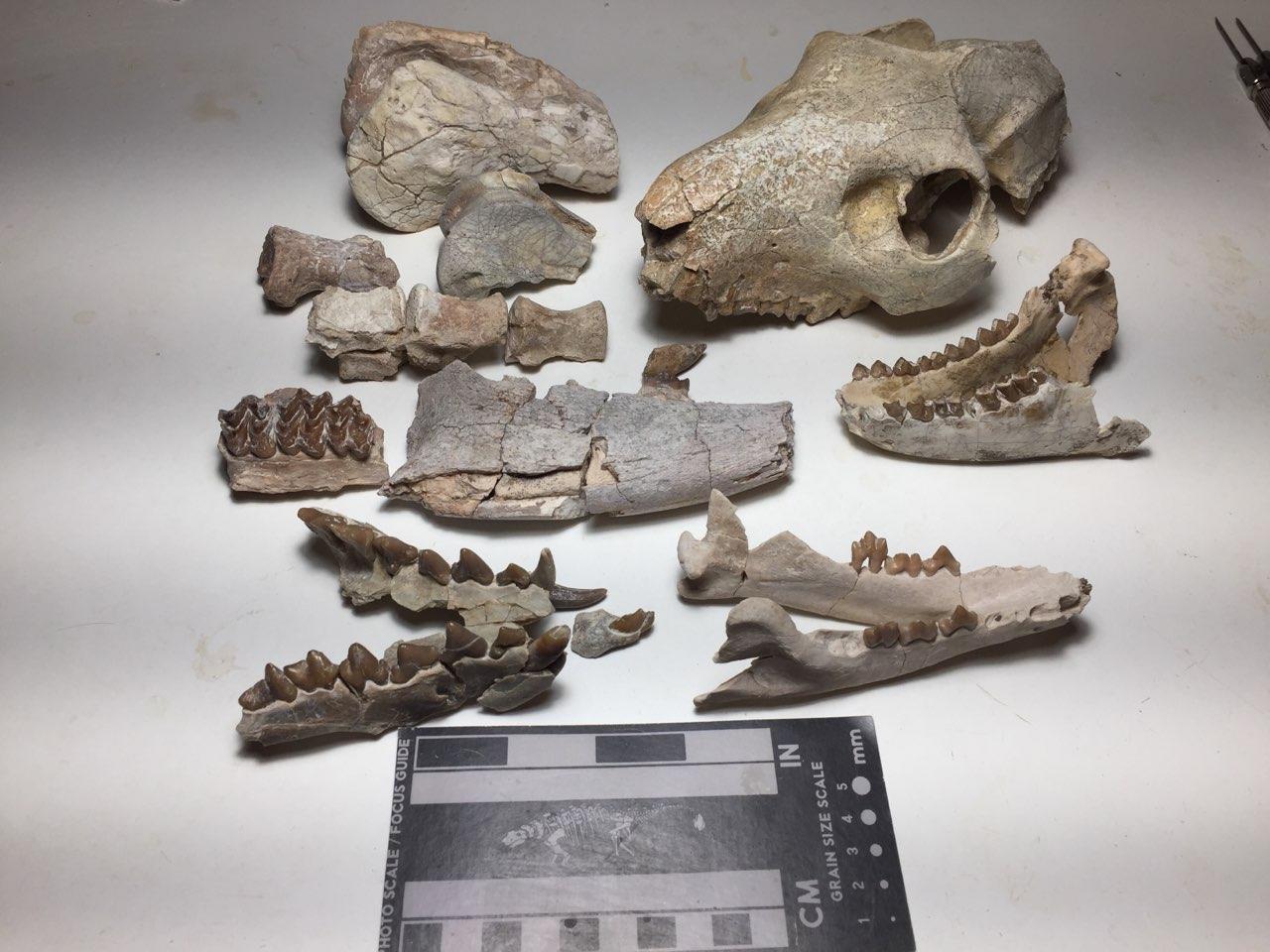
Fossil Friday #18: Oligocene Mammals
This is the “Fossil Friday” post #18. Expect this to be a somewhat regular feature of the website. We will post any fossil pictures you send in to esconi.info@gmail.com. Please include a short description or story. Check the #FossilFriday Twitter hash tag for contributions from around the world! These fossil pictures here were contributed by…
-
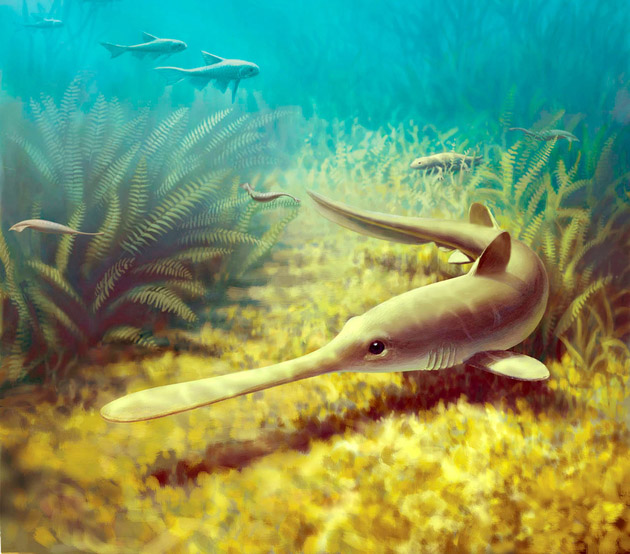
Mazon Monday #19: Bandringa rayi
This is Mazon Monday post #19. What’s your favorite Mazon Creek fossil? Tell us at email:esconi.info@gmail.com. Would you believe that Illinois has a shark nursery? OK, it is about 307 million years old and the evidence resides in Mazon Creek fossil concretions. The first species, Bandringa rayi, was described in a paper published by Rainer…
-
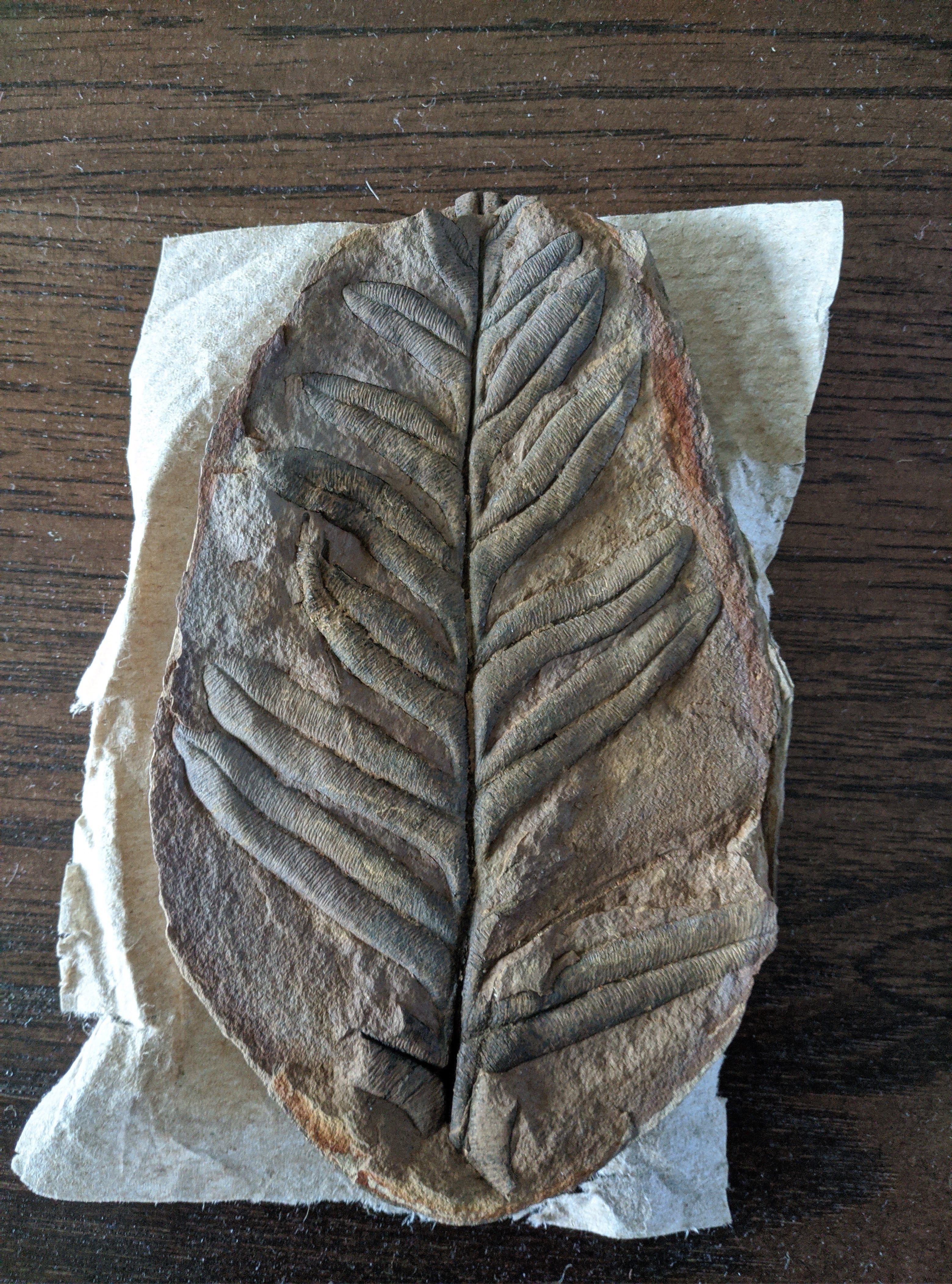
Fossil Friday #17: Mazon Creek Alethopteris serlii
This is the “Fossil Friday” post #17. Expect this to be a somewhat regular feature of the website. We will post any fossil pictures you send in to esconi.info@gmail.com. Please include a short description or story. Check the #FossilFriday Twitter hash tag for contributions from around the world! What’s your favorite Mazon Creek plant fossil? …
-
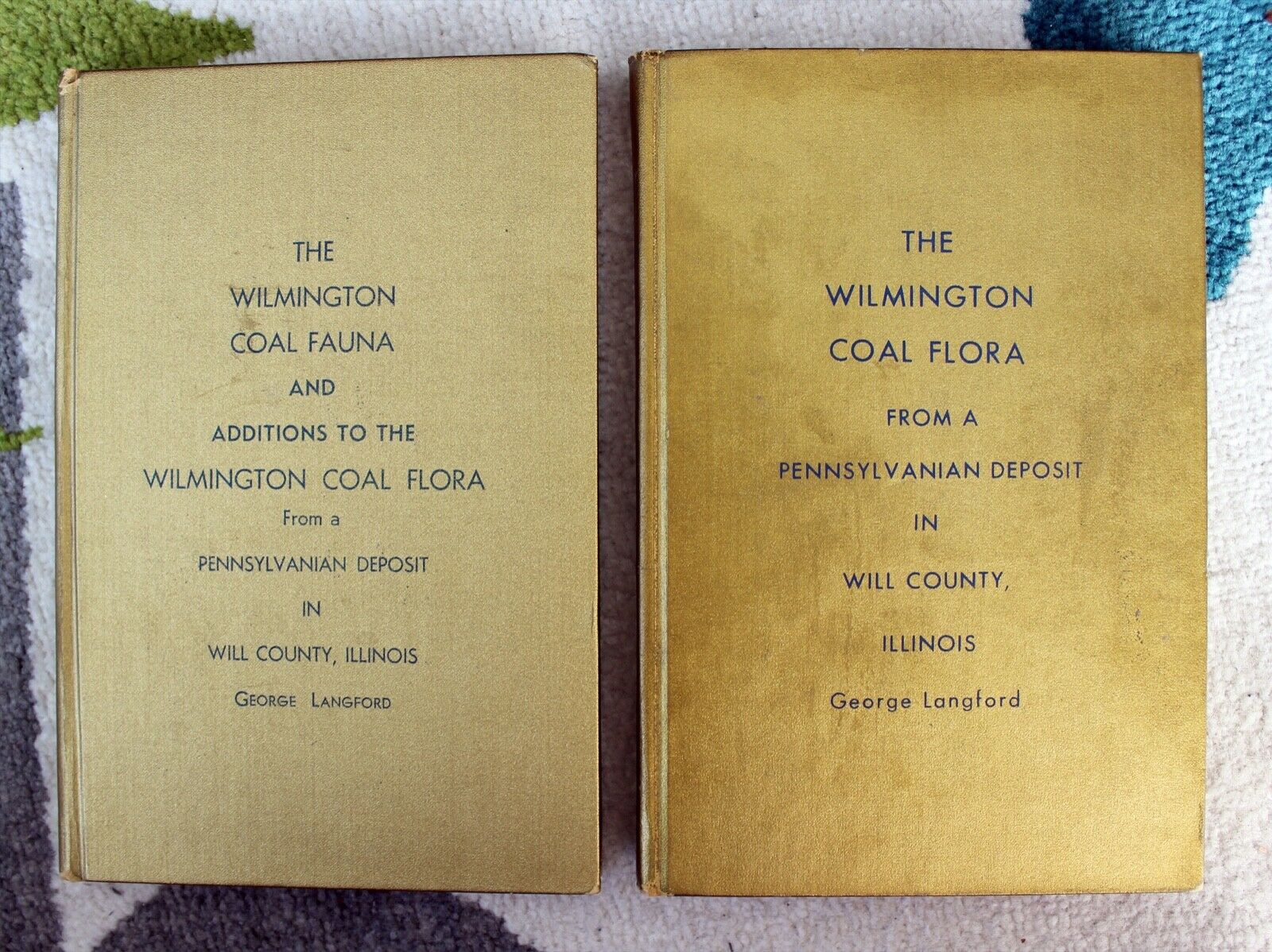
Mazon Monday #18: Langford Book Inscriptions
This is Mazon Monday post #18. Book inscriptions were much more common in the past. As owner of a book, which was a valuable possession. you might add your name to the inner cover. A recent Langford purchase by ESCONI member Roy Plotnick, reminded us of the historical significance of these inscriptions. Many of the…
-
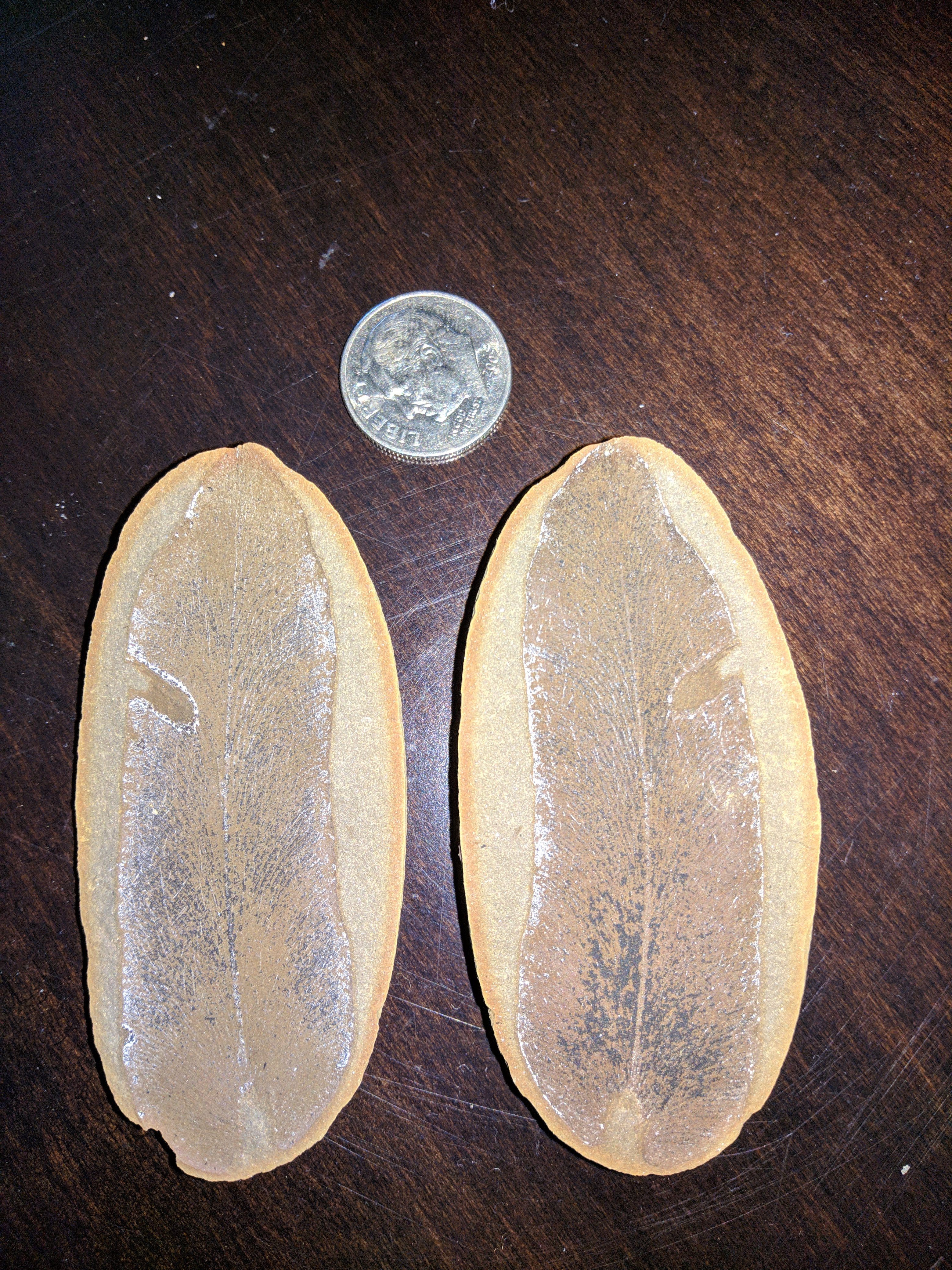
Fossil Friday #16: Macroneuropteris With Insect Damage
This is the “Fossil Friday” post #16. Expect this to be a somewhat regular feature of the website. We will post any fossil pictures you send in to esconi.info@gmail.com. Please include a short description or story. Check the #FossilFriday Twitter hash tag for contributions from around the world! —————————————————– Plant fossils with insect damage are…
-
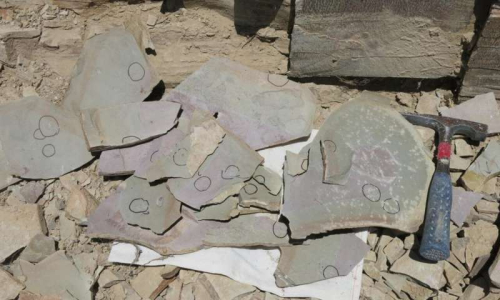
Trilobite Tuesday #16: Growing up trilobite
Phys.org has an article about probably the most common trilobites, Elrathia kingii. The article is about new research that used this trilobite to understand the ontogeny of this iconic species. The research can be found in a paper in the journal Papers in Palaeontology. If you’ve ever held a trilobite fossil, seen one in a…
-

Mazon Monday #17: One Fish, Two Fish, Three Fish, Many Fish…
This is Mazon Monday post #17. There are a few types of fish known in the Mazon Creek biota. And while, the classification has changed since the creature corner article on fish, which appeared in March 1989. It’s still interesting and instructive. Here is the text and a few drawings. The following two concretions are…
