Tag: fossil
-
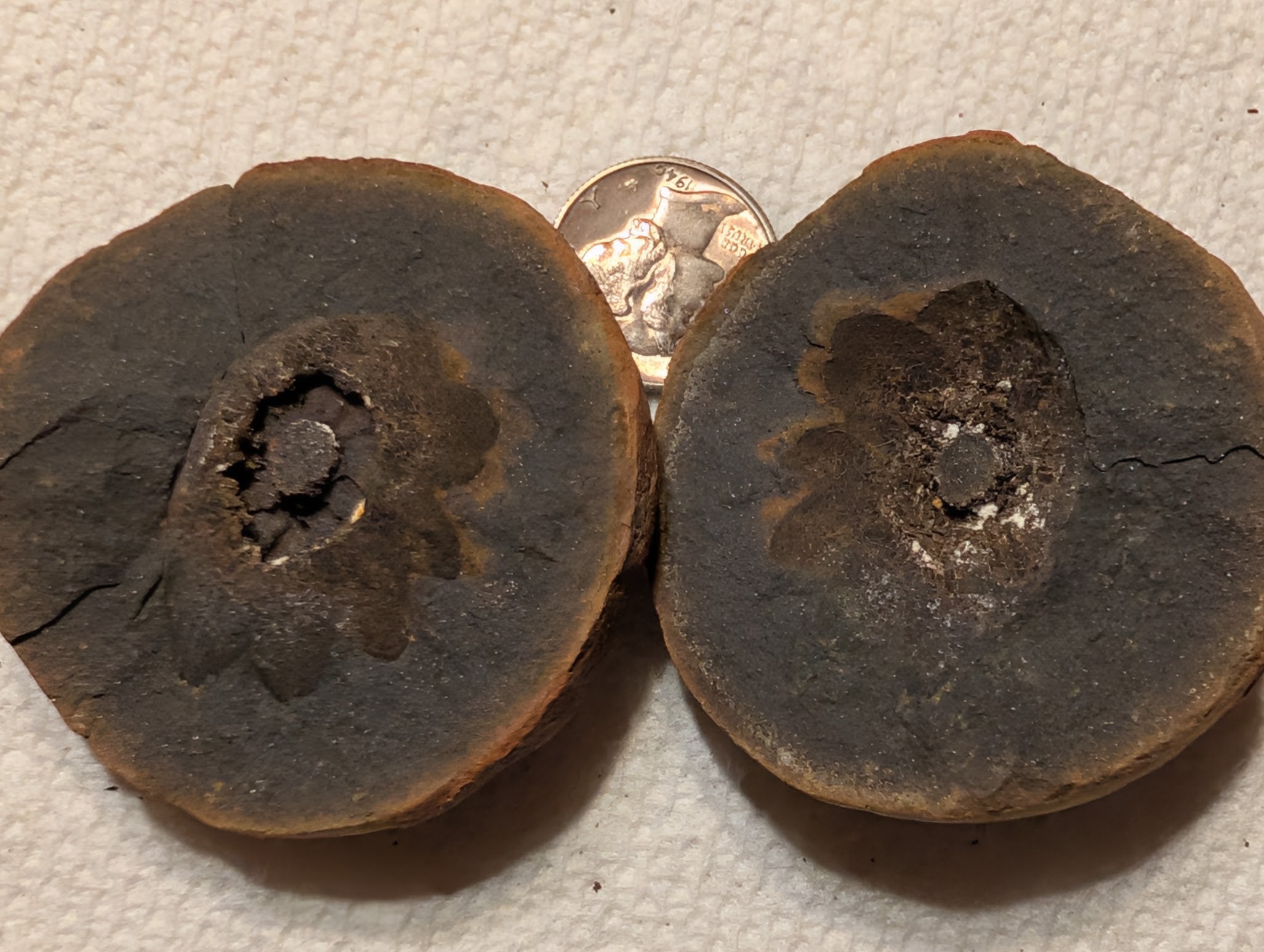
Fossil Friday #337: A Different View of Lepidostrobus
Lepidostrobus is a cone from lepidodendron tree. It was named in 1828 by Adolphe-Theodore Brongniart (1801 – 1876), who was a French paleontologist, considered by many to be the father of paleobotany. He also named Lepidostrobophyllum which are the individual cone bracts of which Lepidostrobus is the whole reproductive organ. See Mazon Monday #202.
-
Throwback Thursday #337: Looking Back At ESCONI for October 2026
ESCONI highlights from 25, 50, and 70 years ago
-

Reminder: Mazon Creek Fossil Day 2026 – Saturday, October 10th, 2026 – Coal City Library
The 2026 Mazon Creek Fossil Day will be held on Saturday, October 10th, 2026 at the Coal City Library from 10 AM to 3 PM. See you there! Previous events
-

T. Rex, King of the Dinosaurs, Had a Body Temperature of 97 Degrees
The New York Times has a story about recent T. rex research. There’s been a long running debate about whether dinosaurs were warm or cold blooded – endothermic or exothermic. New research, published recently in the journal Science Advances, adds a little evidence to the warm blooded side. Scientists at the University of California, Los…
-
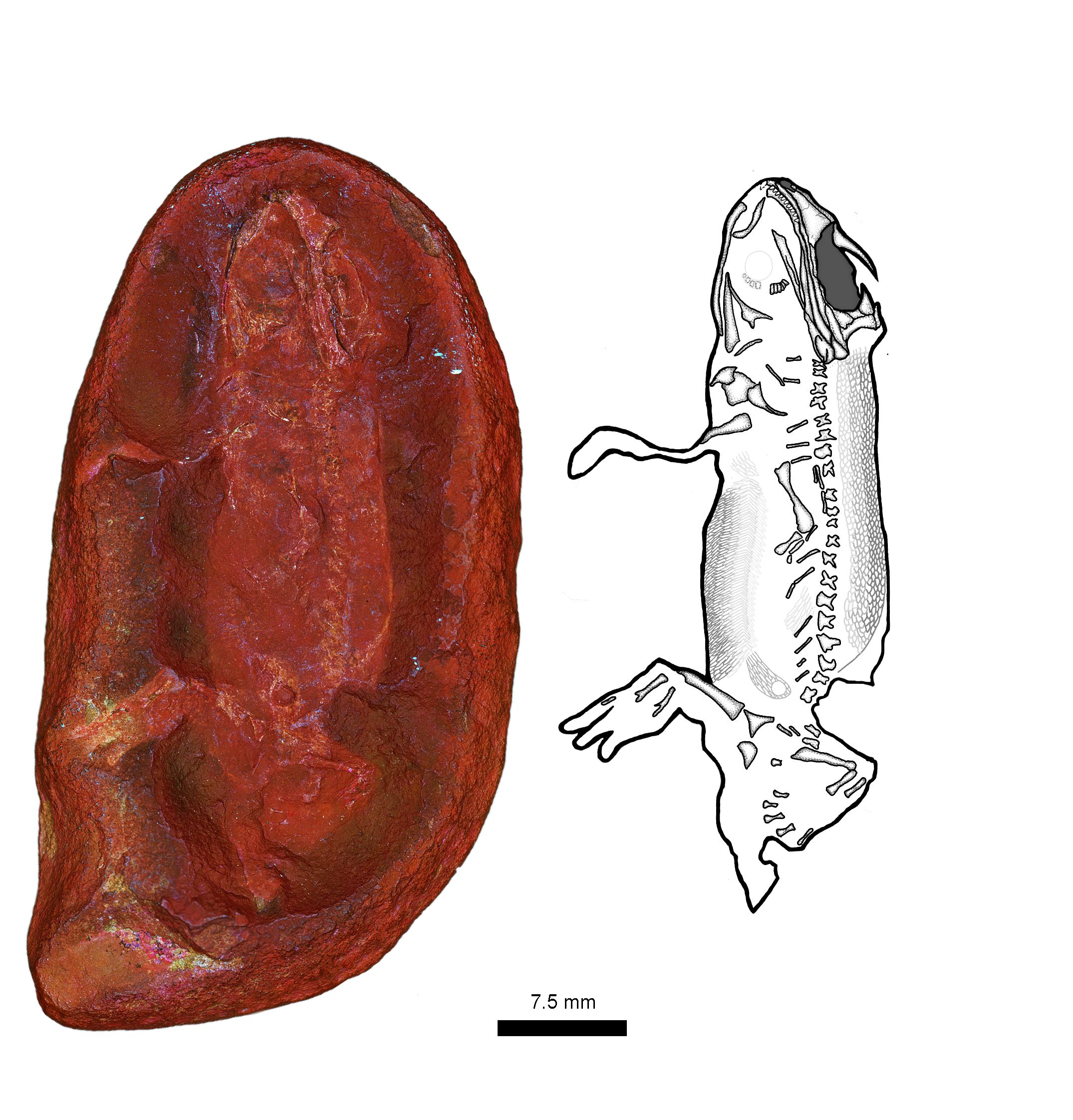
Mazon Monday #342: Jeanerpeton mazonensis – A new Mazon Creek tetrapod!
The Mazon Creek fossil biota has a new member… a tetrapod, which are quite rare. Jeanerpeton mazonensis, which means “Jean’s crawler from Mazon Creek”, was named by two student-scientists from the Field Museum. The name honors their mothers, who are both named Jean.
-
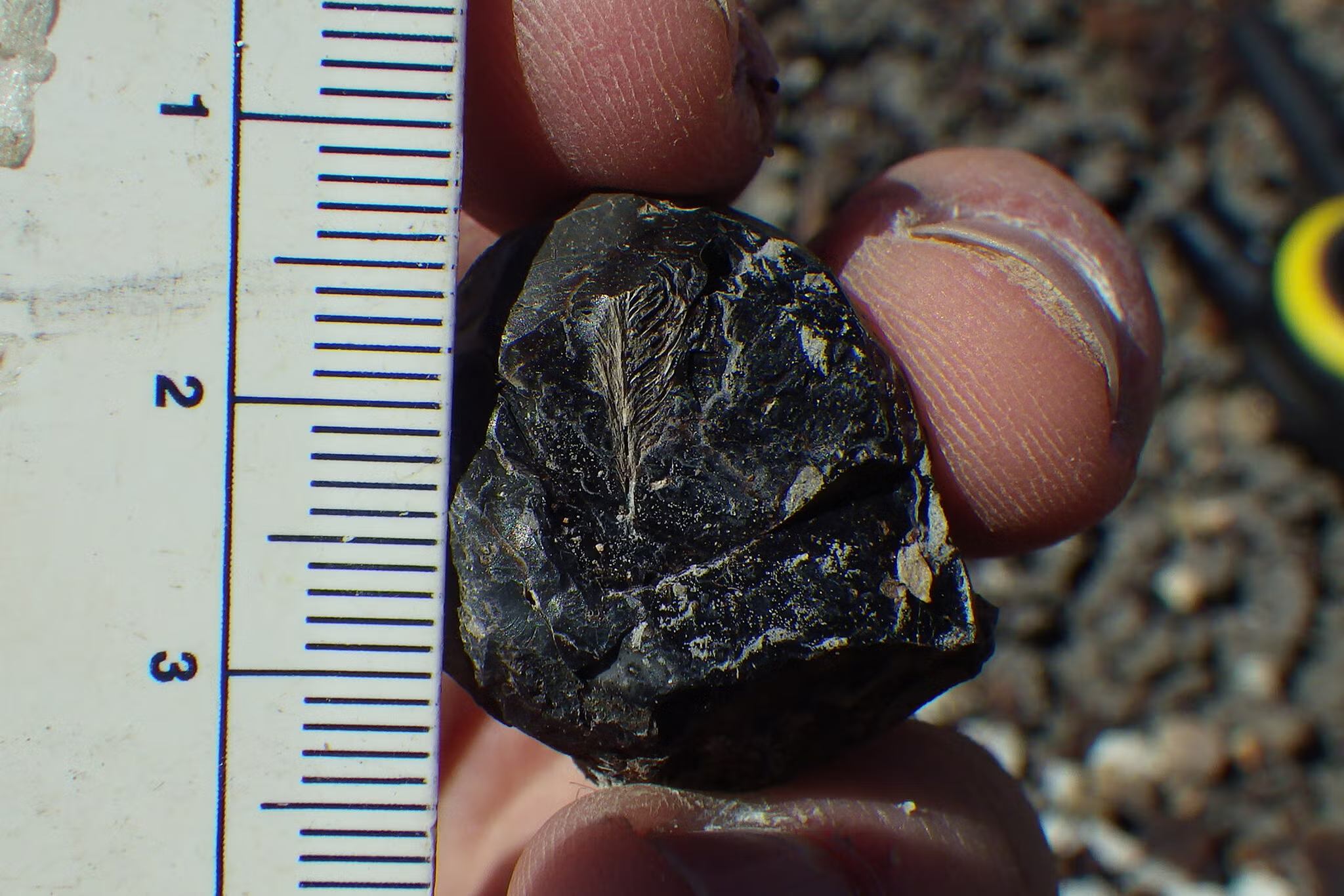
A Feather Found in Dinosaur Poop Might Explain How Birds Beat Extinction
The New York Times has a story about an amazing, chance discovery. In 2016, a researcher in the Hell Creek Formation in Montana picked up a small rock that turned out to be a small piece of fossilized dinosaur dung. Fossilized dung is called a coprolite and this one had a “big” surprise. It had…
-
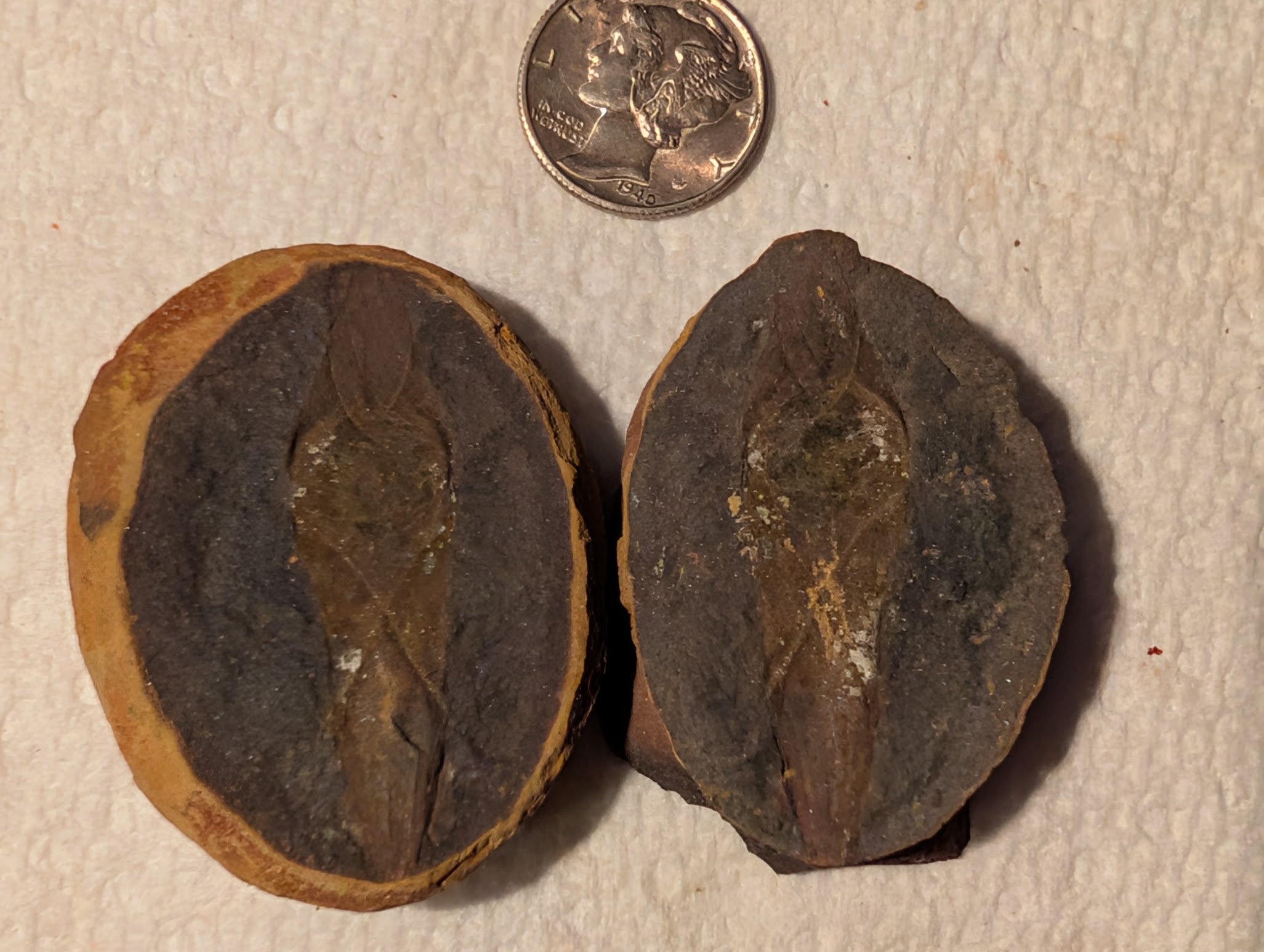
Fossil Friday #336: Shark Egg Case from Chowder Flats
Here’s a beautiful Palaeoxyris prendeli from Chowder Flats. It’s a shark egg case thought to have been produced by hybodont sharks. P. prendeli was named by Leo Lesquereux in 1870. At that time, it was believed to be a plant part, maybe a seed pod. The name palaeoxyris comes from the the flowering plant genus…
-

Recap of the ESCONI “Brag Night” 2026
ESCONI held our annual “Brag Night” 2026 on September 19th, 2026. 20 members braved the torrential rains to share fossils (and a few minerals) with their fellow members. Here’s a quick photo recap…
-
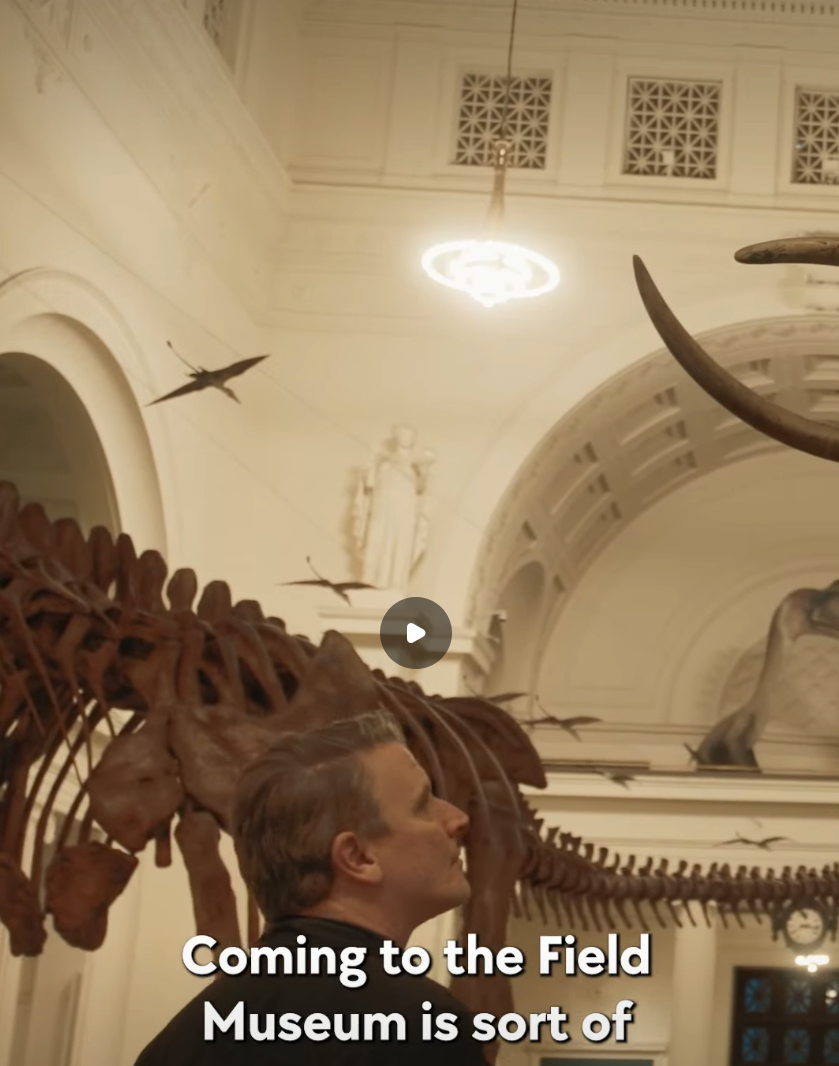
PBS Eons at the Field Museum!
View this post on Instagram A post shared by Eons (@eonsshow) PBS Eons posted this video a few days ago on Instagram. In making Life and Death on Pangea, not only did we get to tell the story of one of the most dramatic times in Earth’s history, but we got visit places that were…
-

Mazon Monday #341: Titanoscorpio douglassi
Titanoscorpio douglassi is known from just three specimens, but the holotype is a breathtaking three-inch claw on display at the Prehistoric Life Museum in the basement of Dave’s Down to Earth Rock Shop (see Throwback Thursday #94) in Evanston, Illinois. And yes, it really is breathtaking!
-
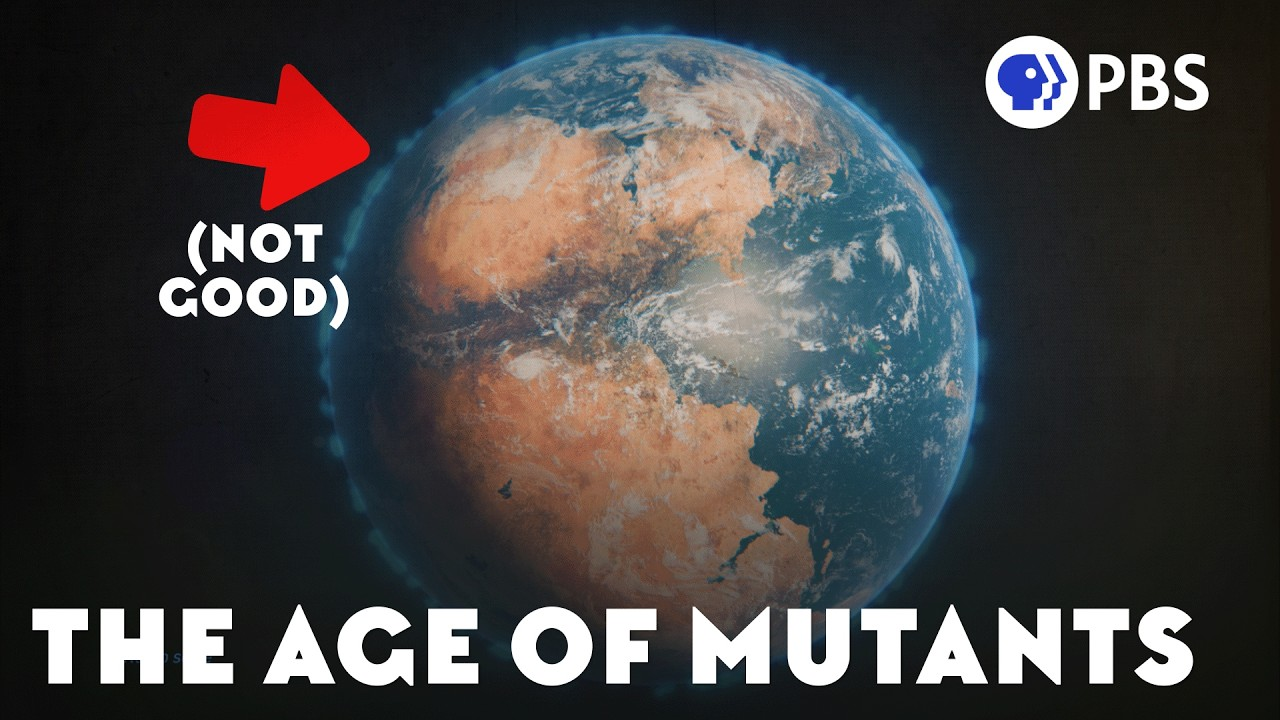
PBS Eons: Did the Ozone Collapse 252 Million Years Ago?
PBS Eons has a new video. This is another one about the Great Dying about 252 million years ago. What was it about the Great Dying that caused a global age of mutant plants? And could figuring it out help us avoid triggering the next one? Watch Eons: Life and Death on Pangea on the…
-

10,000-year-old fossilized mastodon tooth found in Bay Area creek
ABC Eyewitness News has a story about an “exceptionally preserved fossilized tooth.” The tooth of an American mastodon was found in a creek in California’s Bay Area. It was found by a scientist doing a survey for an environmental restoration project. The fossil may be more than 10,000 years old. A fossilized Pacific mastodon tooth…
-

Fossil Friday #335: A Couple of Beautiful Rhacophyllum
Long-time member Marty Houdek recently sent me a couple photos of Rhacophyllum from Mazon Creek. The first one is a sweet Rhacophyllum clarkii (see Mazon Creek #170), from one of the Braidwood pits (2, 3, or maybe 4?). It’s beautiful. It opened this past summer via freeze/thaw… after being collected 30 years ago!
-
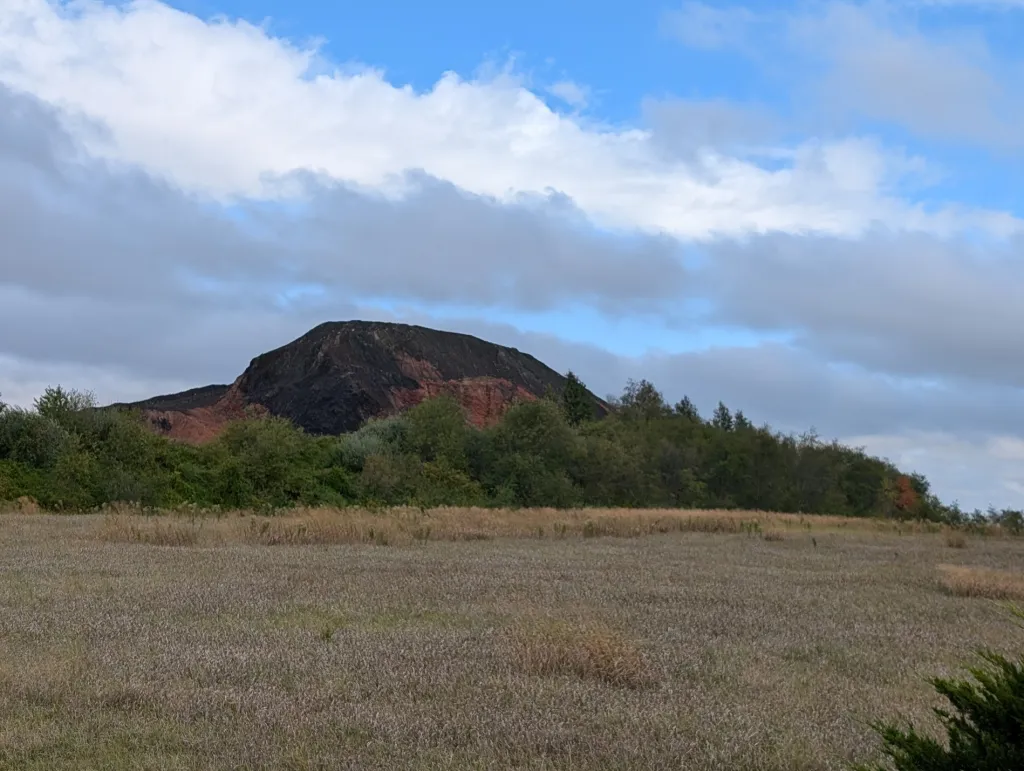
ESCONI Field Trip to Danville Shale Pile Fossils – Saturday, October 17th, 2026
Danville Field Trip Rules for Saturday, October 17th, 2026 An ESCONI field trip to the Danville, IL Shale Pile for Pennsylvanian fossils is scheduled for Saturday October 17th, 2026 starting at 10 AM. This is on private property and there is an attendance limit of 25 people. The gate will be secured once we are…
-

ESCONI “Brag Night” 2026 – Saturday, September 19th, 2026 at 7:30 PM at the College of DuPage, TEC 1038B
Come on out and show off your finds for 2026! “Brag Night” has been a ESCONI tradition since the very beginning!
-

PBS Eons: Why Were Sails So Popular 300 Million Years Ago
PBS Eons has a new video. This one is about a time when many animals had sails. This is a tale about sails, and the enigma of why, for a brief but critical phase in the history of life, sporting a big biological billboard was all the rage.
-
The World’s First Bugs Had Way More Legs
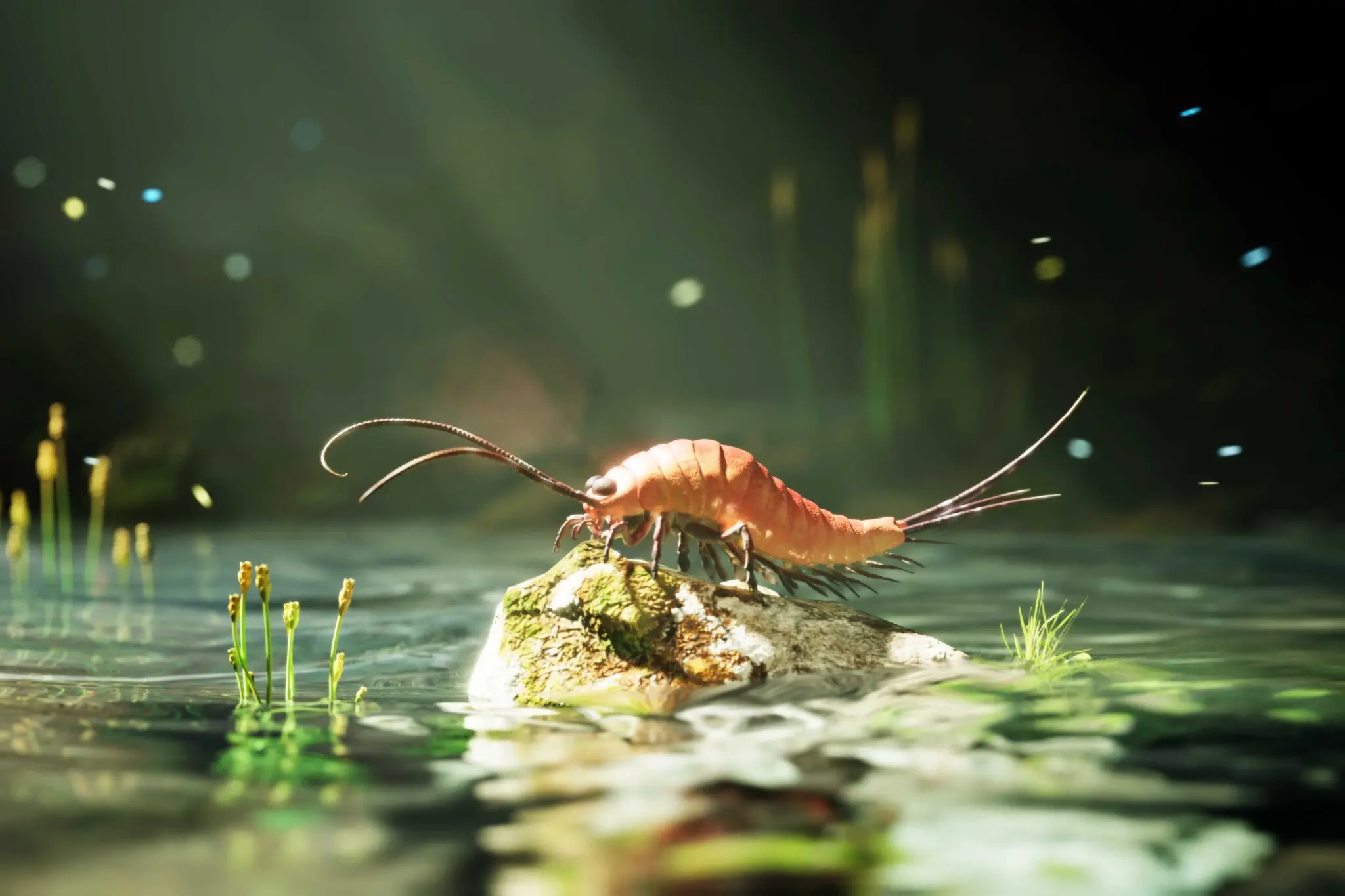
The New York Times has an interesting article about research that has uncovered an early insect. The animal, Chosha praecursor, lived about 324 million years ago during the Carboniferous Period in what is now Texas. It looked very similar to modern day silverfish, with a huge difference… it had 24 legs! C. praecursor was described…
-
Fossil Friday #334: Mariopteris from Pit 4
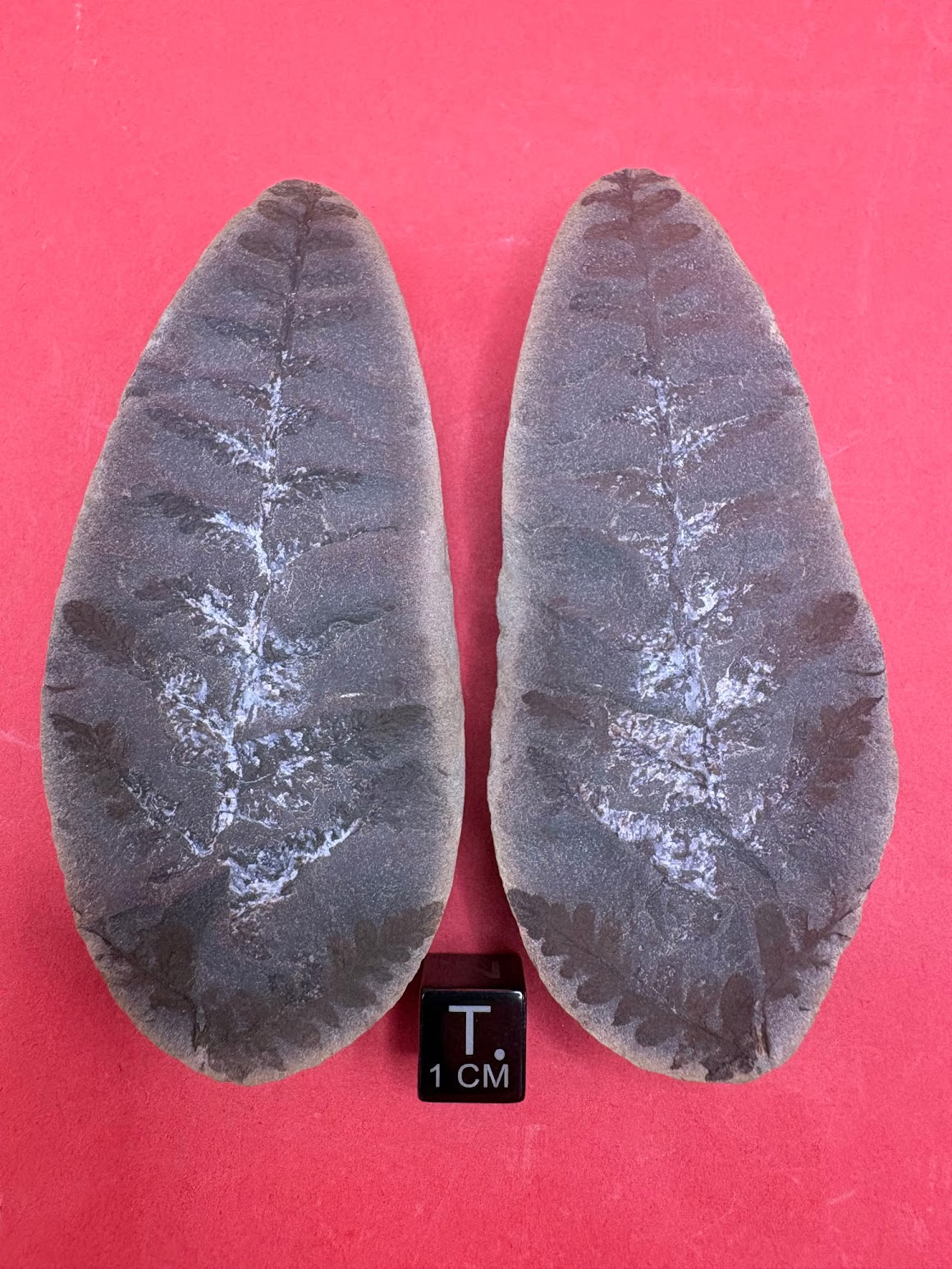
I was talking to Ralph Jewell and Jeremy Zimmerman at the Braceville field trip a few weeks ago and they showed me a very nice fern fossil. Make that a seed fern… it seems to be a variety of Mariopteris, maybe Mariopteris decipens (see Mazon Monday #108) or the much rarer Mariopteris wilmingtonenese (see Mazon…
-

Throwback Thursday #334: Gorgeous George in 1976
This is “Gorgeous George”, when he was on display in the main gallery in 1976. He and the Lambeosaurus were star attractions at the museum from 1956 to 1992. He was incorrectly called a Gorgosaurus for most of its “life”. That was corrected in 1999 and he is now known as a Daspletosaurus, a rare species of tyrannosaur. …
-

ESCONI September 2026 General Meeting, Friday, September 11th, 2026 at 8:00 PM via Zoom – “Searching for Colorado’s Tiktaalik on the West Coast of Laurentia”
The September 2026 General Meeting will be held on Friday, September 11th, 2026 at 8:00 PM via Zoom. Our presentation is by Franklin Duffy, PhD Student and Research Affiliate from The Field Museum and Denver Museum of Nature & Science. He will be presenting “Searching for Colorado’s Tiktaalik on the West Coast of Laurentia.” This…
-
Mazon Monday #339: Braceville Fall 2026 Field Trip Report
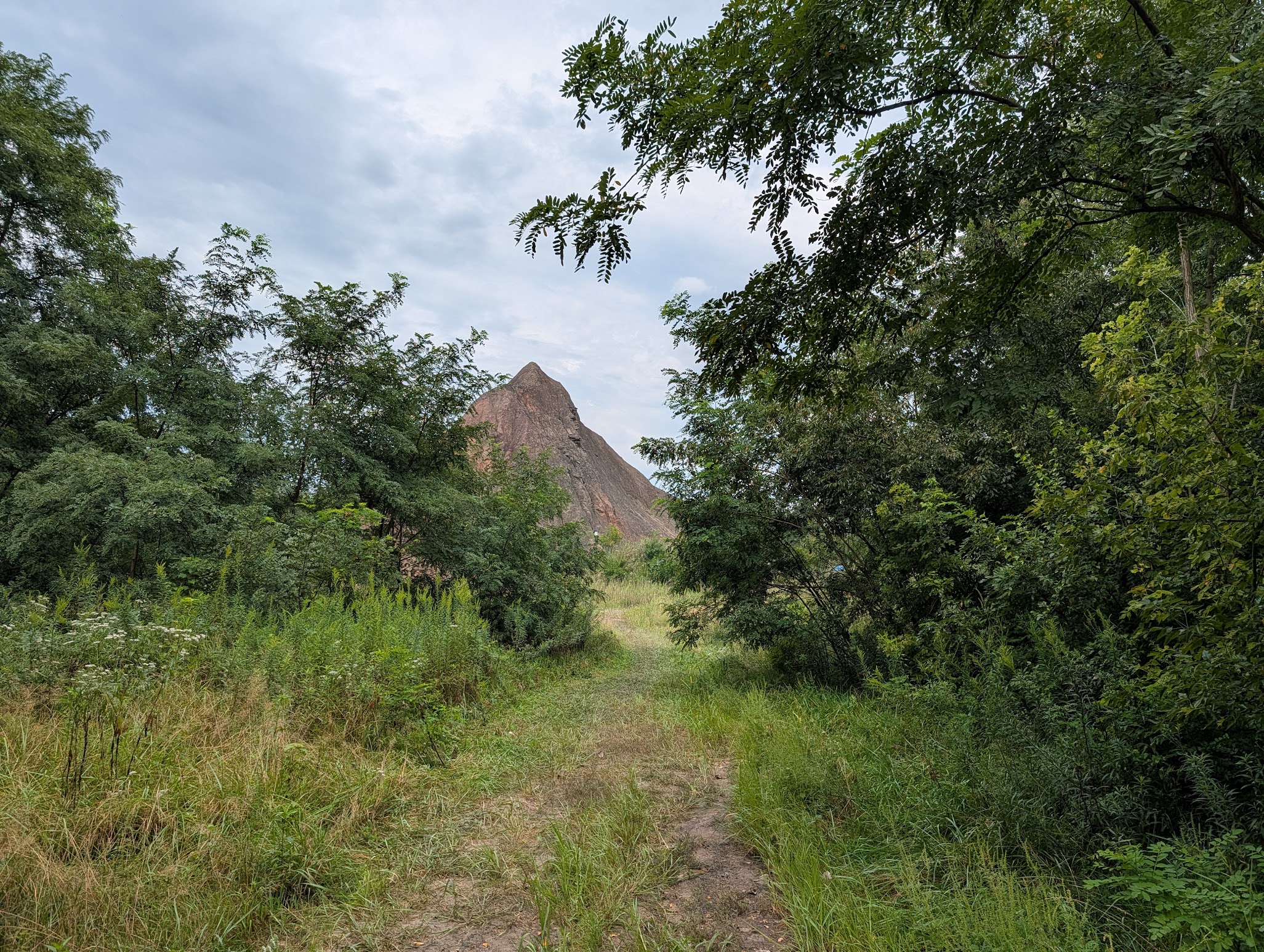
At the end of August, ESCONI held our annual Fall field trip to the Braceville Spoil Pile, known as “Worm Hill.” It was a huge success. The weather cooperated for the most part. Saturday, August 29th was a beautiful day, with no rain and highs in the mid-70’s. Unfortunately, Saturday, August 30th started out with…
-
Fossil Friday #333: Crossotheca sagittata plate
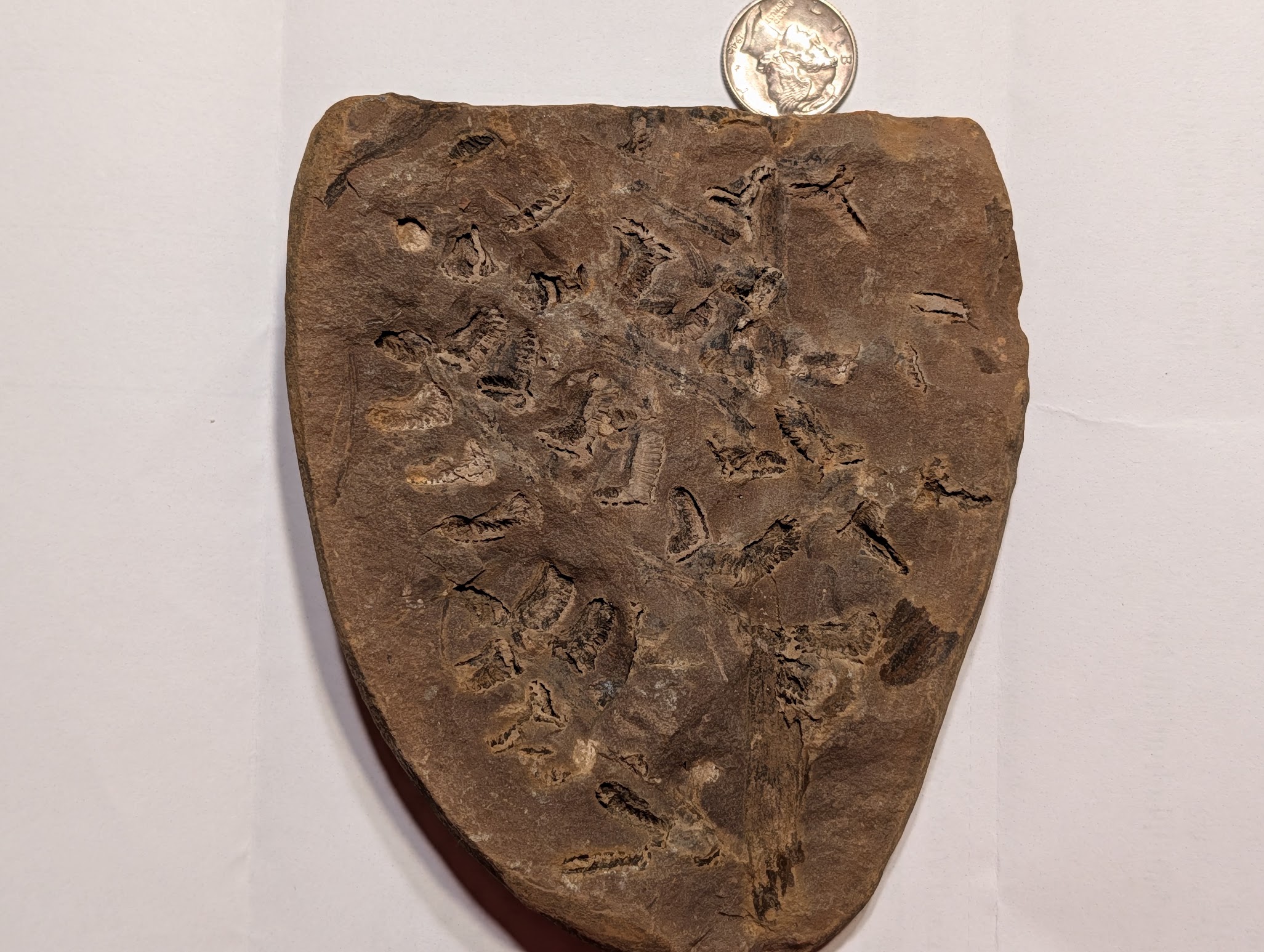
Today, we have a largish plate of Crossotheca sagittata. Crossotheca sagittata is the fertile form of Pecopteris fontainei (see Mazon Monday #129). Remember, paleobotany specifies separate species for different plant parts, which is why we have two names for the same plant. This concept is known as form genera.
-
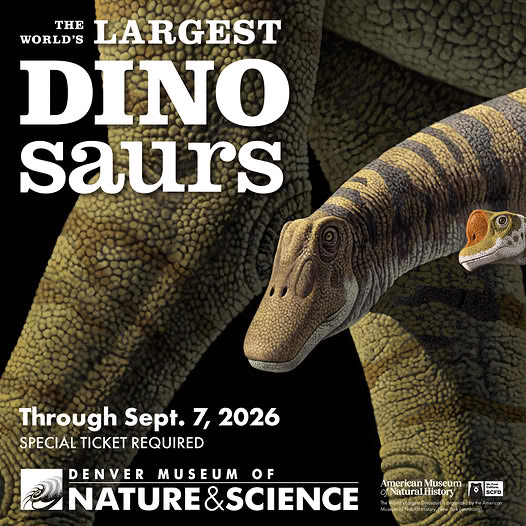
Denver Museum of Nature & Science – Only a few days left … Ends September 7th, 2026
Only a few days left!!!! Step inside the world of sauropods in “The World’s Largest Dinosaurs.” Stand beneath a towering, life-sized 60-foot Mamenchisaurus and discover the amazing biology behind the largest animals to ever live.
-
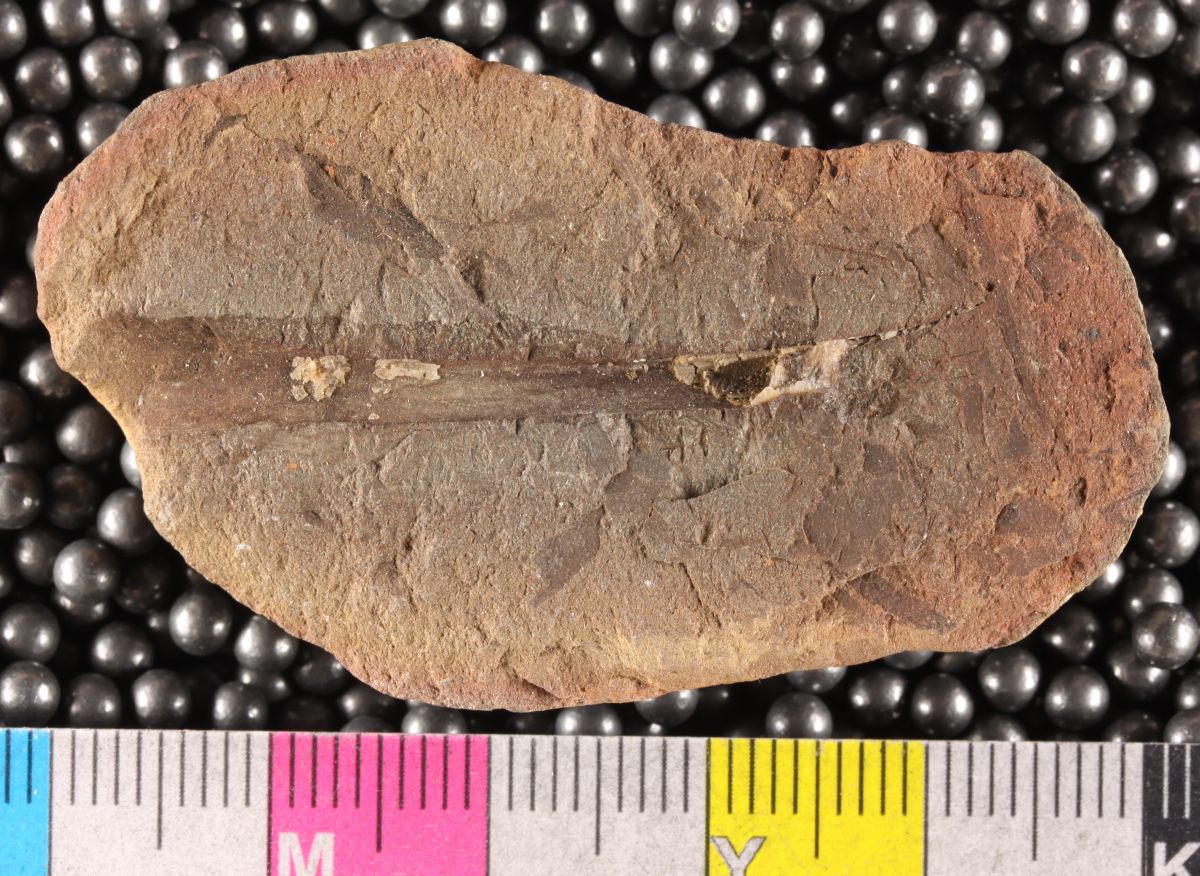
Mazon Monday #338: Howellitubus whitfieldorum… The Mazon Creek Worm That Wasn’t
The history of Mazon Creek paleontology is filled with fossils that have been reinterpreted as new species when new information became available. Animals have been moved from one group to another, species have been renamed, and some fossils once thought to represent animals have turned out to be something else entirely. There are even some,…
-

Would VELOCIRAPTOR make a good pet? | Cromo Paleo Show
The Cromo Paleo Show has an entertaining video on Youtube. Somehow, I don’t think a pet dinosaur will turn out well… Would Velociraptor make a good pet? 🦖 In this episode of the “Would It Make a Good Pet?” series, we dive deep into the REAL science behind owning one of the most famous dinosaurs…
-
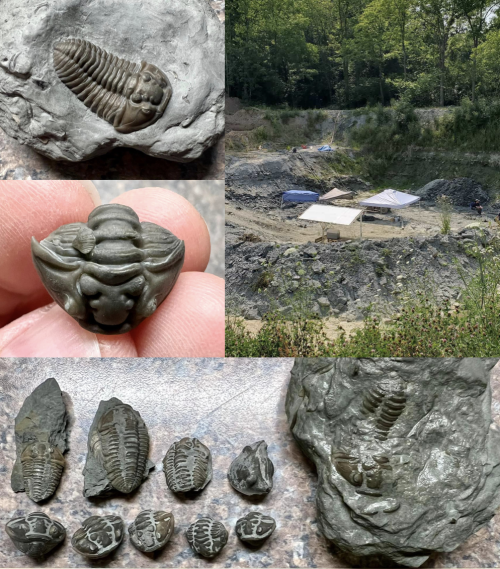
ESCONI Field Trip to Mount Orab for Trilobites – Saturday, September 19th, 2026
ESCONI will have a field trip to Flat Run Fossils in Mt. Orab, OH on Saturday September 19, 2026. There is an attendance limit of 16 people. Flat Run Fossils is a new pay-to-dig site in the famous Mt. Orab trilobite beds. For many years, thousands of gorgeous Flexicalymene and Isotelus trilobites have been collected…
-
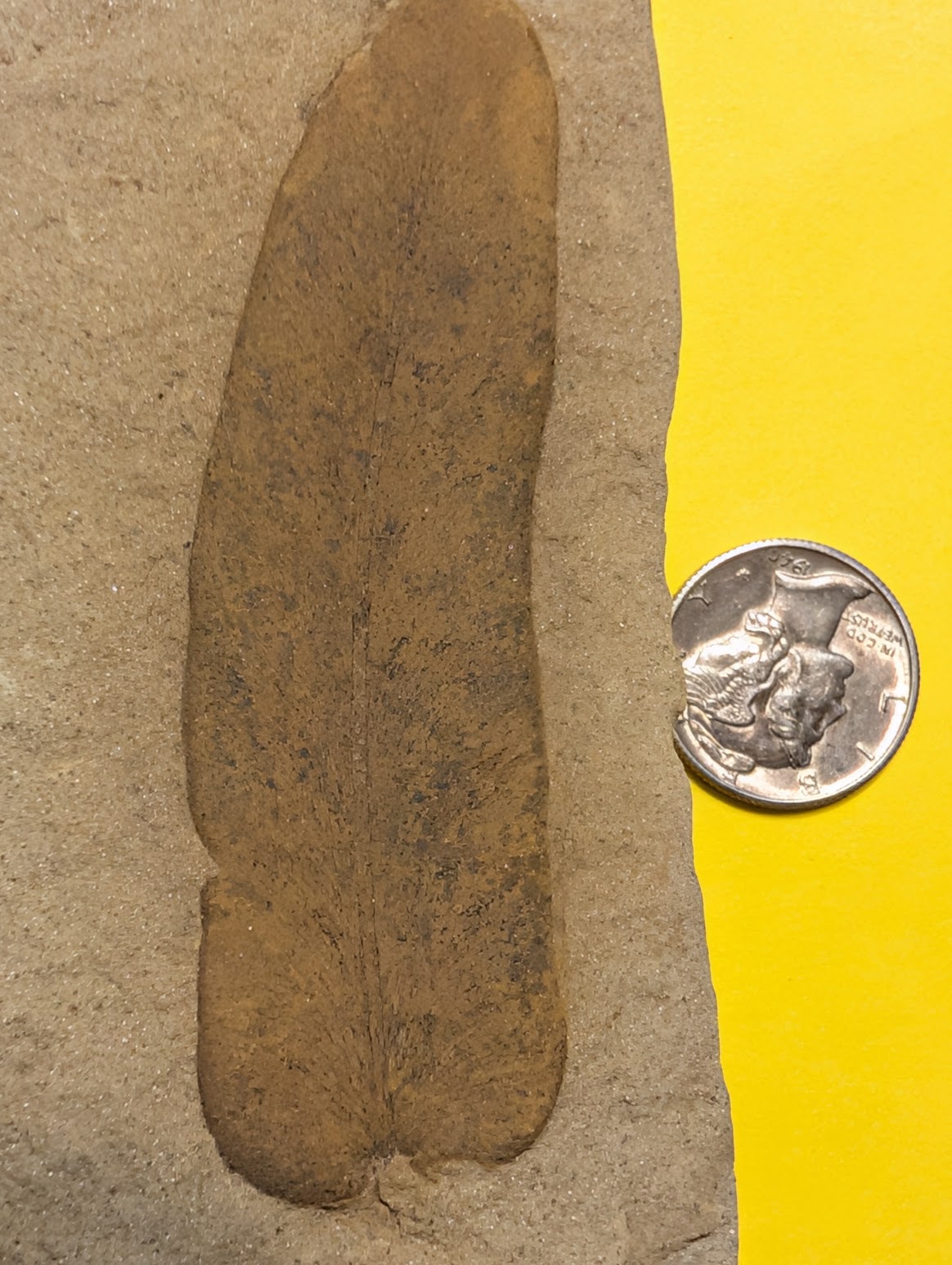
Fossil Friday #332: Macroneuropteris scheuchzeri from Kansas
Today, we have a Macroneuropteris scheuchzeri (see Mazon Monday #39) from the Tonganoxie Sandstone (Stranger Formation of the Douglas Group in the Virginian Stage) near Ottawa, Kansas. That formation has been dated to a range of 306 to 299 million years ago, which is younger than Mazon Creek. Many plant fossils were collected from the…
-
Mazon Creek Fossil Day 2026 – Saturday, October 10th, 2026 – Coal City Library
The 2026 Mazon Creek Fossil Day will be held on Saturday, October 10th, 2026 at the Coal City Library from 10 AM to 3 PM. See you there! Previous events
-
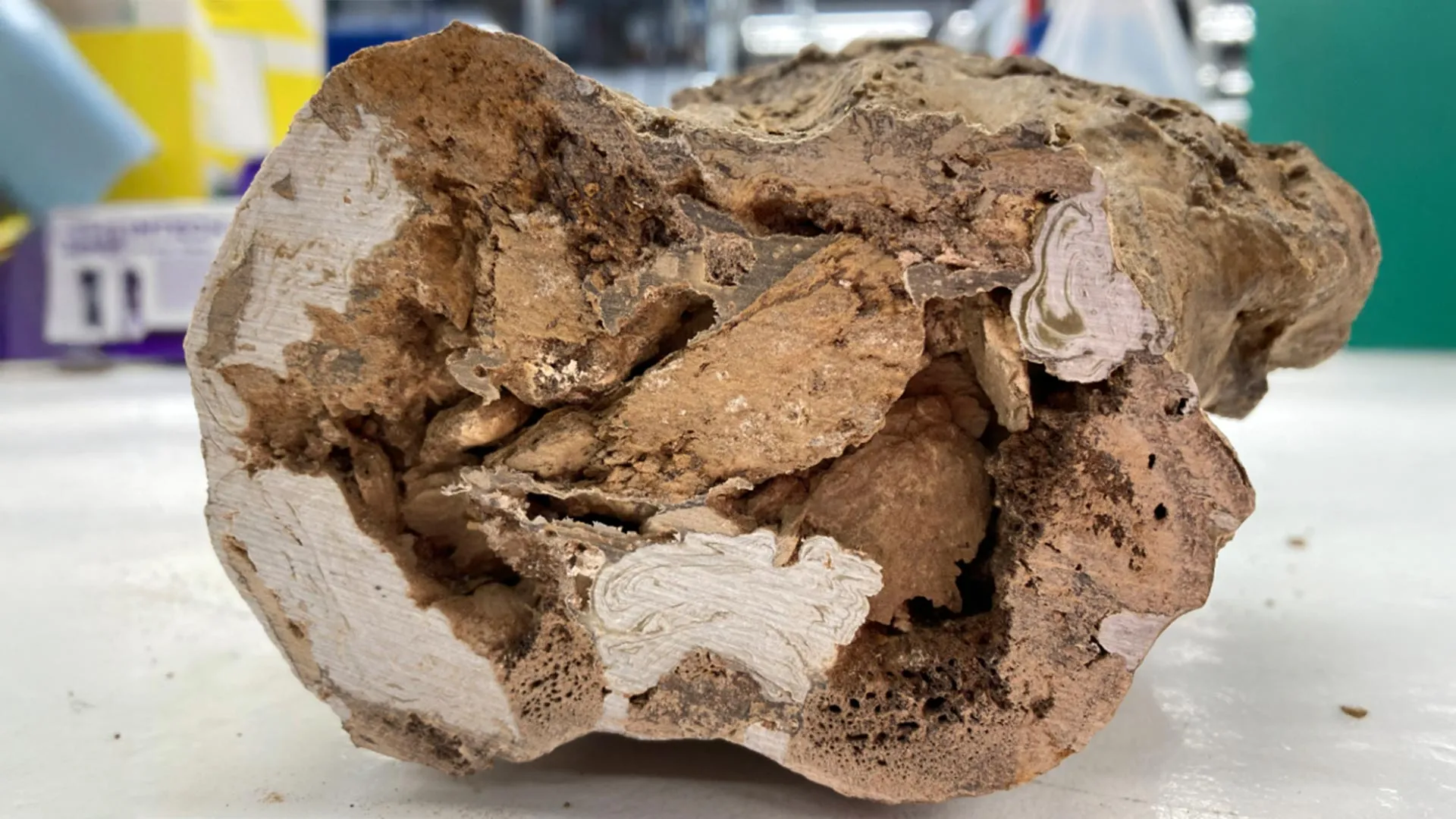
Paleontology rocked by organic molecules found in 66-million-year-old dinosaur bones
Science Daily has a story about another discovery of organic molecules in dinosaur bones. Since the early 2000’s, paleontologists have been finding organic material in dinosaur bones. The discoveries have been met with skepticism by paleontologists. Now a study in the journal Analytical Chemistry adds new evidence. Professor Steve Taylor, chair of the Mass Spectrometry…
-

Mazon Monday #337: Carbohymen testai
I had a chance to catch up with Jack Wittry at the Field Museum this weekend. He mentioned that he had tracked down the insect whose name we first encountered at Tom Testa Day at the Carbon Hill School Museum back in June. At the time, Jack wasn’t sure whether Carbohymen testai was actually a…
