Tag: fossil
-
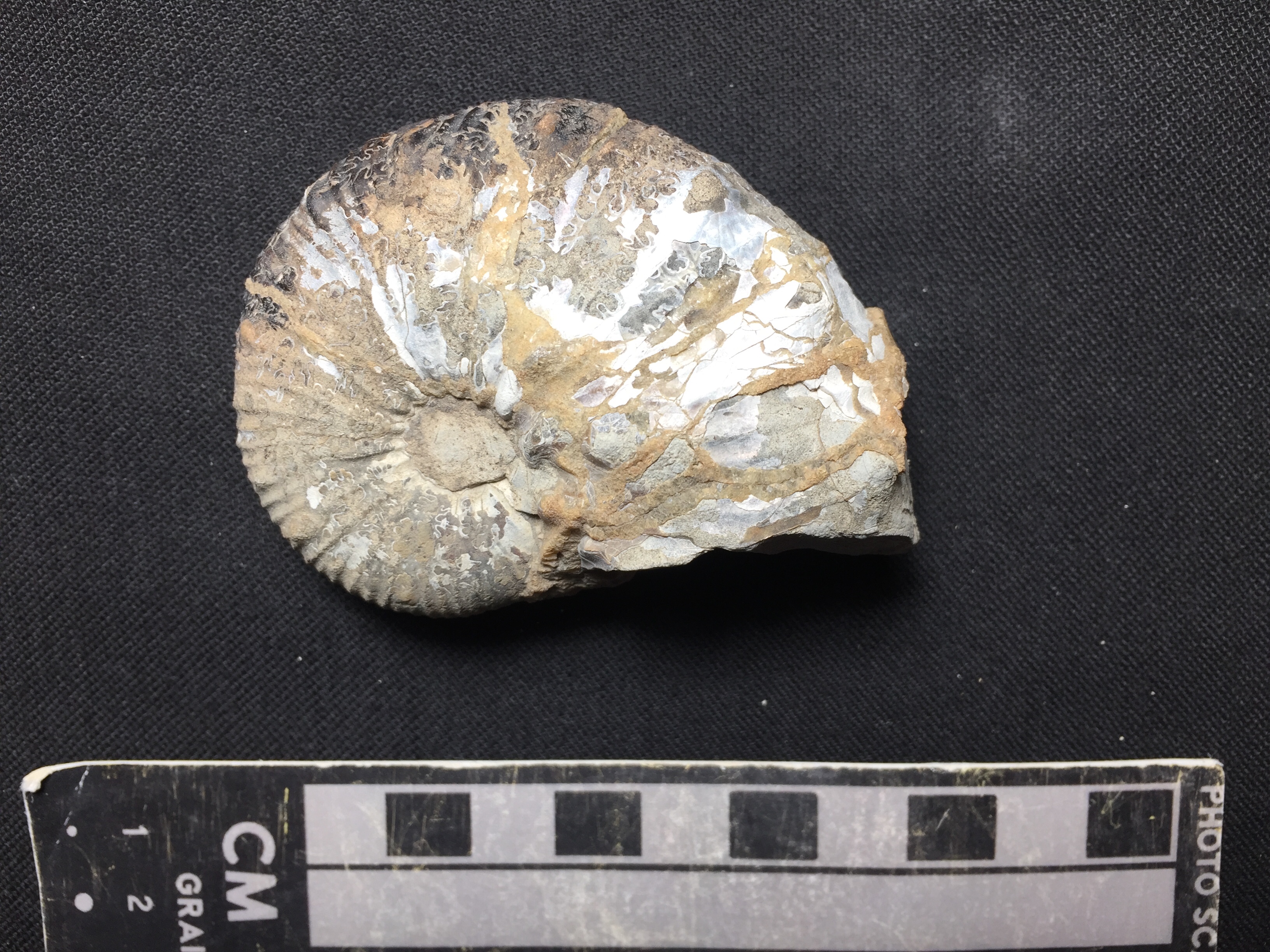
Fossil Friday #45: Eutrephoceras
This is the “Fossil Friday” post #45. Expect this to be a somewhat regular feature of the website. We will post any fossil pictures you send in to esconi.info@gmail.com. Please include a short description or story. Check the #FossilFriday Twitter hash tag for contributions from around the world! We have another mollusk this week. This…
-

Mazon Monday #48: Kallidecthes richardsoni
This is Mazon Monday post #48. What’s your favorite Mazon Creek fossil? Tell us at email:esconi.info@gmail.com. Kallidecthes richardsoni was described in 1969 by Frederick Schram. It was named for Eugene Richardson, who was then the Curator of Fossil Invertebrates at the Field Museum of Natural History in Chicago, IL. It’s an extinct species of shrimp…
-
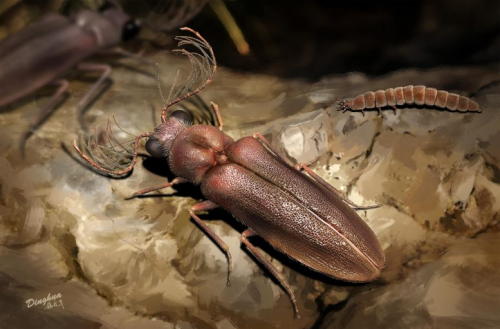
Cretaceous Amber Fossil Sheds Light on Evolution of Bioluminescence in Beetles
Science Tech Daily has a story about bioluminescence in beetles. This study, which was published in the journal Proceedings of the Royal Society B, looked at an insect preserved in amber from Myanmar. Myanmar amber dates to Cretaceous Period about 99 million years ago, Bioluminescence has fascinated people since time immemorial. The majority of organisms…
-
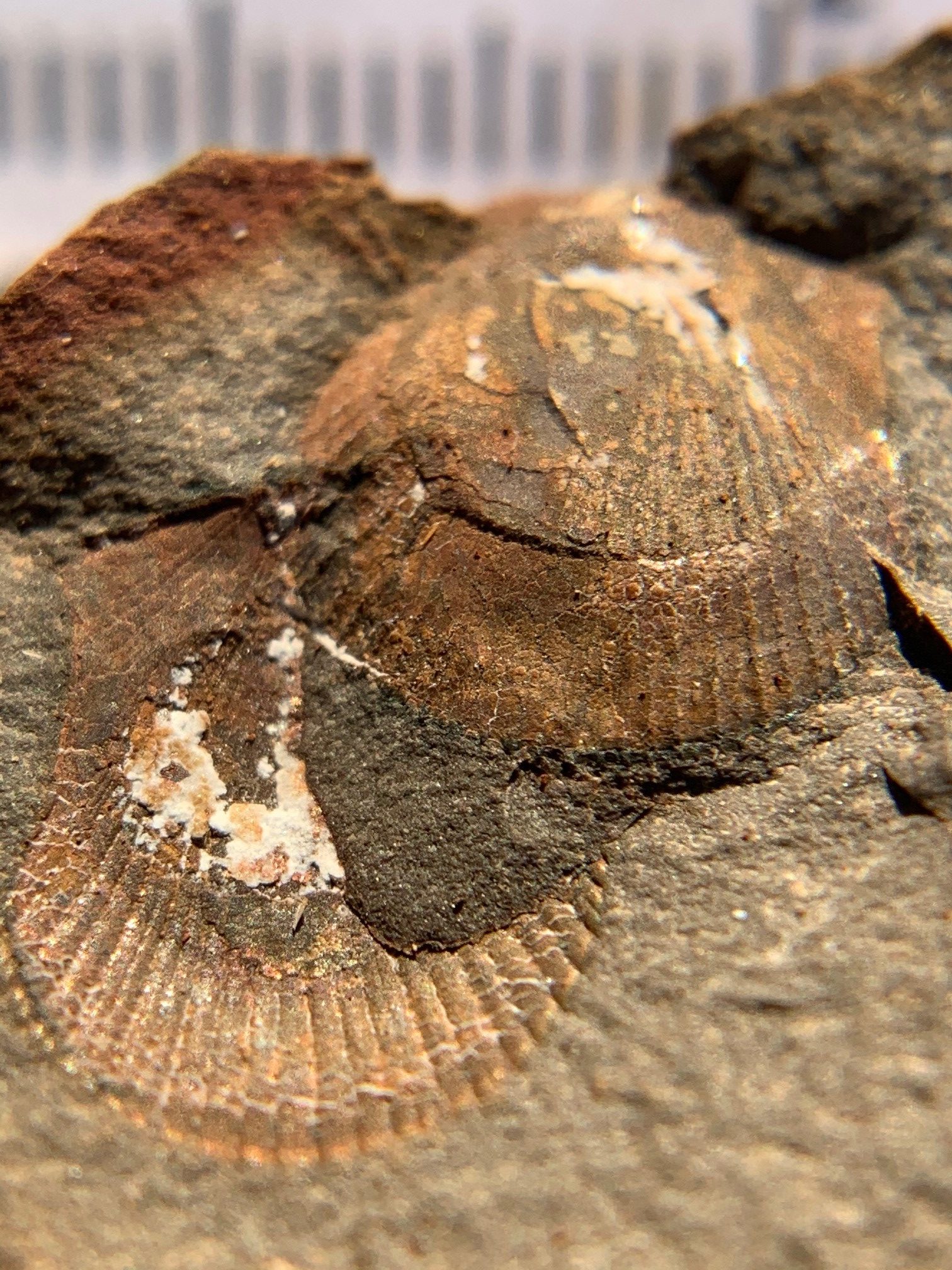
Fossil Friday #44: Braceville Scallop
This is the “Fossil Friday” post #44. Expect this to be a somewhat regular feature of the website. We will post any fossil pictures you send in to esconi.info@gmail.com. Please include a short description or story. Check the #FossilFriday Twitter hash tag for contributions from around the world! Scallops. Who hasn’t enjoyed a nice tasty…
-

Phys.org: Enormous ancient fish fossil discovered in search of pterodactyl remains
Phys.org has a post about an absolutely enormous fish fossil. A paper published in the journal Cretaceous Research describes a coelacanth from the Cretaceous Period that may have measured 5 meters in length. Compared to modern day coelacanth, which rarely grow to 2 meters, this specimen is a giant. The animal lived about 66 million…
-
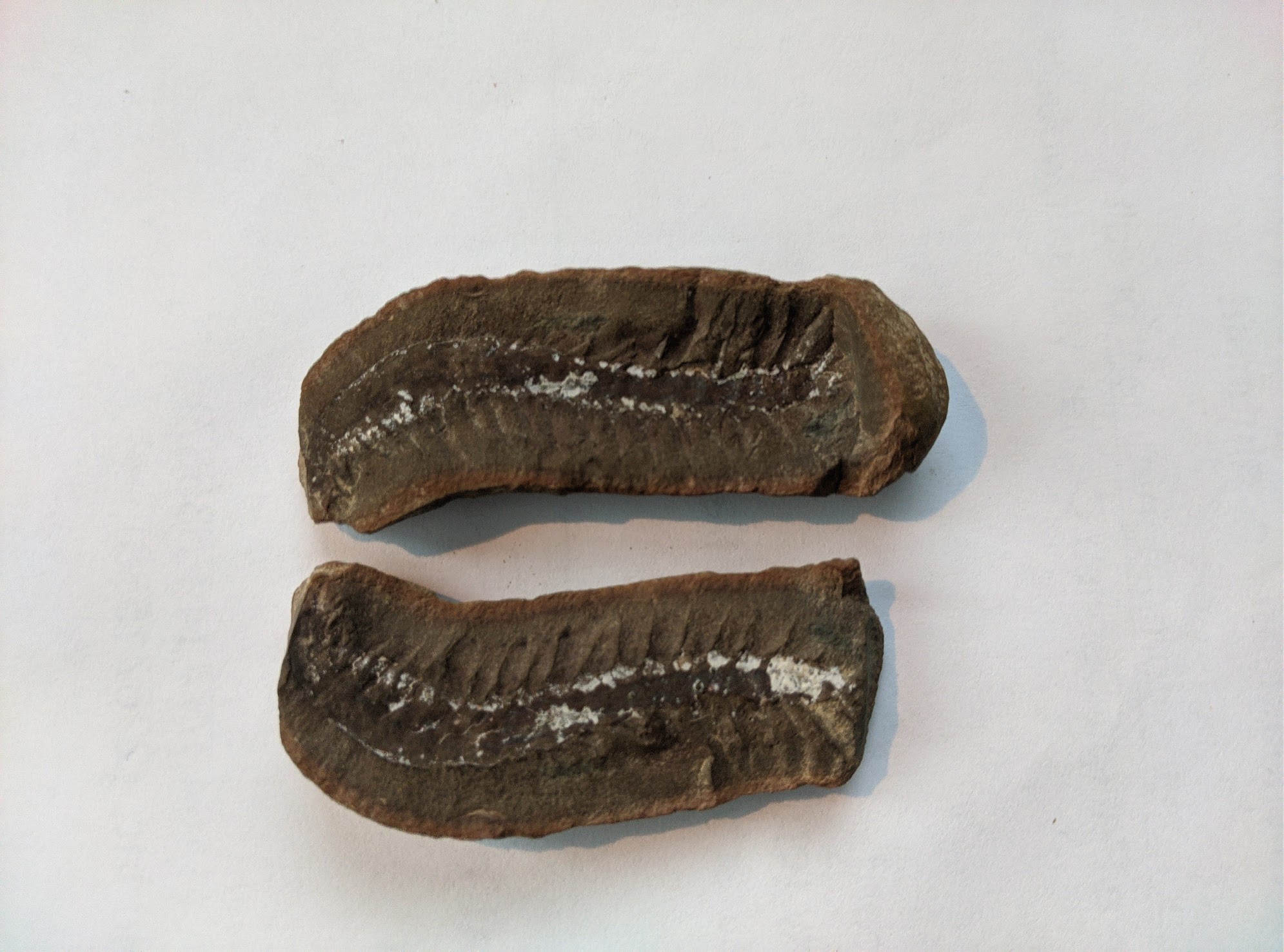
Mazon Monday #47: Centipedes
This is Mazon Monday post #47. What’s your favorite Mazon Creek fossil? Tell us at email:esconi.info@gmail.com. For this week, we have a very rare Mazon Creek animal. The estimate of occurrence for centipedes was about 3 in 287,000 concretions in the paper “Relative Abundance of Different Mazon Creek Organisms” by Gordon C. Baird and John…
-

TheOnion: Chicago Field Museum Director Uses Titanosaur Skull To Hold Parking Space In Snow
From The Onion, we have this… Chicago Field Museum Director Uses Titanosaur Skull To Hold Parking Space In Snow https://bit.ly/3cK9hJr
-
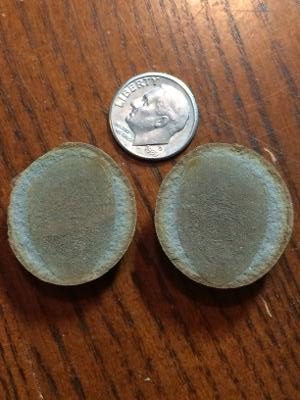
Fossil Friday #43: Lung Fish Scales From Mazon Creek
This is the “Fossil Friday” post #43. Expect this to be a somewhat regular feature of the website. We will post any fossil pictures you send in to esconi.info@gmail.com. Please include a short description or story. Check the #FossilFriday Twitter hash tag for contributions from around the world! There is a large amount of diversity…
-
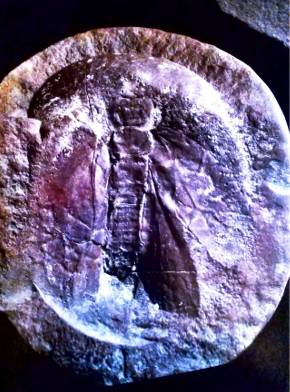
Mazon Monday #46: Insects Part 4 – Roachoids
This is Mazon Monday post #46. What’s your favorite Mazon Creek fossil? Tell us at email:esconi.info@gmail.com. This week, as part of our series on Mazon Creek insects, we are looking at roaches, or to be more correct roachoids, as true roaches don’t show up in the fossil record until the late Jurassic. Roachoids are the…
-

Fossil Friday #42: Acanthotelson stimpsoni
This is the “Fossil Friday” post #42. Expect this to be a somewhat regular feature of the website. We will post any fossil pictures you send in to esconi.info@gmail.com. Please include a short description or story. Check the #FossilFriday Twitter hash tag for contributions from around the world! Today’s fossil is a tasty shrimp from…
-

Trilobite Tuesday #32: They Put the Bite in Trilobite
The New York Times Trilobites column has an article about predatory trilobites. While we have learned much about trilobites over the many years of study, there are some aspects of their life that we still don’t know. Those unknowns are mostly associated with soft parts like the guts and delicate parts like the legs and…
-
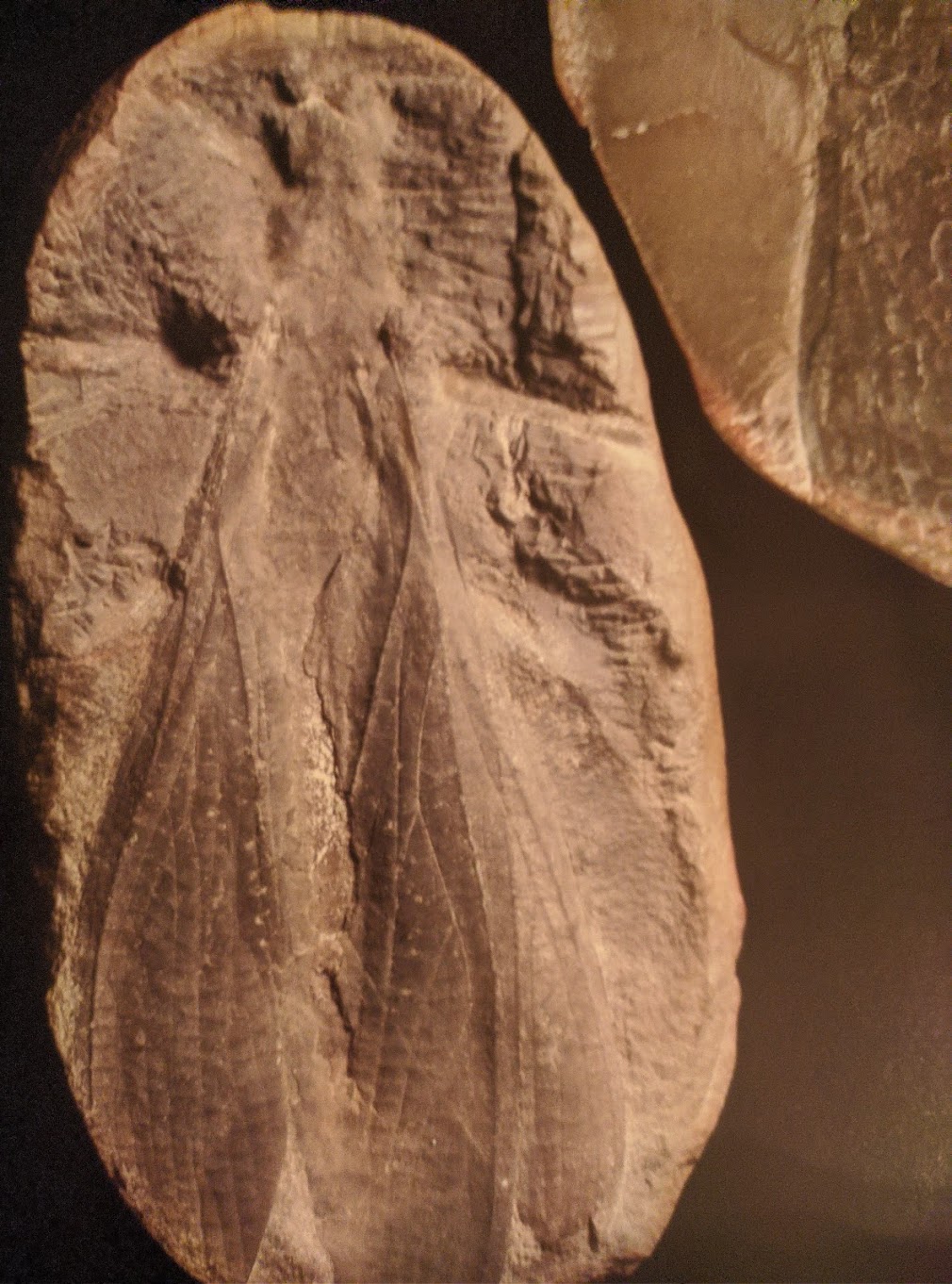
Mazon Monday #45: Insects Part 3 – Gerarids
This is Mazon Monday post #45. What’s your favorite Mazon Creek fossil? Tell us at email:esconi.info@gmail.com. The gerarids are large winged insects from the Carboniferous Period. Fossils of gerarids have been found in deposits from Mazon Creek and Commentry, France. The animals are known for a distinctive stalked head. Some have spikes on their thorax. …
-
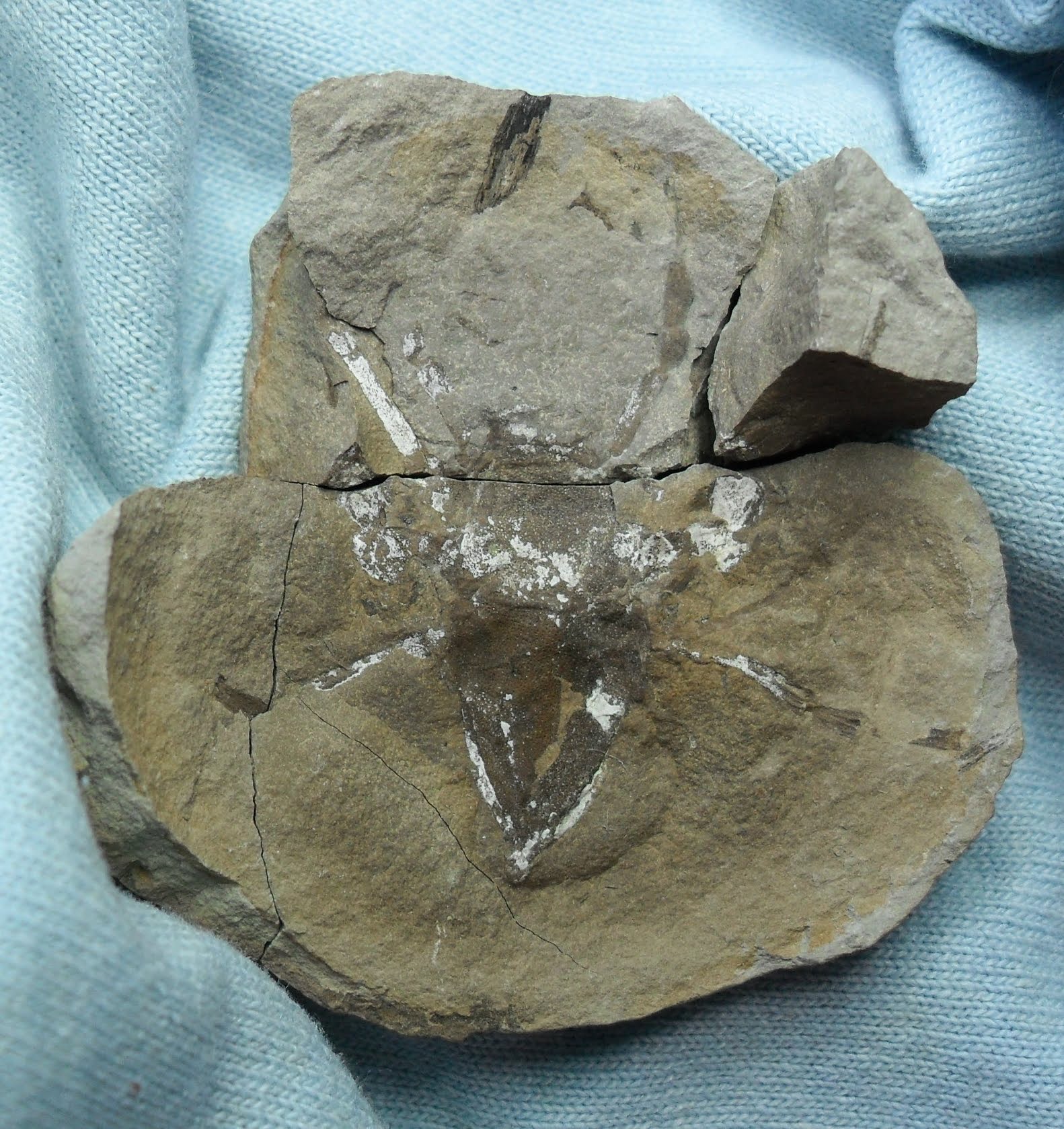
Fossil Friday #41: Hooded Tick Spider
This is the “Fossil Friday” post #41. Expect this to be a somewhat regular feature of the website. We will post any fossil pictures you send in to esconi.info@gmail.com. Please include a short description or story. Check the #FossilFriday Twitter hash tag for contributions from around the world! Today’s fossil is a “hooded tick spider”…
-
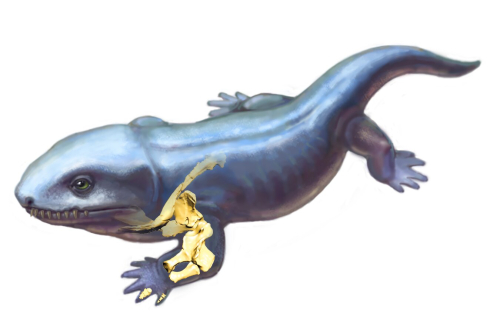
How did forelimb function change as vertebrates acquired limbs and moved onto land?
Phys.org has a piece about some new research that explored how early tetrapods used they newly acquired legs. It’s generally accepted that tetrapods migrated from water to land about 390 million years ago, during the Devonian Period. And, while the stages in the transition are understood, this research was about function…. How did the animals…
-
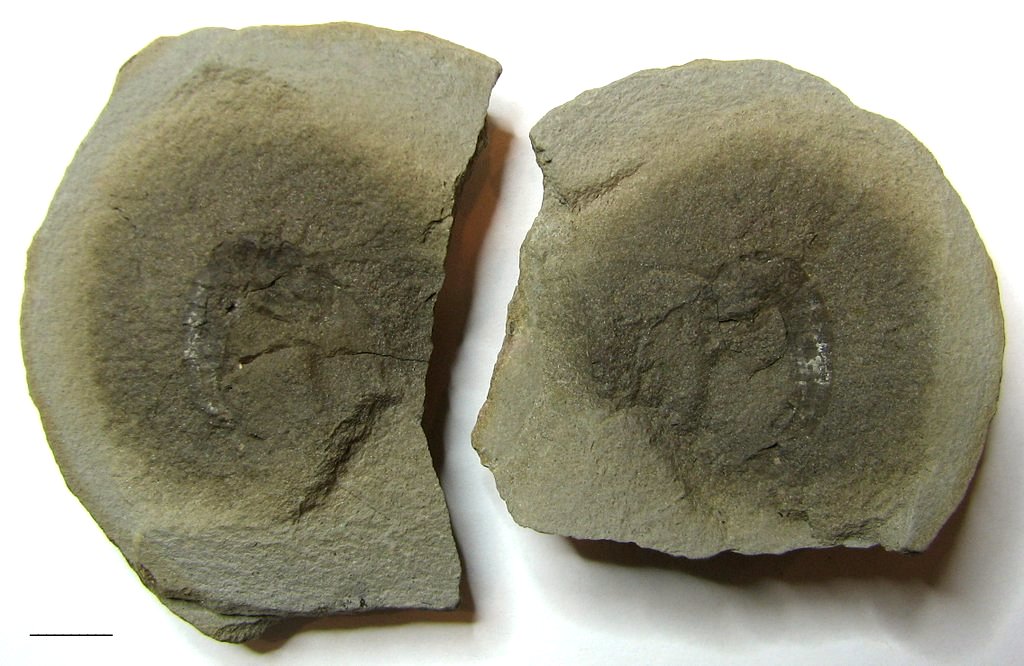
Mazon Monday #44: Insects Part 2 – Monurans
This is Mazon Monday post #44. What’s your favorite Mazon Creek fossil? Tell us at email:esconi.info@gmail.com. Monurans are an extinct order of wingless insects. They are known from the Mazon Creek biota, other Carboniferous localities, and have been found in later deposits that date to the Permian. They get their name for the single tail…
-
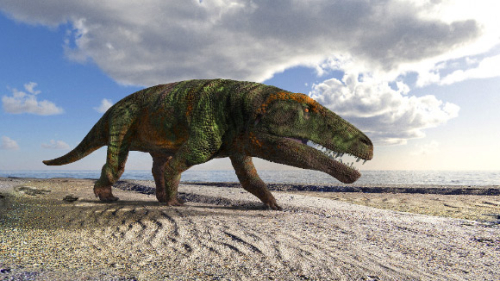
SciNews: 250-Million-Year-Old Archosauriform Footprints Found in Italy
SciNews has a story about fossil footprints from the early Triassic by an archosauriform. Archosauriformes were animals that later evolved into archosaurs (“ruling lizards”), which includes dinosaurs, crocodiles, pterosaurs, and some other extinct groups, The tracks date to about 250 million years ago and were found on the Gardetta Plateau in the Western Alps. For…
-
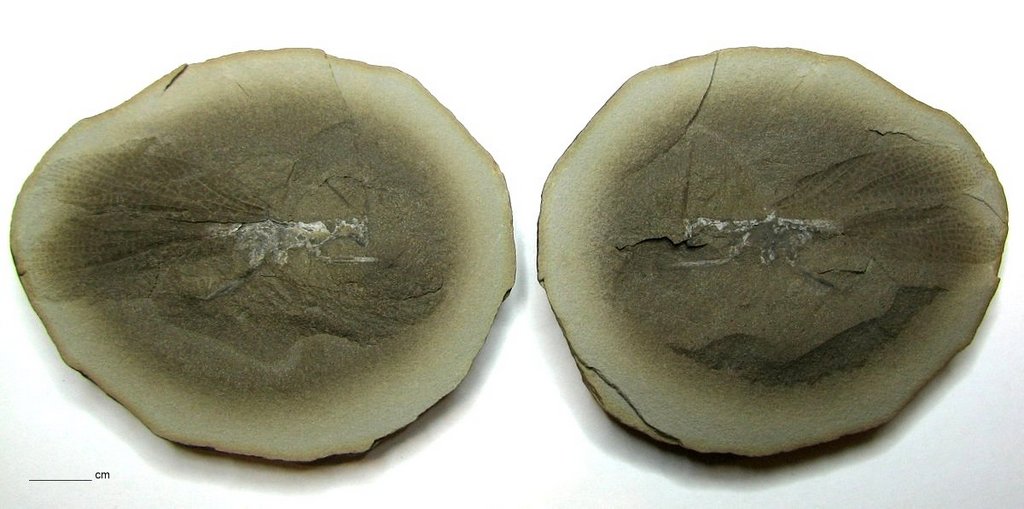
Fossil Friday #40: Heterologus langfordorum
This is the “Fossil Friday” post #40. Expect this to be a somewhat regular feature of the website. We will post any fossil pictures you send in to esconi.info@gmail.com. Please include a short description or story. Check the #FossilFriday Twitter hash tag for contributions from around the world! Remember Heterologus langfordorum, a winged insect from…
-

Mazon Monday #43: Insects Part 1
This is Mazon Monday post #43. What’s your favorite Mazon Creek fossil? Tell us at email:esconi.info@gmail.com. The insects of Mazon Creek are a hugely, complex subject. We’ll take the next few posts of Mazon Monday to cover this topic. There will be information from multiple sources along with some breathtaking pictures and drawings. Insects are…
-
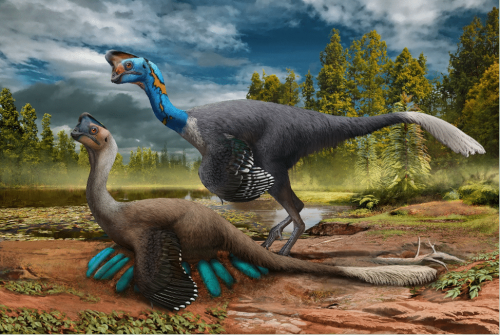
Researchers Announce World’s First Dinosaur Preserved Sitting On Nest of Eggs With Fossilized Babies
The Carnegie Museum of Natural History has announced an amazing dinosaur find. The fossils are of an adult oviraptorid theropod dinosaur sitting on a nest of eggs, The eggs include fossilized baby dinosaurs. This specimen was found in the Jiangxi Providence of southern China. The animal lived about 70 million years ago. Ironically, oviraptors, whose…
-
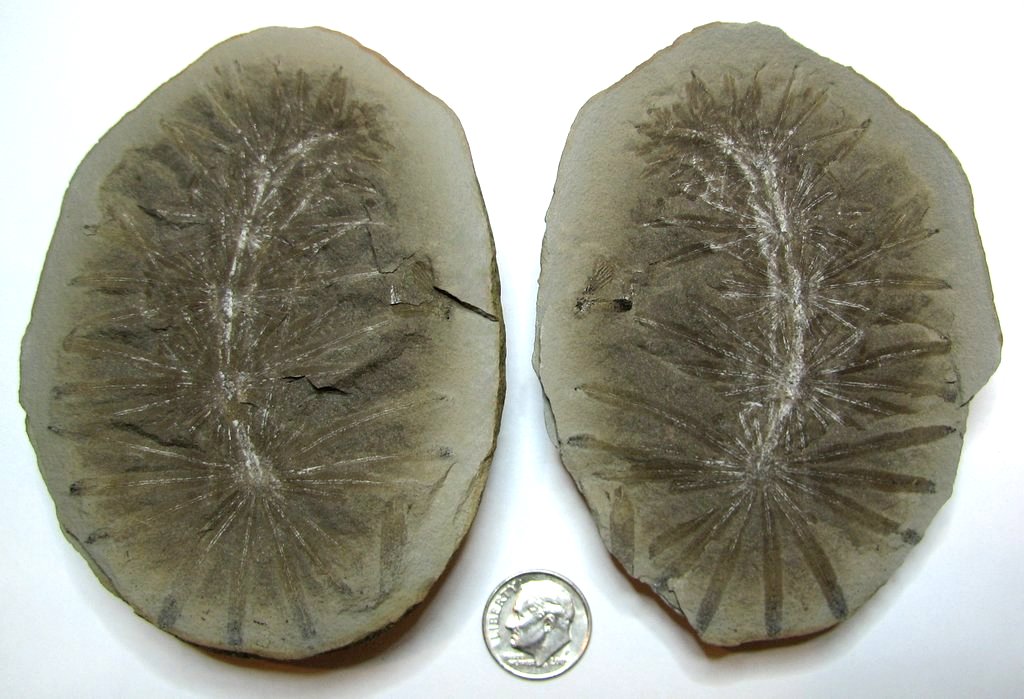
Fossil Friday #39: Annularia inflata
This is the “Fossil Friday” post #39. Expect this to be a somewhat regular feature of the website. We will post any fossil pictures you send in to esconi.info@gmail.com. Please include a short description or story. Check the #FossilFriday Twitter hash tag for contributions from around the world! For this week, we have an absolutely…
-

Mazon Monday #42: “Mazon Creek Fossils” by Matthew H. Nitecki
This is Mazon Monday post #42. What’s your favorite Mazon Creek fossil? Tell us at email:esconi.info@gmail.com. Another Mazon Creek book that belongs in the collection of any serious collector is “Mazon Creek Fossils” edited by Matthew Nitecki. It was first published in 1979, and is a collection of most of the papers presented at the…
-

Check Out Paleo Nerds: a Prehistoric Podcast
If you’re looking for a new podcast to relax and forget about some of the recent crazy events… have a look at the Paleo Nerds podcast. The hosts are Ray Troll an Alaskan artist and his pal David Strassman. They are just starting their second season. Season 1 was 16 episodes with some very interesting…
-
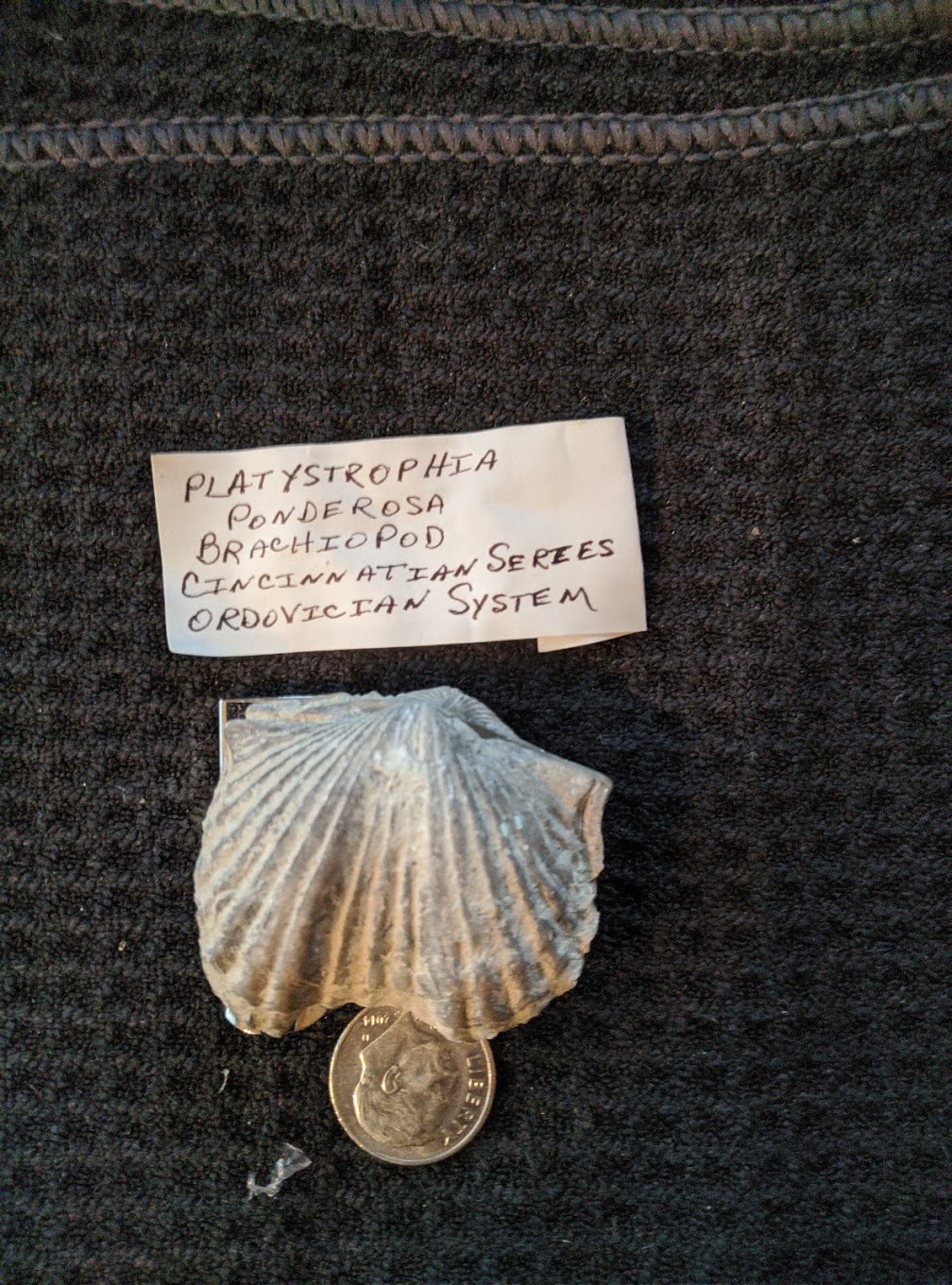
Fossil Friday #38: Vinlandostrophia ponderosa
This is the “Fossil Friday” post #38. Expect this to be a somewhat regular feature of the website. We will post any fossil pictures you send in to esconi.info@gmail.com. Please include a short description or story. Check the #FossilFriday Twitter hash tag for contributions from around the world! For our post today, we have one…
-

Fossil Friday #37: Rhabdoderma exiguum
This is the “Fossil Friday” post #37. Expect this to be a somewhat regular feature of the website. We will post any fossil pictures you send in to esconi.info@gmail.com. Please include a short description or story. Check the #FossilFriday Twitter hash tag for contributions from around the world! This week we have an amazing fossil…
-

Terrible Lizards Podcast Season 2
Season 2 of the Terrible Lizards podcast is up over on libsyn.com. There’s eight plus a bonus episode. It’s a good way to spend your time during these winter Covid months. Terrible lizards is a podcast about dinosaurs with Dr David Hone and Iszi Lawrence. The podcast is aimed at grown ups but it is…
-
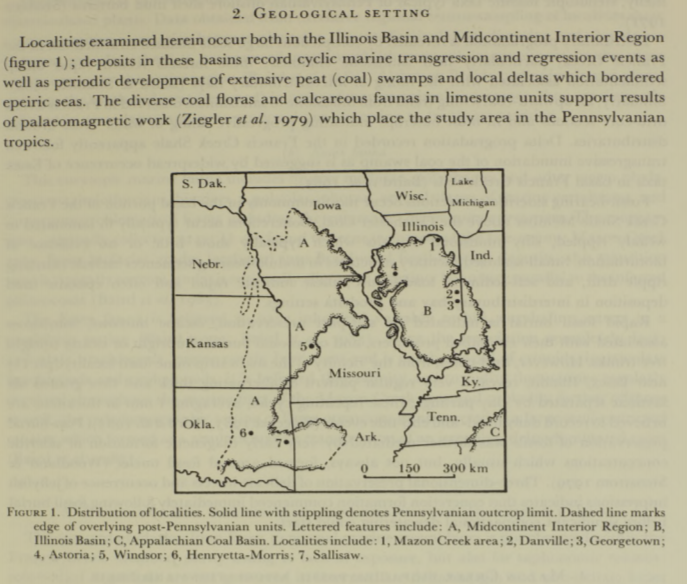
Mazon Monday #40: Mazon Creek-type fossil assemblages in the U.S. midcontinent Pennsylvanian
This is Mazon Monday post #40. What’s your favorite Mazon Creek fossil? Tell us at email:esconi.info@gmail.com. Back in Mazon Monday #10, we posted about other siderite concretionary fossil localities from the Pennsylvanian Period. That list was worldwide. Here is an interesting paper from 1985 that discusses some of those Mazon Creek-type fossil localities in the central…
-
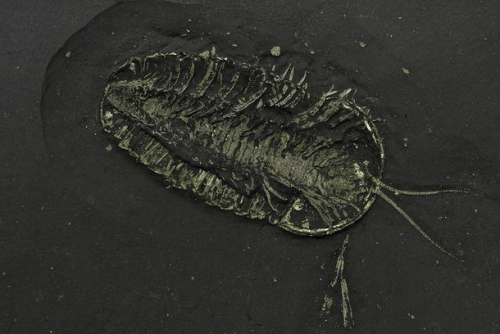
Trilobite Tuesday #31: Sexual Dimorphism / Trilobite Eggs
For many types of animals, there are differences between males and females, sometimes it’s size, sometimes color, and sometimes structure – either or both soft and hard body structures. Unfortunately, color and soft-body structures aren’t usually preserved and even when it’s preserved it doesn’t leave enough information in the fossil record. For size and hard…
-
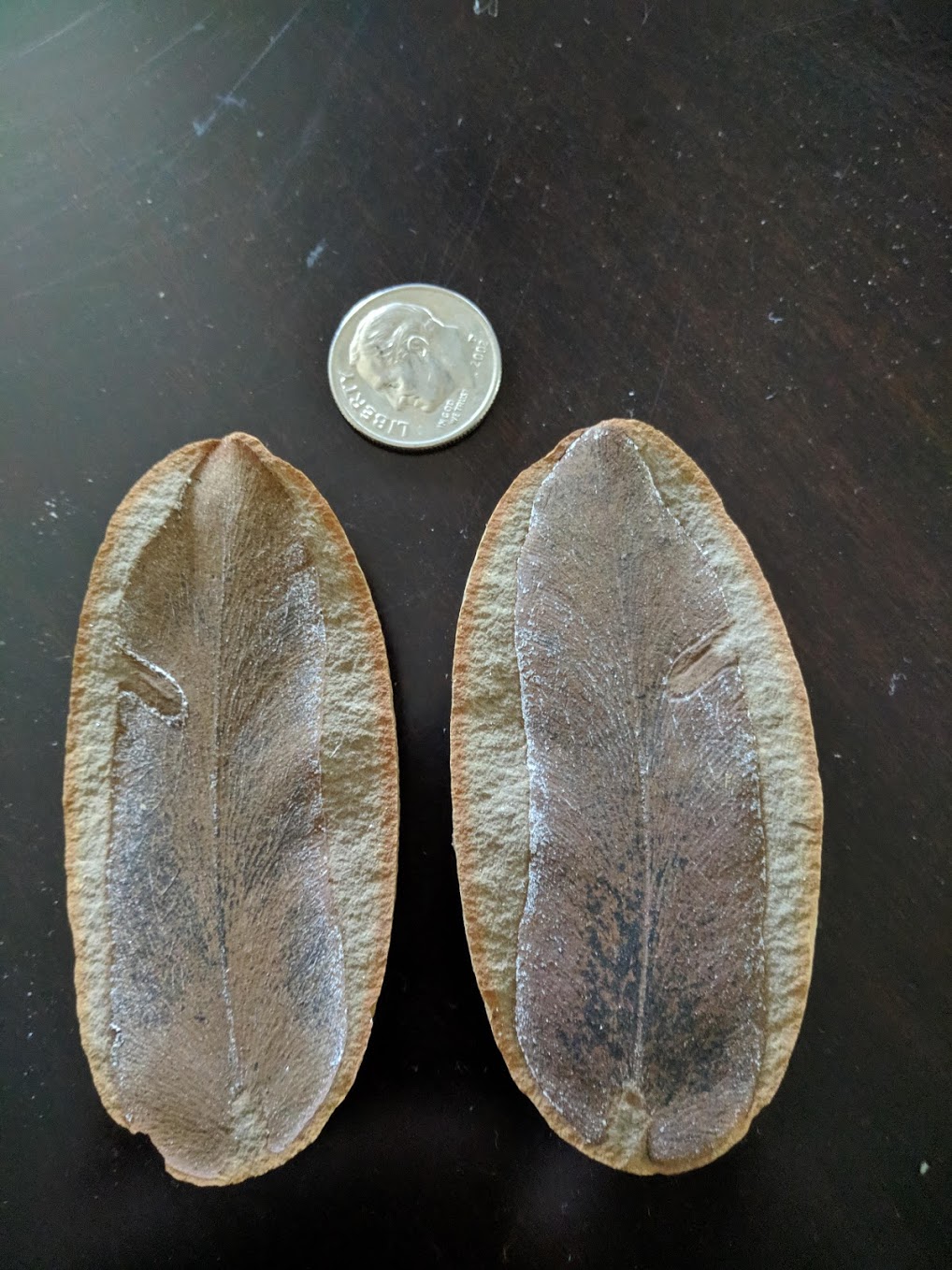
Mazon Monday #39: Macroneuropteris scheuchzeri
This is Mazon Monday post #39. What’s your favorite Mazon Creek fossil? Tell us at email:esconi.info@gmail.com. Macroneuropteris scheuchzeri is the subject of our Mazon Monday post this week. M. scheuchzeri is a seed fern (Pteridospermatophyta), which is a group of plants that went extinct during the late Cretaceous Period. They first show up in the…
-

Fossil Friday #36: Diplazites unita
This is the “Fossil Friday” post #36. Expect this to be a somewhat regular feature of the website. We will post any fossil pictures you send in to esconi.info@gmail.com. Please include a short description or story. Check the #FossilFriday Twitter hash tag for contributions from around the world! Today, we have more Mazon Creek plants. …
-
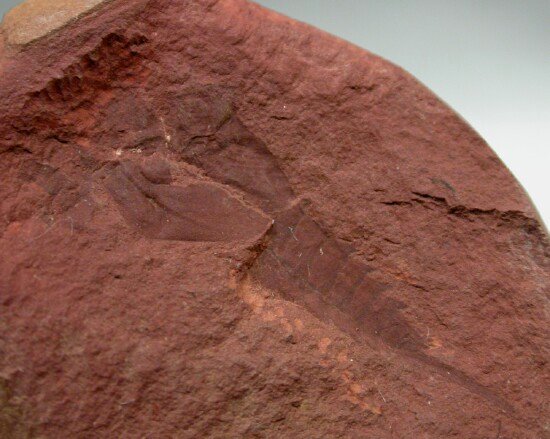
Mazon Monday #38: Carboniferous Plants in Siderite Nodules
This is Mazon Monday post #38. What’s your favorite Mazon Creek fossil? Tell us at email:esconi.info@gmail.com. Recently, I ran across this interesting paper from the journal Acta Palaeobotanica back in 2012. It’s called “Carboniferous plants preserved within sideritic nodules – a remarkable state of preservation providing a wealth of information” by Grzegorz Pacyna and Danuta…
