Tag: fossil
-
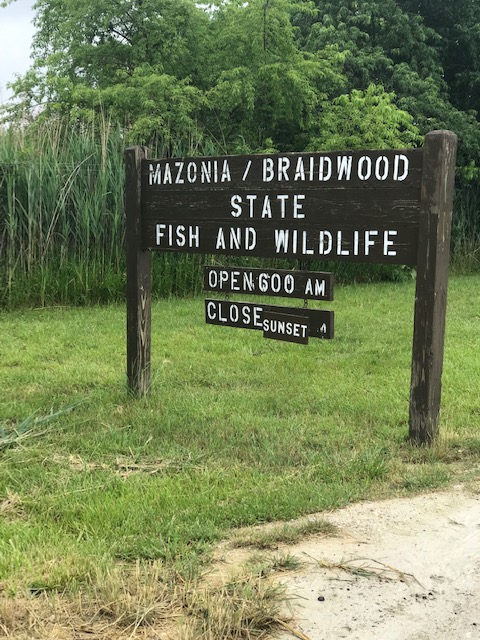
Mazon Monday #22: Pit 11
This is Mazon Monday post #21. What’s your favorite Mazon Creek fossil? Tell us at email:esconi.info@gmail.com. Summer is passing into September and the temperature should should be cooling. Unfortunately, the overgrowth isn’t going to diminish until next spring. However, Pit 11 doesn’t close to fossil hunting until September 30th. So, It’s time to repeat this article…
-
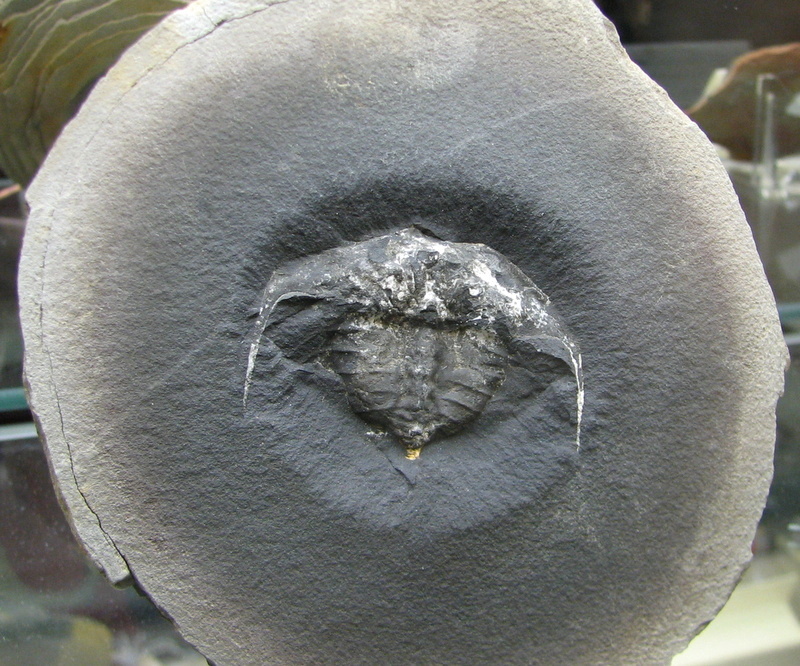
Mazon Monday #21: Euproops danae
This is Mazon Monday post #21. What’s your favorite Mazon Creek fossil? Tell us at email:esconi.info@gmail.com. Euproops was a horseshoe crab. There are two species of horseshoe crab found in the Mazon Creek biota, Euproops danae (common) and Paleolimulus sp. (extremely rare). Both are known from other Carboniferous fossil localities around the world. As you…
-
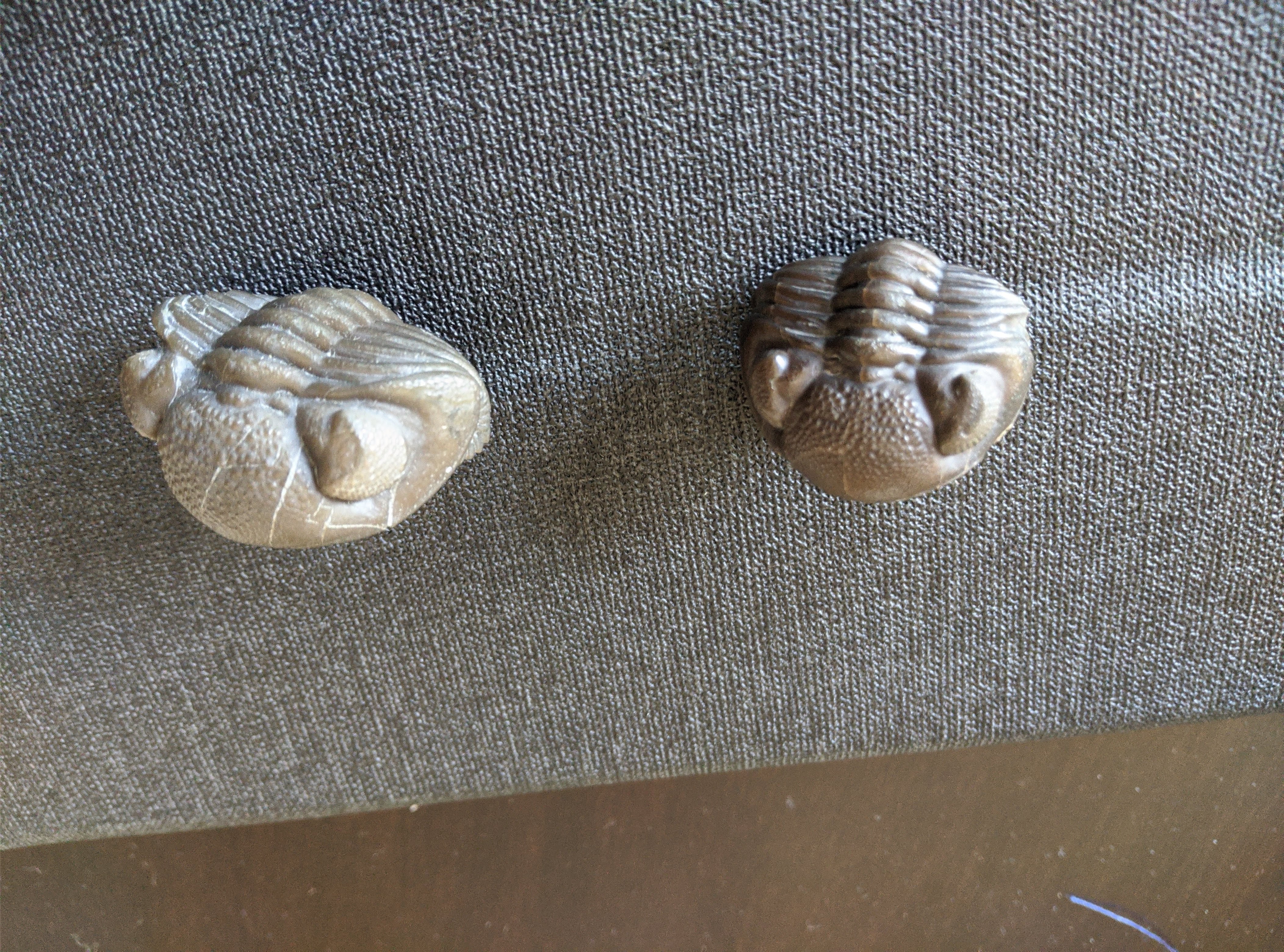
Fossil Friday #19: Phacops from Paulding, OH
This is the “Fossil Friday” post #19. Expect this to be a somewhat regular feature of the website. We will post any fossil pictures you send in to esconi.info@gmail.com. Please include a short description or story. Check the #FossilFriday Twitter hash tag for contributions from around the world! There is a fossil park in Paulding,…
-

Trilobite Tuesday #18: Early trilobites had stomachs
Phys.org has a story about some interesting details of trilobite digestion. A paper, published in 2017 in the journal PLOS ONE, revealed that trilobites had a stomach structure about 20 million years earlier than what had been known. The exceptionally preserved specimens of Palaeolenus lantenoisi used in the study lived about 514 million years ago during the Cambrian. They are…
-
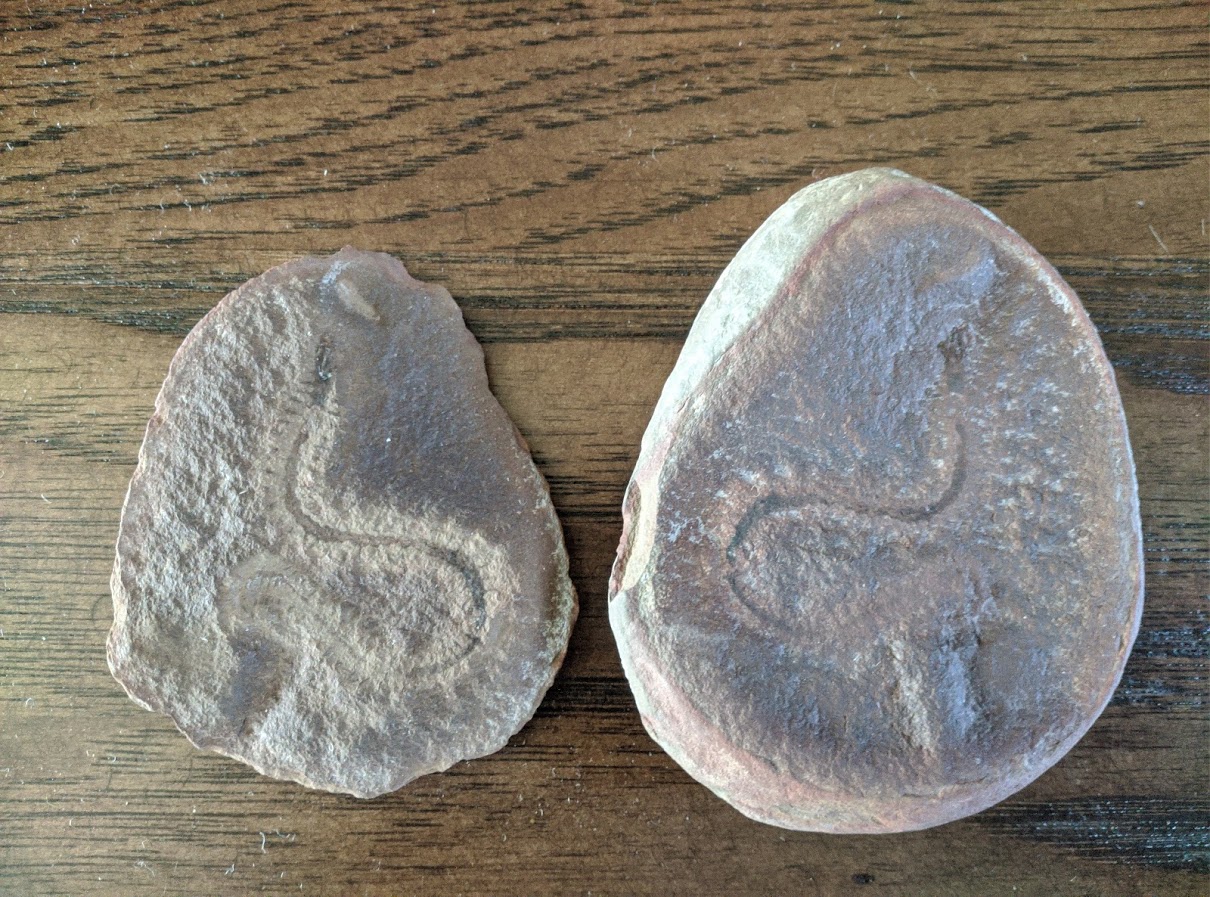
Mazon Monday #20: Fossil Preservation
This is Mazon Monday post #20. What’s your favorite Mazon Creek fossil? Tell us at email:esconi.info@gmail.com. Back in 2017, Palaeocast posted a lecture called “Is a ‘one size fits all’ taphonomic model appropriate for the Mazon Creek” by Dr. Thomas Clements, of the University of Birmingham in the UK. You may remember Dr. Clements… he…
-
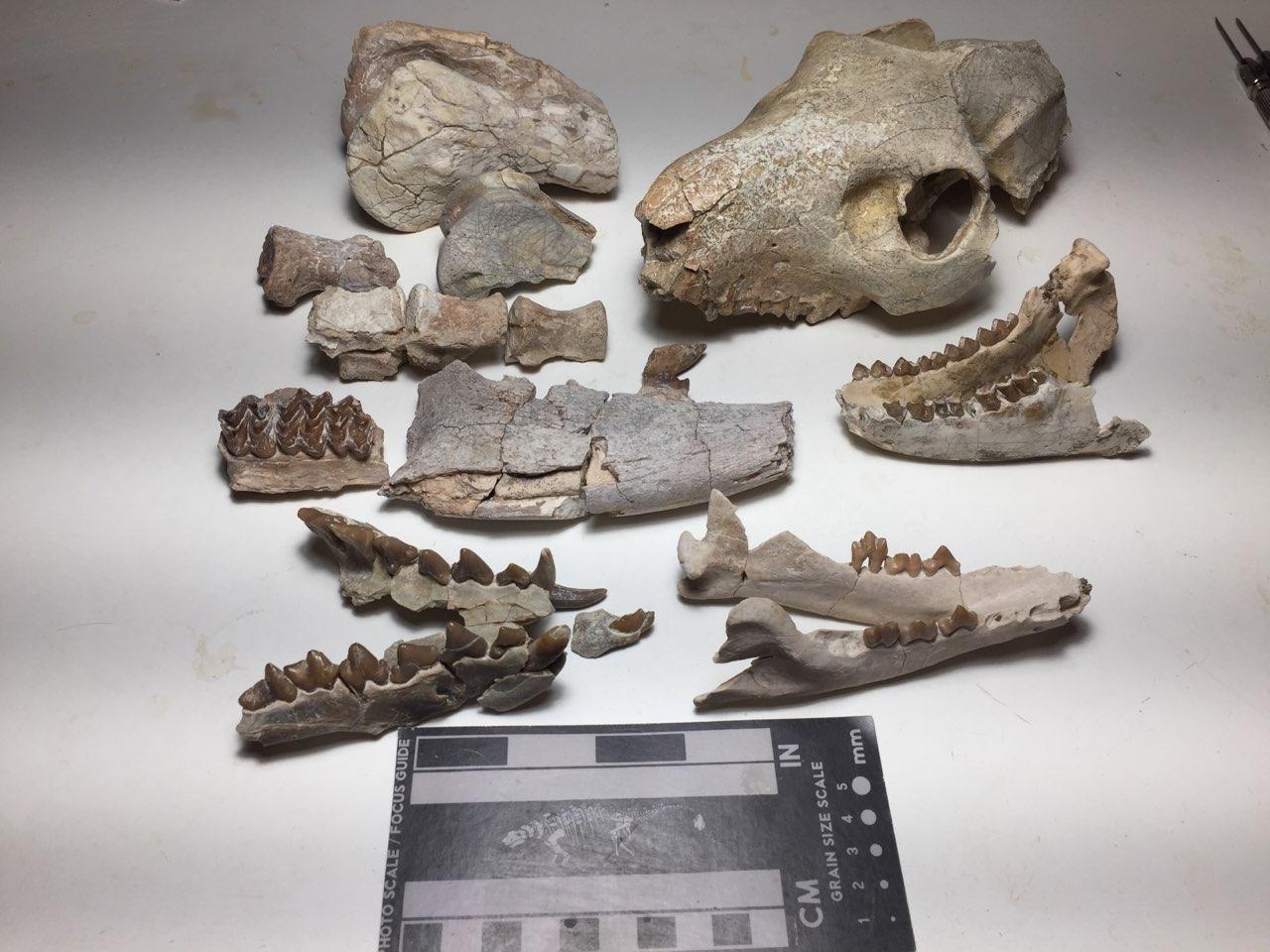
Fossil Friday #18: Oligocene Mammals
This is the “Fossil Friday” post #18. Expect this to be a somewhat regular feature of the website. We will post any fossil pictures you send in to esconi.info@gmail.com. Please include a short description or story. Check the #FossilFriday Twitter hash tag for contributions from around the world! These fossil pictures here were contributed by…
-
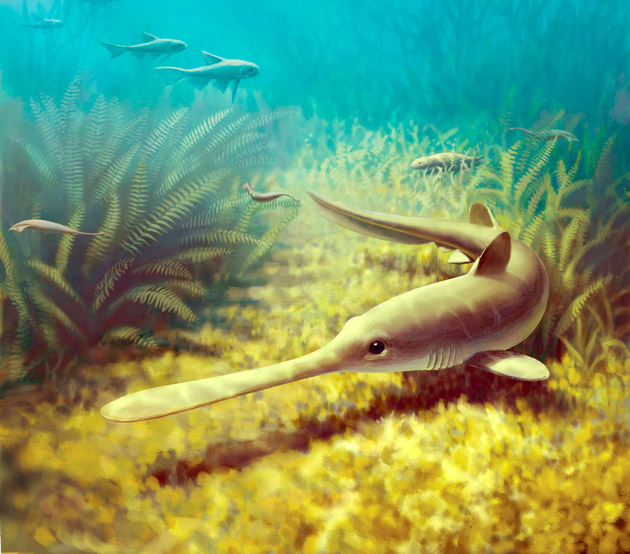
Mazon Monday #19: Bandringa rayi
This is Mazon Monday post #19. What’s your favorite Mazon Creek fossil? Tell us at email:esconi.info@gmail.com. Would you believe that Illinois has a shark nursery? OK, it is about 307 million years old and the evidence resides in Mazon Creek fossil concretions. The first species, Bandringa rayi, was described in a paper published by Rainer…
-
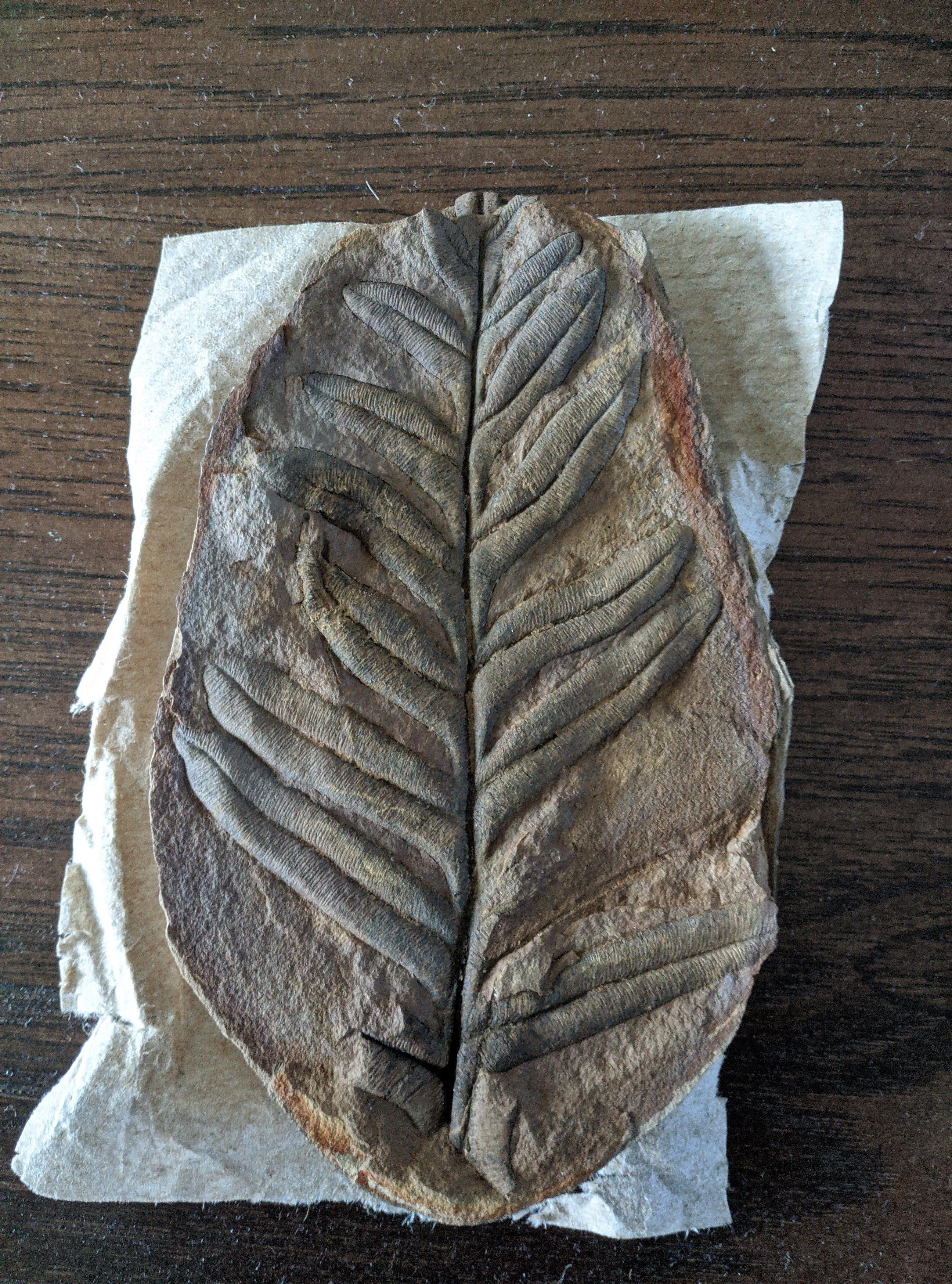
Fossil Friday #17: Mazon Creek Alethopteris serlii
This is the “Fossil Friday” post #17. Expect this to be a somewhat regular feature of the website. We will post any fossil pictures you send in to esconi.info@gmail.com. Please include a short description or story. Check the #FossilFriday Twitter hash tag for contributions from around the world! What’s your favorite Mazon Creek plant fossil? …
-
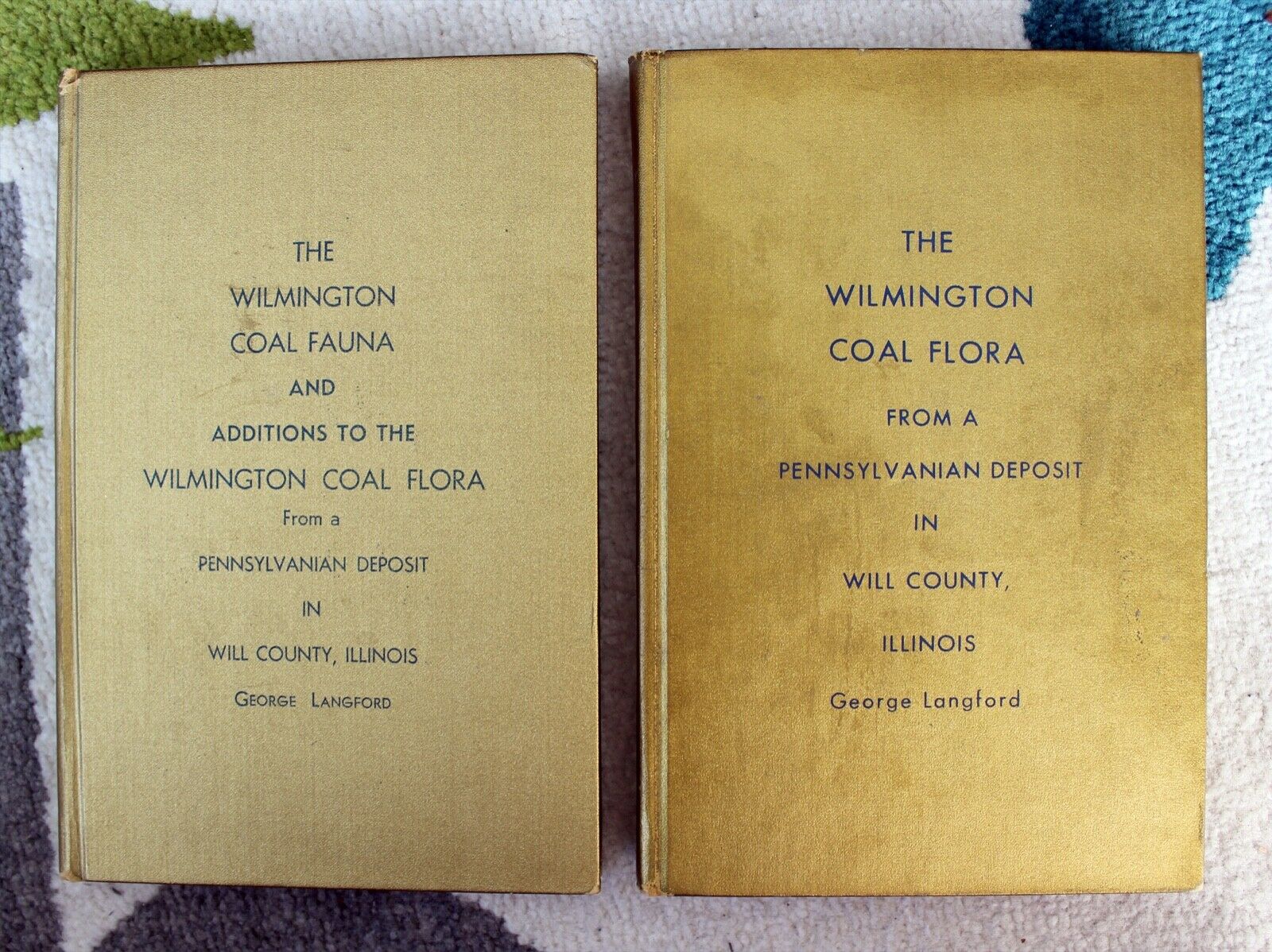
Mazon Monday #18: Langford Book Inscriptions
This is Mazon Monday post #18. Book inscriptions were much more common in the past. As owner of a book, which was a valuable possession. you might add your name to the inner cover. A recent Langford purchase by ESCONI member Roy Plotnick, reminded us of the historical significance of these inscriptions. Many of the…
-
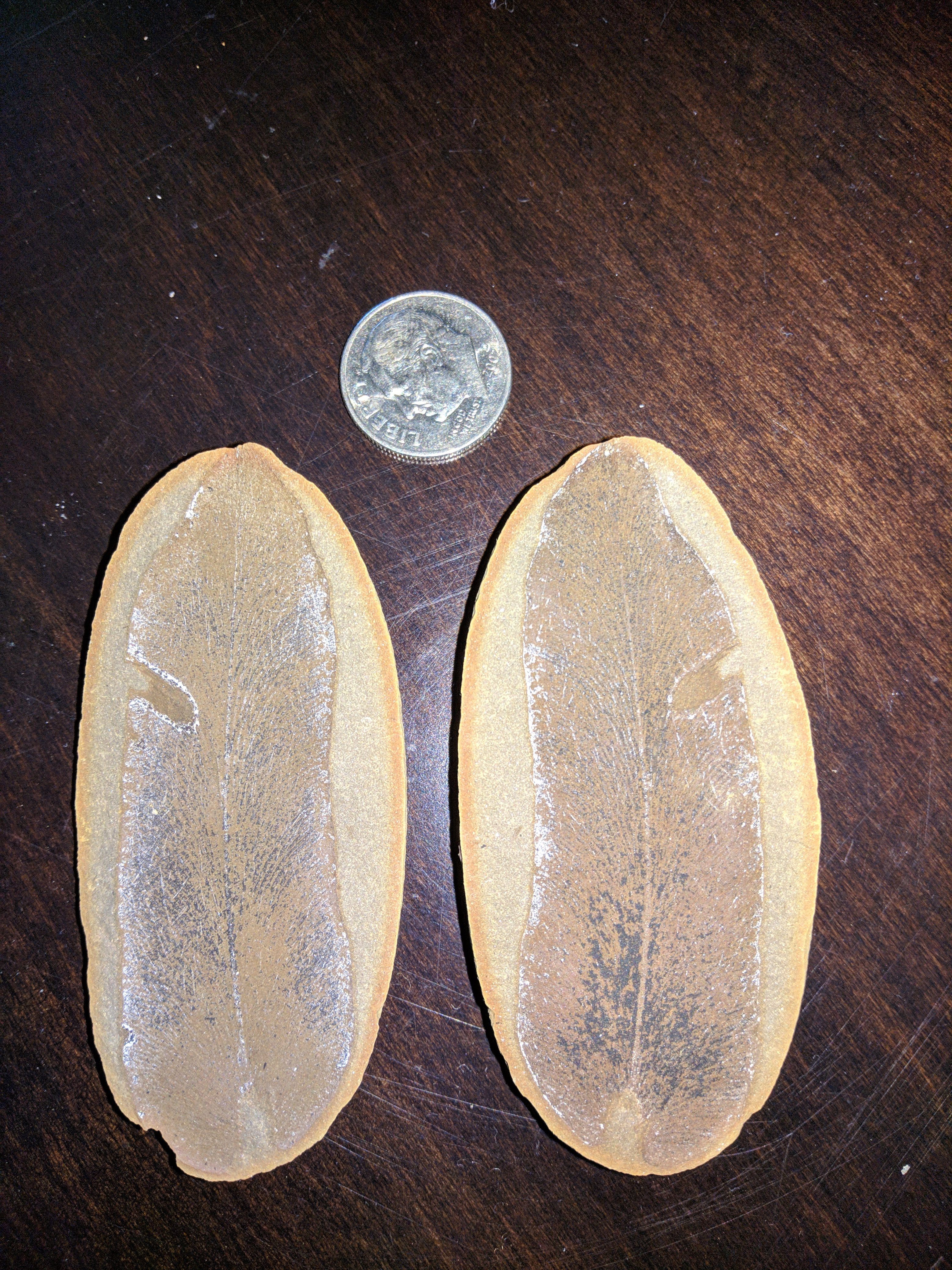
Fossil Friday #16: Macroneuropteris With Insect Damage
This is the “Fossil Friday” post #16. Expect this to be a somewhat regular feature of the website. We will post any fossil pictures you send in to esconi.info@gmail.com. Please include a short description or story. Check the #FossilFriday Twitter hash tag for contributions from around the world! —————————————————– Plant fossils with insect damage are…
-
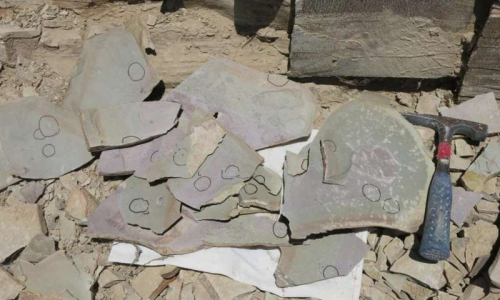
Trilobite Tuesday #16: Growing up trilobite
Phys.org has an article about probably the most common trilobites, Elrathia kingii. The article is about new research that used this trilobite to understand the ontogeny of this iconic species. The research can be found in a paper in the journal Papers in Palaeontology. If you’ve ever held a trilobite fossil, seen one in a…
-

Mazon Monday #17: One Fish, Two Fish, Three Fish, Many Fish…
This is Mazon Monday post #17. There are a few types of fish known in the Mazon Creek biota. And while, the classification has changed since the creature corner article on fish, which appeared in March 1989. It’s still interesting and instructive. Here is the text and a few drawings. The following two concretions are…
-

Fossil Friday #15: Permian Trilobites From Kansas
This is the “Fossil Friday” post #15. Expect this to be a somewhat regular feature of the website. We will post any fossil pictures you send in to esconi.info@gmail.com. Please include a short description or story. Check the #FossilFriday Twitter hash tag for contributions from around the world! On Tuesday, we had a post about…
-
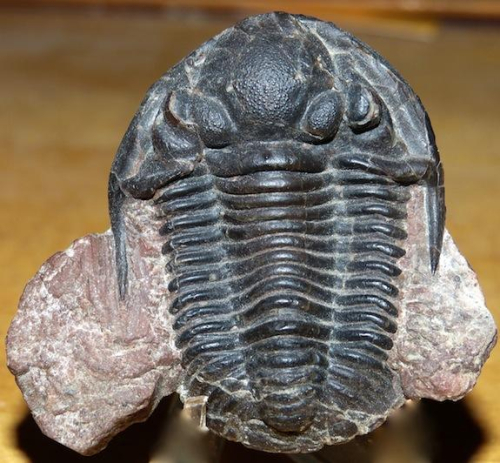
Trilobite Tuesday #15: The Last of the Trilobites
Both the American Museum of Natural History and Trilobites.info have pages on “The Last Trilobites”. By the end of the Permian, trilobites had existed for nearly 300 million years. That stretch of time spread from the lower Cambrian to the mass extinction events at the end of the Permian. Their highest diversity was during the…
-

Mazon Monday #16: Adelophthalmus mazonensis
This is Mazon Monday post #16. Maybe it’s their size (early Devonian species could be almost three meters long!) or their similarity to scorpions (they’re called sea-scorpions) or their rarity (they are fairly scarce in the fossil record), it’s hard to say why, but Eurypterids were fascinating animals. There is currently only one known Mazon…
-

Fossil Friday #14: Kansas Brachiopods
This is the “Fossil Friday” post #14. Expect this to be a somewhat regular feature of the website. We will post any fossil pictures you send in to esconi.info@gmail.com. Please include a short description or story. Check the #FossilFriday Twitter hash tag for contributions from around the world! Brachiopods are very common fossils in the…
-

Trilobite Tuesday #14: AMNH The First Trilobites
Trilobites were a very successful group of arthropods that existed on Earth from the early to middle Cambrian to the Permian mass extinction events. That’s a span of about 275 million years. By the end, there were just a few species left and the Permian extinction swept them away along with more than 90% of…
-
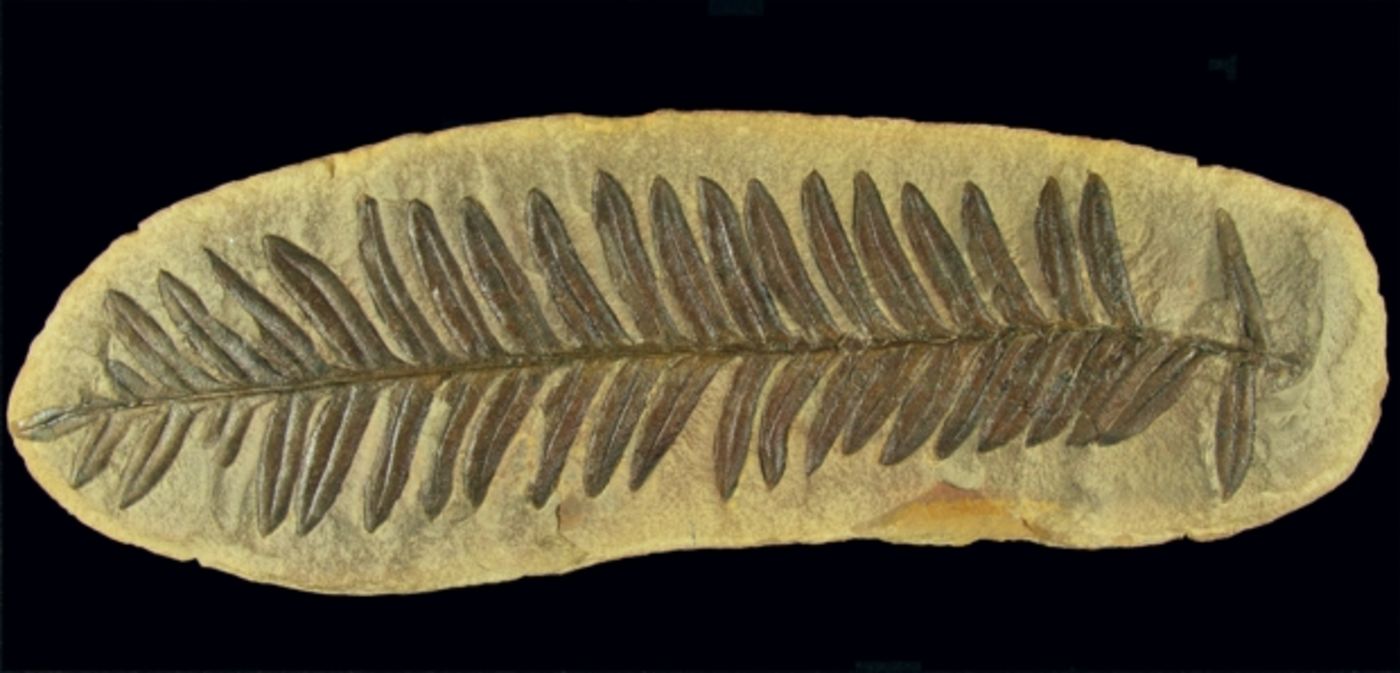
Mazon Monday #15: Mazon Creek at the Field Museum
This is Mazon Monday post #15. The Field Museum has one of the most extensive collections of Mazon Creek specimens, both flora and fauna. The Field Museum has long been a big part of the study of this locality, with such historical giants as George Langford and Eugene Richardson working there. Currently, Jack Wittry works…
-
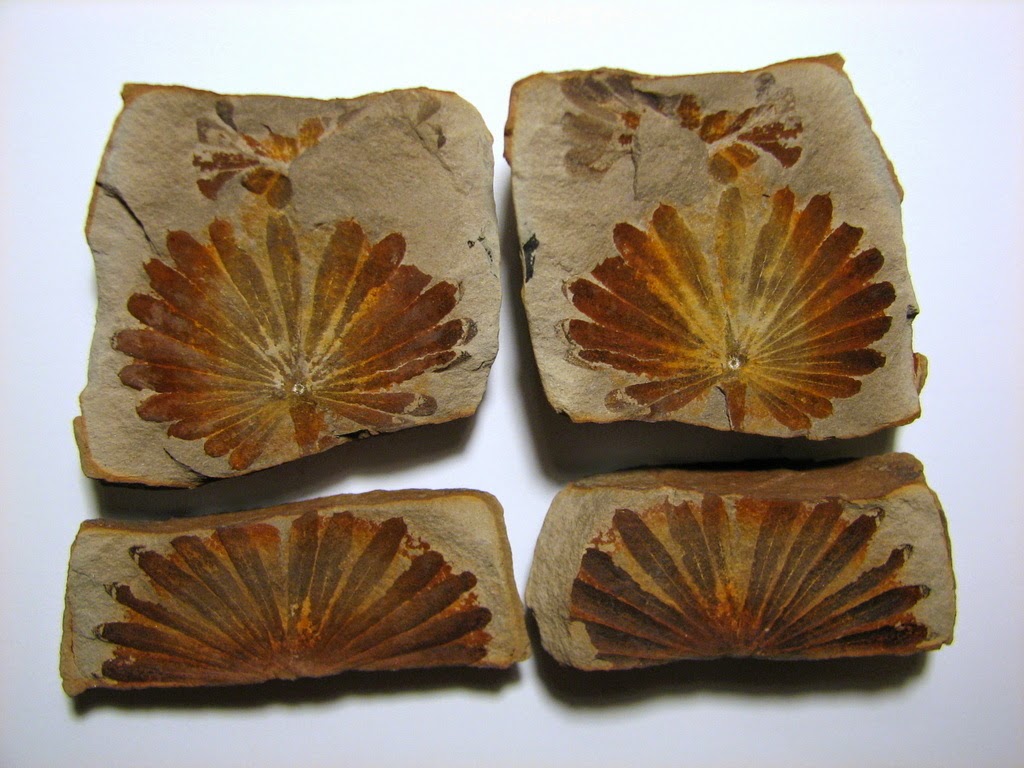
Fossil Friday #13: Annularia
This is the “Fossil Friday” post #13. Expect this to be a somewhat regular feature of the website. We will post any fossil pictures you send in to esconi.info@gmail.com. Please include a short description or story. Check the #FossilFriday Twitter hash tag for contributions from around the world! —————————————————– How about some Annularia for the…
-

Trilobite Tuesday #13: Trilobite Conga Line
Clues to animal behavior are very rare in the fossil record. However, a Moroccan fossil of 22 small trilobites might provide some of the earliest evidence. These trilobites lived about 480 million years ago. And, their lineup might be a display of complex social behavior long before it was expected. The details appear in a…
-
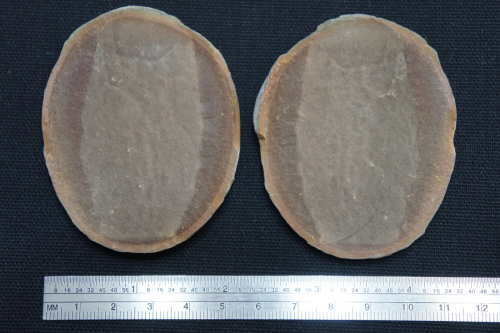
Mazon Monday #14: Essexella asherae
This is Mazon Monday post #14. Essexella asharae is the most common animal fossil you will find in the Mazon Creek biota. In the Essex biota, it has been estimated to be over 40% of finds. Specimens come in many forms with varied preservation. While there was a recent paper about whether it is a…
-
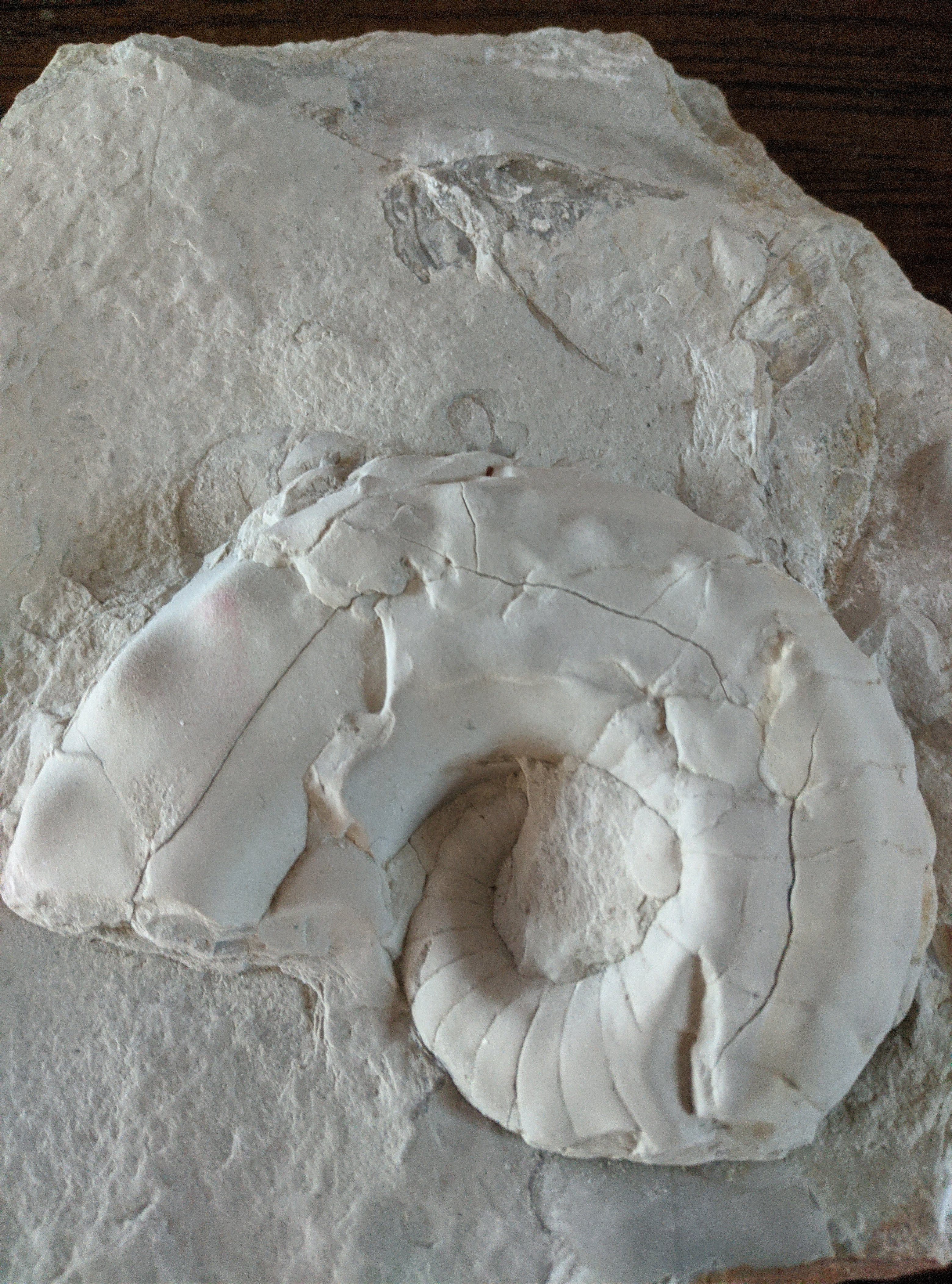
Fossil Friday #12: Ammonites from Kansas
This is the “Fossil Friday” post #10. Expect this to be a somewhat regular feature of the website. We will post any fossil pictures you send in to esconi.info@gmail.com. Please include a short description or story. Check the #FossilFriday Twitter hash tag for contributions from around the world! How about some pictures of ammonites from Kansas? …
-

Mazon Monday #13: Belotelson magister
This is Mazon Monday post #13. Belotelson magister is the most common crustacean/shrimp fossil in the Mazon Creek biota. They can be found fairly readily and can range from a partial, to a molt, and sometimes even a full body. Most of the shrimps found in Pit 11 are Belotelsons. It was described way back…
-
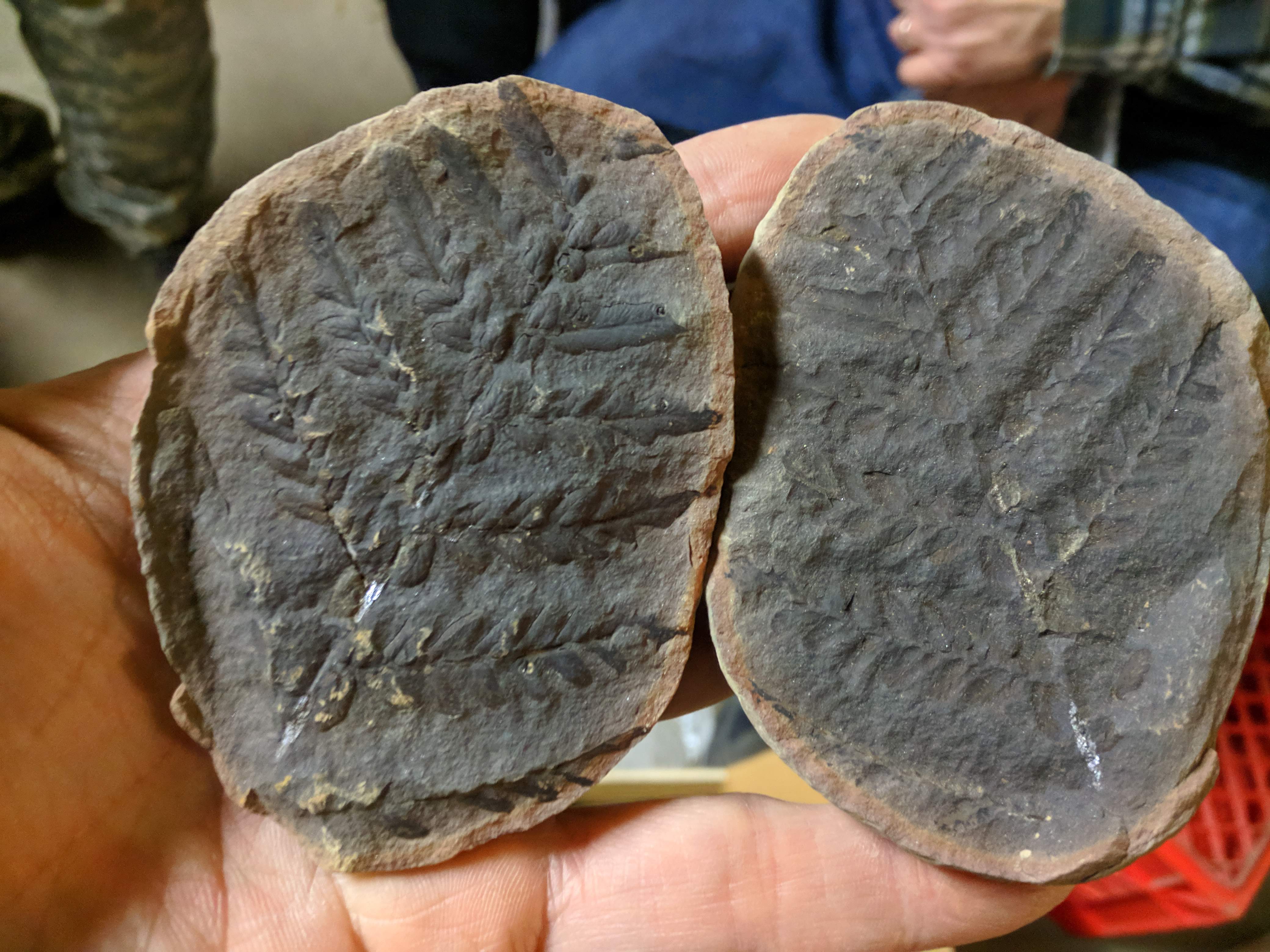
Fossil Friday #11: Mazon Creek Ferns
This is the “Fossil Friday” post #10. Expect this to be a somewhat regular feature of the website. We will post any fossil pictures you send in to esconi.info@gmail.com. Please include a short description or story. Check the #FossilFriday Twitter hash tag for contributions from around the world! —————————————————– Here are some nice Mazon Creek ferns. …
-
Mazon Monday #12: Tully: Monster vs Method
This is Mazon Monday post #12. This video by the Field Museum details some of the modern research methods used to study the Tully Monster fossils, and actually many of the other fossils in the FM collection. This research led to the conclusions that you have heard a few years ago… the Tully Monster is…
-
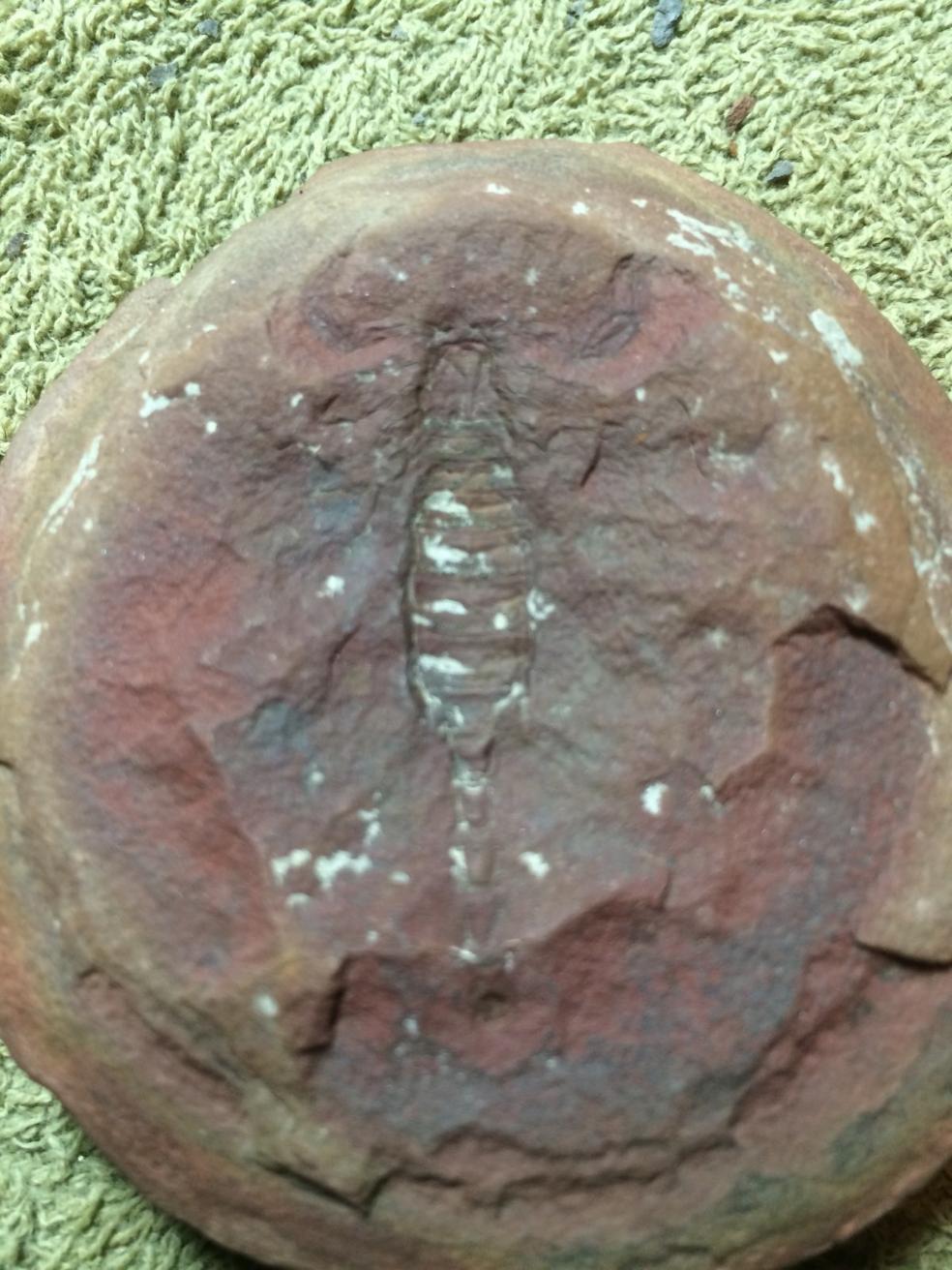
Fossil Friday #10: A Mazon Creek Scorpion!
This is the “Fossil Friday” post #10. Expect this to be a somewhat regular feature of the website. We will post any fossil pictures you send in to esconi.info@gmail.com. Please include a short description or story. Check the #FossilFriday Twitter hash tag for contributions from around the world! This beauty was contributed by Phil Anderson. …
-
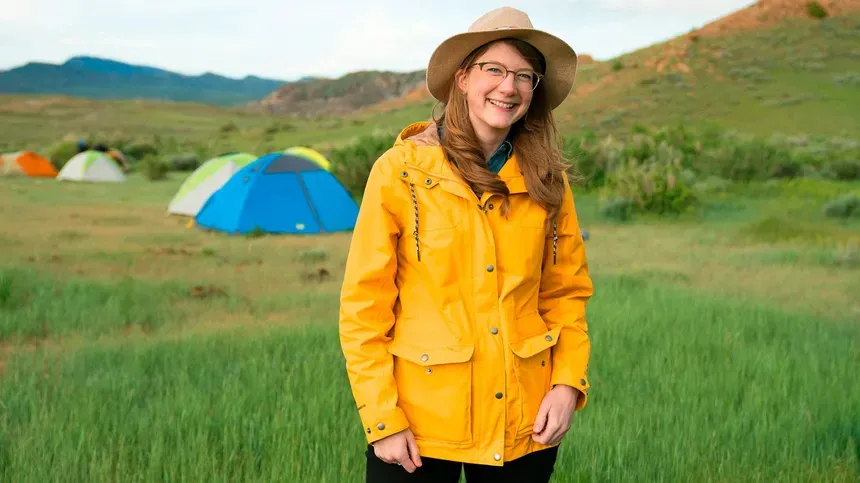
PBS Prehistoric Road Trip
June 17, 2020 is the premier of “Prehistoric Road Trip”, which is a new show on PBS. The host is the Field Museum’s Chief Curiosity Correspondent, Emily Grassley. She is also the host of the Youtube channel “The Brain Scoop”. You can find previews and clips on the official web page. Don’t miss it!…
-
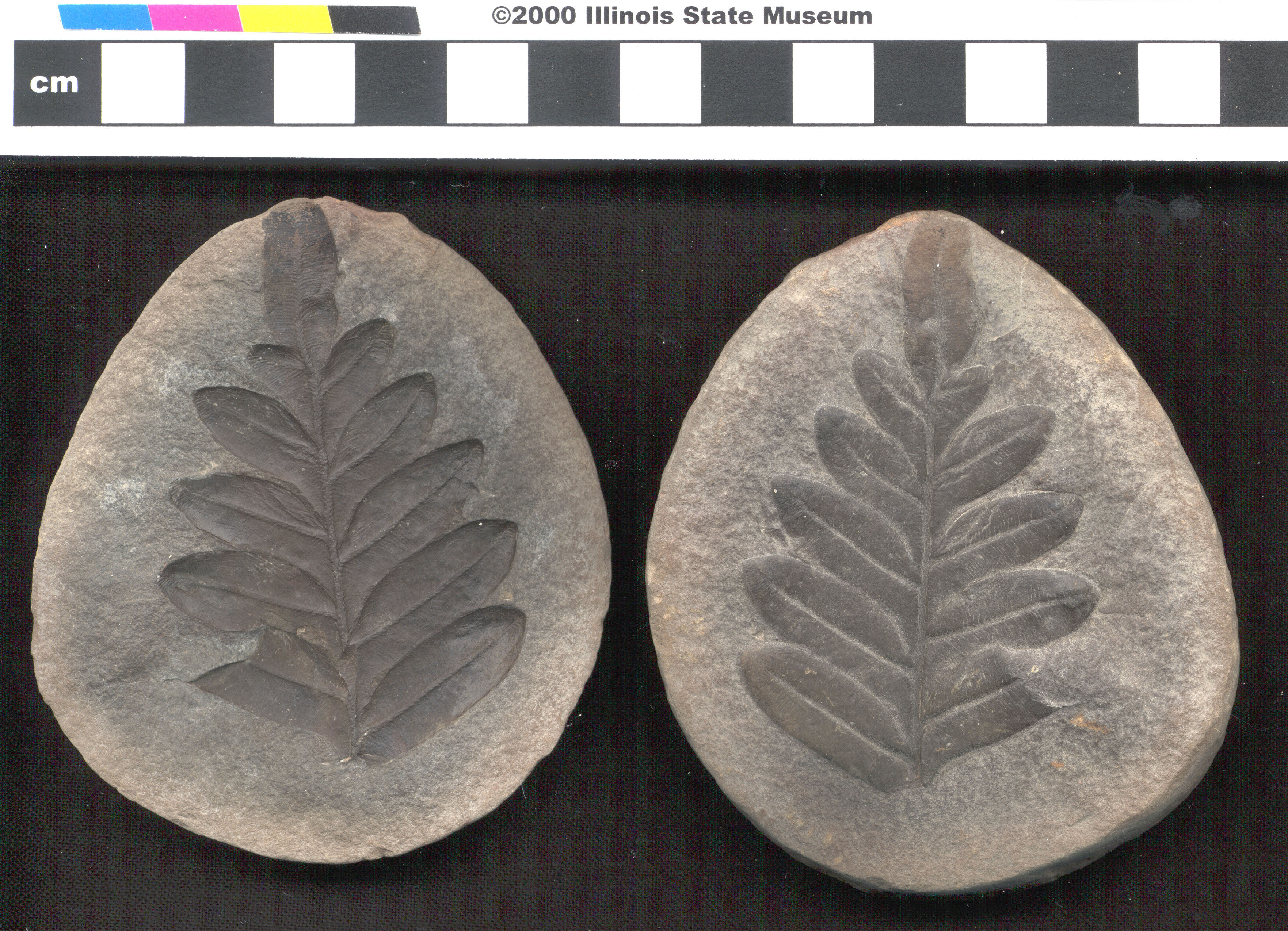
Mazon Monday #11: Mazon Creek Collections Database
This is Mazon Monday post #11. The Illinois State Museum in Springfield, IL has a significant collection of Mazon Creek fossils. Most of the collection stems from a collection donated by George Langford in the 1930s. The Mazon Creek Collections Database is a digitzed resource accessible on the museum’s website. In it, you will find…
-
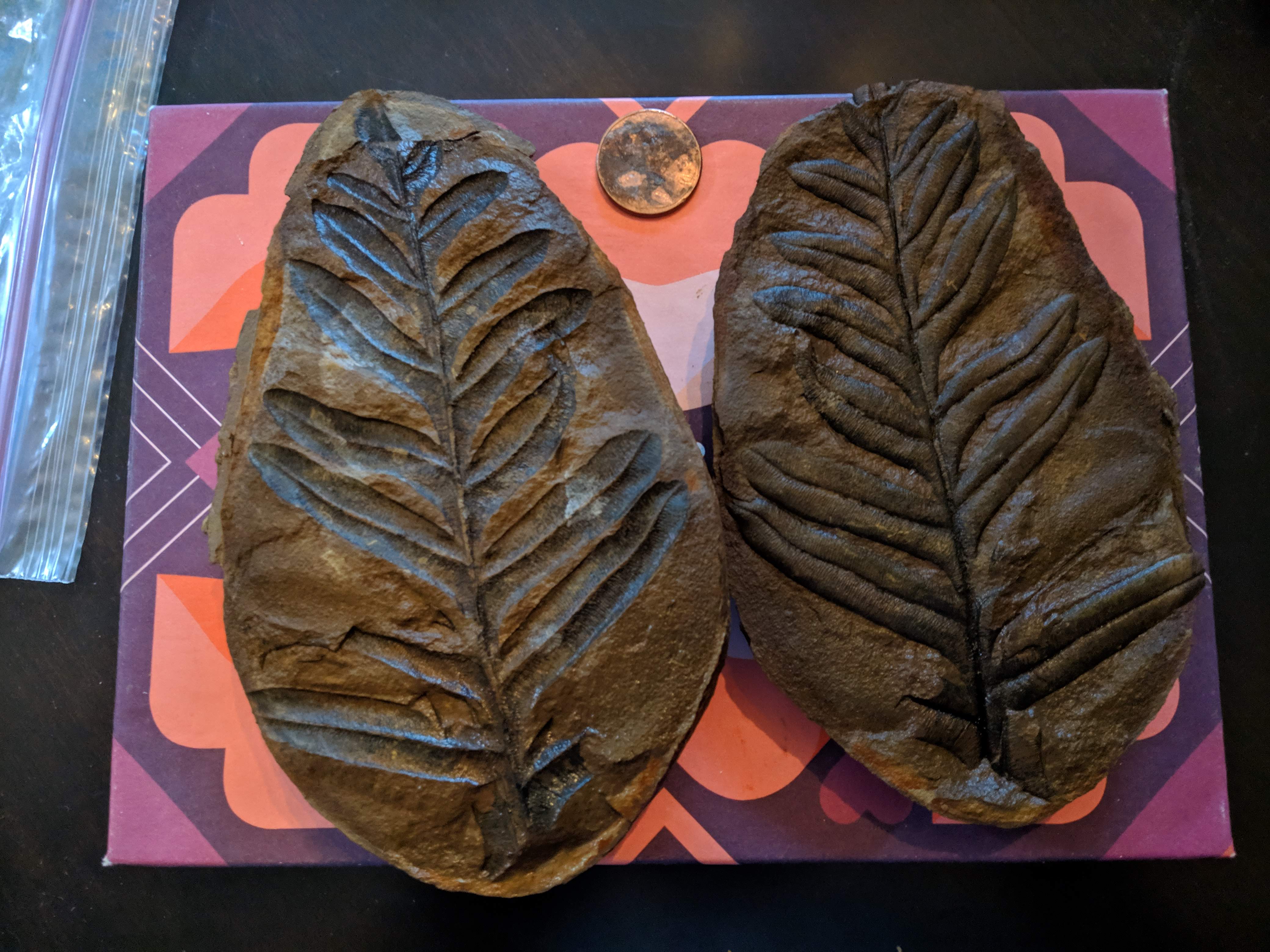
Fossil Friday #9: Alethopteris serlii from the Mazon River
This is the “Fossil Friday” post #9. Expect this to be a somewhat regular feature of the website. We will post any fossil pictures you send in to esconi.info@gmail.com. Please include a short description or story. Check the #FossilFriday Twitter hash tag for contributions from around the world! Here is a stunning Alethopteris serlii from…
-

Trilobite Tuesday #10: Trilobite Spines
The American Museum of Natural History has a great trilobite website with information and pictures that do a thorough job describing trilobites. Today, we are going to highlight the Trilobite Spines page. From the very beginning of their history up to the end, armor was a big component of trilobite anatomy. First, they had a calcium…
