Tag: fossil
-
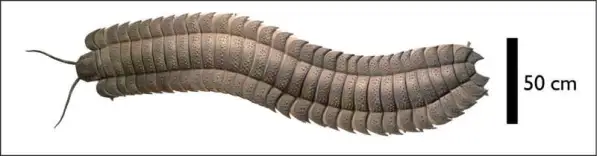
How we discovered a rare giant millipede fossil on a beach, and why it matters
This story on phys.org tell the story about the discovery of a giant millipede, Arthropleura in Engand in January 2018.. The original story describing the 326 million year old millipede fossil appeared back in December 2021. The animal was about 2.7 meters long (nearly 9 feet!). It lived during the Carboniferous Period in what is…
-
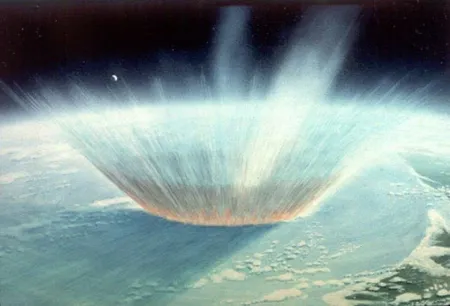
CBC Quirks and Quarks: Darkness doomed the dinosaurs
The CBC Radio show/Podcast Quirks and Quarks has a segment entitled “Darkness doomed the dinosaurs — the extinction asteroid turned out the lights on Earth”. They speak with Peter Roopnarine from the California Academy of Sciences about the after effects of the meteor strike that took out the non-avian dinosaurs at the end of the Cretaceous.…
-

Fossil Friday #94: Diaphorodendron rimosum
This is the “Fossil Friday” post #94. Expect this to be a somewhat regular feature of the website. We will post any fossil pictures you send in to esconi.info@gmail.com. Please include a short description or story. Check the #FossilFriday Twitter hash tag for contributions from around the world! We haven’t posted enough fossil wood on…
-

Podcast: The Backpacker’s Guide To Prehistory
I recently ran across an interesting “new” podcast… “The Backpacker’s Guide to Prehistory”. The host, David Mountain, takes you backpacking into the past. He just started season 2 and the most recent episode is “The Carboniferous”. One of our favorite time periods! No explicit mention of Mazon Creek, but there’s plenty of information about the…
-
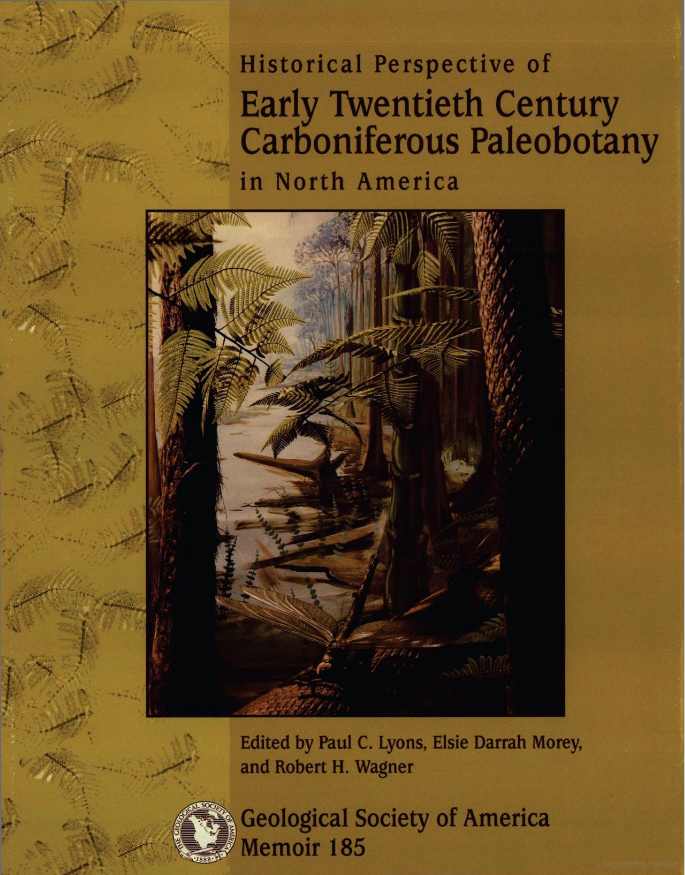
Mazon Monday #97: “Historical Perspective on Early Twentieth Century Carboniferous Paleobotany in North American”
The book “Historical Perspective on Early Twentieth Century Carboniferous Paleobotany in North American” was published in 1995 by the Geological Society of America (GSA). It’s dedicated as a memorial volume for William Culp Darrah (1909-1989), who was a pioneer in the study of the Carboniferous of North America. The book is freely available on Google…
-
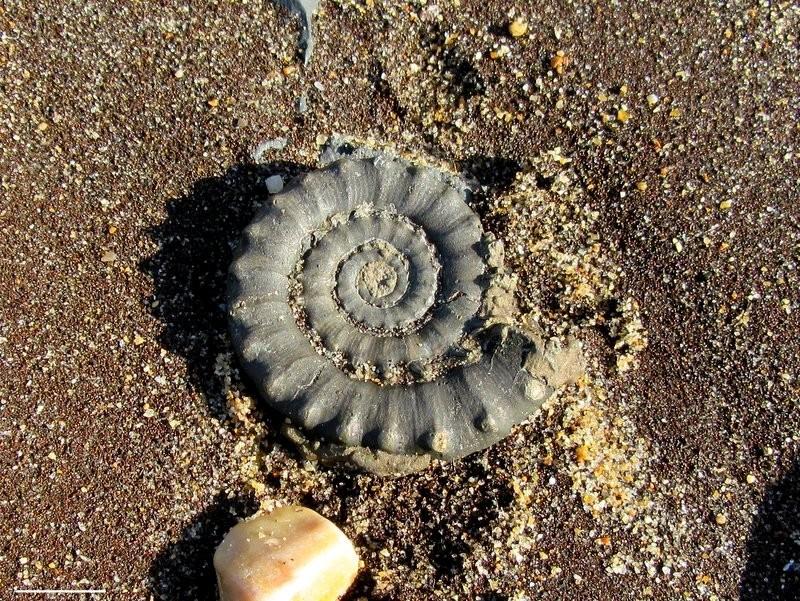
Fossil Friday #93: Pyritized ammonite fossils from the Jurassic Coast in England
This is the “Fossil Friday” post #93. Expect this to be a somewhat regular feature of the website. We will post any fossil pictures you send in to esconi.info@gmail.com. Please include a short description or story. Check the #FossilFriday Twitter hash tag for contributions from around the world! For this week, we have a tale…
-
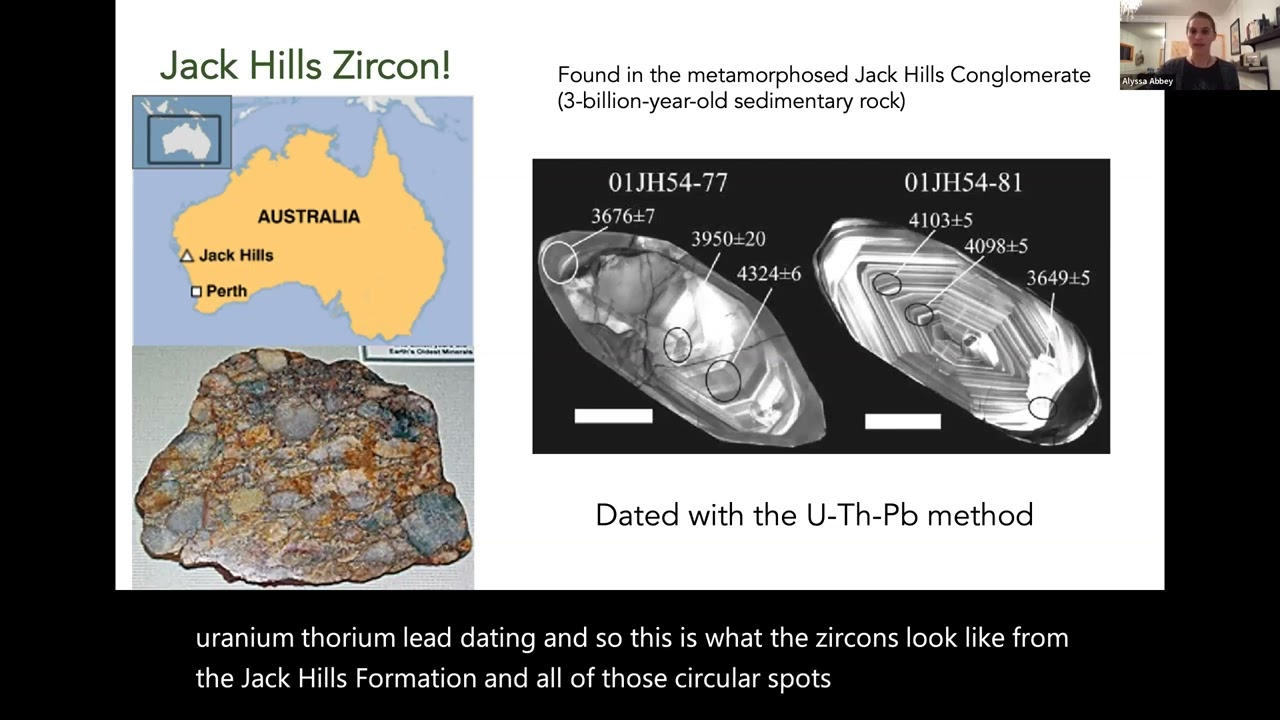
Video for ESCONI January 2022 General Meeting – “Through the Ages: How we Date Rocks and Geologic Processes”
The January 2022 General Meeting was held on January 14th, 2022 via Zoom. Our speaker was Dr. Alyssa Abbey from California State University Long Beach. The title of her talk was “Through the Ages: How we Date Rocks and Geologic Processes”.
-
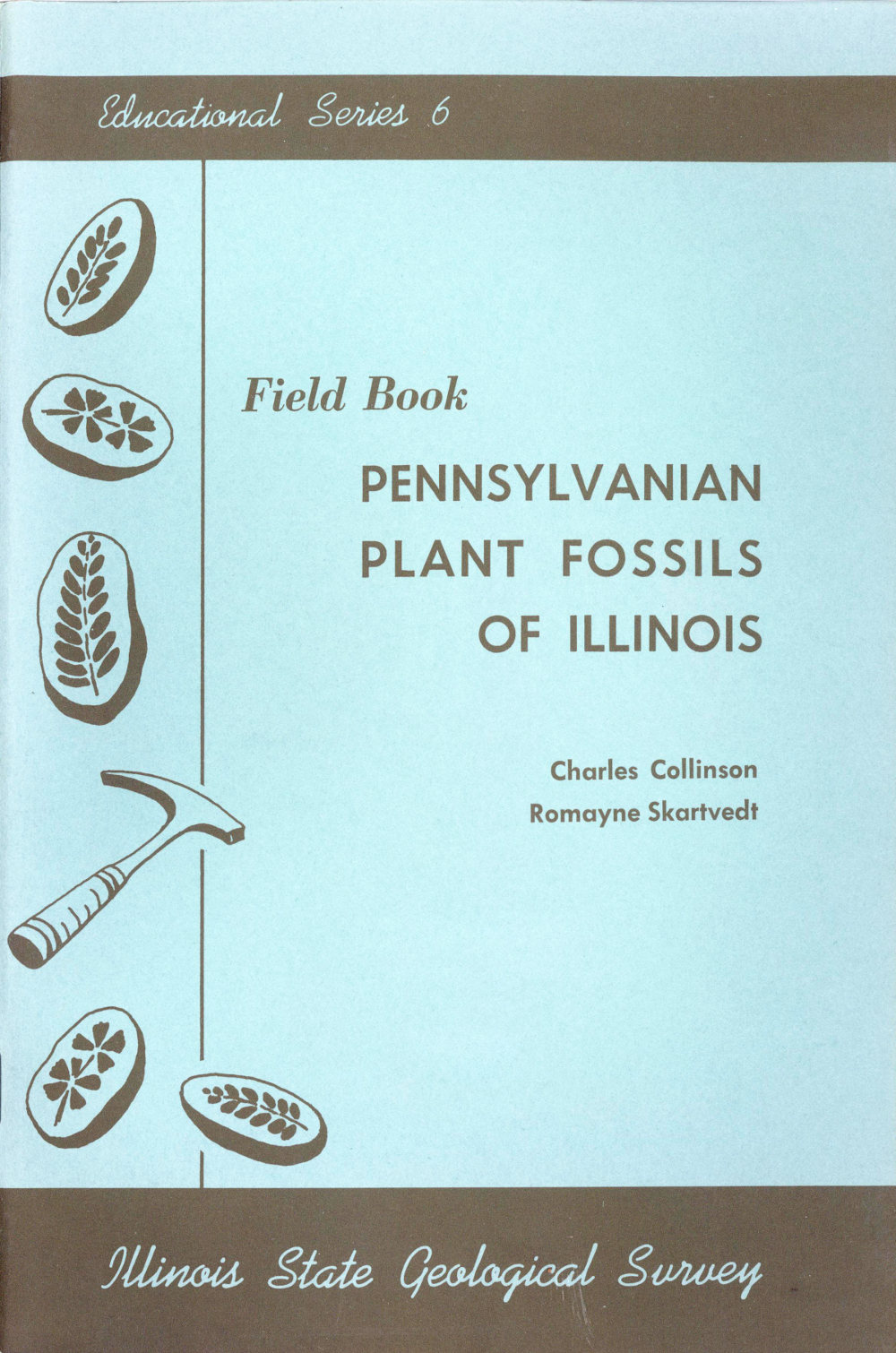
Mazon Monday #96: Pennsylvanian Plant Fossils of Illinois
This is Mazon Monday post #96. What’s your favorite Mazon Creek fossil? Tell us at email:esconi.info@gmail.com. The book “Pennsylvanian Plant Fossils of Illinois” was #6 in the Educational Series published by the Illinois State Geological Survey in 1960. It was written by Charles Collinson (1923 – 2011) and Romayne Skartvedt. The book can be purchased…
-
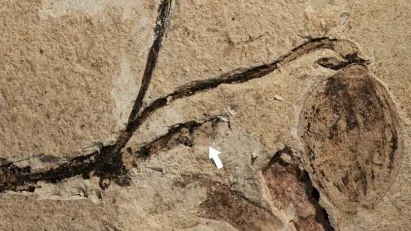
164 million-year-old plant fossil is the oldest example of a flowering bud
LiveScience has a story about the oldest known example of a flower bud. Researchers in China have discovered a fossil flower bud from 164 million years ago. The new plant species, Florigerminis jurassica, was found in Inner Mongolia. The description was published in the journal Geological Society of London. There are two main types of…
-

Fossil Friday #92: Mazon Creek Mystery
This is the “Fossil Friday” post #92. Expect this to be a somewhat regular feature of the website. We will post any fossil pictures you send in to esconi.info@gmail.com. Please include a short description or story. Check the #FossilFriday Twitter hash tag for contributions from around the world! Today, we have the first of a…
-
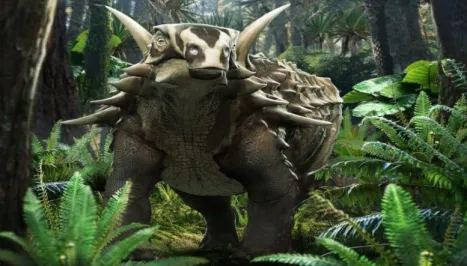
Surprising Dinosaur Discovery: Ankylosaur Was Sluggish and Deaf
SciTechDaily has a story about Ankylosaurs. A CT scan of a braincase of an Ankylosaur, Struthiosaurus austriacus, which lived about 80 million years ago in what is now modern day Austria, has led to some surprising new details: it was sluggish and deaf. The research was published recently in the journal Scientific Reports. Ankylosaurs could…
-
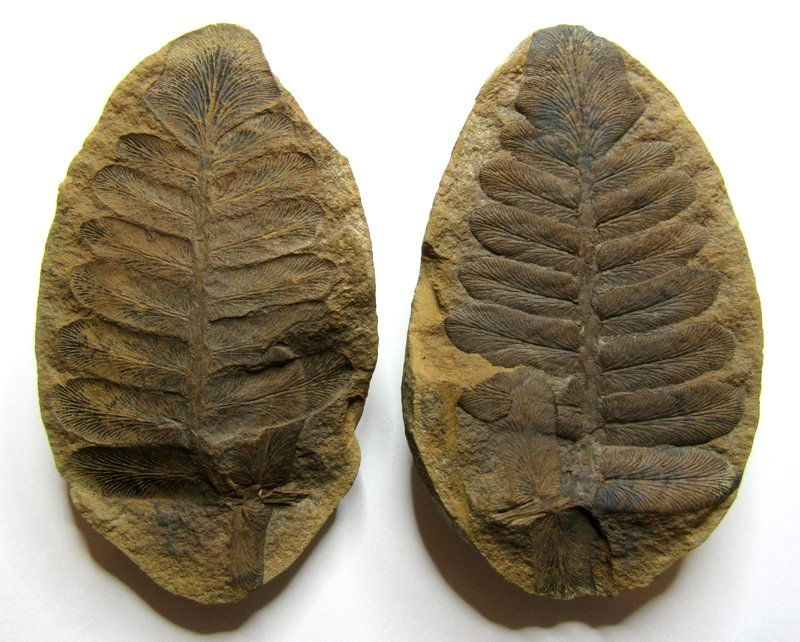
Mazon Monday #95: Neuropteris vermicularis
This is Mazon Monday post #95. What’s your favorite Mazon Creek fossil? Tell us at email:esconi.info@gmail.com. For this post, we are looking at another seed fern species, Neuropteris vermicularis. N. vermicularis was identified by Leo Lesquereux in 1866. He described much of the North American Carboniferous flora in the mid 1800’s as a consultant to…
-
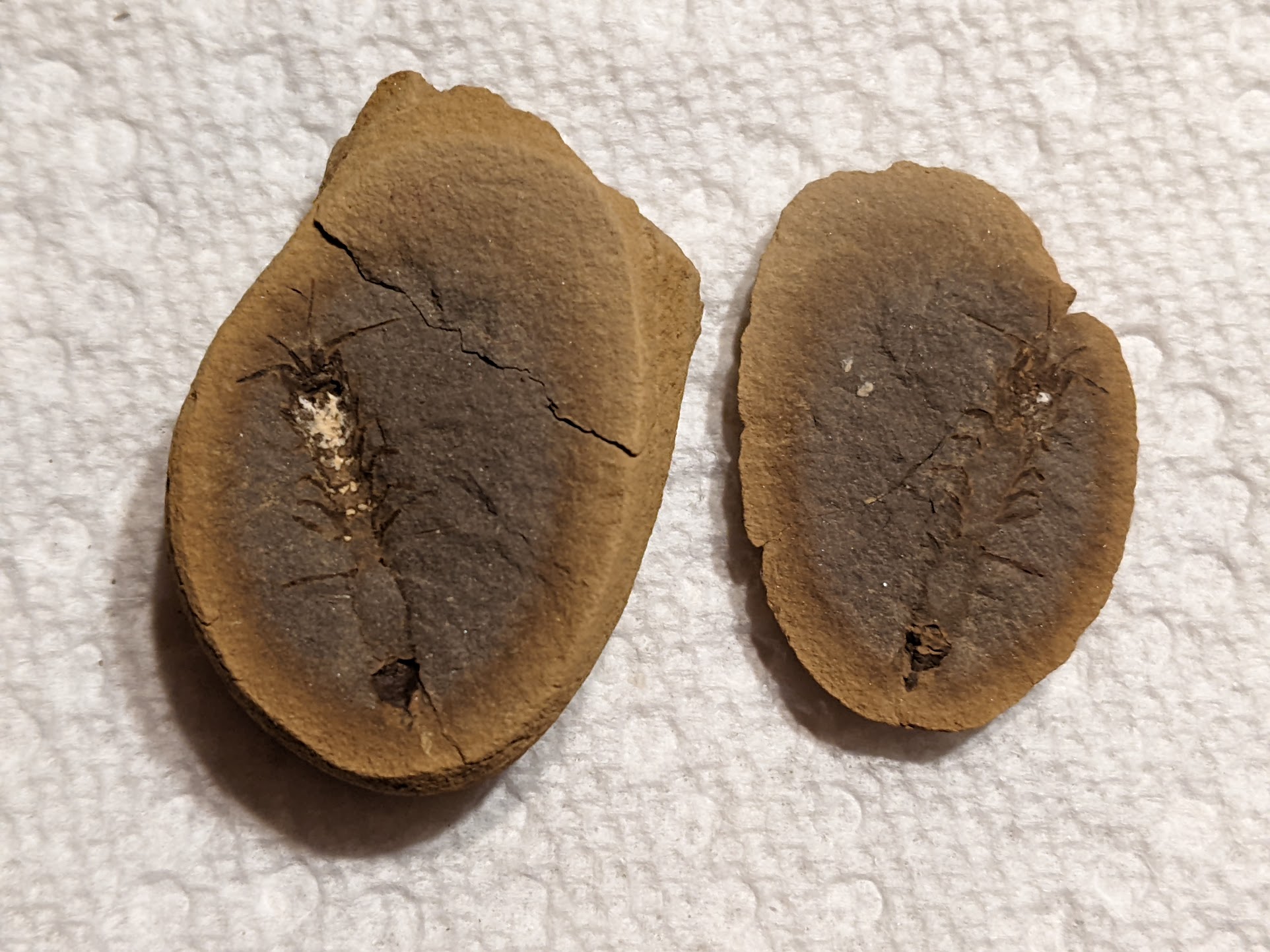
Fossil Friday #91: Paleocaris typus from the Mazon River
This is the “Fossil Friday” post #91. Expect this to be a somewhat regular feature of the website. We will post any fossil pictures you send in to esconi.info@gmail.com. Please include a short description or story. Check the #FossilFriday Twitter hash tag for contributions from around the world! Back in Mazon Monday #65, we spotlighted…
-

NYT: Fossils of a Prehistoric Rainforest Hide in Australia’s Rusted Rocks
The New York Times has a story about an amazing fossil rain forest. Dating to about 15 million years ago during the Miocene Epoch, this deposit hold exquisitely preserved insects, spiders, plans, even a feather. A description of the site was published recently in the journal Science Advances, Fifteen million years ago, a river carved…
-
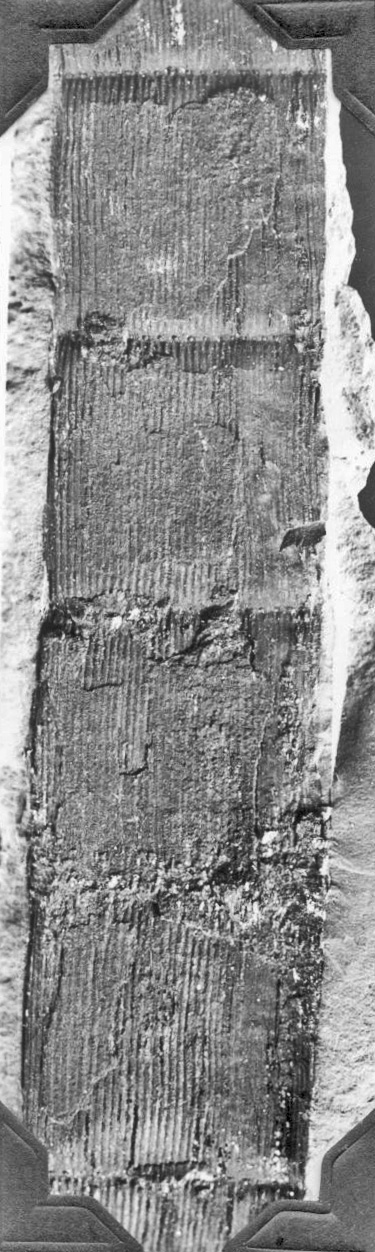
Mazon Monday #94: Calamites cistii
This is Mazon Monday post #94. What’s your favorite Mazon Creek fossil? Tell us at email:esconi.info@gmail.com. For this week, we are looking at Calamites, which is a genus of extinct arborescent (tree-like) horsetails. They are sphenopsids. Modern horsetails, genus Equistem, are fairly closely related. Some of these Carboniferous plants could grow to heights of more than…
-

E.O. Wilson’s lifelong passion for ants helped him teach humans about how to live sustainably with nature
The Conversation has a story about E. O. Wilson, who he was and his contributions to the world. Professor of Comparative Zoology at Harvard and a giant in the world of evolutionary biology, Wilson died on December 26th, 2021 at age 92. His biggest message was for conservation of the natural world. E. O. Wilson…
-

Paleontologists Identify New Species of Long-Necked Dinosaur
SciNews has a story about a new species of dinosaur. The new sauropod species is named Rhomaleopakhus turpanensis and it was identified from fossils found about 30 years ago. The animal lived about 155 million years ago during the Late Jurassic Period. All the details can be found in a paper published in the Journal…
-
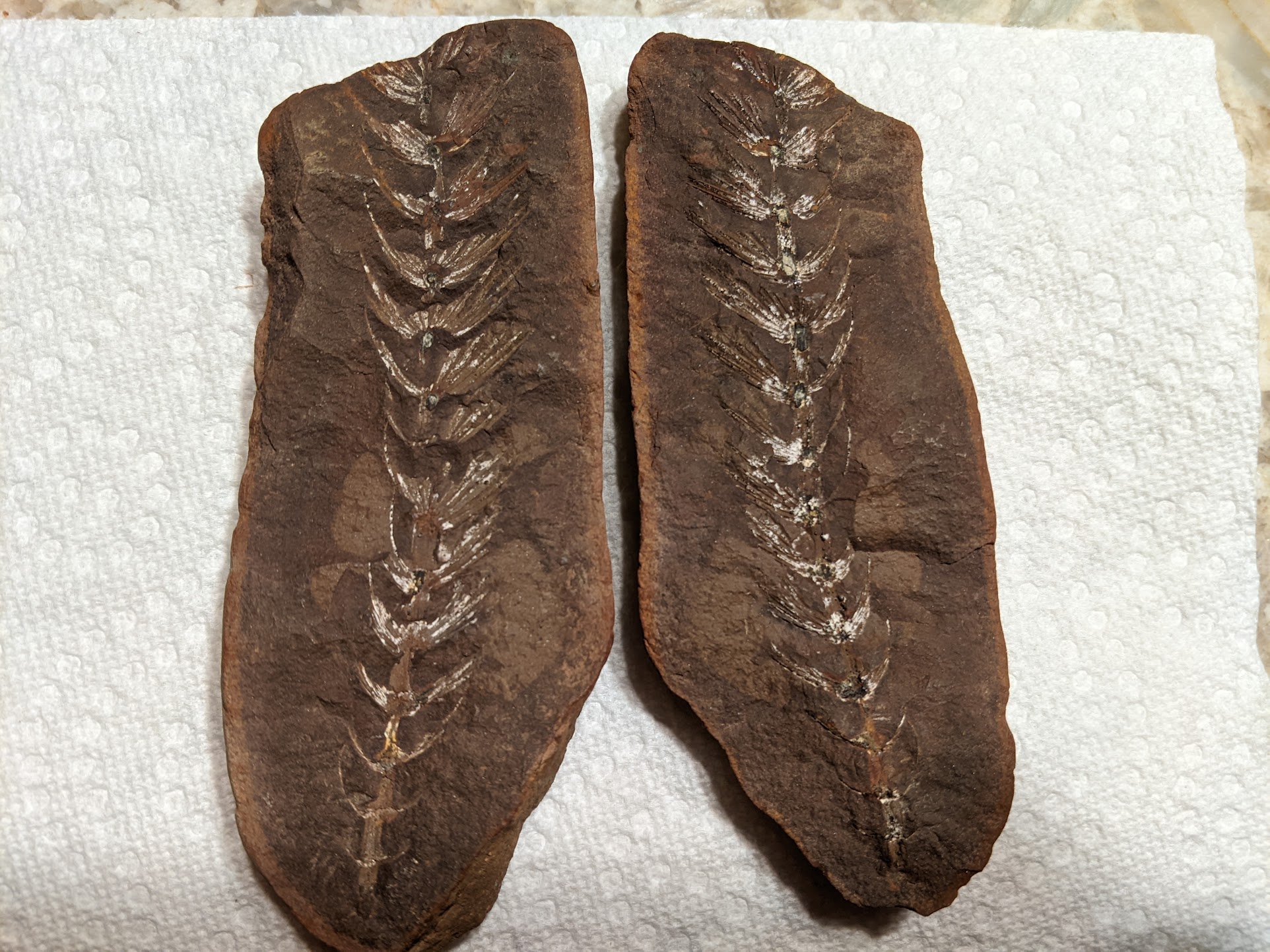
Fossil Friday #90: Asterophyllites equisetiformis
This is the “Fossil Friday” post #90. Expect this to be a somewhat regular feature of the website. We will post any fossil pictures you send in to esconi.info@gmail.com. Please include a short description or story. Check the #FossilFriday Twitter hash tag for contributions from around the world! This week’s fossil is a specimen of…
-

Trilobite Tuesday #36: 7th International Conference on Trilobites & Their Relatives – Cincinnati July 14th to 18th, 2022
The Cincinnati Museum Center is sponsoring the 7th International Conference on Trilobites & Their Relatives from July 14th to 18th, 2022. There are field trips both before and after the conference. A Warm Welcome! Welcome to the 7th International Conference on Trilobites & Their Relatives to be held at Cincinnati Museum Center in Cincinnati, Ohio,…
-

Mazon Monday #93: Dr. Victoria McCoy: Mazon Creek Fossils
This is Mazon Monday post #93. What’s your favorite Mazon Creek fossil? Tell us at email:esconi.info@gmail.com. ESCONI member Ralph Jewell sent me this link for a video of a presentation by Dr. Victoria McCoy of the University of Wisconsin Milwaukee Department of Geosciences. Her presentation is entitled “Mazon Creek Fossils”. Dr. Victoria McCoy, UWM Department…
-

Human-size ammonites swam the Atlantic Ocean 80 million years ago
LiveScience has a story about some truly large ammonites. About 80 million years ago during the Cretaceous Period, six foot ammonites lived in the Atlantic Ocean. A new study published in the journal PLOS One looked at the evolutionary history of these massive cephalopods. They looked at 154 specimens (!), including 100 newly found specimens…
-
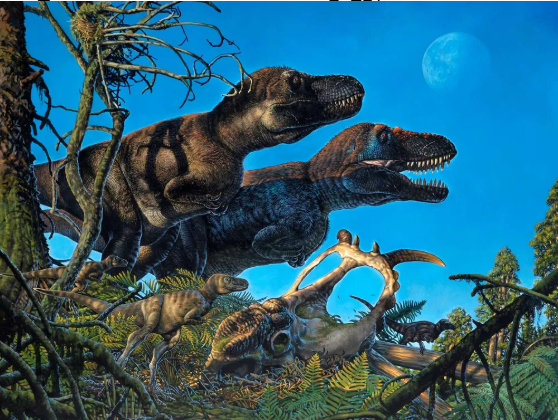
The Top Ten Dinosaur Discoveries of 2021
Smithsonian Magazine has a story about the top dinosaurs discoveries in 2021. 42 new species were described. That’s a good year! There’s never been a better time to be a dinosaur fan. New species are being described at a fast-and-furious pace, with 42 species named just this year, and paleontologists have also been investigating and…
-
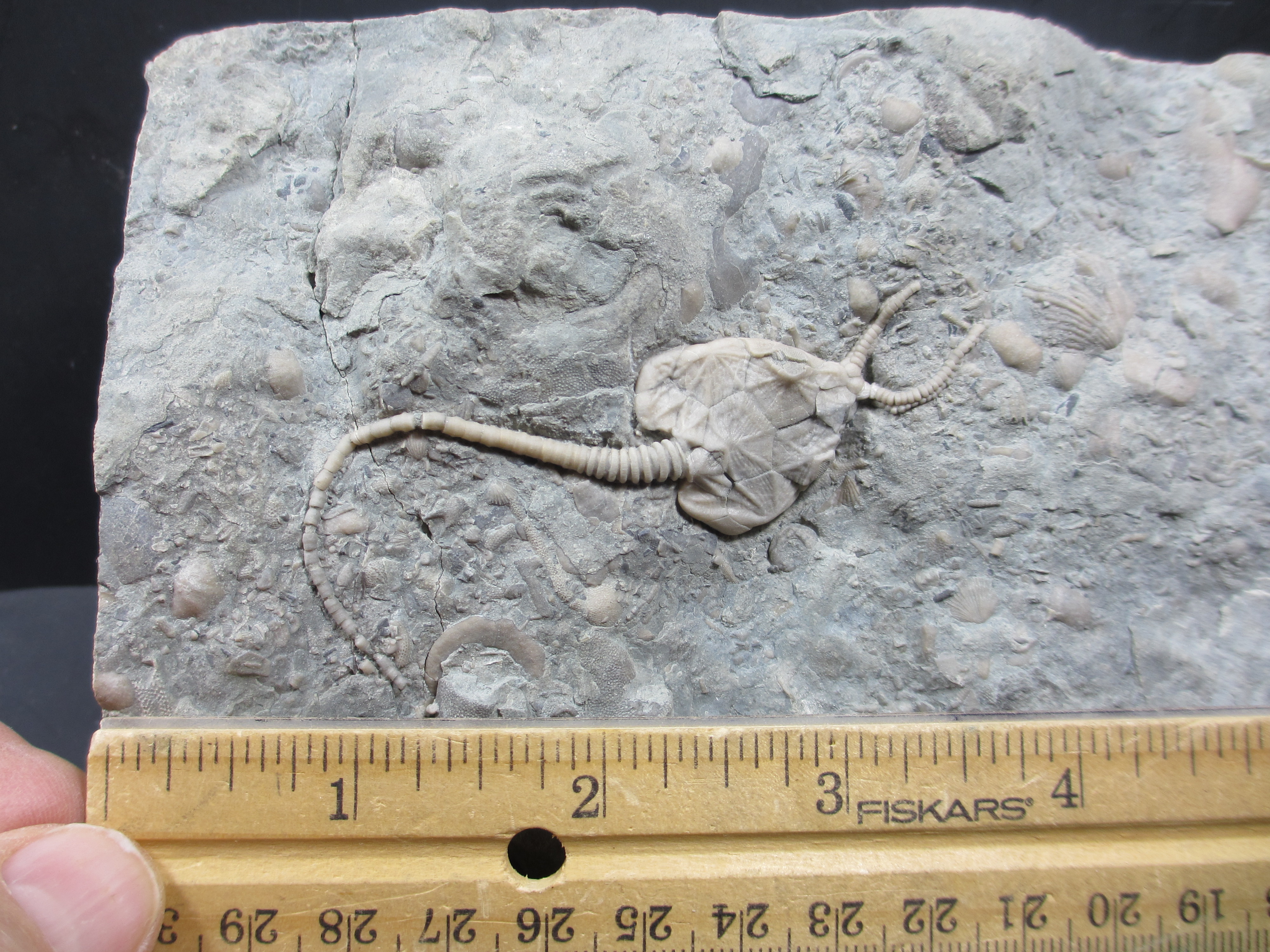
Fossil Friday #89: Green Bay Cystoid
This is the “Fossil Friday” post #89. Expect this to be a somewhat regular feature of the website. We will post any fossil pictures you send in to esconi.info@gmail.com. Please include a short description or story. Check the #FossilFriday Twitter hash tag for contributions from around the world! A crinoid from Green Bay, Wisconsin is…
-
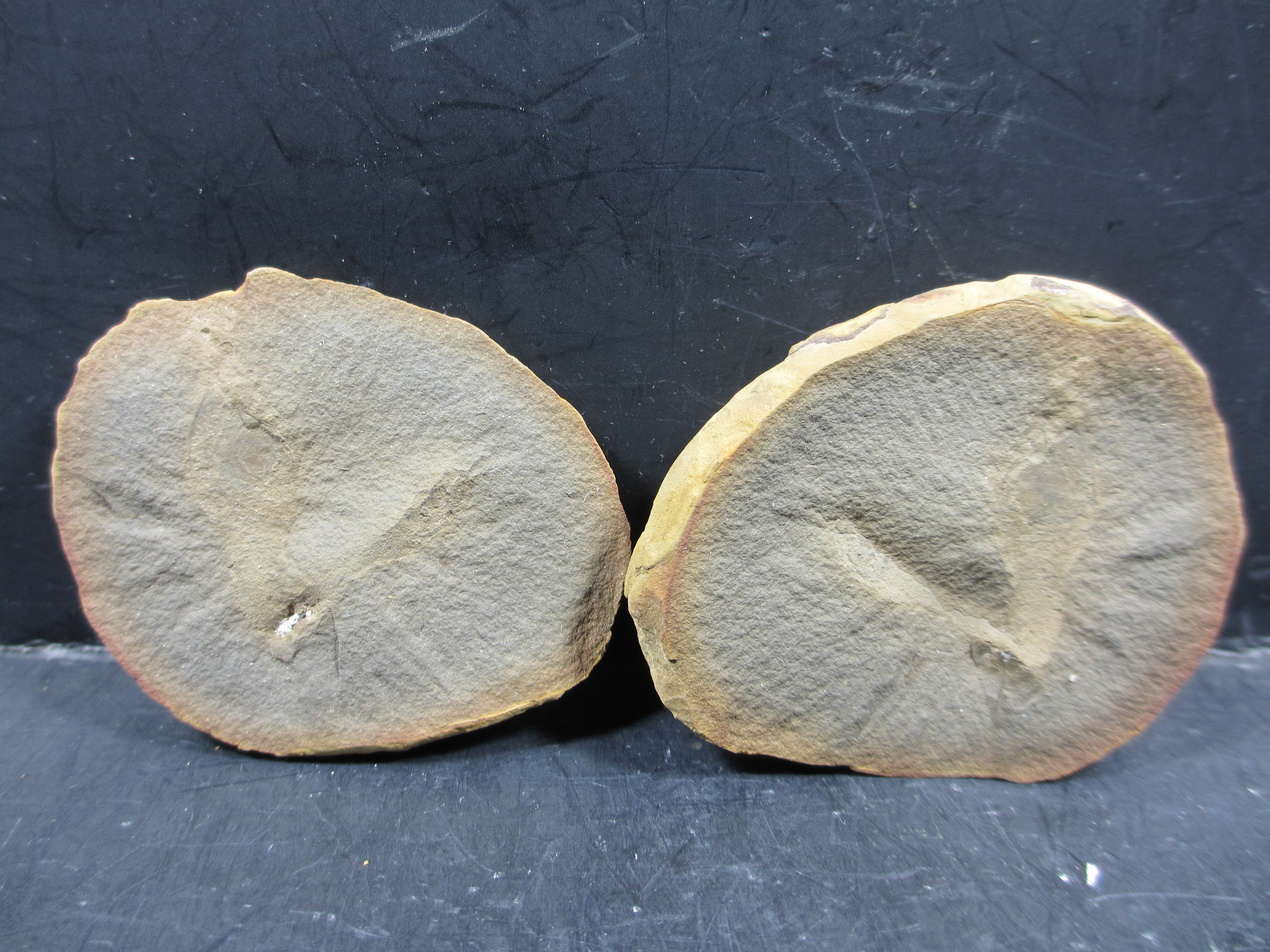
Mazon Monday #92: Illilepas damrowi
This is Mazon Monday post #92. What’s your favorite Mazon Creek fossil? Tell us at email:esconi.info@gmail.com. Illilepas damrowi is a gooseneck barnacle from the Mazon Creek biota, found in Essex localities like Pit 11. Barnacles are crustaceans thus they are related to crabs and lobsters. They are fairly rare in the fossil record with the…
-
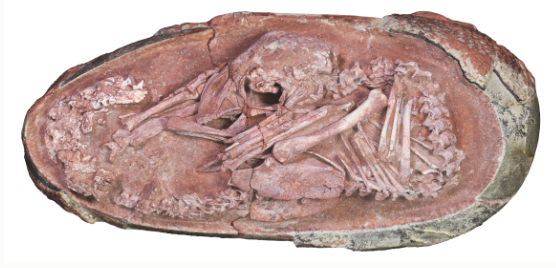
Breathtaking Fossil of Baby Dinosaur Tucked in Its Egg Yields New Evolutionary Clues
Nature’s Science Alert has a story about a stunning dinosaur fossil. Found in China, a oviraptor egg has a baby dinosaur preserved in breathtaking detail. The egg dates to between 72 and 66 million years ago. The fossil was described in a paper in the journal iScience. A rare and exquisitely preserved dinosaur embryo tucked…
-
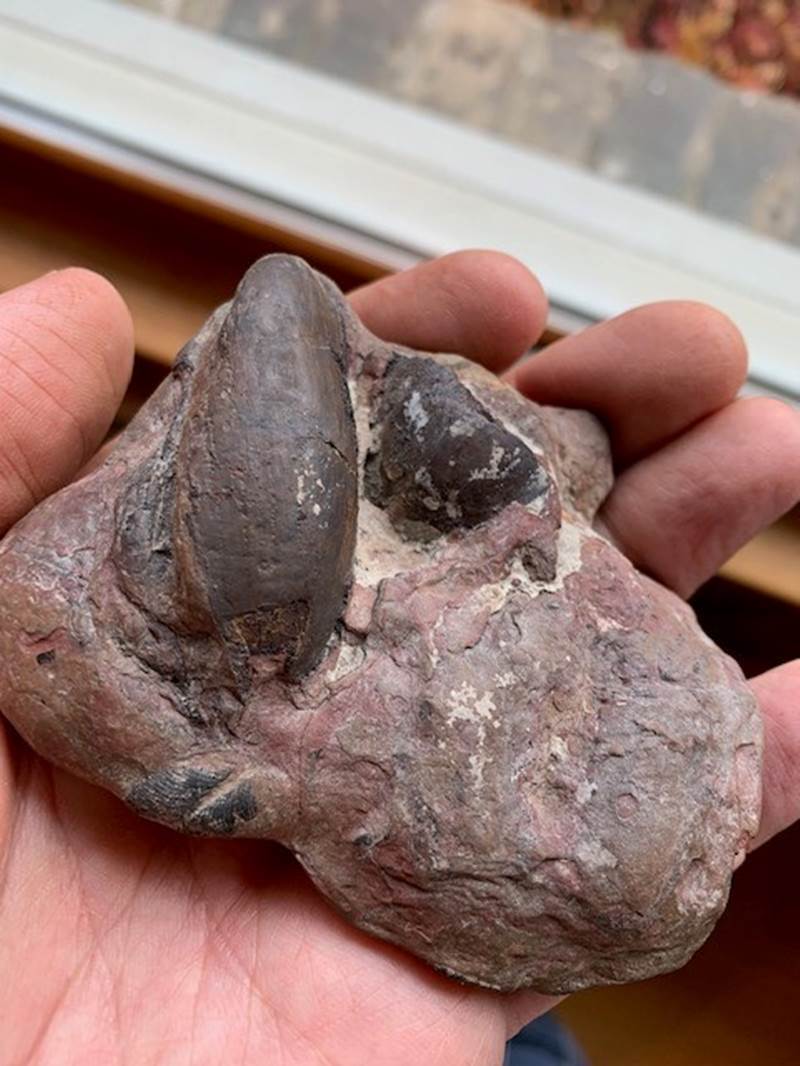
Fossil Friday #88: Trigonocarpus seeds
This is the “Fossil Friday” post #88. Expect this to be a somewhat regular feature of the website. We will post any fossil pictures you send in to esconi.info@gmail.com. Please include a short description or story. Check the #FossilFriday Twitter hash tag for contributions from around the world! Back in Mazon Monday #67, we took…
-

Mazon Monday #91: Macroneuropteris macrophylla
This is Mazon Monday post #91. What’s your favorite Mazon Creek fossil? Tell us at email:esconi.info@gmail.com. Today, we have a seed fern species called Macroneuopteris macrophylla. It was named Neuropteris macrophylla in 1831 by Alexander Brongniart, a French chemist, mineralogist, geologist, paleontologist, and zoologist. It was mistakenly renamed as Neuropteris clarksoni by Leo Lesquereux in…
-
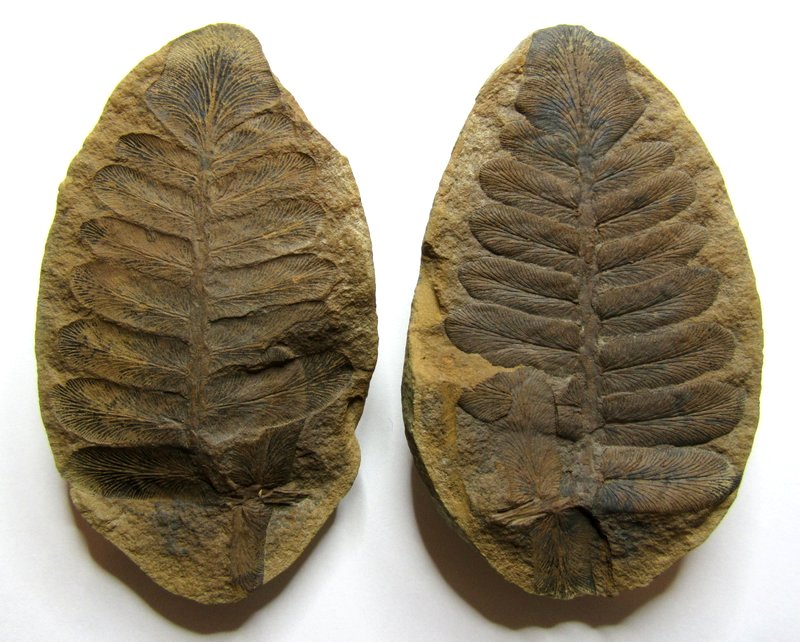
Fossil Friday #87: Neuropteris vermicularis from Knob Noster
This is the “Fossil Friday” post #87. Expect this to be a somewhat regular feature of the website. We will post any fossil pictures you send in to esconi.info@gmail.com. Please include a short description or story. Check the #FossilFriday Twitter hash tag for contributions from around the world! We’ve got a Pennsylvanian seed fern for…
-

Mazon Monday #90: Video for ESCONI December 2021 General Meeting – “The Life and Death of the Herrin Peat Swamp – Whys, Whens, and Hows”
For December 2021, the presentation by Scott Elrick provides context for the Danville, IL spoil pile fossils. Scott also discussed coal formation in Illinois during the Pennsylvanian. Additionally, he mentioned where the Colchester #2 Coal, associated with Mazon Creek, fits into the paleo-environment of the Pennsylvanian. A story about Scott and the discovery of a…
-
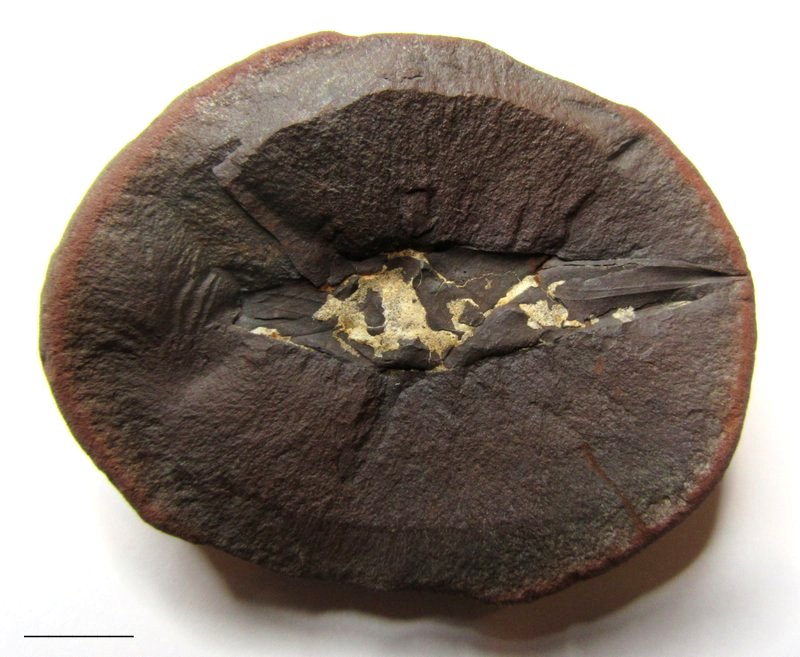
Fossil Friday #86: Mazon Creek Shark Egg Case
This is the “Fossil Friday” post #86. Expect this to be a somewhat regular feature of the website. We will post any fossil pictures you send in to esconi.info@gmail.com. Please include a short description or story. Check the #FossilFriday Twitter hash tag for contributions from around the world! There are a few species of shark…
