
-
Throwback Thursday #140: Mineral Names
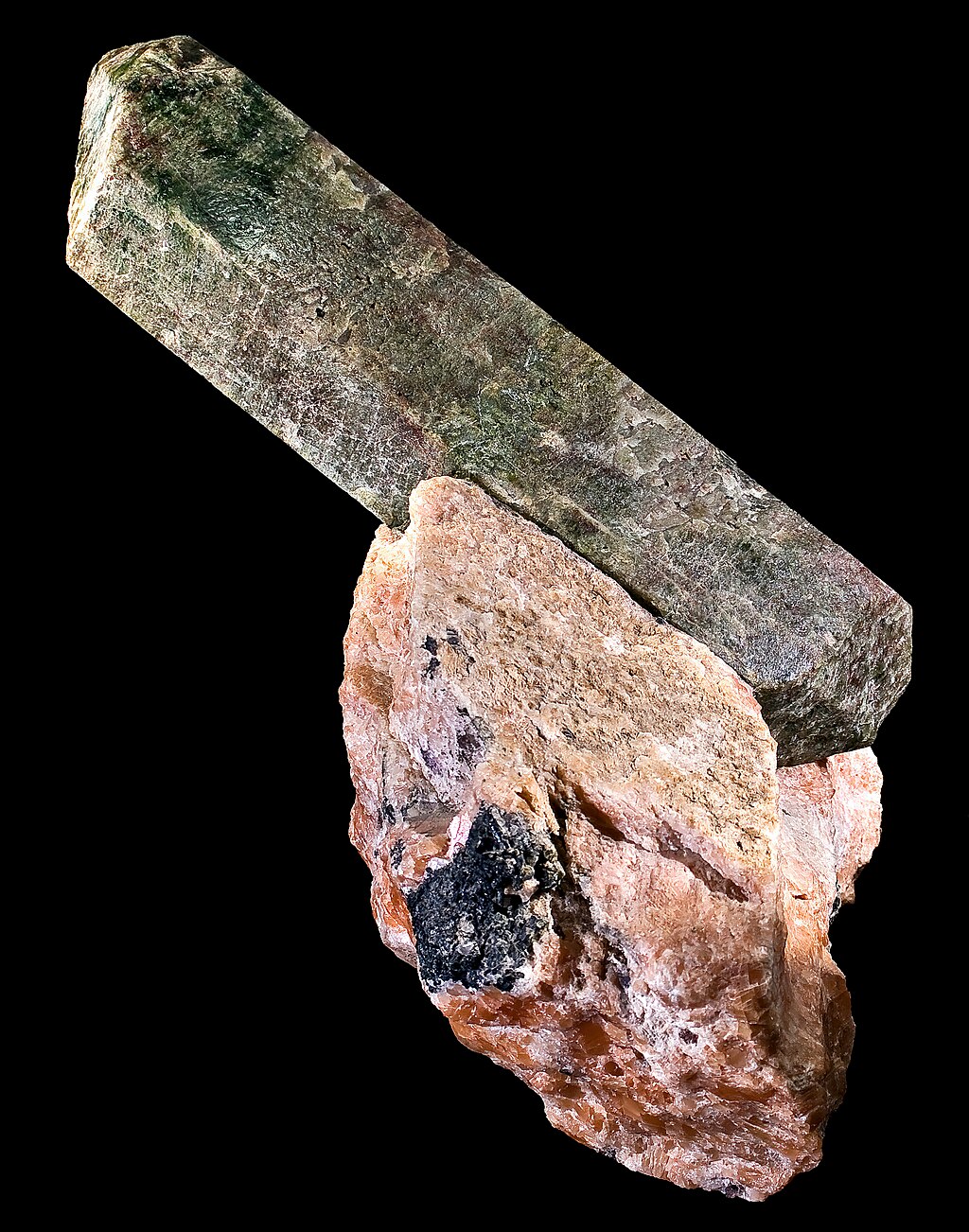
Read more: Throwback Thursday #140: Mineral NamesThis is Throwback Thursday #140. In these, we look back into the past at ESCONI specifically and Earth Science in general. If you have any contributions, (science, pictures, stories, etc …), please send them to esconi.info@gmail.com. Thanks! Jean Reynolds held many offices in ESCONI, including President in 1972 and 1973, Vice President, Editor, Circulation Chairman, and more. For 45 years, from 1961 until 2006, Jean served on the ESCONI board. In December 1977, she wrote an article for the newsletter called “Names”. It it, she details the origin of some minerals and elements. Wikipedia has a nice page called “List…
-

Fossil site reveals giant arthropods dominated the seas 470 million years ago
Read more: Fossil site reveals giant arthropods dominated the seas 470 million years agoPhys.org has a story about some interesting arthropod fossils from Morocco. The fossils date to the Ordovician Period about 470 million years ago. The locality holds new species and while some are fragmentary, the fragments suggest large animals, maybe up to 2 meters long. The research was published in Science Advances. Discoveries at a major new fossil site in Morocco suggest giant arthropods—relatives of modern creatures including shrimps, insects and spiders—dominated the seas 470 million years ago. Early evidence from the site at Taichoute, once undersea but now a desert, records numerous large “free-swimming” arthropods. More research is needed to…
-
Ancient lizard with teeth like butcher knives ‘re-calibrates the whole shebang’ of reptile evolution
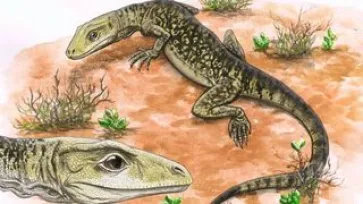
Read more: Ancient lizard with teeth like butcher knives ‘re-calibrates the whole shebang’ of reptile evolutionLiveScience has a story about a new lizard from the Triassic. Cryptovaranoides microlanius dates to about 202 million years, which makes it the oldest lizard fossil known by about 35 million years. It was discovered in 1950’s near Britol, England and had been incorrectly described as Clevosaurus. The animal was redescribed recently in the journal Science Advances. For the new study, researchers analyzed the fossil and found that the lizard dates to around 202 million years ago, from the latter part of the Triassic period (237 million years to 201 million years ago); and that the remains included a partial skeleton, skull and mandibles. A computed tomography (CT) scan of the fossil helped…
-
Mazon Monday #142: Pecopteris squamosa
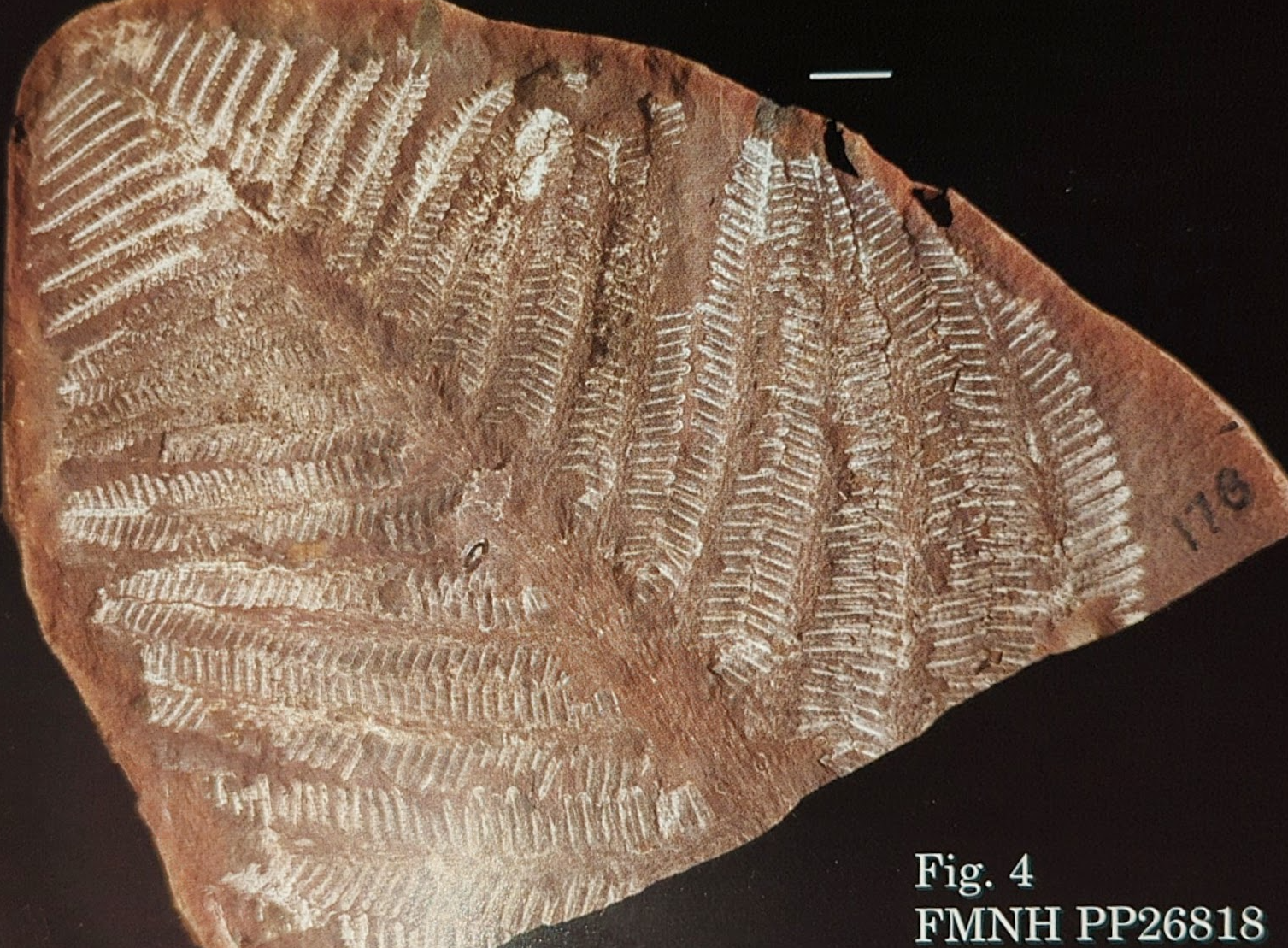
Read more: Mazon Monday #142: Pecopteris squamosaThis is Mazon Monday post #142. What’s your favorite Mazon Creek fossil? Tell us at email:esconi.info@gmail.com. Thanks! Pecopteris squamosa was originally named by Leo Lesquereux in 1870. It’s a true fern belonging to the class Filicopsida. Leo Lesquereux described much of the North American Carboniferous flora in the mid 1800’s as a consultant to various US state geological surveys. His book “Atlas to the Coal Flora of Pennsylvania and the Carboniferous Formation throughout the United States” written from 1879 to 1884 was the standard reference for the Carboniferous flora in the US for many years. P. squamosa appears on page 126…
-
Dinosaurs were on the up before asteroid downfall, study finds
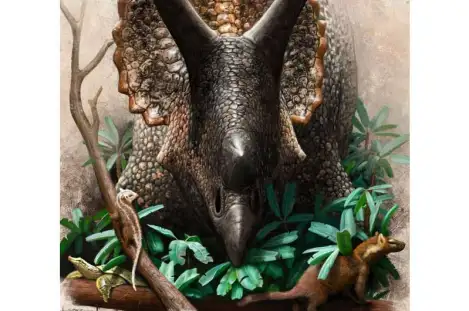
Read more: Dinosaurs were on the up before asteroid downfall, study findsPhys.org has a story about the state of the non-avian dinosaurs just before the K-Pg mass extinction about 66 million years ago. For a while, it was thought they were in decline before the asteroid strike. A new study published in the journal Science Advances found that the non-avian dinosaurs were actually thriving, entrenched in stable niches. They weren’t slipping toward inevitable extinction. Scientists have long debated why non-bird dinosaurs, including Tyrannosaurus rex and Triceratops, became extinct—whereas mammals and other species such as turtles and crocodiles survived. The new study, led by an international team of paleontologists and ecologists, analyzed…
-
ESCONI Board Members for 2023
Read more: ESCONI Board Members for 2023PRESIDENT: Keith Robitschek 1ST. VICE PRESIDENT: Katherine Howard 2ND. VICE PRESIDENT: Irene Broede RECORDING SECRETARY: Valerie Anderson TREASURER: Andrew Jansen PUBLICITY: Chris Berg LIBRARIAN: Andrew Jansen CURATOR: Chris Cozart HISTORIAN: Richard Holm Assistant Field Trip Chairman: Dave Carlson Assistant Field Trip Chairman: John Catalani EDITOR: Don Cronauer CIRCULATION: Rose Jansen PAST PRESIDENT: Jeff Lord MEMBERSHIP: Rose Jansen SHOW CHAIRMAN: Dave Carlson MWF LIAISON REP: Dave Carlson WEB ADMINISTRATOR: Richard Holm Study Groups and Activities: (Non-Board Positions) ARCHAEOLOGY STUDY GROUP CHAIR: Open JUNIOR STUDY GROUP: Scott Galloway LAPIDARY STUDY GROUP CHAIR: Open MINERALOGY & MICROMOUNT STUDY GROUP CHAIR: Open PALEONTOLOGY STUDY GROUP CHAIR: John Catalani and Tom Williams
-

PBS Eons: Thylacoleo Is The Missing Australian Apex Predator
Read more: PBS Eons: Thylacoleo Is The Missing Australian Apex PredatorPBS Eons has a new episode. This one is about Thylacoleo, the so called marsupial lion, which was an extinct genus of carnivorous marsupials that lived in Australia from the late Pliocene to the late Pleistocene. In Australia, evolution built a family of deadly predators by taking a group of cute, harmless herbivores and turning them murderous.
-
Fossil Friday #138: Mamayocaris jaskoskii
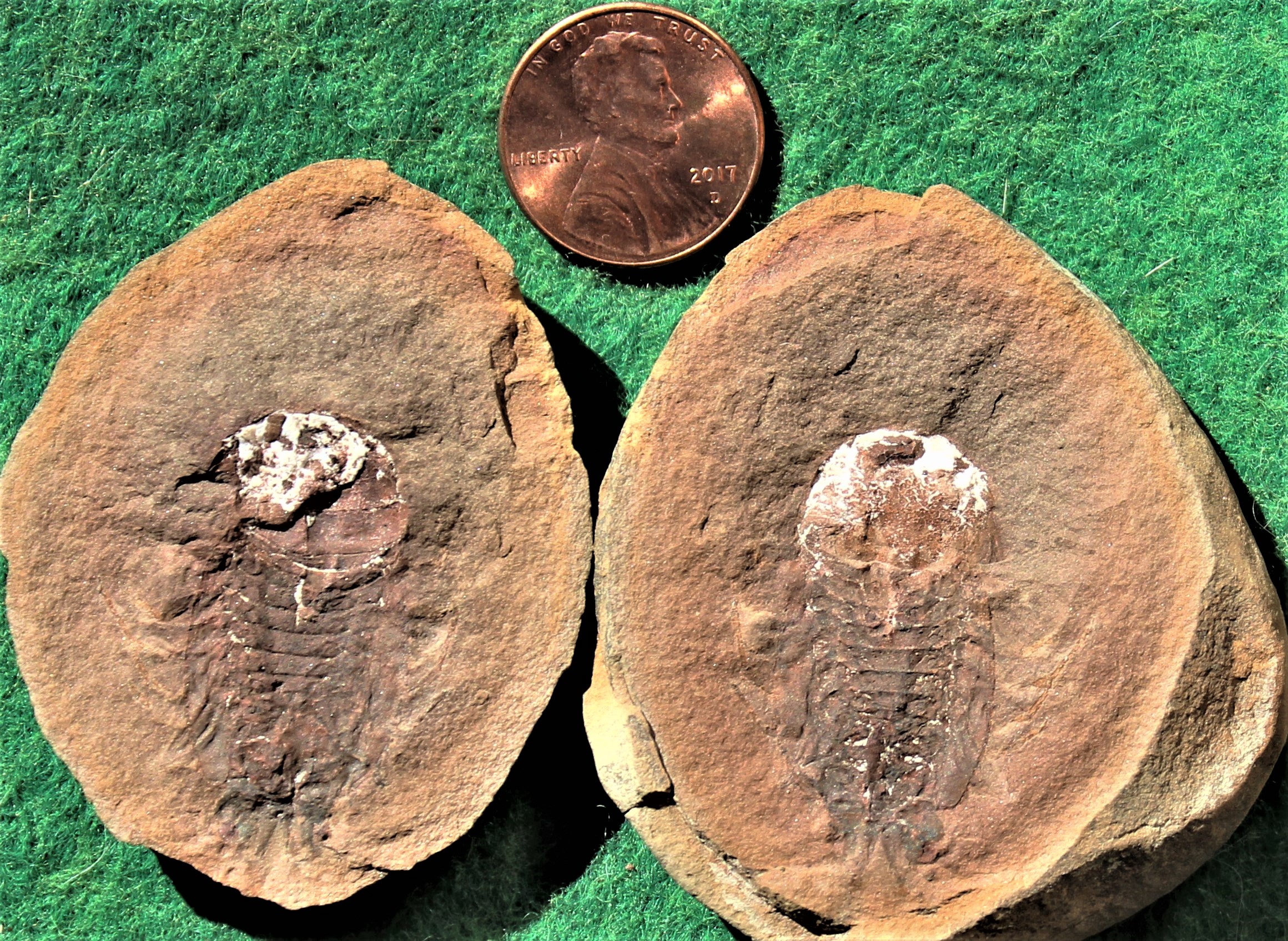
Read more: Fossil Friday #138: Mamayocaris jaskoskiiThis is “Fossil Friday” post #138. Expect this to be a somewhat regular feature of the website. We will post any fossil pictures you send in to esconi.info@gmail.com. Please include a short description or story. Check the #FossilFriday Twitter hash tag for contributions from around the world! For this week, we have a very nice received a photo of a very nice Mamayocaris jaskoskii from long time ESCONI member Marty Houdek, who has sent us some nice photos earlier this year. This specimen is preserved in a somewhat unique dorsal position. There is quite a bit of detail that is…
-
Reminder: ESCONI Holiday Lunch Saturday, December 10th, 2022 at 12:00 PM at Warren’s Ale House in Wheaton
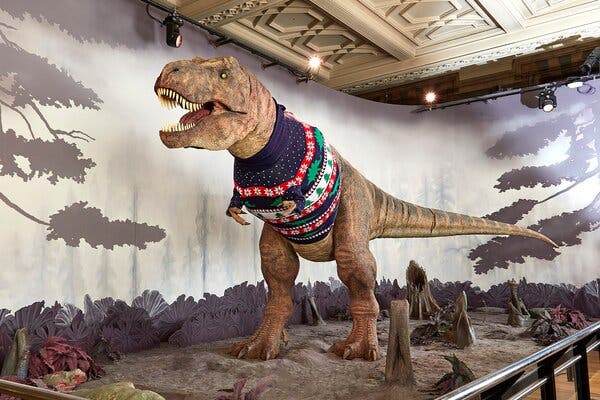
Read more: Reminder: ESCONI Holiday Lunch Saturday, December 10th, 2022 at 12:00 PM at Warren’s Ale House in WheatonHoliday attire is welcome. If you got it, wear it! Sweaters, hats, scarves, socks, lighted necklaces, jewelry: the possibilities are endless! This is your reminder that the ESCONI Holiday Lunch is happening this Saturday, December 10, 2022, 12:00 noon at Warren’s Ale House, 51 Town Square, Wheaton. (Just north of Danada Square East.) Website for Warren’s Ale House with Map & Menu: https://warrensalehouse.com/contact-us/ Please note: We will be ordering off the menu. Everyone is responsible for their own bill. Warren’s Ale House has a Brunch menu on Saturday along with their regular menu. Still taking reservations: RSVP to Dave Carlson via email with…
-
Throwback Thursday #139: Stonebone
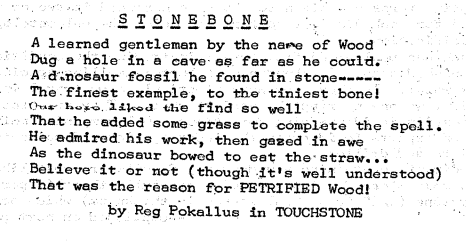
Read more: Throwback Thursday #139: StoneboneThis is Throwback Thursday #139. In these, we look back into the past at ESCONI specifically and Earth Science in general. If you have any contributions, (science, pictures, stories, etc …), please send them to esconi.info@gmail.com. Thanks! For this week, we have the poem “Stonebone” from the December 1970 edition of the ESCONI newsletter. It’s attributed to Reg Pokallus in “TOUCHTONE”. There is no other information about “TOUCHTONE”, but it was probably the newsletter of another rock club. Past ESCONI newsletters had quite a few shared articles from other clubs. STONEBONE A learned gentleman by the name of WoodDug a…
-
Video for the ESCONI December 2022 General Meeting – “The early diversification of birds: evidence from the Jehol avifauna”
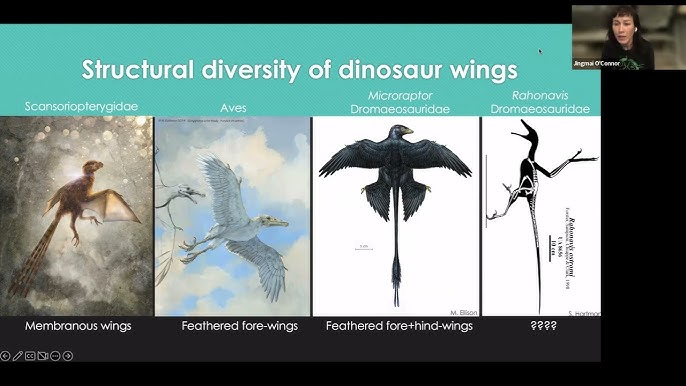
Read more: Video for the ESCONI December 2022 General Meeting – “The early diversification of birds: evidence from the Jehol avifauna”December’s General Meeting was held on December 2nd, 2022. The presenter was Dr. Jingmai O’Connor Associate Curator of Fossil Reptiles at the Field Museum. The topic of her talk was “The early diversification of birds: evidence from the Jehol avifauna”. She calls herself a paleontologista aka a punk rock paleontologist. Her research includes work on birds, dinosaurs, and the bird-dinosaur transition. The following is an excerpt from her Field Museum Staff Profile. Relatively speaking, my passion for paleontology developed late in life. I first became interested in evolution through Dr. Donald Prothero while a Geology major at Occidental College (Class of 2004). With…
-
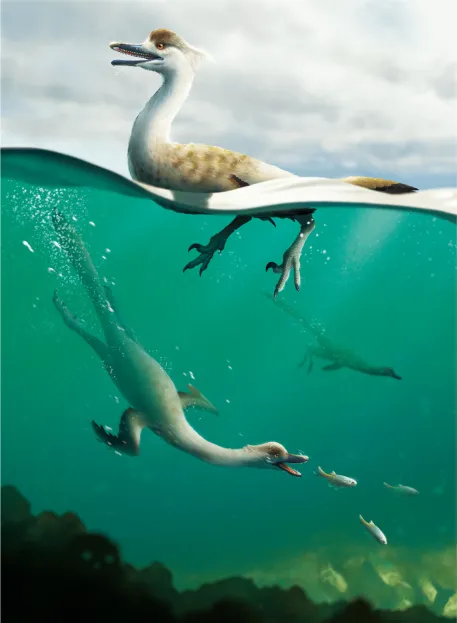
Mongolian fossil is first known species of streamlined non-avian theropod dinosaur to walk on two legs
Read more: Mongolian fossil is first known species of streamlined non-avian theropod dinosaur to walk on two legsPhys.org has a story about a new Cretaceous bird. The animal, named Natovenator polydontus, a non-avian theropod dinosaur was discovered in the Hermiin Tsav fossil formation in Mongolia back in 2008. It lived during the Cretaceous Period roughly 100 million to 66 million years ago. N. polydontus had teeth, which implies it had a varied diet. The research was published in the journal Communication Biology. In their study of the fossil, the researchers found it to be well-preserved and nearly complete—it had most of its two hindlimbs, one of its forelimbs, most of its skull and most of its spinal column. It…
-
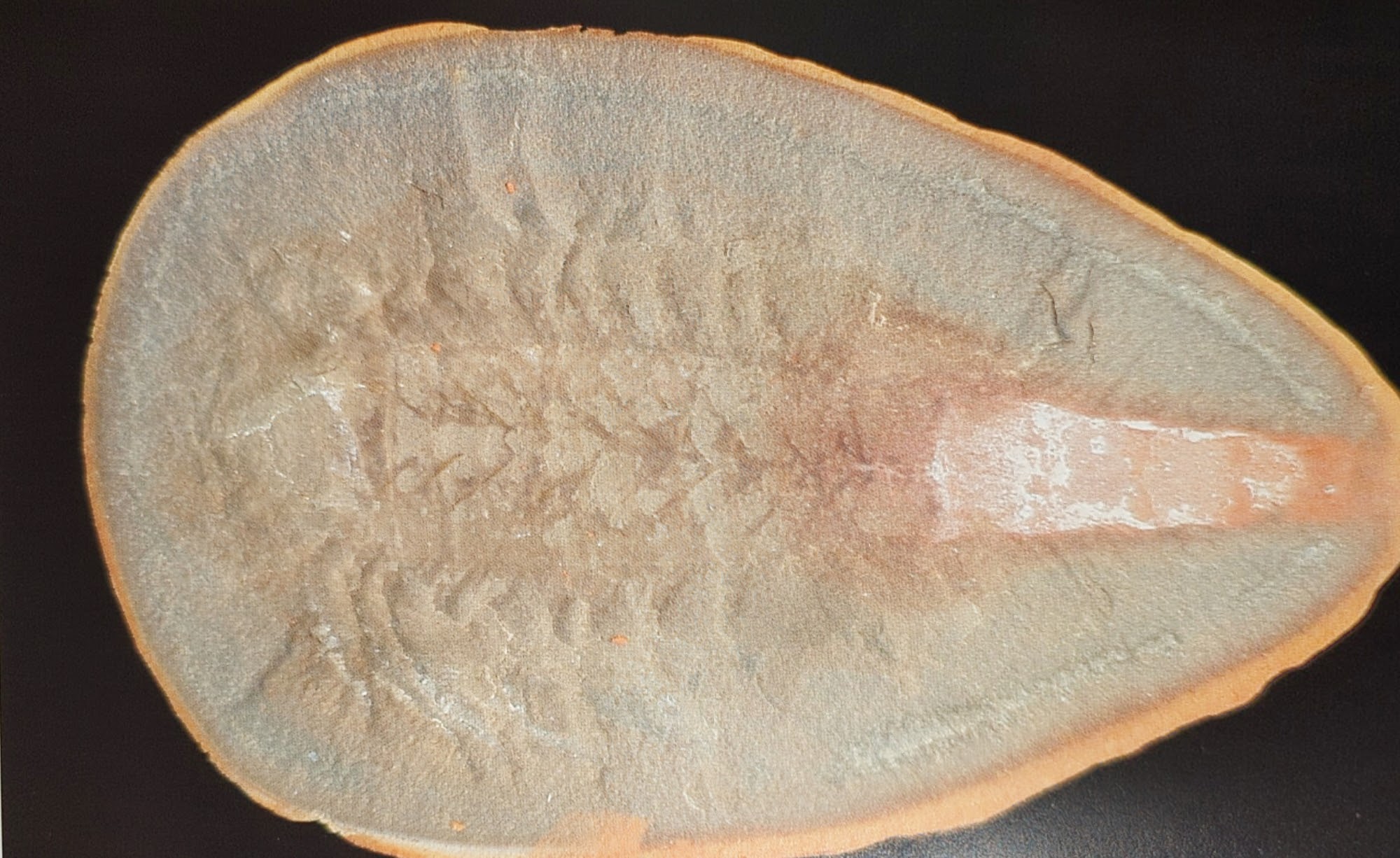
Mazon Monday #141: Kottixerxes gloriosus
Read more: Mazon Monday #141: Kottixerxes gloriosusThis is Mazon Monday post #141. What’s your favorite Mazon Creek fossil? Tell us at email:esconi.info@gmail.com. Thanks! Kottixerxes gloriosus is a very rare animal in the Essex biota of Mazon Creek. Out of 229,979 from Pit 11, only two were found! That leaves it tied with centipedes are the rarest animals. Even amphibians were more common, with three total in the sampling of 229,979. Those statistics come from the “Richardson’s Guide to the Fossil Fauna of Mazon Creek”. K. gloriosus was described in the paper “A strange arthropod from the Mazon Creek of Illinois and the Trans Permo-Triassic Merostomoidea (Trilobitoidea)” by…
-

Oldest Pterodactylus fossil found in Germany
Read more: Oldest Pterodactylus fossil found in GermanyPhys.org has a story about the oldest Pterodactylus ever found. This specimen was found in 2014 near Painten in central Bavaria. The animal lived about 152 million years ago, which is about a million years older than all other Pterodactylus specimens. All the details were published in a recent paper in the journal Fossil Record. “The rocks of the quarry, which yielded the new Pterodactylus specimen, consist of silicified limestone that has been dated to the upper Kimmeridgian stage (around 152 million years ago)”, explains Felix Augustin of the University of Tübingen, who is the lead author of the study.…
-
PBS Eons: The Unsolved Case of a Fake Human Fossil
Read more: PBS Eons: The Unsolved Case of a Fake Human FossilPBS Eons has a new episode over on Youtube. This one is about the Piltdown Man hoax, which is still a mystery. This episode is a mystery in the most classic literary sense of the word. It’s a whodunit detective story that spans more than a century – the saga of the Piltdown Man Hoax.
-
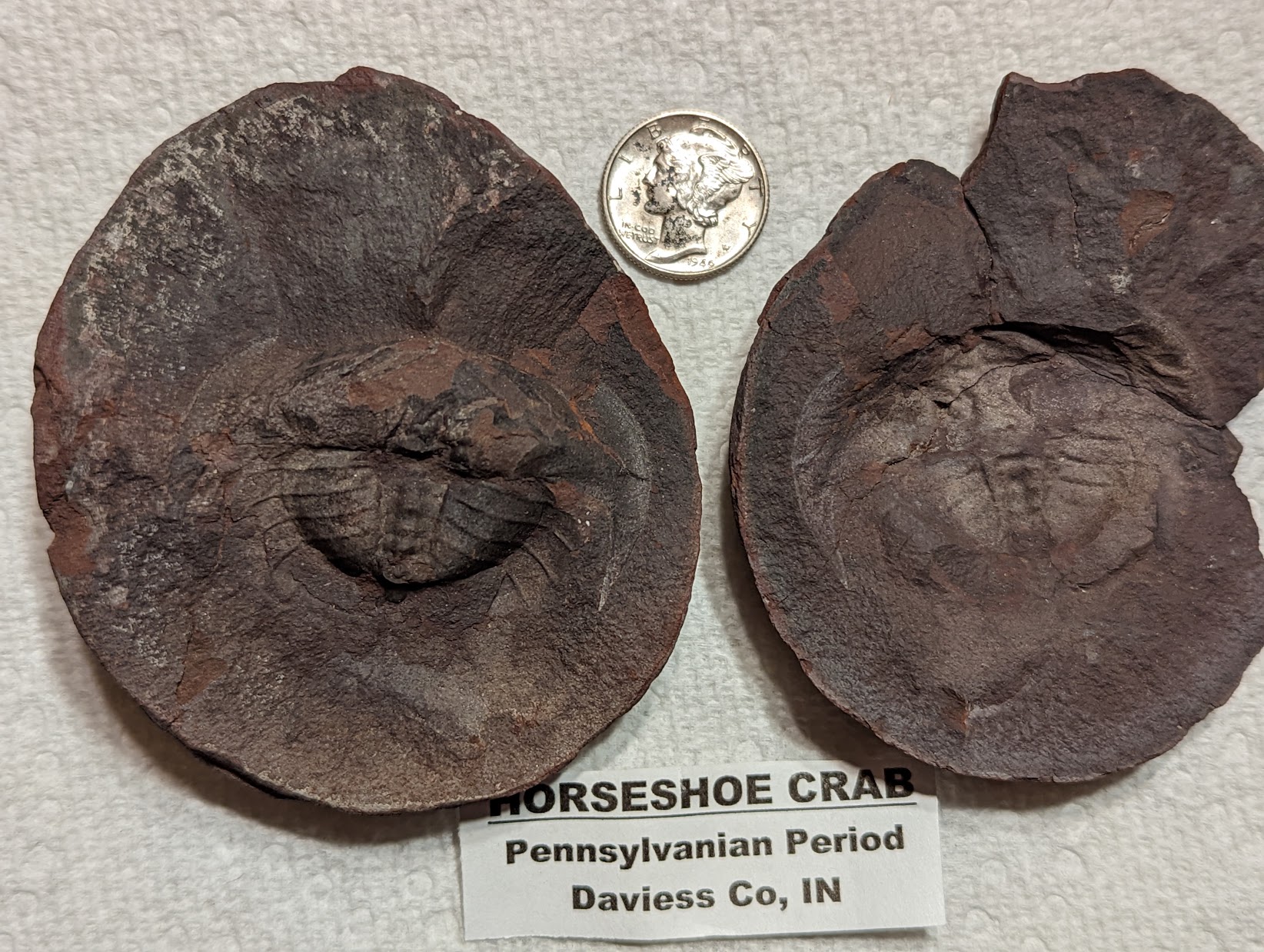
Fossil Friday #137: Horseshoe Crab from Indiana
Read more: Fossil Friday #137: Horseshoe Crab from IndianaThis is “Fossil Friday” post #137. Expect this to be a somewhat regular feature of the website. We will post any fossil pictures you send in to esconi.info@gmail.com. Please include a short description or story. Check the #FossilFriday Twitter hash tag for contributions from around the world! This week, we have a Euproops sp. horseshoe crab from Indiana. This specimen comes from Daviess County, Indiana. The fossils date to the Pennsylvanian Period. This deposit is a little younger than the Mazon Creek fossil deposit at around 305 million year old. More information about Euproops sp. can be found in Mazon…
-

Throwback Thursday #139: Looking Back at ESCONI
Read more: Throwback Thursday #139: Looking Back at ESCONIThis is Throwback Thursday #139. In these, we look back into the past at ESCONI specifically and Earth Science in general. If you have any contributions, (science, pictures, stories, etc …), please send them to esconi.info@gmail.com. Thanks! 25 Years Ago – December 1997 50 Years Ago – December 1972 70 Years Ago – December 1952
-
ESCONI December 2022 General Meeting – December 2nd, 2022 at 8:00 PM via Zoom – “The early diversification of birds: evidence from the Jehol avifauna”
Read more: ESCONI December 2022 General Meeting – December 2nd, 2022 at 8:00 PM via Zoom – “The early diversification of birds: evidence from the Jehol avifauna”December’s General Meeting will be held at 8:00 PM on December 2nd, 2022. The presenter is Dr. Jingmai O’Connor Associate Curator of Fossil Reptiles at the Field Museum. The topic of her talk is “The early diversification of birds: evidence from the Jehol avifauna”. She calls herself a paleontologista aka a punk rock paleontologist. Her research includes work on birds, dinosaurs, and the bird-dinosaur transition. The following is an excerpt from her Field Museum Staff Profile. Relatively speaking, my passion for paleontology developed late in life. I first became interested in evolution through Dr. Donald Prothero while a Geology…
-

6 feet of snow in Buffalo: What causes lake-effect storms like this?
Read more: 6 feet of snow in Buffalo: What causes lake-effect storms like this?Is the weather considered Earth Science? Sure, of course! The Conversation has an interesting post that discusses the hows and whys of “lake-effect snow”. Remember the huge snowstorm in Buffalo in mid-November 2022? Well… there are reasons why this happens so often for western New York. Six foot snowstorms are not rare in Buffalo and that is explained by its location, a warmer lake, and cold dry winds. Lake-effect snow is strongly influenced by the differences between the amount of heat and moisture at the lake surface and in the air a few thousand feet above it. A big contrast creates…
-

Mazon Monday #140: Gilpichthys greenei
Read more: Mazon Monday #140: Gilpichthys greeneiThis is Mazon Monday post #140. What’s your favorite Mazon Creek fossil? Tell us at email:esconi.info@gmail.com. Thanks! Gilpichthys greenei was a jawless fish. They are fairly rare and associated with the Essex fauna of Pit 11. G. greenei was described in 1977 by David Bardack and Eugene Richardson in the paper “New agnathous fishes from the Pennsylvanian of Illinois” appearing in Fieldiana, Vol. 33, No. 26, publication 1261, pp. 489-510. It was named for Frank Greene long time Mazon Creek collector, who is also the namesake for Reticulomedusa greenei. G. greenei appears in Jack Wittry’s “The Fossil Fauna of Mazon Creek” on…

ESCONI Gem, Mineral, and Fossil Show
Most Recent Post
- PBS Eons: The Chaotic Race to Name T. rex
 PBS Eons has a new episode. This one is about the controversial history of the name Tyrannosaurus rex.
- About ESCONI
- Around the Web
- Calendar of Events
- Code of Ethics and Conduct
- ESCONI Books for Sale
- ESCONI Gem, Mineral, and Fossil Show
- ESCONI in the News
- ESCONI Videos
- Field Trips
- Flashback Friday
- Fossil Friday
- Mazon Creek
- Mazon Monday
- Member Spotlight
- Membership Information
- Reference Material
- Throwback Thursday
- Trilobite Tuesday
Field trips require membership, but visitors are welcome at all meetings!
| Friday, April 10th | General Meeting – 8:00 PM via Zoom. Jessica Hull will present “Life in the Devonian Period, The Age of Fishes.” |
| Saturday, April 11th | Junior Study Group Meeting – 2:00 PM, in person at the College of DuPage Technical Education Center (TEC) Building – Room 1038A (Map). Katherine Howard will present on Sand and Sediment Collecting. Specifics of this meeting are available from Scott Galloway, 630-670-2591, gallowayscottf@gmail.com. |
| Saturday, April 18th | Paleontology Study Group – 7:30 PM via Zoom and in person at the College of DuPage, TEC, Room 1038B (Map). Keith Robitschek will present “Digging the Marl of the Lance Formation.” |
| No meeting this month | Mineralogy Study Group |
| No meeting this month | Junior Study Group |