Tag: MazonCreek
-

Mazon Monday #69: Cyperites bicarinatus
This is Mazon Monday post #69. What’s your favorite Mazon Creek fossil? Tell us at email:esconi.info@gmail.com. Cyperites bicarinatus is a common plant found in the Mazon Creek fossil biota. They are grass-like with a rounded attachment at one end and a point at the other. The Field Museum has a specimen that is about 40…
-

Mazon Monday #68: Dryptoscolex matthiesae
This is Mazon Monday post #68. What’s your favorite Mazon Creek fossil? Tell us at email:esconi.info@gmail.com. Dryptoscolex matthiesae is an annelid worm, which are part of class Polychaeta. It is known informally as the “Rat Worm”. Ida Thompson described D. matthiesae in 1979 in the paper “Errant polychaetes (Annelida) from the Pennsylvanian Essex Fauna of Northern…
-

Fossil Friday #64: Cyclopteris orbicularis
This is the “Fossil Friday” post #64. Expect this to be a somewhat regular feature of the website. We will post any fossil pictures you send in to esconi.info@gmail.com. Please include a short description or story. Check the #FossilFriday Twitter hash tag for contributions from around the world! Today we have a nice Cyclopteris orbicularis…
-
Mazon Monday #67: Trigonocarpus sp.
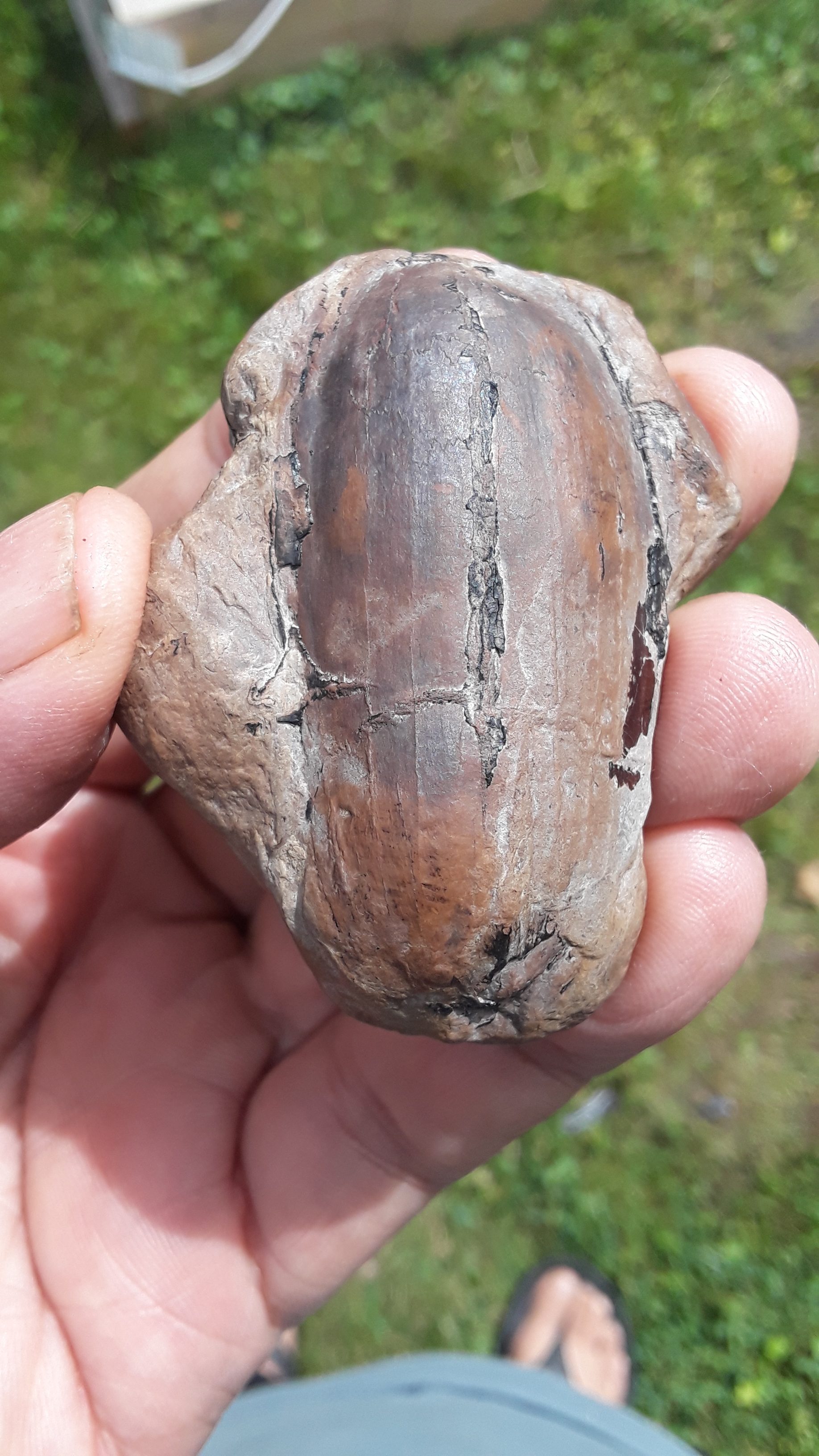
This is Mazon Monday post #67. What’s your favorite Mazon Creek fossil? Tell us at email:esconi.info@gmail.com. Trigonocarpus sp. was described in 1825, by Alexandre Brongniart, who was a French chemist, mineralogist, geologist, paleontologist, and zoologist back in the early 1800’s. It is the seed part of an extinct order of plants called Medullosales. In the…
-

Fossil Friday #63: Paleocaris typus
This is the “Fossil Friday” post #63. Expect this to be a somewhat regular feature of the website. We will post any fossil pictures you send in to esconi.info@gmail.com. Please include a short description or story. Check the #FossilFriday Twitter hash tag for contributions from around the world! Back in Mazon Monday #65, we highlighted…
-
Mazon Monday #66: Video for June 2021 Paleontology Meeting – “Collecting Mazon Creek Fossils”
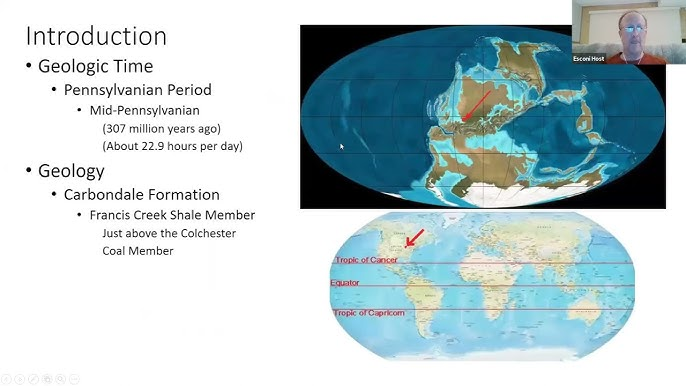
This is Mazon Monday post #66. What’s your favorite Mazon Creek fossil? Tell us at email:esconi.info@gmail.com. The topic of our Paleontology Study Group meeting was “Collecting Mazon Creek Fossils”. It was presented by ESCONI President Keith Robitschek. The presentation included State Park Links, Maps, Surface Collecting Concretions, Concretion Storage, Opening, Cleaning, and Care.
-

Fossil Friday #62: Trigonocarpus sp. – A Seed from Mazon Creek
This is the “Fossil Friday” post #62. Expect this to be a somewhat regular feature of the website. We will post any fossil pictures you send in to esconi.info@gmail.com. Please include a short description or story. Check the #FossilFriday Twitter hash tag for contributions from around the world! This week we have a very special…
-

Mazon Monday #65: Palaeocaris typus
This is Mazon Monday post #65. What’s your favorite Mazon Creek fossil? Tell us at email:esconi.info@gmail.com. Another shrimp is up for this week’s Mazon Monday. We have Palaeocaris typus. P. typus was described way back in 1865 by Meek and Worthen. Fielding Bradford Meek (1817 – 1876) was an American geologist and paleontologist, who…
-
Fossil Friday #61: Calamostachys sp. from the Danville Spoil Pile
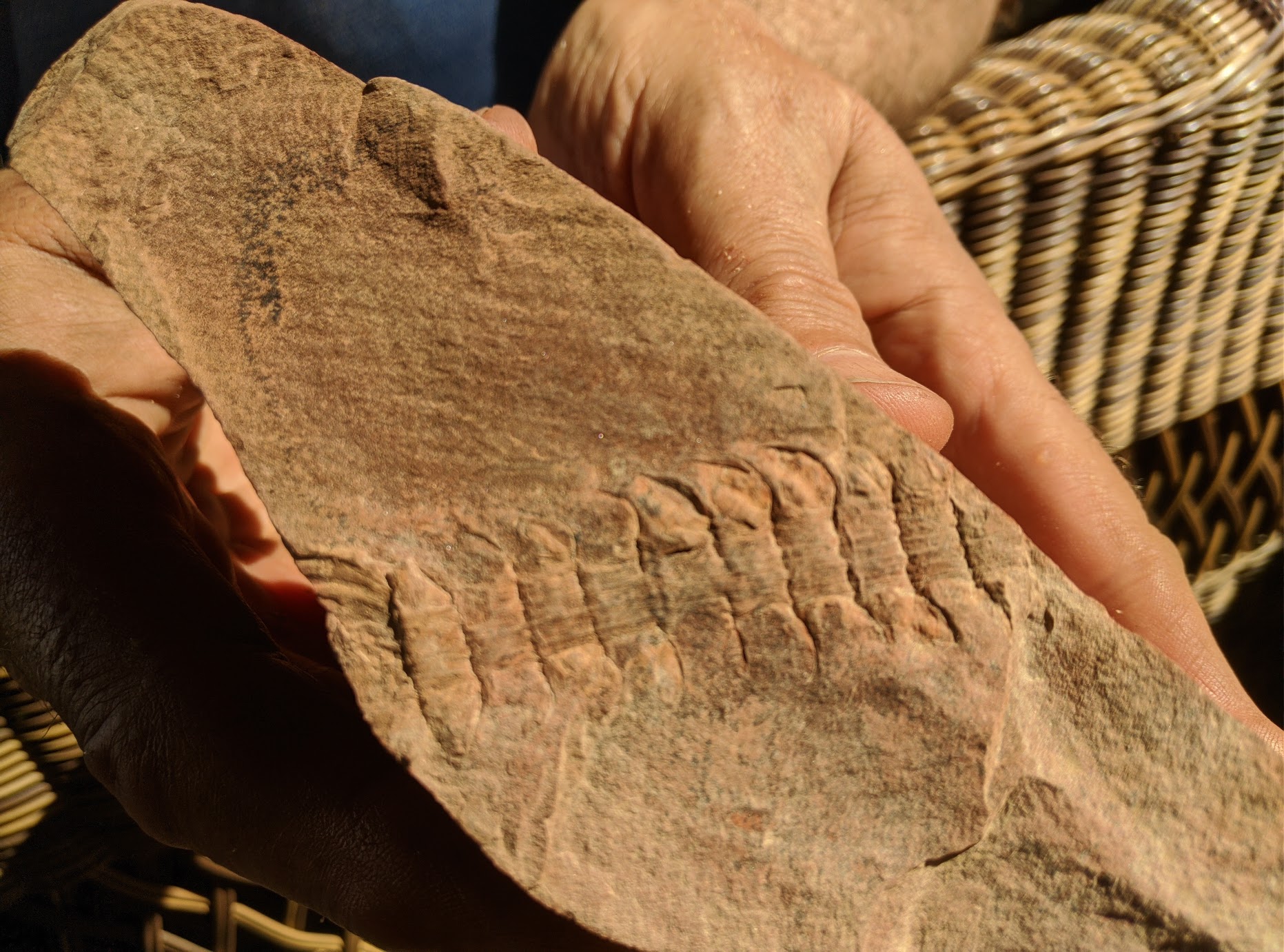
This is the “Fossil Friday” post #61. Expect this to be a somewhat regular feature of the website. We will post any fossil pictures you send in to esconi.info@gmail.com. Please include a short description or story. Check the #FossilFriday Twitter hash tag for contributions from around the world! The field trip to the Danville area…
-

Mazon Monday #64: Essoidea epiceron
This is Mazon Monday post #64. What’s your favorite Mazon Creek fossil? Tell us at email:esconi.info@gmail.com. For Mazon Monday this week, we have a small filter feeding shrimp, which is one of the smallest known from the Mazon Creek fossil biota, Essoidea epiceron, was described in 1974 by Dr. Frederick Schram, who has described many…
-
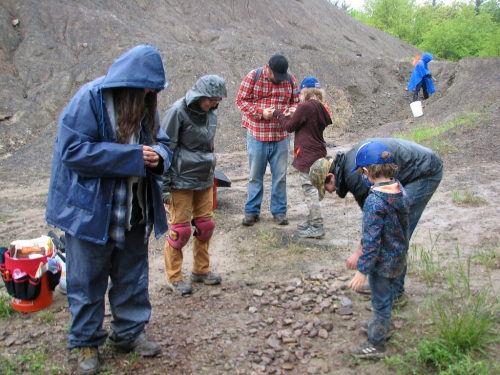
Mazon Monday #63: Braceville Field Trip Report
This is Mazon Monday post #63. What’s your favorite Mazon Creek fossil? Tell us at email:esconi.info@gmail.com. This spring’s field trip to the Braceville spoil pile started as a cool, cloudy day with a chance of rain. 45 members chanced the weather to collect Mazon Creek fossil concretions. Around 10:30, a steady, but light, drizzle fell…
-
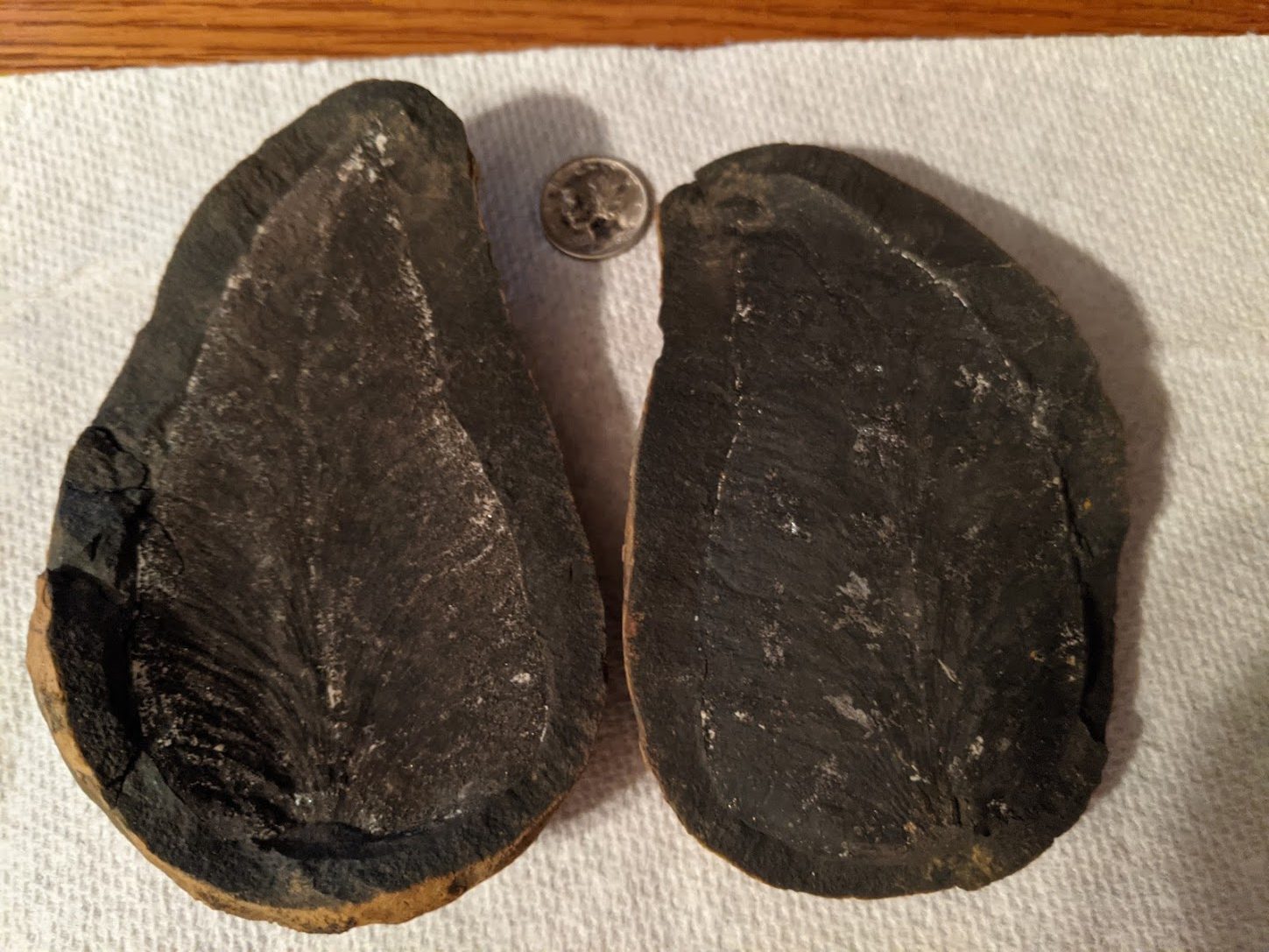
Fossil Friday #59: Neuropteris inflata
This is the “Fossil Friday” post #59. Expect this to be a somewhat regular feature of the website. We will post any fossil pictures you send in to esconi.info@gmail.com. Please include a short description or story. Check the #FossilFriday Twitter hash tag for contributions from around the world! Another Chowder Flatts fossil is our feature…
-

Mazon Monday #62: Common Descent Podcast Episode 110 – Mazon Creek Fossil Beds
This is Mazon Monday post #62. What’s your favorite Mazon Creek fossil? Tell us at email:esconi.info@gmail.com. “Common Descent” is a podcast about paleontology, biology, and evolution. The hosts are David Moscato and Will Harris, who are paleontologists and science communicators. As it says on their website, they “love talking about fossils, evolution, and life history” …
-

Fossil Friday #58: Clam Clam from Chowder Flatts
This is the “Fossil Friday” post #58. Expect this to be a somewhat regular feature of the website. We will post any fossil pictures you send in to esconi.info@gmail.com. Please include a short description or story. Check the #FossilFriday Twitter hash tag for contributions from around the world! Clowder Flatts was a Mazon Creek fossil…
-
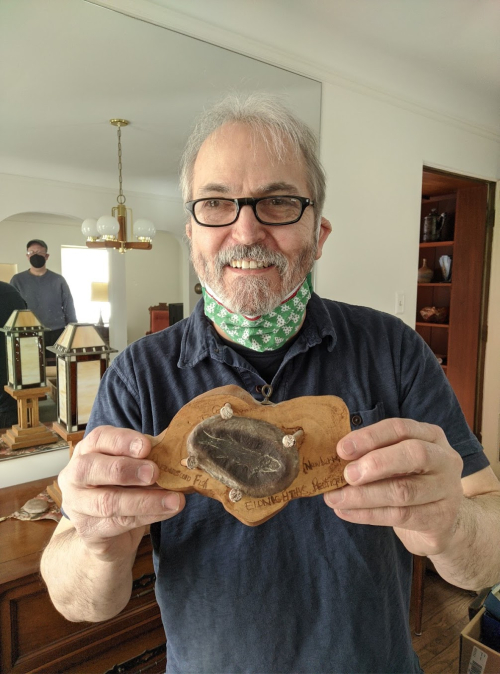
Mazon Monday #61: Video for May Paleontology Meeting – “A Historical Perspective on Collecting Mazon Creek and Pit 11” by Peter Kruty
This is Mazon Monday post #61. What’s your favorite Mazon Creek fossil? Tell us at email:esconi.info@gmail.com. We are very excited to post the video of Peter Kruty’s presentation for the May 2021 Paleontology Meeting. The title of his talk was “A historical Perspective on Collecting Mazon Creek and Pit 11”. It was a very interesting…
-
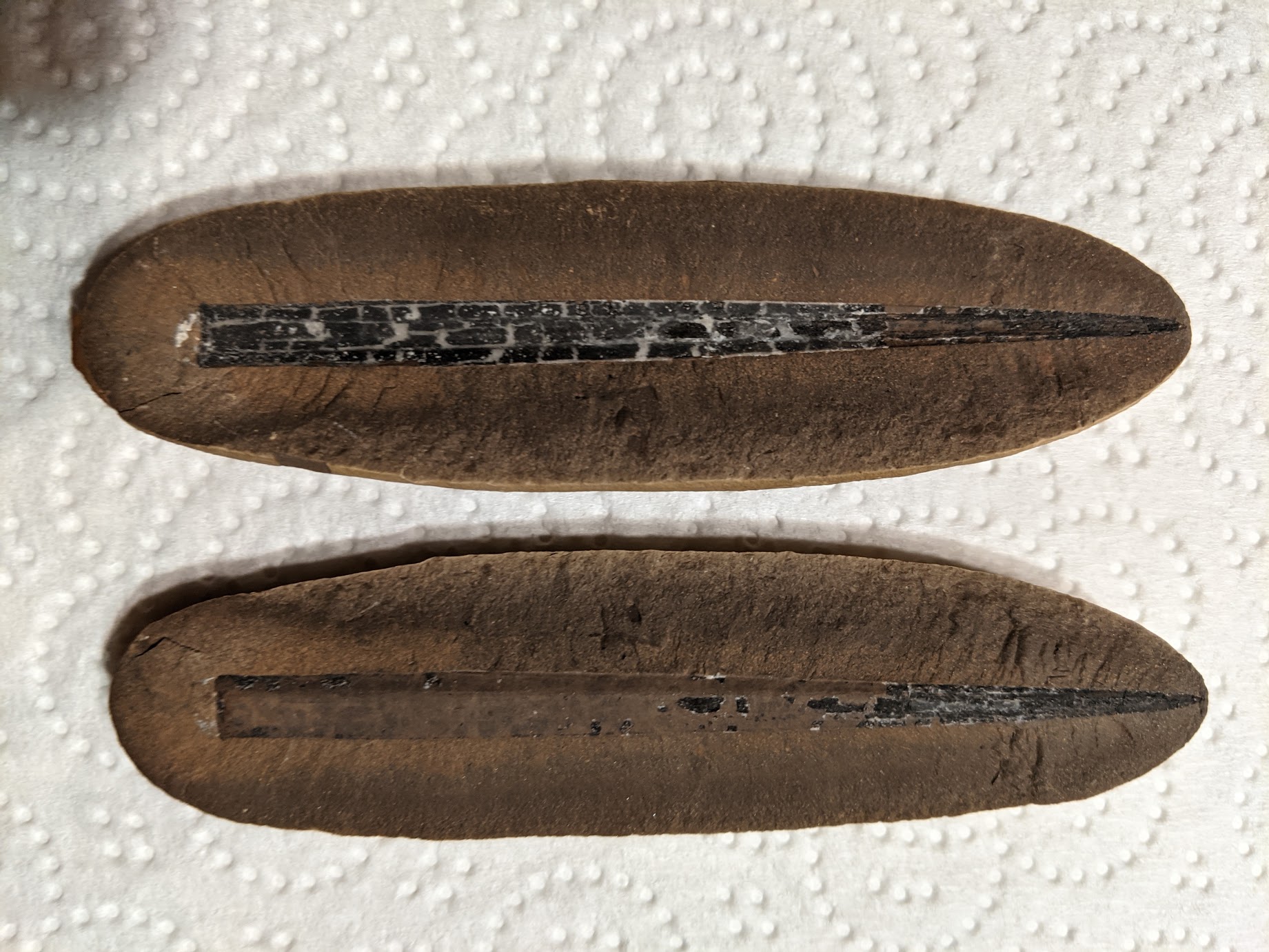
Fossil Friday #57: Cyperites bicarinatus
This is the “Fossil Friday” post #57. Expect this to be a somewhat regular feature of the website. We will post any fossil pictures you send in to esconi.info@gmail.com. Please include a short description or story. Check the #FossilFriday Twitter hash tag for contributions from around the world! For this week, we have a few…
-

Mazon Monday #60: Annularia inflata
This is Mazon Monday post #60. What’s your favorite Mazon Creek fossil? Tell us at email:esconi.info@gmail.com. —————————————————– This week, we are looking at a species of Annularia. Annularia is actually the foliage of a plant called Calamites. Calamites is classified as a Sphenopsid, which is a primitive vascular plant characterized by jointed ribbed stems and small…
-
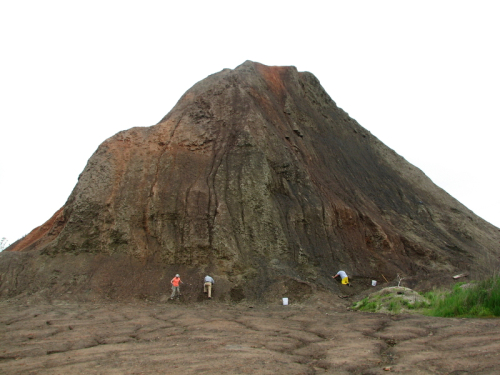
Fossil Friday #56: Braceville Mazon Creek Fossils
This is the “Fossil Friday” post #56. Expect this to be a somewhat regular feature of the website. We will post any fossil pictures you send in to esconi.info@gmail.com. Please include a short description or story. Check the #FossilFriday Twitter hash tag for contributions from around the world! This weekend, May 15th and 16th, 2021,…
-
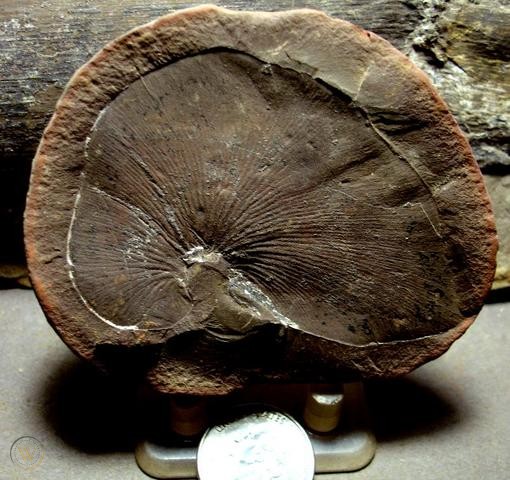
Mazon Monday #59: Cyclopteris orbicularis
This is Mazon Monday post #59. What’s your favorite Mazon Creek fossil? Tell us at email:esconi.info@gmail.com. —————————————————– This week, we visit an interesting plant fossil called Cyclopteris orbicularis, which is a circular leaf associated with the seed ferns Laveineopteris, Neuropteris, Reticulopteris, Odontopteris, and Macroneuropteris. The Cyclopteris leaves are attached to the lower parts of the…
-
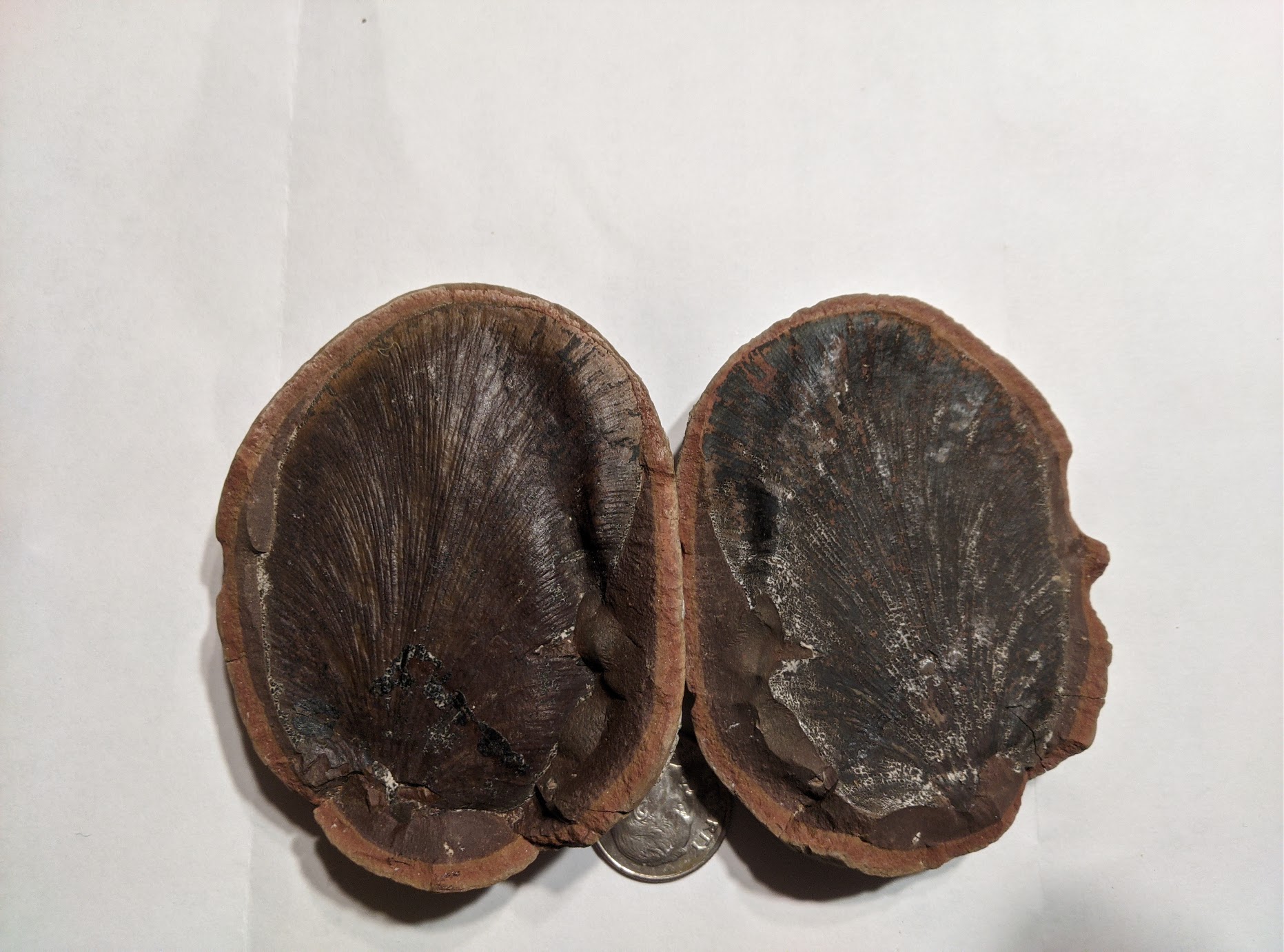
Fossil Friday #55: Cyclopteris trichomanoides
This is the “Fossil Friday” post #55. Expect this to be a somewhat regular feature of the website. We will post any fossil pictures you send in to esconi.info@gmail.com. Please include a short description or story. Check the #FossilFriday Twitter hash tag for contributions from around the world! Today, we visit another Mazon Creek plant…
-

Mazon Monday #58: Arthropleura sp.
This is Mazon Monday post #58. What’s your favorite Mazon Creek fossil? Tell us at email:esconi.info@gmail.com. —————————————————– Arthropleura is a genus of extinct millipedes. Their size ranged from about 0.3 meters to about 2.5 meters long. They are the largest known land invertebrates. Fossils are known from North America and Scotland, and are thought to…
-
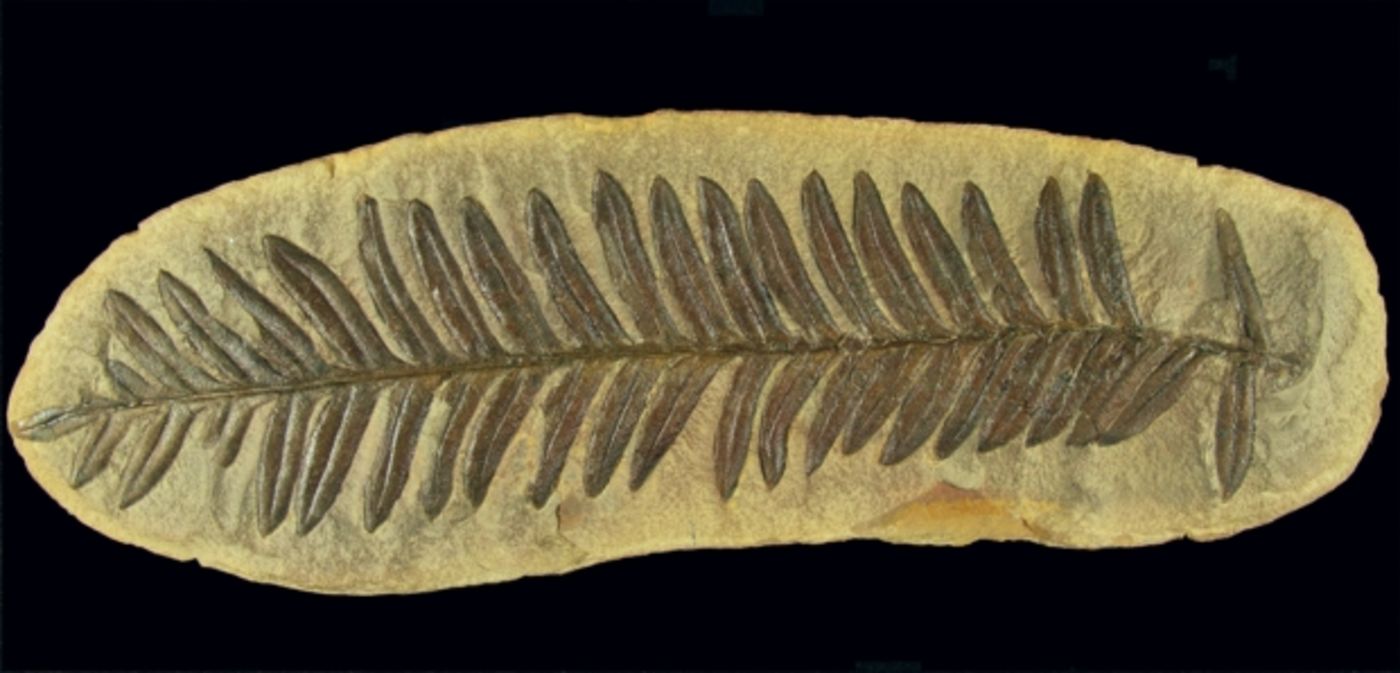
Mazon Monday #57: Alethopteris serlii
This is Mazon Monday post #57. What’s your favorite Mazon Creek fossil? Tell us at email:esconi.info@gmail.com. —————————————————– If you’ve seen one, you know that Alethopteris serlii can have breathtaking beauty. Whether from the Mazon River or one of the other more terrestrial localities, like its sister taxa Alethopteris sullivantii, it is generally bold in preservation. …
-
Fossil Friday #53: Kankakeea grundyi
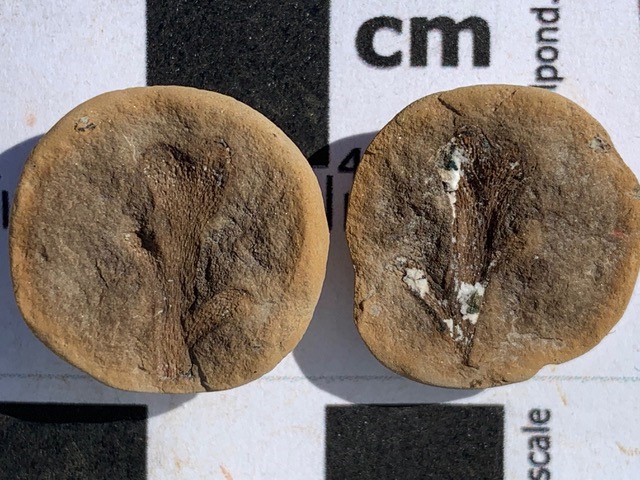
This is the “Fossil Friday” post #53. Expect this to be a somewhat regular feature of the website. We will post any fossil pictures you send in to esconi.info@gmail.com. Please include a short description or story. Check the #FossilFriday Twitter hash tag for contributions from around the world! A Mazon Creek fossil from Pit 11…
-
Throwback Thursday #55: John and Lucy McLuckie
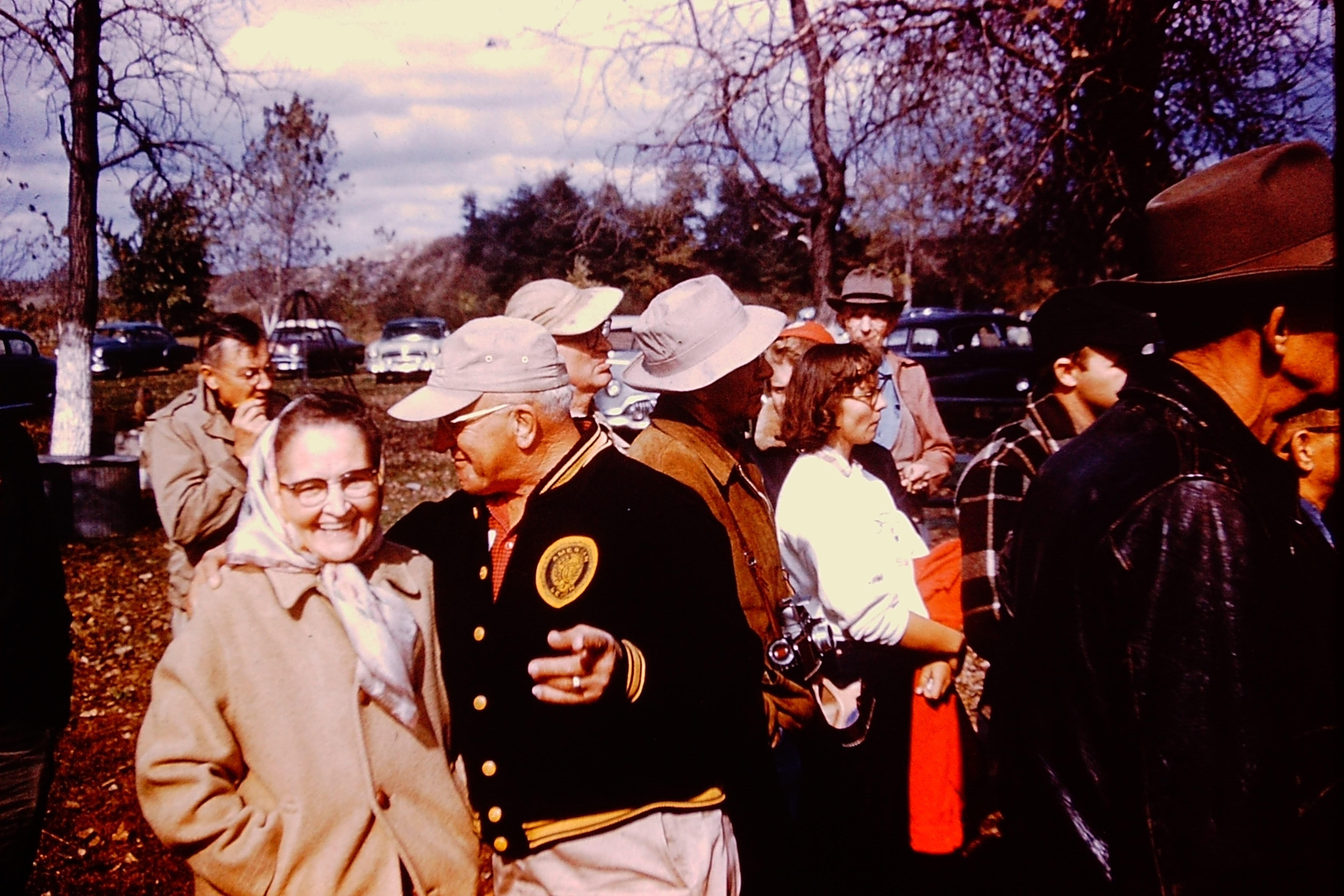
This is Throwback Thursday #55. In these, we look back into the past at ESCONI specifically and Earth Science in general. If you have any contributions, (science, pictures, stories, etc …), please send them to esconi.info@gmail.com. Thanks! A giant in the history Mazon Creek fossil collecting and early ESCONI member, John McLuckie and his wife…
-
Mazon Monday #56: Didontogaster cordylina
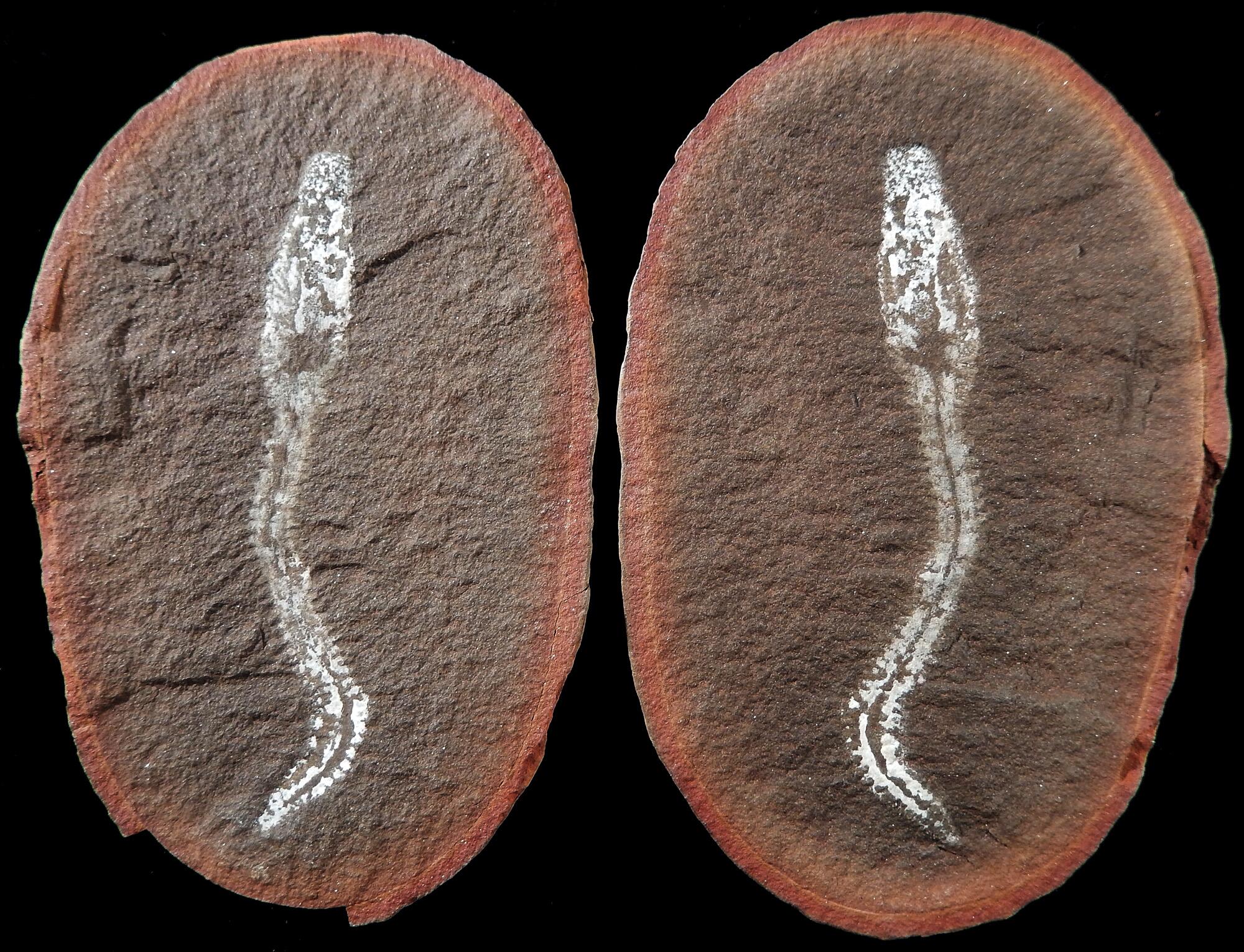
This is Mazon Monday post #56. What’s your favorite Mazon Creek fossil? Tell us at email:esconi.info@gmail.com. —————————————————– The first format descriptions of the Polychaete worms of the Mazon Creek biota didn’t happen until 1979. One of the first was Didontogaster cordylina, commonly known as the tummy tooth worm. D. cordylina was described by Ida Thompson…
-

Fossil Friday #52: Fossil Wood
This is the “Fossil Friday” post #52. Expect this to be a somewhat regular feature of the website. We will post any fossil pictures you send in to esconi.info@gmail.com. Please include a short description or story. Check the #FossilFriday Twitter hash tag for contributions from around the world! Fossil wood can be very different from…
-

Mazon Monday #55: Neuropteris inflata
This is Mazon Monday post #55. What’s your favorite Mazon Creek fossil? Tell us at email:esconi.info@gmail.com. For this week, we have a somewhat uncommon form of Neuropteris… Neuropteris inflata. These leaves look very similar to Macroneuropteris scheuchzerii. And, could be taken for a large specimen. However, these are however different than M. scheuchzerii and are…
-

Fossil Friday #51: Clam-clam
This is the “Fossil Friday” post #51. Expect this to be a somewhat regular feature of the website. We will post any fossil pictures you send in to esconi.info@gmail.com. Please include a short description or story. Check the #FossilFriday Twitter hash tag for contributions from around the world! Today, we have a couple specimens of…
-

Mazon Monday #54: Octomedusa pieckorum
This is Mazon Monday post #54. What’s your favorite Mazon Creek fossil? Tell us at email:esconi.info@gmail.com. Octomedusa piekorum was described in 1968 in a paper by Ralph Gordon Johnson and Eugene S. Richardson, Jr. Both worked at the Field Museum of Natural History. The paper, “The Essex Fauna and Medusae”, was published in the Museum’s…