Tag: MazonCreek
-
Mazon Monday #339: Braceville Fall 2026 Field Trip Report
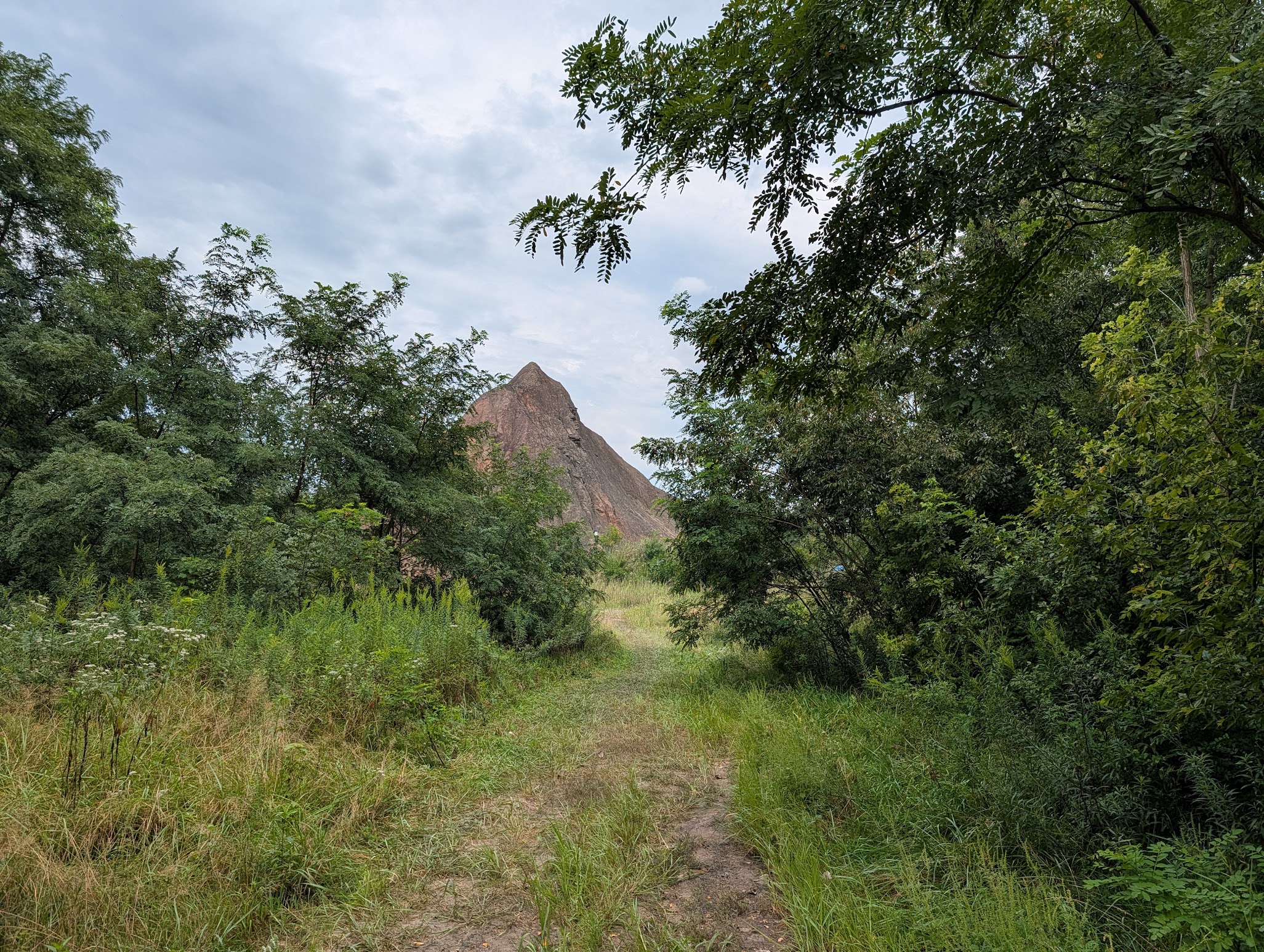
At the end of August, ESCONI held our annual Fall field trip to the Braceville Spoil Pile, known as “Worm Hill.” It was a huge success. The weather cooperated for the most part. Saturday, August 29th was a beautiful day, with no rain and highs in the mid-70’s. Unfortunately, Saturday, August 30th started out with…
-
Fossil Friday #333: Crossotheca sagittata plate
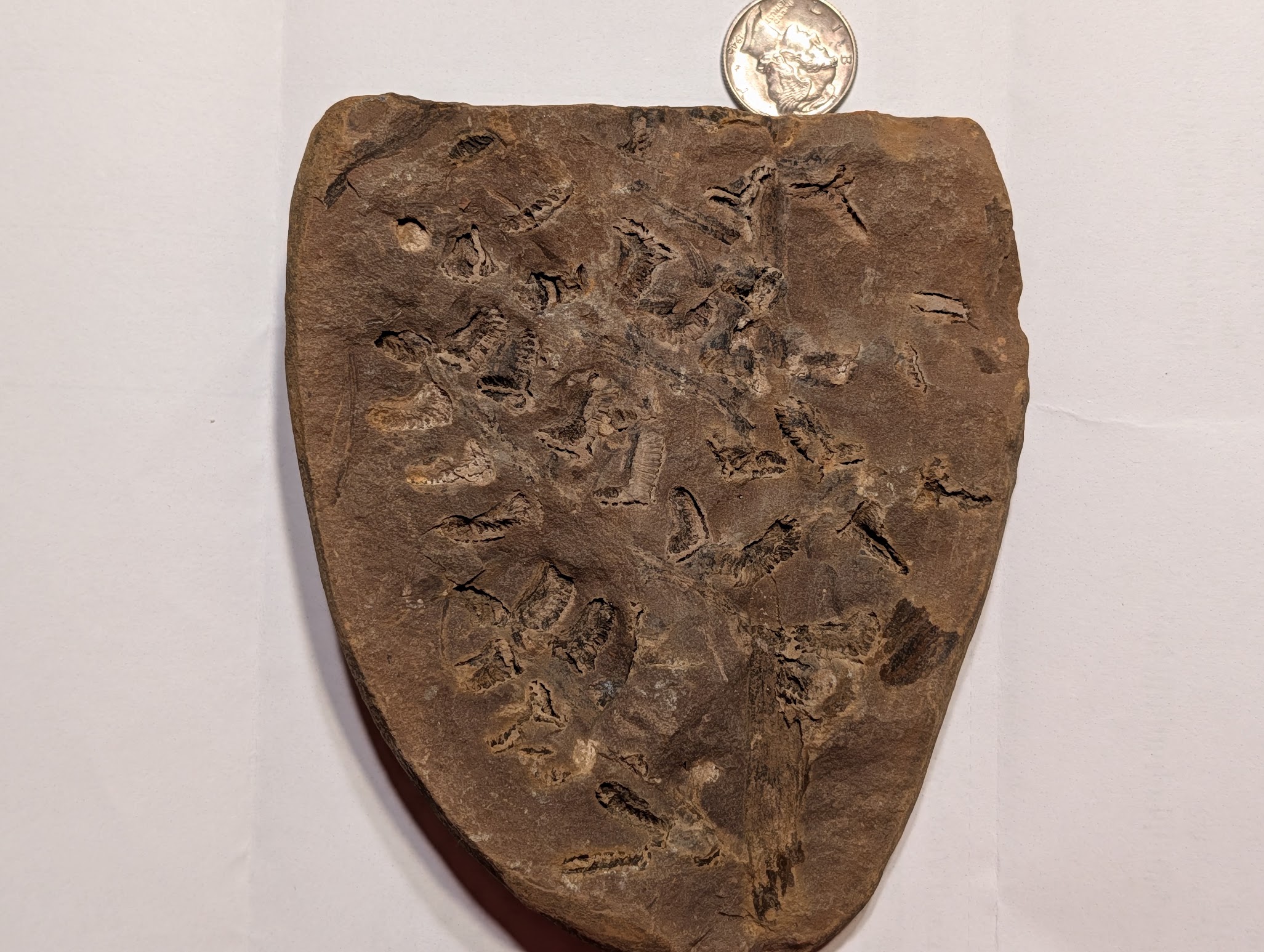
Today, we have a largish plate of Crossotheca sagittata. Crossotheca sagittata is the fertile form of Pecopteris fontainei (see Mazon Monday #129). Remember, paleobotany specifies separate species for different plant parts, which is why we have two names for the same plant. This concept is known as form genera.
-
Mazon Monday #338: Howellitubus whitfieldorum… The Mazon Creek Worm That Wasn’t
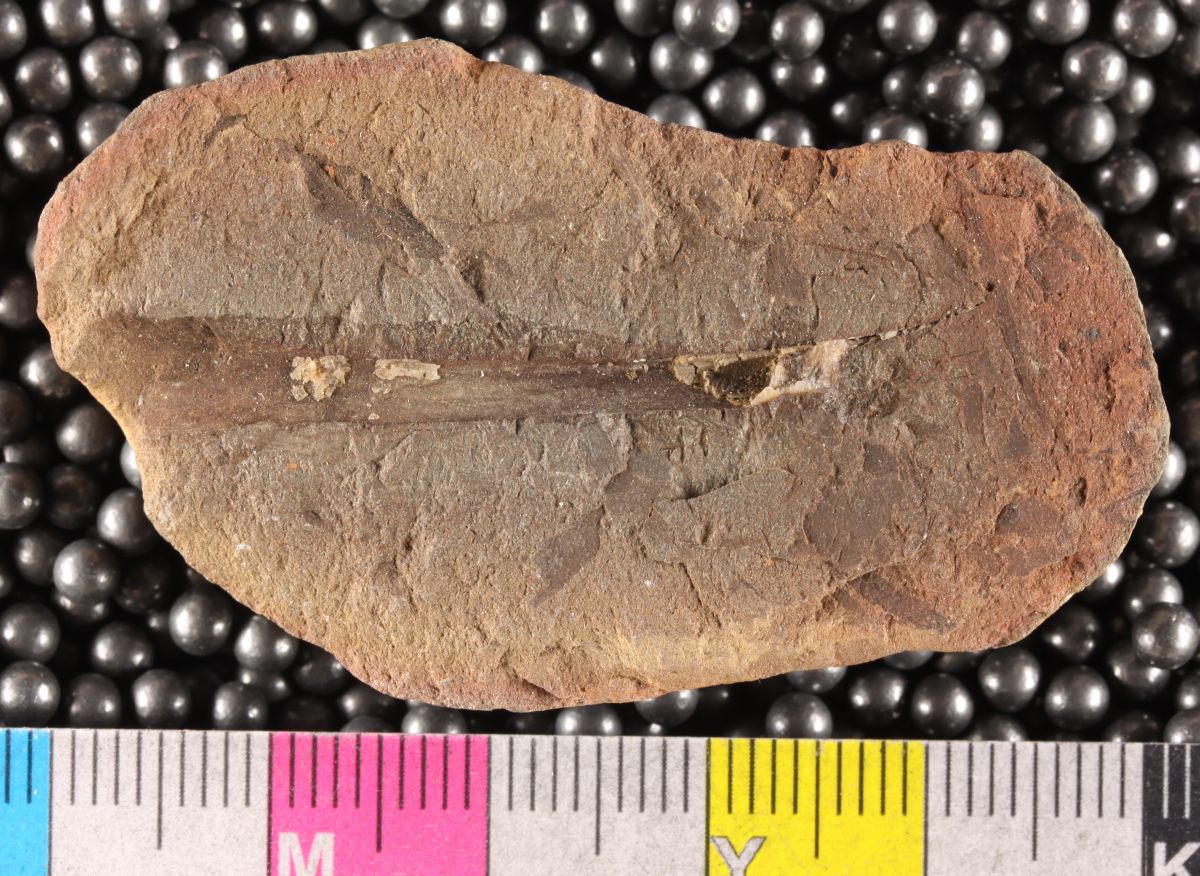
The history of Mazon Creek paleontology is filled with fossils that have been reinterpreted as new species when new information became available. Animals have been moved from one group to another, species have been renamed, and some fossils once thought to represent animals have turned out to be something else entirely. There are even some,…
-
Fossil Friday #332: Macroneuropteris scheuchzeri from Kansas
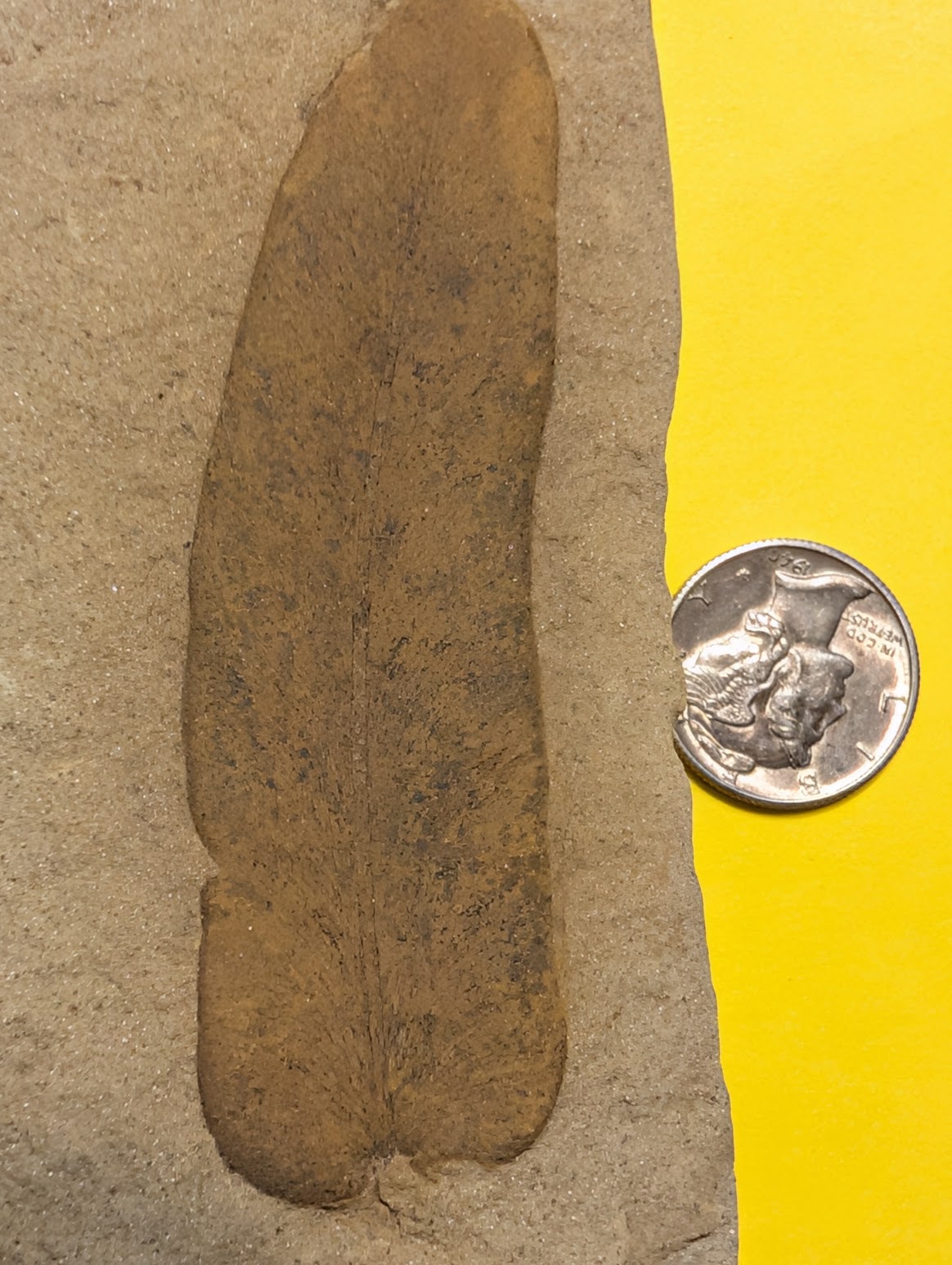
Today, we have a Macroneuropteris scheuchzeri (see Mazon Monday #39) from the Tonganoxie Sandstone (Stranger Formation of the Douglas Group in the Virginian Stage) near Ottawa, Kansas. That formation has been dated to a range of 306 to 299 million years ago, which is younger than Mazon Creek. Many plant fossils were collected from the…
-
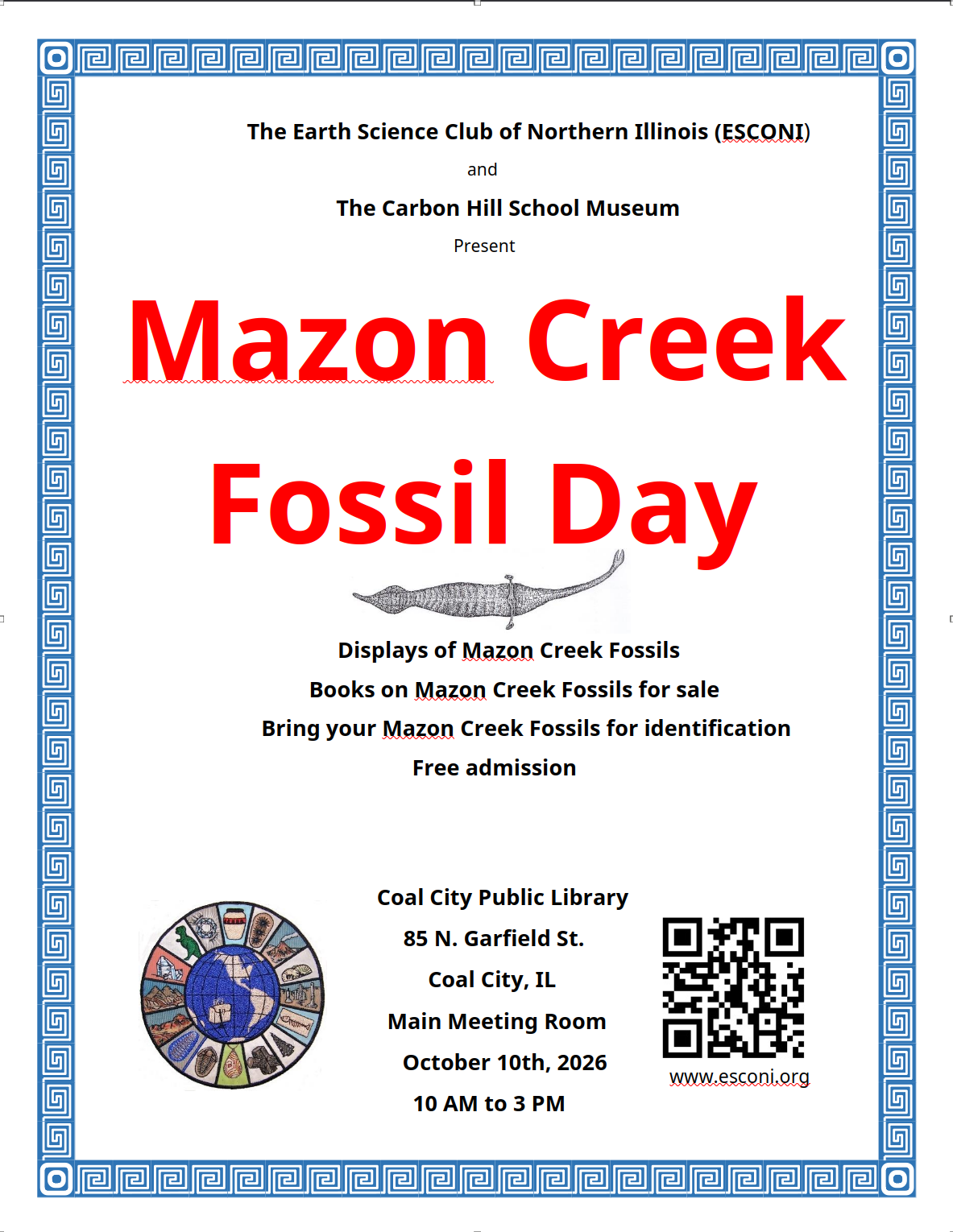
Mazon Creek Fossil Day 2026 – Saturday, October 10th, 2026 – Coal City Library
The 2026 Mazon Creek Fossil Day will be held on Saturday, October 10th, 2026 at the Coal City Library from 10 AM to 3 PM. See you there! Previous events
-

Mazon Monday #337: Carbohymen testai
I had a chance to catch up with Jack Wittry at the Field Museum this weekend. He mentioned that he had tracked down the insect whose name we first encountered at Tom Testa Day at the Carbon Hill School Museum back in June. At the time, Jack wasn’t sure whether Carbohymen testai was actually a…
-
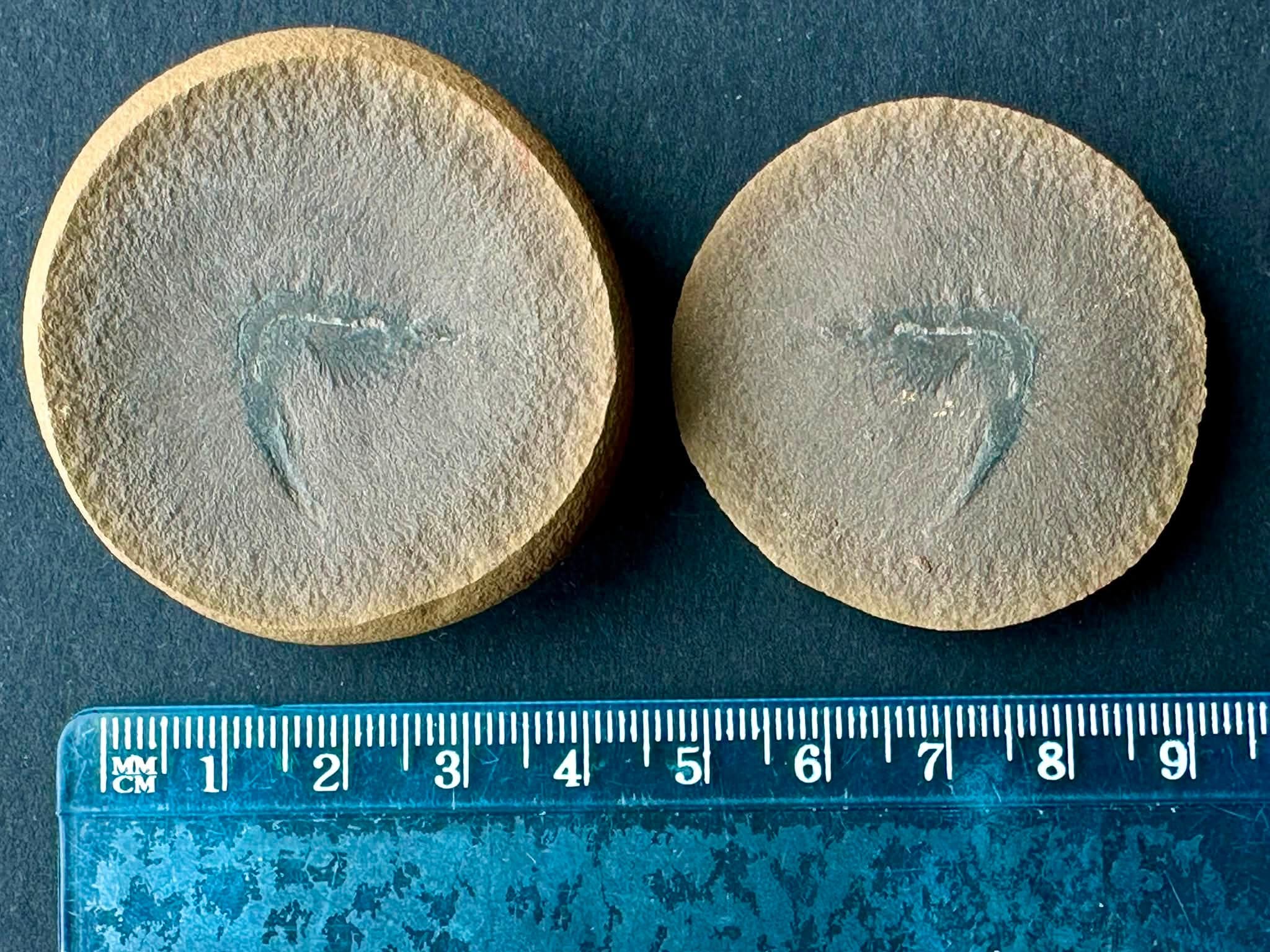
Fossil Friday #331: Peachocaris strongi
Jerry Zhu posted this stunning example of Peachocaris strongi to the “Illinois, Mazon Creek, and Carboniferous Fossils of the World” group on Facebook a few weeks ago. The concretion was collect from Pit 11. From the looks of it, it must have opened via freeze/thaw.
-
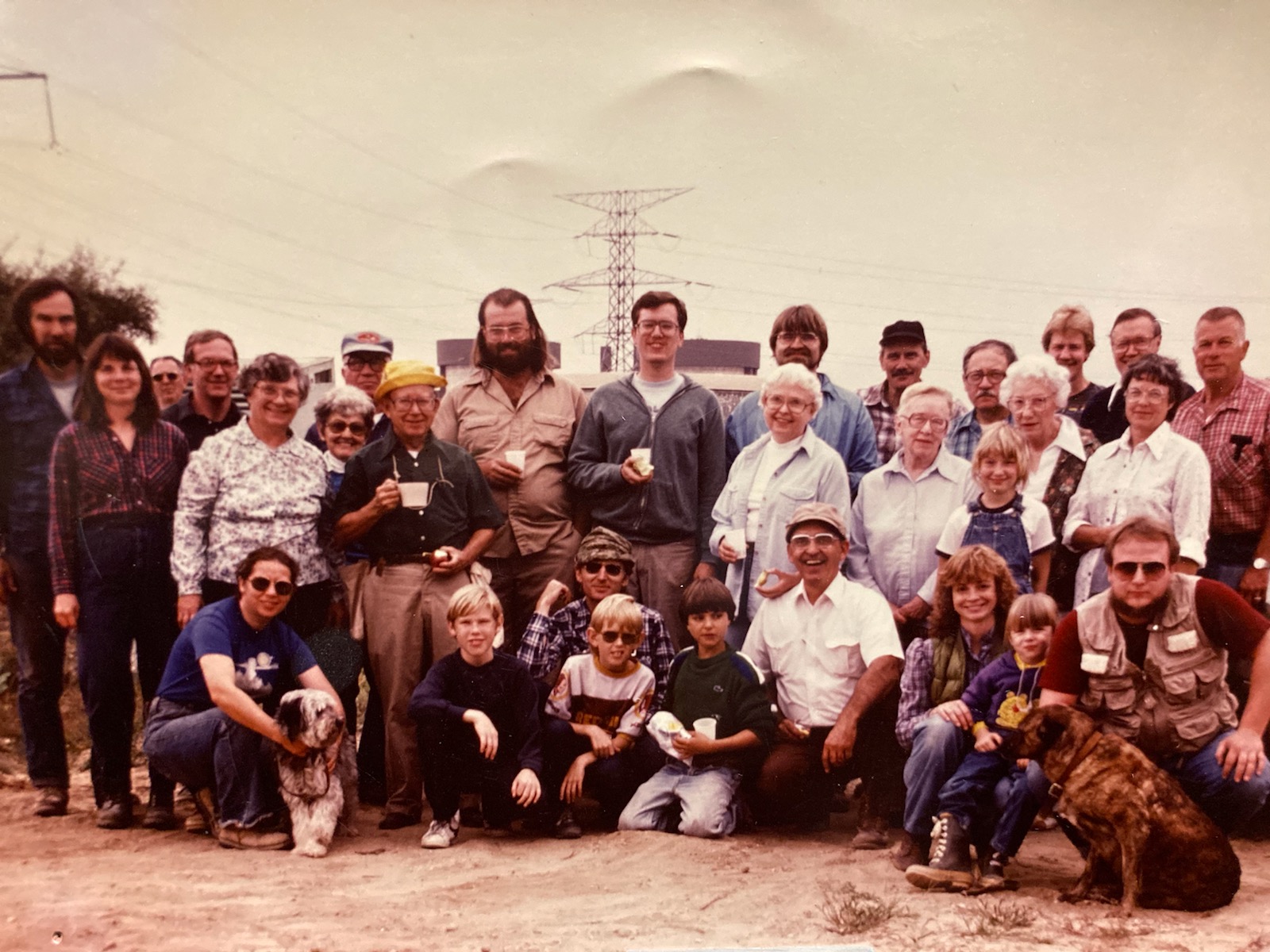
Mazon Monday #336: 1980’s Pit 11 Collecting
Keeping with the history theme, here’s a photo from a field trip to Pit 11 most likely from the 1980’s. You can see Braidwood Station in the background. Construction on August 1st, 1975 and completed in 1988.
-
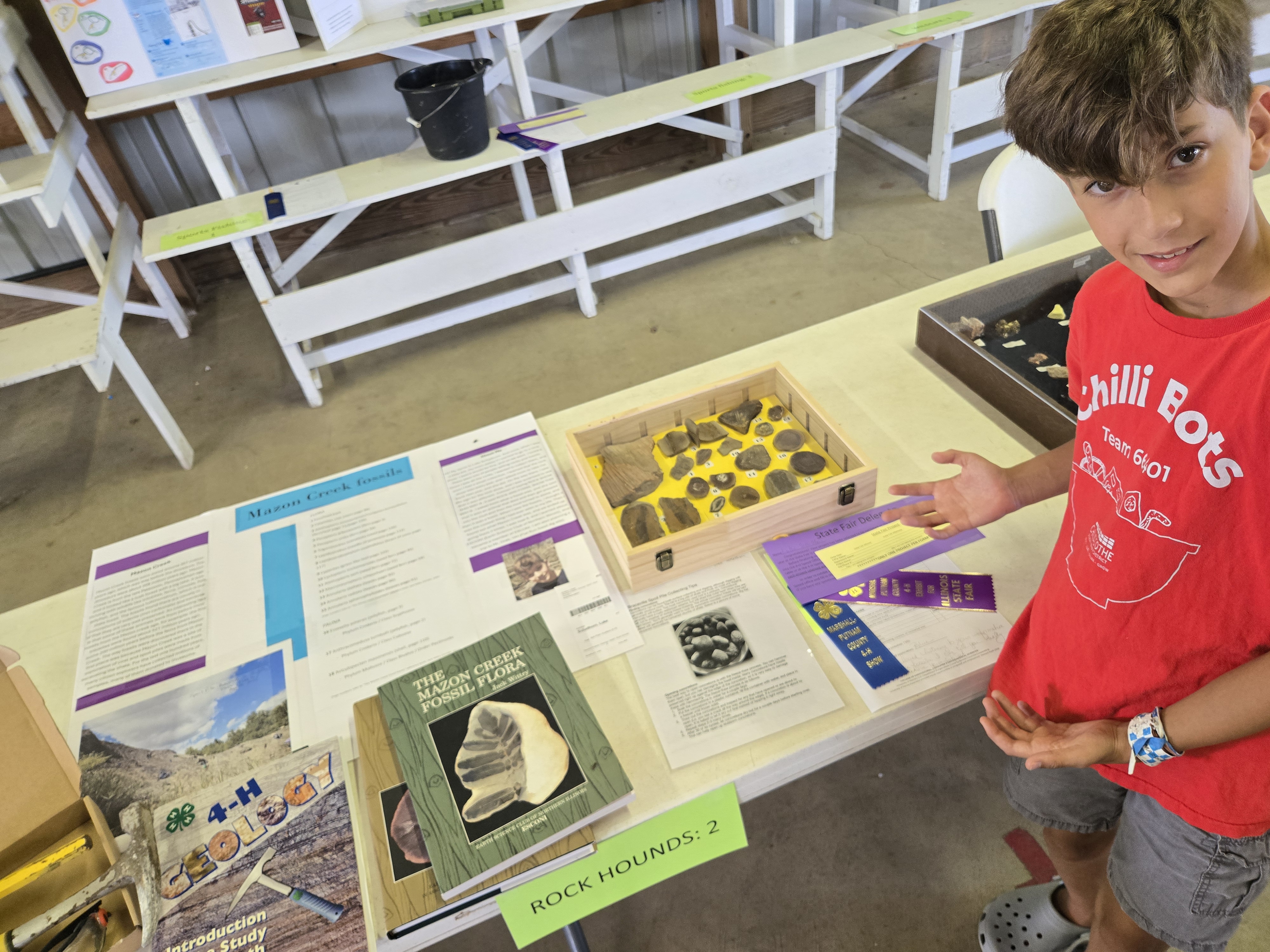
Fossil Friday #330: Mazon Creek in the Illinois State Fair 4H
ESCONI Junior Luke Schallhorn had his Mazon Creek Fossils 4H geology project selected as a delegate from Marshall-Putnam County to the Illinois State Fair! It was on display on Sunday, August 16th, 2026. Maybe, you saw it?!?
-

Mazon Monday #335: Richardson Collecting at Pit 11 in 1974
A few years ago, Charlie Shabica donated a collection of historical documents to ESCONI, and these photographs were among the materials. They document a Mazon Creek field trip in July 1974 led by Eugene Richardson Jr., Curator of Fossil Invertebrates at the Field Museum.
-

Fossil Friday #329: Pit 11 Roachoid!
This beautiful roachoid comes from ESCONI President Chris Berg. He collected it from the Pit 11. It opened up recently via the freeze/thaw method. Thanks for sharing, Chris!
-

Mazon Monday #334: Mariopteris lobatifolia
Mariopteris lobatifolia is one of the rare species of Mariopteris. Its pinnules have a very distinctive wing-like shape. See Mazon Monday #181 for the most common variety of Mariopteris, Mariopteris nervosa.
-
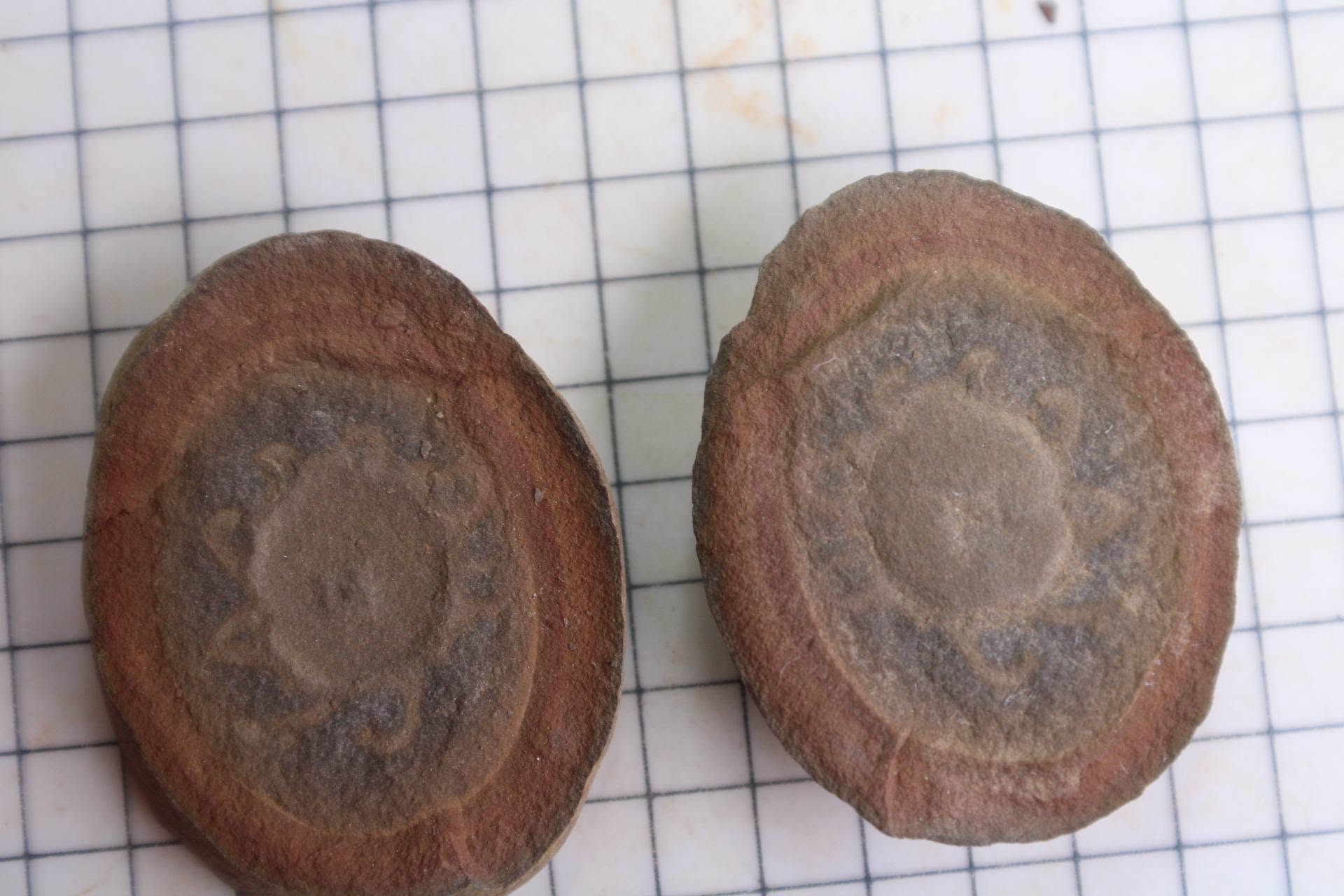
Fossil Friday #328: A Pit 11 Octomedusa piekorum
Well, we know how Alan Keith is spending his summer vacation… freeze/thawing his Mazon Creek concretions. Although, probably not out in the hot Texas sun. Alan had this nicely detailed Octomedusa piekorum (see Mazon Monday #54) open up recently.
-
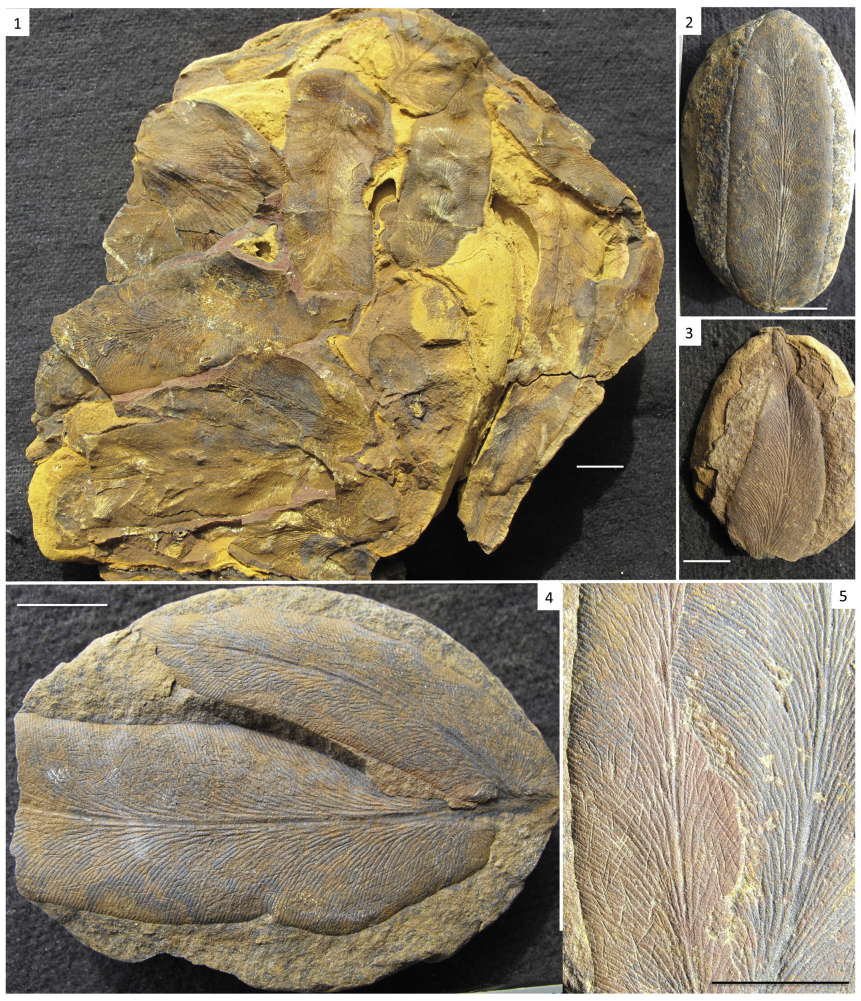
Mazon Monday #333: Interesting Pennsylvanian Fossil Sites – Okmulgee, Oklahoma
Way back in Mazon Monday #10, we referenced the paper “Mazon Creek-Type Fossil Assemblages in the U.S. Midcontinent Pennsylvanian” written by G. C. Baird, S. D. Sroka, C. W. Shabica, T. L. Beard, A. C. Scott and F. M. Broadhurst in October 1985. The paper lists and discusses the various Pennsylvanian fossil sites known to…
-
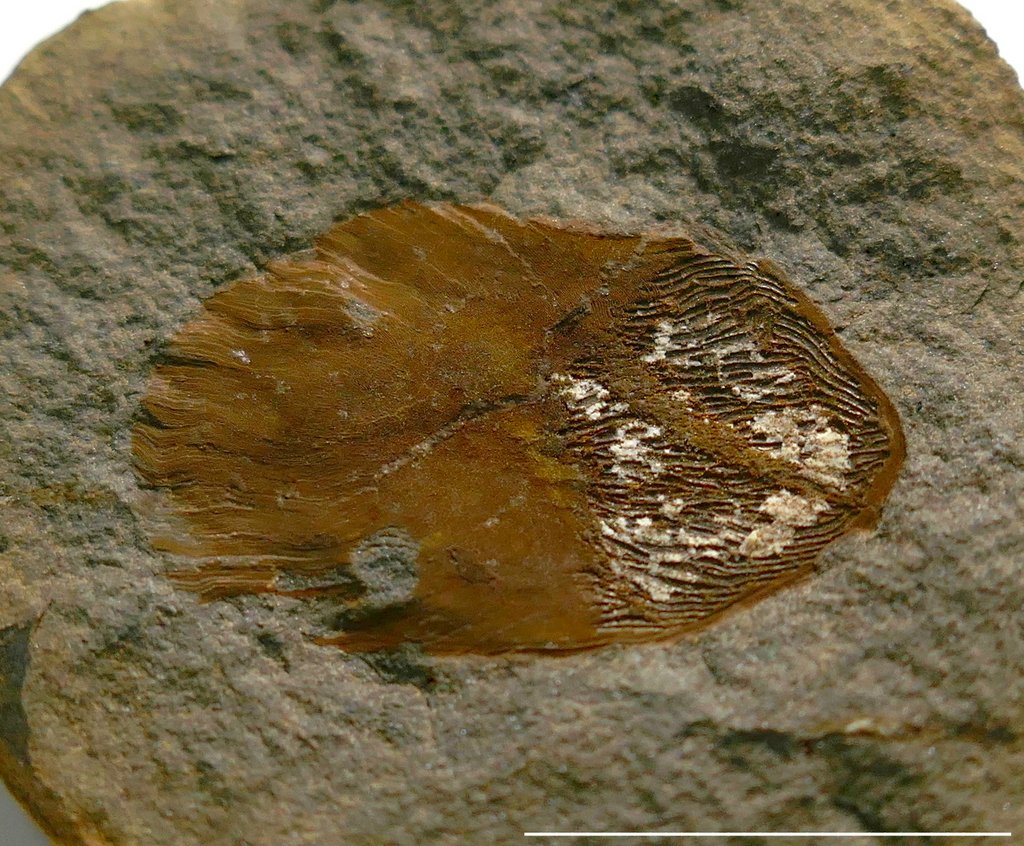
Fossil Friday #327: Danville Fish Scale
Andrew Young sent us these photos of an absolutely breathtaking fish scale from our most recent Danville field trip in early May 2026. He found it near the top of the slopes. It opened via freeze/thaw. The scale measures just 1.5 cm. The species is unsure, but it’s likely a lobe-finned fish. The Danville spoil…
-
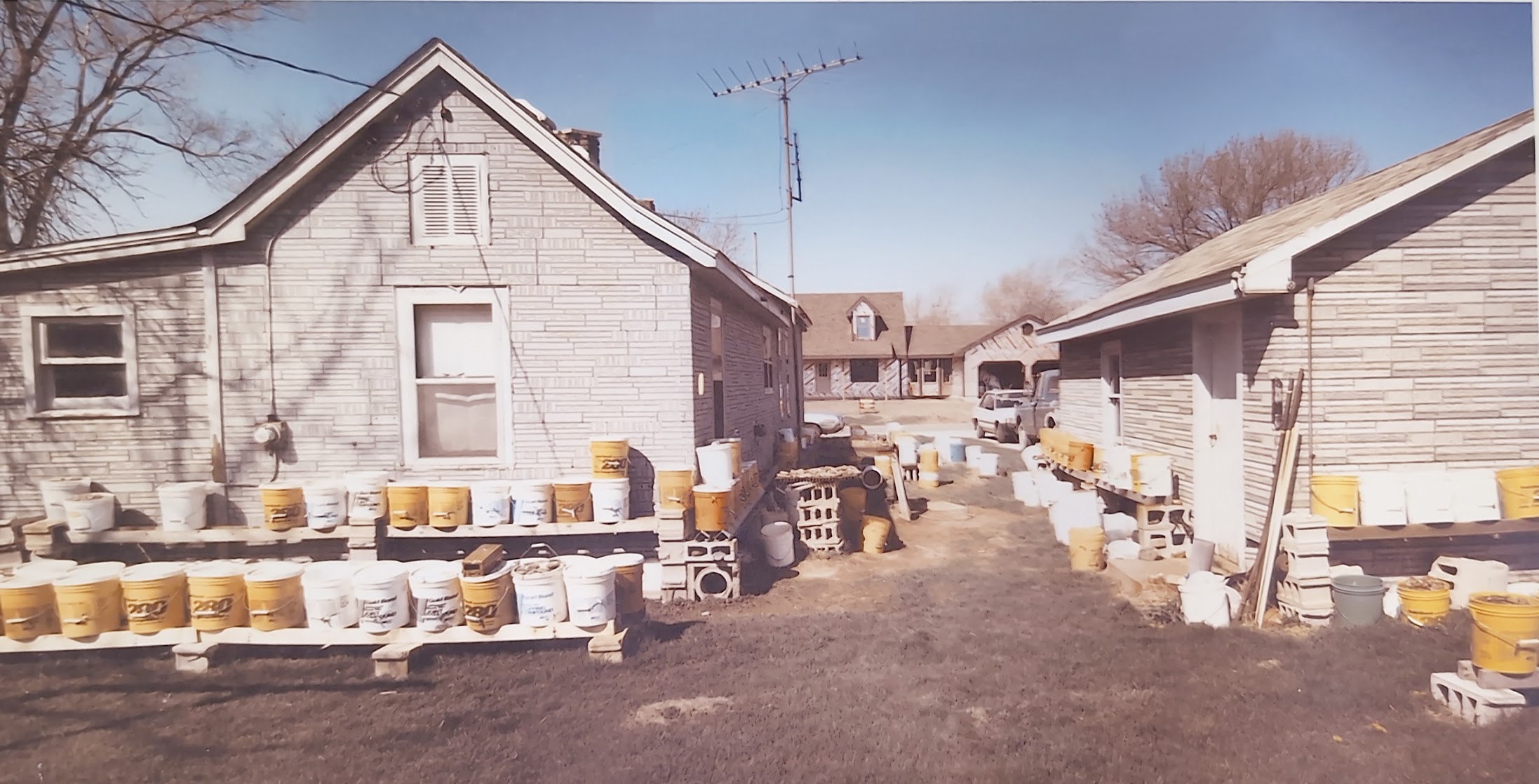
Mazon Monday #332: Tom Testa Winter Freeze/Thaw
Sorry, this is a bit of a repeat… But, Tom Testa has been on our minds lately and we’ve all been enduring a stretch of hot weather, so here’s a post that will cool you off!
-
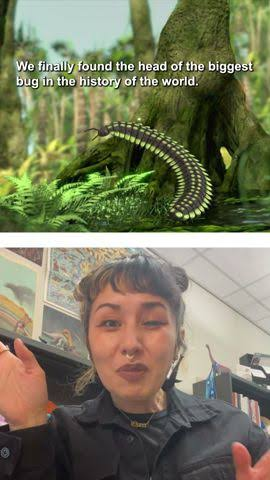
PBS Eons: We found the head of the biggest bug ever
PBS Eons has a new short. This one is about Arthropleura, the giant millipede… or is it?
-

Mazon Monday #331: Recap of Tom Testa Day at the Carbon Hill School Museum
Back in Mazon Tuesday #328, we did a post about Tom Testa and his amazing Mazon Creek fossil collection. There was a great turnout at the Carbon Hill School Museum special event “The Legacy of Tom Testa” on June 25th, 2026.
-
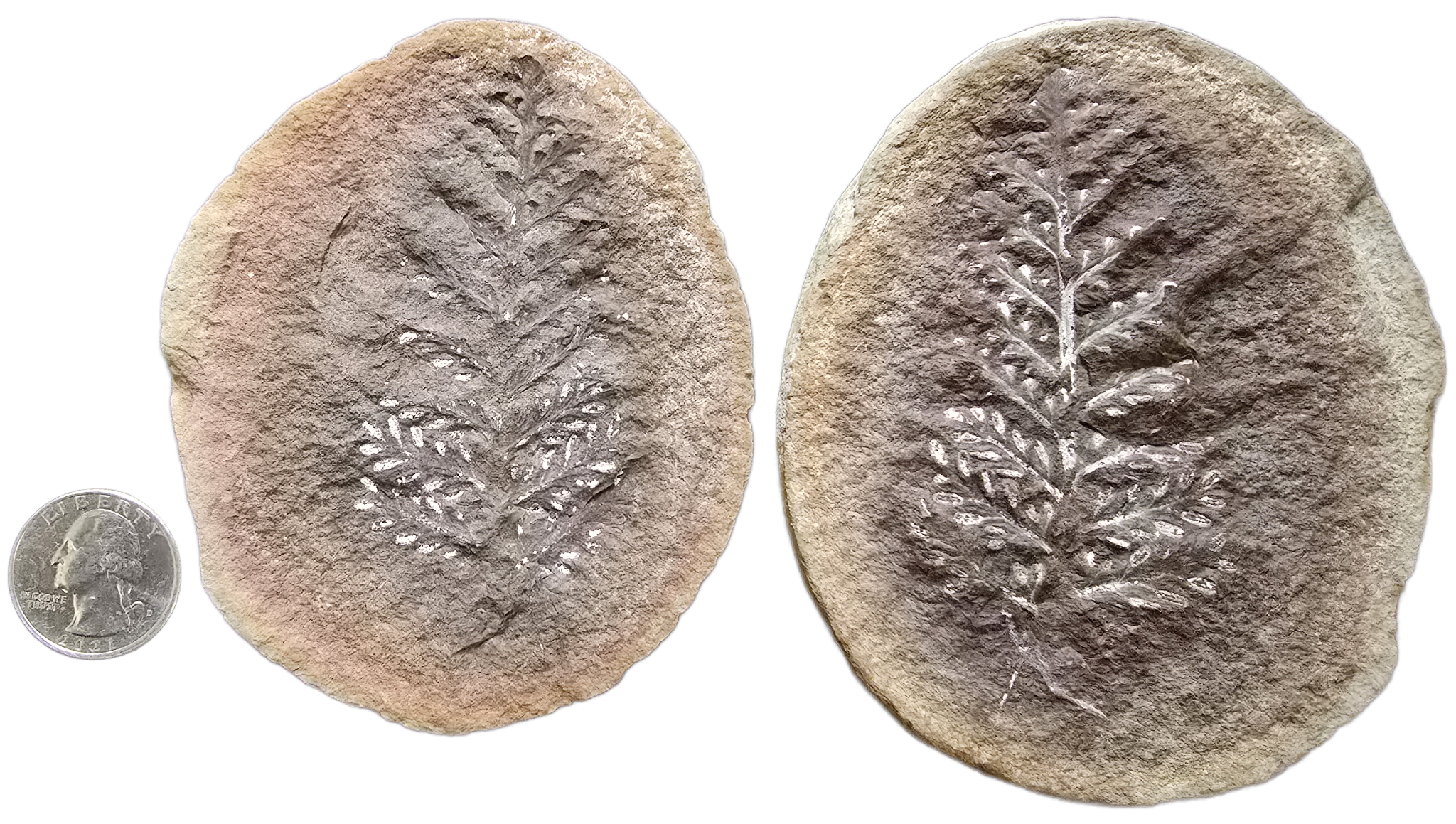
Fossil Friday #325: Radstockia kidstonii
Jeremy Zimmerman sent in photos of this breathtaking Radstockia kidstonii. R. kidstonii is a very rare true fern from Mazon Creek. Its pinnules and fertile structures are similar to the modern fern Marattia alata.
-

Mazon Monday #330: A New Mazon Creek Worm
While you were getting ready to celebrate our nation’s 250th birthday, a new fossil polychaete from Mazon Creek was being introduced to the world! It’s the first in annelid from Mazon Creek in over 20 years! Mazovermes magnaterminus was described in “The first new polychaete from the Mazon Creek fossil site in 20 years suggests…
-
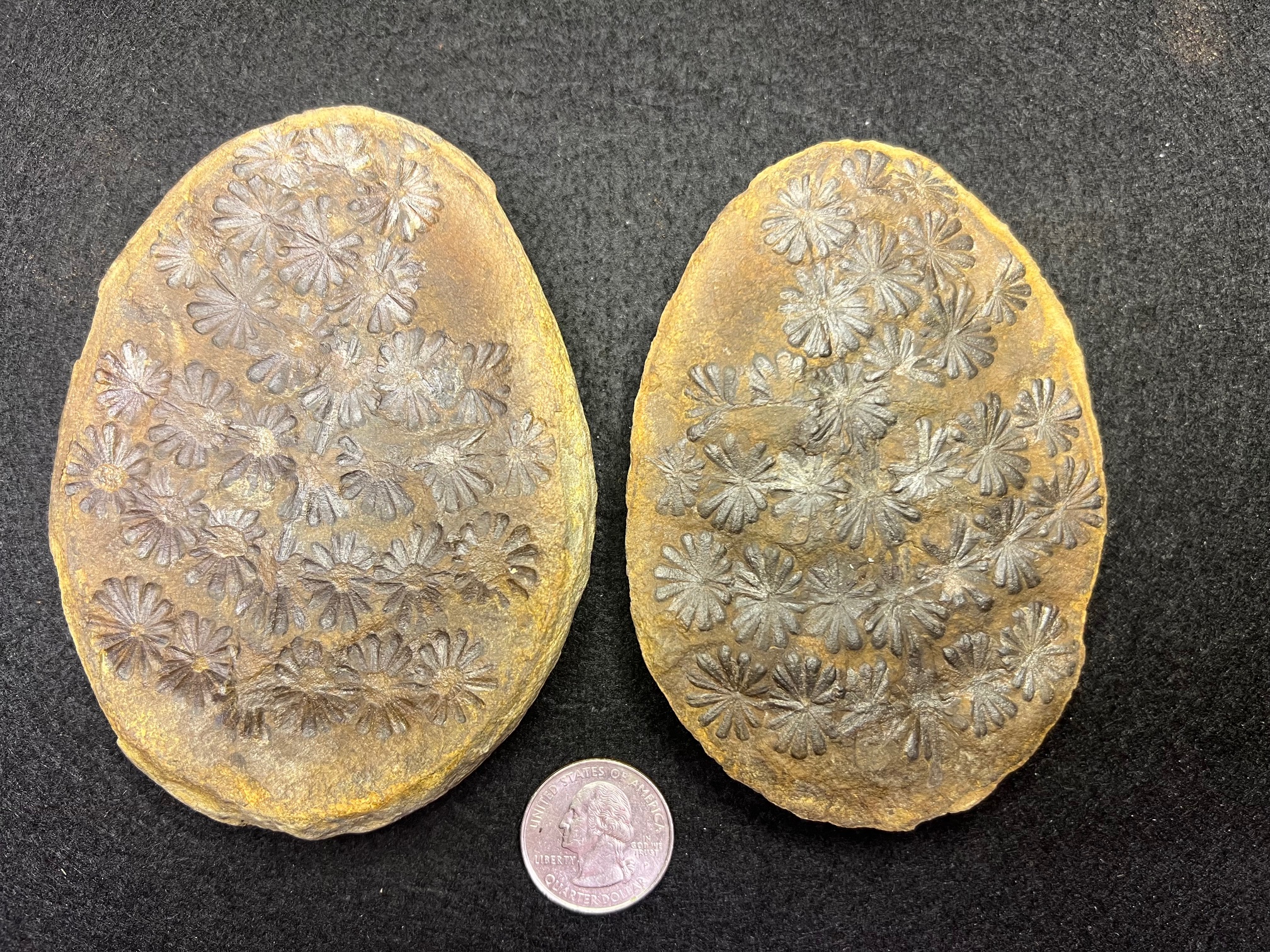
Happy 4th of July… the 250th Edition!
What better way to celebrate the 4th of July than with some beautiful Annularia fossils?!? We have a variety of species here, so sit back and enjoy the fireworks!
-
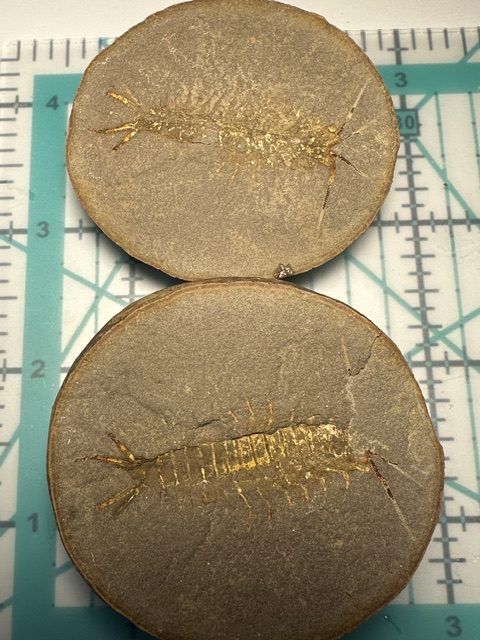
Fossil Friday #324: A Big Beautiful Acanthotelson stimpsoni
It’s not exactly fireworks, but this week’s beautiful Acanthotelson stimpsoni will leave you speechless. A. stimpsoni is a syncarid shrimp and one of the most common shrimp found amongst the fauna of Mazon Creek. Syncarida is a superorder of crustaceans. It consists of two extant orders Anaaspidacea and Bathynellacea, and one extinct order Paleocaridacea, to…
-
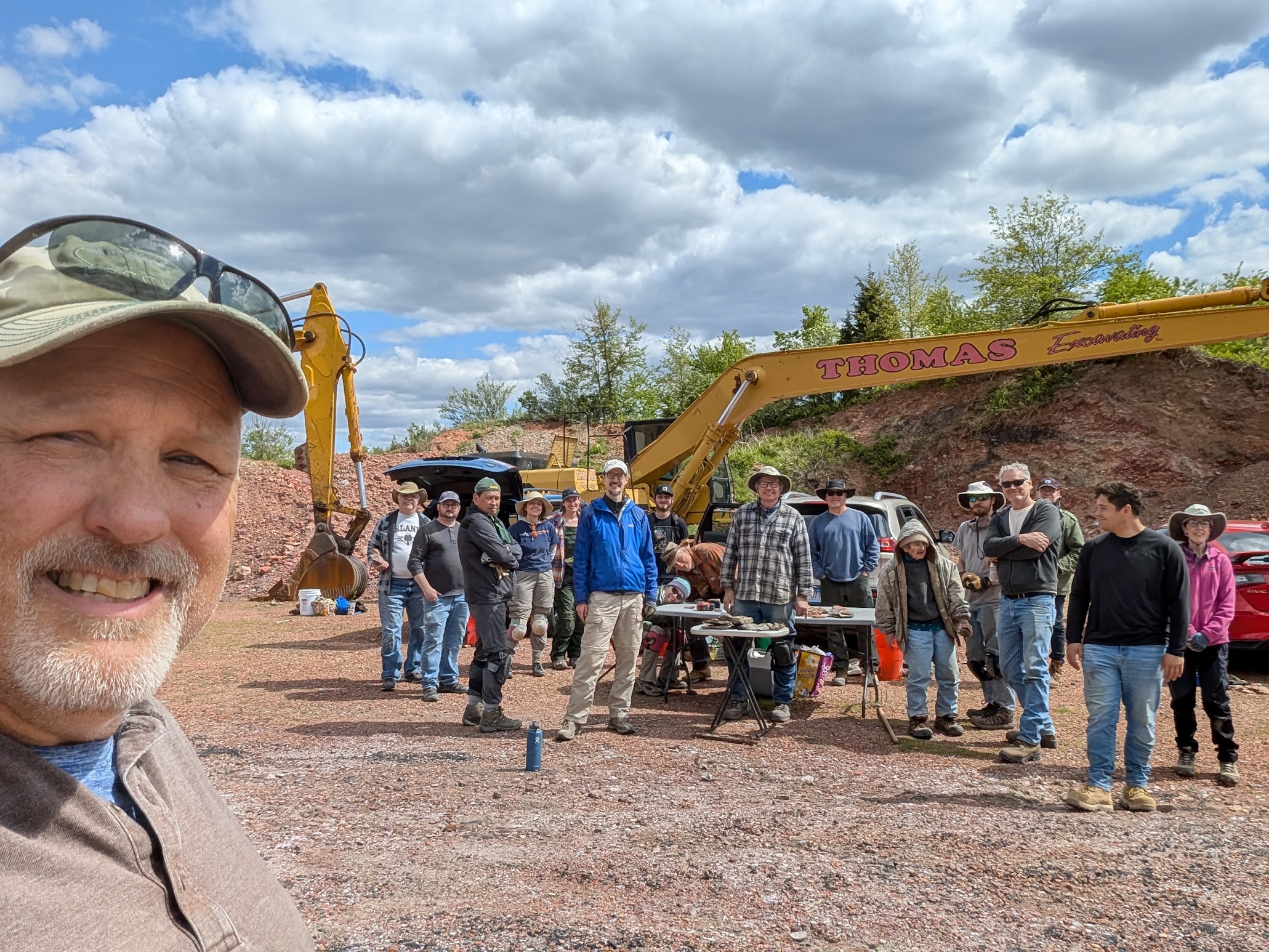
Mazon Monday #329: Danville Spoil Pile May 2026
Saturday, May 2nd, 2026 was a fairly nice day. It was partly cloudy with some wind. It was a little cooler than previous trips.
-

Fossil Friday #323: Laveineopteris rarinervis from the Mazon River
This is the “Fossil Friday” post #323. Expect this to be a regular feature of the website. We will post fossil pictures you send in to esconi.info@gmail.com. Please include a short description or story. Check the #FossilFriday Bluesky/Twitter hash tag for contributions from around the world! Marie Angkuw sent us these photos of a gorgeous…
-

Mazon Tuesday #328: The Legacy of Tom Testa
Michele Micetich, curator of the Carbon Hill School Museum, will host a special event on Saturday, June 27, 2026, celebrating the life and legacy of Tom Testa. A lifelong fossil collector with a passion for Mazon Creek fossils, Tom assembled one of the finest private collections of its kind. In 2015, he gave his collection…
-
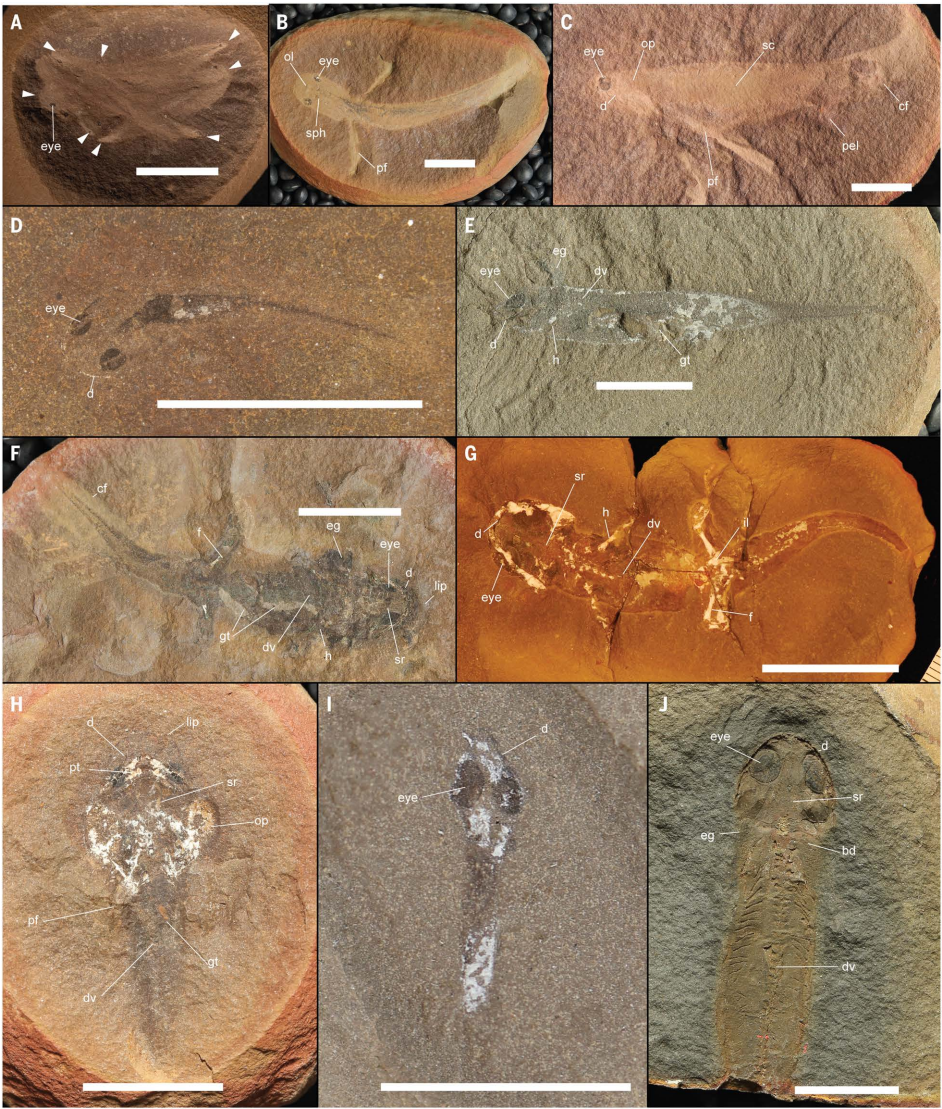
Mazon Monday #327: Direct development of stem tetrapods across the fin-to-limb transition
A significant paper on tetrapod development was published last week, and Mazon Creek fossils played a central role. “Direct Development of Stem Tetrapods Across the Fin-to-Limb Transition” by Jason Pardo and Arjan Mann of the Field Museum appeared in the journal Science. Lauer Foundation for Paleontology, Science, and Education also contributed to the study. The…
-
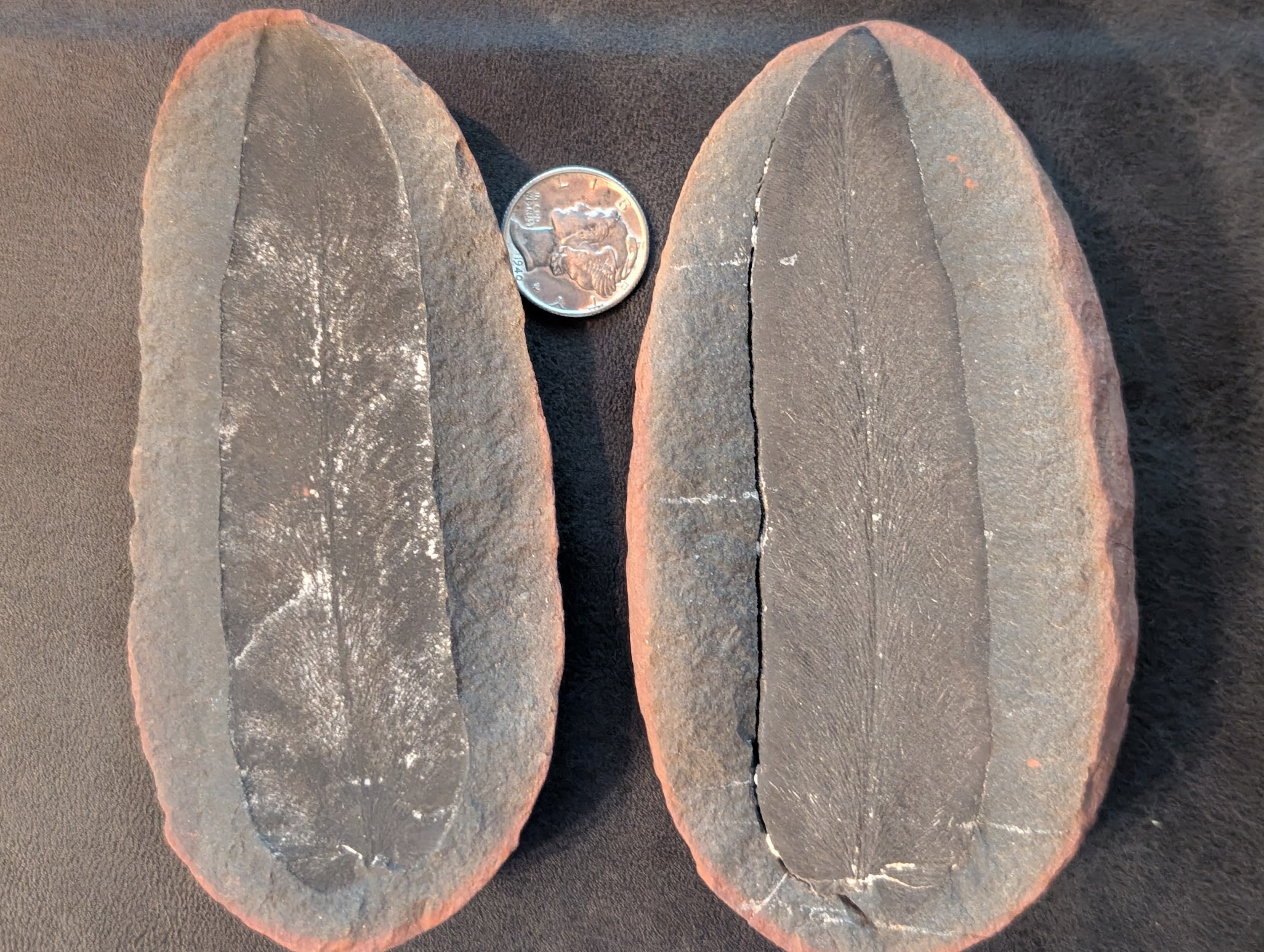
Fossil Friday #322: Macroneuropteris scheuchzeri from Dresden
For this week’s Fossil Friday, we have a very nice Macroneuropteris scheuchzeri (see Mazon Monday #39). Macroneuropteris scheuchzeri is a fairly common seed fern, which is found in many Carboniferous fossil deposits. In some Mazon Creek localities like the Mazon River, it’s a dominant component of the flora. It was called Neuropteris scheuchzeri until 1977,…
-
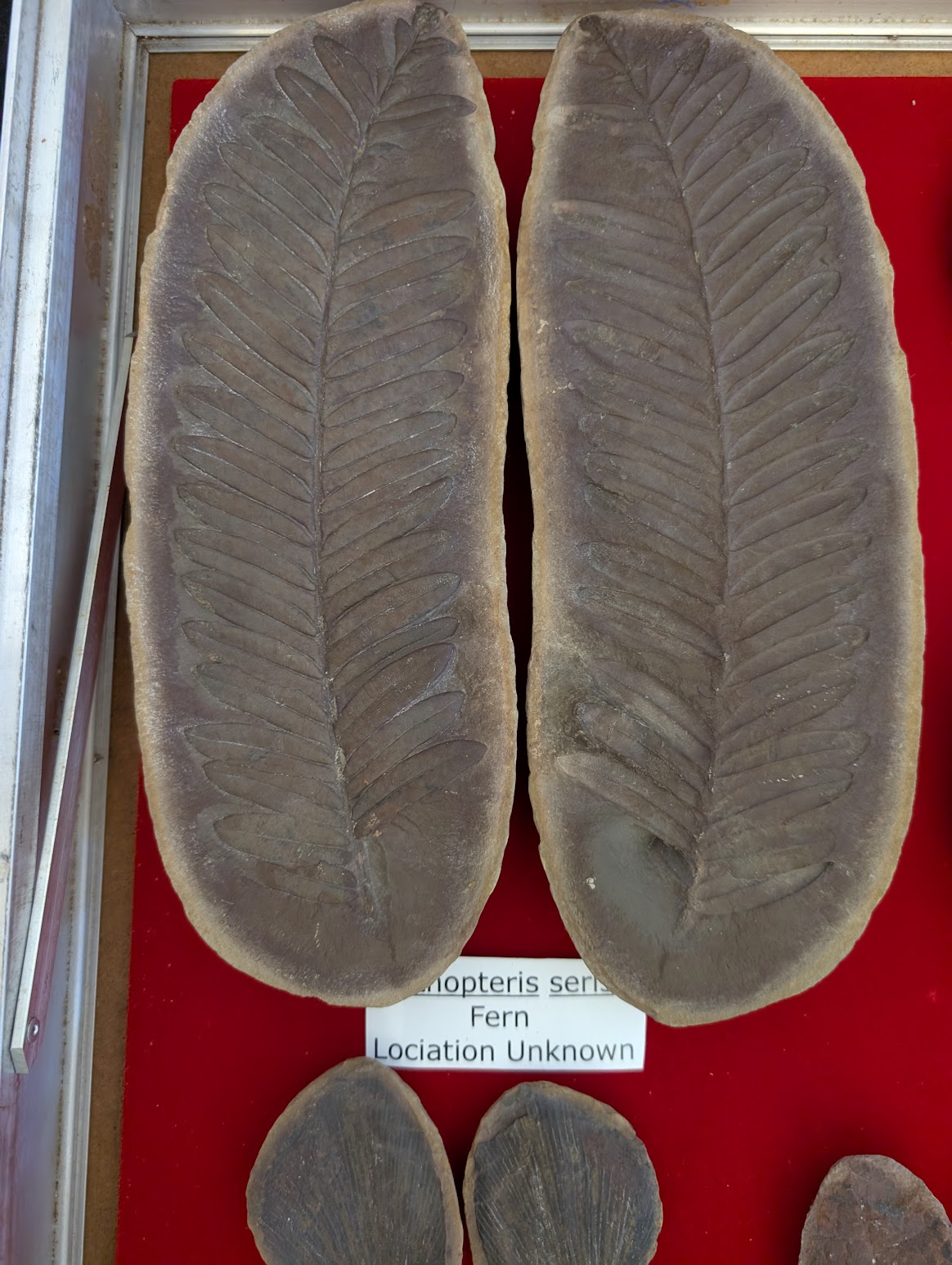
Mazon Monday #326: More Mazon Creek at the 2026 CGMA Show
This is Mazon Monday post #326. What’s your favorite Mazon Creek fossil? Tell us at email:esconi.info@gmail.com. Long-time ESCONI member Rich Rock had an amazing display of Mazon Creek fossils at the CGMA show. There’s a little a bit of everything here, from clams to ferns to spiders to an absolutely breathtaking Alethopteris serlii. Enjoy!
-

Fossil Friday #321: A Large Crenulopteris acadica from the Mazon River
Marie Angkuw sent us these photos of a beautiful Mazon Creek fern. It’s a Crenulopteris acadica from the Mazon River. Crenulopteris acadica is a common fern from Mazon Creek, but this one is very large with multiple fronds. Marie collected this one a few years ago at the I&M Canal Corridor Benefit. The concretion opened…
-

Mazon Monday #325: Braceville Spring 2026 Field Trip Report
We held our spring Braceville field trip a few weeks ago. The weather was nearly perfect… partly cloudy with temperatures in the high 70’s and low 80’s each day.
