
-
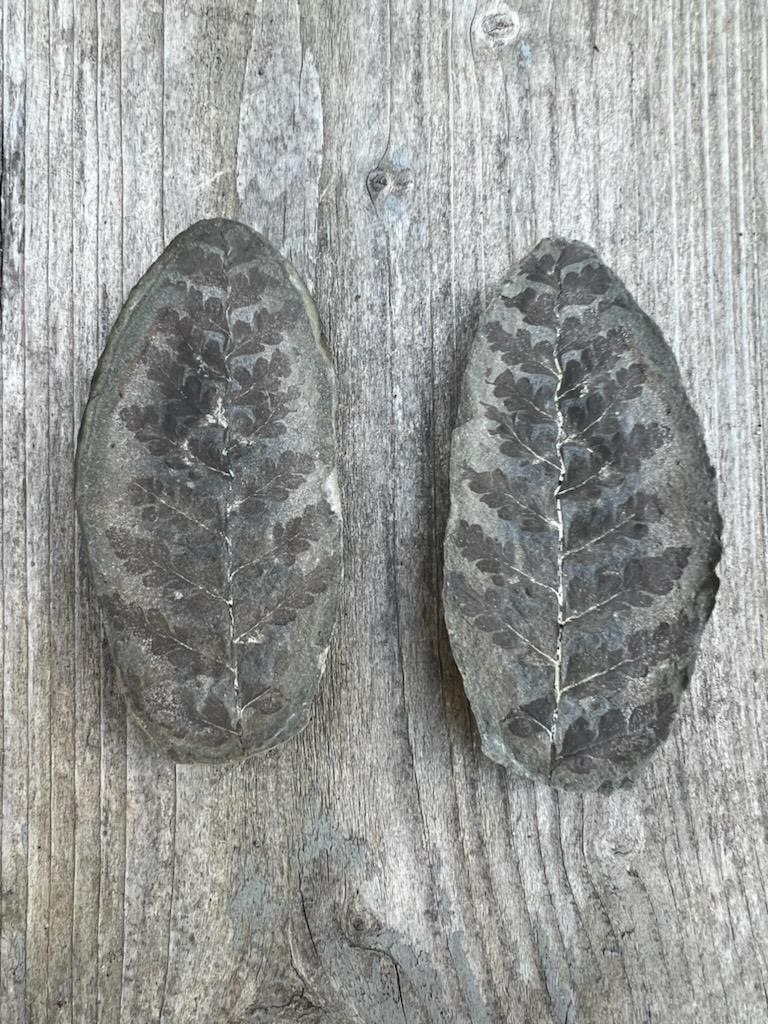
Fossil Friday #126: Sphenopteris sp. from Danville
Read more: Fossil Friday #126: Sphenopteris sp. from DanvilleThis is “Fossil Friday” post #126. Expect this to be a somewhat regular feature of the website. We will post any fossil pictures you send in to esconi.info@gmail.com. Please include a short description or story. Check the #FossilFriday Twitter hash tag for contributions from around the world! ESCONI member Maarten Vonhof sent us these photos of a beautiful Sphenopteris sp. from the ESCONI Spring 2022 Danville field trip. Sphenopteris is a genus of seed ferns, which are also found in the Mazon Creek fossil deposit. There is a guide to the fossils from the Herrin coal on our website. Unfortunately,…
-
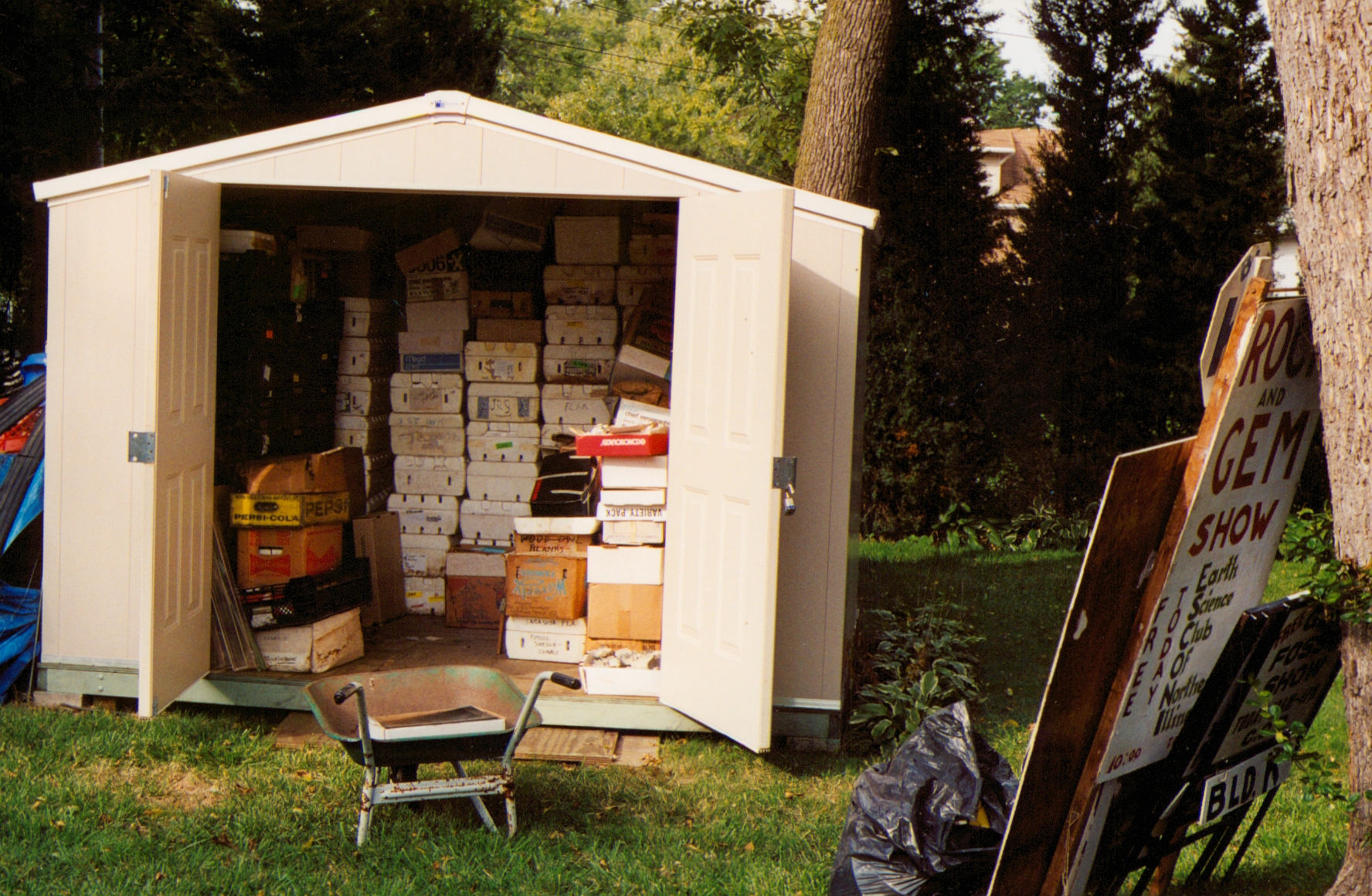
Throwback Thursday #128: ESCONI Shed September 1999
Read more: Throwback Thursday #128: ESCONI Shed September 1999This is Throwback Thursday #128. In these, we look back into the past at ESCONI specifically and Earth Science in general. If you have any contributions, (science, pictures, stories, etc …), please send them to esconi.info@gmail.com. Thanks! Back in the 1990’s, ESCONI stored its show material in a shed, which for a time was in Don Auler’s backyard. The shed was replacing a few times. In these photos from 1999, we see some past and present ESCONI officers. Some are still active members. You’ll see Dave Bergman, Jim Fairchild, John Good, Karen Norquist, and of course Don Auler. There are…
-
Exquisite Fossils Show an Entire Rain Forest Ecosystem
Read more: Exquisite Fossils Show an Entire Rain Forest EcosystemScientific American has a story about a fossil deposit in New Zealand. The deposit formed around a shallow-sided volcanic crater about 23 million years ago during the Miocene epoch. This site is about an hour’s drive from the city of Dunedin in New Zealand. There are fossils of plants and animals and the preservation is stunning. For at least 120,000 years, a rain forest grew around the lake. In its waters, tiny single-celled algae called diatoms bloomed each spring and summer and then died and sank to the bottom. “The diatoms are the most important fossils in a way, because without them,…
-

Scientists shine light on 66-million-year-old meteorite wildfire mystery
Read more: Scientists shine light on 66-million-year-old meteorite wildfire mysteryPhys.org has a story about the K-Pg mass extinction event. It’s well established science that a meteorite struck the Yucatan peninsula about 66 million years ago. An event that brought about the extinction of the non-avian dinosaurs, pterosaurs, ammonites, and many other animals that lived alongside them. There have been many theories and debates about what happened during this mass extinction. Now, some new research, published in the journal Scientific Reports, has found evidence of the extent of the wildfires that accompanied the event. The meteorite that wiped out Earth’s dinosaurs instantly ignited forest wildfires up to thousands of kilometers…
-
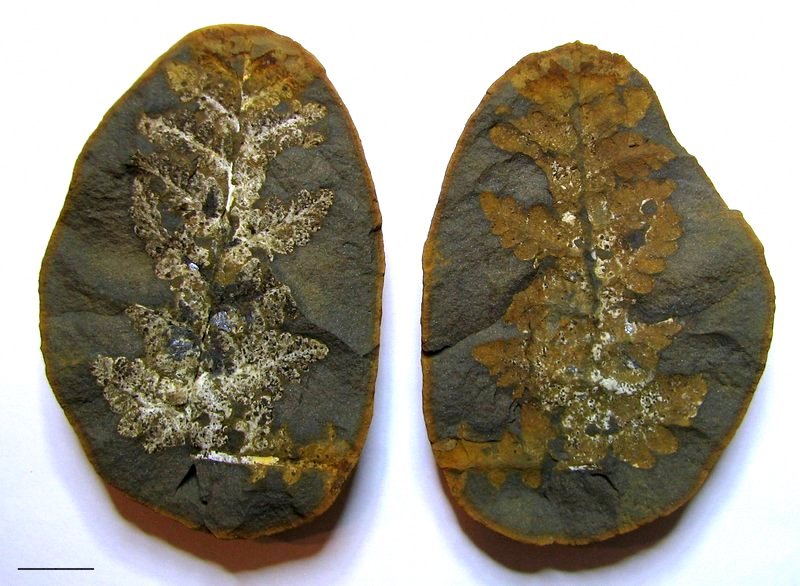
Mazon Monday #129: Pecopteris fontainei
Read more: Mazon Monday #129: Pecopteris fontaineiThis is Mazon Monday post #129. What’s your favorite Mazon Creek fossil? Tell us at email:esconi.info@gmail.com. —————————————————– Pecopteris fontainei is a fern belonging to the clade Pteridophyta. They are vascular plants that reproduce by dispersing spores. It was classified by Leo Lesquereux in 1889. This is the sterile form. The fertile form is known as Crossotheca sagittata. It appears on page 154 of “A Comprehensive Guide to the Fossil Flora of Mazon Creek” by Jack Wittry. Pecopteris fontainei Lesquereux, 1889: sterileCrossotheca sagittata (Lesquereux) Sellards, 1902: fertile 1870. Staphylopteris sagittatus Lesquereux: p. 407, pl. 14, figs. 3-51879-80. Sorocladus sagittatus Lesquereux: p.…
-

Brasilodon is Earliest Known Mammal, New Research Shows
Read more: Brasilodon is Earliest Known Mammal, New Research ShowsSciNews has a story about the earliest known mammal. The early mammal Brasilodon quadrangularis dates to 225 million years ago. It was found in the Late Triassic outcrops of the Caturrita Formation of Rio Grande do Sul in Brazil and named by J. Bonaparte, A. Martinelli, C. Schultz, and R. Rubert in 2003. New research published in the journal Anatomy proposes that it is the earliest mammal. A tiny animal called Morganucodon is usually considered the first mammal but its oldest fossils, only represented by isolated teeth, date from around 205 million years ago. Examining the dentitions of Brasilodon quadrangularis, Dr. Martha Richter…
-
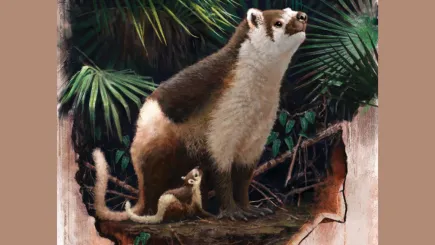
Living fast may have helped mammals like ‘ManBearPig’ dominate
Read more: Living fast may have helped mammals like ‘ManBearPig’ dominateScience News has a story about early mammals. A mammal nicknamed the ManBearPig” that emerged after the K-Pg mass extinction may help explain how mammals came do dominate the world when the dinosaurs disappeared. The animal was described in a recent paper in the journal Nature. During the age of the dinosaurs, mammals “only got as large as a domestic cat, maybe, or a badger,” says Gregory Funston, a paleontologist at the Royal Ontario Museum in Toronto. But after an asteroid wiped out all nonbird dinosaurs about 66 million years ago, “we see this huge explosion in mammal diversity, where…
-
Canceled: ESCONI Field Trip to a Belvidere Quarry Saturday, October 8th, 2022, 9:00 AM – 12:00 PM
Read more: Canceled: ESCONI Field Trip to a Belvidere Quarry Saturday, October 8th, 2022, 9:00 AM – 12:00 PMSorry, Canceled by Quarry! Belvidere Quarry Field Trip There will be a field trip to a quarry near Belvidere, Illinois on Saturday, Oct 8th, 2022, from 9AM to 12 noon. The rock is Ordovician, Galena Group. This is a “hard-rock” quarry (dolomite). If you like Hormotoma or Receptaculites, this is the place for you! The quarry has been active so there is new rock exposed. If you are sick, have symptoms of covid or have tested positive recently, DON”T COME. Rules The address of the quarry will be sent to those that sign up. I will distribute the waiver forms by email…
-

Fossil Friday #125: Neuropteris vermicularis
Read more: Fossil Friday #125: Neuropteris vermicularisThis is “Fossil Friday” post #125. Expect this to be a somewhat regular feature of the website. We will post any fossil pictures you send in to esconi.info@gmail.com. Please include a short description or story. Check the #FossilFriday Twitter hash tag for contributions from around the world! Today’s Fossil Friday photo comes from ESCONI member George Witaszek. It’s an absolutely gorgeous Neuropteris vermicularis from the Mazon Creek fossil deposit. This one measures about 7 inches and has a good portion of the terminal pinnule. George said he found it opened and couldn’t believe what he was seeing. It’s a beautiful…
-
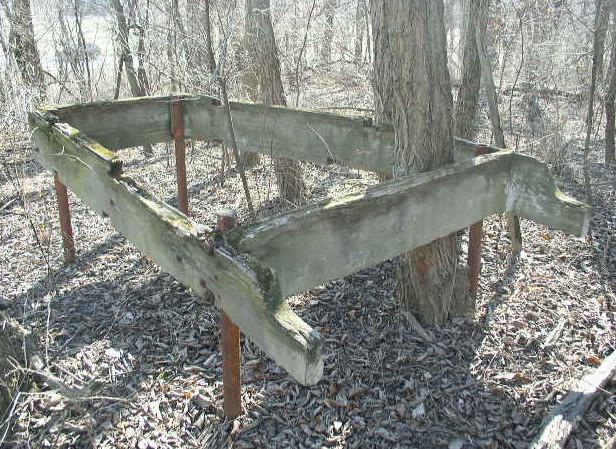
Throwback Thursday #127: Piano Hill on Route 66
Read more: Throwback Thursday #127: Piano Hill on Route 66This is Throwback Thursday #127. In these, we look back into the past at ESCONI specifically and Earth Science in general. If you have any contributions, (science, pictures, stories, etc …), please send them to esconi.info@gmail.com. Thanks! Route 66, or the “Mother Road” as it was sometimes called, was in operation from November 26th, 1926 until June 26th, 1985. It connected Chicago, IL to Santa Monica, CA through the states of Missouri, Kansas, Oklahoma, Texas, New Mexico, and Arizona. It passed just west of Wilmington, IL and through the middle of Braidwood, IL along what is now IL 129. On the…
-
ESCONI September 2022 General Meeting – Friday, September 9th, 2022 at 8:00 PM via Zoom – “Paleozoic fishes of the Illinois Basin”
Read more: ESCONI September 2022 General Meeting – Friday, September 9th, 2022 at 8:00 PM via Zoom – “Paleozoic fishes of the Illinois Basin”The September 2022 General Meeting will be held on Friday, September 9th, 2022 at 8:00 PM via Zoom. The presenter is Dr. Ryan Shell of the Cincinnati Museum Center. The title of his talk is “Paleozoic fishes of the Illinois Basin”. Dr. Shell is a research associate in the department of vertebrate paleontology at the Cincinnati Museum Center and a Paleontological Resources Assistant at the United States Forest Service. He does research in paleontology, systematics, taxonomy, biostratigraphy and biogeography. Topic: Paleozoic fishes of the Illinois BasinPresented By: Dr. Ryan ShellTime: Sep 9, 2022 08:00 PM Central Time (US and Canada) Join…
-

CBC News: Rare dinosaur skin fossil discovered in Alberta
Read more: CBC News: Rare dinosaur skin fossil discovered in AlbertaCBC News has a story about the discovery of fossilized dinosaur skin. A dinosaur fossil recently discovered in Alberta’s badlands was so well preserved its skin was still in tact. The rare find is spreading excitement among paleontologists.
-
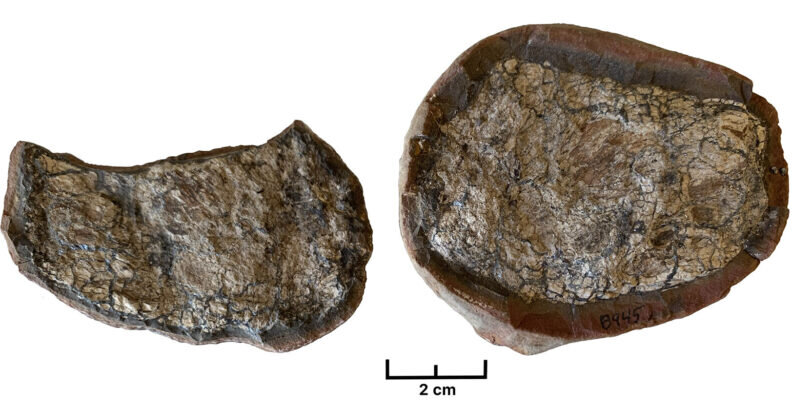
Mazon Monday #128: Biomarkers Found in Mazon Creek Coprolites
Read more: Mazon Monday #128: Biomarkers Found in Mazon Creek CoprolitesThis is Mazon Monday post #128. What’s your favorite Mazon Creek fossil? Tell us at email:esconi.info@gmail.com. —————————————————– Fossils are often found in concretions, which form within sediment as a local accumulation of matter. In the case of Mazon Creek, these concretions consist of Iron Carbonate and quite often form around some central organic material. The typical ovoid shape has an aesthetic all its own. Inside these concretions, one can find fossils of anything from plant material, to various fauna like shrimp, fish, insects, and even jellyfish. As you are probably aware, these fossils can be stunningly beautiful. One fairly common…
-
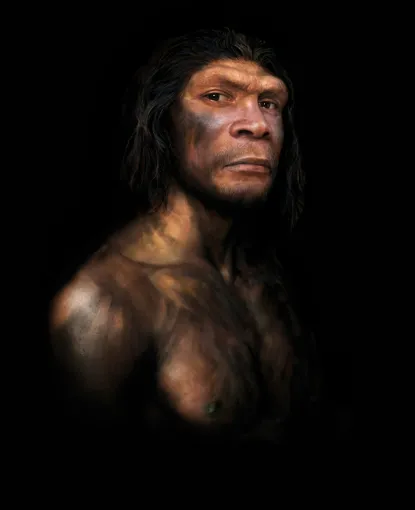
Neanderthals died out 40,000 years ago, but there has never been more of their DNA on Earth
Read more: Neanderthals died out 40,000 years ago, but there has never been more of their DNA on EarthThe Conversation has an interesting article about the Neanderthals. First discovered in 1856, Neanderthals are known to have been very similar to us. We knew them and even interbred. They were successful for many years even along side us, so why did they go extinct? Neanderthals have served as a reflection of our own humanity since they were first discovered in 1856. What we think we know about them has been shaped and moulded to fit our cultural trends, social norms and scientific standards. They have changed from diseased specimens to primitive sub-human lumbering cousins to advanced humans. We now know Homo neanderthalensis were…
-
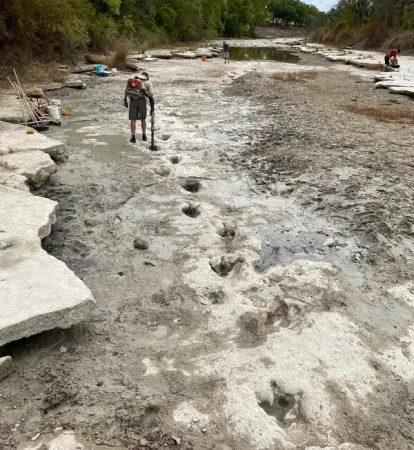
The Latest Find as Water Levels Fall: Dinosaur Tracks in Texas
Read more: The Latest Find as Water Levels Fall: Dinosaur Tracks in TexasThe New York Times has a story about the discovery of dinosaur footprints. Severe drought conditions across the world are revealing secrets long covered by water. Just outside of Fort Worth, Texas lies Dinosaur Valley State Park, where dinosaur footprints were recently found after the Paluxy River dried up. The footprints date to about 113 million years ago and were made by a meat eating dinosaur called Acrocanthosaurus. “Due to the excessive drought conditions this past summer, the river dried up completely in most locations, allowing for more tracks to be uncovered here in the park,” Ms. Garcia said in a statement. “Under…
-
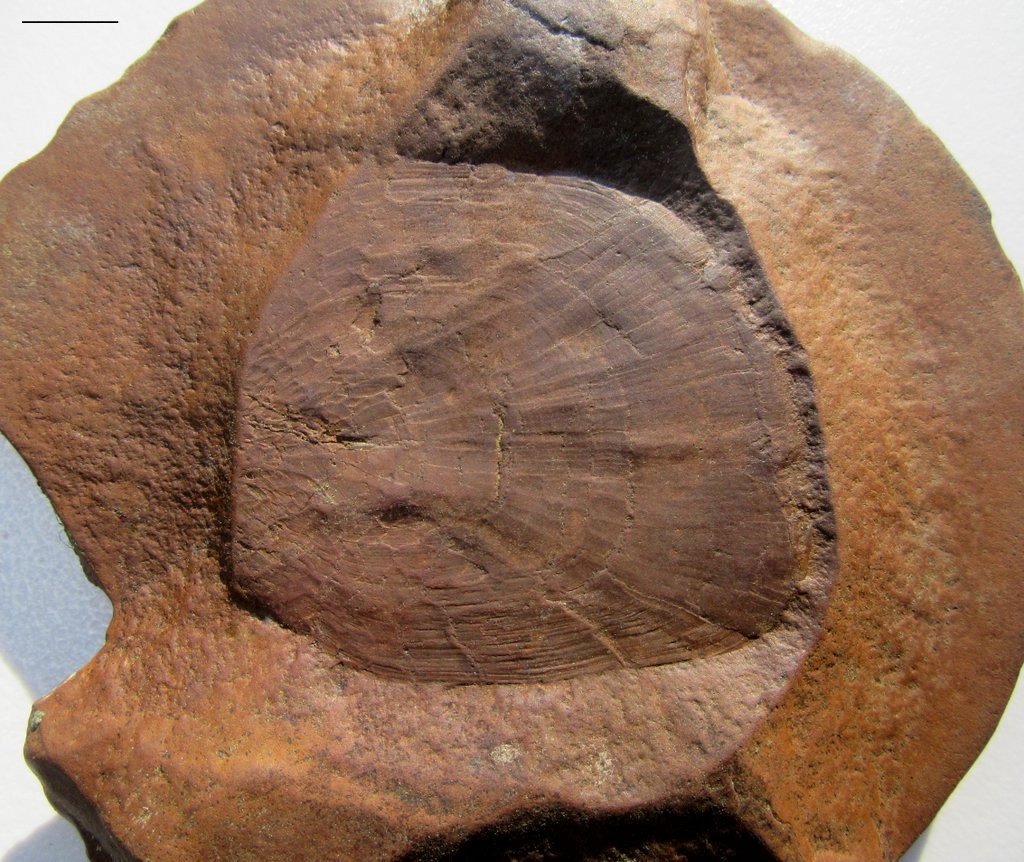
Fossil Friday #124: Mazon Creek Lungfish Scale
Read more: Fossil Friday #124: Mazon Creek Lungfish ScaleThis is “Fossil Friday” post #124. Expect this to be a somewhat regular feature of the website. We will post any fossil pictures you send in to esconi.info@gmail.com. Please include a short description or story. Check the #FossilFriday Twitter hash tag for contributions from around the world! Saturday, August 27th and Sunday August 28th were the annual I&M Canal Corridor’s Fossil Trip . This event benefits the I&M Canal Corridor and helps support its upkeep. Mazon Creek fossils from the Kodat (nee Benson) farm are the target for this field trip. The Kodat farm was declared a National Historic Landmark…
-

Throwback Thursday #126: Looking Back at ESCONI for September 2022
Read more: Throwback Thursday #126: Looking Back at ESCONI for September 2022This is Throwback Thursday #126. In these, we look back into the past at ESCONI specifically and Earth Science in general. If you have any contributions, (science, pictures, stories, etc …), please send them to esconi.info@gmail.com. Thanks! 25 Years Ago – September 1997 50 Years Ago – September 1972 70 Years Ago – September 1952
-
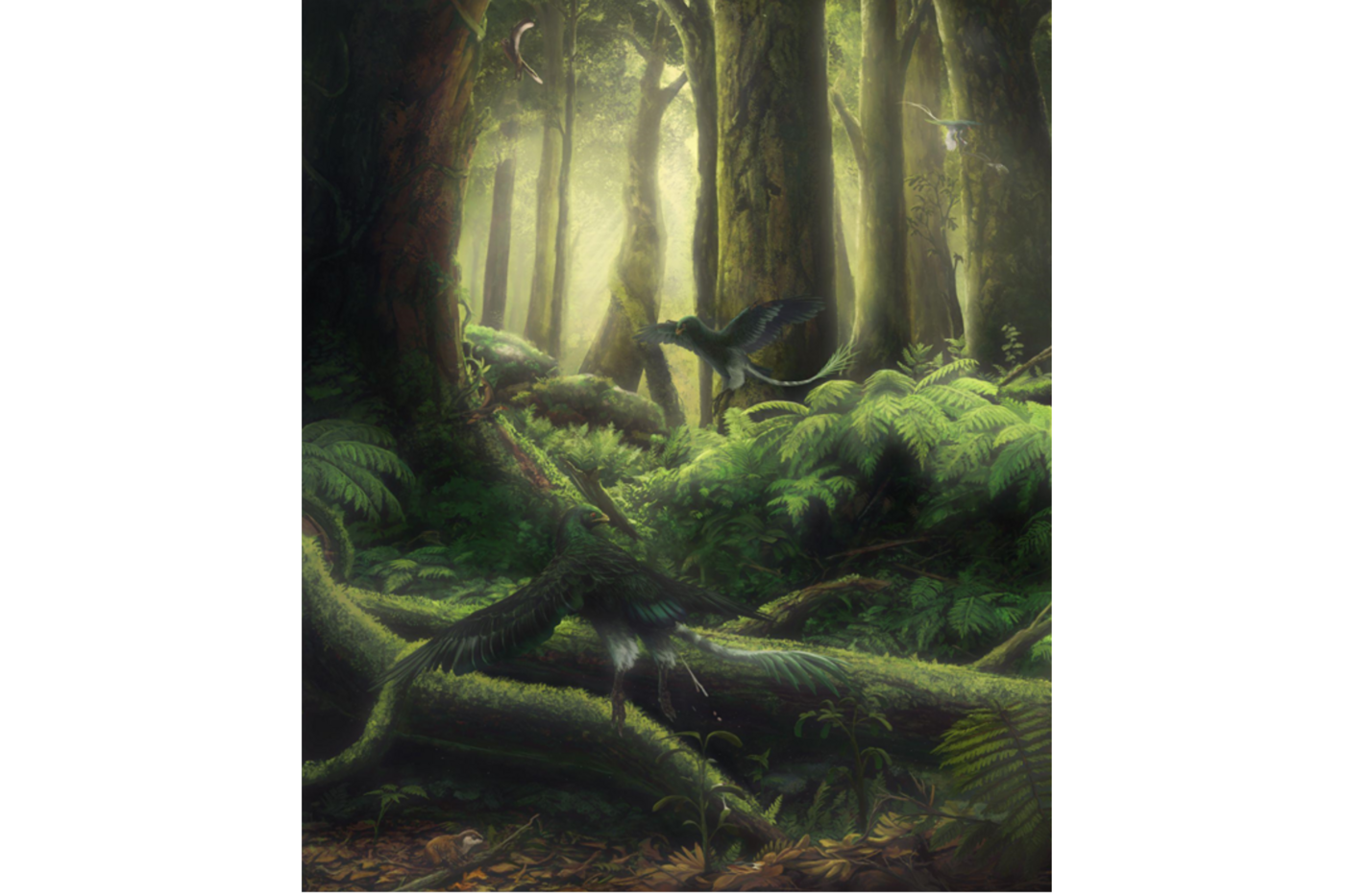
The early bird gets the fruit: Fossil provides earliest evidence of fruit-eating by any animal
Read more: The early bird gets the fruit: Fossil provides earliest evidence of fruit-eating by any animalThe Field Museum has a press release about some recently published research about birds. Associate Curator of Fossil Reptiles Jingmai O’Connor co-authored a paper called “Earliest evidence for fruit consumption and potential seed dispersal by birds”, which has been published in the journal eLife. The paper looks at an exquisitely preserved new skull of Jeholornis. Previously, seeds had been found in fossilized gut contents from a fossil Jeholornis. But, the morphology of the new head fossil shows that it most likely ate fruit and not exclusively seeds. Hundreds of animals eat fruit, from toucans to fruit bats to maned wolves to…
-
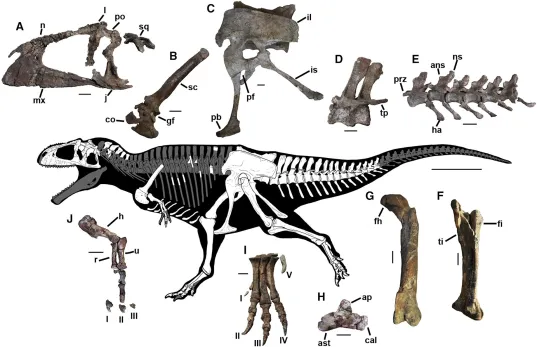
Big head, small arms: A newly discovered gigantic dinosaur evolved in a similar manner to Tyrannosaurus rex
Read more: Big head, small arms: A newly discovered gigantic dinosaur evolved in a similar manner to Tyrannosaurus rexThe Conversation has a story about the evolution of meat-eating dinosaurs. Meraxes gigas is a recently named theropod dinosaur from Argentina. It was found near Villa El Chocon in the Huincul Formation and lived about 95 million years ago. Meraxes is a large theropod, the group of bipedal, often meat-eating, dinosaurs which also includes birds, and a member of the Carcharodontosauridae family, making it a relative of dinosaurs like Carcharodontosaurus, Giganotosaurus and Acrocanthosaurus. The discovered specimen is approximately 11 metres long, and its weight is estimated as approximately 4,200 kg. It has a proportionally large skull featuring a rather fearsome set of teeth, along with…
-
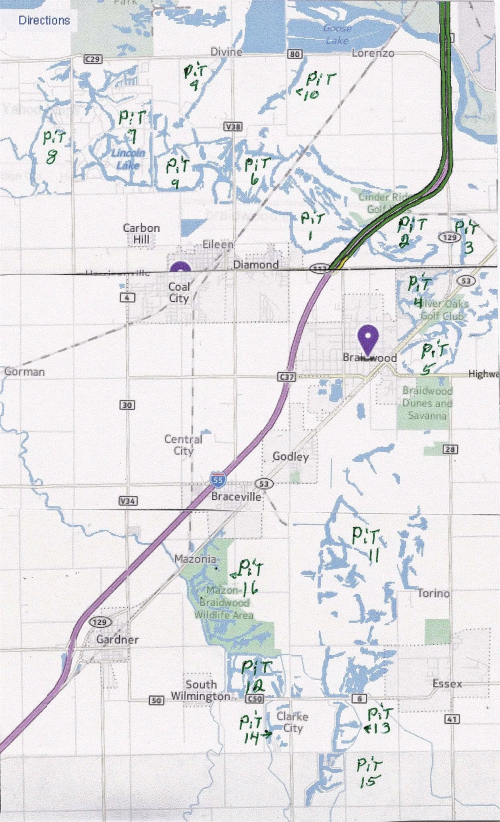
Mazon Monday #127: The Inarticulate Brachiopods of Pit 14
Read more: Mazon Monday #127: The Inarticulate Brachiopods of Pit 14This is Mazon Monday post #127. What’s your favorite Mazon Creek fossil? Tell us at email:esconi.info@gmail.com. —————————————————– Today, we have an article called “The Inarticulate Brachiopods of Pit 14” by Earl Hoffman. This piece appeared in the July/August 1972 edition of the ESCONI newsletter “Earth Science News”. Earl was Historian and later Micro-mount study group chairman for a few years. Brachiopods are animals that look similar to bivalve mollusks, but are actually belong to their own Phylum – Brachiopoda. There are two types of brachiopods, inarticulate and articulate. Inarticulatr brachiopods are missing the tooth-and-groove structures of the valve-hinge present in…

ESCONI Gem, Mineral, and Fossil Show
Most Recent Post
- Throwback Thursday #312: Ron Schinderle Donation
 Barb Schinderle stopped by ESCONI Show last month to drop off a donation of her late husband Ron’s fossils. Ron passed away in 2021. He was a long time ESCONI member and an avid fossil collector . He went on many ESCONI field trips. A group of us remember him fondly from our many trips to Pit 11 and Fossil Rock Campgrounds to collect Mazon Creek fossils.
- About ESCONI
- Around the Web
- Calendar of Events
- Code of Ethics and Conduct
- ESCONI Books for Sale
- ESCONI Gem, Mineral, and Fossil Show
- ESCONI in the News
- ESCONI Videos
- Field Trips
- Flashback Friday
- Fossil Friday
- Mazon Creek
- Mazon Monday
- Member Spotlight
- Membership Information
- Reference Material
- Throwback Thursday
- Trilobite Tuesday
Field trips require membership, but visitors are welcome at all meetings!
| Friday, April 10th | General Meeting – 8:00 PM via Zoom. Jessica Hull will present “Life in the Devonian Period, The Age of Fishes.” |
| Saturday, April 11th | Junior Study Group Meeting – 2:00 PM, in person at the College of DuPage Technical Education Center (TEC) Building – Room 1038A (Map). Katherine Howard will present on Sand and Sediment Collecting. Specifics of this meeting are available from Scott Galloway, 630-670-2591, gallowayscottf@gmail.com. |
| Saturday, April 18th | Paleontology Study Group – 7:30 PM via Zoom and in person at the College of DuPage, TEC, Room 1038B (Map). Keith Robitschek will present “Digging the Marl of the Lance Formation.” |
| Friday, April 24th | MAPS Expo XLVII – Springfield, IL. |
| Saturday, April 25th | MAPS Expo XLVII – Springfield, IL. |
| Sunday, April 26th | MAPS Expo XLVII – Springfield, IL. |
| No meeting this month | Mineralogy Study Group |