
-
Mazon Monday #132: Homaloneura dabasinskasi
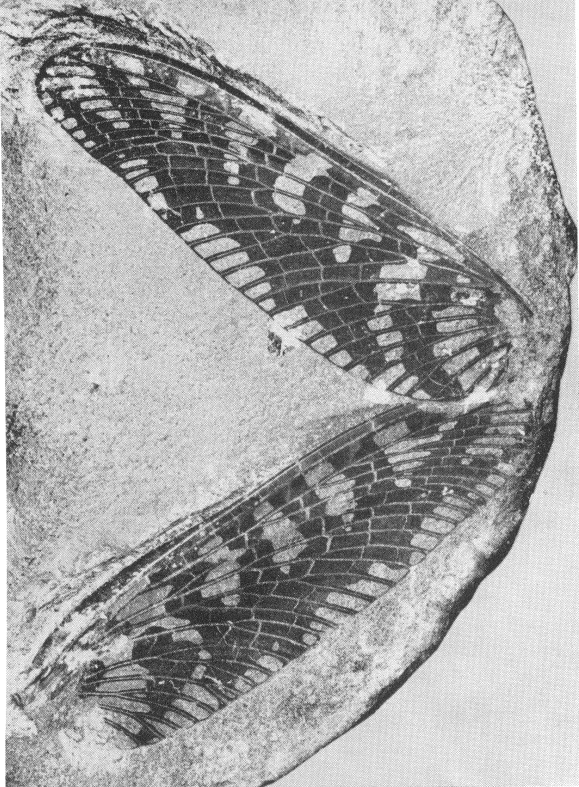
Read more: Mazon Monday #132: Homaloneura dabasinskasiThis is Mazon Monday post #132. What’s your favorite Mazon Creek fossil? Tell us at email:esconi.info@gmail.com. Homaloneura dabasinskasi was described by F. M. Carpenter in 1964. The paper “Studies on North American Carboniferous Insects. 3. Spilapterid From the Vicinity of Mazon Creek, Illinois (Palaeodictyoptera)” appeared in the Entomology Journal Psyche. Frank M. Carpenter was an absolute giant in the field of both entomology and paleoentomology (insects). He wrote Chapter 14A “Insecta” in the “Richardson’s Guide to the Fossil Fauna of Mazon Creek” not long before he died in 1994 at age 91. There have been many species named for him…
-
Opulent Opal
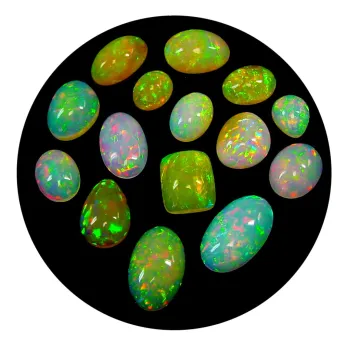
Read more: Opulent OpalJewellery World in Australia has a post about opals. Opals are beautiful precious stones found all over the world. Ethiopia along with Lightning Ridge in Australia are very famous for black opals. The Roman scholar Pliny observed in 79 AD, “Some opali carry such a play within them that they equal the deepest and richest colours of painters.” Popular around the world, it was called úpala in Sanskrit meaning “precious stone”, and opalus in Latin and Opallios in Greek, both meaning “colour change”. The earliest known artifacts of opal were found in a cave in Kenya by famed anthropologist, Louis…
-
ESCONI Events October 2022
Read more: ESCONI Events October 2022Field trips require membership, but visitors are welcome at all meetings! Mazon Creek Open House October 15, 2022 A free 1-day conference devoted to Mazon Creek and related topics Displays of Mazon Creek fossils Mazon Creek fossil identification Mazon Creek books for sale More details here. Zoom Link Admission is free and lectures will be available via zoom. Note: the parking fee will be waived if you say “Mazon Creek”. Sat, Oct 8th ESCONI Field Trip to Belvidere Quarry Canceled by the Quarry Sat, Oct 8th ESCONI Junior Meeting – 7:00 PM at College of DuPage – Speaker: Irene Brode, long…
-

PBS Eons: Where Did Water Come From?
Read more: PBS Eons: Where Did Water Come From?PBS Eons has a new episode over on Youtube. This one is about early Earth and where did we get our liquid water. Mercury, Venus, and Mars are all super low on water – so where did ours come from and why do we have so much of it? We think our water came from a few unlikely sources: meteorites, space dust, and even the sun.
-
Fossil Friday #128: Acanthotelson from the Mazon River
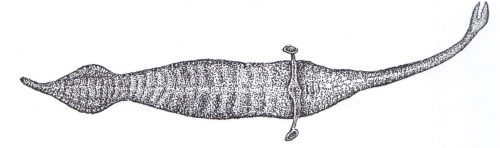
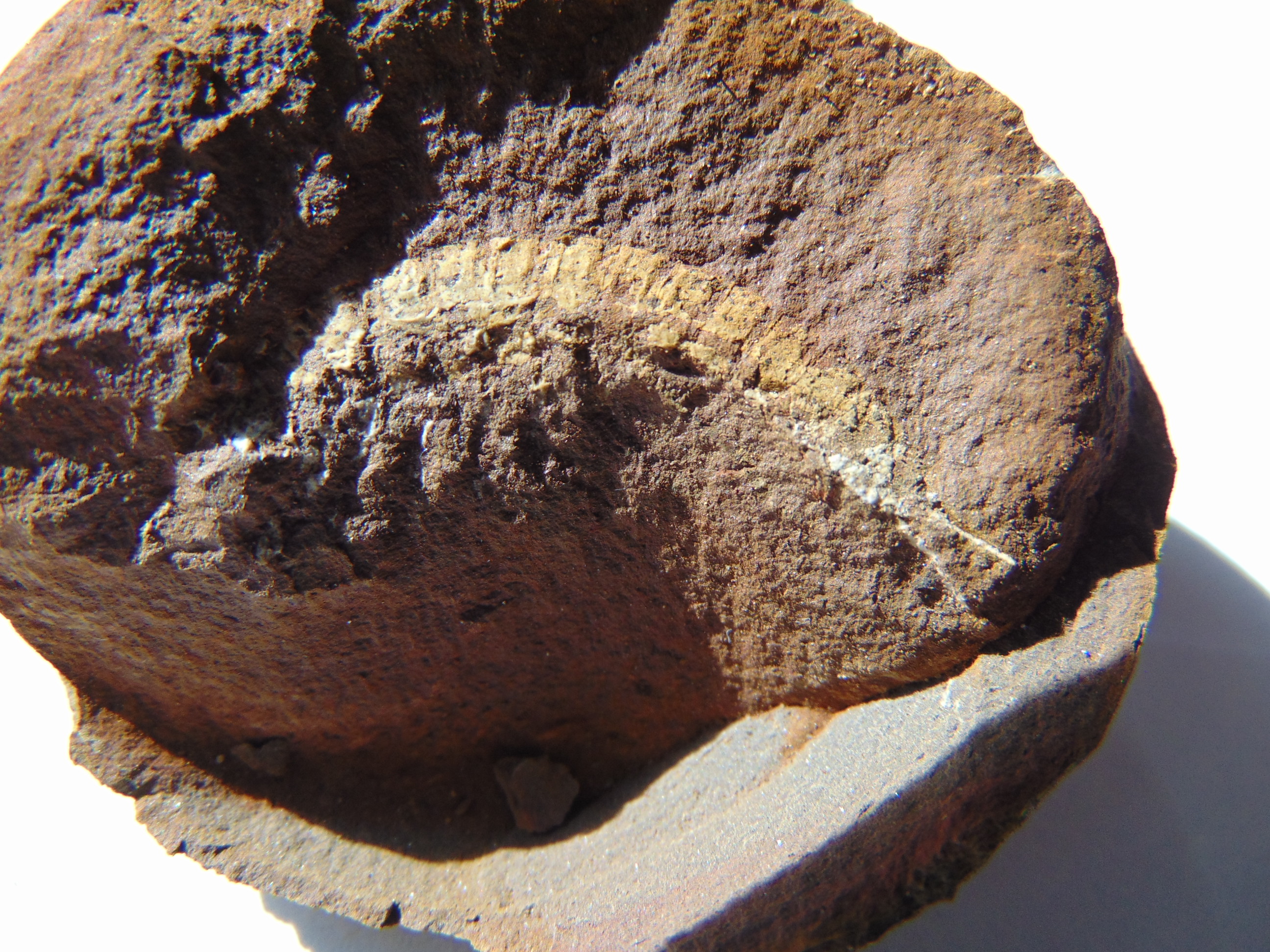
Read more: Fossil Friday #128: Acanthotelson from the Mazon RiverThis is “Fossil Friday” post #128. Expect this to be a somewhat regular feature of the website. We will post any fossil pictures you send in to esconi.info@gmail.com. Please include a short description or story. Check the #FossilFriday Twitter hash tag for contributions from around the world! This gorgeous Acanthotelson stimpsoni comes from the Mazon River near Morris, IL. ESCONI member Becky Monroe found this as a closed concretion a few years ago on one of the I&M Canal Corridor Fossil Field Trips. She used freeze/thaw to coax it open. It’s fairly large and nicely detailed. A. stimpsoni was named…
-
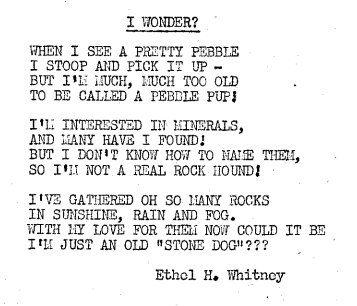
Throwback Thursday #130: I Wonder?
Read more: Throwback Thursday #130: I Wonder?This is Throwback Thursday #130. In these, we look back into the past at ESCONI specifically and Earth Science in general. If you have any contributions, (science, pictures, stories, etc …), please send them to esconi.info@gmail.com. Thanks! The poem “I Wonder?” was written by Ethel H. Whitney, who served as ESCONI’s first historian from 1950 – 1953. She and her family, husband George were members throughout the 1950’s and maybe beyond. She was born October 22nd, 1910 and died on July 30th, 2009 at age 98! Her poem was published in the September 1952 edition of the ESCONI newsletter. I…
-
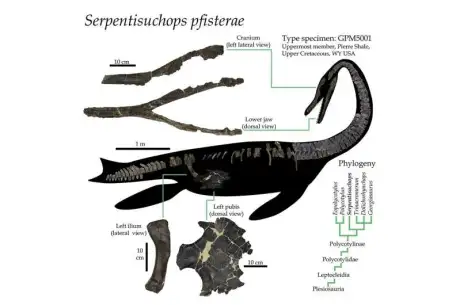
Plesiosaur unearthed in 1995 found to have been long-necked marine reptile
Read more: Plesiosaur unearthed in 1995 found to have been long-necked marine reptilePhys.org has a story about a recently described plesiosaur. Discovered back in 1995, Serpentisuchops pfisterae, which means roughly “creature with a snaky crocface”, has been described as a plesiosaur. Plesiosaurs generally come in two varieties, those with a long, snake-like neck and a small head, and those with a shorter neck and a head with a long jaw like a crocodile. S. pfisterae is unique because it has a long neck and a crocodile like head. The animal lived in what is now Wyoming during the Cretaceous Period about 70 million years ago. See the description which appeared in the…
-
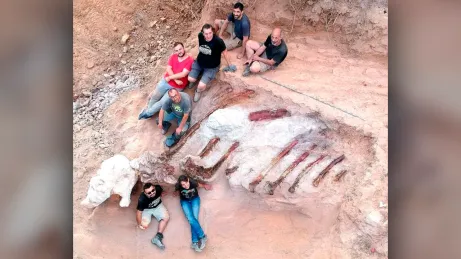
Ginormous Jurassic fossil in Portugal may be the biggest dinosaur ever found in Europe
Read more: Ginormous Jurassic fossil in Portugal may be the biggest dinosaur ever found in EuropeLive Science has a story about the discovery of a truly large dinosaur. The sauropod dinosaur has a gigantic rib cage and is possibly a brachiosaurid. It lived about 150 million years ago in what is now Pombal, Portugal, which is north of Lisbon and near the Atlantic coast. By the size of the already unearthed bones, this may be the largest dinosaur ever discovered in Europe. The animal when alive would have weighed about 48 tons, stood maybe 40 foot tall, and been nearly 82 feel long. So far, the skeleton’s structure appears consistent with that of a brachiosaurid,…
-

Mazon Monday #131: Fall 2022 Braceville Field Trip Report
Read more: Mazon Monday #131: Fall 2022 Braceville Field Trip ReportThis is Mazon Monday post #131. What’s your favorite Mazon Creek fossil? Tell us at email:esconi.info@gmail.com. —————————————————– On Saturday, September 10th, 2022 and Sunday, September 11th, 2022, ESCONI hosted the Fall 2022 Braceville Field Trip. These are semi-annual field trips held each spring and fall. Here is a report by ESCONI president Keith Robitshek, Andrew Young, and Rich Holm. The September field trips to the Braceville spoil pile started with Saturday being mostly sunny and rather warm for a late summer day. Sunday was cool and drizzly until about 12:30. We had 39 participants Saturday braving what would become a…
-
ESCONI Mazon Creek Open House 2022 is October 15th, 2022
Read more: ESCONI Mazon Creek Open House 2022 is October 15th, 2022The Mazon Creek Open House is October 15th, 2022 from 9:00 AM to 4:00 PM at Cantigny Park in Wheaton, IL. The Mazon Creek Open House is returning for 2022! If you’ve been a Mazon Creek collector (or even just a passing fan), you may have heard of the Mazon Creek Open House. It was an annual affair, usually held in October at places as varied as the Burpee Museum, the Lizzadro Museum, and even the Elgin Public Library. There were quite a few events in the 1990’s and early 2000’s up until the last one in 2007. For much…
-
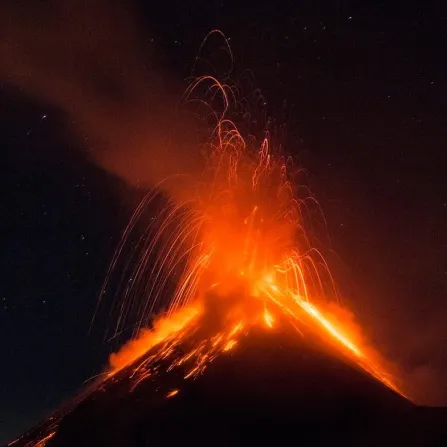
Dino death due to volcano-asteroid double whammy
Read more: Dino death due to volcano-asteroid double whammyEarthSky has a story about the K-Pg mass extinction. The Big Five Mass Extinctions all involved multiple events or conditions to bring about the destruction they wrought. Volcanoes were usually a part of it. A recent paper in the journal Proceedings of the National Academy of Sciences proposes that it was both the flood basalt volcanic eruptions of the Deccan Traps and the meteor strike on the Yucatan Peninsula that brought about the K-Pg mass extinction about 66 million years ago. The conventional wisdom of recent decades has pointed to an asteroid impact as the reason the dinosaurs disappeared. The…
-

Fossil Friday #127: Calymene Trilobite
Read more: Fossil Friday #127: Calymene TrilobiteThis is “Fossil Friday” post #127. Expect this to be a somewhat regular feature of the website. We will post any fossil pictures you send in to esconi.info@gmail.com. Please include a short description or story. Check the #FossilFriday Twitter hash tag for contributions from around the world! Today, we have a gorgeous trilobite from long-time ESCONI member Jann Bergsten. This is a Calymene celebra from the Silurian deposits around Chicago. Thanks for sharing, Jann! It really is a beautiful specimen! This first photo shows what was exposed after taking a few whacks at the rock. After seeing the exposted pygidium and…
-
Throwback Thursday #129: Puttering in Pewter
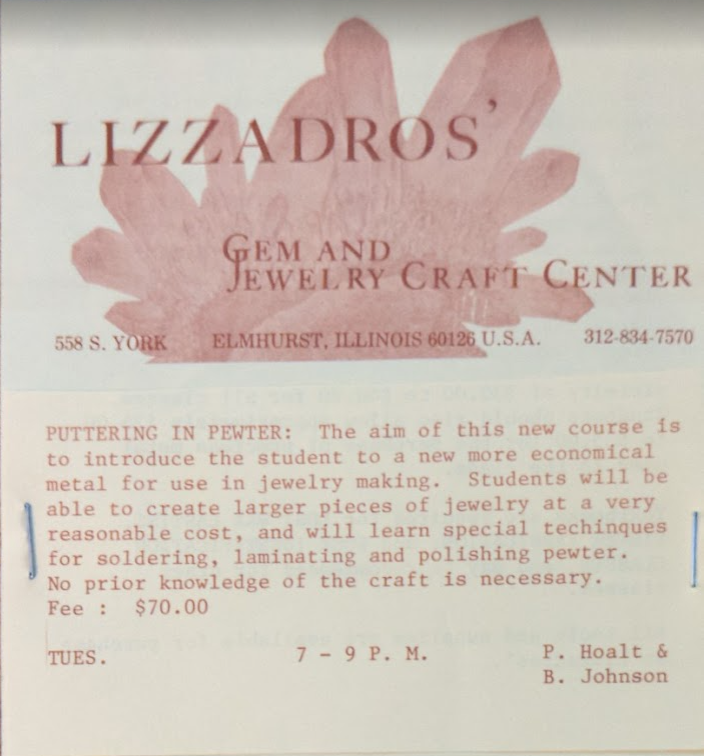
Read more: Throwback Thursday #129: Puttering in PewterThis is Throwback Thursday #129. In these, we look back into the past at ESCONI specifically and Earth Science in general. If you have any contributions, (science, pictures, stories, etc …), please send them to esconi.info@gmail.com. Thanks! The following is an article about working with pewter. It featured Paul Hoalt and Bob Johnson ESCONI members who were instructors at the Lizzadro Museum in Elmhurst, IL. Paul was later president of ESCONI in 1979 and 1980. In the past, ESCONI was into many other aspects of the Earth Sciences, including lapidary and metallurgy. We will highlight some pewter bola ties and…
-
ESCONI Paleontology Meeting Saturday, 7:30 PM Hybrid – “Brag Night”
Read more: ESCONI Paleontology Meeting Saturday, 7:30 PM Hybrid – “Brag Night”It’s “Brag Night” at the ESCONI Paleontology Meeting! Come out and bring your finds from the summer! For meeting will be held in College of DuPage Tech Ed (TEC) Building, Room 1038A (Map). We did a post about past “Brag Night” events in Throwback Thursday #77. See you there! The drawing above is from the “Brag Night” announcement in September 1967. Topic: ESCONI Paleontology Meeting Hybrid – “Brag Night” Time: Sep 24, 2022 07:30 PM Central Time (US and Canada) Join Zoom Meeting https://us02web.zoom.us/j/83943683047?pwd=a2ZWRUNYOXFYN1lNd1VlOHBScWd0QT09 Meeting ID: 839 4368 3047 Passcode: 188727 One tap mobile +13126266799,,83943683047#,,,,*188727# US…
-
‘Dinosaur mummy’: Researchers believe they’ve found one of the best preserved dinosaurs ever
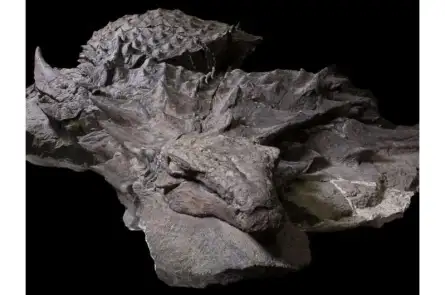
Read more: ‘Dinosaur mummy’: Researchers believe they’ve found one of the best preserved dinosaurs everCredit: Royal Tyrrell Museum, Drumheller, Canada Phys.org has a story about the discovery of another “dinosaur mummy”. A few years ago, a nodosaur found in Alberta, Canada was said to be the best preserved dinosaur ever. Now, researchers say they may have found an even better one. This specimen is a hadrosaur found in Dinosaur Provincial Park in Alberta, Canada. It’s said to be “perfectly preserved”. Researchers in Canada have discovered parts of what they believe to be a full “dinosaur mummy” lodged in a hillside, the University of Reading in the United Kingdom announced last week. The two exposed…
-

Mazon Monday #130: Braceville Spoil Pile History
Read more: Mazon Monday #130: Braceville Spoil Pile HistoryThis is Mazon Monday post #130. What’s your favorite Mazon Creek fossil? Tell us at email:esconi.info@gmail.com. —————————————————– ESCONI has been visiting the Braceville spoil pile each year in the spring and fall for many years, but the pile has been there even longer – 130 years in total. It started existence as the spoil pile for Fred Schultz in 1877. He sank the shaft and sold the mine to the Braceville Coal Company, which called it the No. 2 mine. It was in operation from around 1877 to 1894. The Braceville Coal Company had six mines all in the vicinity…
-

NYT: Unearthing a Maya Civilization That ‘Punched Above Its Weight’
Read more: NYT: Unearthing a Maya Civilization That ‘Punched Above Its Weight’The NY Times has a story about the discovery about 2,500 year old Mayan ruins. The ruins were found just three years ago near Chiapas, Mexico in a pasture. The researchers, Dr. Charles Golden and Andrew Scherer have been collaborating in the remote areas of historical Mesoamerica since the late 1990’s. They worked together on the systems of fortifications at the Late Classic Maya sites of Tecolote, in 2003, and Oso Negro, in 2005, both in Guatemala. CHIAPAS, Mexico — On a bright, buggy morning in early summer, Charles Golden, an anthropologist at Brandeis University, slashed through the knee-high grass…
-
PBS Eons: The Only Human Found in the La Brea Tar Pits
Read more: PBS Eons: The Only Human Found in the La Brea Tar PitsPBS Eons posted an episode of their podcast to Youtube. It's about the La Brea Tar Pits in Las Angeles, CA. And, the unexpected discovery of a human skeleton in the deposit. While we work on new longform YouTube episodes, we wanted to make the first episode of our podcast available here on YouTube! More episodes are available here: https://podcasts.apple.com/us/podcast… La Brea Woman is the name given to the only human ever excavated from the La Brea Tar Pits, but how did she end up there?
-
Fossil Friday #126: Sphenopteris sp. from Danville
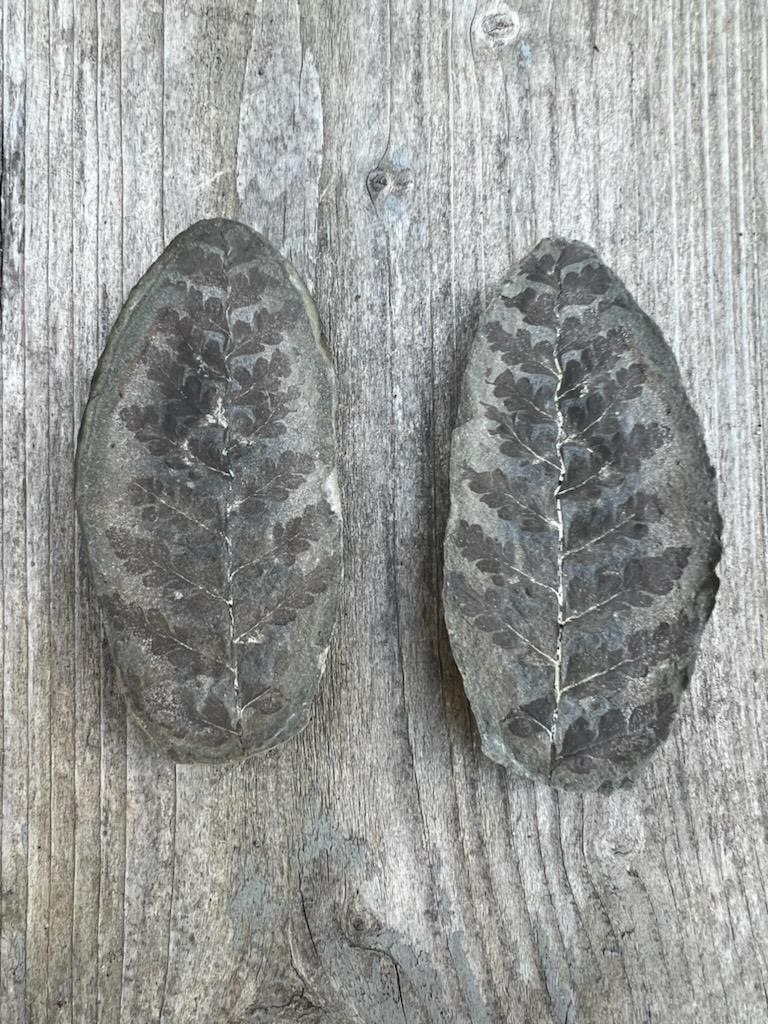
Read more: Fossil Friday #126: Sphenopteris sp. from DanvilleThis is “Fossil Friday” post #126. Expect this to be a somewhat regular feature of the website. We will post any fossil pictures you send in to esconi.info@gmail.com. Please include a short description or story. Check the #FossilFriday Twitter hash tag for contributions from around the world! ESCONI member Maarten Vonhof sent us these photos of a beautiful Sphenopteris sp. from the ESCONI Spring 2022 Danville field trip. Sphenopteris is a genus of seed ferns, which are also found in the Mazon Creek fossil deposit. There is a guide to the fossils from the Herrin coal on our website. Unfortunately,…
-
Throwback Thursday #128: ESCONI Shed September 1999
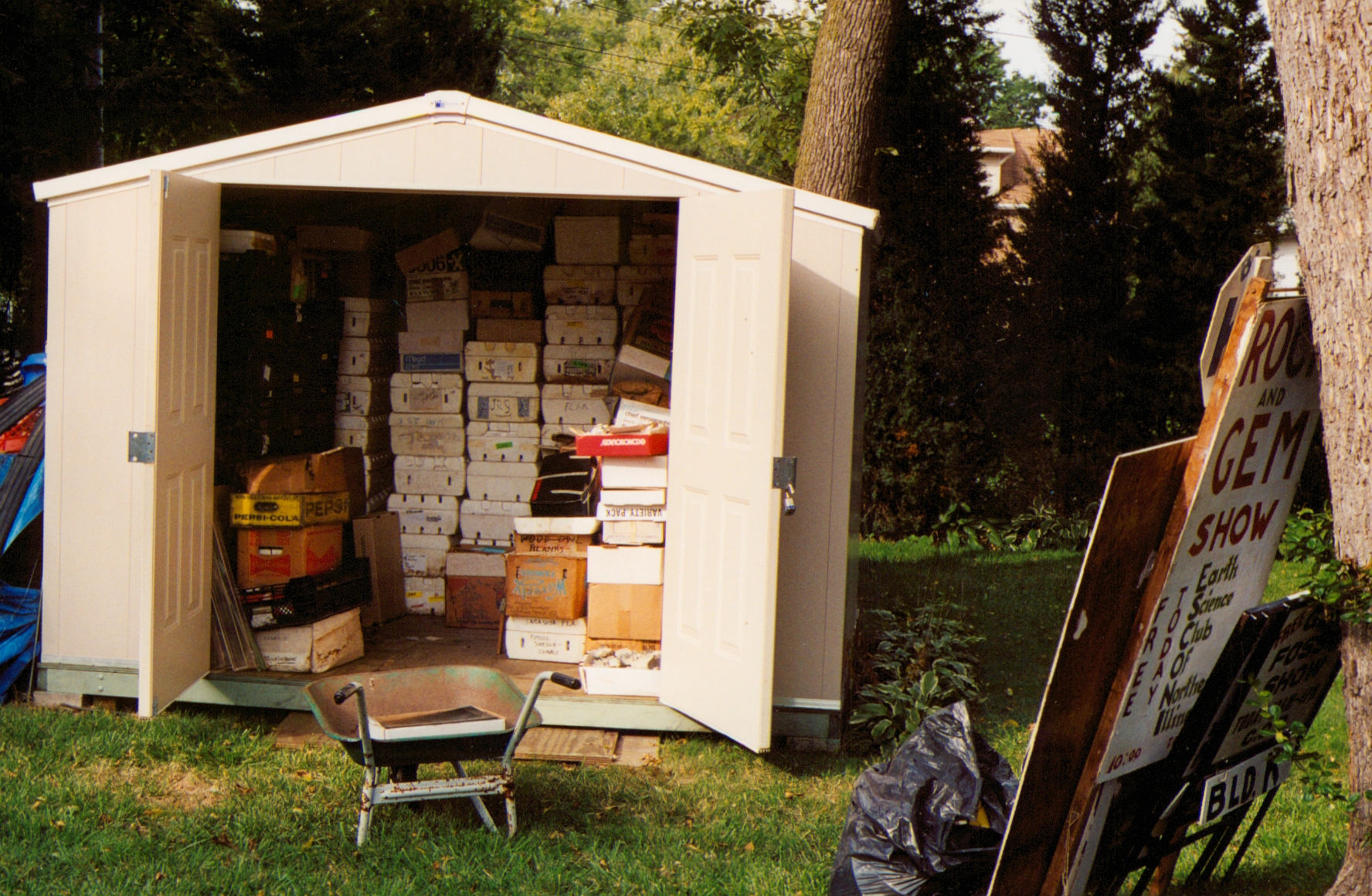
Read more: Throwback Thursday #128: ESCONI Shed September 1999This is Throwback Thursday #128. In these, we look back into the past at ESCONI specifically and Earth Science in general. If you have any contributions, (science, pictures, stories, etc …), please send them to esconi.info@gmail.com. Thanks! Back in the 1990’s, ESCONI stored its show material in a shed, which for a time was in Don Auler’s backyard. The shed was replacing a few times. In these photos from 1999, we see some past and present ESCONI officers. Some are still active members. You’ll see Dave Bergman, Jim Fairchild, John Good, Karen Norquist, and of course Don Auler. There are…

ESCONI Gem, Mineral, and Fossil Show
Most Recent Post
- ESCONI April 2026 General Meeting via Zoom – “Life in the Devonian Period, The Age of Fishes”
 The April 2026 General Meeting will be held on April 10th, 2026 at 8:00 via Zoom. At the meeting, Jessica Hull will present “Life in the Devonian Period, The Age of Fishes.” The Devonian Period was a crucial moment in the history of life. In this presentation, Jessica Hull will bring fossils to life by describing how they would have lived based on the most up to date research. Dunkleosteus fans won’t want to miss this!
- About ESCONI
- Around the Web
- Calendar of Events
- Code of Ethics and Conduct
- ESCONI Books for Sale
- ESCONI Gem, Mineral, and Fossil Show
- ESCONI in the News
- ESCONI Videos
- Field Trips
- Flashback Friday
- Fossil Friday
- Mazon Creek
- Mazon Monday
- Member Spotlight
- Membership Information
- Reference Material
- Throwback Thursday
- Trilobite Tuesday
Field trips require membership, but visitors are welcome at all meetings!
| Friday, April 10th | General Meeting – 8:00 PM via Zoom. Jessica Hull will present “Life in the Devonian Period, The Age of Fishes.” |
| Saturday, April 11th | Junior Study Group Meeting – 2:00 PM, in person at the College of DuPage Technical Education Center (TEC) Building – Room 1038A (Map). Katherine Howard will present on Sand and Sediment Collecting. Specifics of this meeting are available from Scott Galloway, 630-670-2591, gallowayscottf@gmail.com. |
| Saturday, April 18th | Paleontology Study Group – 7:30 PM via Zoom and in person at the College of DuPage, TEC, Room 1038B (Map). Keith Robitschek will present “Digging the Marl of the Lance Formation.” |
| Friday, April 24th | MAPS Expo XLVII – Springfield, IL. |
| Saturday, April 25th | MAPS Expo XLVII – Springfield, IL. |
| Sunday, April 26th | MAPS Expo XLVII – Springfield, IL. |
| No meeting this month | Mineralogy Study Group |