
-
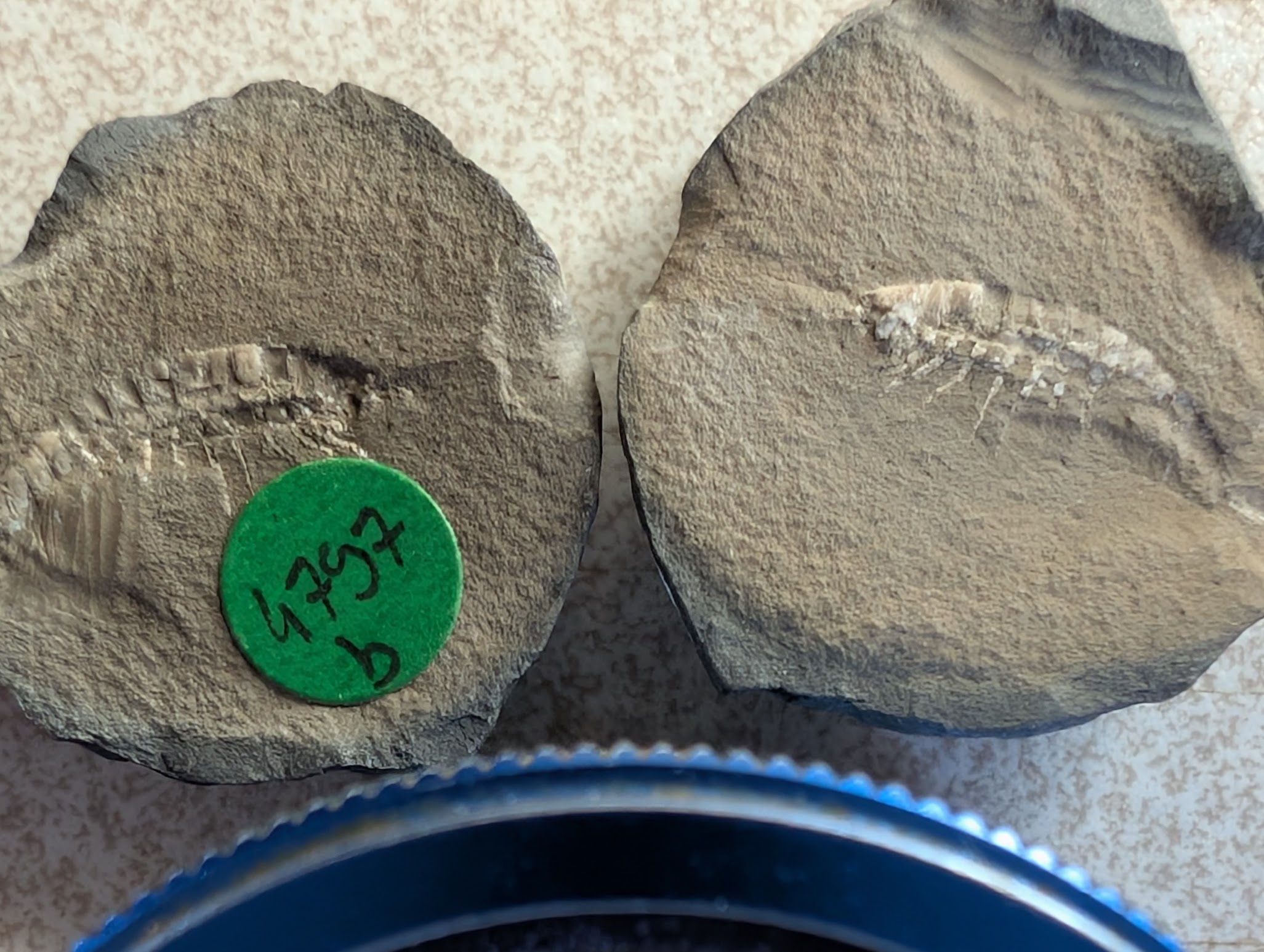
Fossil Friday #301: French Palaeocaris
Read more: Fossil Friday #301: French PalaeocarisThis is the “Fossil Friday” post #301. Expect this to be a regular feature of the website. We will post fossil pictures you send in to esconi.info@gmail.com. Please include a short description or story. Check the #FossilFriday Bluesky/Twitter hash tag for contributions from around the world! In Mazon Monday #294, we highlighted the fossil site at Montceau-les-Mines in southeastern France. This Carboniferous (Stephanian) locality dates to approximately 303–305 million years ago, making it slightly younger than Mazon Creek. While Montceau-les-Mines preserves many of the same plant and animal groups found at Mazon Creek, it stands out for its greater diversity and…
-
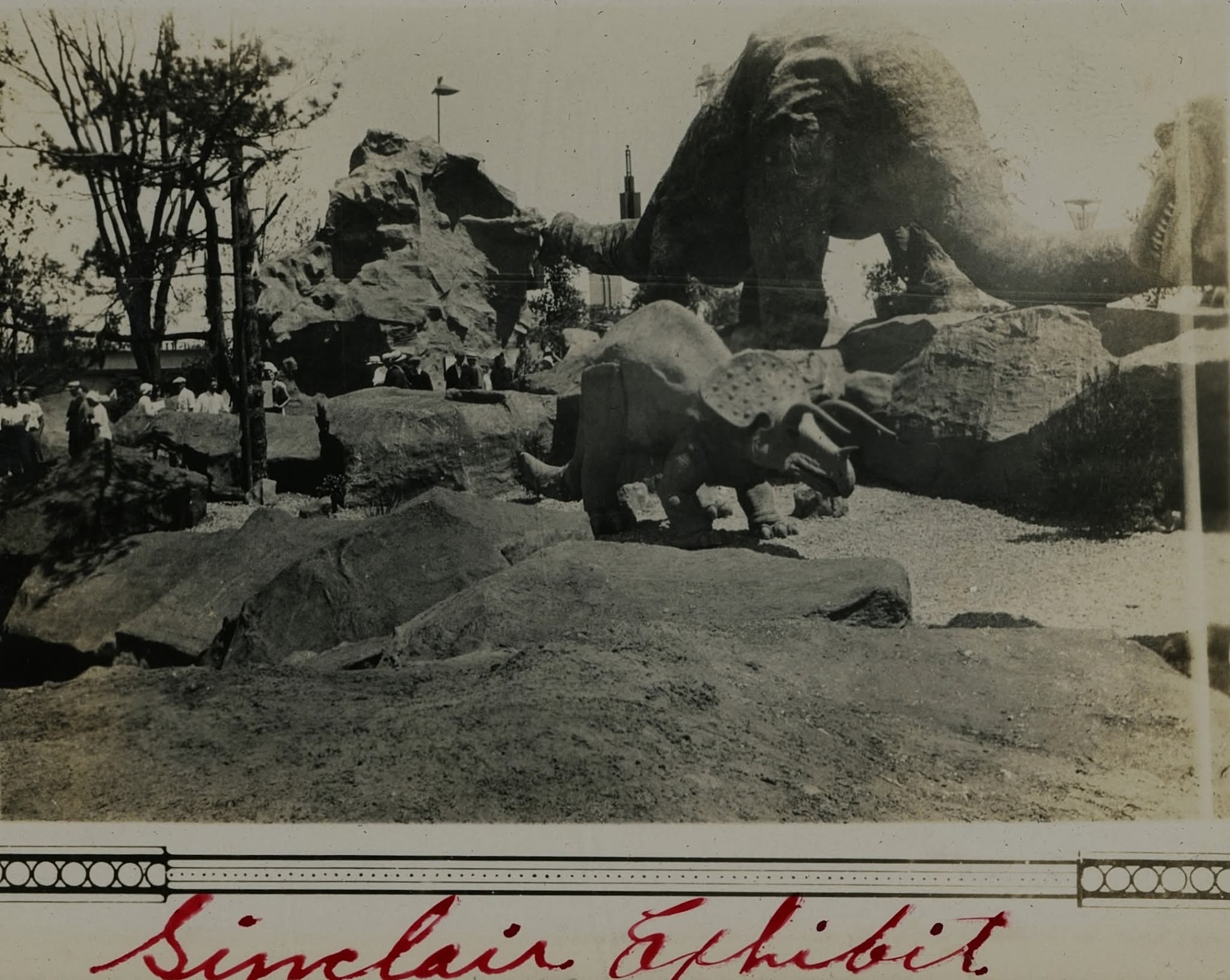
Throwback Thursday #301: Century of Progress – Sinclair Exhibit
Read more: Throwback Thursday #301: Century of Progress – Sinclair ExhibitThis is Throwback Thursday #301. In these, we look back into the past at ESCONI specifically and Earth Science in general. If you have any contributions, (science, pictures, stories, etc …), please send them to esconi.info@gmail.com. Thanks! email:esconi.info@gmail.com. Ran across an interesting post on the Original Chicago Group on Facebook last month (December 2025). In the post, Shane Egan shared some photos from the Century of Progress International Exposition, also known as the Chicago World’s Fair, held from May 27th to October 31st in 1933. Shane’s post was of photos taken between July 23rd – 25th, 1933 from a photo…
-
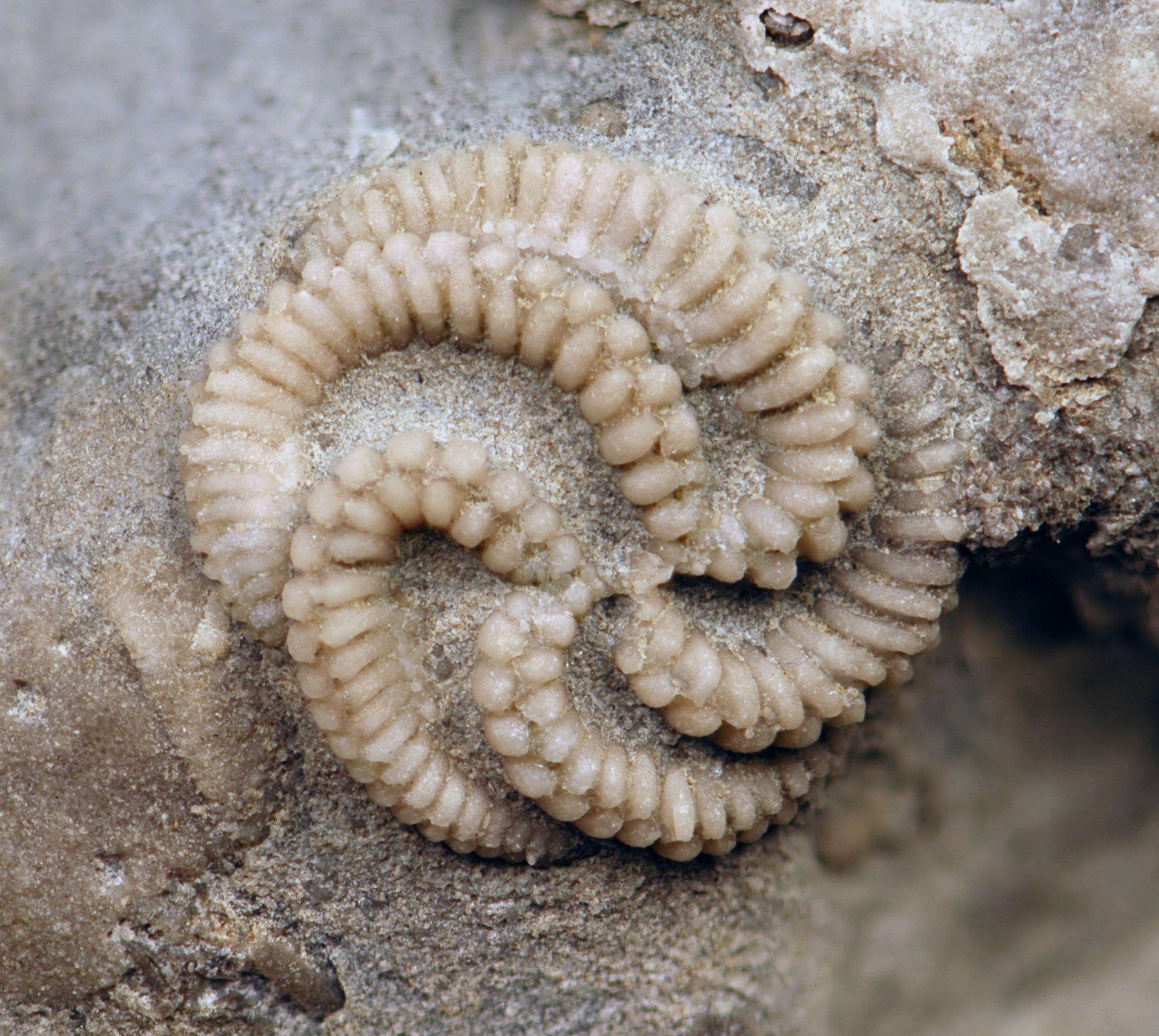
Video for ESCONI January 2026 Paleontology Meeting – “Getting Lost Can Lead to Treasure – Edrioasteroids”
Read more: Video for ESCONI January 2026 Paleontology Meeting – “Getting Lost Can Lead to Treasure – Edrioasteroids”Jack Kallmeyer President of the Dry Dredgers will present “Getting Lost Can Lead to Treasure – Edrioasteroids – What to Do When You Find Thousands”. The meeting was held on January 17th, 2026 at 7:30 PM. While growing my early collection in the Cincinnatian, one of the most desired fossils that I sought after was the Edrioasteroid. While not really rare (if you count fragmentary finds), nice complete specimens tend to be elusive. I took detailed notes and directions given at a Dry Dredgers club lecture to a site where whole specimens had been found. I missed the field trip…
-

Video for ESCONI January 2026 General Meeting – “Fossil Birds of Wyoming”
Read more: Video for ESCONI January 2026 General Meeting – “Fossil Birds of Wyoming”Jean-Pierre Cavigelli, of Casper College in Casper, WY, presented “Fossil Birds of Wyoming”. Wyoming’s fossil bird record spans much of the Late Cretaceous through the Cenozoic, though its completeness varies widely through time. The state’s oldest known bird fossils come from the late Cretaceous Mesa Verde Formation and Pierre Shale, dating to about 79 million years ago, but this early record is sparse and fragmentary. Paleocene bird fossils are known primarily from a single site, and research on this interval remains in its early stages. In contrast, Wyoming’s Eocene bird record is among the best in the world, thanks largely…
-

Mazon Monday #305: Herdina mirificus
Read more: Mazon Monday #305: Herdina mirificusThis is Mazon Monday post #305. What’s your favorite Mazon Creek fossil? Tell us at email:esconi.info@gmail.com. Herdina mirificus is an extinct species of short-winged insect, currently classified in the order Protorthoptera. Protorthoptera is an extinct lineage of insects that lived during the middle to late Pennsylvanian Period some 318 to 299 million years ago. The order is a bit of a waste basket, containing a paraphyletic assemblage of basal neoptera. The namesake for Herdina mirificus is Jerry Herdina, a prolific Mazon Creek collector who donated his collection to the Field Museum in 1974 (see Mazon Monday #226). Jerry Herdina (1905-1974)…
-
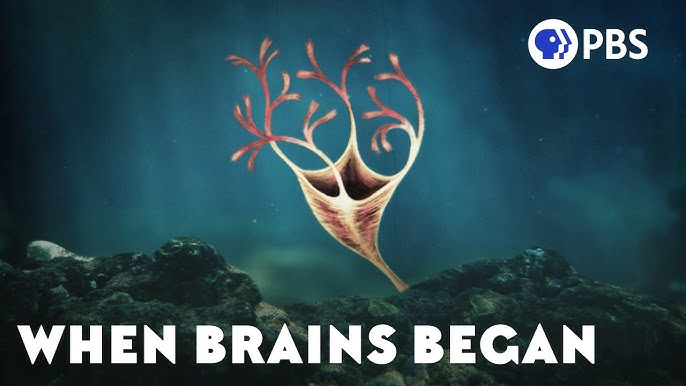
PBS Eons: How Brawn Led to Brains
Read more: PBS Eons: How Brawn Led to BrainsPBS Eons has a new video. This one is about the evolution of brains. While we often think of brains as some kind of triumph over brawn, it turns out that those two things might not be mutually exclusive, and in fact, they’ve been linked for far longer than we might imagine. PBS Member Stations rely on viewers like you. To support your local station, go to http://to.pbs.org/DonateEons
-
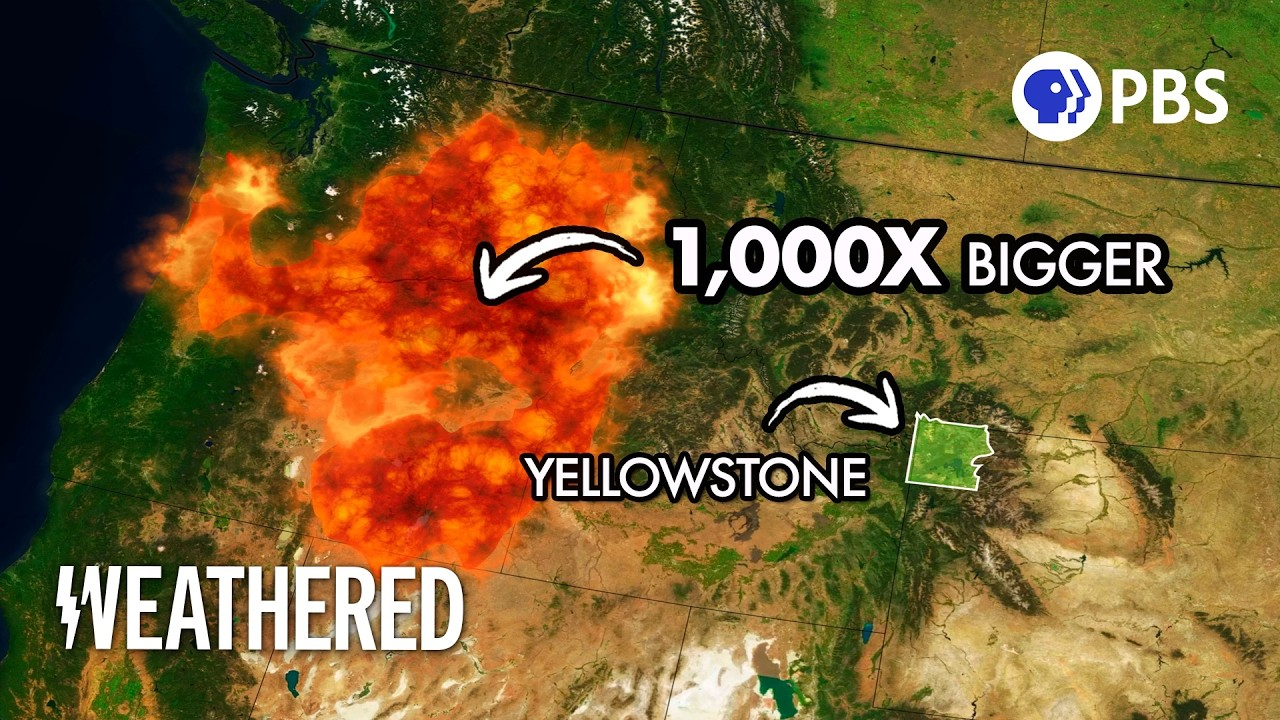
There’s Something MUCH Bigger Than Yellowstone. And It Will Happen Again
Read more: There’s Something MUCH Bigger Than Yellowstone. And It Will Happen AgainPBS Terra has an interesting video about super volcanoes and they larger cousin… Large Igneous Provinces (LIPs). Yellowstone was massive. Roughly a thousand times larger than the eruption of Mt. St. Helens, the biggest eruption in the history of the continental United States. And if Yellowstone erupted again, the consequences for the U.S. and the world would be devastating. But there’s something far bigger than Yellowstone. Something so powerful it’s been linked to nearly every mass extinction in Earth’s history. And astonishingly, most people have never heard of it. In this episode of Weathered, we explore the true giants of…
-
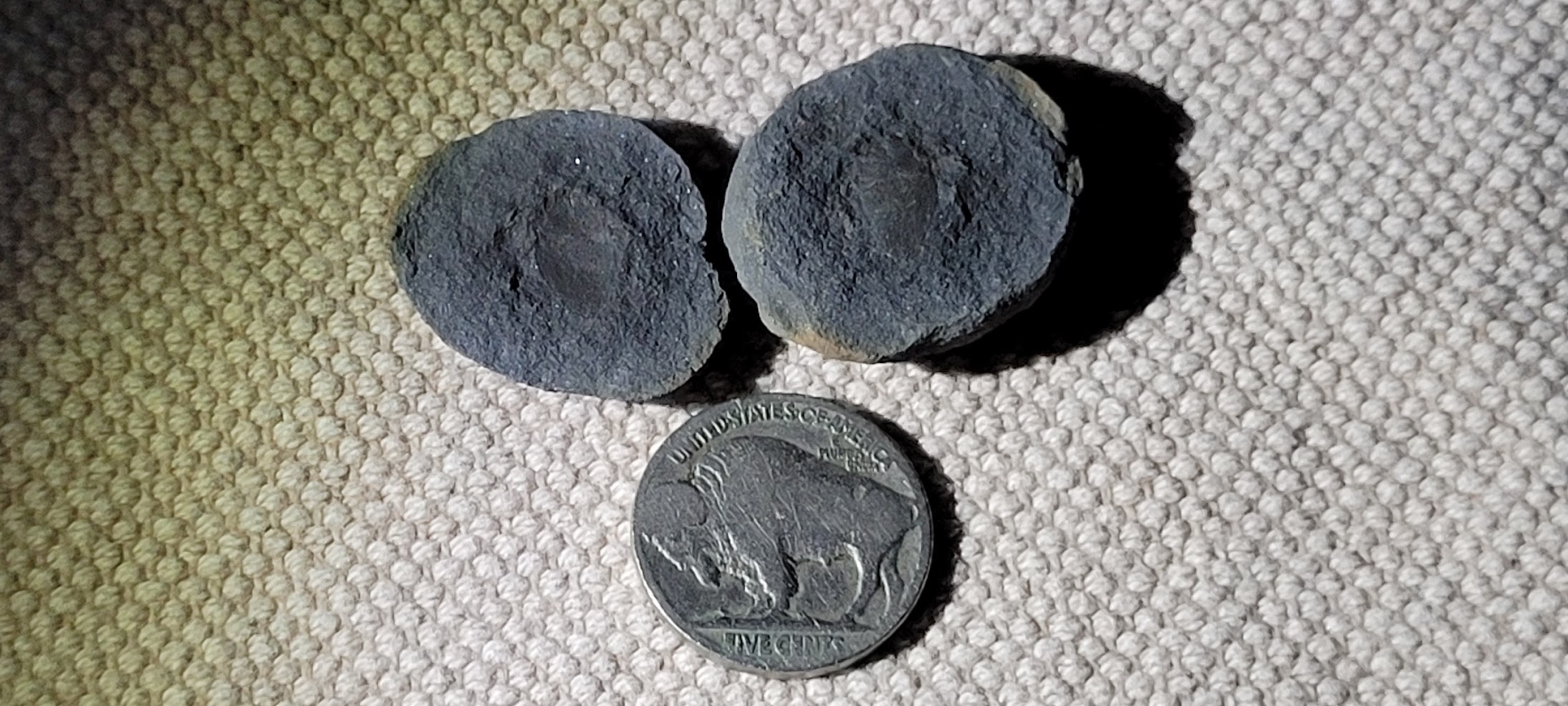
Fossil Friday #300: Orthotarbus robustus from the River
Read more: Fossil Friday #300: Orthotarbus robustus from the RiverThis is the “Fossil Friday” post #300. Expect this to be a regular feature of the website. We will post fossil pictures you send in to esconi.info@gmail.com. Please include a short description or story. Check the #FossilFriday Bluesky/Twitter hash tag for contributions from around the world! Is there a better way to post our 300th Fossil Friday than with a Mazon Creek spider? This beautiful spider is an Orthotarbus robustus. It was described by Alexander Petrunkevitch in 1945. Technically, O. robustus isn’t a spider. It belonged to a an extinct group of spider-like animals called Architarbids. Architarbids lived during the Mississippian and…
-

Throwback Thursday #300: Poem… The Rockhound
Read more: Throwback Thursday #300: Poem… The RockhoundThis is Throwback Thursday #301. In these, we look back into the past at ESCONI specifically and Earth Science in general. If you have any contributions, (science, pictures, stories, etc …), please send them to esconi.info@gmail.com. Thanks! email:esconi.info@gmail.com. We have a poem this week. This poem appeared in the July 1970 edition of the ESCONI newsletter. It was written by T.O Garrett of the Willipaw Harbor Gem & Mineral Society. Unfortunately, there is no evidence for the Willipaw Harbor Gem & Mineral Society, but there is a region of Washington State called Willapa Harbor. Below is a photo of the Port…
-
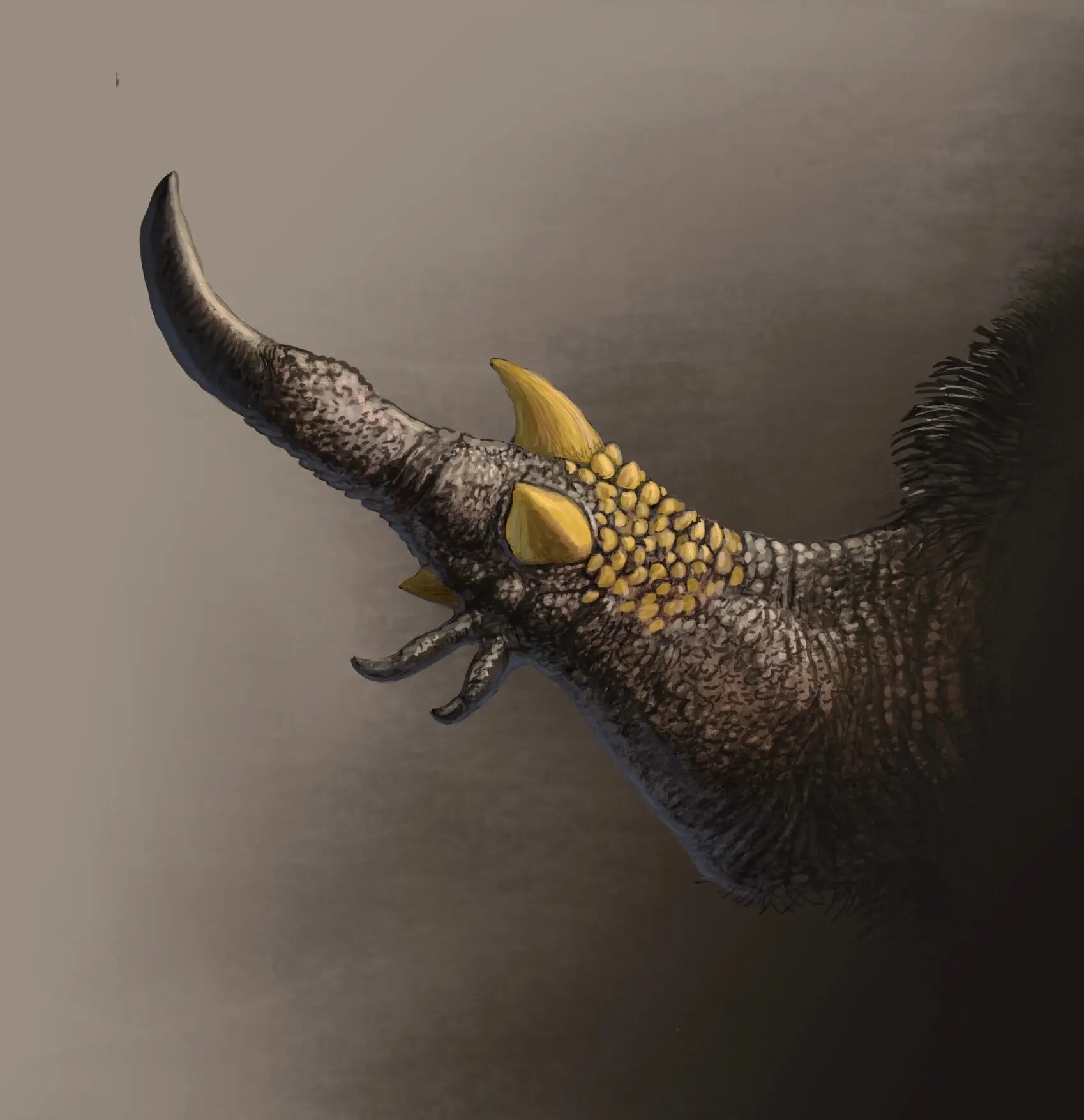
This Dinosaur Really Knew How to Get a Grip
Read more: This Dinosaur Really Knew How to Get a GripThe New York Times Trilobites column has an interesting story about a tiny egg stealing dinosaur that lived about 67 million years ago in what is now Mongolia. Manipulonyx reshetovi had a strange spike-covered hand, which provided its genus name meaning “manipulating claw”. The animal’s fossil was discovered in 1979 and described in the journal Proceedings of the Zoological Institute of the Russian Academy of Sciences last December. “I’ve honestly never been more flabbergasted by any dinosaur fossil,” said Stephen Brusatte, a paleontologist at the University of Edinburgh who was not involved in the study. At first glance, he wondered…
-
ESCONI January 2026 Paleontology Meeting – January 17th, 2026 at 7:30 PM – “Getting Lost Can Lead to Treasure – Edrioasteroids”
Read more: ESCONI January 2026 Paleontology Meeting – January 17th, 2026 at 7:30 PM – “Getting Lost Can Lead to Treasure – Edrioasteroids”Jack Kallmeyer President of the Dry Dredgers will present “Getting Lost Can Lead to Treasure – Edrioasteroids – What to Do When You Find Thousands”. The meeting will be held on January 17th, 2026 at 7:30 PM. While growing my early collection in the Cincinnatian, one of the most desired fossils that I sought after was the Edrioasteroid. While not really rare (if you count fragmentary finds), nice complete specimens tend to be elusive. I took detailed notes and directions given at a Dry Dredgers club lecture to a site where whole specimens had been found. I missed the field…
-

Mazon Monday #304: Field Museum… Illinois by the sea
Read more: Mazon Monday #304: Field Museum… Illinois by the seaThis is Mazon Monday post #304. What’s your favorite Mazon Creek fossil? Tell us at email:esconi.info@gmail.com. In May 1970, the Field Museum opened an exhibit about Mazon Creek. It was called “Illinois by the sea: a coal age environment” and ran from May 25th until September 25th. It was a successful exhibit that featured Field Museum fossils and contributions from ESCONI members. Many familiar names were among the contributors. There was an announcement in the ESCONI newsletter in September 1970. DON’T MISS THIS FIELD MUSEUM EXHIBIT!–via Terry Wolfe Inaugurated May 25th to become the newest exhibit at the Field Museum,…
-
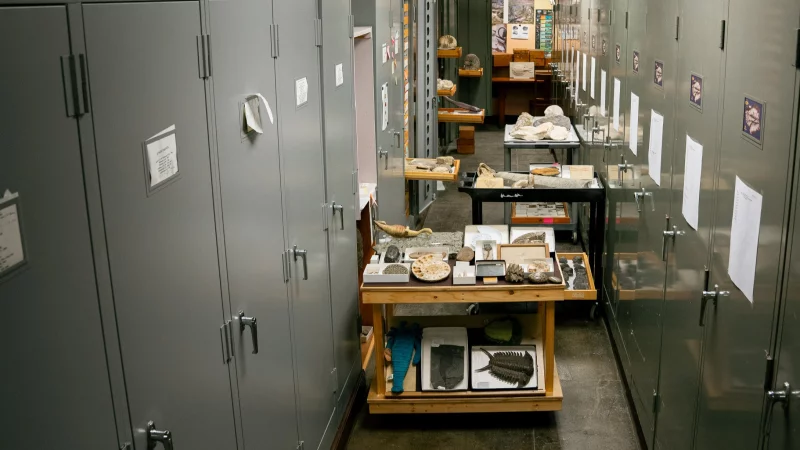
NPR Short Wave: The dinosaur secrets found in the archives of a natural history museum
Read more: NPR Short Wave: The dinosaur secrets found in the archives of a natural history museumNPR’s Short Wave show has an episode about dinosaurs at the Carnegie Museum of Natural History in Pittsburgh. What happens behind the scenes of a dinosaur exhibit? Short Wave host Regina Barber got to find out … by taking a trip to the Carnegie Museum of Natural History in Pittsburgh. In the museum’s basement, she talked to a paleobiologist, checked out a farmland fossil find and even touched a 67 million-year-old bone. Because, as it turns out, there’s a lot of science that can be found in a museum basement. Learn more about the Carnegie Museum of Natural History’s exhibit “The Stories…
-

The Year in Neanderthals
Read more: The Year in NeanderthalsThe New York Times has a nice article that highlights new understanding into who the Neanderthals were. Neanderthals lived across Eurasia for hundreds of thousands of years before going extinct some 40,000 years ago. A bunch of new high profile studies were published in 2025. Barely three decades ago, these ancient hominids were still being widely depicted as knuckle-dragging brutes that were too dimwitted for moral or religious concepts, probably lacking language and behaviorally less advanced than modern humans. The picture changed considerably in 2010 after the Max Planck Institute published the complete Neanderthal genome, which revealed that people of European…
-

Fossil Friday #299: Annularia sphenophylloides
Read more: Fossil Friday #299: Annularia sphenophylloidesThis is the “Fossil Friday” post #299. Expect this to be a regular feature of the website. We will post fossil pictures you send in to esconi.info@gmail.com. Please include a short description or story. Check the #FossilFriday Bluesky/Twitter hash tag for contributions from around the world! Today, we have another beautiful contribution from George Witaczek. This time it’s a beautiful Annularia sphenophylloides (see Mazon Monday #123) is another Mazon Creek favorite. They are almost always preserved with 3 dimensions, as is this one. Thanks for sharing, George! Annularia sphenophylloides is a smaller variety of Annularia, which were the “leaves” of Calamites. It was described in…
-

Throwback Thursday #299: Macfallite
Read more: Throwback Thursday #299: MacfalliteThis is Throwback Thursday #299. In these, we look back into the past at ESCONI specifically and Earth Science in general. If you have any contributions, (science, pictures, stories, etc …), please send them to esconi.info@gmail.com. Thanks! email:esconi.info@gmail.com. This post is a follow up to last week’s Throwback Thursday, where we mentioned the mineral species Macfallite. It was named for Russell P. MacFall (1903-1983). MacFall was an editor for the Chicago Tribune newspaper and, earlier, for other newspapers. He was an amateur mineralogist interested in systematic mineralogy and an author of six books on popular mineralogy, paleontology, and geology. Russell did…
-
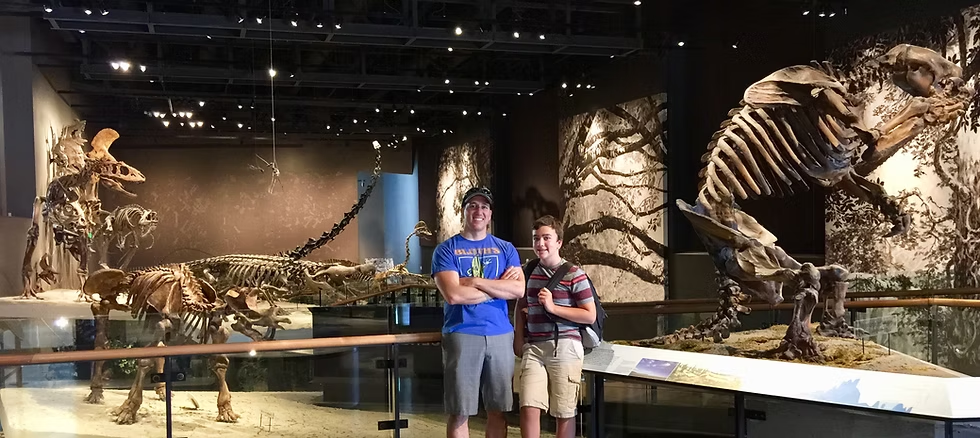
WHY DINOSAURS? Award-Winning Dinosaur Documentary!
Read more: WHY DINOSAURS? Award-Winning Dinosaur Documentary!The award winning documentary “Why Dinosaurs” is now available on Youtube! The documentary covers quite a bit of the history and the science of paleontology. Did I mention that ESCONI’s own Rob Sula has his own segment? Oh, there’s also a great website – whydinosaurs.com. The website has extended interviews and other extras! Check it out! An award-winning documentary about dinosaurs and the people who love them. From prestigious museums and universities to blockbuster films, amusement park rides, video games, and toys—dinosaurs have fascinated us for generations. But… why? WHY DINOSAURS? follows dino-obsessed teen James Pinto and his filmmaker father…
-
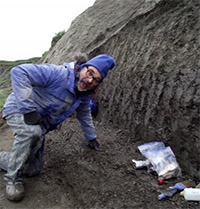
ESCONI January 2026 General Meeting – January 9th, 2026 at 8:00 PM – “Fossil Birds of Wyoming”
Read more: ESCONI January 2026 General Meeting – January 9th, 2026 at 8:00 PM – “Fossil Birds of Wyoming”Jean-Pierre Cavigelli, of Casper College in Casper, WY, will present “Fossil Birds of Wyoming”. Wyoming is well known for its fossils of all kinds. Dinosaurs are probably the most famous. They were first discovered here in the late 1800’s and are still being uncovered and studied nowadays. Fossil fishes from the southwest corner of the state are mined by the thousands and sold in rock shops all over the world. Wyoming also has great deposits of fossil mammals, and reptiles such as crocodiles and turtles. But what about birds? In general, bird fossils are generally very uncommon. This is mainly…
-
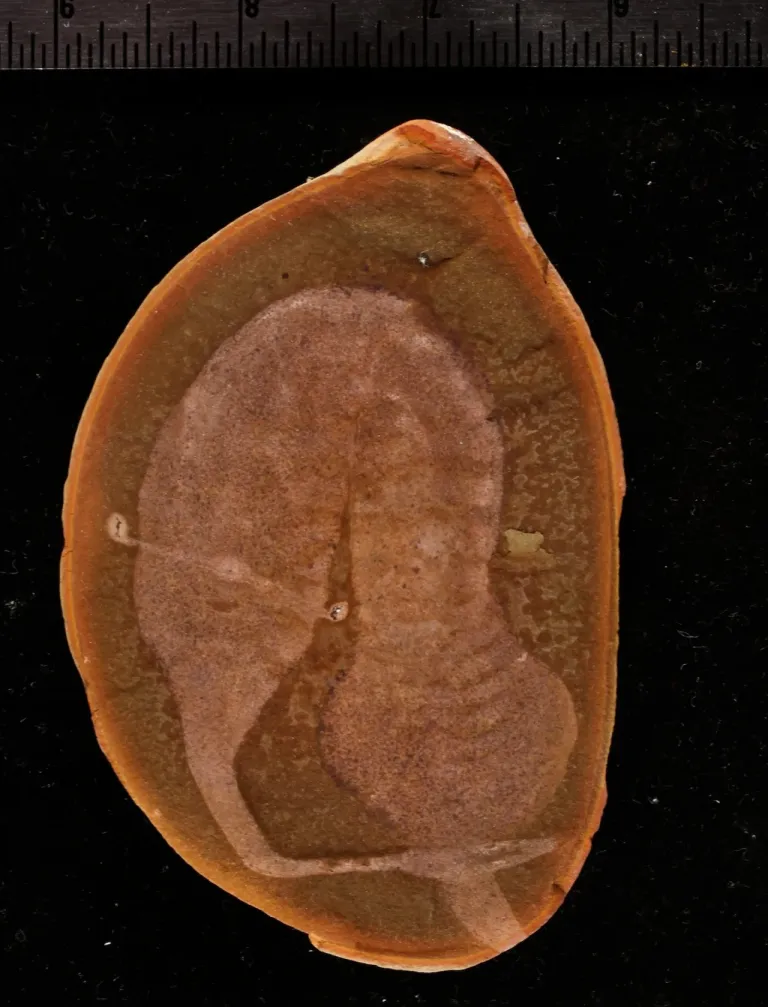
Mazon Monday #303: Happy 60th Birthday, Tully Monster!
Read more: Mazon Monday #303: Happy 60th Birthday, Tully Monster!Happy 60th Birthday to the Tully Monster! Well, actually tomorrow is the day. And, I guess technically it’s really been 307 – 309 million years, but who’s really counting. Eugene Richardson, Jr., who first called it “Mr. Tully’s monster”, described the animal in the paper “Pennsylvanian invertebrates of the Mazon Creek Area, Illinois: the morphology and affinities of Tullimonstrum”, which was published on March 24th, 1966 in the journal Fieldiana.
-
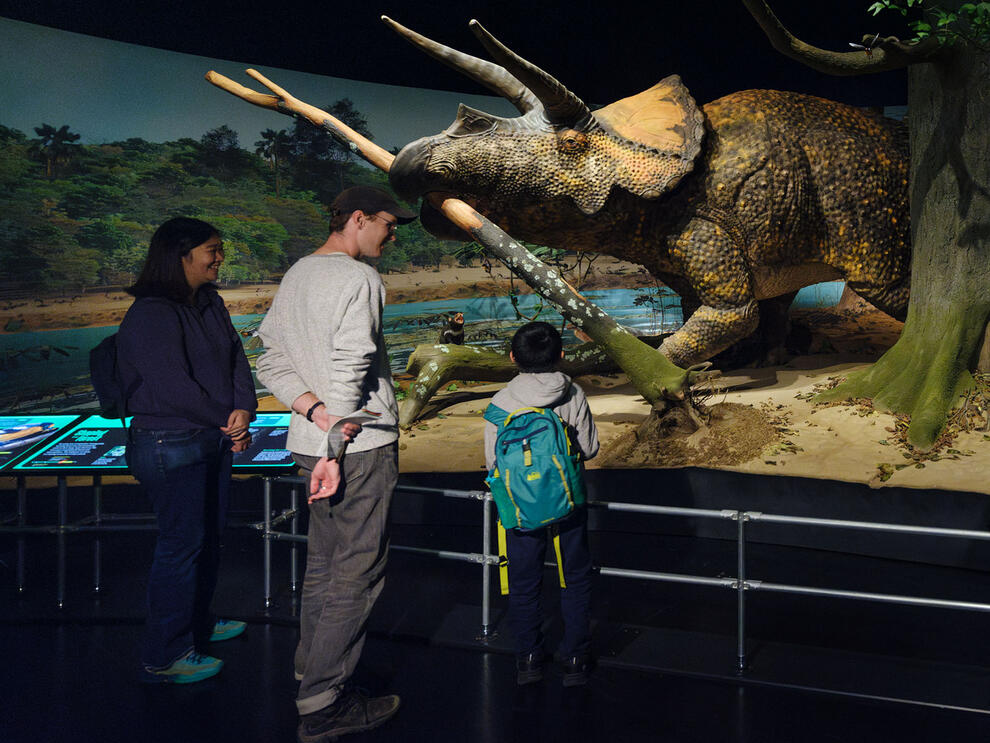
Adam Savage at the American Museum of Natural History
Read more: Adam Savage at the American Museum of Natural HistoryThe AMNH has a new exhibit called “Impact: The End of the Age of Dinosaurs”. Adam Savage visited the museum just before the exhibit opened in November, There are a series of videos on Youtube. How do you come up with the physical representation of animals we know lived on Earth, when the evidence of their existence is limited to bone, footprints and skin impressions at best? How do you decide on color? Pose? Scale? Even setting? At the @AmericanMuseumofNaturalHistory, curator/paleontologist Roger Benson and senior principal preparators Rebecca Meah and Jake Adams talk to Adam Savage about how they came…

ESCONI Gem, Mineral, and Fossil Show
Most Recent Post
- Ancient bees found nesting inside fossil bones in rare cave discovery
 Science Daily has a post about a recent paper that looked at novel bee nesting behavior. Researchers working on the Caribbean island of Hispaniola discovered a rare and unusual fossil interaction in a cave, ancient bees used fossilized bones as nesting sites.
- About ESCONI
- Around the Web
- Calendar of Events
- Code of Ethics and Conduct
- ESCONI Books for Sale
- ESCONI Gem, Mineral, and Fossil Show
- ESCONI in the News
- ESCONI Videos
- Field Trips
- Flashback Friday
- Fossil Friday
- Mazon Creek
- Mazon Monday
- Member Spotlight
- Membership Information
- Reference Material
- Throwback Thursday
- Trilobite Tuesday
Field trips require membership, but visitors are welcome at all meetings!
| Friday, April 10th | General Meeting – 8:00 PM via Zoom. Jessica Hull will present “Life in the Devonian Period, The Age of Fishes.” |
| Saturday, April 11th | Junior Study Group Meeting – 2:00 PM, in person at the College of DuPage Technical Education Center (TEC) Building – Room 1038A (Map). Katherine Howard will present on Sand and Sediment Collecting. Specifics of this meeting are available from Scott Galloway, 630-670-2591, gallowayscottf@gmail.com. |
| Saturday, April 18th | Paleontology Study Group – 7:30 PM via Zoom and in person at the College of DuPage, TEC, Room 1038B (Map). Keith Robitschek will present “Digging the Marl of the Lance Formation.” |
| Friday, April 24th | MAPS Expo XLVII – Springfield, IL. |
| Saturday, April 25th | MAPS Expo XLVII – Springfield, IL. |
| Sunday, April 26th | MAPS Expo XLVII – Springfield, IL. |
| No meeting this month | Mineralogy Study Group |