
-

Video for ESCONI April 2024 General Meeting – “Ice age mammals from the frozen North”
Read more: Video for ESCONI April 2024 General Meeting – “Ice age mammals from the frozen North”The ESCONI General Meeting for April 2024 was held on Friday, April 12th, 2024 at 8:00 PM zia Zoom. The topic of the presentation is “Ice age mammals from the frozen North“. It was given by Yukon Paleontologist Grant Zazula. Ever since the Klondike Gold Rush of 1898, Yukon miners in search of shiny gold nuggets have uncovered the spectacular remains of ice age mammals. This presentation will feature the phenomenal record of ice age mammals and paleo-environments recovered in the wilds of northwest Canada, including spectacular permafrost preserved animal mummies. Collaboration between gold miners, local First Nations communities and scientists…
-
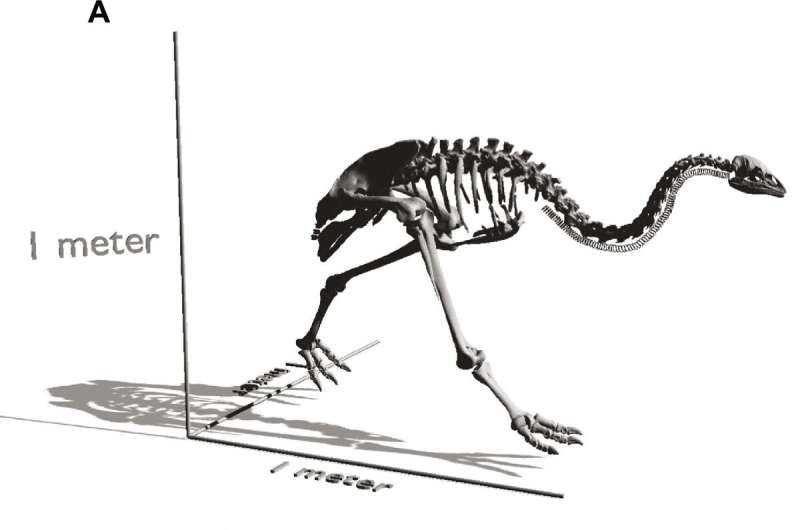
Researchers reconstruct genome of extinct species of flightless bird that once roamed the islands of New Zealand
Read more: Researchers reconstruct genome of extinct species of flightless bird that once roamed the islands of New ZealandPhys.org has a story about an extinct flightless bird from New Zealand. The genome of Anomalopteryx didiformis, the little bush moa, has been sequenced by a team of researchers that included scientists from Harvard University, the Max Planck Institute for Biological Intelligence, East Carolina University, Osaka University and the University of Toronto. A. didiformis went extinct about 500-600 years ago with the arrival of the Maori people in New Zealand. It was about the size of a large modern turkey. The research was published in the journal Science Advances. The little bush moa was once one of the biggest birds…
-

Mazon Monday #218: Braceville Field Trip Report for Spring 2024
Read more: Mazon Monday #218: Braceville Field Trip Report for Spring 2024This is Mazon Monday post #218. What’s your favorite Mazon Creek fossil? Tell us at email:esconi.info@gmail.com. A few weeks ago, ESCONI held the Spring 2024 edition of the Braceville Field Trip to collect Mazon Creek concretions. The weather was nice, no rain this time. Saturday, May 4th was hot, with highs in the mid to upper 80s. That is unseasonably warm, but is consistent with the weather this spring. We were about three weeks ahead of usual conditions. Sunday was cooler… about 15 degrees cooler. That made for much more comfortable digging. The hill is still quite large, but it…
-
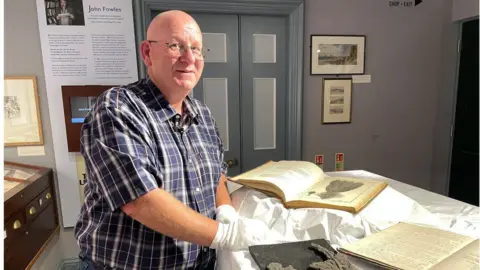
Lost Mary Anning book back in UK after chance find
Read more: Lost Mary Anning book back in UK after chance findThe BBC has a story about the recovery of a historical book connected to Mary Anning. Mary was a fossil collector back in the early 1800s. She made some critical discoveries including a complete plesiosaur, a 4-foot long ichthyosaur skull, and holotype specimen of Dimorphodon macronyx. Unfortunately, she didn’t receive much recognition during her lifetime. More recently, she is seen as an inspirational figure that made significant contributions to the field of paleontology. The book recovered JS Miller’s “Natural History of the Crinoidea” dates to 1821 and contains a hand written inscription to Anning. It was stolen from the Lyme…
-

New fossil brings us a step closer to unravelling the mystery of feather evolution
Read more: New fossil brings us a step closer to unravelling the mystery of feather evolutionThe Conversation has an interesting article about research into the evolution of feathers. Feathers were originally used for display and thermoregulation. It was only later when they were co-opted for flight. A new paper “Cellular structure of dinosaur scales reveals retention of reptile-type skin during the evolutionary transition of feathers”, published in the journal Nature, looked a fossilized skin from a new specimen of Psittacosaurus, a horned dinosaur with bristle-like feathers on its tail, which lived in the early Cretaceous period (about 130 million years ago). The specimen had preserved soft tissues visible only under ultraviolet light. This enabled the researchers to…
-

Fossil Friday #214: Alethopteris sullivanti
Read more: Fossil Friday #214: Alethopteris sullivantiThis is the “Fossil Friday” post #214. Expect this to be a somewhat regular feature of the website. We will post any fossil pictures you send in to esconi.info@gmail.com. Please include a short description or story. Check the #FossilFriday Twitter hash tag for contributions from around the world! Today, we have a very large single pinnule of Alethopteris sullivanti (see Mazon Monday #37). A. sullivanti is a seed fern (Pteridospermatophyta), which is a group of plants that went extinct during the late Cretaceous Period. It was described by Leo Lesquereux in 1869. It was named for William Starling Sullivant (1803-1873). …
-

Throwback Thursday #215: 2001 CGMA Show
Read more: Throwback Thursday #215: 2001 CGMA ShowThis is Throwback Thursday #215. In these, we look back into the past at ESCONI specifically and Earth Science in general. If you have any contributions, (science, pictures, stories, etc …), please send them to esconi.info@gmail.com. Thanks! In case you weren’t previously aware, the CGMA (Chicagoland Gem and Mineral Association) Show is this weekend May 25th and 26th, 2024 at the Kane County Fairgrounds. The theme this year is “Planet of the Rocks”. It should be a great weekend, come on out and join the fun! Here’s our announcement from about a month ago. And, check out the official website…
-

We’ve Probably Been Wrong About T. Rex Again, New Study Says
Read more: We’ve Probably Been Wrong About T. Rex Again, New Study SaysNature’s Science Alert has a post about Tyrannosaurs rex. Ok, just how smart was T. rex? Back in 2023, when a controversial paper postulated that T. rex was about as intelligent as modern monkeys, most researchers were skeptical. Now, a new study “How smart was T. rex? Testing the claims of exceptional cognition in dinosaurs and the application of neuron count estimates in paleontological research”, which was published in the journal The Anatomical Record, explains why that isn’t likely. “The possibility that T. rex might have been as intelligent as a baboon is fascinating and terrifying, with the potential to reinvent our…
-
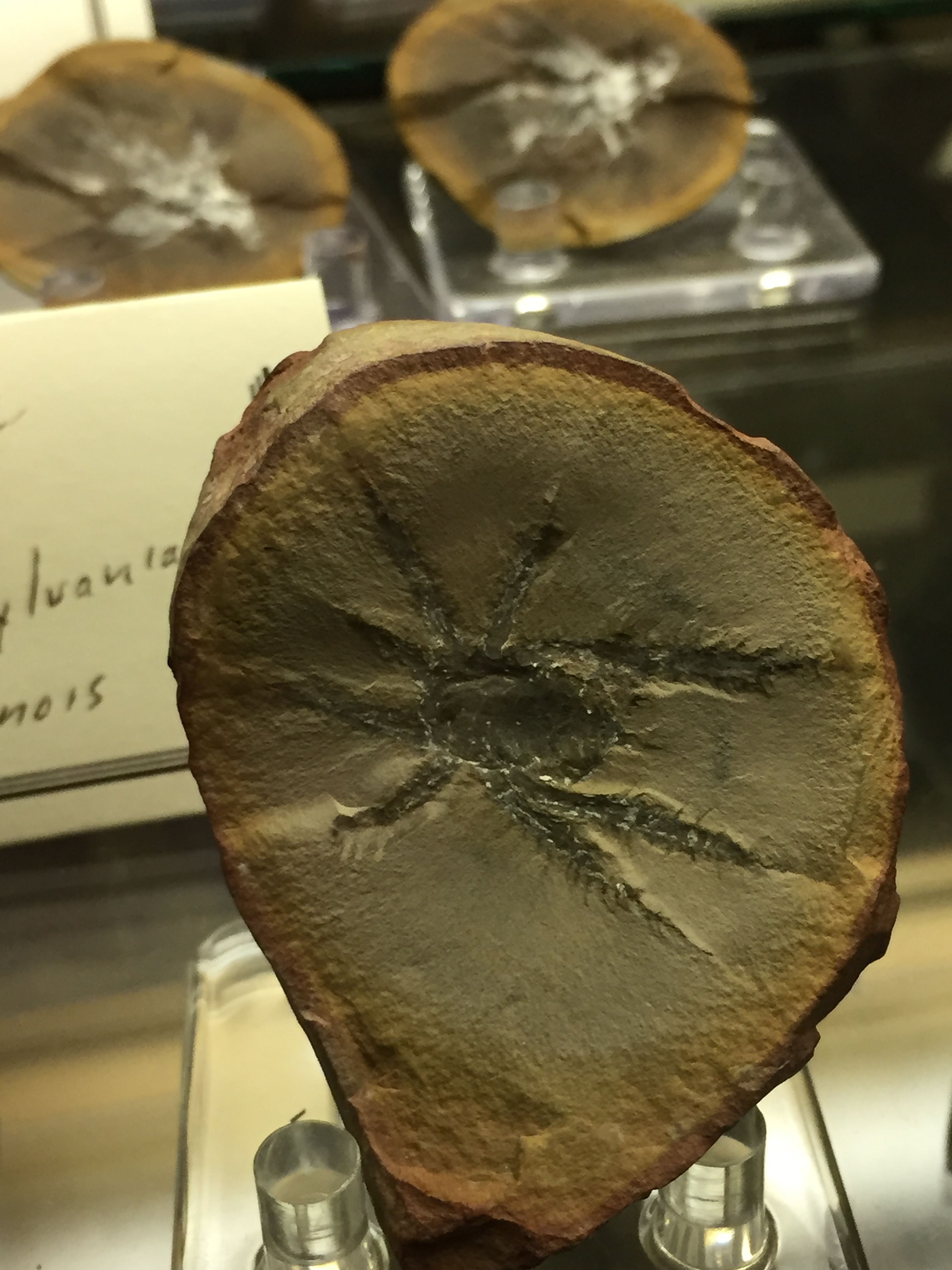
Mazon Monday #217: Douglassarachne acanthopoda
Read more: Mazon Monday #217: Douglassarachne acanthopodaThis is Mazon Monday post #217. What’s your favorite Mazon Creek fossil? Tell us at email:esconi.info@gmail.com. The world has a brand new Mazon Creek spider. Douglassarachne acanthopoda was originally found in the Pit 15 locality by Bob Masek in the 1980s. Bob (Earth Magazine article) has been a premier fossil preparator for many years, working on SUE and other important finds at the Field Museum. Later, he worked at the University of Chicago preparing fossils for Paul Sereno, among his contributions SuperCroc, Sarcosuchus. The fossil spider was later acquired by David and Sandra Douglass and displayed in their Prehistoric Life…
-
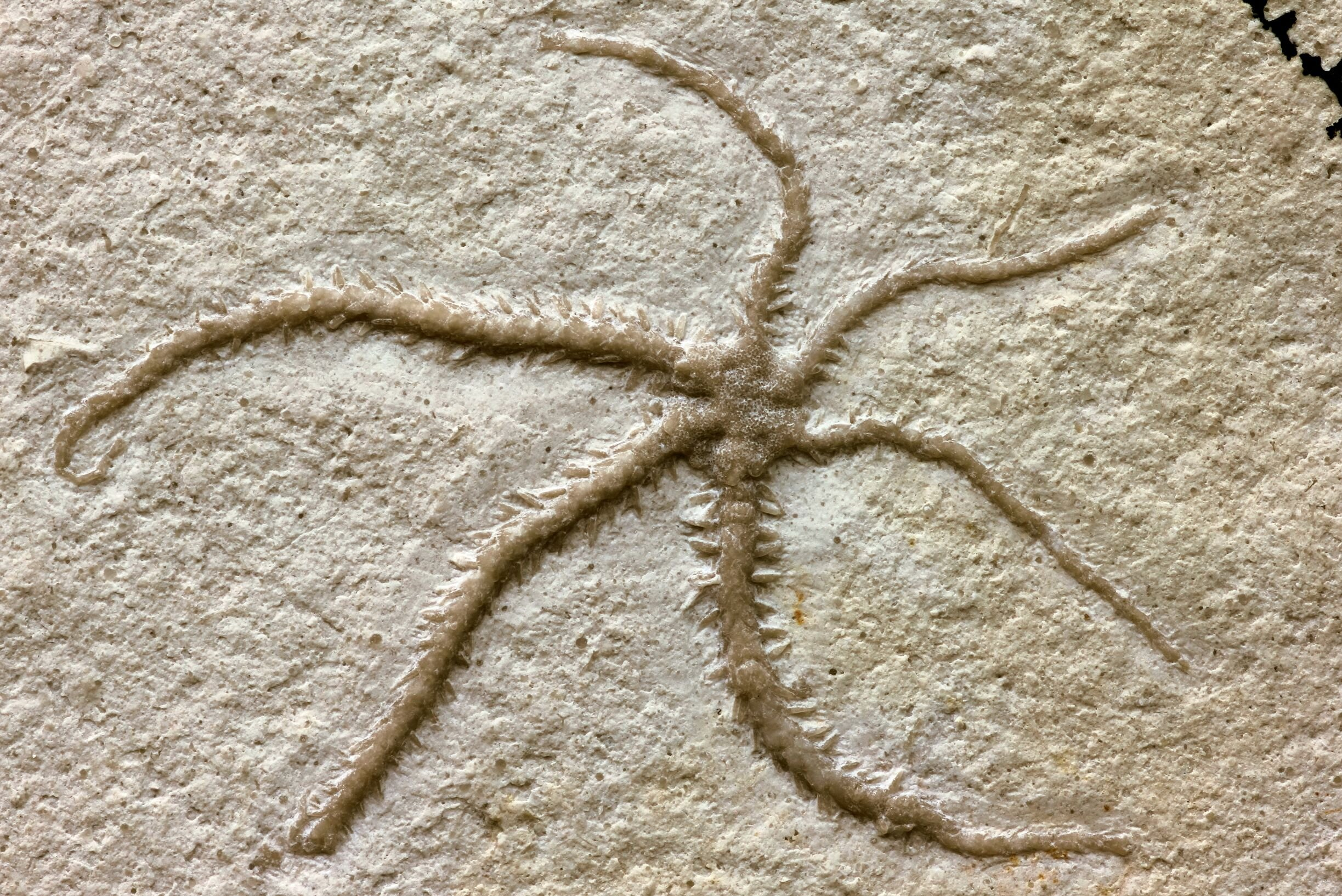
Fossil found in Germany shows starfish relative engaged in clonal fragmentation 150 million years ago
Read more: Fossil found in Germany shows starfish relative engaged in clonal fragmentation 150 million years agoPhys.org has an article about starfish. In 2018, workers with the State Museum of Natural History Stuttgart discovered a brittle star fossil in a 150 million year old Jurassic limestone from a German deposit. The animal was named Ophiactis hex. It was preserved while in the process of regenerating three of its arms. Many species of echinoderms can reproduce by splitting off parts of their body. The main and the part can then regenerate into separate animals. This process is called fissiparity or clonal fragmentation. The findings were published in the journal Proceedings of the Royal Society B: Biological Sciences. The…
-

PBS Eons: The Second Time Sponges Took Over The World
Read more: PBS Eons: The Second Time Sponges Took Over The WorldPBS Eons has a new episode. This one is about the Late Ordovician mass extinction and the animals that survived it. Was Sponge Bob king? Researchers have discovered a piece of a weird, but critical, time in the deep past…a time when the first-ever mass extinction may have turned Planet Earth into Sponge World.
-
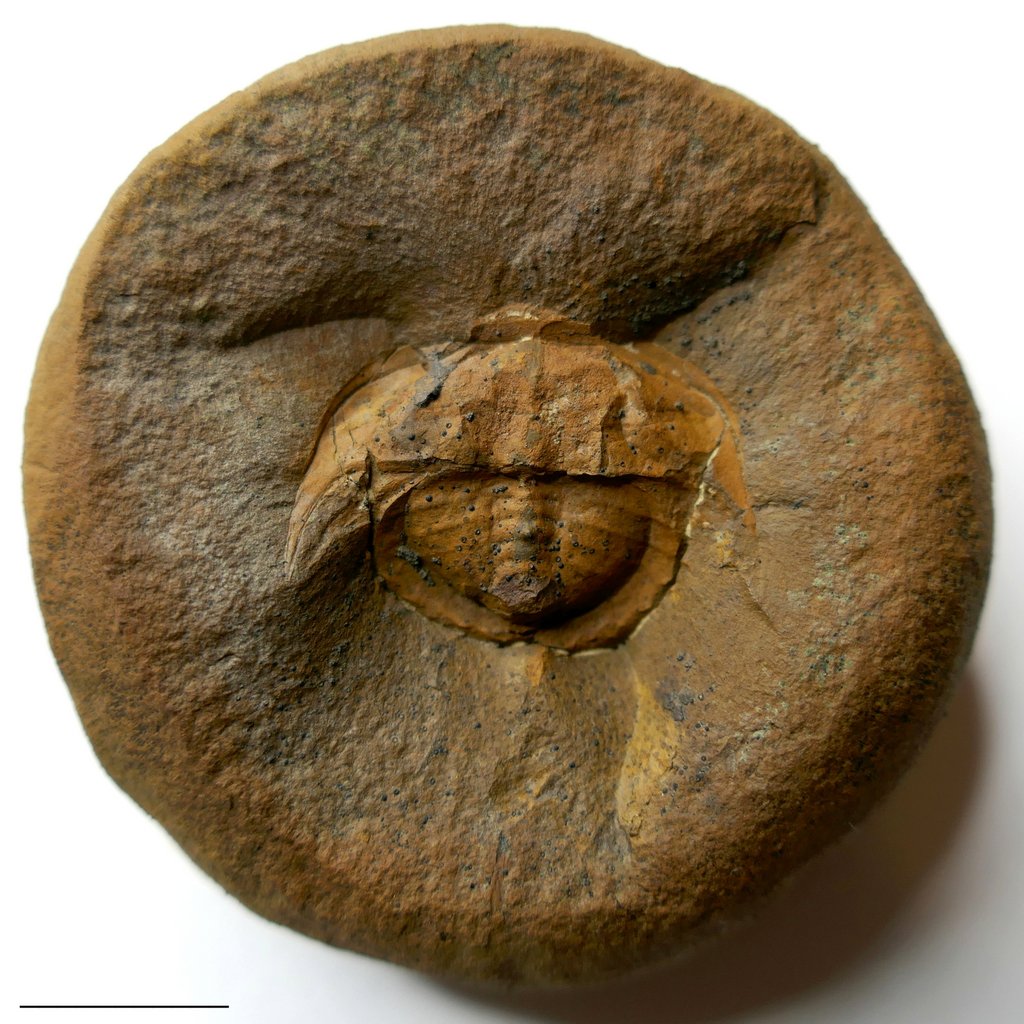
Fossil Friday #213: Euproops danae
Read more: Fossil Friday #213: Euproops danaeThis is the “Fossil Friday” post #213. Expect this to be a somewhat regular feature of the website. We will post any fossil pictures you send in to esconi.info@gmail.com. Please include a short description or story. Check the #FossilFriday Twitter hash tag for contributions from around the world! For this week’s Fossil Friday entry, we have a beautiful little horseshoe crab from Mazon Creek. This is a Euproops danae. E. danae was described in 1865 in “Notice of some new types of organic remains from the Coal Measures of Illinois” as Belinurus danae in the journal Proceedings of the Academy…
-
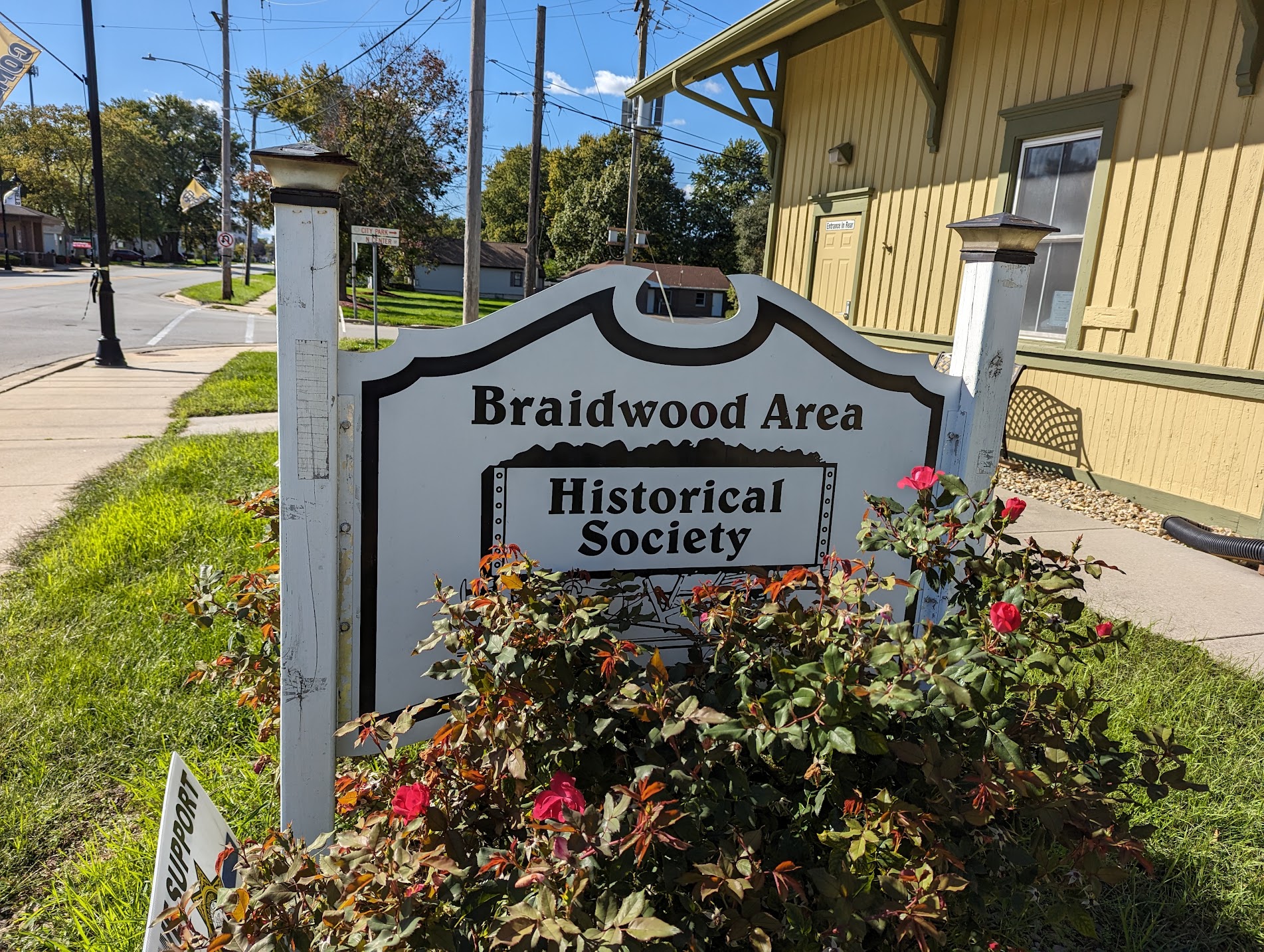
Throwback Thursday #214: Braidwood Area Historical Society Revisited
Read more: Throwback Thursday #214: Braidwood Area Historical Society RevisitedThis is Throwback Thursday #214. In these, we look back into the past at ESCONI specifically and Earth Science in general. If you have any contributions, (science, pictures, stories, etc …), please send them to esconi.info@gmail.com. Thanks! Last October, we visited the Braidwood Area Historical Society. There was a report in Throwback Thursday #183. They have a Mazon Creek fossil deposit with some nice specimens. They had one request…. did ESCONI have any coal. They package it up in little bags and sell it at Christmas time. At the Danville Field Trip (Mazon Monday #215), there were chunks of coal…
-
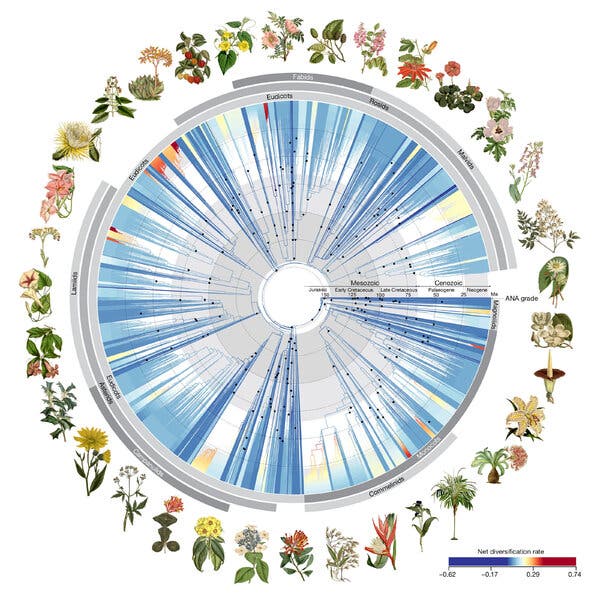
A New Tree of Flowering Plants? For Spring? Groundbreaking.
Read more: A New Tree of Flowering Plants? For Spring? Groundbreaking.The New York Times’ Trilobites column has a story about work to understand how plants fit into the tree of life. New research detailed in the journal Nature suggests that more than 80% of major plant lineages evolved in a sudden burst during the Jurassic Period some 150 million years ago. This new study used DNA from the cell nucleus instead of the chloroplast that confirm previous results, but led to some surprising changes. Previous evolutionary trees of plants built by scientists often used the genome of the chloroplast, the organelle that allows plants to perform photosynthesis. These genomes could…
-
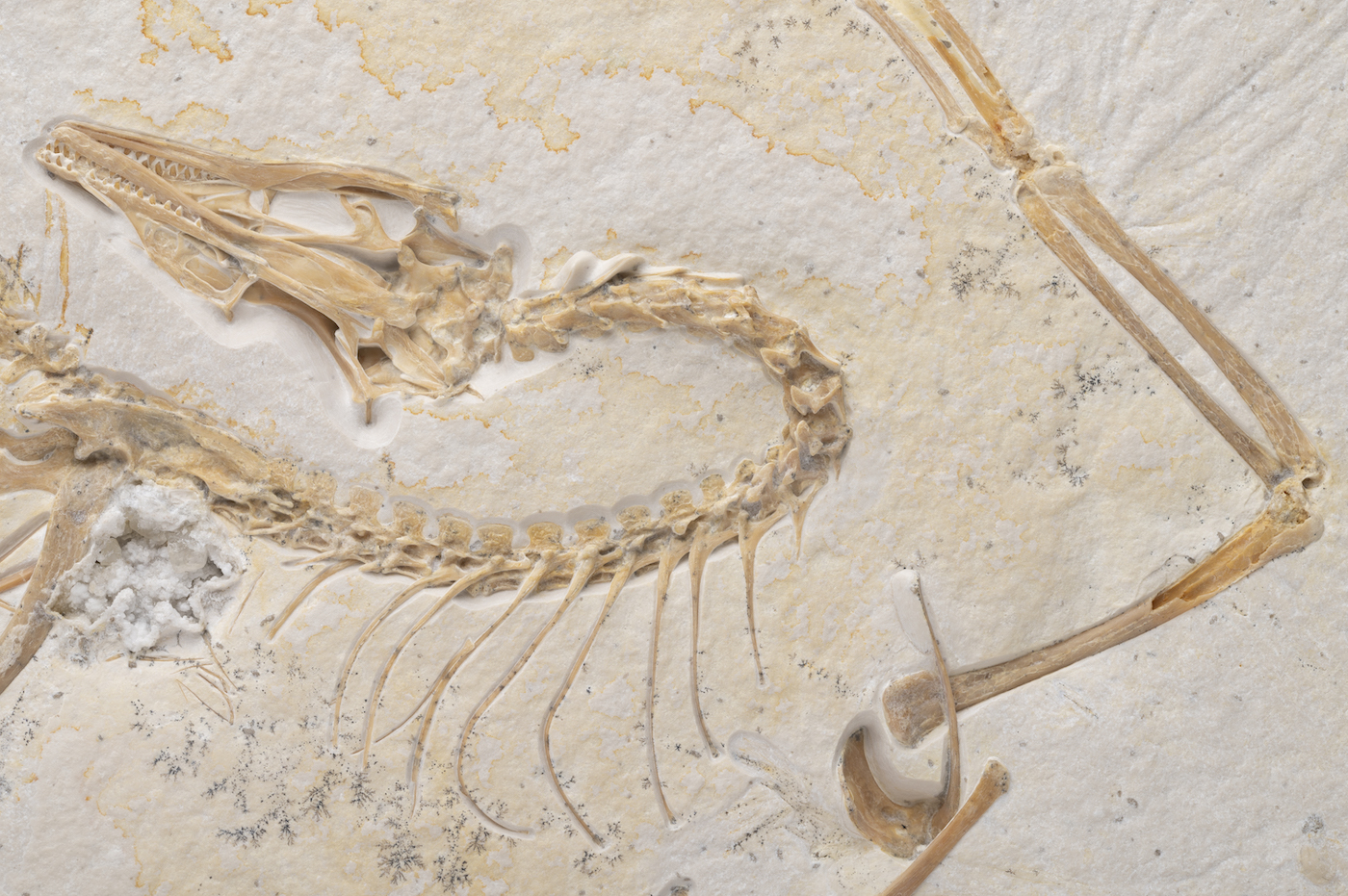
More on the Chicago Archaeopteryx
Read more: More on the Chicago ArchaeopteryxMore about the new Chicago Archaeopteryx, This is the unveiling which happened on May 7th, 2024. It includes a great video of Paleornithologist Jingmai O’Connor describing the animal and its acquisition. More links…
-
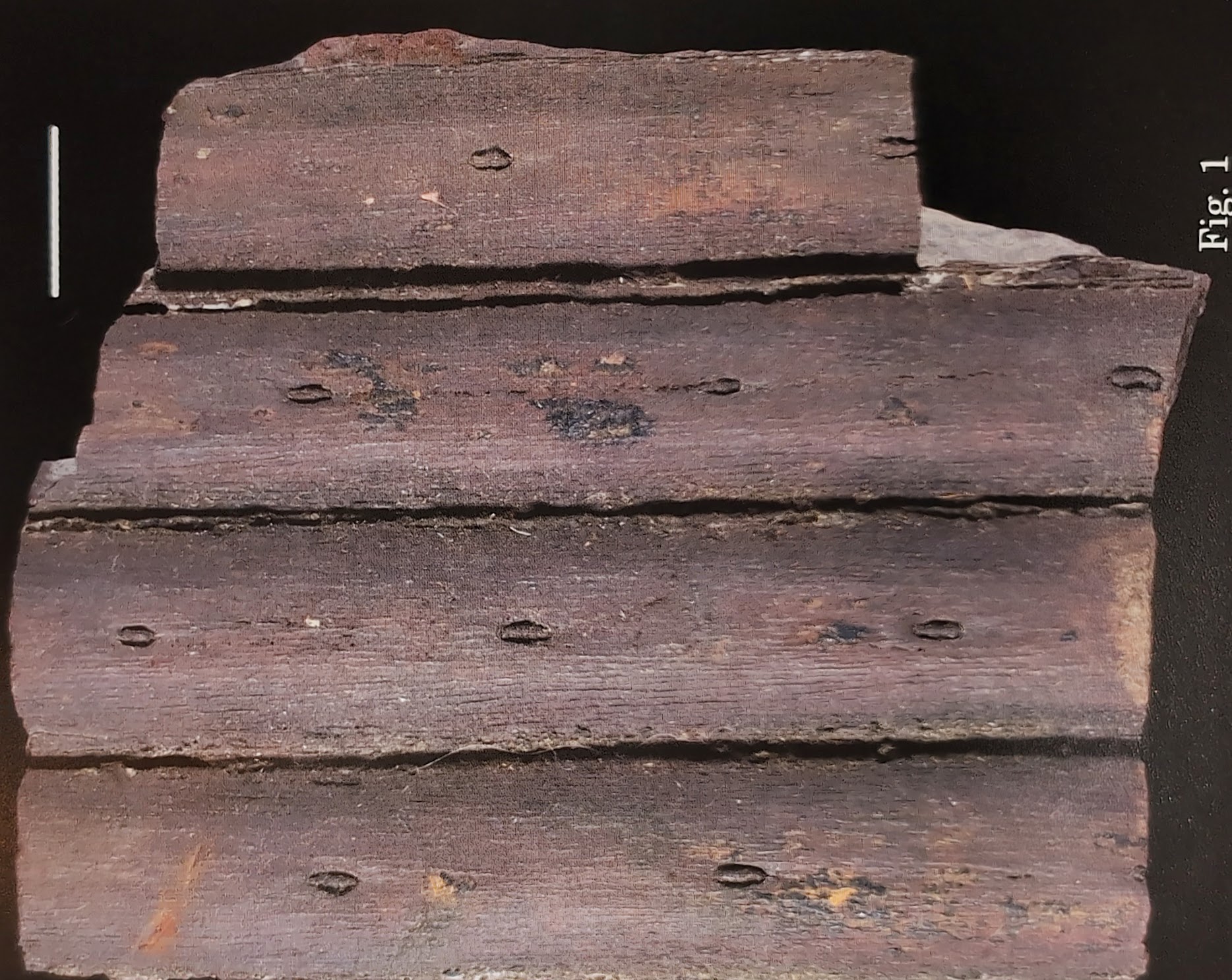
Mazon Monday #216: Syringodendron Bark
Read more: Mazon Monday #216: Syringodendron BarkThis is Mazon Monday post #216. What’s your favorite Mazon Creek fossil? Tell us at email:esconi.info@gmail.com. Syringodendron sp. is the inner bark of a undetermined Sigillaria. It’s considered rare in Mazon Creek. Syringodendron is thought to be Sigillaria trunk before fossilization. The impressions that run vertically are called Parichnos scars. When there are double impressions side-by-side, they are sometimes referred to as “hare’s trails”. Syringodendron sp. was named by Kaspar Maria von Sternberg (1761 – 1838) in 1820. Sternberg was a Bohemian theologian, minerologist, geologist, entomologist, and botanist. He is widely known as the “Father of Paleobotany”. The Linda Hall…
-
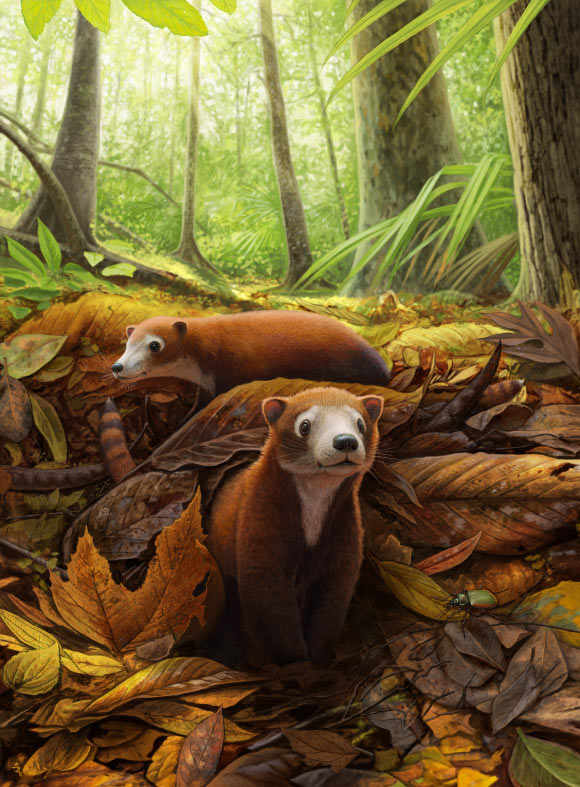
Newly-Discovered Species of Mammal Lived 610,000 Years after Dinosaur Extinction
Read more: Newly-Discovered Species of Mammal Lived 610,000 Years after Dinosaur ExtinctionSciNews has a story about the discovery of a new mammal from just after the end Cretaceous mass extinction. Militocodon lydae was found in the Corral Bluffs east of Colorado Spings, Colorado, within the Denver Basin. M. lydae was about the size of a chinchilla and likely omnivorous. It belongs to a group of mammals called the Periptychidae, which are the ancestors of modern day hoofed mammals, including deer, cows and pigs. Find more details in the paper, which was published in the Journal of Mammalian Evolution. Militocodon lydae provides important clues about the explosive diversification of mammals in the wake…
-
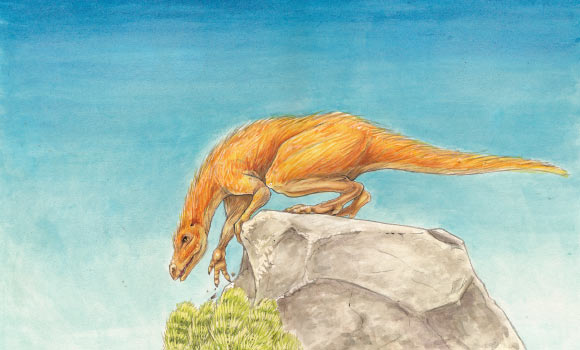
New Species of Jurassic Theropod Dinosaur Identified in England
Read more: New Species of Jurassic Theropod Dinosaur Identified in EnglandSciNews brings word of a new dinosaur discovered in England. Dornraptor normani lived about 200 million years ago in the early Jurassic Period, near what is now Dorset, England. The animal belongs to a group called the averostrans, which includes most theropod dinosaurs. The discovery was published in the paper “A new name for old bones: A reassessment of Early Jurassic theropod remains from Dorset, England” in the journal Palaeontologia Electronica. “Originally this material was referred to the early armored ornithischian taxon Scelidosaurus harrisonii, which had also been recovered from a Lower Jurassic Formation in Southern England,” the paleontologist wrote. “However,…
-
ESCONI May 2024 General Meeting – Friday, May 10th, 2024 at 8:00 PM via Zoom – “Endless Forms Most Beautiful: Evolution of Development”
Read more: ESCONI May 2024 General Meeting – Friday, May 10th, 2024 at 8:00 PM via Zoom – “Endless Forms Most Beautiful: Evolution of Development”The ESCONI General Meeting for May 2024 will be held on May 10th, 2024 at 8:00 PM vis Zoom. The topic is “Endless Forms Most Beautiful: Evolution of Development” by Matteo Fabbri of the Field Museum. The details are below. Matteo Fabbri is an Evolutionary Biologist. Here’s his page. I had the privilege to be part of more of a dozen fieldworks that spanned from North America, Europe, and Africa. My main focus has been on Triassic and Cretaceous rocks, which are key ages for the understanding of the origin and radiation of modern amniote groups. See my CV for…
-
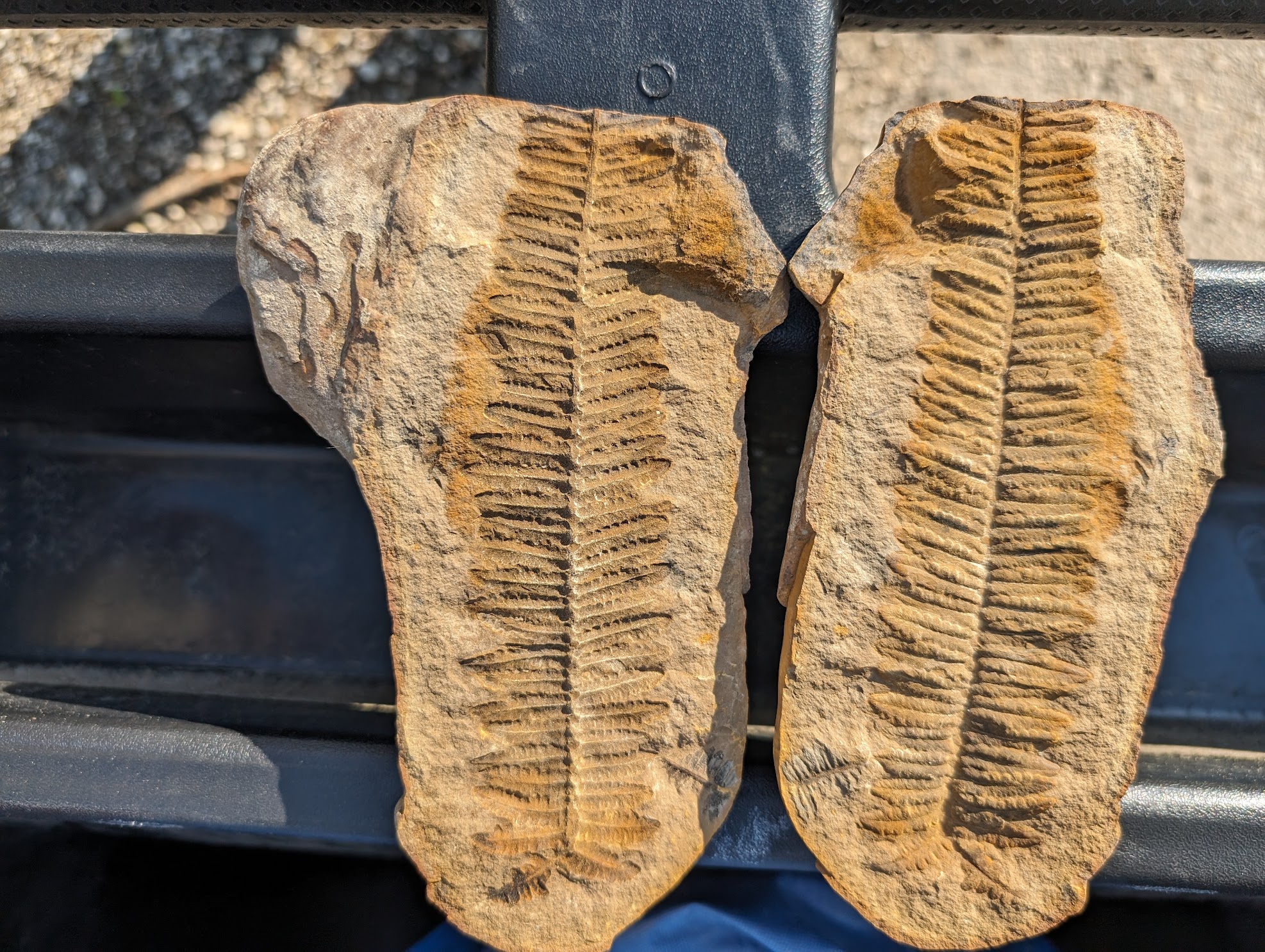
Fossil Friday #212: Mazon Creek Crenulopteris acadica
Read more: Fossil Friday #212: Mazon Creek Crenulopteris acadicaThis is the “Fossil Friday” post #212. Expect this to be a somewhat regular feature of the website. We will post any fossil pictures you send in to esconi.info@gmail.com. Please include a short description or story. Check the #FossilFriday Twitter hash tag for contributions from around the world! —————————————————– This week’s contribution comes from a very long time ESCONI member… Lil Magnussen. Lil joined ESCONI back in the 1960’s and rarely misses our Braceville field trips. You might remember, she let us post a very nice horseshoe crab in Fossil Friday #177. Her hobbies include beekeeping! And, she makes some very…

ESCONI Gem, Mineral, and Fossil Show
Most Recent Post
- PBS Eons: The Chaotic Race to Name T. rex
 PBS Eons has a new episode. This one is about the controversial history of the name Tyrannosaurus rex.
- About ESCONI
- Around the Web
- Calendar of Events
- Code of Ethics and Conduct
- ESCONI Books for Sale
- ESCONI Gem, Mineral, and Fossil Show
- ESCONI in the News
- ESCONI Videos
- Field Trips
- Flashback Friday
- Fossil Friday
- Mazon Creek
- Mazon Monday
- Member Spotlight
- Membership Information
- Reference Material
- Throwback Thursday
- Trilobite Tuesday
Field trips require membership, but visitors are welcome at all meetings!
| Friday, April 10th | General Meeting – 8:00 PM via Zoom. Jessica Hull will present “Life in the Devonian Period, The Age of Fishes.” |
| Saturday, April 11th | Junior Study Group Meeting – 2:00 PM, in person at the College of DuPage Technical Education Center (TEC) Building – Room 1038A (Map). Katherine Howard will present on Sand and Sediment Collecting. Specifics of this meeting are available from Scott Galloway, 630-670-2591, gallowayscottf@gmail.com. |
| Saturday, April 18th | Paleontology Study Group – 7:30 PM via Zoom and in person at the College of DuPage, TEC, Room 1038B (Map). Keith Robitschek will present “Digging the Marl of the Lance Formation.” |
| No meeting this month | Mineralogy Study Group |
| No meeting this month | Junior Study Group |