-
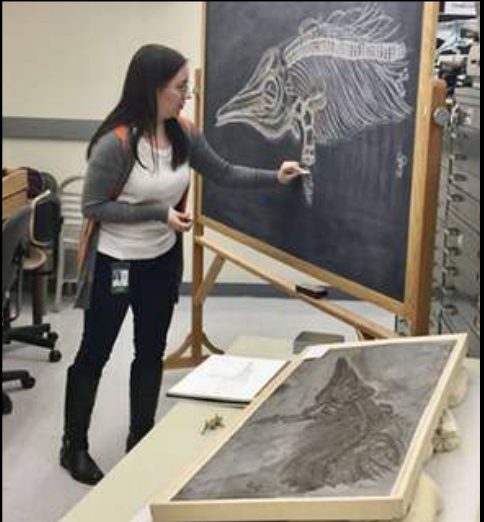
ESCONI June 2026 General Meeting, Friday, June 12th, 2026 at 8:00 PM via Zoom – “At the Intersection of Art and Science: Outreach in Natural History Museums”
Read more: ESCONI June 2026 General Meeting, Friday, June 12th, 2026 at 8:00 PM via Zoom – “At the Intersection of Art and Science: Outreach in Natural History Museums”The ESCONI June 2026 General Meeting will be held via Zoom at 8:00 PM on Friday, June 12th, 2026. Adrienne Stroup, Geological Collections, Vertebrate Paleontological Loan Manager, PaleoArtist/Scientific Illustrator from The Field Museum will be presenting “At the Intersection of Art and Science: Outreach in Natural History Museums.” Adrienne will talk about the vertebrate paleontological collections at the Field Museum and how she has used her skills as an artist to reach different audiences at the museum. She will go into a brief history of paleoart as well, especially artists that have a connection to the Field Museum such as…
-

Mazon Monday #325: Braceville Spring 2026 Field Trip Report
Read more: Mazon Monday #325: Braceville Spring 2026 Field Trip ReportThis is Mazon Monday post #325. What’s your favorite Mazon Creek fossil? Tell us at email:esconi.info@gmail.com. We held our spring Braceville field trip a few weeks ago. The weather was nearly perfect… partly cloudy with temperatures in the high 70’s and low 80’s each day. Field Trip Chairman Jeremy Zimmerman was working hard to get everyone checked in. Of course, there were many familiar faces and quite a few new ones. There were lots of fossils and unopened concretions found. Everyone had a great time! And, yes we took a selfie… unfortunately we forgot on Sunday. This is Saturday before the…
-

High-Energy X-Ray CT Scanning of large, dense fossils
Read more: High-Energy X-Ray CT Scanning of large, dense fossilsToday’s post comes from Ravi Chandran and Tyler Keillor. Ravi Chandran is an ESCONI member and volunteer in Paul Sereno’s lab. Tyler Keiller is Manager of the fossil lab and past ESCONI member. He has presented at Paleofest and for ESCONI in the past. He is also paleo-artist. The Fossil Lab in Washington Park (5437 S Wabash Avenue) holds an Open House each month on the second Thursday (April 9 – November 12) from 3:30-5pm.
-

Fossil Friday #320: Tully Monster Repeat!
Read more: Fossil Friday #320: Tully Monster Repeat!For this week’s Fossil Friday, we’re featuring our first-ever repeat fossil. It was special before and you’ll see why it’s even more special now. This remarkable Tully Monster specimen comes from longtime ESCONI member Jeremy Zimmerman. You could even say that this particular fossil is getting its third chance at fame.
-
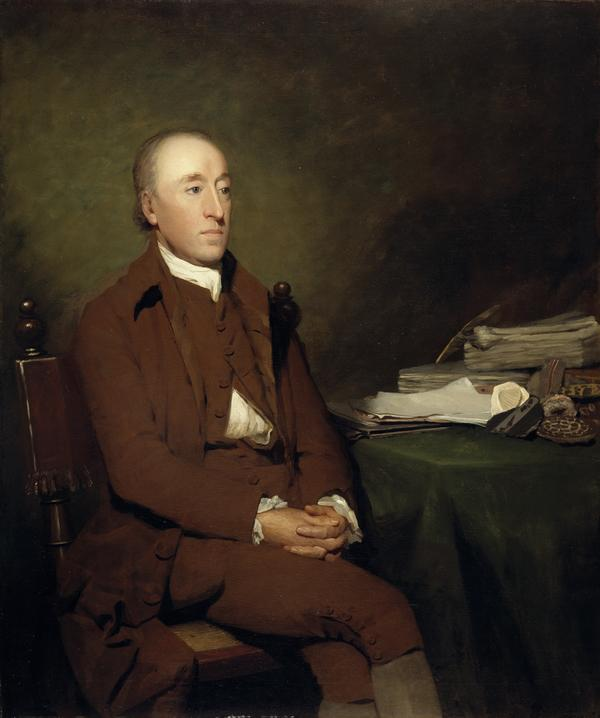
Happy 300th Birthday, James Hutton!
Read more: Happy 300th Birthday, James Hutton!Today marks the 300th Birthday of James Hutton (1726-1797), a Scottish geologist, argiculturist, chemical manufacturer, naturalist, and physician. He is widely considered to be the “Father of Modern Geology”. Hutton was born on June 3rd, 1726 in Edinburgh, Scotland.
-
-

Wait, Is That Poison Ivy?
Read more: Wait, Is That Poison Ivy?It’s that time of year again. You’re out working in the garden, or hiking through the woods, looking for fossils (of course!), and there it is… Poison Ivy! The New York Times had an article about poison ivy identification a few weeks ago. Hopefully, it will help you, so you don’t have to endure a few weeks of intense itching…
-
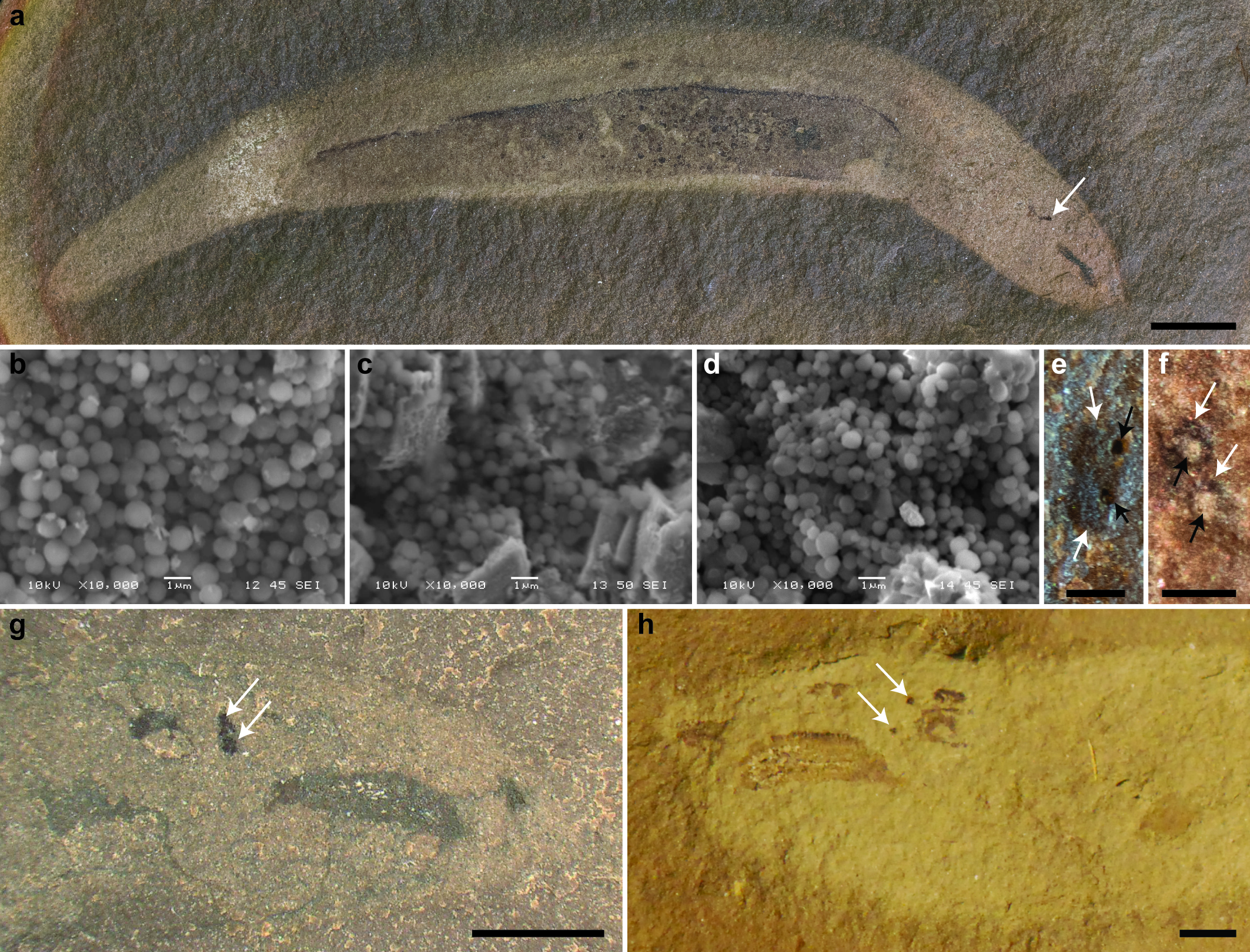
Mazon Monday #324: Stepwise loss of complexity in hagfish eyes prior to deep sea colonization
Read more: Mazon Monday #324: Stepwise loss of complexity in hagfish eyes prior to deep sea colonizationMazon Creek hagfish made headlines again last week. New research led by Victoria McCoy, Assistant Professor in the Department of Geosciences at the University of Wisconsin–Milwaukee, was published in the journal Biology Letters. In the paper, “Stepwise Loss of Complexity in Hagfish Eyes Prior to Deep-Sea Colonization,” McCoy collaborated with several familiar names… Arjan Mann and Jason Pardo of the Field Museum of Natural History, René and Bruce Lauer of the Lauer Foundation for Paleontology, Science and Education, Andrew Young of the David and Sandra Douglass Collection, and Tetsuto Miyashita of the University of Ottawa.
-
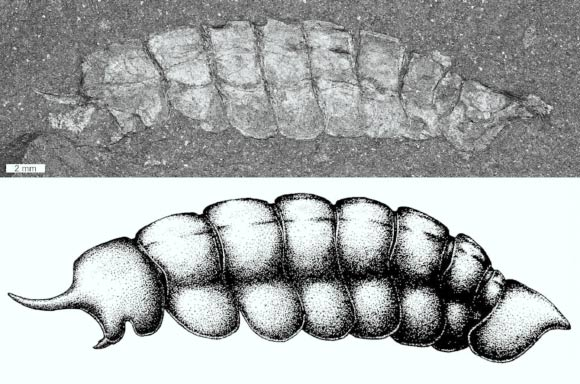
490-Million-Year-Old Arthropod Fossil Fills Puzzling Gap in Fossil Record
Read more: 490-Million-Year-Old Arthropod Fossil Fills Puzzling Gap in Fossil RecordSciNews has a story about the discovery of an important arthropod. Magnicornaspis garwoodi lived between 497 and 487 million years ago in the area of Quebec, Canada. The animal is important because it fills in the gap between the Cambian Explosion and the Great Ordovician Biodiversition Event (GOBE). It’s discovery hints that the source of this gap is sampling bias not an actual drop in biodiversity. This research was published in the paper “New exceptionally preserved arthropod from the Furongian of Canada” in the journal BMC Biology.
-

PBS Eons: The Second-to-Last Mammoths Ever
Read more: PBS Eons: The Second-to-Last Mammoths EverPBS Eons has a new episode. This one is about some of the last Mammoths on Earth.
-
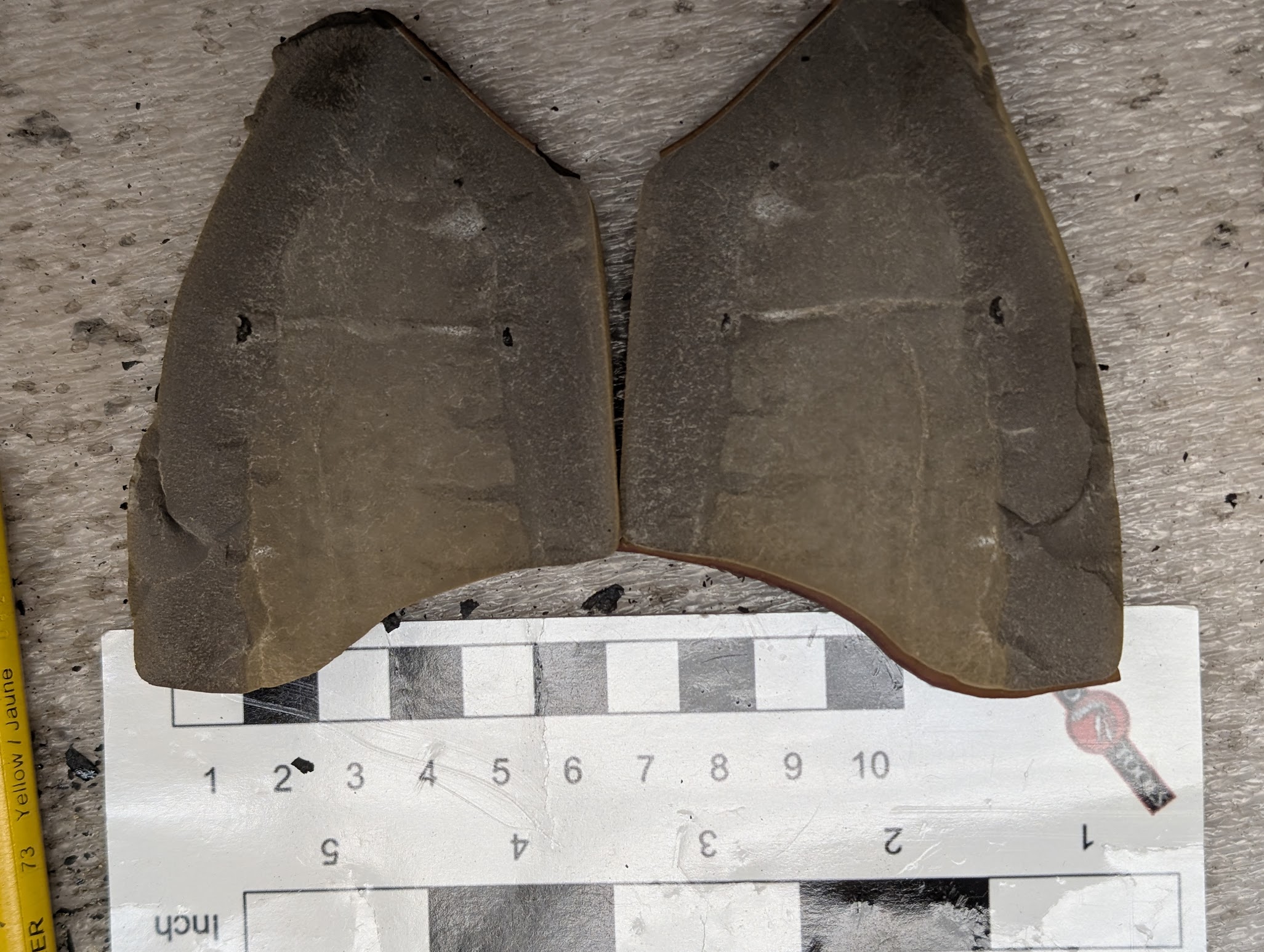
Fossil Friday #319: First Tully!
Read more: Fossil Friday #319: First Tully!Back in late March, I went fossil collecting with a couple Field Museum researchers, including Lazaro Viñola López (see “Ancient bees found nesting inside fossil bones in rare cave discovery” for some of his recent work), a postdoctoral researcher. This was his first trip to Pit 11. Bet you can guess where this is headed…
-
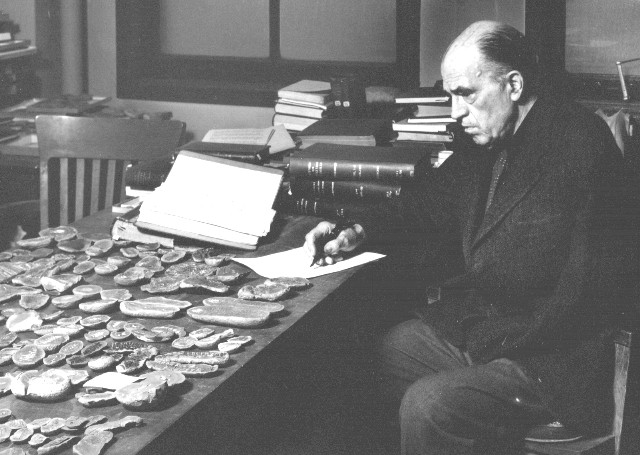
Throwback Thursday #319: Happy 150th Birthday, George Langford!
Read more: Throwback Thursday #319: Happy 150th Birthday, George Langford!May 26th, 2026 marks George Langford’s 150th birthday! He was born on May 26th, 1876 in Denver, Colorado. George Langford Sr. is giant in the history of Mazon Creek. Before Jack Wittry’s books, George’s books were the go-to source of information about Mazon Creek. George wrote three books about Mazon Creek fossils. The first was published in 1958 and the second in 1963. Unfortunately, the third was published well after his death in the 1990s (Mazon Monday #74).
-

Microcoprolite morphotypes from the Revueltian (Upper Triassic:Norian) age Homestead Site, Garita Creek Formation, east-centralNew Mexico, USA
Read more: Microcoprolite morphotypes from the Revueltian (Upper Triassic:Norian) age Homestead Site, Garita Creek Formation, east-centralNew Mexico, USAThe Lauers are back with more science! The paper “Microcoprolite morphotypes from the Revueltian (Upper Triassic: Norian) age Homestead Site, Garita Creek Formation, east-central New Mexico, USA” was published in the journal Ichnos, which is an international journal for plant and animal traces.
-

Sundays on the Boulevard
Read more: Sundays on the BoulevardESCONI’s mission is to promote interest in the Earth sciences, both through programs and publications aimed at ESCONI members and through events aimed at the larger community, like the ESCONI and CGMA shows. Recently, thanks to the efforts of ESCONI volunteers like Jim Bigler and Jodi Gosain [and others?], we’ve expanded ESCONI’s outreach efforts by taking Earth Science activities to STEM events organized by schools and libraries in Chicago’s western suburbs. This summer ESCONI will be reaching out to new audiences in the city of Chicago by participating in Sundays on the Boulevard in Chicago’s North Lawndale neighborhood.
-
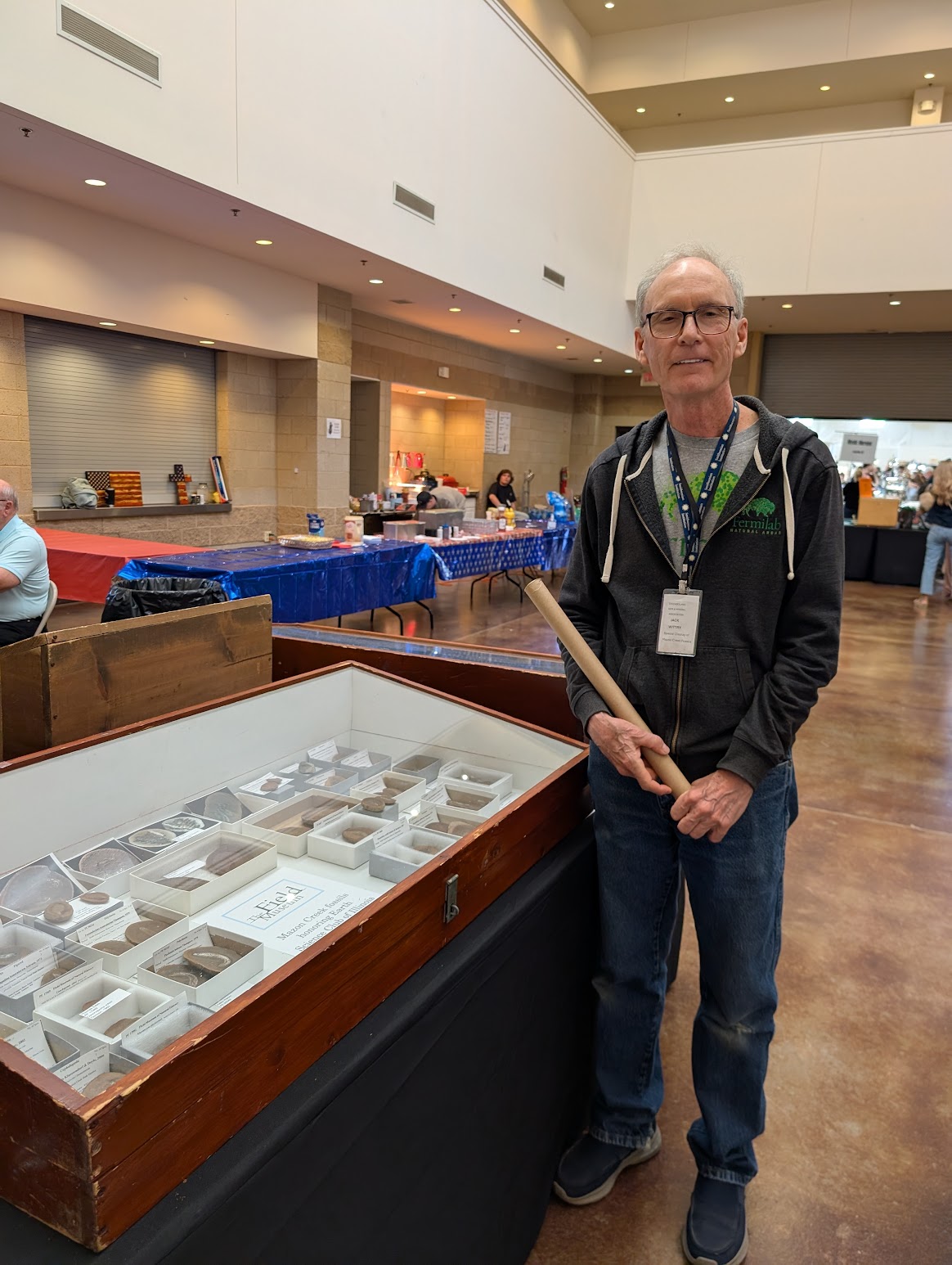
Mazon Monday #323: Mazon Creek at the 2026 CGMA Show
Read more: Mazon Monday #323: Mazon Creek at the 2026 CGMA ShowJack Wittry had a breathtaking display at the 2026 CGMA Show at the Kane County Fairgrounds this past weekend. It featured Mazon Creek fossils named for ESCONI members.
-
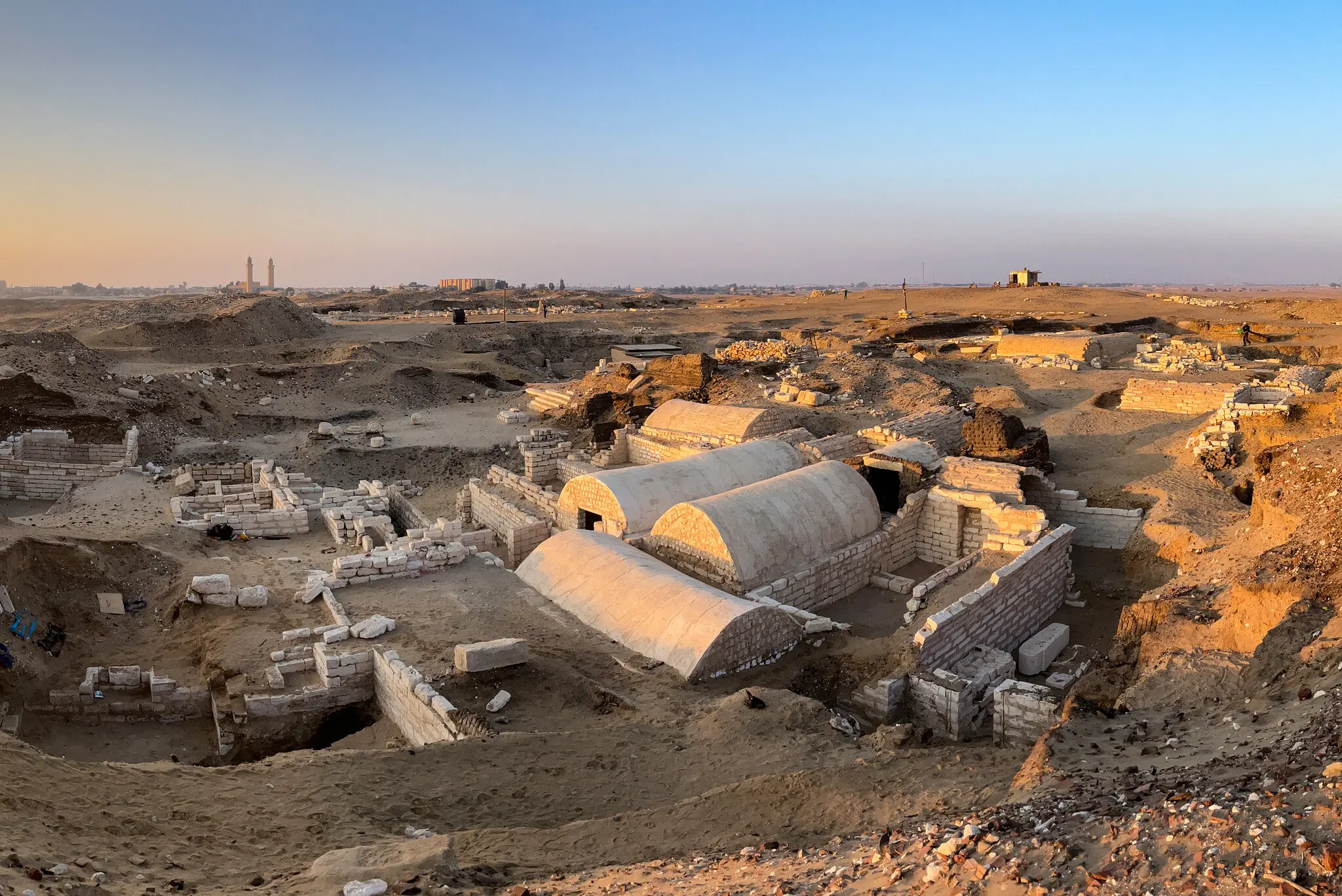
Archaeologists Find Egyptian Mummy Buried With the ‘Iliad’
Read more: Archaeologists Find Egyptian Mummy Buried With the ‘Iliad’The New York Times has an interesting post about a discovery in Egypt. A 2,000 year old mummy in the burial site known as Oxyrhynchus had a papyrus fragment of the Homeric epic “Iliad” in a clay packet outside its wrappings. The mummy was a non-royal male,
-
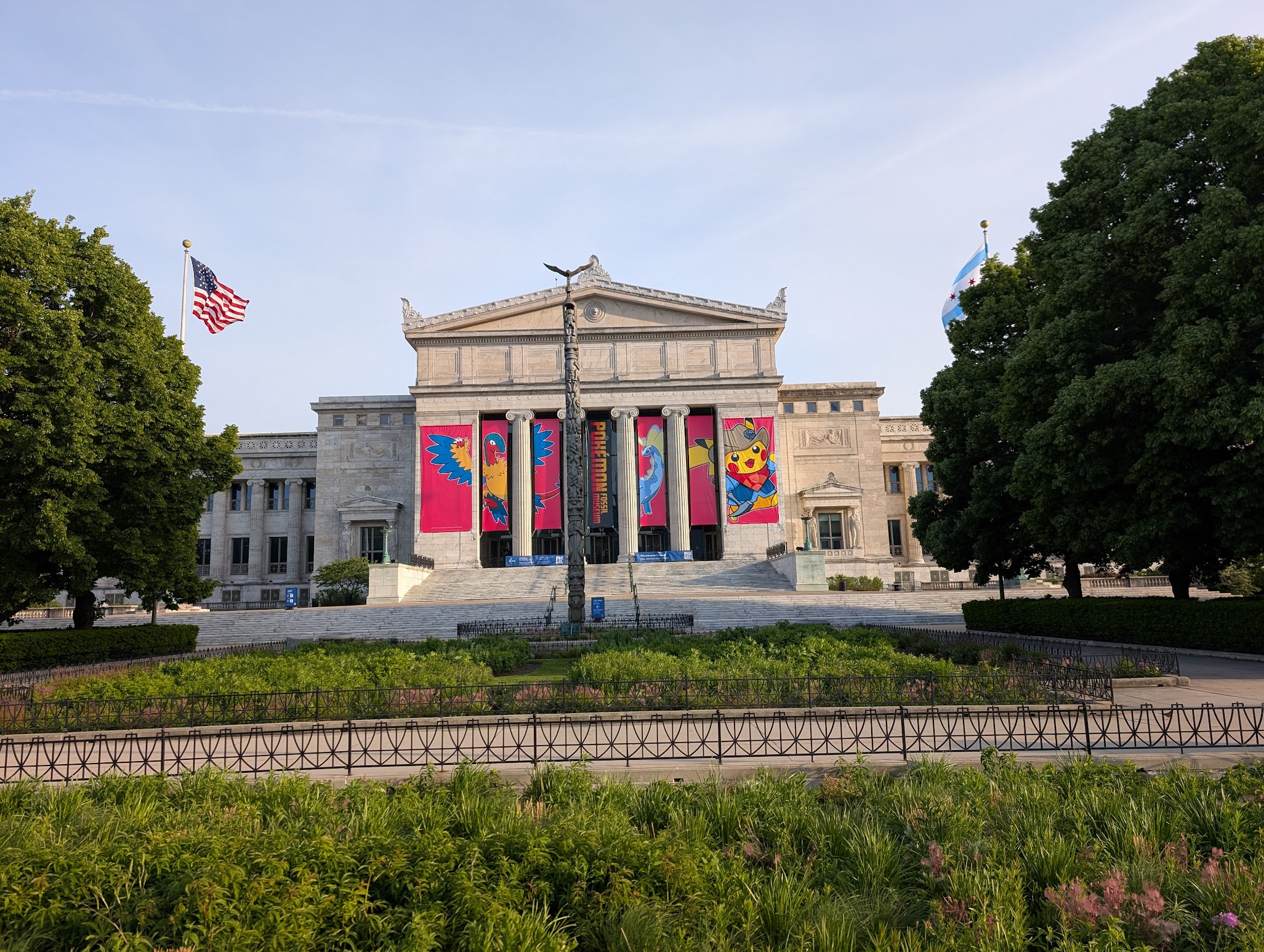
The Pokémon Fossil Museum at the Field Museum is now Open!
Read more: The Pokémon Fossil Museum at the Field Museum is now Open!The Pokémon Fossil Museum at the Field Museum opened on Wednesday, May 20th, 2026. Tickets can be purchased here. Tickets are required for entry and should be purchased in advance. Here is the FAQ page.
-

Fossil Friday #318: Rex, the Wonder Amphibian
Read more: Fossil Friday #318: Rex, the Wonder AmphibianWe have something very interesting this week… The specimen’s label says “Rex, the Wonder Amphibian”. It’s an early tetrapod from the Mississippian of Iowa, some 340 million years ago. Whatcheeria deltae was described by R. Eric Lombard and John R. Bolt in 1985 in the paper “A new primitive tetrapod, Whatcheeria deltae, from the Lower Carboniferous of Iowa”.

ESCONI Gem, Mineral, and Fossil Show
Most Recent Post
- ESCONI June 2026 General Meeting, Friday, June 12th, 2026 at 8:00 PM via Zoom – “At the Intersection of Art and Science: Outreach in Natural History Museums”
 The ESCONI June 2026 General Meeting will be held via Zoom at 8:00 PM on Friday, June 12th, 2026. Adrienne… Read more: ESCONI June 2026 General Meeting, Friday, June 12th, 2026 at 8:00 PM via Zoom – “At the Intersection of Art and Science: Outreach in Natural History Museums”
- About ESCONI
- Around the Web
- Calendar of Events
- Code of Ethics and Conduct
- ESCONI Books for Sale
- ESCONI Gem, Mineral, and Fossil Show
- ESCONI in the News
- ESCONI Videos
- Field Trips
- Flashback Friday
- Fossil Friday
- Mazon Creek
- Mazon Monday
- Member Spotlight
- Membership Information
- Reference Material
- Throwback Thursday
- Trilobite Tuesday
Field trips require membership, but visitors are welcome at all meetings!
| Friday, June 12th | General Meeting – 8:00 PM via Zoom. Adrienne Stroup of The Field Museum will present “At the Intersection of Art and Science: Outreach in Natural History Museums”. |
| Saturday, June 20th | Paleontology Study Group – 7:30 PM via Zoom. Emily Hillan will present “New insights from Tiktaalik roseae: The role of legs before the origin of limbs”. |
| No meeting this month | Junior Study Group Meeting |
| No meeting this month | Mineralogy Study Group |