Category: Mazon Creek
-
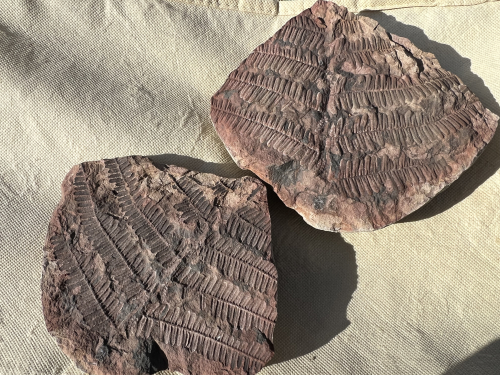
2025 ESCONI Gem, Mineral, and Fossil Show – Preview #1: Crenulopteris acadica plate!
This is the preview post #1 for the 2025 ESCONI Gem, Mineral, and Fossil Show Live Auction. The ESCONI Gem, Mineral, and Fossil Show for 2025 will be held on March 15th and 16th at the DuPage Fairgrounds in Wheaton, IL, which is the same location as last year. All details can be found here.…
-
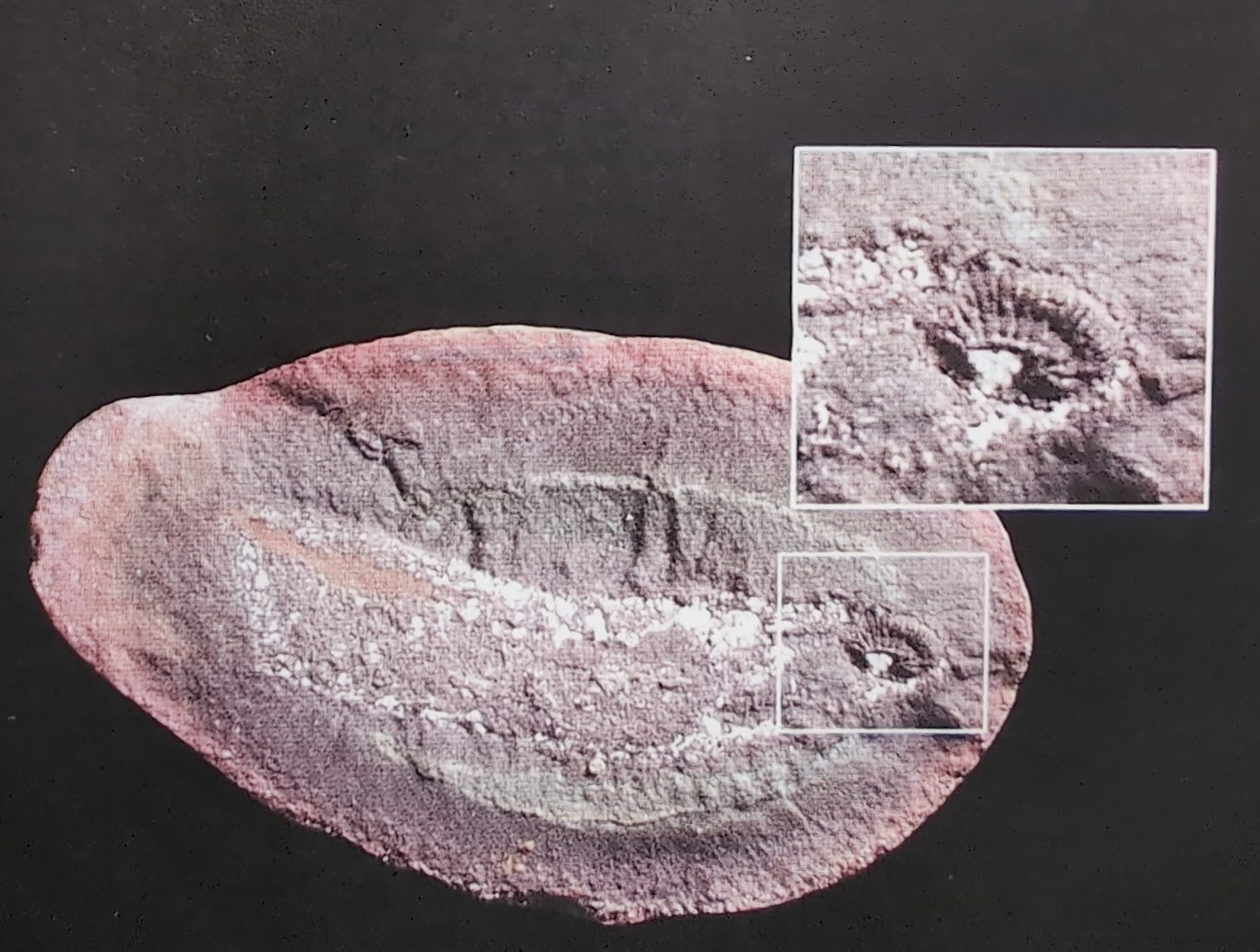
Mazon Monday #253: Pipiscius zangerli
Pipiscius zangerli is an extinct species of lamprey that lived 307-309 million years ago, during the Middle Pennsylvanian Epoch of the Carboniferous Period. It has a distinctive crown-like mouth comprising a ring of radially arranged teeth. It is known from the Mazon Creek fossil beds located in present-day Illinois. It was described by David Bardack…
-
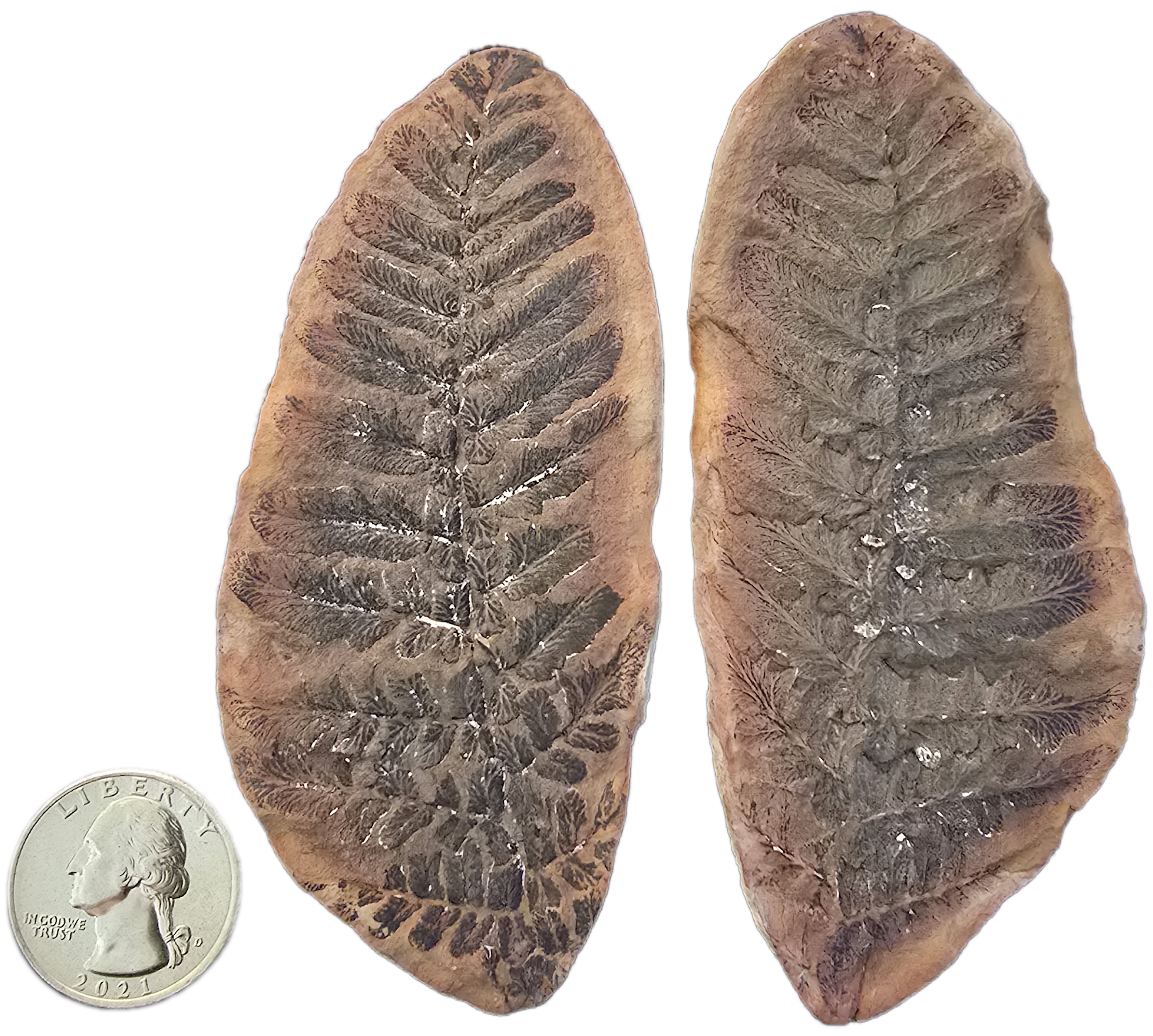
Fossil Friday #249: Reticulopteris muensterii
This is the “Fossil Friday” post #249. Expect this to be a somewhat regular feature of the website. We will post any fossil pictures you send in to esconi.info@gmail.com. Please include a short description or story. Check the hash tag #FossilFriday on Twitter/X and Bluesky for contributions from around the world! For this week, we…
-
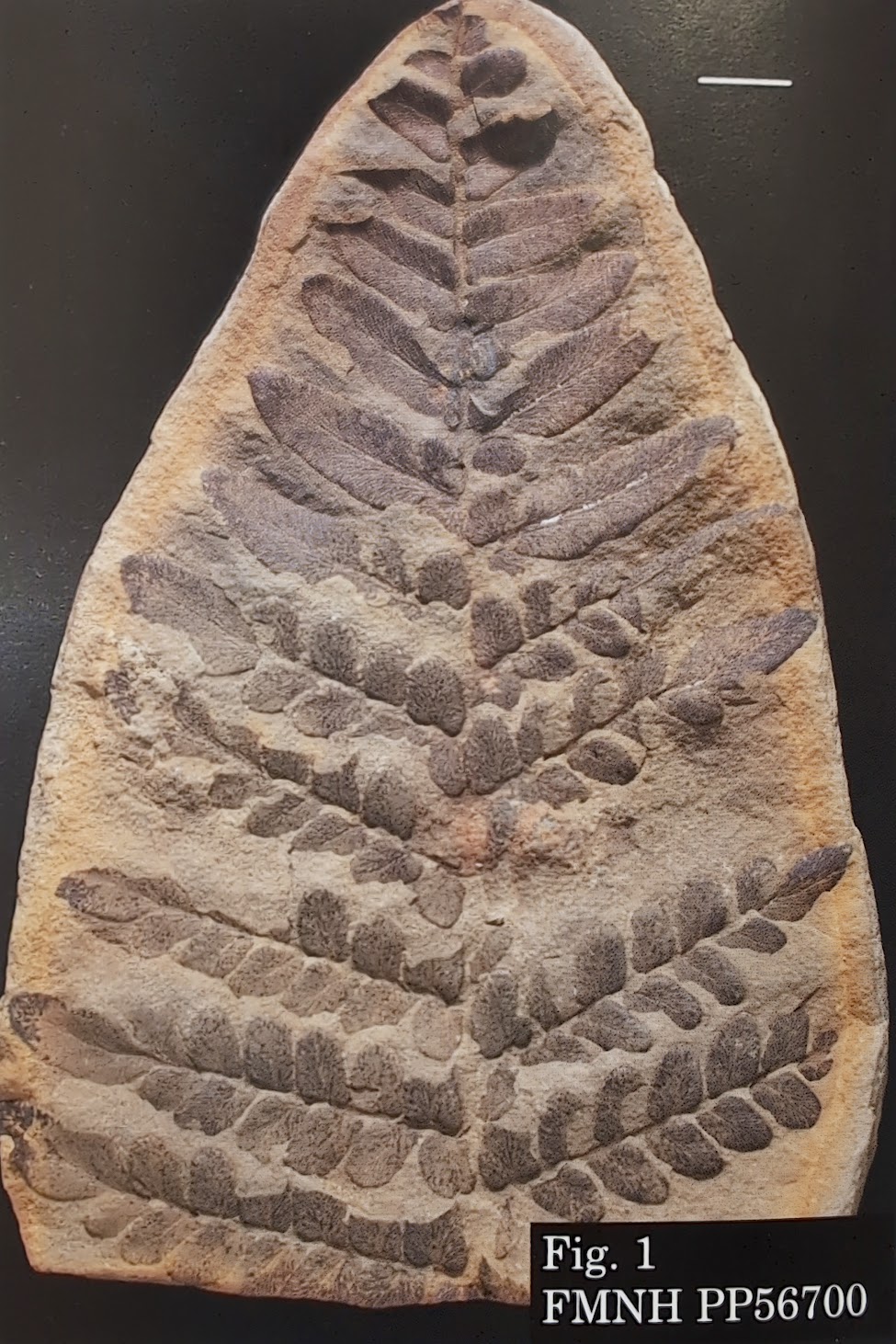
Mazon Monday #252: Reticulopteris muensterii var. dawsonii
This is Mazon Monday post #252. What’s your favorite Mazon Creek fossil? Tell us at email:esconi.info@gmail.com. Reticulopteris munsterii var. dawsonii was a seed fern found in the Mazon Creek fossil deposit. It is fairly uncommon. Except for the venation, the pinnules resemble Macroneuropteris scheuchzeri. In M. scheuchzeri the veins run in parallel, while Reticulopteris munsterii…
-
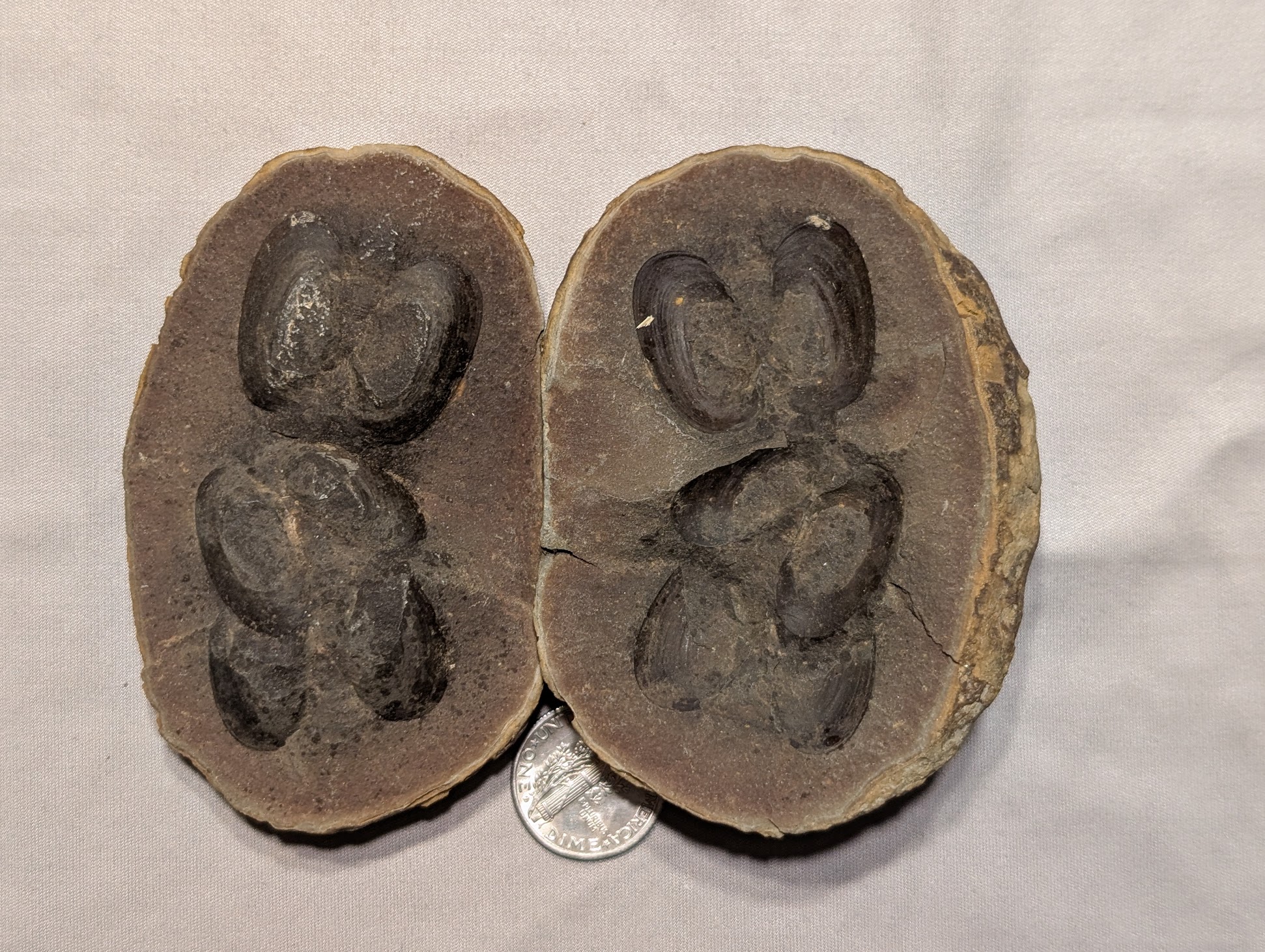
Fossil Friday #248: A Triple Mazonomya mazonensis
This is the “Fossil Friday” post #248. Expect this to be a somewhat regular feature of the website. We will post any fossil pictures you send in to esconi.info@gmail.com. Please include a short description or story. Check the hash tag #FossilFriday on Twitter/X and Bluesky for contributions from around the world! Today, we have a…
-
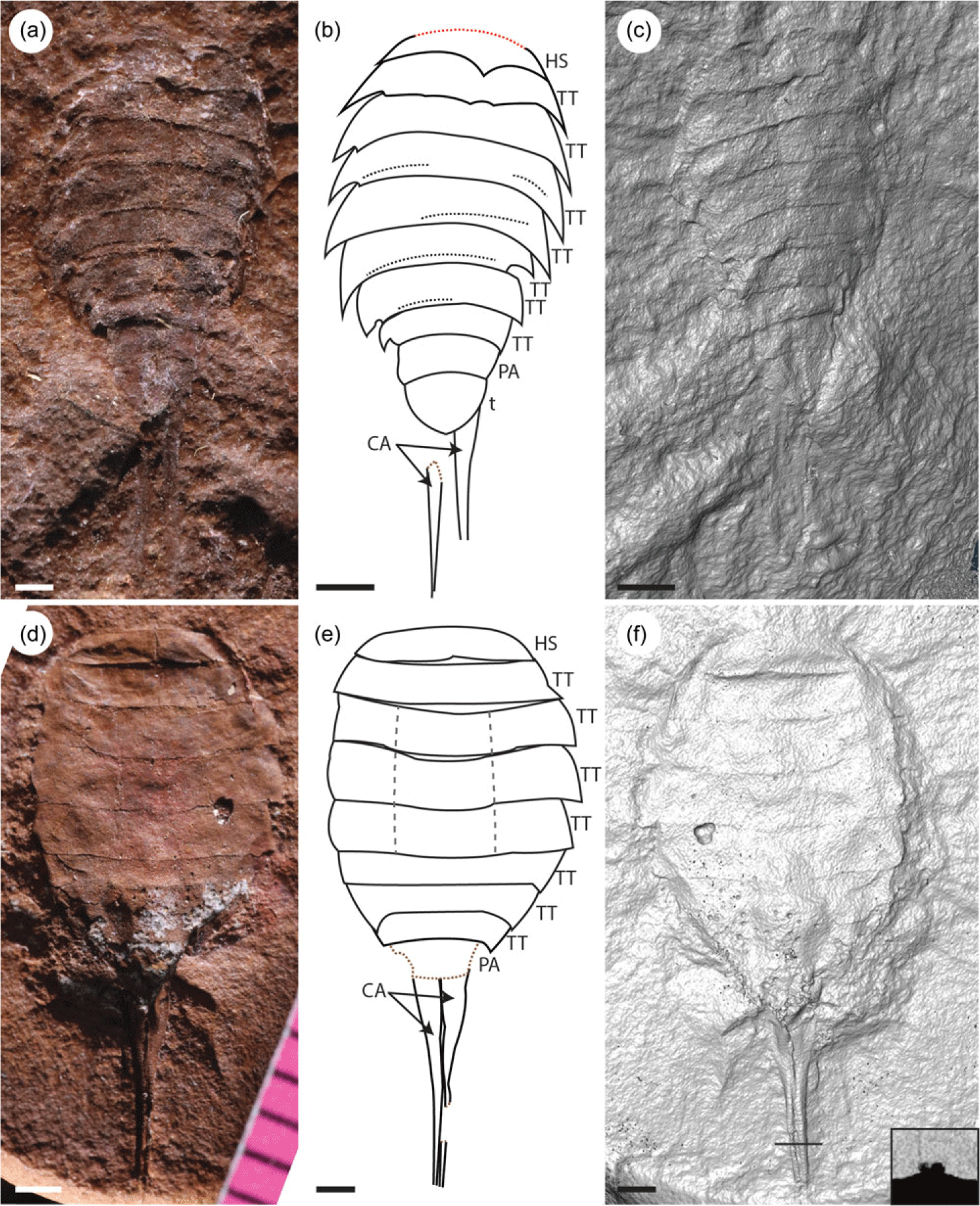
Mazon Monday #251: Tardisia broedeae
This is Mazon Monday post #251. What’s your favorite Mazon Creek fossil? Tell us at email:esconi.info@gmail.com. The Mazon Creek fossil fauna has a new member!. Hot off the internet presses, we present to you… Tardisia broedeae gen. et sp. nov (new species and new genus). The animal was described in the paper “A possible vicissicaudatan…
-

Fossil Friday #247: Acanthotelson stimpsoni
This is the “Fossil Friday” post #247. Expect this to be a somewhat regular feature of the website. We will post any fossil pictures you send in to esconi.info@gmail.com. Please include a short description or story. Check the hash tag #FossilFriday on Twitter/X and Bluesky for contributions from around the world! Acanthotelson stimpsoni was a…
-

Mazon Monday #250: Neuropteris jacksonii
This is Mazon Monday post #250. What’s your favorite Mazon Creek fossil? Tell us at email:esconi.info@gmail.com. Neuropteris jacksonii was named by William Culp Darrah (1909-1989) in 1969, who was an educator, paleontologist, geologist, botanist, and historian. His “A Critical Review of the Upper Carboniferous Floras of the Eastern United States” and many, many professional paper…
-

Fossil Friday #246: Macroneuropteris macrophylla
This is the “Fossil Friday” post #246. Expect this to be a somewhat regular feature of the website. We will post any fossil pictures you send in to esconi.info@gmail.com. Please include a short description or story. Check the hash tag #FossilFriday on Twitter/X and Bluesky for contributions from around the world! —————————————————– Here is a…
-

Mazon Monday #249: Pecopteris oreopteridia
This is Mazon Monday post #249. What’s your favorite Mazon Creek fossil? Tell us at email:esconi.info@gmail.com. Pecopteris oreopteridia is a fern from the Carboniferous Period, which has been found in the Mazon Creek fossil deposits. It is fairly uncommon and resembles Crenulopteris acadica in appearance (see Mazon Monday #115). Besides the crenulated edge on mature…
-

Fossil Friday #245: Tullymonstrum gregarium
This week’s fossil is a Tully Monster, which are always popular fossils. Tullymonster gregarium come in all shapes and sizes. It got both its common and scientific names from Eugene Richardson, Jr., who was the Curator of Fossil Invertebrates at the Field Museum for many years. Legend has it that Francis Tully brought in some…
-
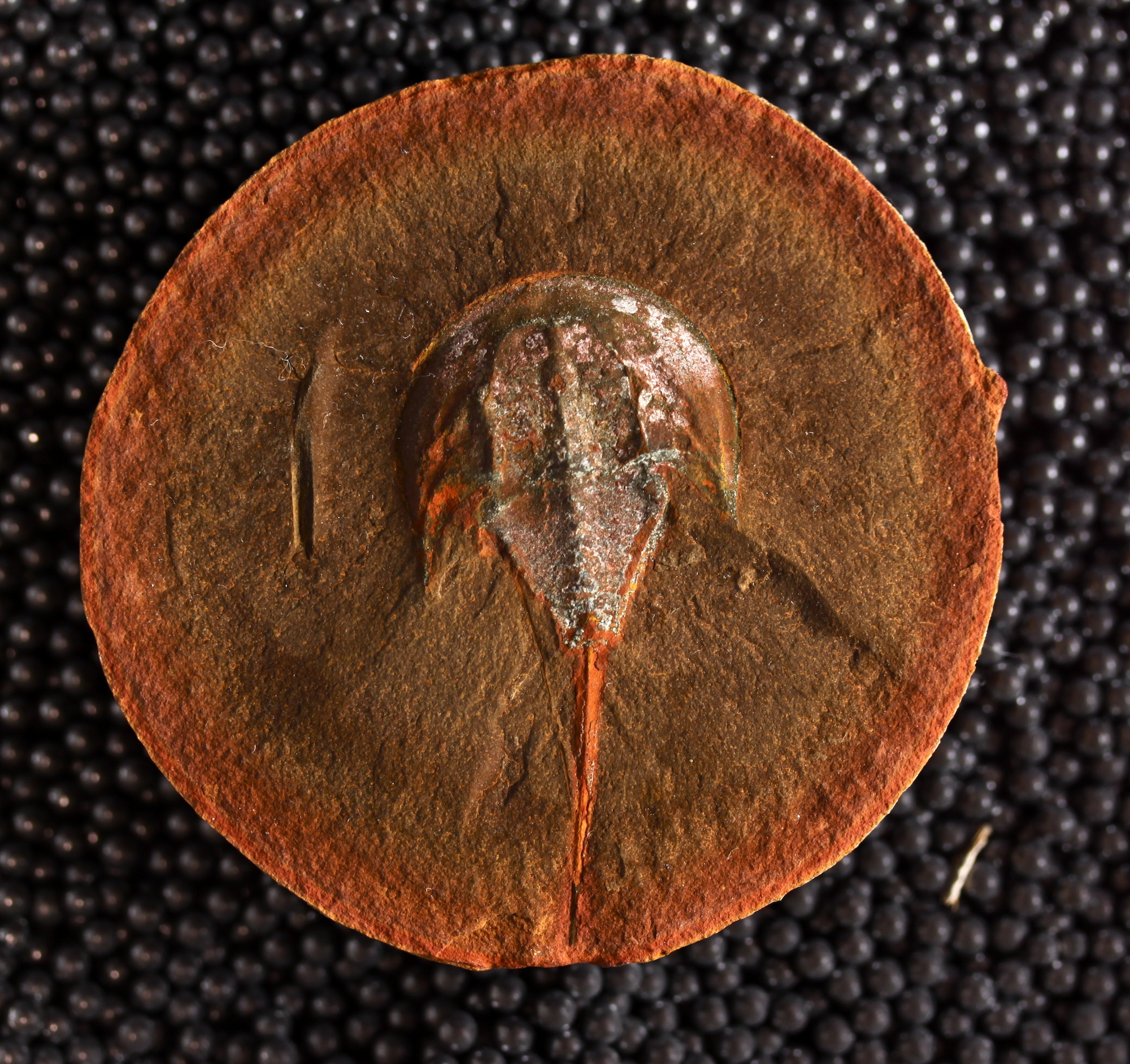
Mazon Monday #248: Paleolimulus mazonensis
There are currently 3 recognized species of horseshoe crab known from the Mazon Creek deposit – Euproops danae, Paleolimulus sp., and Liomesaspis laevis. Euproops danae is the most commonly found species. Until 2022, Paleolimulus was largely undescribed. In 2022, Russel D. C. Bicknell, Serge V. Naugolmukh, and Scott C. McKenzie published the paper “On Paleolimulus…
-
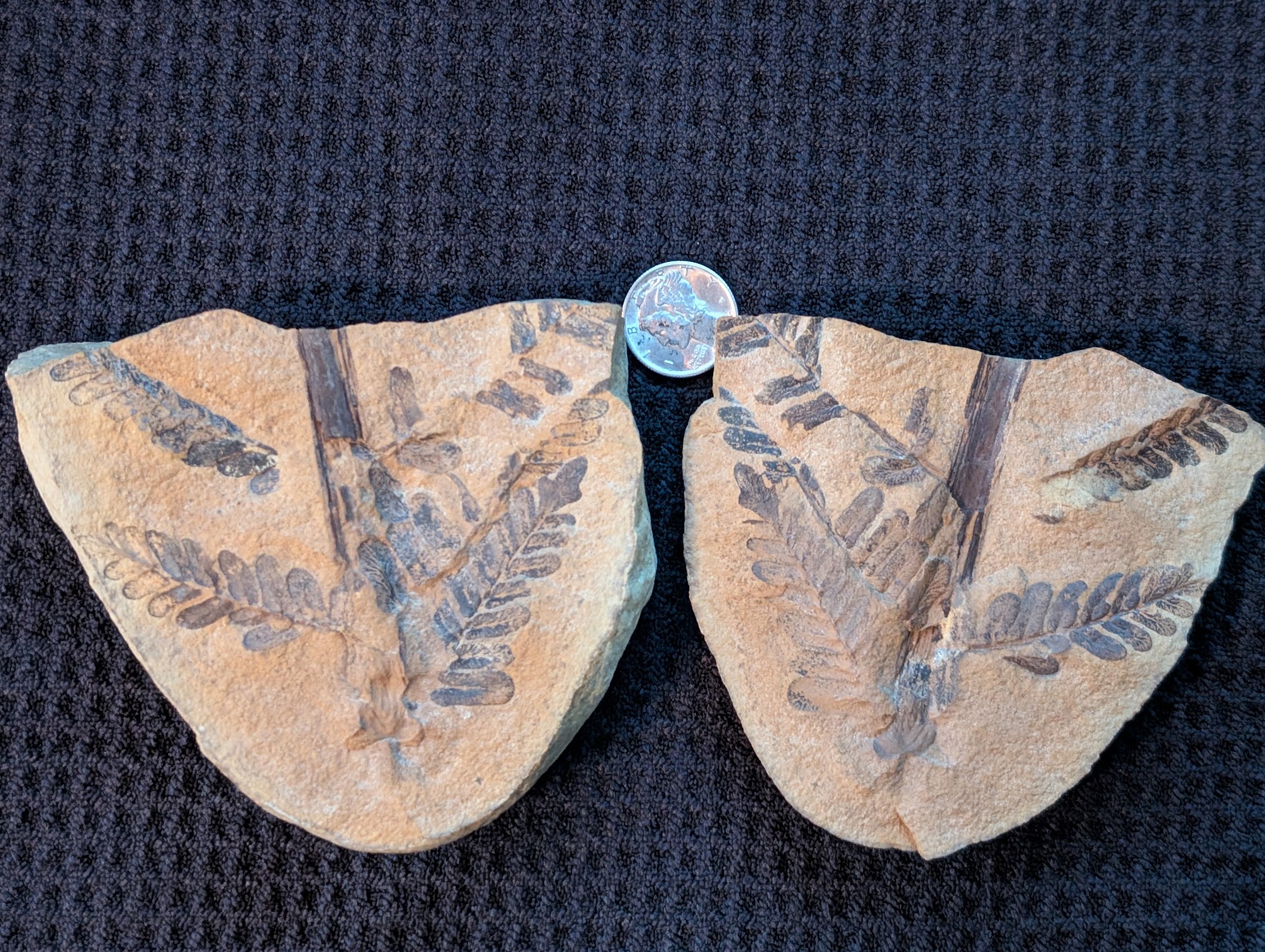
Fossil Friday #244: A beautiful Laveiniopteris from Knob Noster
The Knob Noster, Missouri fossil deposit is contemporaneous with Mazon Creek, which dates to 307 – 309 million years ago. Back in the Pennsylvanian, a large bay separated the two deposits. The red dot below represents Wilmington, IL 300 million years ago. Looking at the outline of Missouri, Knob Noster is in the middle west…
-
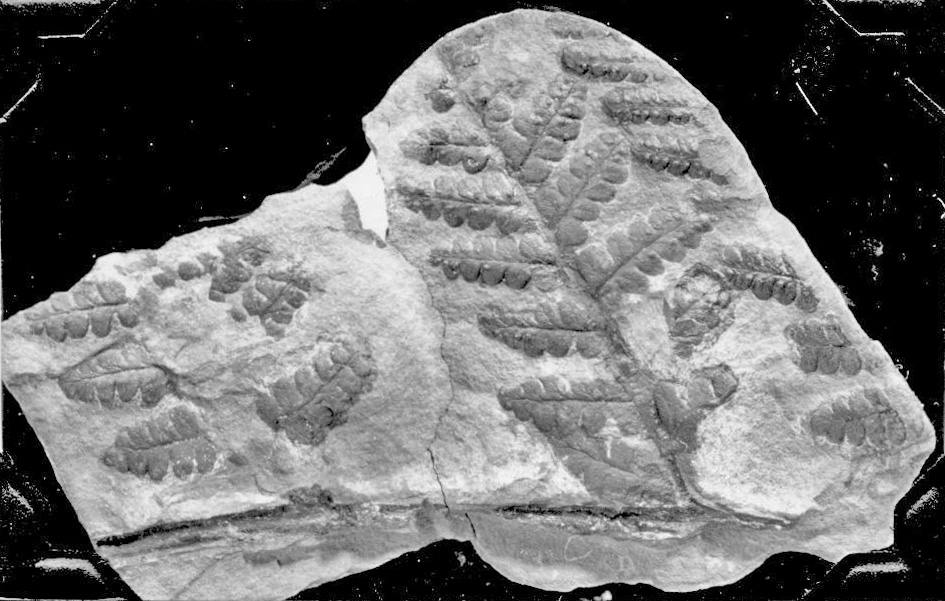
Mazon Monday #247: Oligocarpia gutbierii
This is Mazon Monday post #247. What’s your favorite Mazon Creek fossil? Tell us at email:esconi.info@gmail.com. Oligocarpia gutbierii is a herbaceous fern found in the Mazon Creek fossil biota. It belongs to a poorly understood group, which was an early member of the extant order Filicales. Oligocarpia gutbierii was first described in 1841 by Heinrich Göppert, a…
-

Fossil Friday #243: Eoscorpius carbonarius from Mazon Creek
This is the “Fossil Friday” post #243. Expect this to be a somewhat regular feature of the website. We will post any fossil pictures you send in to esconi.info@gmail.com. Please include a short description or story. Check the #FossilFriday Twitter hash tag for contributions from around the world! —————————————————– Eoscorpius carbonarius was described by FB.…
-

Mazon Monday #246: Stephanospermum konopeonus
This is Mazon Monday post #246. What’s your favorite Mazon Creek fossil? Tell us at email:esconi.info@gmail.com. Seeds were relatively rare in the Pennsylvanian Period. Most plants, including the true ferns, reproduced via spores. The only plants that bore seeds were the medullosan pteridosperms, or seed ferns. The most common seed found in the Mazon Creek…
-

Fossil Friday #242: Mazon Creek Roachoid
This is the “Fossil Friday” post #242. Expect this to be a somewhat regular feature of the website. We will post any fossil pictures you send in to esconi.info@gmail.com. Please include a short description or story. Check the #FossilFriday Twitter hash tag for contributions from around the world! This week’s Fossil Friday is another Mazon…
-
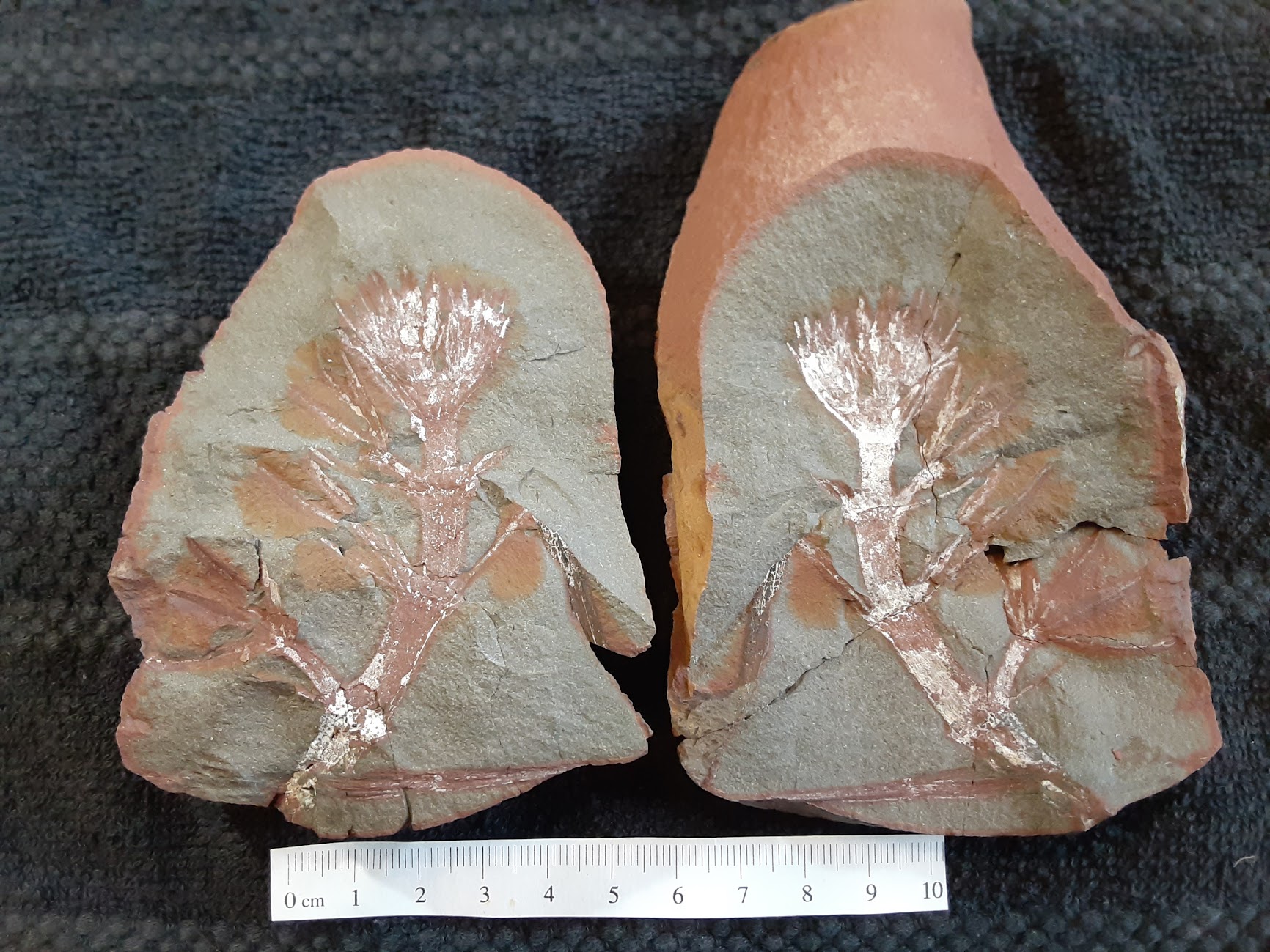
Mazon Monday #245: Annularia annulariaefolius
This is Mazon Monday post #245. What’s your favorite Mazon Creek fossil? Tell us at email:esconi.info@gmail.com. Annularia annulariaefolius represents foliage from a shrub-like sphenophyte. It was described as Lycopodites annulariaefolius in 1870 by Leo Lesquereux. Lesquereux was a swiss bryologist, who lived from 1806 until 1889. In 1970, he wrote “Report on the Fossil Plants…
-
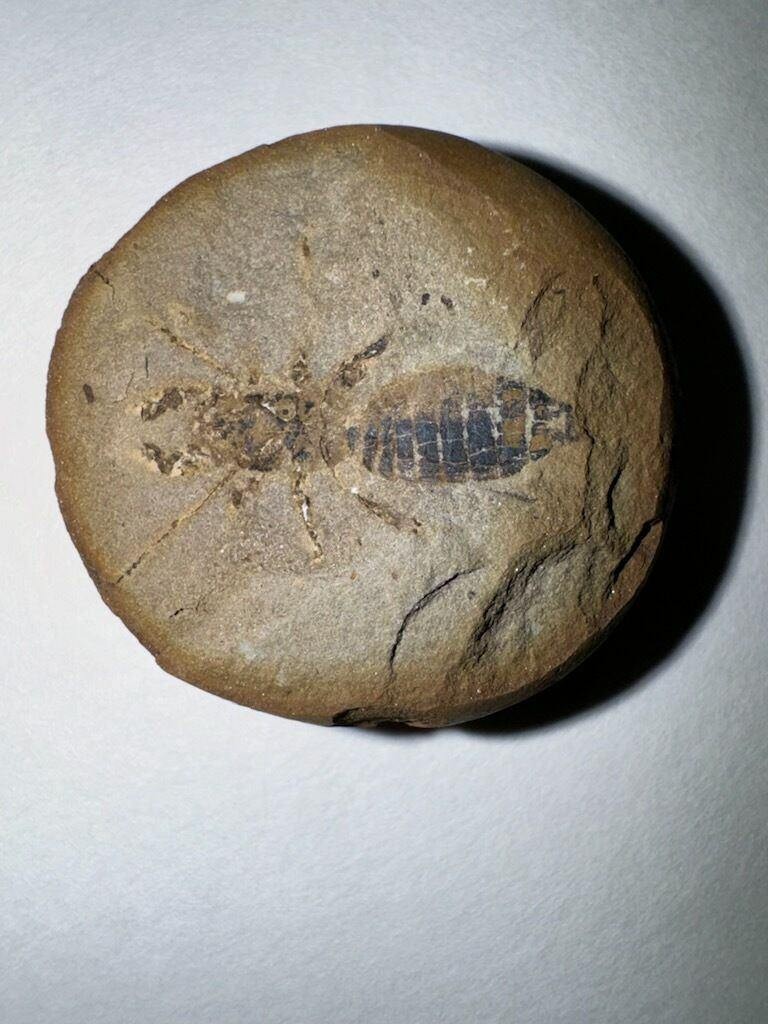
Fossil Friday #241: A Tailless Whip Scorpion from the Mazon River
This is the “Fossil Friday” post #241. Expect this to be a somewhat regular feature of the website. We will post any fossil pictures you send in to esconi.info@gmail.com. Please include a short description or story. Check the #FossilFriday Twitter hash tag for contributions from around the world! Today, we have a very, very rare…
-
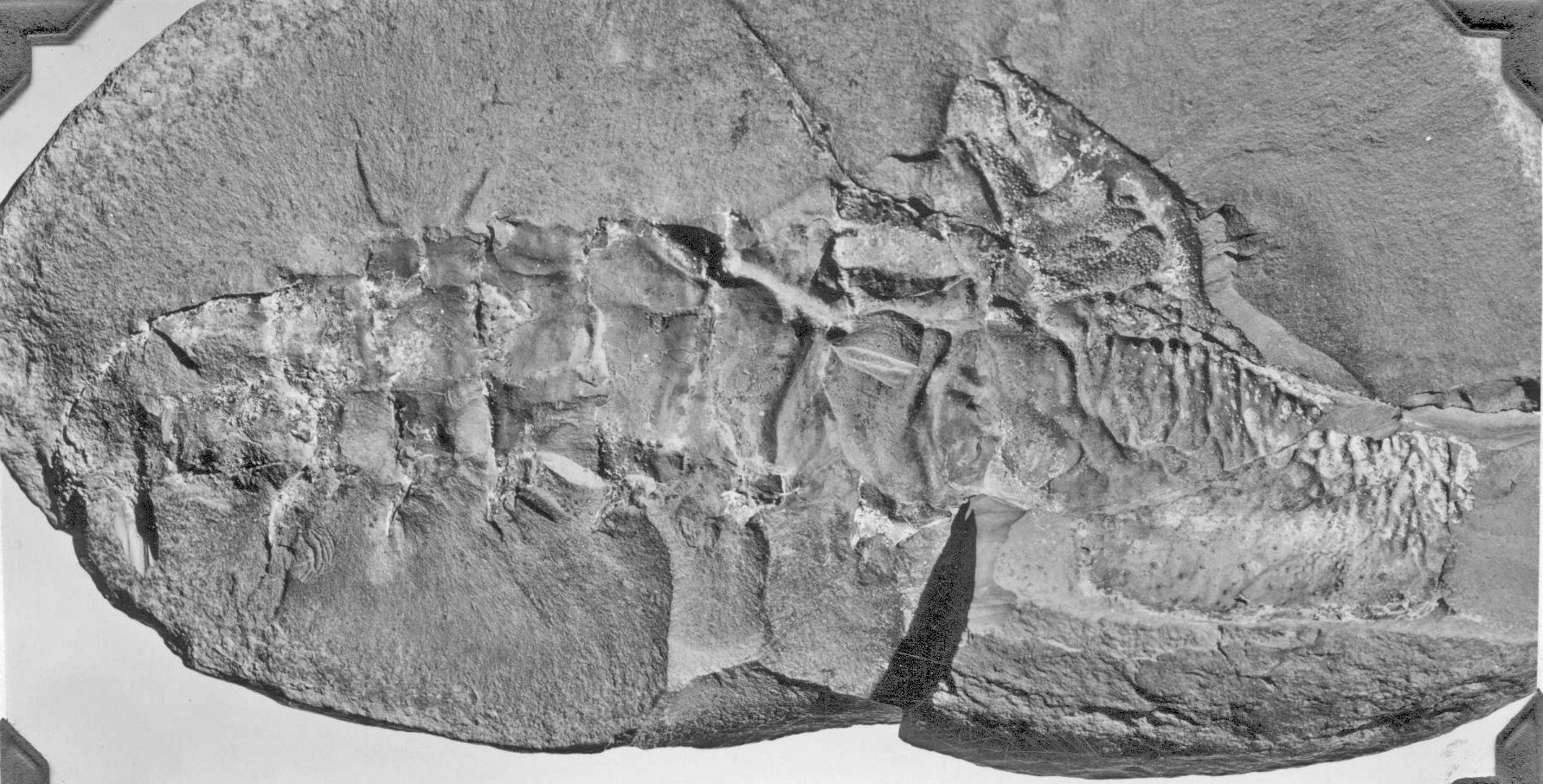
Mazon Monday #244: First Arthroplura Identified from Mazon Creek
This is Mazon Monday post #244. What’s your favorite Mazon Creek fossil? Tell us at email:esconi.info@gmail.com. Arthropleura cristata was described by Eurgene Richardson, Jr. in 1956 in “Pennsylvanian invertebrates of the Mazon Creek area, Illinois. Trilobitomorpha: Arthropleurida” in Fieldiana Geology 12(4): 76-76. He based this work on specimens he collected with George Langford in 1952…
-
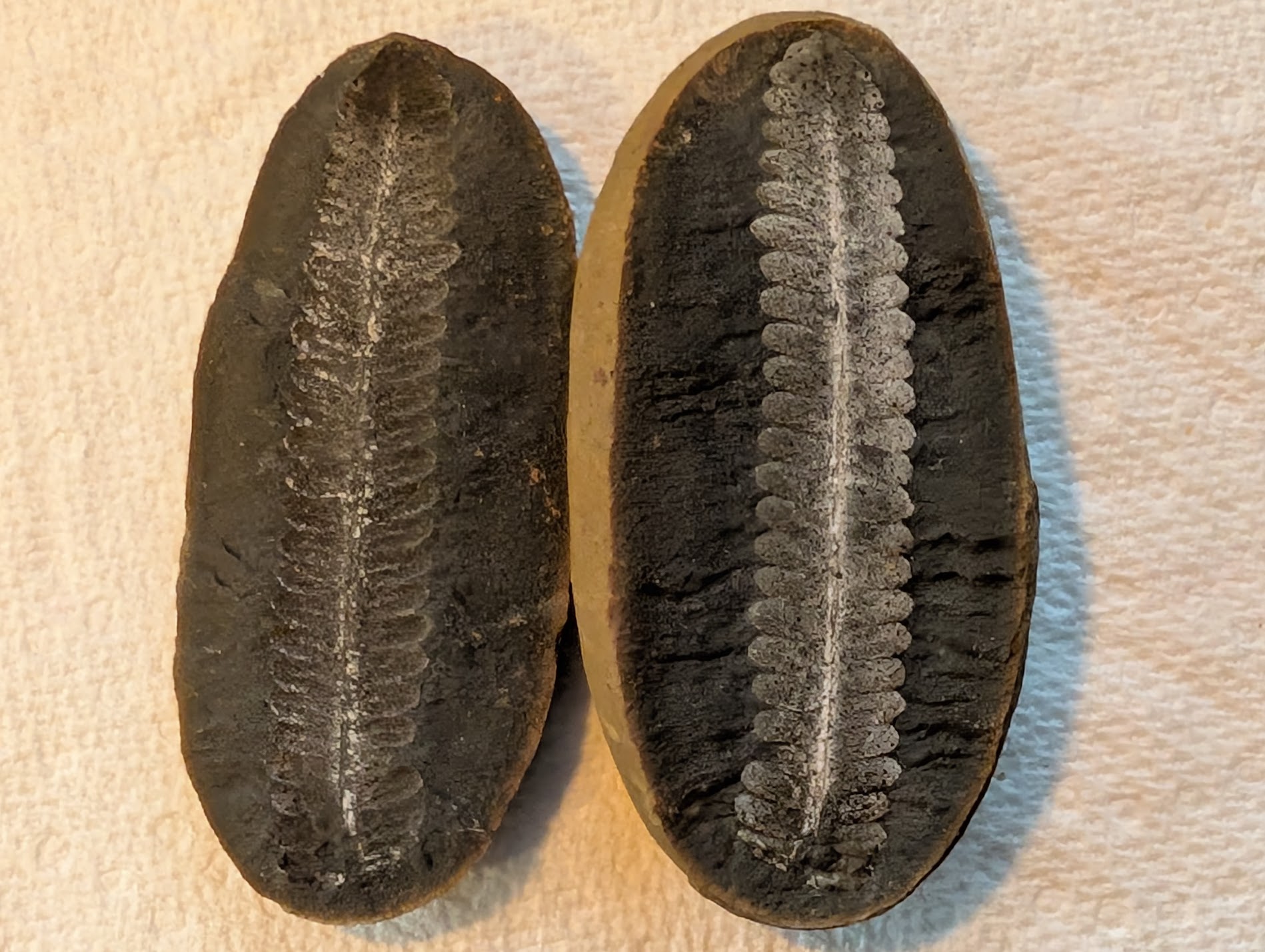
Fossil Friday #240: Diplazites unita from Mazon Creek #fossils
This is the “Fossil Friday” post #240. Expect this to be a somewhat regular feature of the website. We will post any fossil pictures you send in to esconi.info@gmail.com. Please include a short description or story. Check the #FossilFriday Twitter hash tag for contributions from around the world! We’ve got a nice Diplazites unita from…
-
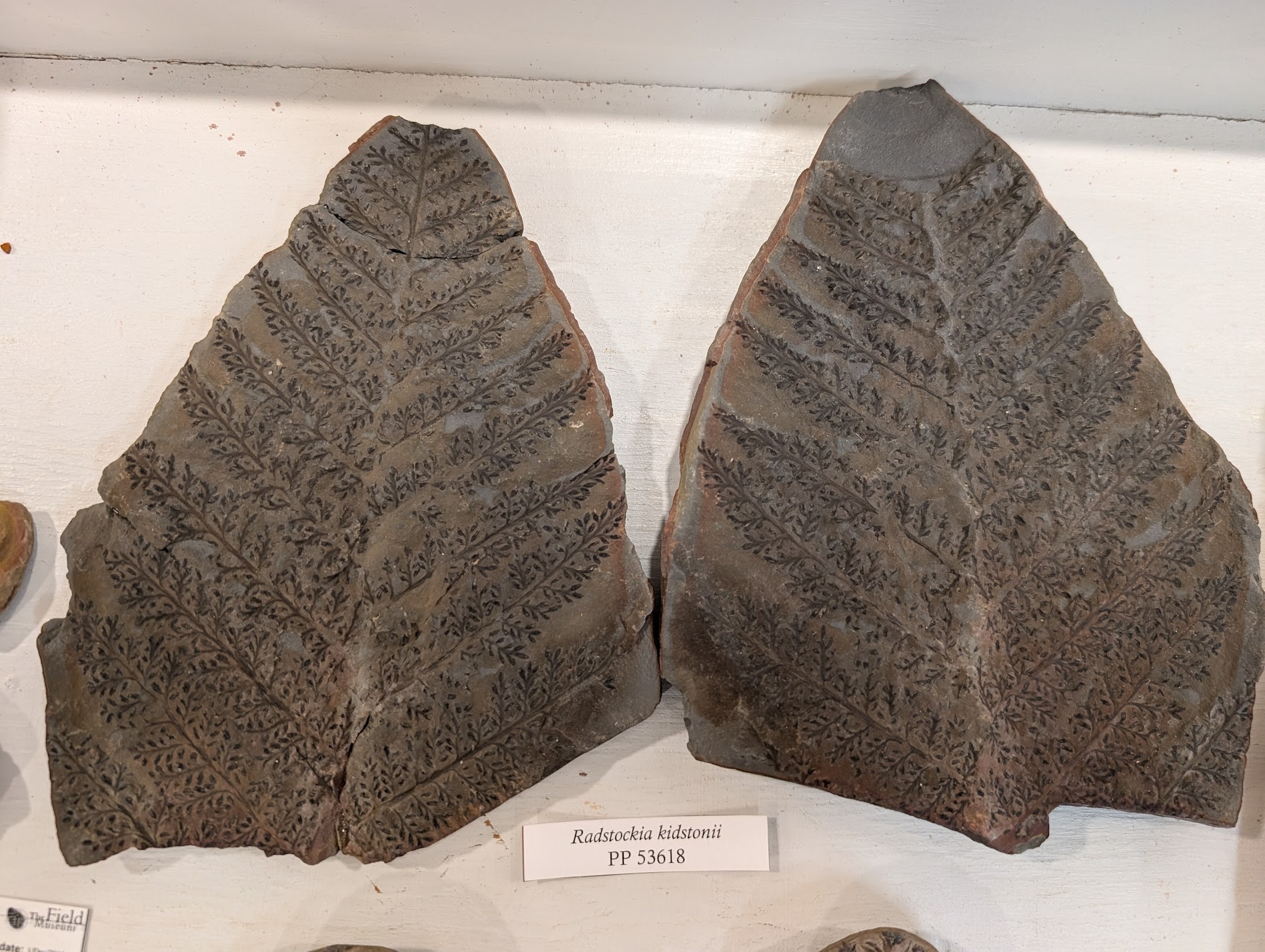
Mazon Monday #243: Radstockia kidstonii
Radstockia kidstonii is a very rare plant fossil from the Mazon Creek deposit. It is currently considered a true fern, as the pinnules and fertile structures are similar to the modern fern Marattia alata. It was originally named Radstockia sphenopteroides by George Langford in his first book “The Wilmington Coal Flora From a Pennsylvanian Deposit…
-

Fossil Friday #239: Linopteris neuropteroides from Indiana
This is the “Fossil Friday” post #239. Expect this to be a somewhat regular feature of the website. We will post any fossil pictures you send in to esconi.info@gmail.com. Please include a short description or story. Check the #FossilFriday Twitter hash tag for contributions from around the world! For this week, we have a sweet…
-
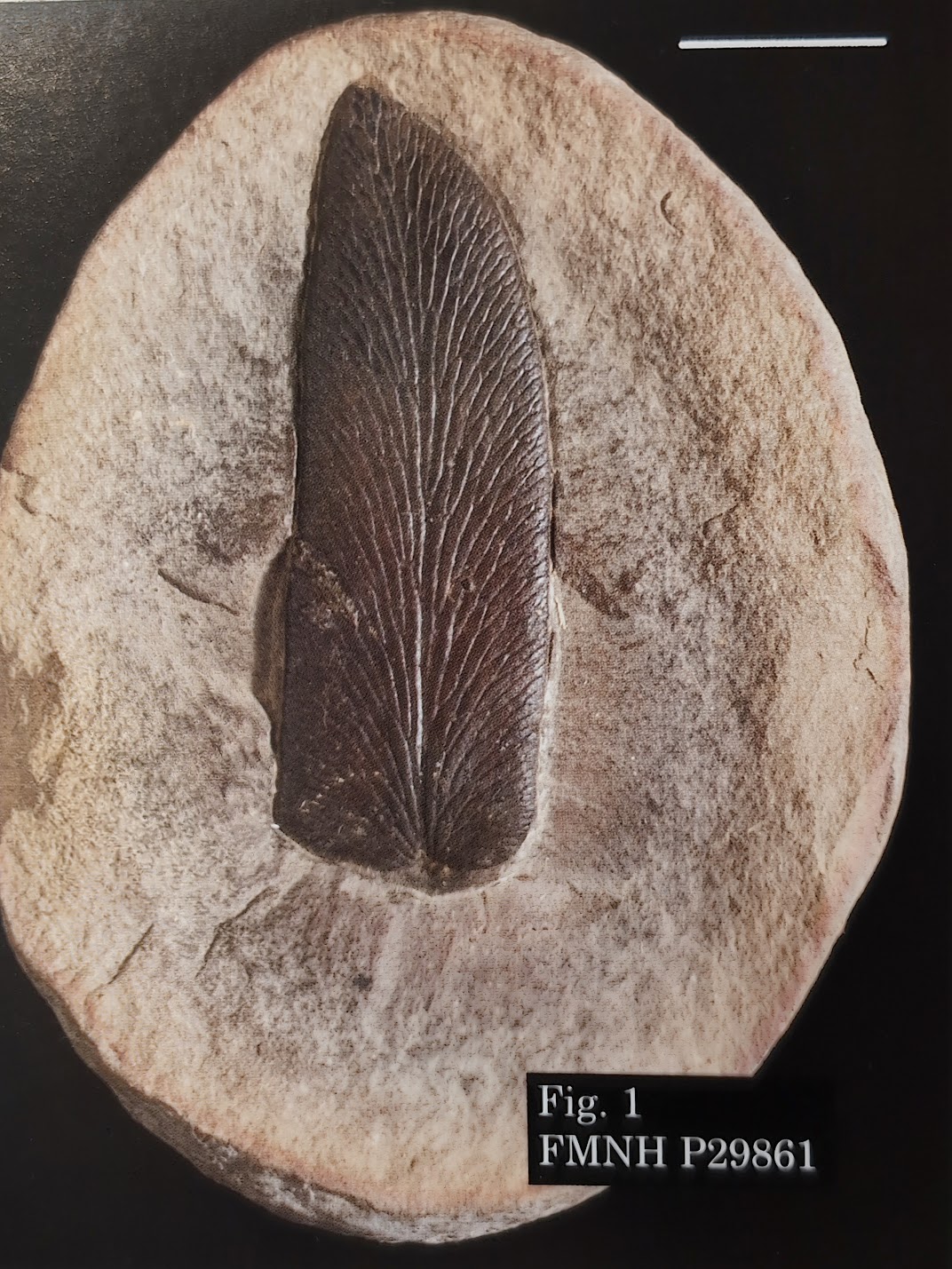
Mazon Thursday #242: Linopteris neuropteroides
This is Mazon Monday post #242. What’s your favorite Mazon Creek fossil? Tell us at email:esconi.info@gmail.com. This is Mazon Thursday. We moved this week’s Mazon Monday to Thursday to do a Veteran’s Day post on Monday. Linopteris neuropteroides is a very rare seed fern known from Mazon Creek and other Pennsylvanian localities. It was originally…
-
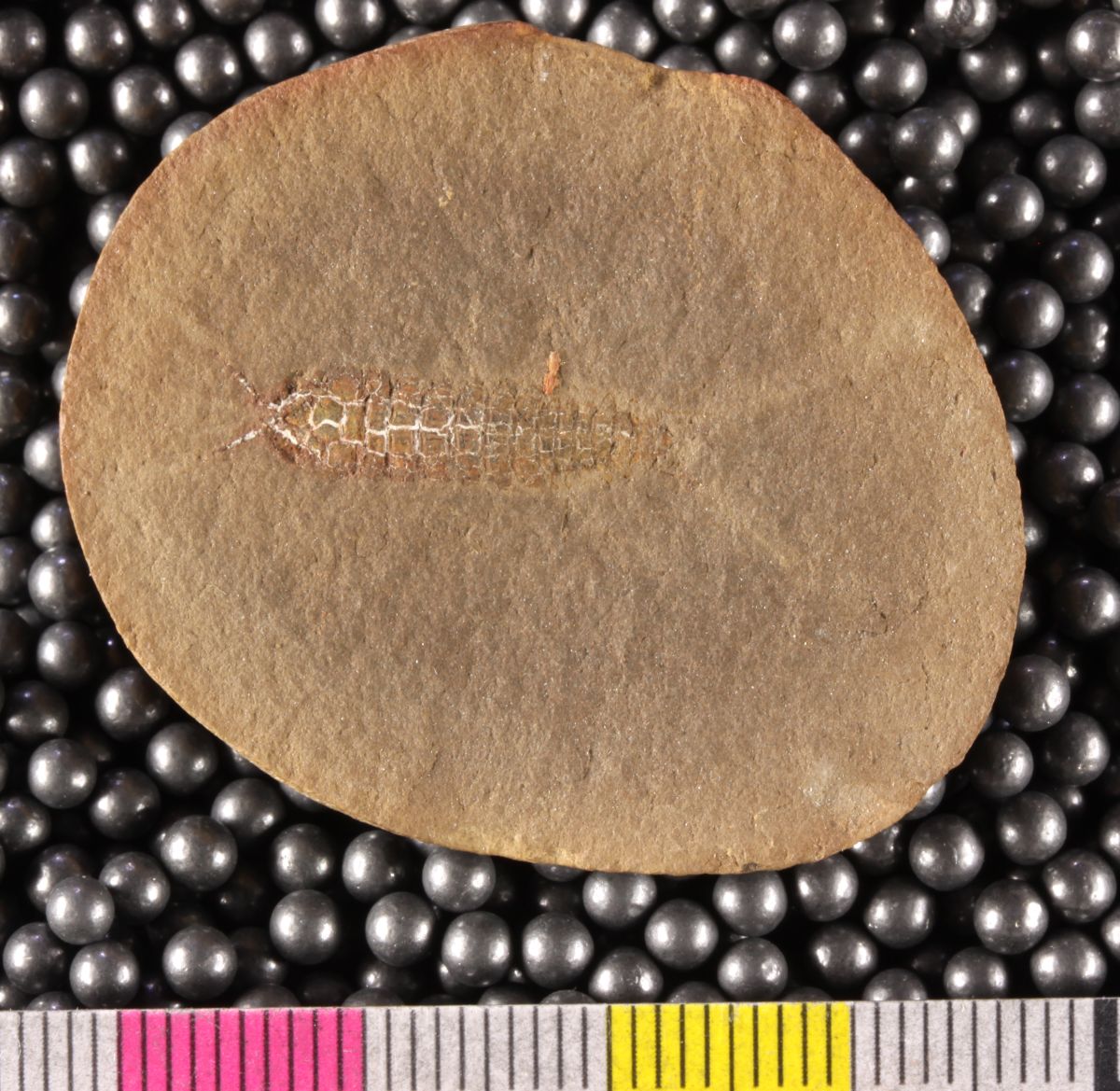
Mazon Monday #241: Eucryptocaris asherorum
This is Mazon Monday post #241. What’s your favorite Mazon Creek fossil? Tell us at email:esconi.info@gmail.com. Eucryptocaris asherorum is a species of extinct shrimp-like animals from Mazon Creek. They are members on the suborder Tanaidacea, a minor group within the class Malacostraca. Extant members of Tanaidacea are mostly marine, but a few species live in…
-

Fossil Friday #237: Sphenophyllym emarginatum from Indiana
This is the “Fossil Friday” post #237. Expect this to be a somewhat regular feature of the website. We will post any fossil pictures you send in to esconi.info@gmail.com. Please include a short description or story. Check the #FossilFriday Twitter hash tag for contributions from around the world! Ths week’s Fossil Friday is a sweet…
-
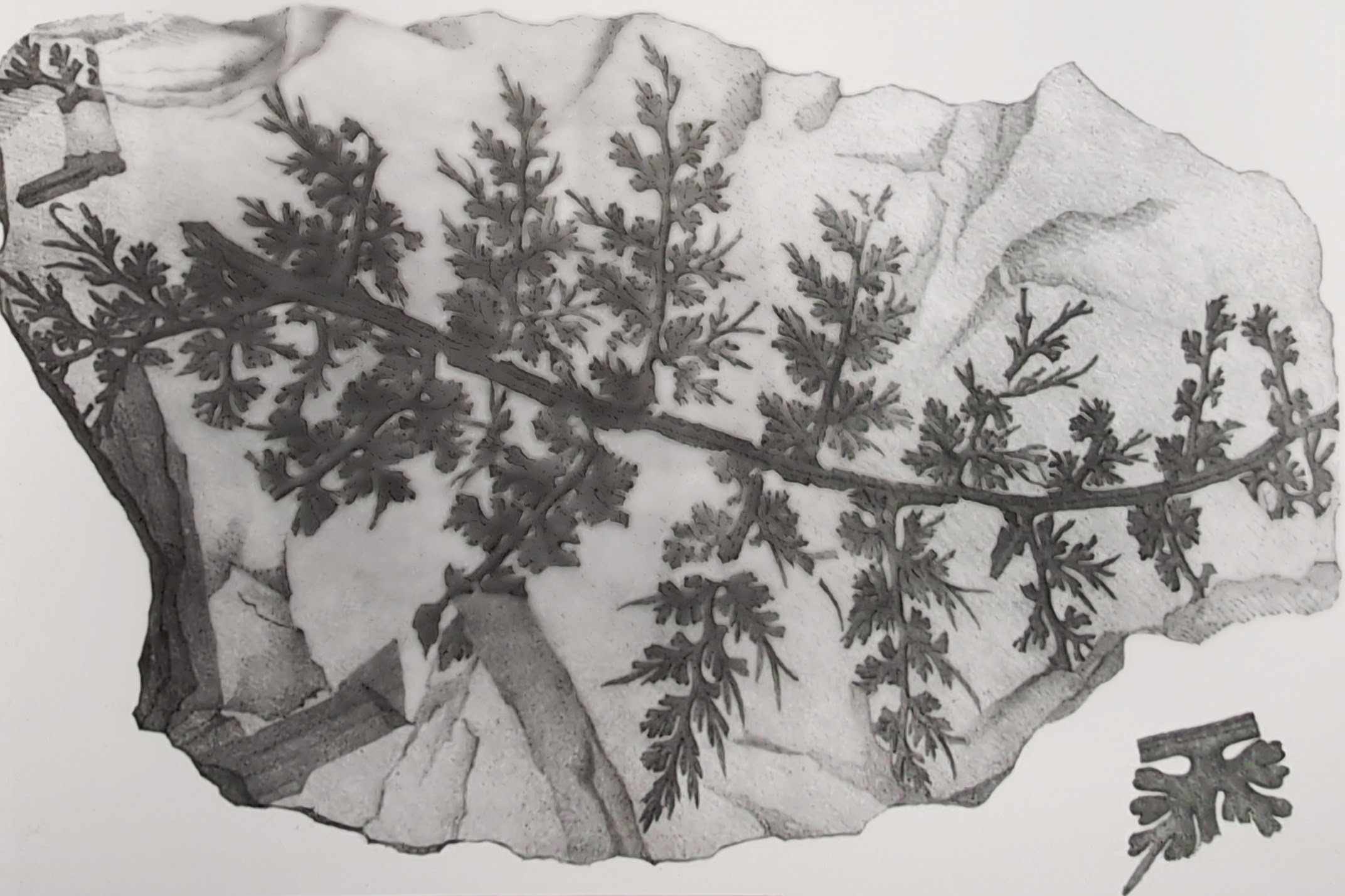
Mazon Monday #240: Sphenopteris spinosa
This is Mazon Monday post #240. What’s your favorite Mazon Creek fossil? Tell us at email:esconi.info@gmail.com. Sphenopteris is a genus of seed ferns. Seed ferns, Pteridospermatphyta, as a group have a geologic range which spanned from the late Devonian to the late Cretaceous, although a few species seem to have survivied into the Eocene. Sphenopteris…
-
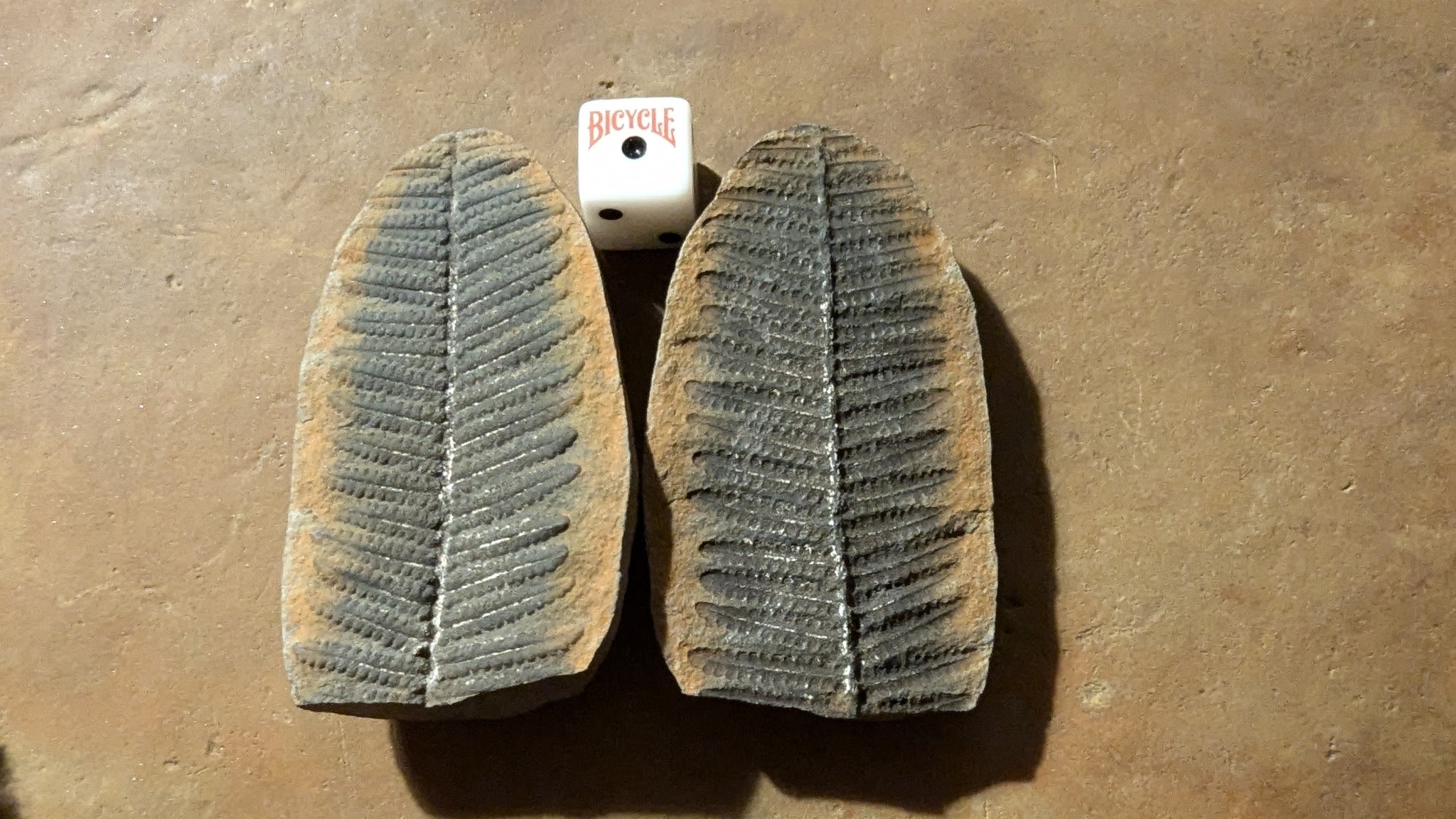
Fossil Friday #236: Cyathocarpus arborea from the Mazon Creek River
This is the “Fossil Friday” post #236. Expect this to be a somewhat regular feature of the website. We will post any fossil pictures you send in to esconi.info@gmail.com. Please include a short description or story. Check the #FossilFriday Twitter hash tag for contributions from around the world! We looked at Cyathocarpus arborea just a few…
-
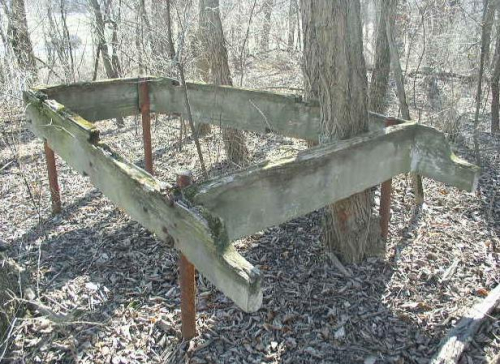
Throwback Thursday #237: Bruce Stinchcomb, Route 66, and Mazon Creek
This is Throwback Thursday #237. In these, we look back into the past at ESCONI specifically and Earth Science in general. If you have any contributions, (science, pictures, stories, etc …), please send them to esconi.info@gmail.com. Thanks! ——————————————————————————————- US Route 66 has been termed the “Mother Road” by some as it was one of the…
-
The largest arthropod to ever live finally has a head
This 3-D reconstruction of a fossilized juvenile Arthropleura reveals details of the millipede’s head (green), such as its mouthparts and antennae. Lhéritier et al/Science Advances 2024 Science News is reporting that the head of Arthropleura has finally been found! Whether it’s the largest arthropod that ever lived is debatable, but Arthropleura was a very large millipede…
