Category: Mazon Creek
-

Throwback Thursday #223: Eugene Richardson – Fossil Localities Old and New
This is Throwback Thursday #223. In these, we look back into the past at ESCONI specifically and Earth Science in general. If you have any contributions, (science, pictures, stories, etc …), please send them to esconi.info@gmail.com. Thanks! ——————————————————————————————- Eugene Richardson, Jr. wrote a nice little article for the May 1952 edition of the Chicago Natural…
-
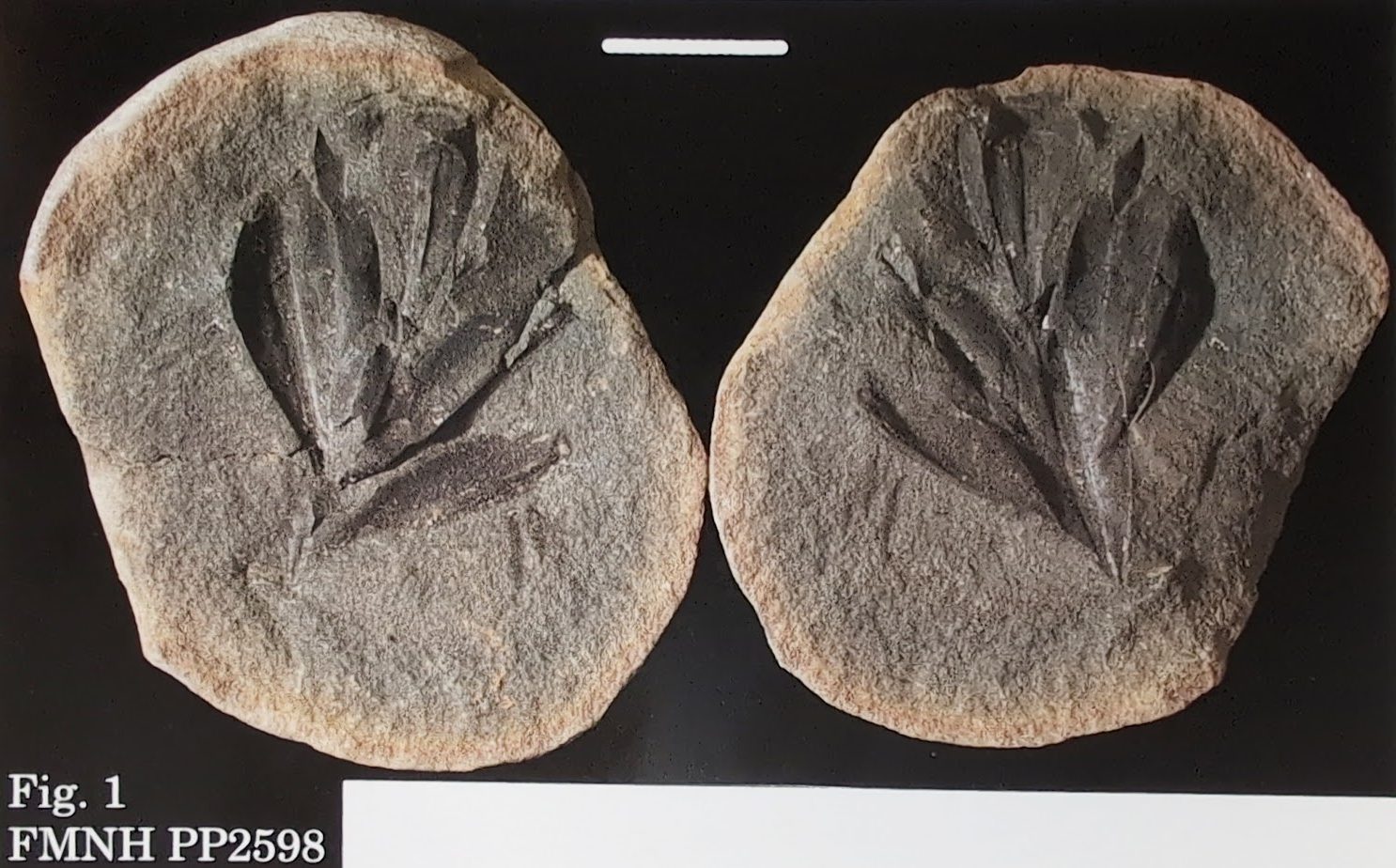
Mazon Monday #225: Lepidostrobus foliaceus
This is Mazon Monday post #225. What’s your favorite Mazon Creek fossil? Tell us at email:esconi.info@gmail.com. Lepidostrobus foliaceus is one of the rarer forms of Lepidostrobus, which is the cone structure from a lepidodendron tree. L. foliaceus was named by Leo Lesquereux in 1870. Lesquereux (1806-1889) was a Swiss-born bryologist and a pioneer of American…
-
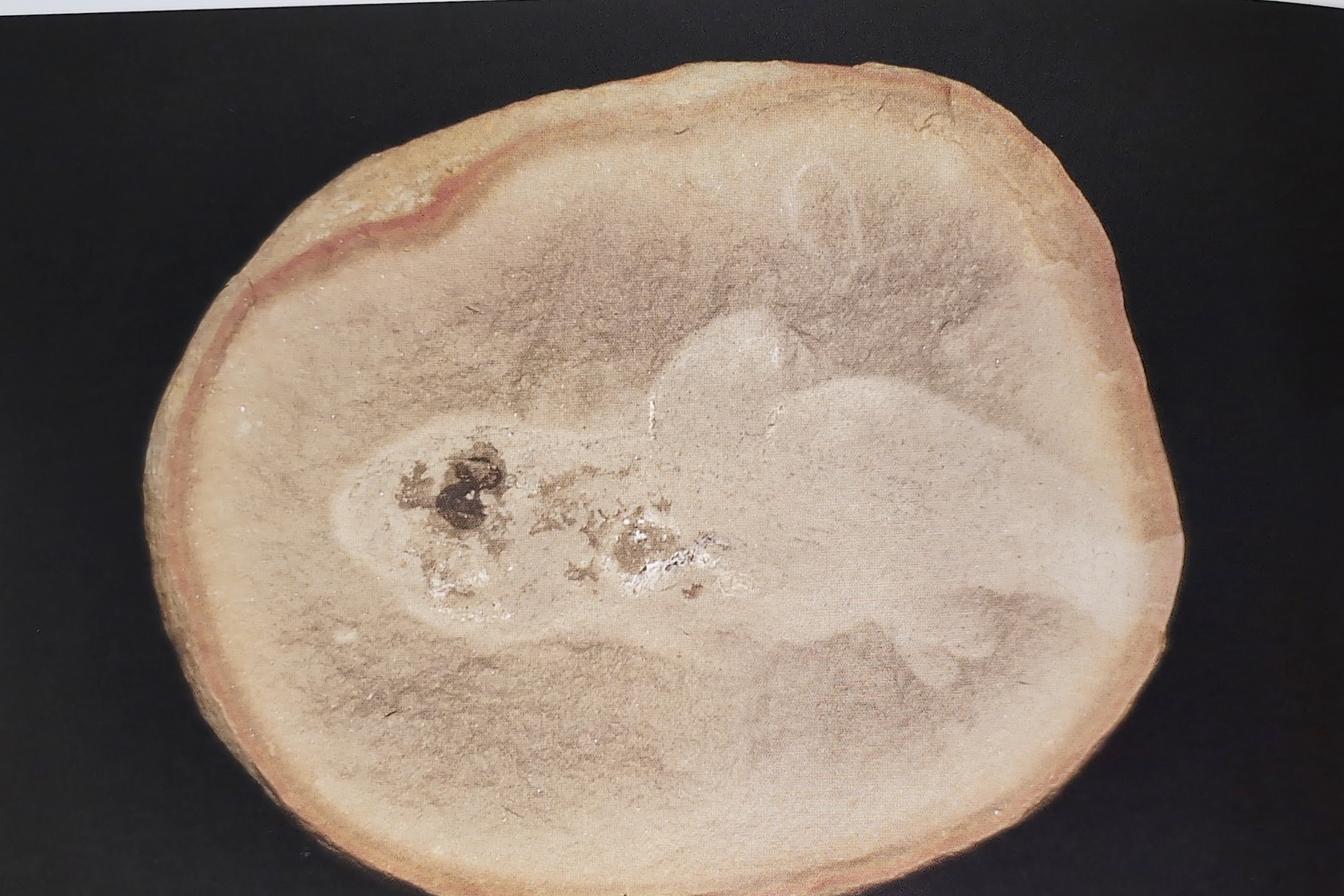
Mazon Monday #224: Holmacanthus keithi
This is Mazon Monday post #224. What’s your favorite Mazon Creek fossil? Tell us at email:esconi.info@gmail.com. In keeping with Shark Week on the Discovery Channel, we have a Mazon Creek shark… Holmacanthus keithi for this week’s Mazon Monday. Holmacanthus keithi was named for Keith Holm, who found the holotype in Pit 11 in the early…
-

Fossil Friday #220: Annularia inflata
Annularia inflata is out Fossil Friday for this week. We chose it to commemorate the 4th of July holiday. It’s pinnules resemble a firework display. Annularia inflata is the foliage of Calamites. It’s related to modern day horsetails. Find out more here Mazon Monday #60 and Mazon Monday #94.
-
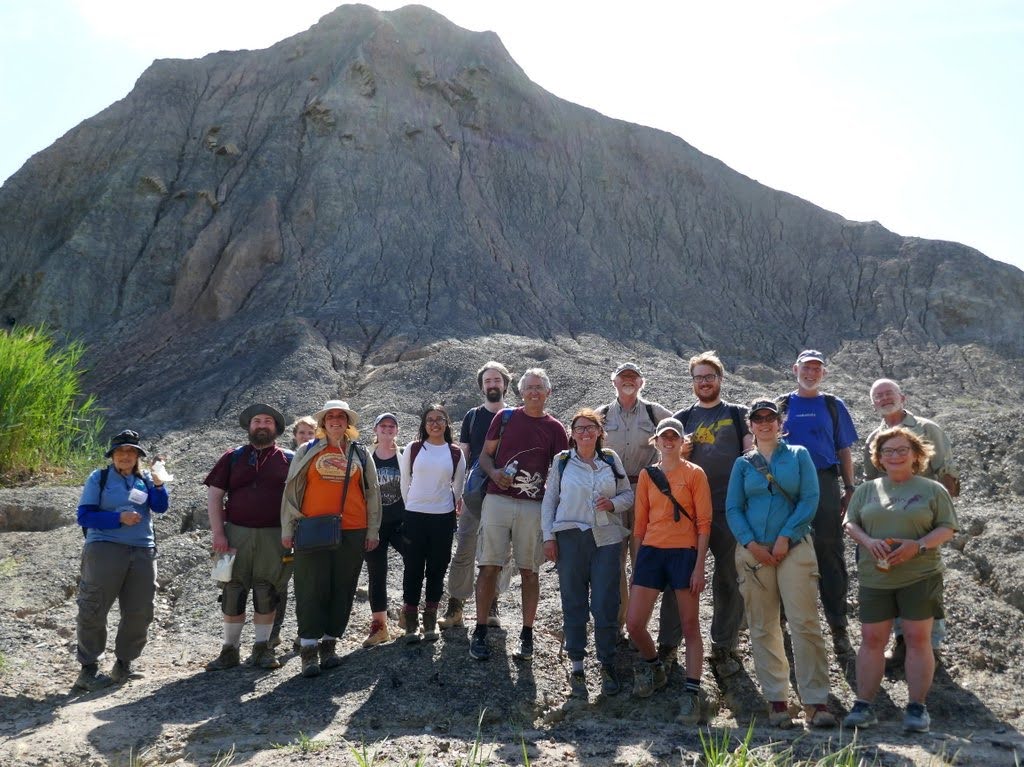
Mazon Monday #223: NAPC at Braceville!
This is Mazon Monday post #223. What’s your favorite Mazon Creek fossil? Tell us at email:esconi.info@gmail.com. The first NAPC conference was held in 1969 at the Field Museum in Chicago, IL (see Mazon Monday #221). ESCONI participated by displaying many nice Mazon Creek fossils. NAPC 2024 was held in Ann Arbor, Michigan the week of…
-
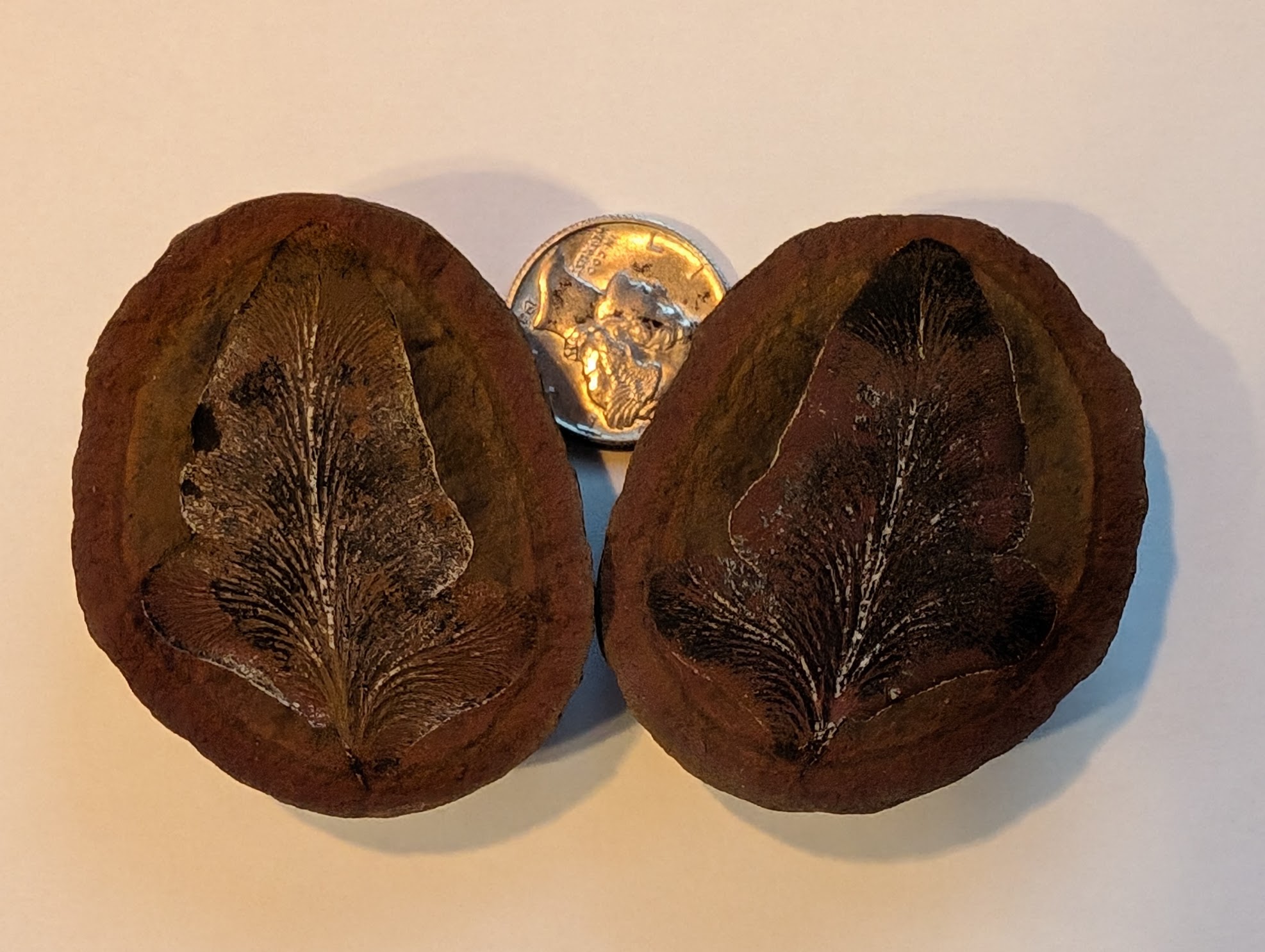
Fossil Friday #219: Neuropteris vermicularis – Terminal Pinnule
This is the “Fossil Friday” post #219. Expect this to be a somewhat regular feature of the website. We will post any fossil pictures you send in to esconi.info@gmail.com. Please include a short description or story. Check the #FossilFriday Twitter hash tag for contributions from around the world! Neuropteris vermicularis is a seed fern (see…
-

Mazon Monday #222: Violetta Whitfield’s Insects
This is Mazon Monday post #222. What’s your favorite Mazon Creek fossil? Tell us at email:esconi.info@gmail.com. Robert and Violetta Wihitfield collected fossils with George Langford (Mazon Monday #220) in the 1940s and 1950s. Langford curated the Mazon Creek fossils he donated to the Field Museum, working there from 1948 until 1961. Both Robert and Violetta…
-
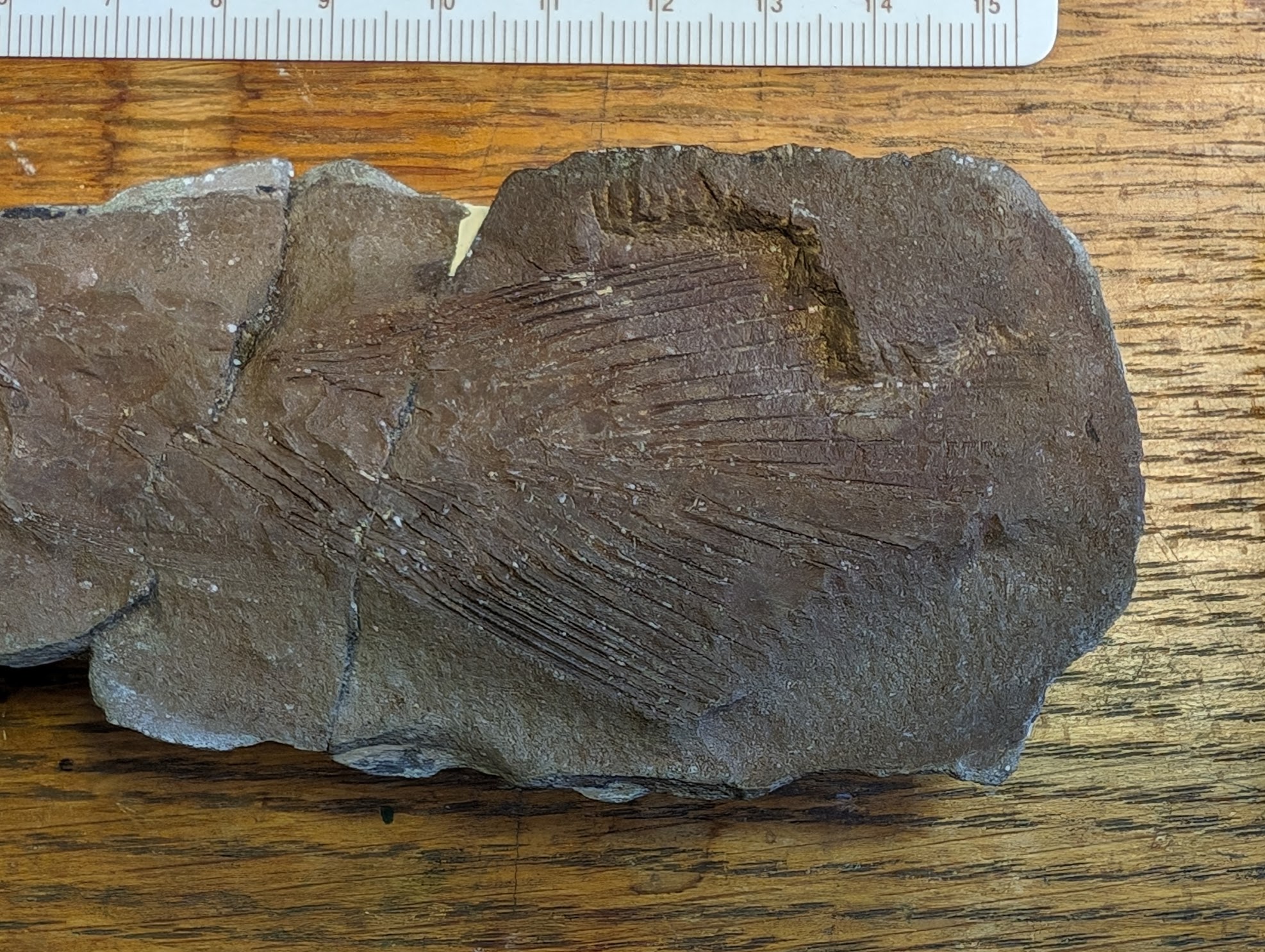
Fossil Friday #218: Rhabdoderma elegans from the Field Museum
This is the “Fossil Friday” post #218. Expect this to be a somewhat regular feature of the website. We will post any fossil pictures you send in to esconi.info@gmail.com. Please include a short description or story. Check the #FossilFriday Twitter hash tag for contributions from around the world! Rhabdoderma elegans was described by John Strong…
-
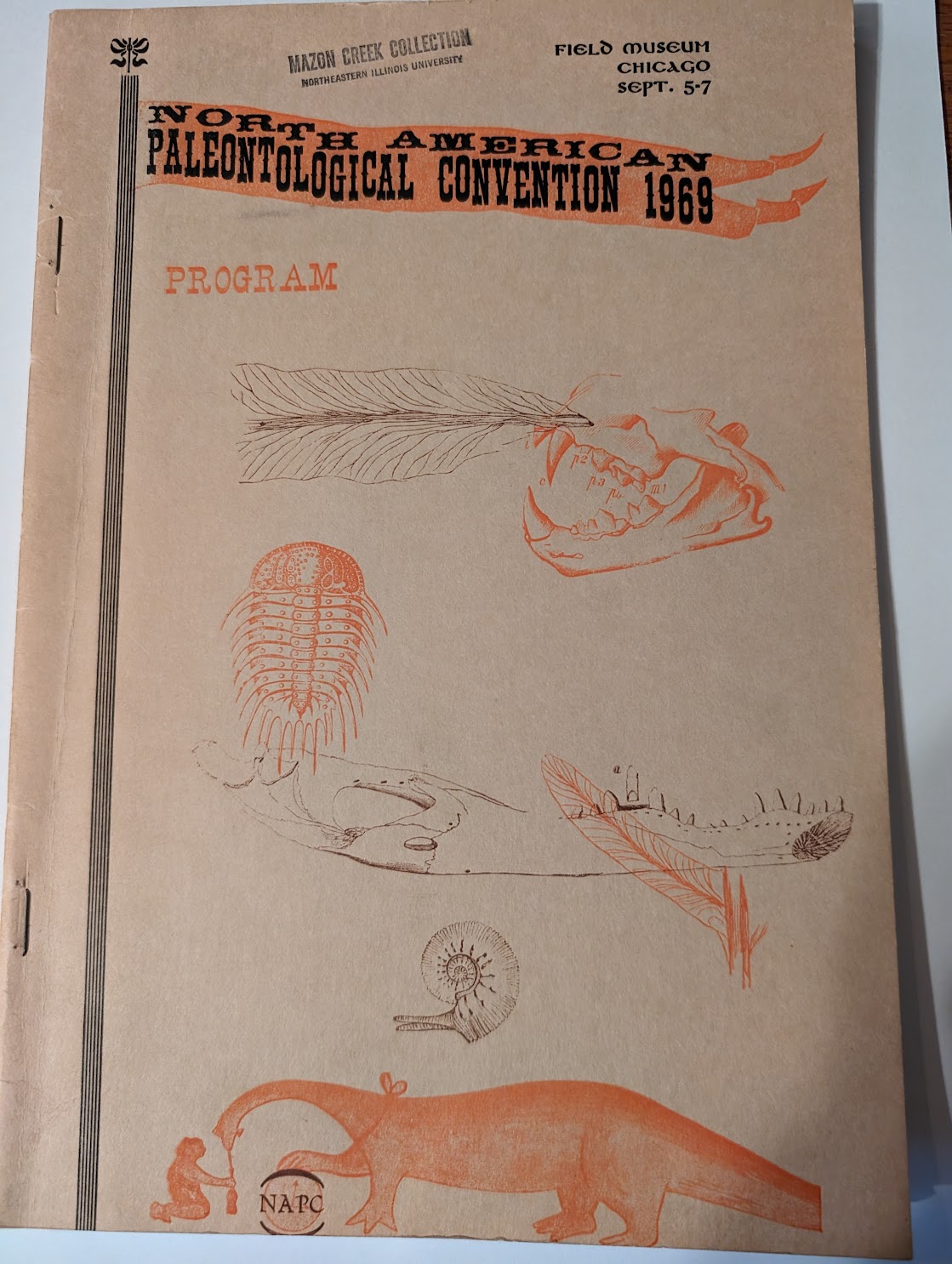
Mazon Monday #221: Mazon Creek and ESCONI at NAPC 1969
This is Mazon Monday post #221. What’s your favorite Mazon Creek fossil? Tell us at email:esconi.info@gmail.com. The very first North American Paleontological Convention (NAPC) was held 55 years ago on September 5th, 6th, and 7th, 1969. The conference was hosted by the Field Museum of Natural History in Chicago, IL. ESCONI and Mazon Creek played…
-

Fossil Friday #217: Cordaites borassifolius
This is the “Fossil Friday” post #217. Expect this to be a somewhat regular feature of the website. We will post any fossil pictures you send in to esconi.info@gmail.com. Please include a short description or story. Check the #FossilFriday Twitter hash tag for contributions from around the world! —————————————————– Here is a nice Cordaites borassifolius…
-

Mazon Monday #220: George Langford
This is Mazon Monday post #220. What’s your favorite Mazon Creek fossil? Tell us at email:esconi.info@gmail.com. Jim Konecny wrote this piece for the June 1994 edition of the ESCONI Earth Science News. This year marks the 60th anniversary of George’s death. He was a interesting man. His contributions were many… to Mazon Creek, science, ESCONI,…
-
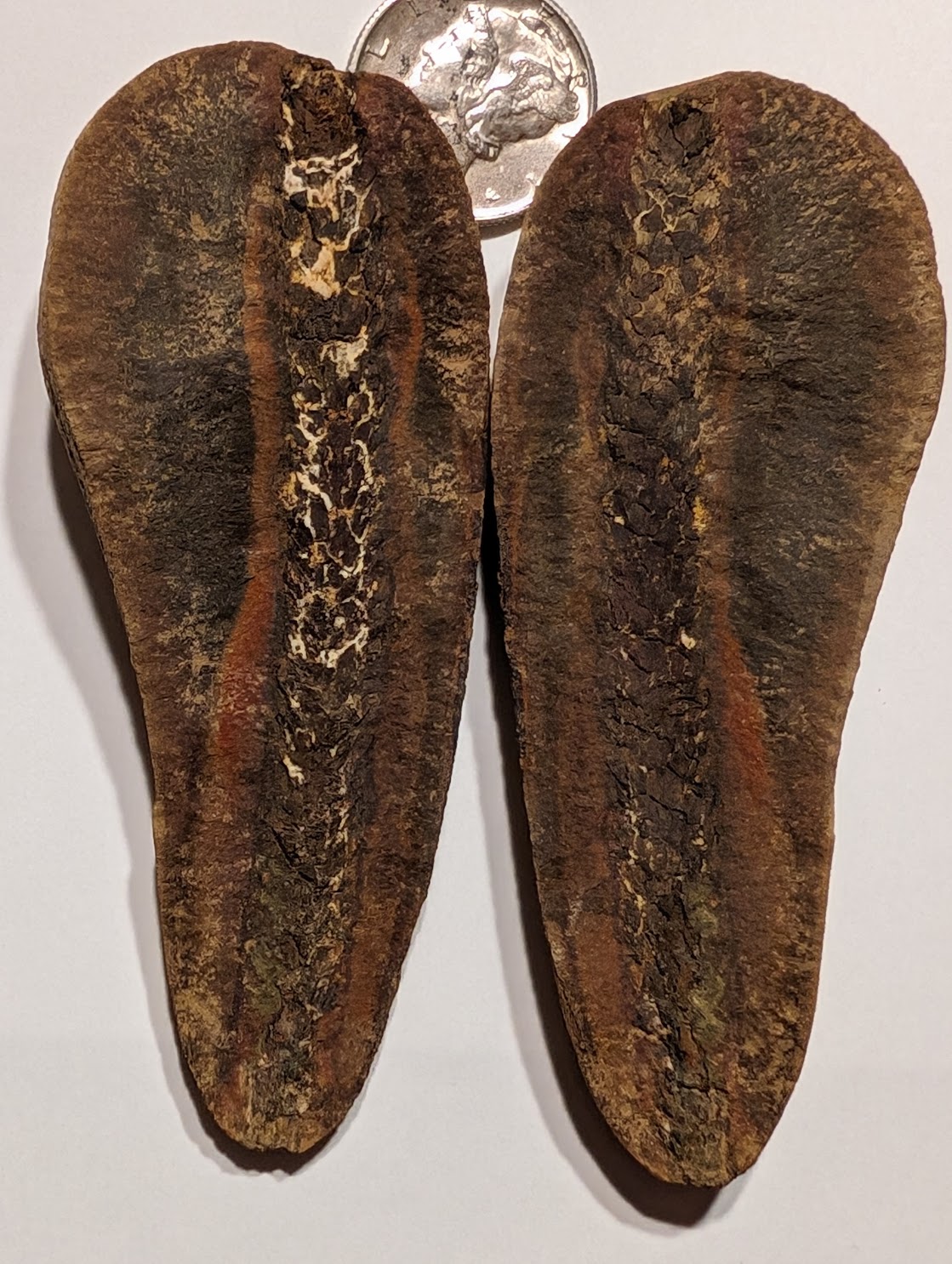
Fossil Friday #216: Lycopodites meekii
This is the “Fossil Friday” post #216. Expect this to be a somewhat regular feature of the website. We will post any fossil pictures you send in to esconi.info@gmail.com. Please include a short description or story. Check the #FossilFriday Twitter hash tag for contributions from around the world! For this week, we have a foliaged…
-
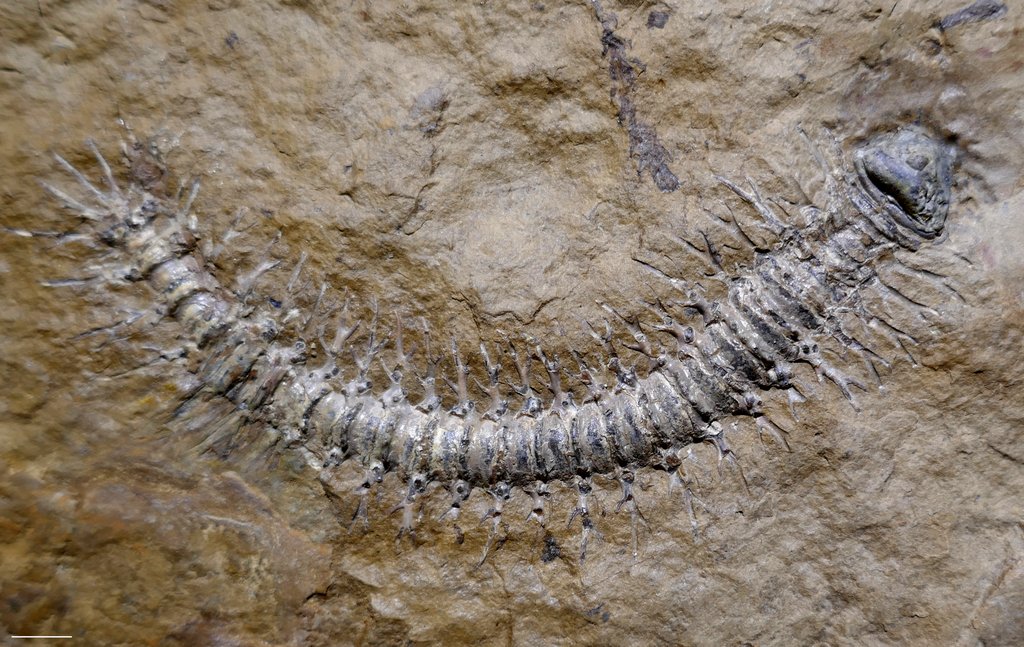
Mazon Monday #219: Acantherpestes and Myriacantherpestes
Last Friday (Fossil Friday #215), we highlighted a stunning millipede from the Pennsylvanian of Kansas. That’s wasn’t the first millipede from Kansas that made it to Fossil Friday, as Fossil Friday #134 was about the same genus of millipede, Myriacantherpestes. Both animals came from the same quarry in Hamilton, Kansas. The Hamilton Quarry is famous…
-
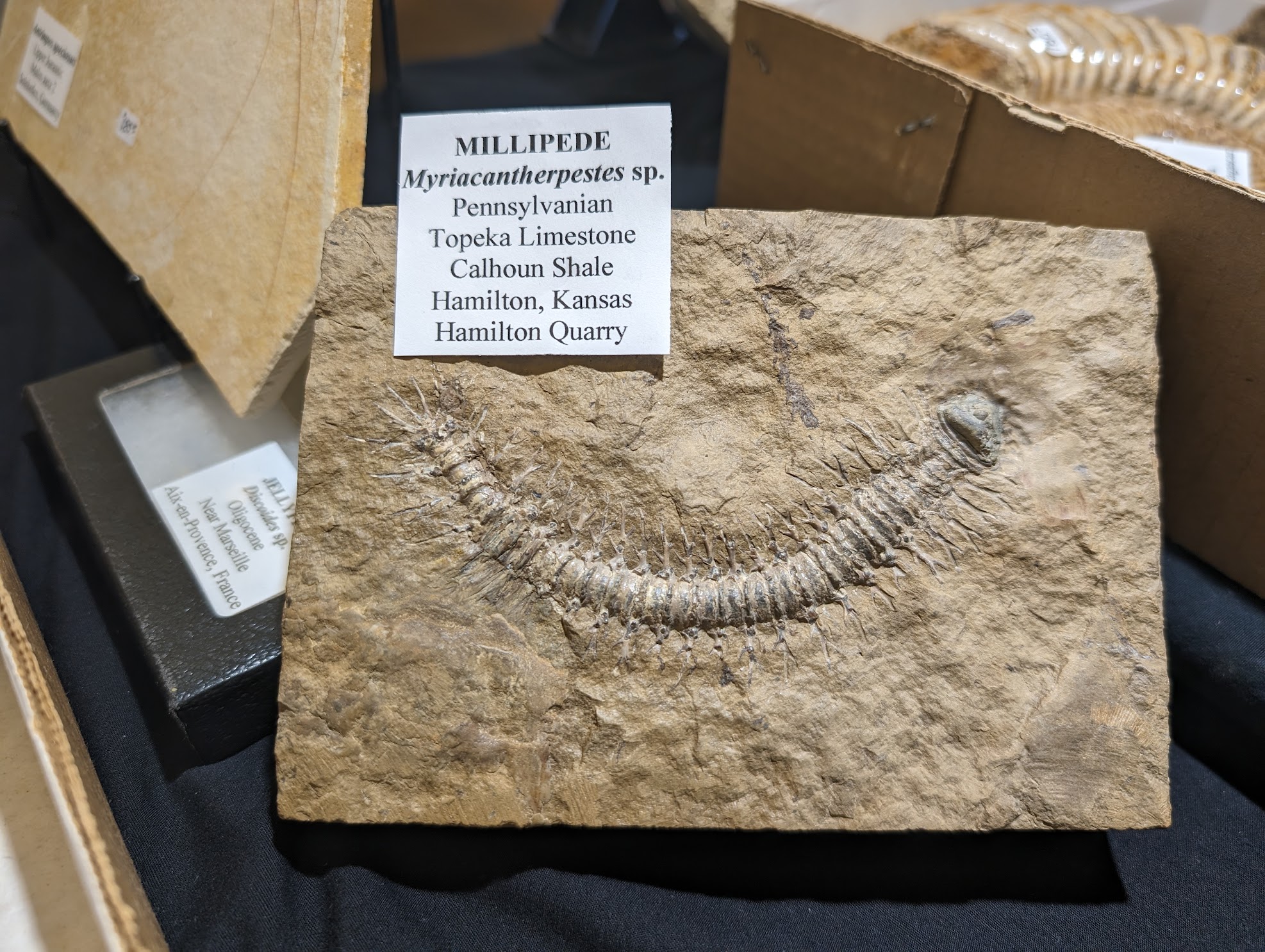
Fossil Friday #215: Another Stunning Myriacantherpestes From Kansas!
Ok, it’s not from Mazon Creek, but is from the Pennsylvanian Period. This absolutely stunning millipede, Myriacantherpestes sp., from the famous Hamilton Quarry in eastern Kansas. That quarry is considered a Late Carboniferous lagerstatte. It’s produced unusually well preserved fossils of plants, vertebrates, and invertebrates, including large winged insects, water scorpions, and, of course, stunning…
-

Mazon Monday #218: Braceville Field Trip Report for Spring 2024
This is Mazon Monday post #218. What’s your favorite Mazon Creek fossil? Tell us at email:esconi.info@gmail.com. A few weeks ago, ESCONI held the Spring 2024 edition of the Braceville Field Trip to collect Mazon Creek concretions. The weather was nice, no rain this time. Saturday, May 4th was hot, with highs in the mid to…
-

Fossil Friday #214: Alethopteris sullivanti
This is the “Fossil Friday” post #214. Expect this to be a somewhat regular feature of the website. We will post any fossil pictures you send in to esconi.info@gmail.com. Please include a short description or story. Check the #FossilFriday Twitter hash tag for contributions from around the world! Today, we have a very large single…
-
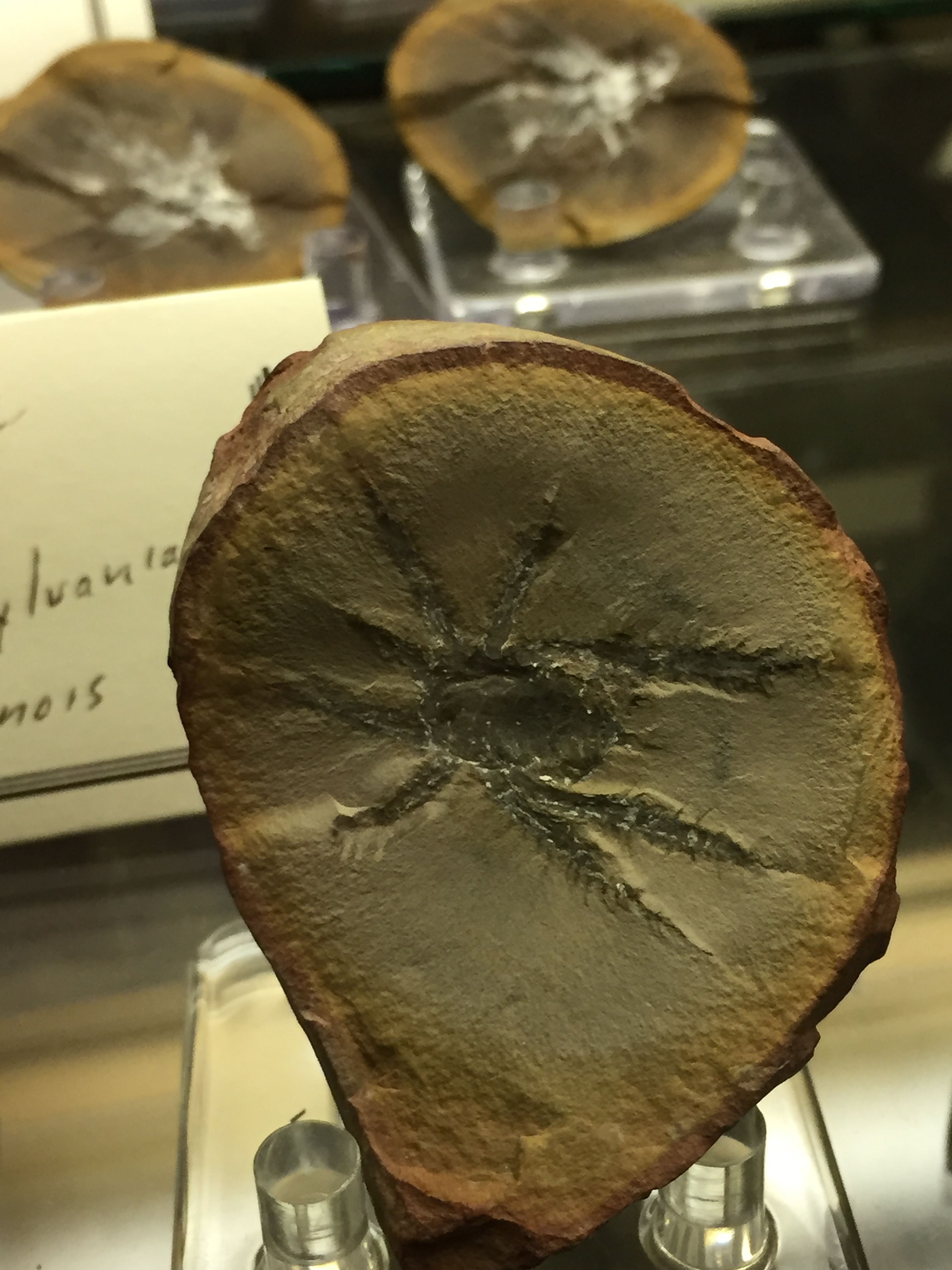
Mazon Monday #217: Douglassarachne acanthopoda
This is Mazon Monday post #217. What’s your favorite Mazon Creek fossil? Tell us at email:esconi.info@gmail.com. The world has a brand new Mazon Creek spider. Douglassarachne acanthopoda was originally found in the Pit 15 locality by Bob Masek in the 1980s. Bob (Earth Magazine article) has been a premier fossil preparator for many years, working…
-
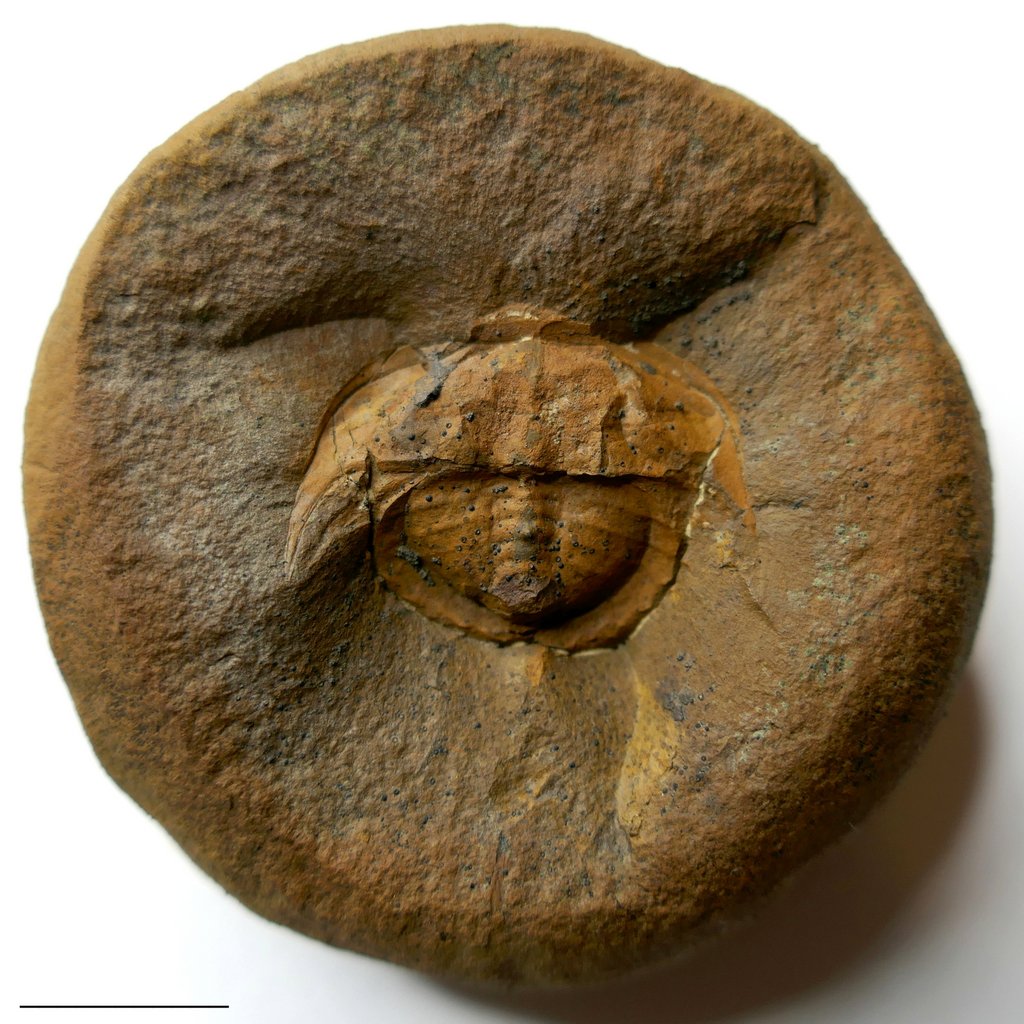
Fossil Friday #213: Euproops danae
This is the “Fossil Friday” post #213. Expect this to be a somewhat regular feature of the website. We will post any fossil pictures you send in to esconi.info@gmail.com. Please include a short description or story. Check the #FossilFriday Twitter hash tag for contributions from around the world! For this week’s Fossil Friday entry, we…
-
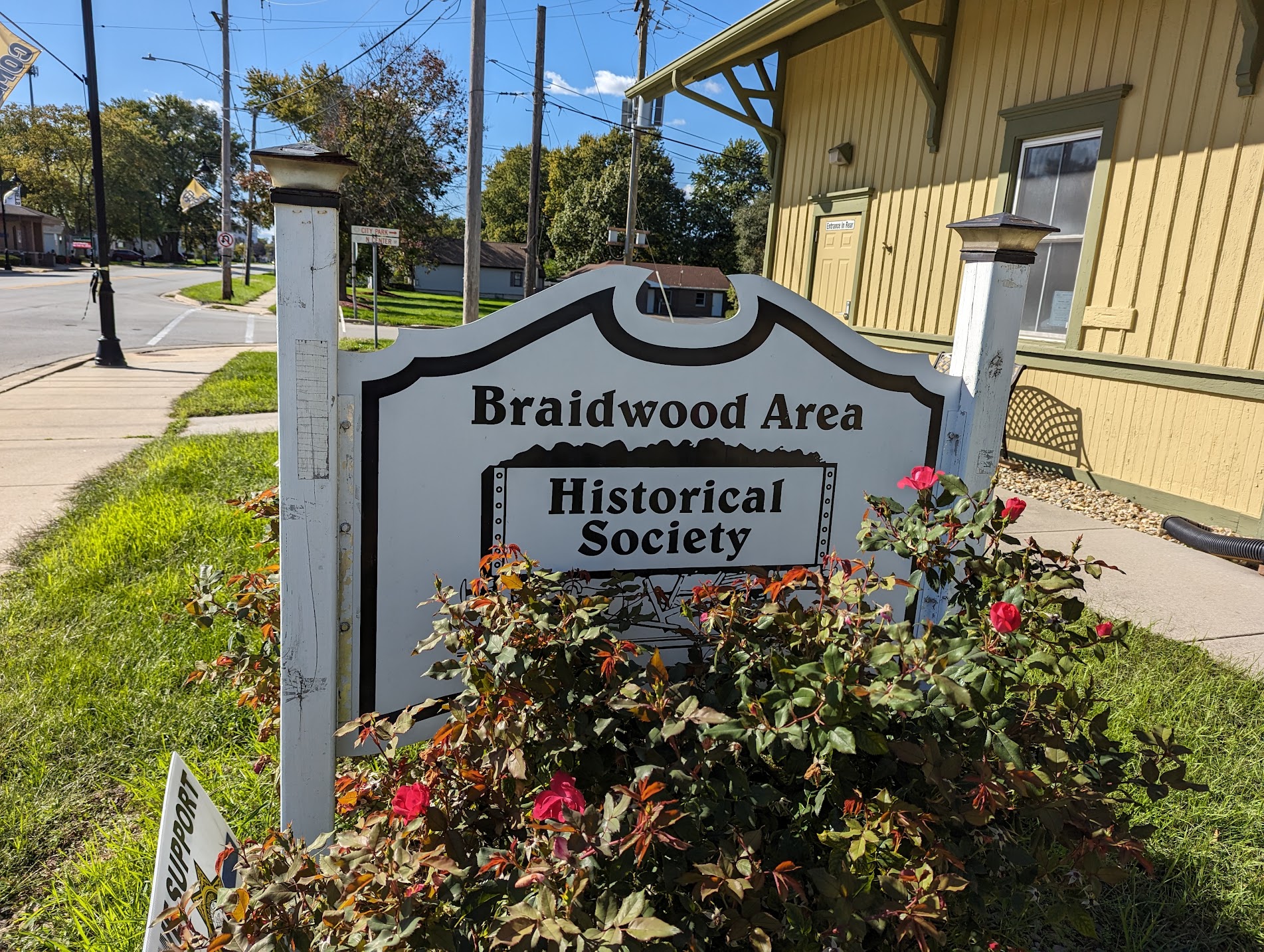
Throwback Thursday #214: Braidwood Area Historical Society Revisited
This is Throwback Thursday #214. In these, we look back into the past at ESCONI specifically and Earth Science in general. If you have any contributions, (science, pictures, stories, etc …), please send them to esconi.info@gmail.com. Thanks! Last October, we visited the Braidwood Area Historical Society. There was a report in Throwback Thursday #183. They…
-
Mazon Monday #216: Syringodendron Bark
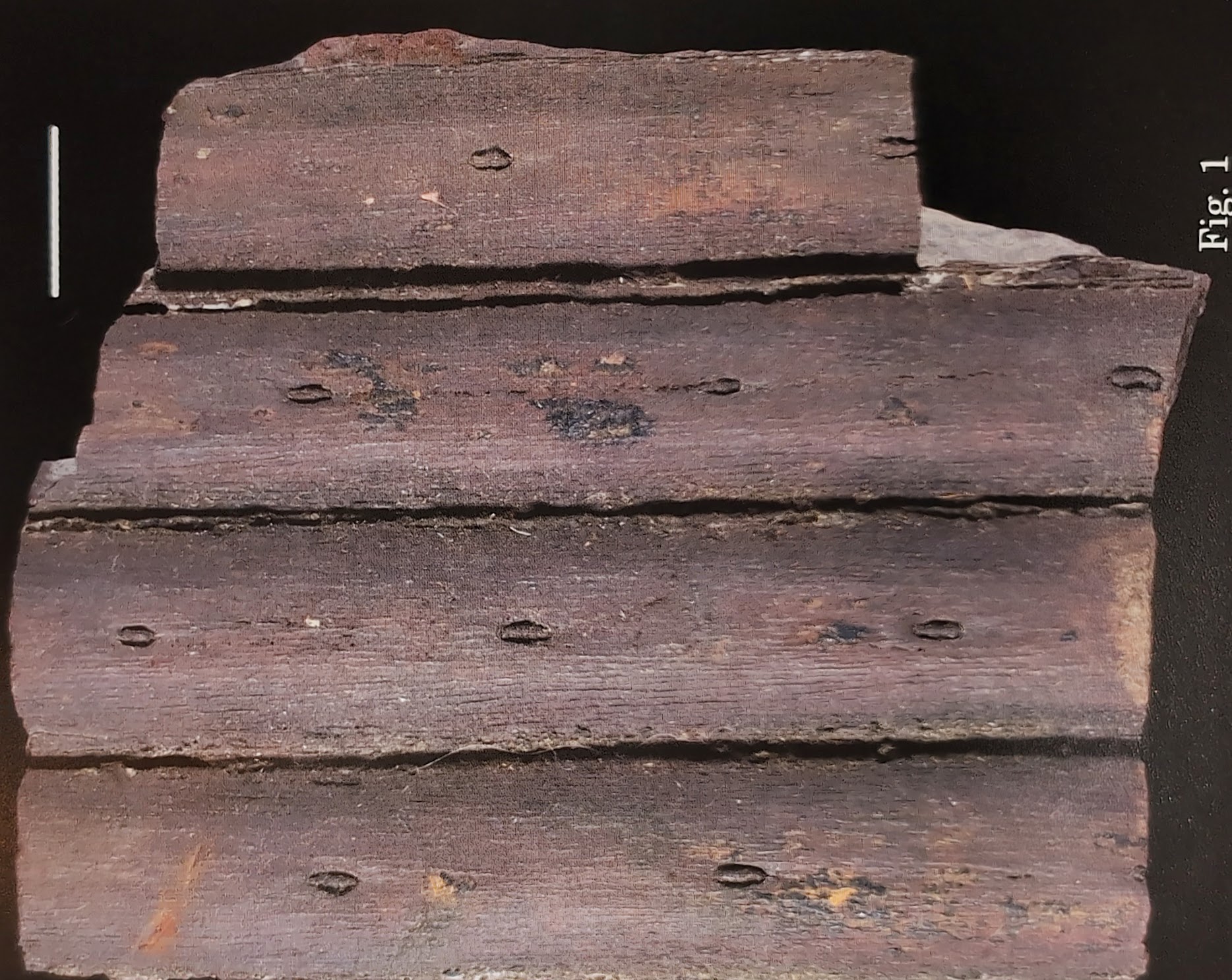
This is Mazon Monday post #216. What’s your favorite Mazon Creek fossil? Tell us at email:esconi.info@gmail.com. Syringodendron sp. is the inner bark of a undetermined Sigillaria. It’s considered rare in Mazon Creek. Syringodendron is thought to be Sigillaria trunk before fossilization. The impressions that run vertically are called Parichnos scars. When there are double impressions…
-
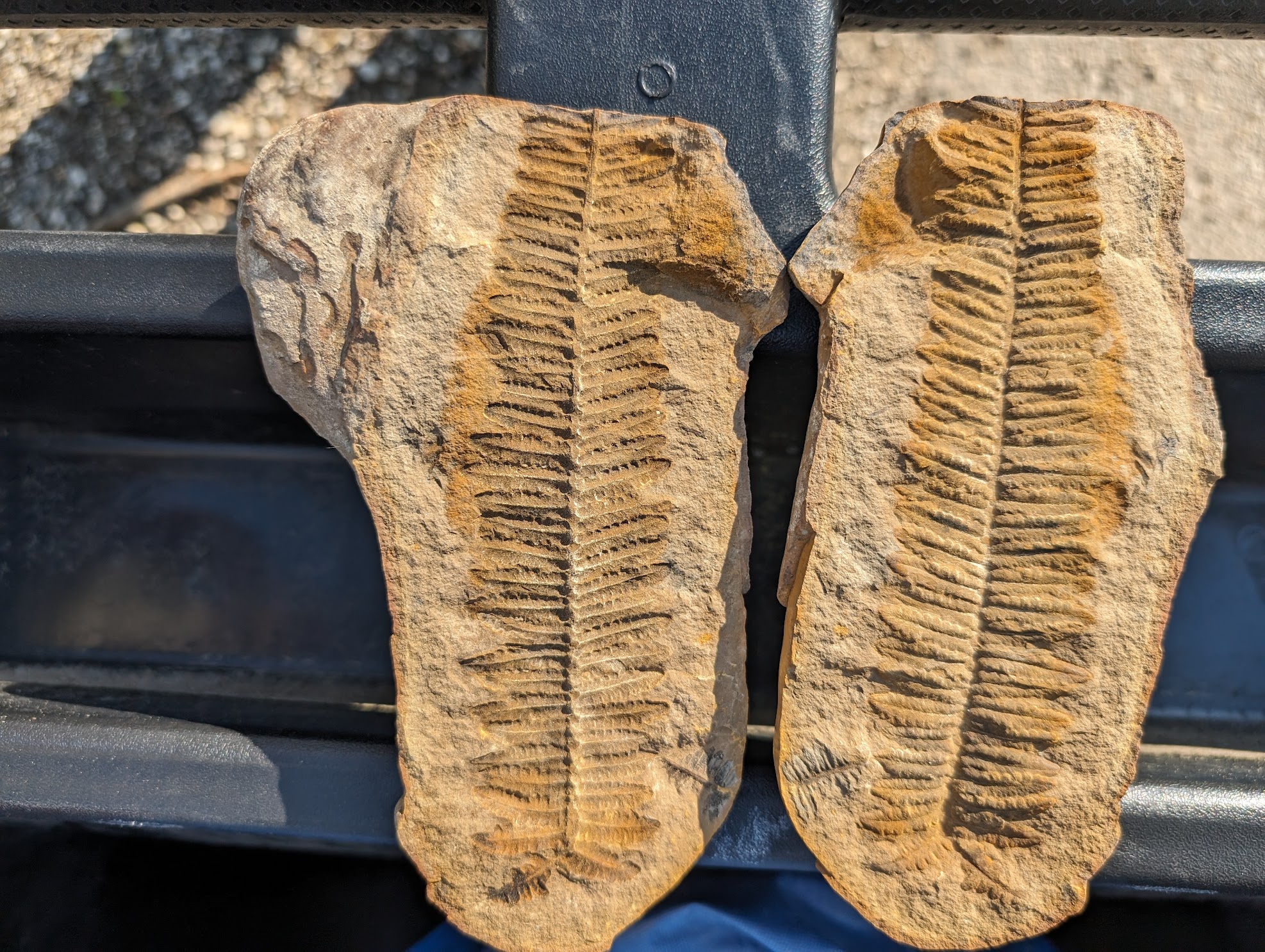
Fossil Friday #212: Mazon Creek Crenulopteris acadica
This week’s contribution comes from a very long time ESCONI member… Lil Magnussen. Lil joined ESCONI back in the 1960’s and rarely misses our Braceville field trips. You might remember, she let us post a very nice horseshoe crab in Fossil Friday #177. Her hobbies include beekeeping! And, she makes some very good cookies!
-
Mazon Monday #215 – Field Trip Report for the Danville Spoil Pile
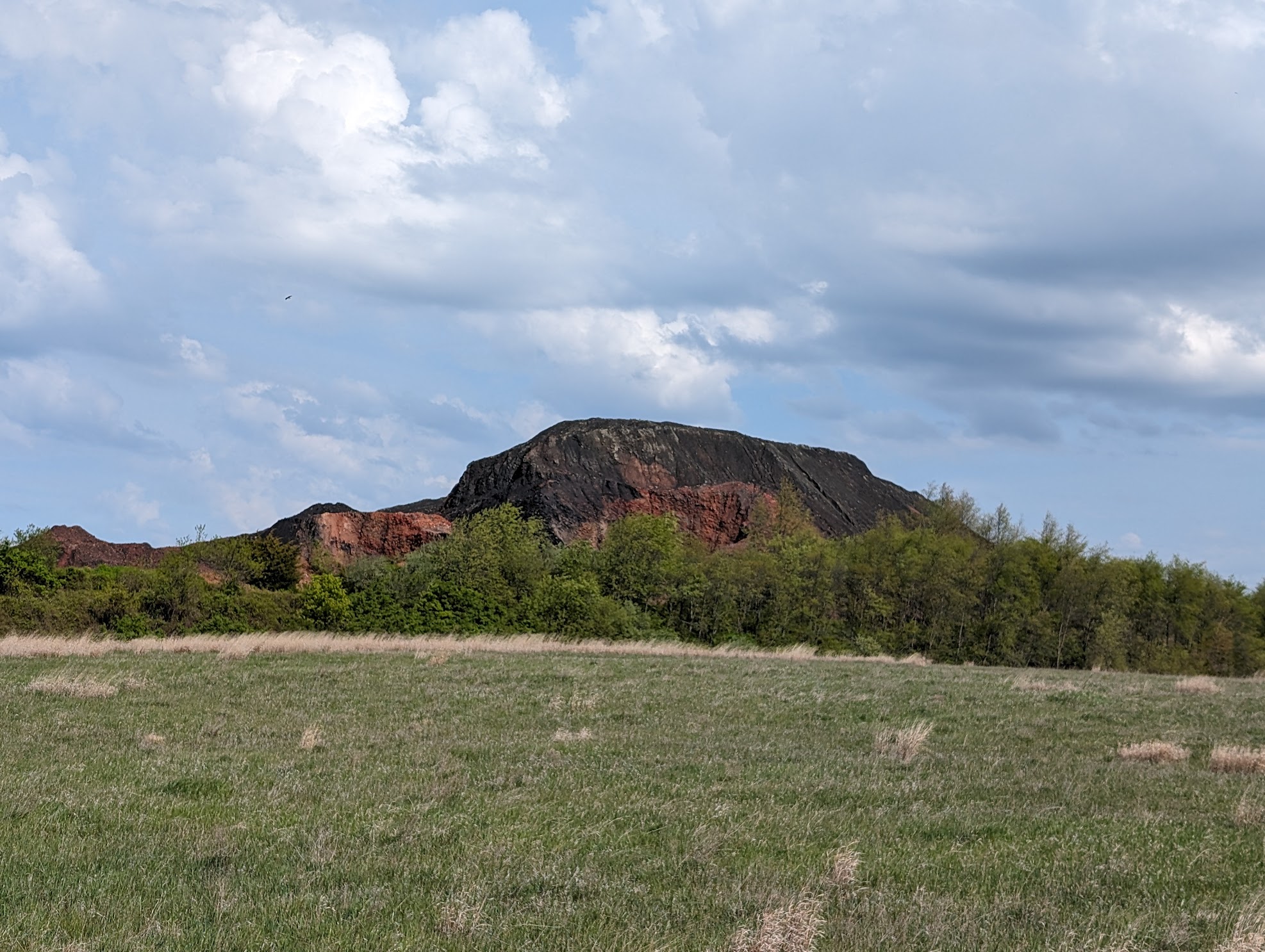
This is Mazon Monday post #215. What’s your favorite Mazon Creek fossil? Tell us at email:esconi.info@gmail.com. Despite the morning storm and intermittent rain on the way down, about 20 ESCONI members braved the weather and showed up for a very successful day of collecting Pennsylvanian fossils. Trips to this locality have been very popular, most…
-
Mazon Monday #214: Rhabdoderma exiguum
This is Mazon Monday post #214. What’s your favorite Mazon Creek fossil? Tell us at email:esconi.info@gmail.com. Rhabdoderma exiguum is a species of Mazon Creek coelacanth. Coelacanths are lobe-finned fish, thought extinct since the Cretaceous. The first living coelacanth was discovered in 1938 off the coast of South Africa. There are now two known living species.…
-
Fossil Friday #210: Rhabdoderma exiguum
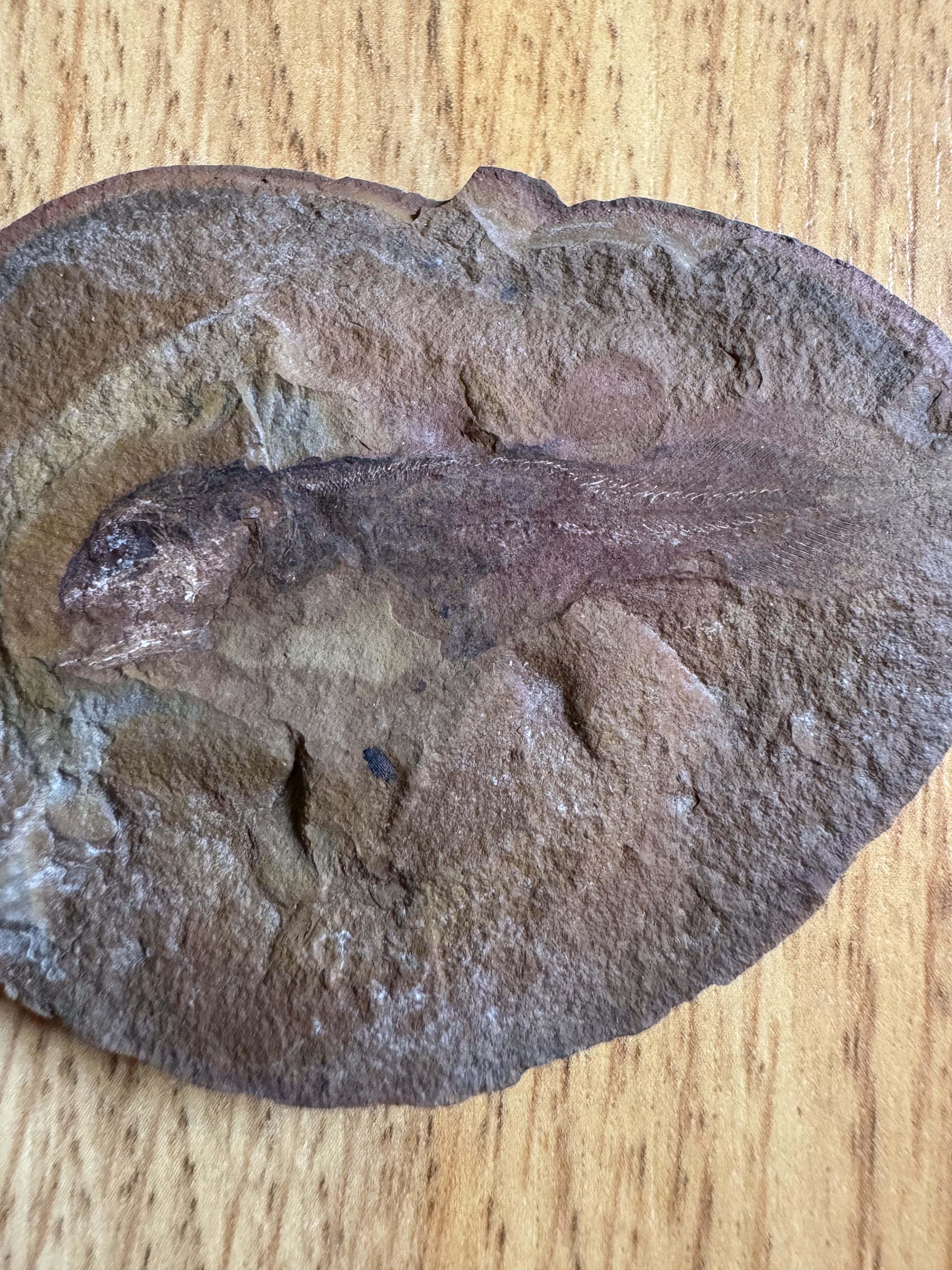
This is the “Fossil Friday” post #210. Expect this to be a somewhat regular feature of the website. We will post any fossil pictures you send in to esconi.info@gmail.com. Please include a short description or story. Check the #FossilFriday Twitter hash tag for contributions from around the world! —————————————————– For this week, we have a…
-
Mazon Monday #213: Postcards from Mazon Creek
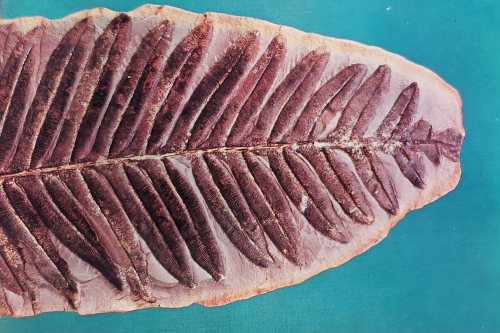
This is Mazon Monday post #213. What’s your favorite Mazon Creek fossil? Tell us at email:esconi.info@gmail.com. Deltiology is the study and collection of postcards. The name comes from Greek, δελτίον, deltion, diminutive of δέλτος, deltos, “writing tablet, letter”; and -λογία, -logia. Deltiology is a very popular type of collecting. People all around the world collect and trade both vintage and…
-
Fossil Friday #209: Palaeocampa anthrax
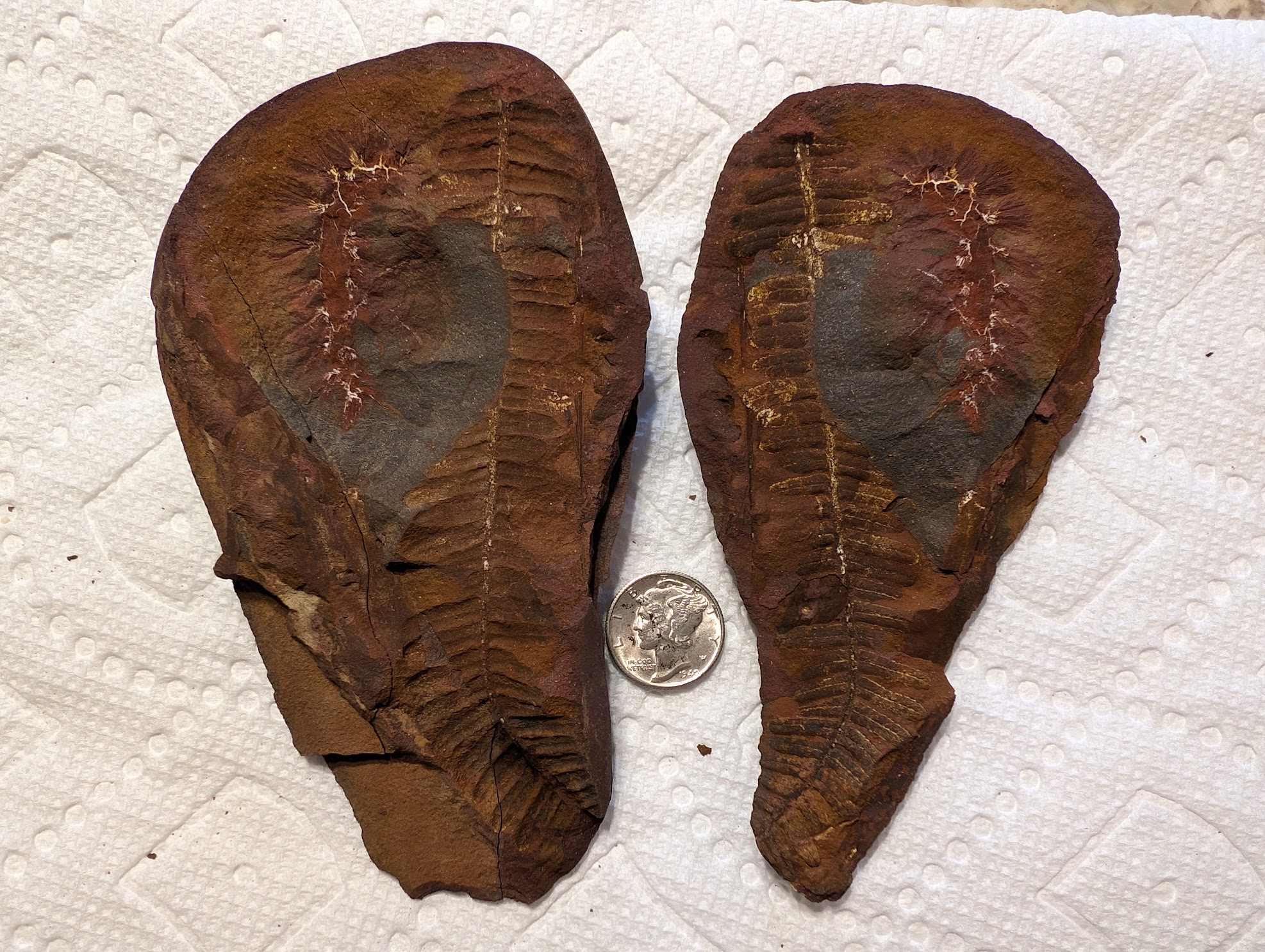
This is the “Fossil Friday” post #209. Expect this to be a somewhat regular feature of the website. We will post any fossil pictures you send in to esconi.info@gmail.com. Please include a short description or story. Check the #FossilFriday Twitter hash tag for contributions from around the world! For this week, we have the rarest…
-
Mazon Monday #212: Aphlebia crispa
This is Mazon Monday post #212. What’s your favorite Mazon Creek fossil? Tell us at email:esconi.info@gmail.com. We have a very rare plant for this week’s post. Aphlebia crispa is a leafy plant that was lettuce-like in appearance. It had wide distribution as it’s found in fossil deposits throughout England, Europe, and North America. Aphlebia is…
-
Fossil Friday #208: Mamayocaris jaskoskii
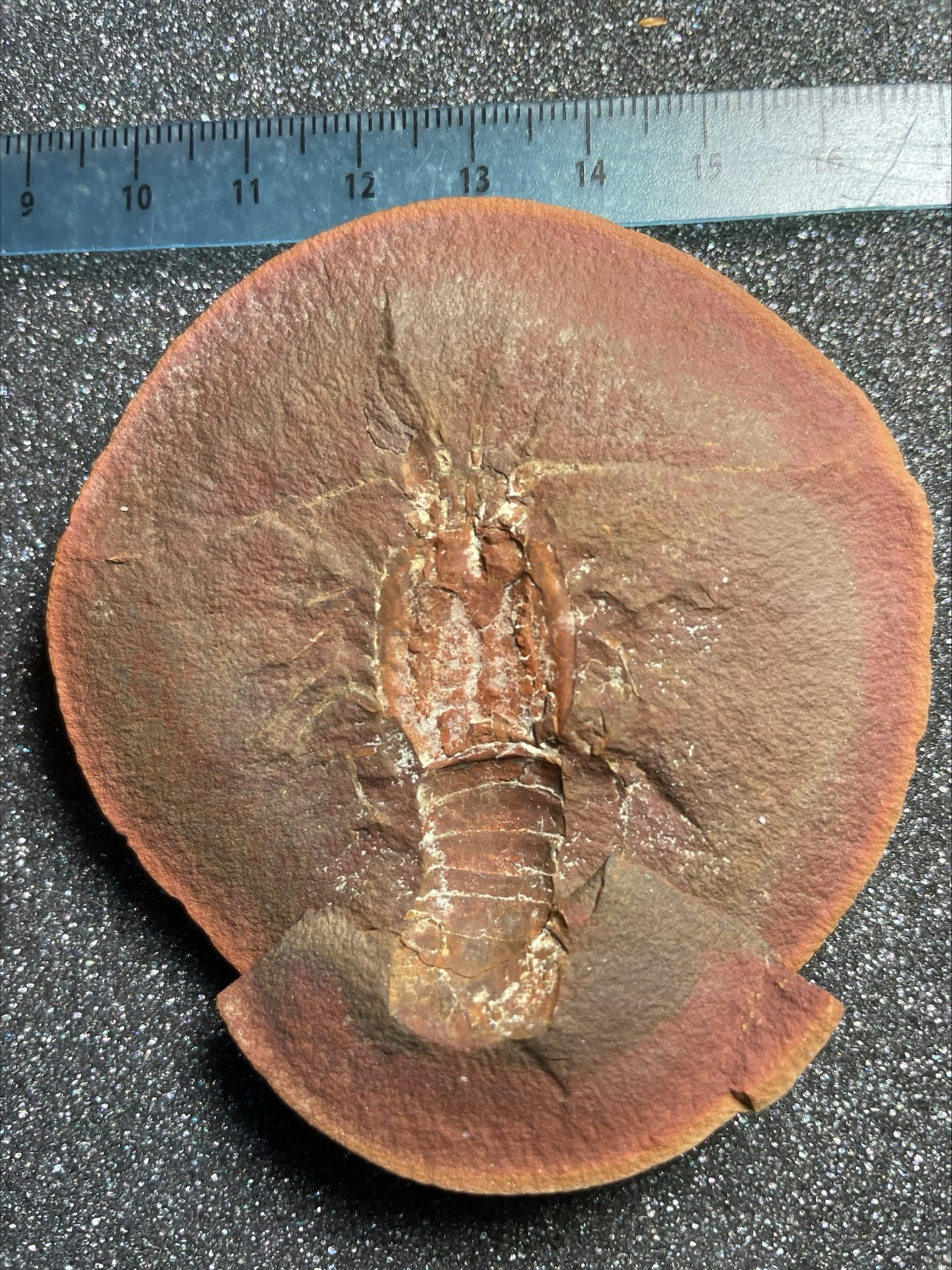
This is the “Fossil Friday” post #208. Expect this to be a somewhat regular feature of the website. We will post any fossil pictures you send in to esconi.info@gmail.com. Please include a short description or story. Check the #FossilFriday Twitter hash tag for contributions from around the world! This week’s contribution comes from Pat Kelly,…
-
Mazon Monday #211: Mariopteris wilmingtonense
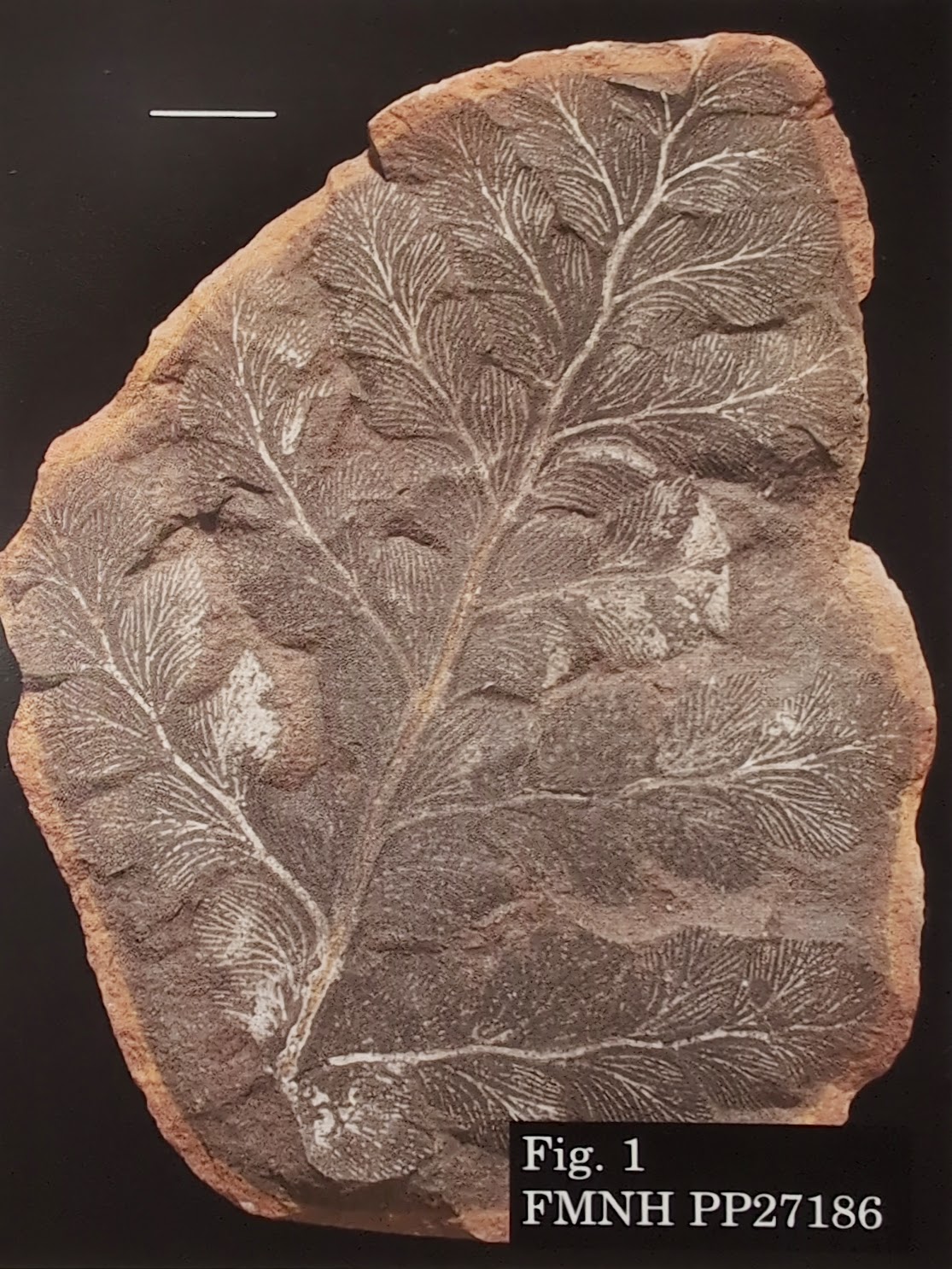
Mariopteris wilmingtonense is a rare and beautiful variety of Mariopteris found only in Mazon Creek. It was described by George Langford Sr. in 1958 in his first Mazon Creek book “The Wilmington Coal Flora From a Pennsylvanian Deposit in Will County, Illinois”.
-
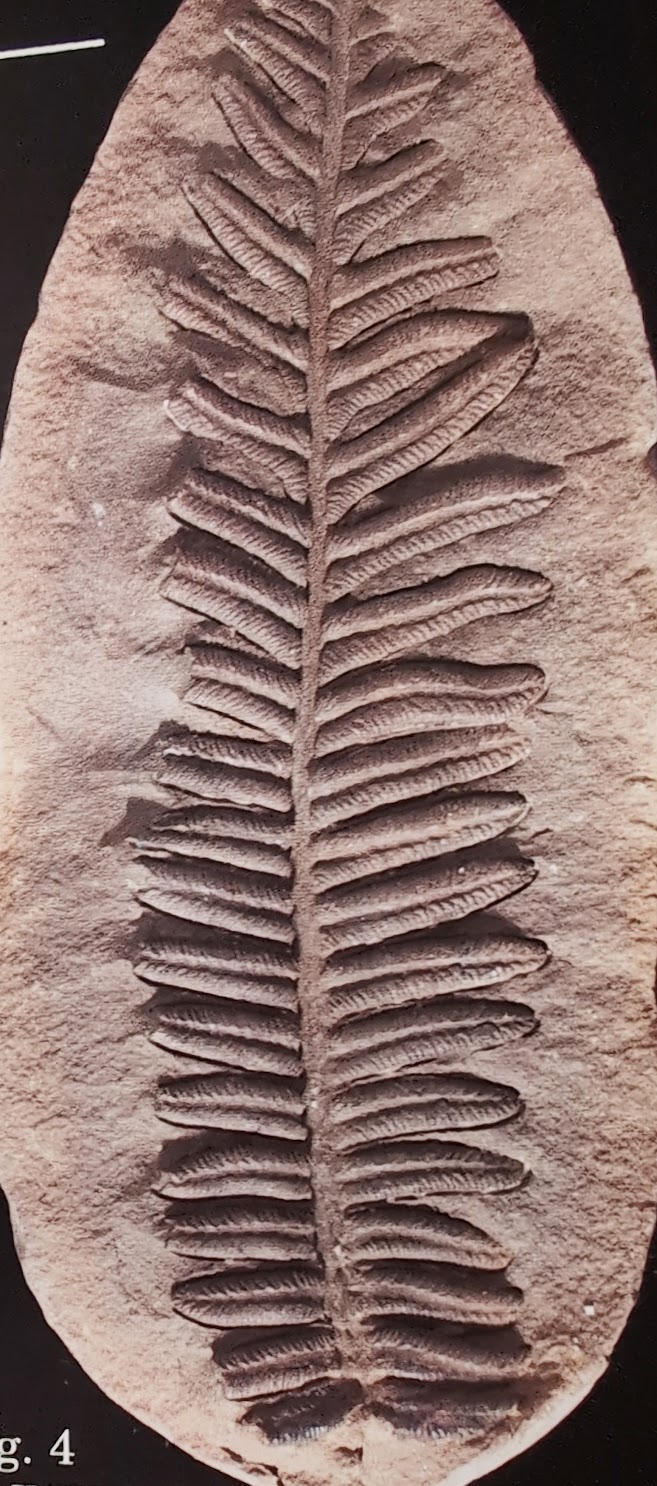
Mazon Monday #210: Alethopteris gibsonii
This is Mazon Monday post #210. What’s your favorite Mazon Creek fossil? Tell us at email:esconi.info@gmail.com. Alethopteris gibbsonii is an extinct seed-fern from the Pennsylvanian Period. It is not as common as its sister taxa Alethopteris serlii and Alethopteris sullivantii. It was named by Leo Lesquereux (1806-1889) in 1870. Lesquereux was a Swiss-born bryologist and a…
