Category: Mazon Creek
-
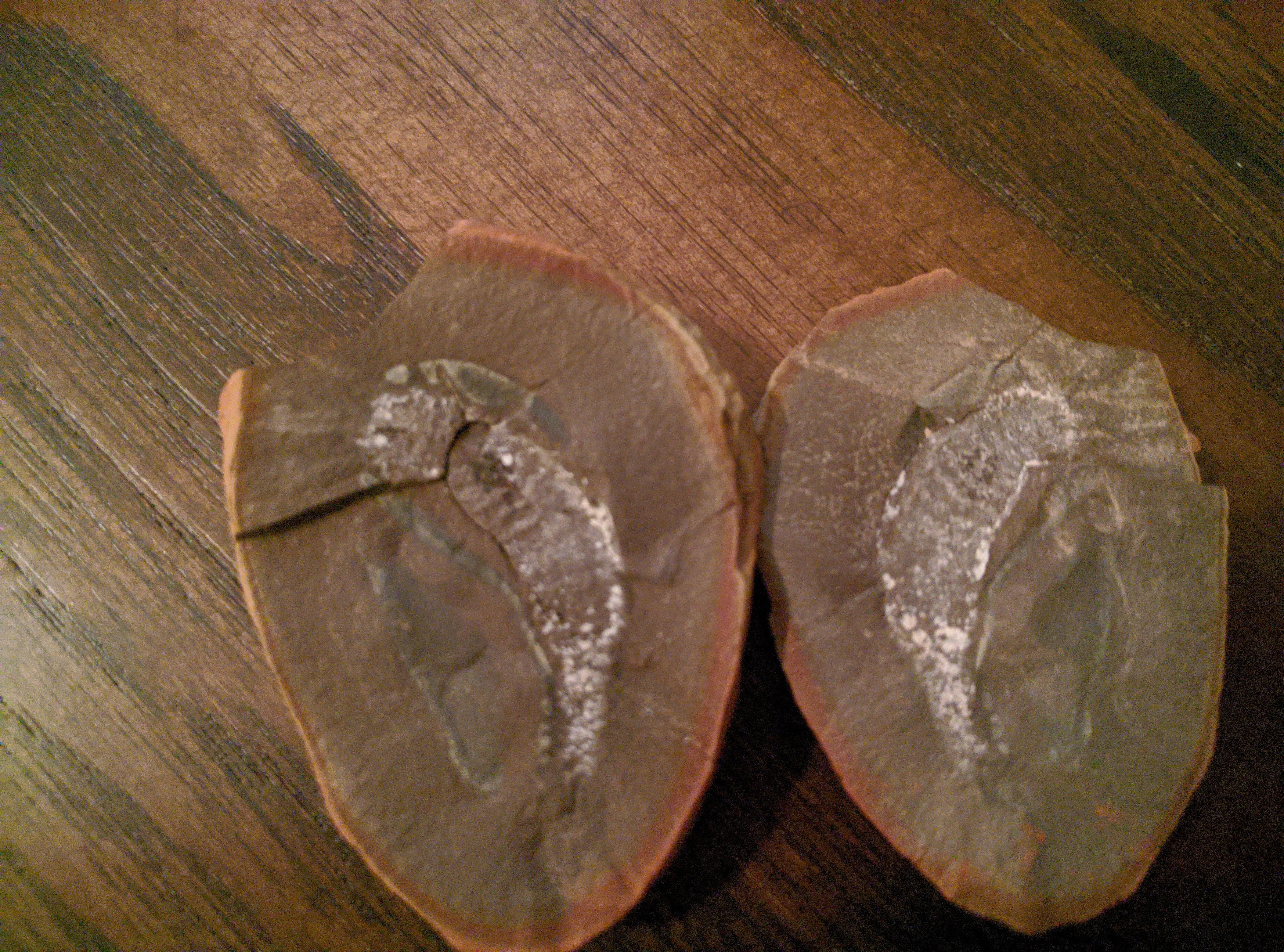
Mazon Monday #31: Fanworms
This is Mazon Monday post #31. What’s your favorite Mazon Creek fossil? Tell us at email:esconi.info@gmail.com. Today, we are highlighting Fanworms. Mazon Creek fanworms were soft bodied animals and are thought to be polychaetes. They were and currently are filter feeders, which live in the ocean. Some are free swimming and some others live in…
-
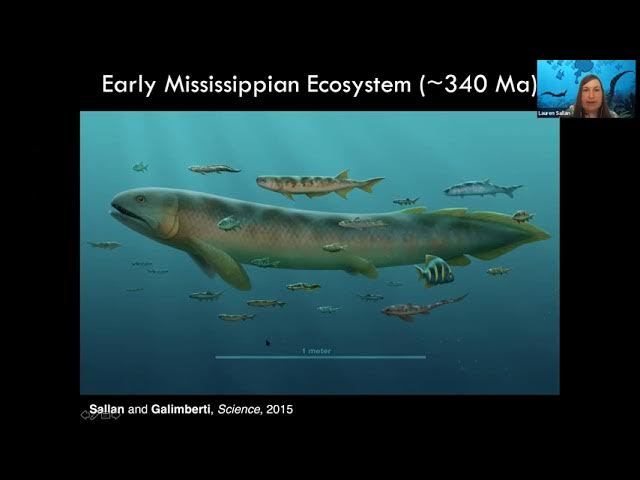
Video: ESCONI General Meeting, September 2020 – “Carboniferous Fossils Reveal How Fishes Evolve, and How They Don’t”
“Carboniferous Fossils Reveal How Fishes Evolve, and How They Don’t” The speaker at our September 11th, 2020 general meeting was Dr. Lauren Sallan from the University of Pennsylvania. Her presentation was done via Zoom and started at 8:00 PM. Dr. Sallan received her PhD from the University of Chicago in 2012. She was a co-author…
-
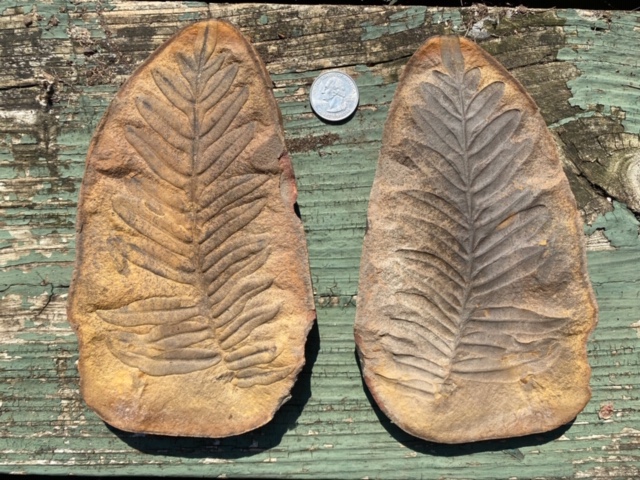
Fossil Friday #27: Alethopteris serlii from the Mazon River
This is the “Fossil Friday” post #27. Expect this to be a somewhat regular feature of the website. We will post any fossil pictures you send in to esconi.info@gmail.com. Please include a short description or story. Check the #FossilFriday Twitter hash tag for contributions from around the world! Maybe it’s the size or the 3…
-
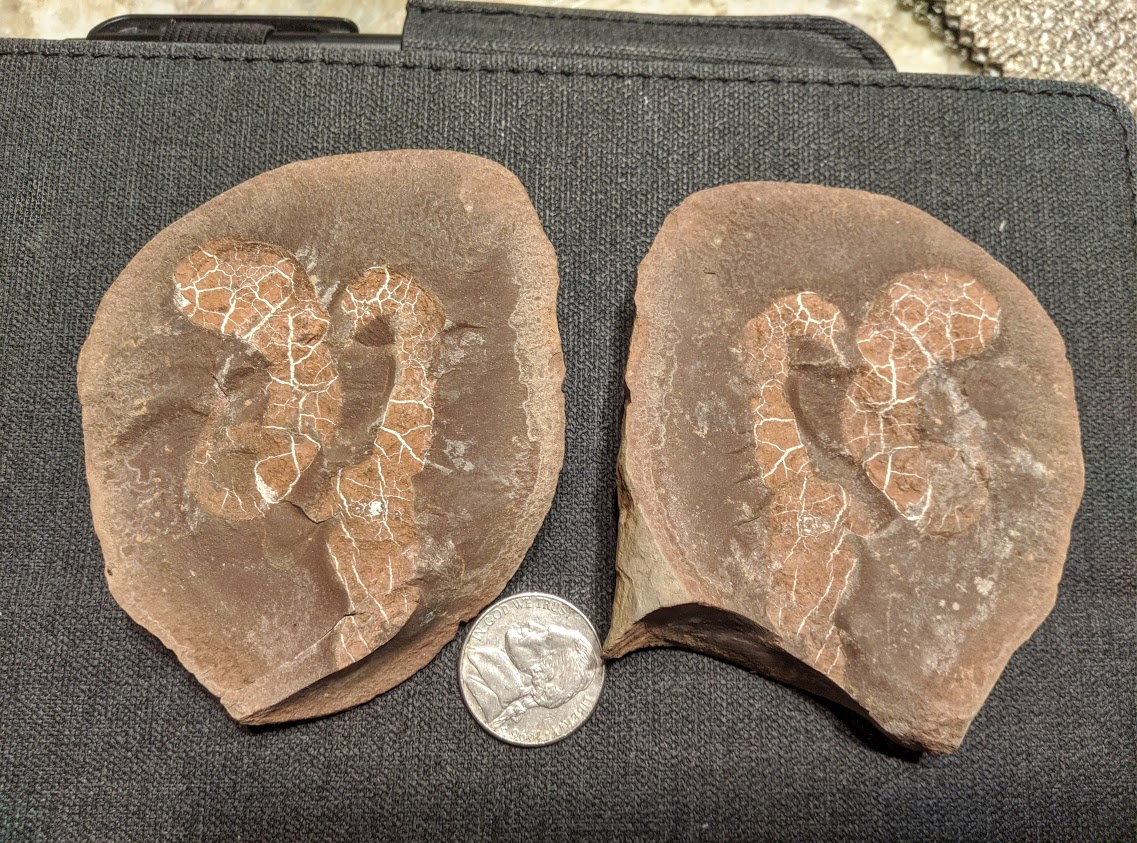
Mazon Monday #29: Achistrum sp. (Holothurians)
This is Mazon Monday post #29. What’s your favorite Mazon Creek fossil? Tell us at email:esconi.info@gmail.com. This week’s “Mazon Monday” is a species (or class) spotlight on the Holothurians otherwise known as Sea Cucumbers. They belong to the phylum Echinodemata, which includes starfish, sea urchins, sand dollars, and seal lilies. Current feeling is there were…
-

Mazon Monday #28: Cyclus americanus
This is Mazon Monday post #28. What’s your favorite Mazon Creek fossil? Tell us at email:esconi.info@gmail.com. Today, we have a species spotlight on Cyclus americanus. It’s one of my favorite Mazon Creek animals. Cycloids form an order of fossil arthropods that lived from the Carboniferous to the Cretaceous periods. Here is the text from the…
-

Mazon Monday #27: Care and Feeding of Your Mazon Creek Concretions
This is Mazon Monday post #27. What’s your favorite Mazon Creek fossil? Tell us at email:esconi.info@gmail.com. Now that you have collected some concretions at Braceville (and maybe other places) this year, here are some notes on how to process them to maximize your chances for something good. Care and Handling of Mazon Creek Concretions Storage …
-
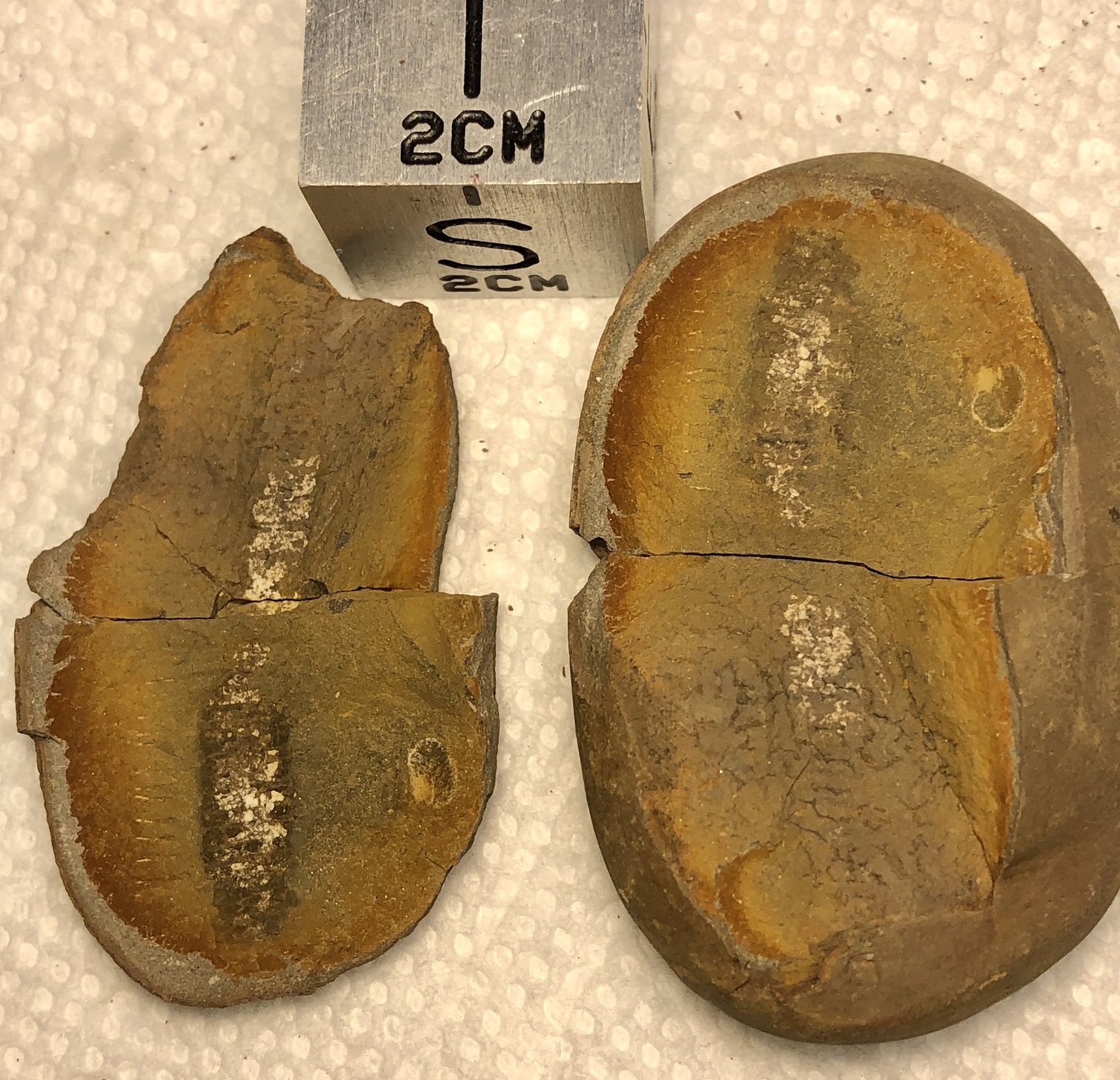
Fossil Friday #24: Euphoberia from the Mazon River
This is the “Fossil Friday” post #24. Expect this to be a somewhat regular feature of the website. We will post any fossil pictures you send in to esconi.info@gmail.com. Please include a short description or story. Check the #FossilFriday Twitter hash tag for contributions from around the world! Today, we have an excellent specimen of…
-

Fossil Friday #23: Animals from Braceville
This is the “Fossil Friday” post #23. Expect this to be a somewhat regular feature of the website. We will post any fossil pictures you send in to esconi.info@gmail.com. Please include a short description or story. Check the #FossilFriday Twitter hash tag for contributions from around the world! There is a field trip to Braceville…
-
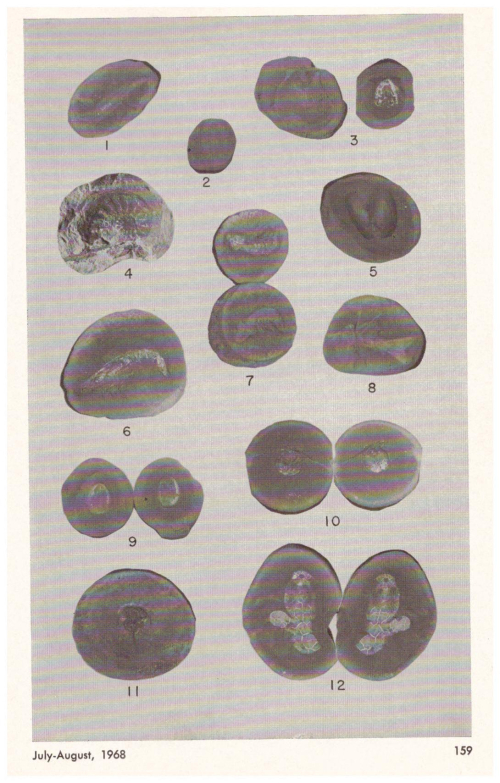
Throwback Thursday #25: Hunting Ghosts, Blobs, and Assorted Monsters in Illinois’ Coal Age Nodules
This is Throwback Thursday #25. In these, we look back into the past at ESCONI specifically and Earth Science in general. If you have any contributions, (science, pictures, stories, etc …), please send them to esconi.info@gmail.com. Thanks! The following is an article by Cecilia Duluk about the fossil blobs (and monsters) found in Mazon Creek…
-
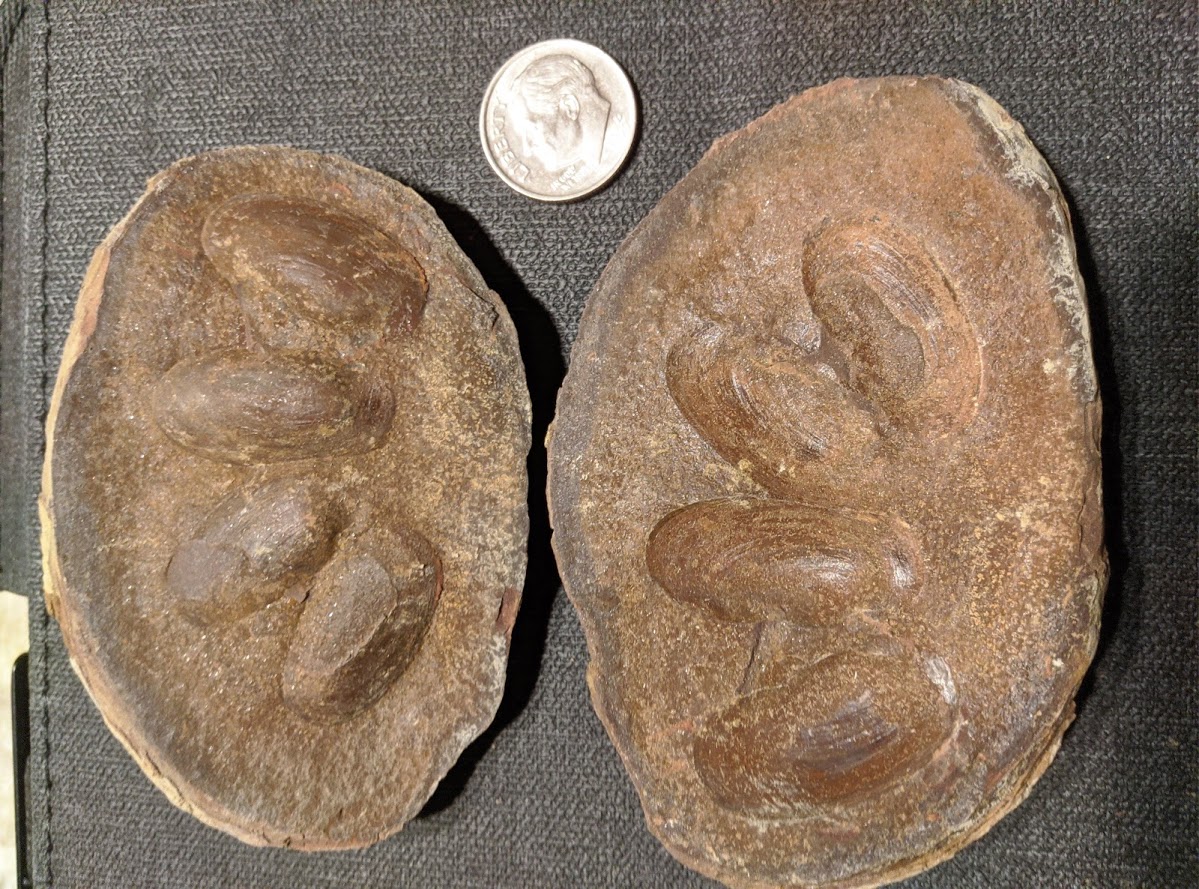
Mazon Monday #25: Mazonomya mazonensis
This is Mazon Monday post #25. What’s your favorite Mazon Creek fossil? Tell us at email:esconi.info@gmail.com. The species spotlight falls on Mazonomya mazonensis, known mistakenly as Edmondia for a long time. It was also called affectionately clam-clam. Here is the text from the Mazon Creek Fossil Fauna by Jack Wittry. Mazonomya mazonensis Bailey, 2011 Found…
-
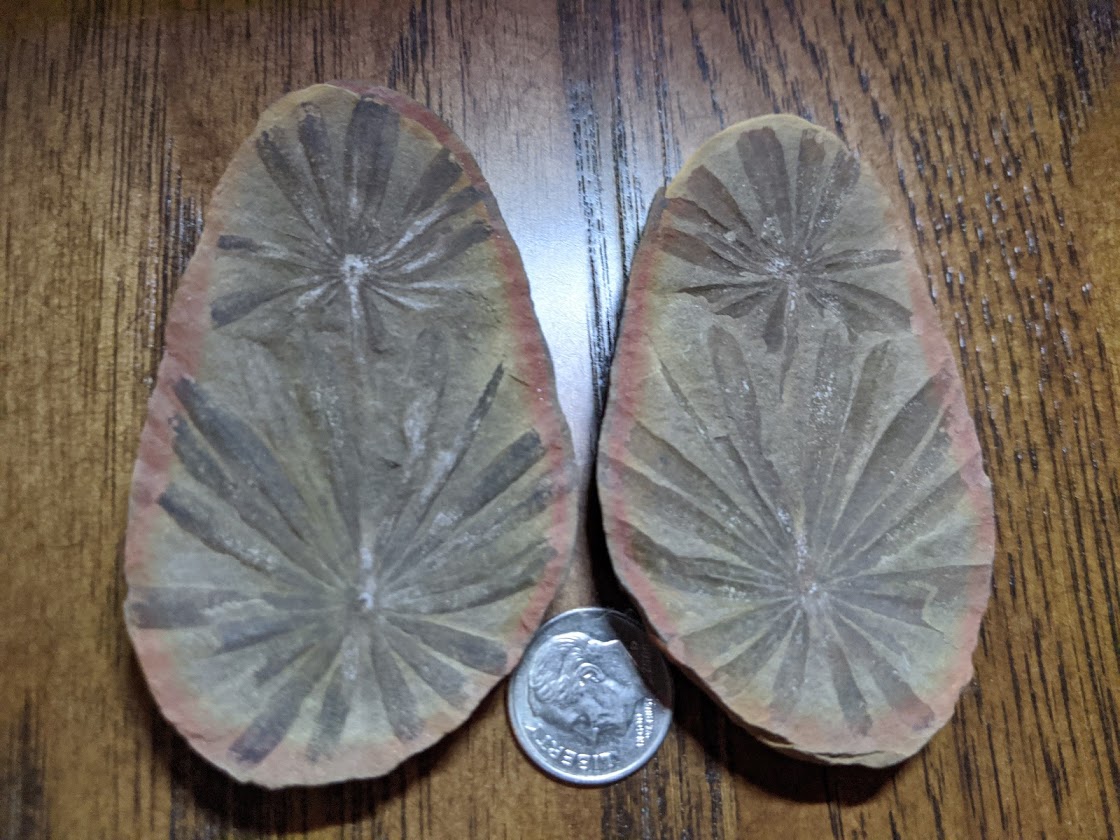
Fossil Friday #22: Plants from Braceville
This is the “Fossil Friday” post #22. Expect this to be a somewhat regular feature of the website. We will post any fossil pictures you send in to esconi.info@gmail.com. Please include a short description or story. Check the #FossilFriday Twitter hash tag for contributions from around the world! There is a field trip to Braceville…
-

Throwback Thursday #24: Coal Mining History Around Coal City
This is Throwback Thursday #24. In these, we look back into the past at ESCONI specifically and Earth Science in general. If you have any contributions, (science, pictures, stories, etc …), please send them to esconi.info@gmail.com. Thanks! Over on the Coal City website, there’s a page on the history of Coal City. In the 1850’s,…
-

Mazon Monday #24: Euphoberia sp.
This is Mazon Monday post #24. What’s your favorite Mazon Creek fossil? Tell us at email:esconi.info@gmail.com. Today’s species is Euphoberia sp., a millipede from the Mazon Creek biota. From Wikipedia, the free encyclopedia. Euphoberia is an extinct genus of millipede from the Pennsylvanian epoch of the Late Carboniferous, measuring up to 30 centimetres (12 in) in length.[1] Fossils have been found in Europe[2] and North America.[3] There…
-
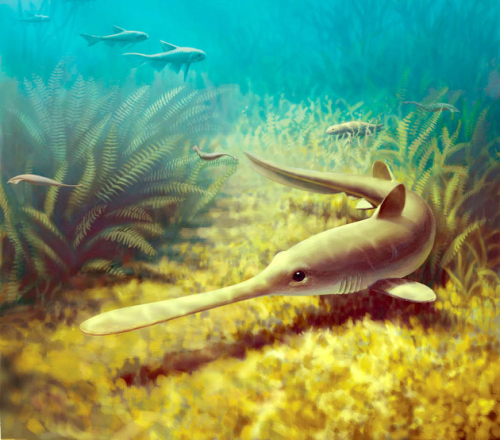
ESCONI September 2020 General Meeting – September 11th, 2020 at 8:00 PM via Zoom – “Carboniferous Fossils Reveal How Fishes Evolve, and How They Don’t”
Reconstruction of Mazon Creek by John Megahan The speaker at our September 11th, 2020 general meeting will be Dr. Lauren Sallan from the University of Pennsylvania. Her presentation will be done via Zoom and will start at 9:00 PM. Dr. Sallan received her PhD from the University of Chicago in 2012. She was a…
-

Mazon Monday #23: Interesting Pennsylvanian Fossil Sites: Crock Hey, Lancashire, UK
This is Mazon Monday post #23. What’s your favorite Mazon Creek fossil? Tell us at email:esconi.info@gmail.com. In Mazon Monday #10, we discussed localities where siderite preservation of Pennsylvanian fossils has been found. There were a few localities listed. Here is more information about the site called Crock Hey (also Crockhey). This site was located near Lancashire in…
-
Mazon Monday #22: Pit 11
This is Mazon Monday post #21. What’s your favorite Mazon Creek fossil? Tell us at email:esconi.info@gmail.com. Summer is passing into September and the temperature should should be cooling. Unfortunately, the overgrowth isn’t going to diminish until next spring. However, Pit 11 doesn’t close to fossil hunting until September 30th. So, It’s time to repeat this article…
-

ESCONI Field Trip to Braceville – Saturday, September 19th and Sunday September 20th, 2020
Braceville Field Trip Rules – Sept 2020 The ESCONI field trips to Braceville for Mazon Creek fossils are set for Sept 19 and 20, 2020 from 8 AM to 2 PM. You can attend either (but not both) day(s). There is an attendance limit of 50 people each day. If you are sick, have any…
-
Mazon Monday #21: Euproops danae
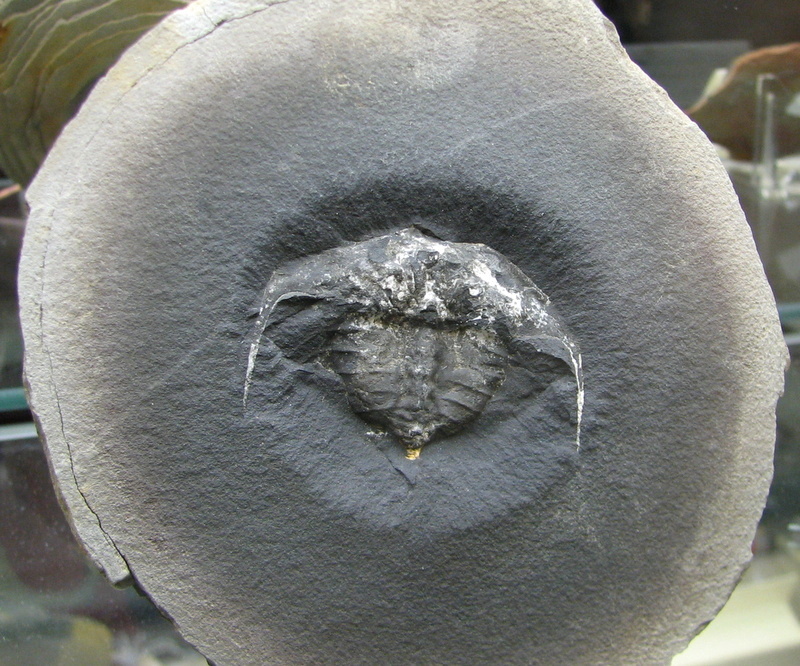
This is Mazon Monday post #21. What’s your favorite Mazon Creek fossil? Tell us at email:esconi.info@gmail.com. Euproops was a horseshoe crab. There are two species of horseshoe crab found in the Mazon Creek biota, Euproops danae (common) and Paleolimulus sp. (extremely rare). Both are known from other Carboniferous fossil localities around the world. As you…
-
Mazon Monday #20: Fossil Preservation
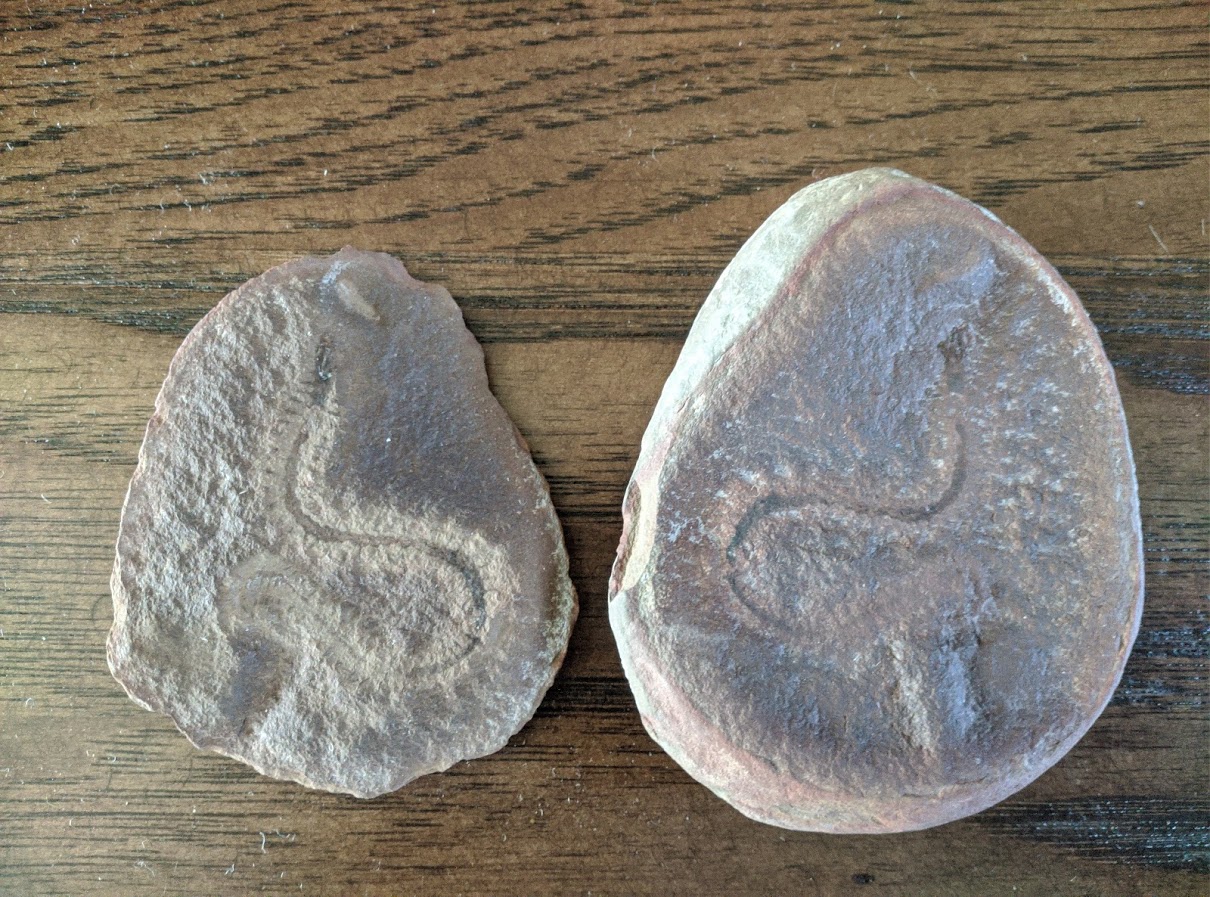
This is Mazon Monday post #20. What’s your favorite Mazon Creek fossil? Tell us at email:esconi.info@gmail.com. Back in 2017, Palaeocast posted a lecture called “Is a ‘one size fits all’ taphonomic model appropriate for the Mazon Creek” by Dr. Thomas Clements, of the University of Birmingham in the UK. You may remember Dr. Clements… he…
-
Mazon Monday #19: Bandringa rayi
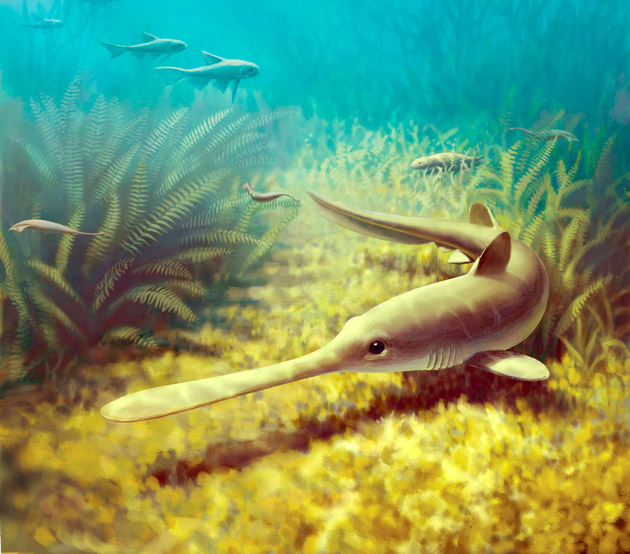
This is Mazon Monday post #19. What’s your favorite Mazon Creek fossil? Tell us at email:esconi.info@gmail.com. Would you believe that Illinois has a shark nursery? OK, it is about 307 million years old and the evidence resides in Mazon Creek fossil concretions. The first species, Bandringa rayi, was described in a paper published by Rainer…
-
Fossil Friday #17: Mazon Creek Alethopteris serlii
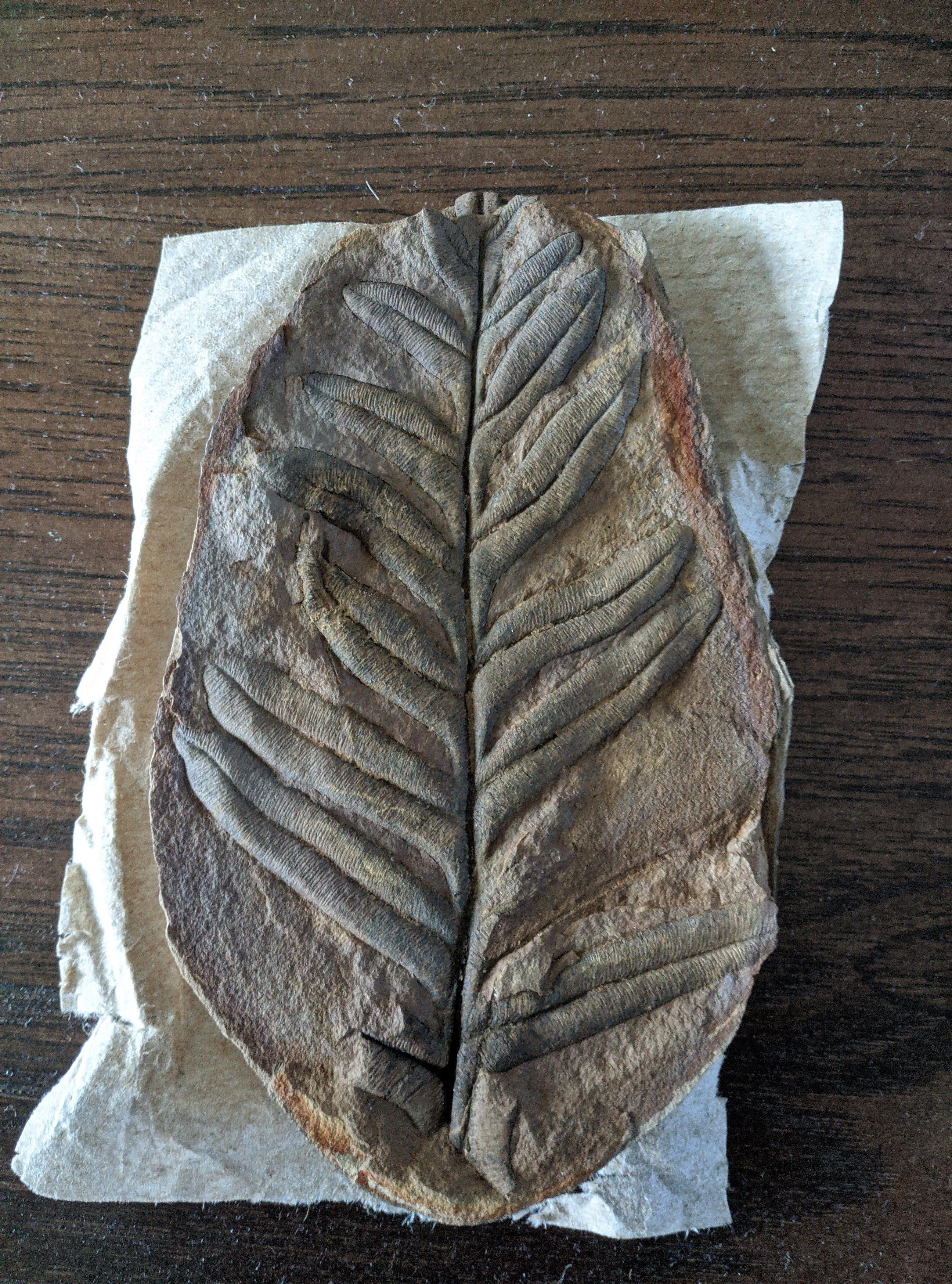
This is the “Fossil Friday” post #17. Expect this to be a somewhat regular feature of the website. We will post any fossil pictures you send in to esconi.info@gmail.com. Please include a short description or story. Check the #FossilFriday Twitter hash tag for contributions from around the world! What’s your favorite Mazon Creek plant fossil? …
-
Mazon Monday #18: Langford Book Inscriptions
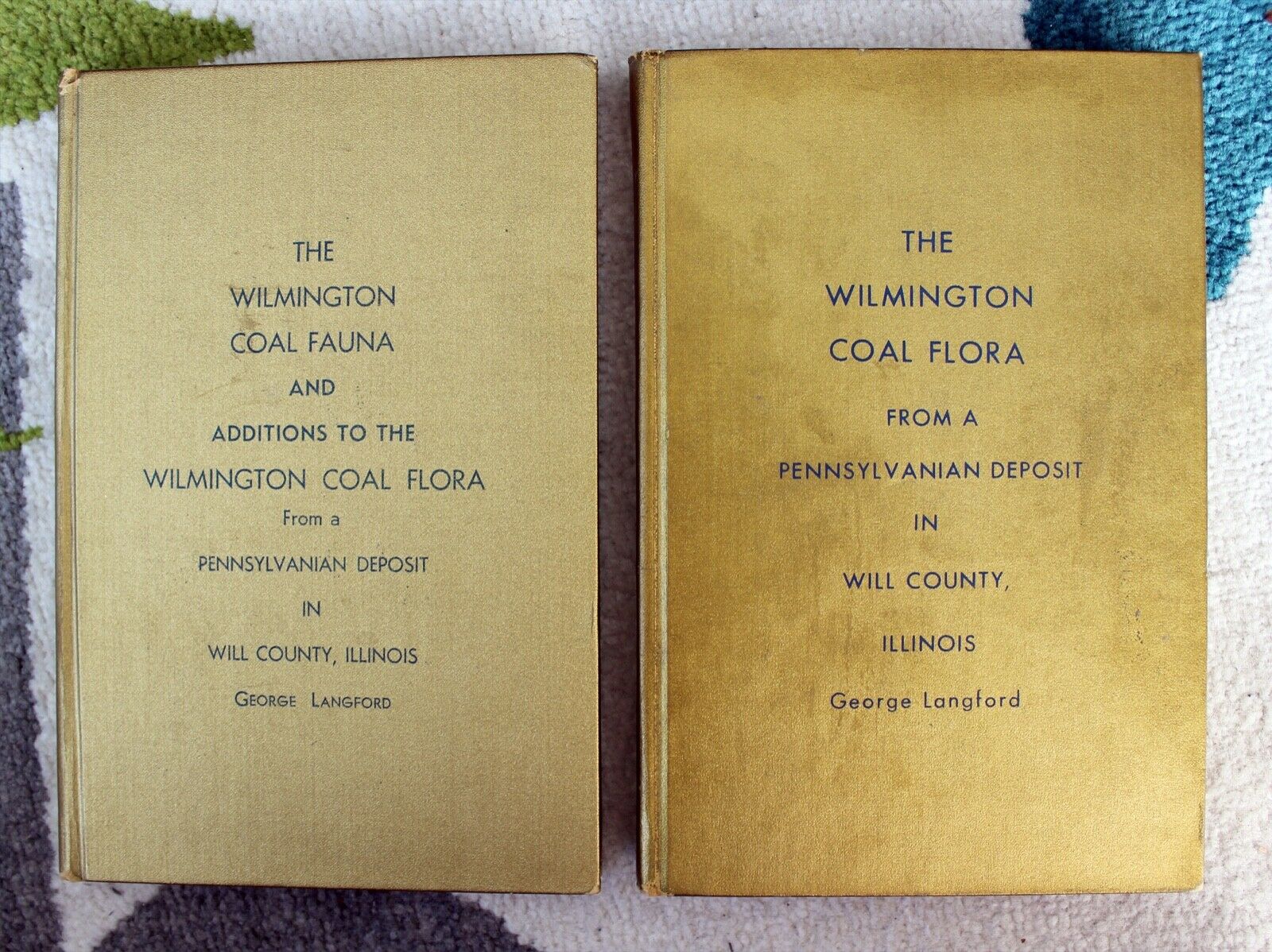
This is Mazon Monday post #18. Book inscriptions were much more common in the past. As owner of a book, which was a valuable possession. you might add your name to the inner cover. A recent Langford purchase by ESCONI member Roy Plotnick, reminded us of the historical significance of these inscriptions. Many of the…
-
Fossil Friday #16: Macroneuropteris With Insect Damage
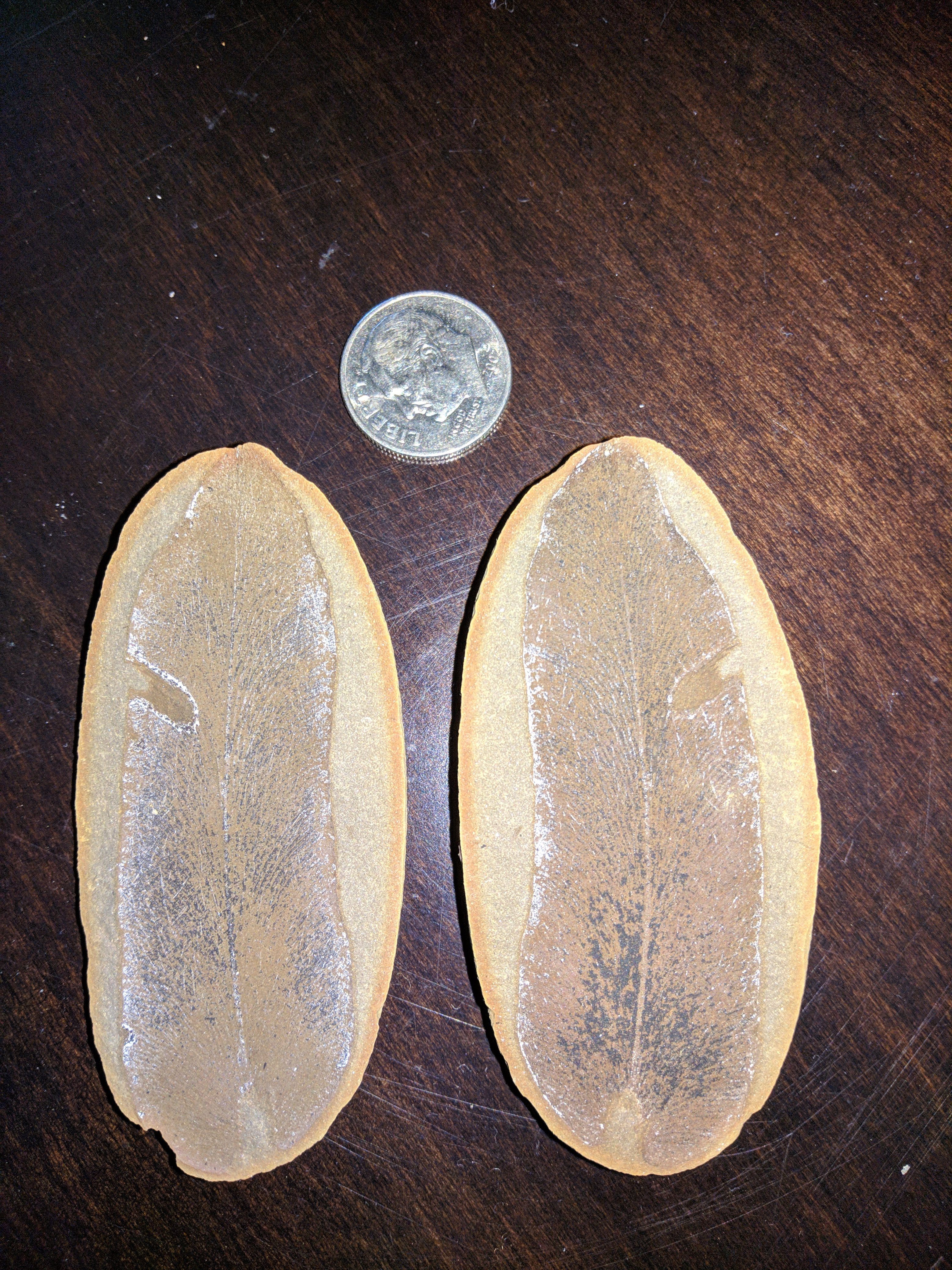
This is the “Fossil Friday” post #16. Expect this to be a somewhat regular feature of the website. We will post any fossil pictures you send in to esconi.info@gmail.com. Please include a short description or story. Check the #FossilFriday Twitter hash tag for contributions from around the world! —————————————————– Plant fossils with insect damage are…
-

Mazon Monday #17: One Fish, Two Fish, Three Fish, Many Fish…
This is Mazon Monday post #17. There are a few types of fish known in the Mazon Creek biota. And while, the classification has changed since the creature corner article on fish, which appeared in March 1989. It’s still interesting and instructive. Here is the text and a few drawings. The following two concretions are…
-

Mazon Monday #16: Adelophthalmus mazonensis
This is Mazon Monday post #16. Maybe it’s their size (early Devonian species could be almost three meters long!) or their similarity to scorpions (they’re called sea-scorpions) or their rarity (they are fairly scarce in the fossil record), it’s hard to say why, but Eurypterids were fascinating animals. There is currently only one known Mazon…
-
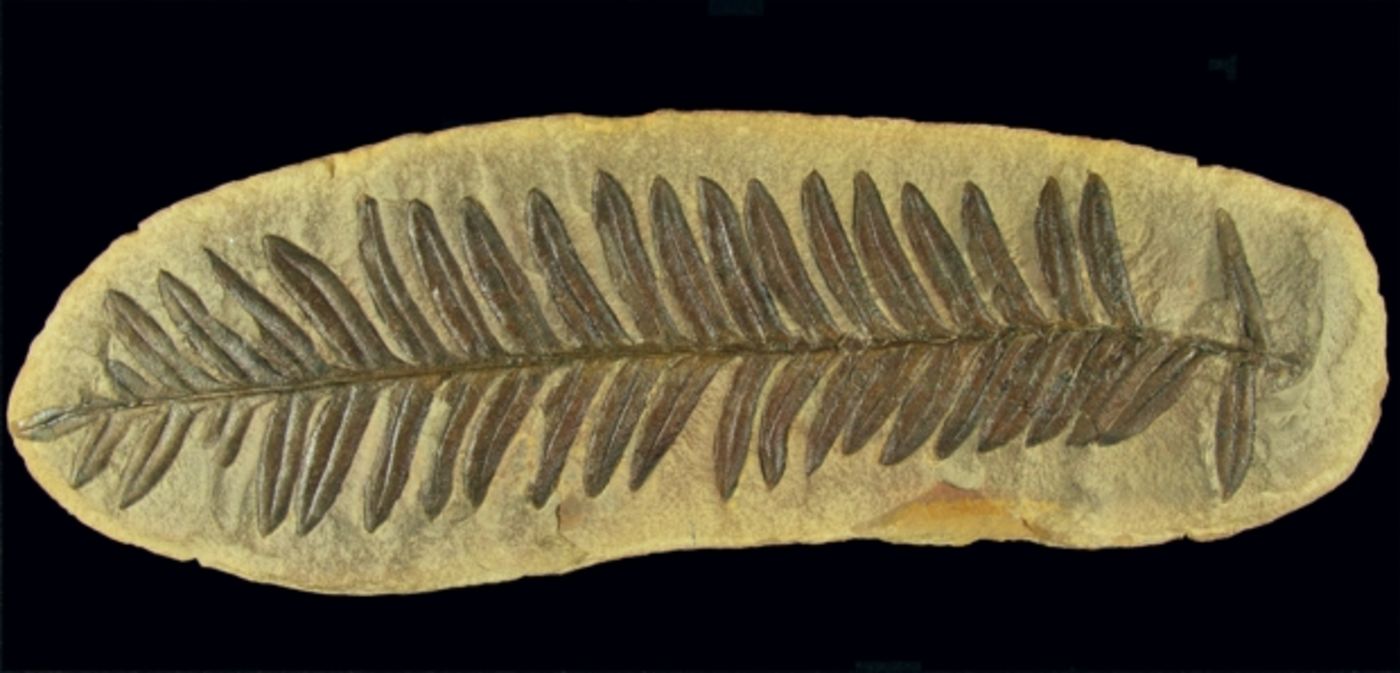
Mazon Monday #15: Mazon Creek at the Field Museum
This is Mazon Monday post #15. The Field Museum has one of the most extensive collections of Mazon Creek specimens, both flora and fauna. The Field Museum has long been a big part of the study of this locality, with such historical giants as George Langford and Eugene Richardson working there. Currently, Jack Wittry works…
-
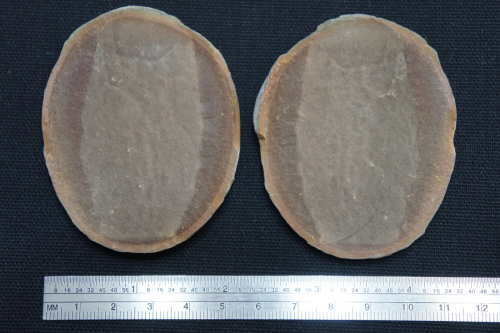
Mazon Monday #14: Essexella asherae
This is Mazon Monday post #14. Essexella asharae is the most common animal fossil you will find in the Mazon Creek biota. In the Essex biota, it has been estimated to be over 40% of finds. Specimens come in many forms with varied preservation. While there was a recent paper about whether it is a…
-

Mazon Monday #13: Belotelson magister
This is Mazon Monday post #13. Belotelson magister is the most common crustacean/shrimp fossil in the Mazon Creek biota. They can be found fairly readily and can range from a partial, to a molt, and sometimes even a full body. Most of the shrimps found in Pit 11 are Belotelsons. It was described way back…
-
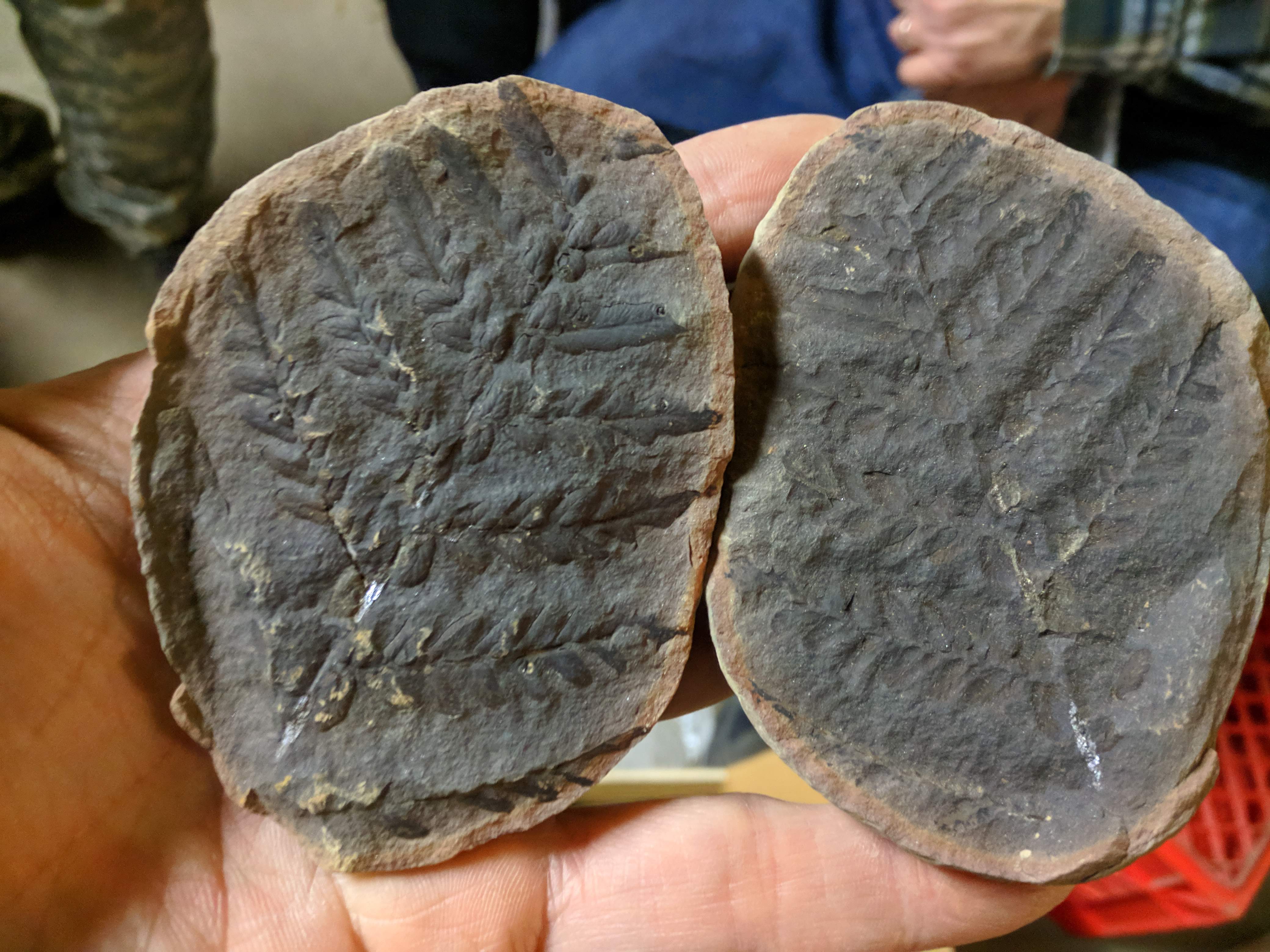
Fossil Friday #11: Mazon Creek Ferns
This is the “Fossil Friday” post #10. Expect this to be a somewhat regular feature of the website. We will post any fossil pictures you send in to esconi.info@gmail.com. Please include a short description or story. Check the #FossilFriday Twitter hash tag for contributions from around the world! —————————————————– Here are some nice Mazon Creek ferns. …
