Category: Around the Web
-
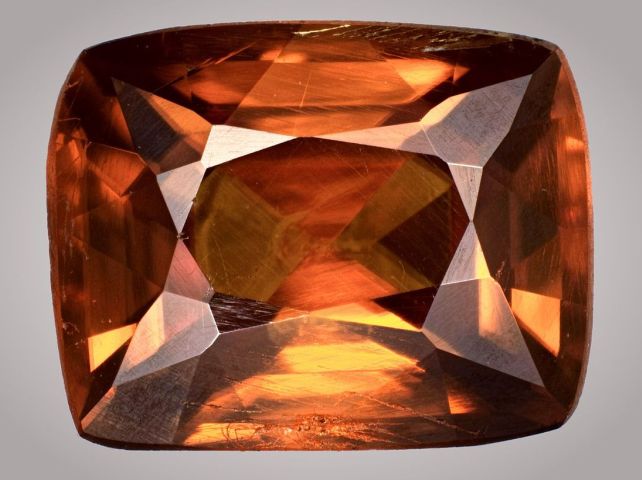
The World’s Rarest Mineral Is So Rare It’s Only Ever Been Found Once
Science Alert has a story about the world’s rarest mineral. Kyawthuite is so rare there is only one known specimen. It was purchased at a market in Chaung-gyi in Myanmar by gemologist Kyaw Thu, who thought the raw gem was a mineral called scheelite. After cutting it, Kyaw realized it was something different. Unable to match…
-

Lizzadro Museum “Exploring Gemstones: An Introduction to Gemology” Saturday August 16
Today at the Lizzadro Gemstones have dazzled humanity for centuries, symbolizing wealth, status, and personal expression. But what gives them their allure? Discover the science of gemology – the scientific journey into origins, properties, and mysteries of these natural treasures. Join Dr. Cigdem Lule for an introduction to the tools, techniques, and scientific scope of gemology. With strong…
-

Dinosaur teeth reveal some were picky eaters
Science News has a story about dinosaurs, A new paper in the journal Palaeogeography, Palaeoclimatology, Palaeoecology reveals that some herbivorous dinosaurs were probably “picky” eaters. By analyzing calcium isotopes in 150-million-year-old tooth enamel, the authors determined the diet of these dinosaurs depended more on nutritional value and texture of their food than the size of…
-
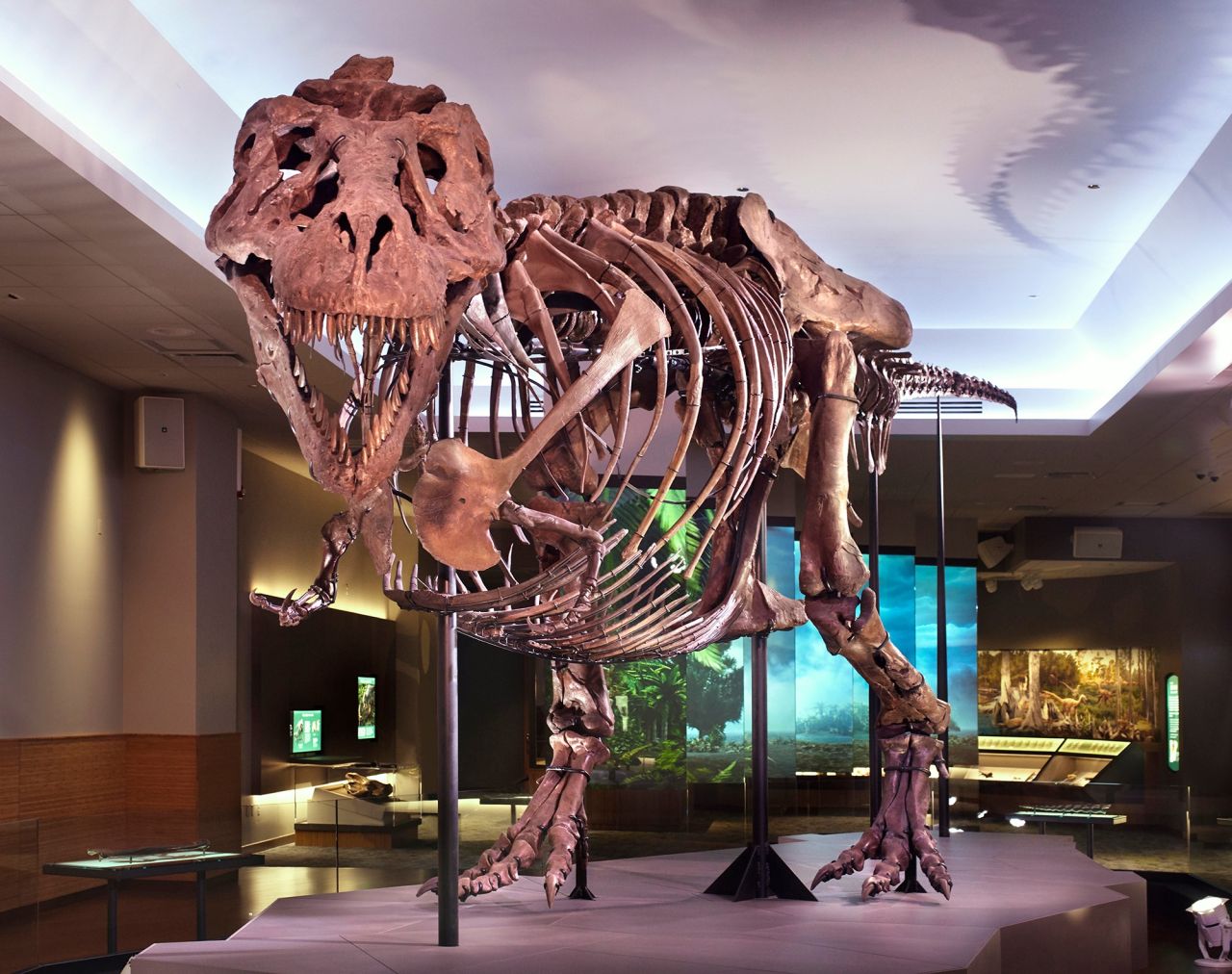
Happy 32nd Unearth Day, SUE!
To commemorate SUE’s 35th rebirthday, the Field Museum did this post on LinkedIn last week. On August 12, 1990, Sue Hendrickson unearthed SUE—the world’s largest and most complete T. rex fossil ever found. 🎊 Since then, SUE’s been on quite the journey: from a rocky resting place in South Dakota to the spotlight at the…
-
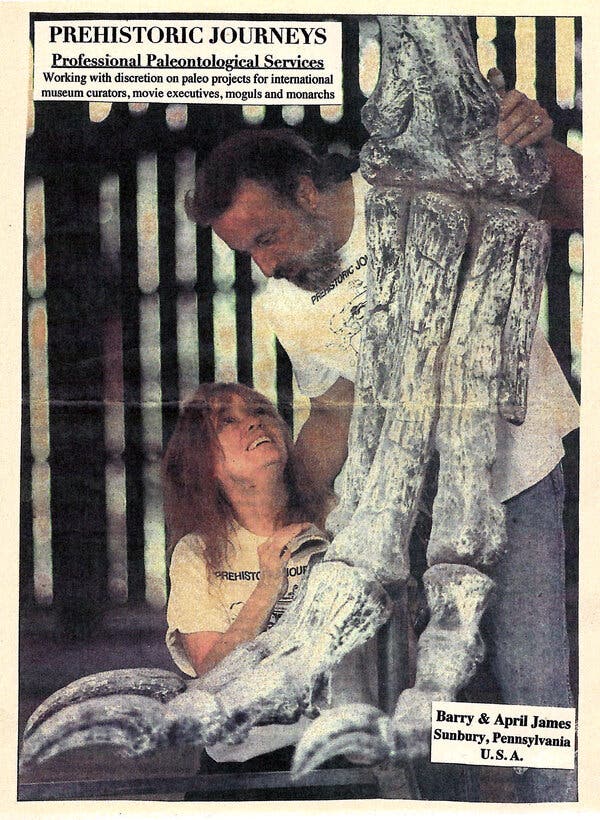
Their Last Love Token: A Dinosaur Rebuilt From Its Excavated Bones
The New York Times has a story about the preparation of a special triceratops skeleton. It’s a love story with dinosaurs… The 159th skeleton to come across Barry James’s desk was potentially one of the largest triceratops ever found. A colleague, Craig Pfister, had telephoned James, a commercial paleontologist, from Wyoming to discuss the astounding…
-

Making New T-Rex | Jurassic World Rebirth: Hatching a New Era Clip
Say what you will about the plot lines and stories in Jurassic Park, but the special effects can be… well special. Here is a fun clip about the “new” T-Rex in the latest iteration of the Jurassic Park franchise” Five years after the events of Jurassic World Dominion, the planet’s ecology has proven largely inhospitable…
-
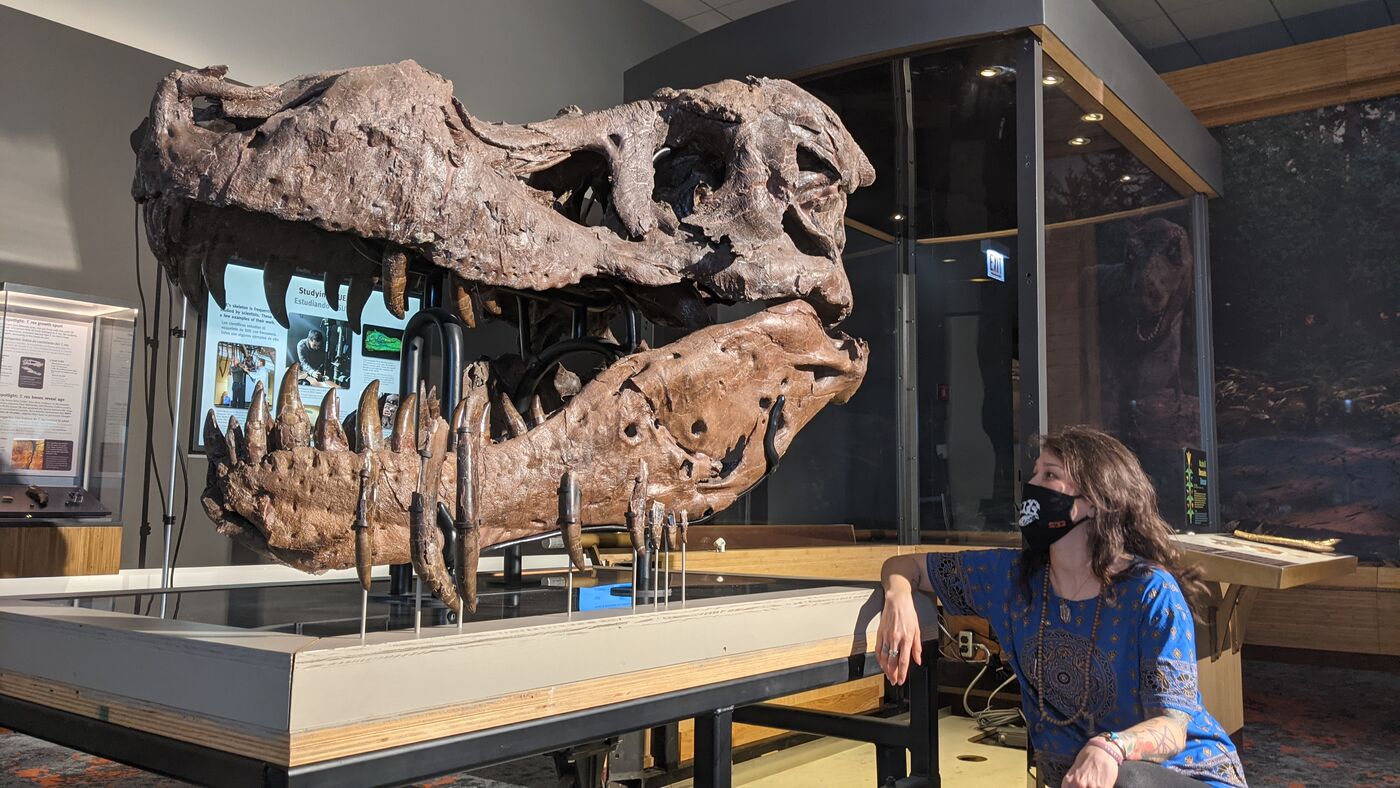
What caused the holes in SUE the T. rex ’s jaw? Probably not an infection
Media for Press Release: What caused the holes in SUE the T. rex ’s jaw? Probably not an infection Photographer(s): Unspecified (c) (c) Unspecified This Field Museum Press Release link is a little old, but still very interesting. What caused the holes in the back of SUE’s jaw? SUE the T. rex is one of the most…
-

Archaeologists Keep Finding Massive Shoes at an Ancient Roman Fort—and They Have No Idea Why They’re So Big
Smithsonian Magazine has an article about the discovery of unexpectedly large shoes. The shoes were excavated from the Roman fort called Magna in northern England. The footware dates to the time of Hadrian's Wall. More than 30 shoes of varying sizes have been found at the fort and about 25% of them are "oversized". The…
-
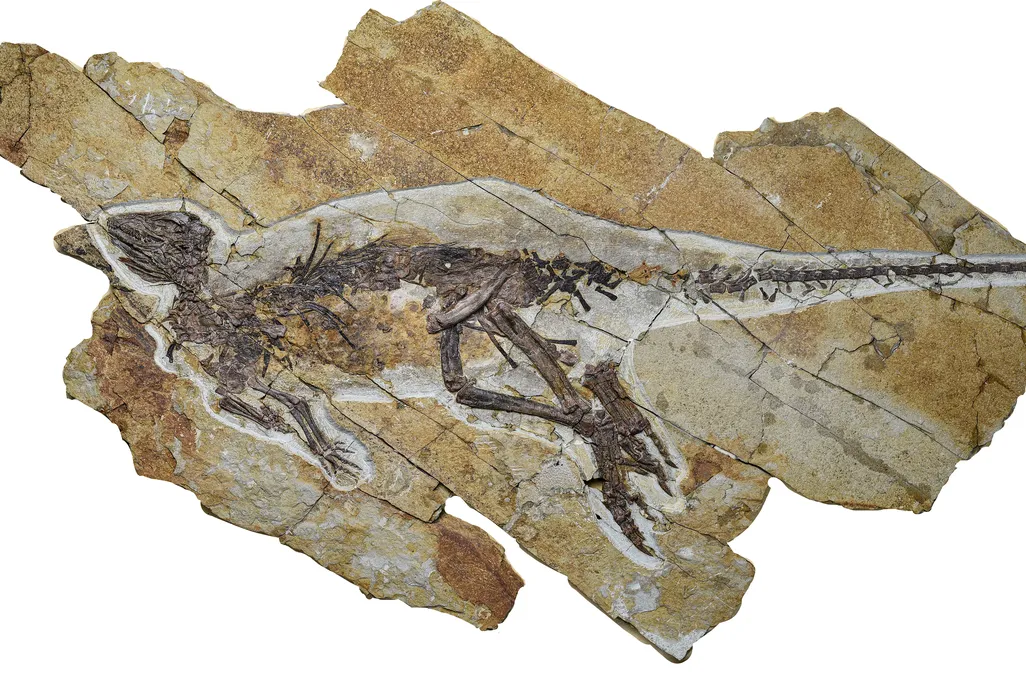
Rare Fossil Suggests Some Dinosaurs May Have Sounded Like Birds and Shared Similar Vocal Anatomy
Smithsonian Magazine has a story about a new dinosaur that gives us clues on how dinosaurs sounded. Pulaosaurus qinglong lived about 163 million years ago in what is now Qinglong, a Chinese county in Hebei Province. The nearly complete animal was described in a paper in the journal PeerJ. The fossil includes its bony vocal…
-
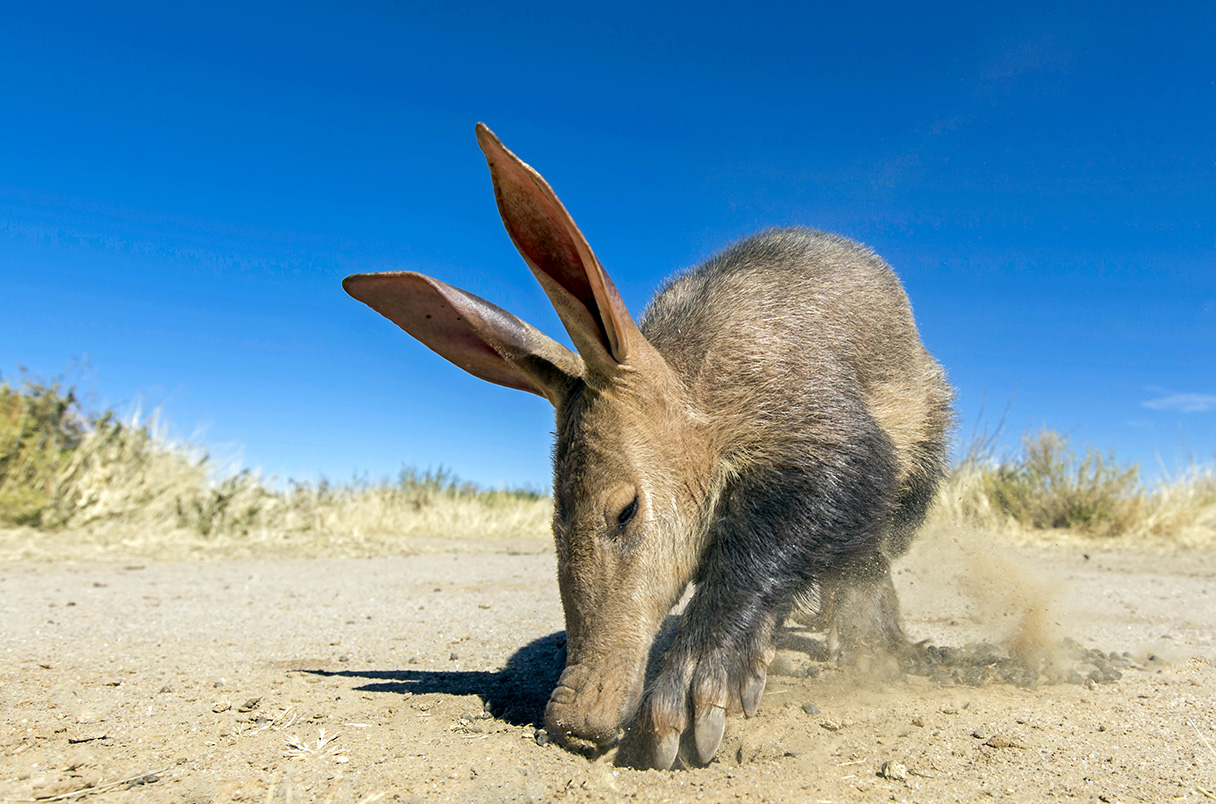
‘Things keep evolving into anteaters.’ Odd animals arose at least 12 separate times
ScienceMagazine recently featured a story on animals that resemble anteaters. A new study published in the journal Evolution explores the convergent evolution of mammals toward myrmecophagy—the specialized diet of ants and termites. This dietary trait has independently evolved at least 12 times. One possible explanation is the sheer biomass of ants and termites. In the…
-

This trilobite fossil became ancient Roman bling
A. Fernández-Fernández et al. Science has an interesting story about a trilobite in ancient Rome. The ancient romans loved their fossils and displayed them for curious visitors. Archaeologists working in Spain have found a trilobite as part of roman jewelry. This is the eleventh trilobite found in an archaeological context. See the paper “Significance of…
-
PBS Eons: When Dinosaurs Threw Up A Mystery
There’s a new episode of PBS Eons. This one is about fossilized feces (coprolites) and fossiized vomit (regurgitalites). Yes, this stuff is more common than you think! While dino bones from the Late Triassic Period are few and far between, the other clues they left behind can reveal how this epic saga played out to…
-
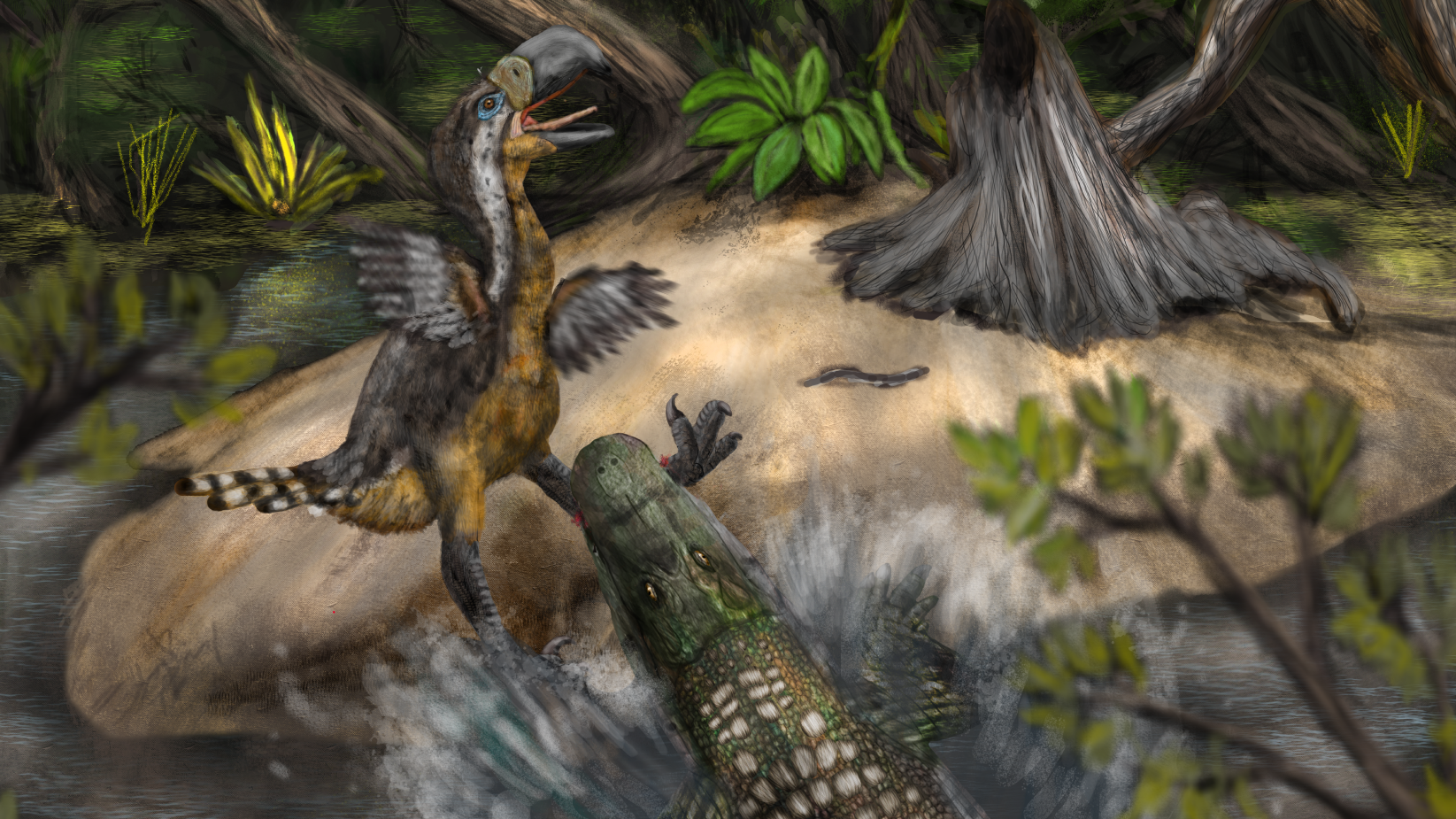
Bite marks reveal giant terror birds were potentially prey for another apex predator — humongous caiman
LiveScience has a story about a terror bird fossil that shows evidence of animal interaction. Teeth marks on the leg are evidence of a struggle between of one of the largest terror birds, which probably stood more than 9 feet tall, and a large caiman estimated at 15 feet long. The fossil dates to about…
-

Giant 240-Million-Year-Old “Sand Creeper” Discovered in Retaining Wall
SciTechDaily has a story about an important fossil found in a garden wall. Arenaerpeton supinatus, alived during the Triassic Period about 240 million years ago in what is now Sydney. A. sipinatus is an ancestor to the modern Chinese Giant Salamander. The name means “supine sand creeper.” The specimen is exqiuisitely preserved with both bones…
-
PBS Eons: How Dinosaur Extinction Gave Us Fruit
There’s a new episode of PBS Eons. When and why did plants evolve fruit? One of the most surprising effects of the cascade of changes that played out in the wake of dinosaur extinction may have been the evolution of a world absolutely teeming with fruit. And with all that fruit, came a lot of…
-

SI: Joe Burrow Talking About Fossils May Be the Highlight of New Season of ‘Quarterback’
Sports Illustrated has a story about Joe Burrow’s love for fossils. As the subtitle says “This guy loves dinosaurs”. I heard Jordan Love is more of a paleobotaby guy. The latest season of Netflix’s Quarterback debuted on Tuesday and it’s a great resource for those who want to learn more about the most important position in all…
-
NPR Short Wave: How realistic are movie dinosaurs?
NPR Short Wave has an interesting interview with Matt Lamanna, a paleontologist with the Carnegie Museum of Natural History. Matt has been part of recent significant dinosaur discoveries, including Dreadnoughtus schrani. Along with Jurassic Park, they discuss a handful of dinosaur related topics. Picture you’re sitting in the plush seats of a movie theater. There’s…
-

Numerous Fossils Reveal Jurassic Fish Killed in Same, Bizarre Way
ScienceAlert has an interesting piece about some Jurassic ray-finned fish that had a surprising common way to die. A recent analysis of Tharsis fish preserved in the 152 million-year-old Solnhofen Plattenkalk (limestone) formation in Germany met their end with large belemnites in they stomachs. Tharsis fish were what are known as micro-carnivores; animals that eat very small…
-
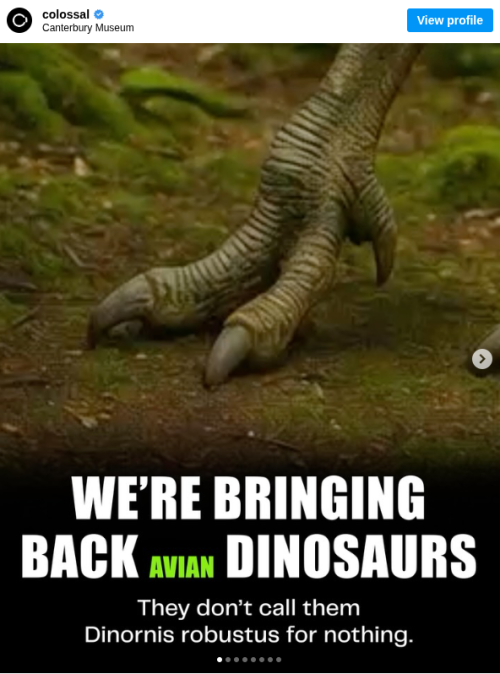
‘We’re bringing back avian dinosaurs’: De-extinction company claims it will resurrect the giant moa in next 10 years
LiveScience has an interesting story about the biotech company Colossal Biosciences. The company is working to :”bring back” the giant moa. Dinornis robustus lived on the south island of New Zealand up until about 600 years ago. There were about nine separate species of moa all of which went extinct due to hunting pressure from…
-

Start Your Rockin’ Collection – Saturday July 12 – at the Lizzadro Museum of Lapidary Art
Start Your Rockin’ Collection – Saturday July 12 – at the Lizzadro Museum of Lapidary Art Did you know that ordinary looking rocks can hide dazzling crystal worlds inside? Geodes are nature’s hidden treasures – spherical, hollow wonders lined with sparkling crystals! Join us as we explore the fascinating theories behind how geodes form and…
-
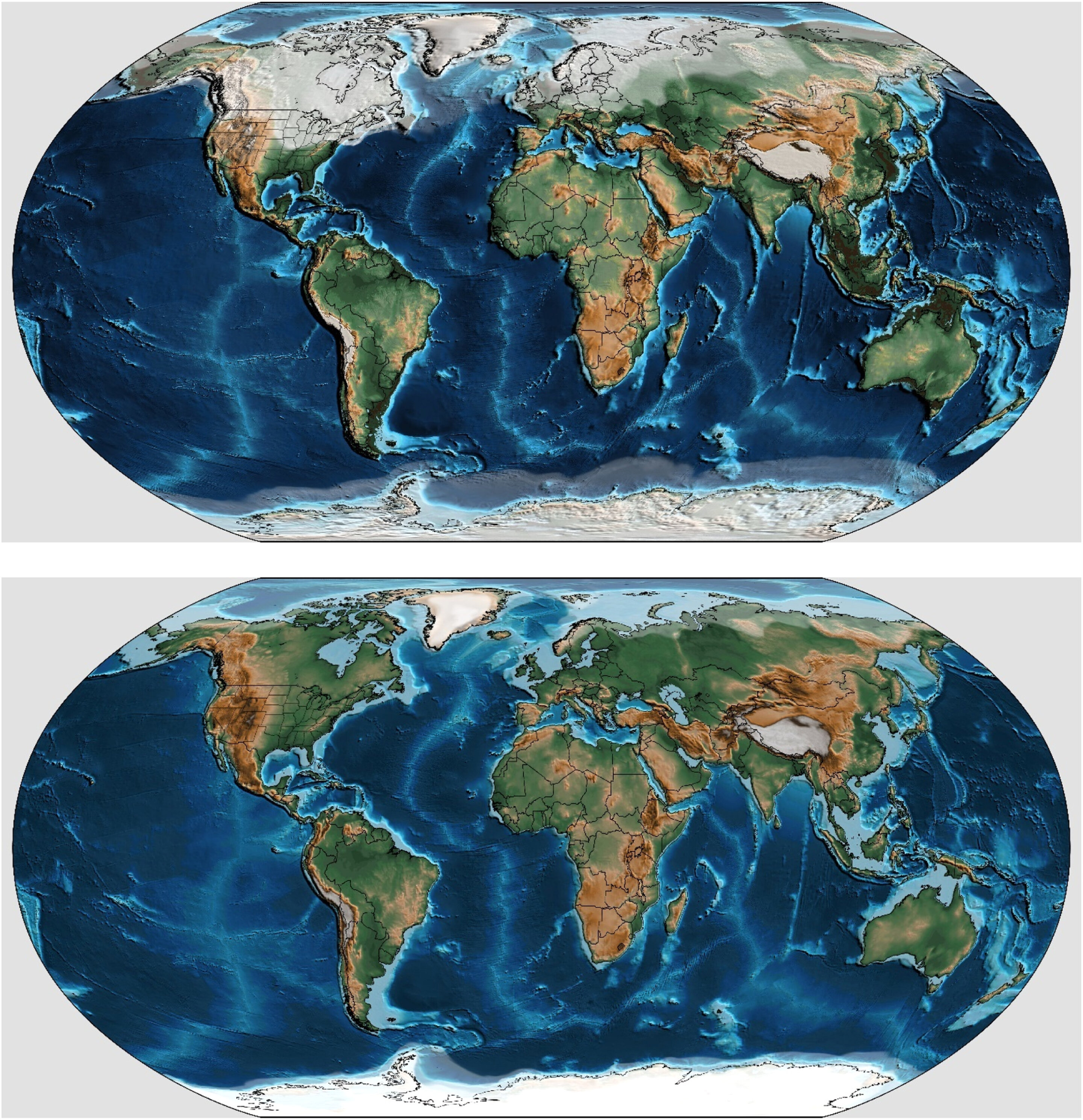
Scientists reconstruct 540 million years of sea level change in detail
Phys.org has a story about sea level over the last 540 million years. Sea level change is a hot topic in Earth Science. As the Earth warms, the level will increase due to melted ice and the expansion of water. A new paper “Phanerozoic orbital-scale glacio-eustatic variability” in the journal Earth and Planetary Science Letters,…
-

Ferns: Lessons in Survival From the Earth’s Most Adaptable Plants
Here’s a new paleobotany book “Ferns: Lessons in Survival From the Earth’s Most Adaptable Plants” that some of you might find interesting. Available at most online book stores including Amazon and Kobo. Welcome to the extraordinary world of ferns – plants that have survived since prehistoric times! Ferns are the most remarkable of plants, both…
-
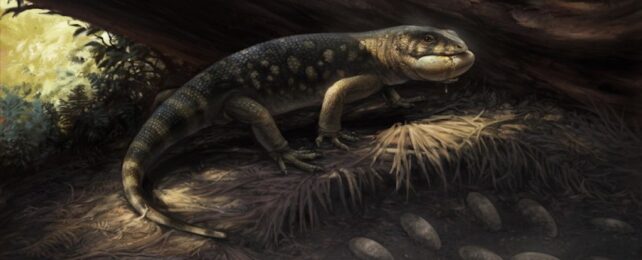
Scientists Discover ‘Goblin Prince’ That Roamed With Dinosaurs
Science Alert has a story about the redicovery of a key fossil in the back of a museum drawer. Discovered around 2006, this new species, Bolg amondol, is a fossil gila monster from Utah. It dates to the late Cretaceous. The name translates to “mound-headed goblin prince” in J.R.R. Tolkien‘s Elvish language. Hank Woolley, paleontologist at…
-
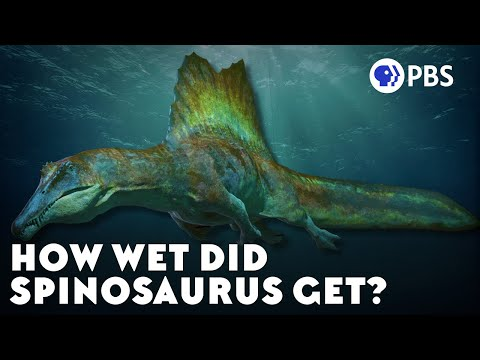
PBS Eons: Why Paleontologists Can’t Stop Fighting About Spinosaurus
PBS Eons has a new episode on Youtube. This one is about the controversy surrounding how Spinosaurus lived…. how much time did they spent in the water? What does it mean to be a “semi-aquatic” dinosaur? Was it wading in the shallows, or could it have been a skilled swimmer? Each scenario paints a very…
-

Wired: Paleontologist Answers Fossil Questions
Wired magazine has an interesting new video up on Youtube. It’s question and answer with Paleontologist and Geologist Dr. Ken Lacovara. Paleontologist and Geologist Dr. Ken Lacovara joins WIRED to answer the internet’s burning questions about fossils. Can we extract dinosaur DNA from fossils? How is crude oil made from fossils? Where are the most…
-

PBS Terra: When Dinosaurs Conquered the Arctic
PBS Terra has a new episode on Youtube. This one is about the epic migrations of herds of Pachyrhinosaurus and Edmontosaurus to Alaska during Cretaceous summers. Very few dinosaurs made it as far North as the Arctic Circle. But two of those – Pachyrhinosaurus and Edmontosaurus – undertook an epic migration every year to reach…
-
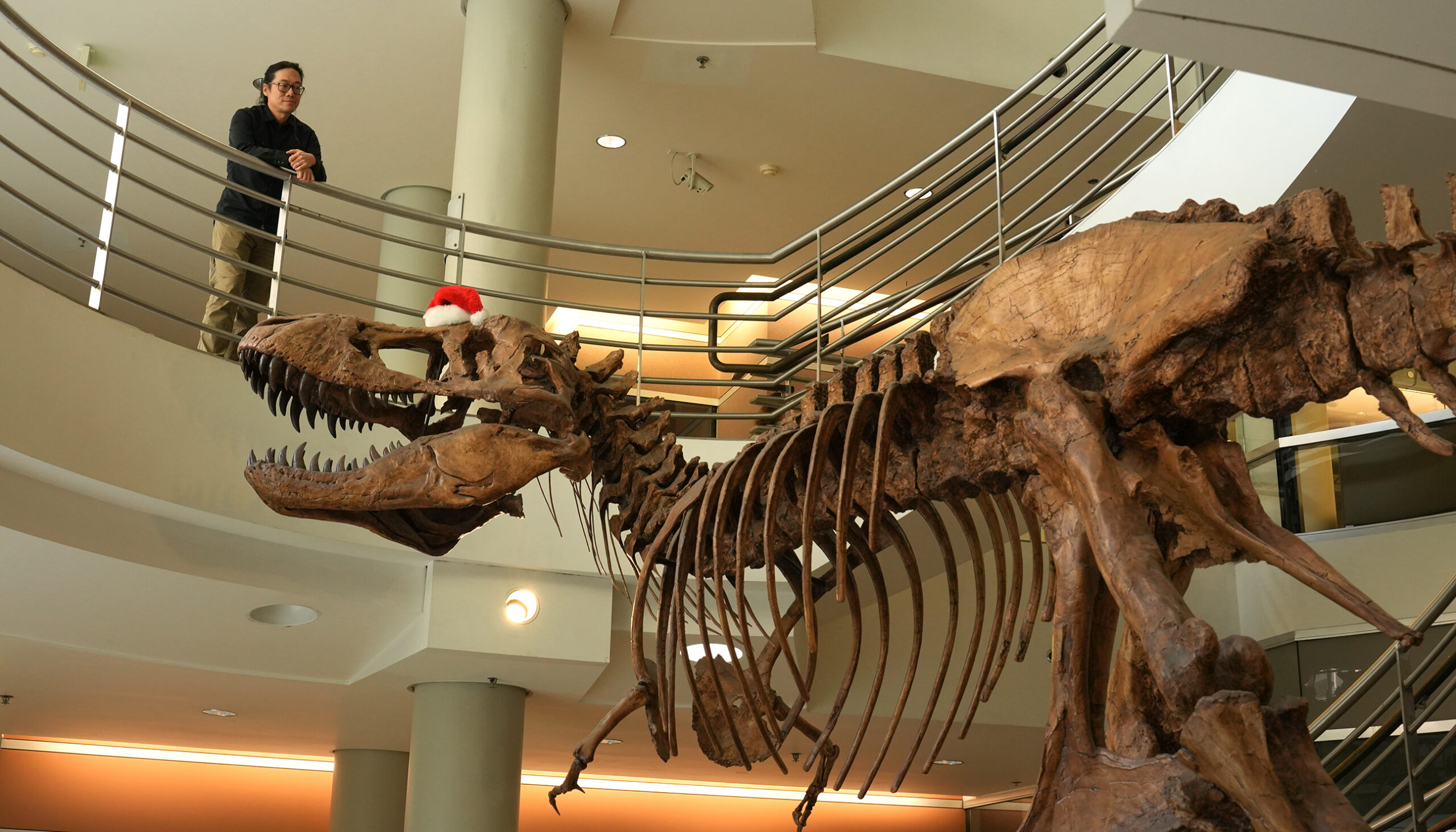
A T-Rex with feathers? Scientists say dinosaurs were likely different from what most of us picture
A story in the UC Berkeley News details how dinosaurs were probably much different than we have imagined. 50 years ago, scientists had a much differernt view of dinosaurs as slow, dumb animals. Then, came John Ostrom, Bob Bakker with their insights comparing dinosaurs to modern animals. Those viewpoints led to the Jurassic Park view…
-
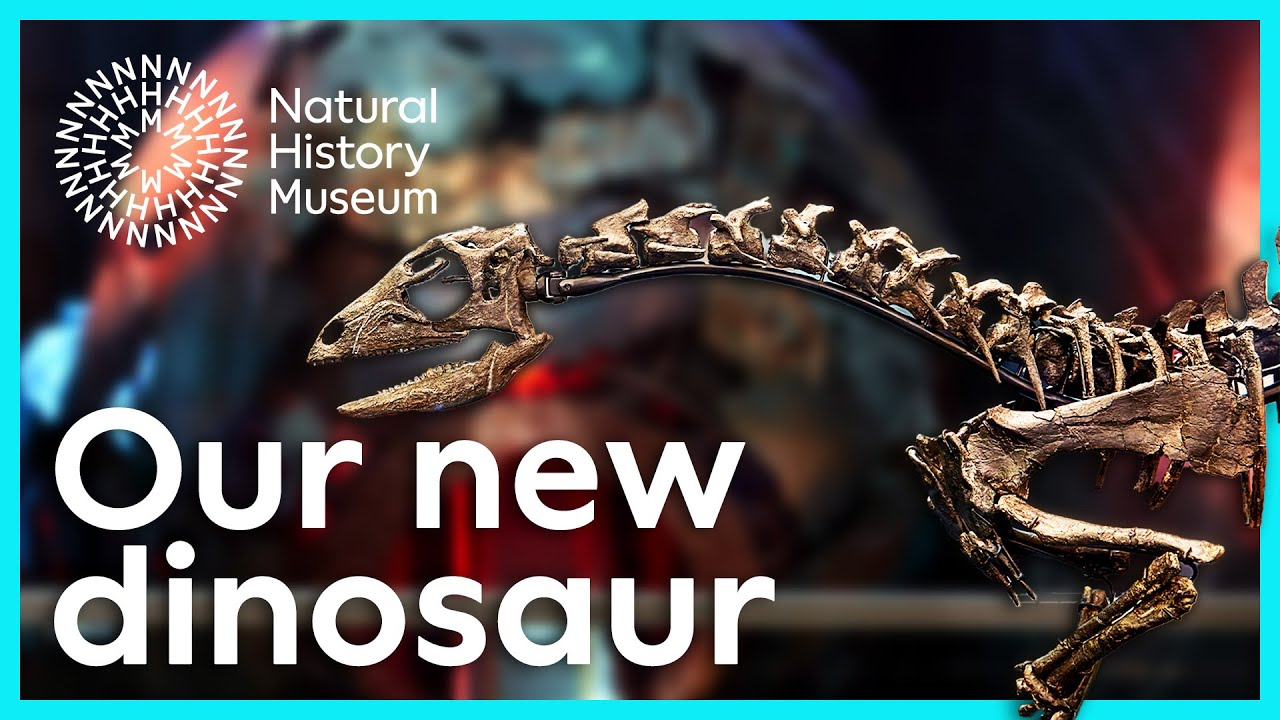
Natural History Museum: New dinosaur species on display in our Earth Hall
The Natural History Museum in London has a new video on Youtube about their new dinosaur, Enigmacursor mollyborthwickae. Meet Enigmacursor mollyborthwickae, our new dinosaur! Now on display in our Earth Hall, Enigmacursor is a species new to science and would have roamed North America in the Late Jurassic 145-150 million years ago. Measuring only 1.5…
-
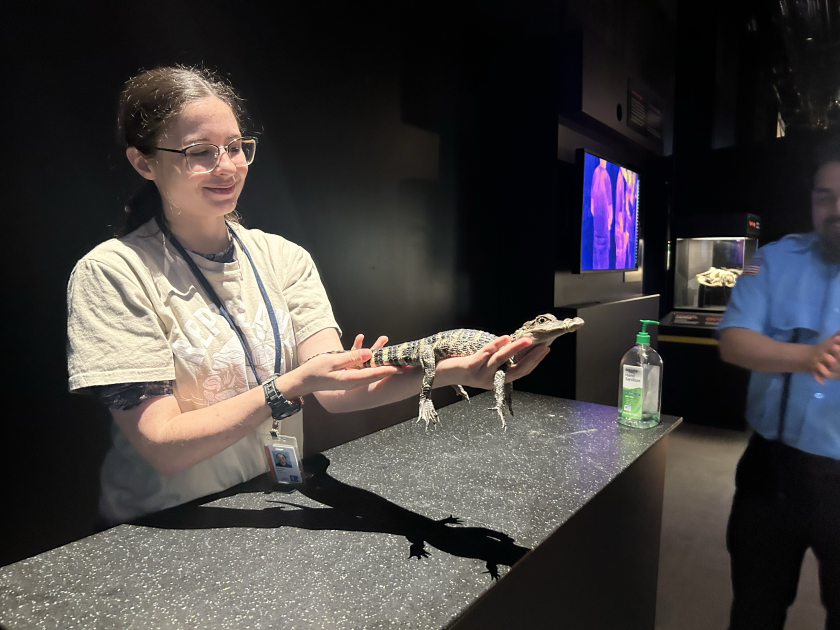
Reptiles Alive! exhibit opens at Field Museum
The Field Museum has a new exhibit… Reptiles Alive! Explore the fascinating world of reptiles in this one-of-a-kind family-friendly exhibition! Combining original Field Museum science with live animals and engaging interactives, Reptiles Alive! offers an immersive experience into the lives of snakes, lizards, crocodiles, and more. Discover their habitats, adaptations, and the groundbreaking research of Dr. Sara…
-
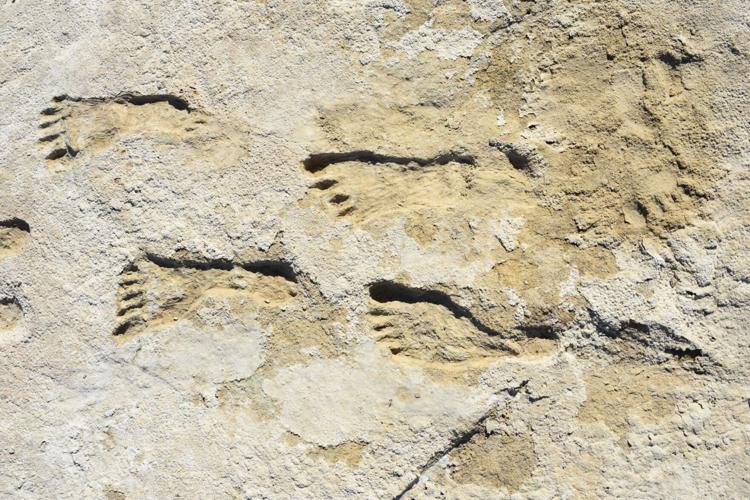
University of Arizona study confirms New Mexico fossils may be earliest evidence of humans in Americas
Tuscon.com has a story about the oldest evidence of human occupation in North America. A 2021 study from the University of Arizona revealed data that dated fossilized footprints from White Sands National Park to 23,000 year ago. This was controversial as the previously excepted oldest human evidence was 17,000 before present. Most of the criticism…
