
-

Throwback Thursday #283: The Strip Mines
Read more: Throwback Thursday #283: The Strip MinesThis poem first appeared in the September 1964 edition of the ESCONI newsletter. Written by Gene Falada, it was inspired by a field trip to the spoil piles near South Wilmington, Illinois, on August 8, 1964. His words capture an experience that still feels familiar today. ESCONI field trips continue to bring people together—you meet great friends, enjoy good company, and always have fun collecting. While Mazon Creek fossil hunting has become more challenging over the years as spoil piles grow over, the thrill of the hunt and the discovery of a new specimen along with sharing it with others…
-
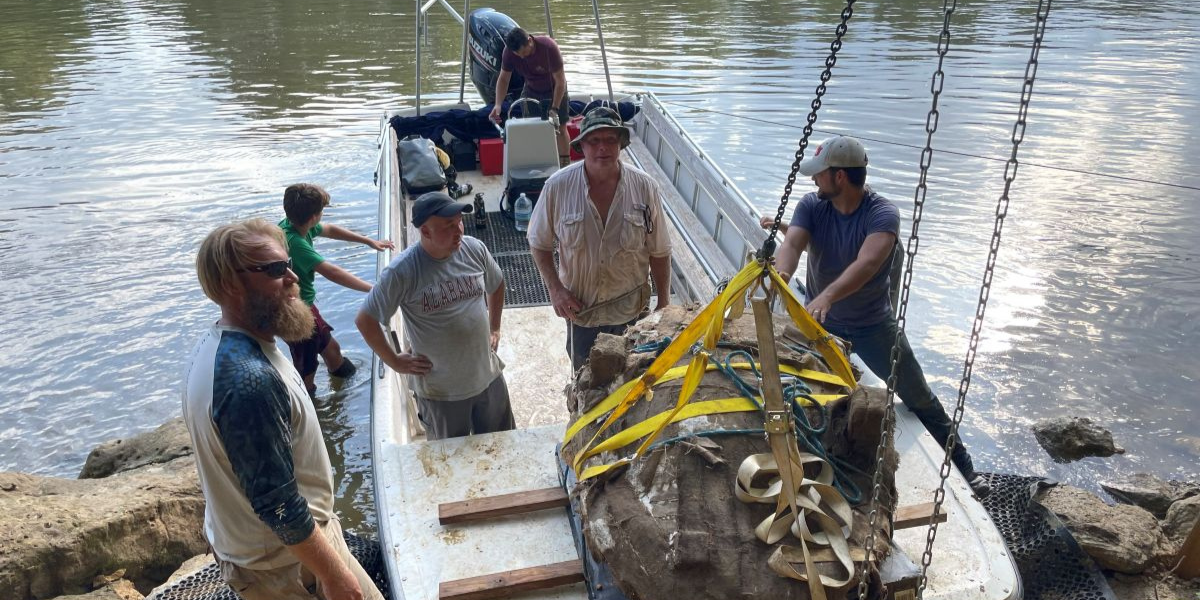
Alabama family’s fishing trip leads to 32-million-year fossil find
Read more: Alabama family’s fishing trip leads to 32-million-year fossil findYellow Hammer News has a story about an unexpected catch on a family fishing trip in Alabama. They found a 32 million year old (Oligocene) turtle in the bank of the river. It turns out the animal was not known to science and has now been named for their family, Coleman… Ueloca colemanorum. The animal’s description was published in the journal Palaeodiversity. A South Alabama family stumbled onto quite the discovery while fishing along a riverbank — the fossilized shell of a 32-million-year-old leatherback sea turtle, according to a news release issued jointly by the McWane Science Center, Poarch Creek Indians, and…
-
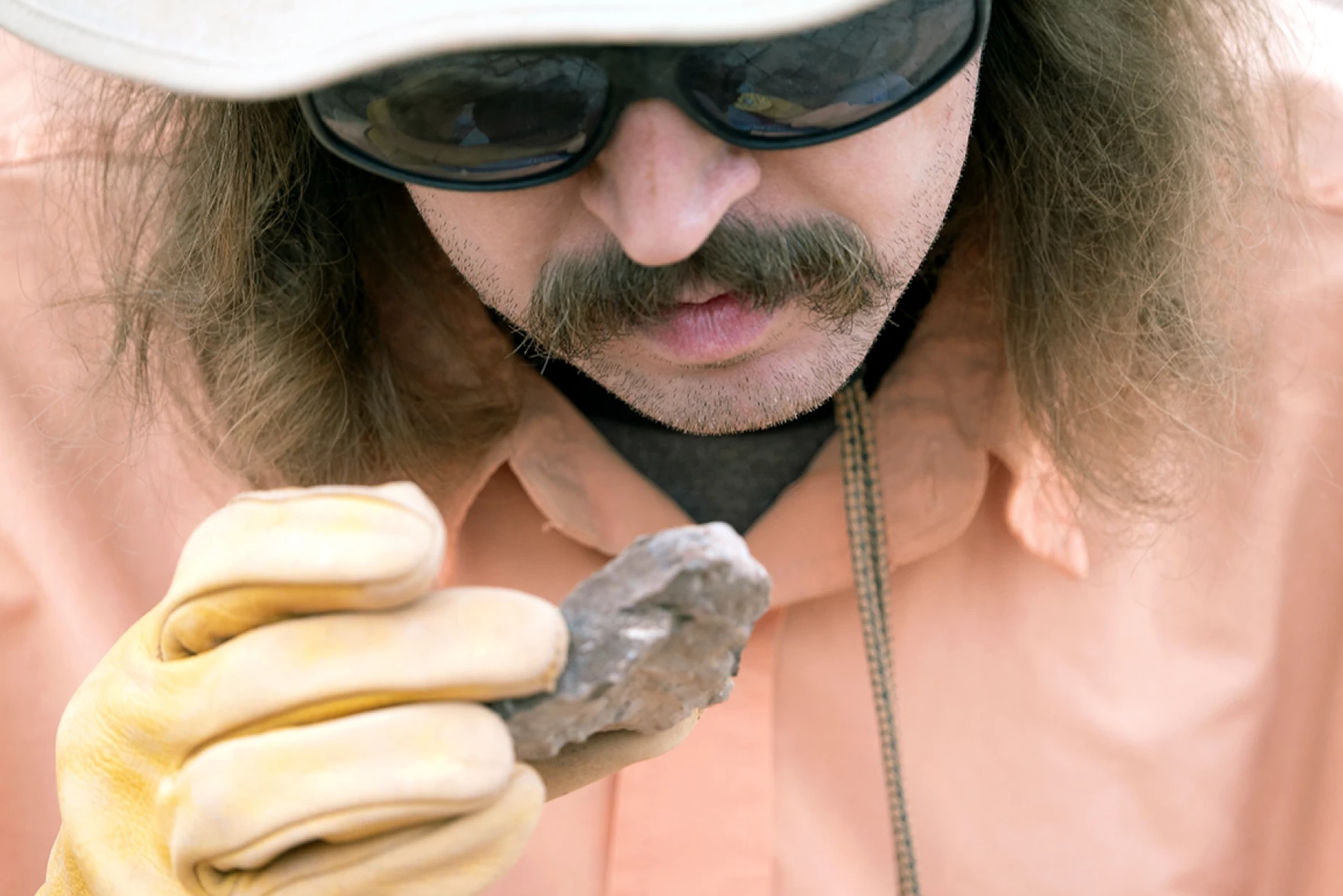
Weird Science: Eastern North Carolina dig led to great finds, including fossils from the age of dinosaurs
Read more: Weird Science: Eastern North Carolina dig led to great finds, including fossils from the age of dinosaursWe received this link the other day. It’s news for Wilmington, but Wilmington North Carolina not Illinois. Still, it’s an interesting story about dinosaurs and fossil collecting. A dig in eastern North Carolina last week had a scientist up to his armpits in mud, and led to some great finds for a museum collection, including fossils from the age of dinosaurs. The paleontologist that led the dig is also hoping to someday solve an enduring Onslow County fossil mystery. Christian Kammerer is the Research Curator of Paleontology at the North Carolina Museum of Natural Sciences, and he spent last week…
-

Mazon Monday #287: Braceville Fall 2025 Report
Read more: Mazon Monday #287: Braceville Fall 2025 ReportThis is Mazon Monday post #287. What’s your favorite Mazon Creek fossil? Tell us at email:esconi.info@gmail.com. The Braceville Fall 2025 Field Trip was held on the weekend of September 6th and 7th, 2025. We had perfect weather… sunny with temperatures in the mid-70s. There was nearly 100% attendance. It was two days of fun in the sun! We had fossil pours on each day with contributions from Andrew Young, Chris Berg, Jeff Allen, Marty Houdek, Ralph Jewell, and Rich Holm. Thanks guys! Starting the day right! The hill seems smaller. On Sunday, we had some special visitors as some professional…
-

How evolution works | Dave Hone and Lex Fridman | on Youtube
Read more: How evolution works | Dave Hone and Lex Fridman | on YoutubeDavid Hone was on the Lex Fridman podcast discussing evolution. Dave Hone is a paleontologist, expert on dinosaurs, co-host of the Terrible Lizards podcast, and author of numerous scientific papers and books on the behavior and ecology of dinosaurs. He lectures at Queen Mary University of London on topics of Ecology, Zoology, Biology, and Evolution.
-

PBS Eons: That Time the Earth Was Sticky
Read more: PBS Eons: That Time the Earth Was StickyPBS Eons has a new episode. This is about Cretaceous amber… what it is, how it forms, and what is found in it. The Cretaceous Resinous Interval, a 54-million year period where amber was preserved in hundreds of locations across the world, was a gooey, gummy point in Earth’s history – and then amber suddenly disappeared for another 20 million years. So, we have to ask: what exactly made this time period so very, very sticky?
-
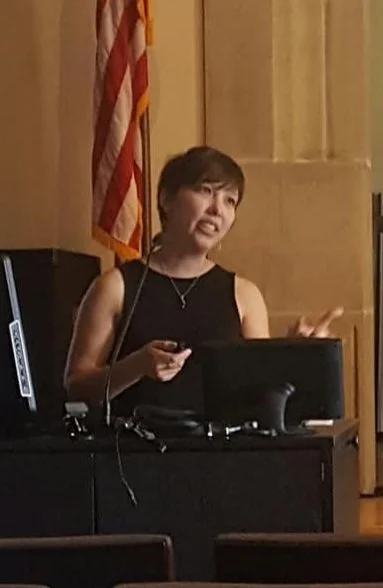
ESCONI September 2025 General Meeting via Zoom – “Cahokia Mounds State Historic Site”
Read more: ESCONI September 2025 General Meeting via Zoom – “Cahokia Mounds State Historic Site”ESCONI General Meeting – 8:00 PM via Zoom – Dr. Angela Cooper will be presenting “Cahokia Mounds State Historic Site.” Zoom link Dr. Angela Cooper is originally from Mascoutah, IL and grew up learning about the great site of Cahokia Mounds. Her educational and professional career has centered around Illinois archaeology. Dr. Cooper received her MA from University of Tulsa studying the relationships of Hopewell sites in the Illinois River Valley. After graduation she worked as the supervisor of volunteer excavations of the East Palisade at Cahokia Mounds for two summers and worked as a Seasonal Interpreter at the site…
-
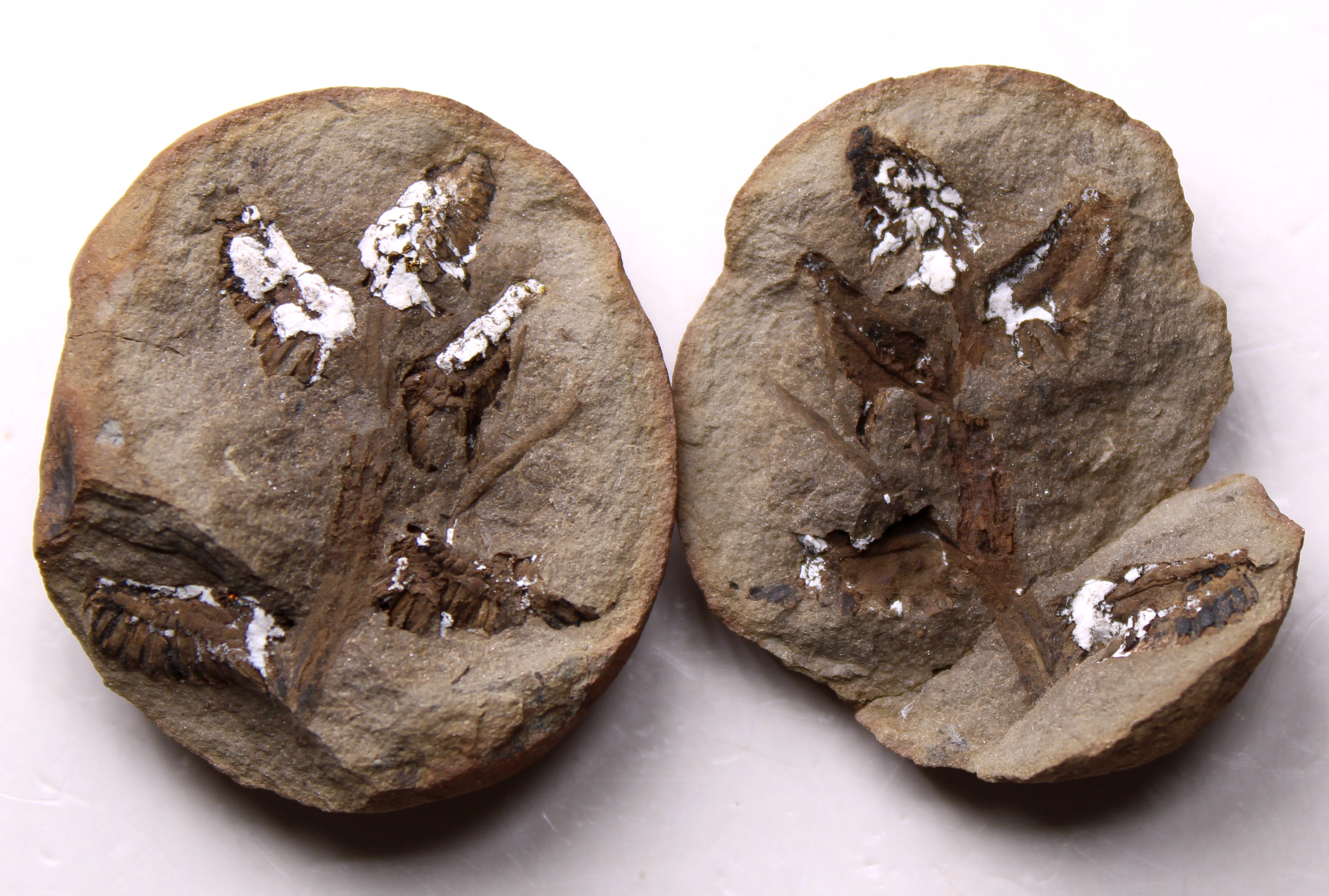
Fossil Friday #282: Crossotheca sagittata
Read more: Fossil Friday #282: Crossotheca sagittataThis is the “Fossil Friday” post #282. Expect this to be a somewhat regular feature of the website. We will post any fossil pictures you send in to esconi.info@gmail.com. Please include a short description or story. Check the #FossilFriday Bluesky/Twitter hash tag for contributions from around the world! Today, we have a very nice Crossotheca sagittata. C. sagittata is the fertile form of Pecopteris fontainai (see Mazon Monday #129). See the drawings below from George’s Basement. The photo shows a specimen with both forms. This beautiful specimen was sent in by Connor Puritz. He collected it earlier this year from the…
-

Throwback Thursday #282: Field Museum Postcard
Read more: Throwback Thursday #282: Field Museum PostcardI found this old Field Museum postcard at the recent ESCONI Rock Swap. It’s a photo of the coal forest in the Evolving Planet exhibit. This exhibit was originally in the Ernest R. Graham Hall in the Field Museum. The postcard is from the middle 20th century.
-
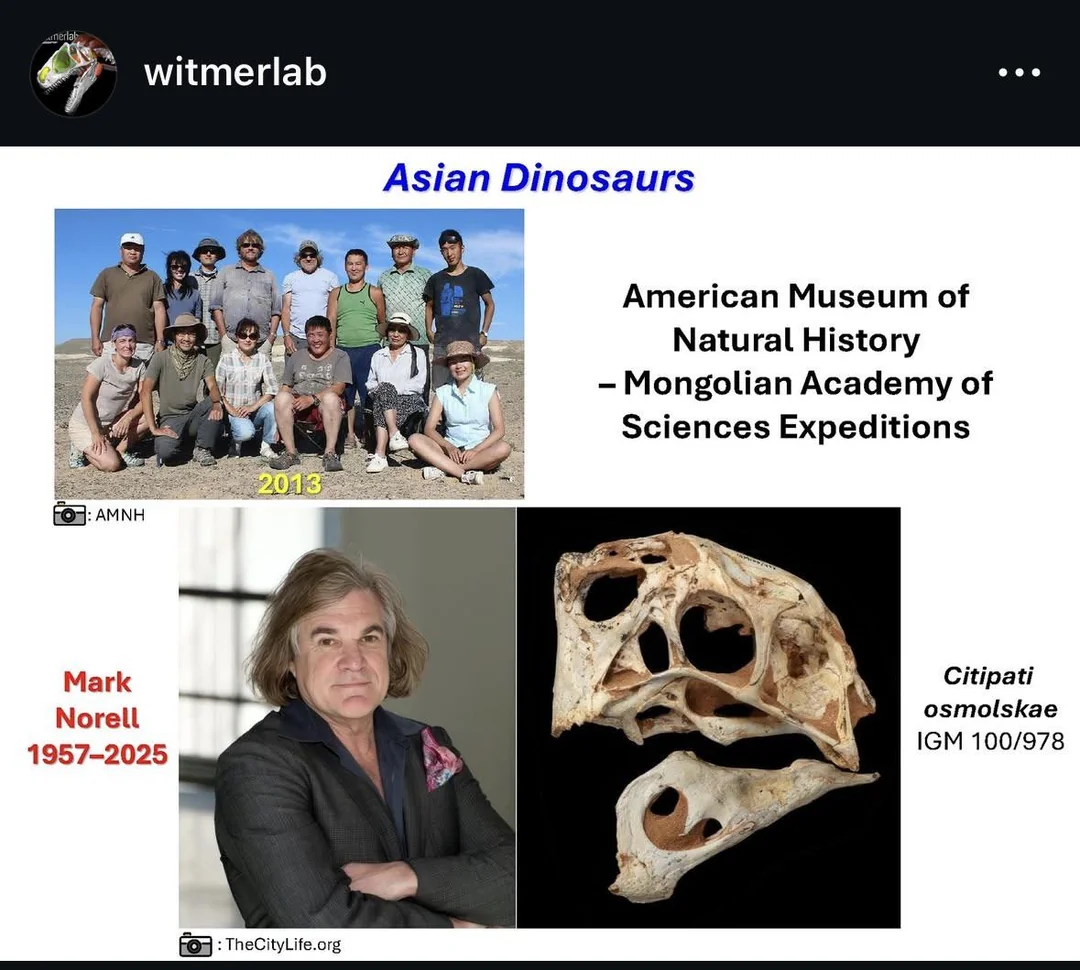
Paleontologist Mark Norell (Coolest Dude Alive) RIP (1957-2025)
Read more: Paleontologist Mark Norell (Coolest Dude Alive) RIP (1957-2025)This announcement is from the Witmer Lab at Ohio University. I’m shaken by the news of Mark Norell’s passing—a good friend, a trusted colleague, and a giant in our field. Coincidentally, I got the news as I was working on my talk for the International Symposium on Asian Dinosaurs in Fukui later this month. Here’s my slide acknowledging Mark’s impact on Asian dinosaur science in general, as well as my team’s work on Asian dinosaurs in that he graciously allowed me to study and even borrow and CT scan so many of the spectacular fossils they collected. It really hurt…
-

Giant Dinosaurs Were Riddled With a Devastating Disease, Fossils Show
Read more: Giant Dinosaurs Were Riddled With a Devastating Disease, Fossils ShowScience Alert has a piece about dinosaurs… sauropods might not have been all that healthy. The animals that lived in what is now Brazil, might have suffered from bone infections caused by bacterium, fungus, virus, or parasite.
-

Mazon Monday #286: There’s a Mother Lode of Fossils in Chicago’s Backyard, and It Could Hold Clues to the Evolution of Life on Earth
Read more: Mazon Monday #286: There’s a Mother Lode of Fossils in Chicago’s Backyard, and It Could Hold Clues to the Evolution of Life on EarthLast week, Mazon Creek, the Field Museum, and ESCONI were back in the news! WTTW, Chicago’s public television station, ran an article highlighting Mazon Creek. The story is an excellent read, exploring the scientific importance and new research of the site along with the perspective of amateur fossil collectors.
-
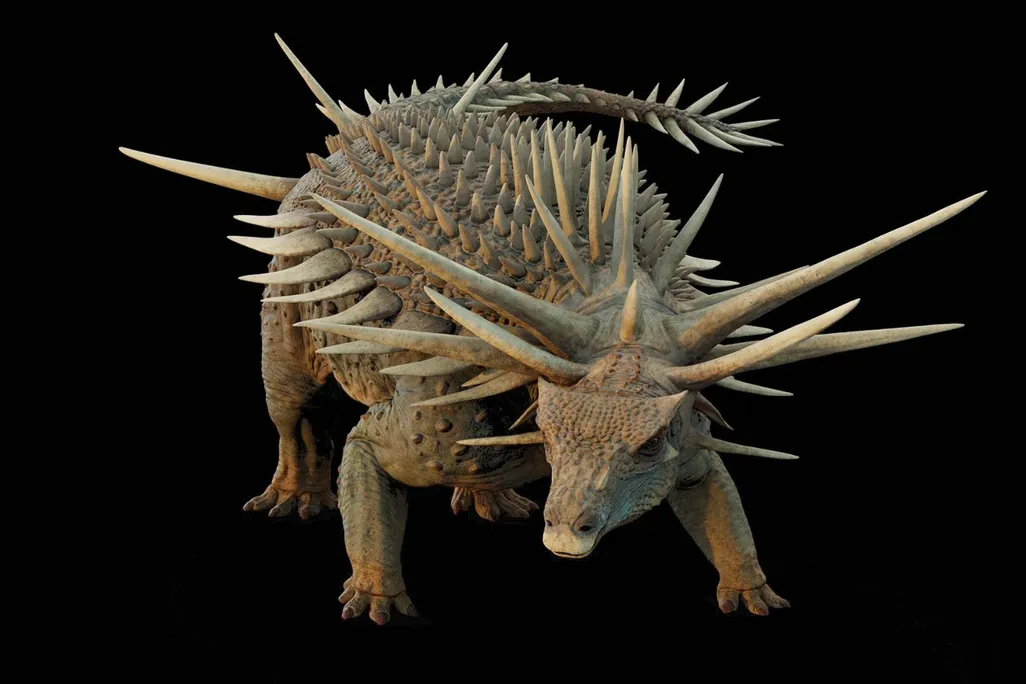
Oldest Known Fossil of an Armored Ankylosaur Is ‘Far Weirder’ Than Paleontologists Expected
Read more: Oldest Known Fossil of an Armored Ankylosaur Is ‘Far Weirder’ Than Paleontologists ExpectedSmithsonian Magazine has an article about a weird ankylosaur. Its name is Spicomellus afer, and it lived about 165 million years ago during the Jurassic Period. It had three-foot-long spikes around its collar and plates down its shoulders…. great armor against the predators that lived with it in the flood plains of what is now northern Africa. Read the full description in a paper in the journal Nature. “When we originally named Spicomellus, there were doubts that it was an ankylosaur at all,” says Susannah Maidment, a paleontologist at London’s Natural History Museum, in a statement. “Now, not only can we confirm beyond a…
-

The geology that holds up the Himalayas is not what we thought, scientists discover
Read more: The geology that holds up the Himalayas is not what we thought, scientists discoverLive Science has a story about the what is holding up Himalayas and it’s it isn’t what we thought. Scientists had theorized the crumpled region caused by the squeezing of Tibet by the tectonic forces of the Indian sub-continent colliding with the Asia had doubled the thickness of Earth’s crust beneath the Himalayas and Tibetan Plateau to the north. That extra thickness alone carries the weight of the mountain ranges. That theory was published by Swiss geologist Émile Argand in 1924. It shows the Indian and Asian crusts stacked on top of each other, together stretching 45 to 50 miles…
-

Fossil Friday #281: Dasyleptus sp.
Read more: Fossil Friday #281: Dasyleptus sp.This is the “Fossil Friday” post #281. Expect this to be a somewhat regular feature of the website. We will post any fossil pictures you send in to esconi.info@gmail.com. Please include a short description or story. Check the #FossilFriday Bluesky/Twitter hash tag for contributions from around the world! Dasyleptus is an extinct genus of monurian insect. They are known from the Mazon Creek biota, other Carboniferous localities, and have been found in later deposits that date to the Permian. They get their name for the single tail spike. Their closest living relative today is the Silverfish. In fact, some recent research…
-
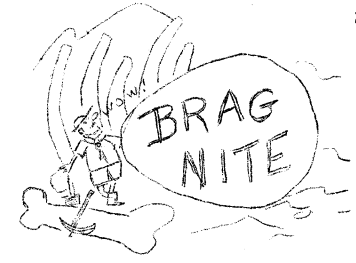
Throwback Thursday #281: Looking Back At ESCONI For September 2025
Read more: Throwback Thursday #281: Looking Back At ESCONI For September 2025A look back at September 1955, 1975, and 2000
-
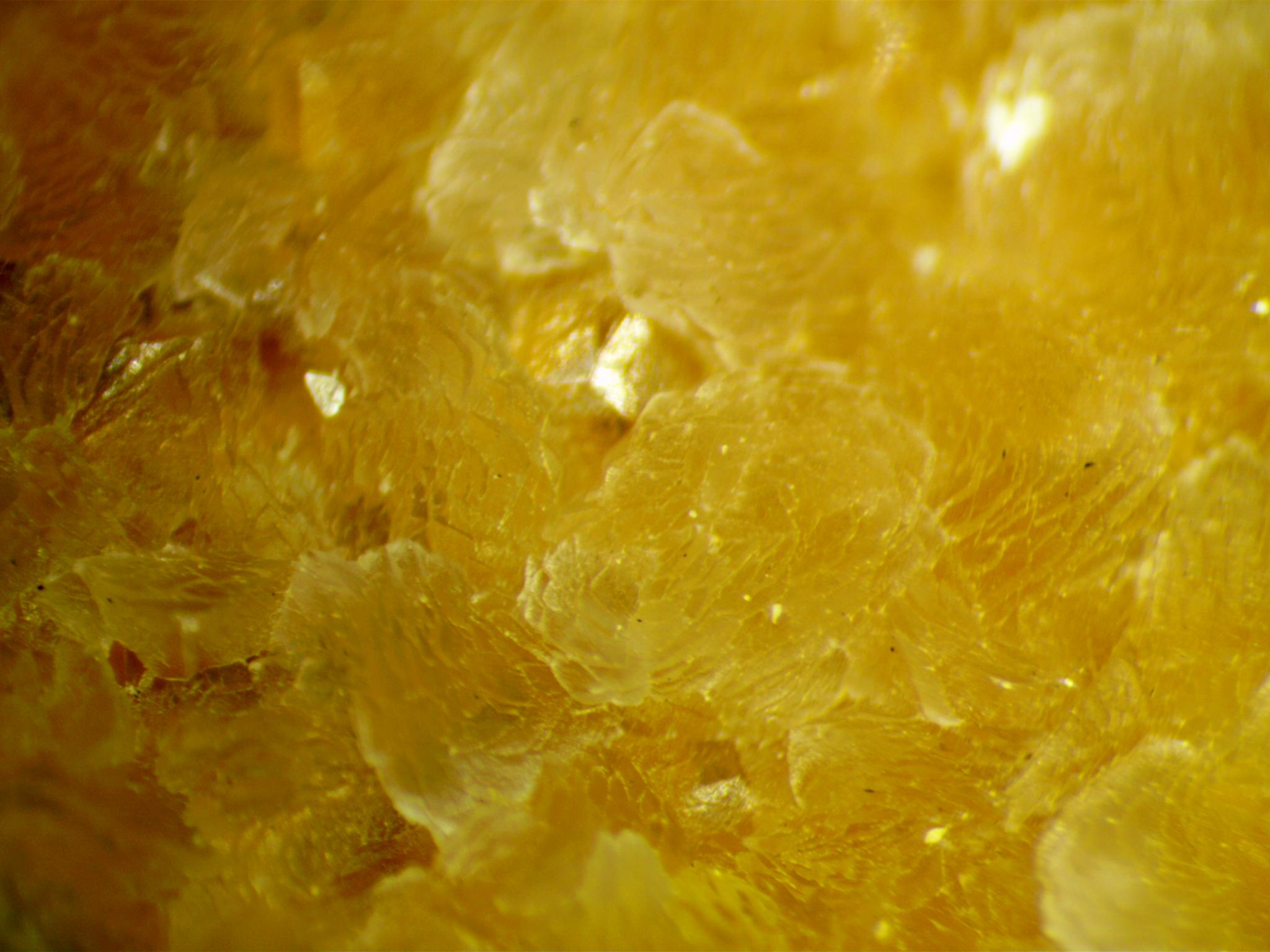
ESCONI Field Trip to Bellevue, MI Quarry on Saturday, September 27th, 2025
Read more: ESCONI Field Trip to Bellevue, MI Quarry on Saturday, September 27th, 2025A field trip to a quarry in Bellevue, MI is scheduled for Saturday, September 27th, 2025. This is a joint trip with the Kalamazoo Geological and Mineral Society (KGMS), and will be led by KGMS members. There is space for 15 ESCONI members. The trip will be from 9 AM ET to 3 PM ET. Note the time change for those coming from Illinois! The quarry exposes the Bayport Limestone (Mississippian/Lower Carboniferous). Minerals (calcite, pyrite, chalcopyrite, etc.) and fossils (coral, brachiopods, shark teeth, etc.) can be found. You must register to go on this trip. See rule 8 below for…
-

ESCONI Events for September 2025
Read more: ESCONI Events for September 2025You do not need to be a member to attend meetings Sat, Sep 6th and Sun, Sep 7th Field Trip – Braceville, IL for Mazon Creek Fosssils Fri, Sep 12th – 8:00 PM General Meeting – 8 PM – via Zoom Dr. Angela Cooper will be presenting “Cahokia Mounds State Historic Site.” Sat, Sep 13th – 7:00 PM Scott Galloway will present a program on meteorites. Specifics of this meeting are available from Scott Galloway, 630-670-2591, gallowayscottf@gmail.com. The meeting will be in person at the College of DuPage Technical Education Center (TEC) Building – Room 1038B (Map). Sat, Sep 13th Field Trip – Mount…
-

This Crocodile Relative Was One of Dinosaurs’ Most Fearsome Predators
Read more: This Crocodile Relative Was One of Dinosaurs’ Most Fearsome PredatorsThe New York Times’ Trilobite column has an interesting story about a fierce crocodile that lived alongside the dinosaurs during the Cretaceous Period about 72 million years ago. Kostensuchus measured about 11½ feet long and weighed 551 pounds. The fossils were found in March 2020 in Santa Cruz, a province in Argentina. The animal was described in a paper in the journal PLOS One. While North America and Asia had their share of Cretaceous crocodiles, they were mostly from families that had evolved a semiaquatic lifestyle. But crocodiles took a different trajectory in South America and Africa, where several families walked…
-
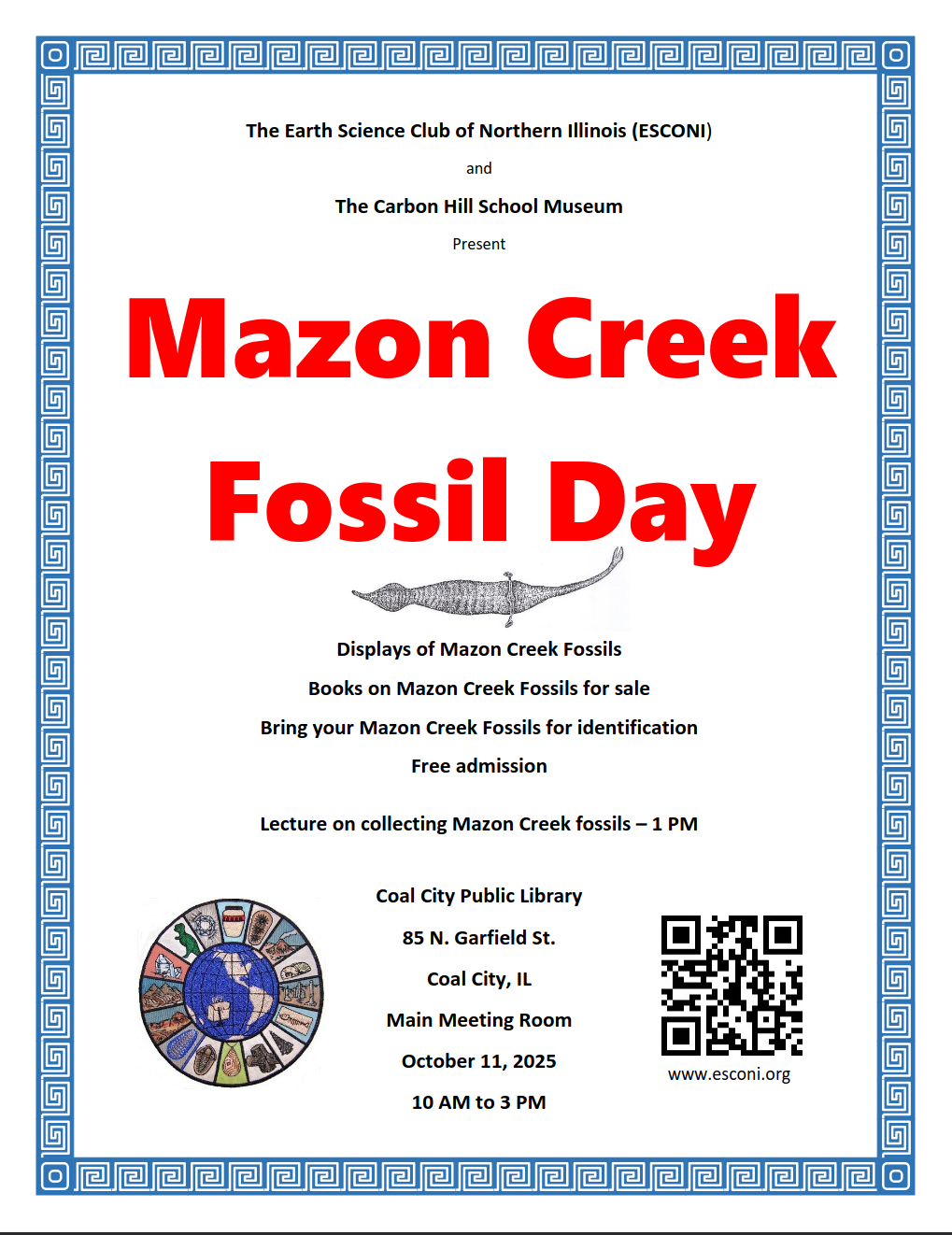
2025 Mazon Creek Fossil Day, October 11th, 2025 at the Coal City Library
Read more: 2025 Mazon Creek Fossil Day, October 11th, 2025 at the Coal City LibraryThe 2025 Mazon Creek Fossil Day will be held on October 11th, 2025 at the Coal City Library from 10 AM to 3 PM. See you there! Previous events

ESCONI Gem, Mineral, and Fossil Show
Most Recent Post
- Happy 4th of July… the 250th Edition!
 What better way to celebrate the 4th of July than with some beautiful Annularia fossils?!? We have a variety of species here, so sit back and enjoy the fireworks!
- About ESCONI
- Around the Web
- Calendar of Events
- Code of Ethics and Conduct
- ESCONI Books for Sale
- ESCONI Gem, Mineral, and Fossil Show
- ESCONI in the News
- ESCONI Videos
- Field Trips
- Flashback Friday
- Fossil Friday
- Mazon Creek
- Mazon Monday
- Member Spotlight
- Membership Information
- Reference Material
- Throwback Thursday
- Trilobite Tuesday
Field trips require membership, but visitors are welcome at all meetings!
| Friday, June 12th | General Meeting – 8:00 PM via Zoom. Adrienne Stroup of The Field Museum will present “At the Intersection of Art and Science: Outreach in Natural History Museums”. |
| Saturday, June 20th | Paleontology Study Group – 7:30 PM via Zoom. Lincoln Shoemaker will present “Factors controlling the distribution of Late Ordovician – Silurian crinoids.” |
| No meeting this month | Junior Study Group Meeting |
| No meeting this month | Mineralogy Study Group |