
-
Mazon Monday #290: Danville Spoil Pile Trip Report for September 2025
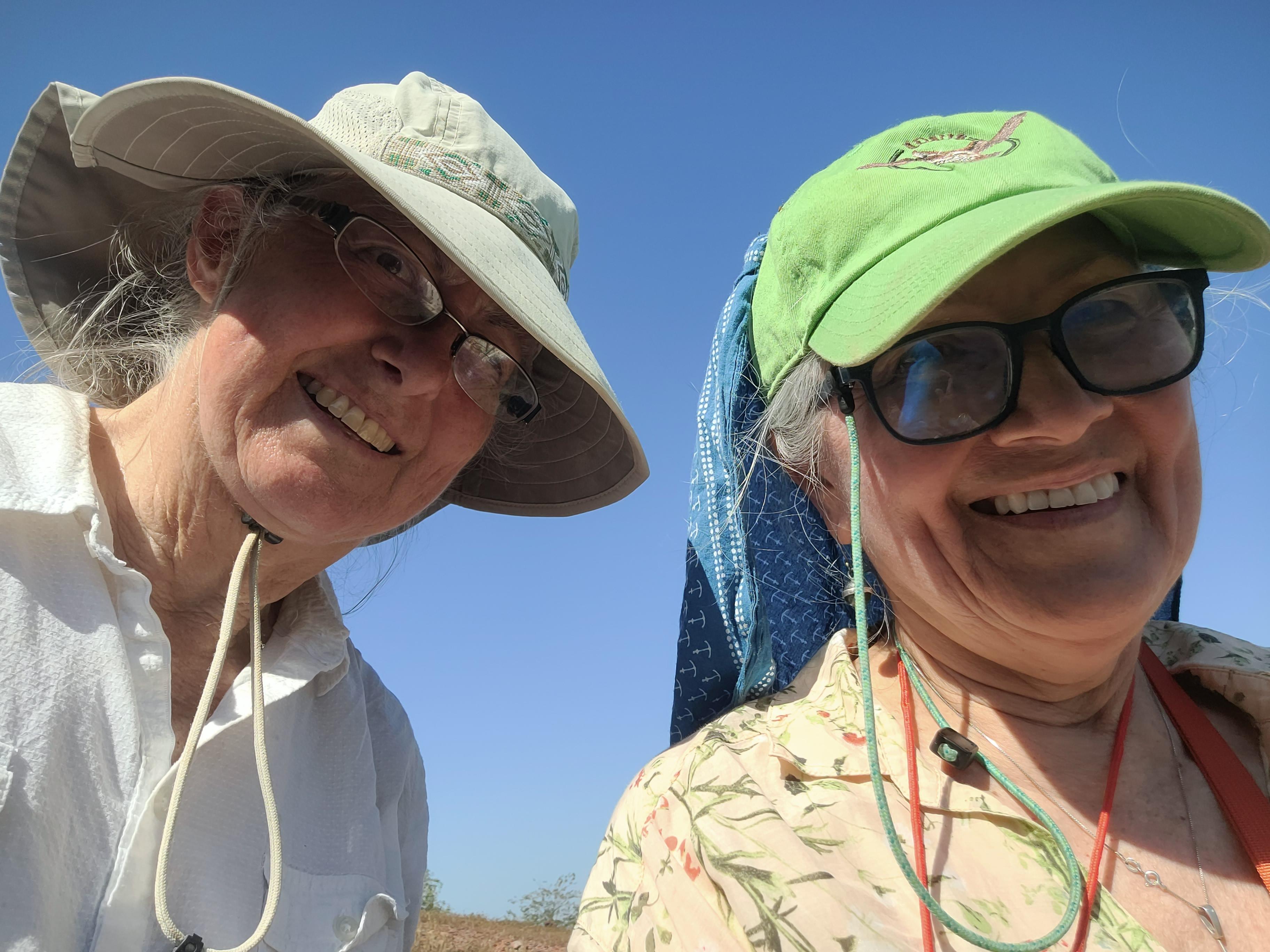
Read more: Mazon Monday #290: Danville Spoil Pile Trip Report for September 2025This is Mazon Monday post #290. What’s your favorite Mazon Creek fossil? Tell us at email:esconi.info@gmail.com. There was lots of fun on the field trip to the Danville Spoil Pile on Saturday, September 27th, 2025. The day was hot and dry with a clear sky and temperatures in the 80s… summer like weather in late September is always nice! Here are some photos from the pile: We had a “Show and Tell” at the end as many nice fossils were found:
-
‘Shockingly Beautiful’ Fossil Reveals Oldest Dome-Headed Dinosaur
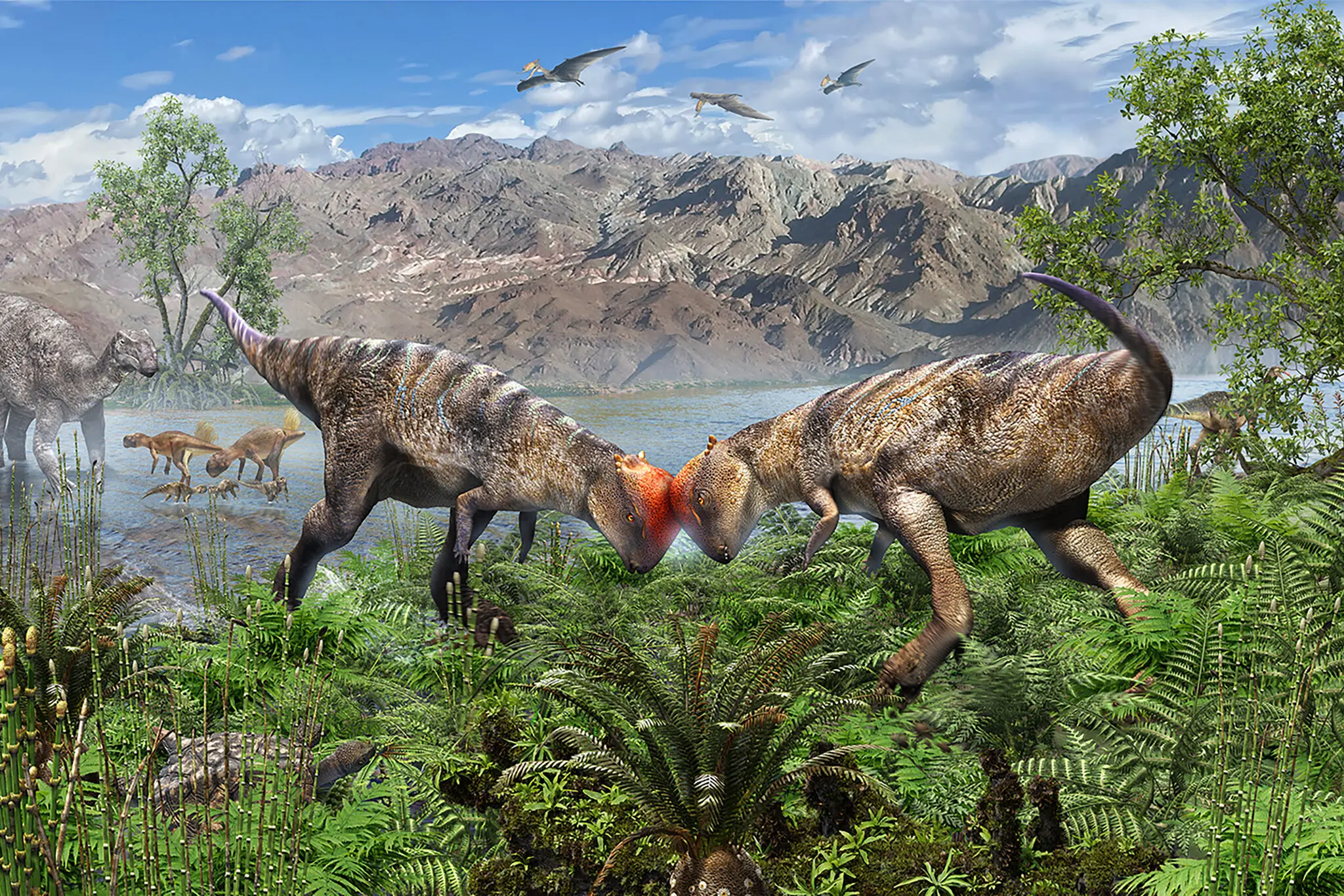
Read more: ‘Shockingly Beautiful’ Fossil Reveals Oldest Dome-Headed DinosaurThe New York Times has a fascinating look at beautiful pachycephalosaur specimen from Mongolia. The animal was recently described in a paper in the journal Nature. Zavacephale rinpoche was found in the Gobi Desert by Tsogtbaatar Chinzorig, a paleontologist at North Carolina State University. The name means “root” and “jewel” in Tibetan, which is a reference to the fossil’s age, 115 to 108 million years old, about 14 million years earlier than scientists had thought these dinosaurs first evolved their helmet-like heads. The specimen includes intact hands and arms… and a stomach full of gastroliths (stones). Pachycephalosaurs, often called pachys,…
-
‘Rare’ ancestor reveals how huge flightless birds made it to faraway lands
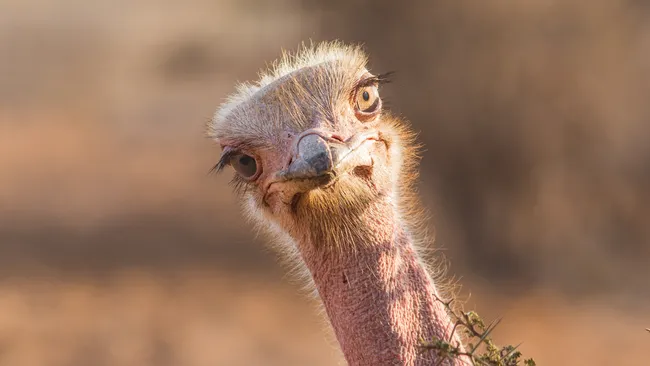
Read more: ‘Rare’ ancestor reveals how huge flightless birds made it to faraway landsLiveScience has a story that looks a paper about flightless birds and how they may have dispersed across multiple continents. The paper “Quantitative analysis of stem-palaeognath flight capabilities sheds light on ratite dispersal and flight loss” was published in the journal Biology Letters. Ostriches, emus, rheas and other large, flightless birds (paleognaths) are closely related, but how they ended up in widely separated places was not understood. One hypothesis was they spread out on the super continent of Pangaea. Unfortunately, Pangaea broke up some 195 million years ago, which disagreed with genetic studies that found the last common ancestor of…
-
Fossil Friday #285: Palaeoxyris lewisi
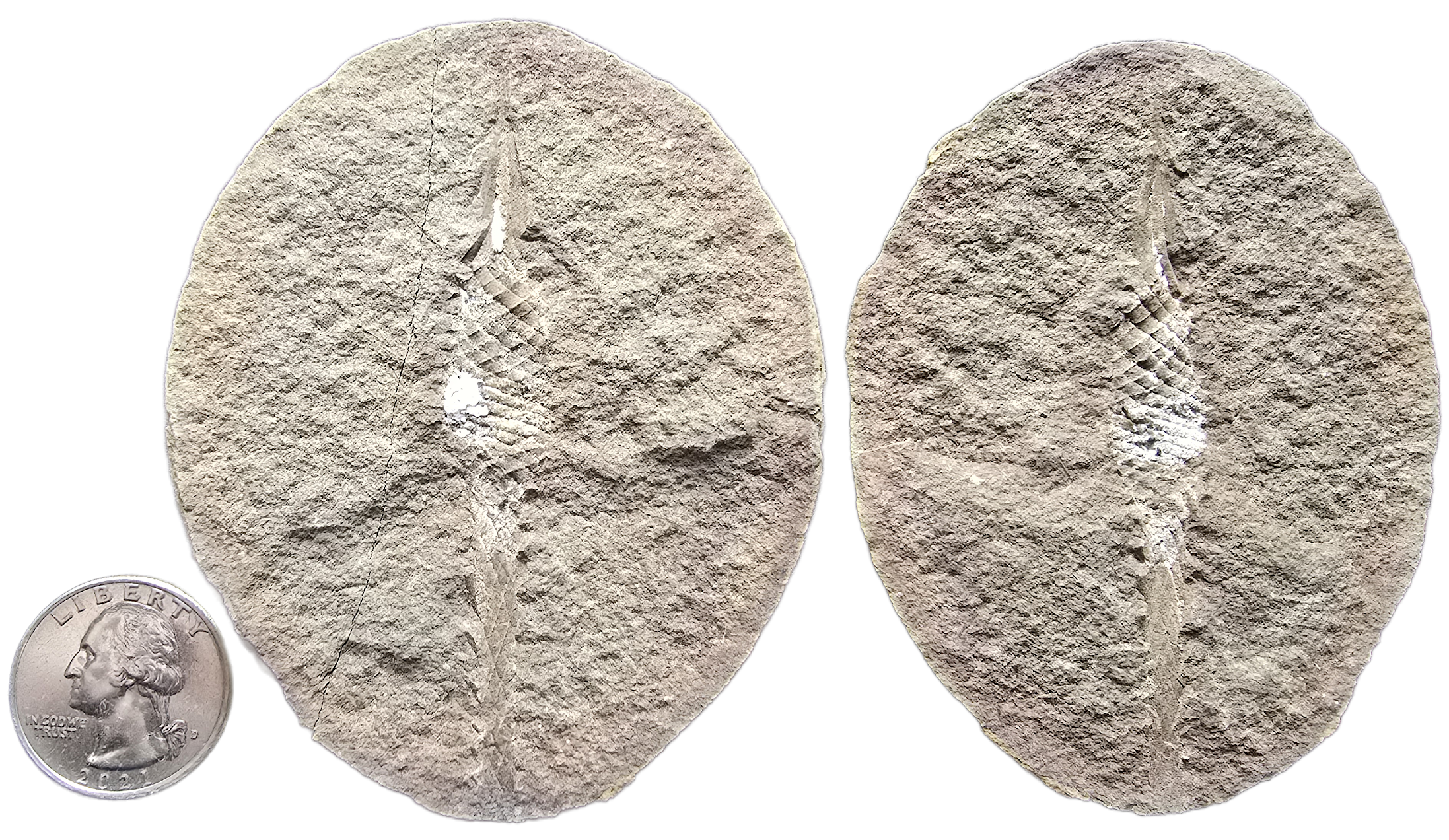
Read more: Fossil Friday #285: Palaeoxyris lewisiThis is the “Fossil Friday” post #285. Expect this to be a somewhat regular feature of the website. We will post any fossil pictures you send in to esconi.info@gmail.com. Please include a short description or story. Check the #FossilFriday Bluesky/Twitter hash tag for contributions from around the world! We have a beautiful Palaeoxyris lewisi shark egg case from Mazon Creek for this week’s Fossil Friday. These egg cases are believed to have been produced by hybodont sharks. P. lewisi was named by Jiri Zidek in 1976 in “A New Shark Egg Capsule from the Pennsylvanian of Oklahoma, and Remarks on the Chondrichthyan Egg Capsules”. Originally, Palaeoxyris…
-

Throwback Thursday #285: Looking Back at ESCONI For October 2025
Read more: Throwback Thursday #285: Looking Back at ESCONI For October 2025A look back at October 1955, 1975, and 2000
-
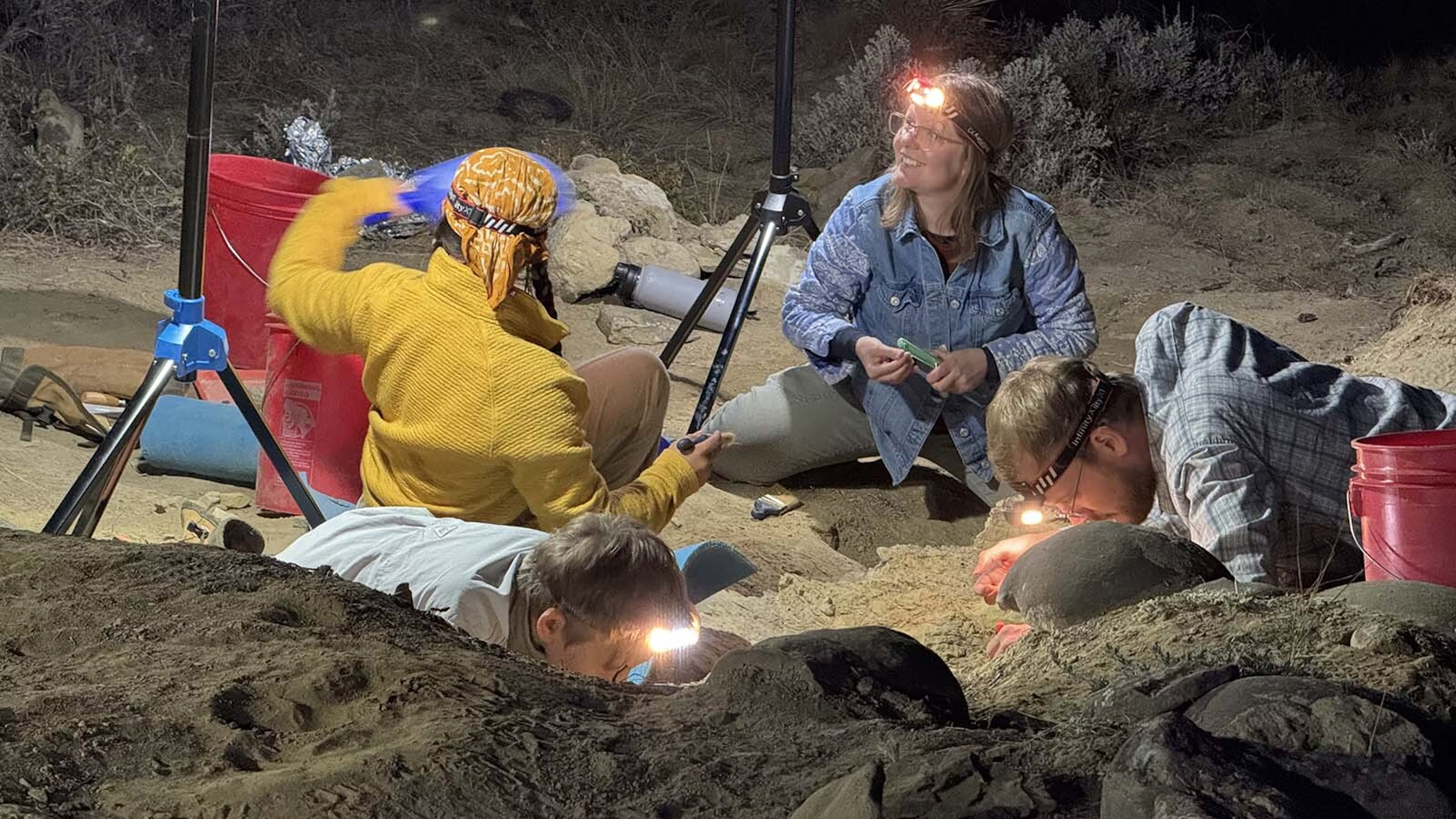
Digging Wyoming: People Flock To Glenrock To Dig for Dinosaurs In The Dark
Read more: Digging Wyoming: People Flock To Glenrock To Dig for Dinosaurs In The DarkWant to dig for dinosaurs? Well… there a place near Glenrock, Wyoming that might be perfect for a vacation next year! Cowboy State Daily has a nice article about it. A plethora of paleontological discoveries continues to shed light on the world of Converse County 67 million years ago. Most of that light is coming from everyday people, working day and night, fulfilling their lifelong dreams to dig for dinosaurs. The Triceratops Gulch Project has been collecting every scrap of fossil from the hills north of Glenrock for decades. Every gar scale, crocodile scute and stomach acid-etched dinosaur tooth is a…
-
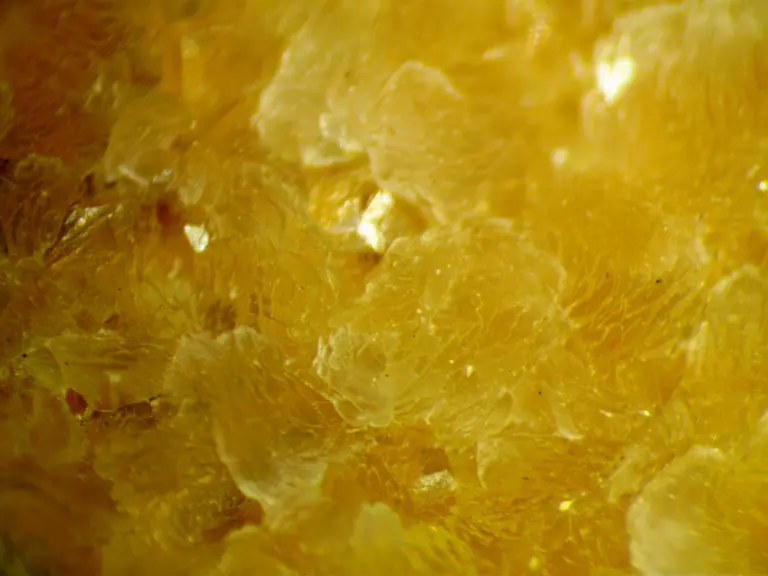
ESCONI October 2025 Mineral Study Group – October 4th, 2025 at 7:30 PM at the College of DuPage – “Calcite”
Read more: ESCONI October 2025 Mineral Study Group – October 4th, 2025 at 7:30 PM at the College of DuPage – “Calcite”The ESCONI Mineral Study Group will meet on Saturday October 4th, 2025 at 7:30 PM in TEC 1038B at College of DuPage in Glen Ellyn. See Directions and Map below. The program will be on “Calcite”, presented by Mike Litt and Dave Carlson. Calcite has the largest variety of forms of any mineral, and may be the most-collected mineral in the world. Join us as we talk about all things calcite, look at pictures of beautiful examples and examine many impressive specimens in person. If you have your own examples of calcite, please bring them in. See you there! If…
-

ESCONI Events for October 2025
Read more: ESCONI Events for October 2025Field trips require membership, but visitors are welcome at all meetings! Sat, Oct 4th Mineralogy Study Group Meeting – 7:30 at the College of DuPage Technical Education Center (TEC) Building – Room 1038B (Map) – “Calcite” Fri, Oct 10th General Meeting – 8:00 PM – via Zoom. Foreman Bandama of the Field Museum will be presenting “Great Zimbabwe among its peers: Exploring the height of ancient civilizations in southern Africa.” Sat, Oct 11th Mazon Creek Fossil Day at the Coal City Library. Sat, Oct 11th Scott Galloway will present a program “Rocking on the Computer”. Specifics of this meeting are available from Scott…
-
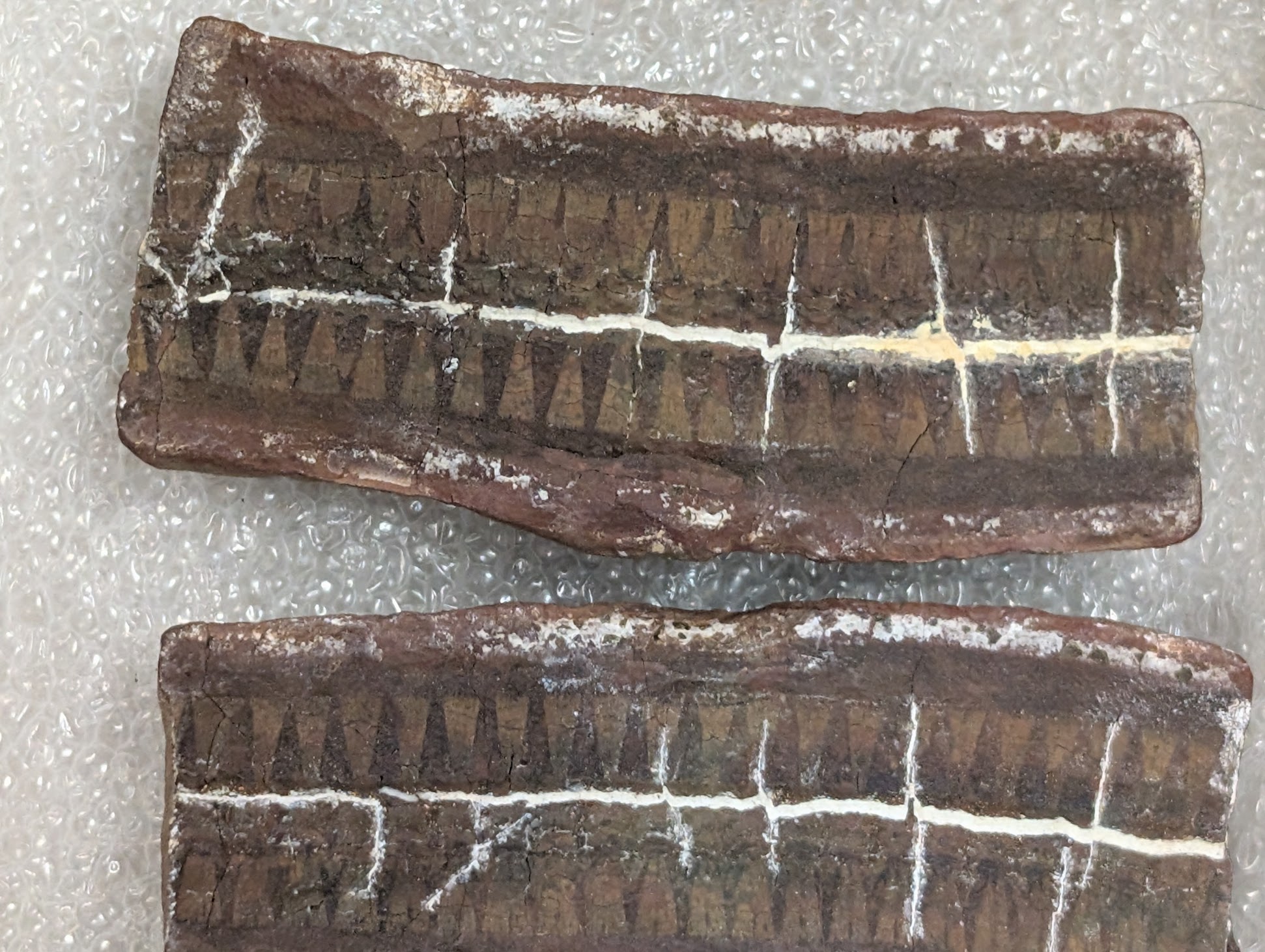
Mazon Monday #289: Ctenerpeton remex at Mazon Creek
Read more: Mazon Monday #289: Ctenerpeton remex at Mazon CreekThis is Mazon Monday post #289. What’s your favorite Mazon Creek fossil? Tell us at email:esconi.info@gmail.com. More exciting Mazon Creek research is out. Featured here is a short paper in the journal Vertebrate Anatomy Morphology Palaeontology (VAMP), which details the first occurrence of the urocordylid Ctenerpeton remex in the Mazon Creek fossil deposit! Arjan Mann, a curator of early fossil vertebrates at the Field Museum of Natural History, instigated the research when he found detailed notes and a partial description by John Bolt, his predecessor. Blue M. Byrnes, one of his summer 2025 interns, collaborated with Arjan to finish the research…
-
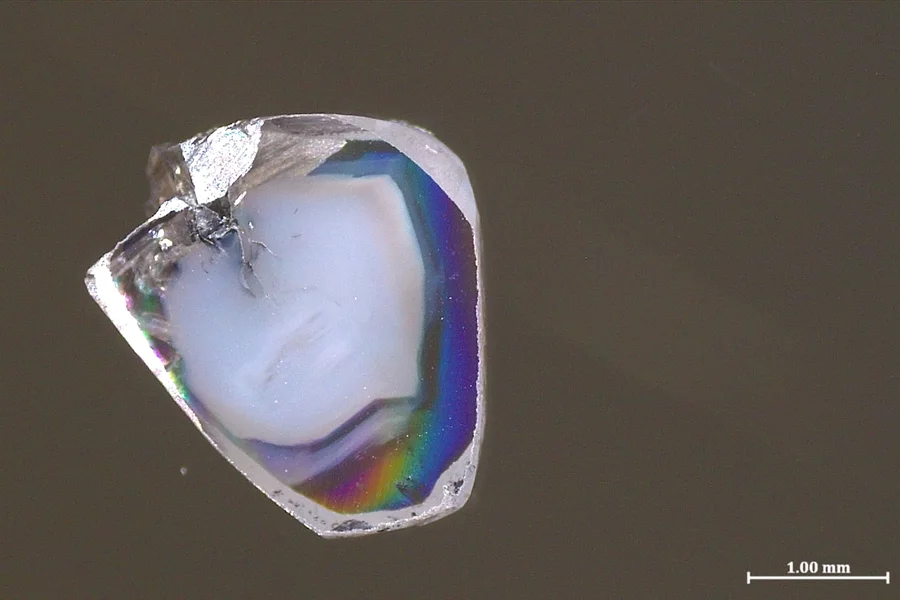
Deep-Earth Diamonds Reveal ‘Almost Impossible’ Chemistry
Read more: Deep-Earth Diamonds Reveal ‘Almost Impossible’ ChemistryScientific American has a story about the formation of diamonds. Inclusions are imperfections in gem stones. They are tiny bits of the surrounding rock when the gem or crystal forms. Inclusions in two diamond samples from South Africa are shedding light on how diamonds form deep in Earth’s mantle. The two new diamond samples each contain inclusions of carbonate minerals that are rich in oxygen atoms (a state known as oxidized) and oxygen-poor nickel alloys (a state known as reduced, in the parlance of chemistry). Much like how an acid and a base immediately react to form water and a…
-

PBS Eons: That Time Sharks Got Weird
Read more: PBS Eons: That Time Sharks Got WeirdPBS Eons has a new episode. This one is about the “Age of Sharks” or should it be the “Age of Weird Sharks”. Long before the rise of the great whites and hammerheads we know today, sharks and their cartilaginous relatives ruled Earth’s oceans and rivers in astonishing variety. It was the golden age of sharks. But why did sharks get so incredibly diverse and odd during this period, only to lose most of that diversity forever? Also, special thanks to Joschua Knüppe for providing those gorgeous faunal overviews of the Bear Gulch and Cleveland Shale formations! https://www.deviantart.com/hyrotrioskjan
-

Fossil Friday #284: Alethopteris lonchitica
Read more: Fossil Friday #284: Alethopteris lonchiticaThis is the “Fossil Friday” post #285. Expect this to be a somewhat regular feature of the website. We will post any fossil pictures you send in to esconi.info@gmail.com. Please include a short description or story. Check the #FossilFriday Bluesky/Twitter hash tag for contributions from around the world! We have a very special seed fern specimen for this weeks “Fossil Friday”. It’s and old Alethopteris serlii labeled as Alethopteris lonchitica. This specimen is special on three different levels… its name, its finder, and its preserved beautifully. First, the name Alethopteris lonchitica was used by George Langford in his 1958 book…
-

Throwback Thursday #284: Isabel Bassett Wasson… Trailblazer in Geology, Education, and Preservation
Read more: Throwback Thursday #284: Isabel Bassett Wasson… Trailblazer in Geology, Education, and PreservationIf you follow our Throwback Thursday “Looking Back At ESCONI” posts, you may have noticed the entry mentioning Isabel Bassett Wasson in the September 2025 post. … It left me wondering who was Isabel Bassett Wasson, what is the Trailside Museum in River Forest, IL., and Lake Chicago? We’ll tackle Lake Chicago in a later post, but here is the Trailside Museum.
-
How Did Hands Evolve? The Answer Is Behind You.
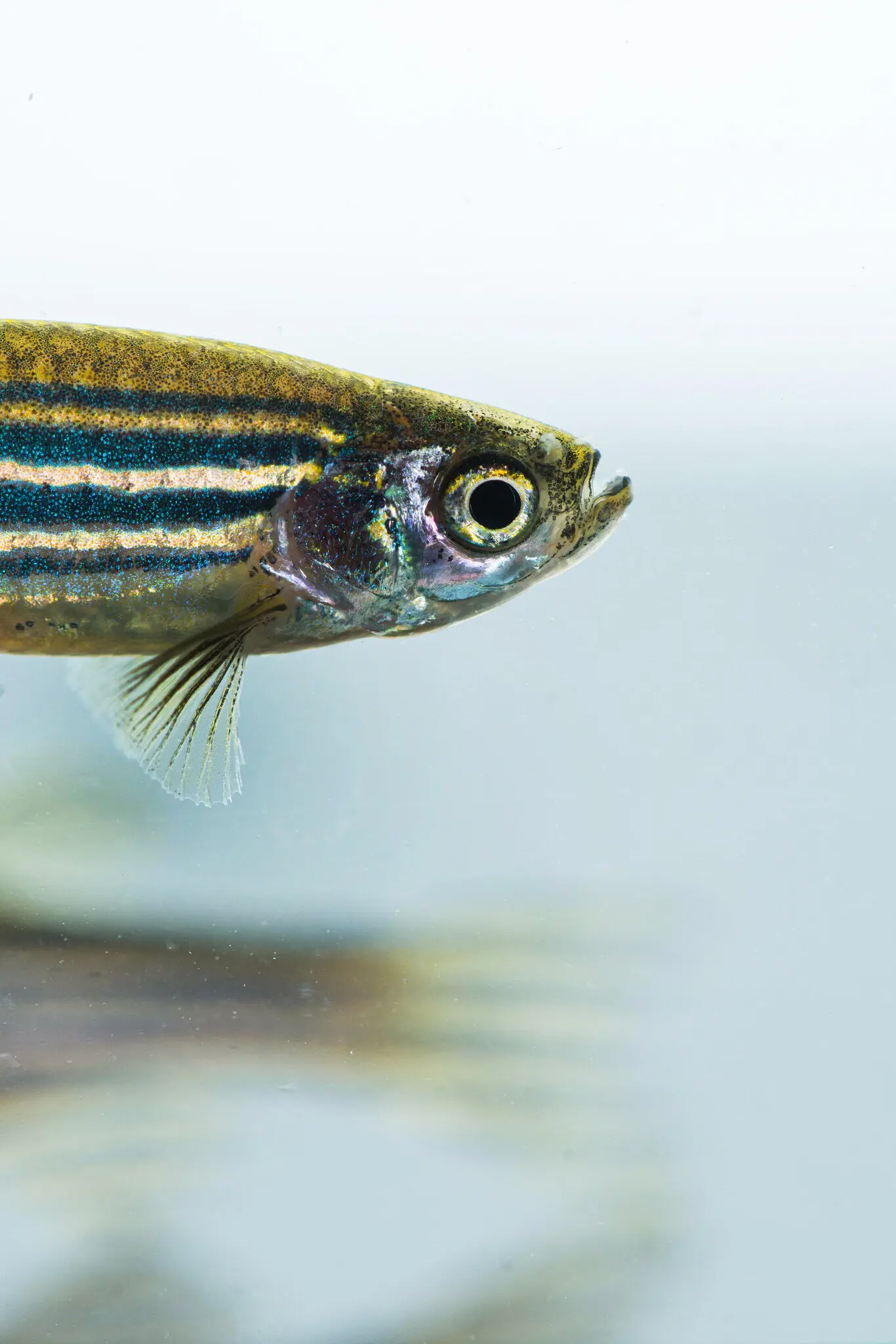
Read more: How Did Hands Evolve? The Answer Is Behind You.Carl Zimmer has an interesting post about the evolution of hands. It appears it all started about 360 million years ago… Now the precise DNA-editing technology known as CRISPR is letting scientists reconstruct this ancient evolutionary change in molecular detail. It turns out that hands and feet were not the products of new genes doing new things. Rather, through natural selection, pieces of old genetic recipes for ancient body parts were cobbled together into new combinations. “It’s much easier than if you had to build from scratch,” said Aurélie Hintermann, a postdoctoral researcher at the Stowers Institute for Medical Research, in Kansas…
-

ESCONI September 2025 Paleontology Meeting – “Show and Tell”
Read more: ESCONI September 2025 Paleontology Meeting – “Show and Tell”There were some very interesting things on display at the September 2025 Paleontology Meeting. The theme of the night was “Show and Tell”. We had over 20 attendees with everything from Mazon Creek to crinoids to nautiloids to a large model of a Velociraptor. John Catalani, Paleontology Study Group chairman, gave us a preview of his November presentation on Gonioceras. That’s going to be an interesting presentation. He also had a classic German paleontology journal. Tom Williams came a long way to show us some amazing crinoids and a very nice Gonioceras. I’m sorry I forgot to bring mine… Seth…
-

Mazon Monday #288: Callipteridium neuropteroides
Read more: Mazon Monday #288: Callipteridium neuropteroidesThis is Mazon Monday post #288. What’s your favorite Mazon Creek fossil? Tell us at email:esconi.info@gmail.com. Callipteridium neuropteroides is one of the rarer seed ferns (Pteridospermatophyta) found in the Mazon Creek fossil deposit. Although, it is much more common in the Herrin Coal flora, if the Danville locality is truly representative of that deposit. Callipteridium jongmansi is a European species that appears to be identical. C. neuropteroides was described by Leo Lesquereux in 1879-1880. Lesquereux (1806-1889) was a Swiss-born bryologist and a pioneer of American paleobotany. He inadvertently name the Mazon Creek fossil deposit in his 1870 report “Report on the…
-

PBS NOVA: Human Origins
Read more: PBS NOVA: Human OriginsPBS NOVA has a new 5 part series running on their website and Youtube. The first episode is called “Human Origins”. Check it out! Trace the remarkable origin story of Homo sapiens and the crucial moments that shaped our species. Official website: https://to.pbs.org/46djrws | #novapbs Where do we come from? To find out, journey back to a time when multiple human species walked the earth. Discover how radical fossil finds in Morocco rewrote the history of our origins – suggesting we did not have a single birthplace, but that modern Homo sapiens emerged from a mosaic of prehistoric, early human…
-

ESCONI September 2025 Paleontology Meeting – 2025-09-20 at 7:30 PM – “Show and Tell” at College of DuPage
Read more: ESCONI September 2025 Paleontology Meeting – 2025-09-20 at 7:30 PM – “Show and Tell” at College of DuPageFor the newcomers, the first meeting back from summer vacation has traditionally been called “Brag Night” or “Show and Tell”. Well… The ESCONI September 2025 Paleontology Meeting will be held on 2025-09-20 at 7:30 PM at the College of DuPage Technical Education Center (TEC) Building – Room 1038B (Map). The topic of the meeting is “Show and Tell”. So, bring out your fossils, but especially bring in some cephalopods!
-

Fossil Friday #283: Fossundecima konecniorum
Read more: Fossil Friday #283: Fossundecima konecniorumThis is the “Fossil Friday” post #283. Expect this to be a somewhat regular feature of the website. We will post any fossil pictures you send in to esconi.info@gmail.com. Please include a short description or story. Check the #FossilFriday Bluesky/Twitter hash tag for contributions from around the world! A nice predatory polychaete worm from Mazon Creek is this week’s Fossil Friday. Fossundecima konecniorum was known as the Simple Jaw Worm before its formal description by Ida Thompson in in 1979 in her famous paper “Errant polychaetes (Annelida) from the Pennsylvanian Essex fauna of northern Illinois. Palaeontographica Abteilung A Palaeozoologie-Stratigraphie“. That same paper established…
-

Throwback Thursday #283: The Strip Mines
Read more: Throwback Thursday #283: The Strip MinesThis poem first appeared in the September 1964 edition of the ESCONI newsletter. Written by Gene Falada, it was inspired by a field trip to the spoil piles near South Wilmington, Illinois, on August 8, 1964. His words capture an experience that still feels familiar today. ESCONI field trips continue to bring people together—you meet great friends, enjoy good company, and always have fun collecting. While Mazon Creek fossil hunting has become more challenging over the years as spoil piles grow over, the thrill of the hunt and the discovery of a new specimen along with sharing it with others…

ESCONI Gem, Mineral, and Fossil Show
Most Recent Post
- Fossil Friday #324: A Big Beautiful Acanthotelson stimpsoni
 It’s not exactly fireworks, but this week’s beautiful Acanthotelson stimpsoni will leave you speechless. A. stimpsoni is a syncarid shrimp and one of the most common shrimp found amongst the fauna of Mazon Creek. Syncarida is a superorder of crustaceans. It consists of two extant orders Anaaspidacea and Bathynellacea, and one extinct order Paleocaridacea, to which Acanthotelson belongs.
- About ESCONI
- Around the Web
- Calendar of Events
- Code of Ethics and Conduct
- ESCONI Books for Sale
- ESCONI Gem, Mineral, and Fossil Show
- ESCONI in the News
- ESCONI Videos
- Field Trips
- Flashback Friday
- Fossil Friday
- Mazon Creek
- Mazon Monday
- Member Spotlight
- Membership Information
- Reference Material
- Throwback Thursday
- Trilobite Tuesday
Field trips require membership, but visitors are welcome at all meetings!
| Friday, June 12th | General Meeting – 8:00 PM via Zoom. Adrienne Stroup of The Field Museum will present “At the Intersection of Art and Science: Outreach in Natural History Museums”. |
| Saturday, June 20th | Paleontology Study Group – 7:30 PM via Zoom. Lincoln Shoemaker will present “Factors controlling the distribution of Late Ordovician – Silurian crinoids.” |
| No meeting this month | Junior Study Group Meeting |
| No meeting this month | Mineralogy Study Group |