
-
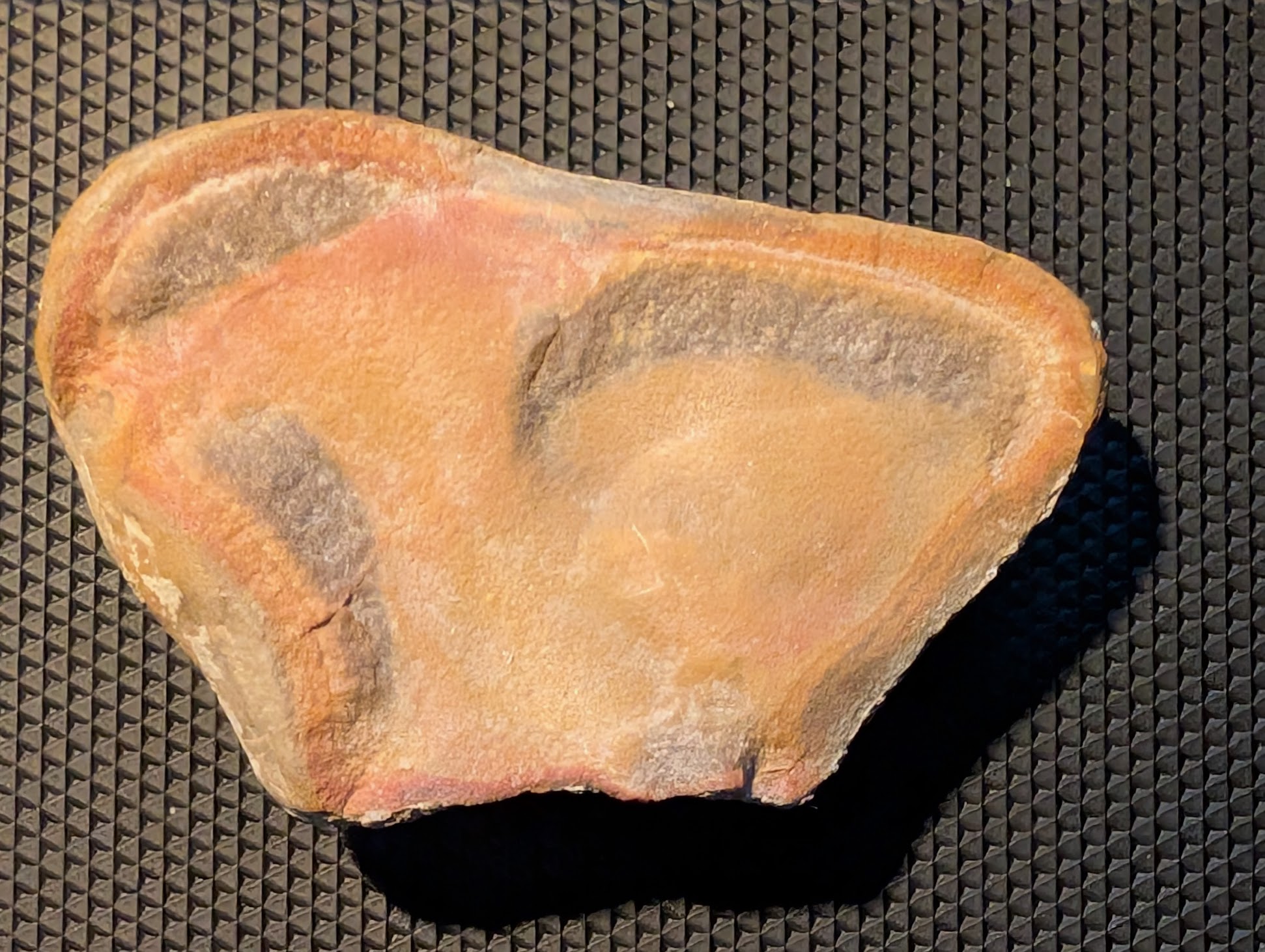
Mazon Monday #285: Etacystis communis
Read more: Mazon Monday #285: Etacystis communisThis is Mazon Monday post #285. What’s your favorite Mazon Creek fossil? Tell us at email:esconi.info@gmail.com. One of the more problematic animals from Mazon Creek is Etacystis communis, known as the Aitch or “H” animal by amateur collectors. It was described by Matthew Nitecki and Frederick Schram in “Etacystis communis, a fossil of uncertain affinities from the Mazon Creek fauna (Pennsylvanian of Illinois)”, which was published in the Journal of Paleontology. The authors did not assign it to a phylum. Researchers have suggested a hemichordate or hydrozoan affinity, however the animal is missing a stomochord. E. communis, a soft-bodied animal, is only known from…
-

Paleontologist Discovers First Known Silurian Horseshoe Crab
Read more: Paleontologist Discovers First Known Silurian Horseshoe CrabSciNews has an article about the discovery of a horseshoe crab fossil in the Silurian. Horseshoe crabs are known from the late Ordovician, but there was a gap of 80 million years from the Devonian. This animal, Ciurcalimulus discobolus, lived about 424 million years ago. It was collected by Samuel J. Ciurca in 1975 from the Kokomo Member of the Wabash Formation in Indiana. The fossil was described by Dr. James Lamdell in “The first Silurian horseshoe crab reveals details of the xiphosuran ground plan”, which was published in the journal Proceedings of the Royal Society B. In 2020, Mr. Lamdell did a presentation for ESCONI about the…
-

Field Museum: After the Age of Dinosaurs
Read more: Field Museum: After the Age of DinosaursThe Field Museum has a new exhibit that looks at the time after the non-avian dinosaurs went extinct during the K-Pg Event about 66 million years ago. How did the world recover? And, how long did it take? Chicago-based illustrator Jay Ryan created original artwork for the Field Museum’s “After the Age of Dinosaurs” exhibition.
-

ESCONI Field Trip to Danville Shale Pile Fossils – Saturday, September 27th, 2025
Read more: ESCONI Field Trip to Danville Shale Pile Fossils – Saturday, September 27th, 2025Danville Field Trip Rules for Saturday, September 27th, 2025 An ESCONI field trip to the Danville IL Shale Pile for Pennsylvanian fossils is scheduled for Saturday September 27, 2025 starting at 10 AM. This is on private property and there is an attendance limit of 25 people. The gate will be secured once we are in and locked when we leave. Plan on being off the hill at 3 PM to give time for specimen identification and pictures. You must register to go on this trip. See rule 6 below for instructions. This is the only way to register. If you are…
-
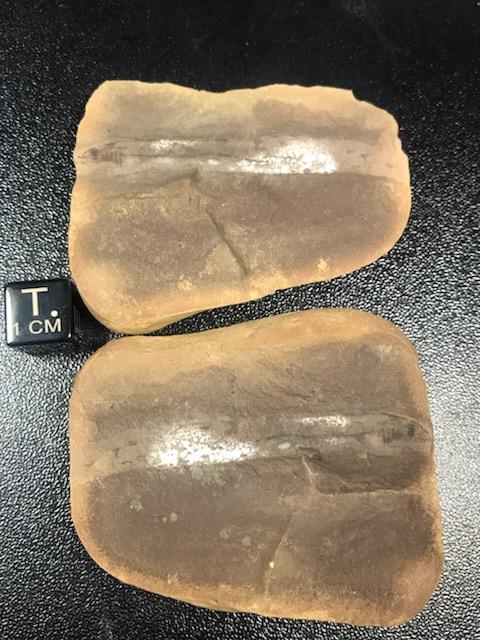
Fossil Friday #280: Mayomyzon pieckoensis
Read more: Fossil Friday #280: Mayomyzon pieckoensisThis is the “Fossil Friday” post #280. Expect this to be a somewhat regular feature of the website. We will post any fossil pictures you send in to esconi.info@gmail.com. Please include a short description or story. Check the #FossilFriday Bluesky/Twitter hash tag for contributions from around the world! Mayomyzon pieckoensis is an extinct species of lamprey found only in the Mazon Creek fossil biota. It was described in “First Fossil Lamprey: A Record from the Pennsylvanian of Illinois” by David Bardack and Rainer Zangerl. That paper was published in the jornal Science in 1968. M. pieckoensis was named for Ted and Helen Piecko. Helen…
-

Throwback Thursday #280: Braceville Trip 05/16/2009
Read more: Throwback Thursday #280: Braceville Trip 05/16/2009Here’s a great report from Andrew Young of the Braceville Field Trip on May 16th, 2009. Notice that the spoil pile is much bigger!
-
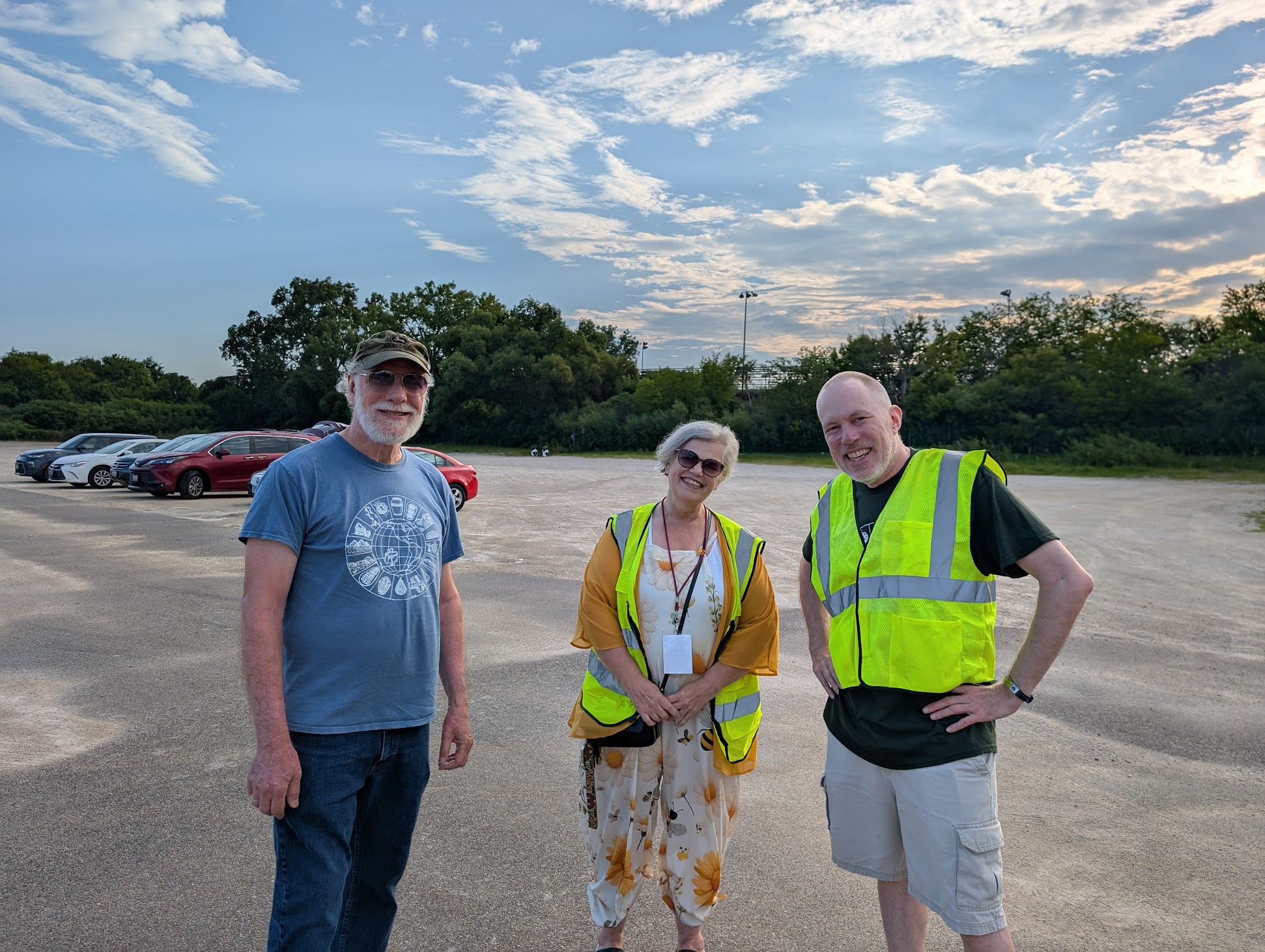
2025 ESCONI Rock, Mineral, and Fossil Swap Report
Read more: 2025 ESCONI Rock, Mineral, and Fossil Swap ReportWell, the 2025 ESCONI Rock, Mineral, and Fossil Swap is in the books. It was a huge success. This is the first time we have held this type event. Except for a little rain before setup, the weather was absolutely perfect… upper 70’s and partly cloudy. There were 19 swappers/sellers… all were selling something. We probably had a few hundred visitors thoughout the day. Plenty of nice rocks, beautiful minerals, interesting trilobites, and… of course… Mazon Creek fossils were available. Here are some photos from the event. Setup… The ESCONI Tables… Lots of smiling faces… Swapping… What do you have…
-
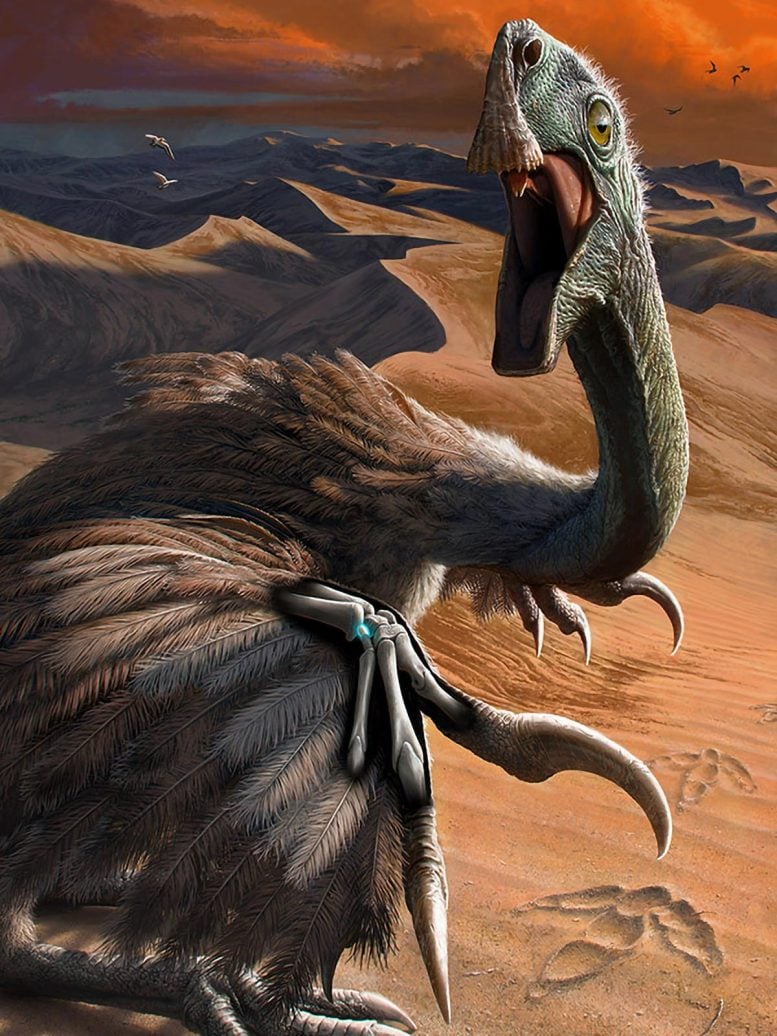
This Tiny Dinosaur Wrist Bone Could Rewrite the Origins of Flight
Read more: This Tiny Dinosaur Wrist Bone Could Rewrite the Origins of FlightSciTechDaily has a story that highlights a new dinosaur discovery that might rewrite the evolution of flight. New research by a team led by James Napoli, from the Department of Anatomical Sciences in the Renaissance School of Medicine at Stony Brook University, found that some theropod dinosaurs had a bird-like carpal bone, or pisiform. The existance of this write bone might shift views on how flight evolved. The research was published in the journal Nature. For a long time, scientists were uncertain about the identity of a particular carpal bone in the bird wrist, until it was confirmed to be the…
-
Mazon Monday #284: Mayomyzon pieckoensis
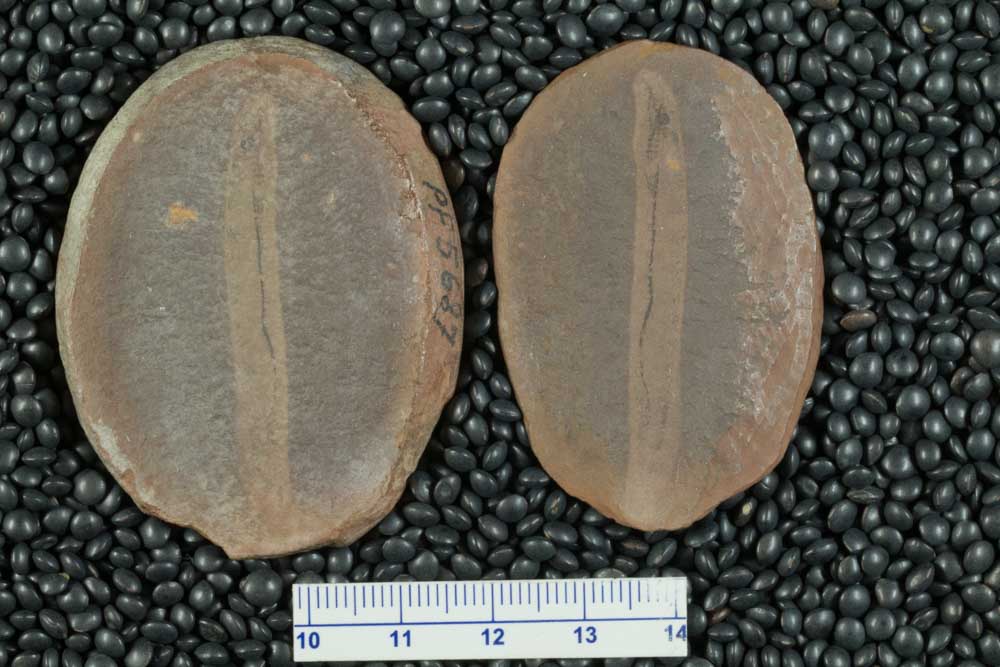
Read more: Mazon Monday #284: Mayomyzon pieckoensisMayomyzon pieckoensis is an extinct species of lamprey found in the Mazon Creek fossil biota. Pipiscius zangerli (see Mazon Monday #253) is also a lamprey from Mazon Creek. Lampreys are a group of jawless fish known for its funnel-like sucking mouth. There are about 38 modern species with maybe 7 extinct species currently classified. Genetic evidence suggests that lampreys are related to hagfish, another group of modern (and fossil) jawless fish. The earliest known lampreys date to the Late Devonian of South Africa about 360 million years ago.
-

Fossil Exhibit Transports Visitors To Prehistoric Will County
Read more: Fossil Exhibit Transports Visitors To Prehistoric Will CountyThe Isle a la Cache Museum in Romeoville, IL has a new exhibit “Souvenirs From the Silurian Sea: Fossils of Will County” opening on Wednesday, September 3rd, 2025. It’s a free exhibit that runs through November 30th, 2025. The museum is open Wednesday through Sunday from 10 AM to 4 PM. WJOL has a nice announcement. “This is a rare opportunity to see prehistoric life up close, not just in textbooks, but through real fossils found right here in Will County,” said Jen Guest, facility supervisor at Isle a la Cache. “It’s a surprising adventure for all ages.” Visitors will…
-

From Warehouse to Stardom!
Read more: From Warehouse to Stardom!From Warehouse to Stardom!by Katherine Howard and Jim BiglerMany years ago, Rusty Grenier, a member of ESCONI, built a Styracosaurus sculpture with his father. After his father died, Rusty donated the sculpture to ESCONI. It was stored at the ESCONI warehouse with care…its future undecided. In March 2025, Katherine Howard and Jim Bigler, both beaming with excitement, made the announcement…a forever home had been found for the amazing dinosaur sculpture…at the Ranch View Elementary School. Over the summer break, the sculpture was stored while a new addition was added to the school. On the first day of school, the students…
-
Fossil Friday #279: Meringosoma sp. from the Solnhofen
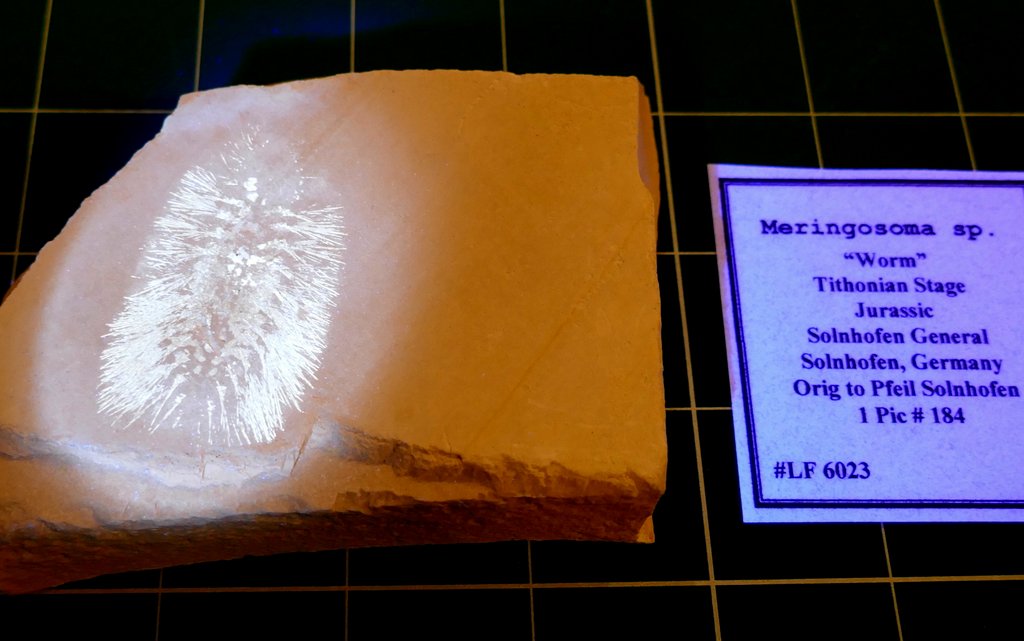
Read more: Fossil Friday #279: Meringosoma sp. from the SolnhofenThis is the “Fossil Friday” post #279. Expect this to be a somewhat regular feature of the website. We will post any fossil pictures you send in to esconi.info@gmail.com. Please include a short description or story. Check the #FossilFriday Twitter hash tag for contributions from around the world! This week’s featured fossil is a stunning polychaete worm — Meringosoma sp. It was collected from the renowned Solnhofen limestone in Bavaria, Germany. Dating to the Jurassic Period, around 155 million years ago, the Solnhofen formation represents a warm, shallow sea dotted with islands. The fossil assemblage from this site is remarkably…
-

Throwback Thursday #279: Vacation Conversation from 1951
Read more: Throwback Thursday #279: Vacation Conversation from 1951Back in the 1950s and 1960s, the fall “Brag-Night” turned into the fall auction. The auction was used by folks to sell off extra material collected during summer vacations. Here is a “Brag-Night” drawing from September 1967. The “Brag-Night” for 2025 (renamed to “Show and Tell” is at 7:30 PM on September 20th, 2025 at the College of DuPage.
-
‘Most remarkable’ fossil of Jurassic sea monster from Germany is previously unknown species
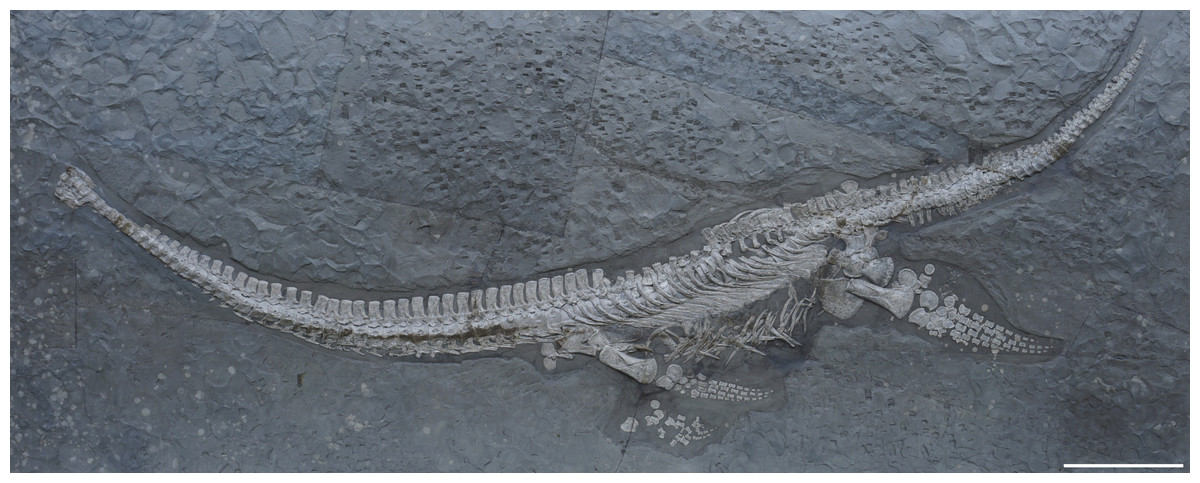
Read more: ‘Most remarkable’ fossil of Jurassic sea monster from Germany is previously unknown speciesLiveScience has a story about a new species of plesiosaur. Plesionectes longicollum, which means to “long-necked near-swimmer”, lived during the early Toarcian age (183 million to 174 million years ago), which is the early Jurassic. The fossil specimen measures about 10 feet long and was found in 1978 from a quarry in Germany, part of the Posidonia Shale formation, known for its “exquisitely preserved fossils.” Details were published in the journal PeerJ. “This specimen has been in collections for decades, but previous studies never fully explored its distinctive anatomy,” study lead author Sven Sachs, a vertebrate paleontologist at the Natural History…
-

Fossil Shows a Sharp-Toothed Mammal That Thrived Among Dinosaurs
Read more: Fossil Shows a Sharp-Toothed Mammal That Thrived Among DinosaursThe New York Times’ Trilobites column has a piece about the discovery of a new mammal from the late Jurassic of England. It’s called Novaculadon mirabilis, from novacula, the Latin word for razor for its sharp teeth. The animal was about the size of a mouse and lived about 145 million years ago around what is now Dorset, England. At that time, Dorset was beach front property as it is today. You can find more details in the paper “A new multituberculate (Mammalia, Allotheria) from the Lulworth Formation (Cretaceous, Berriasian) of Dorset, England”, which was published in the Proceedings of the…
-
Mazon Monday #283: Mazon Creek bromalites evidence a specialized, xiphosurid-rich diet for Pennsylvanian predators
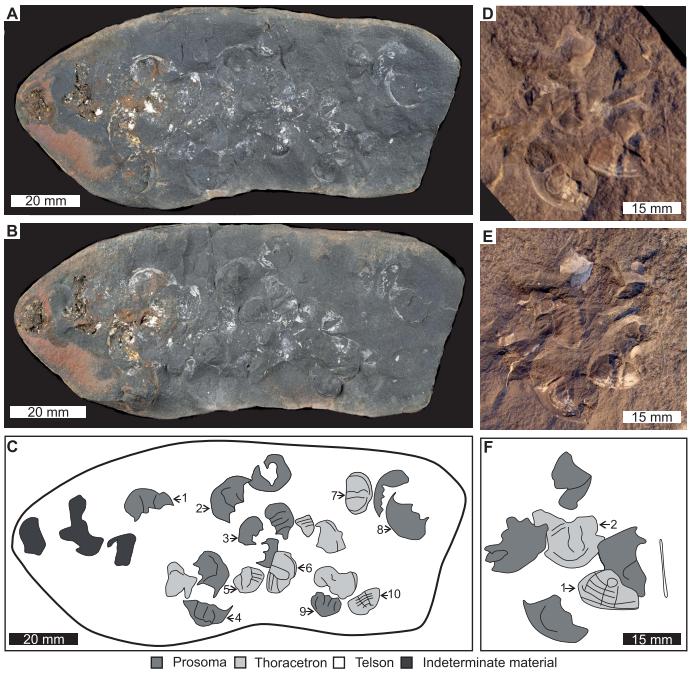
Read more: Mazon Monday #283: Mazon Creek bromalites evidence a specialized, xiphosurid-rich diet for Pennsylvanian predatorsThis is Mazon Monday post #283. What’s your favorite Mazon Creek fossil? Tell us at email:esconi.info@gmail.com. Another week, another new Mazon Creek paper,.. “Mazon Creek bromalites evidence a specialized, xiphosurid-rich diet for Pennsylvanian predators” was published in the journal Palaios. It was authored by Russell Bicknell, Julien Kimming, Andew Young, Bruce Lauer, Rene’ Lauer, and Victoria McCoy. Those are some familiar names for anyone that follows Mazon Creek. The paper takes a close look at some unusual Mazon Creek fossils, called bromalites. If you’re not familiar with the term, bromalites are fossils of stomach or intestinal contents. These can be…
-
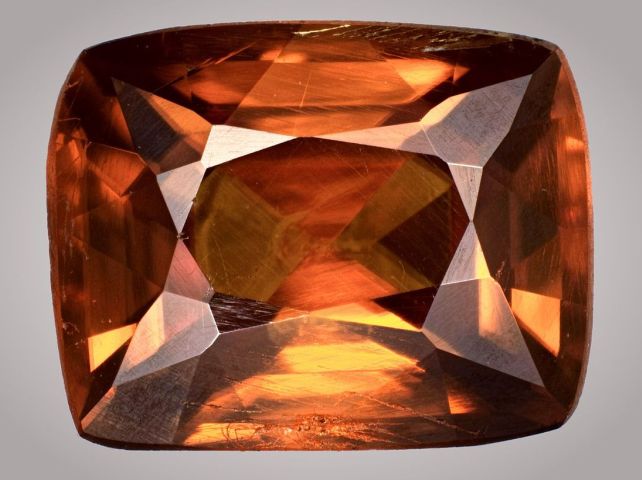
The World’s Rarest Mineral Is So Rare It’s Only Ever Been Found Once
Read more: The World’s Rarest Mineral Is So Rare It’s Only Ever Been Found OnceScience Alert has a story about the world’s rarest mineral. Kyawthuite is so rare there is only one known specimen. It was purchased at a market in Chaung-gyi in Myanmar by gemologist Kyaw Thu, who thought the raw gem was a mineral called scheelite. After cutting it, Kyaw realized it was something different. Unable to match the mineral with anything known, he sent it to the Gemological Institute of America (GIA) Laboratory in Bangkok, Thailand. There, mineralogists were able to relate the stone to synthetic BiSbO4 – bismuth antimonate – though with the formula Bi3+Sb5+O4, an arrangement never before found in nature.…
-

Lizzadro Museum “Exploring Gemstones: An Introduction to Gemology” Saturday August 16
Read more: Lizzadro Museum “Exploring Gemstones: An Introduction to Gemology” Saturday August 16Today at the Lizzadro Gemstones have dazzled humanity for centuries, symbolizing wealth, status, and personal expression. But what gives them their allure? Discover the science of gemology – the scientific journey into origins, properties, and mysteries of these natural treasures. Join Dr. Cigdem Lule for an introduction to the tools, techniques, and scientific scope of gemology. With strong interest, a series of in-depth workshops will be offered this winter, providing participants with practical experience using professional gemological equipment. 1:00 p.m. – 90-minutes – Students and AdultsRegular Museum Admission – Museum Members FreeReservations Recommended – Register at here
-
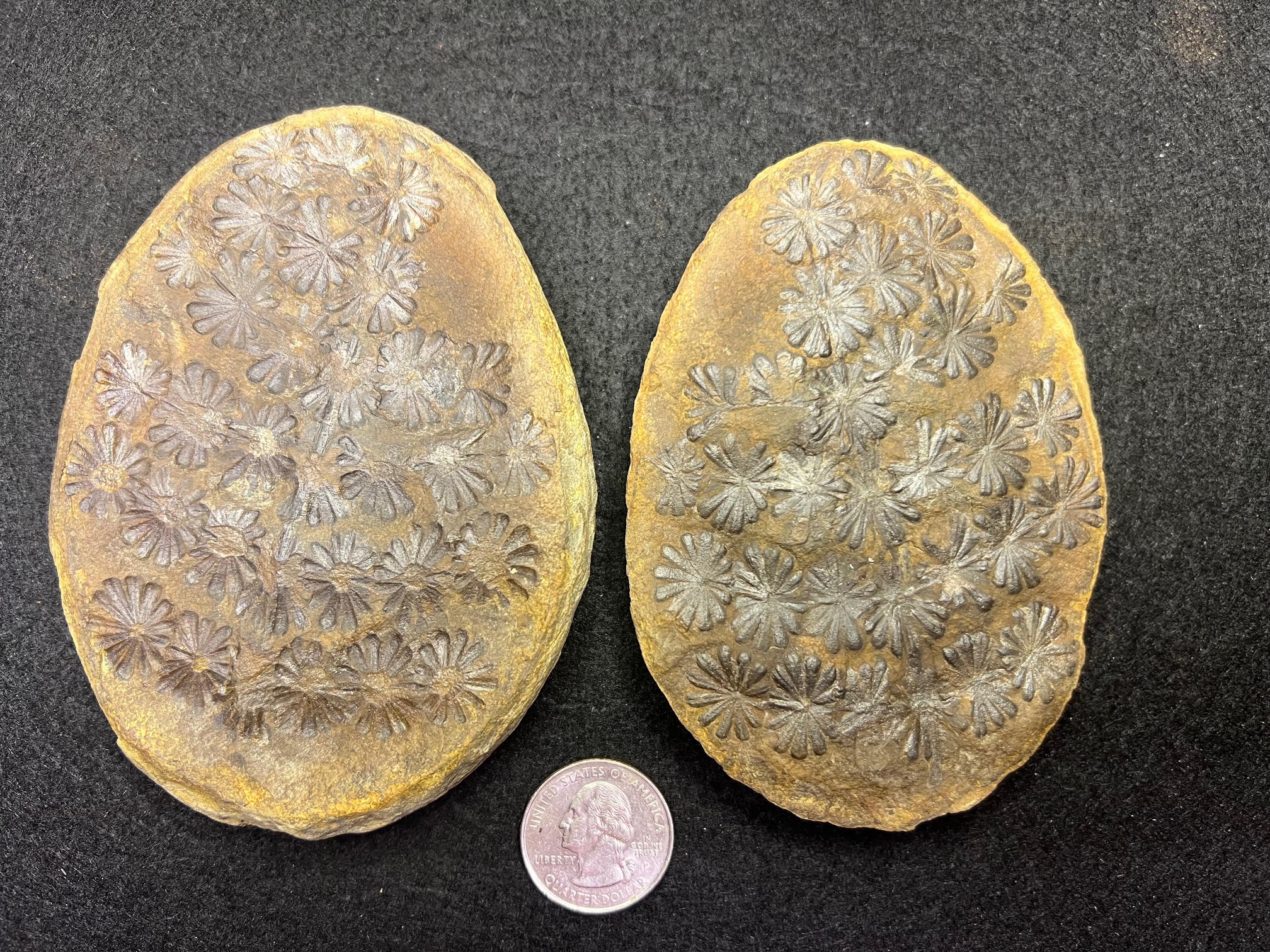
Fossil Friday #278: Annularia sphenophylloides
Read more: Fossil Friday #278: Annularia sphenophylloidesToday, we have another beautiful contribution from Jim Alann. This one is an absolutely radiant Annularia sphenophylloides. This specimen was collected by Clay Davis, who was an old timer that had a great eye for finding the some of the best fossils. Thanks for sharing, Jim!
-
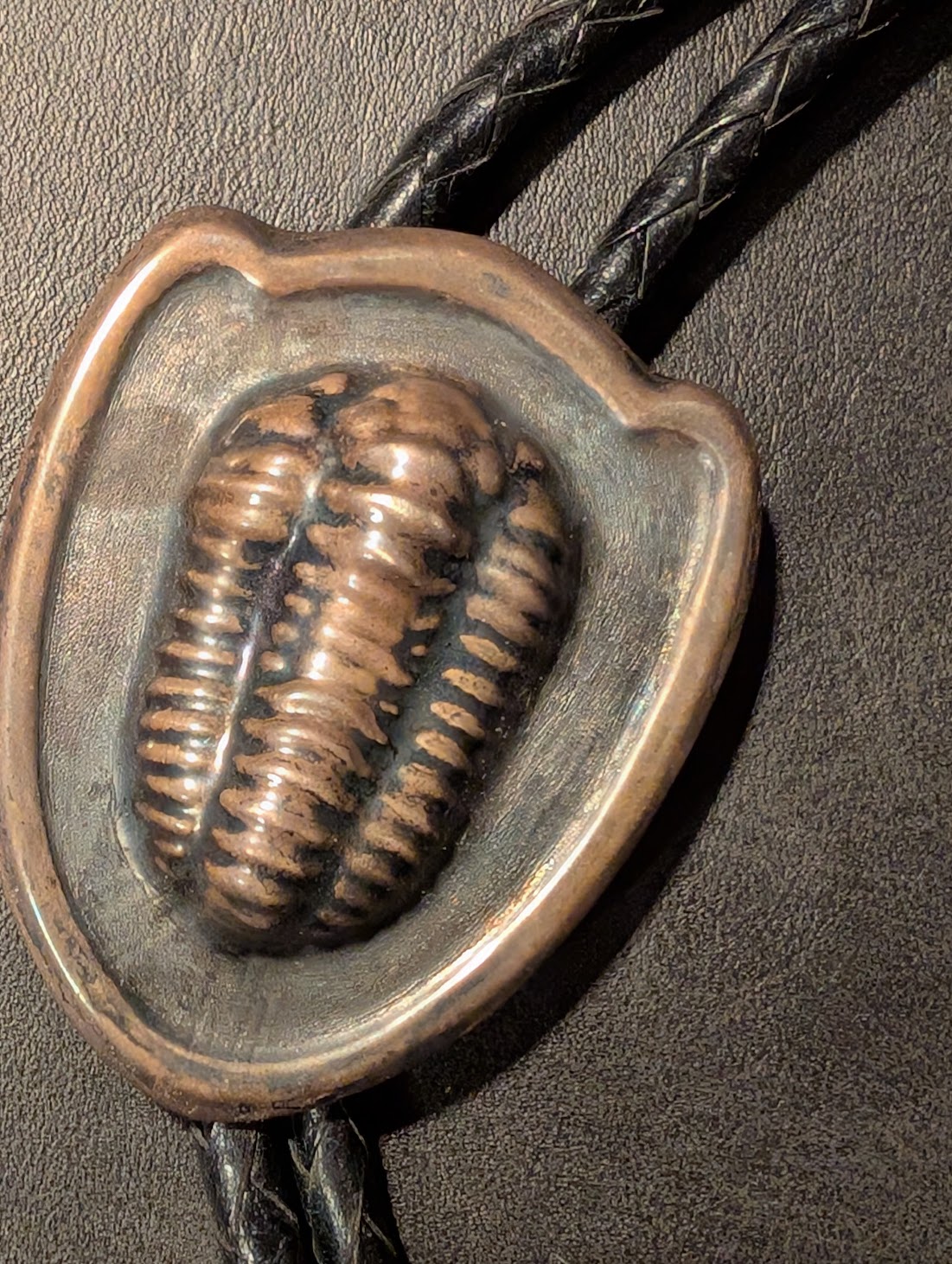
Throwback Thursday #278: Silver Tullies and Trilobites
Read more: Throwback Thursday #278: Silver Tullies and TrilobitesESCONI was more active in lapidary in the past. Until the early 2010s, there was a Lapidary Study Group. Sheila Bergmann was the study group chairman for many years. The pieces shown below are silver castings and silver plated from the Dave and Sheila Bergmann collection. There’s a few calymene trilobites and various tully monsters. The bola tie worn by the ESCONI president features a large trilobite on the clasp and a trilobite and a tully monster at the end of the tips.

ESCONI Gem, Mineral, and Fossil Show
Most Recent Post
- Happy 4th of July… the 250th Edition!
 What better way to celebrate the 4th of July than with some beautiful Annularia fossils?!? We have a variety of species here, so sit back and enjoy the fireworks!
- About ESCONI
- Around the Web
- Calendar of Events
- Code of Ethics and Conduct
- ESCONI Books for Sale
- ESCONI Gem, Mineral, and Fossil Show
- ESCONI in the News
- ESCONI Videos
- Field Trips
- Flashback Friday
- Fossil Friday
- Mazon Creek
- Mazon Monday
- Member Spotlight
- Membership Information
- Reference Material
- Throwback Thursday
- Trilobite Tuesday
Field trips require membership, but visitors are welcome at all meetings!
| Friday, June 12th | General Meeting – 8:00 PM via Zoom. Adrienne Stroup of The Field Museum will present “At the Intersection of Art and Science: Outreach in Natural History Museums”. |
| Saturday, June 20th | Paleontology Study Group – 7:30 PM via Zoom. Lincoln Shoemaker will present “Factors controlling the distribution of Late Ordovician – Silurian crinoids.” |
| No meeting this month | Junior Study Group Meeting |
| No meeting this month | Mineralogy Study Group |