Tag: MazonMonday
-
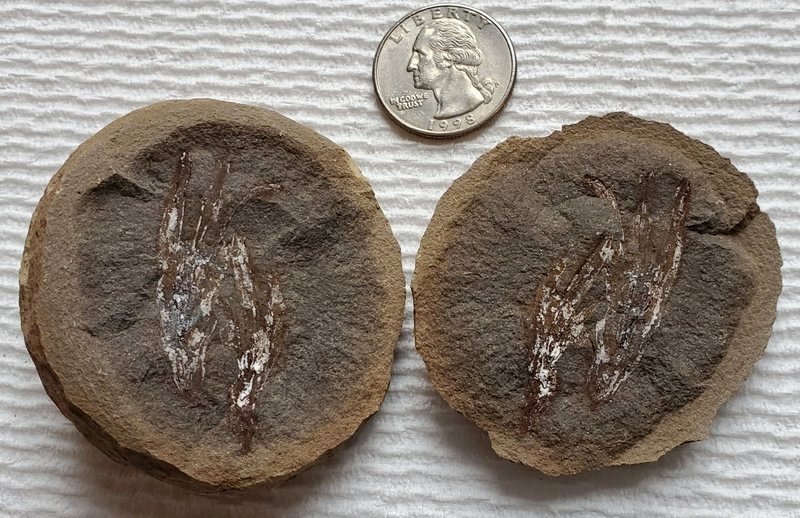
Mazon Monday #114: Codonotheca caduca
This is Mazon Monday post #114. What’s your favorite Mazon Creek fossil? Tell us at email:esconi.info@gmail.com. —————————————————– Codonotheca caduca was named by Elias Howard Sellards (1875 – 1961). He was a paleontologist, geologist, and anthropologist. The Texas State Historical Association has a nice summary of his career, which spanned almost 60 years. SELLARDS, ELIAS HOWARD (1875–1961).Elias…
-

Mazon Monday #113: Spring 2022 Braceville Field Trip Report
This is Mazon Monday post #113. What’s your favorite Mazon Creek fossil? Tell us at email:esconi.info@gmail.com. —————————————————– Braceville Field Trip (Mazon Creek) May 14th and 15th by Keith Robitschek This spring’s field trip to the Braceville spoil pile started on Saturday with a warm cloudy day with a chance of rain. We had about five…
-

Mazon Monday #112: Concretion Shape from 1952
This is Mazon Monday post #112. What’s your favorite Mazon Creek fossil? Tell us at email:esconi.info@gmail.com. Lately, we’ve been getting a bunch of questions about concretion shape, probably due to the Braceville field trip this past weekend. It’s an age old question that repeats again and again. Back in March 1952, Stevens T. Norvell, a…
-

Mazon Monday #111: Leaves and Stems with a George Langford Inscription
This is Mazon Monday post #111. What’s your favorite Mazon Creek fossil? Tell us at email:esconi.info@gmail.com. Back in Mazon Monday #51, we looked at the book “Leaves and Stems” by Raymond E. Janssen. From the time it was published in 1939 by the Illinois State Museum until George Langford’s first book was published by Esconi…
-

Mazon Monday #110: Trip Report: Danville Shale Pile April 23rd, 2022
This is Mazon Monday post #110. What’s your favorite Mazon Creek fossil? Tell us at email:esconi.info@gmail.com. Back on April 23rd, 2022, ESCONI held our 4th field trip to a shale pile just outside of Danville, IL. The trip was a huge success, although a little hot at nearly 87 degrees. We were honored by the…
-
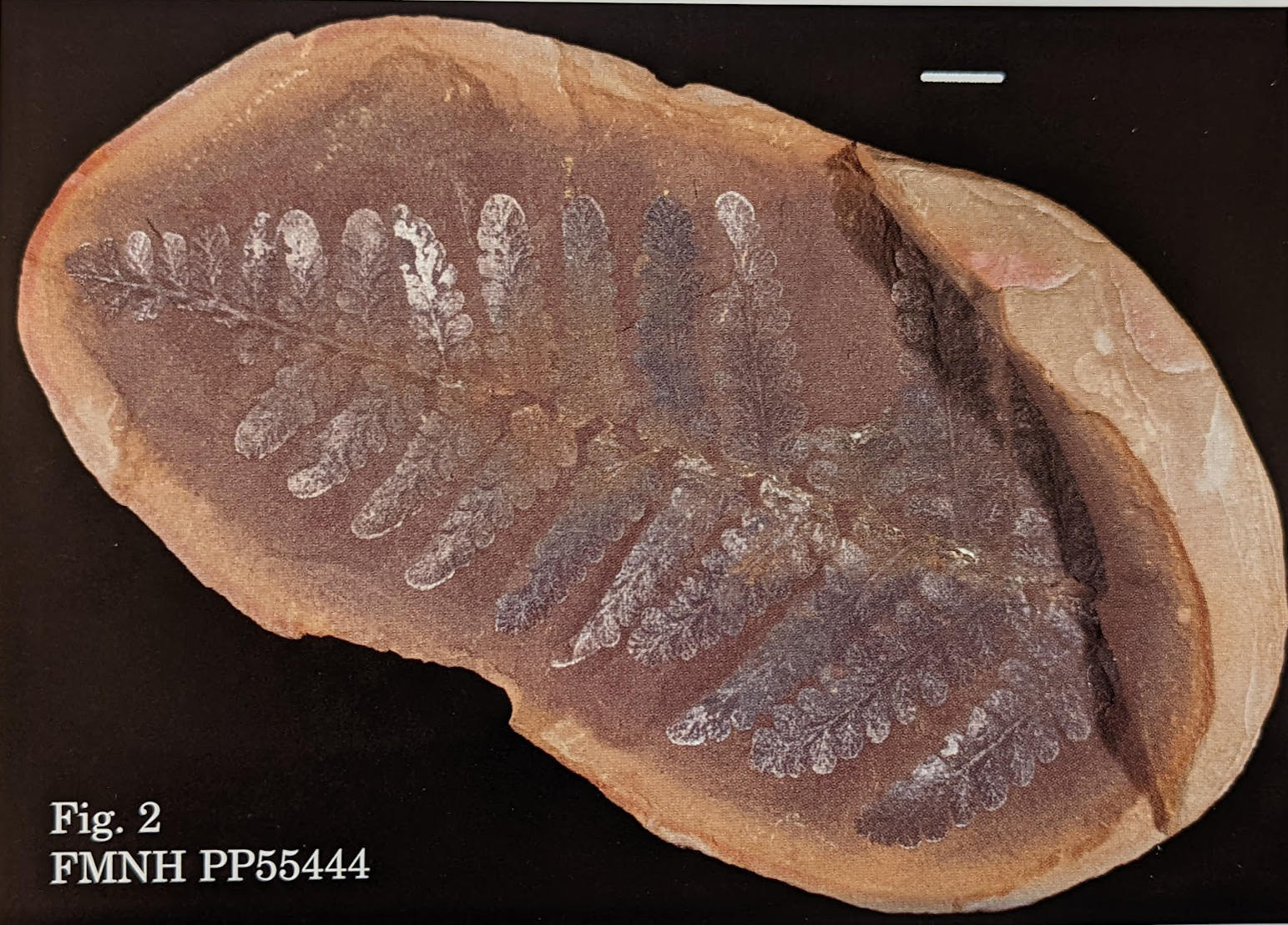
Mazon Monday #109: Pecopteris notata
This is Mazon Monday post #109. What’s your favorite Mazon Creek fossil? Tell us at email:esconi.info@gmail.com. Today, we are looking at one of the rarer forms of Pecopteris, namely Pecopteris notata. This variety doesn’t show up in a few of the Mazon Creek plant books, but it can be found in the new “A Comprehensive…
-
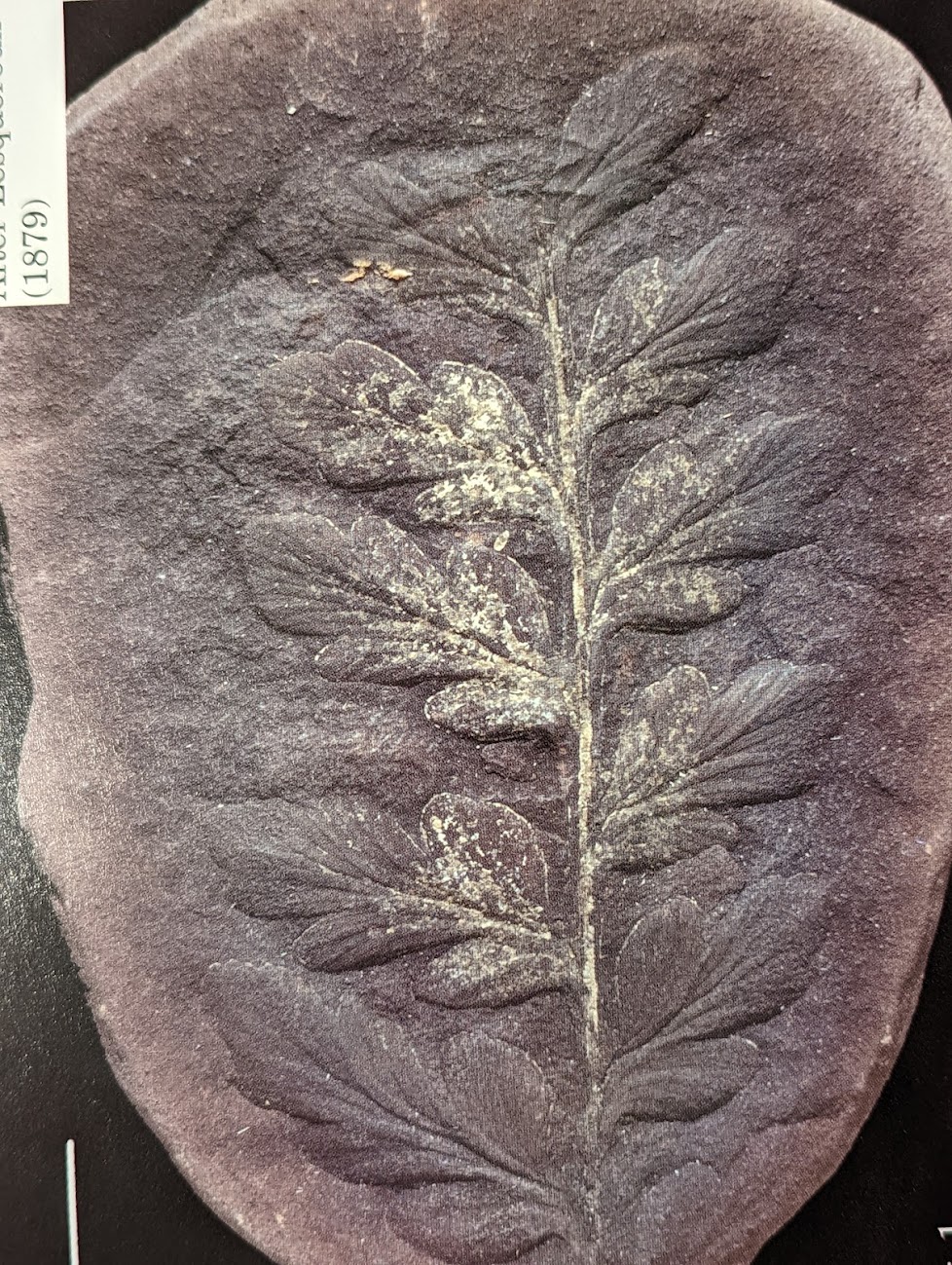
Mazon Monday #108: Mariopteris decipiens
This is Mazon Monday post #108. What’s your favorite Mazon Creek fossil? Tell us at email:esconi.info@gmail.com. In general, Mariopteris, a seed fern, is fairly rare across all the Mazon Creek terrestrial localities. Mariopteris tends to have ornate pinnules compared to other species of seed feed like Alethopteris, Neuropteris, and Odontopteris. The species we are looking…
-
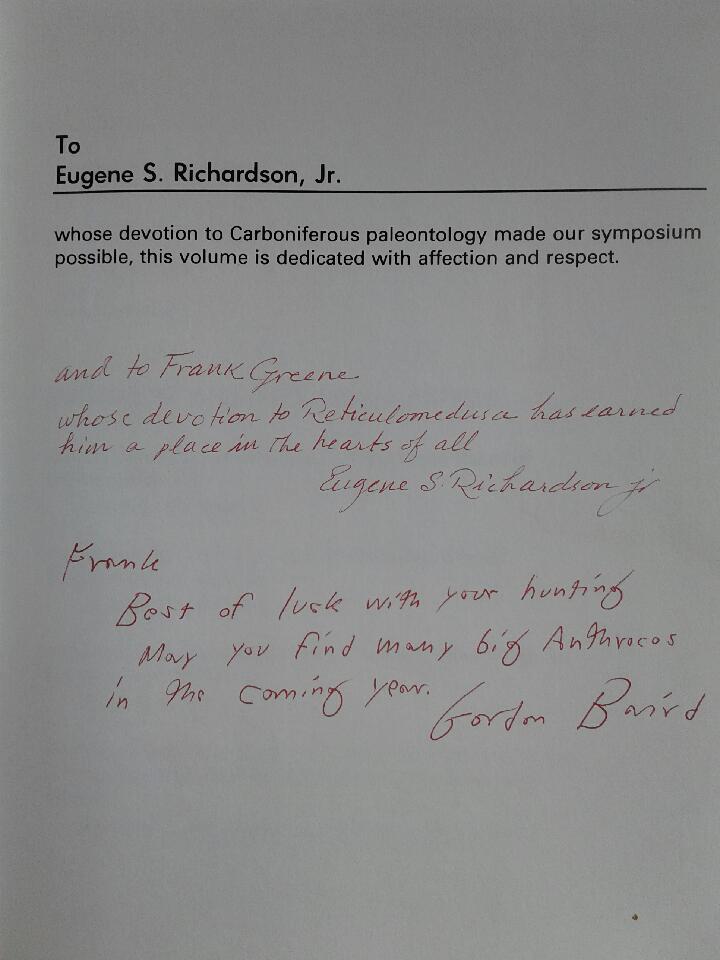
Mazon Monday #107: Book Inscription in Nitecki’s “Mazon Creek Fossils”
This is Mazon Monday post #107. What’s your favorite Mazon Creek fossil? Tell us at email:esconi.info@gmail.com. Back in Mazon Monday #18, we posted some interesting book inscriptions from the Langford Mazon Creek books. The highlights were Bill Allaway’s book owned by Dave Carlson and John McLuckie’s book owned by Jack Wittry. This week, I received…
-
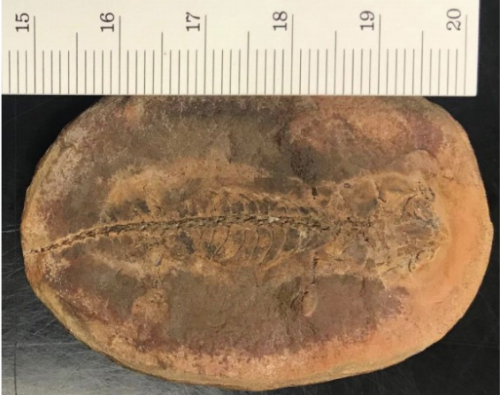
Mazon Monday #106: Video for Arjan Mann’s “Revisiting the exceptional tetrapod fauna of Mazon Creek, Illinois”
This is Mazon Monday post #106. What’s your favorite Mazon Creek fossil? Tell us at email:esconi.info@gmail.com. Back in November 2020, Arjan Mann spoke at the ESCONI General Meeting about Mazon Creek tetrapods. Due to some research that had yet to be published, we couldn’t post the video of his excellent presentation, which was entitled “Revisiting…
-
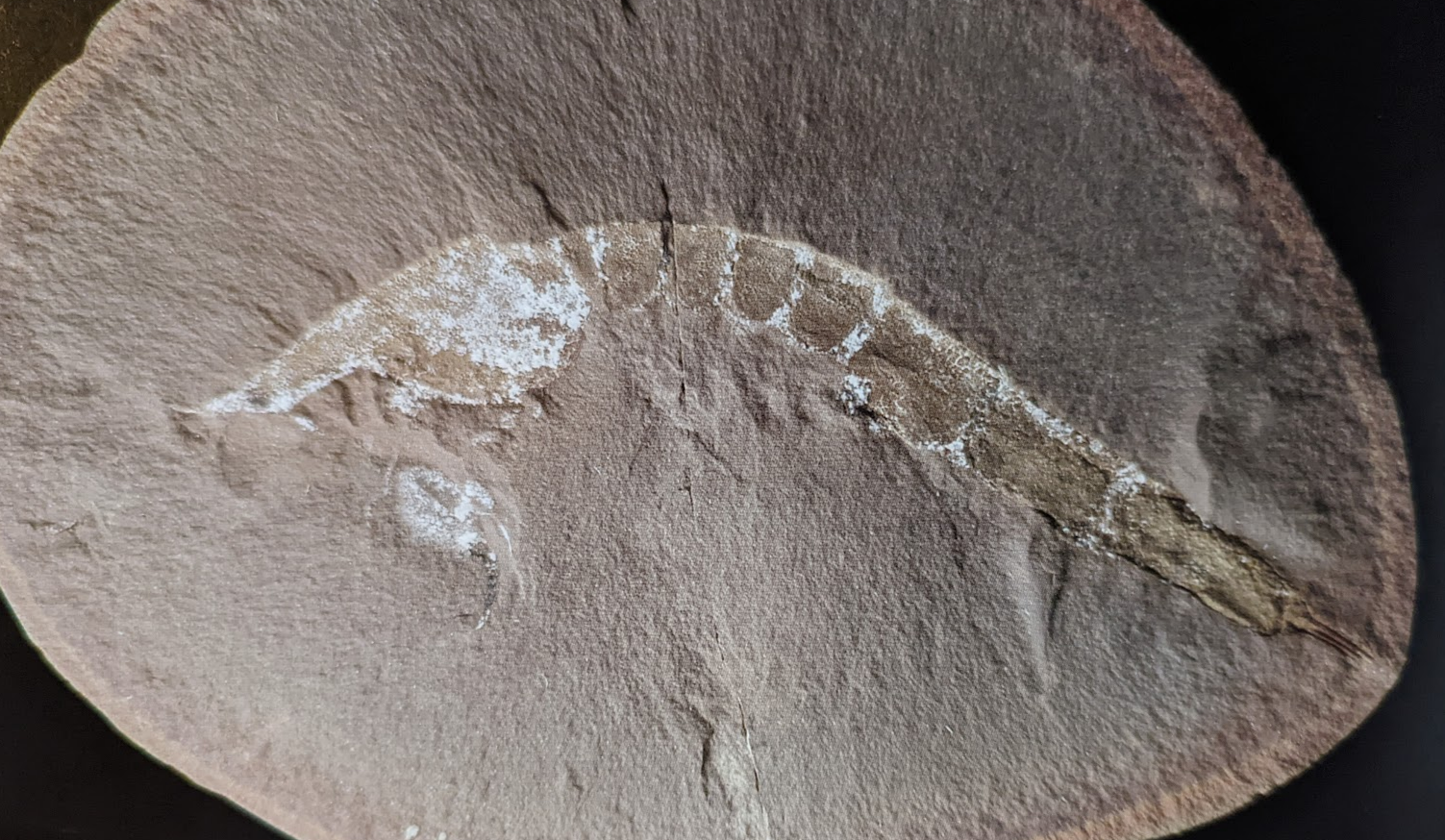
Mazon Monday #105: Kellibrooksia macrogaster
This is Mazon Monday post #105. What’s your favorite Mazon Creek fossil? Tell us at email:esconi.info@gmail.com. Kellibrooksia macrogaster is a species of mantis shrimp (stomatopods). It was described by Frederick Schram in 1973. Frederick Schram described many of the shrimp of Mazon Creek. We had a nice one for sale at the ESCONI Gem, Mineral,…
-
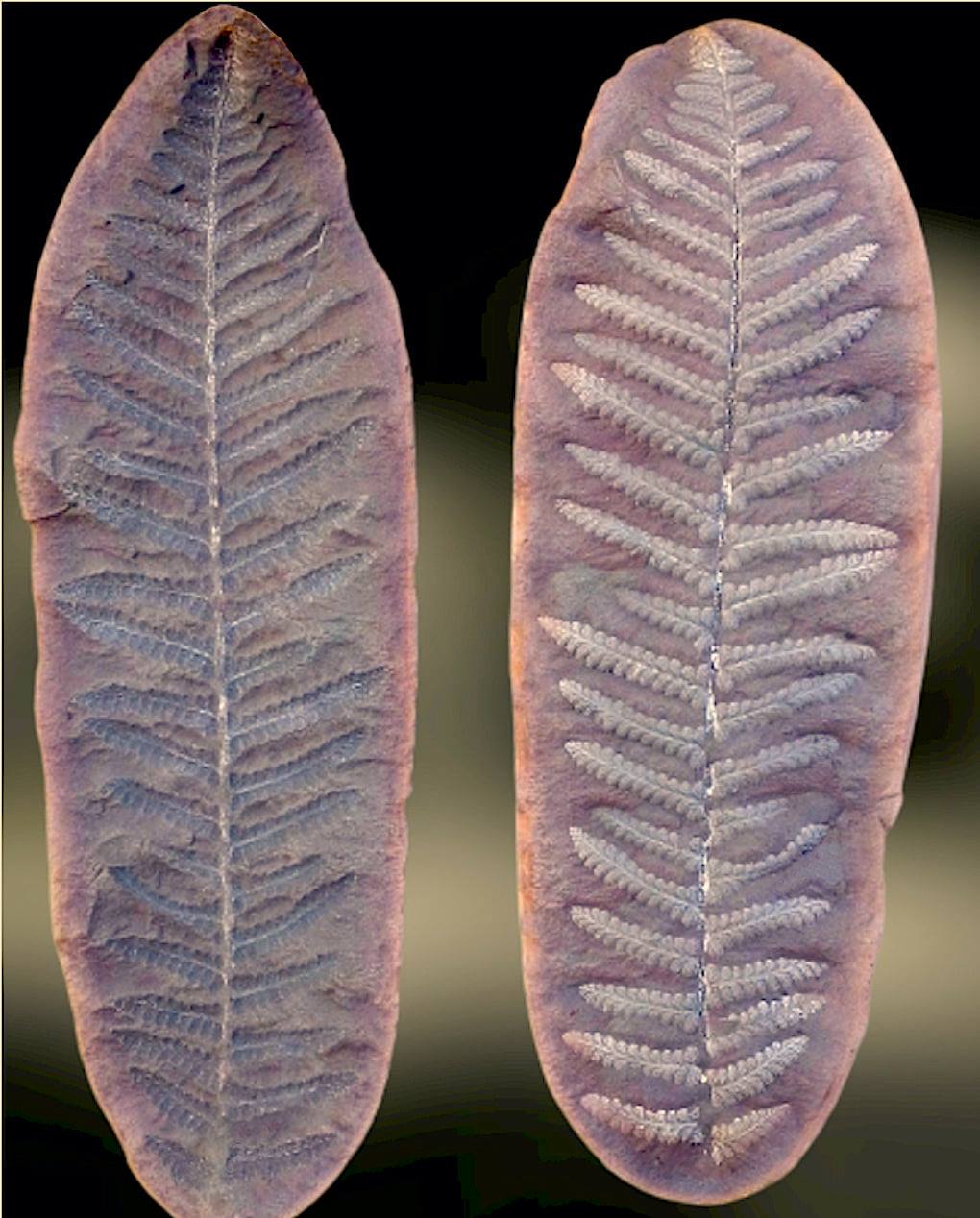
Mazon Monday #104: Mid-century Mazon Creek
This is Mazon Monday post #104. What’s your favorite Mazon Creek fossil? Tell us at email:esconi.info@gmail.com. We recently received an interesting link from ESCONI member Kristi Overgaard of a post on the Geology World group on Facebook. The post was by James Anderson and it described an transaction with Dr. Wilbur Hoff’s son. Dr. Hoff…
-

Mazon Monday #103: Asterophyllites equisetiformis
This is Mazon Monday post #103. What’s your favorite Mazon Creek fossil? Tell us at email:esconi.info@gmail.com. Today, we look at another part of the plant Calamites. Recall that paleobotany uses form genera as a strategy to identify plant parts. If you aren’t familiar with the concept, there is a good explanation in the “Keys to…
-
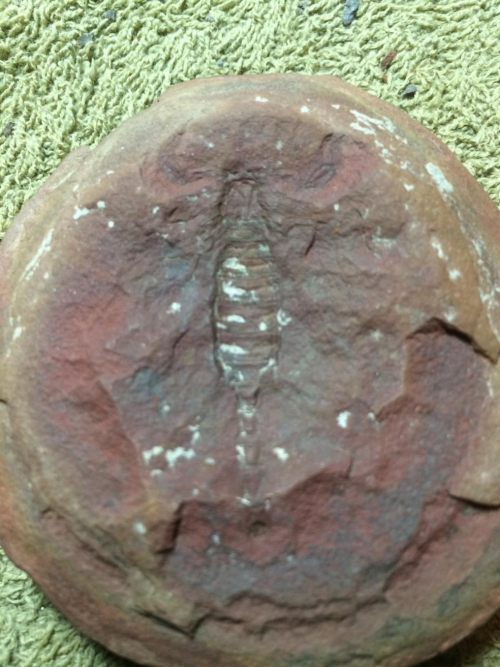
Mazon Monday #102: Eoscorpius carbonarius
This is Mazon Monday post #102. What’s your favorite Mazon Creek fossil? Tell us at email:esconi.info@gmail.com. Scorpions are very rare in the Mazon Creek fossil biota. Eoscorpius carbonarius was described by FB. Meek and A.H. Worthen in 1868. The paper was published in the America Journal of Sciences – “Meek, Fielding B. & A. H.…
-

Mazon Monday #101: Peggy Macnamara
This is Mazon Monday post #101. What’s your favorite Mazon Creek fossil? Tell us at email:esconi.info@gmail.com. The cover of the book “A Comprehensive Guide to the Fossil Flora of Mazon Creek” by Jack Wittry features a painting of a fiddlehead, which is an immature fern frond. The fiddlehead species in the Mazon Creek biota are…
-
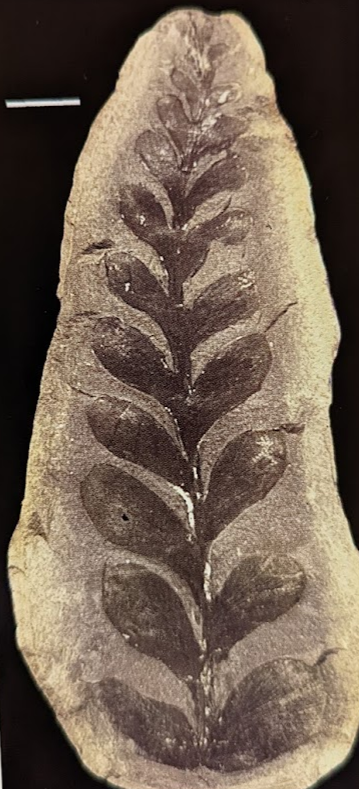
Mazon Monday #100: Odontopteris subcuneata
This is Mazon Monday post #100. What’s your favorite Mazon Creek fossil? Tell us at email:esconi.info@gmail.com. This is the 100th Mazon Monday post! We hope you are enjoying these posts! If you have any suggestions or feedback, please send it along to email:esconi.info@gmail.com. Odontopteris subcuneata was a seed fern that belonged to the same group…
-
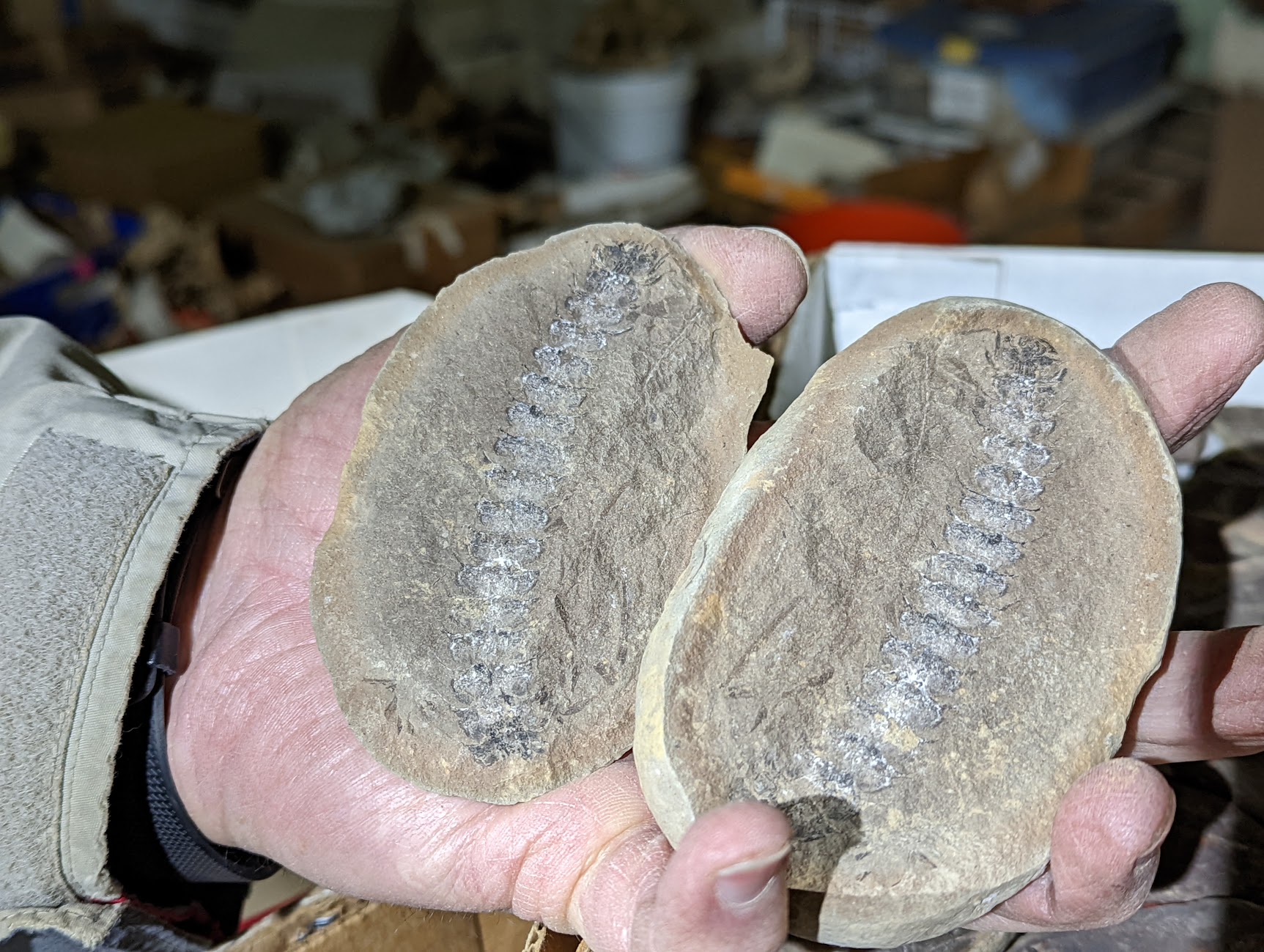
Mazon Monday #99: Calamostachys, sp.
This is Mazon Monday post #99. What’s your favorite Mazon Creek fossil? Tell us at email:esconi.info@gmail.com. —————————————————– Calamostachys is the cone portion of Calamites. Recall the Langford diagram which details the parts of Calamites. The round seed like part of these cones are actually sporagia, which Calamites used to reproduce. Calamites are horsetails. Their closest…
-
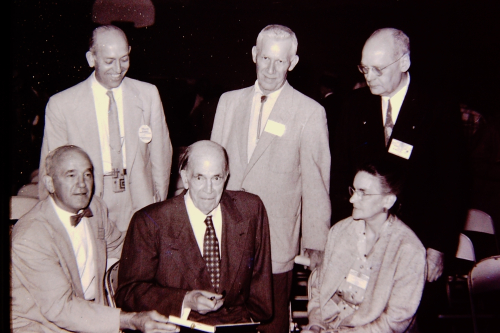
Mazon Monday #98: Natural History of Coal Age Fossils
This is Mazon Monday post #98. What’s your favorite Mazon Creek fossil? Tell us at email:esconi.info@gmail.com. George Langford’s second book, “The Wilmington Coal Fauna and Additions to the Wilmington Coal Flora from a Pennsylvanian Deposit in Will County, Illinois”, was published by Esconi Associates in 1963. As part of the publication of the book, Stella…
-
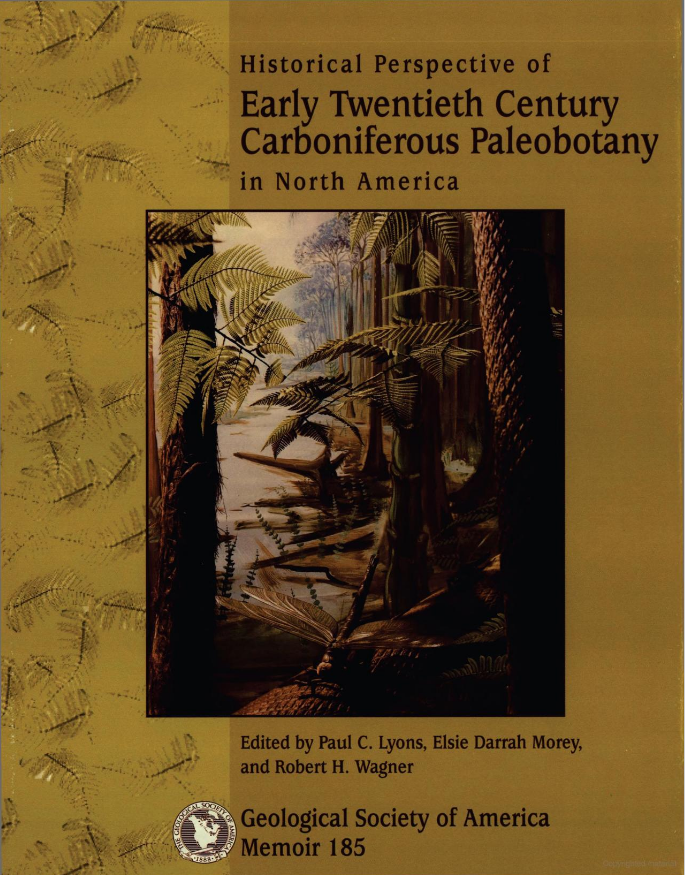
Mazon Monday #97: “Historical Perspective on Early Twentieth Century Carboniferous Paleobotany in North American”
This is Mazon Monday post #97. What’s your favorite Mazon Creek fossil? Tell us at email:esconi.info@gmail.com. The book “Historical Perspective on Early Twentieth Century Carboniferous Paleobotany in North American” was published in 1995 by the Geological Society of America (GSA). It’s dedicated as a memorial volume for William Culp Darrah (1909-1989), who was a pioneer…
-
Mazon Monday #96: Pennsylvanian Plant Fossils of Illinois
This is Mazon Monday post #96. What’s your favorite Mazon Creek fossil? Tell us at email:esconi.info@gmail.com. The book “Pennsylvanian Plant Fossils of Illinois” was #6 in the Educational Series published by the Illinois State Geological Survey in 1960. It was written by Charles Collinson (1923 – 2011) and Romayne Skartvedt. The book can be purchased…
-
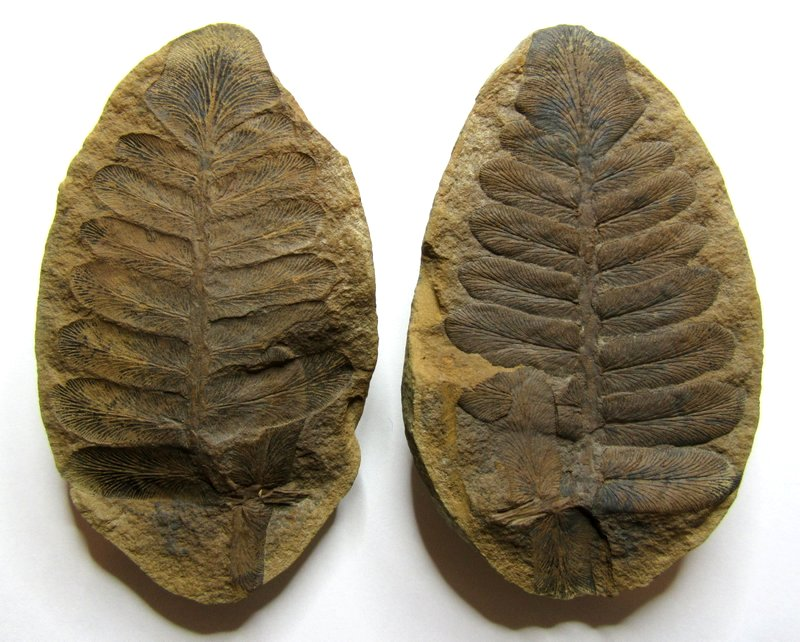
Mazon Monday #95: Neuropteris vermicularis
This is Mazon Monday post #95. What’s your favorite Mazon Creek fossil? Tell us at email:esconi.info@gmail.com. For this post, we are looking at another seed fern species, Neuropteris vermicularis. N. vermicularis was identified by Leo Lesquereux in 1866. He described much of the North American Carboniferous flora in the mid 1800’s as a consultant to…
-
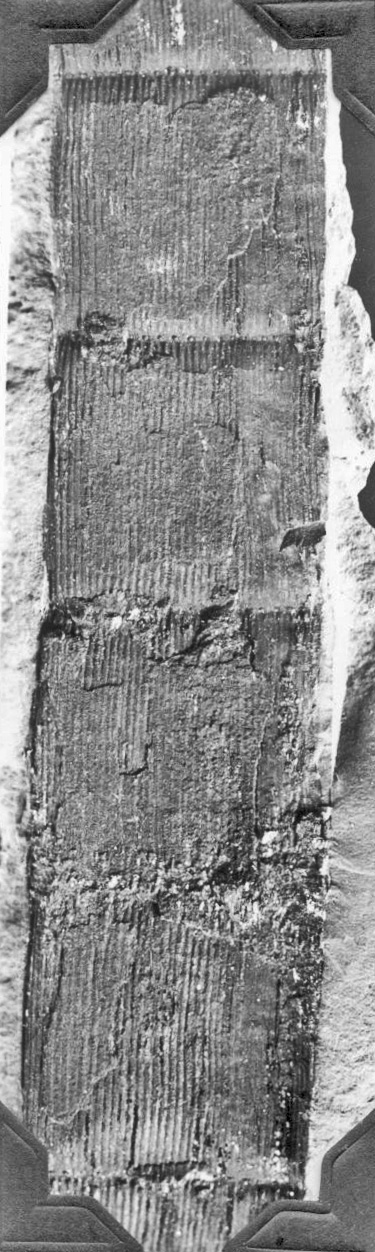
Mazon Monday #94: Calamites cistii
This is Mazon Monday post #94. What’s your favorite Mazon Creek fossil? Tell us at email:esconi.info@gmail.com. For this week, we are looking at Calamites, which is a genus of extinct arborescent (tree-like) horsetails. They are sphenopsids. Modern horsetails, genus Equistem, are fairly closely related. Some of these Carboniferous plants could grow to heights of more than…
-

Mazon Monday #93: Dr. Victoria McCoy: Mazon Creek Fossils
This is Mazon Monday post #93. What’s your favorite Mazon Creek fossil? Tell us at email:esconi.info@gmail.com. ESCONI member Ralph Jewell sent me this link for a video of a presentation by Dr. Victoria McCoy of the University of Wisconsin Milwaukee Department of Geosciences. Her presentation is entitled “Mazon Creek Fossils”. Dr. Victoria McCoy, UWM Department…
-
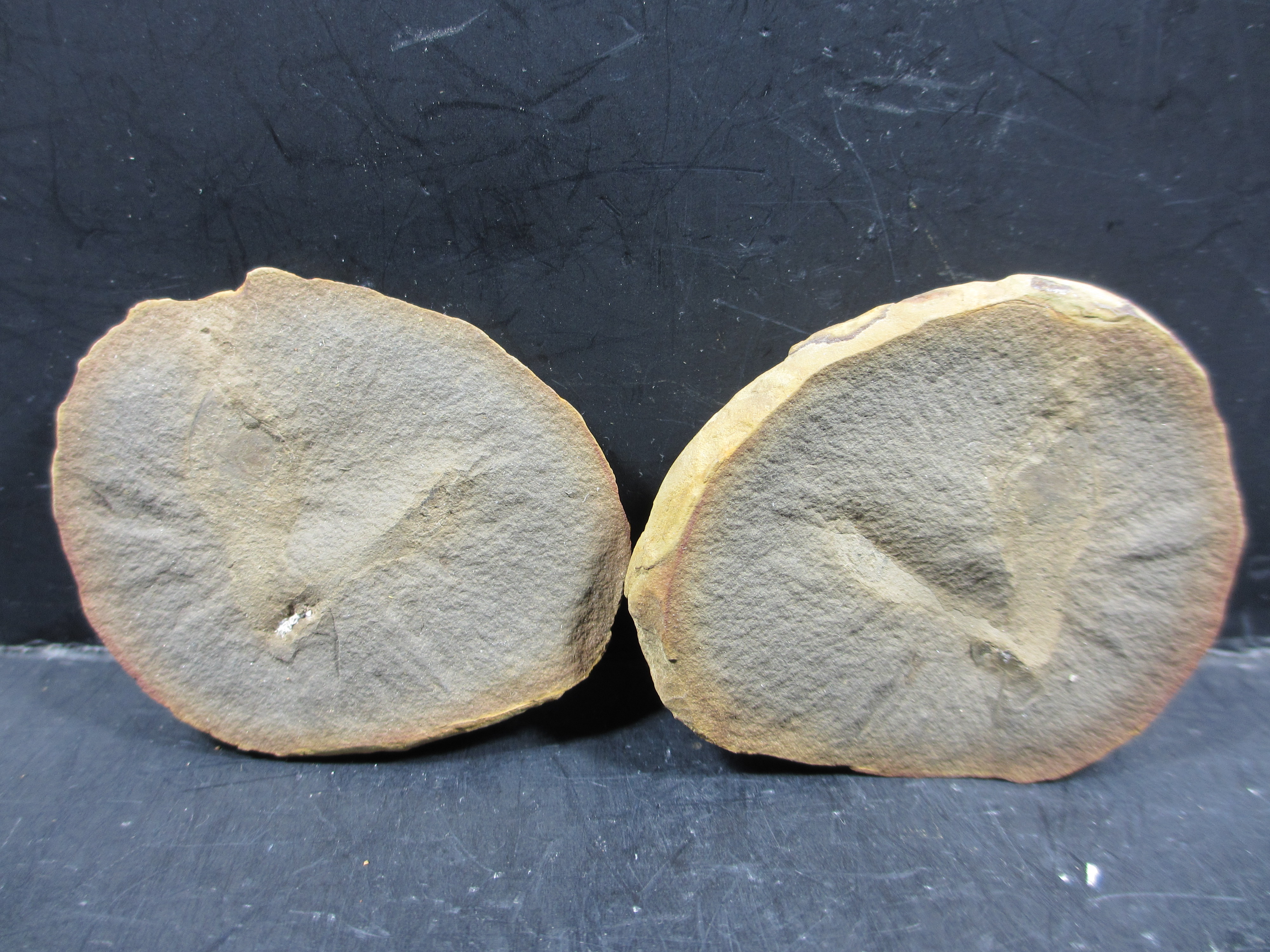
Mazon Monday #92: Illilepas damrowi
This is Mazon Monday post #92. What’s your favorite Mazon Creek fossil? Tell us at email:esconi.info@gmail.com. Illilepas damrowi is a gooseneck barnacle from the Mazon Creek biota, found in Essex localities like Pit 11. Barnacles are crustaceans thus they are related to crabs and lobsters. They are fairly rare in the fossil record with the…
-

Mazon Monday #91: Macroneuropteris macrophylla
This is Mazon Monday post #91. What’s your favorite Mazon Creek fossil? Tell us at email:esconi.info@gmail.com. Today, we have a seed fern species called Macroneuopteris macrophylla. It was named Neuropteris macrophylla in 1831 by Alexander Brongniart, a French chemist, mineralogist, geologist, paleontologist, and zoologist. It was mistakenly renamed as Neuropteris clarksoni by Leo Lesquereux in…
-

Mazon Monday #90: Video for ESCONI December 2021 General Meeting – “The Life and Death of the Herrin Peat Swamp – Whys, Whens, and Hows”
This is Mazon Monday post #90. What’s your favorite Mazon Creek fossil? Tell us at esconi.info@gmail.com. For December 2021, the presentation by Scott Elrick provided context for the Danville, IL spoil pile fossils. Scott also discussed coal formation in Illinois during the Pennsylvanian. Additionally, he mentioned where the Colchester #2 Coal, associated with Mazon Creek,…
-
Mazon Monday #89: Jeletzkya douglassae
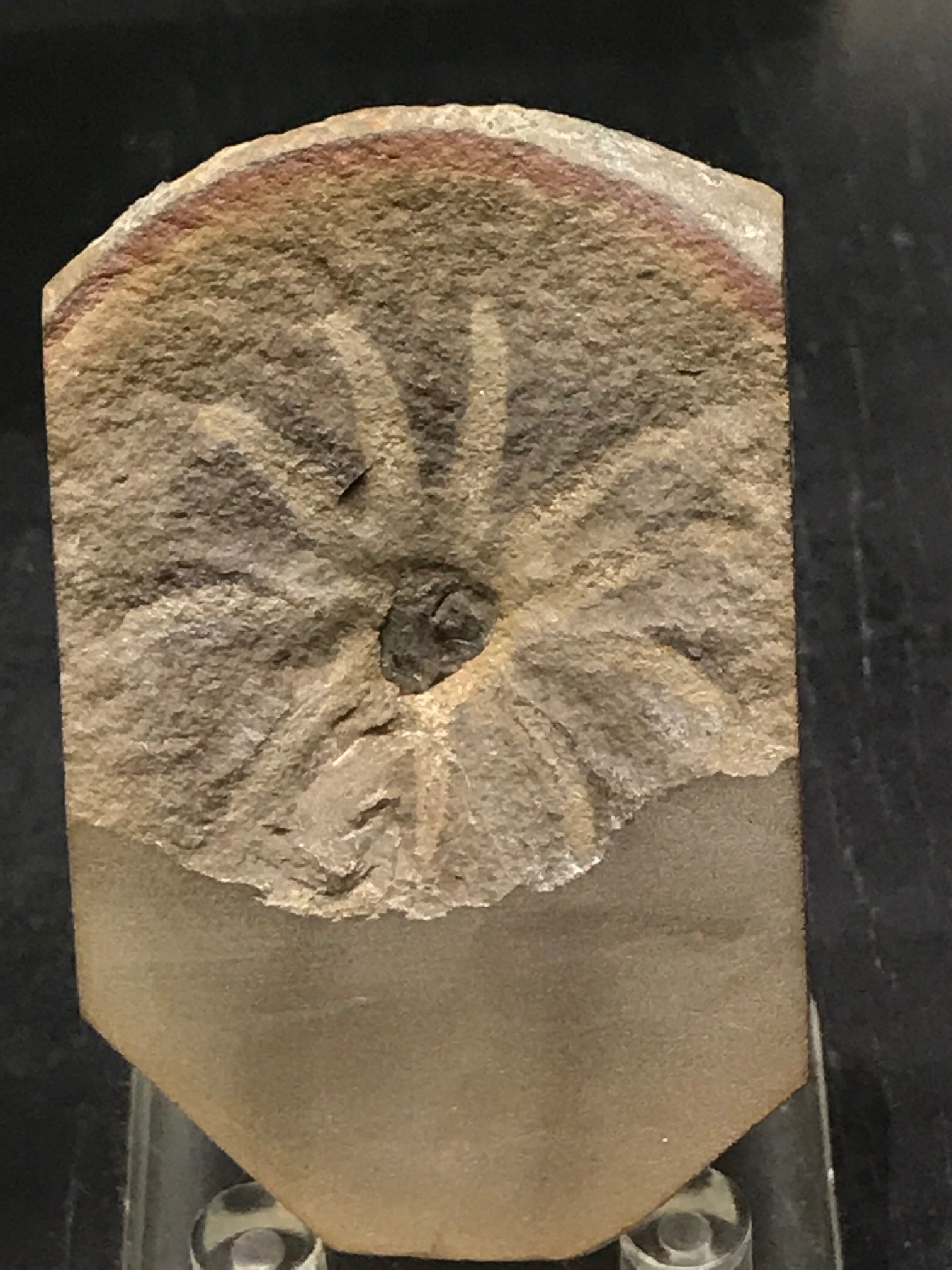
This is Mazon Monday post #89. What’s your favorite Mazon Creek fossil? Tell us at email:esconi.info@gmail.com. Of all the millions (yes, millions!) of Mazon concretions that have opened over the years, only two specimens of Jeletzkya douglassae are known. That might make it the rarest of species in the Mazon Creek biota. It’s considered to…
-
Mazon Monday #88: Hesserella shermani
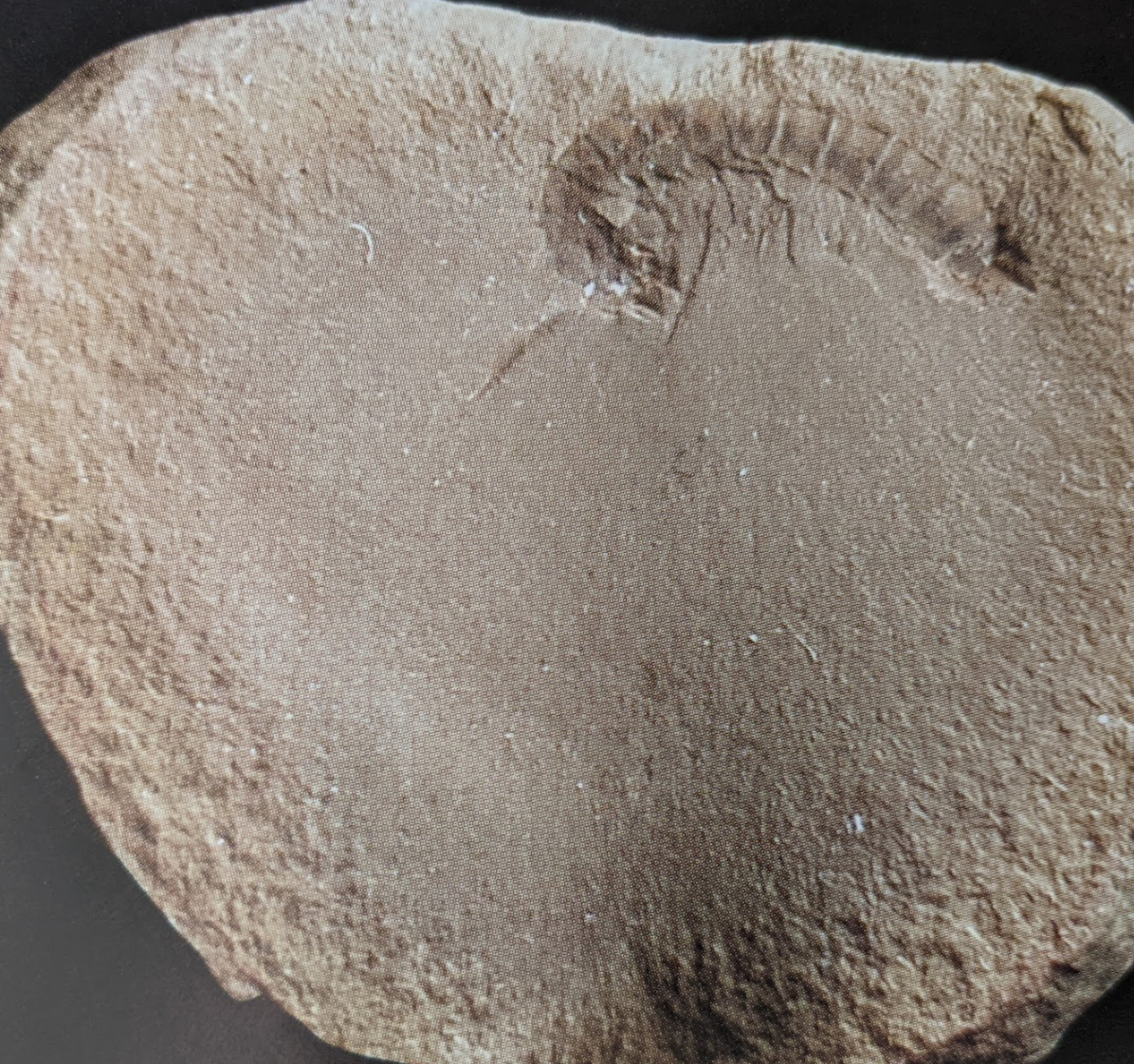
This is Mazon Monday post #88. What’s your favorite Mazon Creek fossil? Tell us at email:esconi.info@gmail.com. Hesserella shermani is the earliest known isopod in the fossil record. Isopods are crustaceans, which includes shrimp, crabs, and lobsters. Modern day rolly-pollys are isopods, They have many common names like pill bugs, woodlice, and doodle bugs. They are…
-

Mazon Monday #87: Video for November 2021 Paleontology Meeting – “The Linton Ohio Coal Mine; a unique look into Carboniferous Tetrapods”
This is Mazon Monday post #87. What’s your favorite Mazon Creek fossil? Tell us at esconi.info@gmail.com. The ESCONI November 2021 Paleontology was held on Saturday, November, 20th, 2021 at 7:30 PM. The presentation was by ESCONI member Mike Payne. It’s called “The Linton Ohio Coal Mine; a unique look into Carboniferous Tetrapods”. The Diamond Coal…
-
Mazon Monday #86: Herrin Coal Fossil Guides
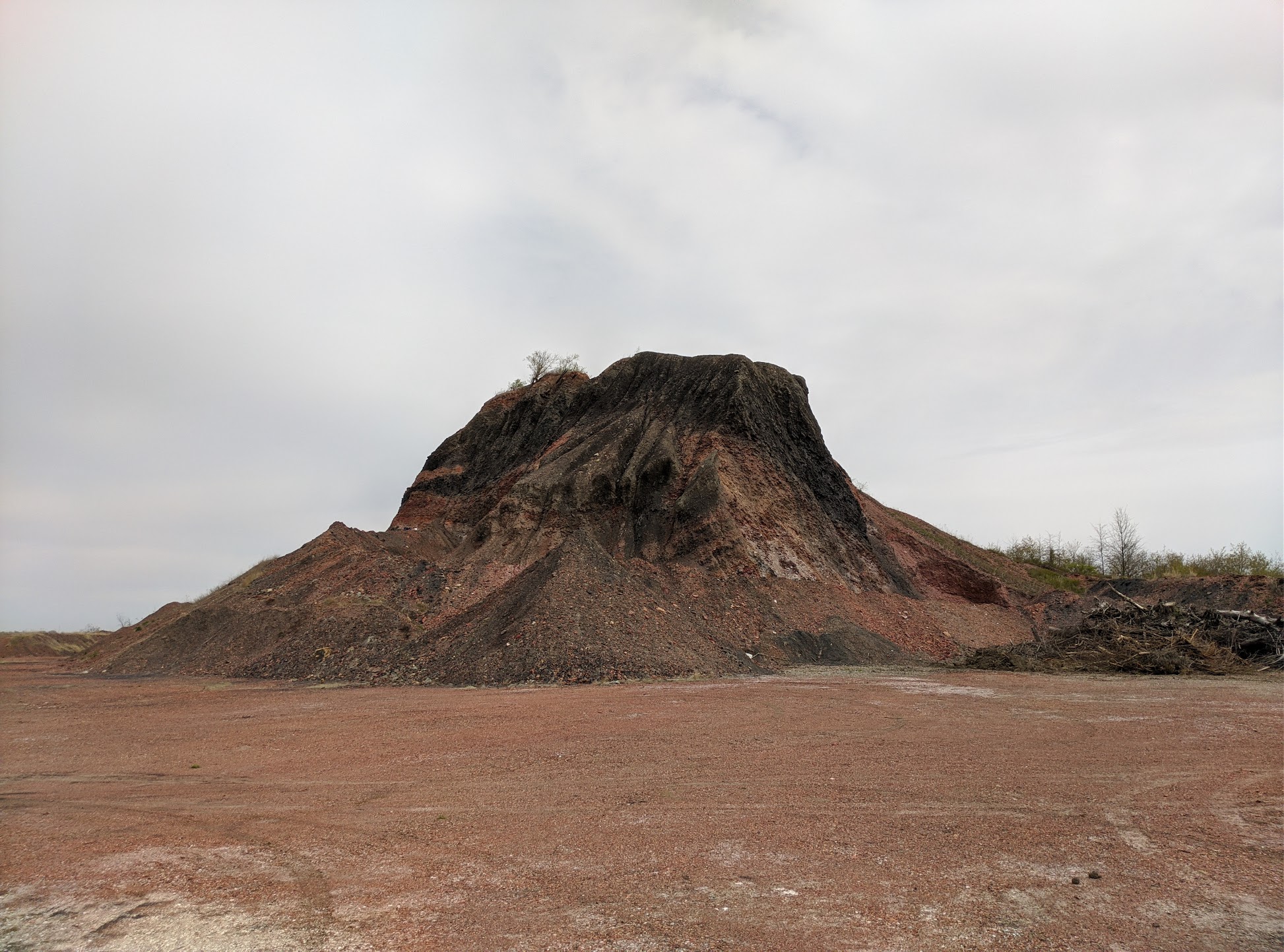
This is Mazon Monday post #86. What’s your favorite Mazon Creek fossil? Tell us at email:esconi.info@gmail.com. In 2021, ESCONI organized two field trips to a shaft mine spoil pile near Danville, IL. Both trips were very successful, with many fascinating specimens collected. You can find more information about these trips at the links below. Here…
-
Mazon Monday #85: Neuropteris ovata
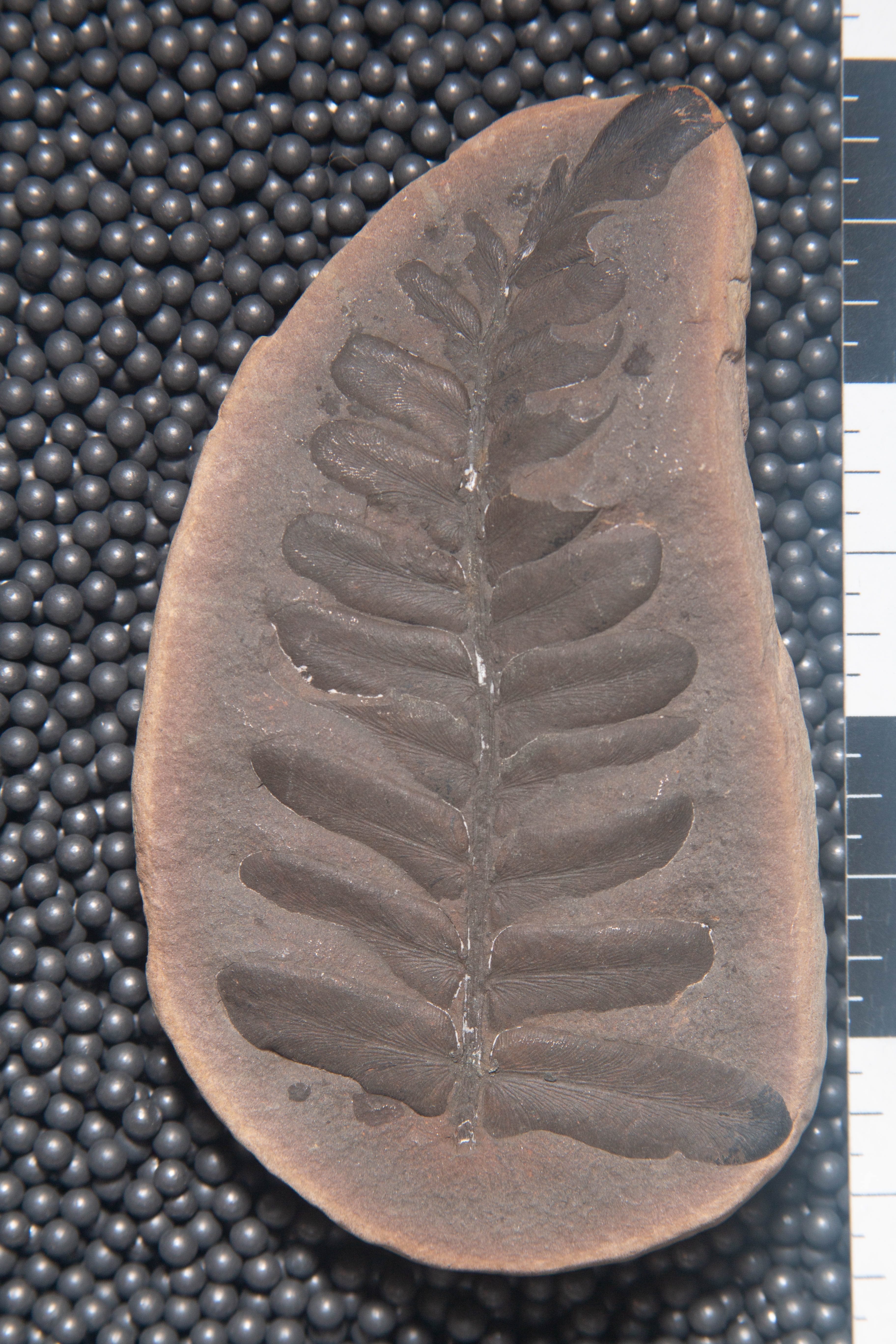
This is Mazon Monday post #85. What’s your favorite Mazon Creek fossil? Tell us at email:esconi.info@gmail.com. Our species spotlight for this week is Neuropteris ovata. N. ovata was described by Friedrich Hoffmann (1797-1836) in 1826. Hoffmann was a Professor of Geology at the University of Berlin. He is esspecially known for his work on the…
