Tag: fossils
-
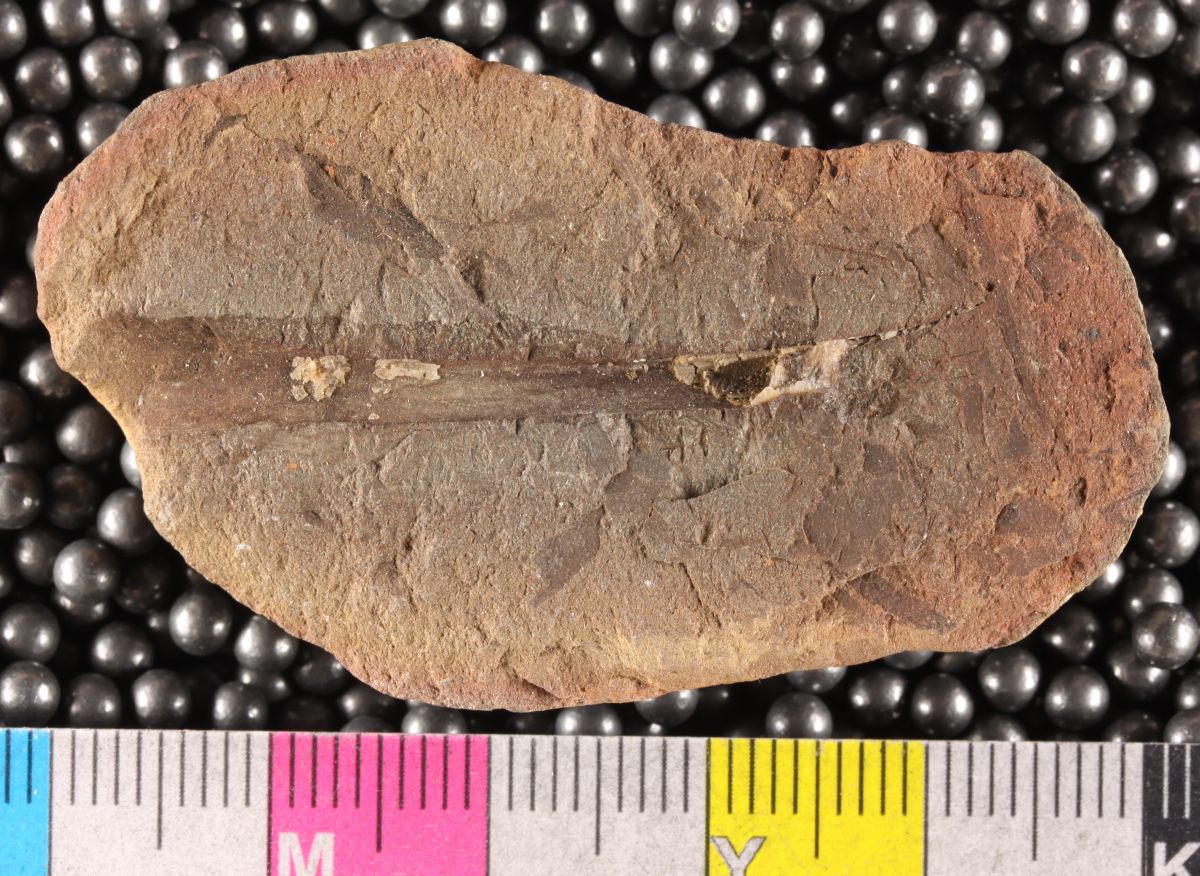
Mazon Monday #338: Howellitubus whitfieldorum… The Mazon Creek Worm That Wasn’t
The history of Mazon Creek paleontology is filled with fossils that have been reinterpreted as new species when new information became available. Animals have been moved from one group to another, species have been renamed, and some fossils once thought to represent animals have turned out to be something else entirely. There are even some,…
-

Would VELOCIRAPTOR make a good pet? | Cromo Paleo Show
The Cromo Paleo Show has an entertaining video on Youtube. Somehow, I don’t think a pet dinosaur will turn out well… Would Velociraptor make a good pet? 🦖 In this episode of the “Would It Make a Good Pet?” series, we dive deep into the REAL science behind owning one of the most famous dinosaurs…
-
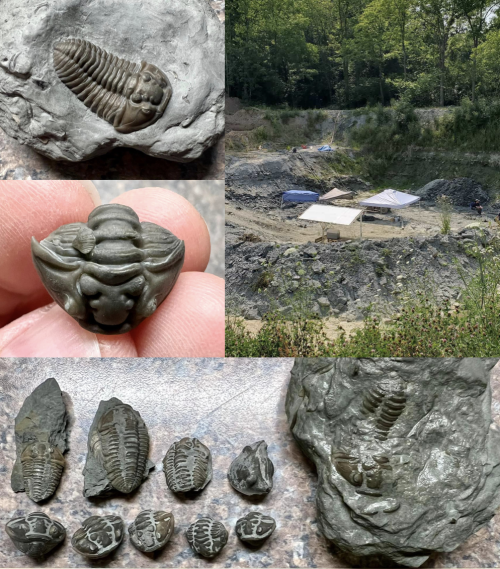
ESCONI Field Trip to Mount Orab for Trilobites – Saturday, September 19th, 2026
ESCONI will have a field trip to Flat Run Fossils in Mt. Orab, OH on Saturday September 19, 2026. There is an attendance limit of 16 people. Flat Run Fossils is a new pay-to-dig site in the famous Mt. Orab trilobite beds. For many years, thousands of gorgeous Flexicalymene and Isotelus trilobites have been collected…
-
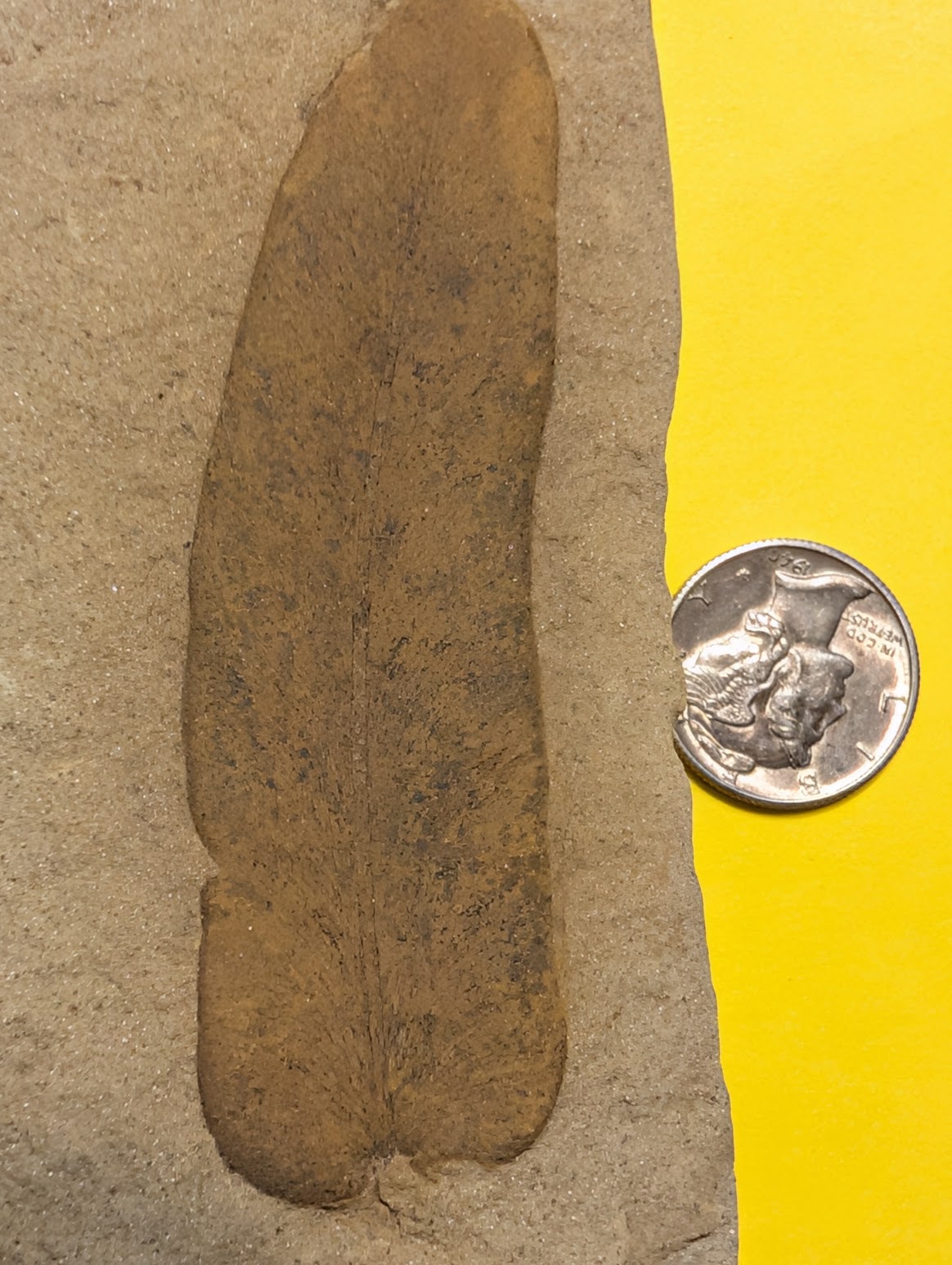
Fossil Friday #332: Macroneuropteris scheuchzeri from Kansas
Today, we have a Macroneuropteris scheuchzeri (see Mazon Monday #39) from the Tonganoxie Sandstone (Stranger Formation of the Douglas Group in the Virginian Stage) near Ottawa, Kansas. That formation has been dated to a range of 306 to 299 million years ago, which is younger than Mazon Creek. Many plant fossils were collected from the…
-
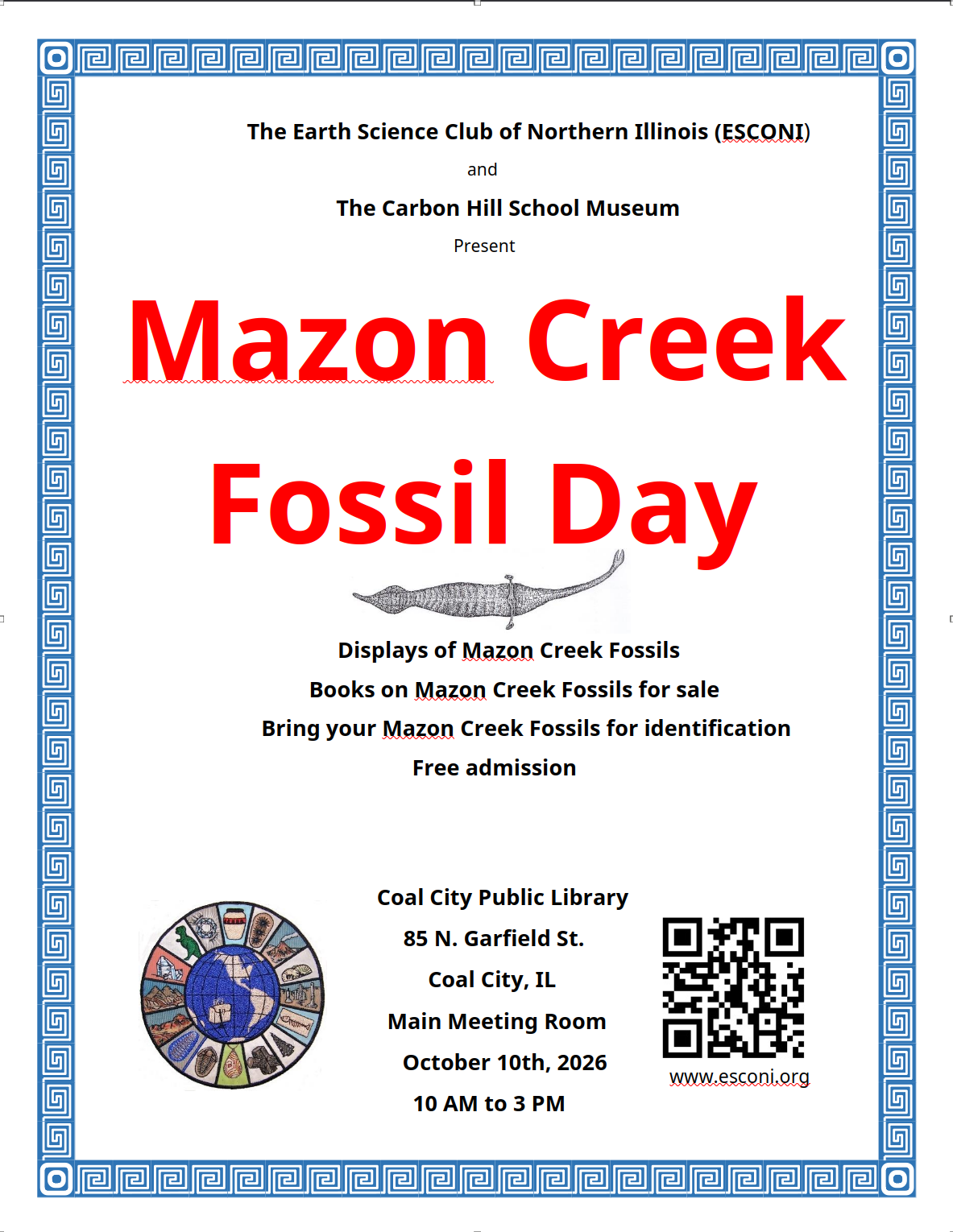
Mazon Creek Fossil Day 2026 – Saturday, October 10th, 2026 – Coal City Library
The 2026 Mazon Creek Fossil Day will be held on Saturday, October 10th, 2026 at the Coal City Library from 10 AM to 3 PM. See you there! Previous events
-
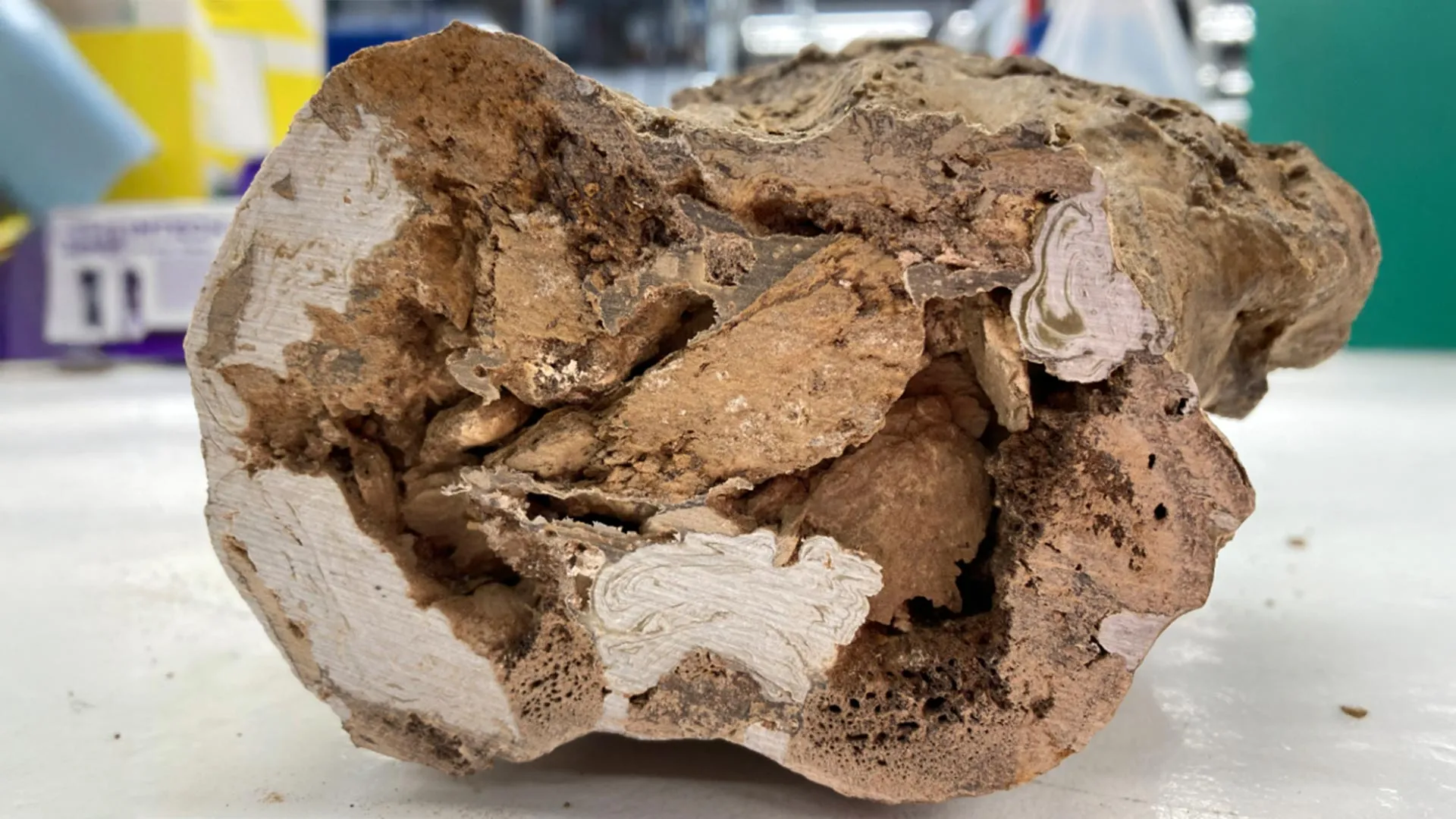
Paleontology rocked by organic molecules found in 66-million-year-old dinosaur bones
Science Daily has a story about another discovery of organic molecules in dinosaur bones. Since the early 2000’s, paleontologists have been finding organic material in dinosaur bones. The discoveries have been met with skepticism by paleontologists. Now a study in the journal Analytical Chemistry adds new evidence. Professor Steve Taylor, chair of the Mass Spectrometry…
-

Mazon Monday #337: Carbohymen testai
I had a chance to catch up with Jack Wittry at the Field Museum this weekend. He mentioned that he had tracked down the insect whose name we first encountered at Tom Testa Day at the Carbon Hill School Museum back in June. At the time, Jack wasn’t sure whether Carbohymen testai was actually a…
-
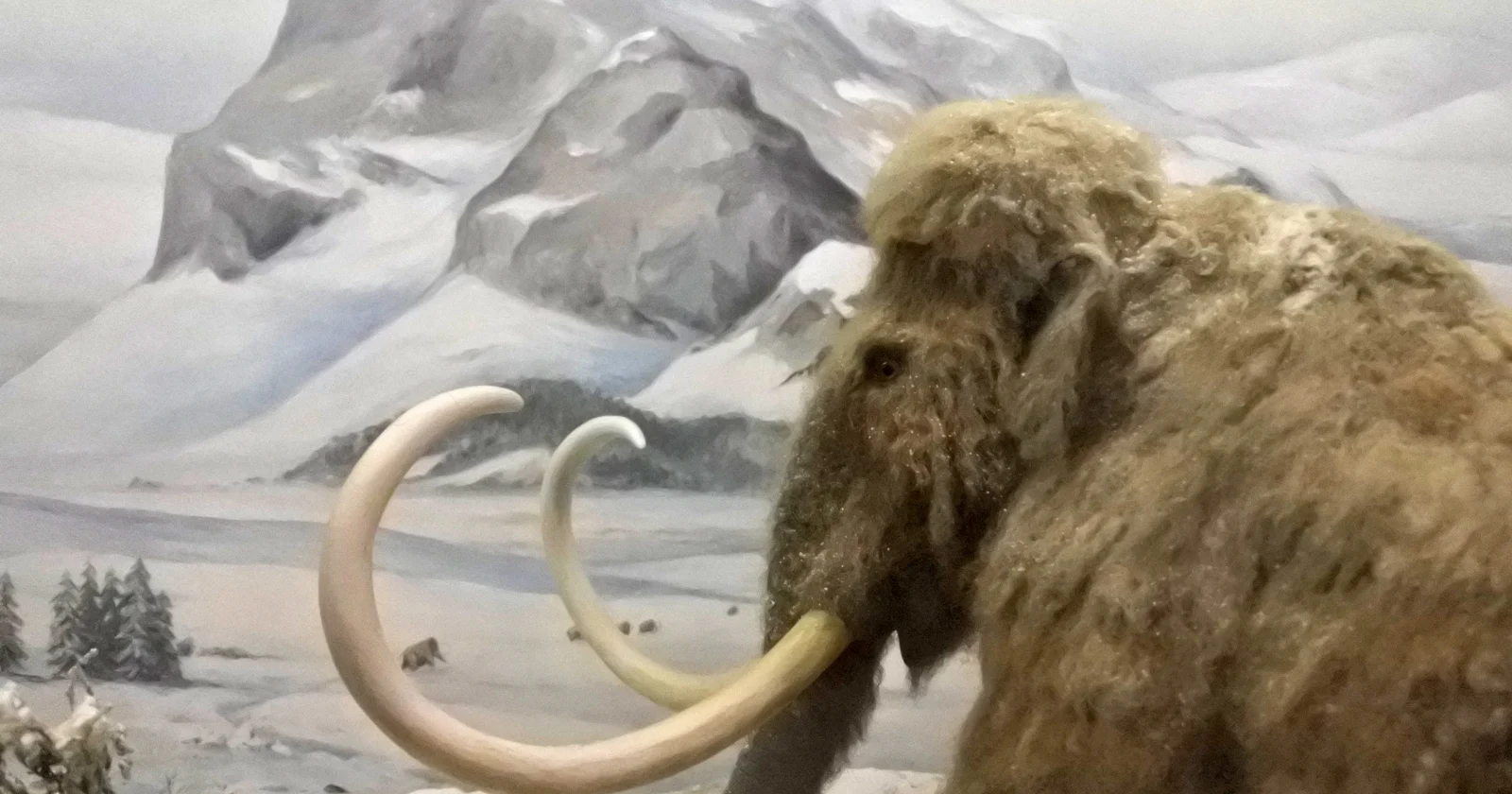
RNA is supposed to fall apart within hours…
RNA is supposed to fall apart within hours, yet researchers have now read it from a mammoth frozen in Siberian permafrost 39,000 years ago — and the transcripts caught his muscle tissue in the middle of a stress response
-
PBS Eons: When Earth Was a Toxic Wasteland
PBS Eons has a new episode. This one is about the Permian Mass Extinction, the Earth’s worst mass extinction. Watch Eons: Life and Death on Pangea on the free PBS App: https://to.pbs.org/EonsApp or on the web here: https://pbs.org/eons ← use this link if you are outside of the U.S. For 3 million years, microbes ruled…
-
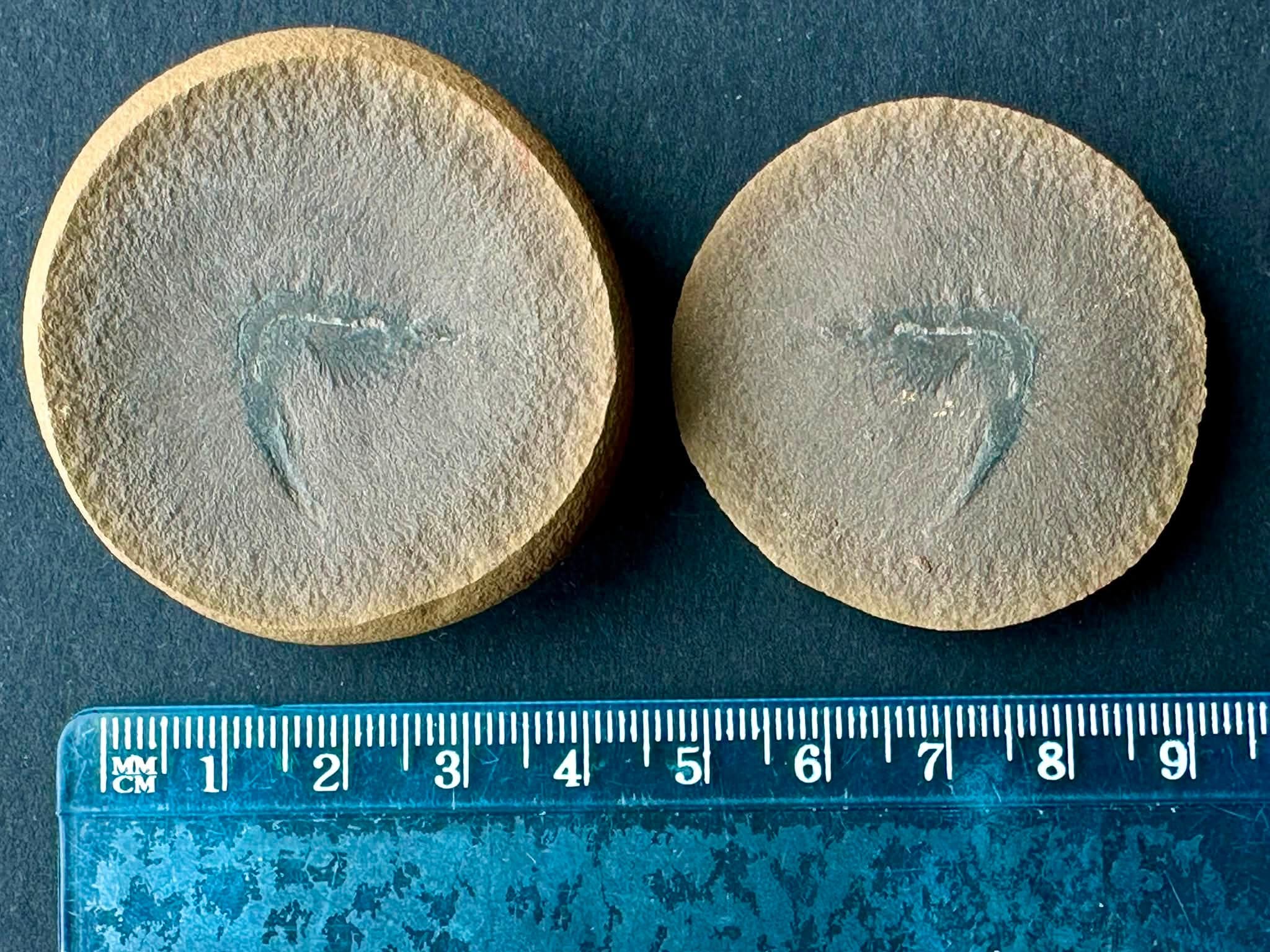
Fossil Friday #331: Peachocaris strongi
Jerry Zhu posted this stunning example of Peachocaris strongi to the “Illinois, Mazon Creek, and Carboniferous Fossils of the World” group on Facebook a few weeks ago. The concretion was collect from Pit 11. From the looks of it, it must have opened via freeze/thaw.
-

Throwback Thursday #331: Happy (Belated) Unearth Day, SUE!
Last Wednesday was SUE’s Unearth Day! SUE was found by Sue Hendrickson on August 12th, 1990. Sue hung back at camp, while the rest of the team from the Black Hills Institute went to town to fix a flat tire on one of their trucks. Sue decided to explore some area around the camp. She…
-
Mazon Monday #336: 1980’s Pit 11 Collecting
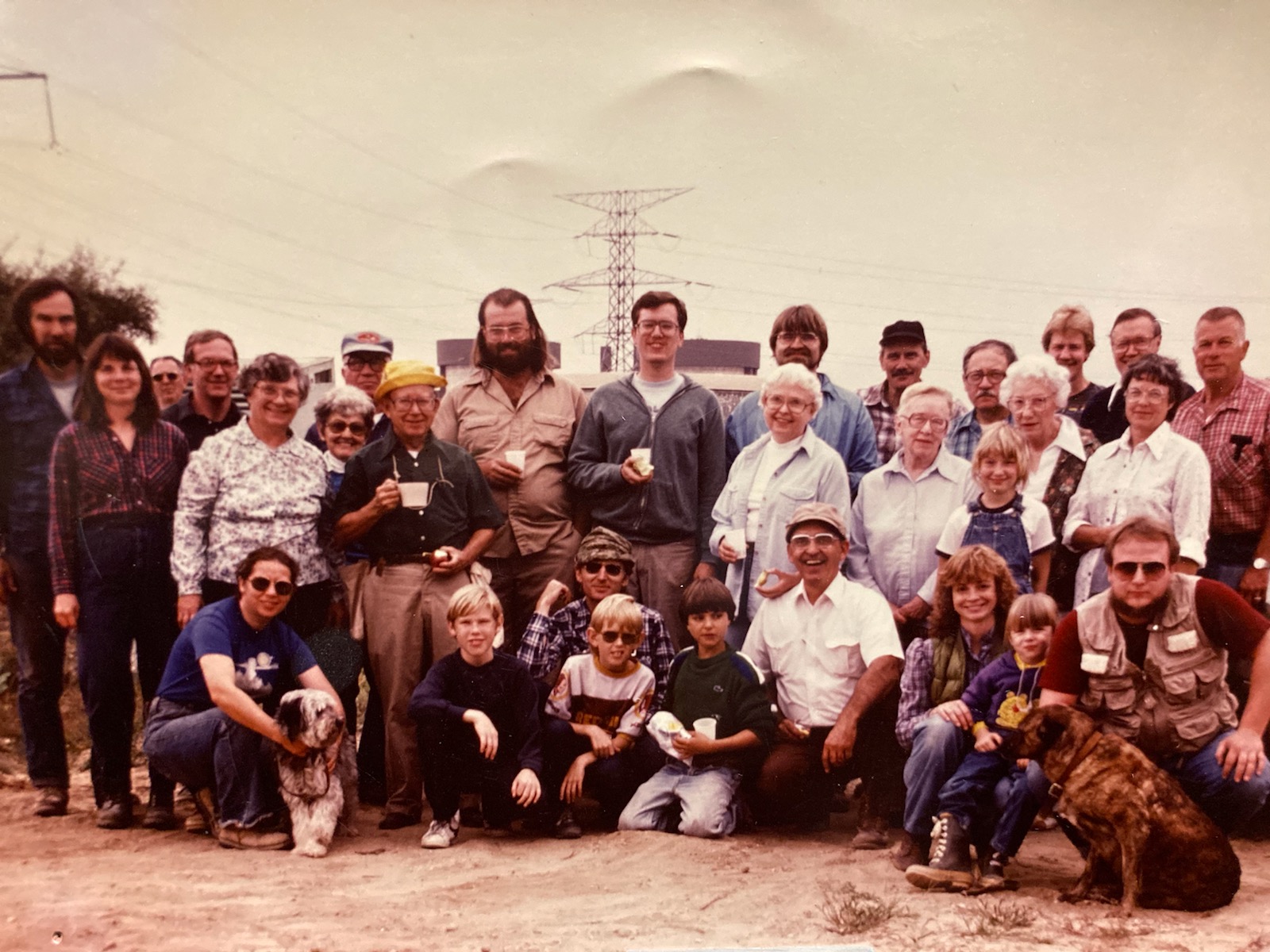
Keeping with the history theme, here’s a photo from a field trip to Pit 11 most likely from the 1980’s. You can see Braidwood Station in the background. Construction on August 1st, 1975 and completed in 1988.
-
Report for the Rock, Mineral, and Fossil Swap 2026
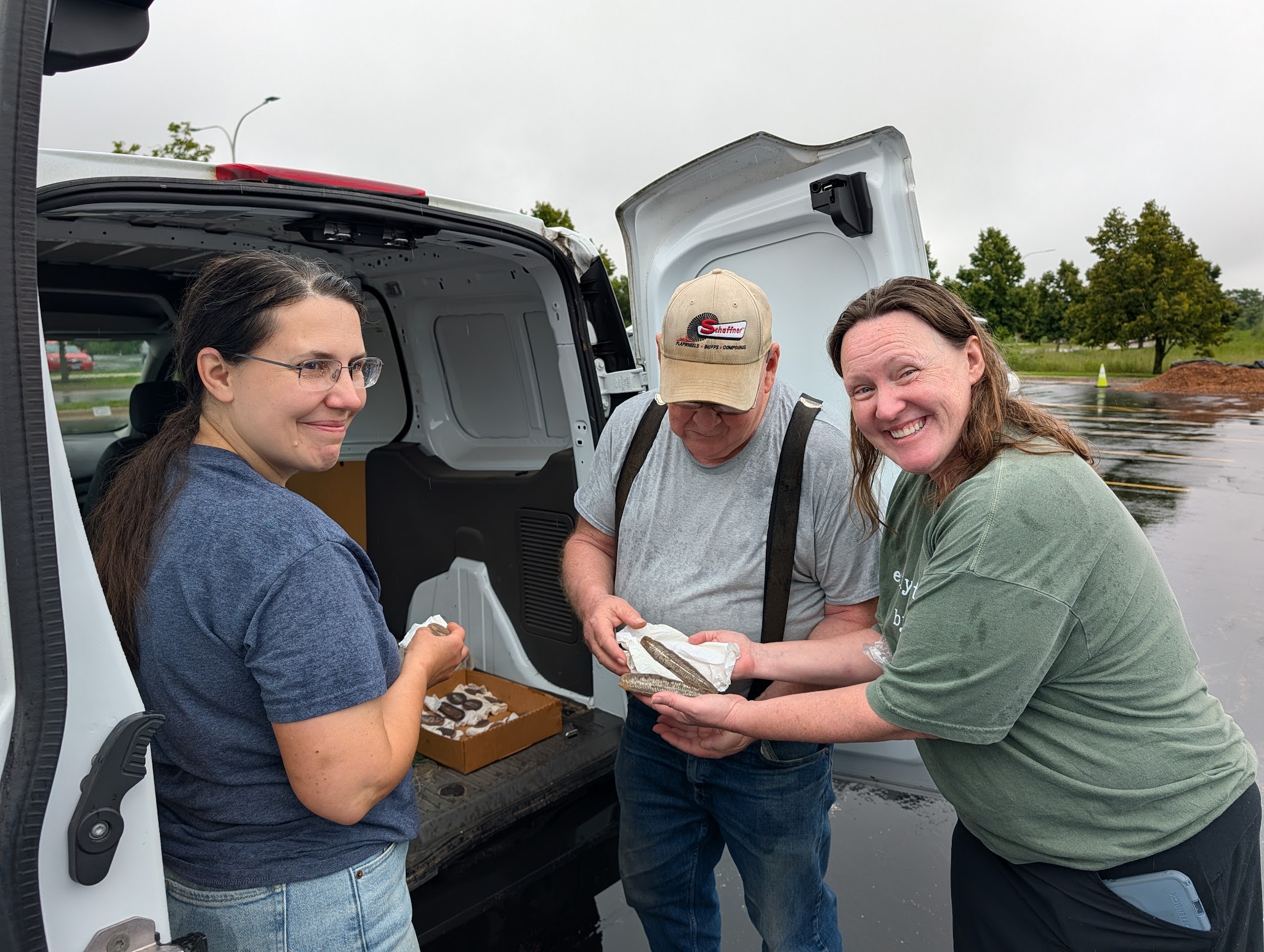
The day started cloudy with a predictions on rain from about 9 AM to 11 AM. Unfortunately, the meteorologists were correct this time. It rained pretty steadily for more than an hour. That kept probably kept quite a few people away, but for the ones who showed, there was much fun and plenty of rocks!…
-
Field Museum in the News! Paul Mayer on the Morgan Shoal
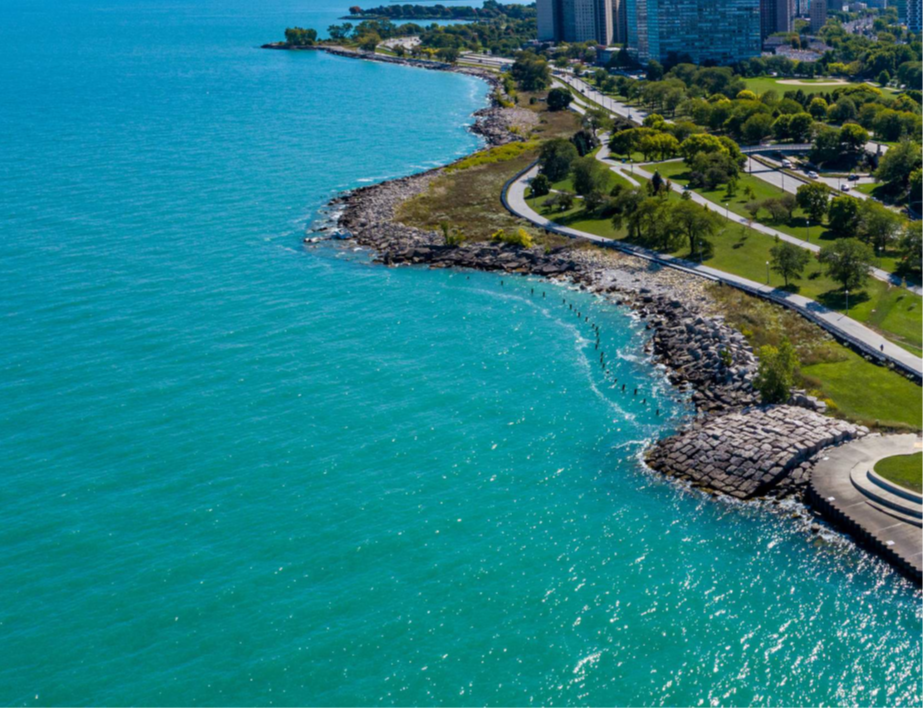
Paul Mayer, Fossil Invertebrate Collection Manager at the Field Museum in Chicago, IL was on “Chicago Live” recently. He was answering questions about the Silurian Rocks exposed in Lake Michigan at Morgan Shoal along the southern shoreline.
-
Fossil Friday #330: Mazon Creek in the Illinois State Fair 4H
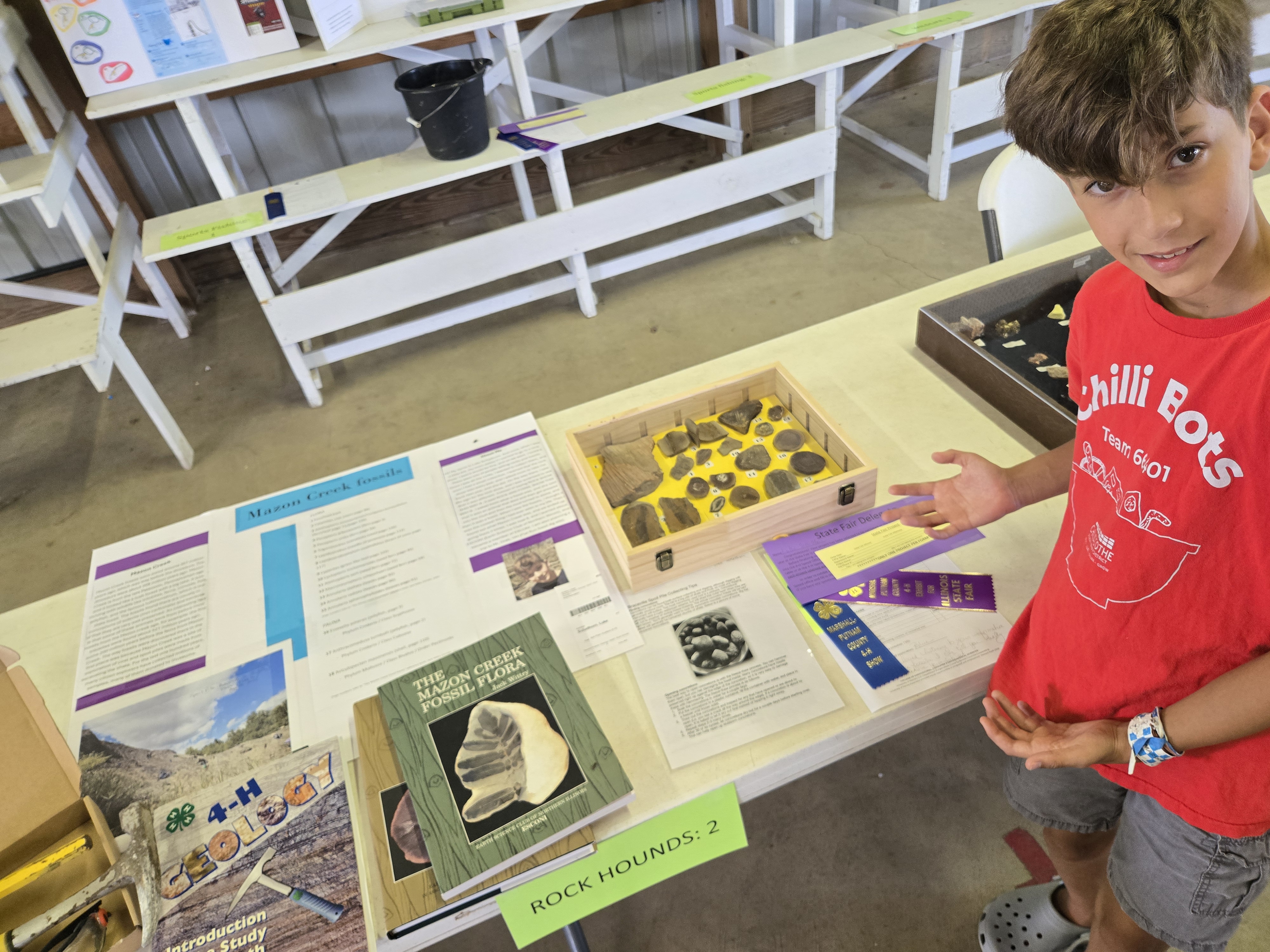
ESCONI Junior Luke Schallhorn had his Mazon Creek Fossils 4H geology project selected as a delegate from Marshall-Putnam County to the Illinois State Fair! It was on display on Sunday, August 16th, 2026. Maybe, you saw it?!?
-

Throwback Thursday #330: All Illinois Rock Swap and Silent Auction 1976
August 28, 2026 will mark the 50th Anniversary of the “All Illinois Rock Swap and Silent Auction”. It was held on August 28th and 29th, 1976 at the College of DuPage in Glen Ellyn, IL. The event was held in Parking Lot K. Long-time ESCONI member Rich Rock was Chairman. And really, who has a…
-
ESCONI Field Trip to Bellevue, MI Quarry on Saturday, September 12th, 2026
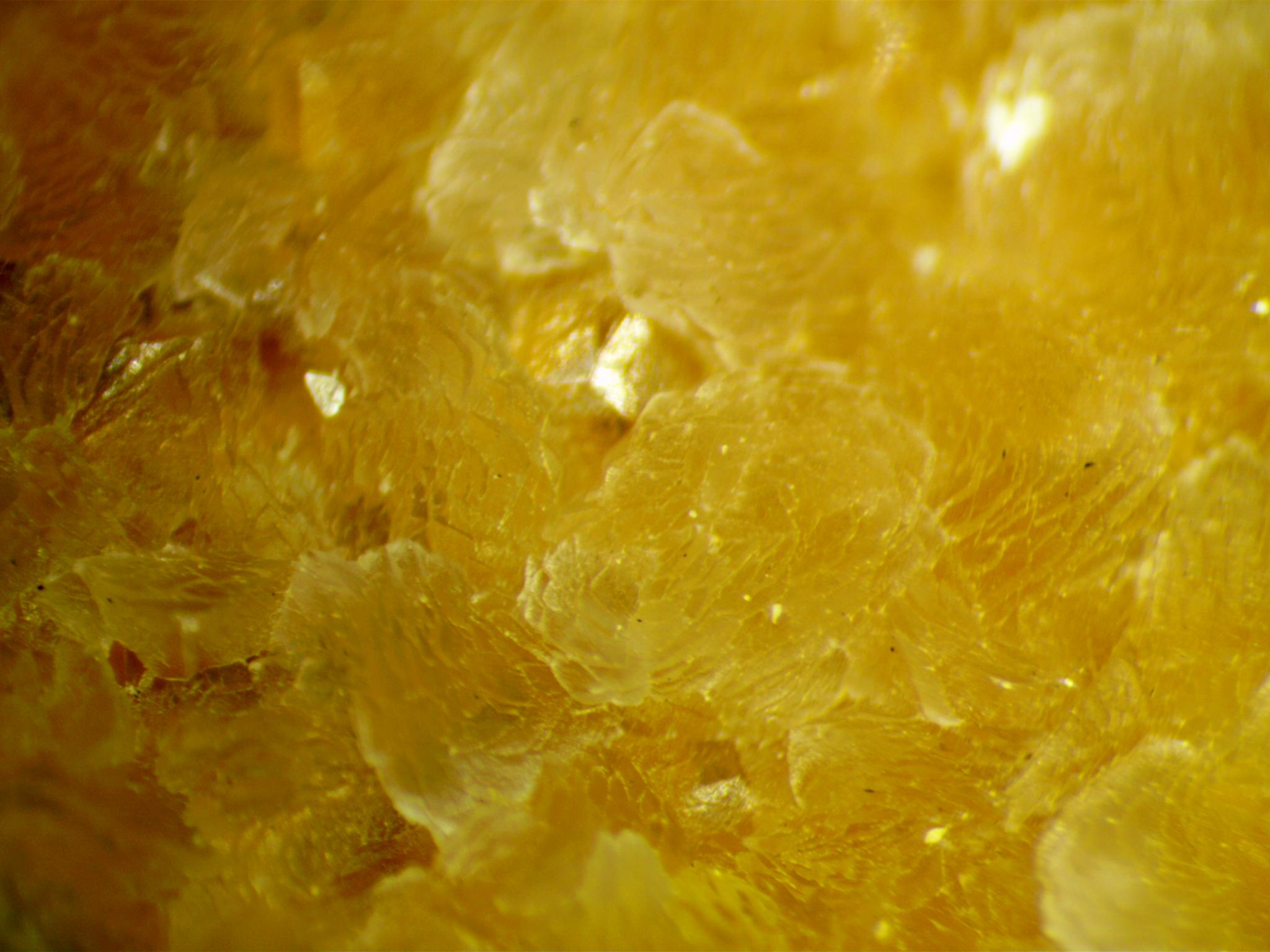
A field trip to a quarry in Bellevue, MI is scheduled for Saturday, September 12th, 2026. This is a joint trip with the Kalamazoo Geological and Mineral Society (KGMS), and will be led by KGMS members. There is space for 15 ESCONI members. The trip will be from 9:30 AM ET to 2:30 PM ET. Note…
-

Reminder! 2026 ESCONI Rock, Mineral and Fossil Swap and Sale – August 15, 2026 at College of DuPage
ESCONI is sponsoring a rock swap and sale event on August 15, 2026 at College of DuPage in Glen Ellyn. The location is Parking Lot 4, south of the Health and Science Building, and adjacent to the prairie.
-

Mazon Monday #335: Richardson Collecting at Pit 11 in 1974
A few years ago, Charlie Shabica donated a collection of historical documents to ESCONI, and these photographs were among the materials. They document a Mazon Creek field trip in July 1974 led by Eugene Richardson Jr., Curator of Fossil Invertebrates at the Field Museum.
-
Behold, The World’s Oldest Amber – a Record of a World 385 Million Years Ago
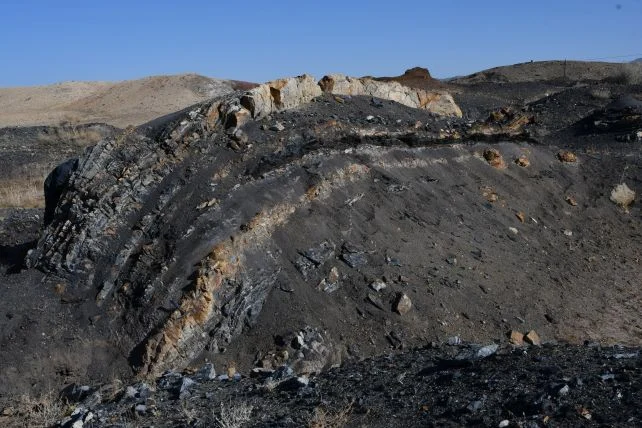
Science Alert has a story about the discovery of the oldest known amber. The amber dates to the Middle Devonian Period, some 385 mullion years ago and about 65 million years older than the previous record holder. Amber is fossilized tree resin, so land plants needed to evolve before amber was possible. This particular amber…
-

Rock River Valley Gem and Mineral Society Rock Swap – Saturday, September 12th, 2026
Rock River Valley Gem and Mineral Society Rock Swap – Saturday September 12, 2026
-

Fossil Friday #329: Pit 11 Roachoid!
This beautiful roachoid comes from ESCONI President Chris Berg. He collected it from the Pit 11. It opened up recently via the freeze/thaw method. Thanks for sharing, Chris!
-

Storms that built a graveyard: ancient monsoons created a spectacular dinosaur fossil site
The Conversation has an interesting post about an important fossil site in northeastern Italy. The Villaggio del Pescatore site dates to 80 million years ago, which was near the end of the Cretaceous Period. Fossil animals found in the locality were swept in to the area by monsoon rains and tropical cyclones. Dinosaurs, crocodiles, and…
-

Mazon Monday #334: Mariopteris lobatifolia
Mariopteris lobatifolia is one of the rare species of Mariopteris. Its pinnules have a very distinctive wing-like shape. See Mazon Monday #181 for the most common variety of Mariopteris, Mariopteris nervosa.
-
PBS Eons: How Pangea Upended Life on Earth
PBS Eons has released their TV series about Pangea! Check out Episode 2 on pbs.org. In the Late Carboniferous Period, predatory amphibians and giant arthropods ruled the swamps. But ancient seed plants and amniotes were evolving adaptations to drier climates. These will help them thrive on Pangea in the Permian Period to come. This is…
-
Fossil Friday #328: A Pit 11 Octomedusa piekorum
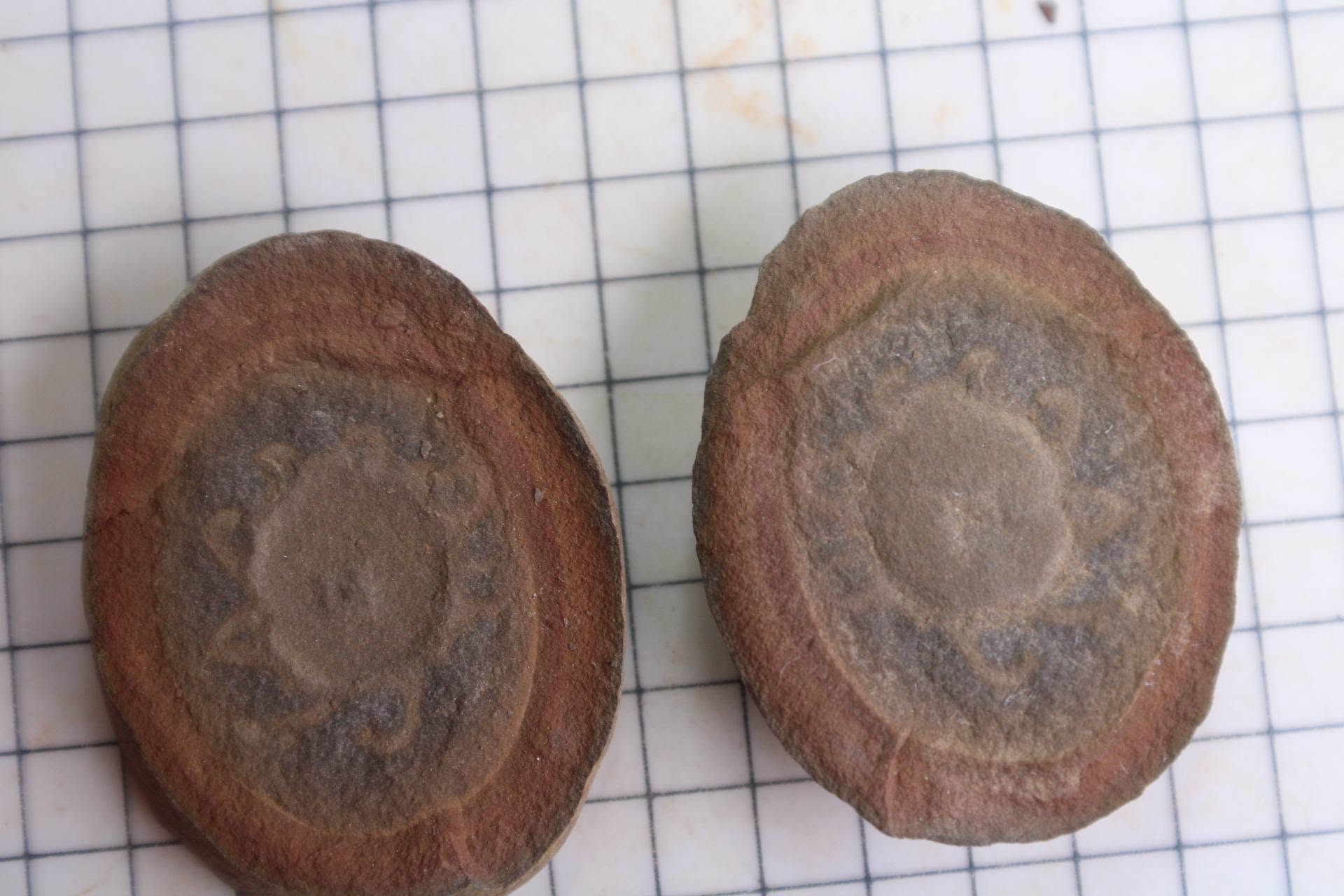
Well, we know how Alan Keith is spending his summer vacation… freeze/thawing his Mazon Creek concretions. Although, probably not out in the hot Texas sun. Alan had this nicely detailed Octomedusa piekorum (see Mazon Monday #54) open up recently.
-

PBS Eons: How the Tibetan Plateau Created the Ultimate Cat
PBS Eons has a new video. This one is about the evolution and migration of Homotherium, a large saber-tooted cat that lived on the Tibetan Plateau. How did Homotherium evolve to be so successful, and so different from basically all other cats, living and extinct? Well the answer may lie in a huge geological event:…
-
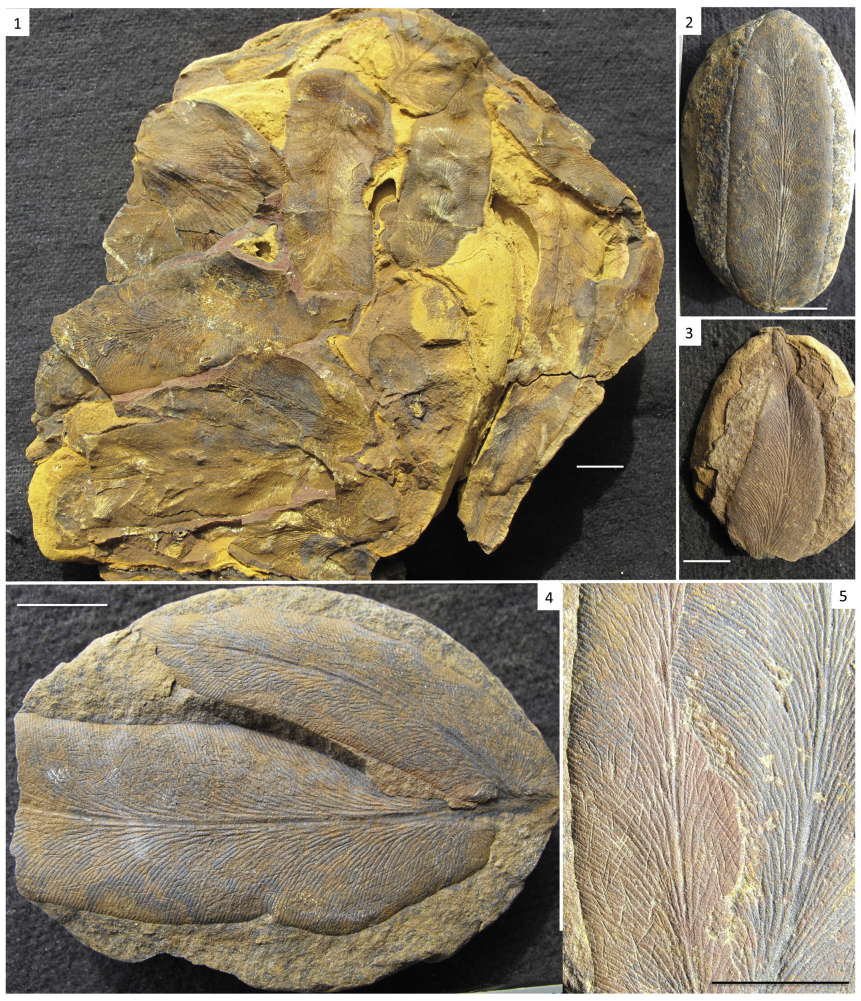
Mazon Monday #333: Interesting Pennsylvanian Fossil Sites – Okmulgee, Oklahoma
Way back in Mazon Monday #10, we referenced the paper “Mazon Creek-Type Fossil Assemblages in the U.S. Midcontinent Pennsylvanian” written by G. C. Baird, S. D. Sroka, C. W. Shabica, T. L. Beard, A. C. Scott and F. M. Broadhurst in October 1985. The paper lists and discusses the various Pennsylvanian fossil sites known to…
-
PBS Eons: We Made a TV Show!
PBS Eons has some exciting news… they made a TV show. It’s a two episode show called “Live and Death on Pangea”. It becomes available on July 29th, 2026 at the PBS app, website, and other places (Youtube?). Hey Eons fans, after 8 seasons of exploring deep time we have some very important news to…
-
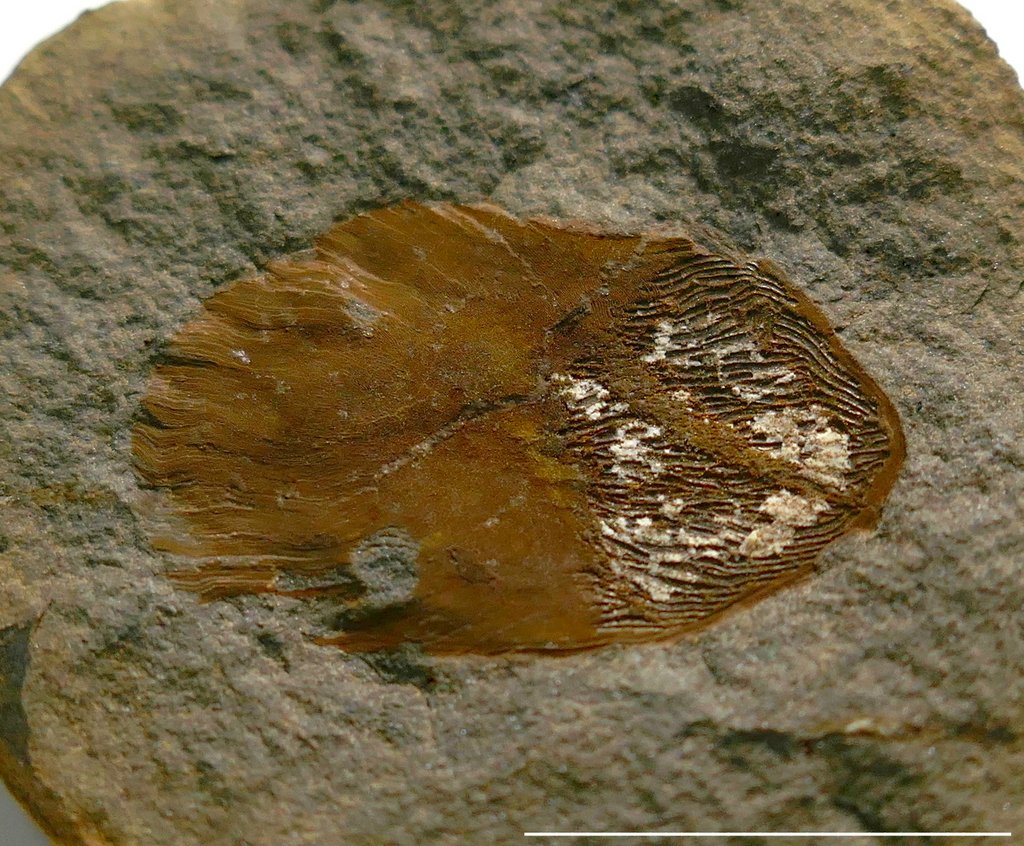
Fossil Friday #327: Danville Fish Scale
Andrew Young sent us these photos of an absolutely breathtaking fish scale from our most recent Danville field trip in early May 2026. He found it near the top of the slopes. It opened via freeze/thaw. The scale measures just 1.5 cm. The species is unsure, but it’s likely a lobe-finned fish. The Danville spoil…
