Tag: dinosaurs
-
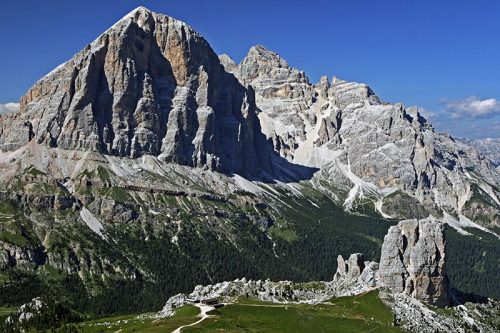
Did a million years of rain jump-start dinosaur evolution?
Nature has an interesting post about a spell of wet weather in the middle Triassic that may have spurred the evolution of the dinosaurs. This wet spell occurred for about a million years about 232 million years ago. The evidence for the very wet period (pluvial episode) is contained in Triassic rocks from the Carnian…
-
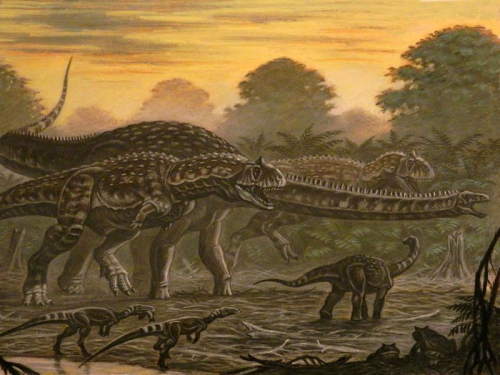
Flesh-Ripping Dinosaurs Replaced Their Teeth Multiple Times a Year
The Smithsonian has a story about tooth replacement in theropod dinosaurs. A new study published in the journal PLOS ONE has found that Majungasaurus probably replaced its teeth every 56 days. This is faster than the previous highest tooth replacement rate which was about 100 days in Jurassic carnivores Allosaurus and Ceratosaurus. This new rate…
-
Dinosaur skull turns paleontology assumptions on their head
Phys.org has a piece about a well-preserved Styracosaurus skull which is enlightening paleontologist to the morphological variability of the species. The skull was not symmetrical and has implications as to how we should identify new (and currently known) species of dinosaurs, especially ceratopsians. Details are in a paper published in the journal Cretaceous Research. The skull was…
-

Palaecast Episode 105: Ferrodraco
There’s a new episode of Palaeocast. This one is about the new Australian pterosaur, Ferrodraco lentoni, which was recently described in a paper that appeared in Scientific Reports. Discovered in the Winton area of central western Queensland, it had a wingspan of about 4 meters (13 feet). This animal lived about 96 million years ago,…
-

First evidence of feathered polar dinosaurs found in Australia
Phys.org has a story about the first polar dinosaurs with feathers. Fossilized dinosaur and bird feathers have been found in what are fine muddy sediments in Australia. The deposit was once the bottom of a shallow lake that was close to the South Pole during the Cretaceous. The feathers date to about 118 million years…
-

‘A scientific goldmine’: U of A paleontologists discover complete skeleton of small, carnivorous dino
The Edmonton Journal has a story about a recent dinosaur find. In 2014, a remarkablely complete, small, carnivorous dinosaur in “exquisitely preserved” condition was discovered by University of Alberta paleontologist Clive Coy. The animal, called Saurornitholestes, lived about 76 million years ago. Saurornitholestes is a small, feathered carnivorous dinosaur part of the dromaeosaurid family —…
-
CBS Sunday Morning: Our fascination with Tyrannosaurus Rex
CBS Sunday Morning had a segment about our fascination with T rex. One of the most aptly named dinosaurs, it’s name means “Tyrant Lizard King”. This piece an interview with Mark Norell, head paleontologist at the American Museum of Natural History. As the CBS crew joins a University of Kansas expedition to Wyoming to find…
-

The Dinosaur-Killing Asteroid Acidified the Ocean in a Flash
New York Times has a story about the K-Pg mass extinction event. A recently published paper in The Proceedings of the National Academy of Sciences finds that the meteor at the end of the Cretaceous had an immediate and catastrophic effect on the ocean. What happened to the dinosaurs when an asteroid about six miles wide struck…
-

PBS Eons: The Case of the Dinosaur Egg Thief
There’s a new PBS Eons episode. This one’s about Oviraptor. The would be “Egg Thief” is now a caring mother… Paleontologists found a small theropod dinosaur skull right on top of a nest of eggs that were believed to belong to a plant-eating dinosaur. Instead of being the nest robbers that they were originally…
-

NBC5: Smell Sue the T. Rex’s Breath at New Field Museum Exhibit
NBC5 has a segment on some new features in SUE exhibit at the Field Museum. You can feel her skin, hear her rumble, even smell her breath… it’s a whole day in the life of a T-rex! What did Sue the T. Rex’s breath smell like back in the day (i.e. the late Cretaceous Period)?…
-

The Brain Scoop: Recommended Reading: 2019!
The Brain Scoop has an episode which highlights some good books. So, if you are looking to read something interesting and science related, these are some really good suggestions! Hi! I’m on the road filming PREHISTORIC ROAD TRIP, a 3-part series that will premiere nationally on PBS in 2020! We’ll get back to our…
-
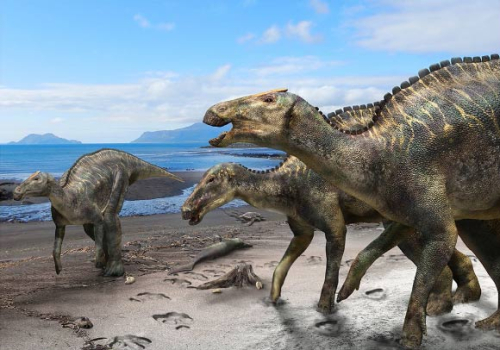
SciNews: New Duck-Billed Dinosaur Unveiled: Kamuysaurus japonicus
Science News has an article about a newly described dinosaur from Japan. It’s a duck-billed dinosaur that lived 72 million years ago during the Cretaceous period. Named Kamuysaurus japonicus, it belongs to a family Hadrosauridae. All the details can be found in a paper in the journal Scientific Reports. The specimen was analyzed by paleontologists from…
-
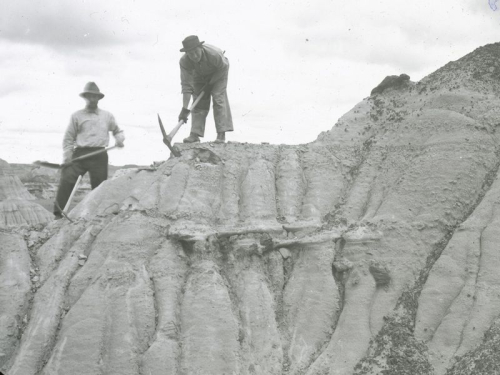
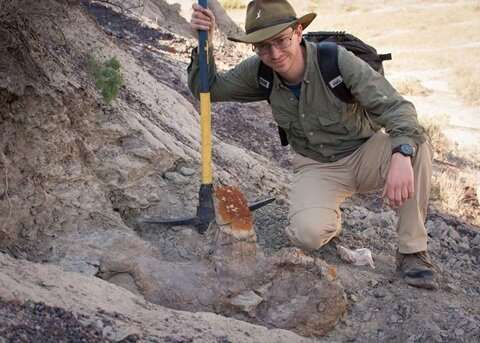
Smithsonian: How to Discover Dinosaurs
Over on Smithsonian.com, Hans-Dieter Sues has an article about finding dinosaurs. The article answers many of the what, where, and how kind. People always ask, “How do you know where to dig?” Well, first we have to find a dinosaur skeleton before we can dig it up. To collect dinosaurs requires careful planning. Unless they…
-
PBS Eons: The Raptor That Made Us Rethink Dinosaurs
PBS Eons has a new episode about Deinonychus and that endless question… Were dinosaurs warm or cold blooded? In 1964, a paleontologist named John Ostrom unearthed some fascinating fossils from the mudstone of Montana. Its discovery set the stage for what’s known today as the Dinosaur Renaissance, a total re-thinking of what we thought…
-
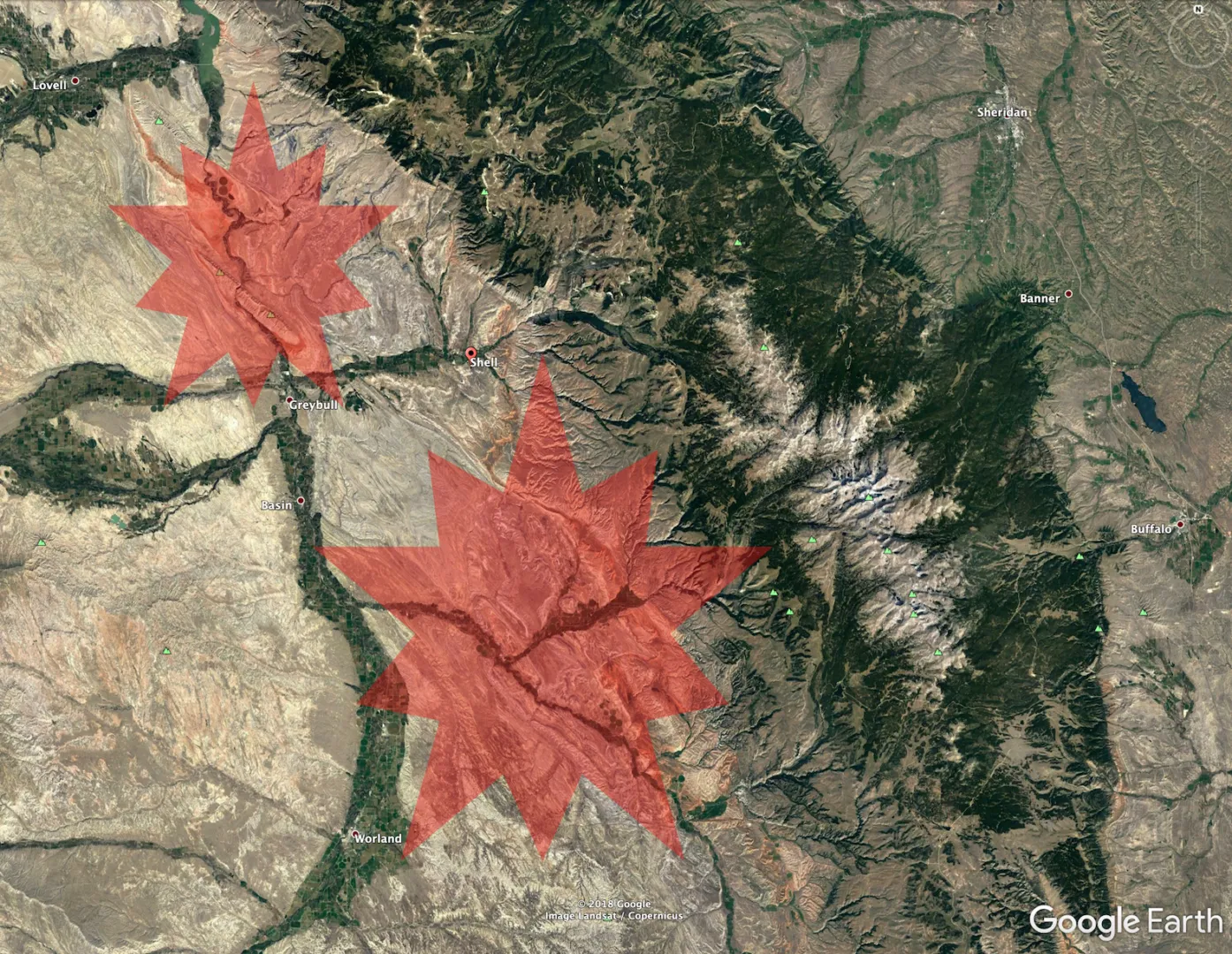
Jurassic dig uncovering hundreds of dinosaurs in Wyoming
Buckrail has a post about a massive dinosaur dig in north-central Wyoming. Called “Mission Jurassic”, the effort has become a collaboration between paleontologists across the US and the UK. The site itself is huge and may hold hundreds of dinosaurs, including four mighty sauropods that have already been identified. Geologists have long known about…
-
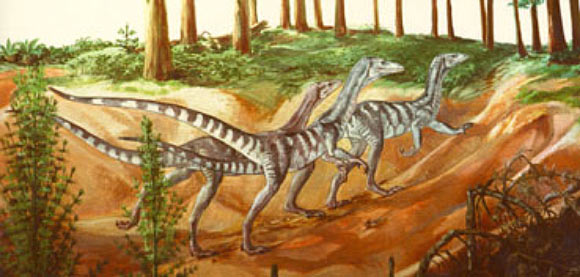
SciNews: Elevated Levels of Oxygen Gave Rise to North American Dinosaurs, Scientists Say
SciNews has a post about the rise of the dinosaurs during the Triassic. It seems that oxygen rose over 25% in 3 million years. That change might have led to the expansion of dinosaurs around 215 million years ago. The paper was presented at the 2019 Goldschmidt Conference in Barcelona, Spain. A team of researchers…
-
ESCONI Flashback Friday #16: Karen’s Komments
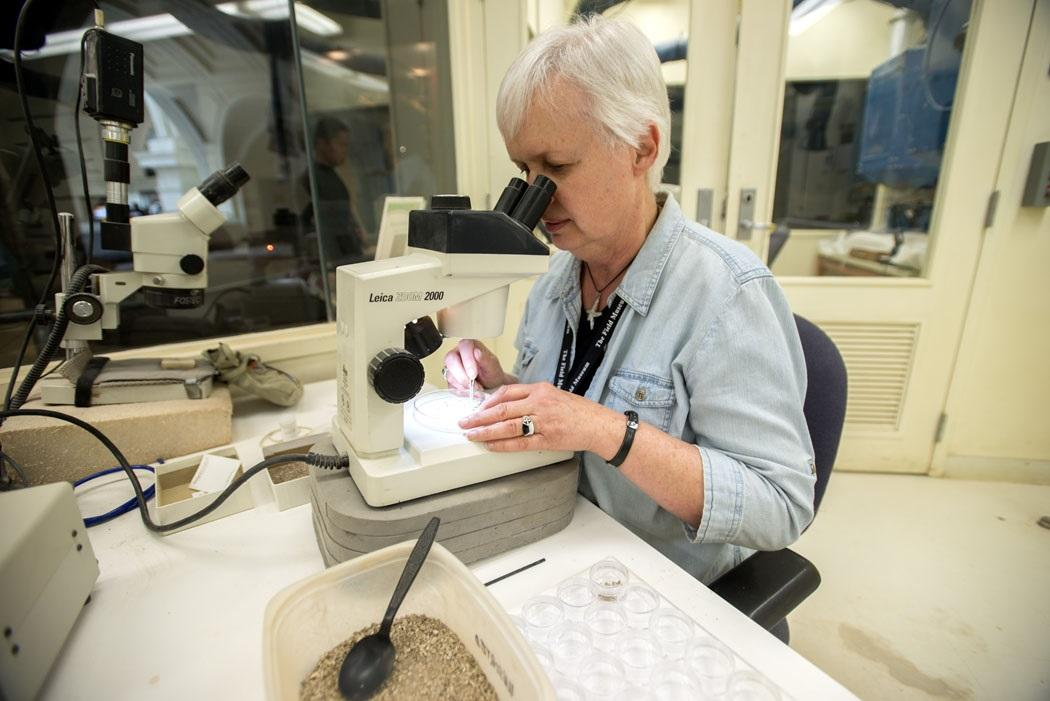
As part of the run up to ESCONI’s 70th Anniversary, here is Flashback Friday post #16. If you have pictures or stories to contribute, please send them over to esconi.info@gmail.com. Thanks! Karen Nordquist’s monthly column in “The Earth Science News” started as “DINO News” in January 1998 and continued under that name until December 1999. …
-

NHM: The oldest stegosaur ever has been discovered in Morocco
The Natural History Museum in London has a post about a newly described Stegosaur. This animal lived about 168 million years ago, during the middle Jurassic, in what is now the Middle Atlas mountains of Morocco. It’s the first stegosaur found in North Africa and is called Adratiklit boulahfa. The paper describing it appeared in…
-
Scientific American: Ancient Mongolian Nests Show Dinosaurs Protected Their Eggs
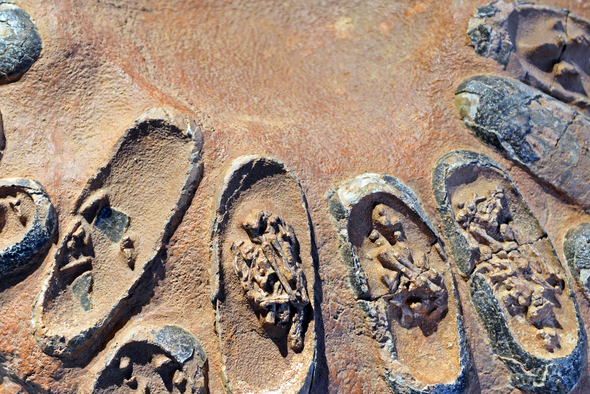
Scientific American has an article about fossil dinosaur eggs. A new find, which consisted of about 15 nests and more than 50 eggs, was found in what is now the Gobi Desert. It dates to the late Cretaceous, about 80 million years ago and shows evidence of gregarious behavior. All the details appeared in a…
-
PBS Eons: Was This Dinosaur a Cannibal?
PBS Eons has a new episode. This one is about the Ceolophysis finds at the Ghost Ranch an the implications for dinosaur behavior. Paleontologists have spent the better part of two decades debating whether Coelophysis ate its own kind. It turns out, the evidence that scientists have had to study in order to answer…
-
NPR: College Student Discovers 65-Million-Year-Old Triceratops Skull
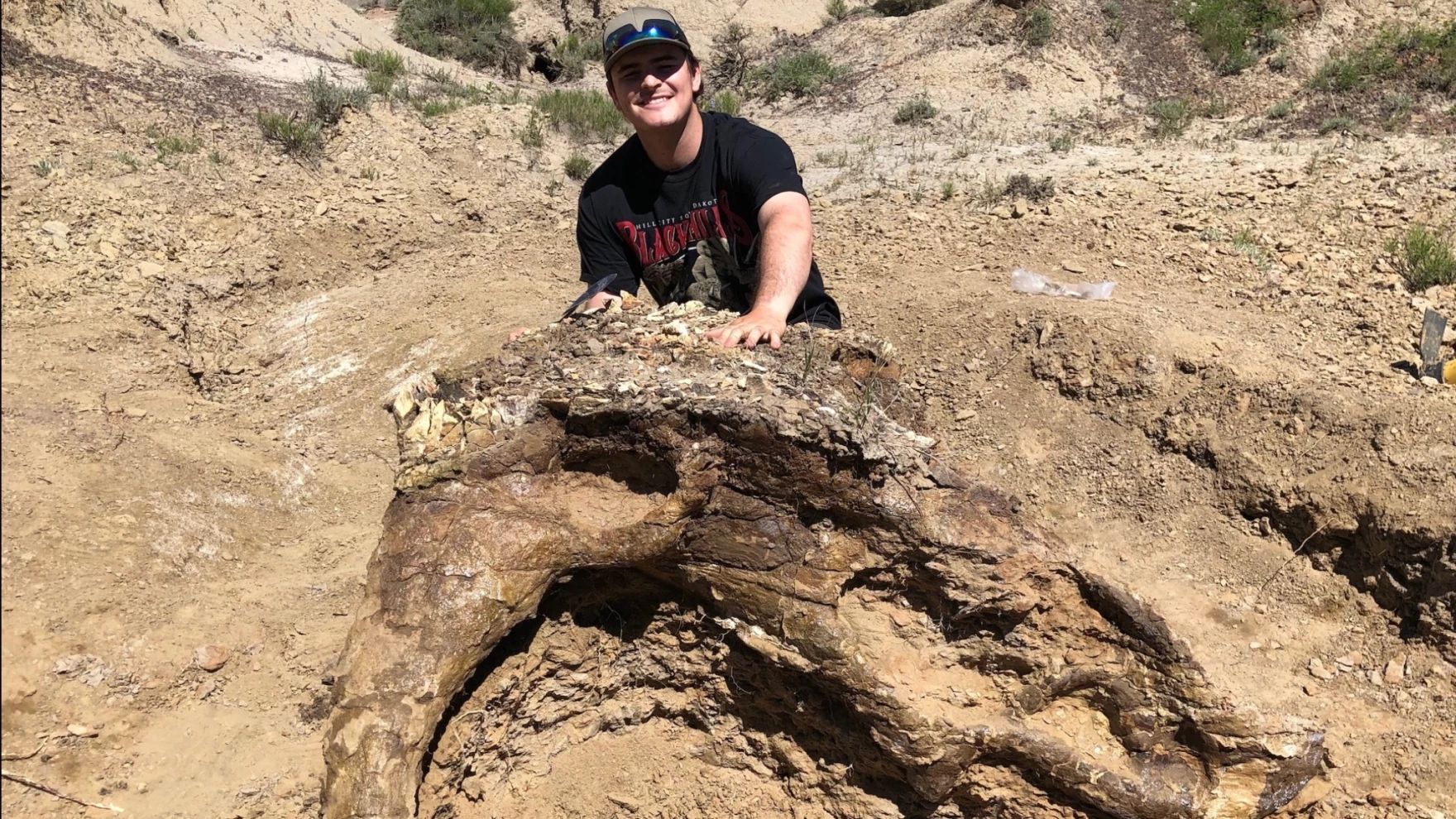
https://youtu.be/9rqOcg9aqIc NPR has a story about hunting dinosaurs in the Badlands of North Dakota. The post describes the adventures of college student Harrison Duran. He grew up visiting the La Brea Tar Pits in Los Angeles and dreamed of finding dinosaurs. This year, he participated in a paleontology dig with Michael Kjelland, a biology professor…
-
The Guardian: Perhaps the best dinosaur fossil ever discovered. So why has hardly anyone seen it?
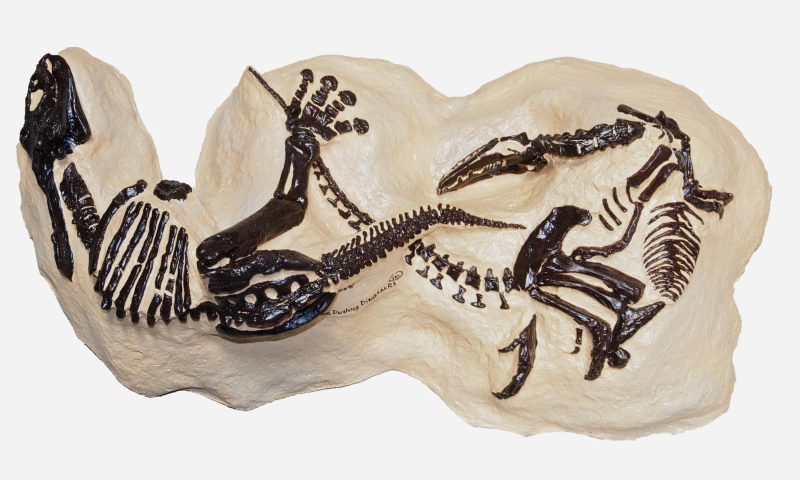
The Guardian has an article about the so called “Dueling Dinosaurs”. The “Dueling Dinosaurs” are a large fossil plate that consists of both a 28 foot long ceratoptian (probably Triceratops horridus) and a 22 foot long theropod (possibly Tyrannosaurus rex or the controversial Nanotyrannus lancensis). Both skeletons are fairly complete, with exceptional preservation, fully articulated,…
-

SciNews: New Bird-Like Dinosaur Unearthed in Wyoming
SciNews has an article about the discovery of a new bird-like dinosaur in Wyoming. The animal, Hesperornithoides miessleri, lived about 150 million years ago, during the Jurassic period. It has been nicknamed Lori and was about the size of a chicken. Its contemporaries were giant dinosaurs like Stegaoaurus, Diplodocus, and Allosaurus. The description appeared in…
-
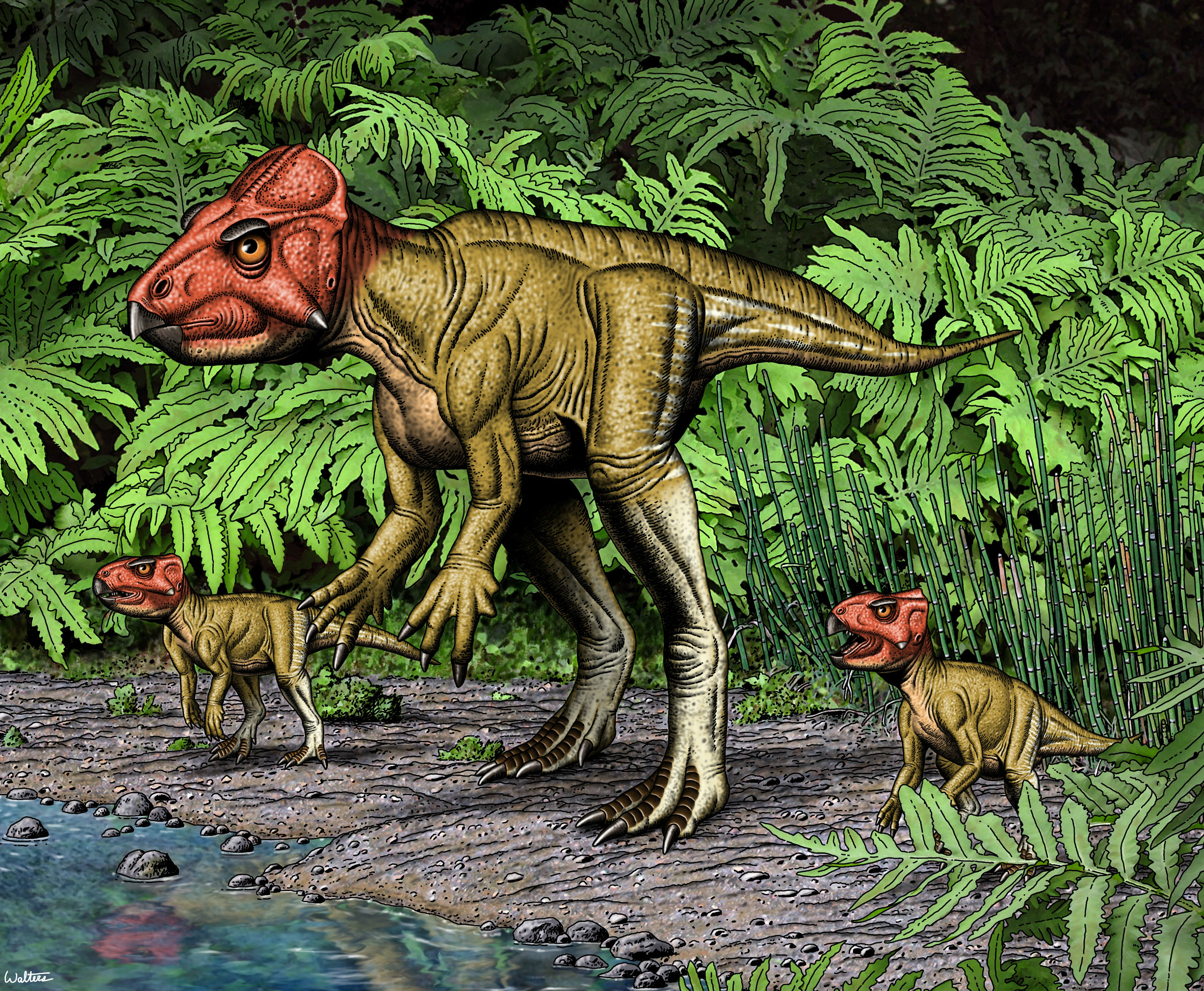
SciNews: Small horned dinosaur from China, a Triceratops relative, walked on two feet
SciNews has an article about a relative of the iconic dinosaur Triceratops. Auroraceratops rugosus lived about 115 million years ago in China’s Gansu Providence. It was discovered in 2005. And, in the intervening years, about 80 individuals have been found. Some recent analysis has led to the theory that Auroraceratops walked on two feet instead…
-
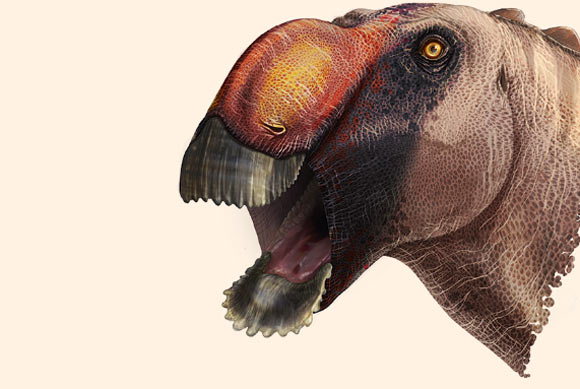
SciNews: ‘Shovel-Billed’ Dinosaur Roamed Texas 80 Million Years Ago
SciNews has an article about the discovery of a primitive hadrosaur. The specimen was found and collected in the 1980s and 1990s in Texas and is called Aquilarhinus palimentus. It belongs to Hadrosauridae (duck-billed dinosaurs) a group of plant-eating dinosaurs from the Cretaceous period. The original paper appeared in the Journal of Systematic Paleontology. “Hadrosaurids…
-

Palaeocast Episode 101: Organic Preservation of Dinosaur Bone
There’s a new episode of the Palaeocast podcast. It’s a discussion with Dr. Evan Saitta of the Field Museum of Natural History in Chicago, who recently published a paper that investigates the controversial discoveries. Fossilisation of organic material was long thought to result in the complete loss of original content. However in the last 20…
-
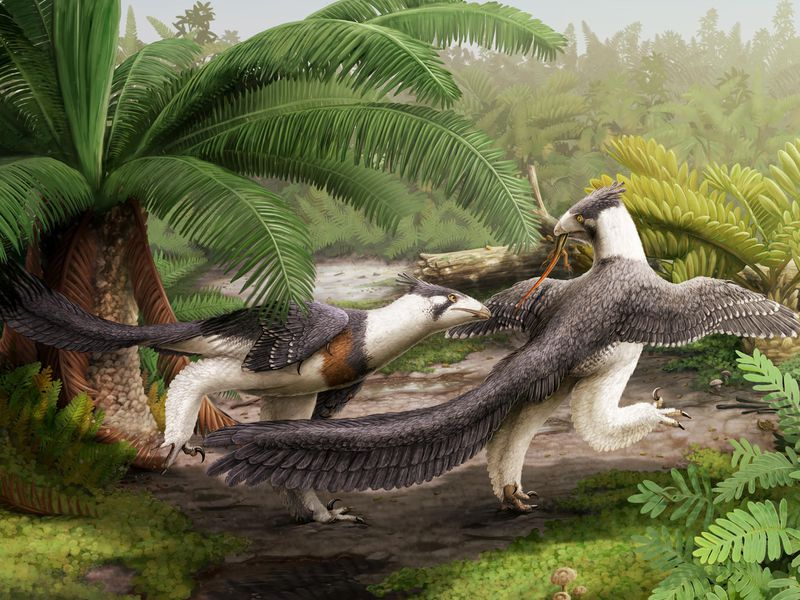
Smithsonian: Discovery of Raptor-Like Dinosaur Adds a New Wrinkle to the Origin of Birds
Smithsonian has a story about the discovery of a small dinosaur that sheds light on the origin of birds. While excavating a Supersaurus nicknamed “Jimbo”, Wyoming Dinosaur Center paleontologist spotted some small bones amongst the enormous bones. Named Hesperornithoides miessleri, the animal lived about 150 million years ago during the late Jurassic. The specimen is referred…
-
PBS Eons: When the Synapsids Struck Back
PBS Eons has a great video about the ancestors and evolution of the mammals and the Permian Mass Extincton. Synapsids were the world’s first-ever terrestrial megafauna but the vast majority of these giants were doomed to extinction. However some lived on, keeping a low profile among the dinosaurs. And now our world is the…
-

Mammals and their relatives thrived, diversified during so-called ‘Age of Dinosaurs’
Phys.org has an article about Mammals during the “Age of Dinosaurs”. In a paper in Trends & Evolution, a review paper summarizes the latest fossil evidence of the state of Mammals and their relatives during the Jurassic and Cretaceous periods. It seems that Mammals were flourishing and experienced a couple ecological radiations during this time.…
-
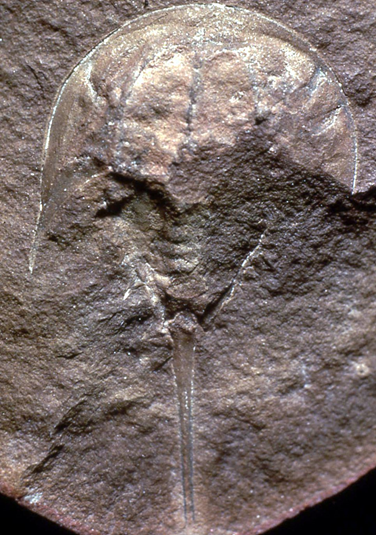
Roy Plotnick: I am not Indiana Jones or why I am writing a book (it’s not for the money)
Roy Plotnick has an insightful blog post over on Medium. He discusses perceptions of paleontologists and Paleontology in general – who they are, what they do, and why it’s important. Check it out! If you’ve read any of his previous posts, you’ll know it’s a great read! The confusion with archaeologists is of somewhat understandable;…
