Tag: dinosaurs
-

National Geographic: Gem-like fossils reveal stunning new dinosaur species
The National Geographic has a story about the discovery a new dinosaur in Australia. The animal, called Fostoria dhimbangunmal, lived about 150 million years ago. It’s an early member of a group that will eventually evolve into duck-billed hadrosaurs. The bones are opalized and was discovered near a town called Lightning Ridge, famous for brightly…
-

Newly Discovered Bat-Like Dinosaur Reveals the Intricacies of Prehistoric Flight
The Smithsonian has a story about a new “bat-like” dinosaur from China. This animal lived about 160 million years ago in the middle Jurassic. It’s called Ambopteryx longibrachium and it’s seems to be related to Yi qi, which was described back in 2015. The description of Ambopteryx appeared recently in the jounal Nature. About 160…
-
ScienceMag: Countries demand their fossils back, forcing natural history museums to confront their past
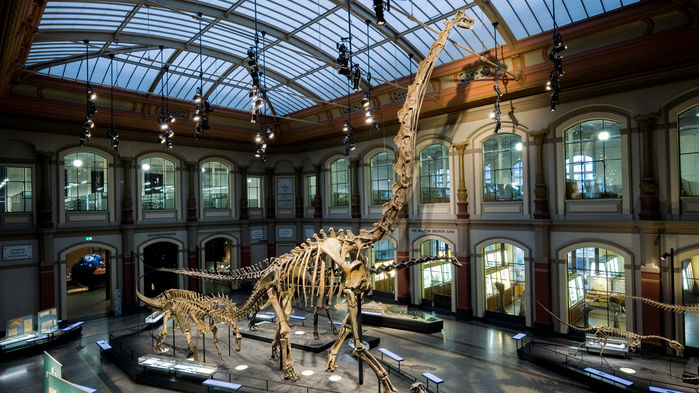
Science Magazine has a story about natural history museums having to re-assess how fossils were obtained in the past. Back during the colonial period, expeditions were launch to the vast corners of the world and many valuable specimens were brought back to Europe. Now, the countries that currently occupy those corners are asking for their…
-
NPR The Indicator: Selling a T-rex on eBay
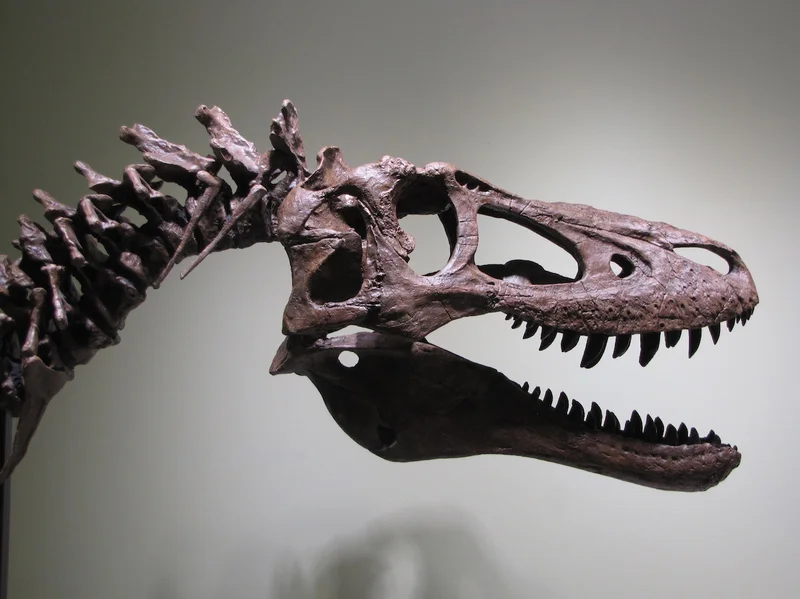
NPR’s “The Indicator” podcast has an episode about a baby T-rex for sale on eBay. They do a good job of describing the situation. The podcast is an excellent way to learn about the economics. They have short informative episodes daily. Check it out!
-
Is “Scotty” the Biggest T. rex? Maybe Not!
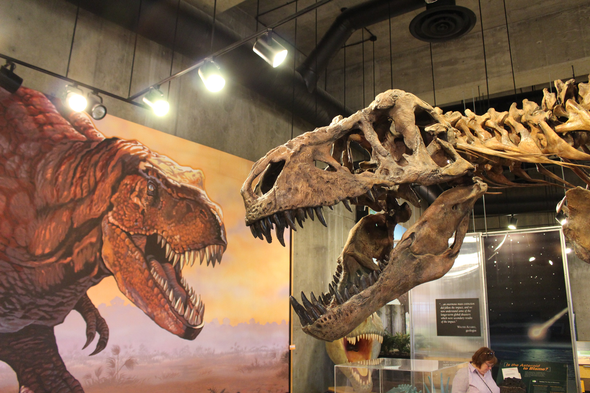
Brian Switeck on his Laelaps blog has a great post that discusses why “Scotty” may NOT be the biggest T.rex. Our local favorite, “SUE” of the Field Museum has long been billed as the largest, oldest, and most complete T.rex ever found. There isn’t any doubt in the “most complete” title. But, largest and oldest…
-
USPS: T-rex Postage Stamps Coming Soon To A Post Office Near You!
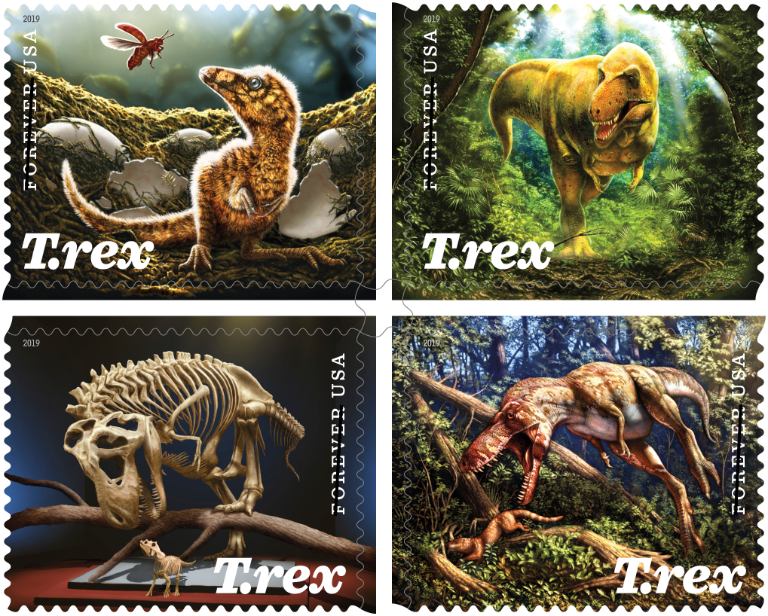
The USPS will be releasing a pane of T-rex postage stamps starting June 28th, 2019. Details are here. With this pane of 16 stamps, the Postal Service brings Tyrannosaurus rex to life — some 66 million years after its demise. One design illustrates a face-to-face encounter with a T. rex approaching through a forest clearing; another shows the same…
-
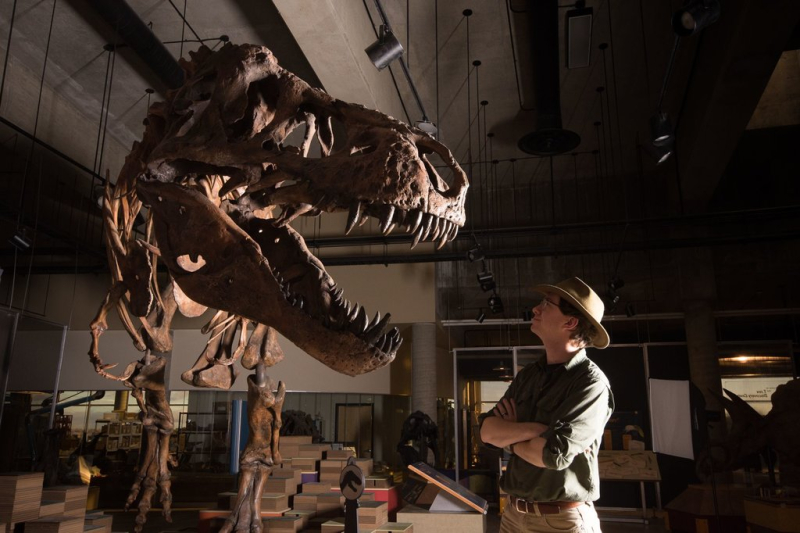
NYT: ‘Scotty’ the T. Rex Is the Heaviest Ever Found, Scientists Say
The NY Times has a piece about Scotty the Tyrannosaurus rex. The specimen was discovered in Saskatchewan in 1991. A paper published in the scientific journal “The Anatomical Record estimates Scotty to have weighed 19,555 pounds, which would make it heavier than SUE – estimated between 12,000 – 14,000. Size and age are also seen…
-
This Natural History Museum’s Most Underrated Collection Is Its Beer List
October has an interesting story about the Field Museum and its beer collection. Tooth & Claw from Off Color Brewing has been offered for a while. There’s currently PseudoSue and KingSue from the Toppling Goliath Brewery, with Dancing Dinos coming in April. A new exhibit at the Field Museum is called “Brewing Up Chicago” that…
-

Happy Birthday, John Ostrom – The man who saved the dinosaurs!
For 30 years, Ostrom steadily and meticulously refuted critics of his theories. He is shown here in the Yale Peabody Museum, near a Deinonychus in mid-leap. Deinonychus in full sprint, as drawn by Robert Bakker ’67—a student of Ostrom’s and a crusader for the view that dinosaurs were active, dynamic animals. The drawing appeared in Ostrom’s 1969 paper…
-
Reminder: ESCONI Paleontology Study Group Meeting, Saturday, February 16rd, 2019, 7:30 PM
The ESCONI Paleontology Study Group Meeting for February is on February 16th, 2019 at 7:30 PM. The topic is the movie “Dinosaur 13”, which is about the discovery of Sue the T-rex at the Field Museum. We might also review the Sue talk/discussion from January. Come on out and join us for some good discussion!…
-

Sparkly, opal-filled fossils reveal new dinosaur species
National Geographic has a story about an opalized dinosaur fossil discovered in Australia’s Lightning Ridge. The fossils were found from a mine near Wee Warra in New South Wales and belong to a newly named dinosaur species called Weewarrasaurus pobeni. The animal was a herbivore about the size of a Labrador retriever. It lived about…
-

PBS NOVA: The Day the Dinosaurs Died
PBS Nova has full video of the “The Day the Dinosaurs Died” episode on their website. It originally aired back in December 2017 and is a good one! 66 million years ago, a seven-mile-wide asteroid collided with Earth, triggering a chain of events that coincide with the end of the dinosaurs. But experts have long…
-
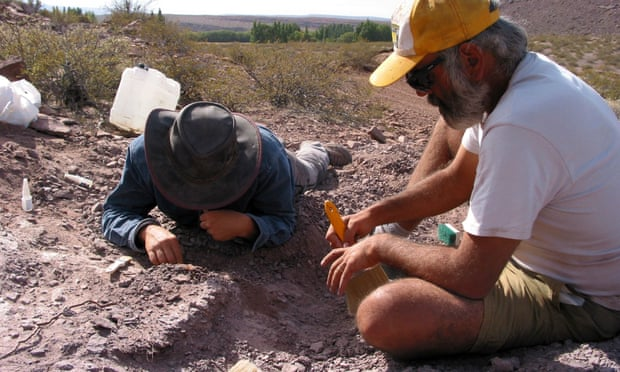
New sauropod dinosaur species unearthed in Argentina – Lavocatisaurus agrioensis
The Guardian has a story about a new sauropod dinosaur discovered in Argentina. It lived about 110 million years ago and was found by a team of Spanish and Argentinian paleontologists. Lavocatisaurus agrioensis was described in the journal Acta Palaeontologica Polonica. A team of Spanish and Argentinian paleontologists have discovered the remains of dinosaurs that…
-
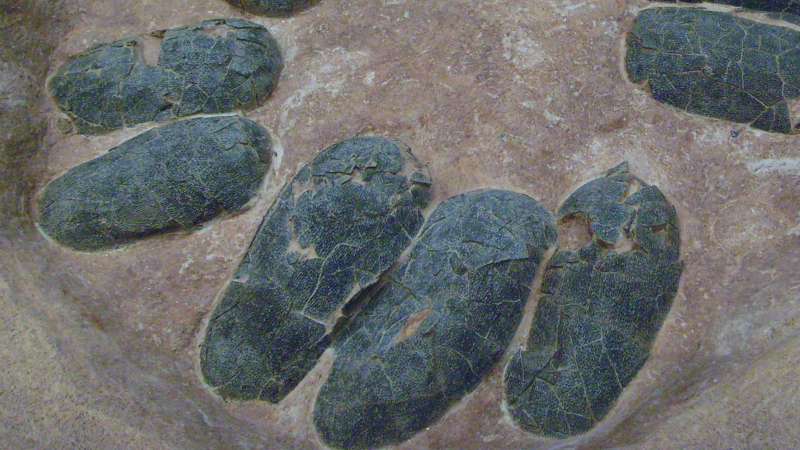
Why Do Birds Have Colorful Eggs? Because They’re Dinosaurs
Gizmodo has an article about bird eggs. Why are they colorful? Well, dinosaurs had colorful eggs and birds are dinosaurs, therefore, birds also have colorful eggs. A recent study in Nature proposes that colorful dinosaur eggs had a single evolutionary origin. Birds are the only living amniotes with coloured eggs, which have long been considered…
-
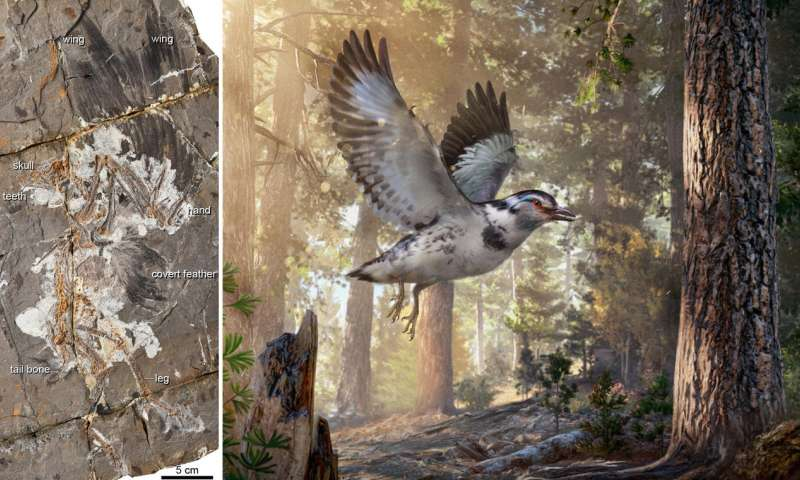
Chinese Cretaceous fossil highlights avian evolution
Phys.org has a story about a newly identified extinct bird species. The 127 million year old bird lived in what is now northeastern China. Its name is Jinguoforis perplexus and it provides new information about avian development during the early evolution of flight. Details are provided in a paper published in PNAS. Drs. Wang Min,…
-
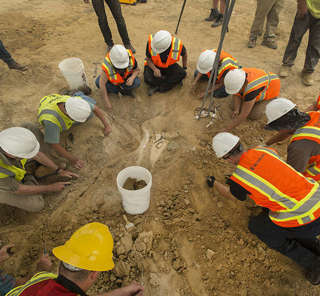
The Story of Tiny, Thornton Colorado’s Torosaurus
The city of Thornton in Colorado, just north of Denver, has a website about their very own Torosaurus. The website details the whole story, from discovery, to extraction, to display in the Denver Museum of Nature and Science, concluding with the legacy of the affair. There’s even a YouTube video with more explanation. Denver Triceratops…
-
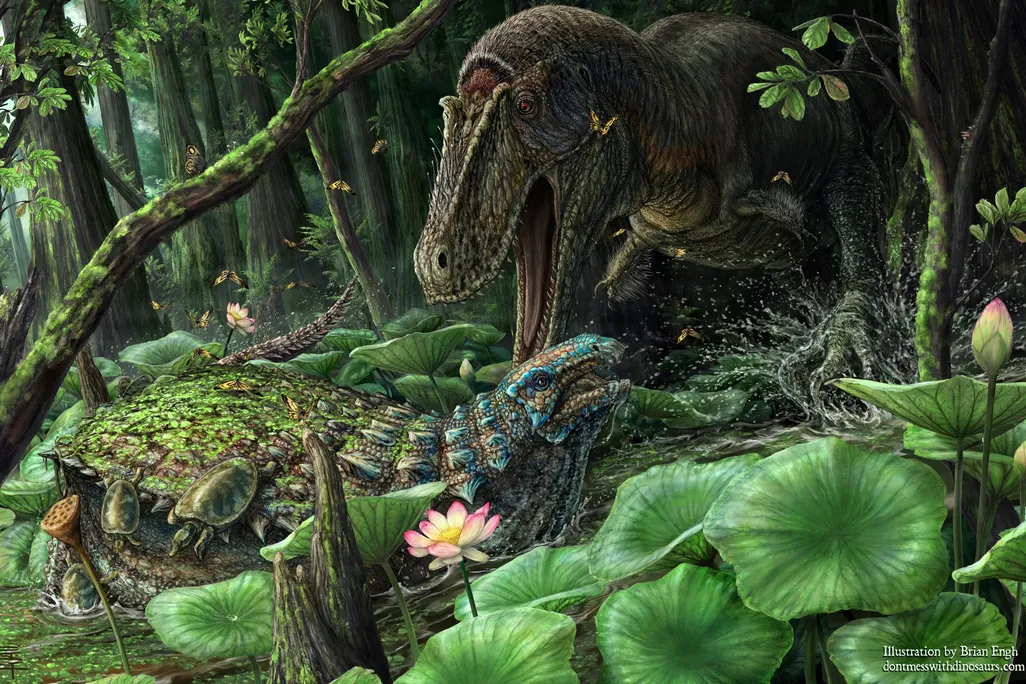
Newly Discovered Tyrant Dinosaur Stalked Ancient New Mexico
The Smithsonian has a post about a new tyrannosaur. Its name is Dynamoterror and it lived about 80 million years ago in what is now New Mexico. The paper, published in PeerJ, describes the 30-foot-long meat eater, which probably snacked on hadrosaurs, armored dinosaurs, and ceratopsians that lived in the hot, humid, and lush forests…
-

PBS Eons: Did Raptorex Really Exist?
PBS Eons has a new video… Did Raptorex Really Exist? It discusses the controversy over when, where, and did Raptorex live.
-
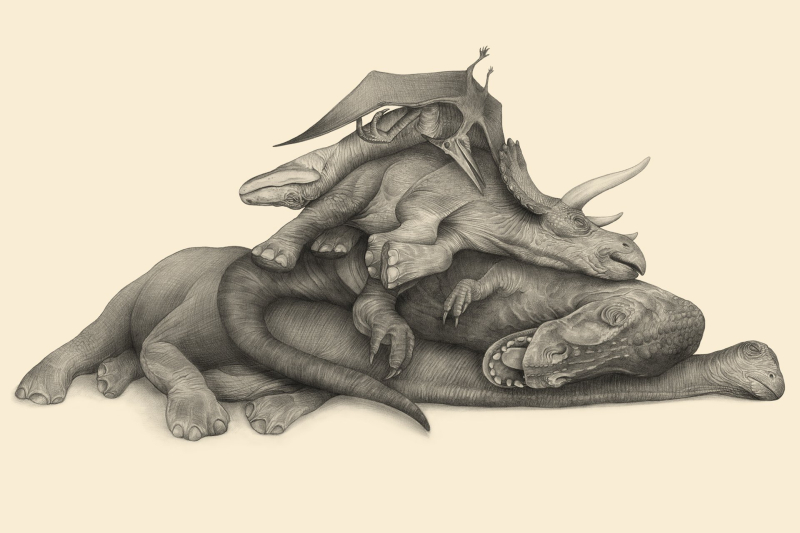
The Nastiest Feud in Science
The Atlantic has an article about Gerta Keller and her differences with the consensus view on the causes of the K-Pg mass extinction. It’s a good read, but there are some errors. Gerta’s position is that the meteor strike was just a bit player in the whole event. There are many good books on either…
-
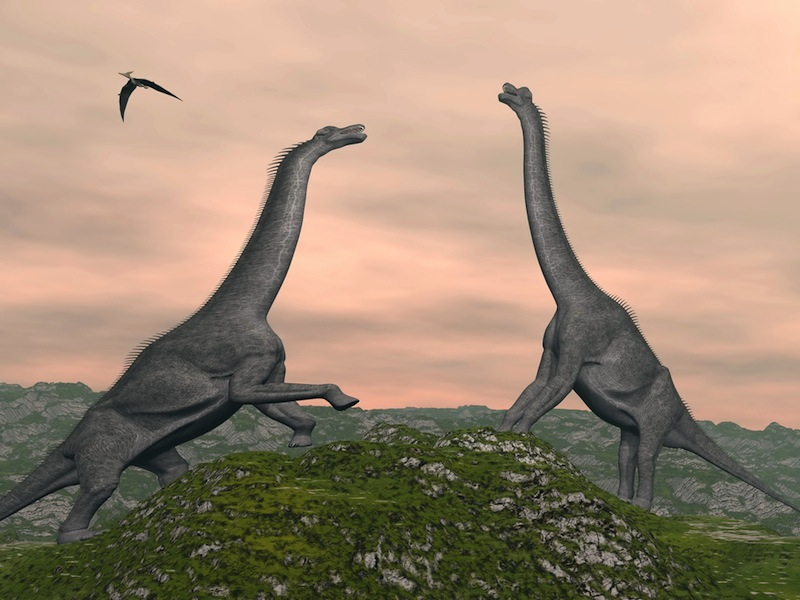
Scientists May Have Wildly Underestimated the Giant Dinosaurs of the Ancient World
LiveScience has an interesting story about sauropod dinosaurs. It seems that their leafy meals were probably a whole lot more hearty, wholesome, and nutrient packed than previously thought. This research appeared in the journal Palaeontology. The conventional wisdom about the big plant-eating dinosaurs, like Brachiosaurus and Argentinosaurus, is that they had to eat huge…
-
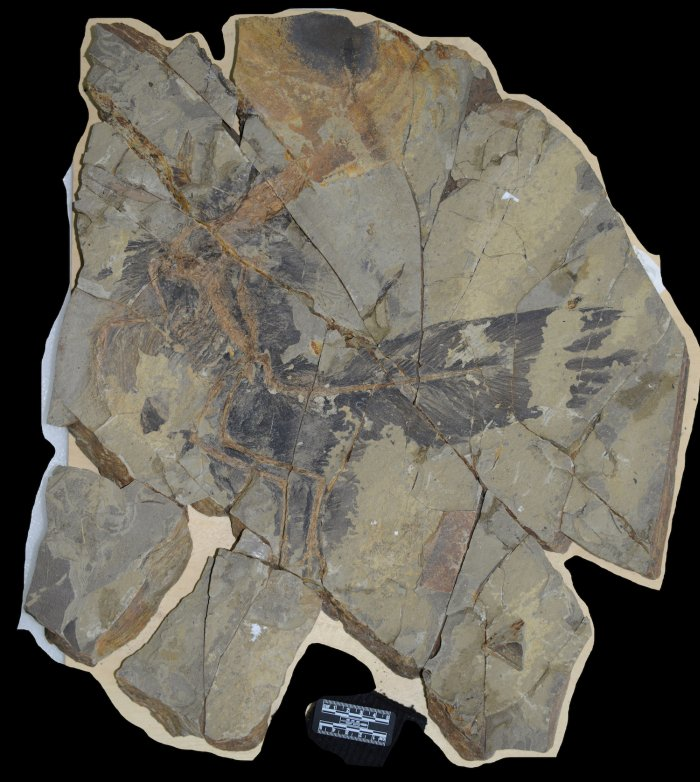
Stunning Fossil Discovery Reveals a New Dinosaur With Iridescent Feathers
ScienceAlert has a story about the discovery of a dinosaur with iridescent feathers. The new dinosaur named Caihong juji, which means “rainbow with a big crest” in Mandarin, lived about 161 million years ago in China, during the Jurassic period. The research appeared in the journal Nature. “Iridescent colouration is well known to be linked…
-
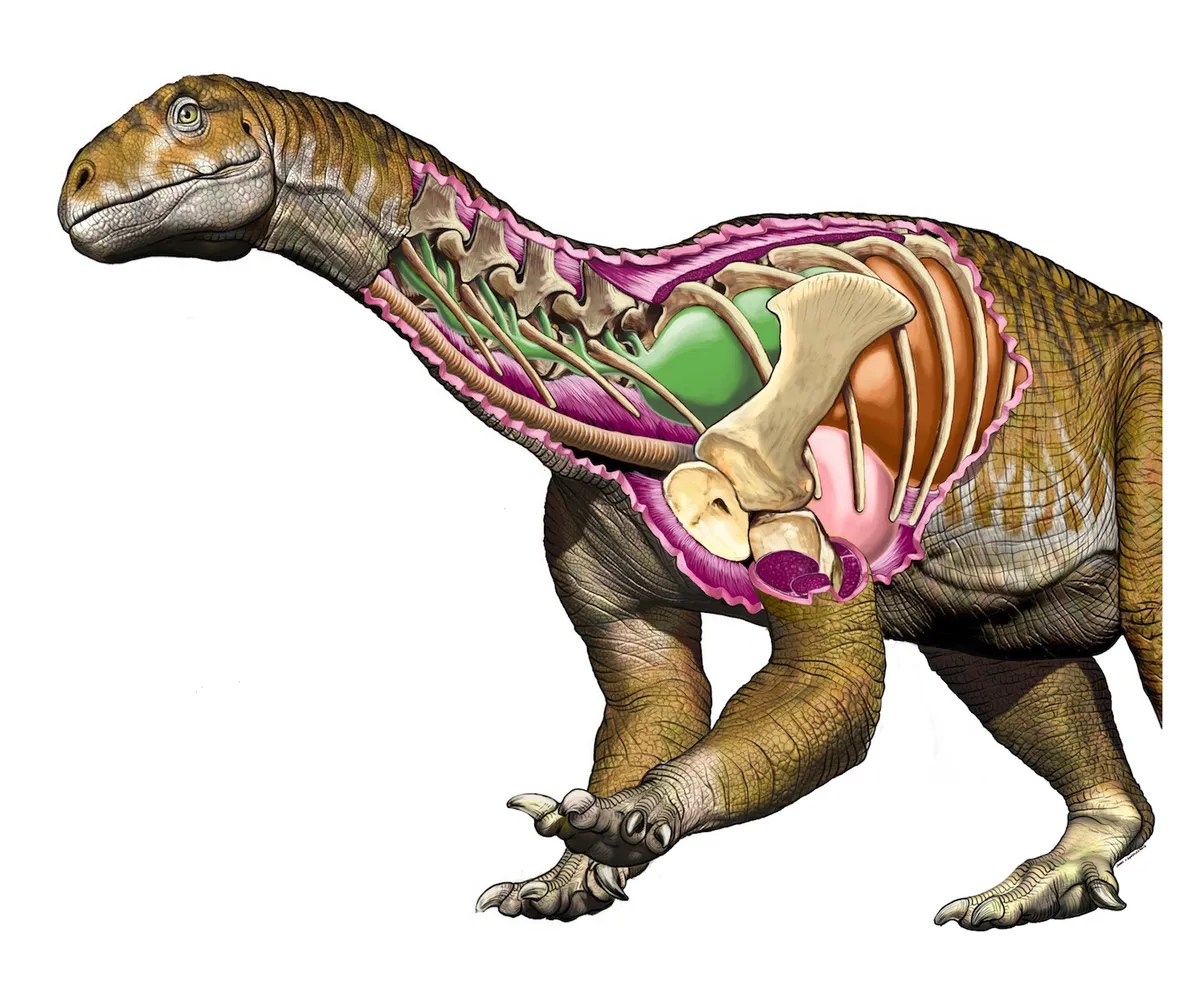
Discovery of ‘First Giant’ Dinosaur Is a Huge Evolutionary Finding
Livescience has a story about the discovery of the “First Giant” dinosaur in Argentina. This, the earliest sauropodomorph, lived about 215 million years ago in the Triassic period. Ingentia prima, which means “first giant in Latin – weighted about 11 tons and was 32 feed long. All the details were published in a paper in…
-
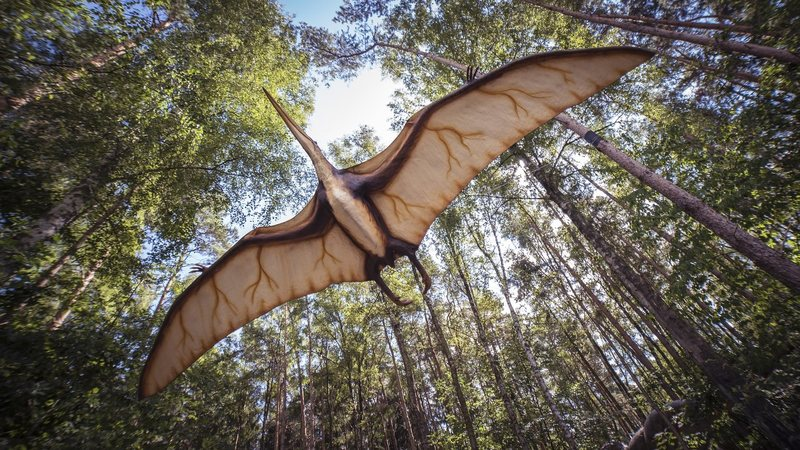
We Have Probably Been Imagining Pterosaurs All Wrong
Atlas Obscura has an article about pterosaurs. Good background information and a discussion of a paper in the Proceedings of the Royal Society B. It seems someone(s), Armita R Manafzadeh and Kevin Padian, mapped the ligament constraints on hip mobility of extinct ornithodirans (pterosaurs). It seems that it is very unlikely that pterosaurs flew with…
-
PBS Eons: The Weird, Watery Tale of Spinosaurus
The PBS Eons YouTube Channel has a episode about Spinosaurs. Enjoy! In 1912, a fossil collector discovered some strange bone fragments in the eerie, beautiful Cretaceous Bahariya rock formation of Egypt. Eventually, that handful of fossil fragments would reveal to scientists one of the strangest dinosaurs that ever existed — the world’s only known…
-
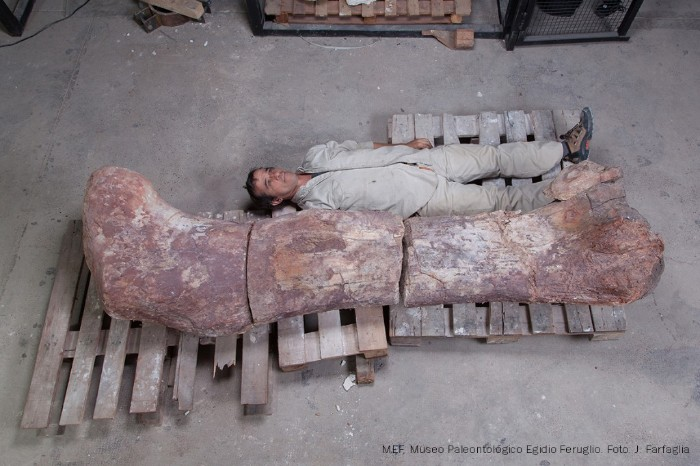
Meet Maximo the Titanosaur!
The Field Museum has revealed the name of the new titanosaur that is being installed in Stanley Field Hall in the next few weeks. His scientific name is Patagotitan mayorum. He lived about 100 million years ago in what is now Patagonia, Argentina. The spanish word maximo translates to “maximum” or “most” in English. This…
-

Medium: More than dinosaurs
Roy Plotnick has an interesting article published at Medium. Paleontology is much, much more than dinosaurs. Enjoy! It happened again today. I was asked what it is do and when I said I was a paleontologist, the response was “cool.” This is the common reaction, often followed by (if we are not confused with archeologists),…
-
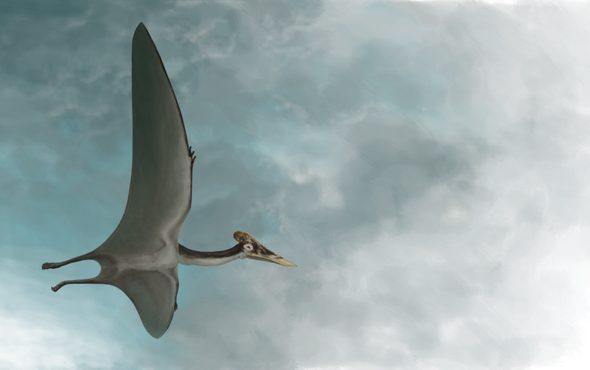
SciAm: Meet “Dracula,” the Largest Pterosaur Found to Date
Scientific American has a story about the largest pterosaur ever found. It has been nicknamed “Dracula”. It lived during the Cretaceous period. At 3.5 meters tall, it was the size of a giraffe. It is on display at the Altmuhltal Dinosaur Museum in Denkendorf, Germany. The bones were discovered by Romanian scientists in 2009 among…
-
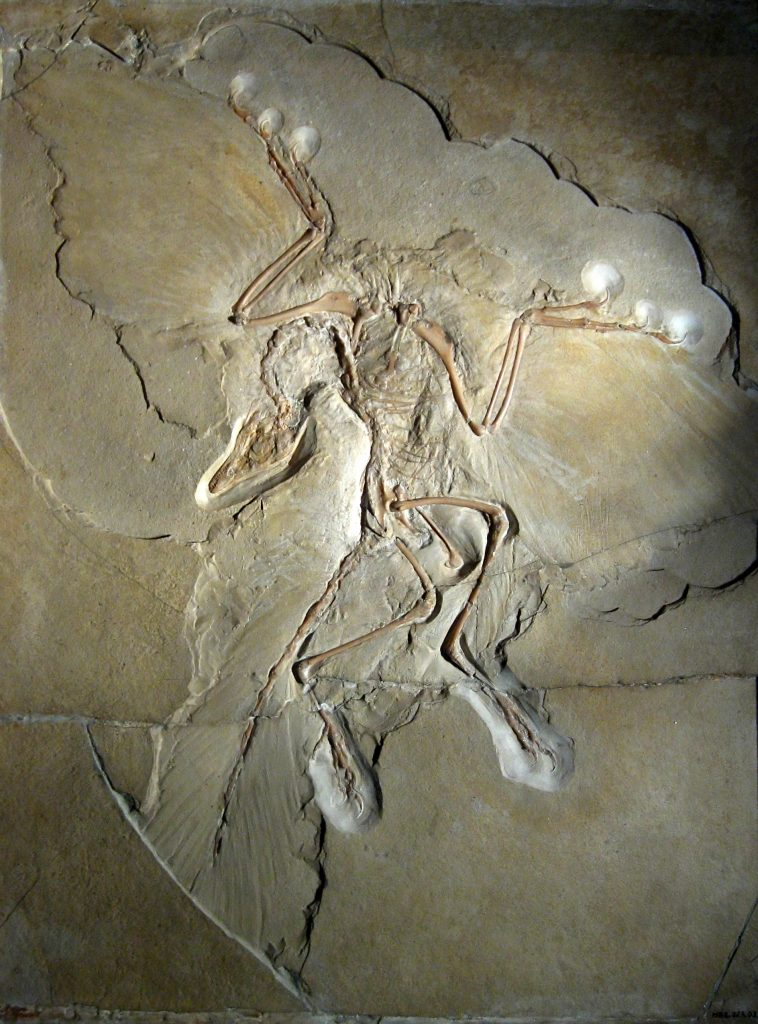
Palaeocast Episode 87: Archaeopteryx
Palaeocast episode 87 is about Archaeopteryx. Archaeopteryx lived about 150 million years ago, during the Jurassic Period, in what is now southern Germany. Including the first feather, discovered in 1860 or 1861, there are now twelve specimens. All have been found in the limestone deposits near Solnhofen, Germany. The iconic “Berlin” specimen shown above was…
-

The dismantling of Sue
The Chicago Tribune has a story about the plans to dismantle at the Field Museum. The Tyrannosaurus rex dinosaur, known as Sue, has been on display in the Field Museum’s Stanley Field Hall since 2000. She was discovered in 1990 in South Dakota by Sue Hendrickson. Beginning this week, she will be disassembled to make…
-
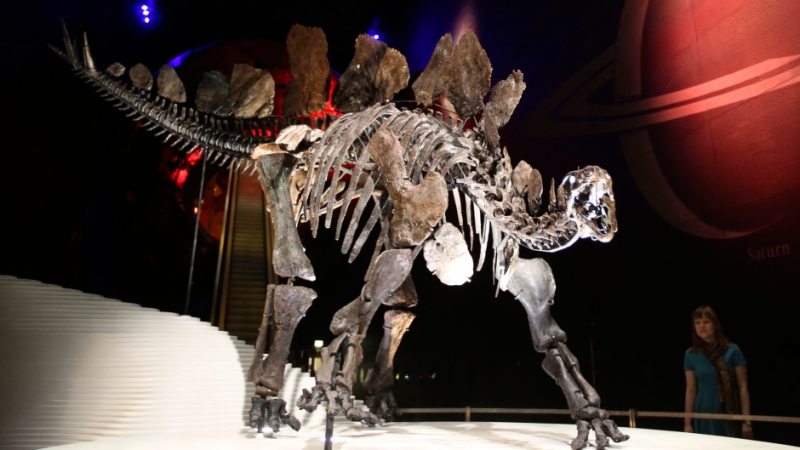
CBC Quirks & Quarks – Why extinct creatures fought with their tails, while today animals use their heads
CBC Radio’s Quirks & Quarks has a segment about dinosaurs that fought with their tails. There were quite a few dinosaurs that evolved defence mechanisms centered around their tails. Examples are Stegosaurs, Ankylosaurs, and maybe some Sauropods. Modern animals with powerful weapons, overwhelmingly use their heads instead of their tails, think rams, deer, elk, with…
