Tag: Cretaceous
-

Paleontologists Discover Dinosaur Fossils in Hong Kong for the First Time
Smithsonian Magazine brings news of the first discovery of dinosaur fossils in Hong Kong. The fossils were identified as a “large, aged dinosaur”. They were found on the tiny uninhabitied Port Island. The animal lived during the Cretaceous Period. China—along with Argentina, Canada and the United States—is one of the main geographical regions for identifying…
-

PBS Eons: The Dinosaurs That Evolution Forgot
PBS has a new episode. This one is about the dinosaurs of the east coast of North America. North America was divided into two land masses by the Western Interior Seaway at the end of the Cretaceous about 100 to 66 million years ago. The east coast landmass is called Appalachia. Where are all the…
-
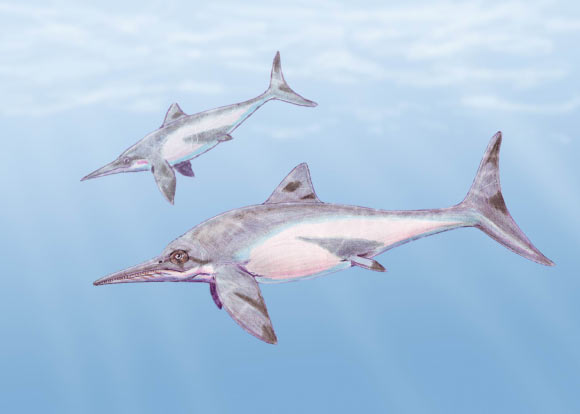
New Species of Ichthyosaur Identified from Colombian Fossils
SciNews has a post about a new species of ichthyosaur from Columbia. Platypterygius elsuntuoso, an ichthyosaur, lived about 125 million years ago during the early Cretaceous Period. Researchers from the Fundación Colombiana de Geobiología collected the fossil remains of a young adult in 1999. The specimen consists of an almost complete skull, some axial elements…
-

NPR: Paleontologist Ken Lacovara and the fifth extinction that killed the dinosaurs
NPR’s Ted Radio Hour has a video segment with paleontologist Ken Lacovara speaking on the extinction event at the end of the Cretaceous Period. That event took out the non-avian dinosaurs and led to the rise of the mammals. Paleontologist Ken Lacovara is founder of a new museum and fossil park in New Jersey where visitors can…
-
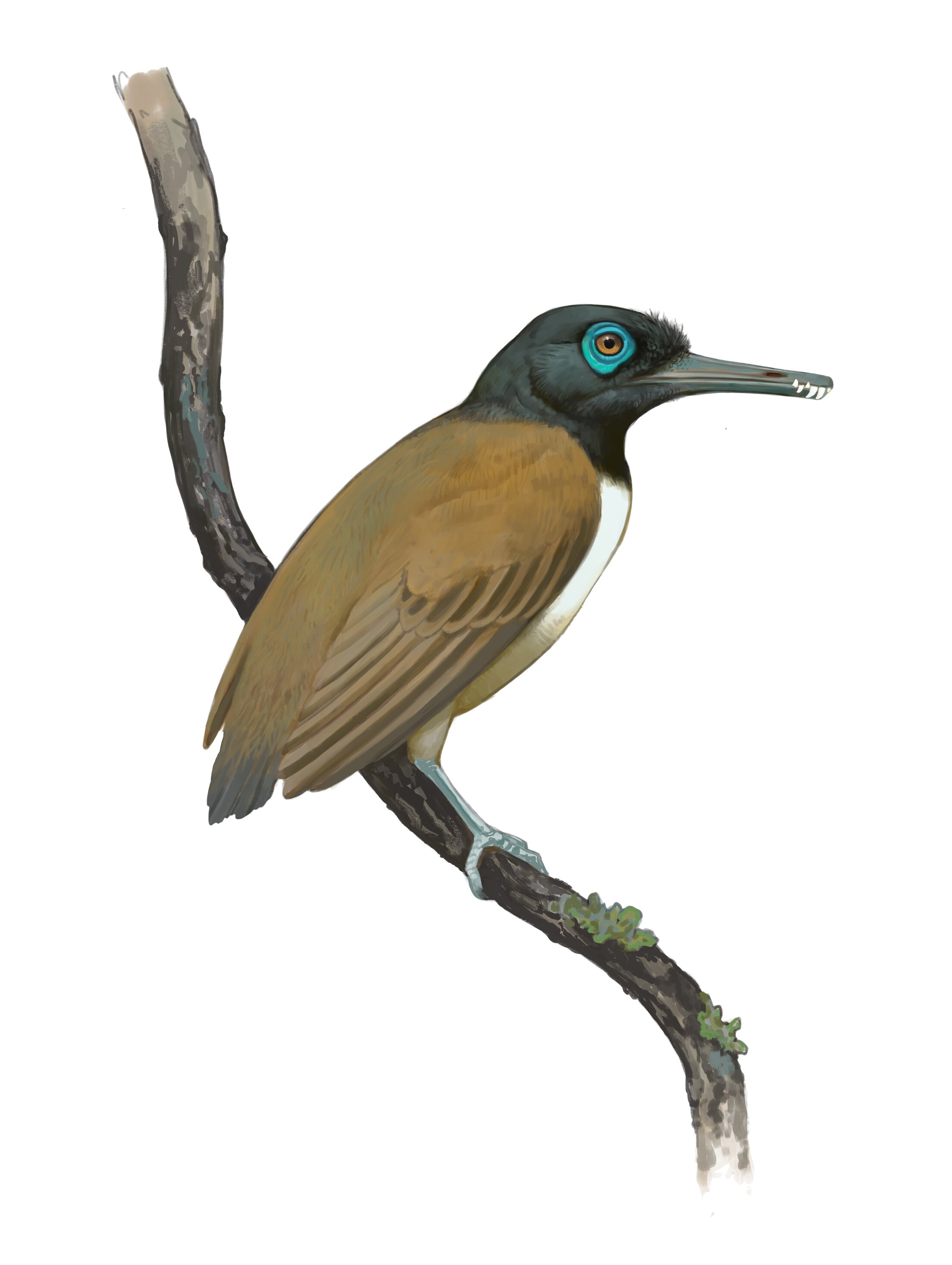
Paleontologists discover fossil birds with teeth had seeds in their stomachs, indicating that they ate fruit
Phys.org has a piece about birds with teeth. As rare as hen’s teeth is only a phrase for modern times… back in the Mezozoic – sometimes referred to as the “Age of Reptiles”, many birds had teeth. Longipteryx chaoyangensis is the subject of a new paper in the journal Current Biology. L. chaoyangensis lived during…
-
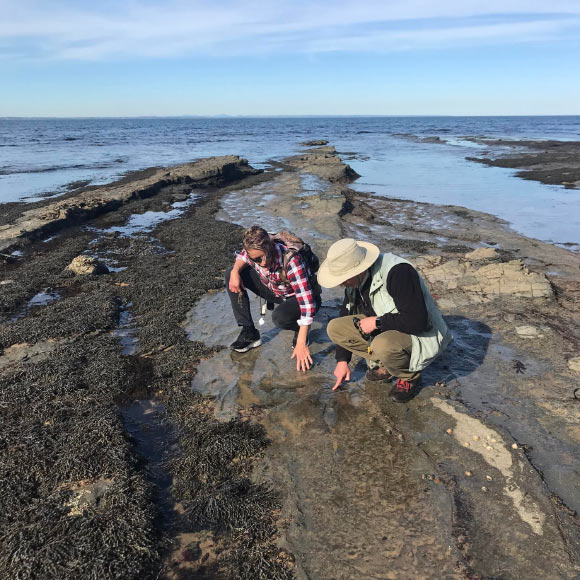
120-Million-Year-Old Footprints of Polar Dinosaurs Discovered in Australia
SciNews has a story about the discovery of dinosaur footprints in Australia. The footprints date back 120 million years, which corresponds with the early Cretaceous Period. At that time, Australia was still connected to Antarctica. The footprints were found in the Wonthaggi Formation south of Melbourne, Australia. They were made by a medium to large theropod…
-

Amazing Discovery: Fossil Collector Unearths the Most Complete Dinosaur in the UK Since 1923
An artist’s impression of the dinosaur. Credit: John Sibbick SciTechDaily has a story about a new dinosaur found on the Isle of Wight. The animal, Comptonatus chasei, lived about 125 million years ago during the Cretaceous Period. It was found by fossil collector Nick Chase and named for him. Nick has tragically died of cancer. The…
-
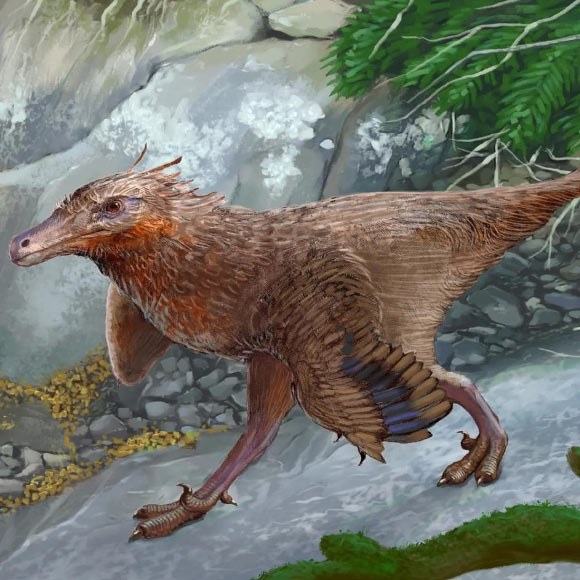
Paleontologists Discover New Bird-Like Dinosaur in Argentina
Life reconstruction of Diuqin lechiguanae. Image credit: Porfiri et al., doi: 10.1186/s12862-024-02247-w. SciNews has a story about the discovery of a bird-like dinosaur in Argentina. Its name is Diuqin lechiguanae and it lived about between 86 and 84 million years ago. It belongs to the subfamily Unenlagiine, which is a family of theropods in Dromaeosauridae. The animal…
-
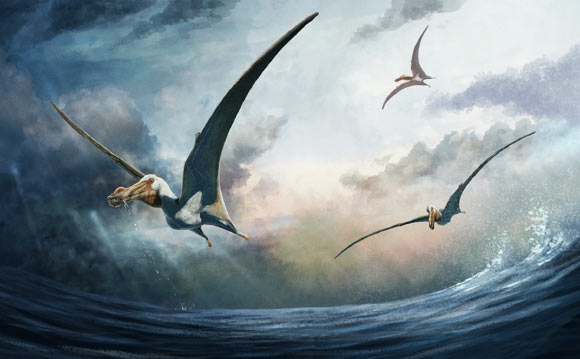
New Flying Reptile Fossils Found in Australia
Life reconstruction of Haliskia peterseni. Image credit: Gabriel N. Ugueto. SciNews has an article about the discovery of a large pterosaur in Australia. Haliskia peterseni had a wingspan of about 4.6 meters (15.1 feet). Thought to be a fearsome predator, it lived about 100 million years ago in central western Queensland. The specimen was described in…
-

Paleontologists Discover Massive Dinosaur Tracks in China, Hinting at One of the Largest Known Raptors
Smithsonian Magazine has a post about fossil tracks of one of the largest known raptors. The tracks were found on what was once a muddy river plain in what is now southwestern China. The dinosaur, named Fujianipus (meaning “foot of Fujian”) yingliangi, lived about 96 million years ago during the middle Cretaceous Period. The footprints were discovered during…
-
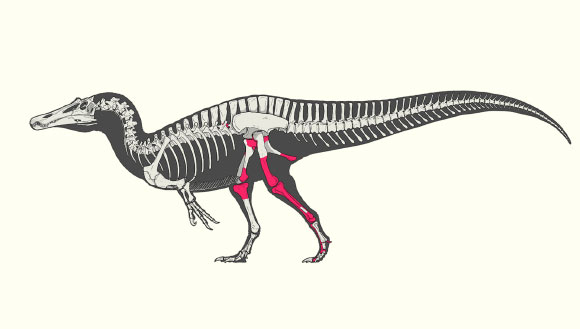
New Spinosaurid Dinosaur Species Identified in Spain
SciNews has a story about the discovery of a new dinosaur species. Riojavenatrix lacustris, a spinosaur, was discovered in Spain. It lived about 120 million years ago during the Cretaceous Period. The animal was 7-8 meters long and weight about 1.5 tons. R. lacustris was found by paleontologist Erik Isasmendi and his colleagues at the…
-
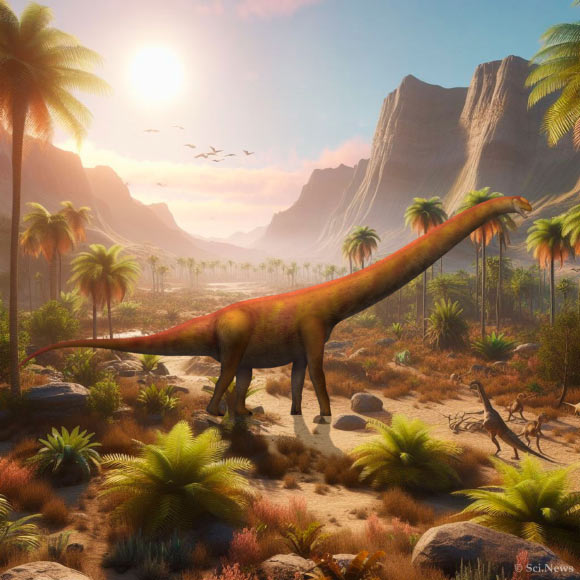
New Species of Titanosaur Unearthed in China
SciNews has a story about the discovery of a new Titanosaur. The animal, Jiangxititan ganzhouensis, lived between 72 and 66 million years ago during the Cretaceous Period. The fossils were found in the Nanxiong Formation near Tankou Town in Ganzhou City, the Chinese province of Jiangxi, which is commemorated in the name. J. ganzhouensis is…
-

Meet Bustingorrytitan shiva, New Gigantic Titanosaur from Argentina
SciNews has a story about the discovery of yet another titanosaur from Argentina. This one is called Bustingorrytitan shiva and it lived about 95 million years ago in what is now Patagonia during the Late Cretaceous Period. This particular discovery consists of a fairly complete specimen and three other partial skeletons. Read more about it…
-

New Herbivorous Dinosaur Species Identified in Canada
SciNews has a post about a new dinosaur from Canada. Gremlin slobodorum lived about 77 million years ago during the late Cretaceous Period. It’s a leptoceratopsid, which is a hornless dinosaur related to Triceratops. The animal lived what is now southern Alberta, Canada. The dinosaur was described in “A new Late Cretaceous leptoceratopsid (Dinosauria: Ceratopsia)…
-
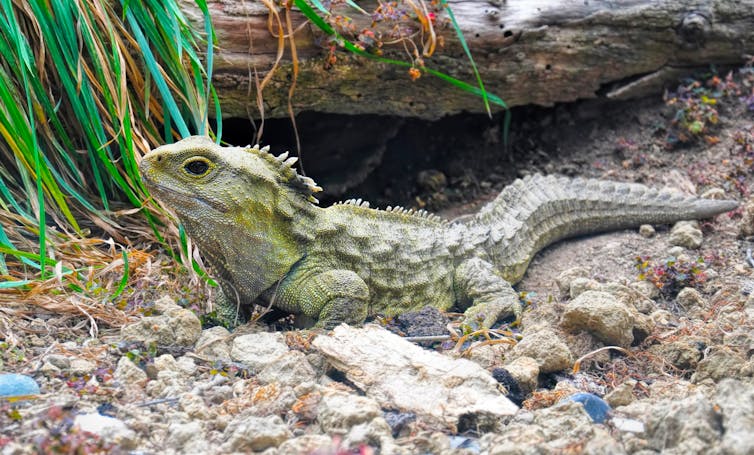
Could dinosaurs be the reason humans can’t live for 200 years?
The Conversation has an interesting post about the evolution of mammals. Did being small during the time of dinosaurs lead to limitations on how long mammals live? Mollusks, reptiles, and Greenland Sharks have been found to live 100’s of years. Actually, many animals don’t age and continue to grow throughout their lifetimes. All human beings…
-

CBC Quirks & Quarks: A young carnivorous dinosaur’s last meal
A fossil has revealed that a juvenile Gorgosaurus fed on smaller bird-like dinosaurs, a diet that’s different from their adult counterparts, Alberta scientists say. (Julius Csotonyi/Royal Tyrrell Museum of Palaeontology) CBC Radio’s Quicks & Quarks podcast has a piece about tyrannosaurs. A juvenile Gorgosaurus, Gorgosaurus libratus, from Alberta, who lived about 75 million years ago, has…
-
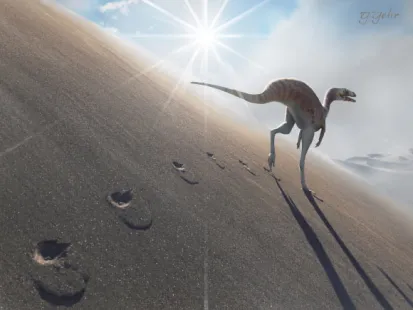
135-Million-Year-Old Footprints Reveal New Dinosaur Species
SciNews has a story about a new dinosaur species. The animal, Farlowichnus rapidus, lived about 135 million years ago during the Cretaceous Period. The name Farlowichnus was selected to honor Professor James Farlow, a paleontologist and ichnologist at Purdue University in Indiana. Footprints were found in the Botucatu Formation just outside Sao Paulo, Brazil. The…
-
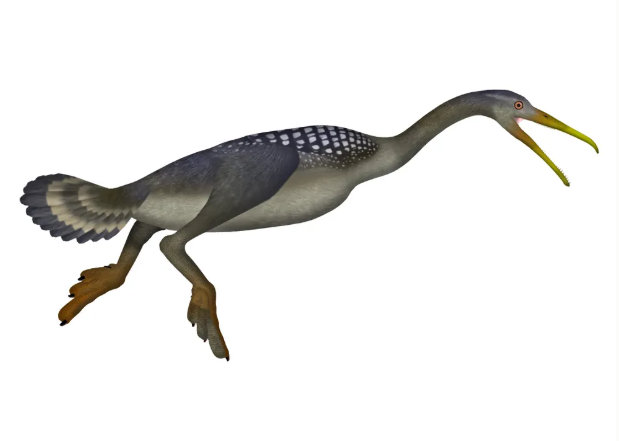
During the Age of Dinosaurs, Some Birds Sported Toothy Grins
Smithsonian Magazine has an interesting article about birds with teeth. Before the K-Pg event at the end of the Cretaceous Period, most birds had teeth, but those species are rarely discussed. One of the first toothed bird discovered, was Hesperornis in the 1870’s. Early birds such as Archaeopteryx don’t look all that different from the small, carnivorous dinosaurs they…
-
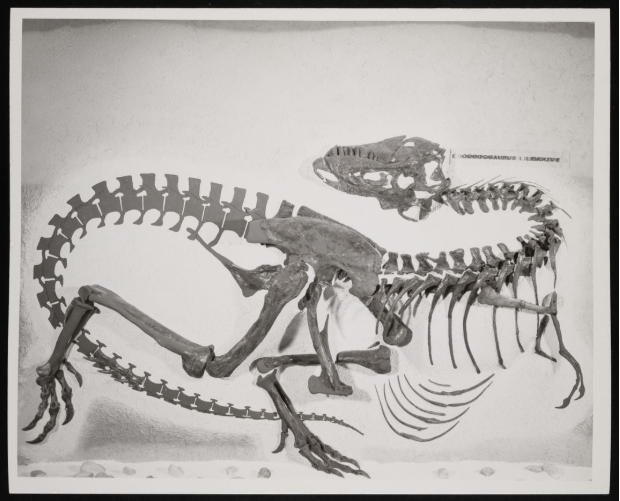
How Smithsonian Fossil Preparators Are Re-Excavating a Tyrannosaur from Its Past on Display
Smithsonian Magazine’s National Fossil Day post looks at a tyrannosaur specimen that has been on display for many years. The animal, Gorgosaurus libratus, had been at the museum since 1918. It was found in the rugged badlands around the Red Deer River in Alberta, Canada. It lived about 75 million years ago during the Cretaceous…
-
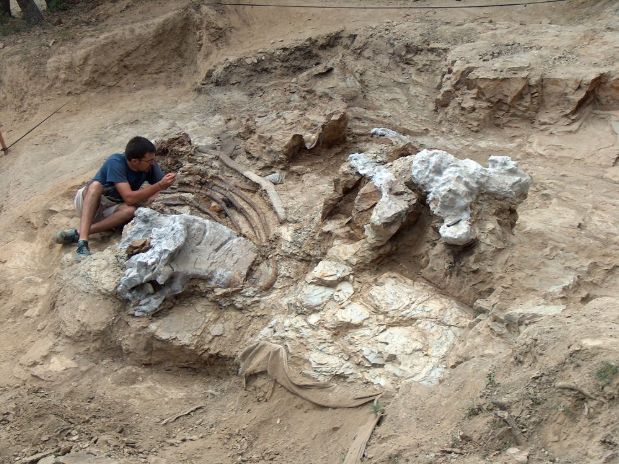
New ‘Giant’ Species of Long-Necked Dinosaur Discovered in Spain
Smithsonian Magazine has a story about the discovery of a new sauropod dinosaur. The dinosaur, Garumbatitan morellensis, lived about 122 million years ago, which is the Cretaceous Period. The specimen was found near Morella in eastern Spain, which is part of the species name. The new animal was described in the journal Zoological Journal of…
-
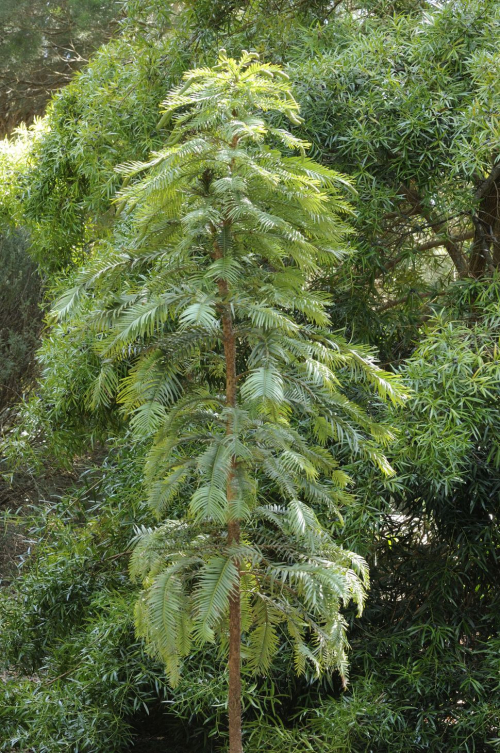
Mystery of ‘living fossil’ tree frozen in time for 66 million years finally solved
Live Science has a story about the Wollemi pine. Thought extinct, the Wollemi pine was “rediscovered” in 1994 by some hikers near Sydney, Australia. Wollemia nobilis is pretty much unchanged since the Cretaceous Peiod. A group of scientists from Australia, the US, and Italy have recently published the plant’s genome. The genome gives insight into…
-
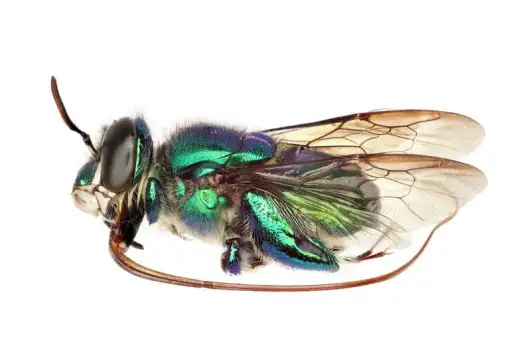
Bees likely evolved from ancient supercontinent, earlier than suspected
Phys.org has a story about the evolution of bees. A study in the journal Current Biology shows that bees are tens of years older than previously thought. The researchers looked at DNA from more than 200 species combined that with traits from 185 different bee fossils to develop an evolutionary history and genealogical models for…
-
PBS Eons: That Time The Ocean Lost (Almost) All Its Oxygen
PBS Eons has a new episode on Youtube. This one is about an extinction event during the Cretaceous Period and what it did to the oceans. This is the story of how our planet rescued itself from extreme conditions in the Cretaceous Period, at the cost of essentially suffocating the oceans for half-a-million years.
-
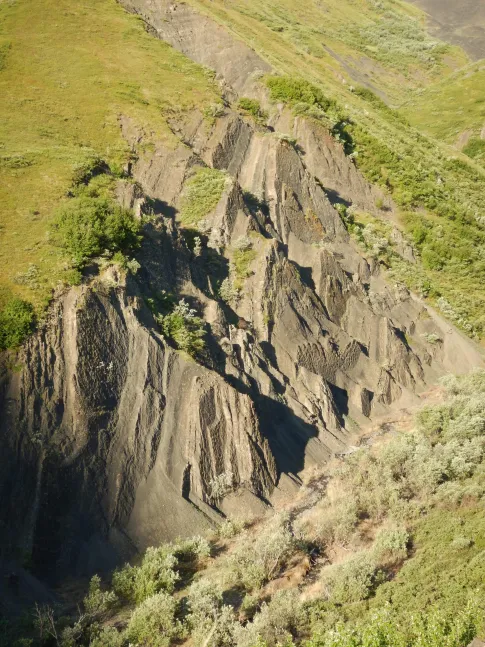
”We Were Freaking Out” – Scientists Explore Dinosaur Coliseum
SciTechDaily has a story about the discovery of extensive dinosaur trackways in Alaska. The trackways were found in Denali National Park and Preserve by researchers from the University of Alaska Fairbanks. It is the largest documented single dinosaur track site in Alaska. The area of the tracks spans the size of one and a half…
-
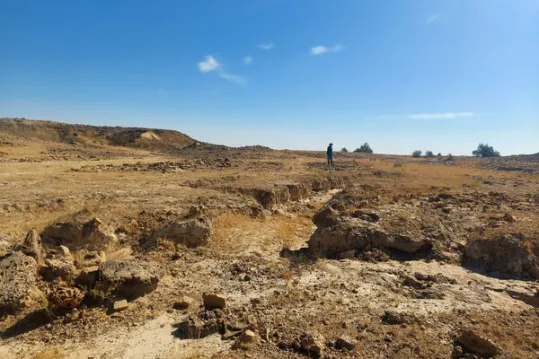
The Oldest Plant-Eating Dinosaur Has Been Found in India
The New York Times’ Trilobite column has a story about a new dinosaur from India. The animal, called Tharosaurus indicus, is an early member of the dicraeosaurids, which are sauropods. It lived about 167 million years ago during the Jurassic Period. The fossils were discovered in the Thar Desert, located in the northwest of India. …
-
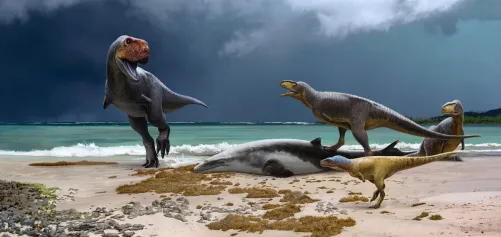
Fossils of Two New Abelisaurid Dinosaurs Uncovered in Morocco
Fossils have been found of several types of abelisaur showing the diversity of dinosaurs in Morocco at the end of the Cretaceous period. Image credit: Andrey Atuchin. SciNews has a story about the discovery of a couple new dinosaurs in Morocco. The abelisaurs lived around 66 million years ago during the Cretaceous Period. The paper…
-
Introducing, Sobek the Spinosaurus
The new Spinosaur at the Field Museum has a name… Sobek! Over the last two weeks, more than 30,000 votes were cast to choose a name for Spinosaurus. We are excited to introduce Sobek the Spinosaurus to the Field Museum! Sobek is the name of an ancient Egyptian god with the head of a crocodile, inspired by the crocodile-like jaws…
-

Throwback Thursday #171: Fossil Cycad National Monument
Fossil Cycad National Monument was authorized as National Monument in 1922 by President Warren G. Harding. It was located in southwestern South Dakota and encompassed 320 acres. It’s one of the few national monuments to be completely stripped of its status. The National Park Services has a page devoted to the monument. Fossils from the…
-
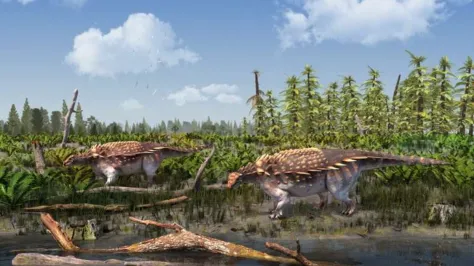
Blade-like spikes covered newly discovered dinosaur unearthed in the UK
Live Science has a story about a dinosaur discovery in the UK. The new dinosaur, Vectipelta barretti, was discovered in 1993 on the Isle of Wight. It belongs to the sub-order Ankylosauria, which are low, wide, armored, plant-eating dinosaurs. This animal lived about 140 million years ago during the early Cretaceous Period. The description of…
-
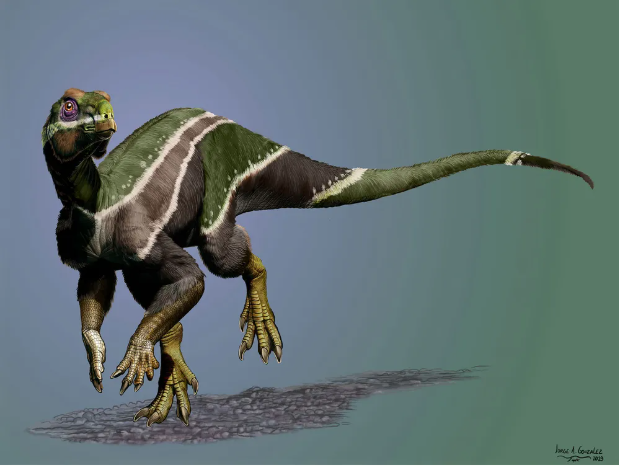
New Beaked Dinosaur Species Found in Utah
Smithsonian Magazine has a story about a newly discovered dinosaur. The beaked dinosaur is called Iani smithi after the Roman god Ianus and paleontologist Joshua Aaron Smith. It lived about 99 million years ago in Utah and adds detail to a fossil gap in the middle Cretaceous. The animal was described by North Carolina Museum of…
