Tag: Cretaceous
-
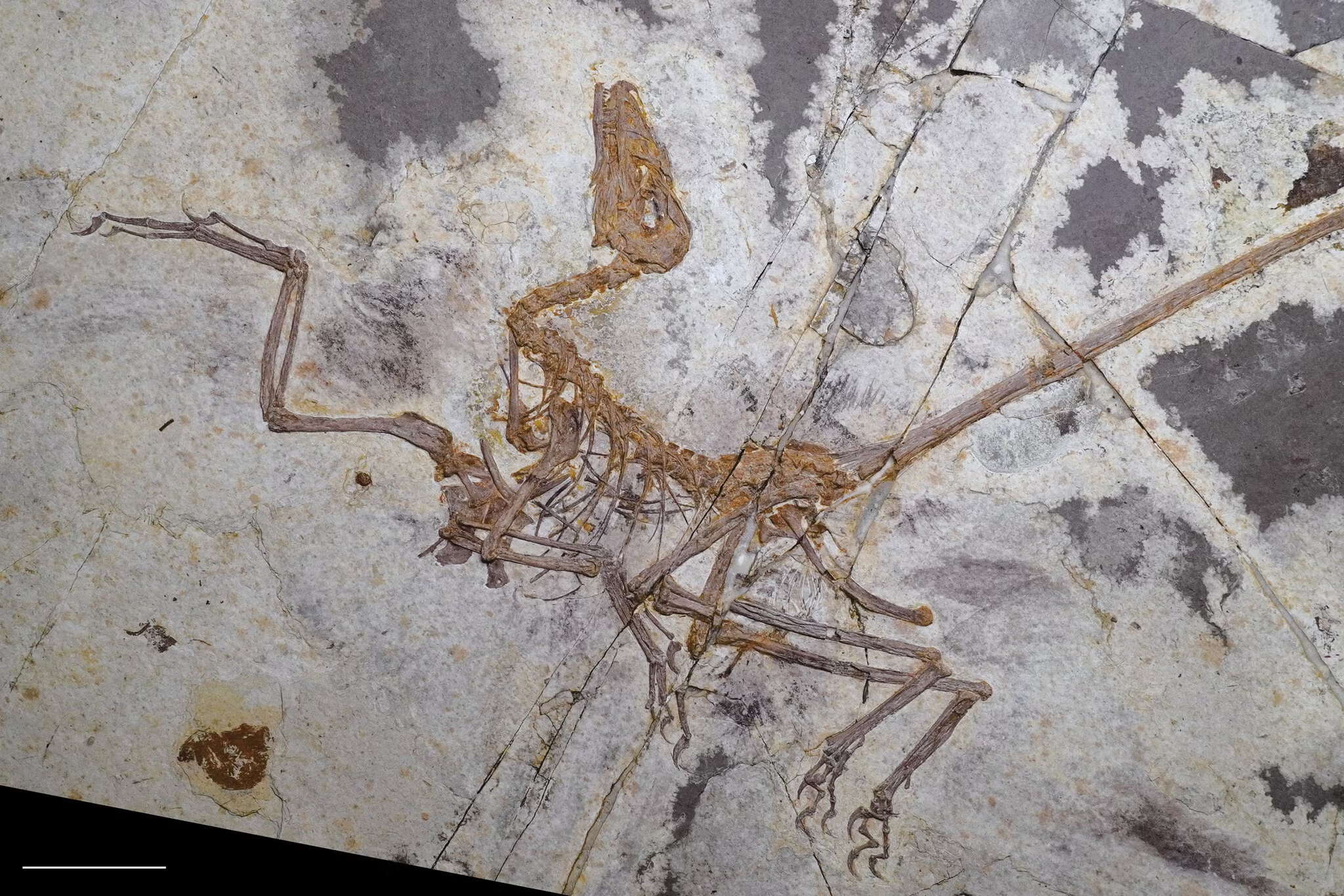
What Can Four-Winged Dinosaurs Teach Us About Birds?
The New York Times’ Trilobites column has an interesting story about four-winged birds. A new paper in the journal Nature Communications describes a new Microraptorinae, Norellraptor barsboldi, named for the late paleontologist Mark Norell. This new animal lived about 121 million years ago in what is now northeastern China. More than 120 million years ago,…
-
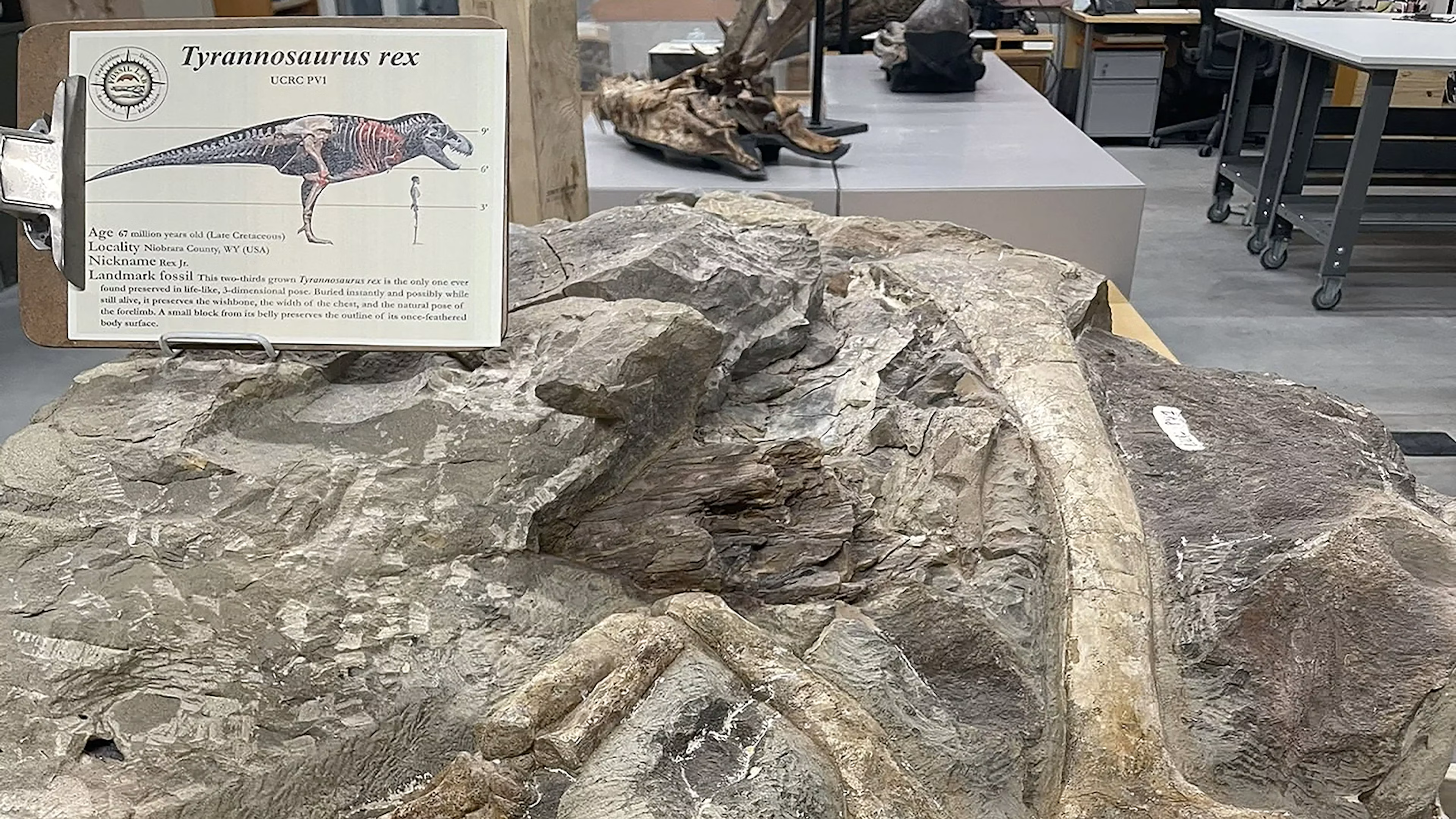
Found On Newcastle Ranch, ‘Rex Jr.’ Could Be Most Important T. Rex Ever Discovered
Cowboy State Daily has a story about “Rex Junior.” First discovered in the 1950’s on a ranch near Newcastle, Wyoming, a partial skeleton of a sub-adult T. rex may be the most important T. rex that has or will ever be found. That is the opinion of paleontologist Paul Sereno. Sereno said “this specimen from…
-

T. Rex, King of the Dinosaurs, Had a Body Temperature of 97 Degrees
The New York Times has a story about recent T. rex research. There’s been a long running debate about whether dinosaurs were warm or cold blooded – endothermic or exothermic. New research, published recently in the journal Science Advances, adds a little evidence to the warm blooded side. Scientists at the University of California, Los…
-
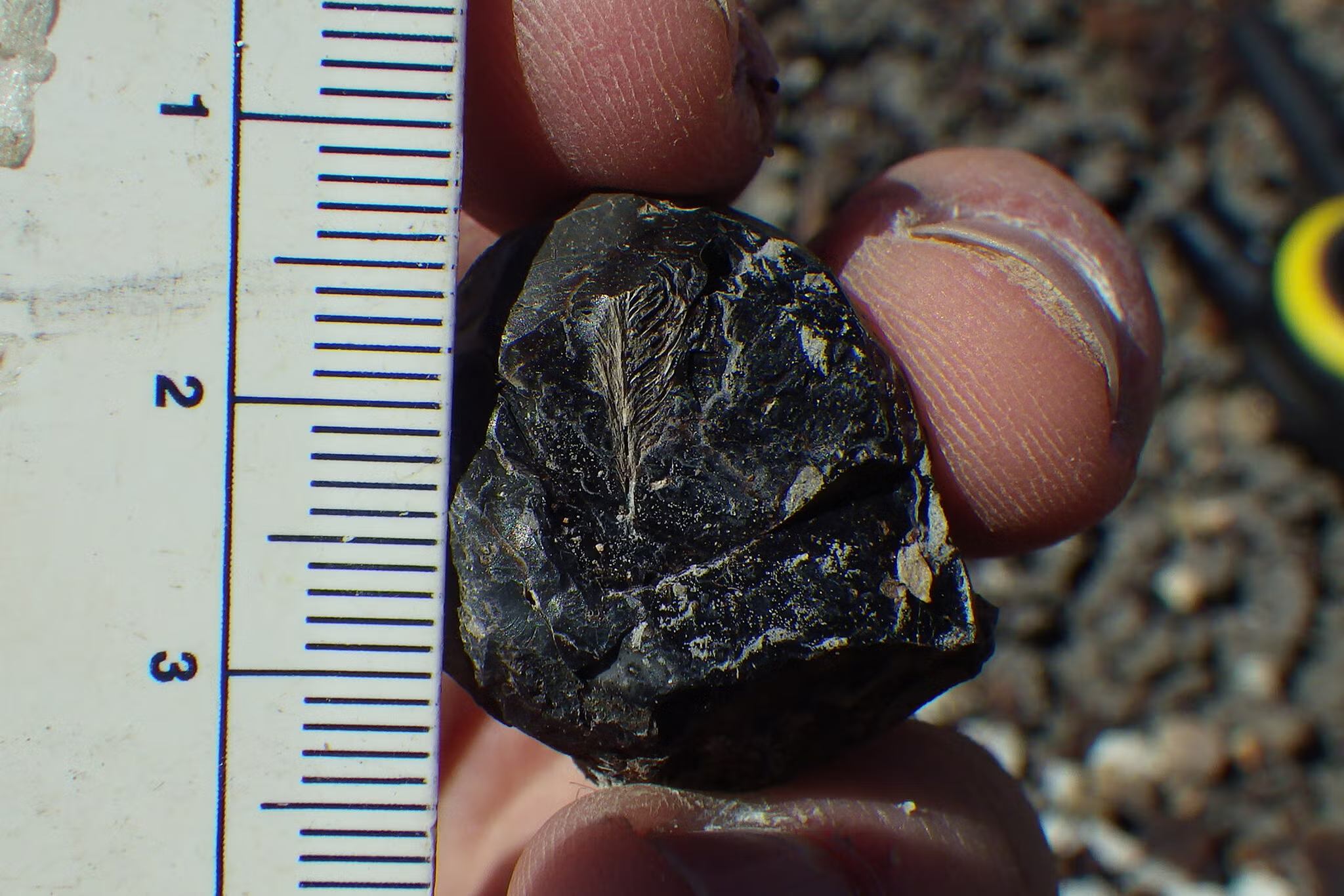
A Feather Found in Dinosaur Poop Might Explain How Birds Beat Extinction
The New York Times has a story about an amazing, chance discovery. In 2016, a researcher in the Hell Creek Formation in Montana picked up a small rock that turned out to be a small piece of fossilized dinosaur dung. Fossilized dung is called a coprolite and this one had a “big” surprise. It had…
-

Storms that built a graveyard: ancient monsoons created a spectacular dinosaur fossil site
The Conversation has an interesting post about an important fossil site in northeastern Italy. The Villaggio del Pescatore site dates to 80 million years ago, which was near the end of the Cretaceous Period. Fossil animals found in the locality were swept in to the area by monsoon rains and tropical cyclones. Dinosaurs, crocodiles, and…
-

Paleontologists Discover New Species of Titanosaur in Uruguay
SciNews has a post about a new species of titanosaur from Uruguay. Mesetasaurus protector lived between 86 and 72 million years ago during the Cretaceous Period. The paper describing this species was published in the journal Ameghiniana. The new species was a member of a group of titanosaurian sauropod dinosaurs known as Aeolosaurini, a lineage that…
-
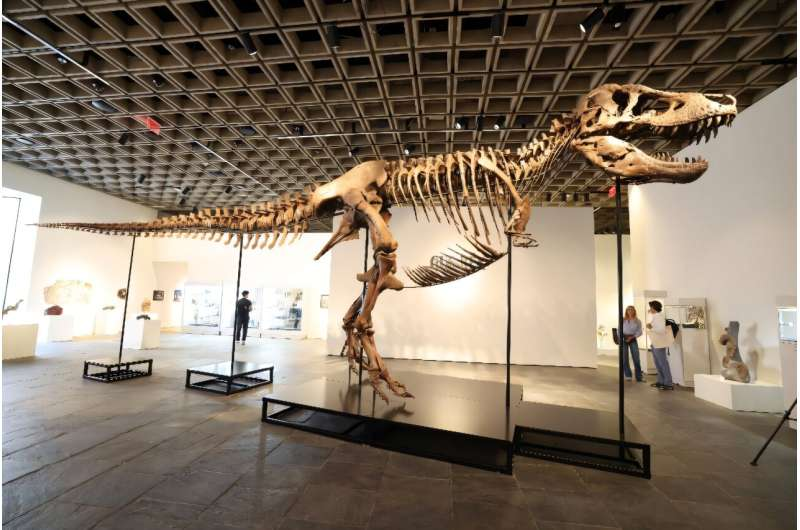
‘Gus’ the T. rex presented in New York ahead of auction
Phys.org has an article about “Gus” the Tyrannosaurus rex. “Gus” lived during the late Cretaceous Period, about 67 million years ago. The fossil is about 61% complete by bone count and 75-80% by bone mass. It was discovered in Harding County, South Dakota in 2021. “Gus” is named after the late rancher Gary “Gus” Licking,…
-
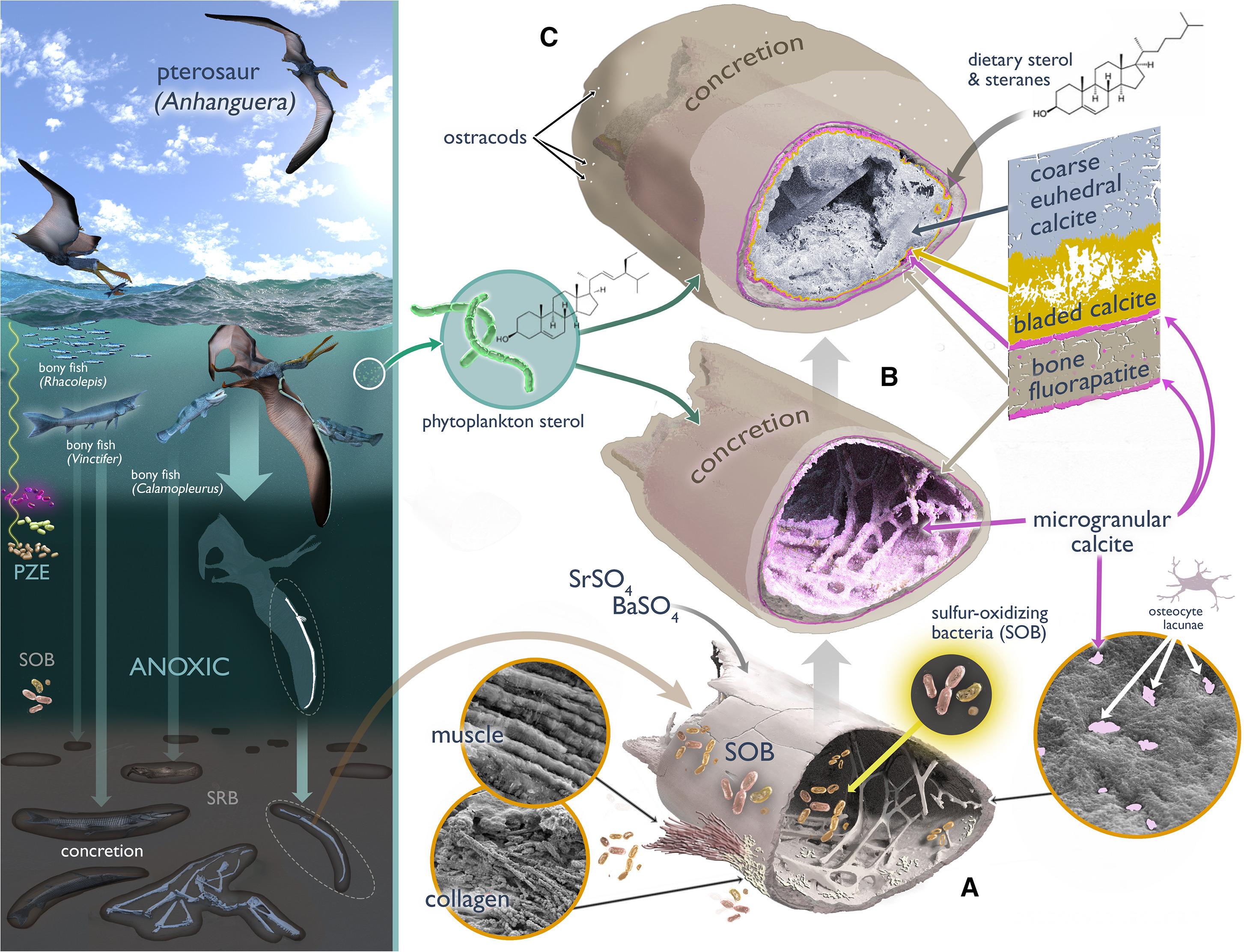
Scientists Discover the First-Ever Molecules Preserved Inside a 113-Million-Year-Old Pterosaur Fossil
SciTechDaily has a story about an exceptionally preserved pterosaur wing from Brazil. The animal lived about 113 million years ago, during the middle Cretaceous Period, in what is now northeastern Brazil. Its wing phalanx, which refers to the individual bone segments which make up the finger skeleton supporting the wing, was preserved in 3 dimensions…
-
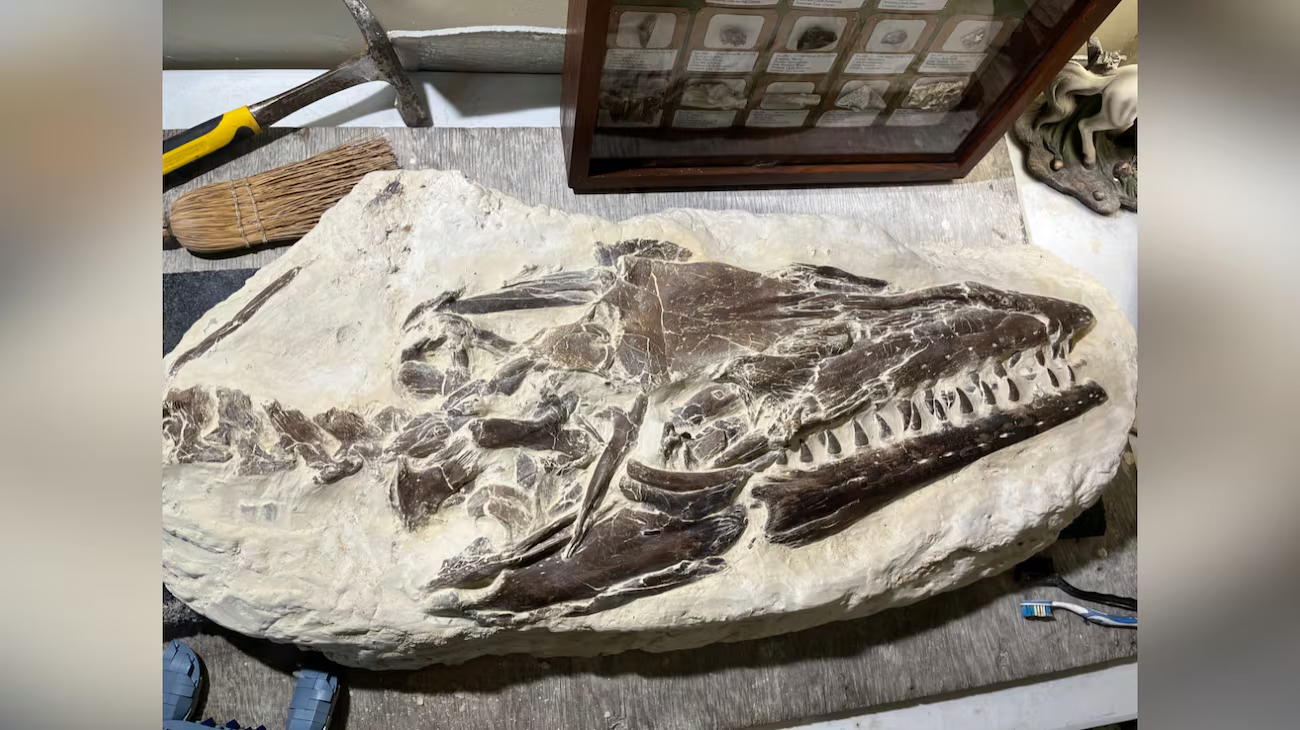
‘Whoa’: 12-year-old boy finds 80-million-year-old fossil during educational field trip
KCTV 5 has the story of a 12 year old finding some prehistoric treasure. Corbin Bullard, a budding paleontologist, discovered the skull and some vertebrae of an 80 million year old tylosaurus on a 4-H Geology Club field trip to Sedgwick County, Kansas.
-

PBS Eons: 100 million years ago, squid suddenly took over the oceans
PBS Eons has a new Youtube Short.
-
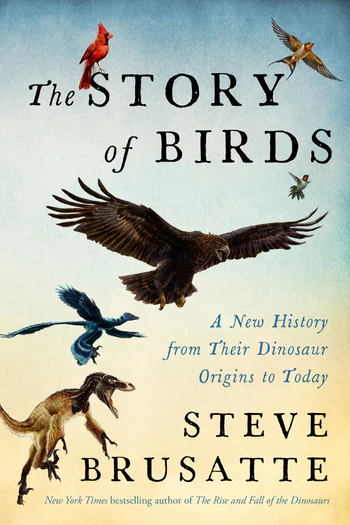
Science Quickly: The dinosaurs at your window: How birds survived the asteroid that killed all other dinosaurs
Scientific American’s “Science Quickly” had an interview with Steve Brusatte on a recent episode. Steve’s new book “The Story of Birds” is available to day April 28th, 2026.
-
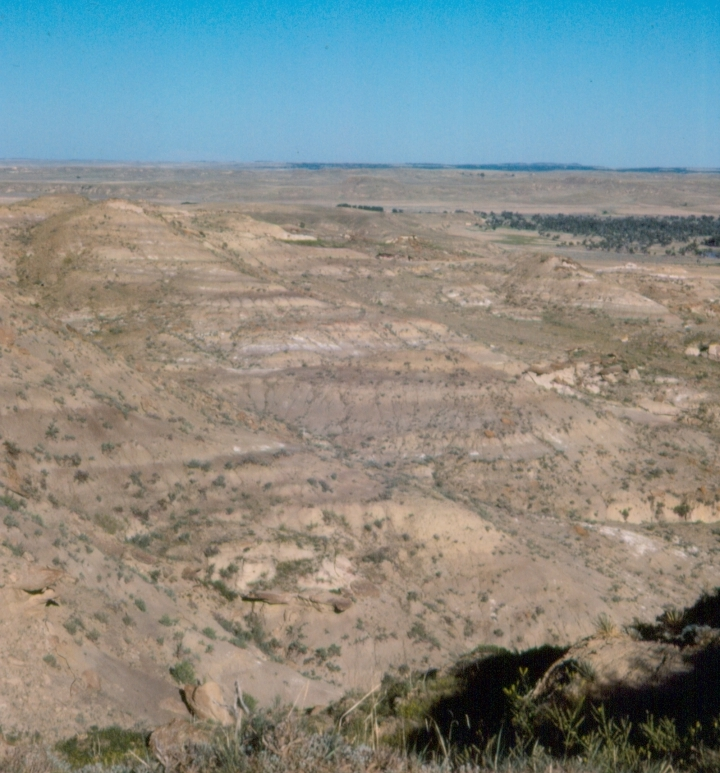
Video for ESCONI April 2026 Paleontology Meeting – “Digging the Marl of the Lance Formation”
The April 2026 Paleontology Study Group Meeting featured Keith Robitschek and his presentation “Digging the Marl of the Lance Formation”.
-
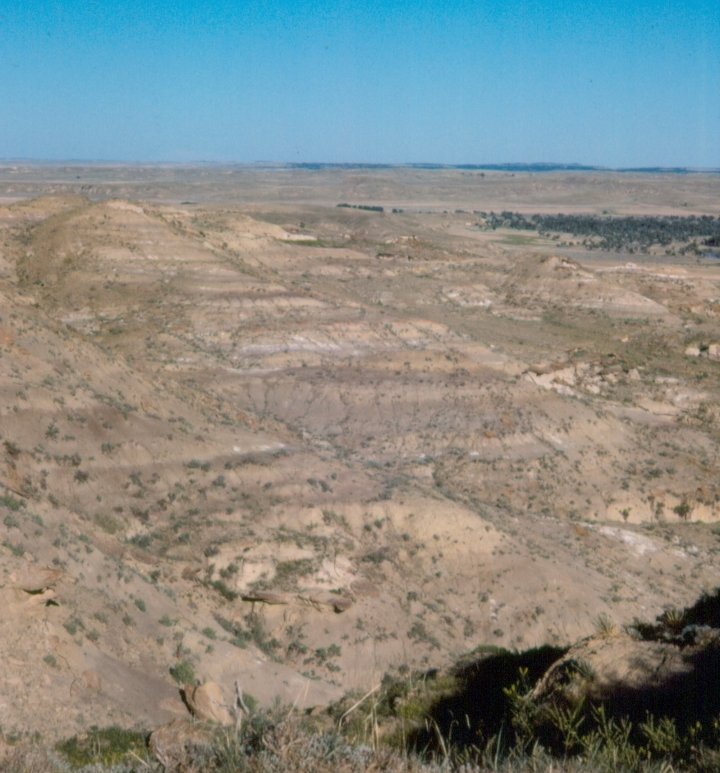
ESCONI April 2026 Paleontology Meeting via Zoom and in-person – “Digging the Marl of the Lance Formation”
The April 2026 Paleontology Study Group Meeting will feature Keith Robitschek and his presentation “Digging the Marl of the Lance Formation”. You can attend in-person at the College of DuPage, TEC, Room 1038B (Map). The meeting will also be available via Zoom.
-
A large tyrannosaurid from the Late Cretaceous (Campanian) of North America
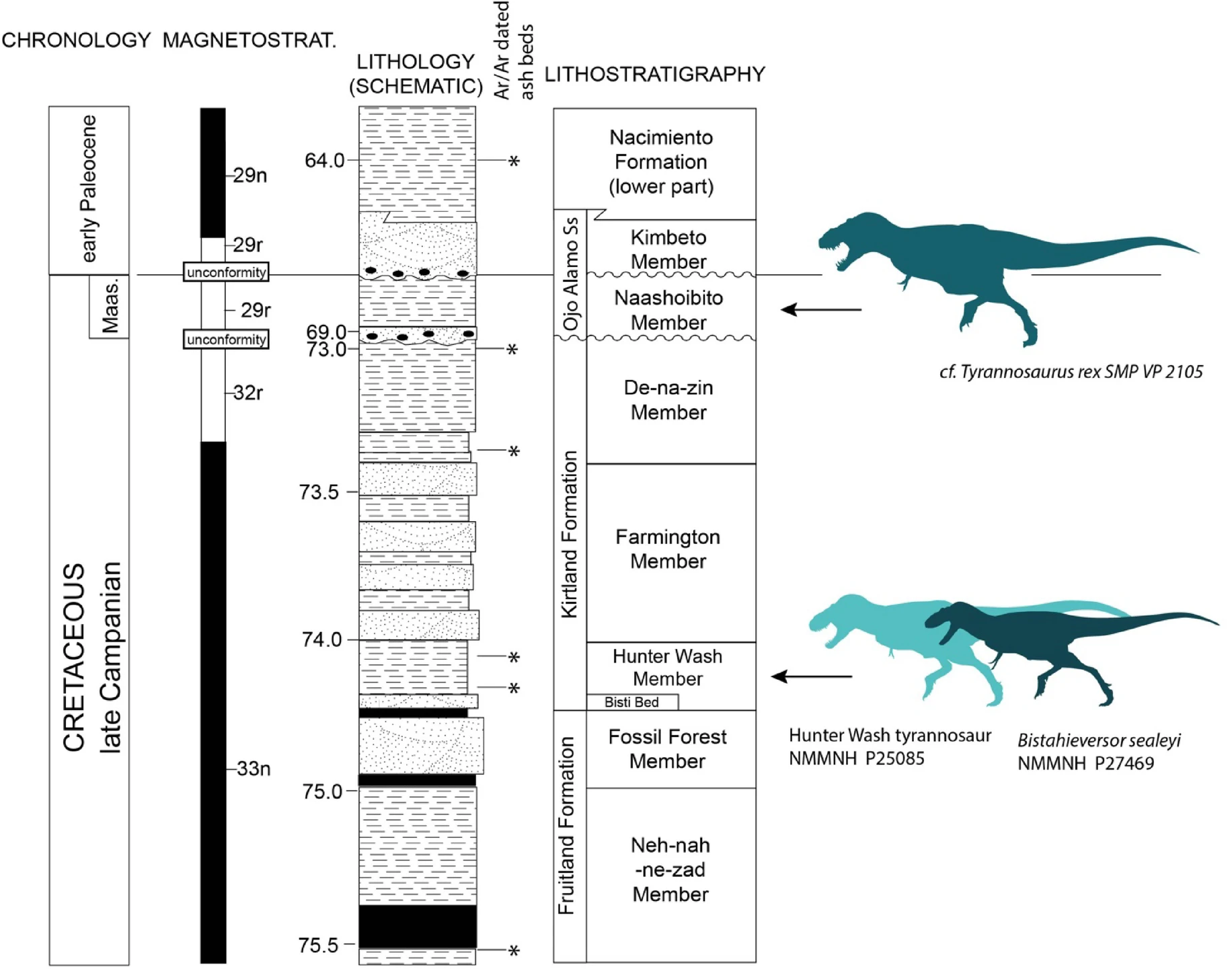
The journal Nature Scientific Reports has a paper about a new large tyrannosaur from the Late Cretaceous (Campanian) in North America. The unnamed animal lived from about 74 to 75 million years ago in what is now New Mexico, USA. Abstract The Tyrannosauridae emerged as the dominant large predators in Laurasia during the Late Cretaceous.…
-
You Wouldn’t Want to Butt Heads With This Small Dinosaur
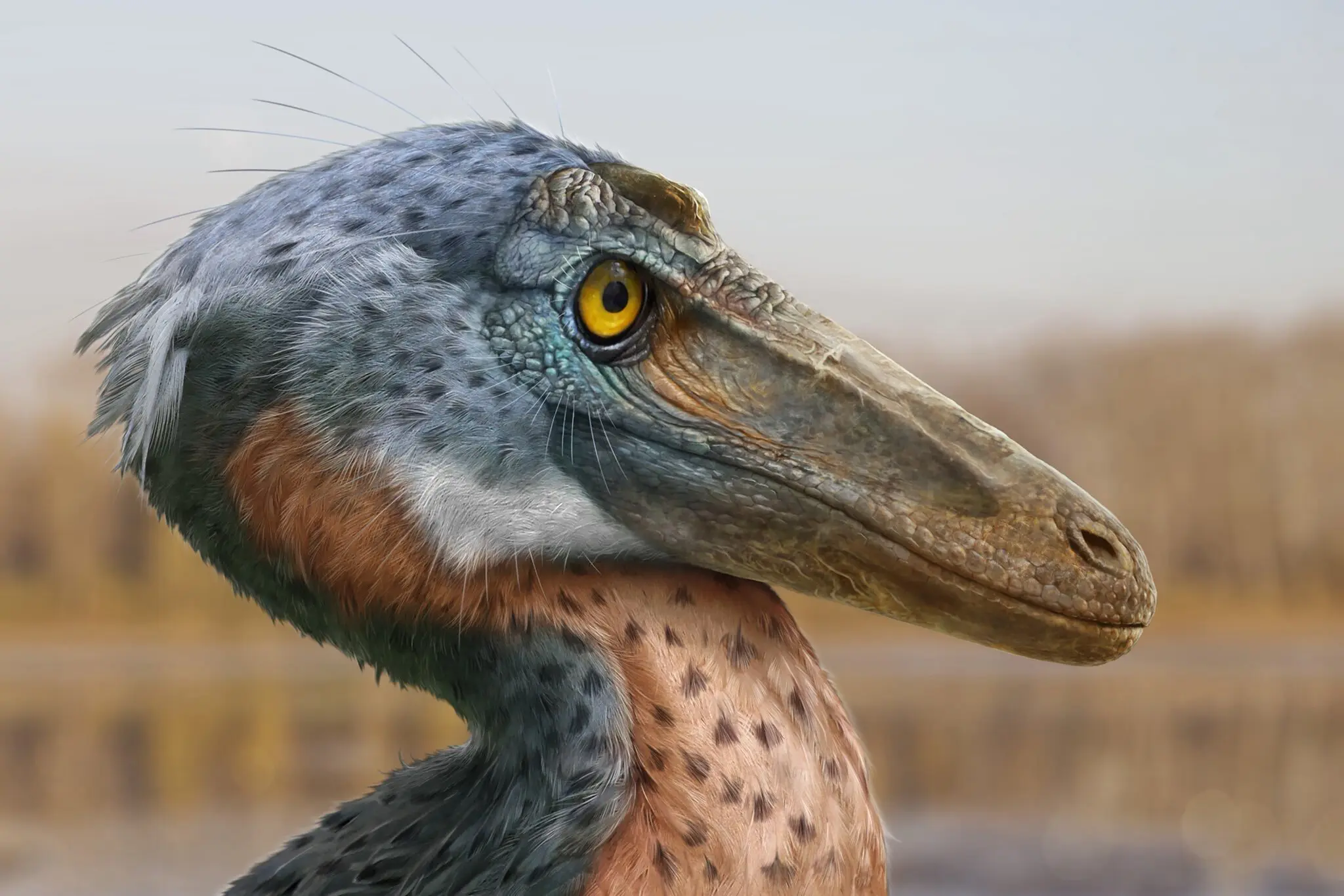
The New York Times’ Trilobites column has a story about the discovery of a new dinosaur in Mexico. The animal, Xenovenator espinosai, was discovered in 2000 in the Cerro del Pueblo formation in northeastern Mexico by Martha Aguillón-Martinez. It lived about about 73 million years ago when the area was a marshy coastline. The animal’s…
-

Collecting Echinoids (Sea Urchins) in North Jutland, Denmark
Today, we have an interesting guest post from long-time ESCONI member Marie Angkuw. Marie is part of the Lyme Regis Babes as John Catalani has named them. Marie, Rhonda Gates, Jann Bergsten, and Deborah Lovely have taken numerous trips to Europe to collect fossils. They’ve been to Lyme Regis (multiple times), Whitby, Yorkshire, and the…
-

PBS: Inside the Vault Where They Keep the Dinosaur Apocalypse
PBS has an interesting video about the K-Pg extinction. Check it out! A giant asteroid impact ended the age of the dinosaurs 66 million years ago. How did this mass extinction play out, moment by moment? In this video we meet a geologist who has explored the asteroid crater and learn what the rocks tell…
-
This Dinosaur Really Knew How to Get a Grip
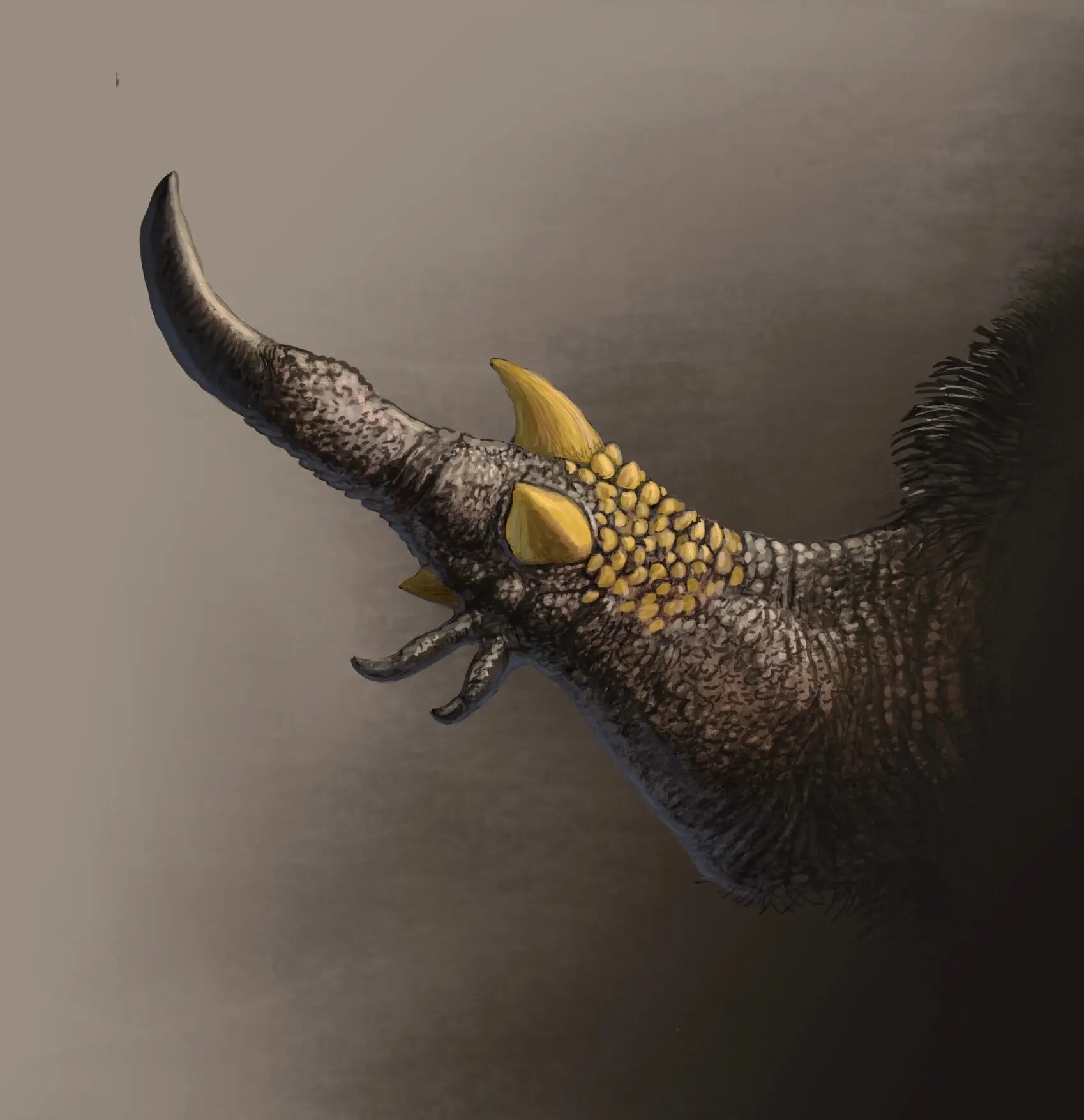
The New York Times Trilobites column has an interesting story about a tiny egg stealing dinosaur that lived about 67 million years ago in what is now Mongolia. Manipulonyx reshetovi had a strange spike-covered hand, which provided its genus name meaning “manipulating claw”. The animal’s fossil was discovered in 1979 and described in the journal…
-
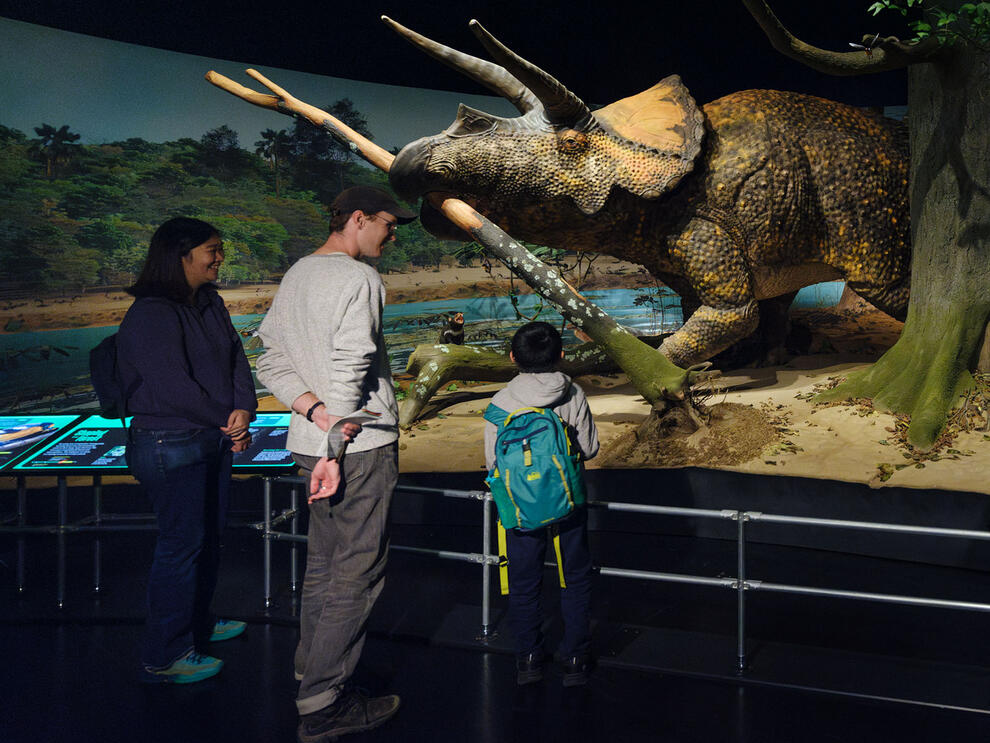
Adam Savage at the American Museum of Natural History
The AMNH has a new exhibit called “Impact: The End of the Age of Dinosaurs”. Adam Savage visited the museum just before the exhibit opened in November, There are a series of videos on Youtube. How do you come up with the physical representation of animals we know lived on Earth, when the evidence of…
-

Spinosaurus relative longer than a pickup truck stalked Thailand’s rivers 125 million years ago
LiveScience has a story about a spinosaur that lived in Thailand 125 million years ago, during the early Cretaceous Period. The animal was about 25 feet long (7-8 meters) and likely ate the fish that swam in the rivers. The new dinosaur has yet to be named and was discovered in the Sam Ran locality…
-

Ancient oceans were ruled by super predators unlike anything today
ScienceDaily has a story about the top predators of the past. Researchers from McGill University looked at Colombia’s Paja Formation, which dates to the early Cretaceous Period, some 122 million years ago. That formation preserves the ancient marine ecosystem, which had a very complex food chain, more so than the modern oceans. The paper was published…
-

“Bones Almost on Top of Each Other” – Extraordinary Dinosaur Fossil Site Discovered in the Hațeg Basin
SciTechDaily has a story about an extraordinary dinosaur fossils site in Transylvania. The Hateg Basin is famous for its dinosaur fossils. The site dates to the late Cretaceous Period, some 72 million years ago. So far, thousands of fossils have been found, including bones of amphibians, turtles, crocodiles, dinosaurs, pterosaurs, and mammals. A recent paper in…
-
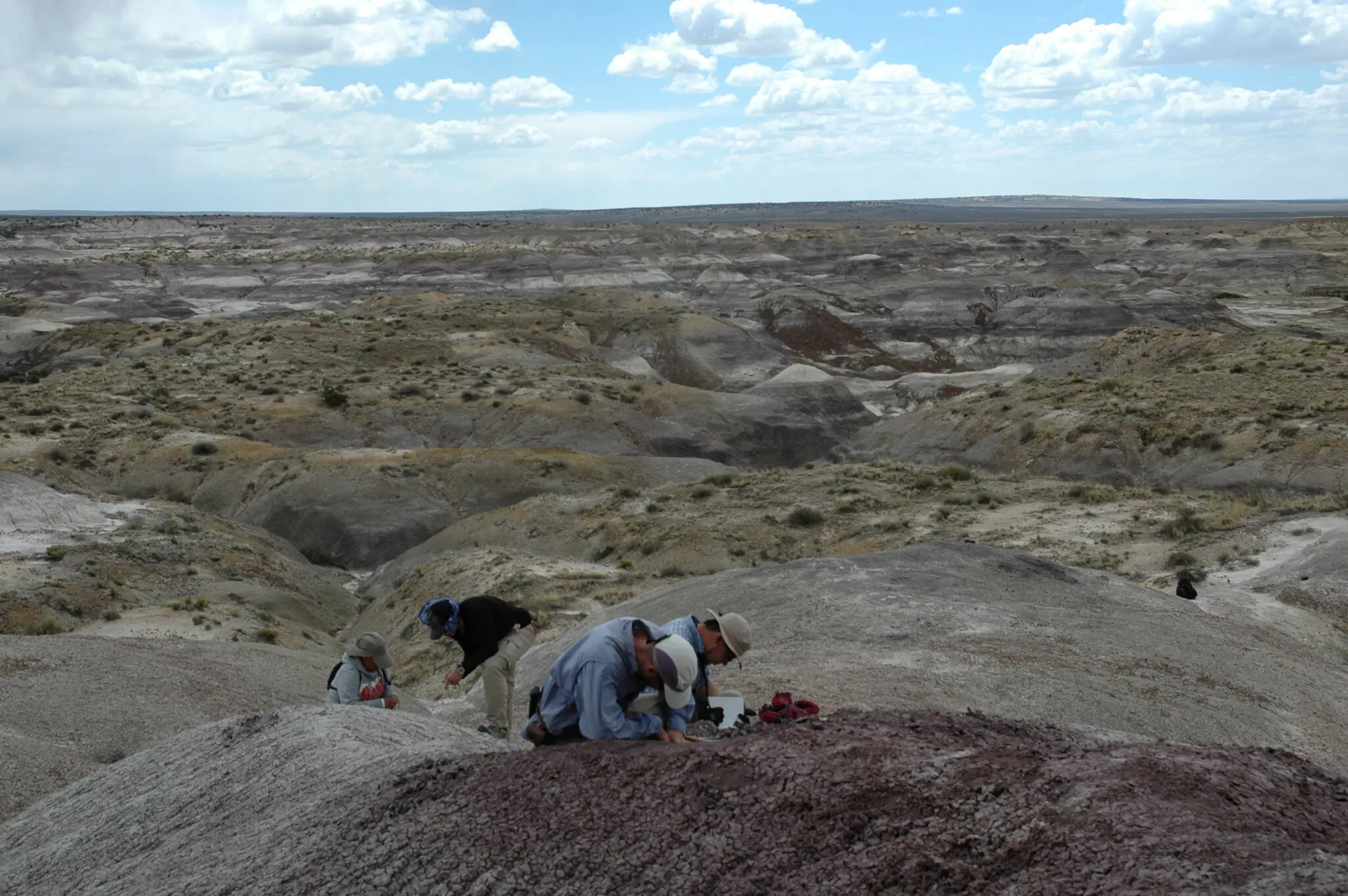
Fossils of Some of the Last Dinosaurs in North America Have a Story to Tell
The New York Times “Trilobites” column has a story about the extinction of the non-avian dinosaurs some 66 million years ago. A long standing question about the extinction has been whether the age of dinosaurs came to a sudden end or were dinosaurs in decline when the asteroid struck the Yucatan Peninsula. The diversity of…
-
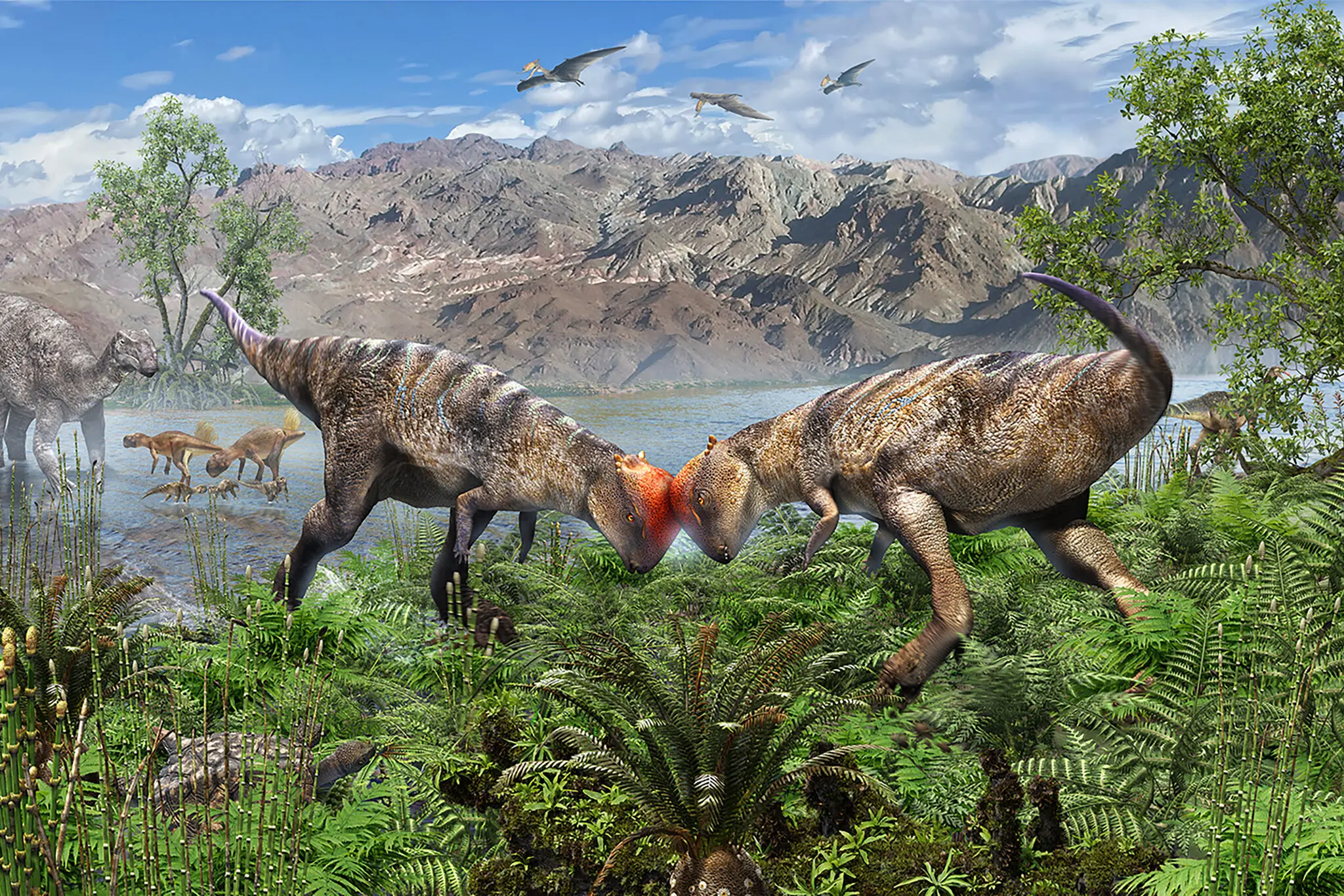
‘Shockingly Beautiful’ Fossil Reveals Oldest Dome-Headed Dinosaur
The New York Times has a fascinating look at beautiful pachycephalosaur specimen from Mongolia. The animal was recently described in a paper in the journal Nature. Zavacephale rinpoche was found in the Gobi Desert by Tsogtbaatar Chinzorig, a paleontologist at North Carolina State University. The name means “root” and “jewel” in Tibetan, which is a…
-
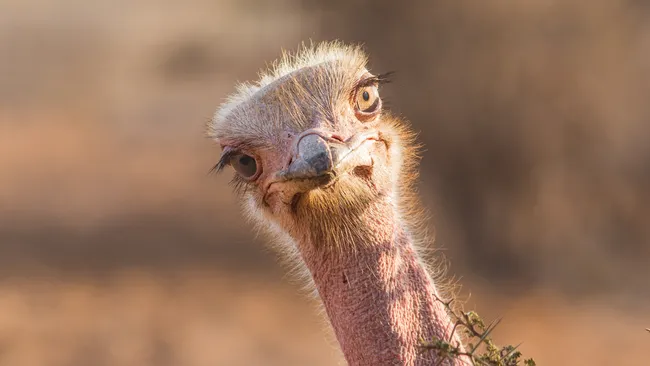
‘Rare’ ancestor reveals how huge flightless birds made it to faraway lands
LiveScience has a story that looks a paper about flightless birds and how they may have dispersed across multiple continents. The paper “Quantitative analysis of stem-palaeognath flight capabilities sheds light on ratite dispersal and flight loss” was published in the journal Biology Letters. Ostriches, emus, rheas and other large, flightless birds (paleognaths) are closely related,…
-
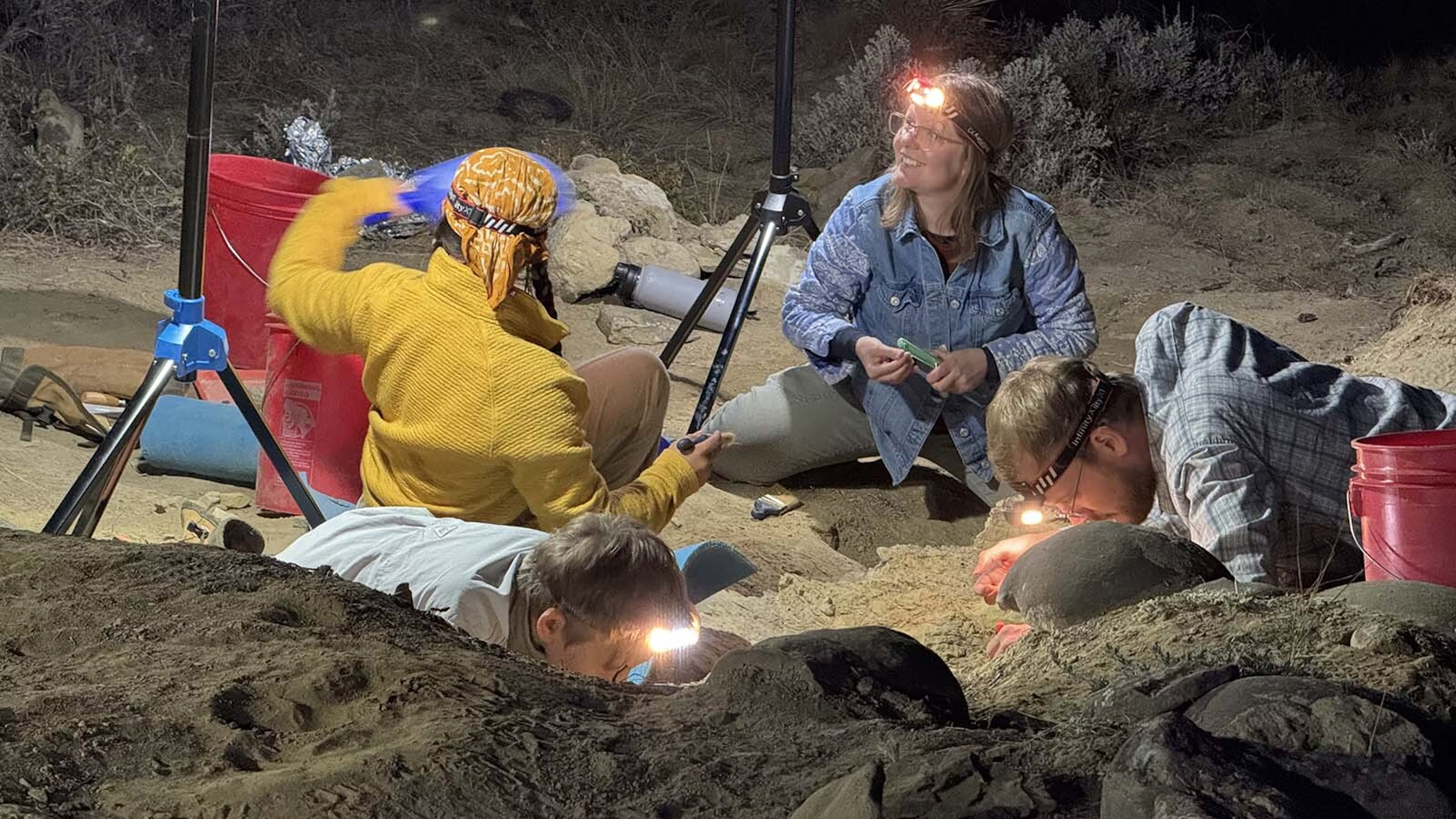
Digging Wyoming: People Flock To Glenrock To Dig for Dinosaurs In The Dark
Want to dig for dinosaurs? Well… there a place near Glenrock, Wyoming that might be perfect for a vacation next year! Cowboy State Daily has a nice article about it. A plethora of paleontological discoveries continues to shed light on the world of Converse County 67 million years ago. Most of that light is coming…
-

PBS Eons: That Time the Earth Was Sticky
PBS Eons has a new episode. This is about Cretaceous amber… what it is, how it forms, and what is found in it. The Cretaceous Resinous Interval, a 54-million year period where amber was preserved in hundreds of locations across the world, was a gooey, gummy point in Earth’s history – and then amber suddenly…
-
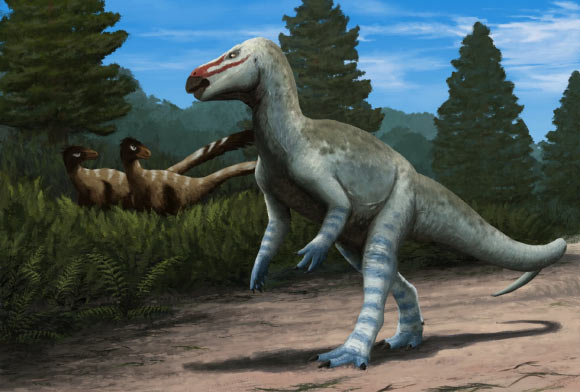
Paleontologists Describe New Species of Rhabdodontid Dinosaur
SciNews has a story about the discovery of a new rhabdodontid dinosaur species, Obelignathus septimanicus. Obelignathus septimanicus lived about 72 million years ago in the late Cretaceous Period in what is now southern France. Rhabdodontid dinosaurs were small to medium-sized, probably bipedal herbivores that grew to between 2 and 6 m (6.6-20 feet) in length. …
-
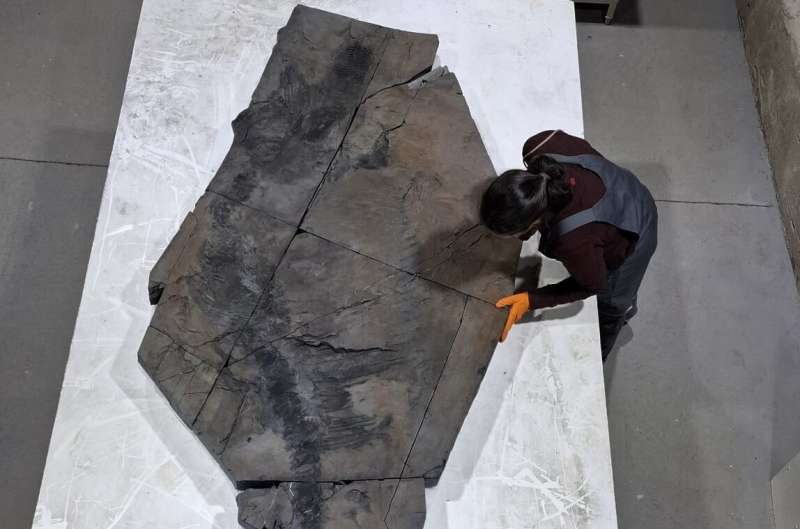
Scientists shed light on life and times of ‘Fiona’ the pregnant ichthyosaur
Phys.org has a story about Fiona, the pregnant ichthyosaur. Fiona lived about 131 million years ago during the early Cretaceous Period. Her remains were discovered a few years ago in a glacian ice field in Patagona. Her story was published in a paper in the Journal of Vertebrate Paleontology. Fiona is the only fully preserved…
-

125-Million-Year-Old Scorpion Fossil Uncovered in China
SciNews has a story about a 125 million year old scorpion. The amazing fossil was discovered in the Yixian Formation at Heishangou village, Chifeng city, Nei Mongol, China. The fossil animal has been named Jeholia longchengi and dates to the early Cretaceous Period. The paper “First Mesozoic scorpion from China and its ecological implications” was…

