Tag: Carboniferous
-

Mazon Monday #58: Arthropleura sp.
This is Mazon Monday post #58. What’s your favorite Mazon Creek fossil? Tell us at email:esconi.info@gmail.com. —————————————————– Arthropleura is a genus of extinct millipedes. Their size ranged from about 0.3 meters to about 2.5 meters long. They are the largest known land invertebrates. Fossils are known from North America and Scotland, and are thought to…
-
Mazon Monday #57: Alethopteris serlii
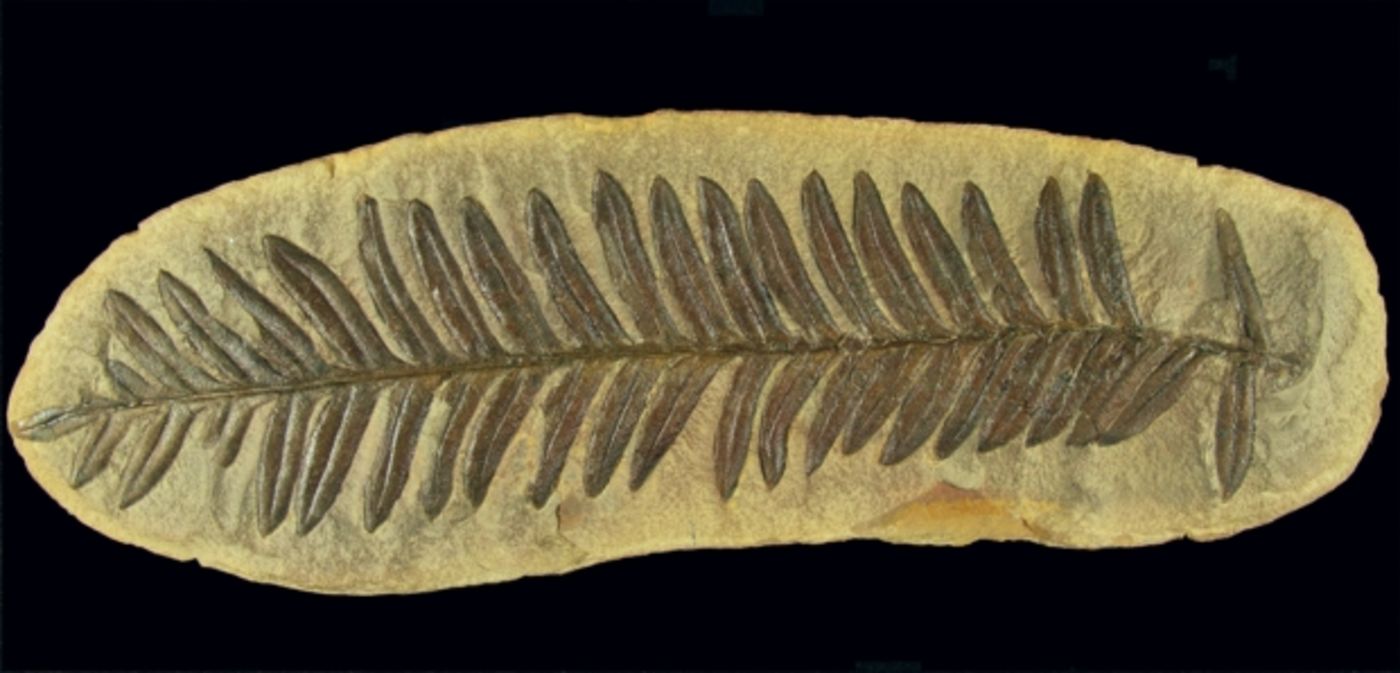
This is Mazon Monday post #57. What’s your favorite Mazon Creek fossil? Tell us at email:esconi.info@gmail.com. —————————————————– If you’ve seen one, you know that Alethopteris serlii can have breathtaking beauty. Whether from the Mazon River or one of the other more terrestrial localities, like its sister taxa Alethopteris sullivantii, it is generally bold in preservation. …
-
Fossil Friday #53: Kankakeea grundyi
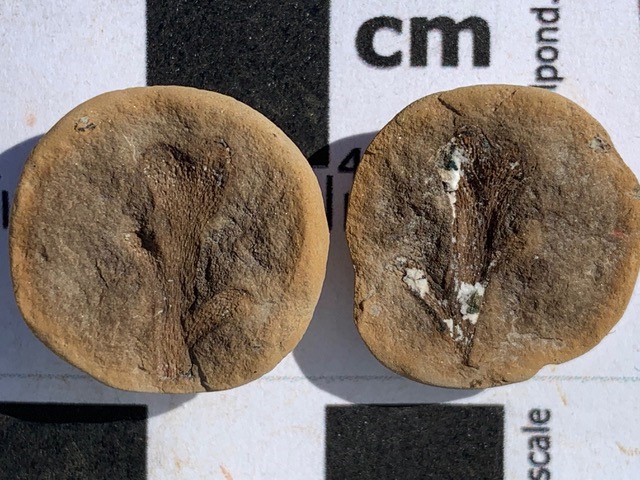
This is the “Fossil Friday” post #53. Expect this to be a somewhat regular feature of the website. We will post any fossil pictures you send in to esconi.info@gmail.com. Please include a short description or story. Check the #FossilFriday Twitter hash tag for contributions from around the world! A Mazon Creek fossil from Pit 11…
-
Mazon Monday #56: Didontogaster cordylina
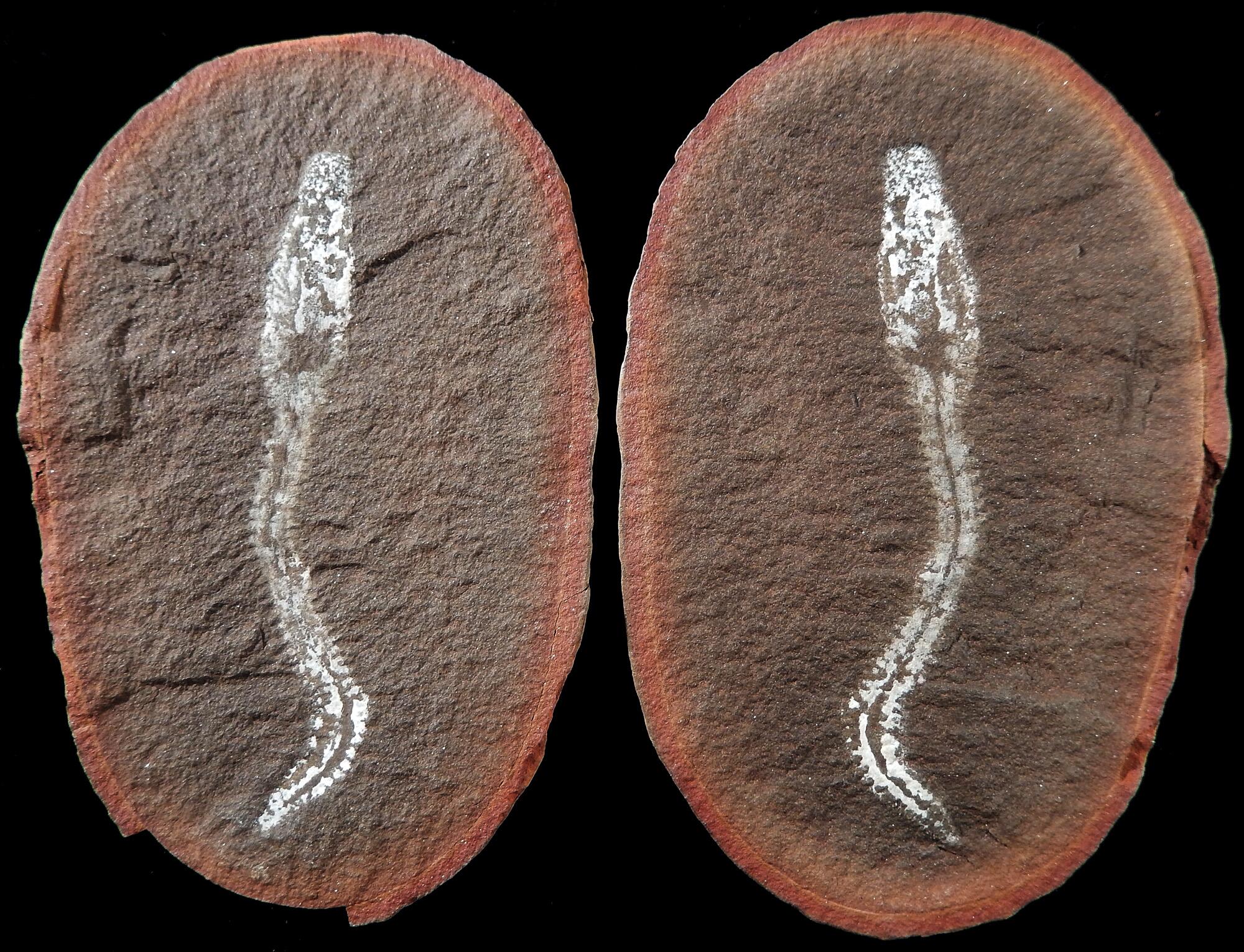
This is Mazon Monday post #56. What’s your favorite Mazon Creek fossil? Tell us at email:esconi.info@gmail.com. —————————————————– The first format descriptions of the Polychaete worms of the Mazon Creek biota didn’t happen until 1979. One of the first was Didontogaster cordylina, commonly known as the tummy tooth worm. D. cordylina was described by Ida Thompson…
-

Fossil Friday #52: Fossil Wood
This is the “Fossil Friday” post #52. Expect this to be a somewhat regular feature of the website. We will post any fossil pictures you send in to esconi.info@gmail.com. Please include a short description or story. Check the #FossilFriday Twitter hash tag for contributions from around the world! Fossil wood can be very different from…
-

Mazon Monday #55: Neuropteris inflata
This is Mazon Monday post #55. What’s your favorite Mazon Creek fossil? Tell us at email:esconi.info@gmail.com. For this week, we have a somewhat uncommon form of Neuropteris… Neuropteris inflata. These leaves look very similar to Macroneuropteris scheuchzerii. And, could be taken for a large specimen. However, these are however different than M. scheuchzerii and are…
-

Fossil Friday #51: Clam-clam
This is the “Fossil Friday” post #51. Expect this to be a somewhat regular feature of the website. We will post any fossil pictures you send in to esconi.info@gmail.com. Please include a short description or story. Check the #FossilFriday Twitter hash tag for contributions from around the world! Today, we have a couple specimens of…
-

Mazon Monday #54: Octomedusa pieckorum
This is Mazon Monday post #54. What’s your favorite Mazon Creek fossil? Tell us at email:esconi.info@gmail.com. Octomedusa piekorum was described in 1968 in a paper by Ralph Gordon Johnson and Eugene S. Richardson, Jr. Both worked at the Field Museum of Natural History. The paper, “The Essex Fauna and Medusae”, was published in the Museum’s…
-
300-million-year-old dragonfly wing among several significant pandemic fossil findsseum
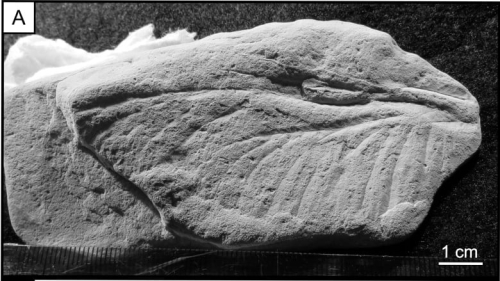
CBC has a story about some fossil finds in Nova Scotia, Canada during the pandemic. Fossil trackways, ferns, plants, and other fossils were reported by citizen scientists. The most significant finds are a dragonfly wing dating to the Carboniferous about 300 million years ago and fossil tracks dating to the Permian. There is an audio…
-
Fossil Friday #50: Diplazites unita
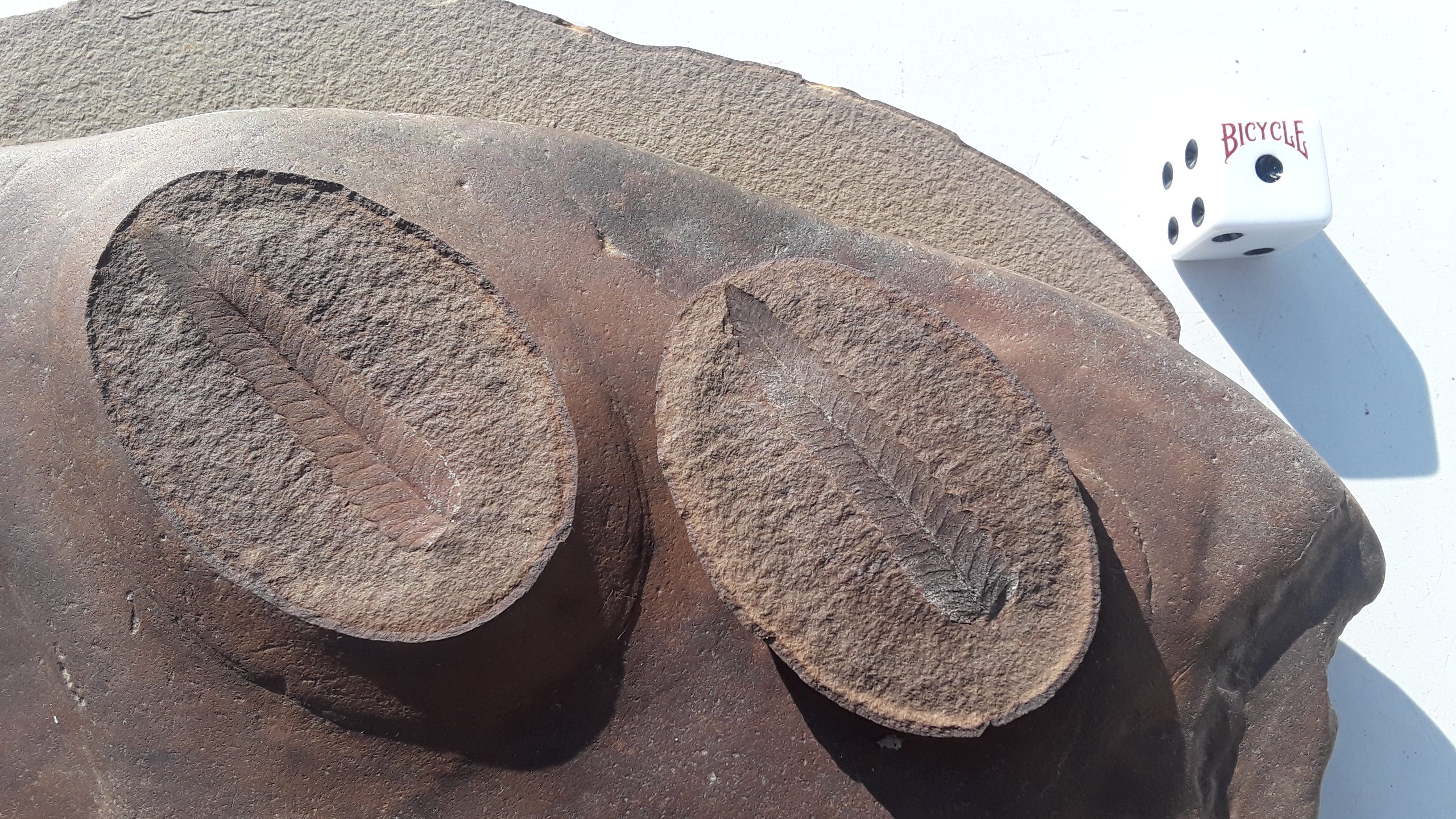
This is the “Fossil Friday” post #50. Expect this to be a somewhat regular feature of the website. We will post any fossil pictures you send in to esconi.info@gmail.com. Please include a short description or story. Check the #FossilFriday Twitter hash tag for contributions from around the world! Today, we have a real treat. It…
-

Mazon Monday #53: Diplazites unita
This is Mazon Monday post #53. What’s your favorite Mazon Creek fossil? Tell us at email:esconi.info@gmail.com. This week, we are going to take a look at a fairly common fern fossil of the Mazon Creek biota. That fern is Diplazites unita. We featured D. unita back in Fossil Friday #35 with specimens from ESCONI member…
-

Mazon Monday #52: Acanthotelson stimpsoni
This week, we are going to look at a syncarid shrimp called Acanthotelson stimpsoni. It’s one of the most common shrimp found amongst the Braidwood fauna. We had a very nice one from the Mazon River a few weeks ago for Fossil Friday #42. A. stimpsoni was described in 1865 by F.B. Meek and A.…
-
Fossil Friday #48: Neuropteris jacksonii
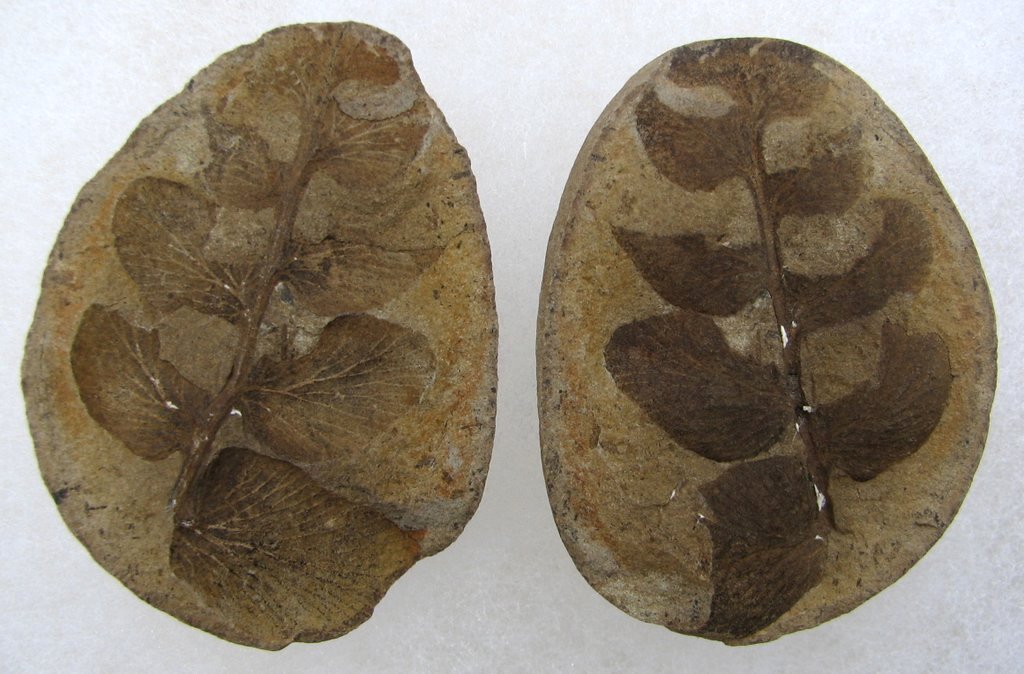
This is the “Fossil Friday” post #48. Expect this to be a somewhat regular feature of the website. We will post any fossil pictures you send in to esconi.info@gmail.com. Please include a short description or story. Check the #FossilFriday Twitter hash tag for contributions from around the world! For this week, we have a rare…
-
Phys.org: ‘Pompeii of prehistoric plants’ unlocks evolutionary secret: study
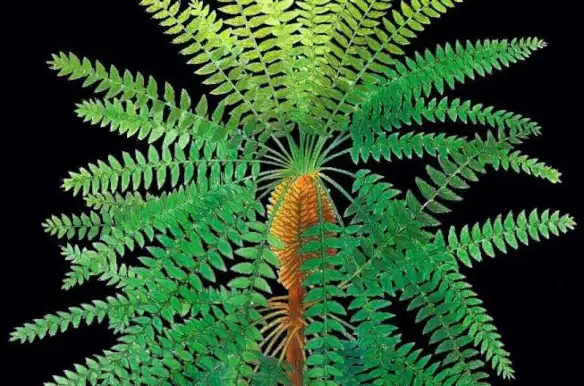
Phys.org has a story about some Pennsylvanian fossil plants from China. The species of plants, Paratingia wuhaia, which belong to a group called Noeggerathiales, were highly successful. They survived from about 325 million years ago in the Pennsylvanian Period until the Permian Mass Extinction about 251 million years ago. At one time, they were thought…
-

Mazon Monday #51: Book – Leaves and Stems From Fossil Forests
This is Mazon Monday post #51. What’s your favorite Mazon Creek fossil? Tell us at email:esconi.info@gmail.com. Before George Langford wrote his books, which were first published by Esconi Associates in 1958, Raymond E. Janssen wrote two books about Mazon Creek that saw widespread use as reference materiel for identification of fossils. The first book “Leaves…
-
Fossil Friday #47: Roachoid!
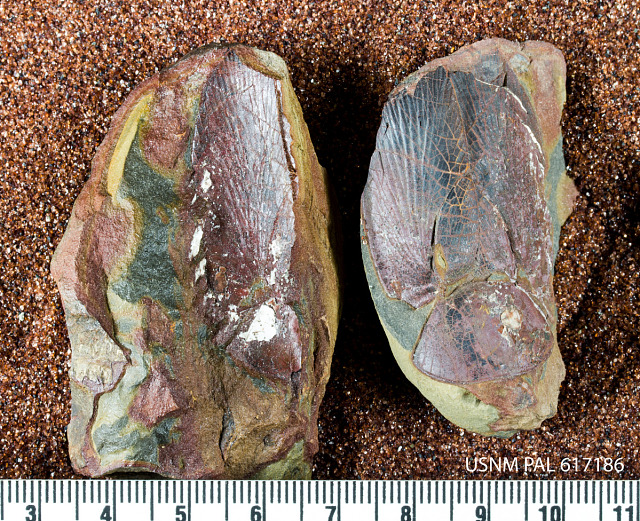
This is the “Fossil Friday” post #47. Expect this to be a somewhat regular feature of the website. We will post any fossil pictures you send in to esconi.info@gmail.com. Please include a short description or story. Check the #FossilFriday Twitter hash tag for contributions from around the world! —————————————————– Okay, don’t get put off from…
-

Mazon Monday #50: The Dancing Worm of Turkana
This is Mazon Monday post #50. What’s your favorite Mazon Creek fossil? Tell us at email:esconi.info@gmail.com. Today, we have a real treat. Dr. Eugene Richardson was the Curator of Invertebrate Paleontology at the Field Museum of Natural History from the 1950s until his death in 1983. He had a huge influence on the research of…
-
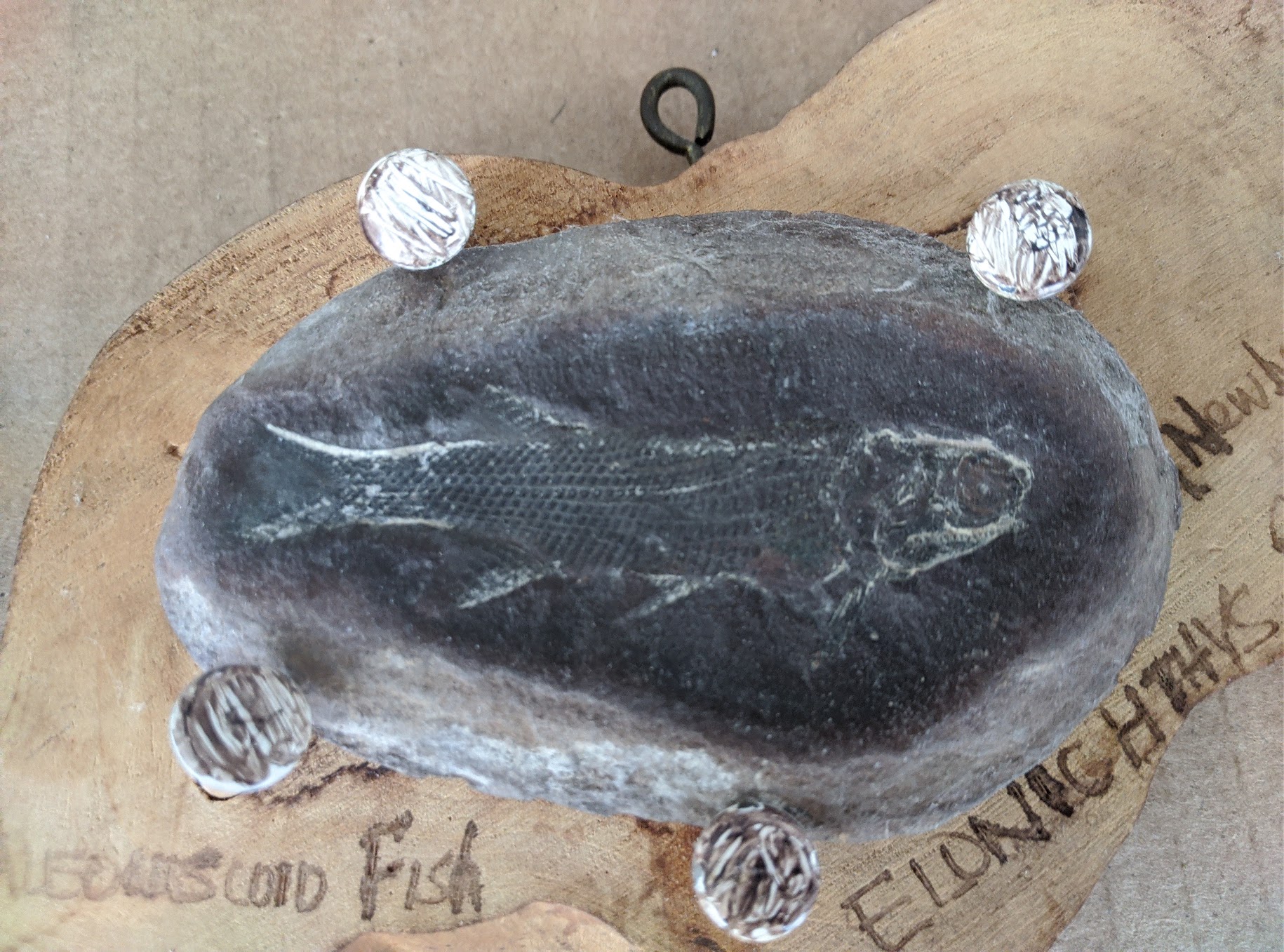
Fossil Friday #46: Elonichthys peltigerus
This is the “Fossil Friday” post #46. Expect this to be a somewhat regular feature of the website. We will post any fossil pictures you send in to esconi.info@gmail.com. Please include a short description or story. Check the #FossilFriday Twitter hash tag for contributions from around the world! This week, we have an absolutely stunning…
-

Mazon Monday #49: Mazon Creek Fossils Honoring Collectors
Since the beginning, amateur fossil collectors have played a huge role in the science and research of Mazon Creek. Joseph Even, Joseph C. Carr, Samuel S. Strong, and Homer Hill were some of the earliest amateur collectors of Mazon Creek fossils back in the mid 1800’s. They and others did much to popularize the fossils…
-

Mazon Monday #48: Kallidecthes richardsoni
This is Mazon Monday post #48. What’s your favorite Mazon Creek fossil? Tell us at email:esconi.info@gmail.com. Kallidecthes richardsoni was described in 1969 by Frederick Schram. It was named for Eugene Richardson, who was then the Curator of Fossil Invertebrates at the Field Museum of Natural History in Chicago, IL. It’s an extinct species of shrimp…
-
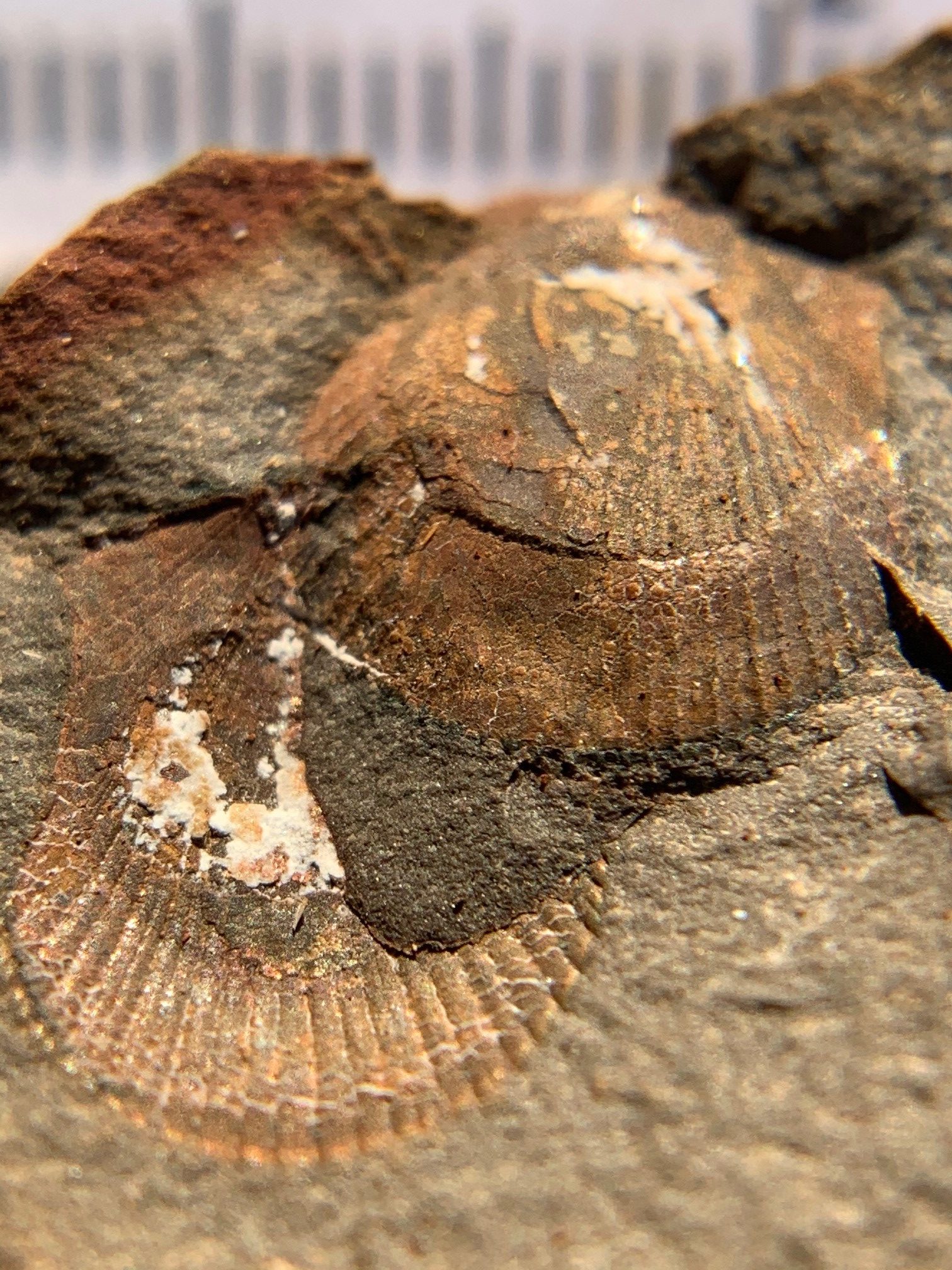
Fossil Friday #44: Braceville Scallop
This is the “Fossil Friday” post #44. Expect this to be a somewhat regular feature of the website. We will post any fossil pictures you send in to esconi.info@gmail.com. Please include a short description or story. Check the #FossilFriday Twitter hash tag for contributions from around the world! Scallops. Who hasn’t enjoyed a nice tasty…
-
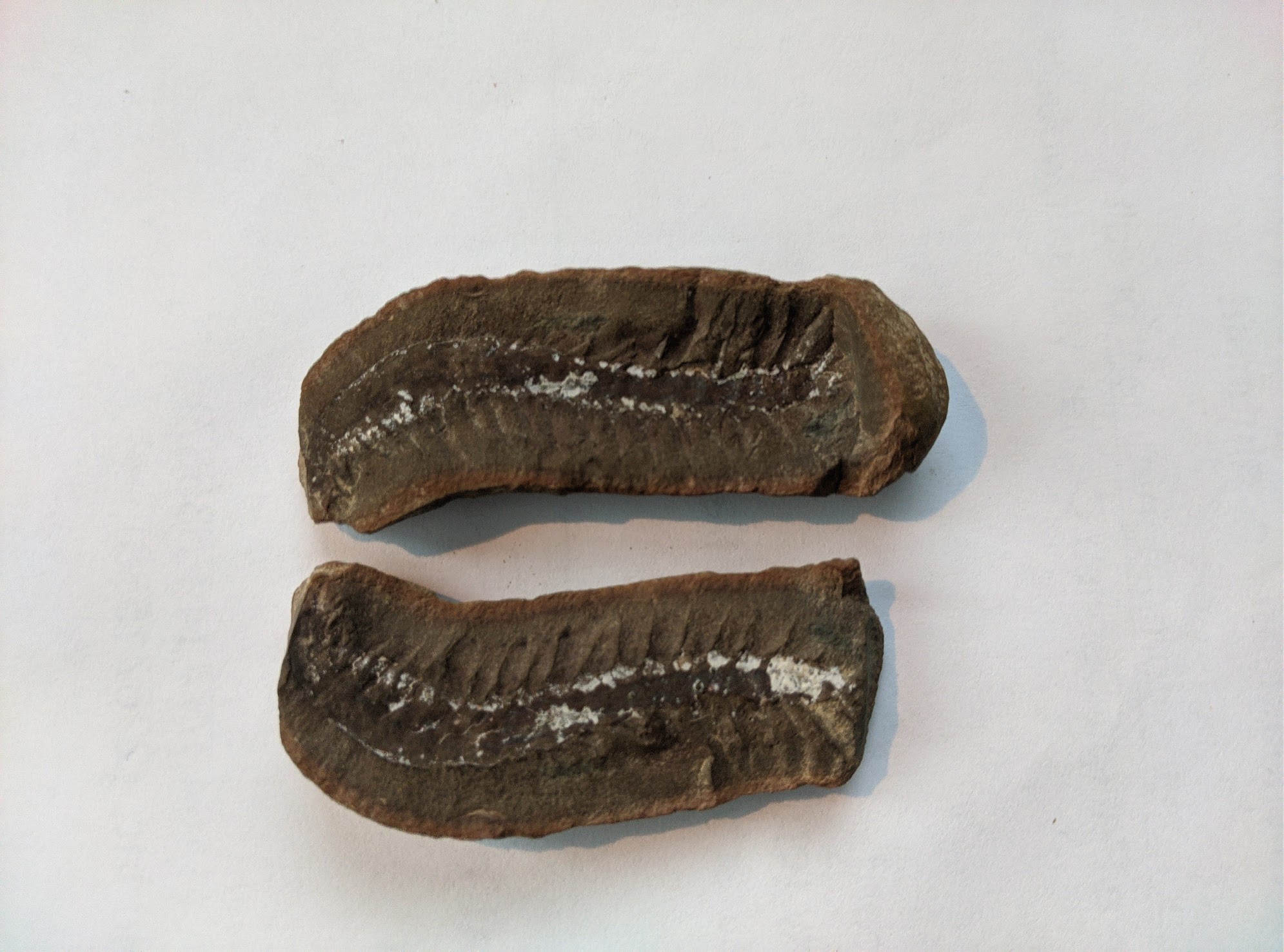
Mazon Monday #47: Centipedes
This is Mazon Monday post #47. What’s your favorite Mazon Creek fossil? Tell us at email:esconi.info@gmail.com. For this week, we have a very rare Mazon Creek animal. The estimate of occurrence for centipedes was about 3 in 287,000 concretions in the paper “Relative Abundance of Different Mazon Creek Organisms” by Gordon C. Baird and John…
-
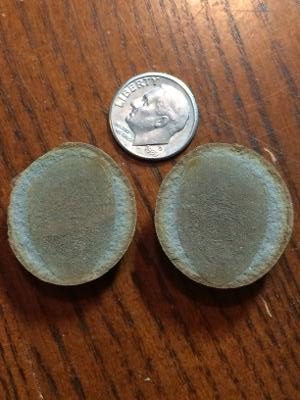
Fossil Friday #43: Lung Fish Scales From Mazon Creek
This is the “Fossil Friday” post #43. Expect this to be a somewhat regular feature of the website. We will post any fossil pictures you send in to esconi.info@gmail.com. Please include a short description or story. Check the #FossilFriday Twitter hash tag for contributions from around the world! There is a large amount of diversity…
-
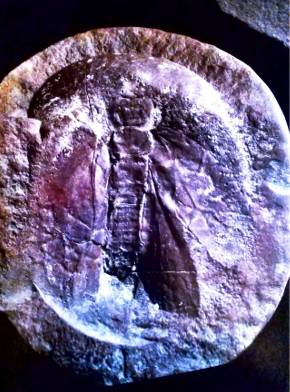
Mazon Monday #46: Insects Part 4 – Roachoids
This is Mazon Monday post #46. What’s your favorite Mazon Creek fossil? Tell us at email:esconi.info@gmail.com. This week, as part of our series on Mazon Creek insects, we are looking at roaches, or to be more correct roachoids, as true roaches don’t show up in the fossil record until the late Jurassic. Roachoids are the…
-

Fossil Friday #42: Acanthotelson stimpsoni
This is the “Fossil Friday” post #42. Expect this to be a somewhat regular feature of the website. We will post any fossil pictures you send in to esconi.info@gmail.com. Please include a short description or story. Check the #FossilFriday Twitter hash tag for contributions from around the world! Today’s fossil is a tasty shrimp from…
-
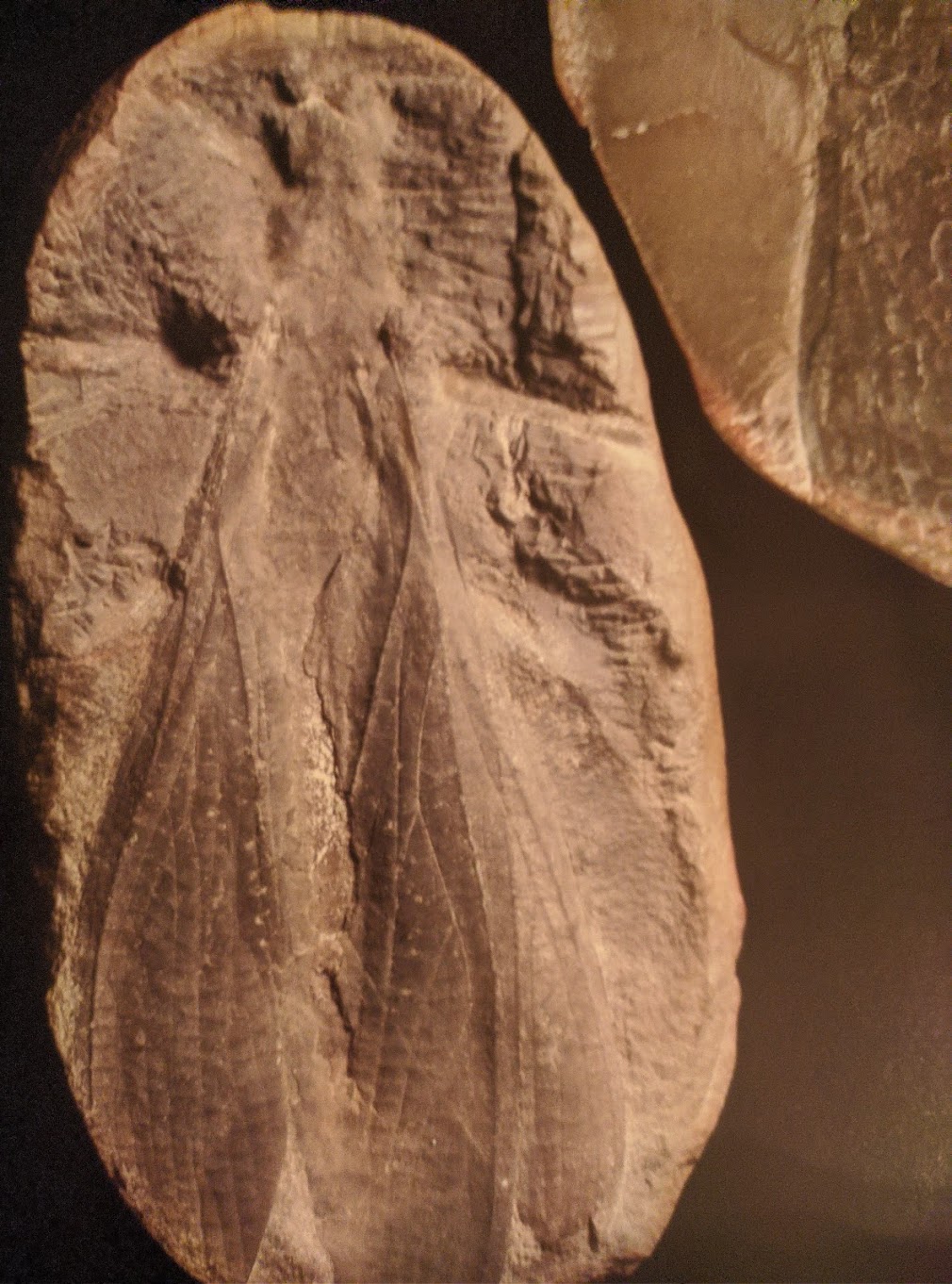
Mazon Monday #45: Insects Part 3 – Gerarids
This is Mazon Monday post #45. What’s your favorite Mazon Creek fossil? Tell us at email:esconi.info@gmail.com. The gerarids are large winged insects from the Carboniferous Period. Fossils of gerarids have been found in deposits from Mazon Creek and Commentry, France. The animals are known for a distinctive stalked head. Some have spikes on their thorax. …
-
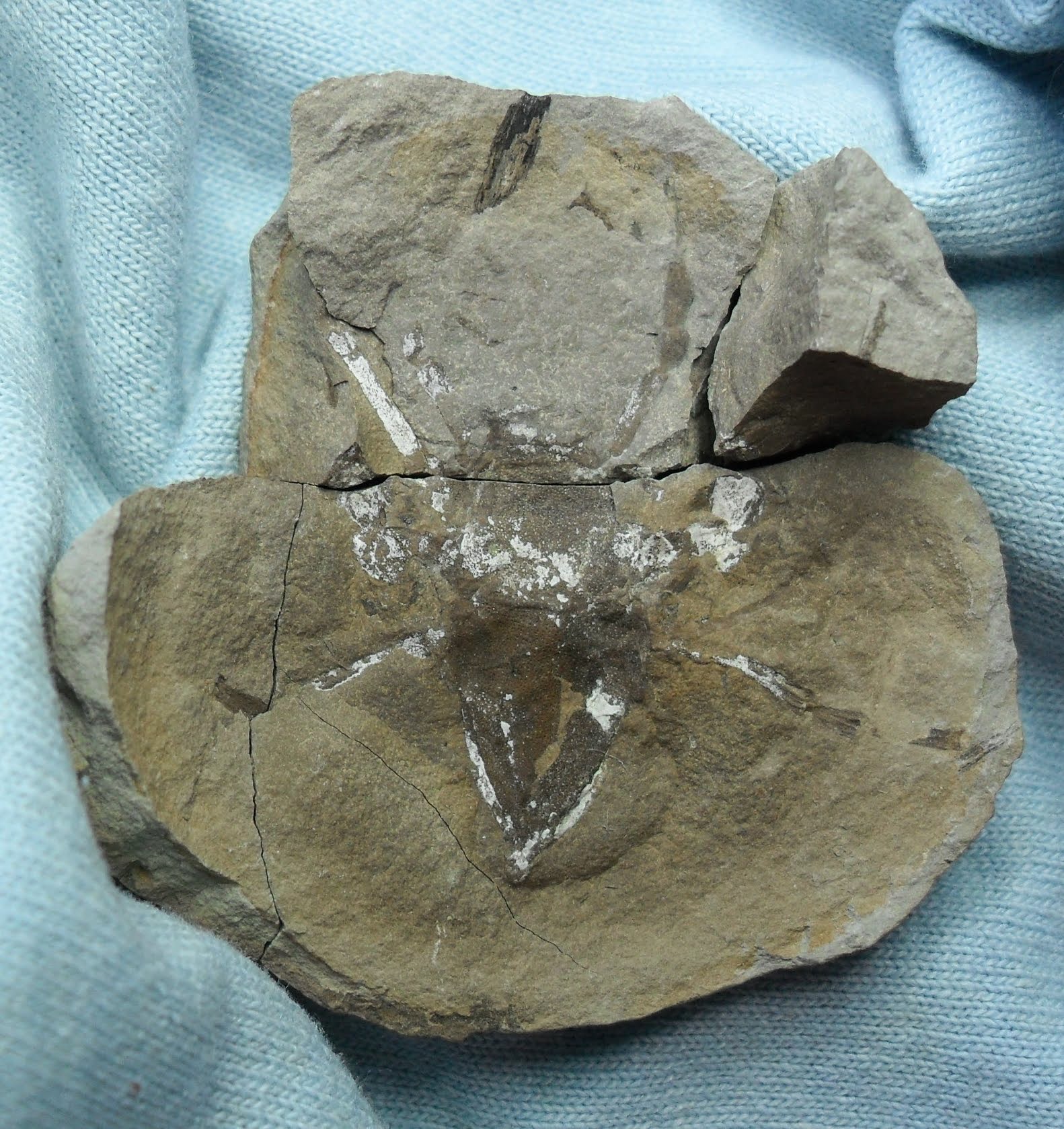
Fossil Friday #41: Hooded Tick Spider
This is the “Fossil Friday” post #41. Expect this to be a somewhat regular feature of the website. We will post any fossil pictures you send in to esconi.info@gmail.com. Please include a short description or story. Check the #FossilFriday Twitter hash tag for contributions from around the world! Today’s fossil is a “hooded tick spider”…
-
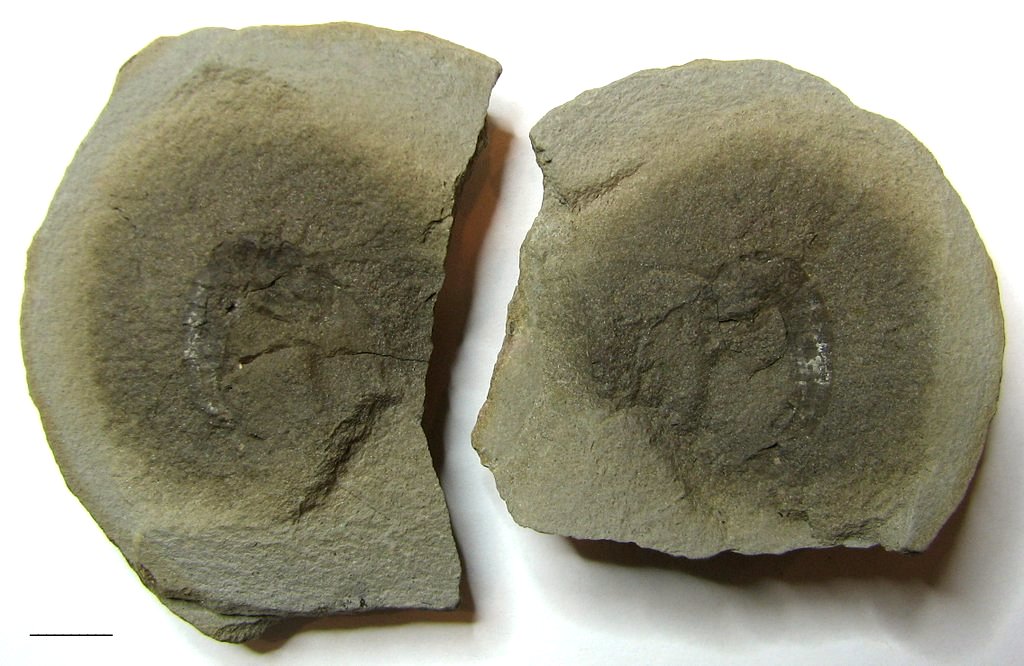
Mazon Monday #44: Insects Part 2 – Monurans
This is Mazon Monday post #44. What’s your favorite Mazon Creek fossil? Tell us at email:esconi.info@gmail.com. Monurans are an extinct order of wingless insects. They are known from the Mazon Creek biota, other Carboniferous localities, and have been found in later deposits that date to the Permian. They get their name for the single tail…
-
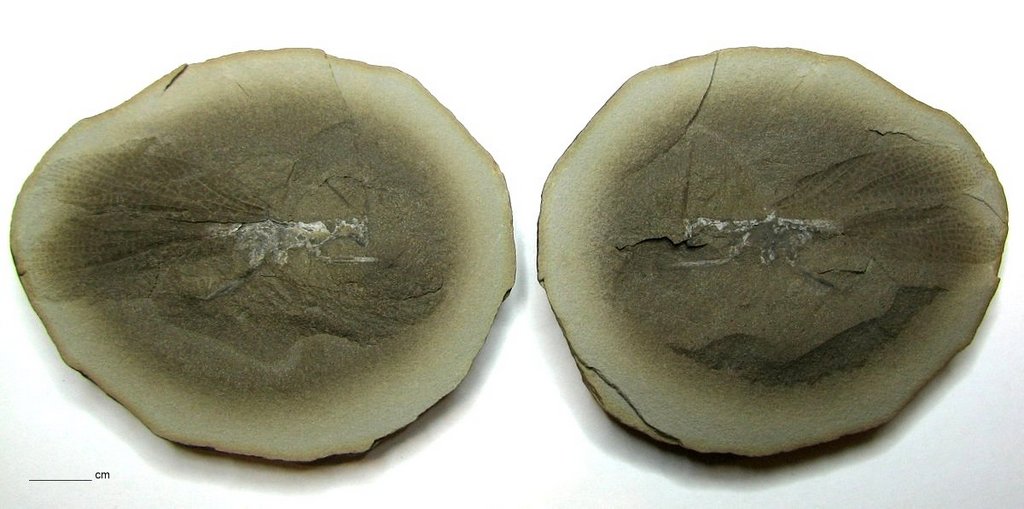
Fossil Friday #40: Heterologus langfordorum
This is the “Fossil Friday” post #40. Expect this to be a somewhat regular feature of the website. We will post any fossil pictures you send in to esconi.info@gmail.com. Please include a short description or story. Check the #FossilFriday Twitter hash tag for contributions from around the world! Remember Heterologus langfordorum, a winged insect from…
-

Mazon Monday #43: Insects Part 1
This is Mazon Monday post #43. What’s your favorite Mazon Creek fossil? Tell us at email:esconi.info@gmail.com. The insects of Mazon Creek are a hugely, complex subject. We’ll take the next few posts of Mazon Monday to cover this topic. There will be information from multiple sources along with some breathtaking pictures and drawings. Insects are…
