
-
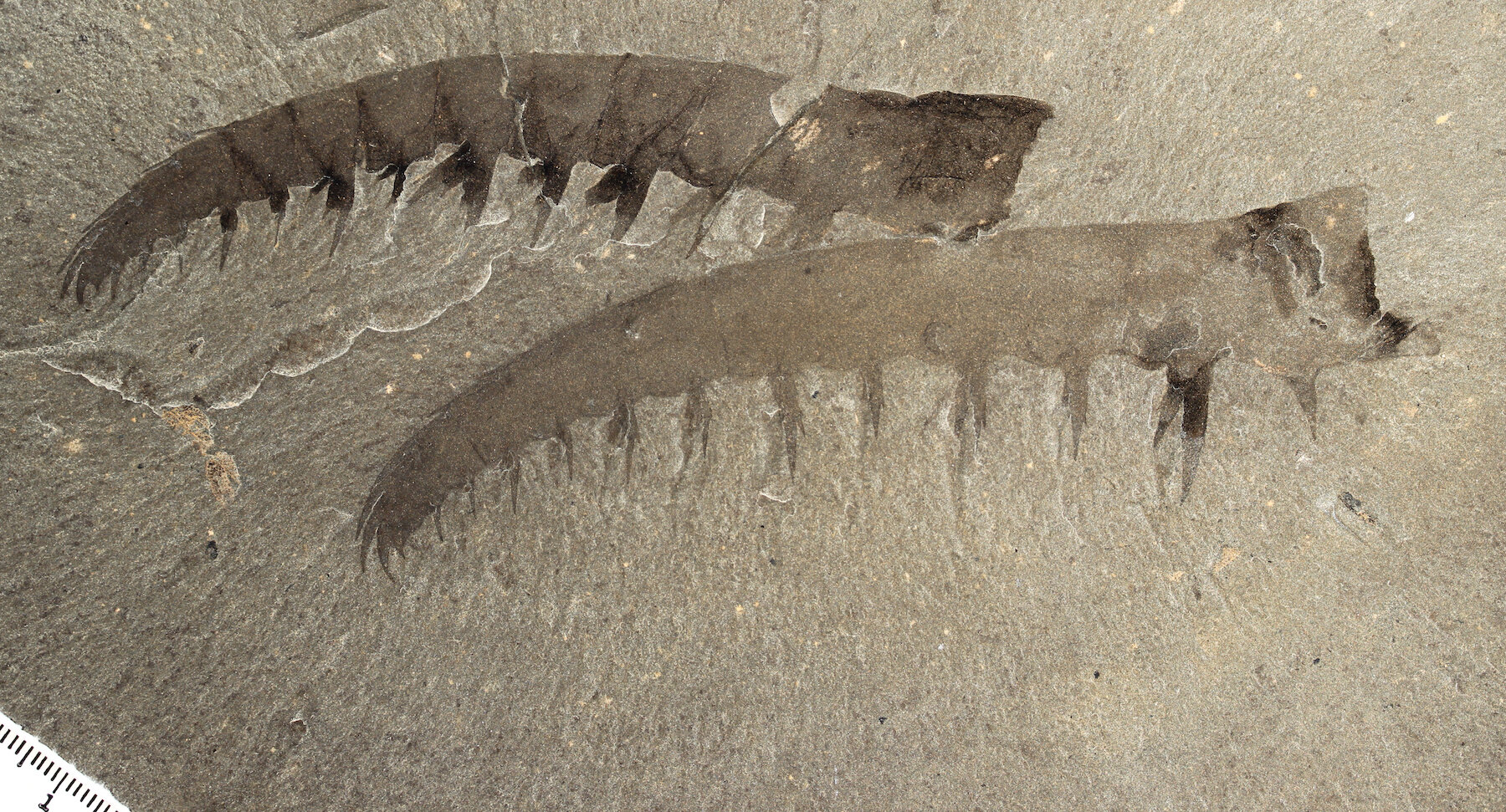
Apex predator of the Cambrian likely sought soft over crunchy prey
Read more: Apex predator of the Cambrian likely sought soft over crunchy preyPhys.org has a story about one of the largest predators of the Cambrian Period. Anomalocaris canadensis, which means “weird shrimp from Canada”, was first discovered in the 1800’s in fossil deposits around Mt. Stephen in British Columbia. Until the discovery of the Burgess Shale, the front appendages and body fossils were thought to be separate animals. A new paper in the journal Proceedings of the Royal Society B looked at the front appendages and concluded they weren’t strong enough to crush trilobite exoskeletons. Recent research found the armor-plated, ring-shaped mouthparts of A. canadensis were also probably unable to process hard food.…
-

Fossil Friday #168: Ivy Leaf from the Green River
Read more: Fossil Friday #168: Ivy Leaf from the Green RiverThis is the “Fossil Friday” post #168. Expect this to be a somewhat regular feature of the website. We will post any fossil pictures you send in to esconi.info@gmail.com. Please include a short description or story. Check the #FossilFriday Twitter hash tag for contributions from around the world! Something different today… How about a fossil leaf from the Green River Formation in Wyoming. The Green River Formation dates to the Eocene Era about 52 million years ago. This gorgeous fossil leaf was sent in by Keith Robitschek, current president of ESCONI. Keith has been collecting and preparing fossils from the…
-
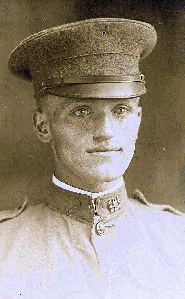
Throwback Thursday #169: Stevens T. Norvell III
Read more: Throwback Thursday #169: Stevens T. Norvell IIIThis is Throwback Thursday #169. In these, we look back into the past at ESCONI specifically and Earth Science in general. If you have any contributions, (science, pictures, stories, etc …), please send them to esconi.info@gmail.com. Thanks! As we posted in Throwback Thursday #158, the logo was designed by Stevens T. Norvell in 1950 as part of a contest. Since April 1950, the newsletter has had that same logo on the cover. Here’s more information about the creator of the logo… Stevens T. Norvell, who’s initials S.T.N. appear at the bottom. This article appeared in the July/August 1998 edition of…
-
Mazon Creek Fossil Day, October 14th, 2023, 10 AM to 3 PM, Coal City Public Library
Read more: Mazon Creek Fossil Day, October 14th, 2023, 10 AM to 3 PM, Coal City Public LibraryJOIN US FOR MAZON CREEK FOSSIL DAY Coal City Public LibraryOctober 14, 202310 AM to 3 PM Displays of Mazon Creek FossilsIdentification of Mazon Creek FossilsBooks on Mazon Creek Fossils for saleLecture on collecting Mazon CreekFossils at 1 PM Download Flyer Presented by ESCONI (Earth Science Club ofNorthern Illinois) and the Carbon Hill SchoolMuseum
-
You Really Are a Tick Magnet
Read more: You Really Are a Tick MagnetThe New York Times Trilobites column has an interesting article about ticks. A new paper in the journal Current Biology, looked at how ticks are attracted to their hosts. It seems that static electric fields, which are produced naturally by animals (including humans) might be helping ticks to extend their reach from the surrounding vegetation onto their next potential meal. Hopefully, this new discovery will spur the development of new materials that repel their advances. Many a tick researcher has had to chase down an errant arachnid after it was flung about by static from plastic or nylon equipment because…
-
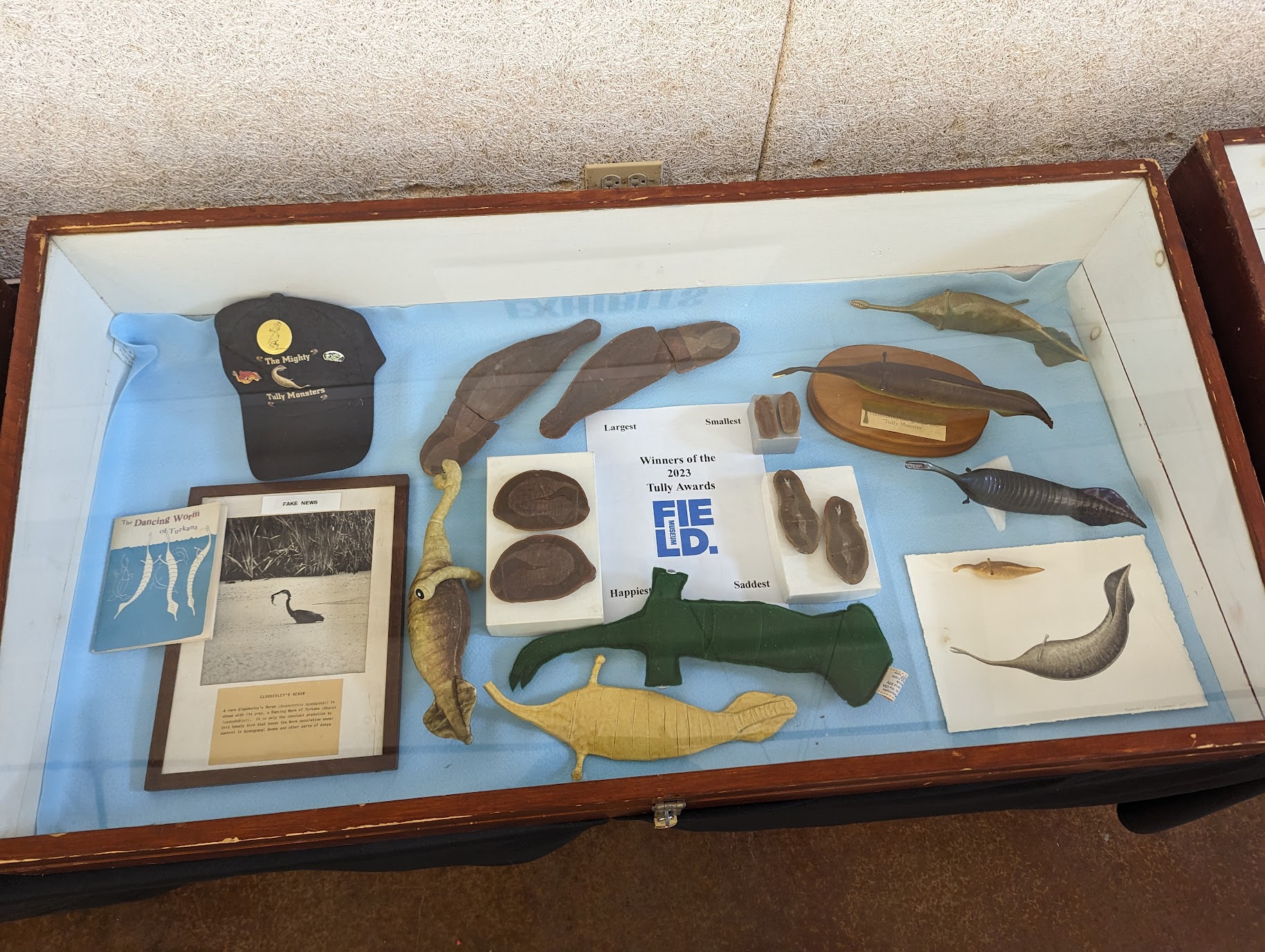
Mazon Monday #171: Tullies at CGMA
Read more: Mazon Monday #171: Tullies at CGMAThis is Mazon Monday post #171. What’s your favorite Mazon Creek fossil? Tell us at email:esconi.info@gmail.com. Back at the CGMA show in late May, Jack Wittry brought a very nice Tully Monster display from the Field Museum. Jack brings a nice display every year to CGMA. Last year’s topic was sharks of Mazon Creek. This years display was very good. Jack had quite the assortment. There were all sorts of Tully paraphernalia – hats, drawings, cuddly soft Tully Monsters, and even books (see “The Dancing Worm of Turkana” by Eugene Richardson in Mazon Monday #50). As to actual Tullys, there…
-
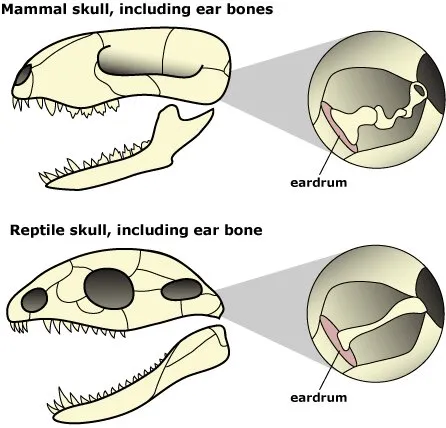
A jaw-dropping conundrum: Why do mammals have a stiff lower jaw?
Read more: A jaw-dropping conundrum: Why do mammals have a stiff lower jaw?Phys.org has an interesting article about the structure of mammal jaws. Vertebrate skeletons and thus mammal skeletons are very conservative. We all have pretty much the same bones, however they are generally reshaped, reoriented, and possibly repurposed. The general vertebrate lower jaw consists of multiple bones, for mammals some of the smaller bones around the joint have been repurposed into inner ear bones, leaving just one bone to serve as the mandible. A new paper in the journal Philosophical Transactions of the Royal Society B: Biological Sciences looks into this evolutionary development from the viewpoint of jaws rather than the…
-

Eight Menacing Saber-Toothed Creatures That Stalked the Earth Long Ago
Read more: Eight Menacing Saber-Toothed Creatures That Stalked the Earth Long AgoSmithsonian Magazine has an interesting story about some extinct saber-toothed animals. The eight animals highlighted lived in various times – ranging from the Permian to more recent times. The list includes saber-toothed cats, a giant plant eater, a newly discovered, huge carnivore from South Africa (Inostrancevia africana, which we posted on last week), and even a saber-toothed deer. All are mammals or related to mammals. It’s interesting that we don’t know of any saber-toothed dinosaurs… Evolution has a fondness for saber-toothed creatures. Time and again, animals with elongated canine teeth have roamed the planet. The ferocious Smilodon of the Ice Age is…
-
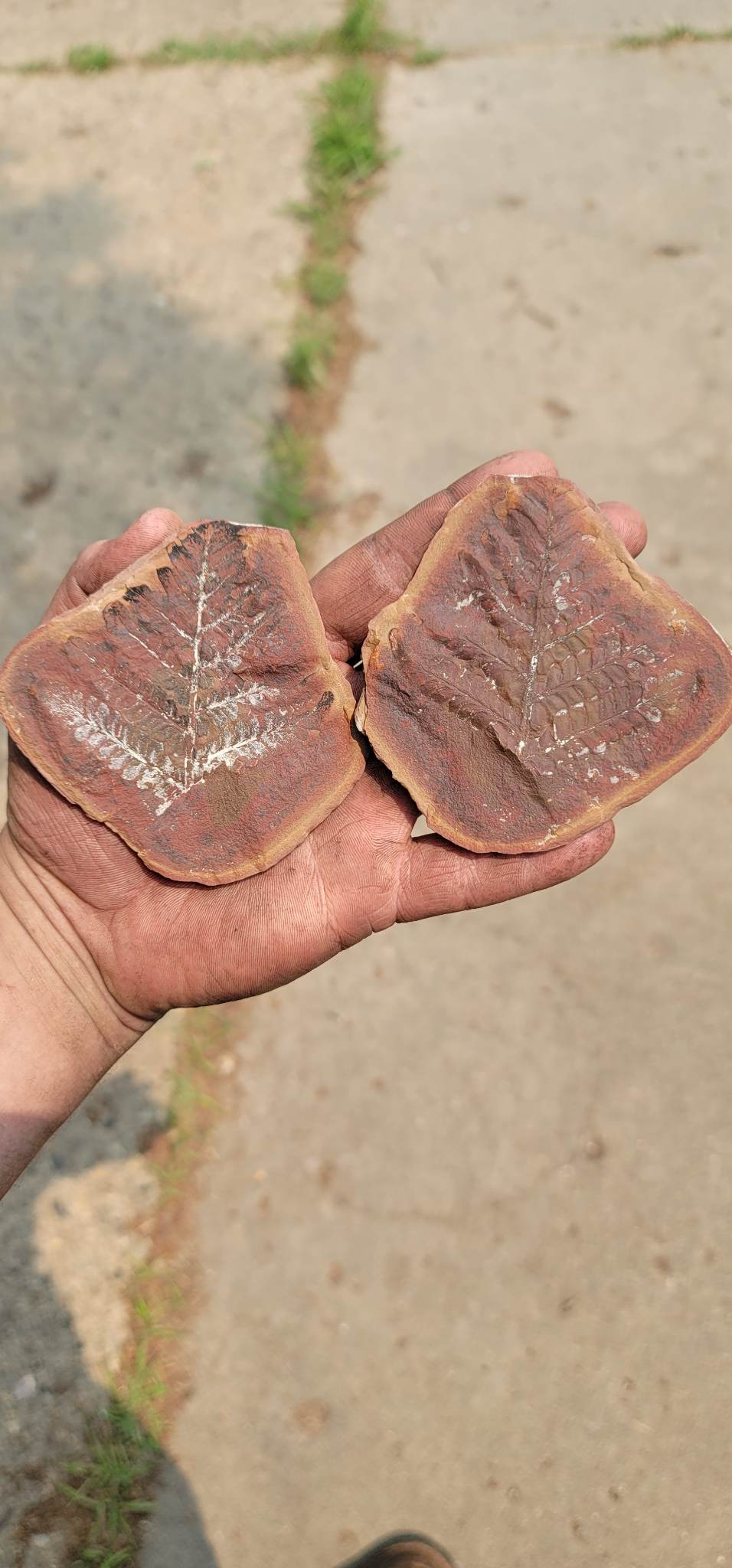
Fossil Friday #167: Reticulopteris munsterii
Read more: Fossil Friday #167: Reticulopteris munsteriiThis is the “Fossil Friday” post #167. Expect this to be a somewhat regular feature of the website. We will post any fossil pictures you send in to esconi.info@gmail.com. Please include a short description or story. Check the #FossilFriday Twitter hash tag for contributions from around the world! I don’t know about you guys, but I like to see before and after fossil photos. Today, we have a nice example of how what you find in the field may look better… much better, when you get it home and clean it up. If you need another example, check out George…
-

Throwback Thursday #168: British Columbia in Nine Days
Read more: Throwback Thursday #168: British Columbia in Nine DaysThis is Throwback Thursday #168. In these, we look back into the past at ESCONI specifically and Earth Science in general. If you have any contributions, (science, pictures, stories, etc …), please send them to esconi.info@gmail.com. Thanks! Who’s up for a summer trip to the Burgess Shale in British Columbia? How about 9 days, with a good amount of the time for collecting the world famous locality? Well, Pat Armstrong and her family did just that in August 1961. Oh, did I mention a stop in South Dakota for Oligocene fossils on the way? Pat and her husband Chuck were…
-
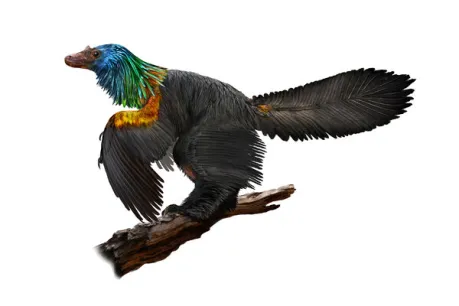
How Did Birds First Take Off?
Read more: How Did Birds First Take Off?Carl Zimmer has an interesting post on his Origins blog over at the New York Times. Scientists have long wondered how and when birds first take flight. It’s long been established that birds are dinosaurs. Early birds evolved into two divergent groups. Modern birds belong to ornithuromorphs, while the other group, the enantiornithines, actually dominated the skies for millions of years. A new paper in the journal Cretaceous Research by lead author Dr. Jingmai O’Connor, a paleontologist at the Field Museum in Chicago, found that enantiornithine birds hatched with bare bodies, but with fully feathered wings. As adults, they molted…
-
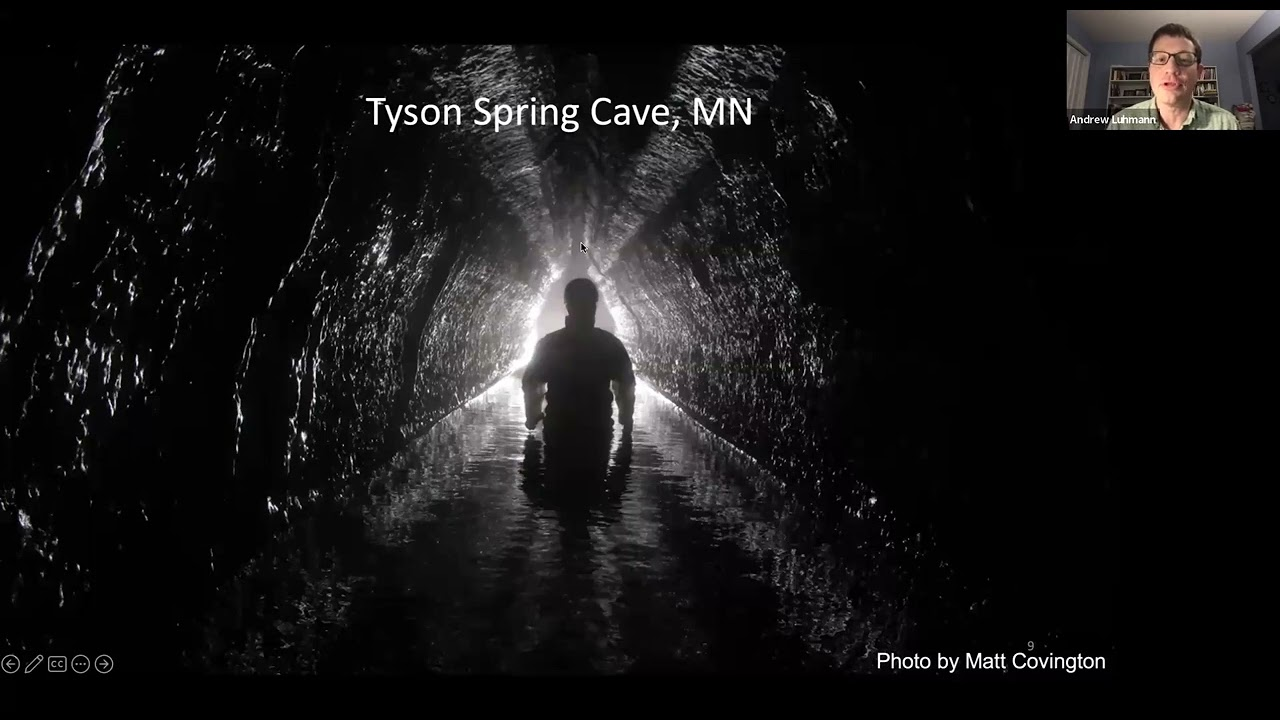
Video for ESCONI June 2023 General Meeting – “Using geophysics to capture Earth burps and other processes during flow through karst conduits”
Read more: Video for ESCONI June 2023 General Meeting – “Using geophysics to capture Earth burps and other processes during flow through karst conduits”The topic for the ESCONI June 2023 General Meeting was “Using geophysics to capture Earth burps and other processes during flow through karst conduits”. Our speaker was Andrew Luhmann Assistant Professor of Geology in the Department of Earth and Environmental Science, Wheaton College, in Wheaton, IL. Karst aquifers are important water resources that are susceptible to contamination from land surface activities. Traditional monitoring strategies rely on spring and well sampling to learn about these flow systems, but we are using geophysics to understand the karst aquifer architecture, including the conduits where much of the flow occurs through these systems as well…
-
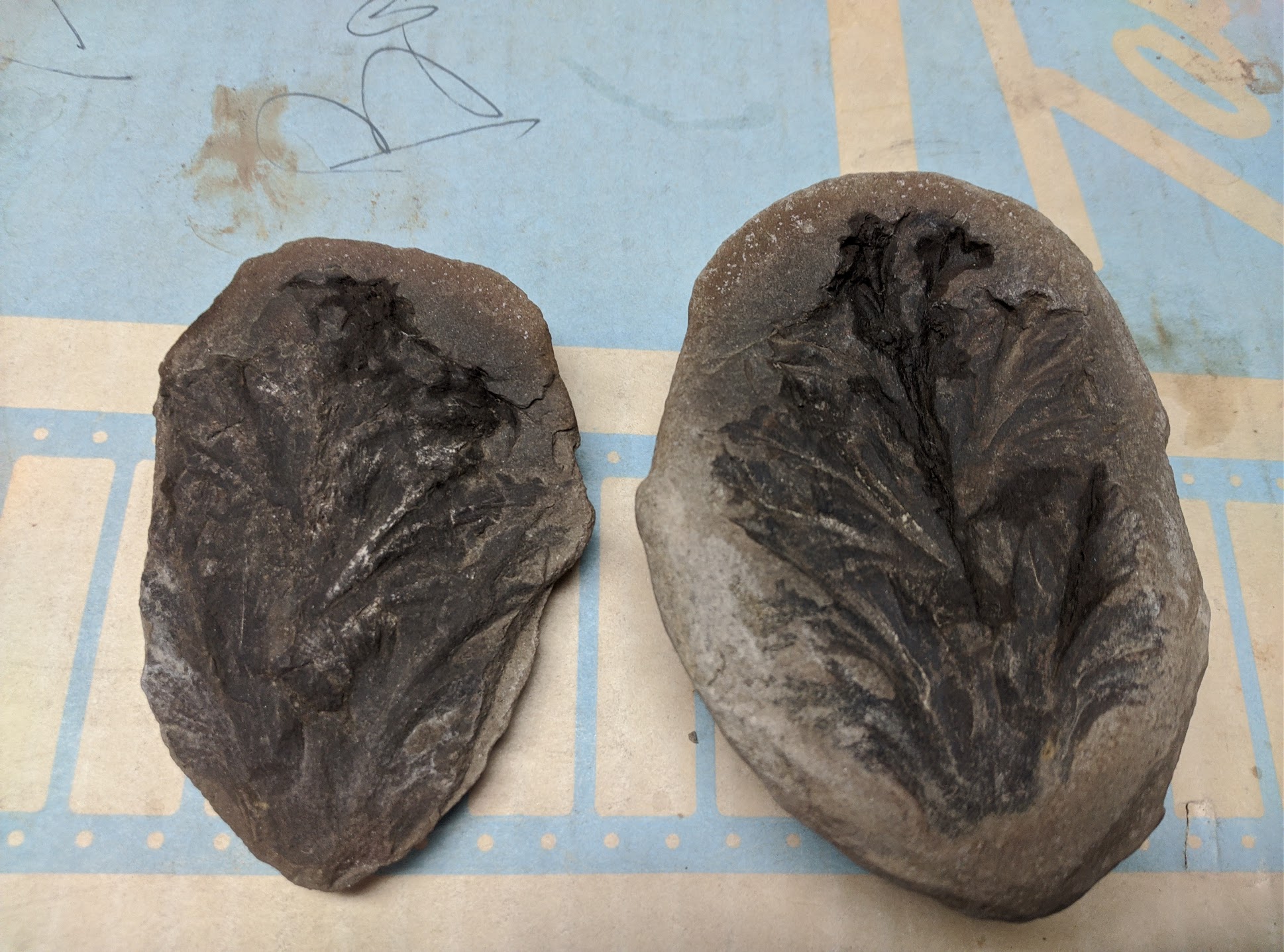
Mazon Monday #170: Rhacophyllum clarkii
Read more: Mazon Monday #170: Rhacophyllum clarkiiThis is Mazon Monday post #170. What’s your favorite Mazon Creek fossil? Tell us at email:esconi.info@gmail.com. Several species of Aphlebia and Rhacophyllum have been identified in the Mazon Creek fossil deposit, though all are considered rare—and some exceptionally so. Their classification is somewhat uncertain, with some specimens grouped with aquatic plants and others with ferns. These genera are known from numerous Pennsylvanian Period fossil sites across both Europe and the United States, including locations in Illinois, Missouri, Indiana, Pennsylvania, and New Hampshire. Rhacophyllum clarkii was originally described as Hymenophyllites clarkii by Leo Lesquereux in 1866. Noe and Langford called it…
-
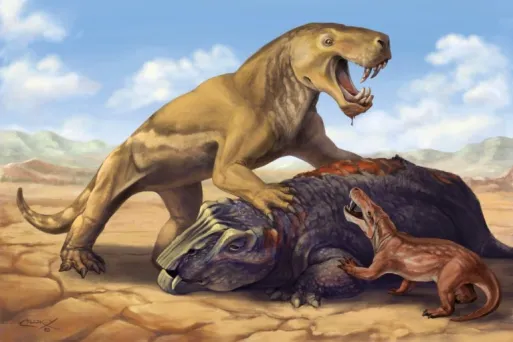
Fossil of sabre-toothed mammal ancestor discovered
Read more: Fossil of sabre-toothed mammal ancestor discoveredNature has a story about a sabre-toothed mammal. Fossils of a new large protomammal have been discovered in South Africa. Inostrancevia africana lived about 251.9 million years ago in what is now the Karoo Basin. This gorgonopsid was described in a paper recently published in the journal Current Biology. Jennifer Botha, professor at the Evolutionary Studies Institute, University of the Witwatersrand, South Africa, is co-author of the study, published in Current Biology. She says “this new species of gorgonopsian, Inostrancevia africana, is the most recent to be identified. Our study shows extreme instability in the top predator niches around the extinction, with four…
-

They were looking for fossils at Penn Dixie. What they found has shocked the paleontology world
Read more: They were looking for fossils at Penn Dixie. What they found has shocked the paleontology worldThe Buffalo News has a story about a rare find at the Penn Dixie Fossil Park & Nature Reserve in Blasdell, NY, which is near Buffalo in western New York. Carpoids were found while splitting the Devonian shale in the park. Carpoids are rarely found in fossil deposits. They are distant relatives of starfish, sea urchins, and sand dollars. The 54-acre Penn Dixie Fossil Park in Hamburg is the site of a former quarry filled with fossils from the Devonian Period, nearly 400 million years ago. Carpoids had been thought to be extinct 25 million years before the Devonian Period,…
-

Fossil Friday #166: Annularia sphenophylloides
Read more: Fossil Friday #166: Annularia sphenophylloidesThis is the “Fossil Friday” post #166. Expect this to be a somewhat regular feature of the website. We will post any fossil pictures you send in to esconi.info@gmail.com. Please include a short description or story. Check the #FossilFriday Twitter hash tag for contributions from around the world! We have a gorgeous little Annularia sphenophylloides for this week’s Fossil Friday. We highlighted A. sphenophylloides back in Mazon Monday #123. Annularia is the extinct form genera given to the leaves of Calamites. August von Gutbier (1798-1866), a German paleontologist, described it way back in 1837 from fossils found near Germany. This particular specimen…
-

Throwback Thursday #167: Tom Testa Winter Freeze/Thaw
Read more: Throwback Thursday #167: Tom Testa Winter Freeze/ThawThis is Throwback Thursday #167. In these, we look back into the past at ESCONI specifically and Earth Science in general. If you have any contributions, (science, pictures, stories, etc …), please send them to esconi.info@gmail.com. Thanks! In case you didn’t notice, summer is here. It’s been hot the last few days and it’s getting even hotter. Here’s a scene that will surely cool you off … frozen Mazon Creek concretions. Although, the thoughts of hidden treasures might get your blood boiling! These are Tom Testa’s buckets at his house in Carbon Hill, IL – not sure of the year. …
-
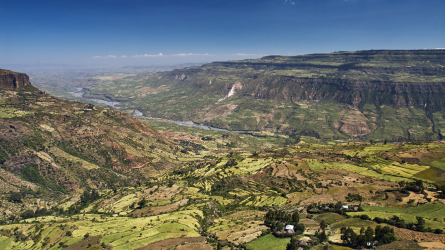
Is Africa splitting into two continents?
Read more: Is Africa splitting into two continents?LiveScience has a story about plate tectonics and Africa. A rift in eastern Africa might be tearing it into two pieces. The rift is known as the East African Rift. It stretches for over 2,000 miles and consists of a system of valleys from the Red Sea to Mozambique. So will Africa rip apart completely, and if so, when will it split? To answer this question, let’s look at the region’s tectonic plates, the outer parts of the planet’s surface that can collide with each other, making mountains, or pull apart, creating vast basins. Along this colossal tear in eastern Africa,…
-
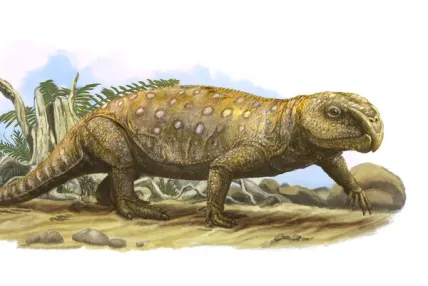
The Sad Story Behind a Fossil’s ‘Grin’
Read more: The Sad Story Behind a Fossil’s ‘Grin’The New York Times “Trilobite” column has a story about animals that dominated the world before dinosaurs. A new study in the journal Palaeontology by Michael Benton, a paleontologist at the University of Bristol in England, looked at how rhynchosaurs ate. He found they chewed by grinding tough plant matter between a row of teeth and bare bone. This strange way of feeding would have ground their teeth down to nothing as they aged, which would have caused old rhynchosaurs to starve as they would have been unable to eat in old age. All of which may have led to…
-
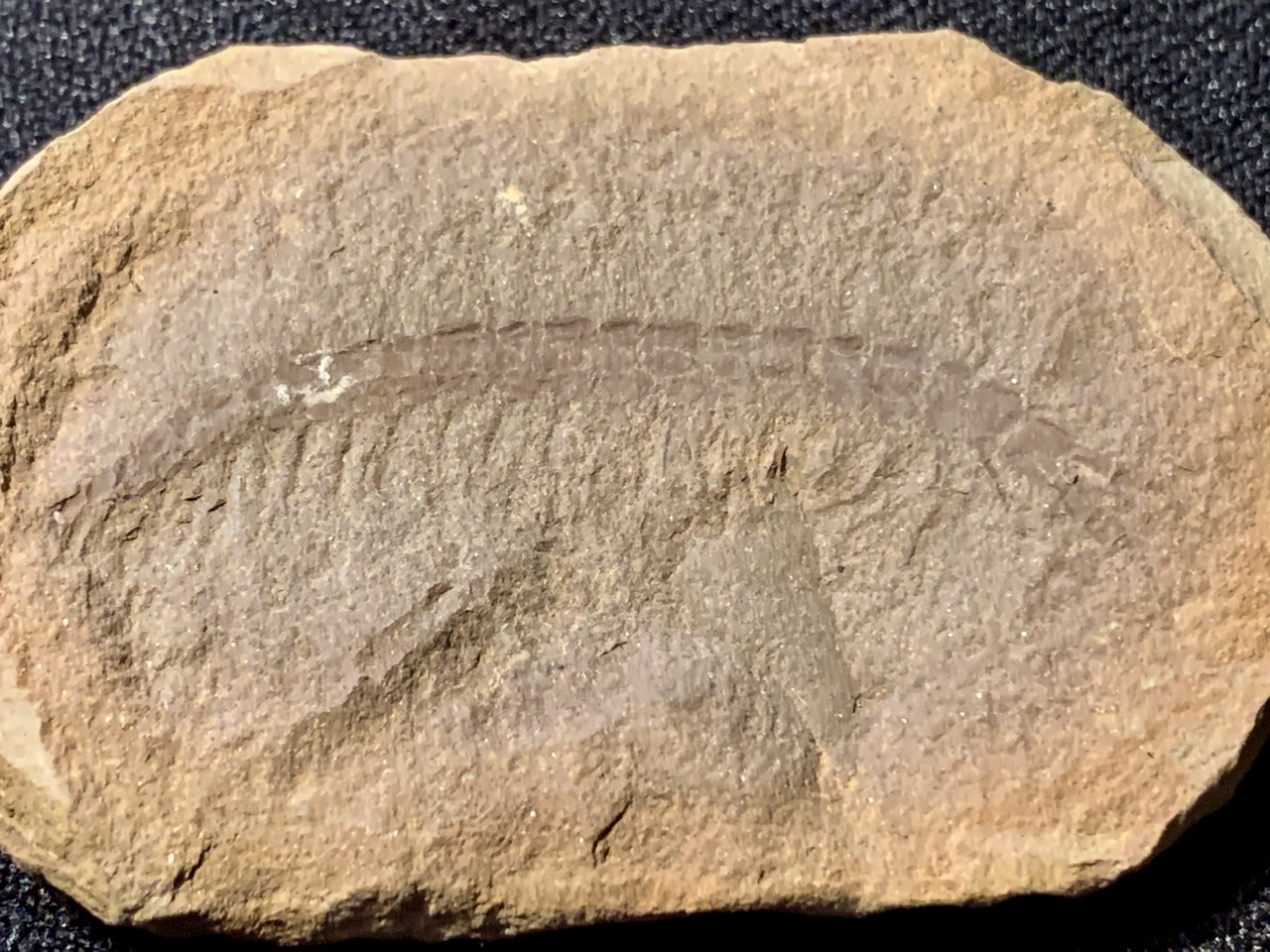
Mazon Monday #169 – Mazoscolopendra richardsoni
Read more: Mazon Monday #169 – Mazoscolopendra richardsoniThis is Mazon Monday post #169. What’s your favorite Mazon Creek fossil? Tell us at email:esconi.info@gmail.com. Way back in Mazon Monday #47, we discussed Mazon Creek centipedes, however Mazoscolopendra richardsoni (Richardson’s Mazonian centipede) wasn’t mentioned. M. richardsoni is the second most common centipede known from Mazon Creek, but centipedes are exceedingly rare in the Mazon Creek fossil deposit. M. richardsoni was described by Peter Mundel of the University of Wisconsin in 1979 in “The centipedes (Chilopoda) of the Mazon Creek”, which appeared in Matthew Nitecki’s “Mazon Creek Fossils”. Jack Wittry writes about Mazoscolopendra richardsoni on page 56 of The Mazon Creek…

ESCONI Gem, Mineral, and Fossil Show
Most Recent Post
- ESCONI Field Trip to the Winfield Mounds “Walking with the Ancestors” – Saturday, May 9th, 2026
 There will be a field trip to the Winfield Mounds on Saturday, May 9th, 2026. Meet at Hedge’s Station in Winfield, IL. at 1:00 PM. We will be departing from the meeting spot at 1:15 PM. The field trip ends around 3:00 PM. This guided nature-and-culture hike offers participants an immersive journey through the Winfield Mounds—one of DuPage County’s most significant Indigenous archaeological landscapes—situated along the dynamic ecotones of the West Branch of the DuPage River. Blending natural history with archaeological insight, the experience highlights how ancient peoples selected, shaped, and understood this riverine environment.
- About ESCONI
- Around the Web
- Calendar of Events
- Code of Ethics and Conduct
- ESCONI Books for Sale
- ESCONI Gem, Mineral, and Fossil Show
- ESCONI in the News
- ESCONI Videos
- Field Trips
- Flashback Friday
- Fossil Friday
- Mazon Creek
- Mazon Monday
- Member Spotlight
- Membership Information
- Reference Material
- Throwback Thursday
- Trilobite Tuesday
Field trips require membership, but visitors are welcome at all meetings!
| Friday, April 10th | General Meeting – 8:00 PM via Zoom. Jessica Hull will present “Life in the Devonian Period, The Age of Fishes.” |
| Saturday, April 11th | Junior Study Group Meeting – 2:00 PM, in person at the College of DuPage Technical Education Center (TEC) Building – Room 1038A (Map). Katherine Howard will present on Sand and Sediment Collecting. Specifics of this meeting are available from Scott Galloway, 630-670-2591, gallowayscottf@gmail.com. |
| Saturday, April 18th | Paleontology Study Group – 7:30 PM via Zoom and in person at the College of DuPage, TEC, Room 1038B (Map). Keith Robitschek will present “Digging the Marl of the Lance Formation.” |
| Friday, April 24th | MAPS Expo XLVII – Springfield, IL. |
| Saturday, April 25th | MAPS Expo XLVII – Springfield, IL. |
| Sunday, April 26th | MAPS Expo XLVII – Springfield, IL. |
| No meeting this month | Mineralogy Study Group |