
-
ESCONI November 2021 Paleontology Meeting – November 20th, 2021 at 7:30 PM – “The Linton Ohio Coal Mine; a unique look into Carboniferous Tetrapods”
Read more: ESCONI November 2021 Paleontology Meeting – November 20th, 2021 at 7:30 PM – “The Linton Ohio Coal Mine; a unique look into Carboniferous Tetrapods”The ESCONI November 2021 Paleontology will be held on Saturday, November, 20th, 2021 at 7:30 PM. We are doing another hybrid in-person/Zoom meeting. The presentation is by ESCONI member Mike Payne. It’s called “The Linton Ohio Coal Mine; a unique look into Carboniferous Tetrapods”. The Diamond Coal Mine in Linton, OH dates to the mid 1800’s and interesting fossils were collected from the shales since the very beginning. The deposit dates to around 300 million years. Over the years, thousands of specimens of Pennsylvanian vertebrates have been collected from the site. This list includes fish, amphibians, and reptiles. The photos…
-
Paleontologists Unearth New Species of Iguanodontian Dinosaur
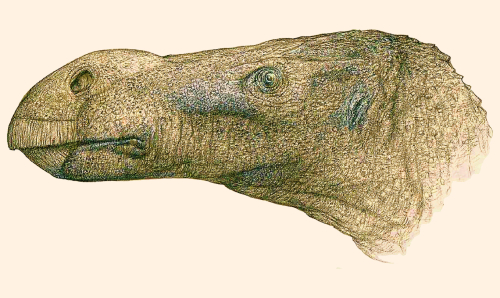
Read more: Paleontologists Unearth New Species of Iguanodontian DinosaurSciNews has a story about a newly-identified dinosaur. Named Brightstoneus simmondsi, the animal lived about 127 million years ago during the early Cretaceous Period in what is now the Isle of Wight. It weighted about 900 kg (1980 lbs) and measured about 8 meters (26 feet) long. The description was published in the journal Systematic Paleontology. It belonged to Iguanodontia, a major group of ornithischian dinosaurs that originated in the Middle Jurassic epoch and became increasingly widespread and diverse during the Cretaceous period. The partial skeleton of Brighstoneus simmondsi was recovered from the Wessex Formation of the Isle of Wight, southern England. “Until now, iguanodontian…
-
Mazon Monday #86: Herrin Coal Fossil Guides
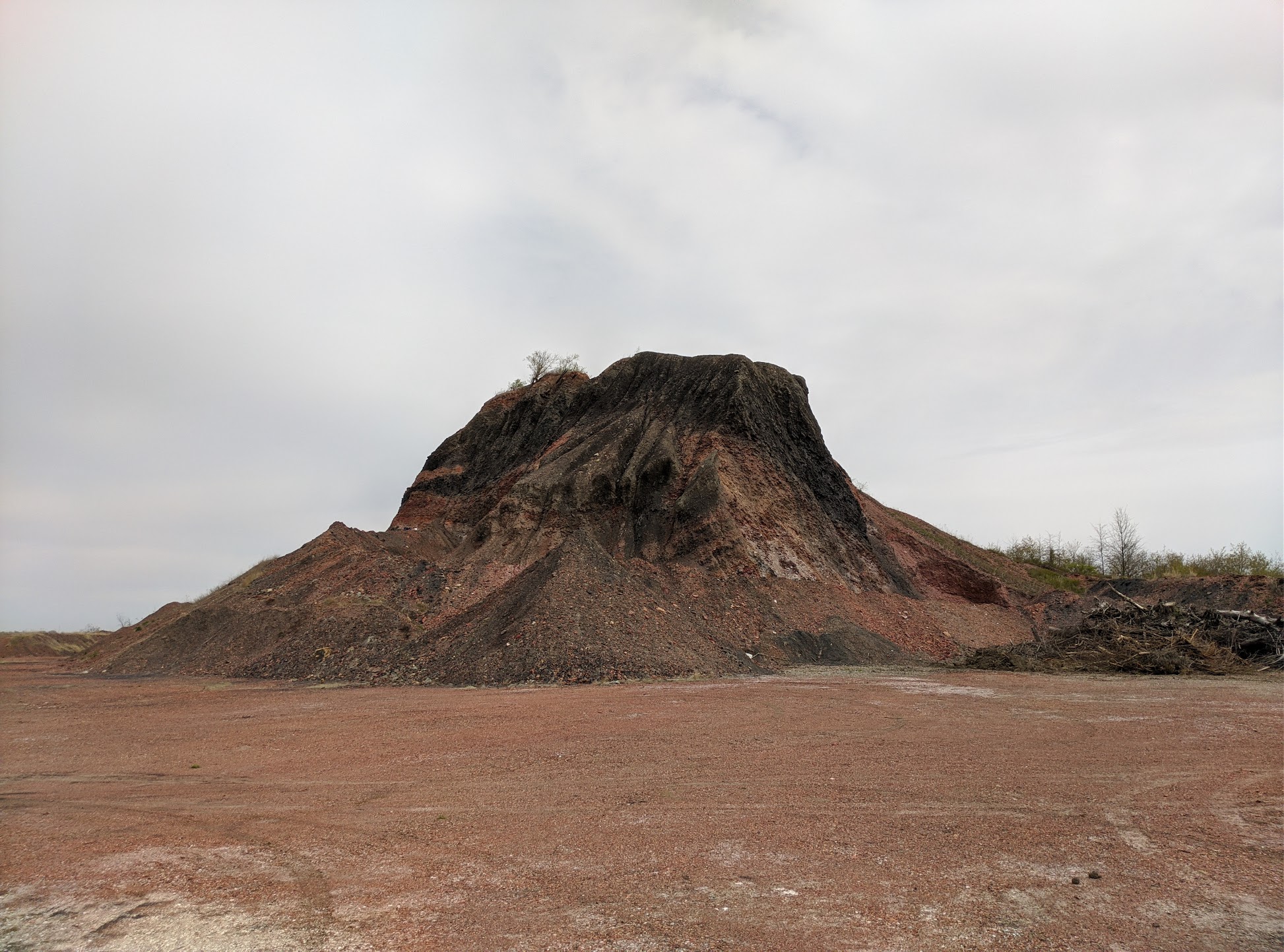
Read more: Mazon Monday #86: Herrin Coal Fossil GuidesThis is Mazon Monday post #86. What’s your favorite Mazon Creek fossil? Tell us at email:esconi.info@gmail.com. In 2021, ESCONI organized two field trips to a shaft mine spoil pile near Danville, IL. Both trips were very successful, with many fascinating specimens collected. You can find more information about these trips at the links below. Here are a few pictures from the June 22nd trip. This breathtaking Calamostachys cone was found by Joe Vitosky. Marie Angkuw found this beautiful Alethopteris. Sue Dibblee found this nice assemblage of fern fossils Found by Diane Bedrosian, this fossil is a form of Lepidodendron bark…
-

How did birds survive the dinosaur-killing asteroid?
Read more: How did birds survive the dinosaur-killing asteroid?Live Science has a story about the survival of the birds across the K-Pg boundary. A paper in the journal Science Advances looks at brain size of a fossil birds and theorizes that was a factor that helped them survive. When the dinosaur-killing asteroid collided with Earth about 66 million years ago, it triggered a slew of horrific events — shockwaves, wildfires, acid rain, tsunamis, volcanic eruptions and nuclear winter-like conditions — that killed about 80% of all animal species. But, mysteriously, some dinosaurs survived: the birds. But why did some lineages of birds endure, while others perished? New research on a…
-
Palaeocast Episode 130: Bats
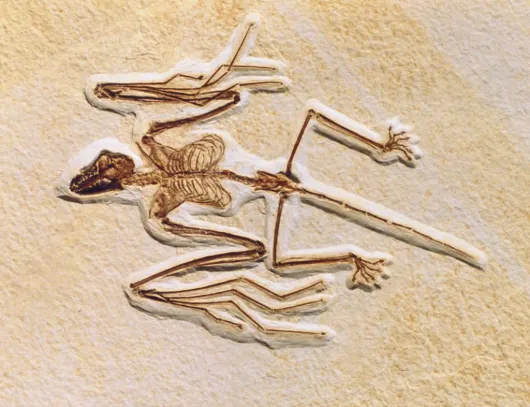
Read more: Palaeocast Episode 130: BatsPalaeocast podcast has a new episode. This one is about bats. After rodents, bats are the second largest group of mammals, representing a staggering 20% of all mammal species. They can be found all over the world, with the exception of cold climates, where they often play incredibly important ecological roles. Their ecologies (ways in which they live) go well beyond the cave-hanging, moth-eating stereotypes and diets can also be based on fruits, nectar or even blood. In fact, some tropical plants rely solely upon bats for pollination! But when did bats evolve and who are their closest relatives? Do…
-
Fossil Friday #82: Eubleptus danielsi
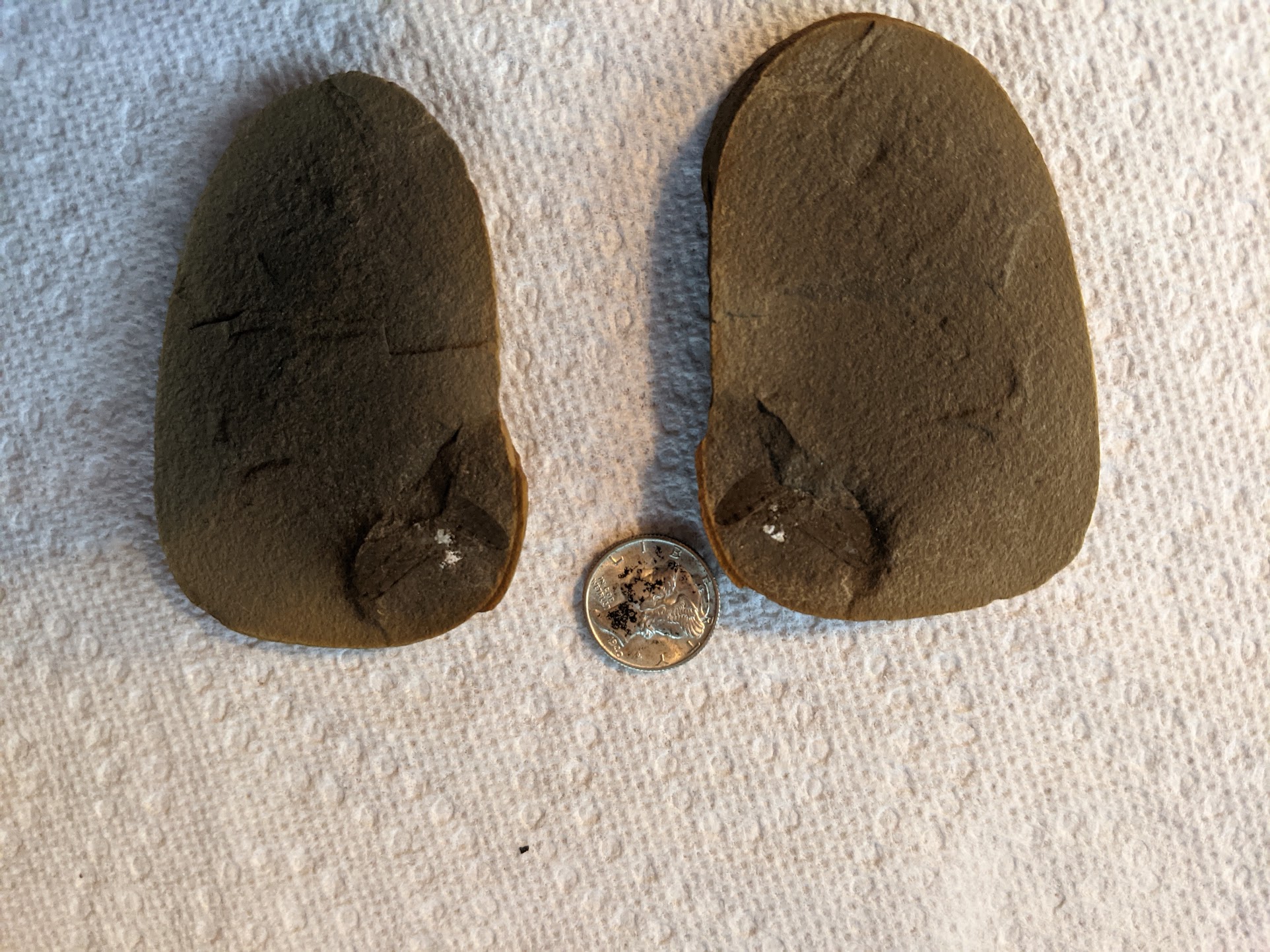
Read more: Fossil Friday #82: Eubleptus danielsiThis is the “Fossil Friday” post #82. Expect this to be a somewhat regular feature of the website. We will post any fossil pictures you send in to esconi.info@gmail.com. Please include a short description or story. Check the #FossilFriday Twitter hash tag for contributions from around the world! —————————————————– A Mazon Creek insect is up today… a Eubleptus danielsi from the Mazon River. The concretion was collected in 2020 at the I&M Canal Corridor Fossil Field Trip. The species is named for L.E. Daniels a prolific early collector of Mazon Creek and other Carboniferous fossils. His collection resides at the…
-
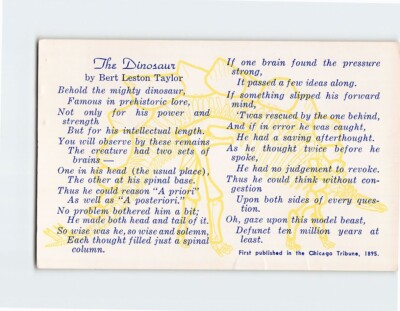
Throwback Thursday #84: The Dinosaur
Read more: Throwback Thursday #84: The DinosaurThis is Throwback Thursday #84. In these, we look back into the past at ESCONI specifically and Earth Science in general. If you have any contributions, (science, pictures, stories, etc …), please send them to esconi.info@gmail.com. Thanks! We have a poem called “The Dinosaur” this week. It comes from the Chicago Tribune’s “Line ‘O Type or Two” column, which was created by Bert Leston Taylor in 1901. He presided over it until his death in 1921. Starting in 1924, Richard Henry Little took over the column. And, starting in 1924, he published annual compilations of the material until 1948. Some…
-
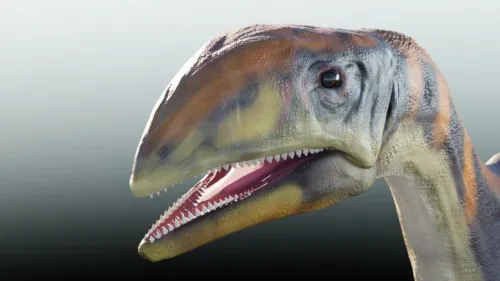
“Cold Bone”: New Dinosaur Species Discovered That Lived on Greenland 214 Million Years Ago
Read more: “Cold Bone”: New Dinosaur Species Discovered That Lived on Greenland 214 Million Years AgoSciTechDaily has a story about a new dinosaur. Called Issi saaneq, which means “Cold Bone”, this animal lived about 214 million years ago during the late Triassic Period in what is now Greenland. Believed to be an ancestor to sauropods, it was medium sized with a long neck, however, it walked on its hind legs. Multiple specimens were initially found by researchers from Harvard University in 1994. They thought it was a Plateosaurus, which is a well known sauropod ancestor from Germany, France, and Switzerland. The findings were published in the journal Diversity. The two-legged dinosaur Issi saaneq lived about 214 million…
-

ESCONI November 2021 General Meeting – November 12th, 2021 at 8:00 PM via Zoom – “Yellowstone Volcanology and the Yellowstone Volcano Observatory”
Read more: ESCONI November 2021 General Meeting – November 12th, 2021 at 8:00 PM via Zoom – “Yellowstone Volcanology and the Yellowstone Volcano Observatory”The ESCONI November 2021 General Meeting will be held on Friday, November 12th, 2021 at 8:00 PM via Zoom. Our speaker is Stacy Henderson part of the “MonStER” lab (Montana State Eruption Research) . For more information, see this link https://www.monsterlab.org/. Join Zoom Meeting https://us02web.zoom.us/j/88672087166?pwd=UG1QVEd2R1dEVDlKTjJBcDNSMVlZZz09 Meeting ID: 886 7208 7166Passcode: 694990 One tap mobile+13126266799,,88672087166#,,,,*694990# US (Chicago)+13017158592,,88672087166#,,,,*694990# US (Washington DC) Dial by your location+1 312 626 6799 US (Chicago)+1 301 715 8592 US (Washington DC)+1 929 205 6099 US (New York)+1 346 248 7799 US (Houston)+1 669 900 6833 US (San Jose)+1 253 215 8782 US (Tacoma) Meeting ID: 886 7208…
-
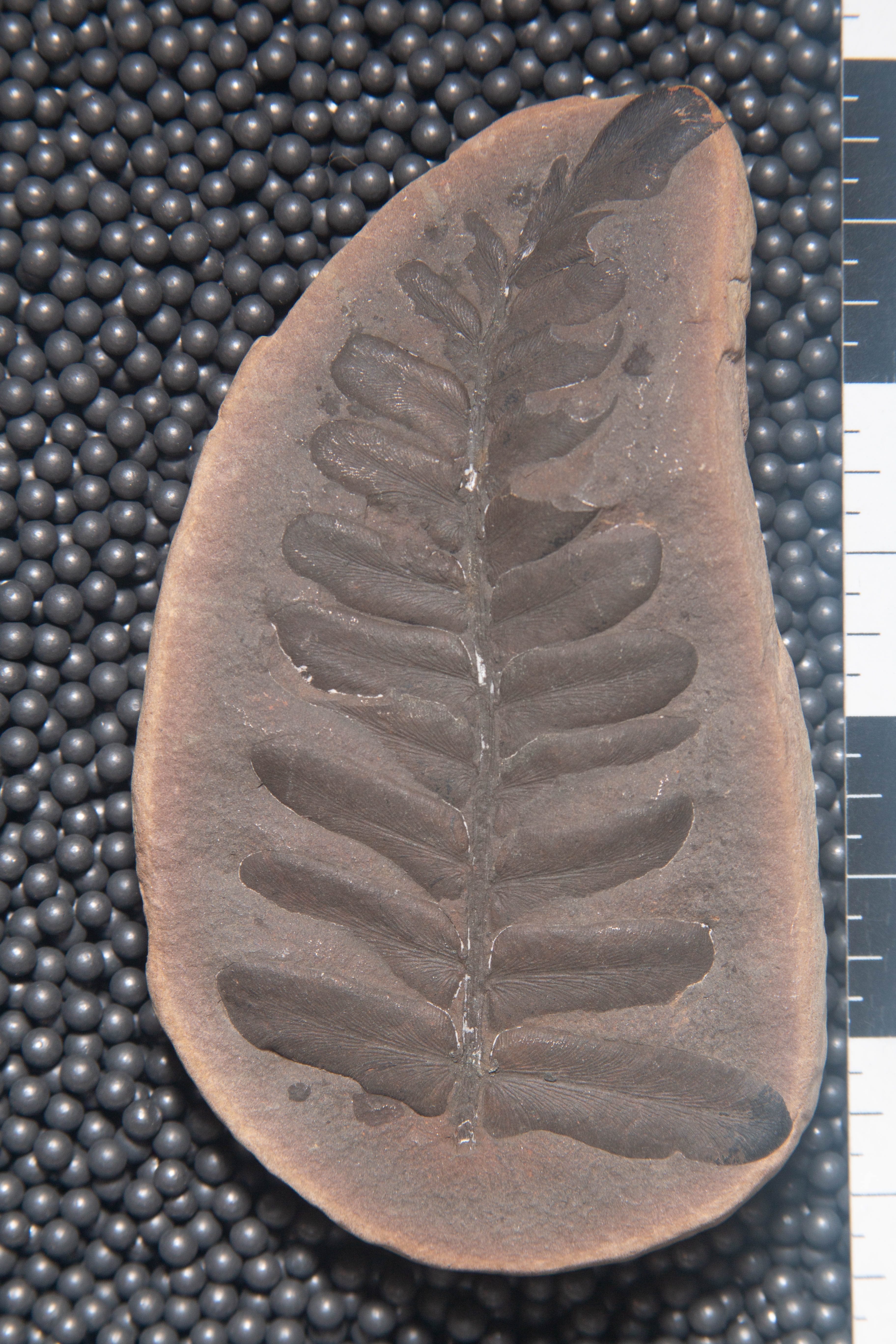
Mazon Monday #85: Neuropteris ovata
Read more: Mazon Monday #85: Neuropteris ovataThis is Mazon Monday post #85. What’s your favorite Mazon Creek fossil? Tell us at email:esconi.info@gmail.com. Our species spotlight for this week is Neuropteris ovata. N. ovata was described by Friedrich Hoffmann (1797-1836) in 1826. Hoffmann was a Professor of Geology at the University of Berlin. He is esspecially known for his work on the volcanoes of Italy. Unfortunately, there doesn’t seem to be much other information about him. This paper is the description of N. ovata. Hoffmann, F. 1826. Untersuchungen über die Pänzen-Reste des Kohlengebirges von Ibbenbühren und von Piesberg bei Osnabrück. Archiv für Bergbau und Hüttenwesen 13: 266-282.…
-

Tiny pterosaurs dominated cretaceous skies
Read more: Tiny pterosaurs dominated cretaceous skiesPhys.org had a story about pterosaus during the Cretaceous. A new study looked at competition between birds and pterosaurs and found the babies of the largest pterosaurs out-competed the adults of smaller species. Previously, it was thought that birds had out-competed the smaller species. The paper appeared in the journal Cretaceous Research. New research has found that it was the babies of giant pterosaurs—known as flaplings—who overshadowed their small adult rivals. The newly hatched juveniles of large and gigantic pterosaurs likely outcompeted other smaller adult pterosaur species to dominate the Late Cretaceous period around 100 million years ago, a new study led…
-
Northwest Illinois Rock Club – Jewelry, Gem, Fossil and Mineral Show – November 13th and 14th, 2021
Read more: Northwest Illinois Rock Club – Jewelry, Gem, Fossil and Mineral Show – November 13th and 14th, 2021The Journal Standard has a piece about the upcoming Northwest Illinois Rock Club’s Jewelry, Gem, Fossil and Mineral Show. If you are near Freeport, IL on November 13th and 14th, check it out! From ancient fossils to the beauty of minerals and gem stones, the bling of jewelry and other gifts created from the wonders of nature, you will find it all at the Nov.13 and 14 Jewelry, Gem, Fossil and Mineral Show at the Freeport Eagles Club. Located at 1200 W. Galena Ave., the new 2021 venue is located across from the Lincoln Mall with ample parking available. Northwest Illinois Rock Club show chair, Brian…
-

Fossil Friday #81: Mazon Creek Roachoid
Read more: Fossil Friday #81: Mazon Creek RoachoidThis is the “Fossil Friday” post #81. Expect this to be a somewhat regular feature of the website. We will post any fossil pictures you send in to esconi.info@gmail.com. Please include a short description or story. Check the #FossilFriday Twitter hash tag for contributions from around the world! For this week’s Fossil Friday, we have a beautiful Mazon Creek roachoid. This stunning specimen comes from ESCONI member Ralph Jewell. Insects are rare in the Mazon Creek fossil biota. For more information, see Mazon Monday #46, where we discussed roachoids. This one is very nice! Thanks for sharing, Ralph! After a…
-

Throwback Thursday #83: Looking Back at ESCONI November 2021
Read more: Throwback Thursday #83: Looking Back at ESCONI November 2021This is Throwback Thursday #83. In these, we look back into the past at ESCONI specifically and Earth Science in general. If you have any contributions, (science, pictures, stories, etc …), please send them to esconi.info@gmail.com. Thanks! 25 Years Ago – November 1996 50 Years Ago – November 1971
-
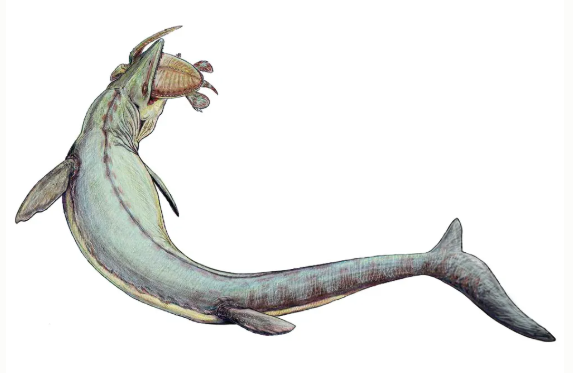
Giant Sea Lizards Ruled the Waves While T. Rex Roamed on Land
Read more: Giant Sea Lizards Ruled the Waves While T. Rex Roamed on LandSmithsonian Magazine has a post about mosasaurs. A new paper in the journal PaleoBios finds that mosasaurs ruled the oceans up until the mass extinction event at the end of the Cretaceous some 66 million years ago. It had been theorized they went extinct millions of years before the impact. Fossil vertebra from the Hell Creek formation provided the evidence. There hardly was a more fearsome family of seagoing carnivores than the mosasaurs. From the time the first of these marine lizards slipped into the oceans about 98 million years ago, mosasaurs diversified into a widespread array of aquatic ambush…
-

Strange Animals That Lived Before the Dinosaurs Reveal the Evolutionary Origin of Tusks
Read more: Strange Animals That Lived Before the Dinosaurs Reveal the Evolutionary Origin of TusksSciTechDaily has a story about animal tusks. Throughout history, many animals have sported tusks, from modern day elephants to the dicynodonts of the Permian. A new paper in the journal Proceedings of the Royal Society B looks at the evolutionary history of tusks. A wide variety of animals have tusks, from elephants and walruses to five-pound, guinea pig-looking critters called hyraxes. But one thing tusked animals have in common is that they’re all mammals — there are no known fish, reptiles, or birds with tusks. In a new study in Proceedings of the Royal Society B, paleontologists traced the first tusks back to ancient mammal…
-
ESCONI Events November 2021
Read more: ESCONI Events November 2021Field trips require membership, but visitors are welcome at all meetings! Friday, Nov 12th ESCONI General Meeting 8:00 PM Zoom – Topic: Yellowstone Volcanology and the Yellowstone Volcano Observatory by Stacy Henderson from Montana State. Zoom link Saturday, Nov 13th ESCONI Junior Meeting 7:00 PM Zoom – Topic: “More on Identifying Rocks and Minerals” Specifics of this meeting are available from Scott Galloway, 630-670-2591, gallowayscottf@gmail.com. Contact Scott to get the Zoom link to attend the virtual meeting and find out how to join the Juniors Club. Saturday, Nov 20th ESCONI Paleontology Meeting – Topic: “The Linton Ohio Coal Mine; a…
-
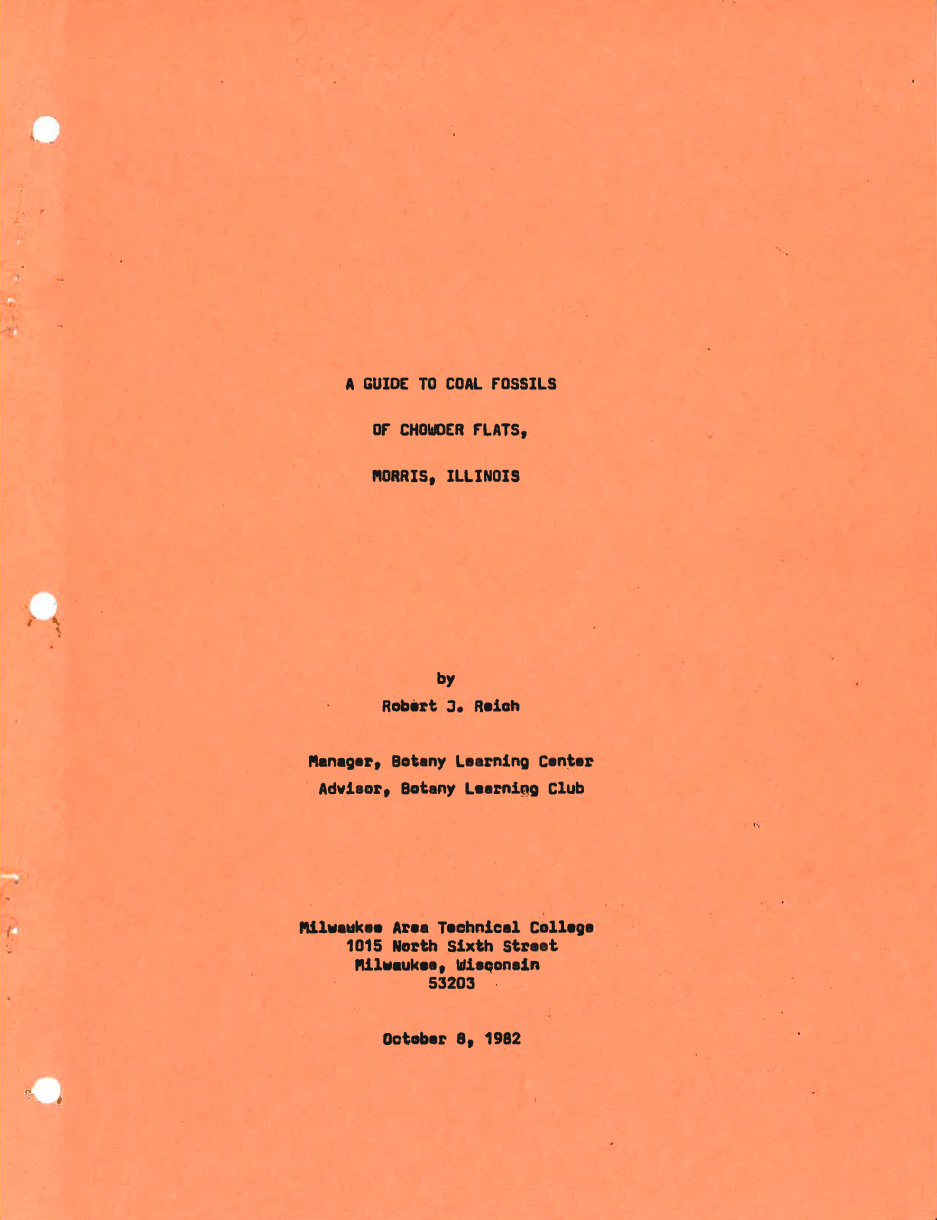
Mazon Monday #84: Chowder Flats
Read more: Mazon Monday #84: Chowder FlatsThis is Mazon Monday post #84. What’s your favorite Mazon Creek fossil? Tell us at email:esconi.info@gmail.com. During the ESCONI Sale back in October, a member noticed a booklet called “A Guide to the Coal Fossils of Chowder Flats, Morris, Illinois”. It was written by Robert J. Reich in 1982, who was advisor to the Botany Learning Club at the Milwaukee Area Technical College. If anyone has information about Mr. Reich or the Botany Learning Club, please send it along, as unfortunately, there doesn’t seem to be anything about Mr. Reich or the Botany Learning Club available online. The ESCONI library…
-
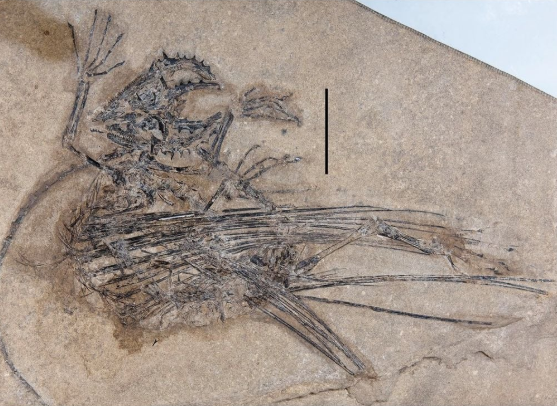
The Oldest Airborne Vertebrate Animal Was a Reptile With ‘Weird’ Wings
Read more: The Oldest Airborne Vertebrate Animal Was a Reptile With ‘Weird’ WingsSmithsonian Magazine has a story about the first flying vertebrate. The fossil of Weigeltisaurus jaekeli was found in 1992 in Germany. It lived during the Permian Period over 250 million years ago. A new full analysis of the specimen was recently published in the journal PeerJ. Where the researchers theorize that the bony rods supported winglike membranes for gliding, similar to some modern day squirrels. Interestingly, his species was first described in 1930 with other specimens known from England, Russia, and Madagascar. The fossil hunter found the strange skeleton by splitting pieces of shale, cracking the fossil into two slabs. One…
-

PBS Eons: How Dinosaurs Coupled Up
Read more: PBS Eons: How Dinosaurs Coupled UpThere’s a new episode of PBS Eons. Birds do it… bees do it, even dinosaurs do it! Remember birds are dinosaurs, so…. Dinosaur mating behavior has been the subject of a lot of speculation, but what can we actually say about it from the fossil record?

ESCONI Gem, Mineral, and Fossil Show
Most Recent Post
- Mazon Monday #316: Sublepidophloios protuberans
 Today, we have Sublepidophloios protuberans, which is a species of lycopsid branch. It’s very common, actually the most common form of lycopsid bark in the Mazon Creek fossil flora.
- About ESCONI
- Around the Web
- Calendar of Events
- Code of Ethics and Conduct
- ESCONI Books for Sale
- ESCONI Gem, Mineral, and Fossil Show
- ESCONI in the News
- ESCONI Videos
- Field Trips
- Flashback Friday
- Fossil Friday
- Mazon Creek
- Mazon Monday
- Member Spotlight
- Membership Information
- Reference Material
- Throwback Thursday
- Trilobite Tuesday
Field trips require membership, but visitors are welcome at all meetings!
| Friday, April 10th | General Meeting – 8:00 PM via Zoom. Jessica Hull will present “Life in the Devonian Period, The Age of Fishes.” |
| Saturday, April 11th | Junior Study Group Meeting – 2:00 PM, in person at the College of DuPage Technical Education Center (TEC) Building – Room 1038A (Map). Katherine Howard will present on Sand and Sediment Collecting. Specifics of this meeting are available from Scott Galloway, 630-670-2591, gallowayscottf@gmail.com. |
| Saturday, April 18th | Paleontology Study Group – 7:30 PM via Zoom and in person at the College of DuPage, TEC, Room 1038B (Map). Keith Robitschek will present “Digging the Marl of the Lance Formation.” |
| Friday, April 24th | MAPS Expo XLVII – Springfield, IL. |
| Saturday, April 25th | MAPS Expo XLVII – Springfield, IL. |
| Sunday, April 26th | MAPS Expo XLVII – Springfield, IL. |
| No meeting this month | Mineralogy Study Group |