
-
Throwback Thursday #15: “The Ravin” from 1951
Read more: Throwback Thursday #15: “The Ravin” from 1951This is Throwback Thursday #15. In these, we look back into the past at ESCONI specifically and Earth Science in general. If you have any contributions, (science, pictures, stories, etc …), please send them to esconi.info@gmail.com. Thanks! In the early years of ESCONI, back in the 1950s, there was at least one if not more poems in each issue of the bulletin. They generally said something about family, collecting, rocks, fossils, or even club life. You can find a class song back in 1967 (sung to the tune of “Chicago”) that we highlighted last year. Here is one in the…
-
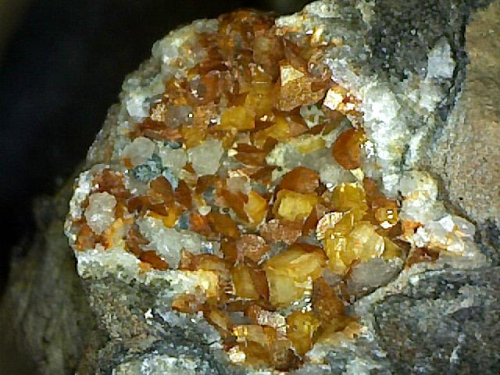
Crystals from the Maquoketa Formation
Read more: Crystals from the Maquoketa FormationUnfortunately, we don’t have enough mineral posts, but here’s one from ESCONI VP Dave Carlson about crystals in the Maquoketa Formation. If any has an article or information they’d like to contribute, please send us an email at esconi.info@gmail.com. I wanted to share pictures of some crystals found over the years at the Vulcan DeKalb quarry. The first picture shows a small, 1 cm vug in a piece of dark shale. The shale contains fossils of wide, flat bryozoans some of which have dissolved leaving space for crystals to grow. The vug contains clear, white, yellow and orange crystals of…
-

Trilobite Tuesday #14: AMNH The First Trilobites
Read more: Trilobite Tuesday #14: AMNH The First TrilobitesTrilobites were a very successful group of arthropods that existed on Earth from the early to middle Cambrian to the Permian mass extinction events. That’s a span of about 275 million years. By the end, there were just a few species left and the Permian extinction swept them away along with more than 90% of species on Earth at that time. But where did the trilobites come from and when did they emerge? The American Museum of Natural History has a page on the “First Trilobites”. It’s an interesting page, which names possible ancestors (Spriggina floundersi) and the oldest known species…
-
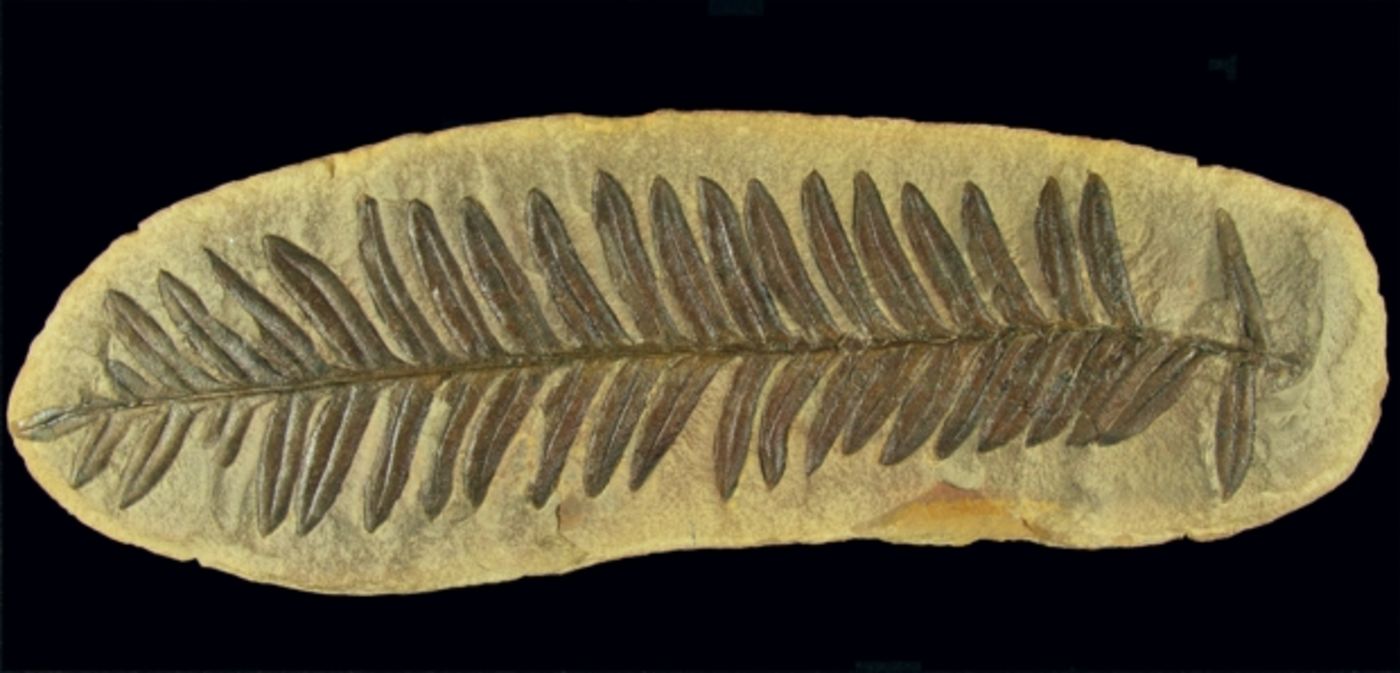
Mazon Monday #15: Mazon Creek at the Field Museum
Read more: Mazon Monday #15: Mazon Creek at the Field MuseumThis is Mazon Monday post #15. The Field Museum has one of the most extensive collections of Mazon Creek specimens, both flora and fauna. The Field Museum has long been a big part of the study of this locality, with such historical giants as George Langford and Eugene Richardson working there. Currently, Jack Wittry works there. In 1673, the first coal found in the New World was reported from along the Illinois River near Utica in LaSalle County (Ledvina, 1997). In the mid-19th century, another important find was made in the same area; Middle Pennsylvanian aged fossils were discovered along one…
-
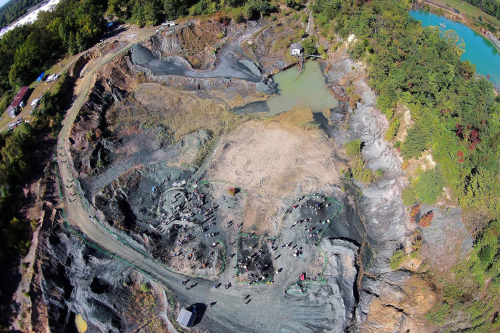
Behind a New Jersey Hardware Store, a Paleontological Bonanza
Read more: Behind a New Jersey Hardware Store, a Paleontological BonanzaAtlas Obscura has an interesting story about a fossil site in southern New Jersey. The site dates to the extinction of the non-avian dinosaurs about 66 million years ago. There is an episide of TED’s pindrop, that also tells the story. Learn about Ken Lacovara, discoverer of Dreadnoughtus in 2005 and dinosaurs in New Jersey! MANTUA TOWNSHIP IS LIKE A lot of South Jersey—15,000 people, the look of sleepy crossroads village combined with the chain stores and restaurants of a typical American suburb. One seemingly unremarkable spot in Mantua Township is a Lowe’s hardware store on Woodbury Glassboro Road. But it…
-

Meatier Shower…
Read more: Meatier Shower…There are lots of good comics on airbearentertainment.com. Enjoy the fireworks today!
-
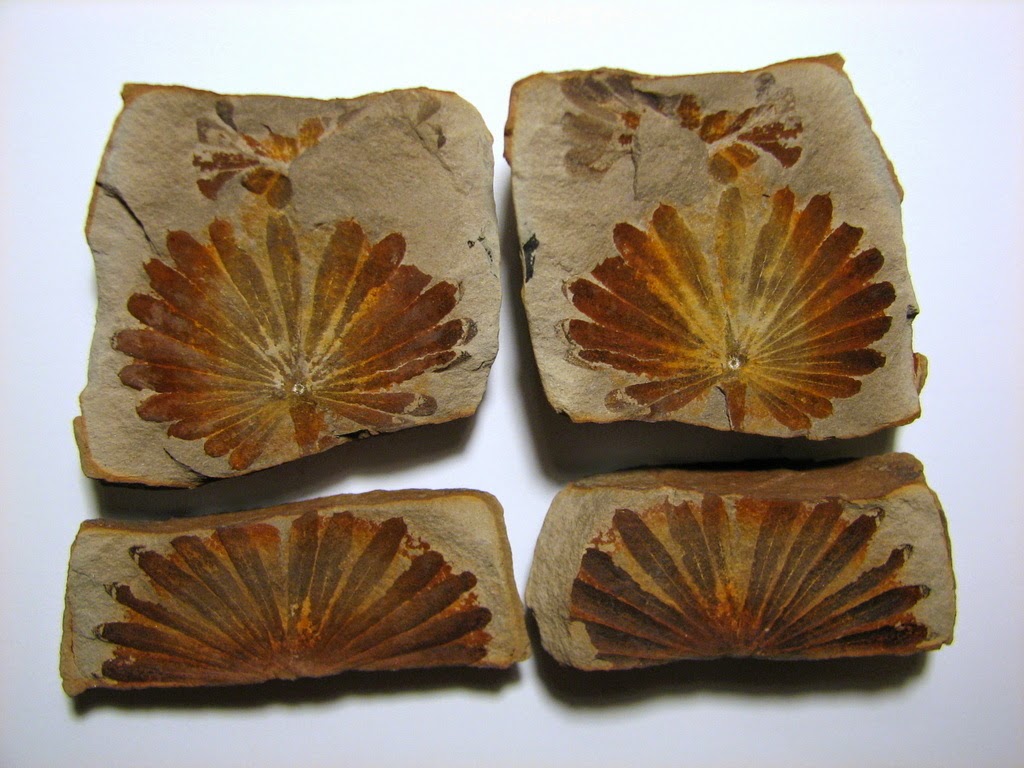
Fossil Friday #13: Annularia
Read more: Fossil Friday #13: AnnulariaThis is the “Fossil Friday” post #13. Expect this to be a somewhat regular feature of the website. We will post any fossil pictures you send in to esconi.info@gmail.com. Please include a short description or story. Check the #FossilFriday Twitter hash tag for contributions from around the world! —————————————————– How about some Annularia for the Fourth of July!
-

Throwback Thursday #14: Geodes!
Read more: Throwback Thursday #14: Geodes!This is Throwback Thursday #14. In these, we look back into the past at ESCONI specifically and Earth Science in general. If you have any contributions, (science, pictures, stories, etc …), please send them to esconi.info@gmail.com. Thanks! For many years, there was a geode hunting field trip to western Illinois. That trip would coincide with the MAPS show in March/April. Jacob’s Geode Mine or Sheffler Rock Shop and Geode Mine were the usual destinations. Typically, the price was $20 per 5 gallon bucket. Many geodes have been pulled from that mine and from the sounds of it they are still…
-

New Dinosaur Podcast: “Terrible Lizards” With Dr. David Hone
Read more: New Dinosaur Podcast: “Terrible Lizards” With Dr. David HoneIf you like dinosaurs (who doesn’t?) and are looking for a new interesting podcast (sure, why not?), checkout the new Terrible Lizards podcast. It features hosts Dr. David Hone and Iszi Lawrence discussing dinosaurs. The podcast is aimed at adults but is clean, so kids can enjoy it too. Episode 1 is “Tyrannosaurus”, with subsequent titles like “Diplodocus”, “Dinosaur Feathers”, “Triceratops”, and “Dinosaur Reproduction”. This week’s episode is called “Weird and Wonderful Dinosaurs”. The podcast is very good… I’ve been enjoying it for the last few weeks. Check it out! Dr. David Hone is a famous paleontologist. He has a blog called “David…
-

Trilobite Tuesday #13: Trilobite Conga Line
Read more: Trilobite Tuesday #13: Trilobite Conga LineClues to animal behavior are very rare in the fossil record. However, a Moroccan fossil of 22 small trilobites might provide some of the earliest evidence. These trilobites lived about 480 million years ago. And, their lineup might be a display of complex social behavior long before it was expected. The details appear in a paper published in Scientific Reports back in October 2019. Smithsonian Magazine has a nice report on the fossil here. Around 541 million years ago during a period called the Cambrian Explosion, lots of new animal species appeared in the world’s oceans, sporting evolutionary upgrades like skeletons…
-
Mazon Monday #14: Essexella asherae
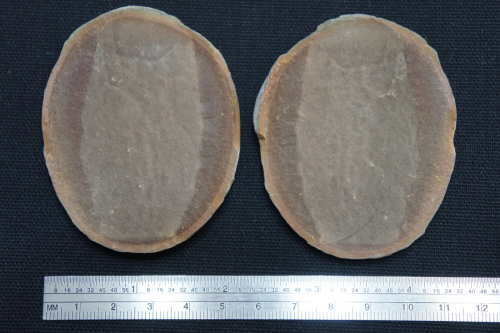
Read more: Mazon Monday #14: Essexella asheraeThis is Mazon Monday post #14. Essexella asharae is the most common animal fossil you will find in the Mazon Creek biota. In the Essex biota, it has been estimated to be over 40% of finds. Specimens come in many forms with varied preservation. While there was a recent paper about whether it is a jellyfish or a sea anemone, the consensus opinion is that it is a jellyfish. The original paper describing Essexella is called “Soft-bodied coelenterates in the Pennsylvanian of Illinois” and was published in 1979 by M. W. Foster. It was included in the book “Mazon Creek…
-
“Enigmatic and Strange” – 300-Million-Year-Old Fish Resembles a Sturgeon, but With Key Differences
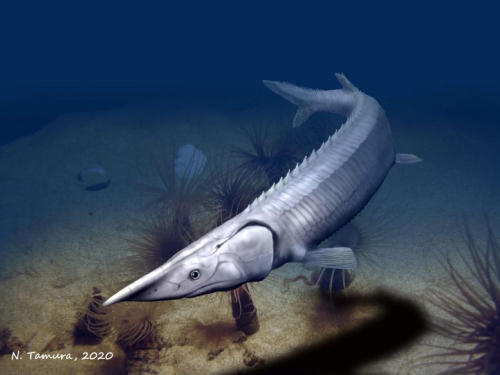
Read more: “Enigmatic and Strange” – 300-Million-Year-Old Fish Resembles a Sturgeon, but With Key DifferencesSciTechDaily has a piece about an interesting fossil fish. Called Tanyrhinichthys mcallisteri, it lived about 300 million years ago in what is now New Mexico. The new study, published in the journal Zoological Journal of the Linnean Society, found the species’ lifestyle was more like bottom-dwelling sturgeon, rather than the stealthy pike, as previously believed. Sturgeon, a long-lived, bottom-dwelling fish, are often described as “living fossils,” owing to the fact that their form has remained relatively constant, despite hundreds of millions of years of evolution. In a new study in the Zoological Journal of the Linnean Society, researchers led by Jack Stack,…
-

PBS Eons: When Dinosaurs Chilled in the Arctic
Read more: PBS Eons: When Dinosaurs Chilled in the ArcticCheck out the new PBS Eons episode over on Youtube. This one is about dinosaurs in the Arctic. All told, the Arctic in the Cretaceous Period was a rough place to live, especially in winter. And yet, the fossils of many kinds of dinosaurs have been discovered there. So how were they able to survive in this harsh environment?
-
ESCONI Field Trip to to Belvidere Quarry – Sunday, July 26, 2020
Read more: ESCONI Field Trip to to Belvidere Quarry – Sunday, July 26, 2020There will be a field trip to a quarry near Belvidere, Illinois on Sunday, July 26, 2020, from 9AM to 12 noon. The rock is Ordovician, Galena Group. This is a “hard-rock” quarry (dolomite). If you like Hormotoma or Receptaculites, this is the place for you! The quarry has been active so there is new rock exposed. Note that if Boone County reverts back to phase 3 before the date of the field trip, then the trip will be cancelled. Rules 1. Everyone in your group MUST be an ESCONI member as of July 23, 2020. 2. Everyone in…
-
Fossil Friday #12: Ammonites from Kansas
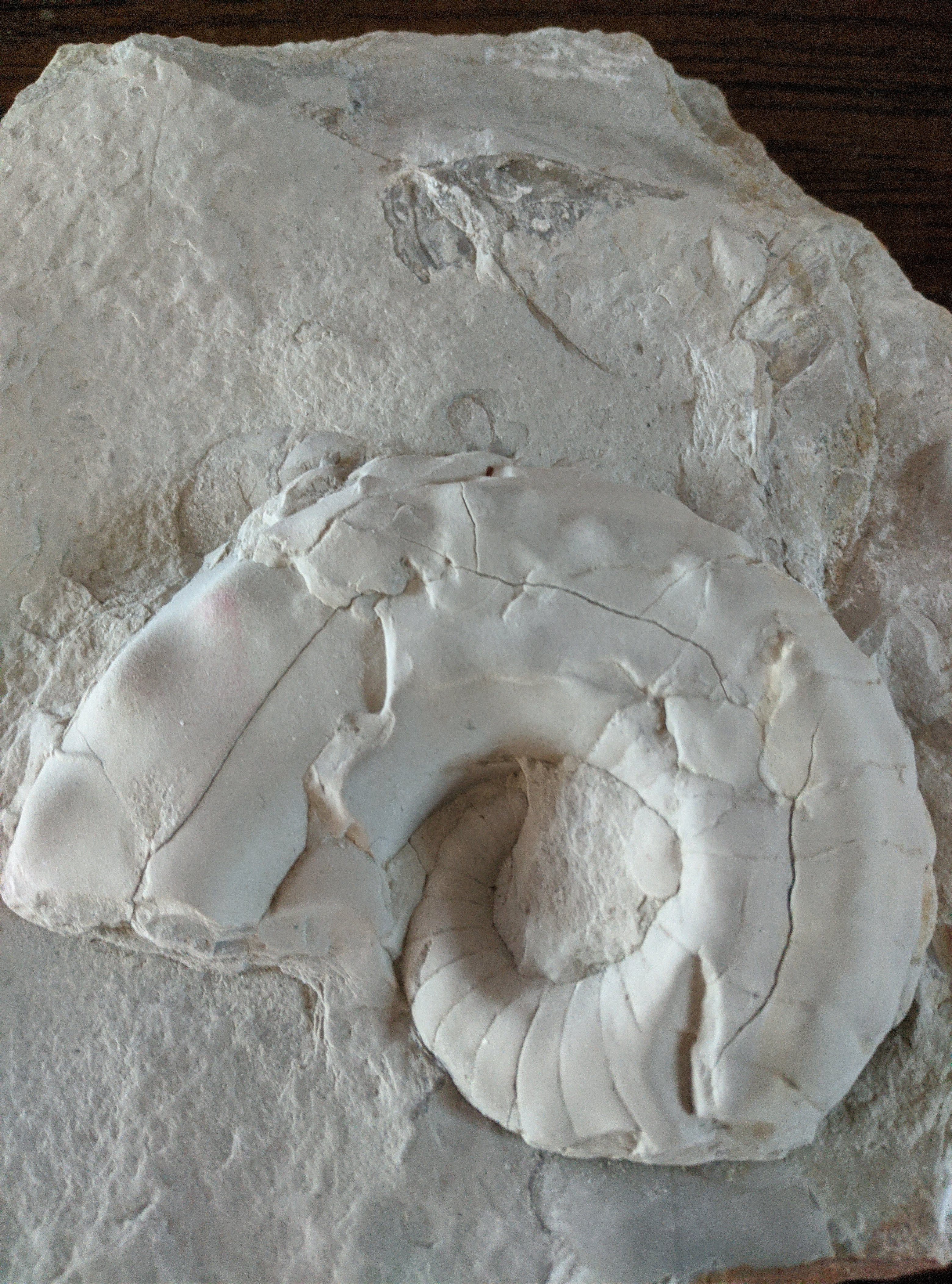
Read more: Fossil Friday #12: Ammonites from KansasThis is the “Fossil Friday” post #10. Expect this to be a somewhat regular feature of the website. We will post any fossil pictures you send in to esconi.info@gmail.com. Please include a short description or story. Check the #FossilFriday Twitter hash tag for contributions from around the world! How about some pictures of ammonites from Kansas? The following are Tainoceras. Here’s a reconstruction from Carnegie Museum of Natural History in Pittsburgh. These specimens were found in Permian strata in northeastern Kansas.
-
Throwback Thursday #13: Field Museum Photo Archives
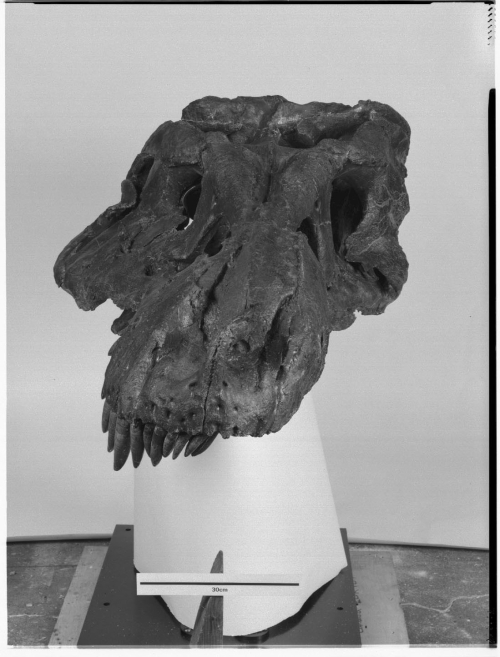
Read more: Throwback Thursday #13: Field Museum Photo ArchivesThis is Throwback Thursday #13. In these, we look back into the past at ESCONI specifically and Earth Science in general. If you have any contributions, (science, pictures, stories, etc …), please send them to esconi.info@gmail.com. Thanks! I recently found a Field Museum Tumblr blog called “Field Museum Photo Archives”. It has many great photos from the history of the Field Museum. The photos range from SUE, to the Columbian Exposition in 1893, to the move to the current location in 1920. There are many, many, interesting photos… with great commentary. Unfortunately, the blog hasn’t been update since 2015, but…
-
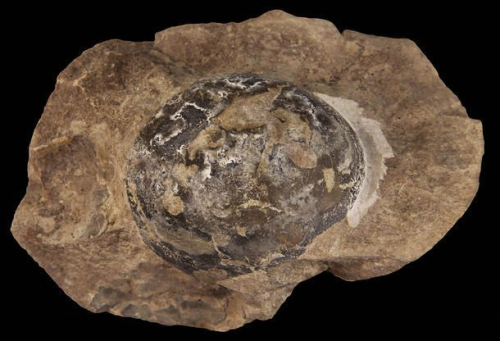
First Soft-Shelled Dinosaur Egg Fossils Found
Read more: First Soft-Shelled Dinosaur Egg Fossils FoundSmithsonian Magazine has a story about dinosaur eggs. Nature had two articles that found evidence that dinosaur eggs were soft-shelled. The first study found evidence of soft-shelled eggs by analyzing fossilized Protoceratops and Mussaurus egg shells. The evidence suggests eggs similar to those of turtles. The second paper identified an enigmatic fossil, commonly referred to as “The Thing”, as a soft-shelled egg from a mosasaur. The new evidence that some dinosaurs and their extinct reptilian contemporaries laid eggs without hard shells helps explain the rarity of eggs in the first half of the fossil record, according to the Times. Soft shells…
-

Trilobite Tuesday #12: Trilobite Fakes
Read more: Trilobite Tuesday #12: Trilobite FakesThis is Trilobite Tuesday post #12. —————————————- This is a completely faked trilobite assemblage, with all individual trilobites made of resin on an underlying plastic film and all mounted on real limestone matrix; the castings are of: Leonaspis, Walliserops, Crotalocephalus, Paralejurus, and something unidentified on top (left image), and Odontochile, Psychopyge, Phacops and Scutellum (right image). Photography: Sonntag, specimens owned and sawed up by Burkhard. If you love trilobites and want to own some of the more charismatic species, you probably will have to purchase a few. There are numerous shows where you can find vendors that will sell specimens from all…
-

Mazon Monday #13: Belotelson magister
Read more: Mazon Monday #13: Belotelson magisterThis is Mazon Monday post #13. Belotelson magister is the most common crustacean/shrimp fossil in the Mazon Creek biota. They can be found fairly readily and can range from a partial, to a molt, and sometimes even a full body. Most of the shrimps found in Pit 11 are Belotelsons. It was described way back in 1886 in material from what was probably the Mazon River. Example fossils are below. Molts Here is the text from Creature Corner. It appeared in the ESCONI bulletin in June 1986. Belotelson magister is the most abundant arthropod at Pit 11. Two thirds of…
-
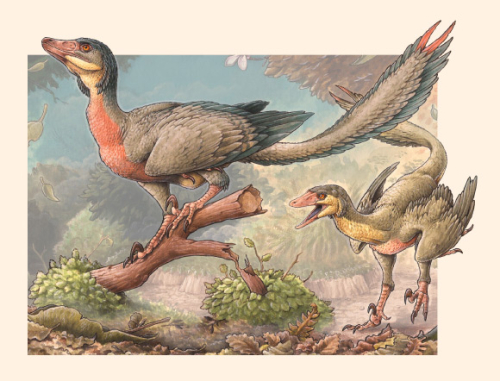
New Bird-Like Dinosaur Discovered: Overoraptor chimentoi
Read more: New Bird-Like Dinosaur Discovered: Overoraptor chimentoiSciNews has a story about a new bird-like dinosaur. Discovered in Argentina, Overoraptor chimentoi lived about 90 million years ago, during the Cretaceous Period, in what is now Patagonia. All the details on this dinosaur can be read in a paper published in the journal Nature. The fossilized remains of Overoraptor chimentoi were recovered from the beds of the Huincul Formation in the Patagonian province of Rio Negro. The specimens were found in association with crocodilian and turtle bones. “There are characteristics that distinguish Overoraptor chimentoi from the unenlagiid theropods of Argentina as well as from non-South American raptors such as Velociraptor,” said Dr. Fernando Novas, also from…

ESCONI Gem, Mineral, and Fossil Show
Most Recent Post
- PBS Terra: The Cascadia Megaquake Is Inevitable. And It Will Reshape America Forever
 PBS Terra has an interesting new video. This one covers the history, science, and future of the Cascadia Subduction Zone in the Pacific Northwest.
- About ESCONI
- Around the Web
- Calendar of Events
- Code of Ethics and Conduct
- ESCONI Books for Sale
- ESCONI Gem, Mineral, and Fossil Show
- ESCONI in the News
- ESCONI Videos
- Field Trips
- Flashback Friday
- Fossil Friday
- Mazon Creek
- Mazon Monday
- Member Spotlight
- Membership Information
- Reference Material
- Throwback Thursday
- Trilobite Tuesday
Field trips require membership, but visitors are welcome at all meetings!
| Friday, April 10th | General Meeting – 8:00 PM via Zoom. Jessica Hull will present “Life in the Devonian Period, The Age of Fishes.” |
| Saturday, April 11th | Junior Study Group Meeting – 2:00 PM, in person at the College of DuPage Technical Education Center (TEC) Building – Room 1038A (Map). Katherine Howard will present on Sand and Sediment Collecting. Specifics of this meeting are available from Scott Galloway, 630-670-2591, gallowayscottf@gmail.com. |
| Saturday, April 18th | Paleontology Study Group – 7:30 PM via Zoom and in person at the College of DuPage, TEC, Room 1038B (Map). Keith Robitschek will present “Digging the Marl of the Lance Formation.” |
| Friday, April 24th | MAPS Expo XLVII – Springfield, IL. |
| Saturday, April 25th | MAPS Expo XLVII – Springfield, IL. |
| Sunday, April 26th | MAPS Expo XLVII – Springfield, IL. |
| No meeting this month | Mineralogy Study Group |