
-

PBS Eons: How Humans Lost Their Fur
Read more: PBS Eons: How Humans Lost Their FurThere’s a new episode of PBS Eons on Youtube. This one is about humans and how we lost our fur. We’re the only primate without a coat of thick fur. It turns out that this small change in our appearance has had huge consequences for our ability to regulate our body temperature, and ultimately, it helped shape the evolution of our entire lineage.
-
ESCONI Board Members for 2022
Read more: ESCONI Board Members for 2022PRESIDENT: Keith Robitschek 1ST. VICE PRESIDENT: Dave Carlson 2ND. VICE PRESIDENT: Irene Broede RECORDING SECRETARY: Valerie Anderson TREASURER: Andrew Jansen PUBLICITY: Chris Berg LIBRARIAN: Andrew Jansen CURATOR: Chris Cozart HISTORIAN: Richard Holm Assistant Field Trip Chairman: Dave Carlson Assistant Field Trip Chairman: John Catalani EDITOR: Don Cronauer CIRCULATION: Rose Jansen PAST PRESIDENT: Jeff Lord MEMBERSHIP: Rose Jansen SHOW CHAIRMAN: Dave Carlson MWF LIAISON REP: Dave Carlson WEB ADMINISTRATOR: Richard Holm Study Groups and Activities: (Non-Board Positions) ARCHAEOLOGY STUDY GROUP CHAIR: Open JUNIOR STUDY GROUP: Scott Galloway LAPIDARY STUDY GROUP CHAIR: Open MINERALOGY & MICROMOUNT STUDY GROUP CHAIR: Open PALEONTOLOGY STUDY GROUP CHAIR: John Catalani…
-

Fossil Friday #34: Alethopteris serlii from the Field Museum Members Nights
Read more: Fossil Friday #34: Alethopteris serlii from the Field Museum Members NightsThis is the “Fossil Friday” post #34. Expect this to be a somewhat regular feature of the website. We will post any fossil pictures you send in to esconi.info@gmail.com. Please include a short description or story. Check the #FossilFriday Twitter hash tag for contributions from around the world! Today, we have a few Alethopteris serlii from the Field Museum’s paleobotany collection. These photos were all taken back in May 2019 during their annual Members’ Nights. Alethopteris is one of my favorite genus of Mazon plants. They can be very beautiful, with 3-D preservation. These are absolutely stunning specimens! If you…
-
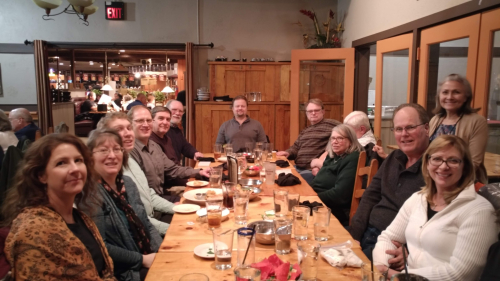
Throwback Thursday #35: Holiday Party 2018 With Dr. Peter Makovicky
Read more: Throwback Thursday #35: Holiday Party 2018 With Dr. Peter MakovickyThis is Throwback Thursday #35. In these, we look back into the past at ESCONI specifically and Earth Science in general. If you have any contributions, (science, pictures, stories, etc …), please send them to esconi.info@gmail.com. Thanks! The 2018 Holiday Party featured Dr. Peter Makovicky then from the Field Museum speaking about the new Antarctic Dinosaurs exhibit. Additionally, he announced the naming of a new shark species after our past president Karen Nordquist. As you can see from the pictures, we all had a great time! And, a few people walked away with some nice door prizes!
-
Zoom Link: ESCONI December 2020 General Meeting – December 4th, 2020 at 8:00 PM via Zoom – “What Genetics Tells Us About the Peopling of the Americas”
Read more: Zoom Link: ESCONI December 2020 General Meeting – December 4th, 2020 at 8:00 PM via Zoom – “What Genetics Tells Us About the Peopling of the Americas”The title for our Dec 4th program is “What Genetics Tells Us About the Peopling of the Americas” by Dr. Jennifer Raff, of the University of Kansas. Dr. Raff’s research includes ancient DNA, anthropological genetics, human evolution and population history, migration, bioarchaeology, and scientific literacy. You can find more about her on her page at KU. https://anthropology.ku.edu/jennifer-raff Zoom link.
-
The Big Hill Lagerstätte
Read more: The Big Hill LagerstätteThe University of Michigan has an interesting post about a new Lagerstatte, which was discovered in the Upper Peninsula of Michigan back in 2013. This fossil deposit dates to the Silurian Period about 430 million years ago. Over 40 species of animals have been discovered at the locality, including soft bodied animals like Jellyfish. Jellyfish are exceedingly rare in the fossil record. Another animal found there is a strange arthropod called chasmataspids, which are related to sea scorpions. The Youtube video provides a good explanation of the site. The fossil collection adventures began in the fall of 2013 and…
-
Mazon Monday #36: Fossils of Terre Haute Indiana
Read more: Mazon Monday #36: Fossils of Terre Haute IndianaThis is Mazon Monday post #36. What’s your favorite Mazon Creek fossil? Tell us at email:esconi.info@gmail.com. Recently, there has been a few questions about the Mazon Creek-like fossils from around Terre Haute, Indiana. Although there is a pretty rich history of these fossils, there’s not much reference information about the locality. There were actually two distinct localities in the area. They are the Chieftain No. 20 Flora of the Dugger Formation in Vigo County Indiana and the Stanley Cemetery Flora of the Brazil Formation of both Vigo and Green Counties in Indiana. The age of the Chieftain No 20 deposit…
-

Growth Rings From Fossil Bones Reveals T. rex Had Huge Growth Spurts, but Other Dinosaurs Grew “Slow and Steady”
Read more: Growth Rings From Fossil Bones Reveals T. rex Had Huge Growth Spurts, but Other Dinosaurs Grew “Slow and Steady”SciTechDaily has a story about Tyrannosaurs rex and how it grew. A new study, published in the journal Proceedings of the Royal Society B, discusses diverse growth strategies in dinosaurs and how that relates to body size. The paper’s authors include Tom Cullen of the North Carolina Museum of Natural History and Peter Makovicky of the University of Minnesota, who have both spoken at ESCONI General Meetings.
-
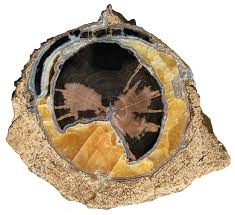
Video: ESCONI October 2020 General Meeting – “The Blue Forest of Ancient Lake Gosiute”
Read more: Video: ESCONI October 2020 General Meeting – “The Blue Forest of Ancient Lake Gosiute”At the October 2020 General Meeting, we had Mike Viney speak about the petrified wood of the Blue Forest in Wyoming. The Zoom meeting video has been processed and is now available for viewing. After the presentation, Mike sent a pdf with many of his slides (RBlueForestOfAncientLakeGosiute). Mike is a Teacher in Residence at Colorado State University and a long-time collector and researcher into petrified wood. The title of his talk was “The Blue Forest of Ancient Lake Gosiute: Sweetwater County, Wyoming”. The Blue Forest is a famous source of petrified wood known for its blue chalcedony. Lake Gosiute…
-
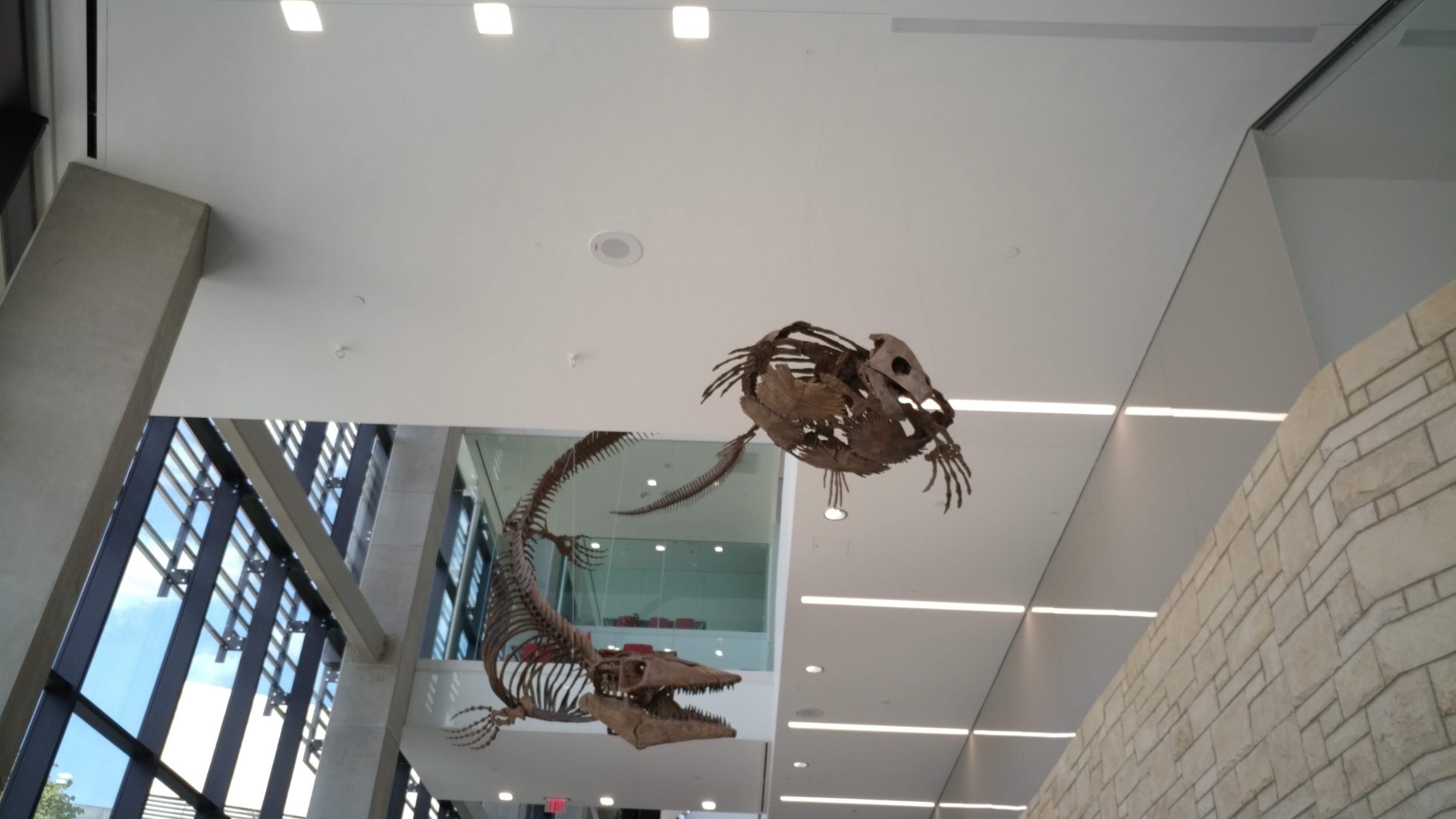
Fossil Friday #33: Tylosaurus and Turtle at KU
Read more: Fossil Friday #33: Tylosaurus and Turtle at KUThis is the “Fossil Friday” post #33. Expect this to be a somewhat regular feature of the website. We will post any fossil pictures you send in to esconi.info@gmail.com. Please include a short description or story. Check the #FossilFriday Twitter hash tag for contributions from around the world! If you get a chance to check out the Natural History Museum at the University of Kansas in Laurence, KS. Take just a few more minutes and visit Slawson Hall. They have hung casts of a Tylosaurus (Tylosaurus proriger) and a turtle (Protostega sp.). Here the large predatory animal is giving chase…
-
Washington Post: How to dissect your Thanksgiving dinosaur
Read more: Washington Post: How to dissect your Thanksgiving dinosaurHappy Thanksgiving from ESCONI! The Washington Post has a story and video that does a good job explaining why birds are dinosaurs and how you can see that in your turkey’s skeleton this Thanksgiving. On Thanksgiving, people will gather with their loved ones to share their gratitude for one another over a lavish meal. And in all likelihood, the centerpiece of this feast will be a dinosaur. That’s right. Birds, like the turkey gracing your Thanksgiving table, are dinosaurs. They are the only dinosaurs to survive the mass extinction that wiped out T. rex, triceratops and other behemoths 65…
-
ESCONI December 2020 General Meeting – December 4th, 2020 at 8:00 PM via Zoom – “What Genetics Tells Us About the Peopling of the Americas”
Read more: ESCONI December 2020 General Meeting – December 4th, 2020 at 8:00 PM via Zoom – “What Genetics Tells Us About the Peopling of the Americas”The title for our Dec 4th program is “What Genetics Tells Us About the Peopling of the Americas” by Dr. Jennifer Raff, of the University of Kansas. Dr. Raff’s research includes ancient DNA, anthropological genetics, human evolution and population history, migration, bioarchaeology, and scientific literacy. You can find more about her on her page at KU. https://anthropology.ku.edu/jennifer-raff A zoom link will be sent soon.
-

ESCONI Events December 2020
Read more: ESCONI Events December 2020Field trips require membership, but visitors are welcome at all meetings! Fri, Dec 4th ESCONI General Meeting 7:30 PM Zoom – Open Chat Time Wear your ugly holiday sweater! Zoom link. Fri, Dec 4th ESCONI General Meeting 8:00 PM Zoom – Topic: “What Genetics Tells Us About the Peopling of the Americas” by Dr. Jennifer Raff from the University of Kansas. Zoom link.
-

Trilobite Tuesday #30: How to hunt for fossils in Ohio
Read more: Trilobite Tuesday #30: How to hunt for fossils in OhioHere’s a page that lists some places to find fossils in Ohio. I’m not sure the trilobite on the page is correct… looks like an Elrathia kingii. The one above is from Ohio and is a Flexicalymene. But, the page has a nice list of places to go and what you can find. Trilobites are a big part of what you can find… Check it out! Southwestern Ohio Northwestern Ohio
-
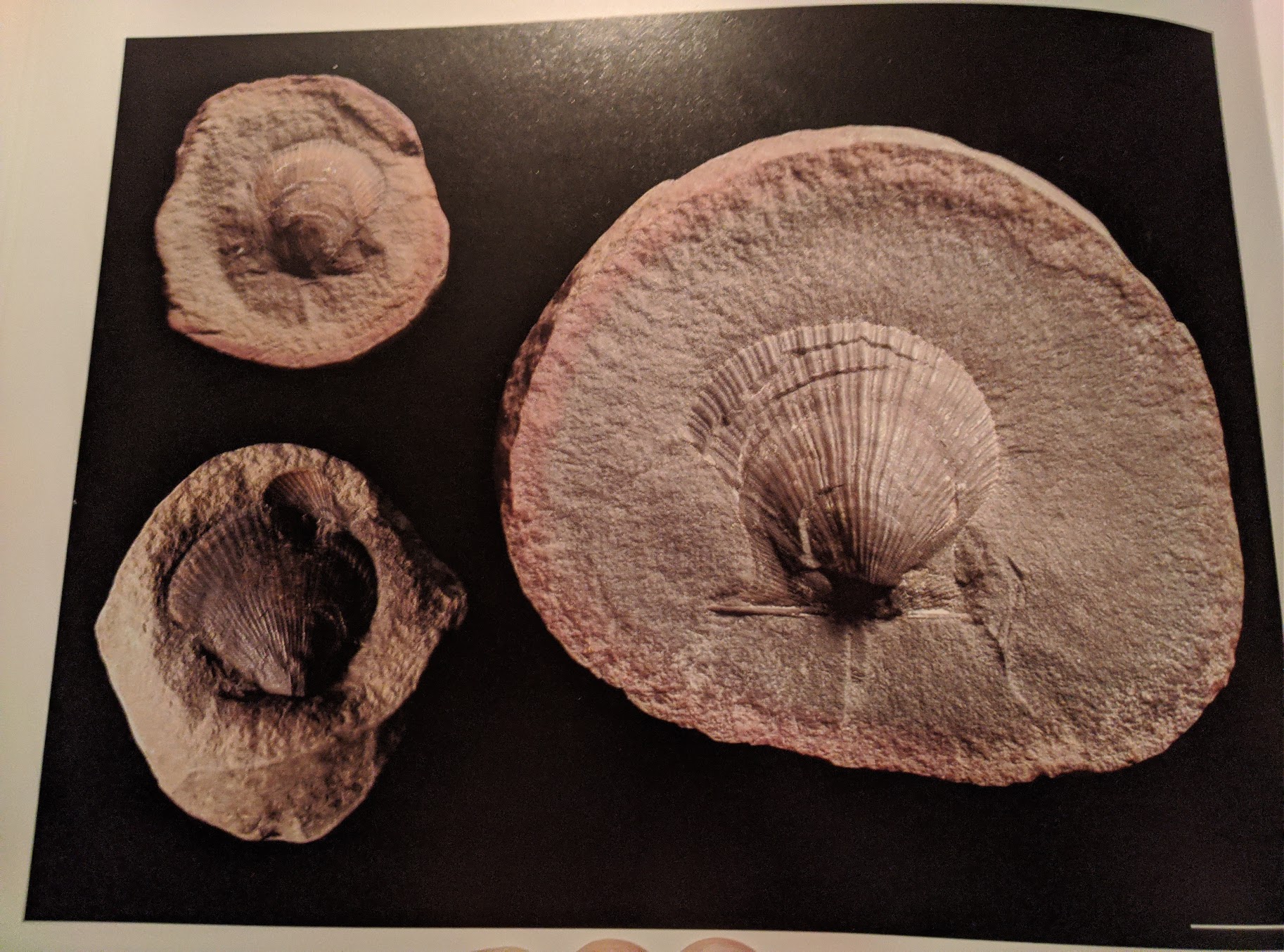
Mazon Monday #35: Scallops
Read more: Mazon Monday #35: ScallopsThis is Mazon Monday post #35. What’s your favorite Mazon Creek fossil? Tell us at email:esconi.info@gmail.com. For this post, we are highlighting some of the pectens found in the Mazon Creek fossil deposit. Aviculopecten mazonensis is one of the most commonly known, but there are three others of note Dunbarella striata, Euchondria pellucida, and Palaeolima retifera. They are mostly found in Pit 11, Braceville, and other parts of the Essex biota. But, they were found in Morris at the old Chowder Flatts locality. Aviculopecten mazonensis is in the Creature Corner book. The article first appeared in the November 1988 issue…
-
NYT: Burning Fossil Fuels Helped Drive Earth’s Most Massive Extinction
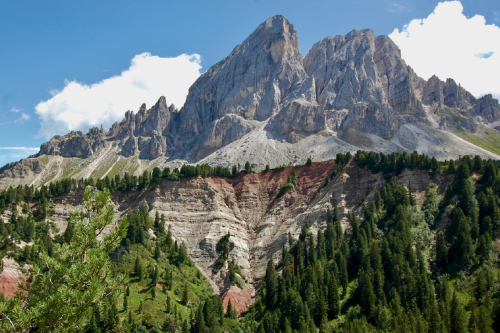
Read more: NYT: Burning Fossil Fuels Helped Drive Earth’s Most Massive ExtinctionThe New York Times Trilobites column has a story about the Permian Mass Extinction event. A paper published in the journal Geology adds more evidence to the theory that this mass extinction was driven by volcanic eruptions through ancient oil and coal deposits in Siberia. The study looked at chemical traces in the rocks in Northern Italy. Paleontologists call it the Permian-Triassic mass extinction, but it has another name: “the Great Dying.” It happened about 252 million years ago, and, over the course of just tens of thousands of years, 96 percent of all life in the oceans and, perhaps,…
-
PBS Eons: The Rise and Fall of the Tallest Mammal to Walk the Earth
Read more: PBS Eons: The Rise and Fall of the Tallest Mammal to Walk the EarthPBS Eons has a new episode over on Youtube. This one is about the tallest land mammal that every lived – Paraceratherium. It arose from rhino ancestors that were a lot smaller, but Paraceratherium would take a different evolutionary path. Believe it or not, it actually became so big that it probably got close to what scientists think might be the actual upper limit for a land mammal.
-
Fossil Friday #32: Lepidodendron bark from the Carboniferous of Alabama
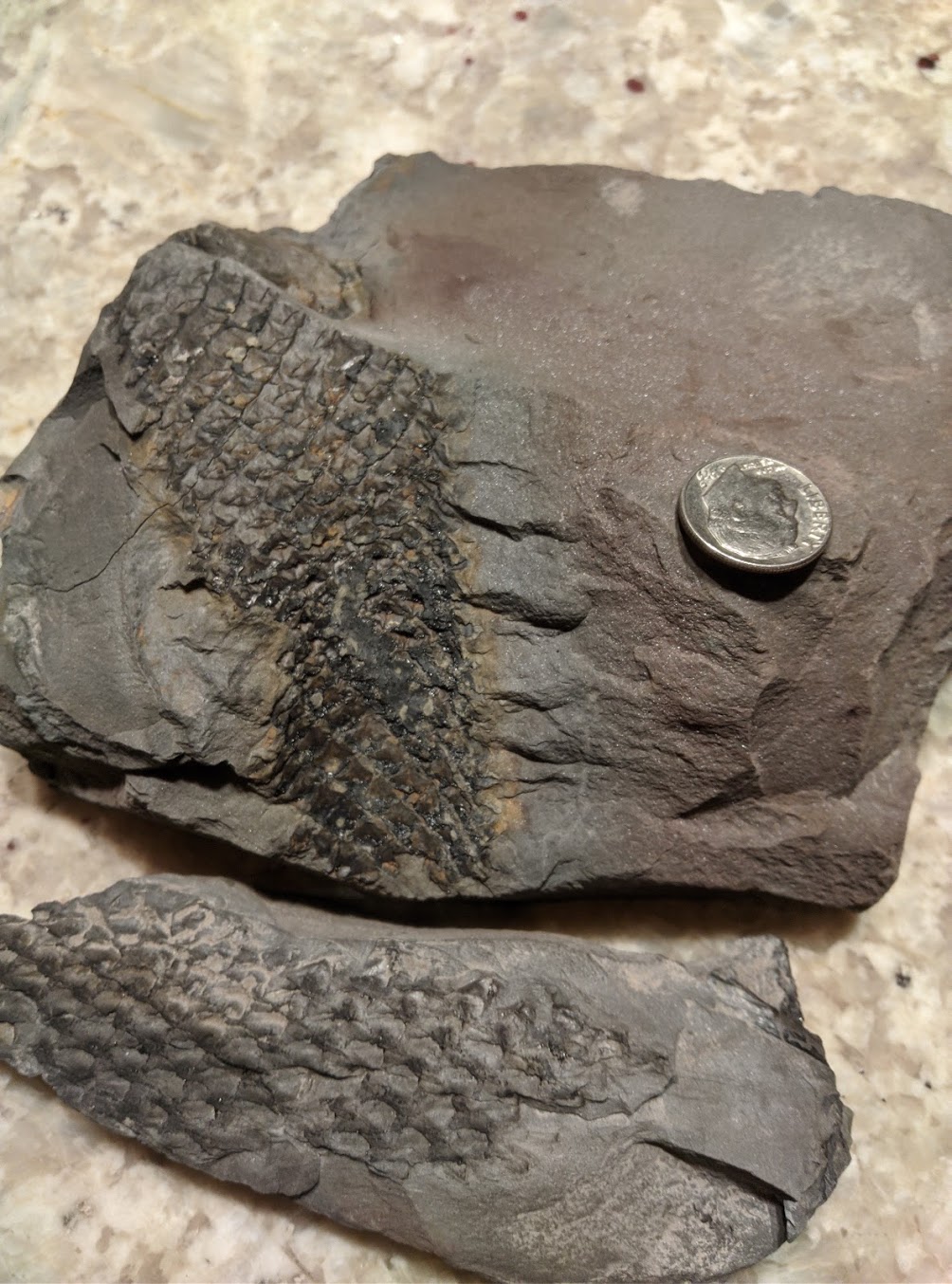
Read more: Fossil Friday #32: Lepidodendron bark from the Carboniferous of AlabamaThis is the “Fossil Friday” post #32. Expect this to be a somewhat regular feature of the website. We will post any fossil pictures you send in to esconi.info@gmail.com. Please include a short description or story. Check the #FossilFriday Twitter hash tag for contributions from around the world! The coal age in Alabama dates back to 310–315 million years ago, an interval of geologic time which lies within what geologists call the Early Pennsylvanian period. Lepidodendron fossils are found in Mazon Creek, which is a little younger at 307 million years old. The fossils in this post are Lepidodendron bark…
-

Throwback Thursday #34: The 2010 Show
Read more: Throwback Thursday #34: The 2010 ShowThis is Throwback Thursday #34. In these, we look back into the past at ESCONI specifically and Earth Science in general. If you have any contributions, (science, pictures, stories, etc …), please send them to esconi.info@gmail.com. Thanks! Enjoy these photos from the 2010 ESCONI Gem, Mineral, and Fossil Show! The greeting crew: Irene, Karen and Eileen Sondra and Rob at their paleontology booth View of a micro-mineral from David’s booth seen from a 60-100 lighted microscope. Dave showing attendees how a micromineral looks with Bruce looking on. The ESCONI book nook crew with the auction crew behind them. Mike, an…
-
LiveScience: Cretaceous cold case of ‘dueling’ T. rex and Triceratops may finally be solved
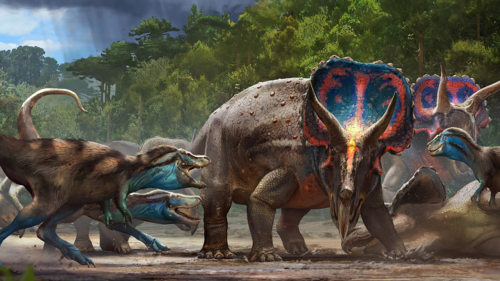
Read more: LiveScience: Cretaceous cold case of ‘dueling’ T. rex and Triceratops may finally be solvedLiveScience has a story about the “Dueling Dinosaurs”. This extraordinary fossil specimen of two of the most complete dinosaurs skeletons ever discovered. One is a Triceratops and the other is a Tyrannosaurs rex and they may possibly be locked in 67 million year old mortal combat. These fossils are heading to North Carolina State University to undergo some extensive study. Dr. Lindsay Zanno, who has spoken to ESCONI a few times in the past, will by involved with the study of this magnificent find. The “Dueling Dinosaurs” fossils — the 67 million-year-old remains of what may be the most complete Tyrannosaurus rex and Triceratops on record, beasts that were…

ESCONI Gem, Mineral, and Fossil Show
Most Recent Post
- Fossil of Pincer-Wielding Crawler Reveals Origins of Spiders, Scorpions and Others
 The Trilobites column over at the New York Times has a interesting story about the origin of chelicerates – spiders, scorpions, mites, horseshoe crabs, and others. Chelicerates are a diverse group of arthropods that consists of more than 120,000 known species. Member of this group are classified by having a pair of appendages called chelicerae. These appendages are adapted for various purposes like snatching prey, injecting venom, and even spinning silk.
- About ESCONI
- Around the Web
- Calendar of Events
- Code of Ethics and Conduct
- ESCONI Books for Sale
- ESCONI Gem, Mineral, and Fossil Show
- ESCONI in the News
- ESCONI Videos
- Field Trips
- Flashback Friday
- Fossil Friday
- Mazon Creek
- Mazon Monday
- Member Spotlight
- Membership Information
- Reference Material
- Throwback Thursday
- Trilobite Tuesday
Field trips require membership, but visitors are welcome at all meetings!
| Friday, April 10th | General Meeting – 8:00 PM via Zoom. Jessica Hull will present “Life in the Devonian Period, The Age of Fishes.” |
| Saturday, April 11th | Junior Study Group Meeting – 2:00 PM, in person at the College of DuPage Technical Education Center (TEC) Building – Room 1038A (Map). Katherine Howard will present on Sand and Sediment Collecting. Specifics of this meeting are available from Scott Galloway, 630-670-2591, gallowayscottf@gmail.com. |
| Saturday, April 18th | Paleontology Study Group – 7:30 PM via Zoom and in person at the College of DuPage, TEC, Room 1038B (Map). Keith Robitschek will present “Digging the Marl of the Lance Formation.” |
| No meeting this month | Mineralogy Study Group |
| No meeting this month | Junior Study Group |