
-

Report from ESCONI February 2021 Paleontology Meeting – “Ammonite Fields Forever”
Read more: Report from ESCONI February 2021 Paleontology Meeting – “Ammonite Fields Forever”If you missed the Paleontology Study Group meeting last Saturday (or even if you did attend), Rhonda Gates wrote an excellent report on their trip to the North Yorkshire beaches in England last February. The full pdf file can be downloaded here. Ammonite Fields Forever: From the Jurassic Coast to collecting on the beaches of North Yorkshire, Englandby Rhonda Gates Once upon a time, just at the brink of an unfathomable and devastating year of death, anxiety, isolation and trauma caused by Covid19, four friends set aside their LRB hats for new hats: they became “Yorkies” and set out to…
-
Burpee PaleoFest 2021 – March 5, 6, and 7
Read more: Burpee PaleoFest 2021 – March 5, 6, and 7Head on over to the Burpee Museum’s website for information on PaleoFast 2021. Held on March 5th, 6th, and 7th, 2021, it’s going to be all virtual this year. Join the Fun Dino-lovers, rock collectors, and fossil diggers unite for an internationally attended festival. Our audience includes scientists and researchers, aspiring scientists, students, paleo-lovers, and even dino-loving kiddos! Many of the talks focus on our speakers’ cutting edge research and amazing new finds. A New Format: VIRTUAL Burpee Museum is excited to present our 23rd PaleoFest 2021. This year we are virtual for the first time! As usual, we are boasting an impressive lineup of…
-

Mazon Monday #48: Kallidecthes richardsoni
Read more: Mazon Monday #48: Kallidecthes richardsoniThis is Mazon Monday post #48. What’s your favorite Mazon Creek fossil? Tell us at email:esconi.info@gmail.com. Kallidecthes richardsoni was described in 1969 by Frederick Schram. It was named for Eugene Richardson, who was then the Curator of Fossil Invertebrates at the Field Museum of Natural History in Chicago, IL. It’s an extinct species of shrimp that lived during the Pennsylvanian Period. Additionally, they are one of the more common species of shrimp found in the Essex biota. Surprisingly, K. richardsoni did not appear in Creature Corner, but it does have an entry in both “The Mazon Creek Fossil Fauna” by…
-
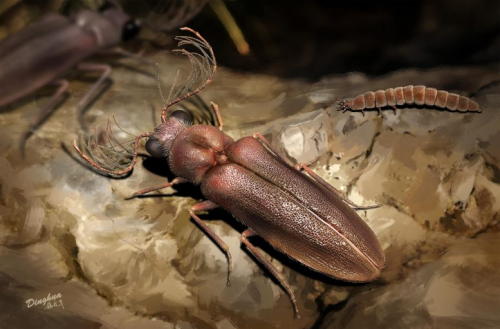
Cretaceous Amber Fossil Sheds Light on Evolution of Bioluminescence in Beetles
Read more: Cretaceous Amber Fossil Sheds Light on Evolution of Bioluminescence in BeetlesScience Tech Daily has a story about bioluminescence in beetles. This study, which was published in the journal Proceedings of the Royal Society B, looked at an insect preserved in amber from Myanmar. Myanmar amber dates to Cretaceous Period about 99 million years ago, Bioluminescence has fascinated people since time immemorial. The majority of organisms able to produce their own light are beetles, specifically fireflies, glow-worm beetles, and their relatives. While the chemistry that gives some insects the almost magical ability to glow is now reasonably well-appreciated, much less is known about how these signals evolved. New research by a…
-

PBS Eons: The Return of Giant Skin-Shell Sea Turtles
Read more: PBS Eons: The Return of Giant Skin-Shell Sea TurtlesPBS Eons has a new episode. This one is about one of the largest turtles that every lived… Archelon. The biggest turtle ever described wasn’t an ancestor of today’s leatherback turtles or any other living sea turtles. But it looks like there are some things about being a giant, skin-shelled sea turtle that just work, no matter where, or when, you lived.
-
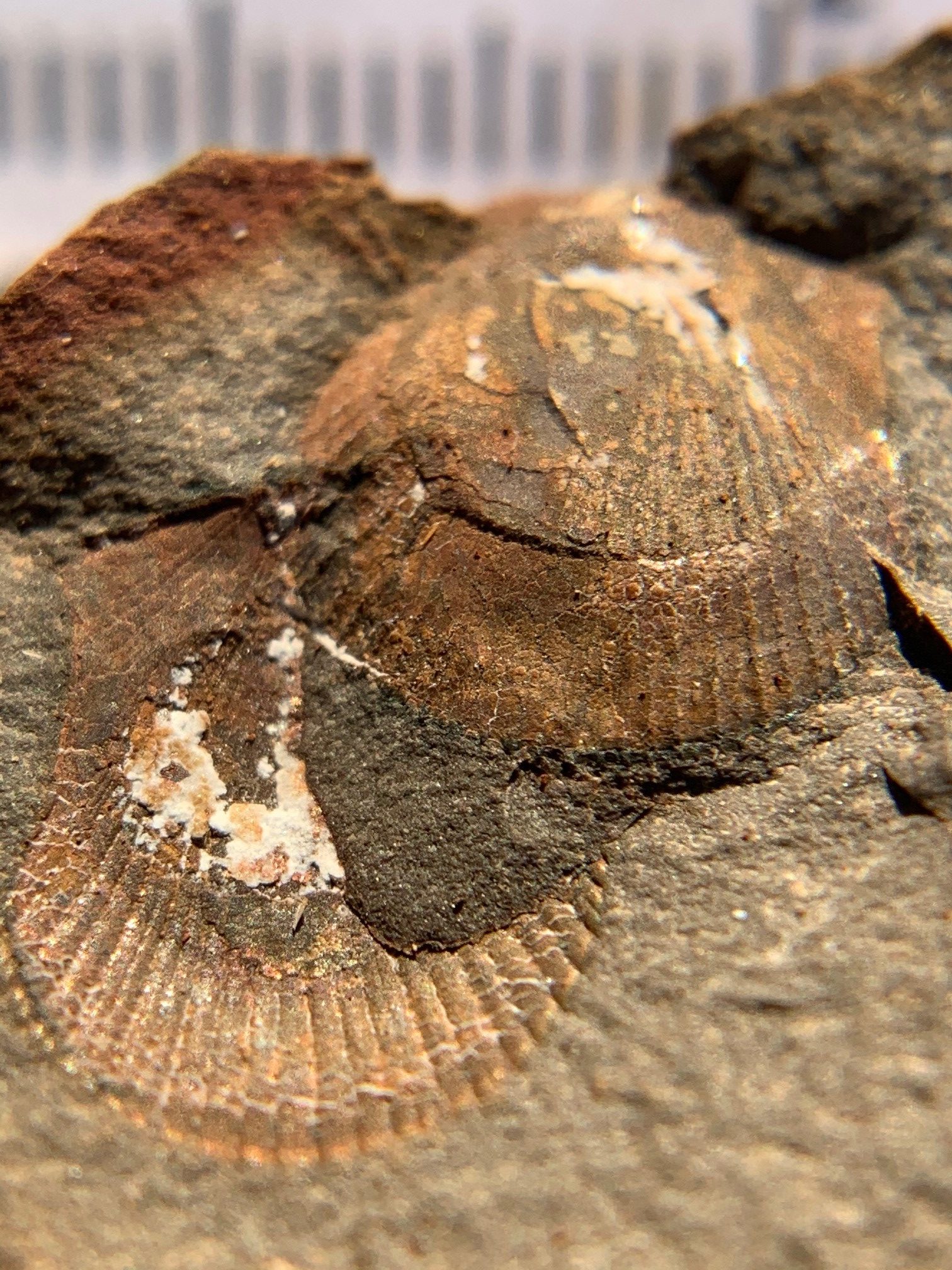
Fossil Friday #44: Braceville Scallop
Read more: Fossil Friday #44: Braceville ScallopThis is the “Fossil Friday” post #44. Expect this to be a somewhat regular feature of the website. We will post any fossil pictures you send in to esconi.info@gmail.com. Please include a short description or story. Check the #FossilFriday Twitter hash tag for contributions from around the world! Scallops. Who hasn’t enjoyed a nice tasty plate of scallops at a nice restaurant? Maybe a nice Italian restaurant? Well, maybe again soon… once we get past this pandemic. For today, we have a scallop that wouldn’t be too tasty and would probably break one of your teeth! It’s a multiple Aviculopecten…
-

Throwback Thursday #46: 25 and 50 Years Ago
Read more: Throwback Thursday #46: 25 and 50 Years AgoThis is Throwback Thursday #46. In these, we look back into the past at ESCONI specifically and Earth Science in general. If you have any contributions, (science, pictures, stories, etc …), please send them to esconi.info@gmail.com. Thanks! 25 Years Ago – February 1996 50 Years Ago – February 1971
-
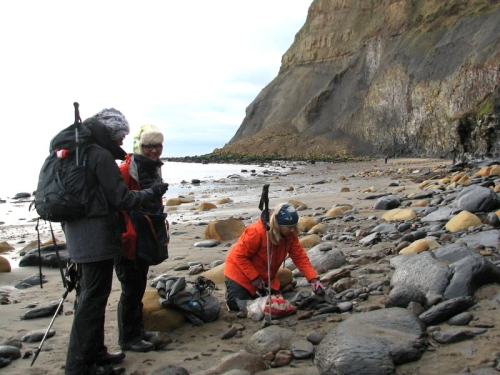
Reminder: ESCONI February 2021 Paleontology Meeting – February 20th, 2021 at 7:30 PM via Zoom – “Ammonite Fields Forever”
Read more: Reminder: ESCONI February 2021 Paleontology Meeting – February 20th, 2021 at 7:30 PM via Zoom – “Ammonite Fields Forever”Ammonite Fields Forever: from the Jurassic Coast to collecting on the beaches of North Yorkshire, England. On February 20th, four club members – Marie Angkuw, Rhonda Gates, Deborah Lovely, and Andrew Young – will host a slide presentation on their March 2020 fossil-collecting adventure to North Yorkshire, England. Based in the historic harbor town of Whitby (where the famous Abbey ruins inspired Irish author Bram Stoker to write his 1897 Gothic horror novel, Dracula), they explored seven coastal localities over nine days. The area has sometimes been affectionately called “The Dinosaur Coast” for its 185-million-year-old fossils, including marine reptiles, belemnites,…
-

Phys.org: Enormous ancient fish fossil discovered in search of pterodactyl remains
Read more: Phys.org: Enormous ancient fish fossil discovered in search of pterodactyl remainsPhys.org has a post about an absolutely enormous fish fossil. A paper published in the journal Cretaceous Research describes a coelacanth from the Cretaceous Period that may have measured 5 meters in length. Compared to modern day coelacanth, which rarely grow to 2 meters, this specimen is a giant. The animal lived about 66 million years ago and lived in what is now Morocco. First mistaken for a pterodactyls’ skull, the fish came to light during preparation. Fossilised remains of a fish that grew as big as a great white shark and the largest of its type ever found have…
-
Mazon Monday #47: Centipedes
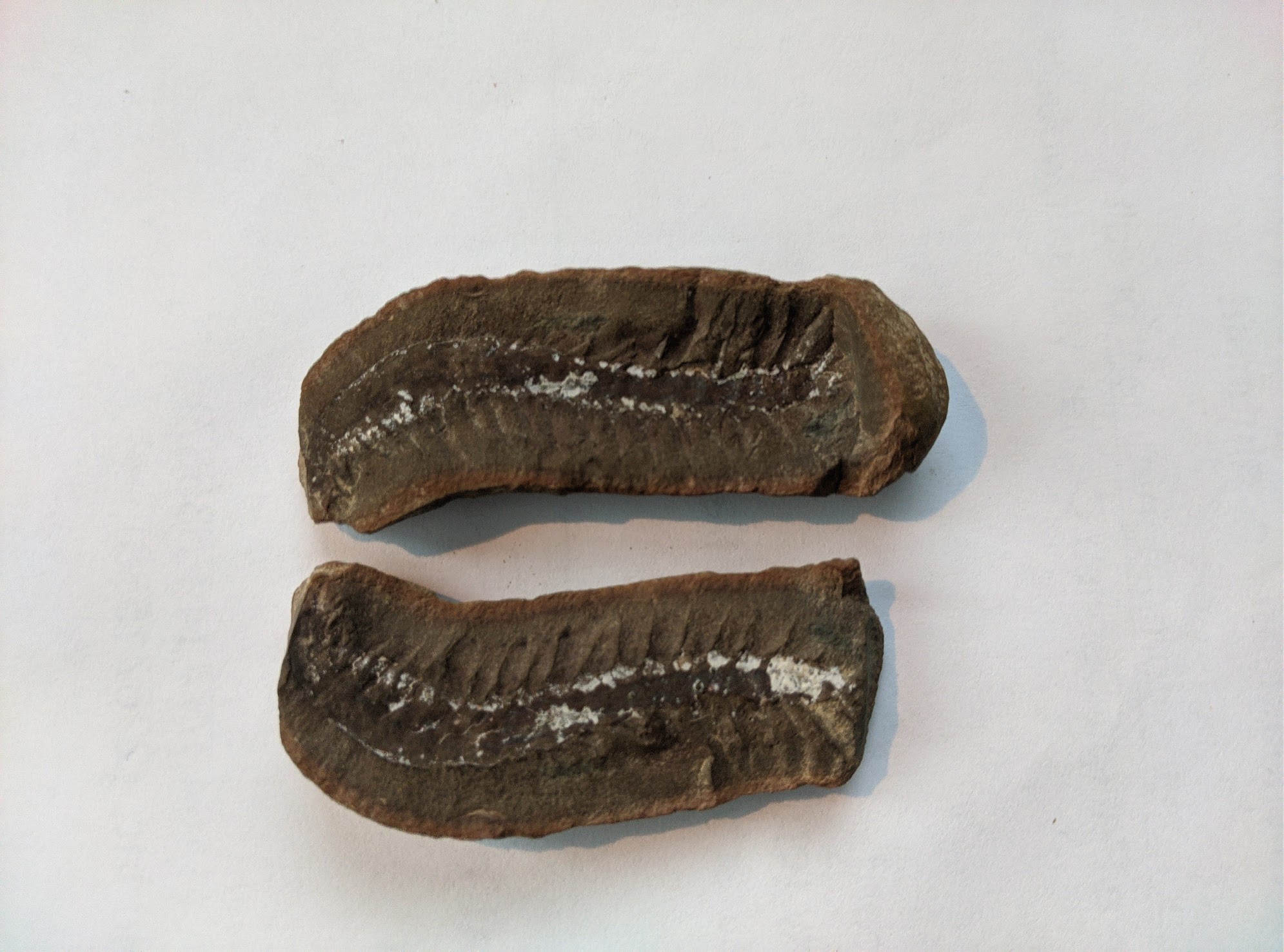
Read more: Mazon Monday #47: CentipedesThis is Mazon Monday post #47. What’s your favorite Mazon Creek fossil? Tell us at email:esconi.info@gmail.com. For this week, we have a very rare Mazon Creek animal. The estimate of occurrence for centipedes was about 3 in 287,000 concretions in the paper “Relative Abundance of Different Mazon Creek Organisms” by Gordon C. Baird and John L. Anderson, which was published in the “Richardson’s Guide to The Fossil Fauna of Mazon Creek”. For comparison, they found 13 spiders, 66 fish, and 107 horseshoe crabs in their survey. We are considering Latzelia primordialis, which has been called the only true centipede in…
-

TheOnion: Chicago Field Museum Director Uses Titanosaur Skull To Hold Parking Space In Snow
Read more: TheOnion: Chicago Field Museum Director Uses Titanosaur Skull To Hold Parking Space In SnowFrom The Onion, we have this… Chicago Field Museum Director Uses Titanosaur Skull To Hold Parking Space In Snow https://bit.ly/3cK9hJr
-
PBS Eons: When We First Talked
Read more: PBS Eons: When We First TalkedPBS Eons has a new episode which talks about talking. When did humans first speak? The evolution of our ability to speak is its own epic saga and it’s worth pausing to appreciate that. It’s taken several million years to get to this moment where we can tell you about how it took several million years for us to get here.
-
Fossil Friday #43: Lung Fish Scales From Mazon Creek
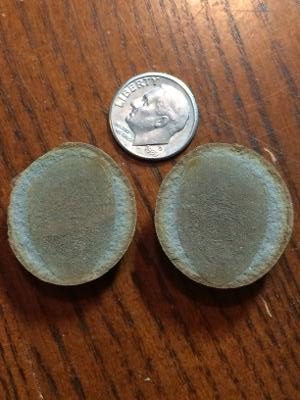
Read more: Fossil Friday #43: Lung Fish Scales From Mazon CreekThis is the “Fossil Friday” post #43. Expect this to be a somewhat regular feature of the website. We will post any fossil pictures you send in to esconi.info@gmail.com. Please include a short description or story. Check the #FossilFriday Twitter hash tag for contributions from around the world! There is a large amount of diversity in the Mazon Creek fossil fauna. But, most of it consists of smaller animals. Larger animals are missing as most concretions are fairly small and the deposit is thought to have been formed by a relatively slow flooding event. Maybe, the larger animals had time…
-
AMNH: Happy 147th Birthday Barnum Brown… Discoverer of T-rex
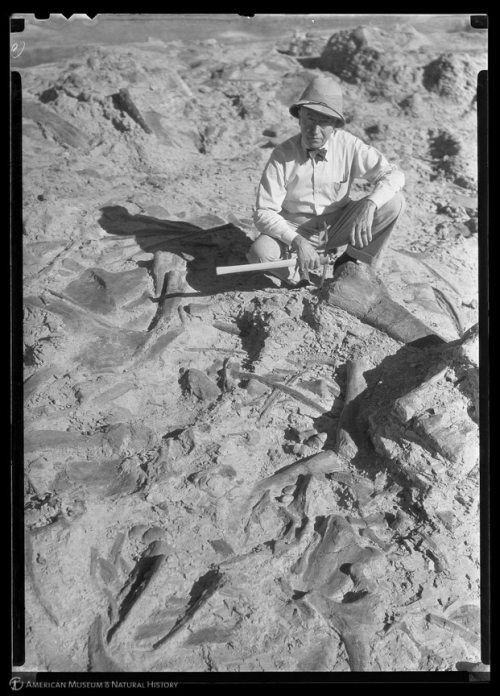
Read more: AMNH: Happy 147th Birthday Barnum Brown… Discoverer of T-rexHappy Birthday, Barnum Brown! Known as one of the greatest dinosaur collectors of all time, Barnum Brown helped the American Museum of Natural History establish its world-class fossil collection. Brown’s extraordinary fossil-hunting career—which took him from a frontier farm to the world’s top fossil sites and to the halls of the Museum—included the discovery of the first skeleton of the Tyrannosaurus rex.
-
Happy 211th Birthday, Charles Darwin!
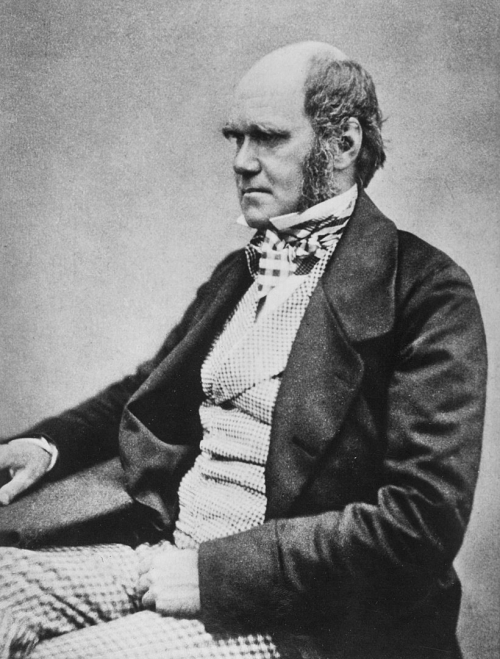
Read more: Happy 211th Birthday, Charles Darwin!Happy 211th Birthday, Charles Darwin! There are events scheduled for Darwin Day 2021. By Henry Maull (1829–1914) and John Fox (1832–1907)
-

Throwback Thursday #45: Collecting Rocks
Read more: Throwback Thursday #45: Collecting RocksThis is Throwback Thursday #45. In these, we look back into the past at ESCONI specifically and Earth Science in general. If you have any contributions, (science, pictures, stories, etc …), please send them to esconi.info@gmail.com. Thanks! This week, we have have a poem from the old ESCONI newsletters. “Collecting Rocks” is from the January 1962 edition of the newsletter. It was submitted by Hazel Hillmer. Collecting Rocks I think that there will never beAn ignoramus just like me,Who roams the hills thoughout the dayTo pick up rocks that do not pay;For there’s one think I’ve been toldI take the…
-
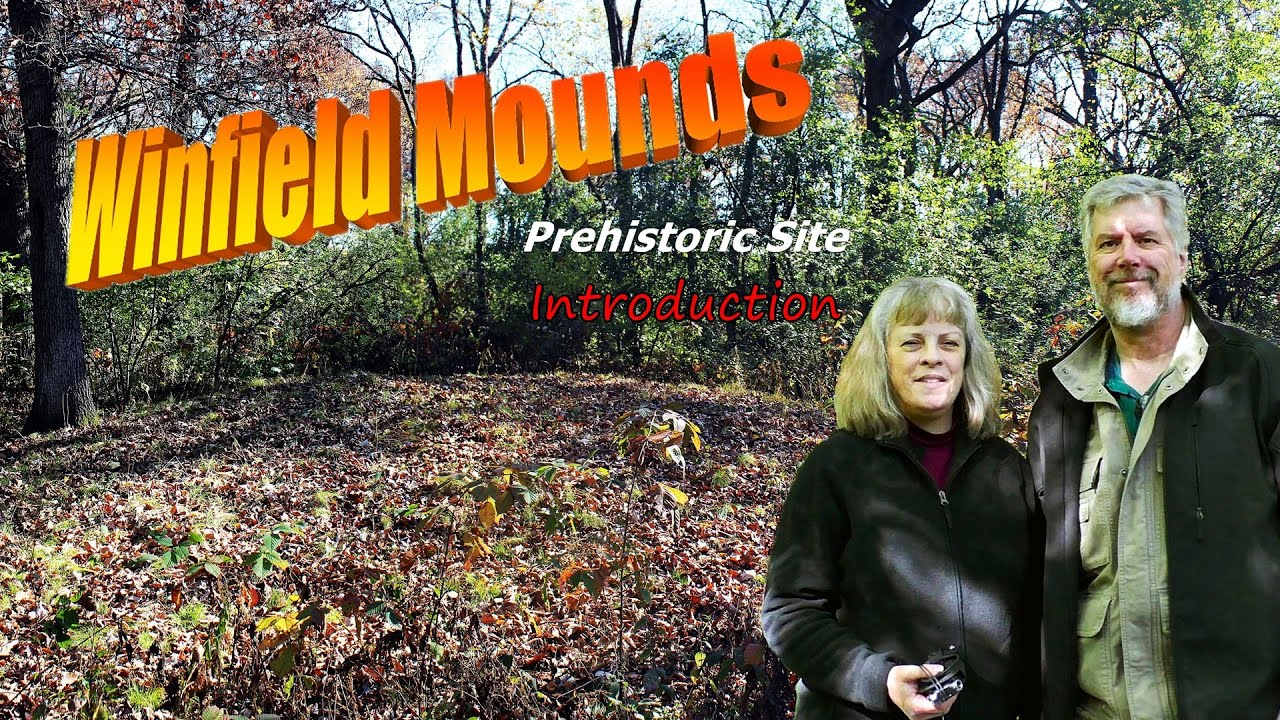
The Winfield Mounds
Read more: The Winfield MoundsThere’s an interesting series on the Winfield Mounds over on the BeHistoric channel on Youtube. The mounds are prehistoric effigy mounds in Winfield Illinois. There are 5 videos – all about 30 minutes long, with the first being an introduction. Part One of the video series in which we explore the history and archeology of the Winfield Mounds, the prehistoric effigy mounds and associated village site, located in the Winfield Mounds Forest Preserve in Winfield, Illinois. This first episode provides an introduction to the mounds, the sources used in the series, and a virtual walking tour of how to…
-

ESCONI February 2021 General Meeting – February 12th, 2021 at 8:00 PM via Zoom – “Assessing the Early Mars Hydroclimate Using Paleolake Geometries”
Read more: ESCONI February 2021 General Meeting – February 12th, 2021 at 8:00 PM via Zoom – “Assessing the Early Mars Hydroclimate Using Paleolake Geometries”Did rainfall and snowmelt fill rivers and lakes on Mars? GETTY Our February 2021 speaker via Zoom will be Dr. Gaia Stucky de Quay from the Jackson School of Geosciences at the University of Texas at Austin. The topic of her talk will be evidence for water and its effect on the geomorphology of early Mars. Title: “Assessing the Early Mars Hydroclimate Using Paleolake Geometries”. She had a recent paper published in the August 2020 edition of Geology called “Global precipitation and aridity constraints from paleolakes on early Mars”. Forbes did an article on that paper in which she is quoted.…
-
Mazon Monday #46: Insects Part 4 – Roachoids
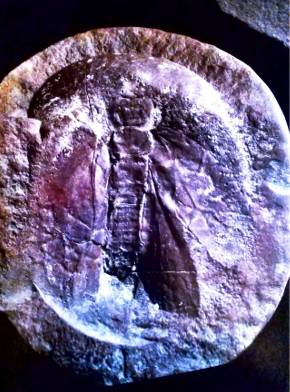
Read more: Mazon Monday #46: Insects Part 4 – RoachoidsThis is Mazon Monday post #46. What’s your favorite Mazon Creek fossil? Tell us at email:esconi.info@gmail.com. This week, as part of our series on Mazon Creek insects, we are looking at roaches, or to be more correct roachoids, as true roaches don’t show up in the fossil record until the late Jurassic. Roachoids are the most common order of insects found in the Mazon Creek biota. At one point, Dr. Eugene Richardson listed 26 genera and 37 species. Unfortunately, while they might represent a large part of the insect diversity, the Blattidae are quite rare. They have been found in…
-

Terrible Lizards Podcast: Spinosaurus Megasode!
Read more: Terrible Lizards Podcast: Spinosaurus Megasode!The Terrible Lizards podcast has an episode about all things Spinosaur. One of the hosts, David Hone, is a co-author of a recent paper in the journal Palaeontologia Electronica. That paper is entitled “Evaluating the ecology of Spinosaurus: Shoreline generalist of aquatic pursuit specialist?”. It challenges some of the theories in other recent papers that proposed that Spinosaurus was a pursuit predator that spent most of its time swimming in relatively deep water. Instead, he with co-author Thomas Holtz propose a wading model, which saw the animal fishing from near shore and shallow waters. Abstract The giant theropod Spinosaurus was an unusual…

ESCONI Gem, Mineral, and Fossil Show
Most Recent Post
- PBS Terra: The Cascadia Megaquake Is Inevitable. And It Will Reshape America Forever
 PBS Terra has an interesting new video. This one covers the history, science, and future of the Cascadia Subduction Zone in the Pacific Northwest.
- About ESCONI
- Around the Web
- Calendar of Events
- Code of Ethics and Conduct
- ESCONI Books for Sale
- ESCONI Gem, Mineral, and Fossil Show
- ESCONI in the News
- ESCONI Videos
- Field Trips
- Flashback Friday
- Fossil Friday
- Mazon Creek
- Mazon Monday
- Member Spotlight
- Membership Information
- Reference Material
- Throwback Thursday
- Trilobite Tuesday
Field trips require membership, but visitors are welcome at all meetings!
| Friday, April 10th | General Meeting – 8:00 PM via Zoom. Jessica Hull will present “Life in the Devonian Period, The Age of Fishes.” |
| Saturday, April 11th | Junior Study Group Meeting – 2:00 PM, in person at the College of DuPage Technical Education Center (TEC) Building – Room 1038A (Map). Katherine Howard will present on Sand and Sediment Collecting. Specifics of this meeting are available from Scott Galloway, 630-670-2591, gallowayscottf@gmail.com. |
| Saturday, April 18th | Paleontology Study Group – 7:30 PM via Zoom and in person at the College of DuPage, TEC, Room 1038B (Map). Keith Robitschek will present “Digging the Marl of the Lance Formation.” |
| Friday, April 24th | MAPS Expo XLVII – Springfield, IL. |
| Saturday, April 25th | MAPS Expo XLVII – Springfield, IL. |
| Sunday, April 26th | MAPS Expo XLVII – Springfield, IL. |
| No meeting this month | Mineralogy Study Group |