
-

Trilobite Tuesday #48: Rare museum specimen reveals new insights into how trilobites curled themselves into a ball
Read more: Trilobite Tuesday #48: Rare museum specimen reveals new insights into how trilobites curled themselves into a ballPhys.org has a story that shed light how trilobites evolved the ability to enroll their bodies for protection against predators. A team of researchers from Harvard examined a museum specimen that had preserved sternites, where were plates that lined the stomach of trilobites. Using micro-CT scans, the researchers could see how the plates slid past one another a then lock into place. The locking mechanism provided a tight and save rollup. The whole procedure is similar to modern day animals, such as armadillos and pill bugs, that can enroll their bodies. Details can be found in the paper “Convergent evolution…
-

Mazon Monday #196: 1939 Season’s Greetings from the Langfords!
Read more: Mazon Monday #196: 1939 Season’s Greetings from the Langfords!This is Mazon Monday post #196. What’s your favorite Mazon Creek fossil? Tell us at email:esconi.info@gmail.com. George Langford, Sr. (1876-1964) was a prolific collector of Mazon Creek fossils. He collected and then sold or donated multiple collections of Mazon Creek fossils. The fossils he collected in various museums around the country including Illinois State Museum and the Denver Museum of Natural History. In 1947, he donated his bulk of his collection to the Field Museum of Natural History, then called the Chicago Natural History Museum, and joined it as curator of fossil plants. His grandson, George III, created a website…
-

Mysterious fruit found to be the oldest known fossils of the Frankincense and Myrrh family
Read more: Mysterious fruit found to be the oldest known fossils of the Frankincense and Myrrh familyPhys.org has a story about the identification of some Indian plant fossils as ancestors of the Frankincense and Myrrh family. The fossils were discovered in an Indian village in the early 1970’s. Recently. researchers at the Florida Museum of Natural History performed CT scans on these fossils. The scans revealed pyrenes. Pyrenes are woody dispersal pods that proved protection to seeds… modern day examples include the hard stones at the cores of cherries, peaches, dates, and pistachios. Only a few plant families produce pyrenes and even less arrange groups of five in the shape of a pentagram. By process of…
-

PBS Eons: Why Only Earth Has Fire
Read more: PBS Eons: Why Only Earth Has FirePBS Eons has a new episode. This one is about the evolution of our planet’s atmosphere and how life makes fire possible. To get fire, which exists only on Earth, it took billions of years of photosynthesis – which means fire can’t exist without life. And fire and life have been shaping each other ever since.
-
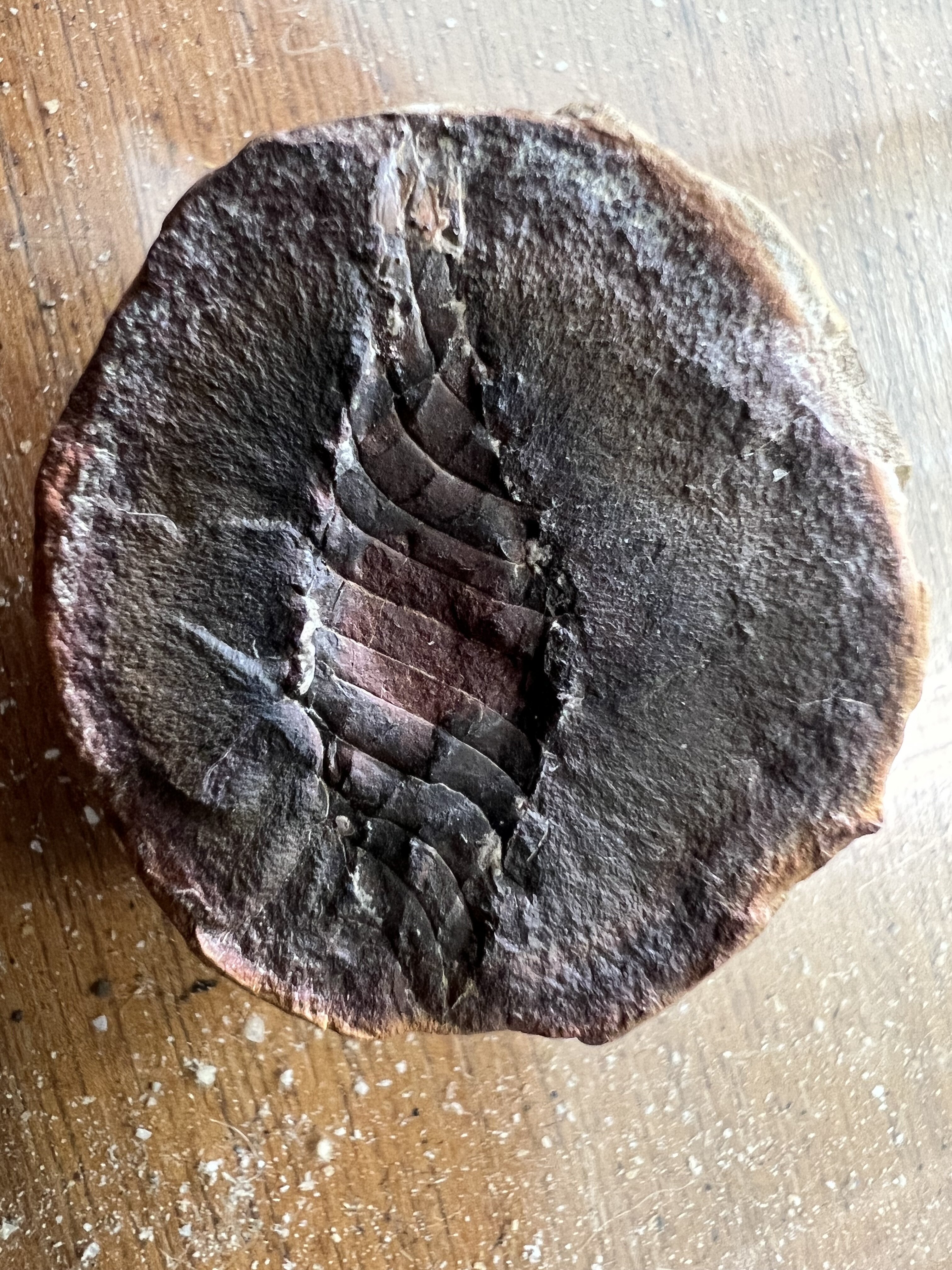
Fossil Friday #192: Palaeoxyris lewisi
Read more: Fossil Friday #192: Palaeoxyris lewisiThis is the “Fossil Friday” post #192. Expect this to be a somewhat regular feature of the website. We will post any fossil pictures you send in to esconi.info@gmail.com. Please include a short description or story. Check the #FossilFriday Twitter hash tag for contributions from around the world! Shark egg cases are back on the menu for this week’s Fossil Friday. You might remember from earlier this week, that Mazon Monday #195 featured at a rare species of egg case – Vetacapsula cooperi. A year ago in Fossil Friday #140, we looked at some very large and detailed Palaeoxyris multiplicatum…
-
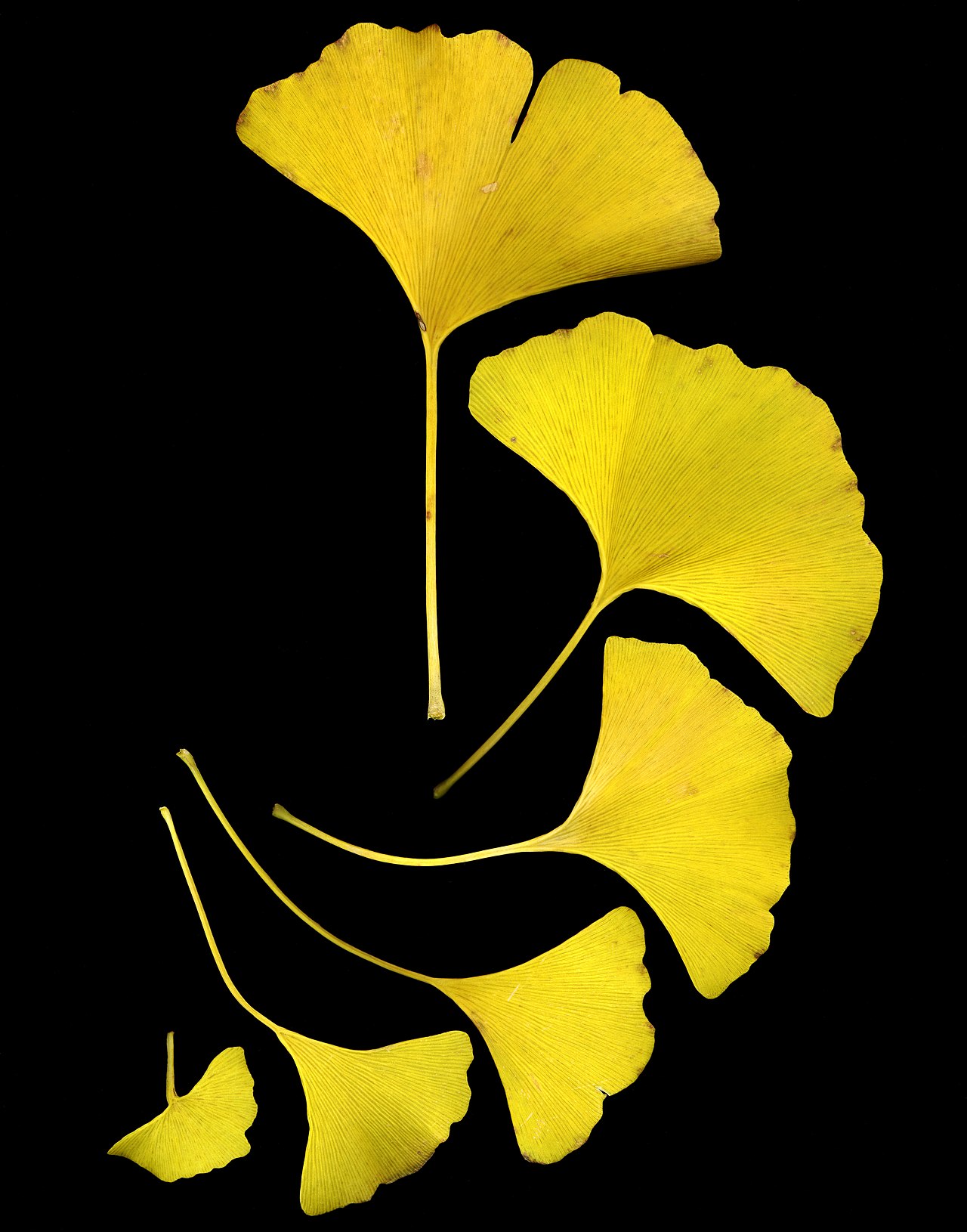
Throwback Thursday #193: Poem “Coal Age”
Read more: Throwback Thursday #193: Poem “Coal Age”This is Throwback Thursday #193. In these, we look back into the past at ESCONI specifically and Earth Science in general. If you have any contributions, (science, pictures, stories, etc …), please send them to esconi.info@gmail.com. Thanks! Today, we step back to a little poem called “Coal Age”, which appeared in the February 1950 edition of the newsletter. The poem is attributed to Anon., so unfortunately we don’t know who wrote it. The subject of the poem is the ginkgo tree… a truly ancient line. Ginkgo biloba is a gymnosperm. They are the last living species of the order Ginkgoales. …
-
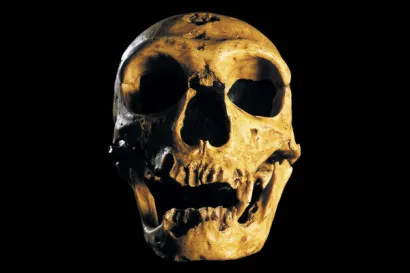
Morning Person? You Might Have Neanderthal Genes to Thank
Read more: Morning Person? You Might Have Neanderthal Genes to ThankJavier Trueba/MSF, via Science Source Carl Zimmer has an interesting article about genetics over on his Origins column at the New York Times. A recent paper in the journal Genome Biology and Evolution derails generic research that suggests some of our circadian traits might come from Neanderthal genes. Modern humans and the ancient humans that became Neanderthals diverged about 700,000 years ago, when a group of humans migrated north into Europe. Those humans later split into two groups with the Neanderthals in the west and the Denisovans in the east. About 400,000 years ago, the population split in two. The…
-
The Top Ten Dinosaur Discoveries of 2023
Read more: The Top Ten Dinosaur Discoveries of 2023Ten big dinosaur discoveries stood out in 2023. Smithsonian Magazine has a list of 10 of the most intriguing dinosaur discoveries in 2023. Check out the link for the details.
-
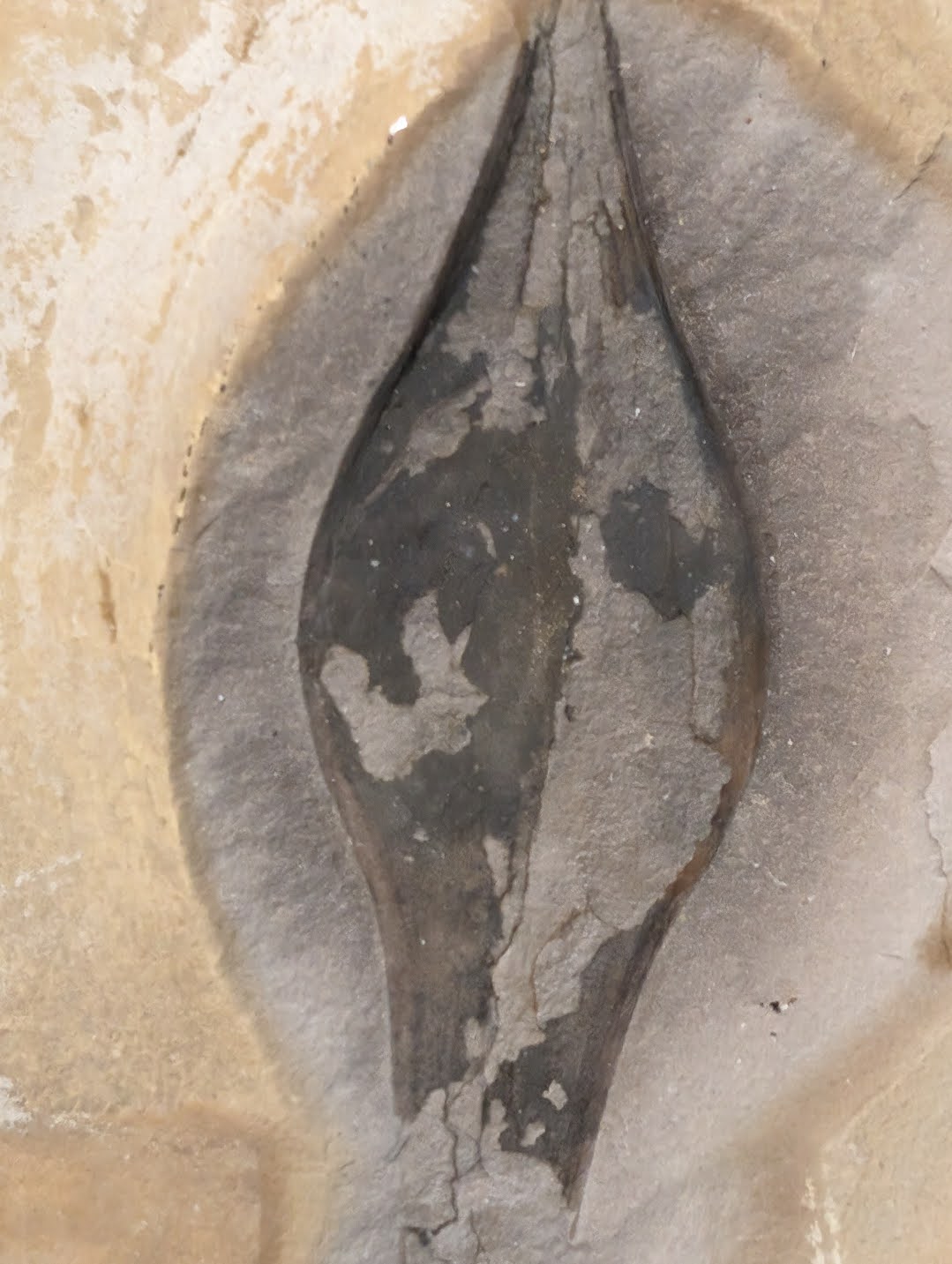
Mazon Monday #195: Vetacapsula cooperi
Read more: Mazon Monday #195: Vetacapsula cooperiThis is Mazon Monday post #195. What’s your favorite Mazon Creek fossil? Tell us at email:esconi.info@gmail.com. Vetacapsula cooperi is a very rare shark egg case from the Pennsylvanian Period. It was originally described by Robert Crookall (1890-1981) in 1928. In the late 1920’s, Crookall took a deep look at Carboniferous shark egg cases, then classified as enigmatic flower-buds or seed-vessels, and provided a comprehensive overview of all the species of Palaeoxyris, Fayolia, and Vetacapsula known at the time. See page 80 of “Elasmobranch egg capsules Palaeoxyris, Fayolia, and Vetacapsula as subject of paleontological research – and annotated bibliography“. Between 1928 and…
-

Fossil Hunter Pulls Massive Mammoth Jawbone Out of Florida River
Read more: Fossil Hunter Pulls Massive Mammoth Jawbone Out of Florida RiverThe jawbone likely belonged to a Columbian mammoth. Fossil Junkies via Facebook Smithsonian Magazine has a story about the discovery of a Mammoth jawbone in Florida. The bone was found in the Peace River near Arcadia, Florida. The Peace River is known for producing fossils from the Pleistocene. The bone is probably 10,000 years old and likely belonged to a Columbian mammoth. A Florida fossil hunter made the discovery of a lifetime earlier this month when he pulled a mammoth jawbone from the bottom of a river. John Kreatsoulas is no stranger to finding very old bones and teeth: He runs Fossil…
-

Netflix “Life on Our Planet”: Watch ancient, giant millipede the size of a car brought back to life in remarkable reconstruction
Read more: Netflix “Life on Our Planet”: Watch ancient, giant millipede the size of a car brought back to life in remarkable reconstructionLiveScience has a post about Netflix’s “Life on Our Planet”. It’s a nature show narrated by Morgan Freeman. They take a look at the history of life on planet Earth with clips of current animals and plants. The show became available in late October 2023. It has stunning graphics and special effects. There’s a great clip of Arthropleura over on Youtube. A remarkable reconstruction shows a 300 million-year-old millipede the length of a small car crawling around a forest floor looking for love. The footage was created for Netflix’s “Life on Our Planet” — a series that brings extinct creatures…
-
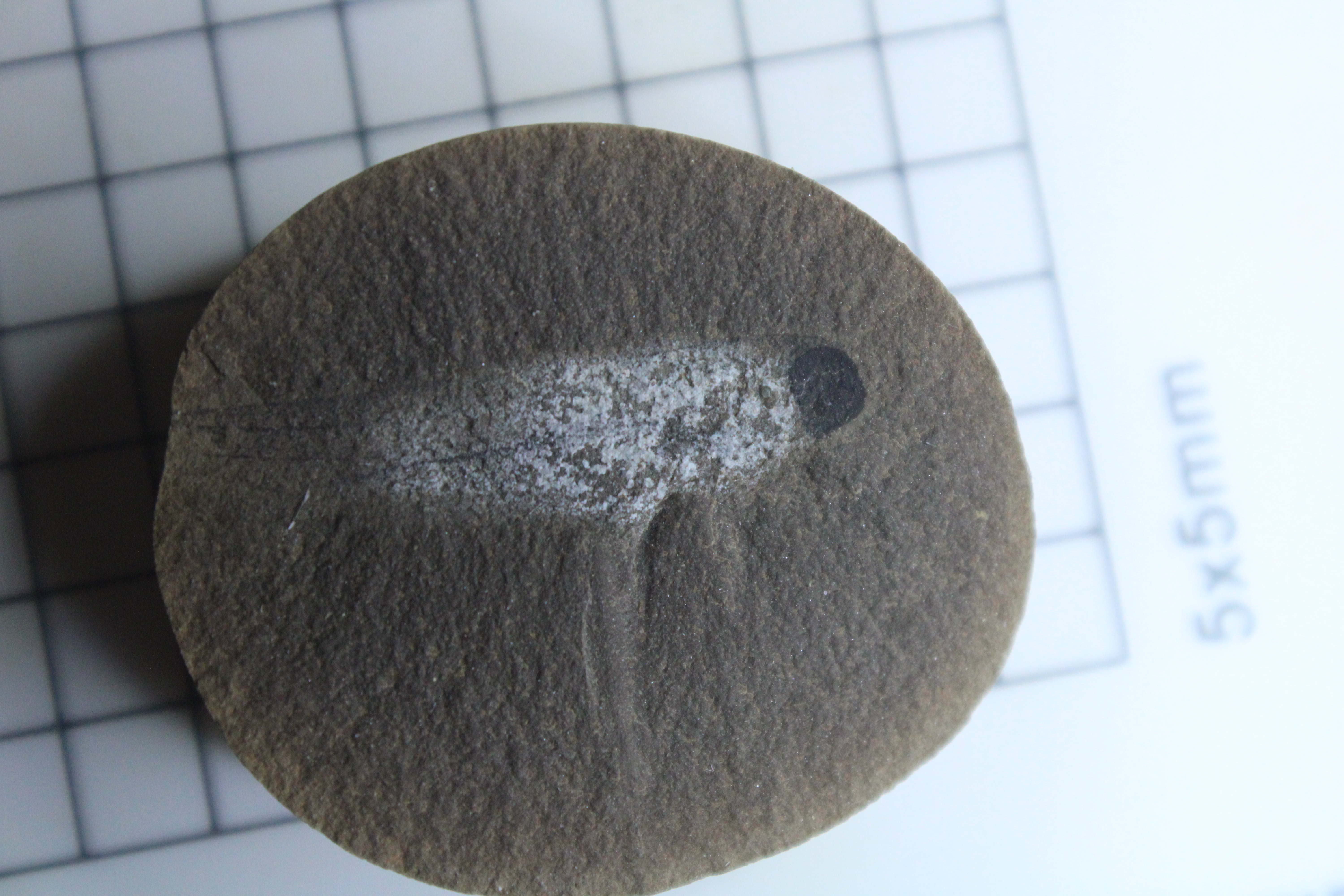
Fossil Friday #191: Acanthodes beecheri
Read more: Fossil Friday #191: Acanthodes beecheriThis is the “Fossil Friday” post #191. Expect this to be a somewhat regular feature of the website. We will post any fossil pictures you send in to esconi.info@gmail.com. Please include a short description or story. Check the #FossilFriday Twitter hash tag for contributions from around the world! For this week’s Fossil Friday, we have a sweet little Acanthodes beecheri from Mazon Creek. It was described by Charles Eastman in 1902. See “The Carboniferous Fish-Fauna of Mazon Creek, Illinois“. We took a look at Acanthodes beecheri back in Mazon Monday #9. This little beauty was collected from Pit 11 by…
-
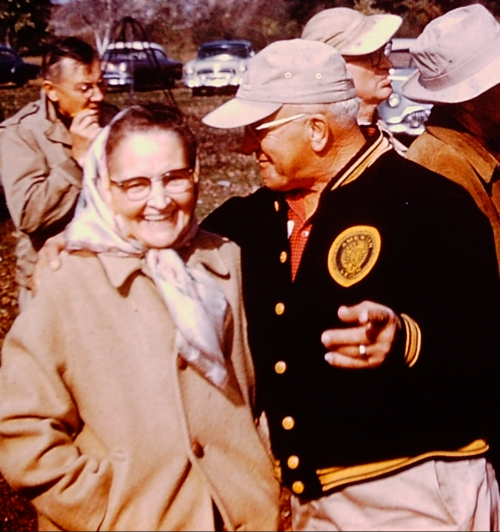
Throwback Thursday #192: December 1953 Mazon Creek Facet
Read more: Throwback Thursday #192: December 1953 Mazon Creek FacetThis is Throwback Thursday #192. In these, we look back into the past at ESCONI specifically and Earth Science in general. If you have any contributions, (science, pictures, stories, etc …), please send them to esconi.info@gmail.com. Thanks! In the 1950’s, the newsletter had a regular feature called “Facets”. The entries were small bits of generally self-reported news sent in by ESCONI members. The December 1953 newsletter had one that caught my eye while looking for “Looking Back at ESCONI” items. The weather in the Fall of 1953 was unusually warm. There were 6 days in the 70’s, 9 days in…
-
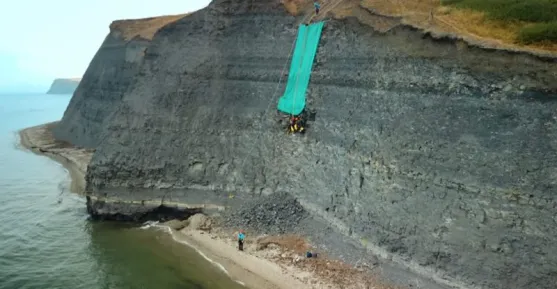
BBC: Pliosaur discovery: Huge sea monster emerges from Dorset cliffs
Read more: BBC: Pliosaur discovery: Huge sea monster emerges from Dorset cliffsThe BBC has the fascinating story of the discovery of a truly massive pliosaur. A fossil collector, searching the cliffs of Dorset, England, found the tip of the snout of huge pliosaur skull last year. The animal, a pliosaur, lived anount 150 million years ago during the Jurassic Period. The full skull, recovered from the eroding cliff, measures two meters long and contains 130 razor sharp teeth. The full story will be presented in an upcoming David Attenborough documentary on New Years Day. See the BBC video for a preview. The skull is longer than most humans are tall, which…
-

CBC Quirks & Quarks: A young carnivorous dinosaur’s last meal
Read more: CBC Quirks & Quarks: A young carnivorous dinosaur’s last mealA fossil has revealed that a juvenile Gorgosaurus fed on smaller bird-like dinosaurs, a diet that’s different from their adult counterparts, Alberta scientists say. (Julius Csotonyi/Royal Tyrrell Museum of Palaeontology) CBC Radio’s Quicks & Quarks podcast has a piece about tyrannosaurs. A juvenile Gorgosaurus, Gorgosaurus libratus, from Alberta, who lived about 75 million years ago, has the remains of its last meal preserved in its abdomen. The research by Royal Tyrrell Museum researchers François Therrien and Darla Zelenitsky was published in the journal Science Advances. Researchers in Alberta uncovered a rare 75 million-year-old fossil of a young dinosaur with bony remains of…
-

Mazon Monday #194: Mazon Creek Census
Read more: Mazon Monday #194: Mazon Creek CensusThis is Mazon Monday post #194. What’s your favorite Mazon Creek fossil? Tell us at email:esconi.info@gmail.com. The September 1978 edition of the Field Museum Bulletin had a article by Gordon Baird about his project to survey Mazon Creek fossil localities across Will, Grundy, Livingstone, and Kankakee Counties in Illinois. Almost 300,000 concretions were collected from many, many localities (100+), consisting of 20 strip mines and 90 underground shaft mines. Gordon talks about how he could collect 500 – 1,000 concretions in a day of collecting. The results of the study were published in 1985 in “Biota of a Pennsylvanian muddy…
-
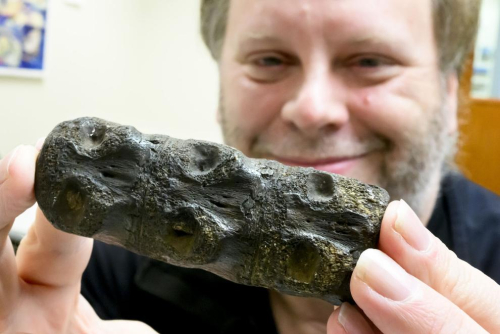
Fossil find in northwest Iowa is one of a kind
Read more: Fossil find in northwest Iowa is one of a kindKurt Spearing, an associate professor of natural and mathematical sciences at Morningside University, displays three vertebra from a mosasaur The Sioux City Journal has a story about the discovery of a mosasaur vertebral segment in Iowa. The fossil is about 4 inches long and consists of three fused vertebrae. It was found by Tyler McDonald of Sanborn, Iowa back in 2015. He found it while unloading rocks onto the roof of a building. Morningside College associate anatomy professor Kurt Spearing determined it was from a mosasaur and presented the finding at the annual meeting of the Geological Society of America. …
-
PBS Eons: Beans & Bees (Not Bats) Gave Us Butterflies
Read more: PBS Eons: Beans & Bees (Not Bats) Gave Us ButterfliesPBS Eons has a new episode. This one is about the origin of butterflies. Turns out, instead of having bats to thank for the existence of butterflies, the groups we should actually be thanking are…bees and beans.
-
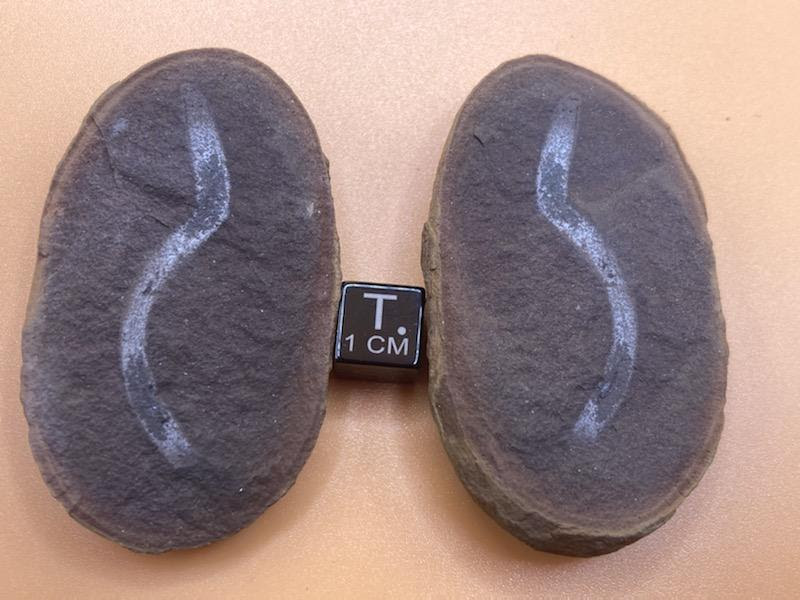
Fossil Friday #190: Squirmarius testai
Read more: Fossil Friday #190: Squirmarius testaiThis is the “Fossil Friday” post #190. Expect this to be a somewhat regular feature of the website. We will post any fossil pictures you send in to esconi.info@gmail.com. Please include a short description or story. Check the #FossilFriday Twitter hash tag for contributions from around the world! Squirmarius testai is up this week. It’s a new Mazon Creek fossil family member and hagfish. It was the subject of Mazon Monday #193. Holotype Figured specimen from Bruce and Rene’ Lauer Dave Douglass specimen Another one??? This one comes from Ralph Jewell.
-

Throwback Thursday #191: Looking Back At ESCONI for December 2023
Read more: Throwback Thursday #191: Looking Back At ESCONI for December 2023This is Throwback Thursday #191. In these, we look back into the past at ESCONI specifically and Earth Science in general. If you have any contributions, (science, pictures, stories, etc …), please send them to esconi.info@gmail.com. Thanks! 25 Years Ago – December 1998 50 Years Ago – December 1973 70 Years Ago – December 1953

ESCONI Gem, Mineral, and Fossil Show
Most Recent Post
- ESCONI April 2026 General Meeting via Zoom – “Life in the Devonian Period, The Age of Fishes”
 The April 2026 General Meeting will be held on April 10th, 2026 at 8:00 via Zoom. At the meeting, Jessica Hull will present “Life in the Devonian Period, The Age of Fishes.” The Devonian Period was a crucial moment in the history of life. In this presentation, Jessica Hull will bring fossils to life by describing how they would have lived based on the most up to date research. Dunkleosteus fans won’t want to miss this!
- About ESCONI
- Around the Web
- Calendar of Events
- Code of Ethics and Conduct
- ESCONI Books for Sale
- ESCONI Gem, Mineral, and Fossil Show
- ESCONI in the News
- ESCONI Videos
- Field Trips
- Flashback Friday
- Fossil Friday
- Mazon Creek
- Mazon Monday
- Member Spotlight
- Membership Information
- Reference Material
- Throwback Thursday
- Trilobite Tuesday
Field trips require membership, but visitors are welcome at all meetings!
| Friday, April 10th | General Meeting – 8:00 PM via Zoom. Jessica Hull will present “Life in the Devonian Period, The Age of Fishes.” |
| Saturday, April 11th | Junior Study Group Meeting – 2:00 PM, in person at the College of DuPage Technical Education Center (TEC) Building – Room 1038A (Map). Katherine Howard will present on Sand and Sediment Collecting. Specifics of this meeting are available from Scott Galloway, 630-670-2591, gallowayscottf@gmail.com. |
| Saturday, April 18th | Paleontology Study Group – 7:30 PM via Zoom and in person at the College of DuPage, TEC, Room 1038B (Map). Keith Robitschek will present “Digging the Marl of the Lance Formation.” |
| Friday, April 24th | MAPS Expo XLVII – Springfield, IL. |
| Saturday, April 25th | MAPS Expo XLVII – Springfield, IL. |
| Sunday, April 26th | MAPS Expo XLVII – Springfield, IL. |
| No meeting this month | Mineralogy Study Group |