
-
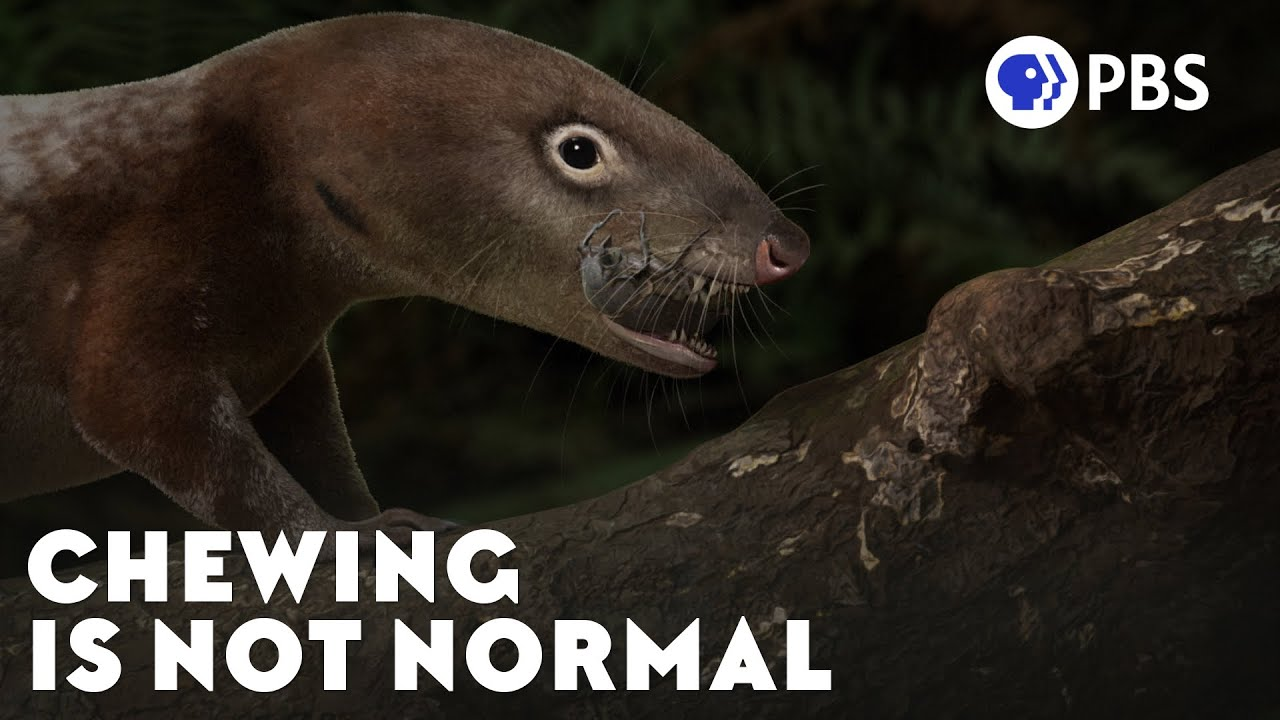
PBS Eons: How Chewing May Have Beat Extinction
Read more: PBS Eons: How Chewing May Have Beat ExtinctionThere’s a new episode of PBS Eons. This one is about teeth and chewing and how they may have helped mammals survive after the K-Pg extinction. Help understand what you enjoy and what you would want to see us make more of: https://to.pbs.org/2025SurveyEons 66 million years ago, after an asteroid slammed into the Earth and wiped out the non-avian dinosaurs, the world became a dark wasteland. But among the survivors were two distantly-related groups of animals that, on the surface, seem to have nothing in common: tiny mammals and a group of lizard-like reptiles. They did share one important trait,…
-
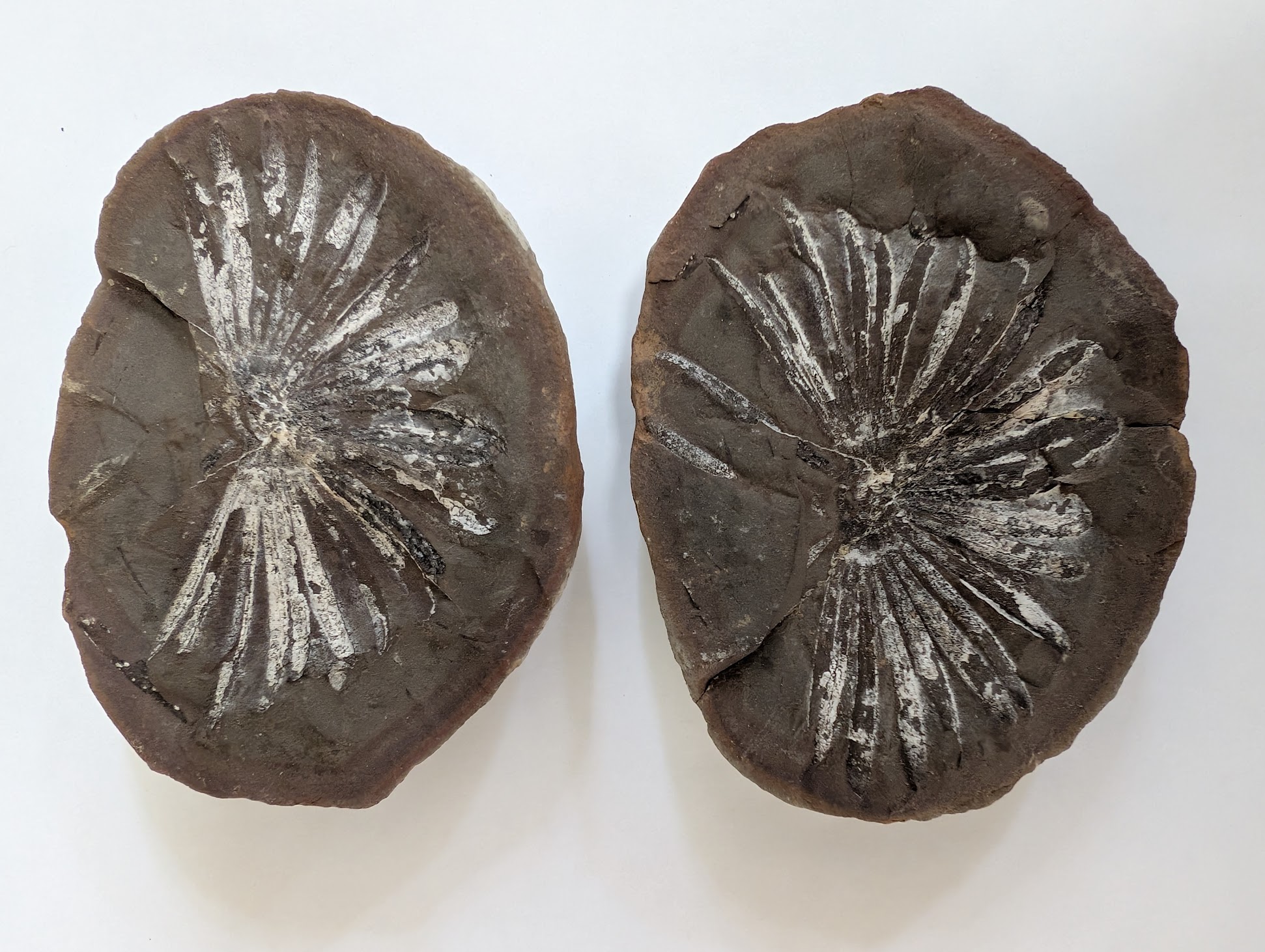
Fossil Friday 292: Annularia inflata From the Past
Read more: Fossil Friday 292: Annularia inflata From the PastThis is the “Fossil Friday” post #292. Expect this to be a regular feature of the website. We will post fossil pictures you send in to esconi.info@gmail.com. Please include a short description or story. Check the #FossilFriday Bluesky/Twitter hash tag for contributions from around the world! Michele Micetich, curator at the Carbon Hill School Museum in Carbon Hill, IL, showed me a very nice Annularia inflata (see Mazon Monday #60) a few weeks ago. She received the fossil from Shava J. Spector-Simmons of Las Vegas, Nevada in 2008. Shava grew up in Chicago area and collected Mazon Creek fossils with her…
-
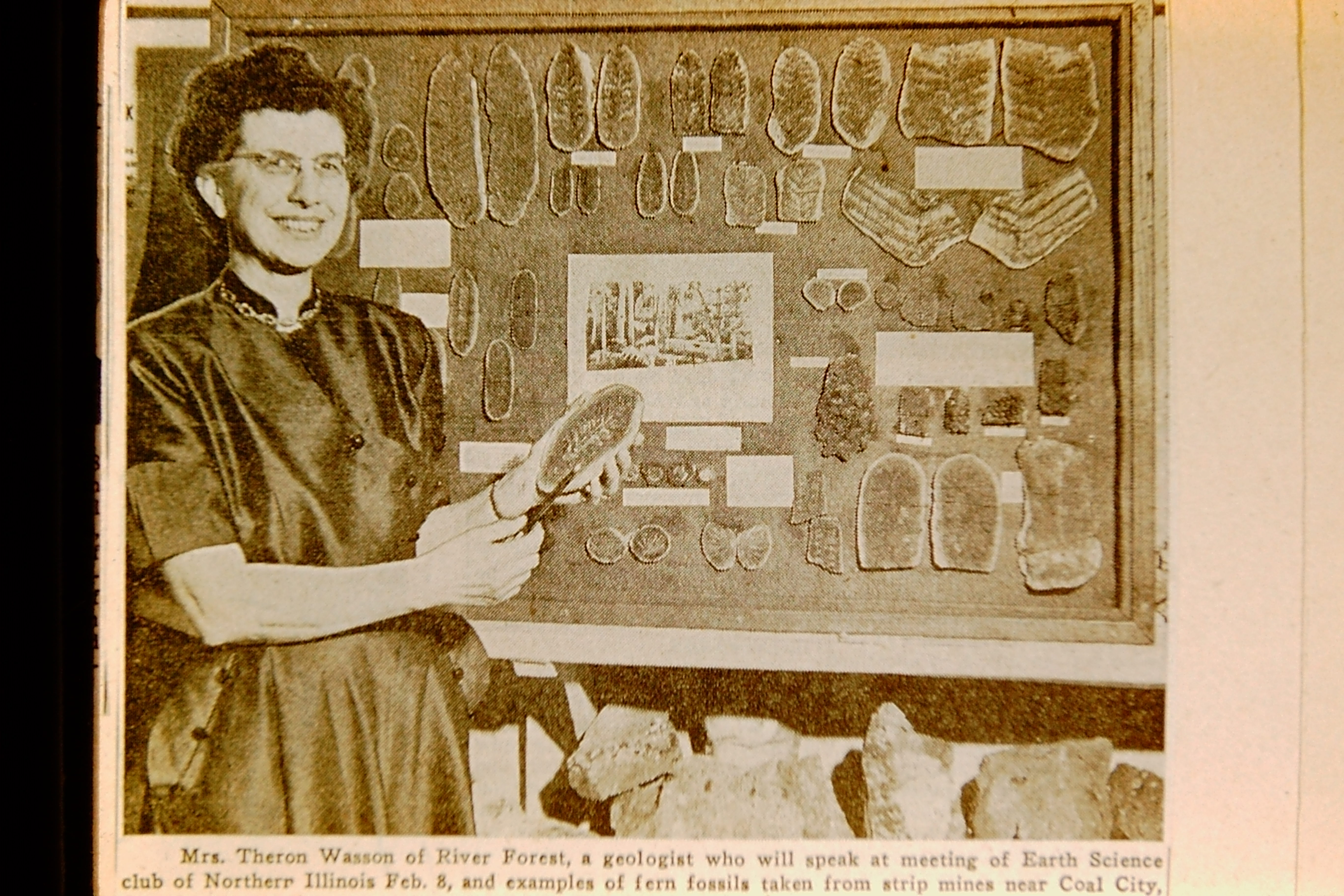
Throwback Thursday #292: Isabel Bassett Wasson… revisited
Read more: Throwback Thursday #292: Isabel Bassett Wasson… revisitedThis is Throwback Thursday #292. In these, we look back into the past at ESCONI specifically and Earth Science in general. If you have any contributions, (science, pictures, stories, etc …), please send them to esconi.info@gmail.com. Thanks! email:esconi.info@gmail.com. You may remember Throwback Thursday #284, where we discussed Isabel Bassett Wasson. Wasson (1897-1994) was one of the first female petroleum geologists in the world. In 1919, she made national headlines by leading a tour of national parks for the Brooklyn Daily Eagle. During that trip, she gave a geology lecture at Yellowstone National Park that so impressed the superintendent, he hired her on…
-
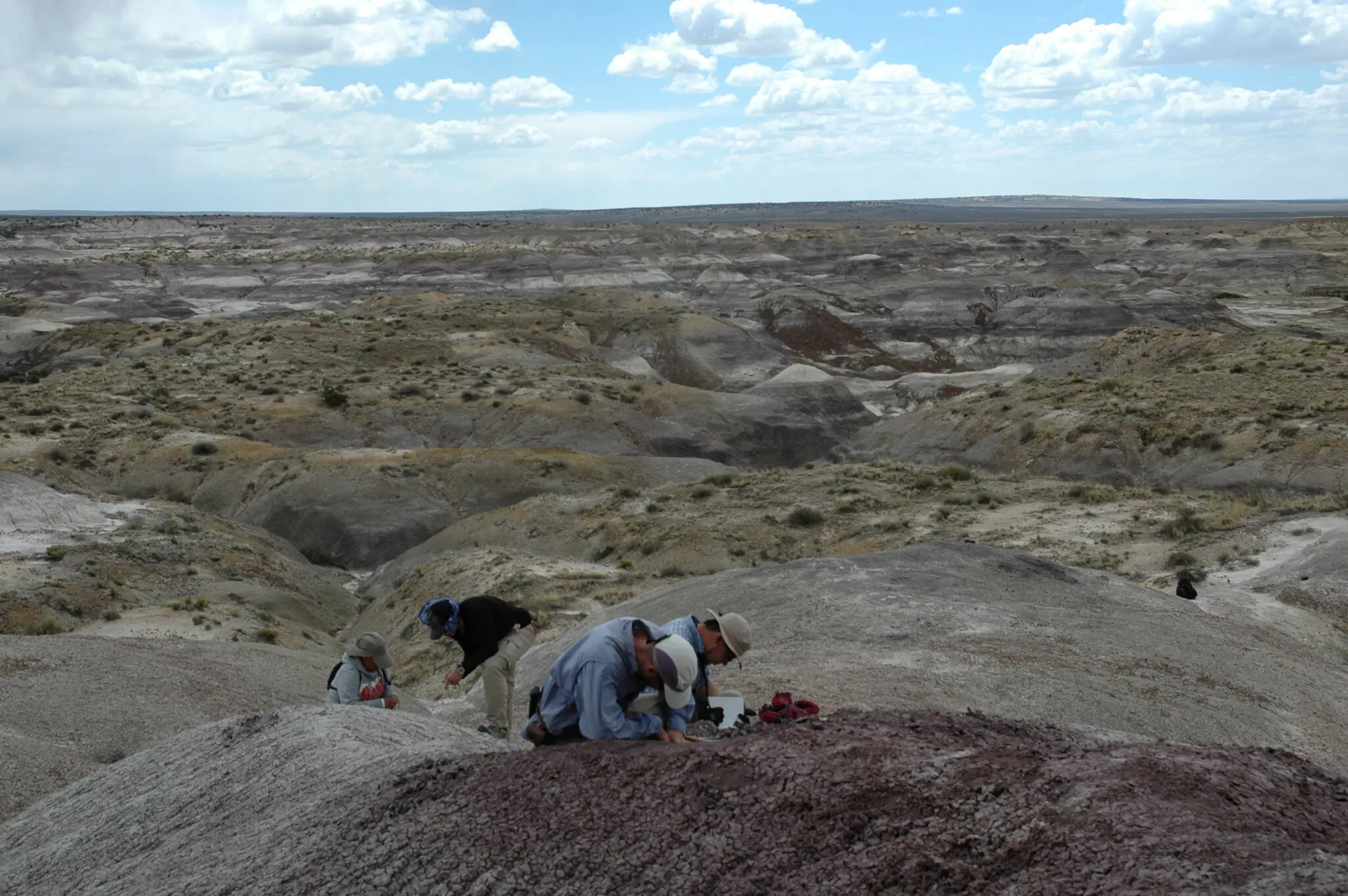
Fossils of Some of the Last Dinosaurs in North America Have a Story to Tell
Read more: Fossils of Some of the Last Dinosaurs in North America Have a Story to TellThe New York Times “Trilobites” column has a story about the extinction of the non-avian dinosaurs some 66 million years ago. A long standing question about the extinction has been whether the age of dinosaurs came to a sudden end or were dinosaurs in decline when the asteroid struck the Yucatan Peninsula. The diversity of dinosaur species in northern North America at the extinction event has been shown to be less than it had been just few million years earlier. Dr. Andrew Flynn, a paleontologist at New Mexico State University and an author of a paper published Thursday in the journal Science…
-
Hidden Secret in the Field Museum’s Silurian Diorama
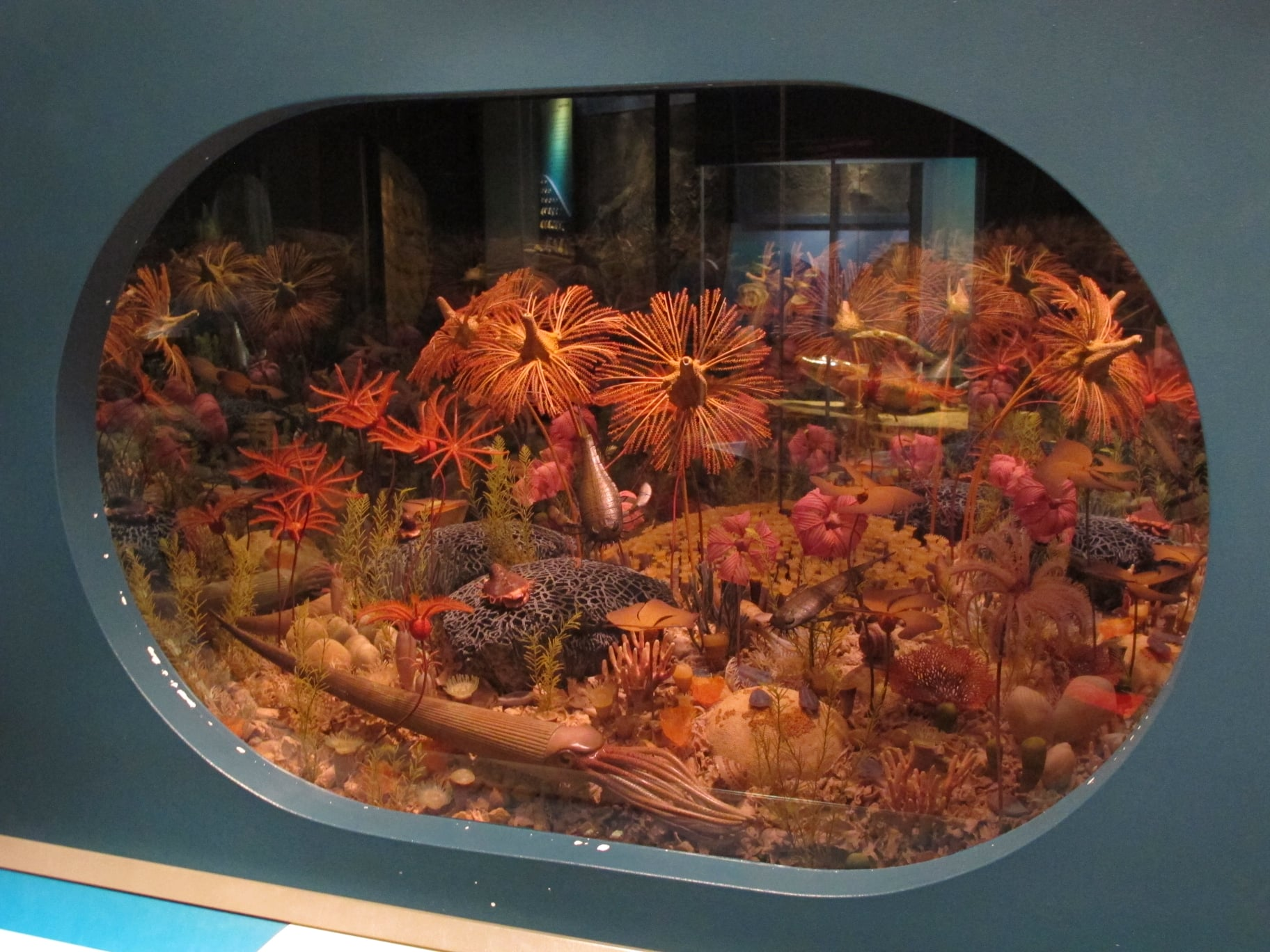
Read more: Hidden Secret in the Field Museum’s Silurian DioramaThe Field Museum has a very nice Silurian marine diorama, which includes crinoids, cephalopods, corals, trilobites, and more from the Silurian period. It’s meant to represent what the Chicago area looked like during the Silurian Period. Much of the insight comes from the the fossils found in Thornton Quarry. There is a little secret with the exhibit. One of the museum’s staff hid a tiny cow in it. The cow represents Mrs. O’Leary’s famous cow, who was supposed to have started the great Great Chicago Fire, which happened from October 8th–10th, 1871. Here’s a photo as a clue of where…
-

Mazon Monday #296: Jim Turnbull in Pit 11
Read more: Mazon Monday #296: Jim Turnbull in Pit 11This is Mazon Monday post #296. What’s your favorite Mazon Creek fossil? Tell us at email:esconi.info@gmail.com. Jim Turnbull, namesake for Anthracomedusa turnbulli (see Mazon Monday #278), worked for Abbott Labs for many years. Abbott has/had an internal newsletter called “AbbotTopics”. In the October 8th, 1965 edition, Jim is the subject of an article titled “Prehistoric Insect Discovery May Bear Abbott Man’s Name”. Jim found the first Anthracomedusa turnbulli in 1965. Eugene Richardson, Curator of Fossil Invertebrates at the Field Museum, told the story this way… A few years ago, one of the collectors cooperating with the Museum, Jim Turnbull of Libertyville…
-

Discovery of First Fossil Hand Linked to P. Boisei Suggests the Bygone Human Relative Could Have Used Tools
Read more: Discovery of First Fossil Hand Linked to P. Boisei Suggests the Bygone Human Relative Could Have Used ToolsSmithsonian Magazine has a story about tool use in our ancient cousins. A recent discovery of the first hand and foot bones on Paranthropus boisei has shed light on whether the species was able to use tools. The research was published in the journal Nature. “The authors make a compelling case that this individual would have been able to grip rocks with sufficient precision to have been able to make and use simple stone tools,” David Strait, a paleoanthropologist at Washington University in St. Louis who did not participate in the research, tells National Geographic’s Tim Vernimmen. “This is arguably the best…
-

NPR: Scientists thought this fossil was a teen T. rex. Turns out it’s a new tyrannosaur
Read more: NPR: Scientists thought this fossil was a teen T. rex. Turns out it’s a new tyrannosaurNPR has a story about Nanotyrannus lamcensis and why it’s a separate species from Tyrannosaurus rex. When the “Dueling Dinosaurs” fossil, which consists of two entangled dinorsaur skeletons, was discovered in 2006, it launched a quite a bit of debate as to whether the tyrannosaur was a juvenile T. rex or a new species of tyrannosaur. New research in the journal Nature by paleontologists Lindsay Zanno and James Napoli shows why they have concluded the tyrannosaur specimen is a Nanotyrannus lancensis instead of a juvenile T. rex. When that work began, Zanno also figured the carnivorous dinosaur was the world’s…
-

Fossil Friday #291: Carboniferous Fish in Black Shale
Read more: Fossil Friday #291: Carboniferous Fish in Black ShaleThis is the “Fossil Friday” post #291. Expect this to be a regular feature of the website. We will post fossil pictures you send in to esconi.info@gmail.com. Please include a short description or story. Check the #FossilFriday Bluesky/Twitter hash tag for contributions from around the world! This week’s Fossil Friday is a detailed Carboniferous fish fossil in black shale. It was found in a dolostone quarry near Oglesby, Illinois. Jeremy Zimmerman sent us the photo. This is the description he received with the fossil. Found in a dolostone quarry near Oglesby , Illinois at one time had a small ‘channel” of…
-
Throwback Thursday #291: 60 Years of ESCONI by Kathy Dedina
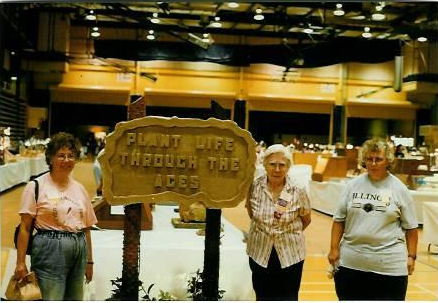
Read more: Throwback Thursday #291: 60 Years of ESCONI by Kathy DedinaThis is Throwback Thursday #291. In these, we look back into the past at ESCONI specifically and Earth Science in general. If you have any contributions, (science, pictures, stories, etc …), please send them to esconi.info@gmail.com. Thanks! email:esconi.info@gmail.com. Happy 76th Birthday, ESCONI! Our 76th Birthday was on November 11th, 2025. The dedication for the 60th Anniversary was written by Kathy Dedina and appeared in the January 2010 issue of The Earth Science News. She was President from 1989 – 1990. Additionally, she served in other capacities for the club over the years, such as Vice-President, Treasurer, and Recording Secretary. Unfortunately, Kathy is…
-

ESCONI November 2025 Paleontology Study Group Meeting – November 15th, 2025 at 7:30 PM via Zoom – “Gonioceras: A Most Unusual Cephalopod”
Read more: ESCONI November 2025 Paleontology Study Group Meeting – November 15th, 2025 at 7:30 PM via Zoom – “Gonioceras: A Most Unusual Cephalopod”The November 2025 Paleontology Study Group Meeting will be held on November 15th, 2025 at 7:30 PM via Zoom. John Cataloni will be presenting “Gonioceras: A Most Unusual Cephalopod”. The diversity of nautiloid shell shapes in the Upper Ordovician of central Laurentia is remarkable. However, one shape is often missing from lists of shell shapes and that is the so-called “flat-fish” form of Gonioceras. This program begins with a discussion of the stratigraphy, paleogeography, and areal distribution of Ordovician rocks in the mid-west including the Mohawkian Sea that dominated the interior of Laurentia during the Late Ordovician. Following this introduction,…
-
SciAm: Fossilized Skin on Dinosaur ‘Mummies’ Isn’t Skin at All
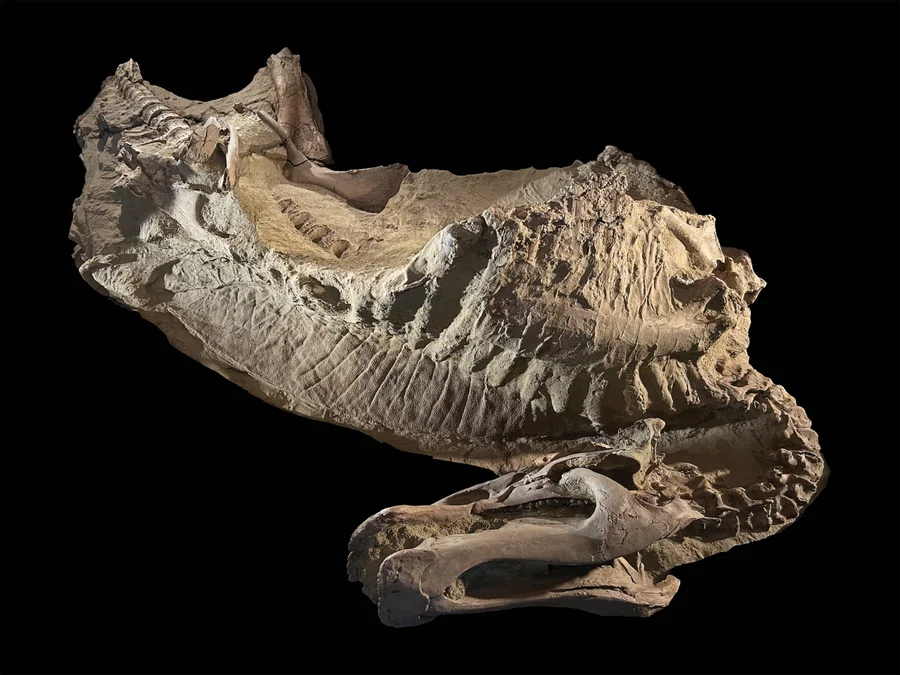
Read more: SciAm: Fossilized Skin on Dinosaur ‘Mummies’ Isn’t Skin at AllScientific American has an interesting article about dinosaur “mummies”. In 1908, Charles Sternberg found the “first dinosaur mummy”. It was an Edmontosaurus dinosaur with what looked like fossilized flesh and skin. It was found in the sandstone rocks of the Lance Formation in eastern Wyoming. New research shows that the “skin” is actually a clay mold, which was molded by bacteria as the animal decayed. “That’s going to come as a shocker to a lot of people,” says University of Chicago paleontologist Paul Sereno, lead author of the new study, published in Science. This clay molding process was known to preserve the…
-
Mazon Monday #295: Ida Thompson collecting in Pit 11 in 1968
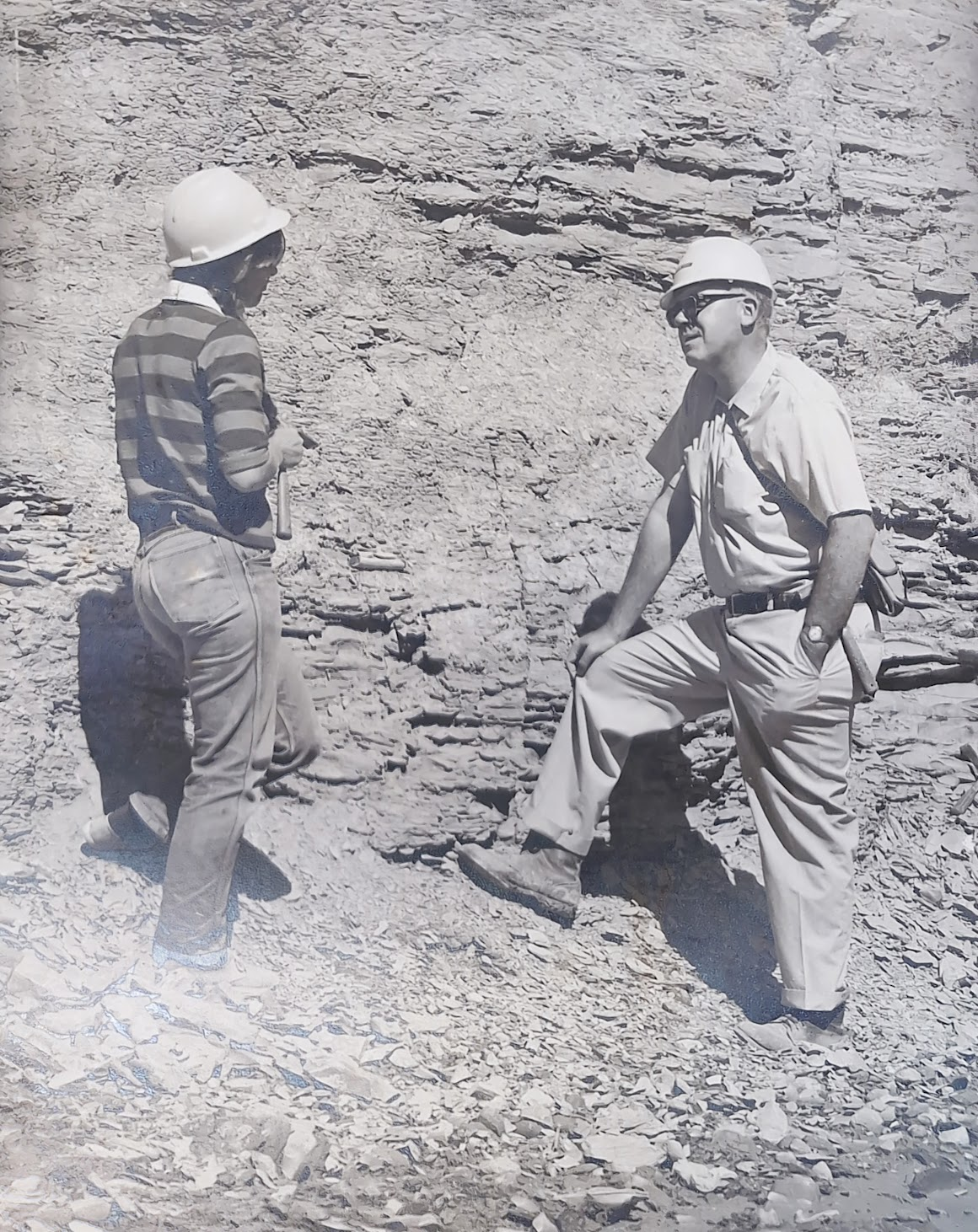
Read more: Mazon Monday #295: Ida Thompson collecting in Pit 11 in 1968This is Mazon Monday post #295. What’s your favorite Mazon Creek fossil? Tell us at email:esconi.info@gmail.com. Michele Micetich, curator of the Carbon Hill School Museum, provided the photos in this post. The photos are part of the Tom Testa collection at the museum. On the back of the photos, there are notes written by Ida Thompson to Melbourne McKee, a chemist for the Peabody Coal Company in the Coal City area. Ida was working with Ralph Johnson of the Field Museum in Pit 11 in 1968. Ida Thompson is probably best known for writing the “Audubon Society field guide to North…
-

WPR: A portal into underwater, prehistoric Wisconsin found in the heart of Waukesha County
Read more: WPR: A portal into underwater, prehistoric Wisconsin found in the heart of Waukesha CountyWisconsin Public Day has an article about fossils from Waukesha County, including a the oldest known leech in the fossil record. The fossil deposit is commonly referred to as the Waukesha Lagerstätte. A few years ago, researchers found the world’s oldest fossilized scorpion at the site. The Waukesha Biota, also known as the Waukesha Lagerstätte, is special because it holds a mass amount of paleontological information. It is preserved at the museum as a 12-centimeter thin layer of mudstone filled with rare fossils of soft-bodied organisms. Today most of the original biota is gone, but researchers are still making new…
-

Indigenous Americans dragged, carried or floated 5-ton tree more than 100 miles to North America’s largest city north of Mexico 900 years ago
Read more: Indigenous Americans dragged, carried or floated 5-ton tree more than 100 miles to North America’s largest city north of Mexico 900 years agoLive Science has a fascinating story about an ancient tree, which was part of Cahokia. Cahokia was the large city north of Mexico 900 years ago, with a population of around 20,000 people. It was built on earthen mounds in the southwestern Illinois, next to the Mississippi River, between East St. Louis and Collinsville. Scientists analyzed a large log, known as the “Mitchell Log”, was probably used as a monumental marker post. A new study published in the journal PLOS One has dated and located the source of the “Mitchell Log”. “Cahokia grew rapidly in the late 11th century, with immigrants…
-
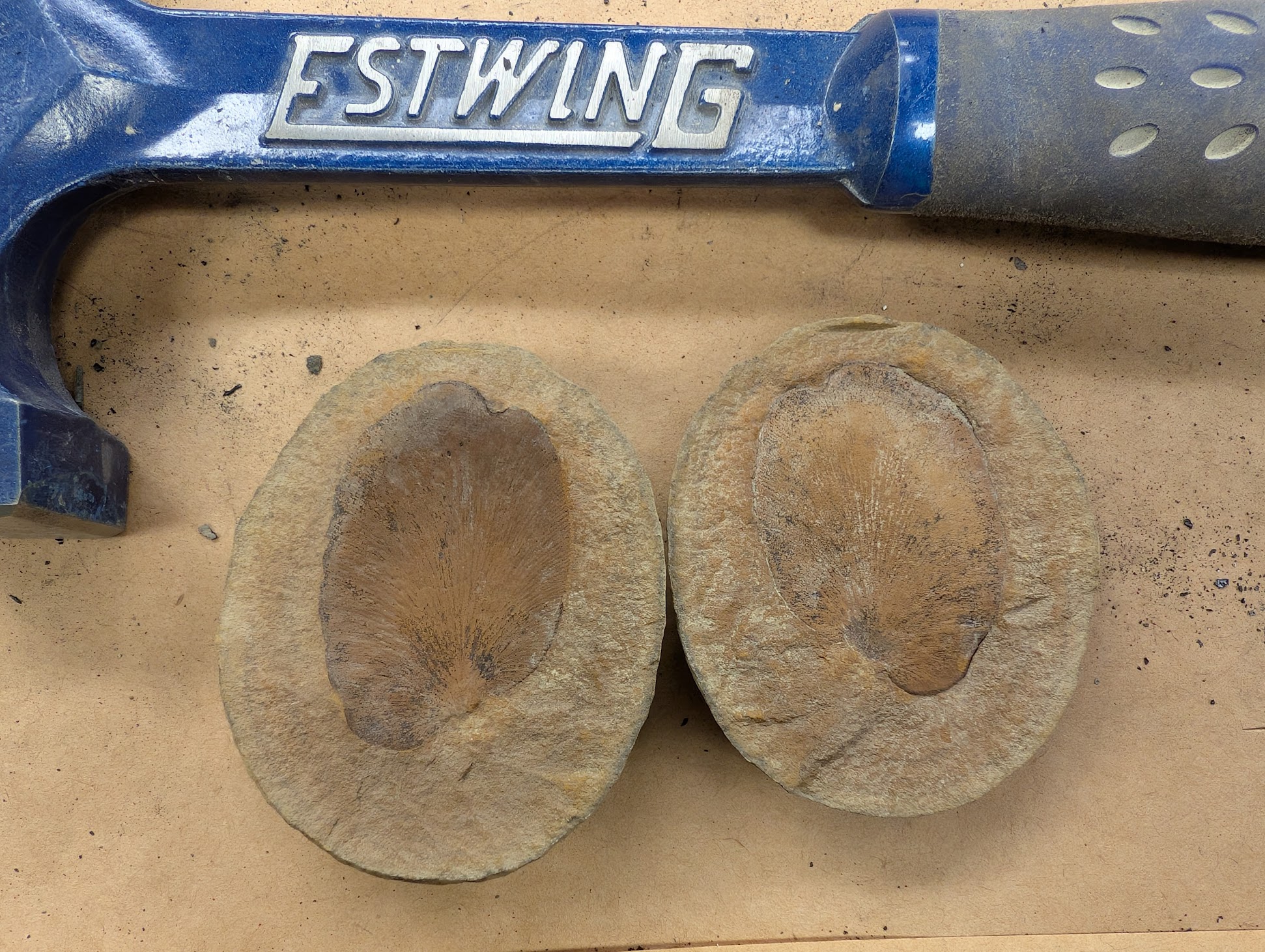
Fossil Friday #290: Cyclopteris orbicularis
Read more: Fossil Friday #290: Cyclopteris orbicularisThis is the “Fossil Friday” post #290. Expect this to be a regular feature of the website. We will post fossil pictures you send in to esconi.info@gmail.com. Please include a short description or story. Check the #FossilFriday Bluesky/Twitter hash tag for contributions from around the world! We have a beautiful Cyclopteris orbicularis from Knob Noster for today’s Fossil Friday. Cyclopteris are associated with the seed ferns Laveineopteris, Neuropteris, Reticulopteris, Odontopteris, and Macroneuropteris. For more information about Cyclopteris orbicularis, see Mazon Monday #59. This gorgeous fossil comes from Chuck Barlow, who has sent us some amazing fossils in the past (Fossil Friday #84 and Fossil…
-
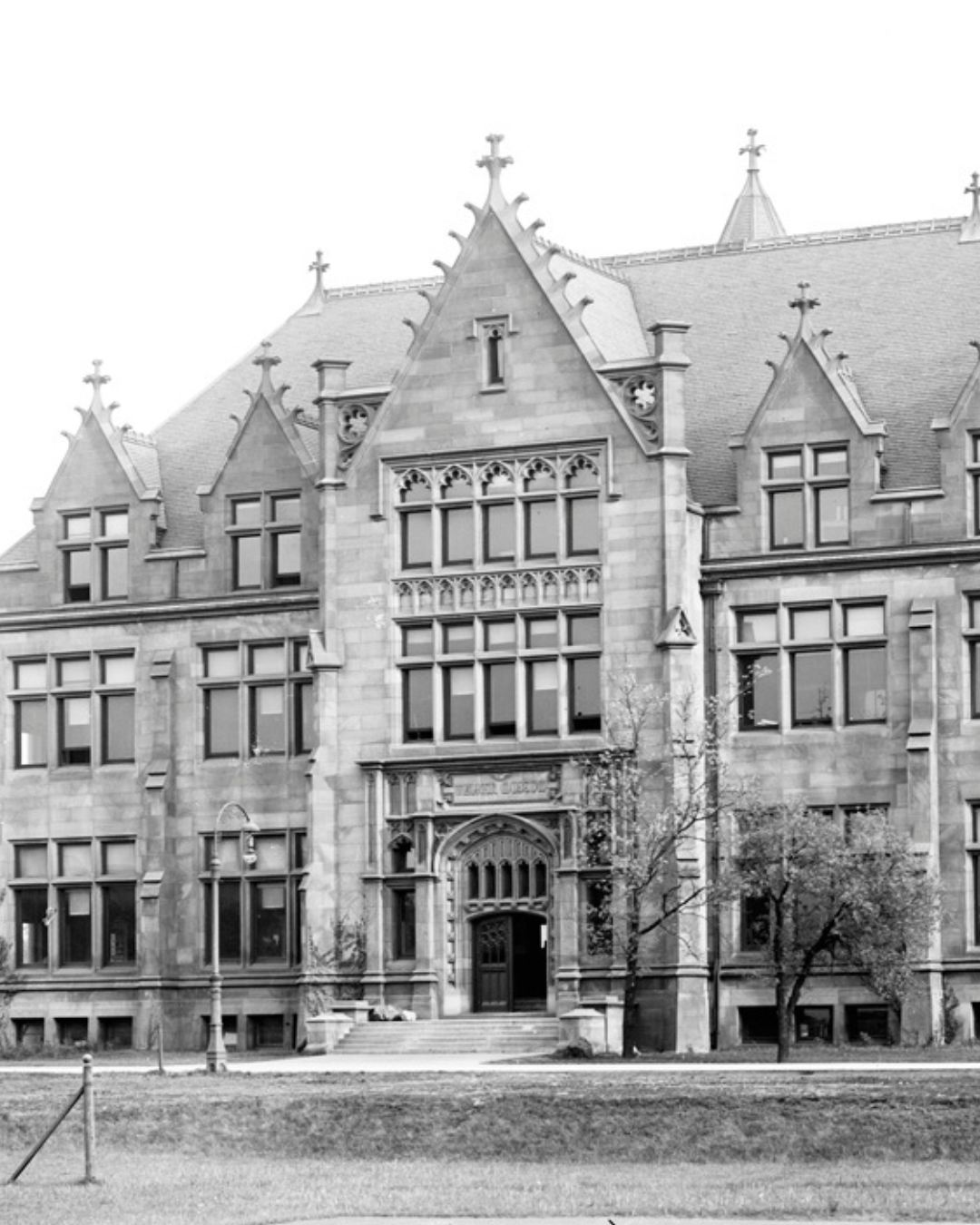
Throwback Thursday #290: Looking Back At ESCONI For November 2025
Read more: Throwback Thursday #290: Looking Back At ESCONI For November 2025A look back at November 1955, 1975, and 2000
-
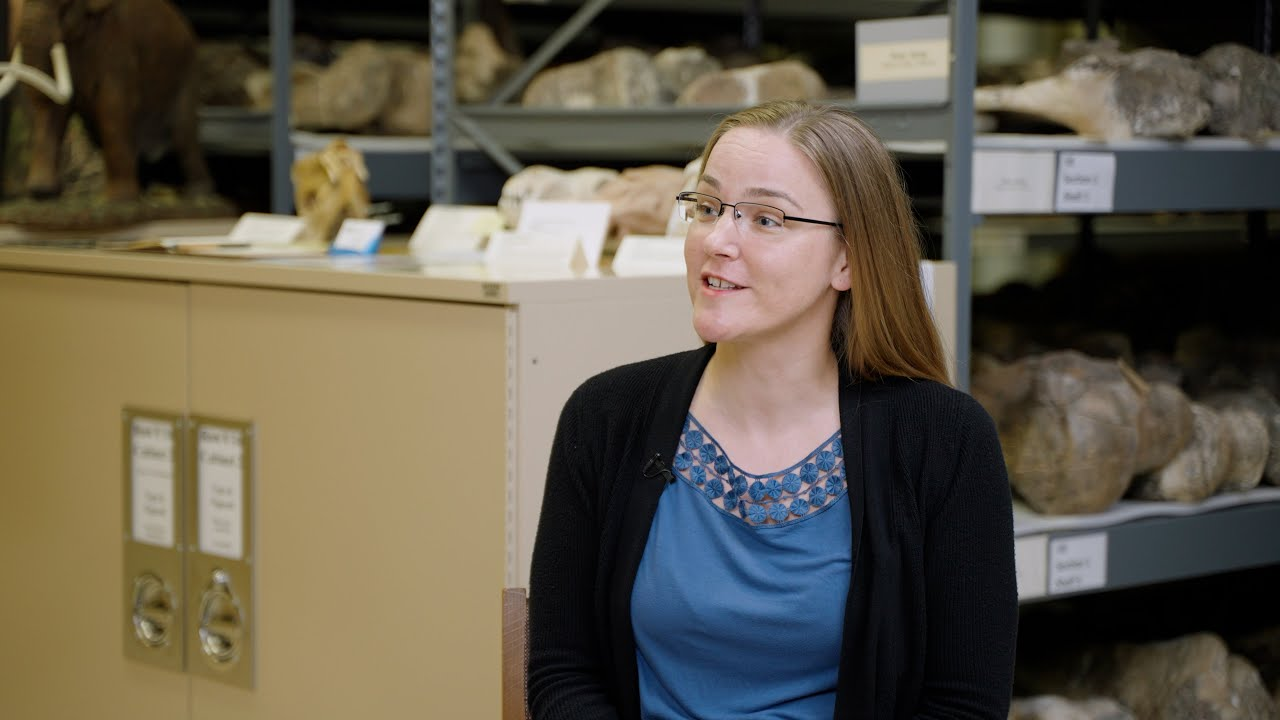
ESCONI November 2025 General Meeting – November 14th, 2025 at 8:00 PM via Zoom – “Mammals of Illinois’ Ice Ages”
Read more: ESCONI November 2025 General Meeting – November 14th, 2025 at 8:00 PM via Zoom – “Mammals of Illinois’ Ice Ages”The November 2025 General Meeting will be held on Friday, November 14th, 2025 at 8:00 via Zoom. Melissa Pardi, Curator of Geology at the Illinois State Museum, will be presenting “Mammals of Illinois’ Ice Ages”. Did you know that Illinois used to have elephants? During the last ice age, North America was home to a wide variety of large, now extinct, mammals. Come hear about fossil finds in Illinois and what they can teach us about the giants that used to live in our backyards. Esconi Host is inviting you to a scheduled Zoom meeting. Topic: ESCONI General Meeting Nov 14,…
-

Save the Date: ESCONI 2025 Holiday Luncheon
Read more: Save the Date: ESCONI 2025 Holiday LuncheonESCONI’s Holiday LuncheonSaturday, December 6, 2025 – 12:00 noonWarren’s Ale House, 51 Town Square, Wheaton. (Just north of Danada Square East)Website for Warren’s Ale House with Map & Menu:https://warrensalehouse.com/contact-us/RSVP: RSVPtoESCONI@outlook.com
-

Mazon Monday #294: Montceau-les-Mines
Read more: Mazon Monday #294: Montceau-les-MinesThis is Mazon Monday post #294. What’s your favorite Mazon Creek fossil? Tell us at email:esconi.info@gmail.com. Montceau-les-Mines is a commune located in the Saône-et-Loire department of the Bourgogne–Franche-Comté region in eastern France. It lies southwest of the city of Dijon and today has a population of just under 20,000 people. The town was officially established on June 24, 1856, from territory taken from several nearby villages — Blanzy, Saint-Vallier, Saint-Berain-sous-Sanvignes, and Sanvignes-les-Mines. Like many communities with “-les-Mines” in their name, Montceau’s history is closely tied to coal. The first coal deposits were discovered in the area during the 16th century, leading…

ESCONI Gem, Mineral, and Fossil Show
Most Recent Post
- ESCONI April 2026 General Meeting via Zoom – “Life in the Devonian Period, The Age of Fishes”
 The April 2026 General Meeting will be held on April 10th, 2026 at 8:00 via Zoom. At the meeting, Jessica Hull will present “Life in the Devonian Period, The Age of Fishes.” The Devonian Period was a crucial moment in the history of life. In this presentation, Jessica Hull will bring fossils to life by describing how they would have lived based on the most up to date research. Dunkleosteus fans won’t want to miss this!
- About ESCONI
- Around the Web
- Calendar of Events
- Code of Ethics and Conduct
- ESCONI Books for Sale
- ESCONI Gem, Mineral, and Fossil Show
- ESCONI in the News
- ESCONI Videos
- Field Trips
- Flashback Friday
- Fossil Friday
- Mazon Creek
- Mazon Monday
- Member Spotlight
- Membership Information
- Reference Material
- Throwback Thursday
- Trilobite Tuesday
Field trips require membership, but visitors are welcome at all meetings!
| Friday, April 10th | General Meeting – 8:00 PM via Zoom. Jessica Hull will present “Life in the Devonian Period, The Age of Fishes.” |
| Saturday, April 11th | Junior Study Group Meeting – 2:00 PM, in person at the College of DuPage Technical Education Center (TEC) Building – Room 1038A (Map). Katherine Howard will present on Sand and Sediment Collecting. Specifics of this meeting are available from Scott Galloway, 630-670-2591, gallowayscottf@gmail.com. |
| Saturday, April 18th | Paleontology Study Group – 7:30 PM via Zoom and in person at the College of DuPage, TEC, Room 1038B (Map). Keith Robitschek will present “Digging the Marl of the Lance Formation.” |
| Friday, April 24th | MAPS Expo XLVII – Springfield, IL. |
| Saturday, April 25th | MAPS Expo XLVII – Springfield, IL. |
| Sunday, April 26th | MAPS Expo XLVII – Springfield, IL. |
| No meeting this month | Mineralogy Study Group |