Category: Mazon Monday
-
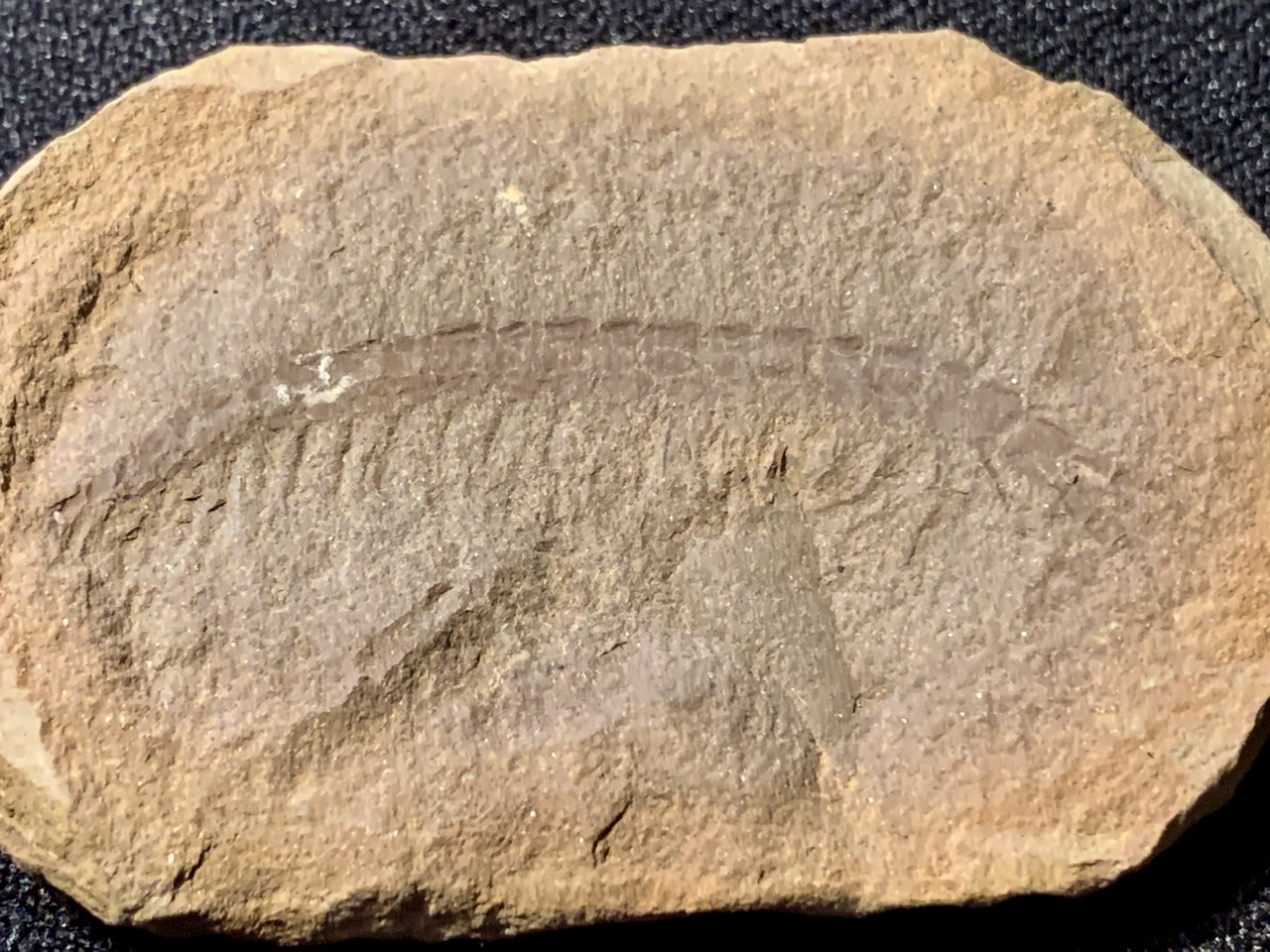
Mazon Monday #169 – Mazoscolopendra richardsoni
This is Mazon Monday post #169. What’s your favorite Mazon Creek fossil? Tell us at email:esconi.info@gmail.com. Way back in Mazon Monday #47, we discussed Mazon Creek centipedes, however Mazoscolopendra richardsoni (Richardson’s Mazonian centipede) wasn’t mentioned. M. richardsoni is the second most common centipede known from Mazon Creek, but centipedes are exceedingly rare in the Mazon Creek…
-
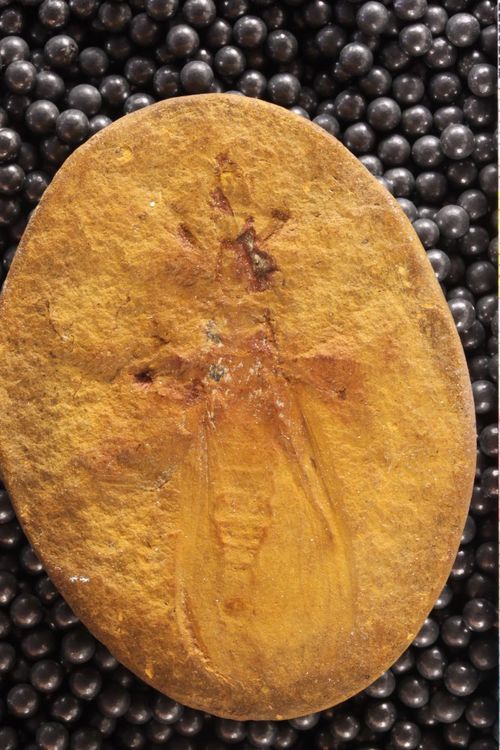
Mazon Monday #168: Miamia bronsoni
This is Mazon Monday post #168. What’s your favorite Mazon Creek fossil? Tell us at email:esconi.info@gmail.com. Insects are some of the most highly sought after Mazon Creek fossils. While very common in the modern world, insects are very rare in the fossil record. Mazon Creek has played a vital part in the understanding of insect…
-
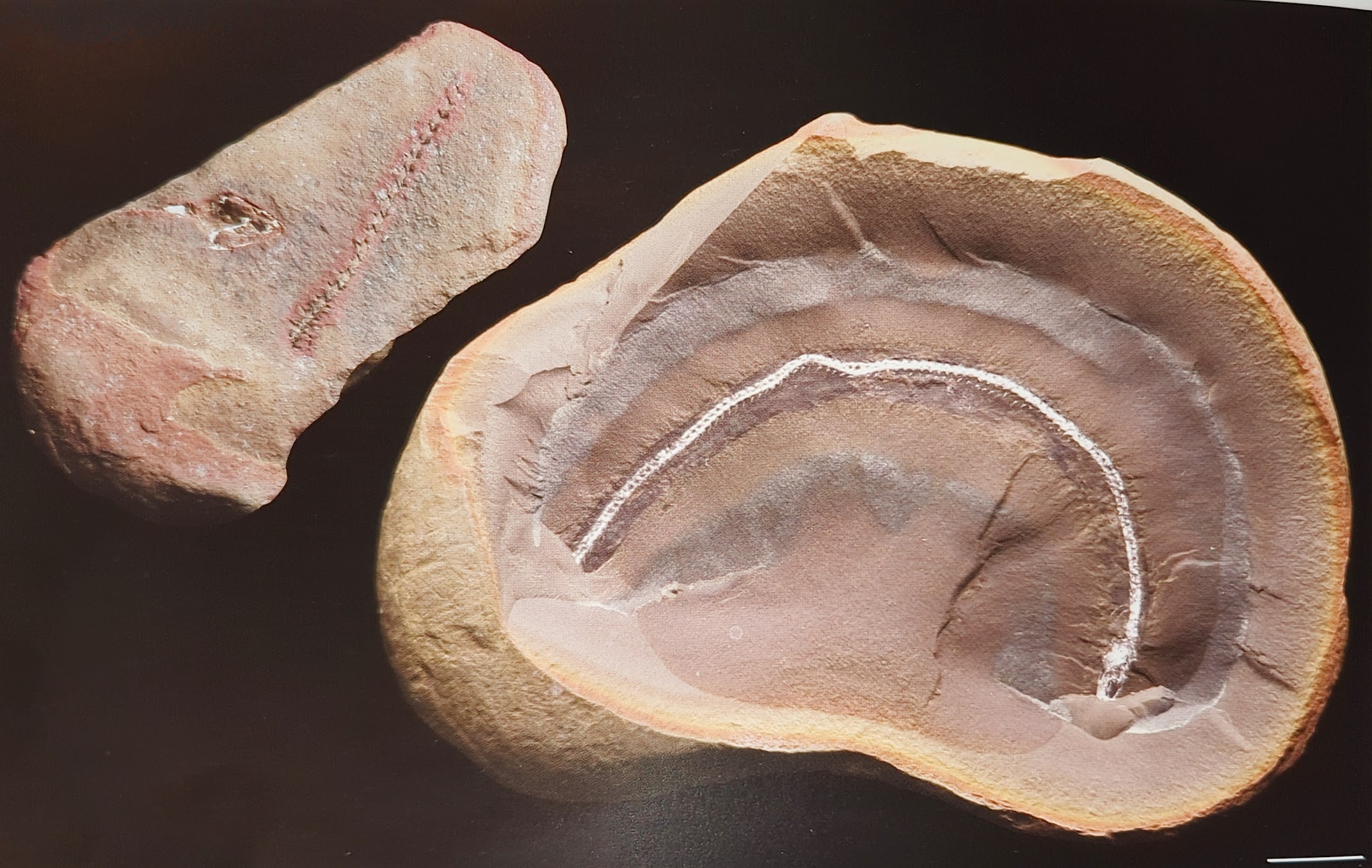
Mazon Monday #167: Phlegethontia longissima
This is Mazon Monday post #167. What’s your favorite Mazon Creek fossil? Tell us at email:esconi.info@gmail.com. Phlegethontia longissima is a leg-less animal, often incorrectly called an amphibian. It is a vertebrate, which is classified as an aistopod from the Carboniferous and Permian periods. It has been found in Europe and North America. As with any…
-

Mazon Monday #166: Langford Book 2nd Edition – June 1963
This is Mazon Monday post #166. What’s your favorite Mazon Creek fossil? Tell us at email:esconi.info@gmail.com. June 1963 saw the first copies of George Langford’s second book “The Wilmington Coal Fauna and Additions to the Wilmington Coal Flora From a Pennsylvanian Deposit in Will County, Illinois”. This book detailed the animals of Mazon Creek and…
-

Mazon Monday #165: Braceville Spring 2023 Report
This is Mazon Monday post #165. What’s your favorite Mazon Creek fossil? Tell us at email:esconi.info@gmail.com. The ESCONI Braceville field trips for spring of 2023 were well attended. We had 50+ people for both Saturday, May 6th and Sunday, May 7th. The weather was great. Saturday started overcast with light sprinkles, but turned into a…
-

Mazon Monday #164: The Mazon Creek Fossil Fauna – Book Review
This is Mazon Monday post #164. What’s your favorite Mazon Creek fossil? Tell us at email:esconi.info@gmail.com. Jack Wittry is a long time ESCONI member, who has written three books on the fossils of Mazon Creek “The Mazon Creek Fossil Flora” in 2006, “The Mazon Creek Fossil Fauna” in 2012, and “A Comprehensive Guide to the…
-
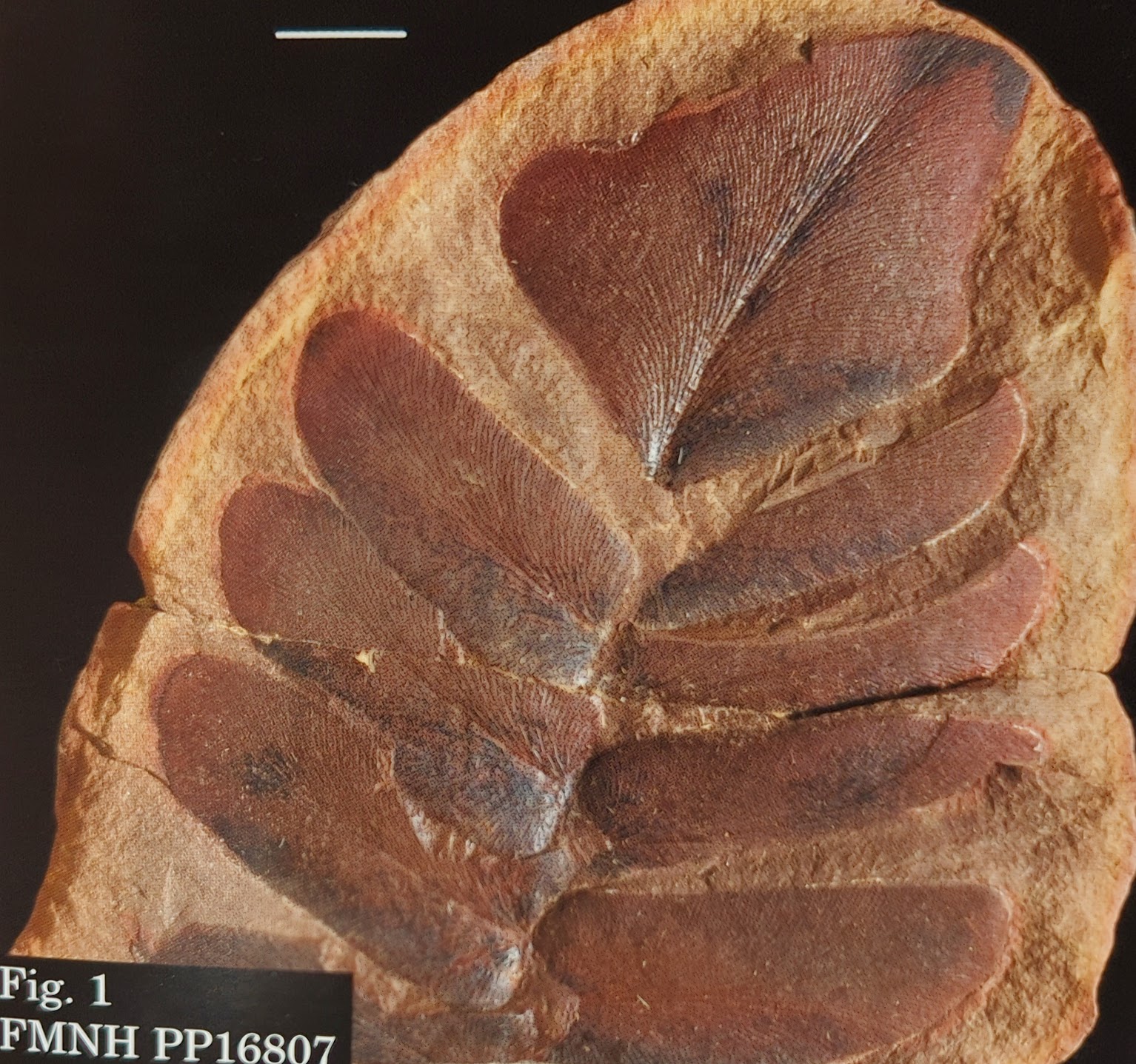
Mazon Monday #163: Neuropteris flexuosa
This is Mazon Monday post #163. What’s your favorite Mazon Creek fossil? Tell us at email:esconi.info@gmail.com. Today, we have a different variety of Neuropteris – Neuropteris flexuosa. N. flexuosa is more rare than N. vermicularis. One distinguishing feature is a very large terminal pinnule. It also tends to have denser veins than N. vermicularis. This…
-

Mazon Monday #162: Field Trip Report for Danville Spoil Pile
This is Mazon Monday post #162. What’s your favorite Mazon Creek fossil? Tell us at email:esconi.info@gmail.com. This was our fifth field trip to the Danville spoil pile. It’s been a very productive locality over the last couple years. The trips have been very popular, with every trip filling up quickly, even though the site is…
-
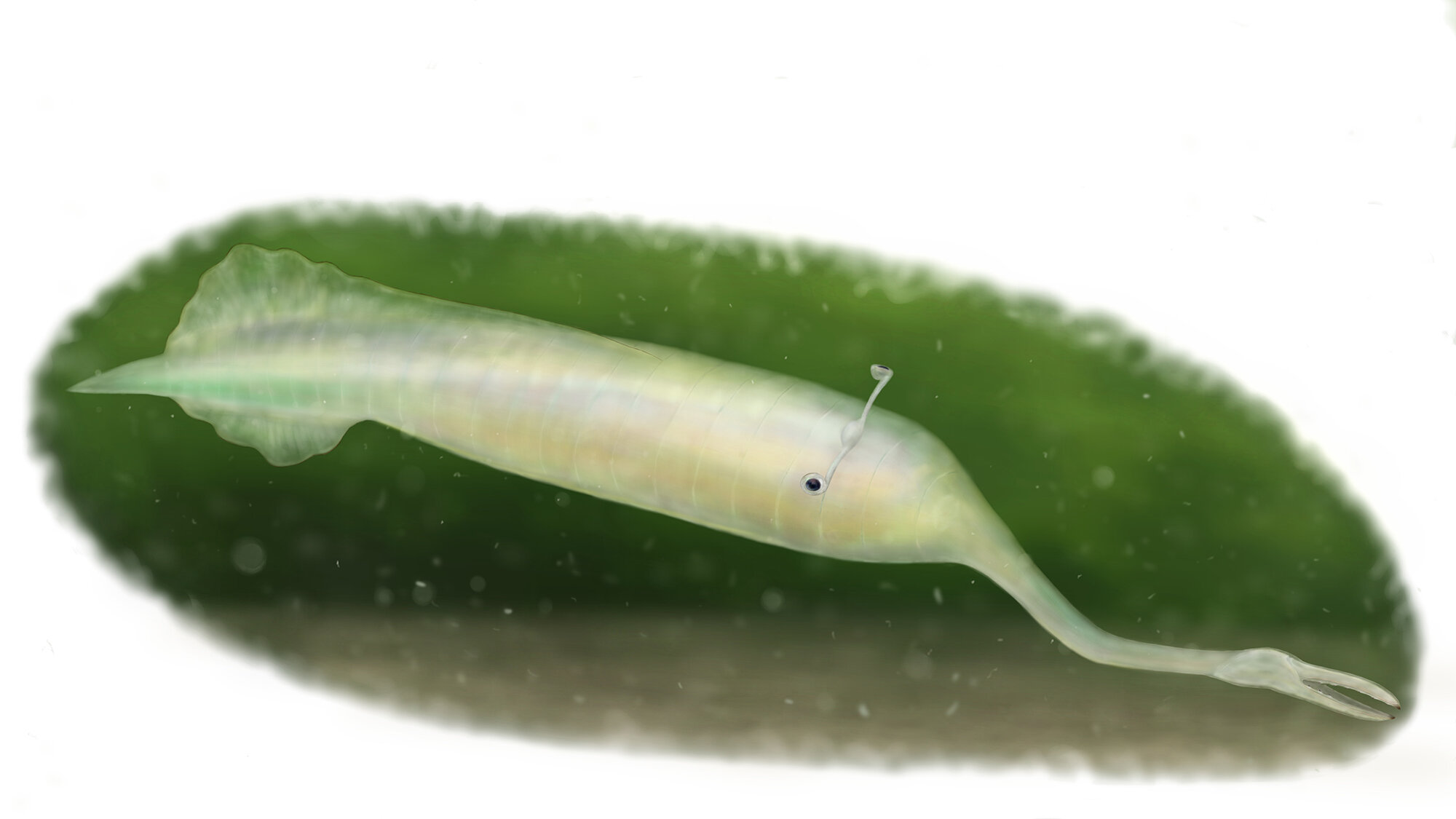
Mazon Monday #161: Is the Tully Monster a vertebrate?
Phys.org has a story about the new Tully Monster paper that was published in the journal Paleontology last week. The Tully Monster is the State Fossil of Illinois. And, although it is a popular animal, its evolutionary ancestry has been problematic. Since it’s discovery in 1958 by Francis Tully, numerous theories of its evolutionary affinity…
-
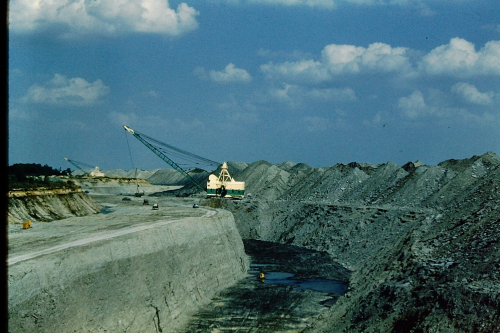
Mazon Monday #160: Braidwood’s Buried Treasures
This is Mazon Monday post #160. What’s your favorite Mazon Creek fossil? Tell us at email:esconi.info@gmail.com. The following article appeared in Commonwealth Edison Company’s Employee Bulletin in February 1979. It was later published in the West Suburban Lapidary Club bulletin The Opal in November 1982, and the ESCONI Newsletter in January 1983. There’s much to…
-
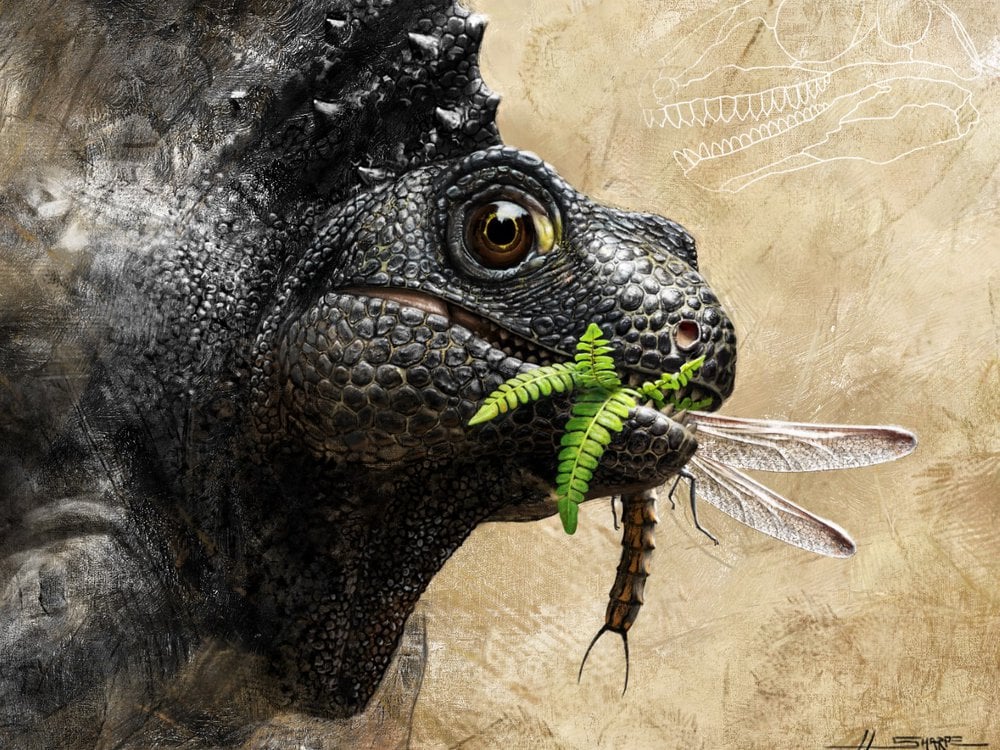
Mazon Monday #159: A new Carboniferous edaphosaurid and the origin of herbivory in mammal forerunners
This is Mazon Monday post #159. What’s your favorite Mazon Creek fossil? Tell us at email:esconi.info@gmail.com. Arjan Mann is lead author of a paper that describes a new edaphosaurid, Melanedaphodon hovaneci, from the late Pennsylvanian Period around 310 million years ago. The paper appeared in the in the journal Nature. The animal is a ancestor…
-

Mazon Monday #158: Jellyfish in them thar hills
This is Mazon Monday post #158. What’s your favorite Mazon Creek fossil? Tell us at email:esconi.info@gmail.com. This week, we have an article that appeared in the Field Museum’s Bulletin for October 1968. It’s titled “Jellyfish in them thar hills” and was written by Eugene Richardson, Jr., Curator, Fossil Invertebrates. This article predates the description of…
-

Mazon Monday #157: Platysomus circularis
This is Mazon Monday post #157. What’s your favorite Mazon Creek fossil? Tell us at email:esconi.info@gmail.com. The list of truly rare, desirable Mazon Creek animals is long. It includes spiders, scorpions, insects, tetrapods, cephalopods, and fish. Of the fish, one of the holy grail species is Platysomus circularis. Many refer to it as the “panfish”…
-

Mazon Monday #156: Charles Shabica and the Tully Monster
This is Mazon Monday post #156. What’s your favorite Mazon Creek fossil? Tell us at email:esconi.info@gmail.com. Charles Shabica stopped by the ESCONI Gem, Mineral, and Fossil Show on Saturday. Just in case you don’t know who he is… Shabica edited the “Richardson’s Gulde to the Fossil Fauna of Mazon Creek”, which was published in 1997. …
-
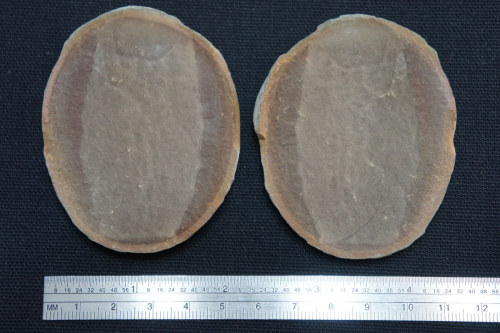
Mazon Monday #155: Paleontologists flip the script on anemone fossils
This is Mazon Monday post #155. What’s your favorite Mazon Creek fossil? Tell us at email:esconi.info@gmail.com. If you are a collector (or just a fan) of Mazon Creek fossils, you’ve probably heard of the (somewhat controversial) work of Roy Plotnick’s work to reclassify Essexella asherae from a jellyfish to a sea anemone. Roy is a…
-
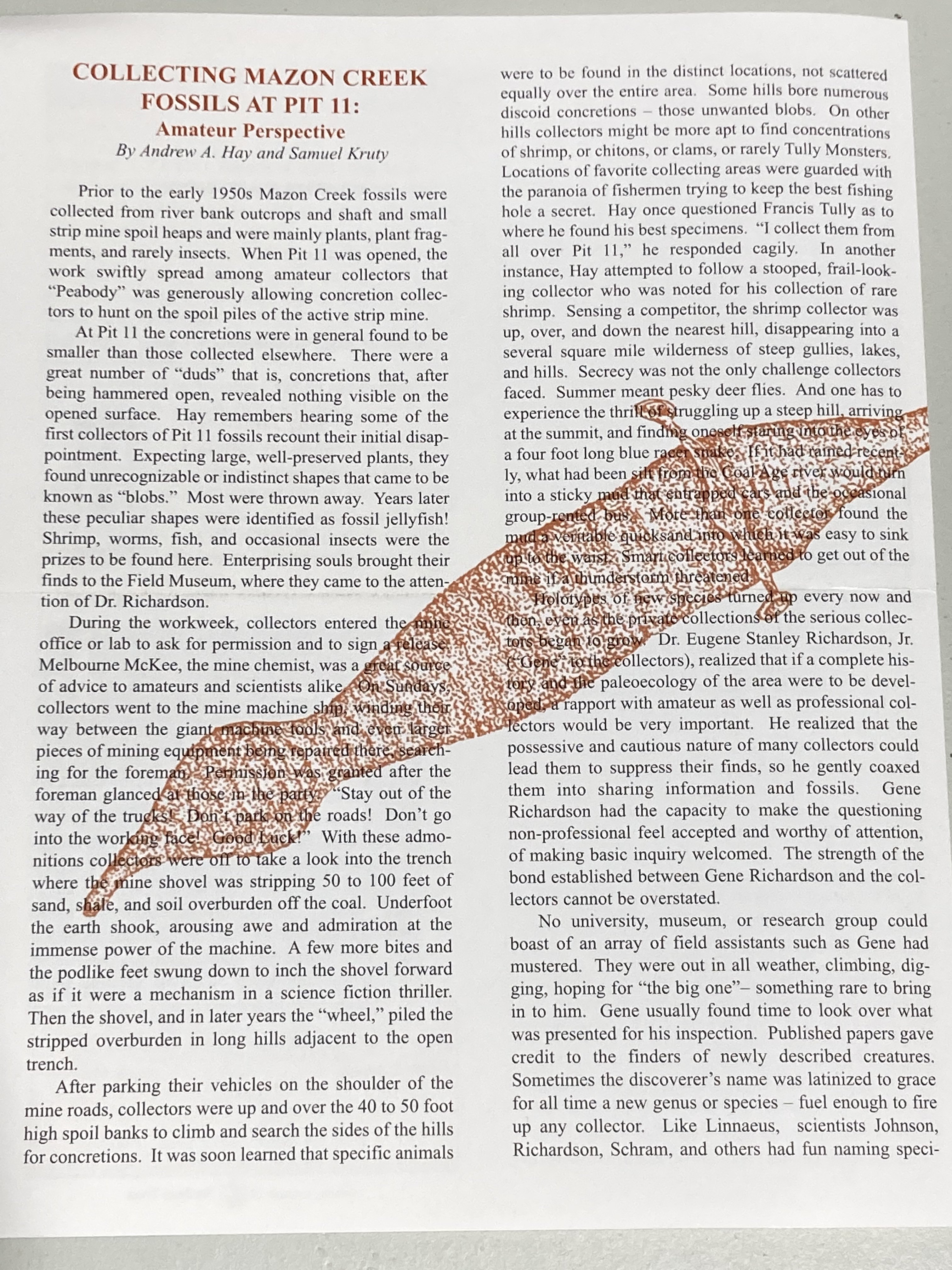
Mazon Monday #154: Collecting Mazon Creek Fossils At Pit 11: Amateur Perspective
This is Mazon Monday post #154. What’s your favorite Mazon Creek fossil? Tell us at email:esconi.info@gmail.com. In honor of Pit 11 Opening Day on March 1st, here is a historical article from the Lizzadro Museum’s newsletter in 2006. There’s an advertisement of the Mazon Creek Open House held on November 11th, 2006. The article is…
-
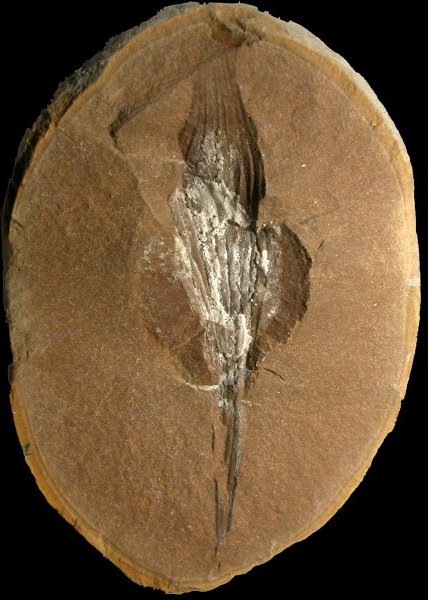
Mazon Monday #153: Crookallia czernyshevi
This is Mazon Monday post #153. What’s your favorite Mazon Creek fossil? Tell us at email:esconi.info@gmail.com. Crookallia czernyshevi is a rare shark egg case. Until recently, it was known only from a site in Russia and another in Europe. Recently, Jack Wittry, author of a few Mazon Creek plant and animal books, tentatively identified a…
-

Mazon Monday #152: Crenulopteris subcrenulata
This is Mazon Monday post #152. What’s your favorite Mazon Creek fossil? Tell us at email:esconi.info@gmail.com. Crenulopteris subcrenulata is somewhat common in Mazon Creek fossil deposit. It has been misunderstood and misidentified for many years, with a long list of classifications where is included with other distinct species due to the variation in its growth…
-
Mazon Monday #151: PBS Eons, History’s Most Powerful Plants
This is Mazon Monday post #151. What’s your favorite Mazon Creek fossil? Tell us at email:esconi.info@gmail.com. PBS Eons has another interesting Mazon Creek related video. This one was also on Facebook, but everyone can enjoy it with the link below.
-
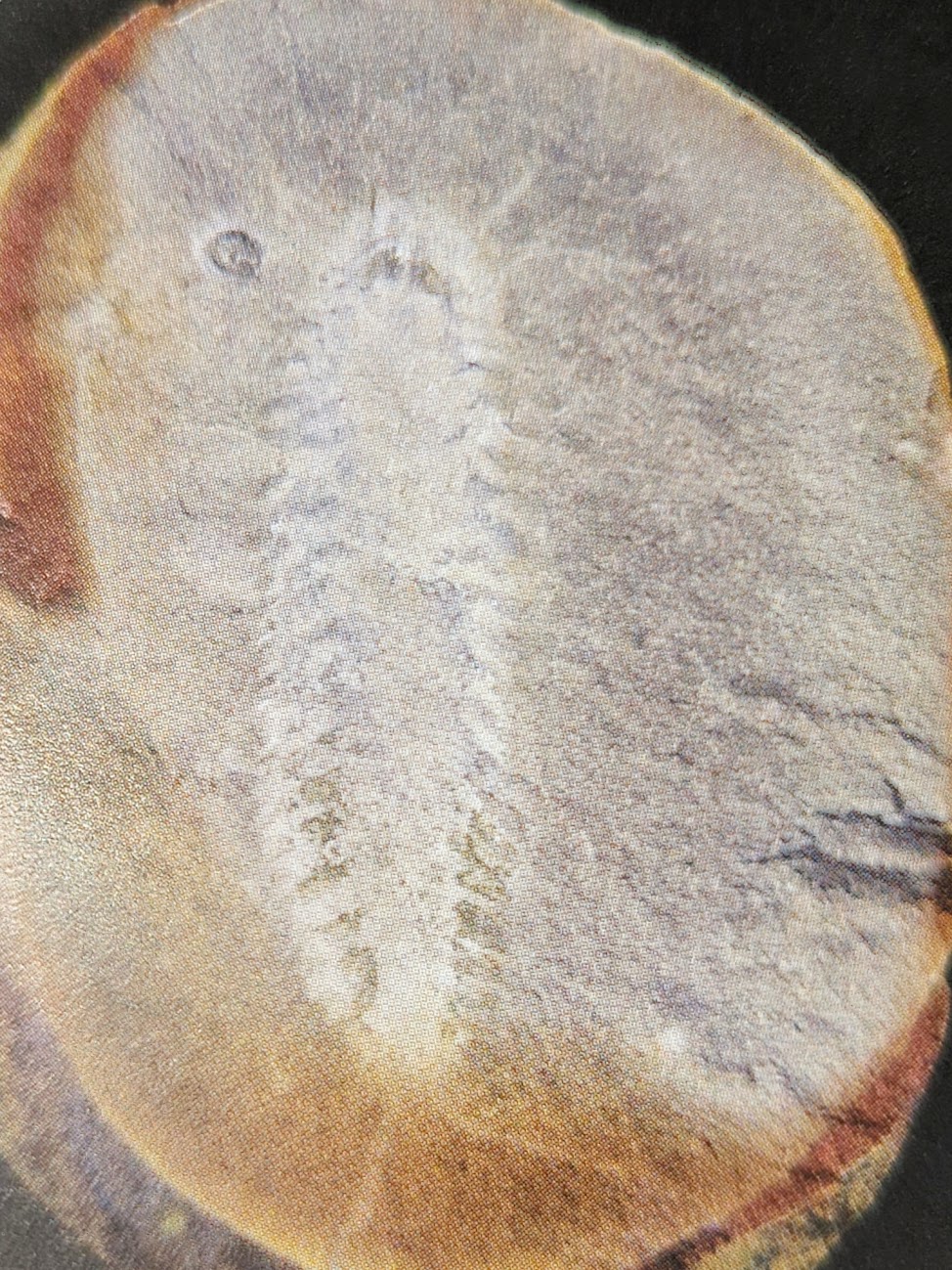
Mazon Monday #150: Fossundecima konecniorum
This is Mazon Monday post #150. What’s your favorite Mazon Creek fossil? Tell us at email:esconi.info@gmail.com. Fossundecima konecniorum was a medium sized polychaete worm that made up part of the fauna of Mazon Creek. It had two triangular jaws in its proboscis, which is probably evidence of a predatory lifestyle. It had short setae that…
-
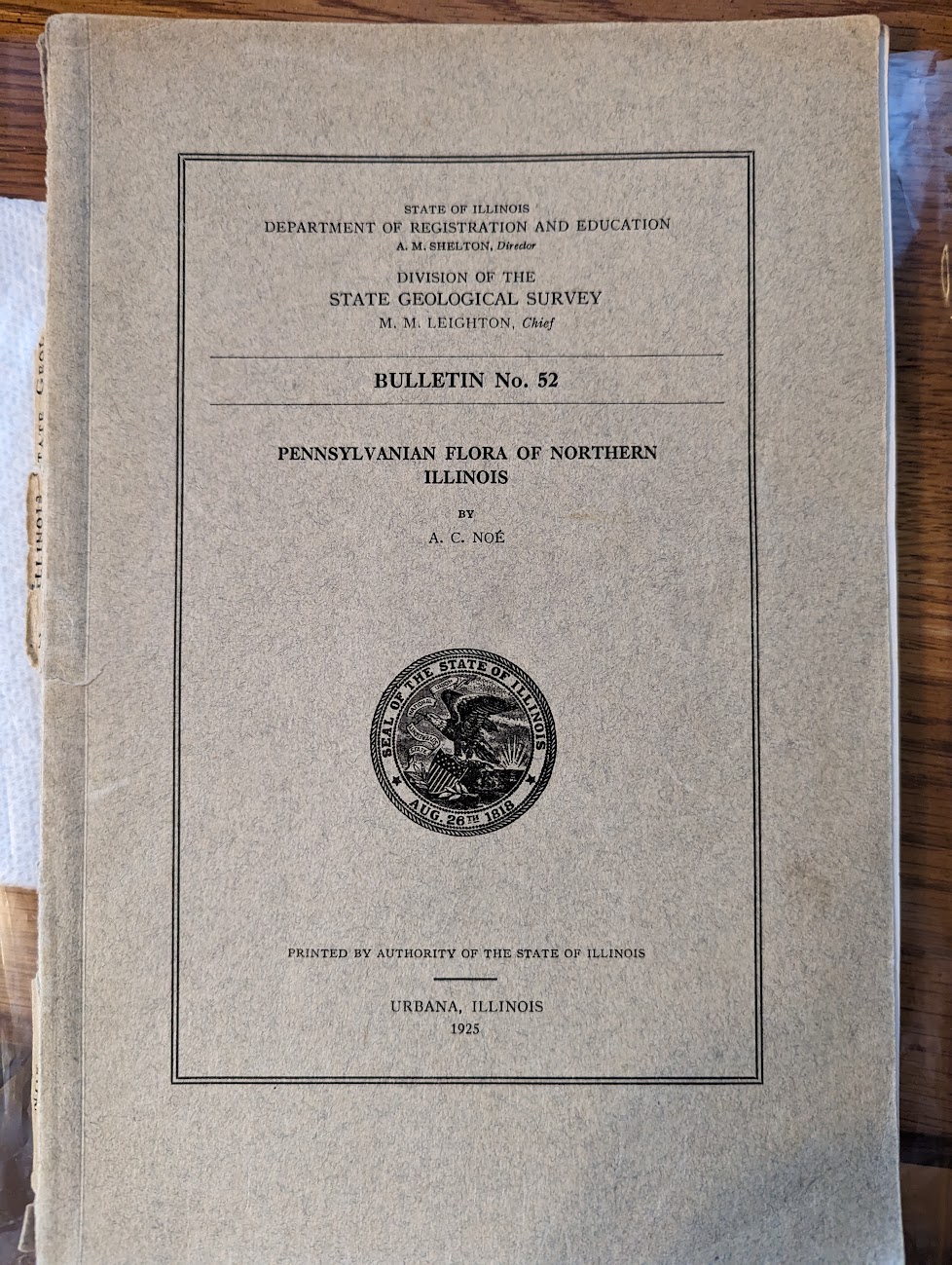
Mazon Monday #149: Pennsylvanian Flora of Northern Illinois
This is Mazon Monday post #149. What’s your favorite Mazon Creek fossil? Tell us at email:esconi.info@gmail.com. Dr. Adolf Carl Noé (1873-1939) was a pioneer in North American coal-ball studies. Noé worked at the University of Chicago. And, was contacted by George Langford when he began seriously collecting Mazon Creek in the 1930’s. At the time,…
-
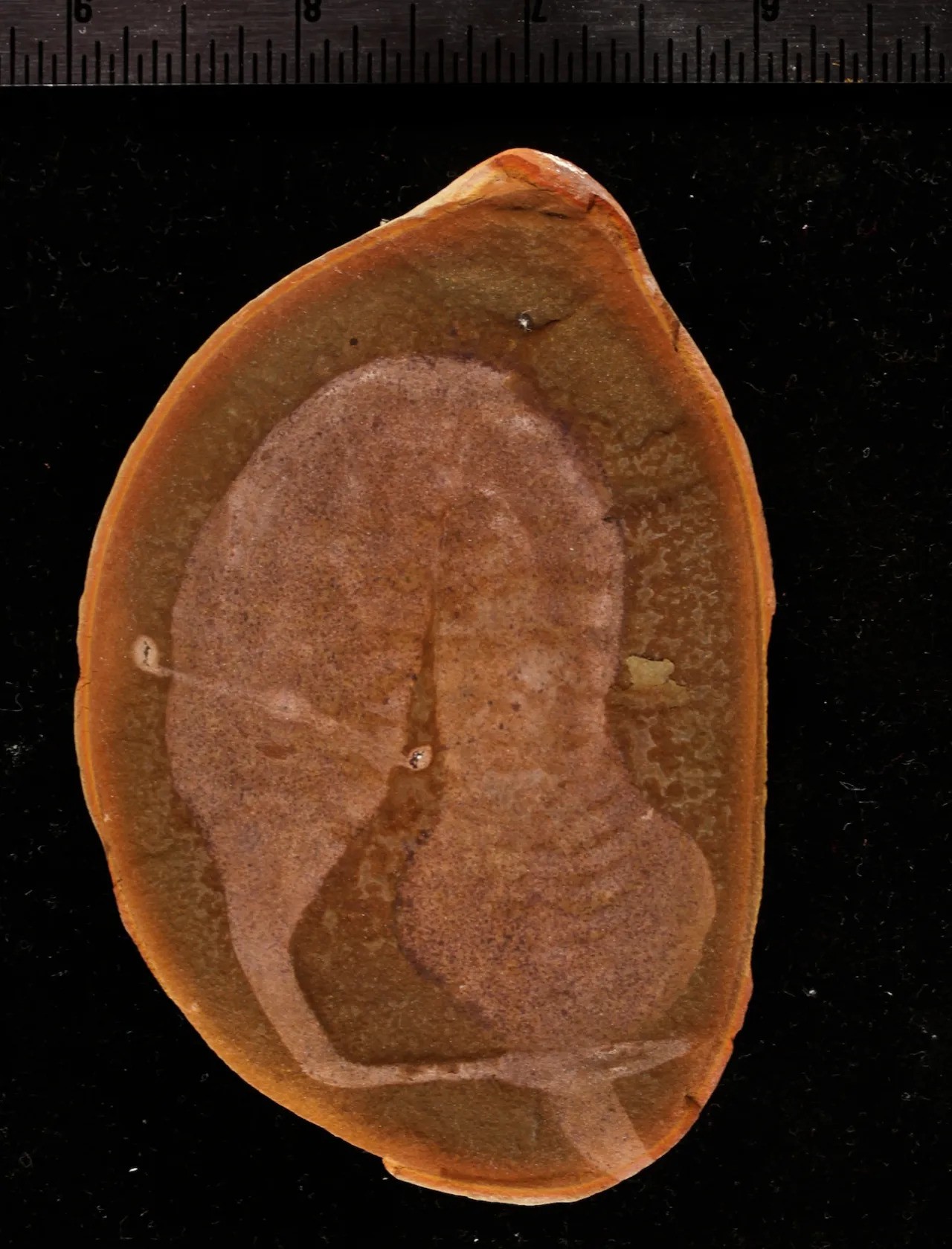
Mazon Monday #148: Tully Monster on PBS Eons
This is Mazon Monday post #148. What’s your favorite Mazon Creek fossil? Tell us at email:esconi.info@gmail.com. PBS Eons has a nice short video on Facebook about the Tully Monster, which is the State Fossil of Illinois. Note: you do not need to have a Facebook account to watch the embedded video.
-

Mazon Monday #147: You Say MAY-zahn, I Say Muh-ZAHN
This is Mazon Monday post #147. What’s your favorite Mazon Creek fossil? Tell us at email:esconi.info@gmail.com. Back in the summer of 2022, we received an email from Danita Brandt, Associate Professor in the Department of Earth and Environmental Sciences at Michigan State University. She was interested in doing some research into the pronunciation of “Mazon”…
-

Mazon Monday #146: Astreptoscolex anasillosus
This is Mazon Monday post #146. What’s your favorite Mazon Creek fossil? Tell us at email:esconi.info@gmail.com. Astreptoscolex anasillosus was an annelid (Greek, annulatus “annulated” or “ringed) worm. It was described by Ida Thompson in 1979 in her paper “Errant polychaetes (Annelida) from the Pennsylvanian Essex fauna of northern Illinois” in Palaeontographica Abteilung A. Thompson described…
-
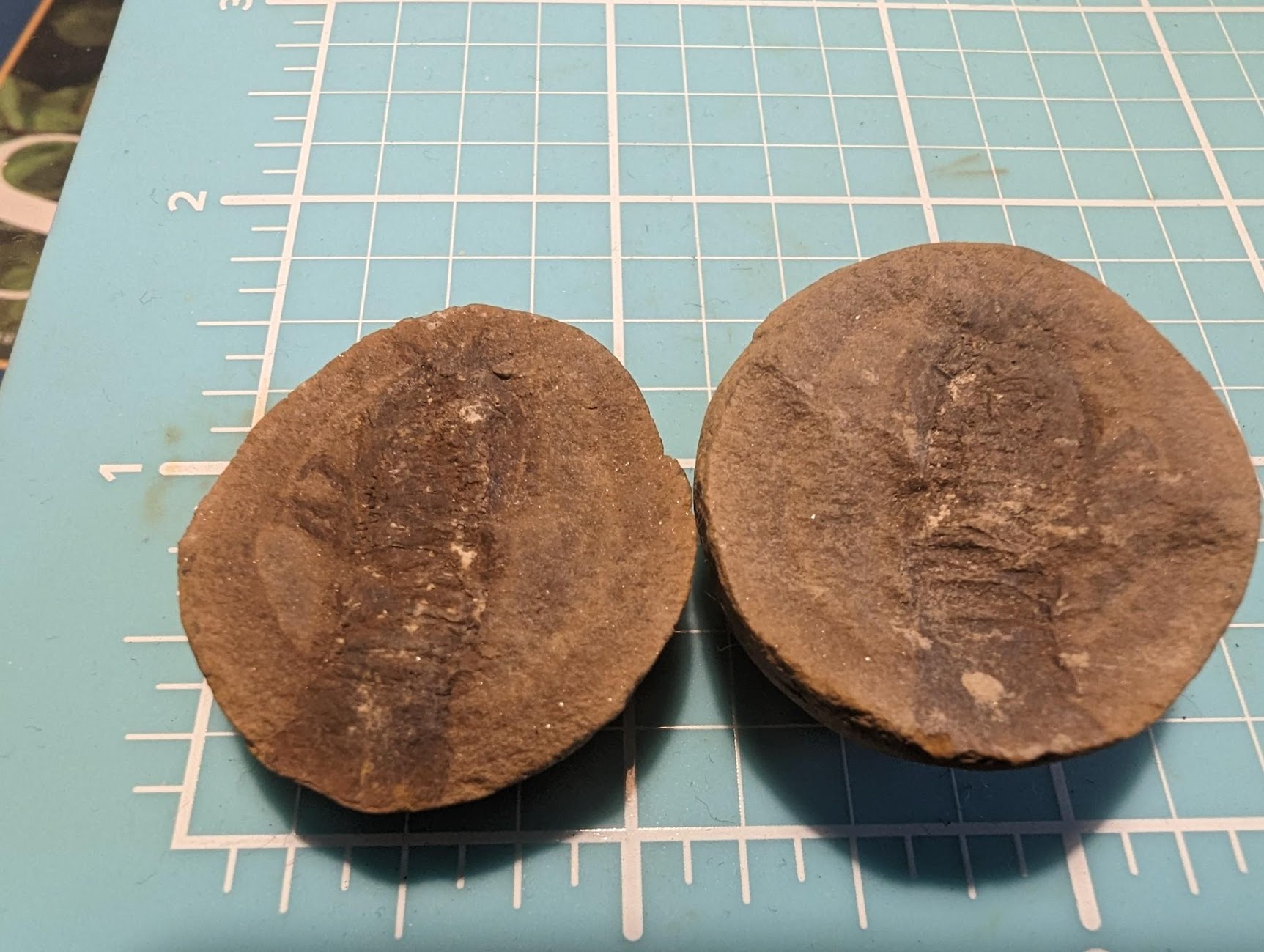
Mazon Monday #145: Anthracaris gracilis
This is Mazon Monday post #145. What’s your favorite Mazon Creek fossil? Tell us at email:esconi.info@gmail.com. Anthracaris gracilis was described by 1865 by F.B. Meek and A. H. Worthen as Anthrapalaemon gracilis. It is very similar to Mamayocaris jaskoskii. While M. jaskoskii is known from Pit 11, A. gracilis is known from the more terrestrial…
-
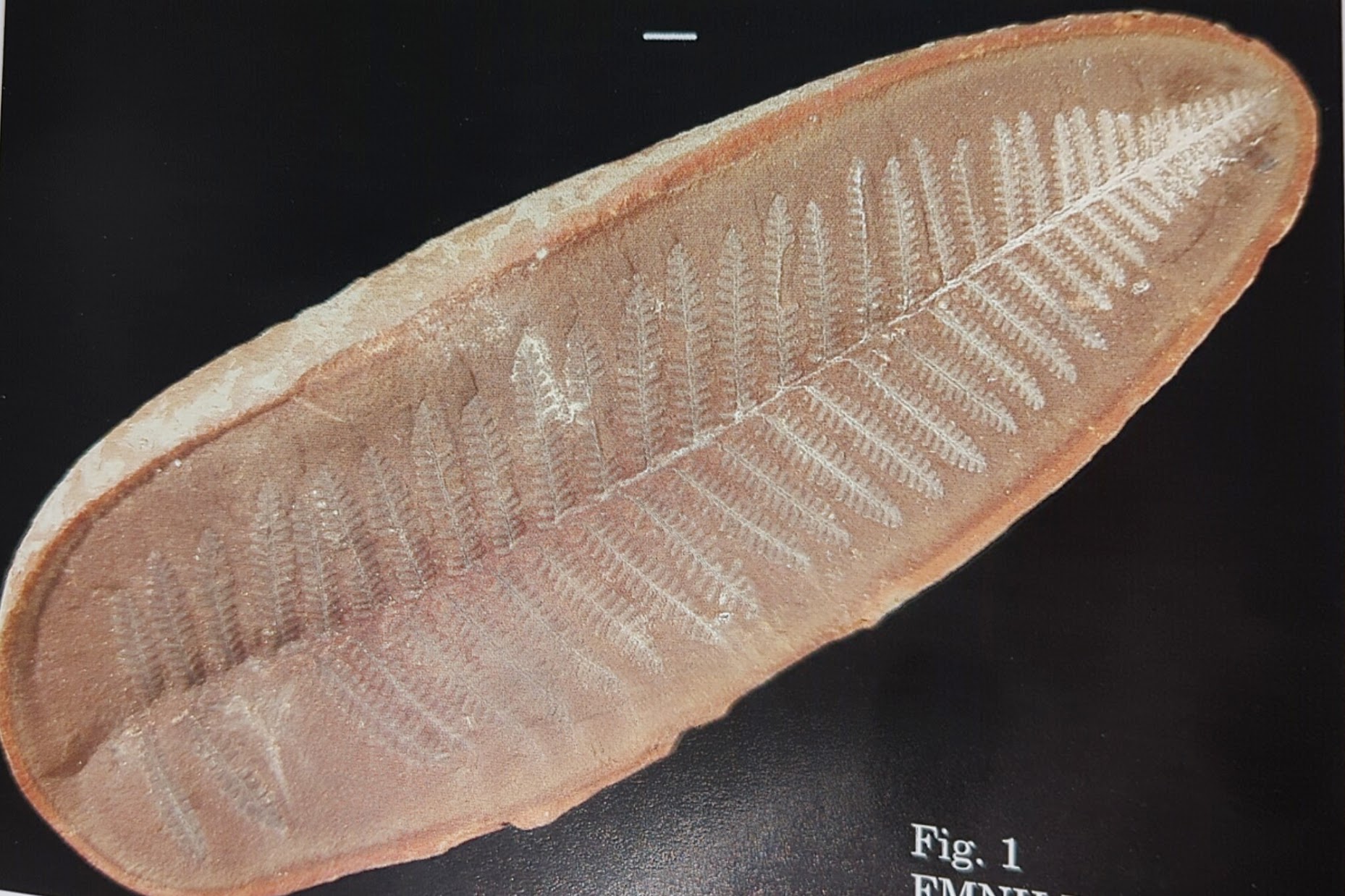
Mazon Monday #144: Pecopteris serpillifolia
This is Mazon Monday post #144. What’s your favorite Mazon Creek fossil? Tell us at email:esconi.info@gmail.com. Thanks! Pecopteris serpillifolia was described by Leo Lesquereux in 1879-1880. He was born in Fleurier, Switzerland on November 18th, 1889. Lesquereux described many of the Carboniferous plants of North America, doing surveys for the states of Pennsylvania, Kentucky, Arkansas, Indiana, and…
-

Mazon Monday #143: Mamayocaris jaskoskii
This is Mazon Monday post #143. What’s your favorite Mazon Creek fossil? Tell us at email:esconi.info@gmail.com. Thanks! Mamayocaris jaskoskii, sometimes referred to as the “Lobster”, was described in 1974 by Frederick Schram in the paper “The Mazon Creek Caridoid Crustacea”, which appeared in Fieldiana, Volume 30, No. 2. It was named in honor of Professor B.…
-
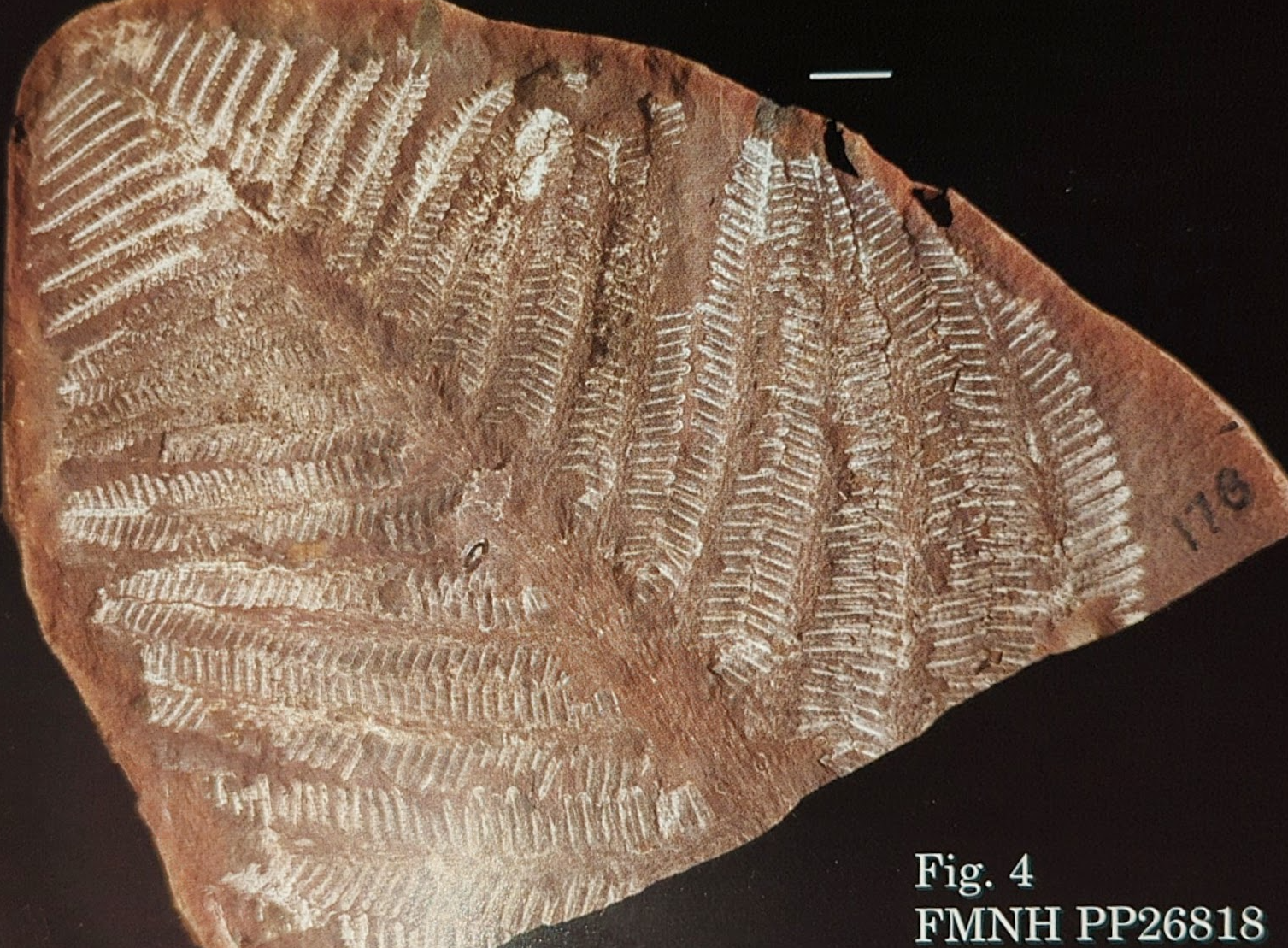
Mazon Monday #142: Pecopteris squamosa
This is Mazon Monday post #142. What’s your favorite Mazon Creek fossil? Tell us at email:esconi.info@gmail.com. Thanks! Pecopteris squamosa was originally named by Leo Lesquereux in 1870. It’s a true fern belonging to the class Filicopsida. Leo Lesquereux described much of the North American Carboniferous flora in the mid 1800’s as a consultant to various US…
-
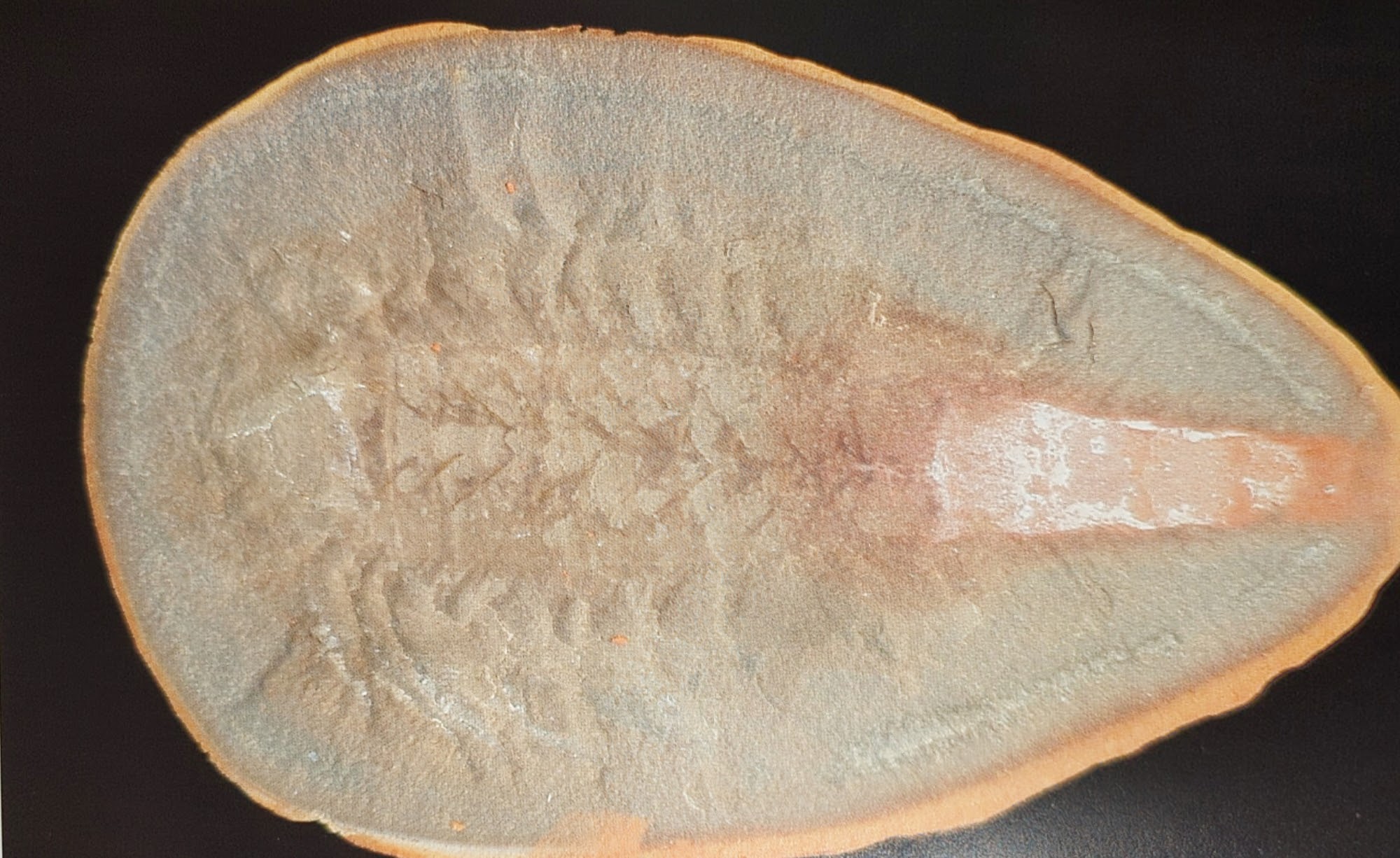
Mazon Monday #141: Kottixerxes gloriosus
This is Mazon Monday post #141. What’s your favorite Mazon Creek fossil? Tell us at email:esconi.info@gmail.com. Thanks! Kottixerxes gloriosus is a very rare animal in the Essex biota of Mazon Creek. Out of 229,979 from Pit 11, only two were found! That leaves it tied with centipedes are the rarest animals. Even amphibians were more common,…
-

Mazon Monday #140: Gilpichthys greenei
This is Mazon Monday post #140. What’s your favorite Mazon Creek fossil? Tell us at email:esconi.info@gmail.com. Thanks! Gilpichthys greenei was a jawless fish. They are fairly rare and associated with the Essex fauna of Pit 11. G. greenei was described in 1977 by David Bardack and Eugene Richardson in the paper “New agnathous fishes from the…
